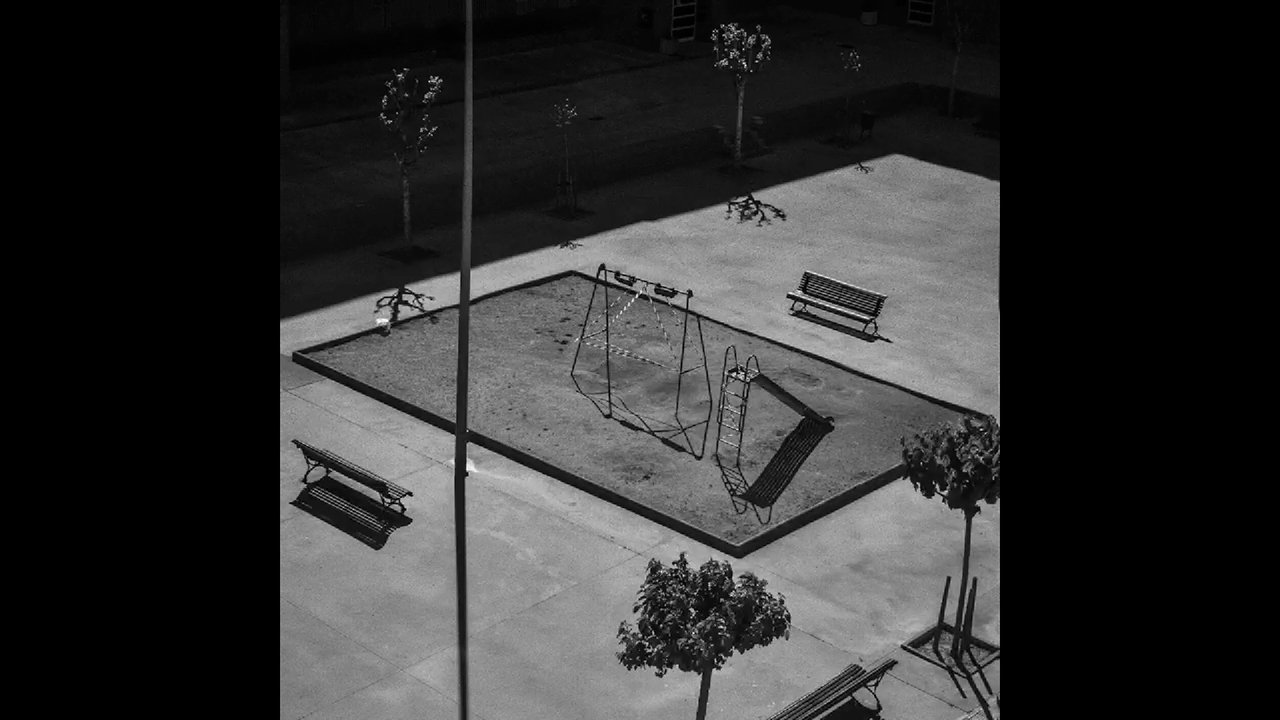
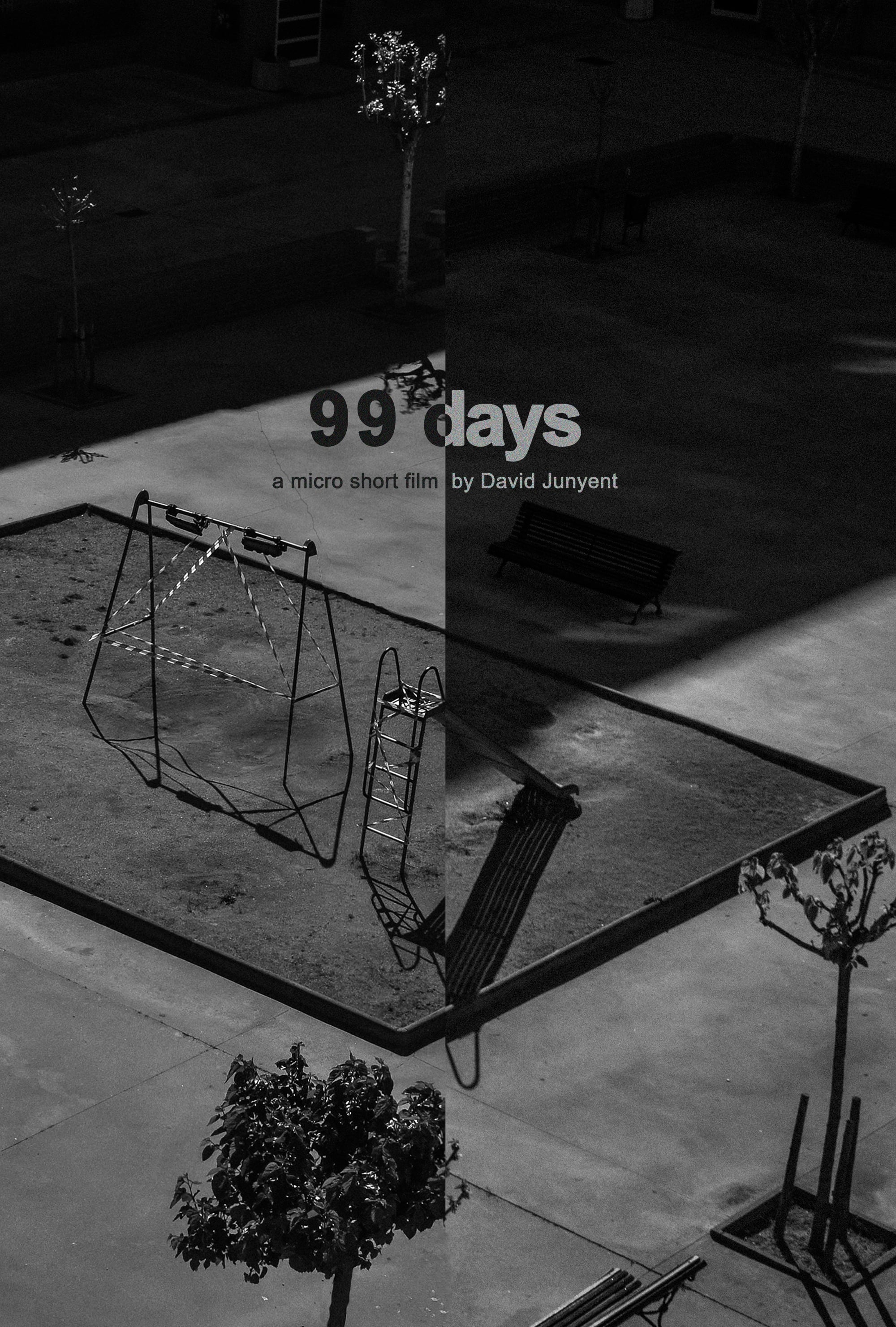
Two instants separated by 99 days conflict with each other.
Social & External
The people behind it
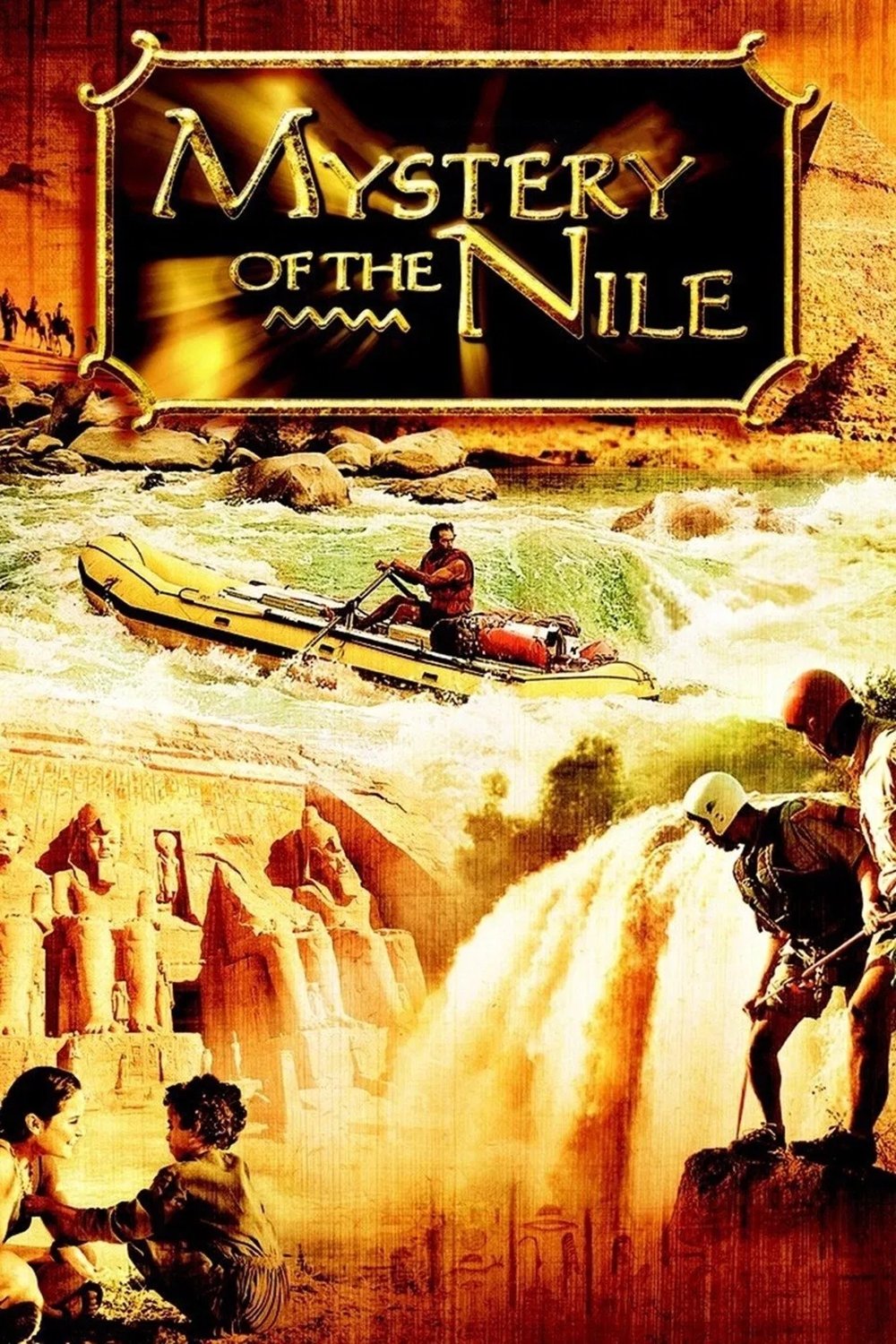
Filmed in IMAX, a team of explorers led by Pasquale Scaturro and Gordon Brown face seemingly insurmountable challenges as they make their way along all 3,260 miles of the world's longest and deadliest river to become the first in history to complete a full descent of the Blue Nile from source to sea.
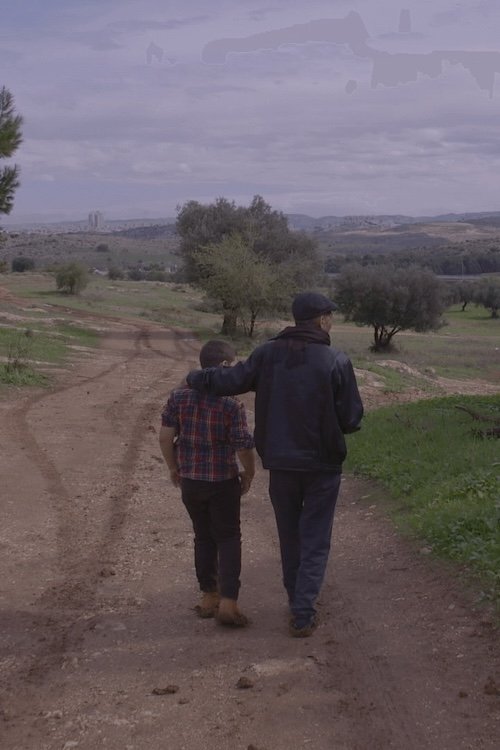
A Palestinian refugee visiting his ruined village is documented in an Israeli film. Amazingly, out of pure coincidence the same person is filmed again returning to his village in a different film, thirty years later. Will it be possible to film the return scene for the third time?
Short film about the profession zoo keeper
Madhavpur: A Cinematic Journey" stands as a singular testament to the beauty and allure of Madhavpur village and does not encompass multiple seasons or episodes. Therefore, there is no season overview or main events per season to provide.
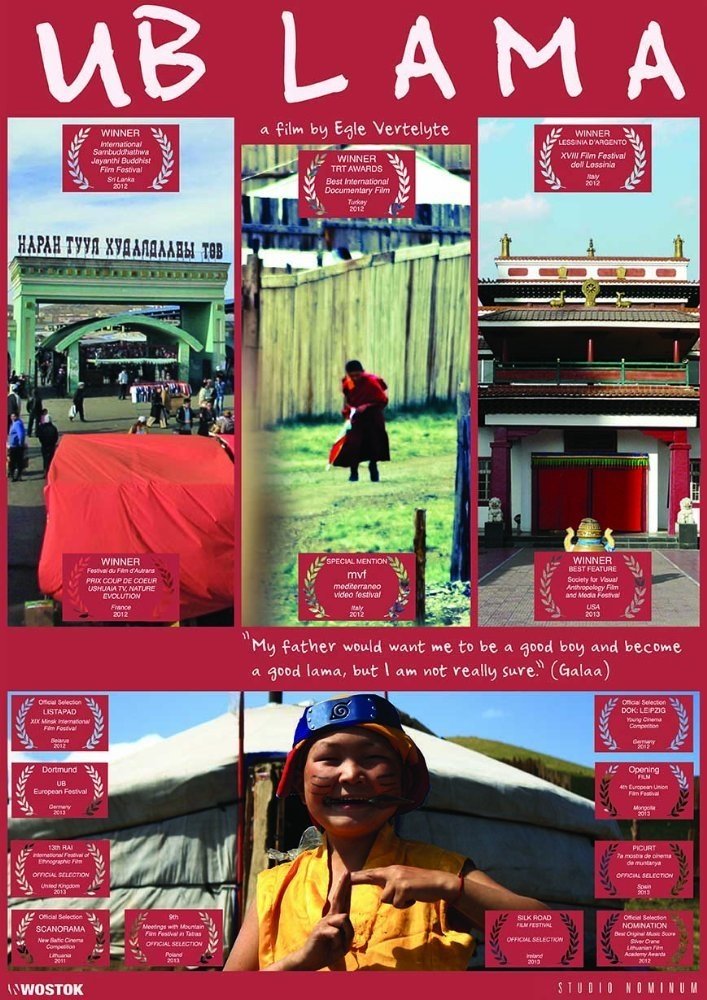
A twelve year old boy, living in a "yurt" but in love with hip hop and computer games is caught between modernity and tradition, aspirations and poverty and decides to become a Buddhist monk.
Stylized with dramatic interiors and a distorted frame rate, this early documentary miniature from Szulkin depicts six sequences of solitary, repetitious labor.
Two old men enter an abandoned synagogue, look at the decay around them, and pray.
An exploration of a decaying synagogue.
Two rabbis show the ruins of an abandoned synagogue to a group of primary school-age Jewish children, and stand by as the children dip bread in honey, drink wine, pray, and sing.
Documentary about a boy living with his family in extreme poverty in Rio de Janeiro.
A short documentary depicting the daily lives of old country widows.
An intimate portrait of a couple raising their child gender neutral.
Jonas Mekas recites poems of his, both in English and Lithuanian. Exclusive Mekas interview by the poet Sparrow. The legendary poet-film critic and film diarist waxes philosophical in rare extended setting exhibiting his transcendental poetic humor. Jonas attacks the crass world of TV advertising and sell-out commercial filmmakers. Contributes zen anecdotes and filmmaking advice. Choice clips include Mekas' Film Diaries with deceivingly formalist amateur "home movie" style, but in small bursts of expression in a quick collage. Footage from Jonas' homeland as well as clips of famed pop figures John Lennon, Yoko Ono and Tiny Tim.
A glimpse into a refreshingly different sex education class in the Netherlands.
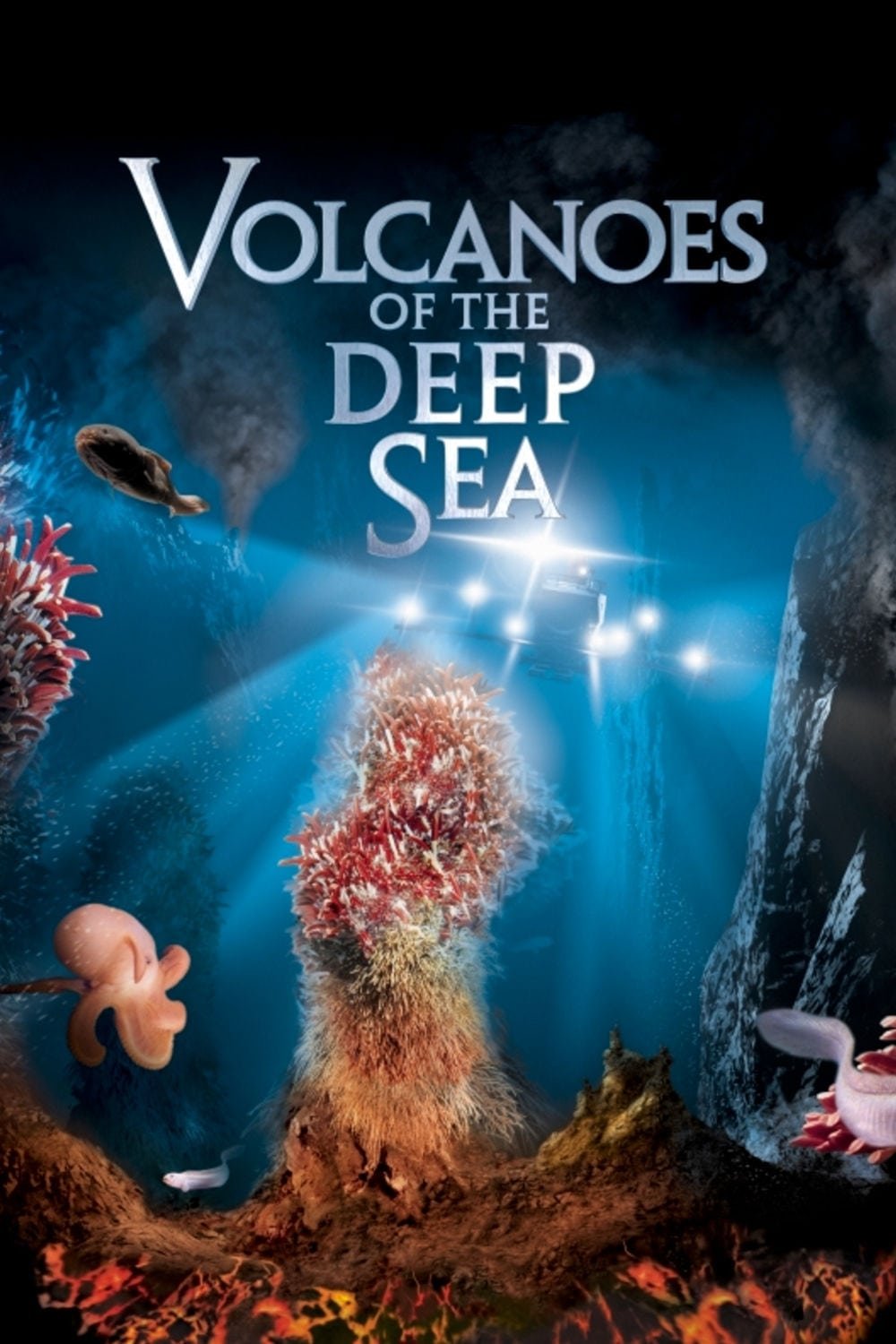
12,000 feet down, life is erupting. Alvin, a deep-sea mechanized probe, makes a voyage some 12,000 feet underwater to explore the Azores, a constantly-erupting volcanic rift between Europe and North America.
Vilde (12) wants to be the first female 'Halling' folk dance champion. A traditional dance for men only. Her greatest challenge isn't the competition - she's convinced that her strength and passion for dance and life are helping her beloved grandfather to win his fight against cancer.
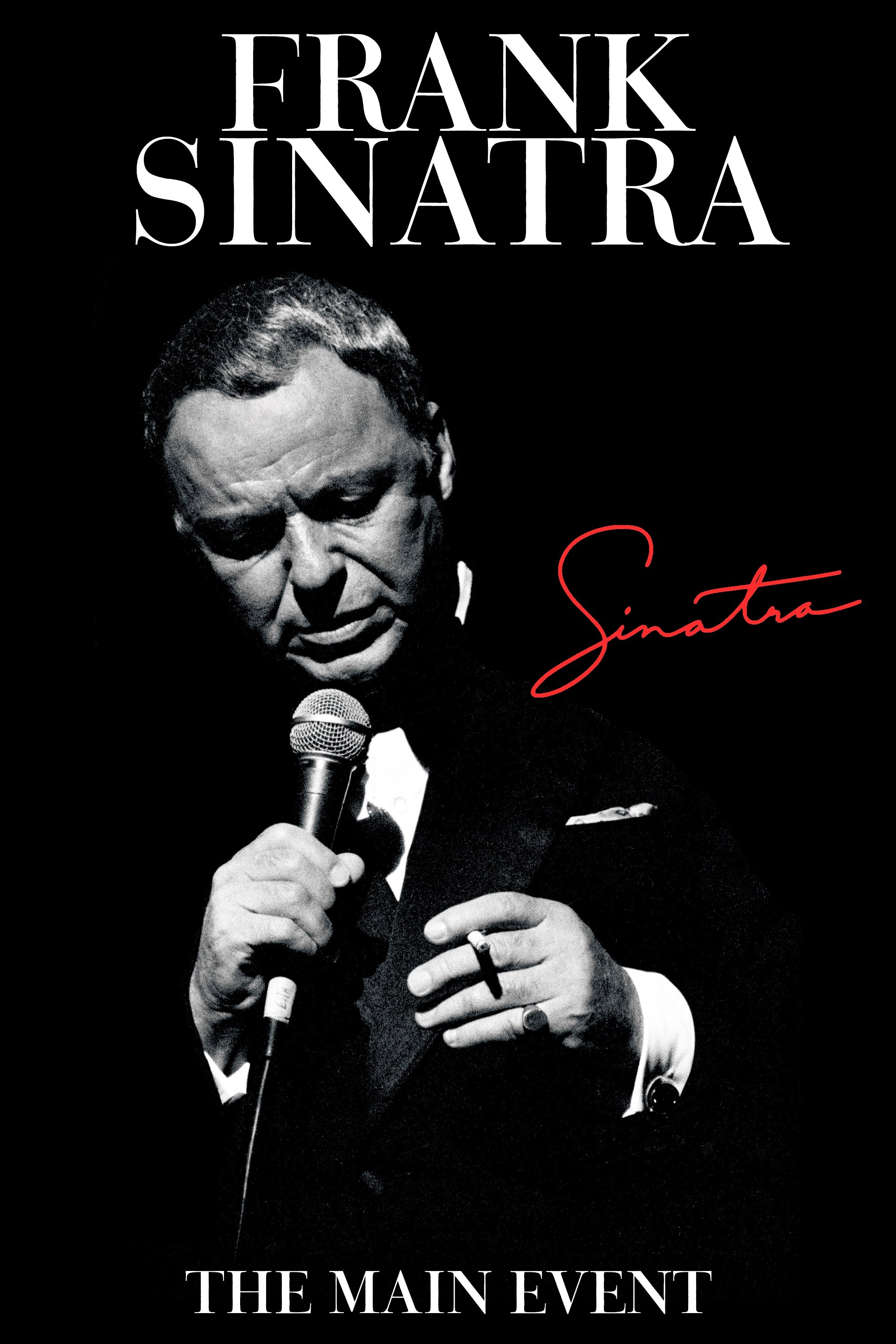
Charged with the electricity of a heavyweight prizefight, " The Main Event " was filmed live at Madison Square Garden, a venue usually reserved for sporting events and rock 'n' roll concerts. Sinatrra dazzies the crowd with contemporay numbers as " You are the Sunshine of My Life ", " Let Me Try Again " and delivers the knockout blow with signature tunes " My Kind of Town " and " My Way ".
A medium-length documentary commissioned by the Cuenca City Council. The documentary shows an honest, sincere, although sometimes mere tourist portrait, of the lands of Cuenca and its people, without artifice or imposture, with feeling and authenticity and at the same time with marked coldness.
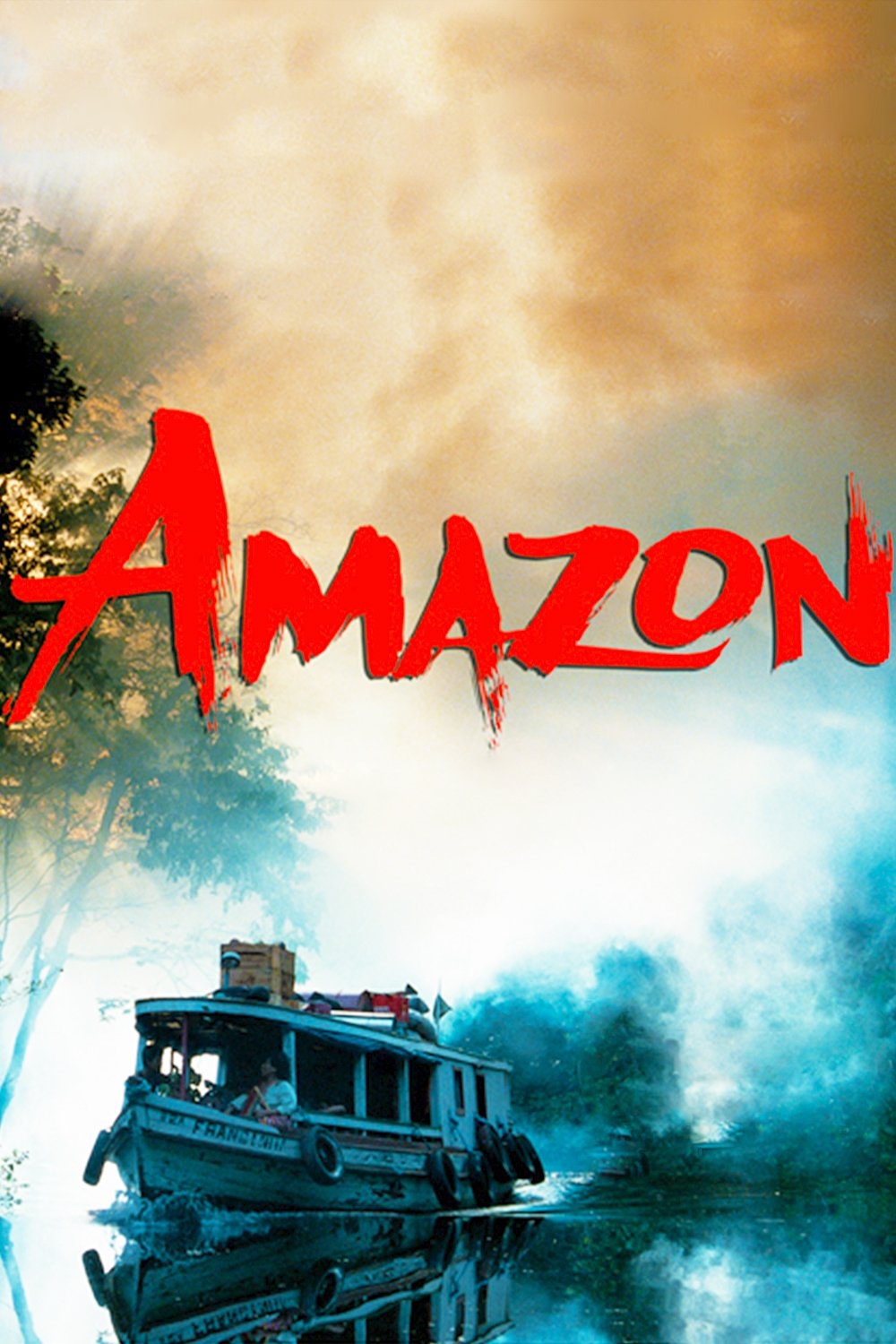
Explore the mysterious Amazon through the amazing IMAX experience. Amazon celebrates the beauty, vitality and wonder of the rapidly disappearing rain forest.
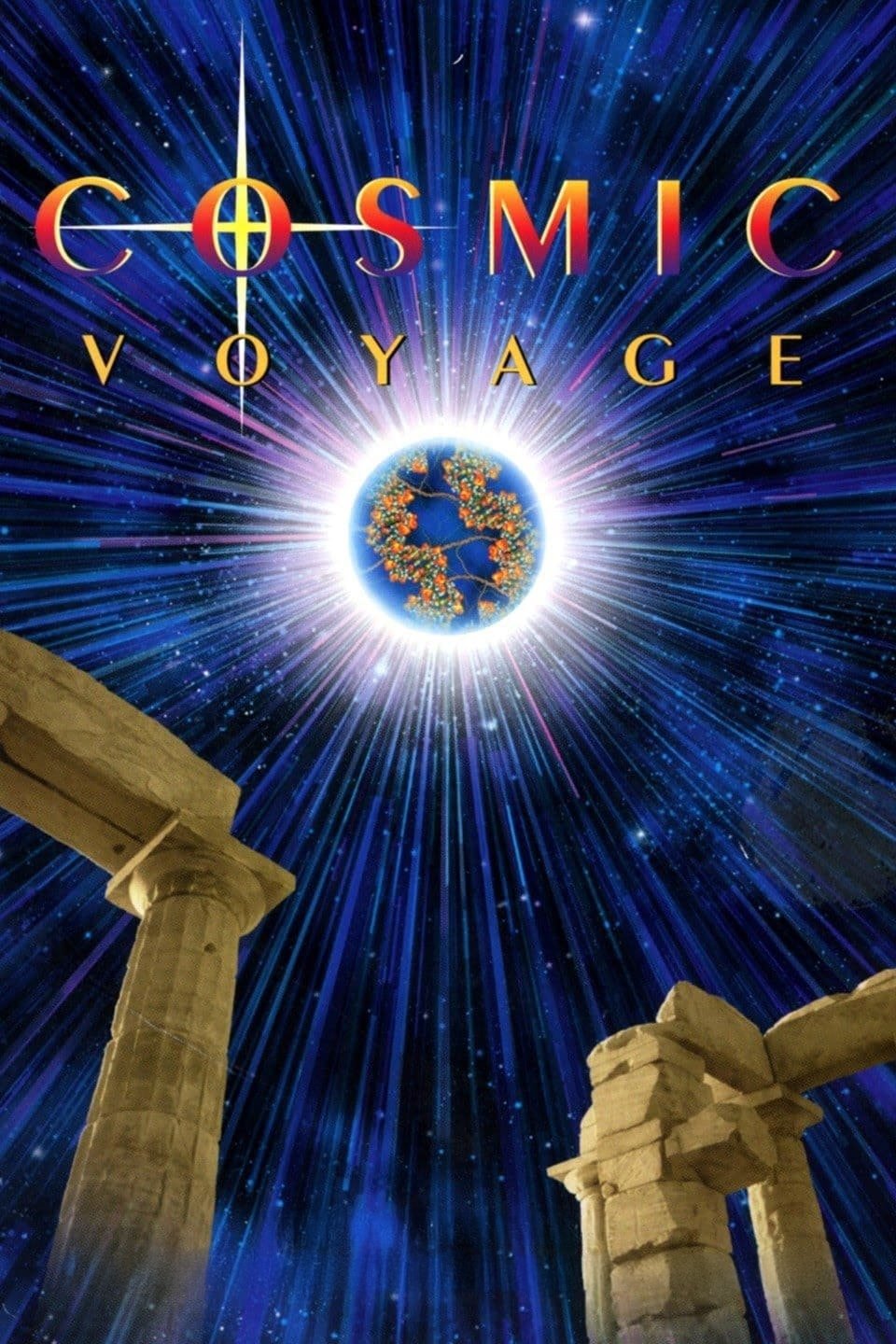
The Academy Award® nominee Cosmic Voyage combines live action with state-of-the-art computer-generated imagery to pinpoint where humans fit in our ever-expanding universe. Highlighting this journey is a "cosmic zoom" based on the powers of 10, extending from the Earth to the largest observable structures in the universe, and then back to the subnuclear realm.
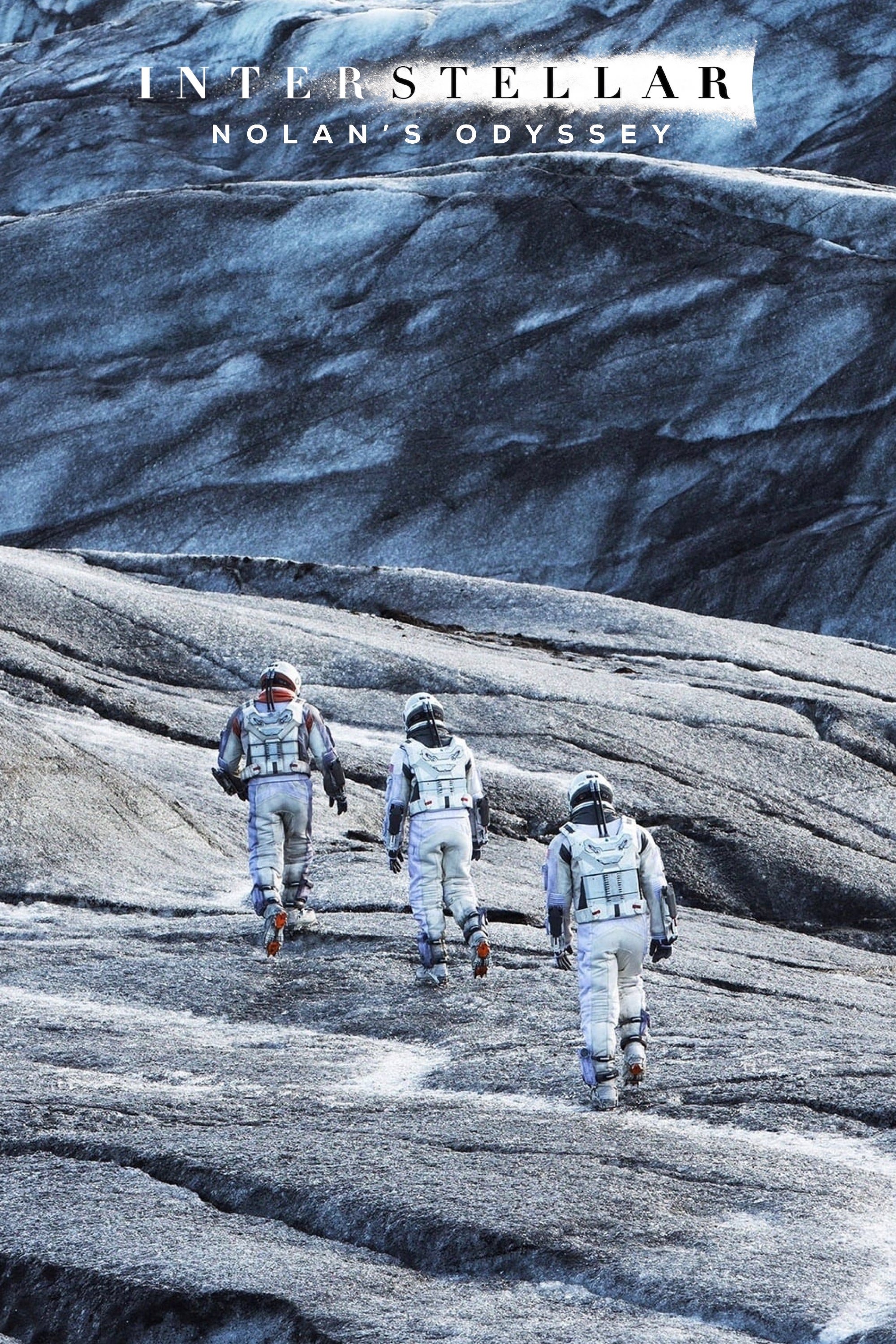
A look behind the lens of Christopher Nolan's space epic.
Daniel Craig candidly reflects on his 15 year adventure as James Bond. Including never-before-seen archival footage from Casino Royale to the upcoming 25th film No Time To Die, Craig shares his personal memories in conversation with 007 producers, Michael G Wilson and Barbara Broccoli.
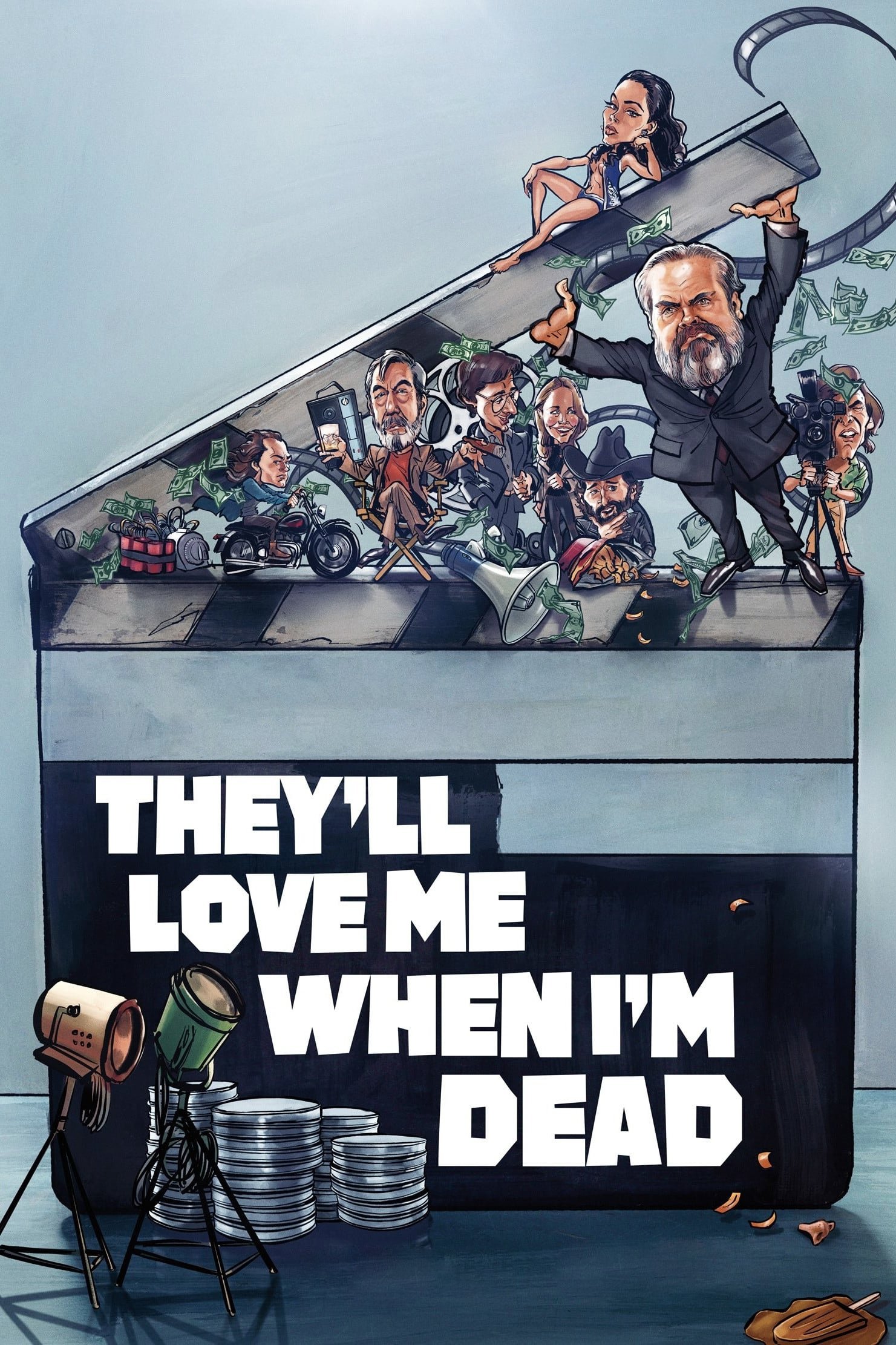
As his life comes to its end, famous Hollywood director Orson Welles puts it all on the line at the chance for renewed success with the film The Other Side of the Wind.
SEDUCED AND ABANDONED combines acting legend Alec Baldwin with director James Toback as they lead us on a troublesome and often hilarious journey of raising financing for their next feature film. Moving from director to financier to star actor, the two players provide us with a unique look behind the curtain at the world's biggest and most glamourous film festival, shining a light on the bitter-sweet relationship filmmakers have with Cannes and the film business. Featuring insights from directors Martin Scorsese, 'Bernando Bertolucci' and Roman Polanski; actors Ryan Gosling and Jessica Chastain and a host of film distribution luminaries.
NUDE explores perceptions of nudity in art by chronicling the creative process of photographer David Bellemere as he's commissioned by NU Muses founder Steve Shaw to shoot a fine art calendar of nude photographs.
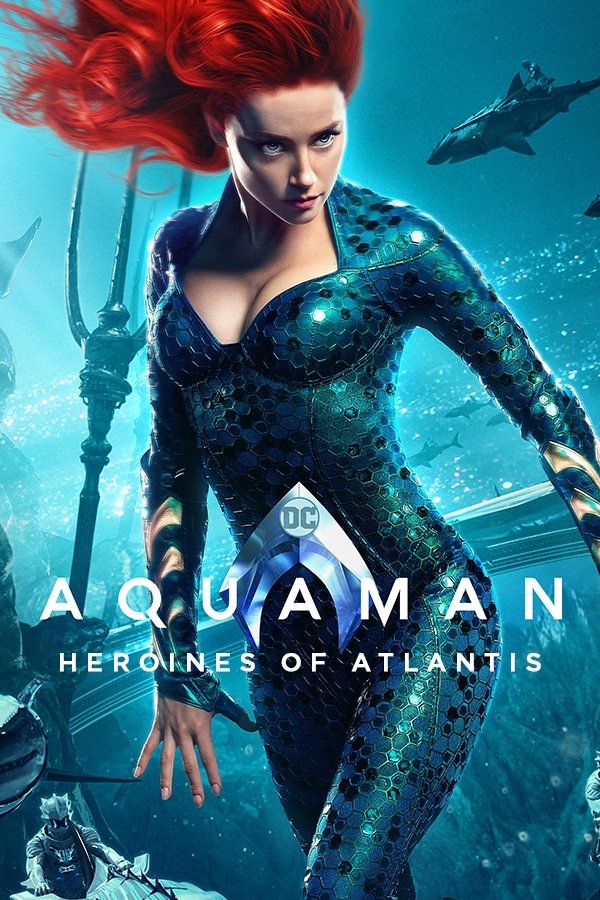
Amber Heard and Nicole Kidman discuss their characters Mera and Atlanna.
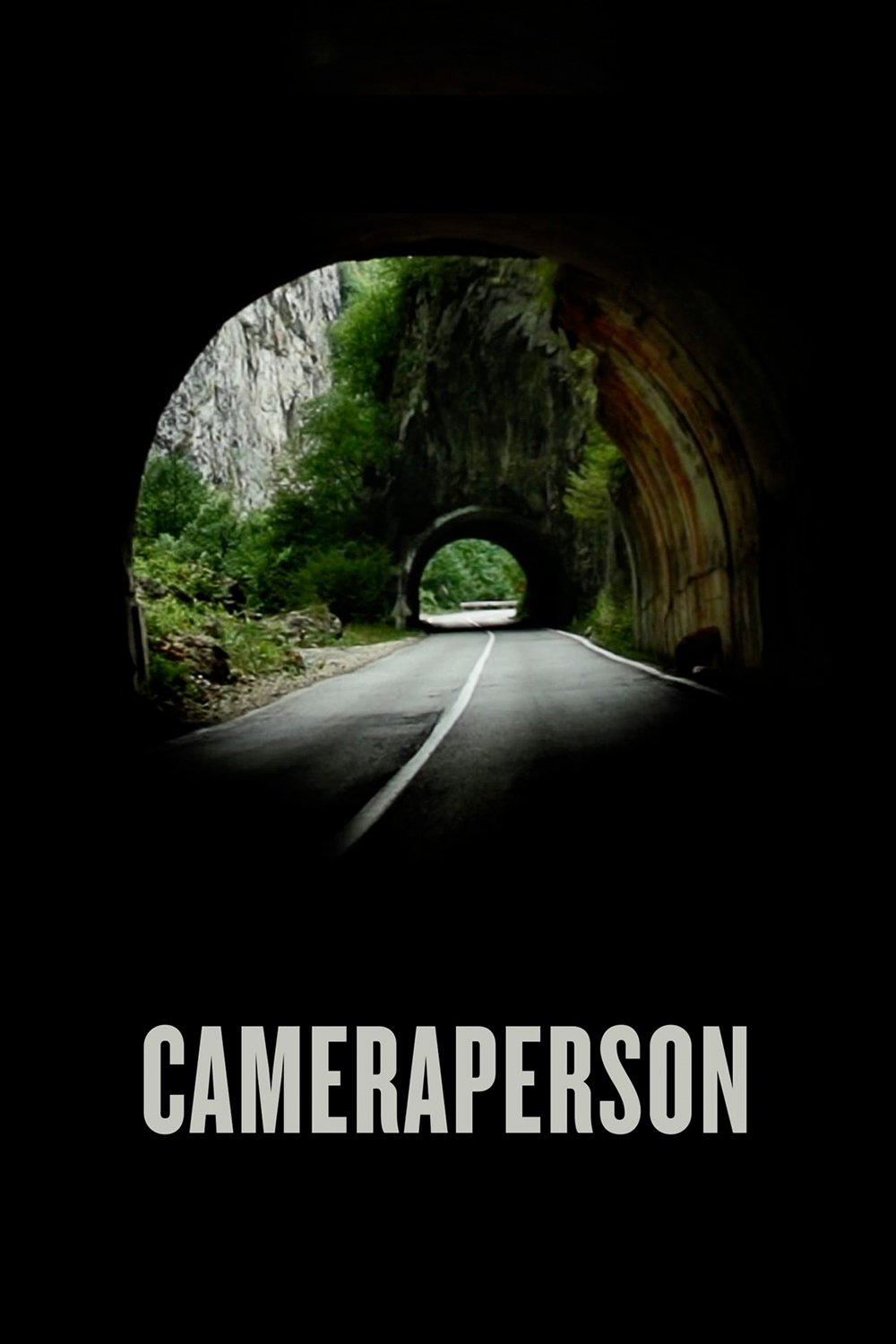
As a visually radical memoir, CAMERAPERSON draws on the remarkable footage that filmmaker Kirsten Johnson has shot and reframes it in ways that illuminate moments and situations that have personally affected her. What emerges is an elegant meditation on the relationship between truth and the camera frame, as Johnson transforms scenes that have been presented on Festival screens as one kind of truth into another kind of story—one about personal journey, craft, and direct human connection.
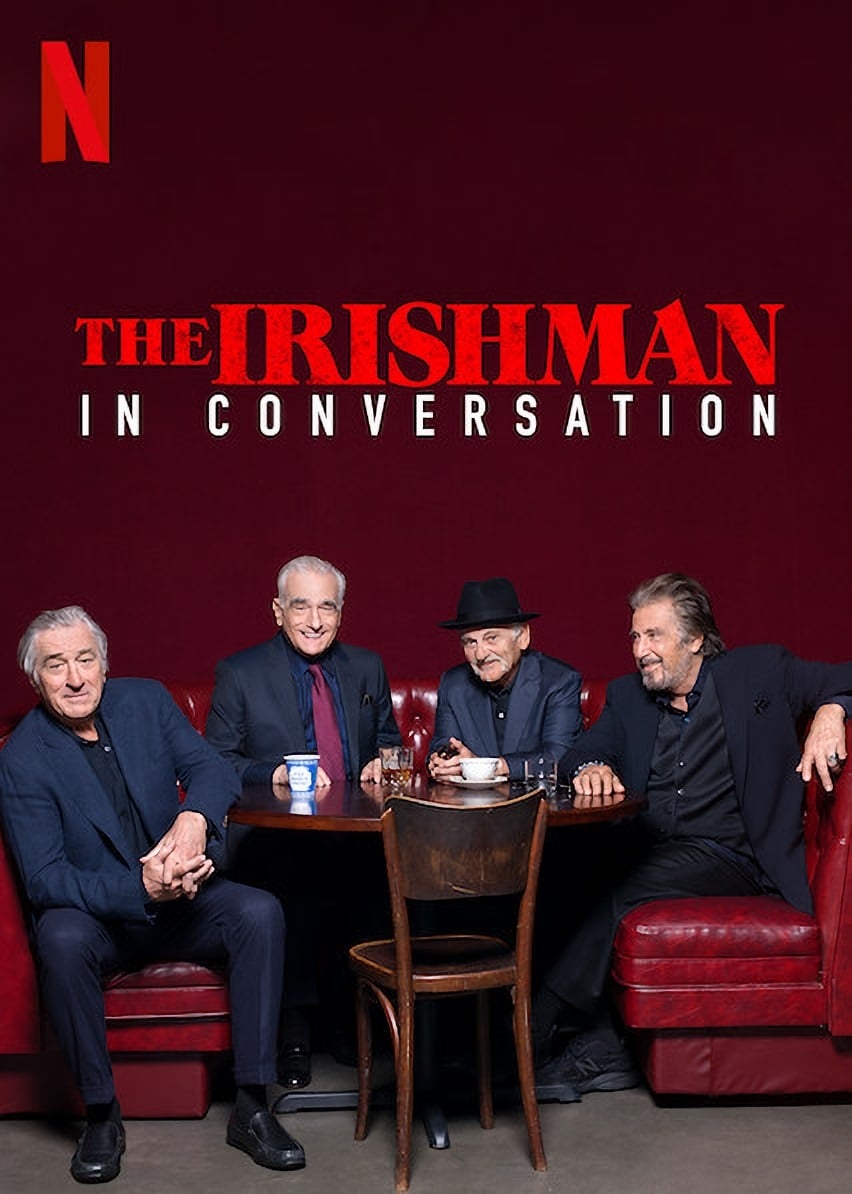
Martin Scorsese, Robert De Niro, Joe Pesci, and Al Pacino in conversation about The Irishman.
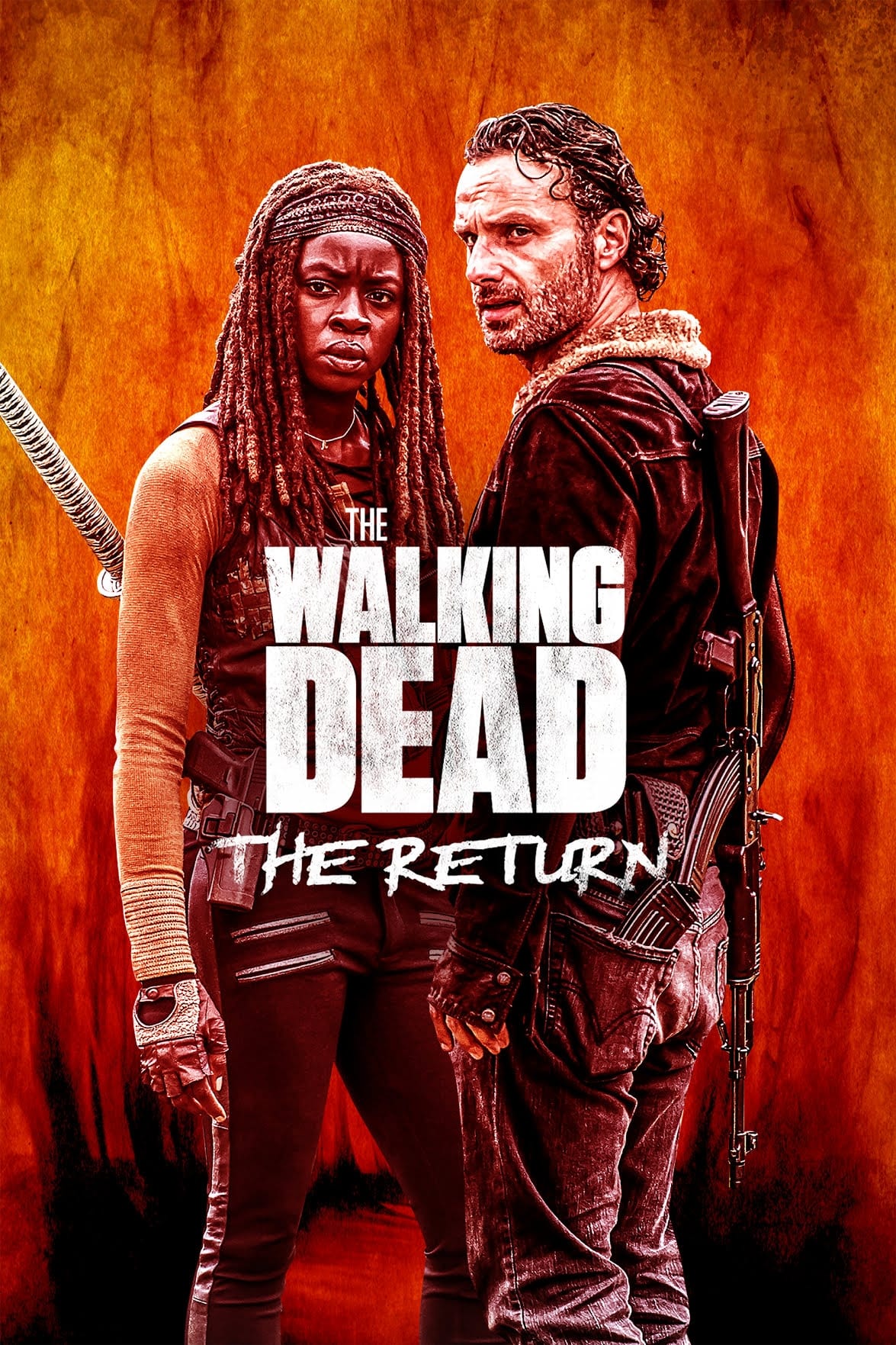
Stars of "The Walking Dead," Andrew Lincoln and Danai Gurira, walk down memory lane and visit iconic locations where pivotal moments between their characters, Rick and Michonne, were filmed.
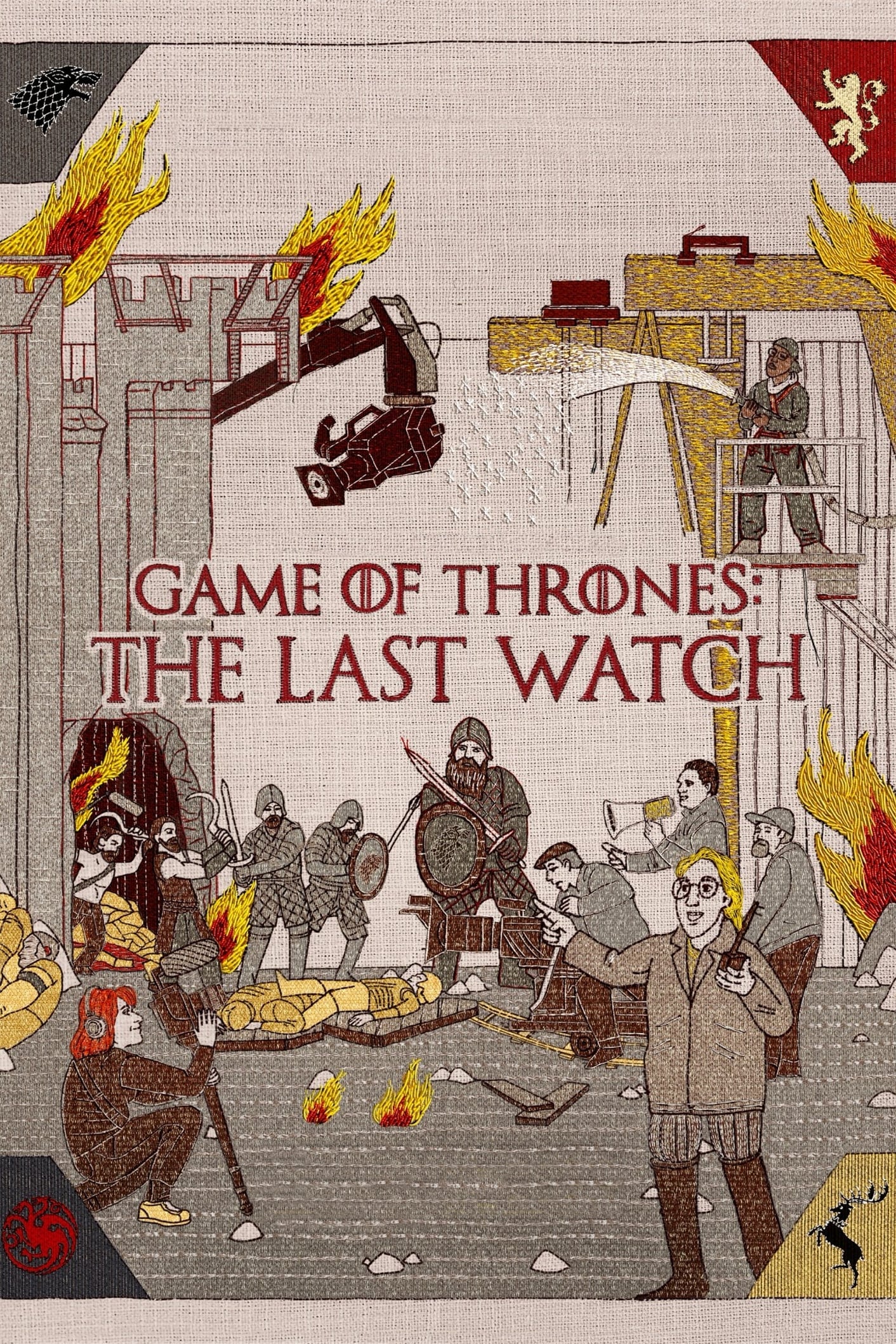
For a year, acclaimed British filmmaker Jeanie Finlay was embedded on the set of the hit HBO series “Game of Thrones,” chronicling the creation of the show’s most ambitious and complicated season. Debuting one week after the series 8 finale, GAME OF THRONES: THE LAST WATCH delves deep into the mud and blood to reveal the tears and triumphs involved in the challenge of bringing the fantasy world of Westeros to life in the very real studios, fields and car-parks of Northern Ireland. Made with unprecedented access, GAME OF THRONES: THE LAST WATCH is an up-close and personal portrait from the trenches of production, following the crew and the cast as they contend with extreme weather, punishing deadlines and an ever-excited fandom hungry for spoilers. Much more than a “making of” documentary, this is a funny, heartbreaking story, told with wit and intimacy, about the bittersweet pleasures of what it means to create a world – and then have to say goodbye to it.
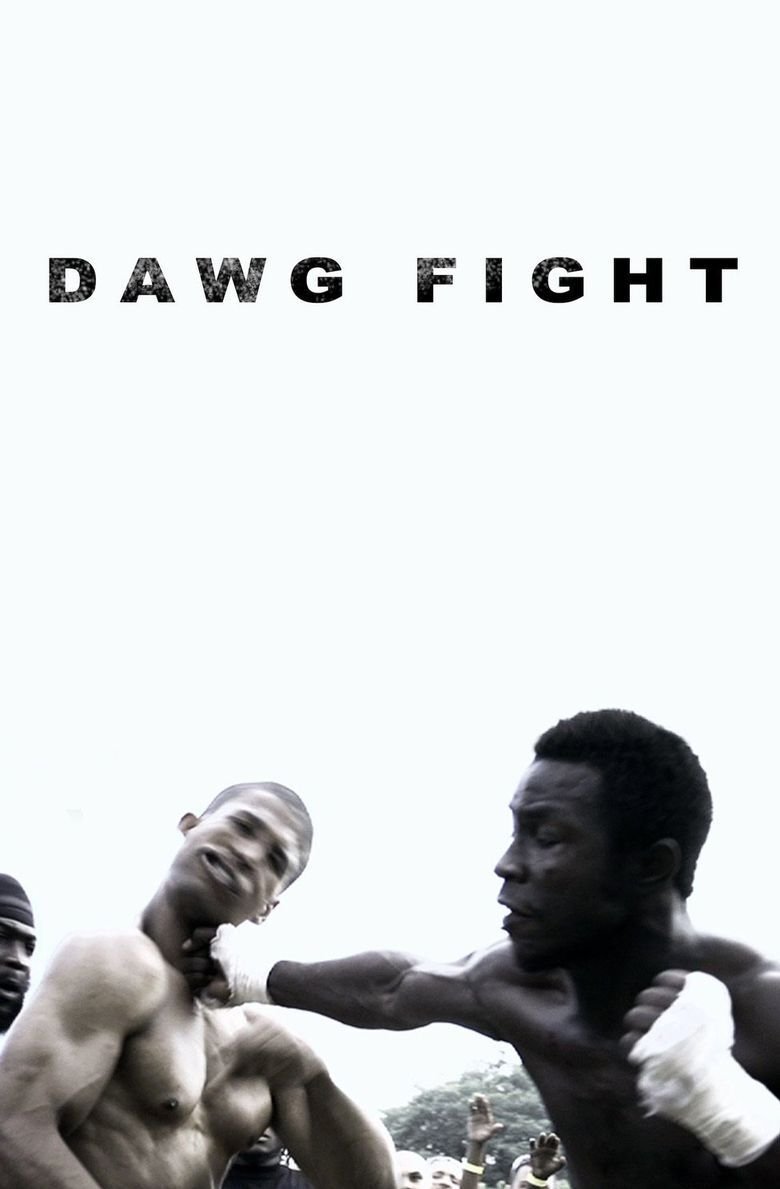
In a crime-plagued neighborhood near Miami, brutal, bare-knuckled backyard fights give young men a chance to earn money -- and self-respect.
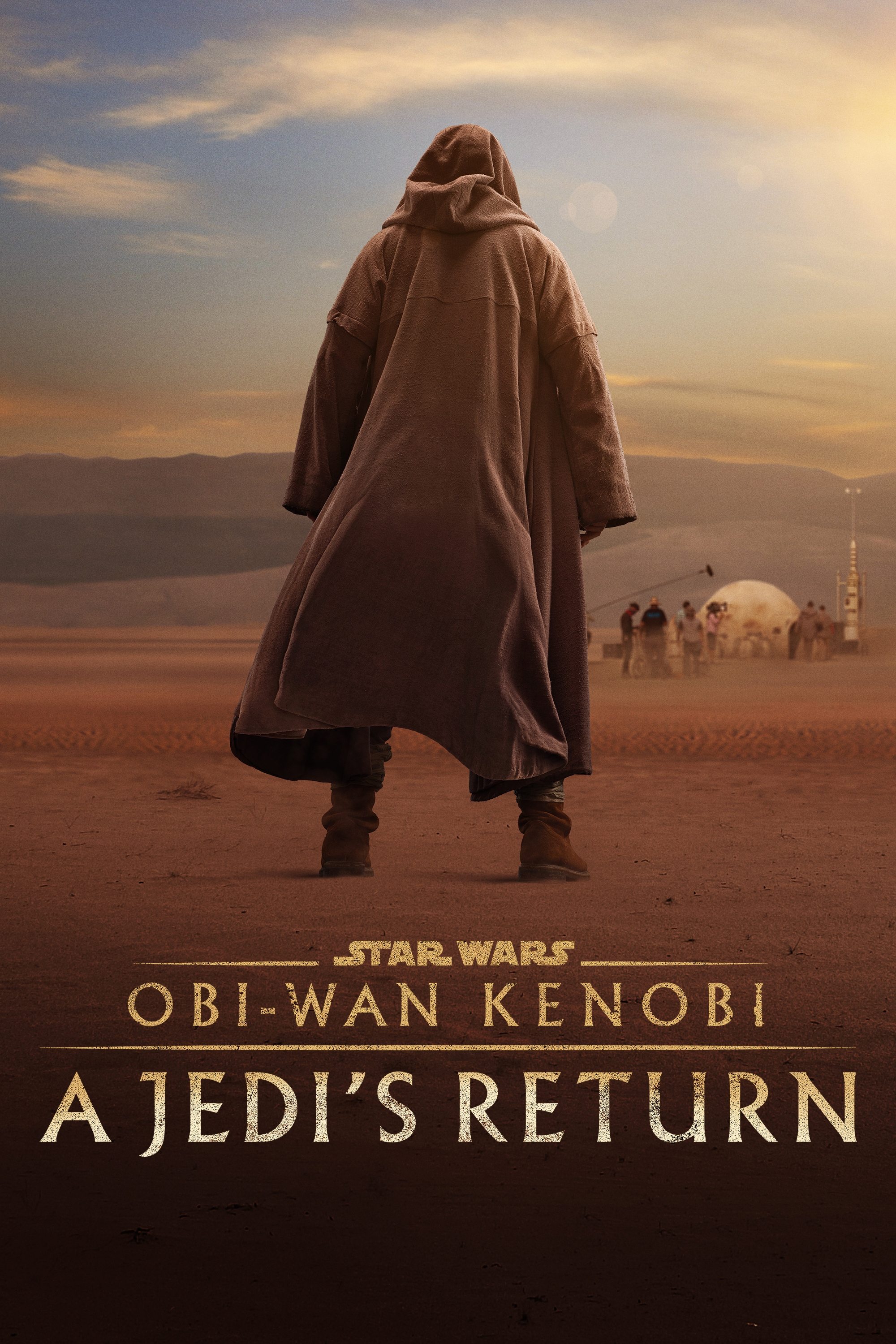
This special explores the return of Obi-Wan Kenobi and Anakin Skywalker to the screen, as well as Ewan McGregor and Hayden Christensen to their classic roles. Director Deborah Chow leads the cast and crew as they create new heroes and villains that live alongside new incarnations of beloved Star Wars characters, and an epic story that dramatically bridges the saga films.
A purely observational non-fiction film that takes viewers into the ethically murky world of end-of-life decision making in a public hospital.
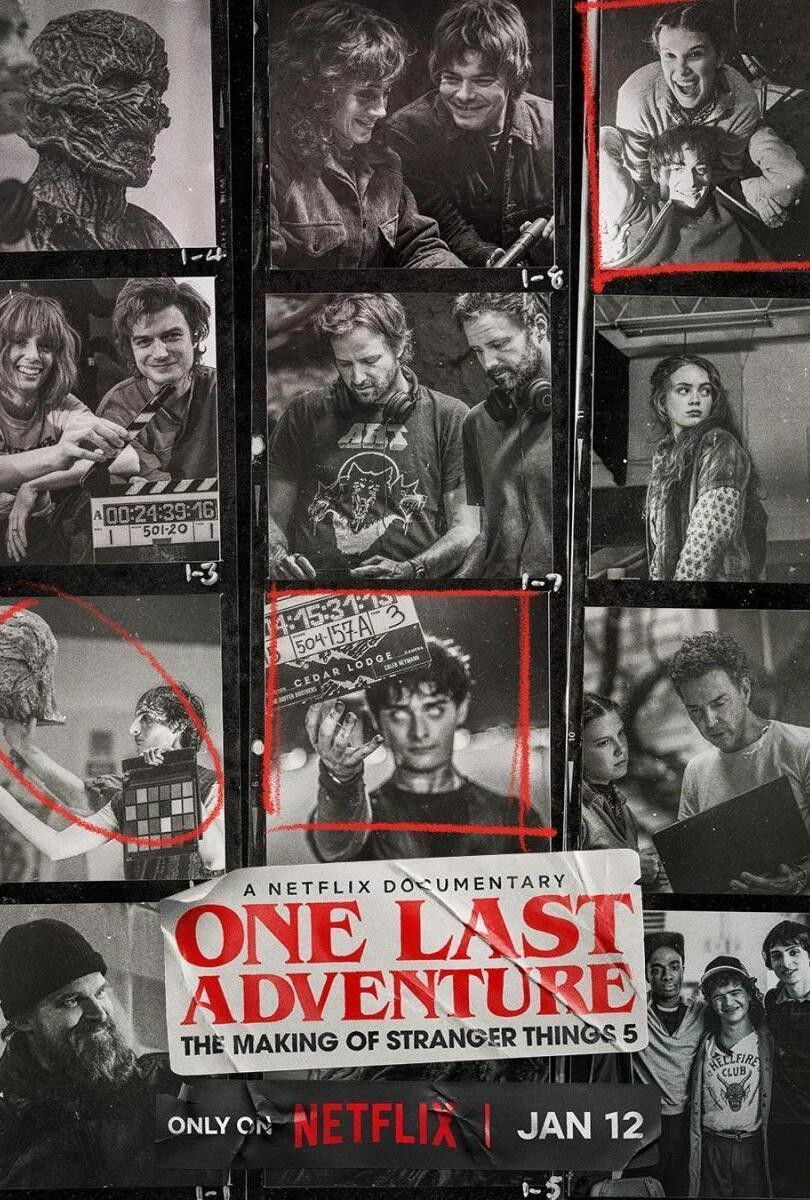
An inside look at the years of effort and craft that went into the final installment of the Duffer Brothers' generation-defining series.
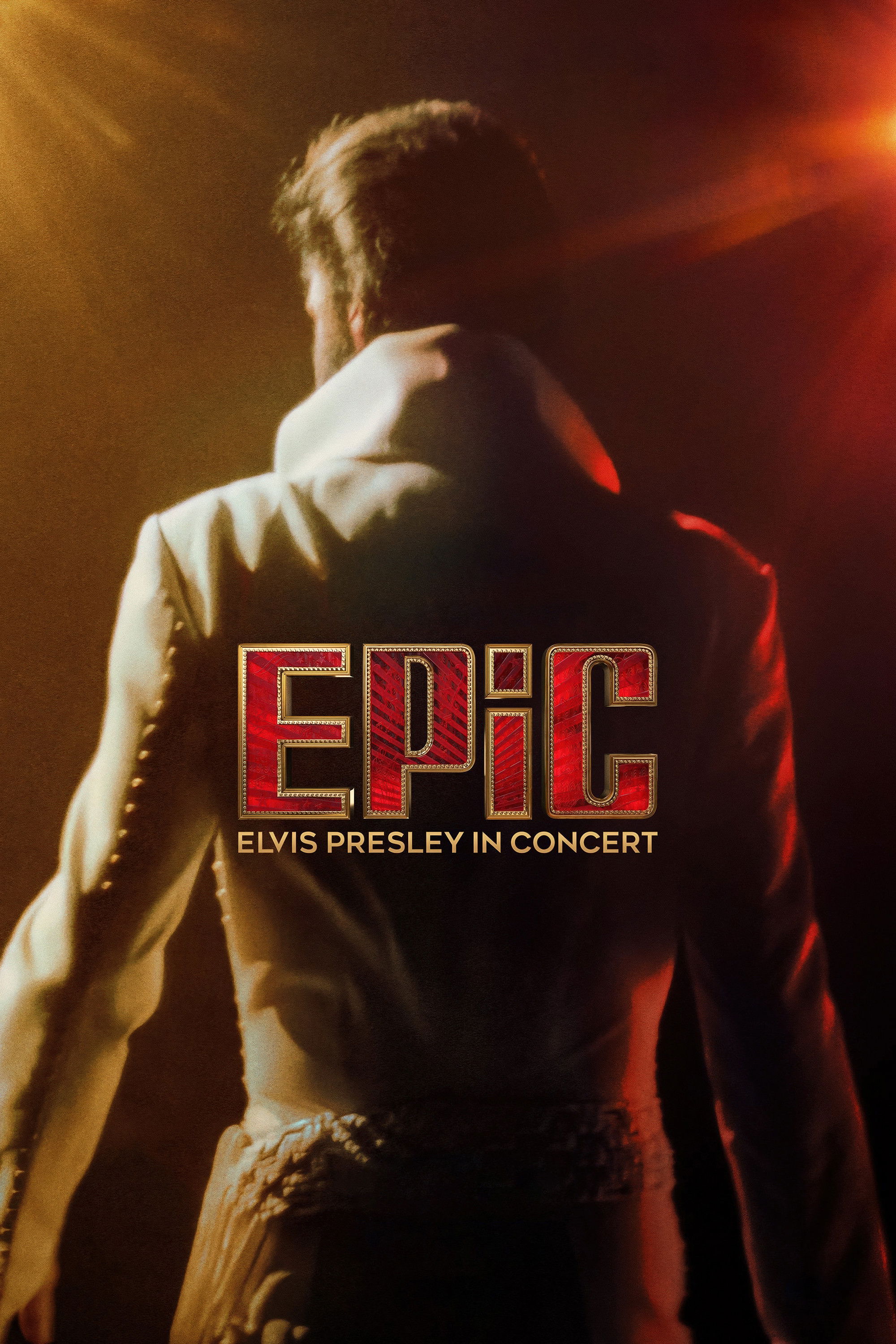
Long-lost footage from Elvis Presley's legendary Las Vegas residency in the 1970s woven together with rare 16mm footage from Elvis on Tour, and 8mm from the Graceland archive, plus recordings of Elvis telling "his side of the story" rediscovered during Baz Luhrmann's research for his 2022 film, Elvis.
Alternately hilarious and horrifying, Overnight chronicles one man's misadventures of making a Hollywood movie. It starts out as a rags to riches story as Troy Duffy, a Boston-bred bartender, sells his first screenplay for The Boondock Saints.
A night of drunken chaos rocks a quiet Dutch town in this shocking documentary about a teen's birthday invite that accidentally went viral on Facebook.
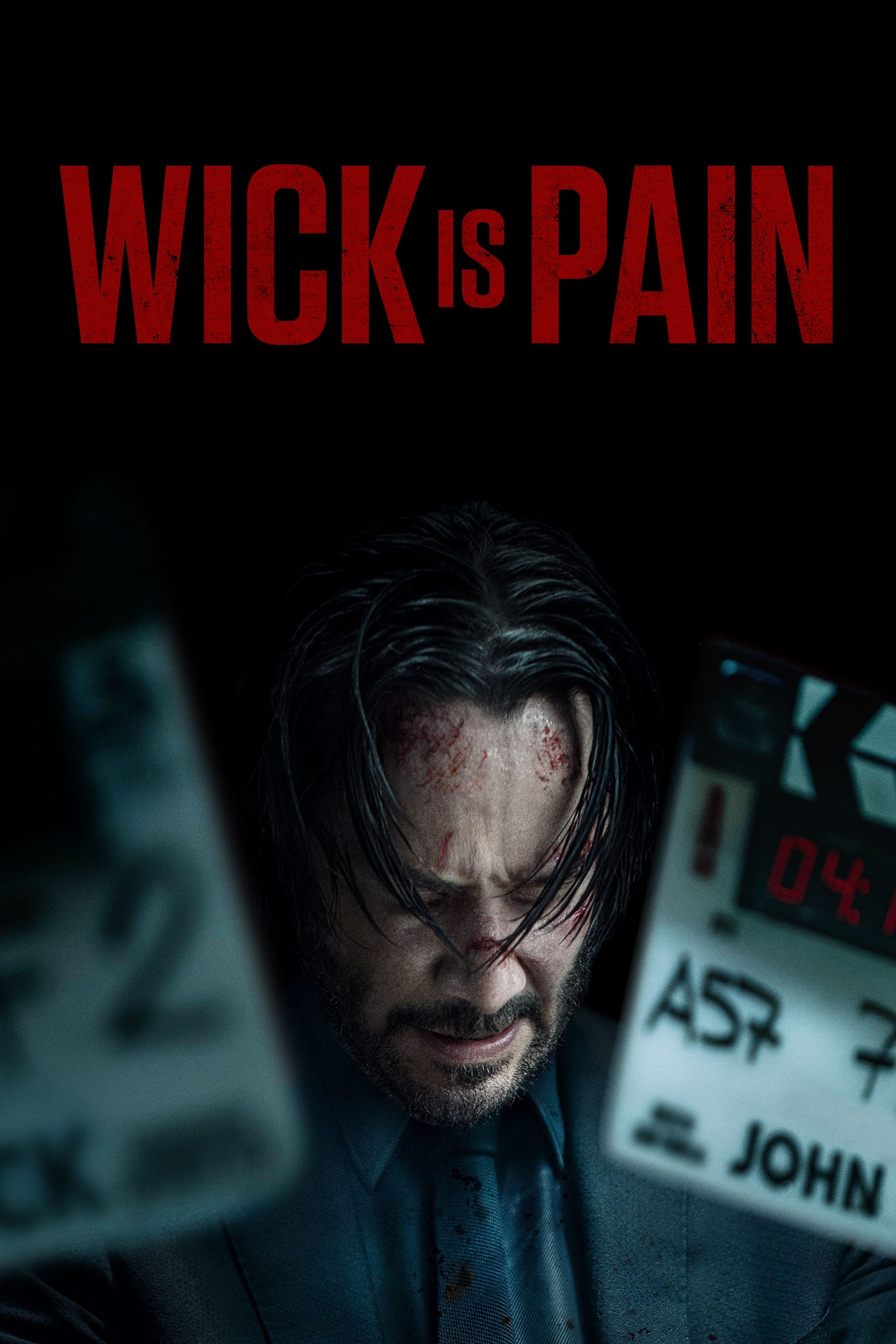
Witness the never-before-seen footage and true story behind the John Wick phenomenon – from independent film to billion-dollar franchise.
A documentary about the life and films of director John Ford.
The film follows adventurer Jeff Johnson as he retraces the epic 1968 journey of his heroes Yvon Chouinard and Doug Tompkins to Patagonia.