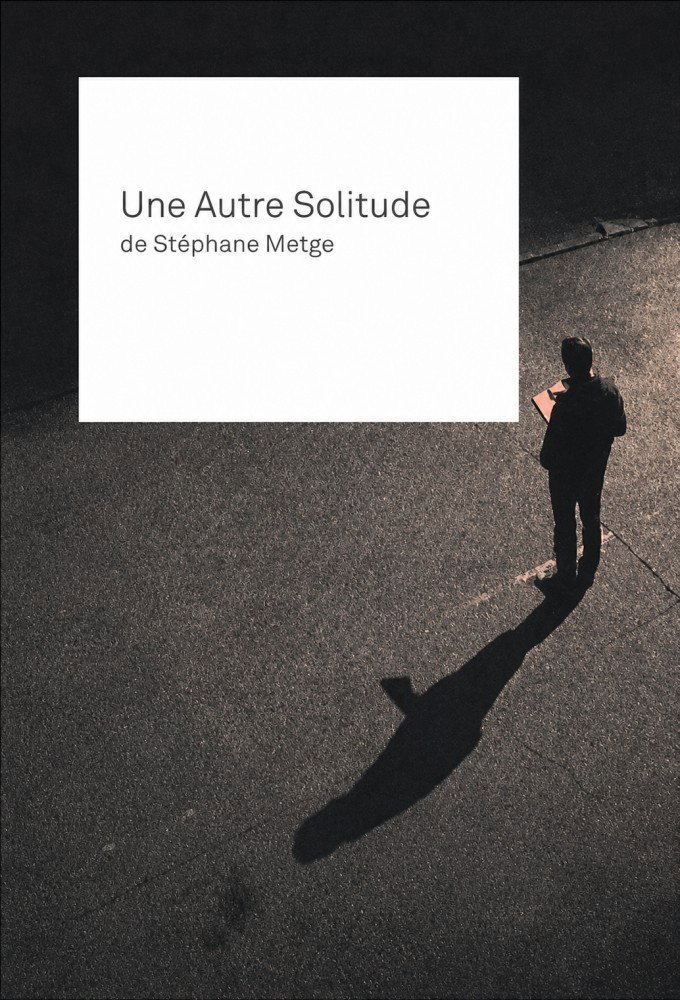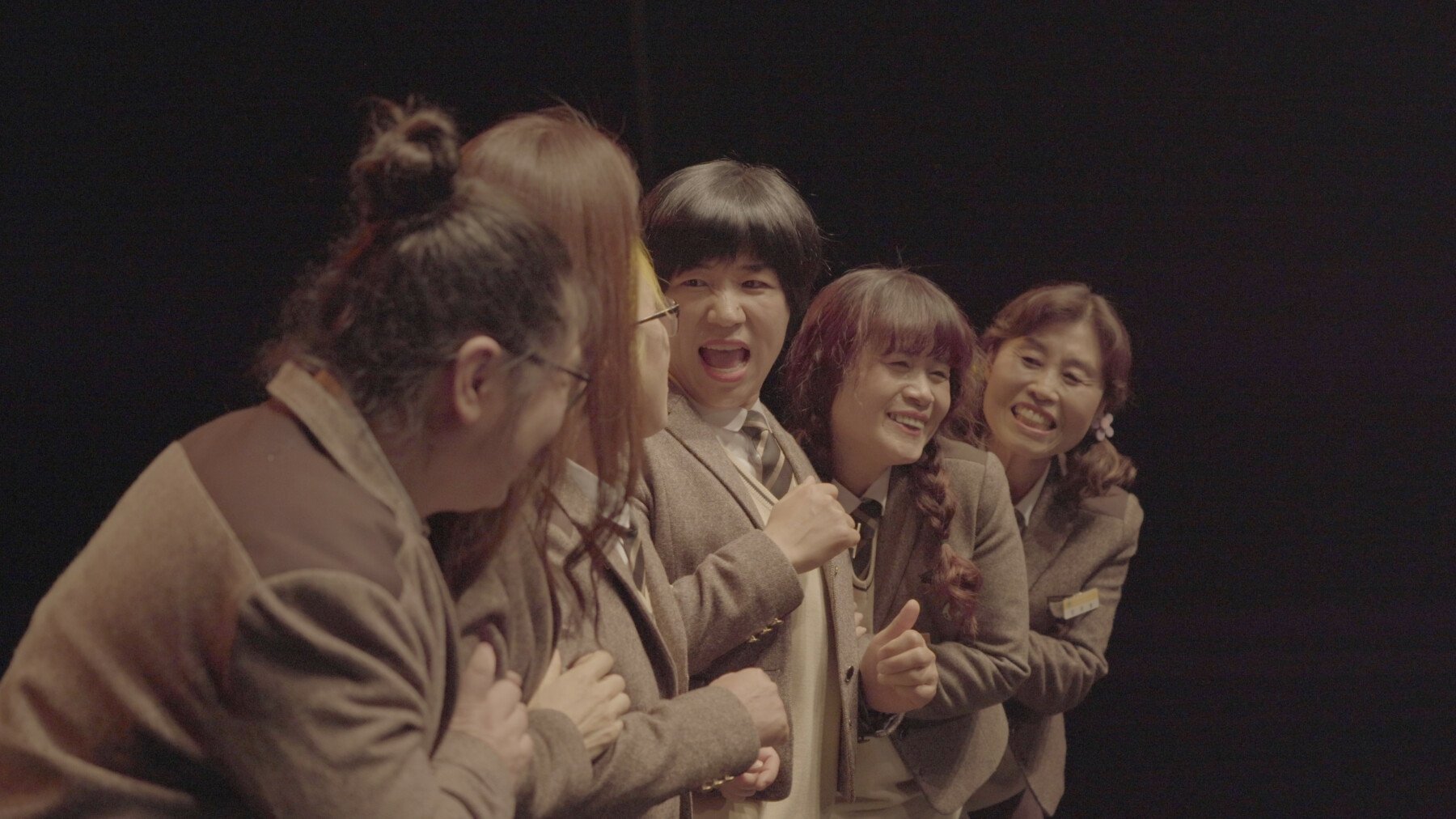
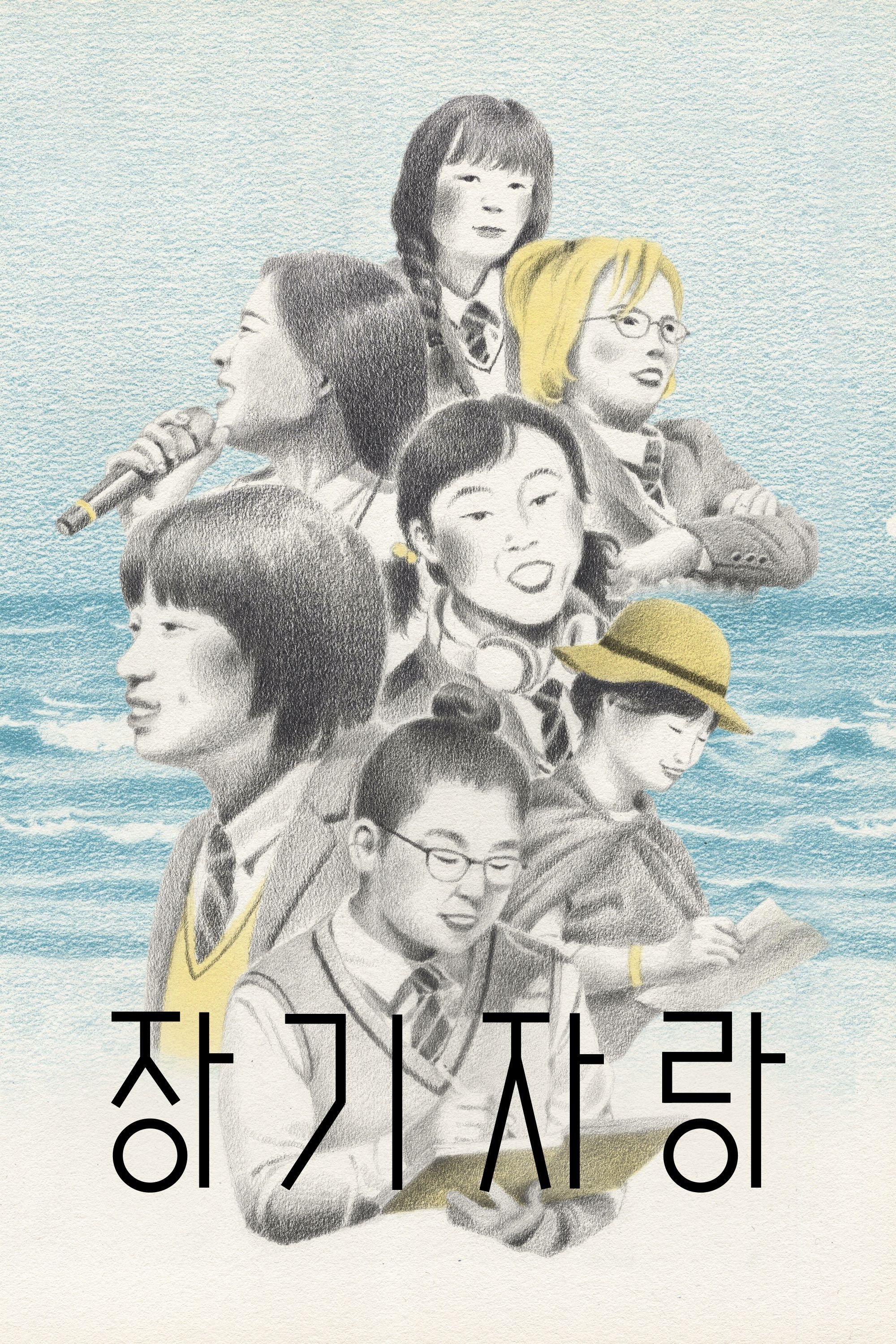
Middle-aged women start acting and launch a drama club. However, nothing big or small goes right. But they never give up the play.
Social & External

Self
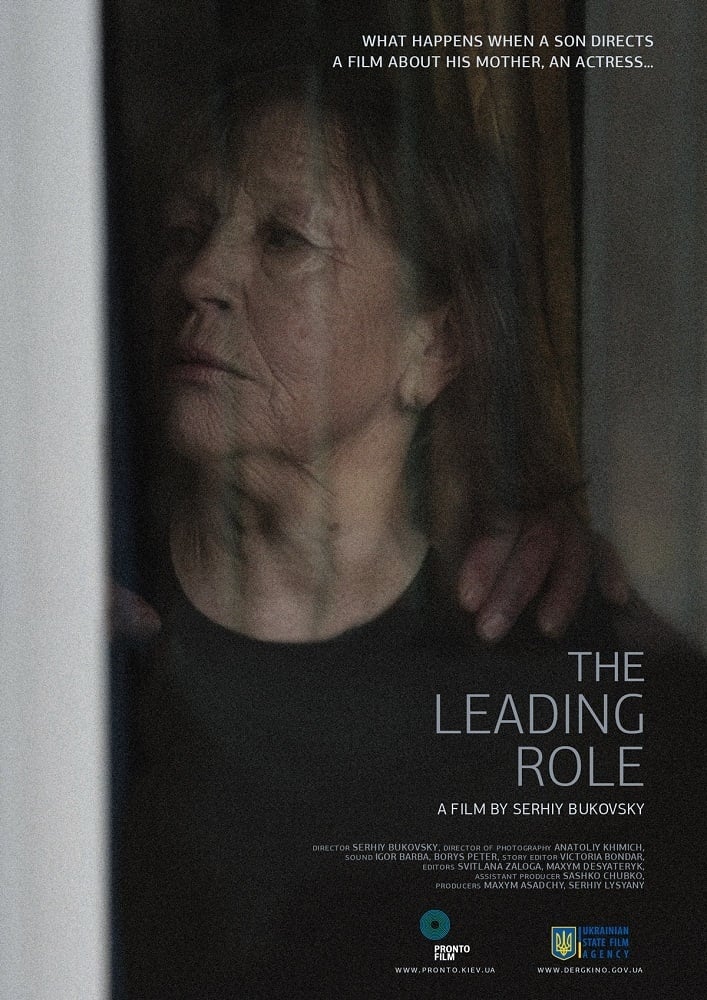
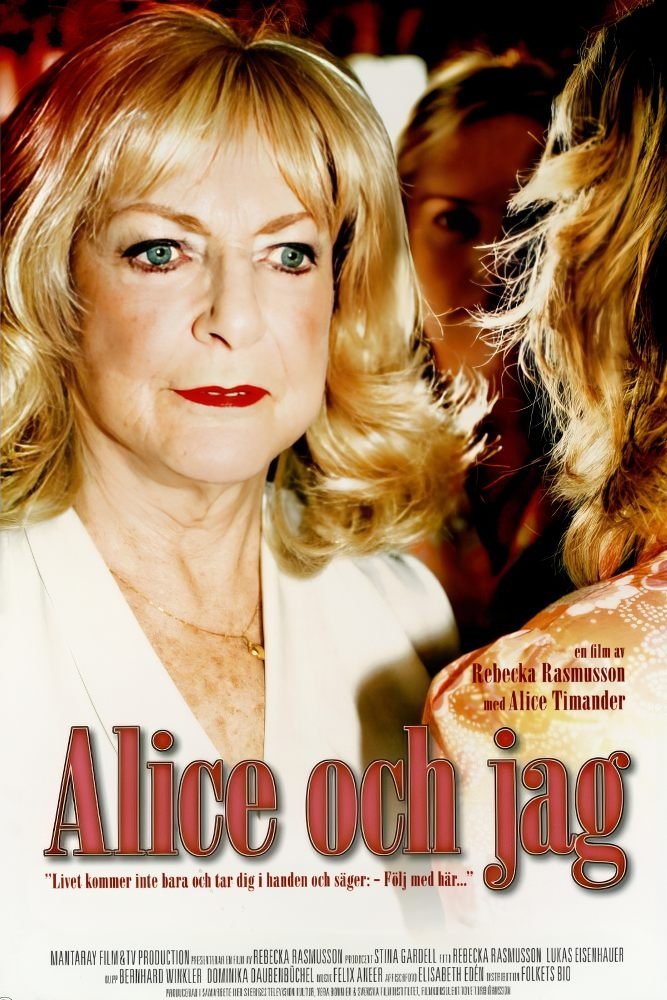
The film is about the director’s mother, the movie actress Nina Antonova. Now she is 80. She has had hundreds of roles – big and small. It is a personal story about an honest and sad life, about self-sacrifice and freedom. Real fame as an actress came to her only once in her life. It was the leading role in the first Soviet colour TV series Varka’s Land. That was 45 years ago…
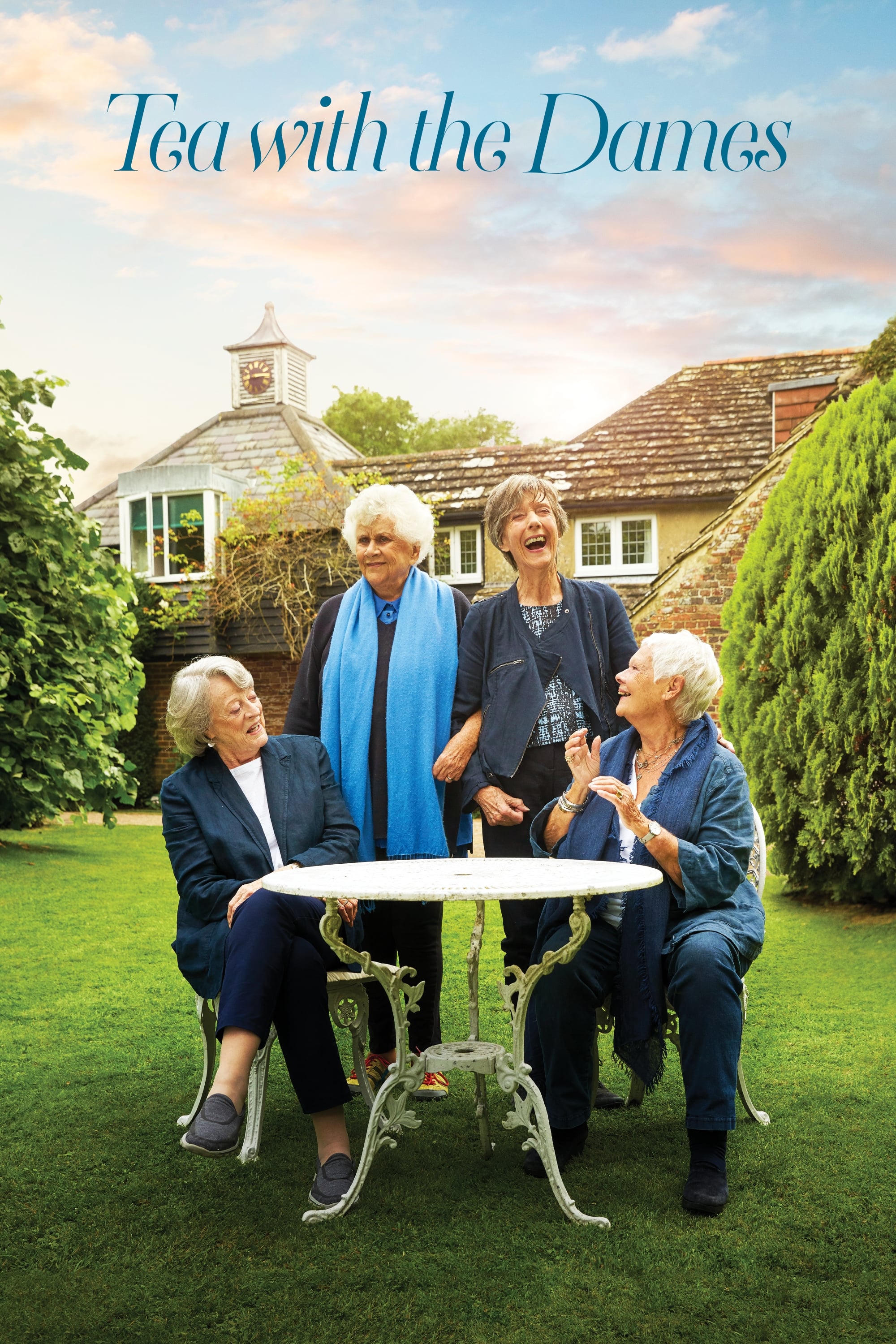
"My mother is spending all her time with her dying father. I’m spending all my time filming her. As the end is getting closer, my mother and I start doing the filming more and more together. It becomes our way of dealing with the time we have left." —Marius Dybwad Brandrud
Thomas Haemmerli is about to celebrate his fortieth birthday when he learns of his mother's death. A further shock follows when he and his brother Erik discover her apartment, which is filthy and full to bursting with junk. It takes the brothers an entire month to clean out the place. Among the chaos, they find films going back to the 1930s, photos and other memorabilia.
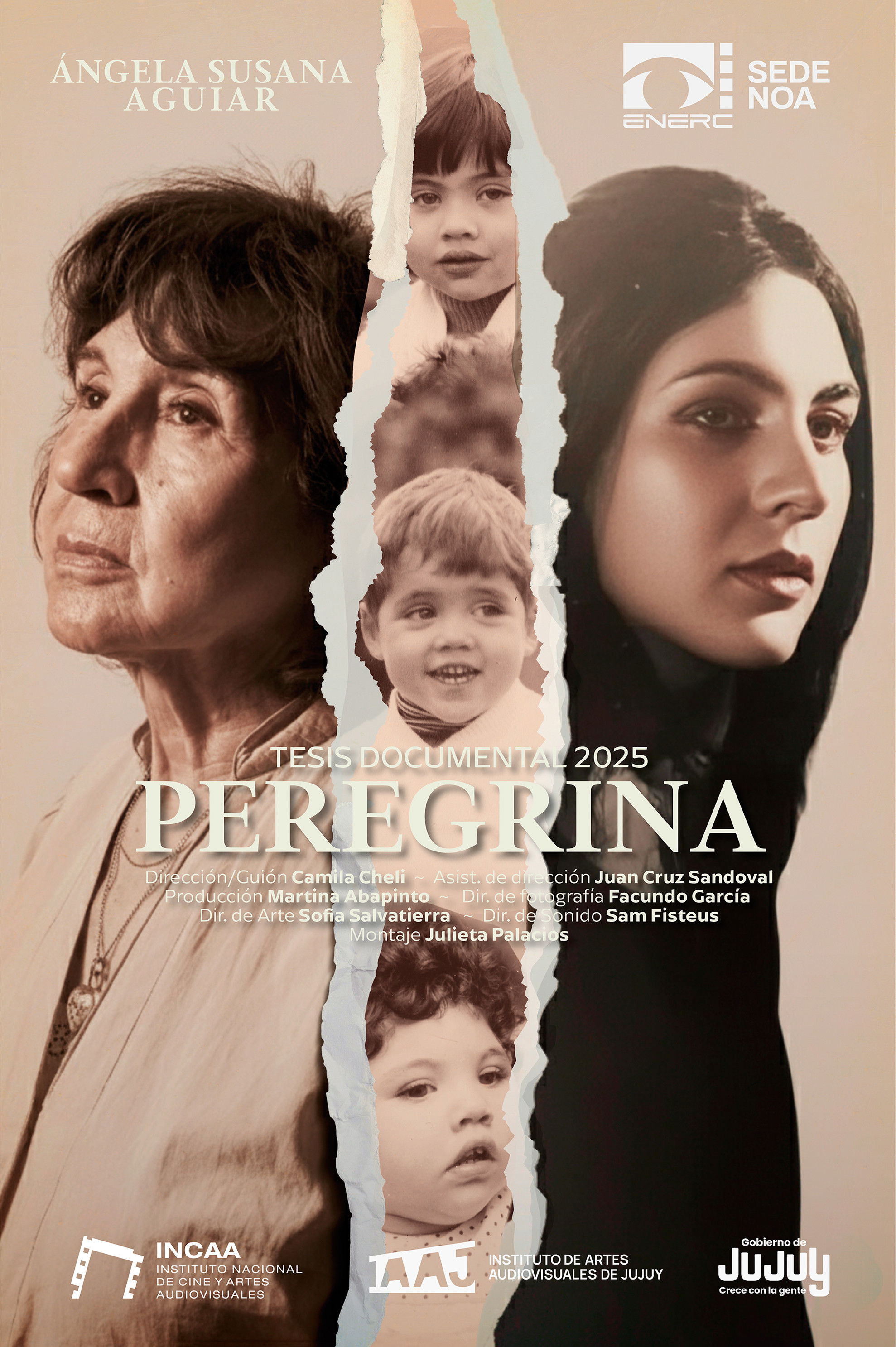
A film essay that intertwines the director's gaze with that of her late mother. Beyond exploring mourning and absence as exclusively painful experiences, the film pays tribute to her mother through memories embodied by places and objects that evidence the traces of her existence. The filmmaker asks herself: What does she owe her mother for who she is and how she films? To what extent does her film belong to her?
A provocative and ironic pamphleteering documentary about the making of Christoph Schlingensief’s Nazi-'Hamlet’ (2001). Both a media event and a form of political action Schlingensief let ex-neo-Nazis play themselves. His provocation in so-called Nazi-free Switzerland was not appreciated and when he added fuel to the flames by calling for the local political party SVP to be banned, his media offensive made front-page news far beyond Switzerland.
Seven strangers are interviewed to talk about the relationship they have with their mother.
Artistic director of the National Theater Eric de Vroedt writes and directs a performance about his own mother Winnie, who passed away in 2020. This piece, titled The Century of My Mother, is a family story about the migration from the Dutch East Indies to the Netherlands. It is De Vroedt's way of examining the relationship with his mother and not having to say goodbye to her yet: 'I can let her live on stage, but when the curtain falls, when the play is completely finished, then she is really dead'.
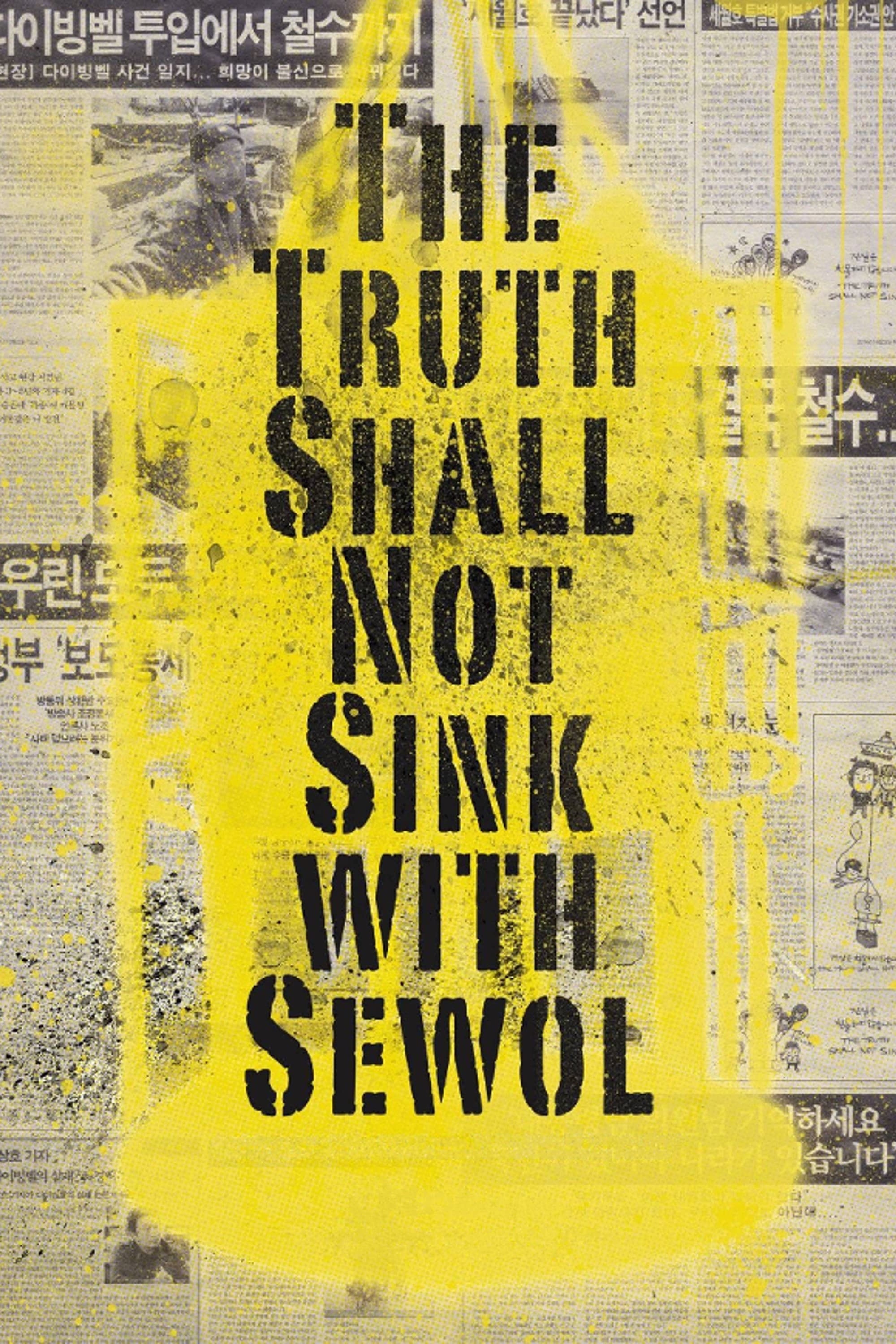
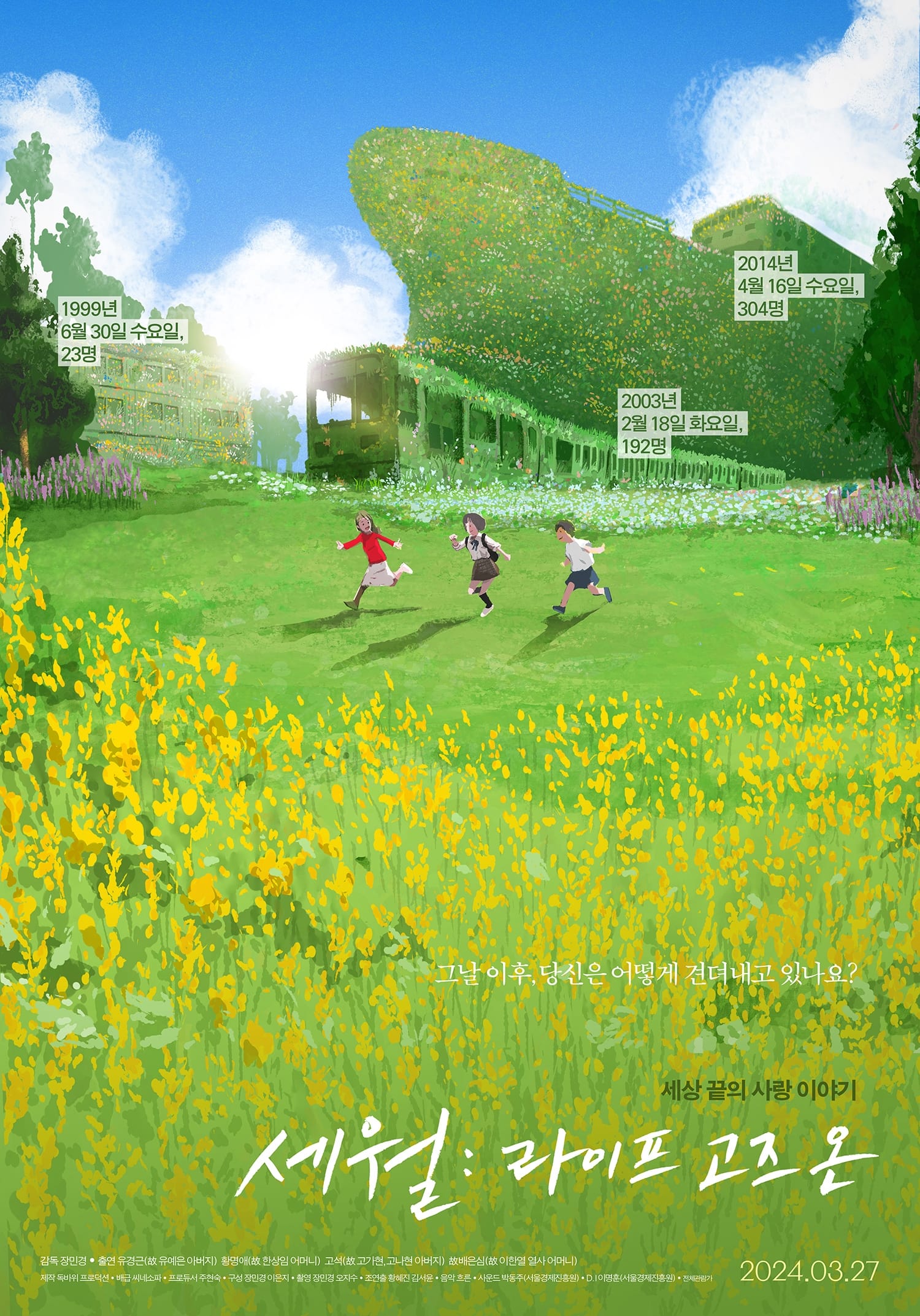
The 10-year struggle of the families who lost their children from the Sewol Ferry Disaster.
Australian filmmaker Sophia Turkiewicz investigates why her Polish mother abandoned her and uncovers the truth behind her mother's wartime escape from a Siberian gulag, leaving Sophia to confront her own capacity for forgiveness.
Ten years ago, 304 innocent people aboard the Sewol ferry in Korea lost their lives at sea. The reason for the sinking and the complete failure of the rescue are crucial factors yet to be revealed. But the government continues to withhold key evidence, citing national security reasons. This documentary finds a conclusion of why all the matters have gone wrong.
François Delisle draws an intimate portrait of his mother in a nursing home. A chronicle of the daily life and medical care of a woman approaching the end, treated with love, respect and dignity.
In a decaying Soviet-era retirement home, a vibrant group of elders cling to life by staging Shakespeare. Yet loneliness lingers beyond the theater’s doors, until drama begins to blur with reality.
‘Over the course of several summer days in Split I talked to my mom about everything. I mean, really everything.’
Mother compiles clips of mother figures from classic Hollywood cinema and television dramas. The figures range from the Virgin Mary and Mother Courage, to characters from Maude (1972–78), Aliens (1986), Imitation of Life (1959), and American Gangster (2007). The characters play out scenes of care, loss, emotional manipulation, abandonment, and grief. The intense relationships between mothers and daughters are especially prominent.
Filmmaker Diego Gutiérrez knows that he is soon to lose two loved ones: his mother Gina Coppe and his best friend Danniel Danniel. Both ask him to film them during this final phase of their lives—Gina in her apartment in Mexico City, Danniel in a Dutch restaurant where he feels at home. What stories do they want to leave behind?
Terry Wilson is a 70-year-old lifelong resident of Meadowvale Village, Ontario's first heritage district. As development looms and begins to destroy Terry's favourite place in the world, he recreates pieces of history in his backyard, crafting an oasis where it feels like nothing has changed. A beautiful tribute to his childhood, his mother, and his town, Terry passionately fights to preserve history in a world that's too anxious for change.
What if you love your child, but are unhappy in your role as a mother? Spijtmoeders is a documentary film about mothers who, if they could make the choice again, would rather not be mothers. Three women talk about their struggles with motherhood, the shame and guilt they feel, and the high expectations society places on them. The fear of judgment from others is great: what if people think that they are not a good mother, that they do not take good care of their child? What if they think they don't love their child? The mothers are represented by hyper-realistic dolls, but their voices are real.
A look at the entire process of creating and developing Patrice Chéreau’s third staging of "In the Solitude of Cotton Fields" by Bernard Marie Koltès with Pascal Greggory and Chéreau himself. From the first reading around the table through the first contact with the performance space, rehearsals and lighting to opening night, the entire creative process unfurls in front of our eyes. The film shows us the evolving and ongoing dialogue between Greggory and Chéreau, a dialogue full of crises and magical moments of harmony and insight via which the truth, intensity, complexity, mystery and depth of Koltès’ text gradually emerge to form an implicit bond between these two men. The film also shows Chéreau directing rehearsals for Mozart’s "Don Giovanni" in Salzburg, revealing both the unity of and profound differences between his opera and theater work.
Within the world of theatre the rehearsal room is a sacred space -- the private domain where boundaries are pushed, risks taken, mistakes made, vulnerabilities exposed and, at its very best, magic created. It's not a place into which the public is often, if ever, invited. Until now; In The Company of Actors features an ensemble of Australia's finest actors, including Cate Blanchett and Hugo Weaving, as they prepare to perform the Sydney Theatre Company's production of Hedda Gabler, at the prestigious Brooklyn Academy of Music in New York. Opening night is just five weeks away and the pressure is on.