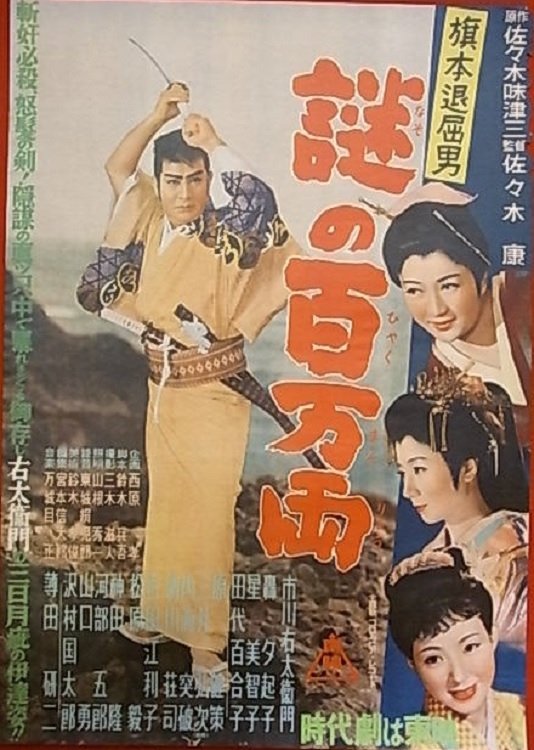
Bored Hatamoto film #16.
Social & External
The people behind it
Utaemon Ichikawa
Yukiko Todoroki
Kunitaro Sawamura
Michiko Hoshi
Kenji Susukida
Takashi Kanda
Sōji Kiyokawa
Kensaku Hara
Yuriko Tashiro
Kōji Mitsui
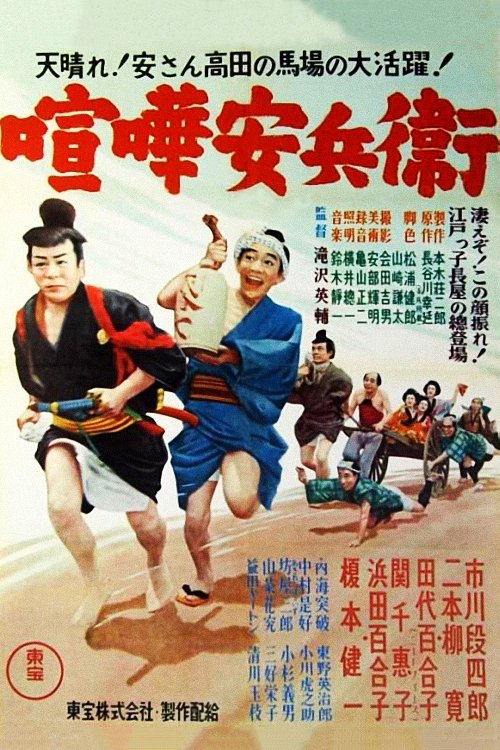
Yasube Nakayama left the clan and lives in Edo. One day, Yasubei visits his uncle Rokuroemon Kanno to borrow money from a moneylender in the amount of 13 ryo in order to save Oteru, the daughter of a merchant. However, the next day, Rokuroemon was killed in a fight by the Murakami brothers. Yasubei rushed to the scene, took revenge and became the husband of Miya, the daughter of Horibe Yahei.
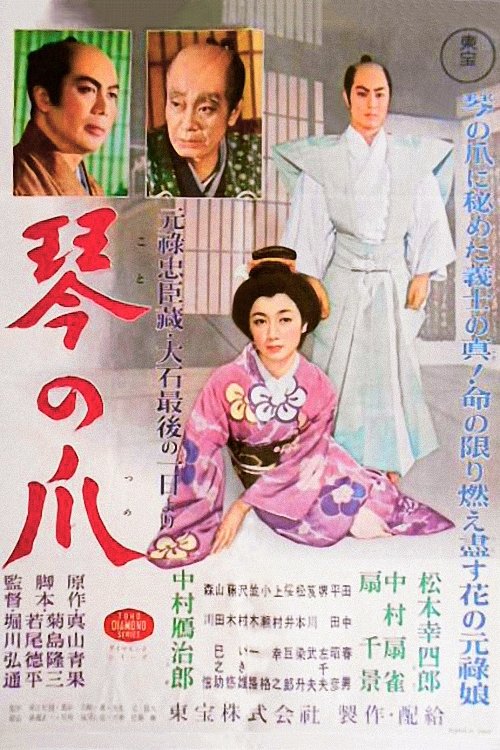
Seppuku Day 17 Ako ronins, including Kuranosuke Oishi, who were entrusted to the Hosokawa family, and the events of the two days before are depicted as a tragic romance between one of the ronins, Jurozaemon Isogai, and Omino. An adaptation of Seika Mayama play "Genroku Chusingura, the Last Day of Oishi", which tells about the torments of life and death of samurai living in feudal times.
Tough contract killers and secret organizations operating worldwide in a murderous battle for a relic that hides much more than just a simple instrument. The merciless hunt for the guitar of the "King of Rock'n Roll" leaves a trail of violence and death in its wake.
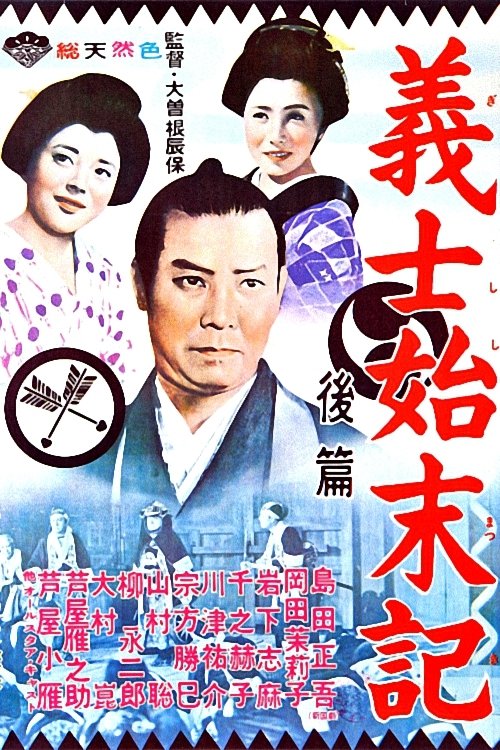
In the 15th year of the Genroku era (1688), the world praised the 47 ronin who avenged the death of their master Asano Takumi-no-kami. Shogun Tsunayoshi, who ruled at that time, experienced difficulties in what punishment to impose on the soldiers. As a result, it was decided to sentence them to seppuku (ritual suicide).
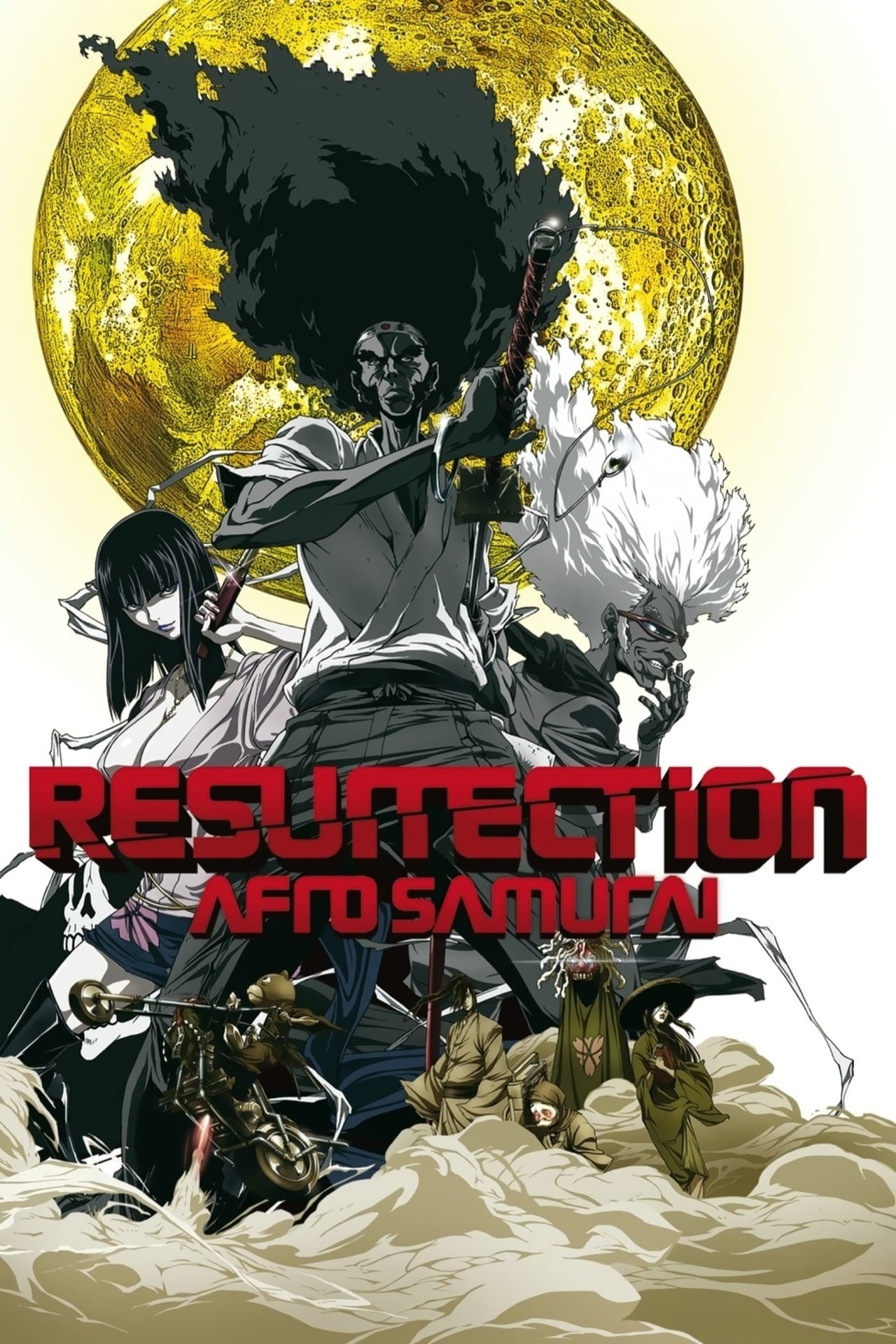
Afro Samurai avenged his father and found a life of peace. But the legendary master is forced back into the game by a beautiful and deadly woman from his past. The sparks of violence dropped along Afro’s bloody path now burn out of control – and nowhere are the flames of hatred more intense than in the eyes of Sio.
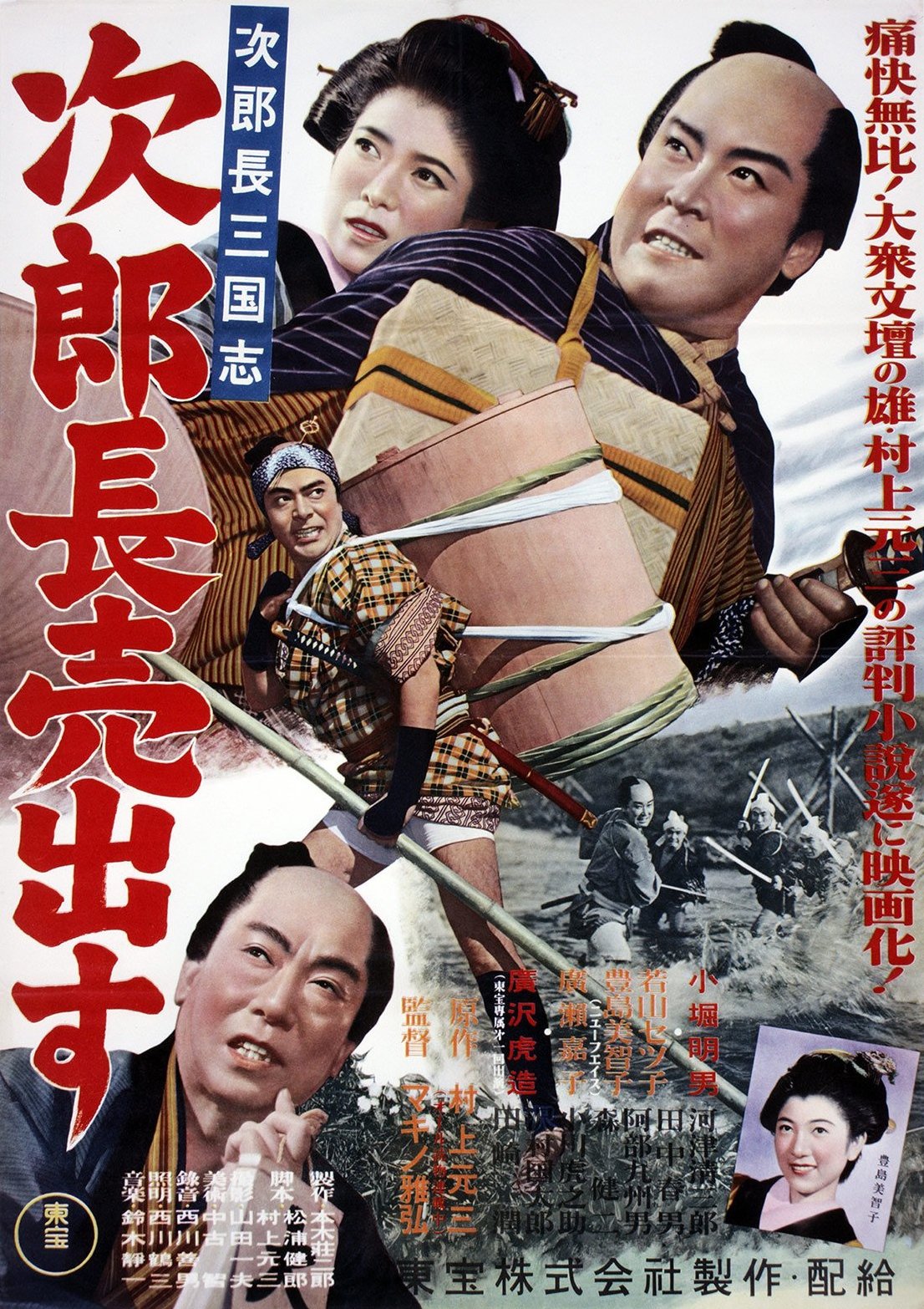
The rise of the famed gambler.
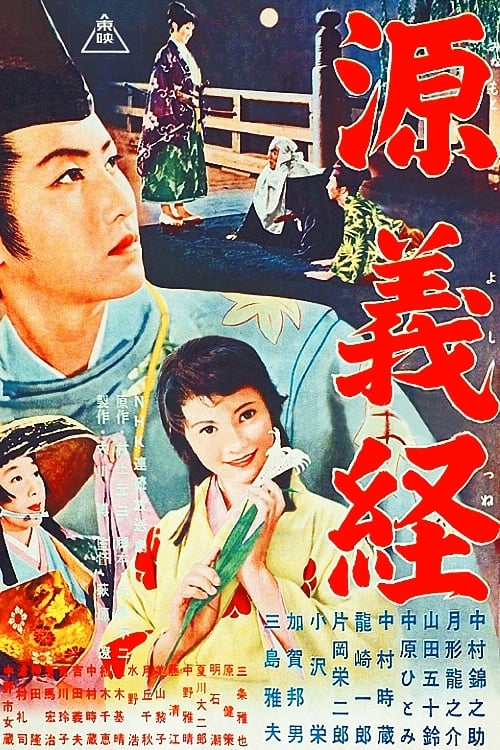
A historical scroll depicting the story of the tragic fate of the young samurai Minamoto Yoshitsune, based on the novel by Genzo Murakami. The action of the first part takes place in the late Heian period, when the Taira clan came to power, and Genji was oppressed. The great dream and ambitions of Genkuro Yoshitsune in his youth are depicted, he joins forces with his older brother Yoritomo to raise an army to defeat the Taira clan, and the second part depicts the fall of the clan, persecution and murder.
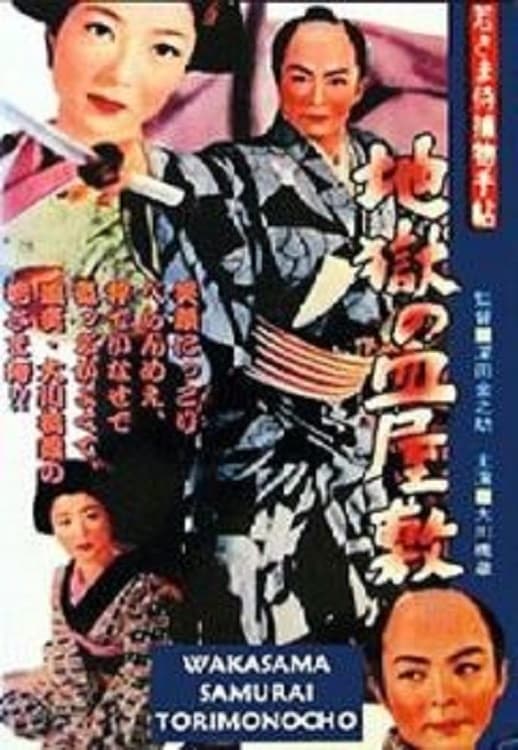
As a result of illness and unemployment, Yamaoka Tatewaki, a "Hatamoto" (or direct vassal of the Shogun), pawned his family heirloom, a valuable Gosu plate for 100 ryo. When, of all occasions, Yokogawa Dewa came to visit and asked to see the Gosu plate on May 5th, Boy's Festival. Yamaoka then sent his steward to borrow the plate back, but the pawnbroker coldheartedly refused. He died soon thereafter of an unknown cause. Soon after that, two warehouses were broken into, but nothing was taken. When Detective Shokichi seeks the help of Young lord samurai, in solving these mysterious crimes that plague the town he takes the case and immediately surmises that the thief was looking for something special. Could the answer be hidden in the coffin of a deceased merchant who had his most valuable things buried with him. The tension mounts and the mystery deepens. Can Young lord solve the case?
Among the many famous 16th-century samurai who made the leap from myth and ukiyo-e to early cinema screen was sword-master Miyamoto Musashi, previously depicted in prints by Kiniyoshi Yoshitoshi and others slaying an array of grotesque creatures including giant bats, giant lizards, and the mythical tengu. This imagery informed his first screen depiction in Miyamoto Musashi Taiji No Ba, which showed him combatting the mythic white ape of the mountains.
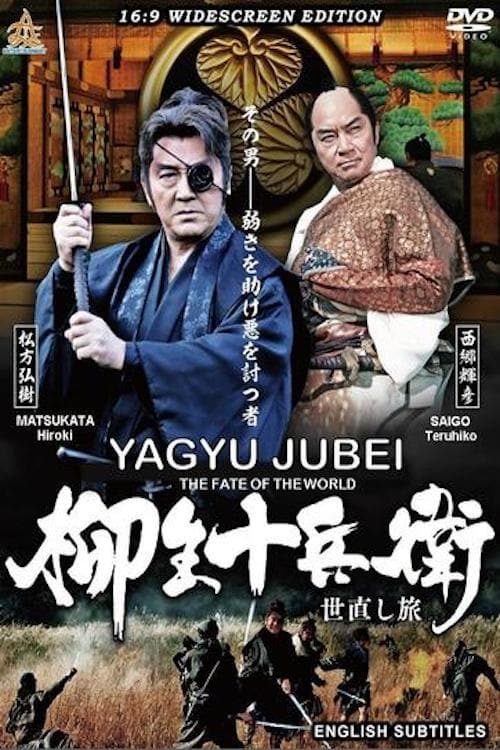
The fate of Tokugawa’s world hangs in the balance as Yagyu Jubei is sent on a mission to discover what happened to 10 of the shogun’s spies that never returned. Matsukata Hiroki, one of the last surviving members of the Golden Age of Japanese Cinema proves that he has not lost a step as he portrays an older and wiser Yagyu Jubei in a movie that brings the best of samurai filmmaking into the 21st century. Summoned from semi-retirement by Shogun Iemitsu, Jubei is asked to take to the road and investigate a clan rumored to be preparing explosives for a rebellion. With help from a beautiful female ninja they head into the Shirakawa domain where the fighting skills of both are tested time and again as they strive to destroy a conspiracy that could bring a new Warring States Era. In the 1960's Yagyu Jubei was the signature role of the great Konoe Jushiro, father of Matsukata Hiroki. This brings the character full circle.
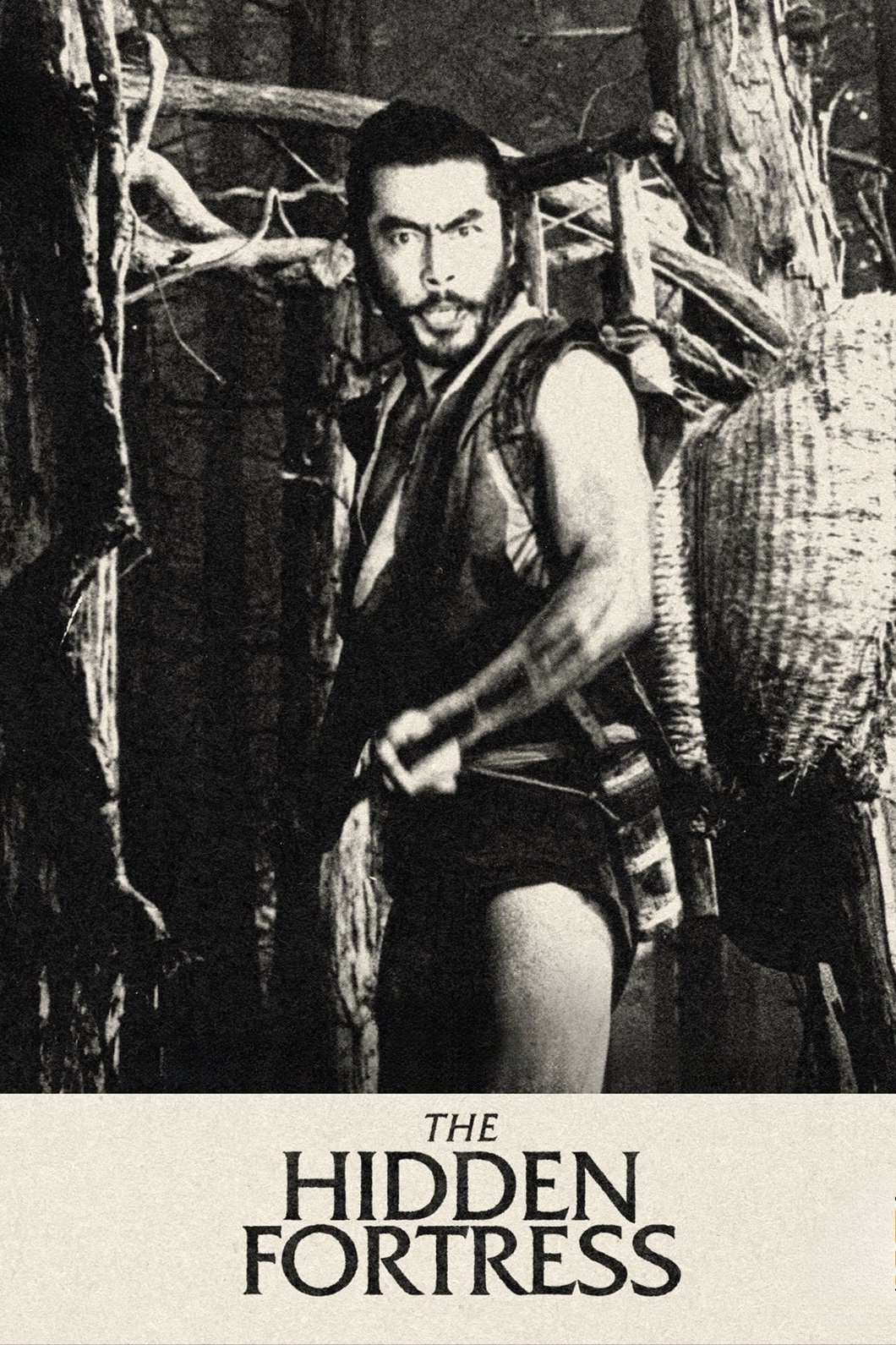
In feudal Japan, during a bloody war between clans, two cowardly and greedy peasants, soldiers of a defeated army, stumble upon a mysterious man who guides them to a fortress hidden in the mountains.
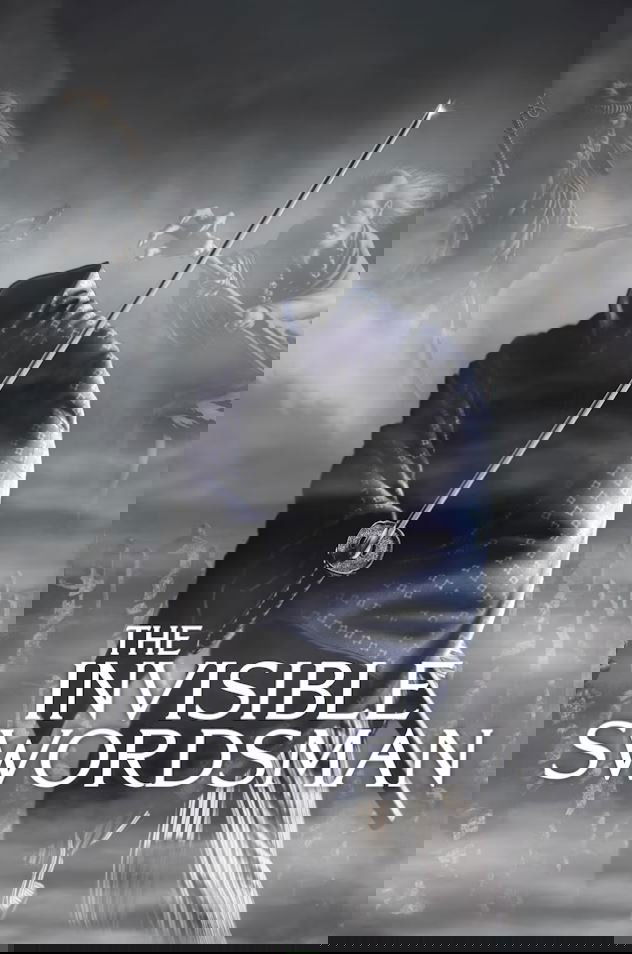
A cowardly boy fencer becomes invisible and matchless through a magic potion.
A warrior-in-training and his bumbling friends go in pursuit of a stolen sword.
A samurai comes to the aid of his uncle in a duel.
When the 'Lowly Ronin' helps an orphaned teenage girl avoid being turned into a prostitute, she then claims he is her father and they start a farm as father and daughter until fate steps in and he must draw his sword.
Yagyu Jubei, the finest swordsman in the land, is called upon to bare his blade to help Iemitsu keep his post. Meanwhile a fishmonger named Isshin Tasuke who bears an amazing resemblance to Shogun Iemitsu may be called upon to put his life on the line by acting as the Shogun's double. At the same time, the tragic story of Banzuiin Chobei and Mizuno Jurozaemon is unfolding.
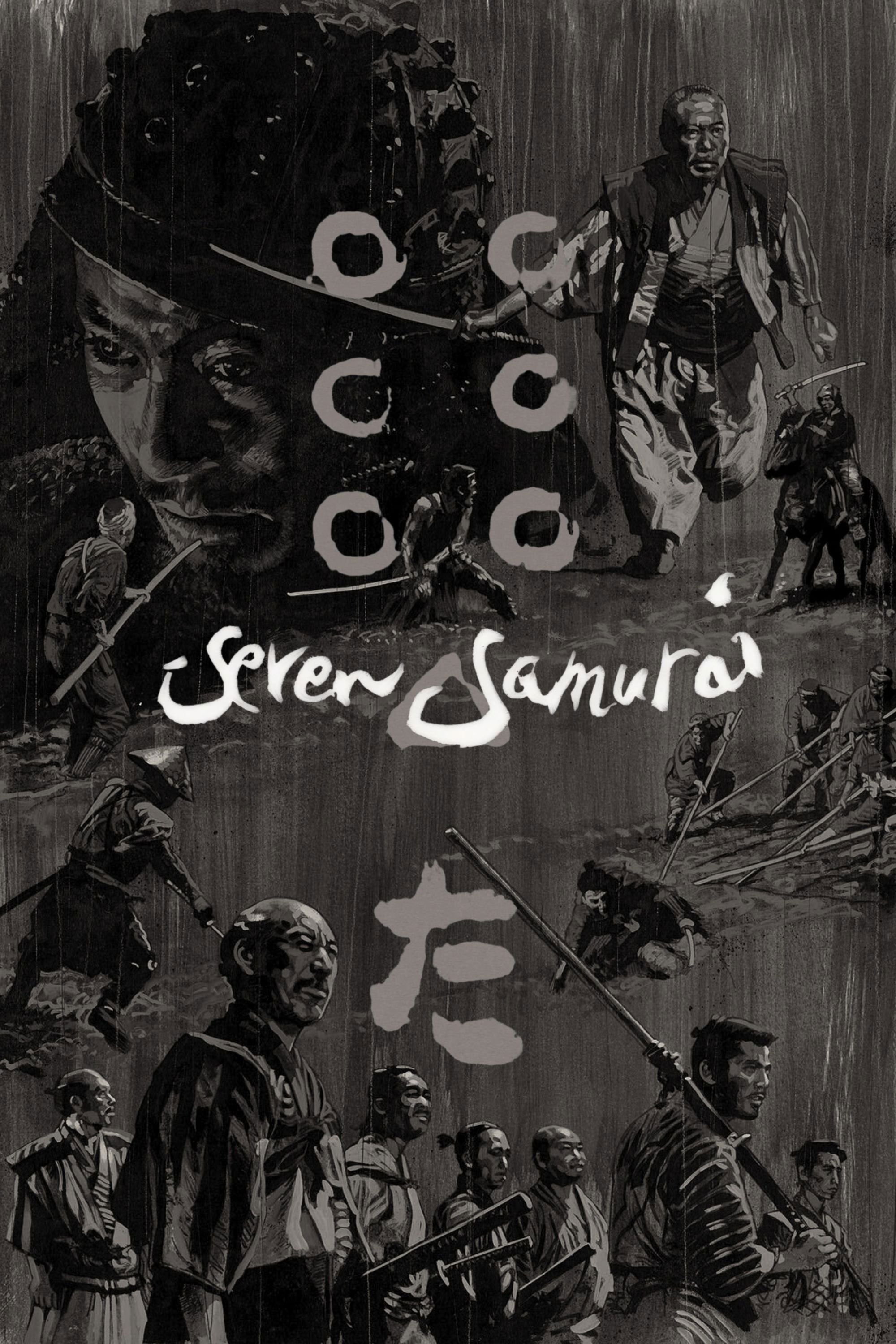
A samurai answers a village's request for protection after he falls on hard times. The town needs protection from bandits, so the samurai gathers six others to help him teach the people how to defend themselves, and the villagers provide the soldiers with food.
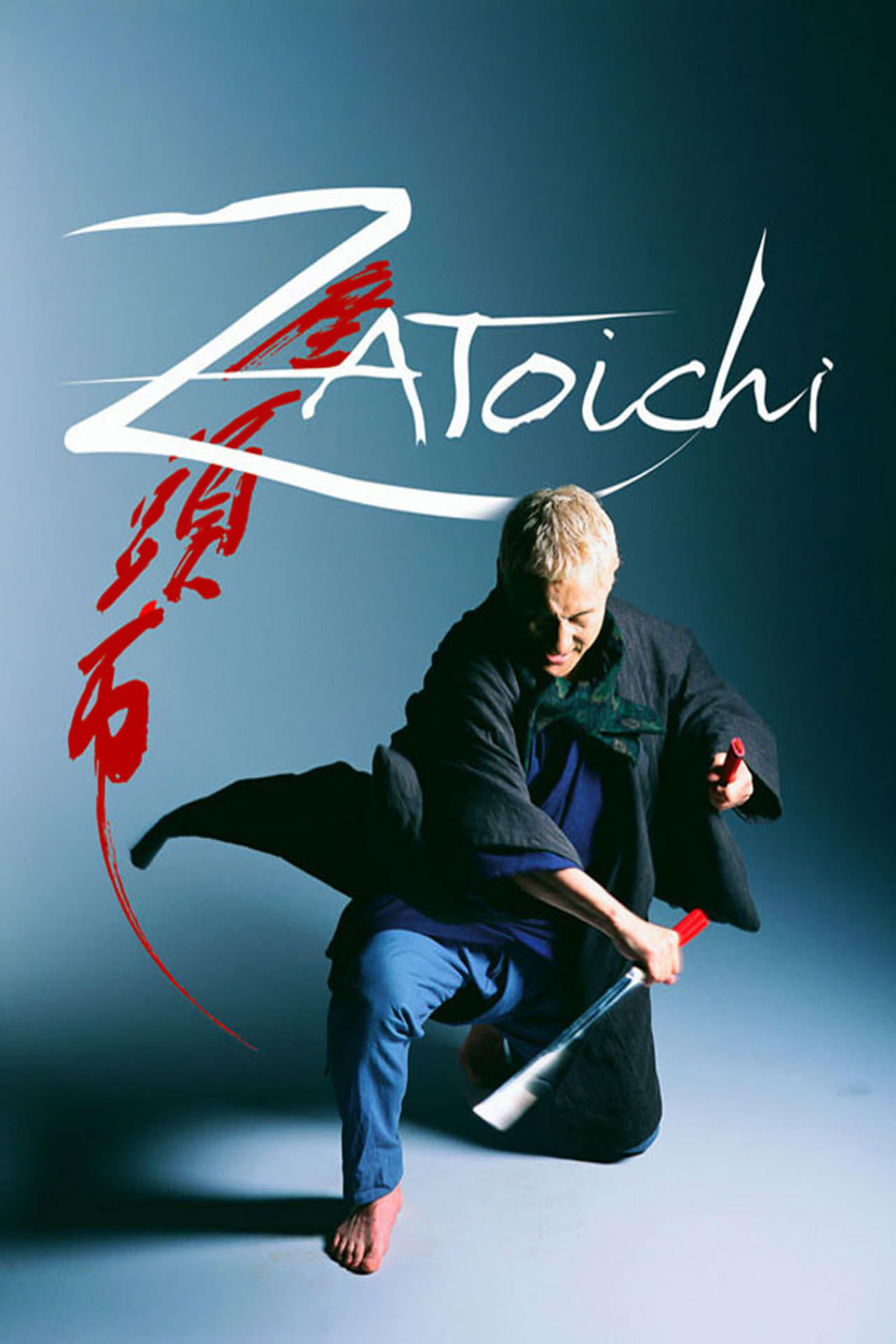
Blind traveler Zatoichi is a master swordsman and a masseur with a fondness for gambling on dice games. When he arrives in a village torn apart by warring gangs, he sets out to protect the townspeople.
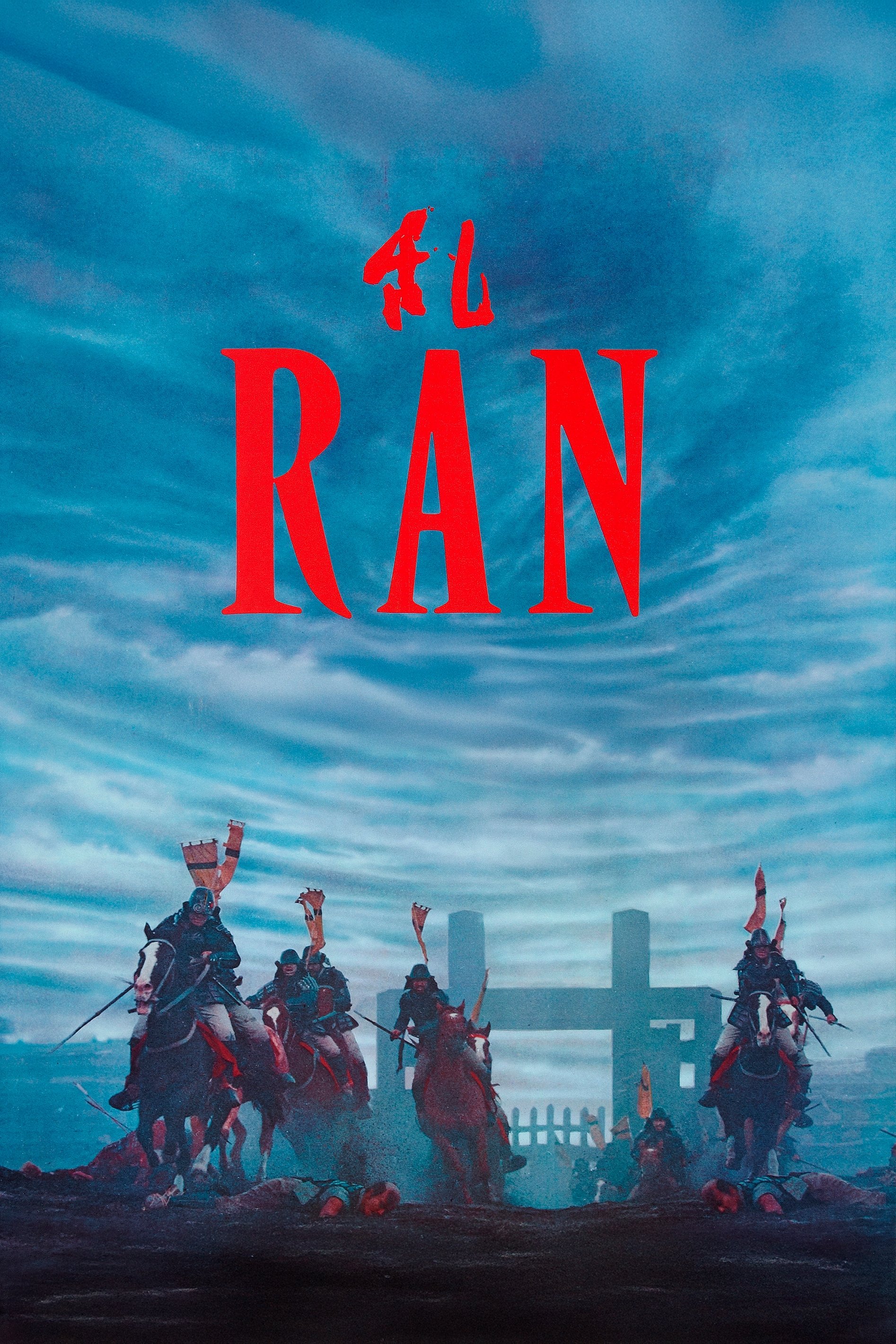
Shakespeare's King Lear is reimagined as a singular historical epic set in sixteenth-century Japan where an aging warlord divides his kingdom between his three sons.
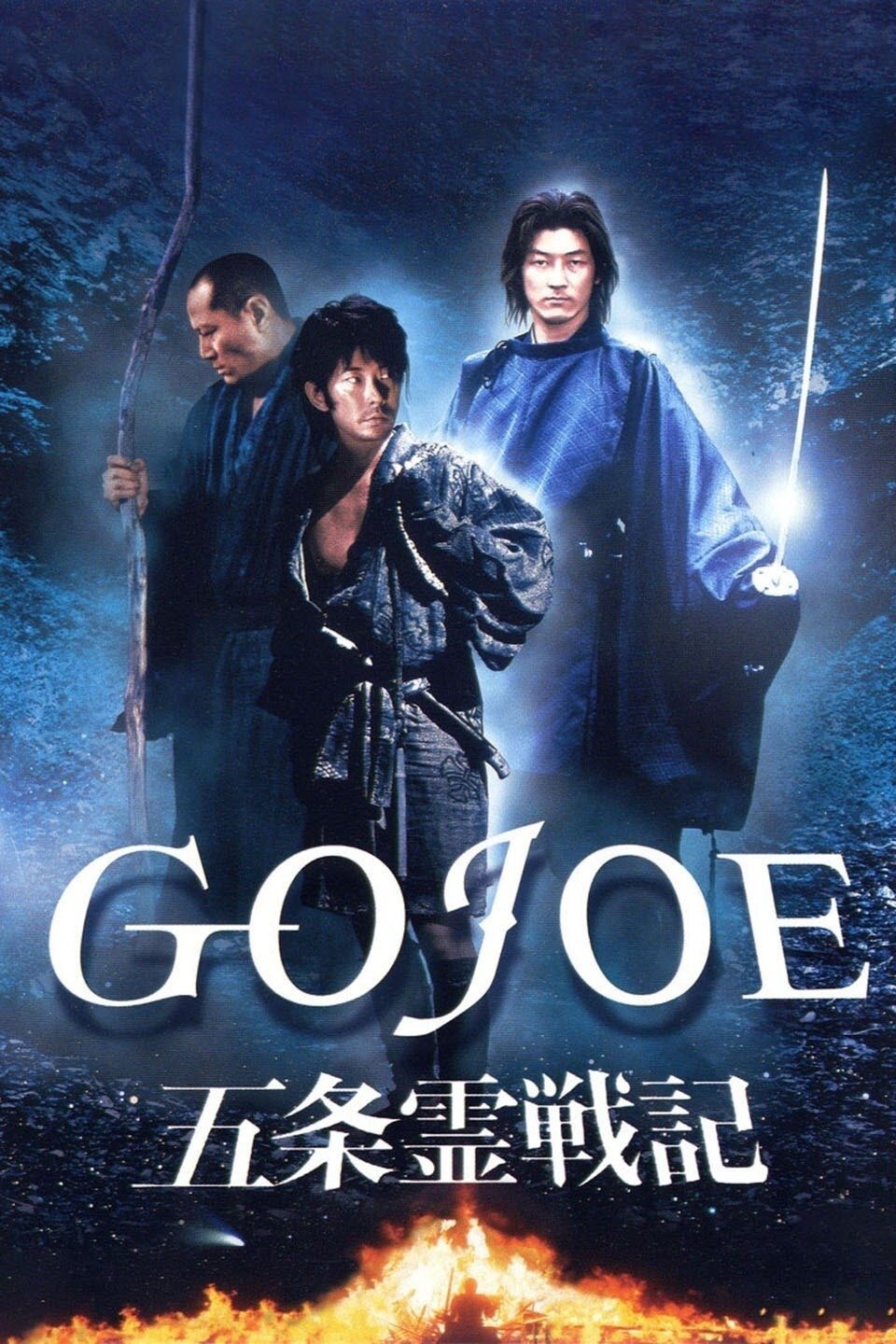
Benkei, a master fighter and killer, vows never to take another life after his conversion to Buddhism. His faith in pacifism, however, is shaken and ultimately broken by the attacks from a trio of fighters known only as the demons. Taking up his sword once more, he sets out to end their murderous terror.
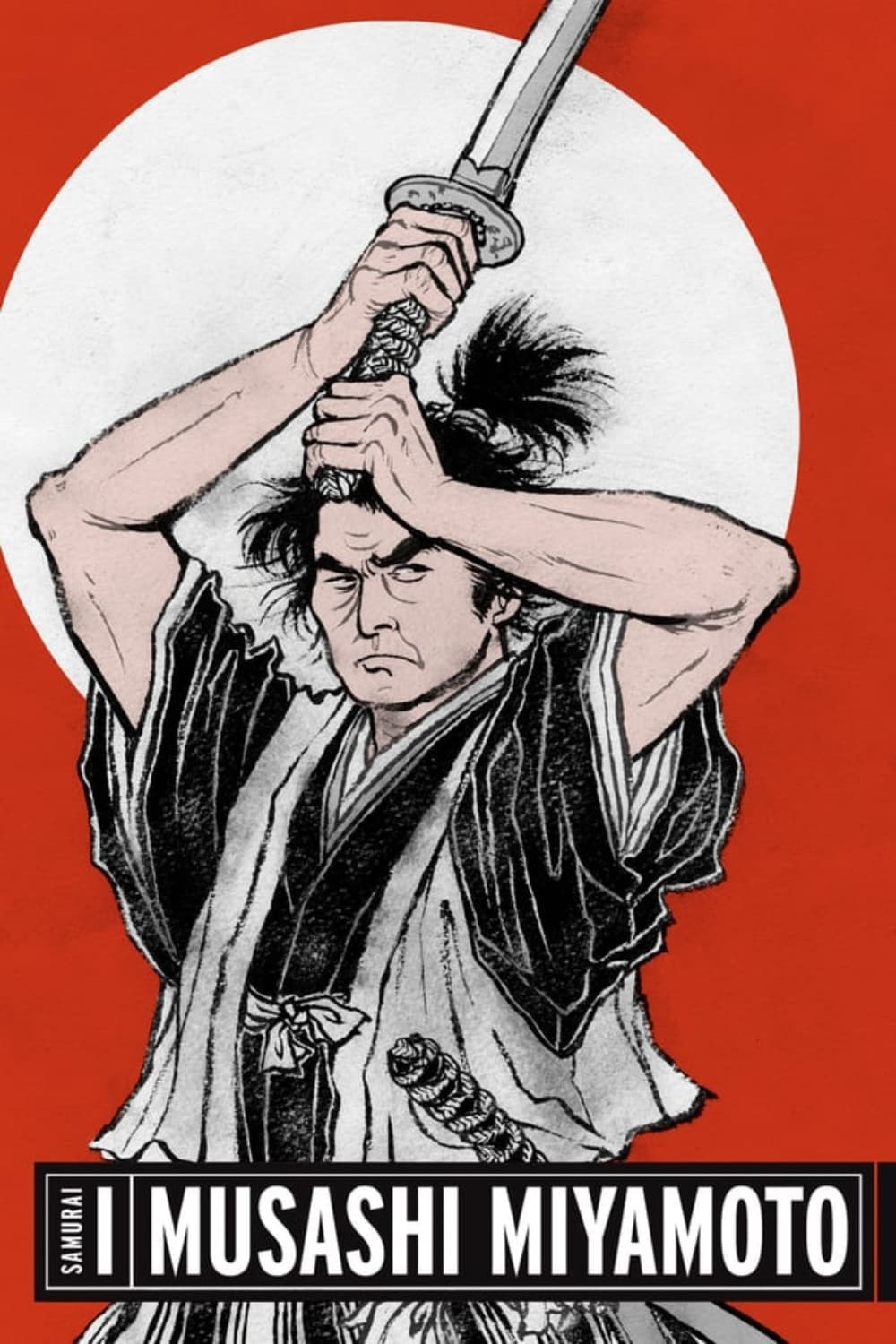
Struggling to elevate himself from his low caste in 17th century Japan, Miyamoto trains to become a mighty samurai warrior.
Kakunoshin, renowned for his skills with a sword and in the game of go, embodies the samurai code. Falsely accused of a theft, he is forced to become a lowly ronin. Years later, when a case of missing gold pulls him into a new web of intrigue, Kakunoshin uncovers the truth behind his downfall. With the real culprit exposed, the go board flips, and a hellstorm of righteous vengeance follows.
In 1868, after the Bakumatsu war ends, the ex-assassin Kenshin Himura traverses Japan with an inverted sword, to defend the needy without killing.
After years on the road establishing his reputation as Japan's greatest fencer, Takezo returns to Kyoto. Otsu waits for him, yet he has come not for her but to challenge the leader of the region's finest school of fencing. To prove his valor and skill, he walks deliberately into ambushes set up by the school's followers.
A sadistic Daimyo (feudal lord) rapes a woman and murders both her and her husband, but even when one of his own vassals commits suicide to bring attention to the crime, the matter is quickly hushed up. Not only will there be no punishment, but because the Daimyo is the Shogun's younger brother, he will soon be appointed to a high political position from which he could wreak even more havoc. Convinced that the fate of the Shogunate hangs in the balance, a plot is hatched to assassinate the Daimyo. The two most brilliant strategic minds of their generation find themselves pitted against each other; one is tasked to defend a man he despises, and has a small army at his disposal. The other is given a suicide mission, and has 12 brave men. They are the 13 Assassins.
When feudal lord Itakura Katsuakira decides to prepare his samurai troops for the onslaught of modernization by having them compete in a marathon, his independent-minded daughter Yuki secretly joins the race.
Older, wiser but still a wandering loner, the blind, peace-loving masseur Ichi seeks a peaceful life in a rural village. When he's caught in the middle of a power struggle between two rival Yakuza clans, his reputation as a deadly defender of the innocent is put to the ultimate test in a series of sword-slashing showdowns.
In this companion piece and sequel to "Yojimbo," jaded samurai Sanjuro helps an idealistic group of young warriors weed out their clan's evil influences, and in the process turns their image of a proper samurai on its ear.
In a poor district of Edo lives a young samurai named Soza. He has been sent by his clan to avenge the death of his father. He isn't an accomplished swordsman however, and he prefers sharing the life of the residents, teaching the kids how to write etc. When he finally finds the man he is looking for, he will have to decide whether he follows the way of the samurai or chooses peace and reconciliation.
On the Hokkaido frontier, a war veteran and Ainu girl race against misfits and military renegades to find treasure mapped out on tattooed outlaws.
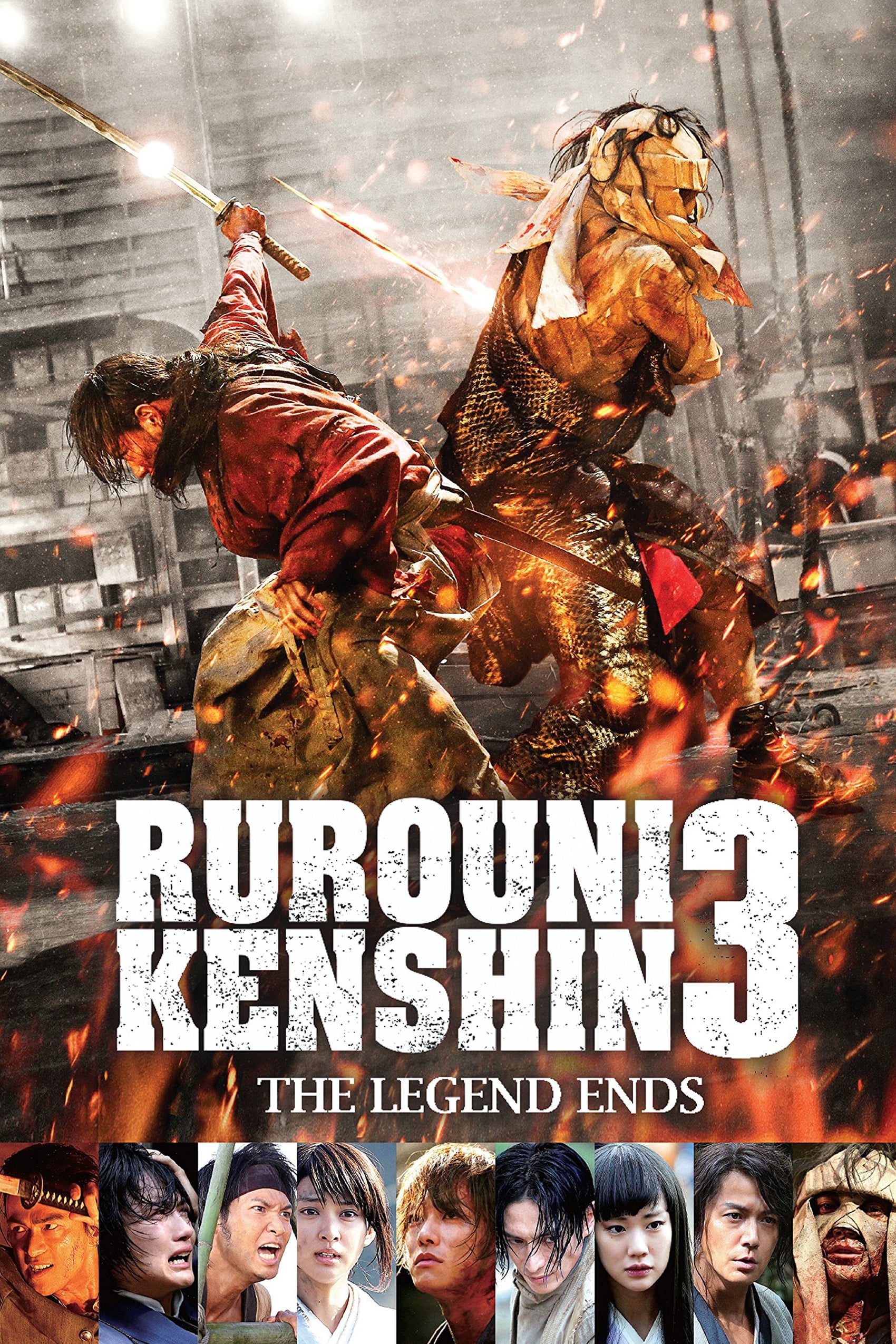
Shishio sets sail in his ironclad ship to bring down the government. In order to stop him, Kenshin trains with his old master to learn his final technique.
Ryunosuke, a gifted swordsman plying his trade during the turbulent final days of Shogunate rule, has no moral code and kills without remorse. It’s a way of life that leads to madness.
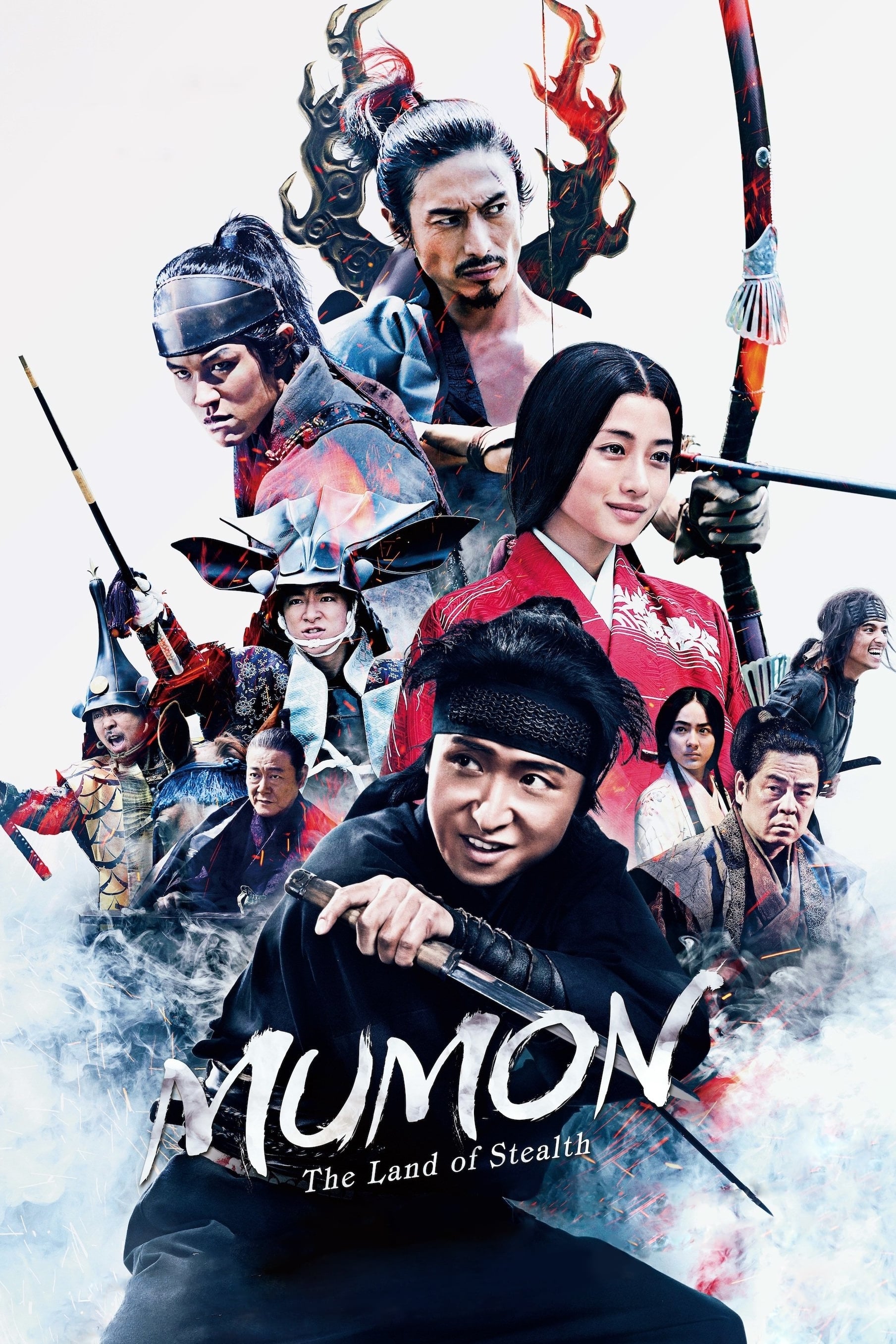
Raised suckling poison arrows among the sparring Iga ninja factions, Mumon is a carefree 16th-century mercenary. When the ninja council makes a power play to defeat the young Nobukatsu Oda struggling to step into his father’s warlord shoes as they expand rule across the country, Mumon jumps into the fray to satisfy his new bride Okuni’s demand that he make good on his promises of wealth. Yet Mumon soon finds what is worth fighting for beyond money or nation.
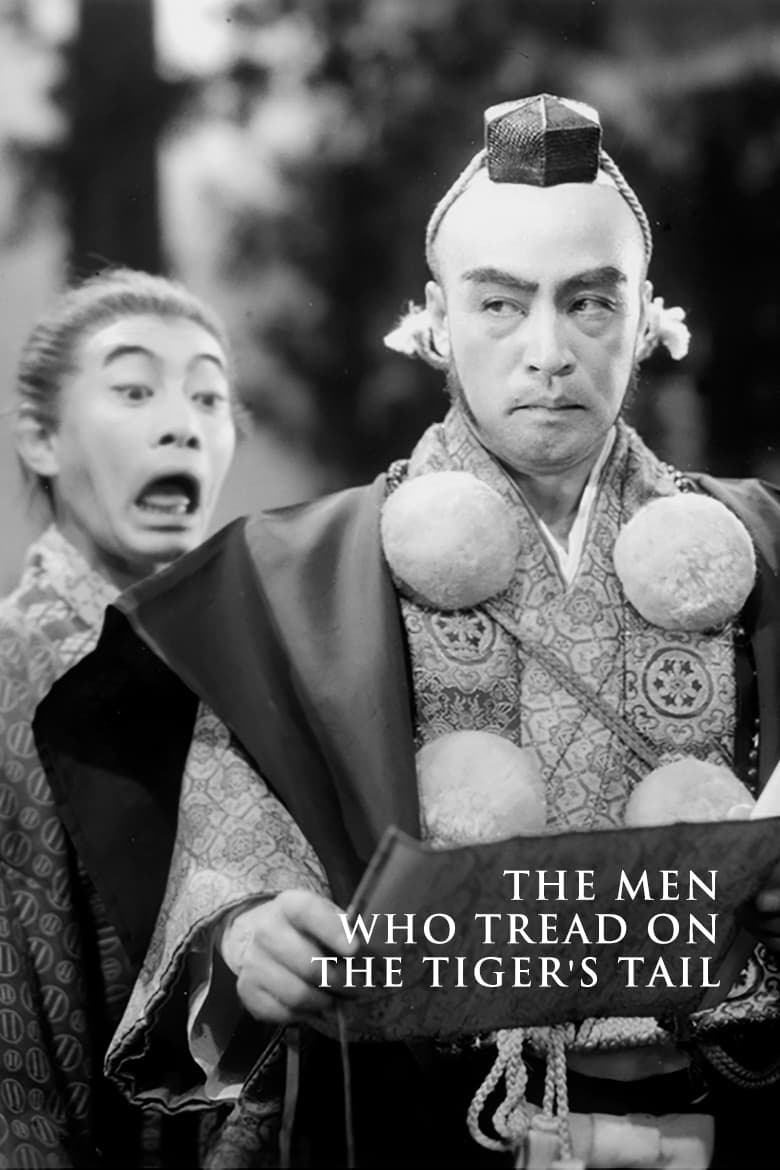
A fugitive lord and his six retainers disguise themselves as monks to bluff their way through a hostile checkpoint.
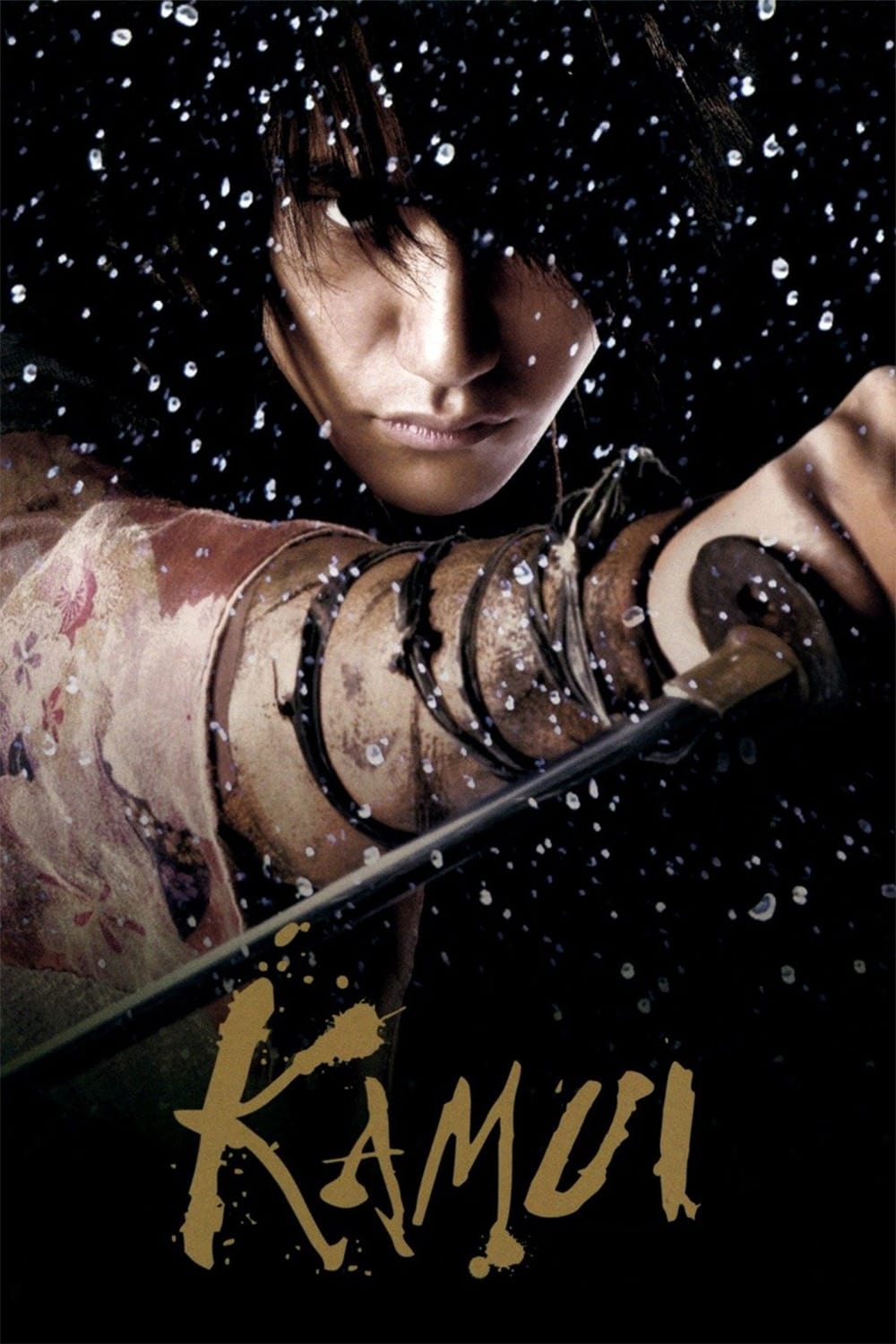
A rebellious ninja in 17th century Japan takes refuge with a fisherman and his family.
When the brutal Boshin War breaks out in Japan, a group of inmates on death row unite to defend a fortress against the Imperial army.
In 1879, Kenshin and his allies face their strongest enemy yet: his former brother-in-law Enishi Yukishiro and his minions, who've vowed their revenge.
Ichi is a blind entertainer that travels the countryside with her traditional Japanese guitar and walking stick. She’s in search for the kind man that brought her up as a child, but because of her beauty she encounters problems every step of the way. Fortunately for Ichi, she is also a gifted swordswoman and carries a lethal blade within her walking stick.
Fearless Edo-period police inspector Hanzo Itami, nicknamed The Razor, has developed his own unique way of extracting information for his inquiries. His first adventure sees him investigating his superior officer's mistress, whom he suspects of having ties with a reputed criminal on the loose.