Social & External
The people behind it
Sadri Alışık
Sedat
Kenan Pars
Dede Sedat
Ajda Pekkan
Selma
Erol Taş
Kaya
Nedret Güvenç
Sedat'ın Annesi
Renan Fosforoğlu
Komiser
Nezahat Tanyeri
Mithat'ın Annesi
Muammer Gözalan
Hakim
Sohban Koloğlu
Fırıncı
Rıza Tüzün
Selma'nın Babası
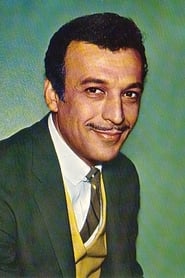
The story of a woman who was raped and ended up in a brothel just as she was about to marry the man she loved.
Ümit, who lives in a poor neighborhood, makes a living by singing on the streets. One day, at his son's circumcision ceremony, he runs into his wife Necla, whom he separated from years ago. The couple separated years ago due to a misunderstanding. Ümit is still angry with his wife. Necla, however, decides to seek custody of their son, Murat. With her father's help, she wins the custody case. Murat takes the opportunity to run away to his father's side. However, Necla's fiancé sets a trap to put an end to the situation and has Ümit sent to prison.
During summer vacation in a beachside town, 16-year-old Deniz seeks the affection of his childhood crush and navigates a love triangle.
Every Music Theory class, Mark and Boris playfully taunt each other in the back row. One day, during a listening session of Tchaikovsky's "Swan Lake," the teenagers' customary teasing unveils a deeper truth about their feelings for one another.
A poor couple wants to buy a pearl necklace with their own money.
Winter, Friday. A group of young university students leave for a weekend in São João da Cruz to celebrate their promotion to the prestigious Academic Life Association (AVA). The young people's fun turns to terror when, at night, on Praia da Cruz beach, a hazing ritual is taken to the extreme.
Anna and her rebellious daughter Lena live on the outskirts of Riga. Lena skips school and falls into dangerous circles. When her best friend dies of an overdose and Lena narrowly survives, they have to flee abroad to escape the police. They find refuge with Anna's cousin in Switzerland. But Lena's resistance jeopardises their new start.
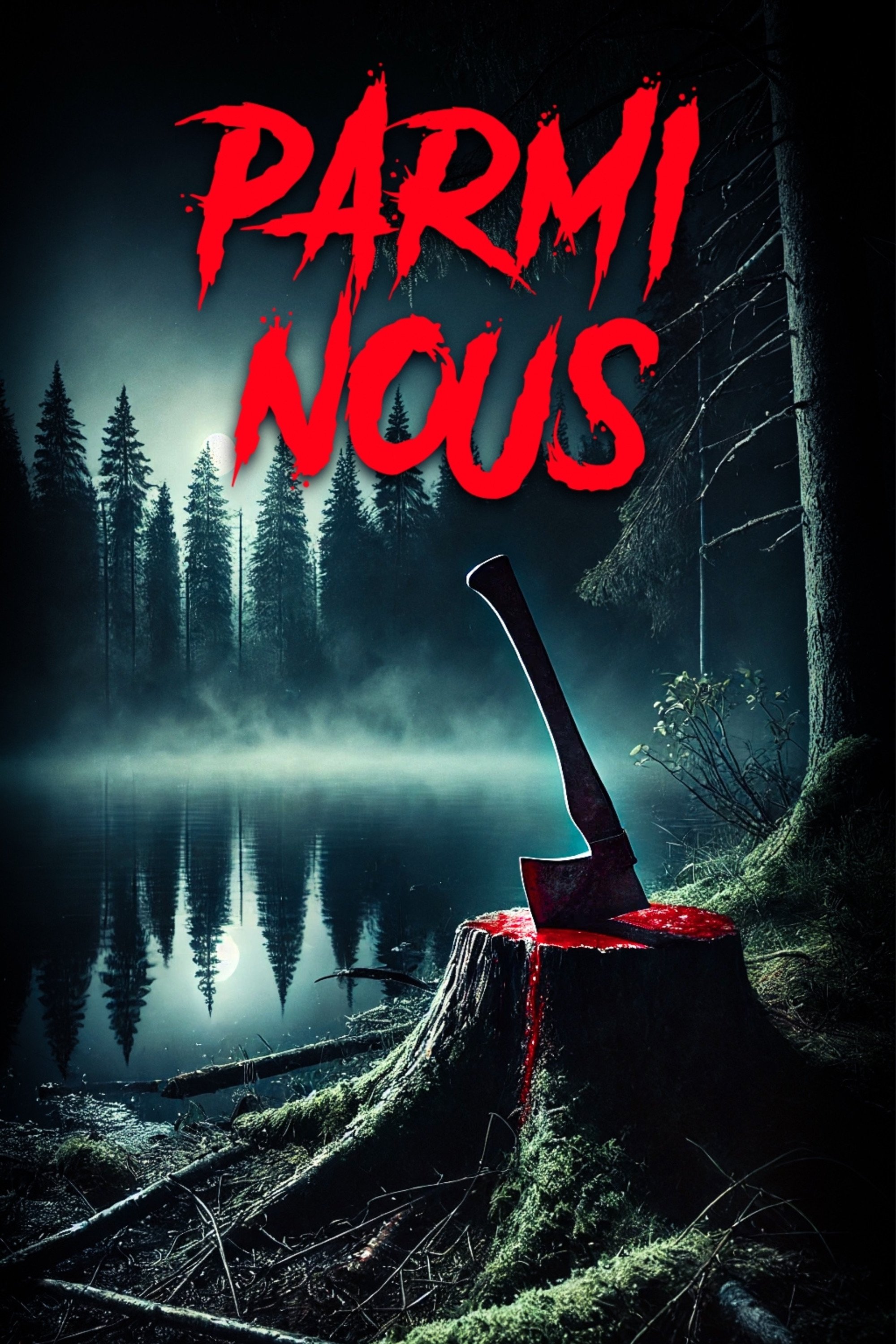
A group of 4 teenagers go camping in an isolated forest. Soon, strange events and increasingly disturbing behavior jeopardize their stay. As one after another disappears or descends into paranoia, they realize that the threat may be closer than they imagined...
Throughout the months of summer, an apparition will appear to mourn the sun and roam the earth seeking the last of her warmth. It's his eternal journey and never ending elegy of the sun.
A self-made man divorces his wife who becomes a typist and warns him his second wife may leave him too.
A Cockney fishmonger's daughter weds a bart who loses his all on a trotting race.
A less than ideal arrangement turns unexpectedly healing when a working, single mother is forced to call her absent father for a last minute babysitting request.
Louise has been a widow for years and teaches literature in a high school. She divides all her time between books and her son, Martin, who still lives with her. During a family lunch, she meets Martin's best friend, Stanislas, a young painter of Russian origin, who is studying at the Beaux-Arts and whose talent promises a brilliant career. Louise is still finding Stanislas very attractive and already the young man is madly in love with her. All it takes is a little something to bring the two lovers together in the same passionate embrace. Informed by his mother, Martin pretends to be delighted by this unexpected rapprochement between the two beings he loves the most. His rage bursts, however, during the family meeting that Louise has organized to make her affair with Stanislas official.
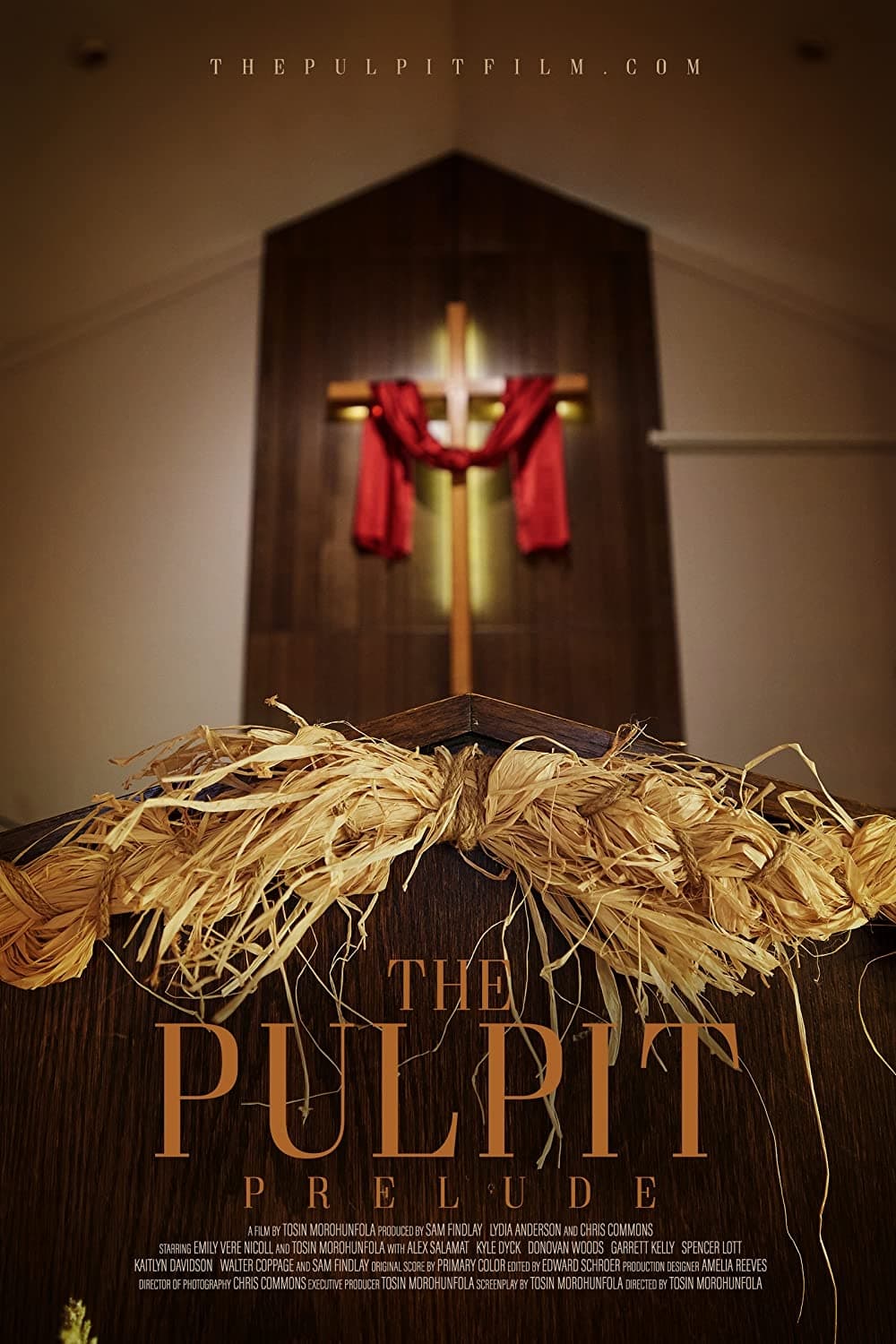
When a progressive, midwestern pastor's life is threatened by extremists, she must answer to a gang of interrogating FBI Agents as she reels from the trauma of terrorism. "The Pulpit: Prelude" is about small town politics and the challenges faced by progressive leadership. The film sheds light on the violence and prejudice in a variety of faith communities and the challenges of seeking help from institutions like law enforcement. Inspired by a True Story, this short film is a prelude to a feature-length Thriller of the same name. "THE PULPIT" will return.
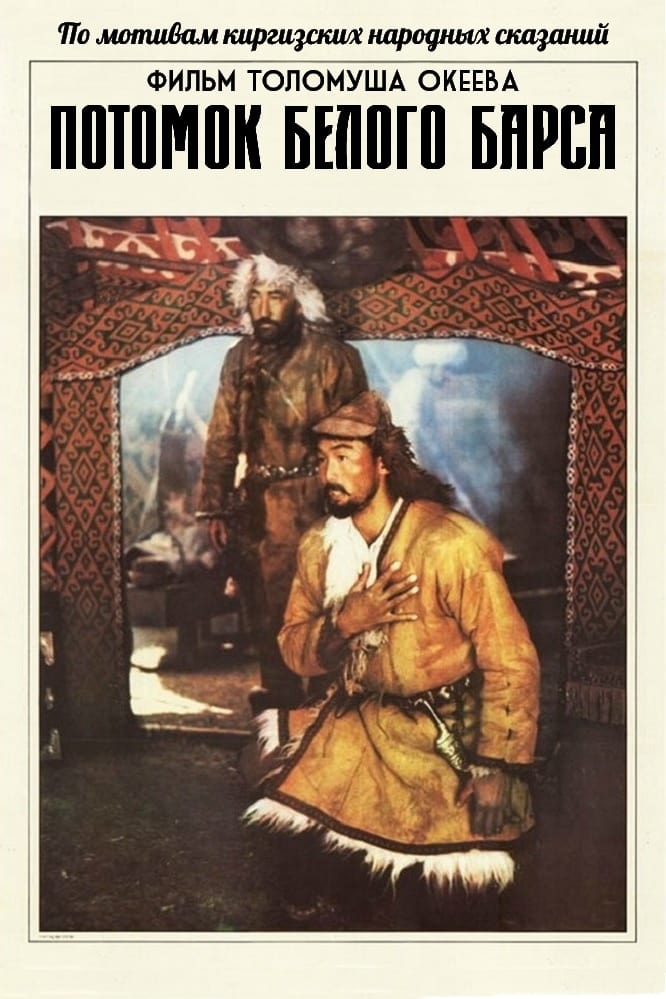
The Russian Descendant of the Snow Leopard is based on a famous Kirghizian folktale. Apparently the Kirghizian folks had plenty of time to tell this story: to print a full synopsis would result in a novelette. Essentially, the story involves a proud group of highland hunters called the Snow Leopards, who in order to survive a brutal winter must request help from the Lowland people. The price for this assistance is the hand of the Snow Leopard's daughter, who is promised in marriage to a wealthy Lowland trader. During the Springtime wedding celebration, the trader becomes fascinated by a stranger who wins all the athletic contests. This "male" contestant turns out to be a woman, who has arrived to seek freedom for her imprisoned husband. The subsequent romance between the trader and the beautiful stranger results in disaster and bloodshed for both the Snow Leopards and the Lowlanders.
The culturally isolated, nomadic Seburi people of western Japan are the subject of this tragedy about a few of the community's members who especially experience difficulties as modern Japan encroaches on their world. The setting is World War II, and conflicts have already arisen when the military police come to take Seburi men away into the army. Still following their own customs that can be harsh at times, and are particularly cruel to women (women must give birth alone and unaided, a woman's adultery is punished by burying her up to her neck in the earth and then leaving her for days), the Seburi are mainly treated with fear and animosity by the non-Seburi townspeople of the region. Along with the hardships arising from cultural clashes, nature's own vagaries present other challenges to the Seburi -- who still lived in tents until the 1950s. Winter avalanches and snowstorms cause as much havoc as the tensions engendered by the slow encroachment of the modern world.
The seeming hopelessness of combatting an all-powerful government that will not tolerate political dissension is the focus of this excellent historical drama set in the mid-19th century in Hungary. In the opening scenes, Hungary has just lost its bid for independence from Austria and a Magyar officer, unable to bear the tragedy of defeat and what it means, says an affectionate good-bye to his beloved horse and then shoots the animal and himself. Two years later, Ferenc (Gyorgy Cserhalmi) is trying to eke out a living for his wife and her family -- and at the same time avoid any hint of sympathy for Hungarian independence because the Secret Police are everywhere. Just as life seems to be going well, Ferenc's former commanding officer (Lajos Oze) arrives and begins discussing revolution again -- a futile pursuit at this point in time. The next day, Ferenc is thrown into an insane asylum and everyone else is arrested as well.
This somewhat superficial historical drama is about the 1525 Peasants' War in Germany when the lower classes rebelled against oppressive conditions imposed by the clergy and nobility and then committed many acts (including atrocities) that did not morally set them far apart from the people they were fighting. It was a time of upheaval: Martin Luther (1483-1556) had broken away from the Catholic Church, calling for reform, and Anabaptists in Germany, like Thomas Munzer fought on the side of the peasants (opposed by Luther). This complex age and its political and religious turmoil are summed up in a story about an attack on a small monastery whose monks used a forged document to confiscate some land from the peasants. When their wrong-doing is revealed by the monk who forged the document in the first place, the peasants attack.
David Trueman is a young doctor who dreams of going to South America to practice medicine among the disenfranchised. Arriving in Bolivia, he encounters enough corruption and oppression to drive him away from his dreams and into the drug scene. Disillusioned and escaping to the U.S., he meets Mary, a young heroin addict who shares his angst. As the two commiserate, their bleak outlook lightens, promising a glimmer of hope for the both of them.
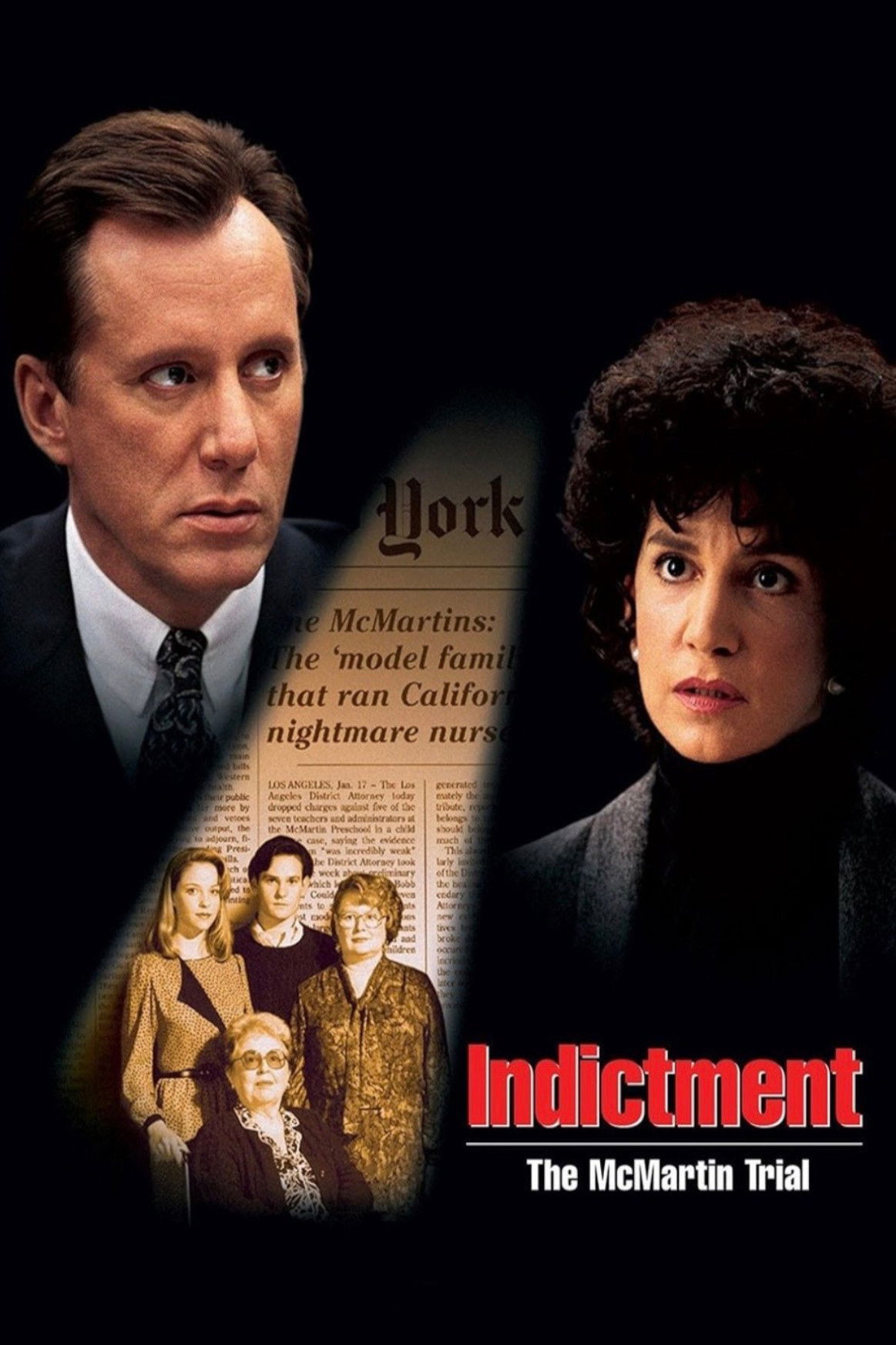
The McMartin family's lives are turned upside down when they are accused of serious child molestation. The family run a school for infants. An unqualified child cruelty "expert" videotapes the children describing outrageous stories of abuse. One of the most expensive and long running trials in US legal history, exposes the lack of evidence and unprofessional attitudes of the finger pointers which kept one of the accused in jail for over 5 years without bail.
After her outlaw husband returns home shot with eight bullets and barely alive, Jane reluctantly reaches out to an ex-lover who she hasn't seen in over ten years to help her defend her farm when the time comes that her husband's gang eventually tracks him down to finish the job.
In New York City, a young girl is caught in the middle of her parents' bitter custody battle.
Avery (Jones) returns to college as a competitive swimmer after getting his life back on track. But his life takes another unexpected turn when he and his two friends (Bonds, Casseus) are wrongly accused of murder and end up in prison.
After a revenge obsessed society incorrectly selects its next target, a young man must survive the night as the online witch-hunt arrives at his front door.
When a hard-working single mother, Sara Diaz, has her children taken from her after she is suspected of injuring her son, Ally Fisher, a recent law school graduate, is assigned to represent her case before Judge Martha Schulman, a veteran of the Family Court System.
Based on the true story of a black girl who was born to two white Afrikaner parents in South Africa during the apartheid era.
A ride-share turns into a high-stakes game of cat and mouse after it follows a car fitting the description of an AMBER Alert.
A high-class call girl accused of murder fights for the right to stand trial rather than be declared mentally incompetent.
The tragic and controversial story of Cameron Todd Willingham, who was executed in Texas for killing his three children after scientific evidence and expert testimony that bolstered his claims of innocence were suppressed.
Jo, the mother of seven children, divorces her second husband in order to marry Jake, a successful but promiscuous screenwriter. Though they are physically and emotionally compatible, they are slowly torn apart.
Thomas Montgomery, a married father of two young daughters, gets seduced by the world of online gambling and chat rooms where a virtual romance and sexual obsession ultimately leads to the murder of an innocent man.
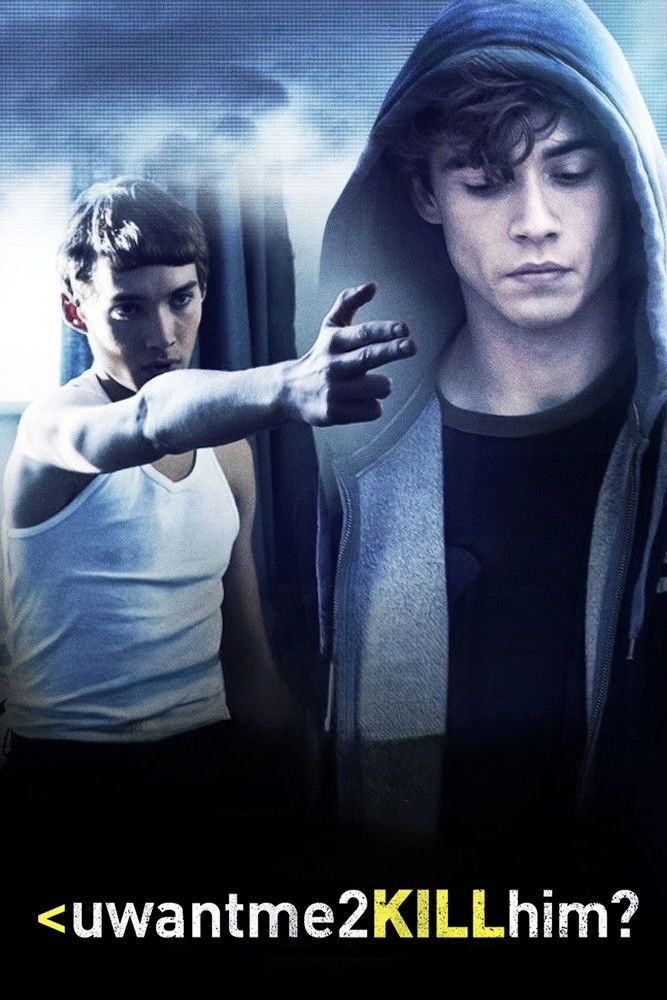
Based on the Vanity Fair article of the same title, a story about a young boy drawn into a web of lies through an online chatroom.
A group of friends' fishing boat capsizes off the coast of Mexico and they're left alone stranded at sea and struggling for survival.
Conman Robert Freegard poses as an undercover MI5 agent and kidnaps countless victims amidst a high-stakes manhunt, until the woman who fell for him brings him to justice.
Owing to his alleged involvement with communist parties, film director David Merrill is forbidden from working in Hollywood. He decides to fight for his rights and faces numerous challenges.
Jonas Cord is a disagreeable young tycoon who's building planes, directing films, and catting around on the corporate make in 1930s Hollywood.
Judge Clarence Thomas' nomination to the United States' Supreme Court is called into question when former colleague, Anita Hill, testifies that he had sexually harassed her.
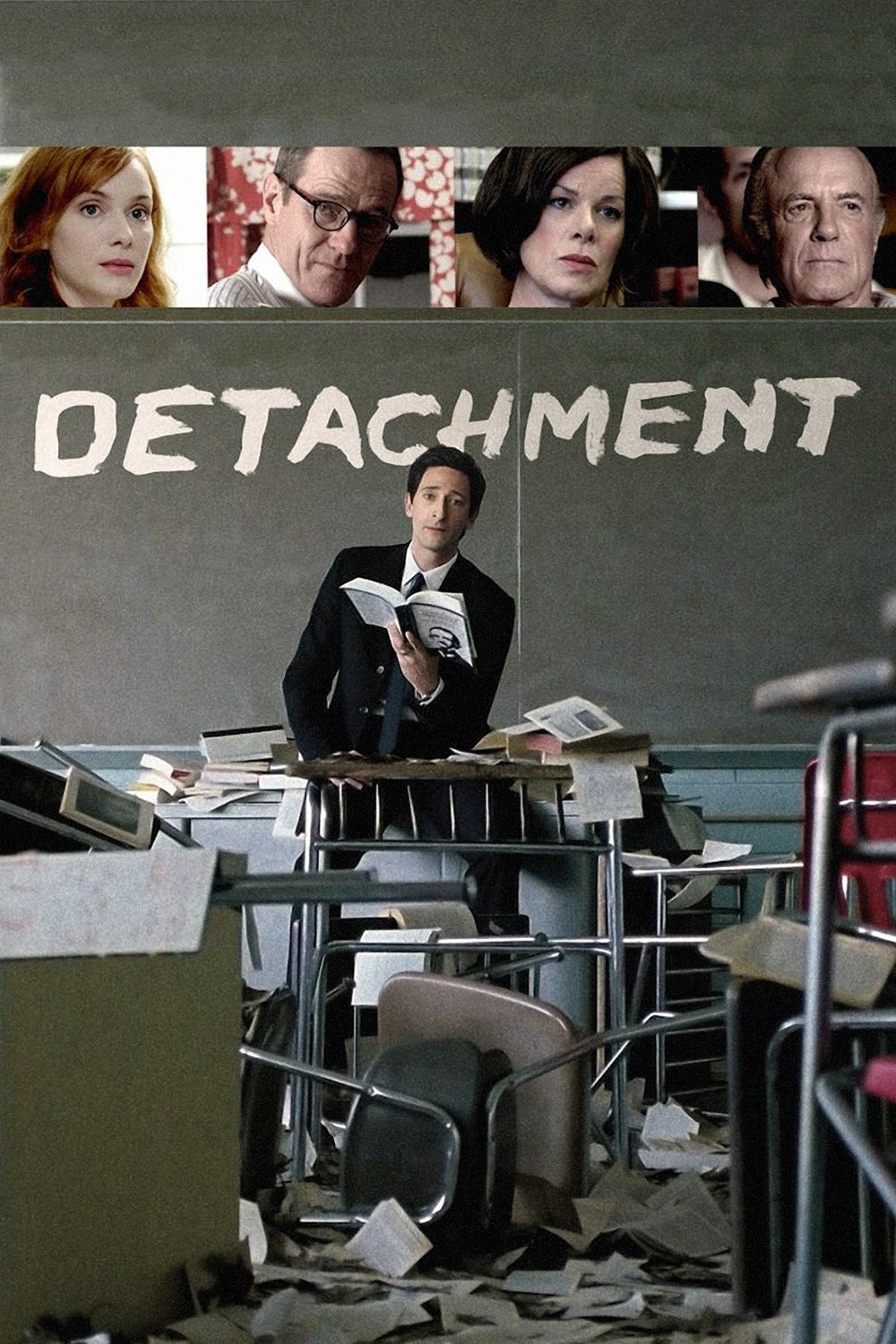
A chronicle of three weeks in the lives of several high school teachers, administrators and students through the eyes of substitute teacher, Henry Barthes. Henry roams from school to school, imparting modes of knowledge, but never staying long enough to form any semblance of sentient attachment.
A disturbed and institutionalized 16-year-old girl struggles between fantasy and reality.