Social & External
The people behind it
David Attenborough and scientist Johan Rockström examine Earth's biodiversity collapse and how this crisis can still be averted.
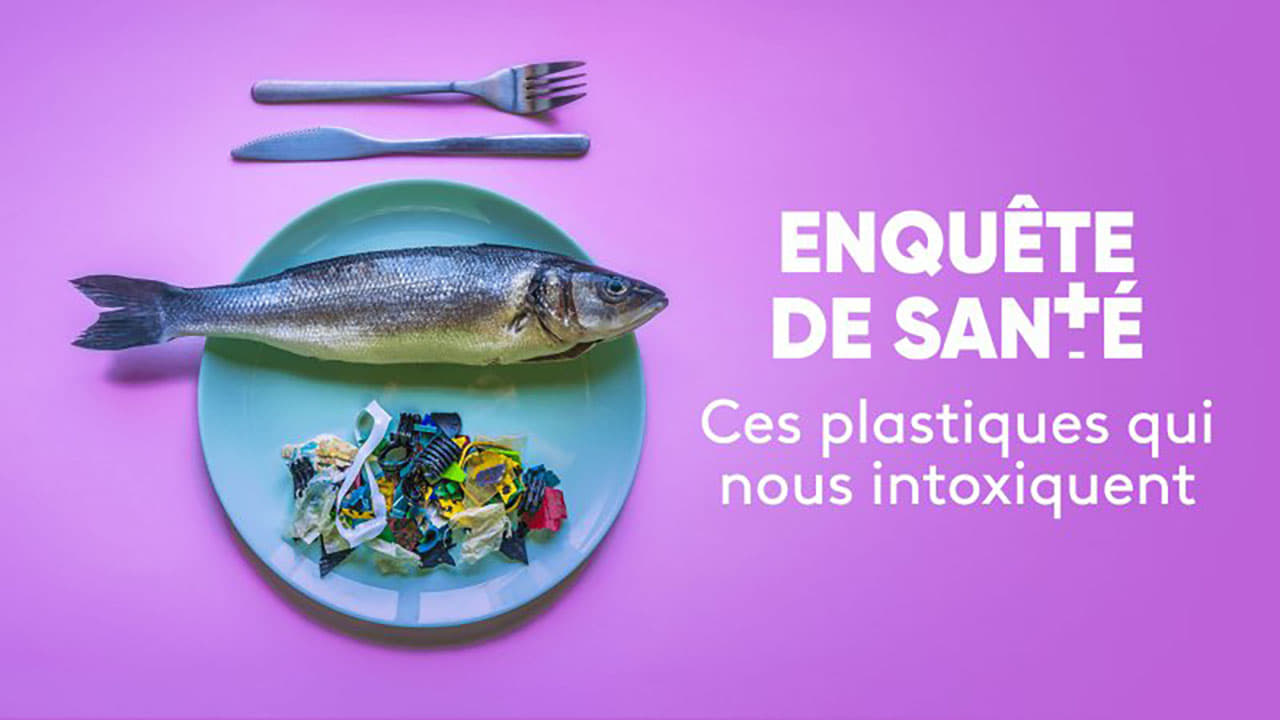
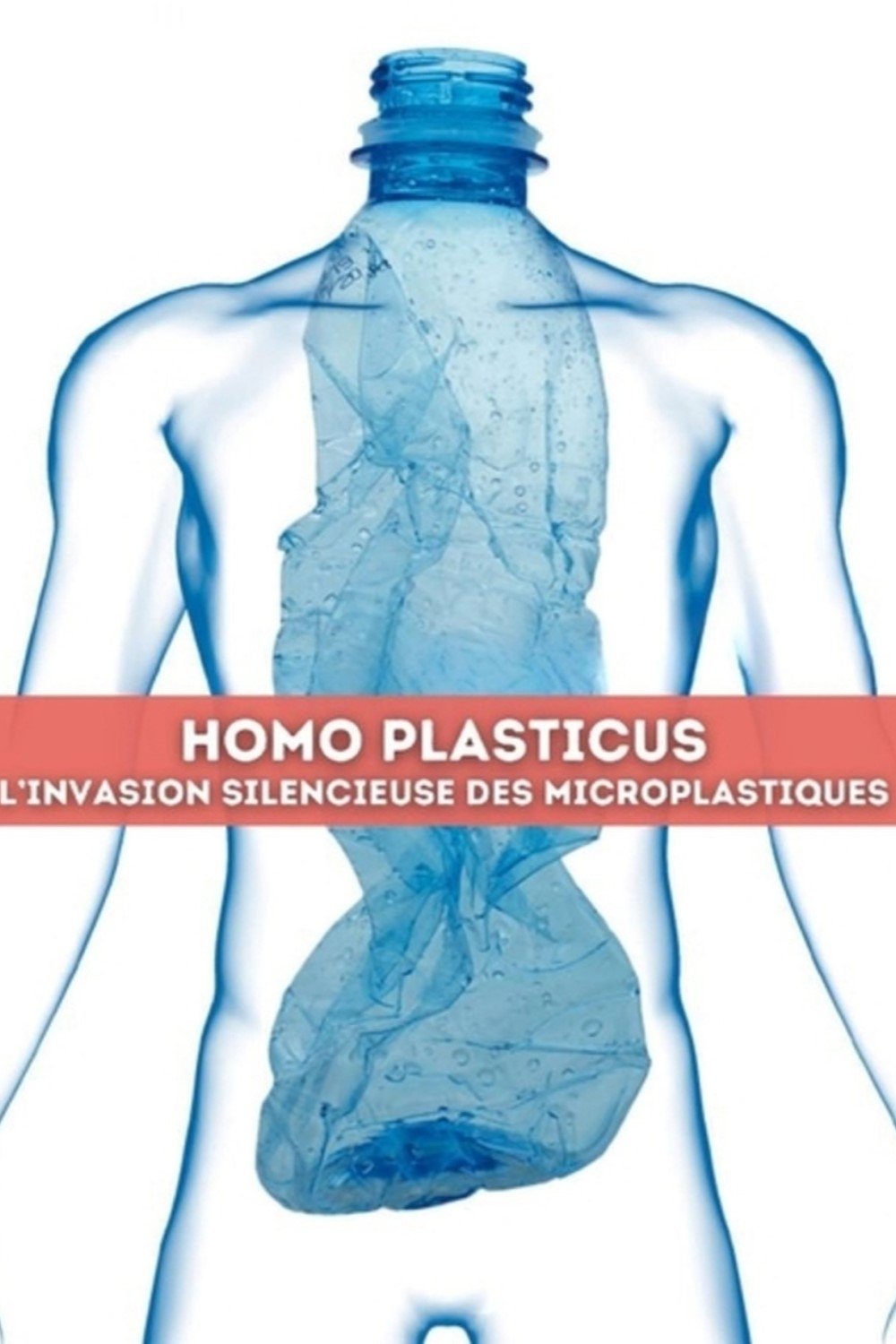
Every day, we eat and breathe tiny plastic residues. What effects does this insidious contamination have on our bodies? Rigorous and lucid, this scientific investigation gathers the most recent discoveries and sounds the alarm.
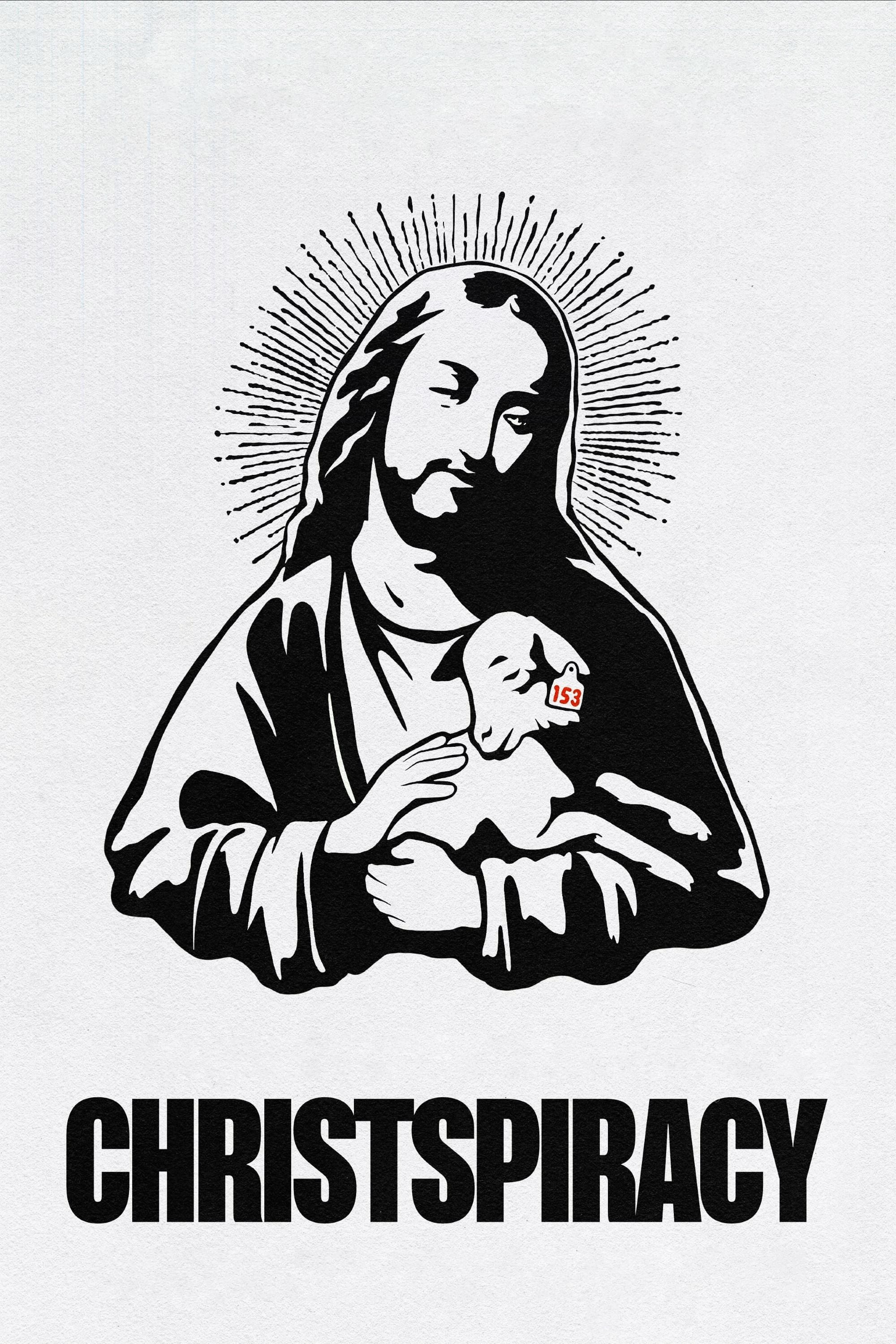
The moral dimension of humanity's interaction with nonhuman animals and the industries that profit from their exploitation, as informed by world religions. A historical explanation of how the current global situation came to be.
Documentary filmmaker Robert Kenner examines how mammoth corporations have taken over all aspects of the food chain in the United States, from the farms where our food is grown to the chain restaurants and supermarkets where it's sold. Narrated by author and activist Eric Schlosser, the film features interviews with average Americans about their dietary habits, commentary from food experts like Michael Pollan and unsettling footage shot inside large-scale animal processing plants.
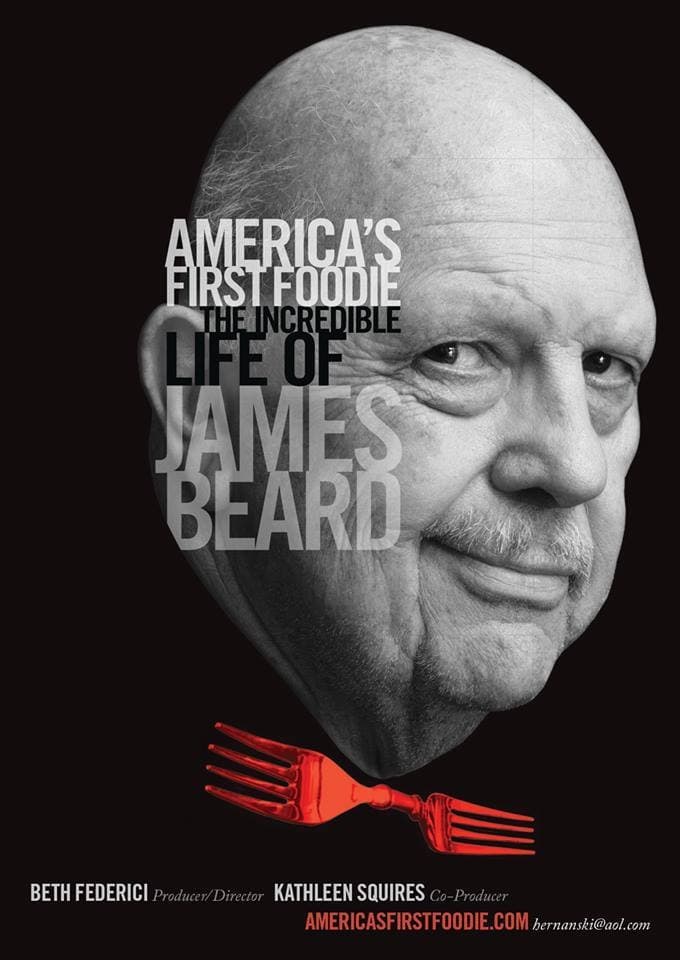
Food in the 21st century has become much more than “meat and potatoes” and canned soup casseroles.” Chefs have gained celebrity status; recipes and exotic ingredients, once impossible to find, are now just a mouse click away; and the country's major cities are better known for their gastronomy than their art galleries. This food movement can be traced back to one man: James Beard. His name graces the highest culinary honor in the American food world today—the James Beard Foundation Awards. And while chefs all around the country aspire to win a James Beard Award, often referred to as the “culinary Oscars,” many of those same chefs know very little about the man behind the medal. Respected restaurateur Drew Nieporent summed it up when he said, “Everybody knows the name James Beard. They may not know who he is, but they know the name.”
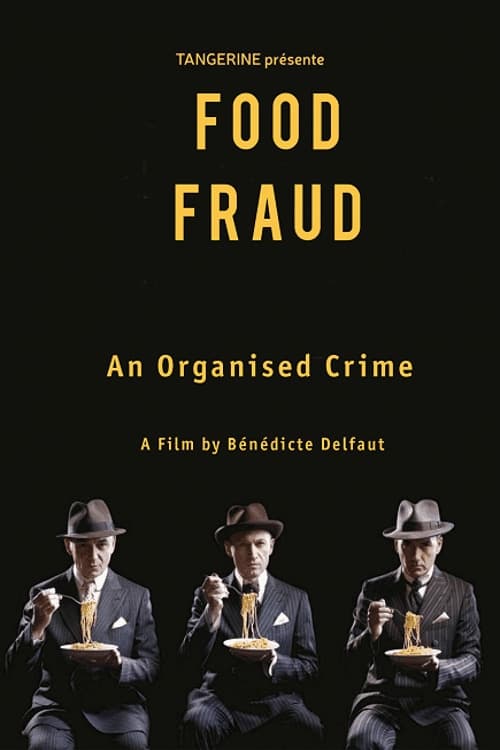
All food can be adulterated. More discreet than a drug cartel, more elusive than arms dealers, criminals have taken over food. Olive oil, fish, meat, spices, no department escapes their juicy traffic. A jackpot estimated in Europe at 30 billion euros enriches a new kind of mafia every year. Organized crime is selling altered products in restaurants, supermarkets and all food shops in the European Union. Their secret is to replace an ingredient with a cheaper one. Who are these new traffickers? What are their methods of operation?
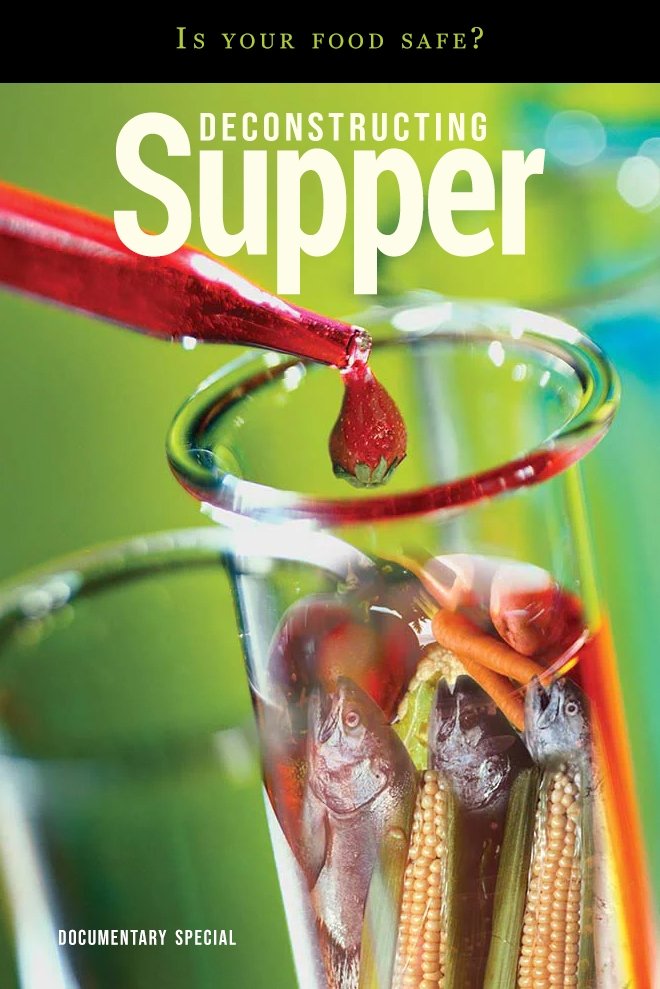
Deconstructing Supper is a ride every contemporary eater will want to take, a thought-provoking and entertaining journey into the revolution in modern food production, and its effects on our lives.
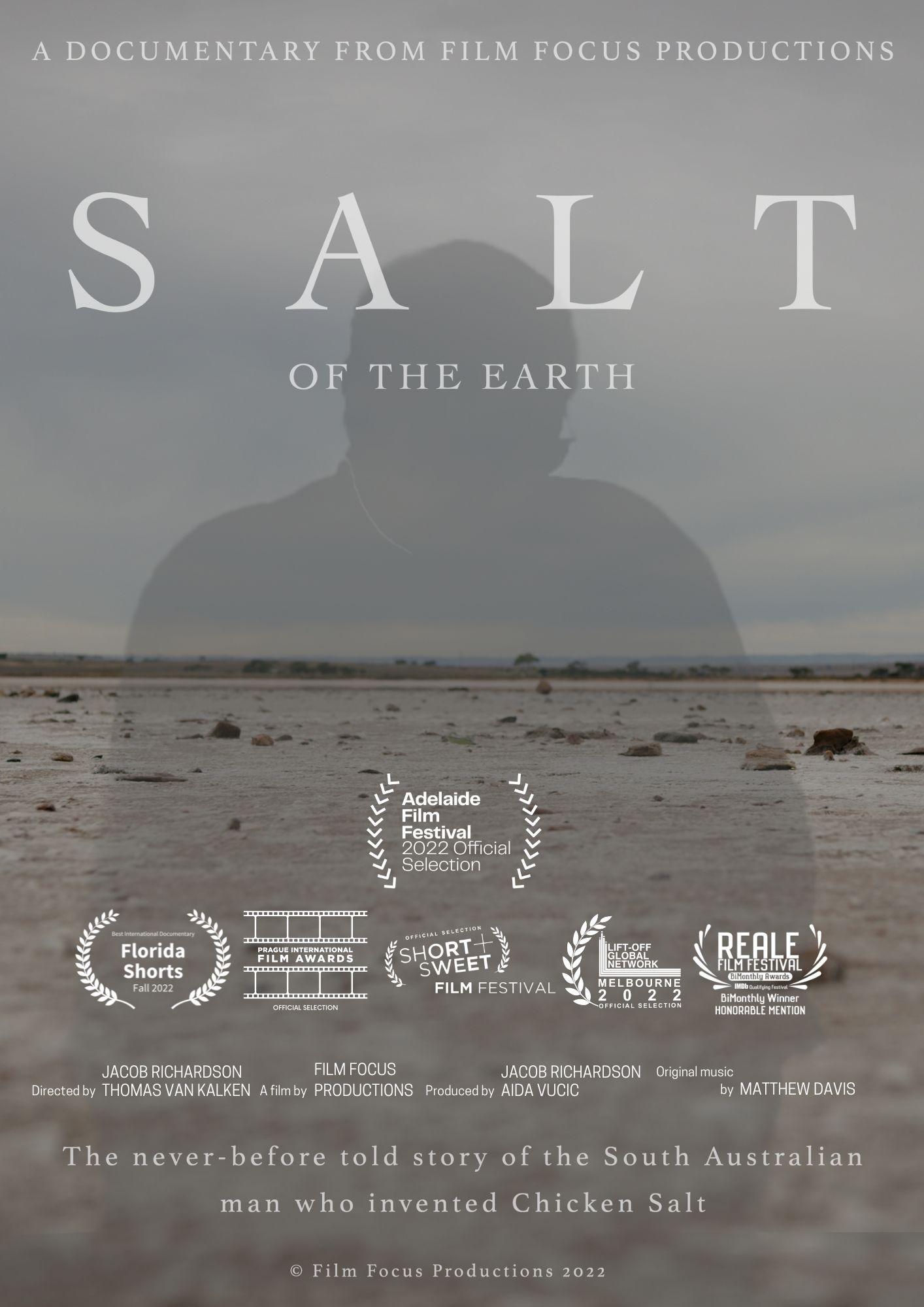
An Australian icon found on every supermarket shelf, and coating every game day pack of hot chips. But the story of the South Australian man who invented the famous Chicken Salt has never been told. While he sold the company in the late 70’s to the brand names you see in your cupboard today, he maintains that the original recipe, held secret for more than 40 years, tastes even better.
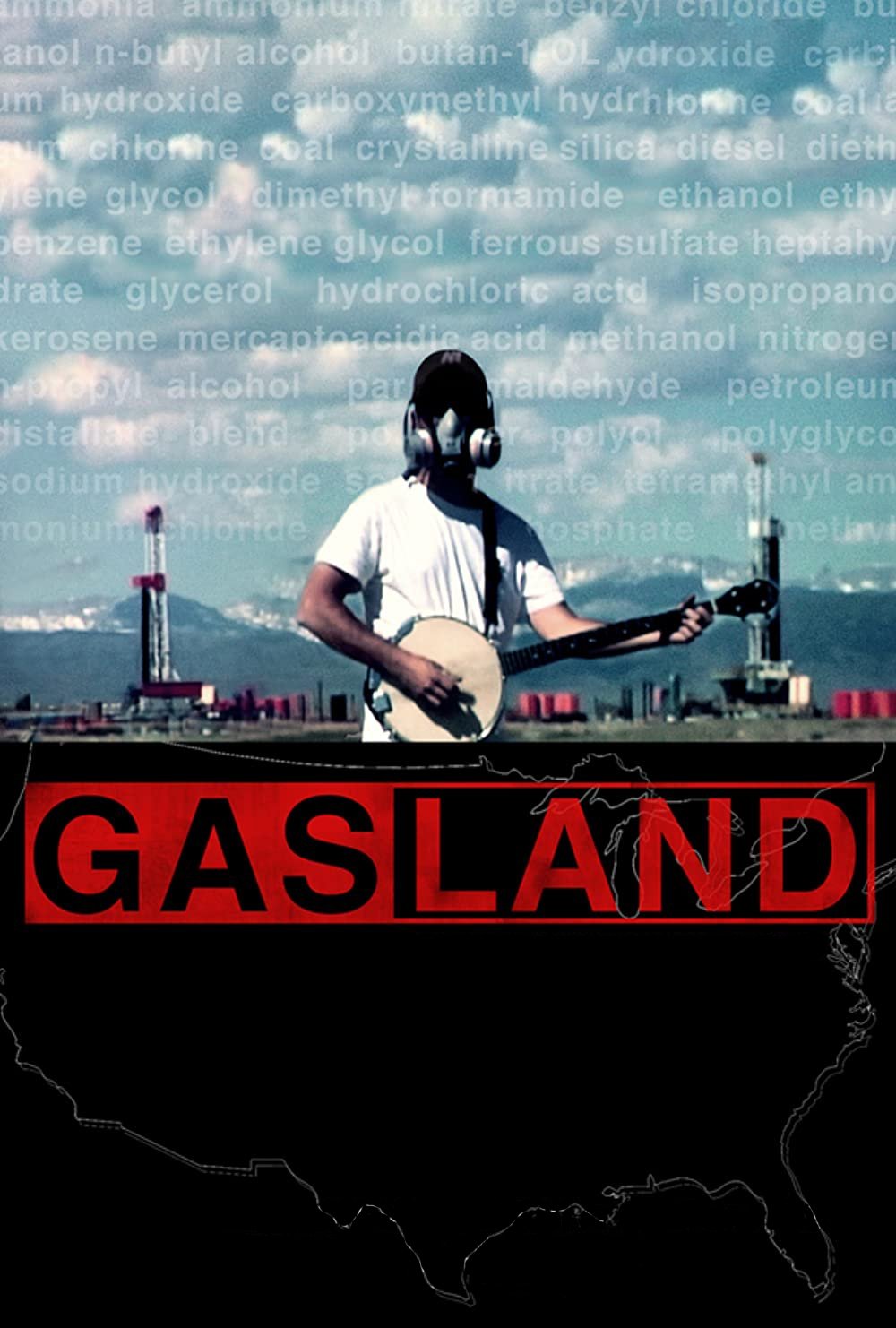
It is happening all across America-rural landowners wake up one day to find a lucrative offer from an energy company wanting to lease their property. Reason? The company hopes to tap into a reservoir dubbed the "Saudi Arabia of natural gas." Halliburton developed a way to get the gas out of the ground-a hydraulic drilling process called "fracking"-and suddenly America finds itself on the precipice of becoming an energy superpower.
The environmental problems caused by fracking in America have been well publicized but what's less known are the gas industry's plans for expansion in other countries. This investigation, filmed in Botswana, South Africa and North America, reveals how gas companies are quietly invading some of the most protected places on the planet.
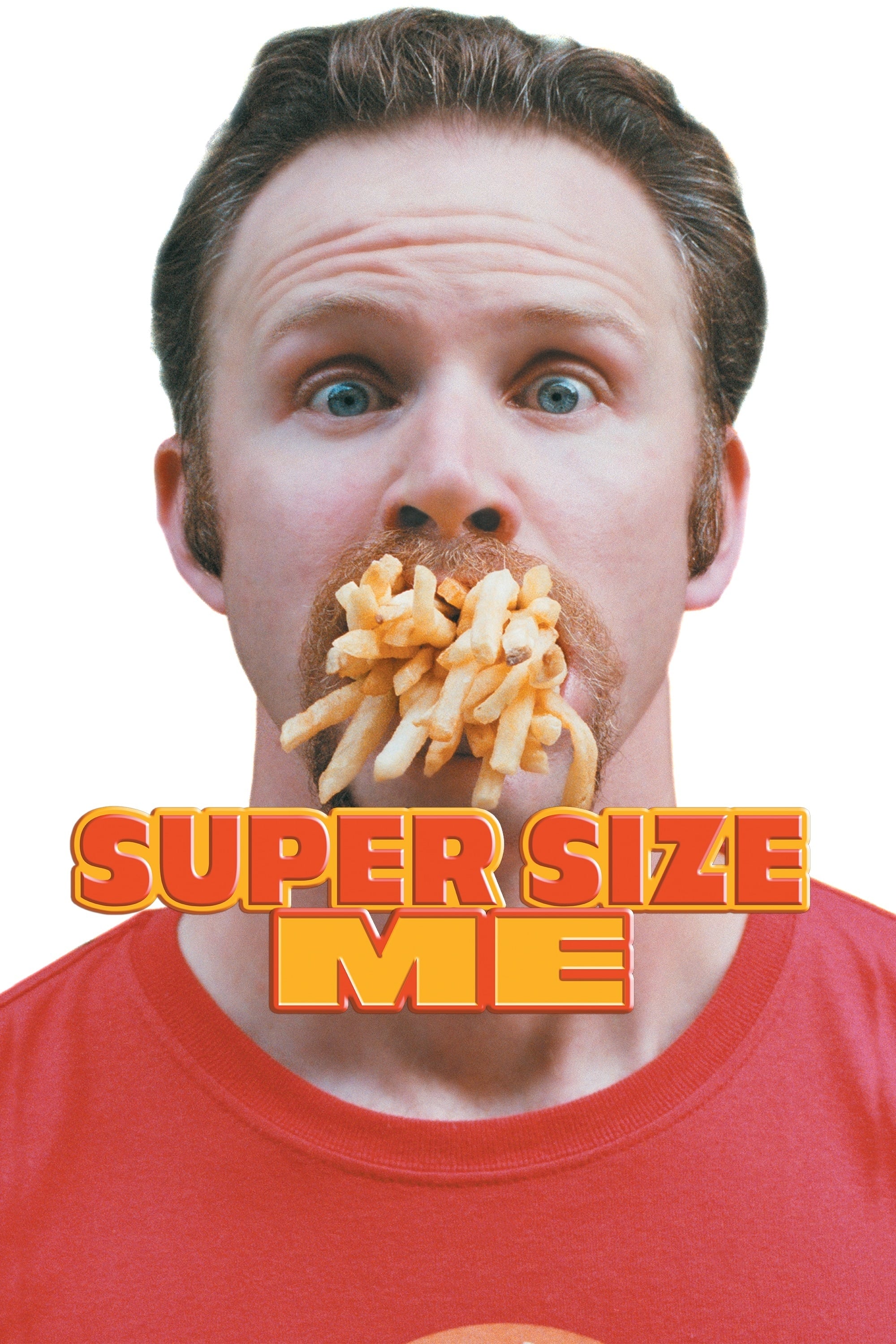
Morgan Spurlock subjects himself to a diet based only on McDonald's fast food three times a day for thirty days without exercising to try to prove why so many Americans are fat or obese. He submits himself to a complete check-up by three doctors, comparing his weight along the way, resulting in a scary conclusion.
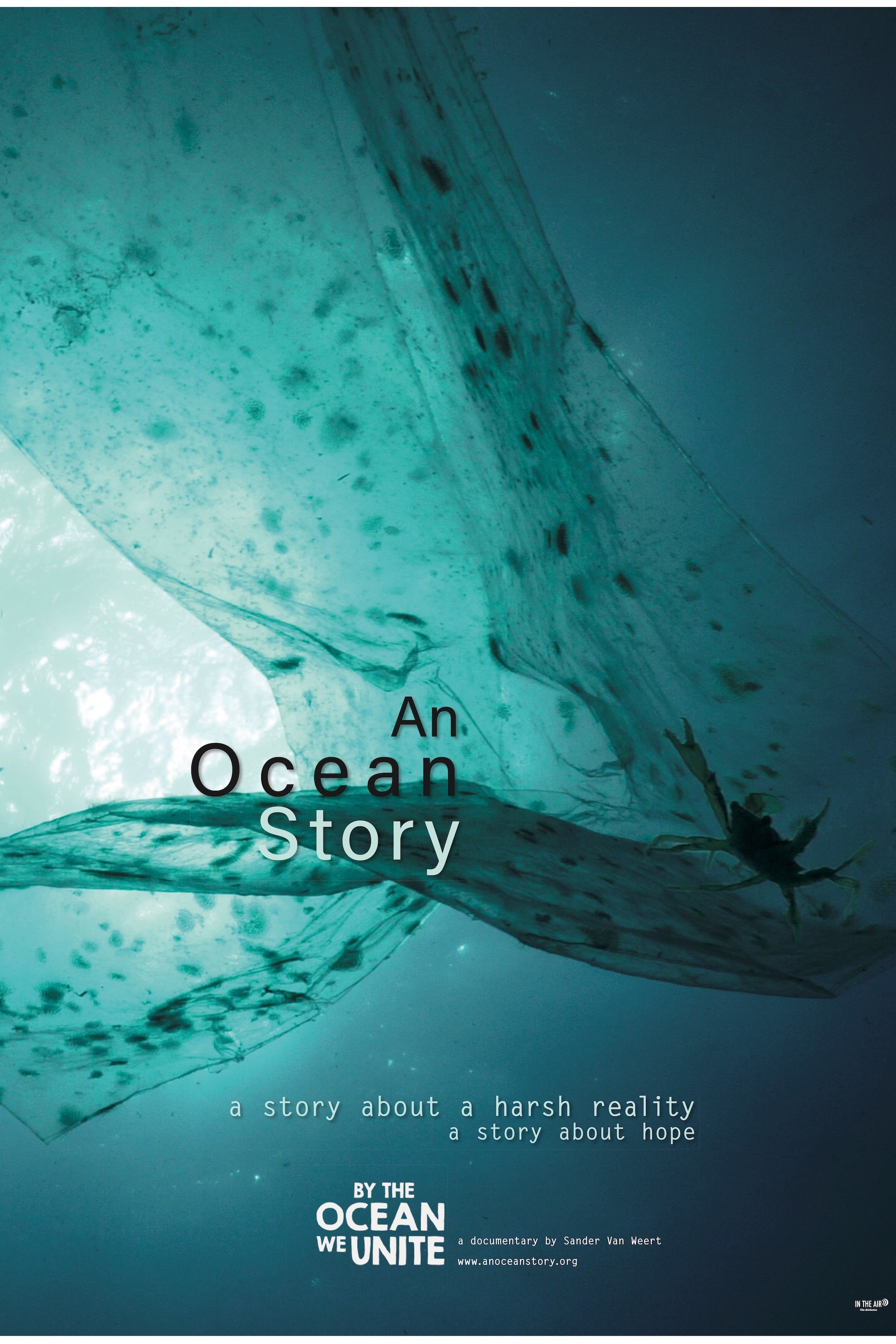
Increasing pollution, over fishing and climate change are major threats our oceans are currently facing worldwide. This documentary follows us on our journey as we film devastating consequences of these harsh realities.
With his industry on lockdown and no end in sight, Toronto chef Luke Donato tries to keep his culinary passion alive during the COVID-19 pandemic - even if it means teaching a group of misfits online.
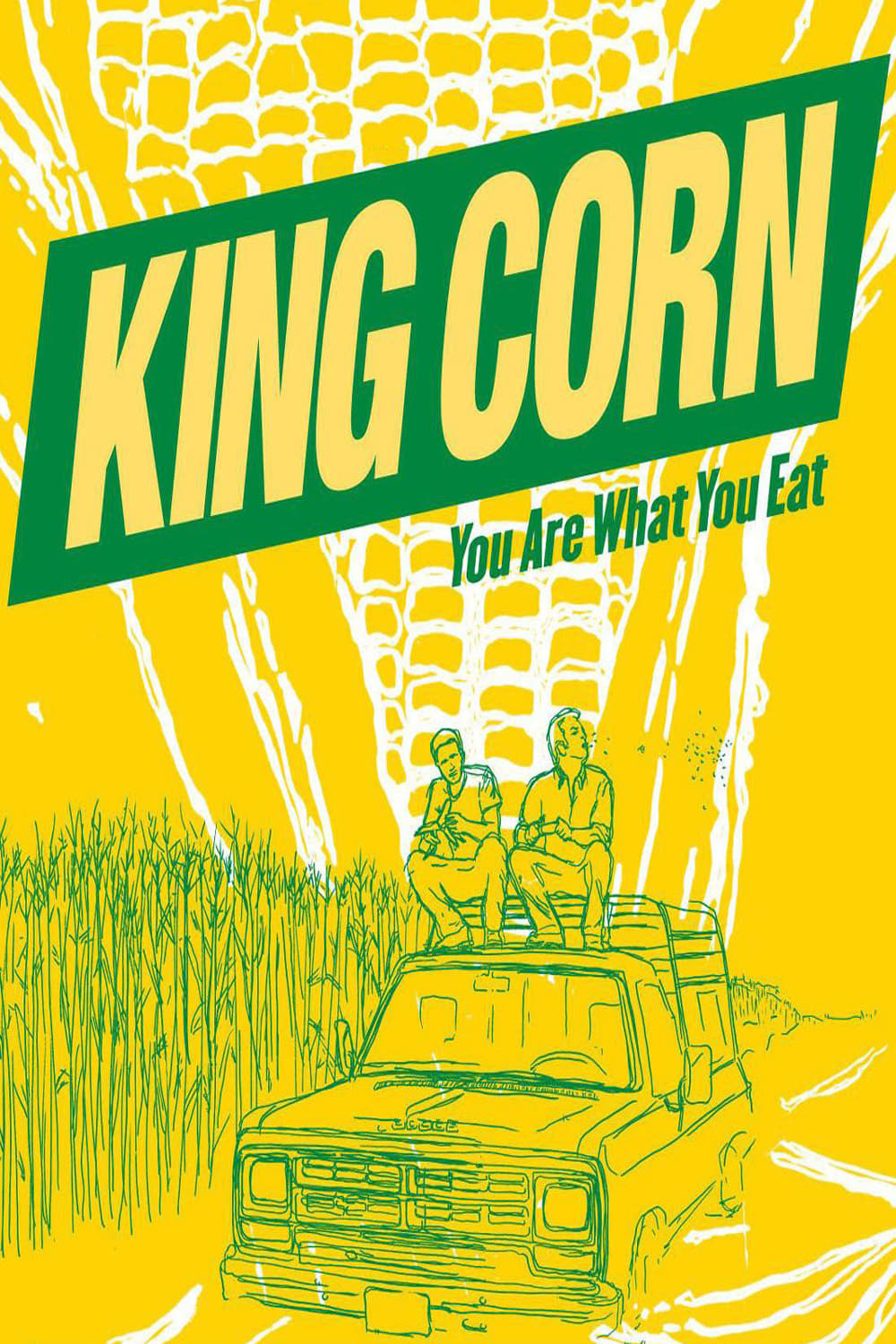
King Corn is a fun and crusading journey into the digestive tract of our fast food nation where one ultra-industrial, pesticide-laden, heavily-subsidized commodity dominates the food pyramid from top to bottom – corn. Fueled by curiosity and a dash of naiveté, two college buddies return to their ancestral home of Greene, Iowa to figure out how a modest kernel conquered America. With the help of some real farmers, oodles of fertilizer and government aide, and some genetically modified seeds, the friends manage to grow one acre of corn. Along the way, they unlock the hilarious absurdities and scary but hidden truths about America’s modern food system in this engrossing and eye-opening documentary.
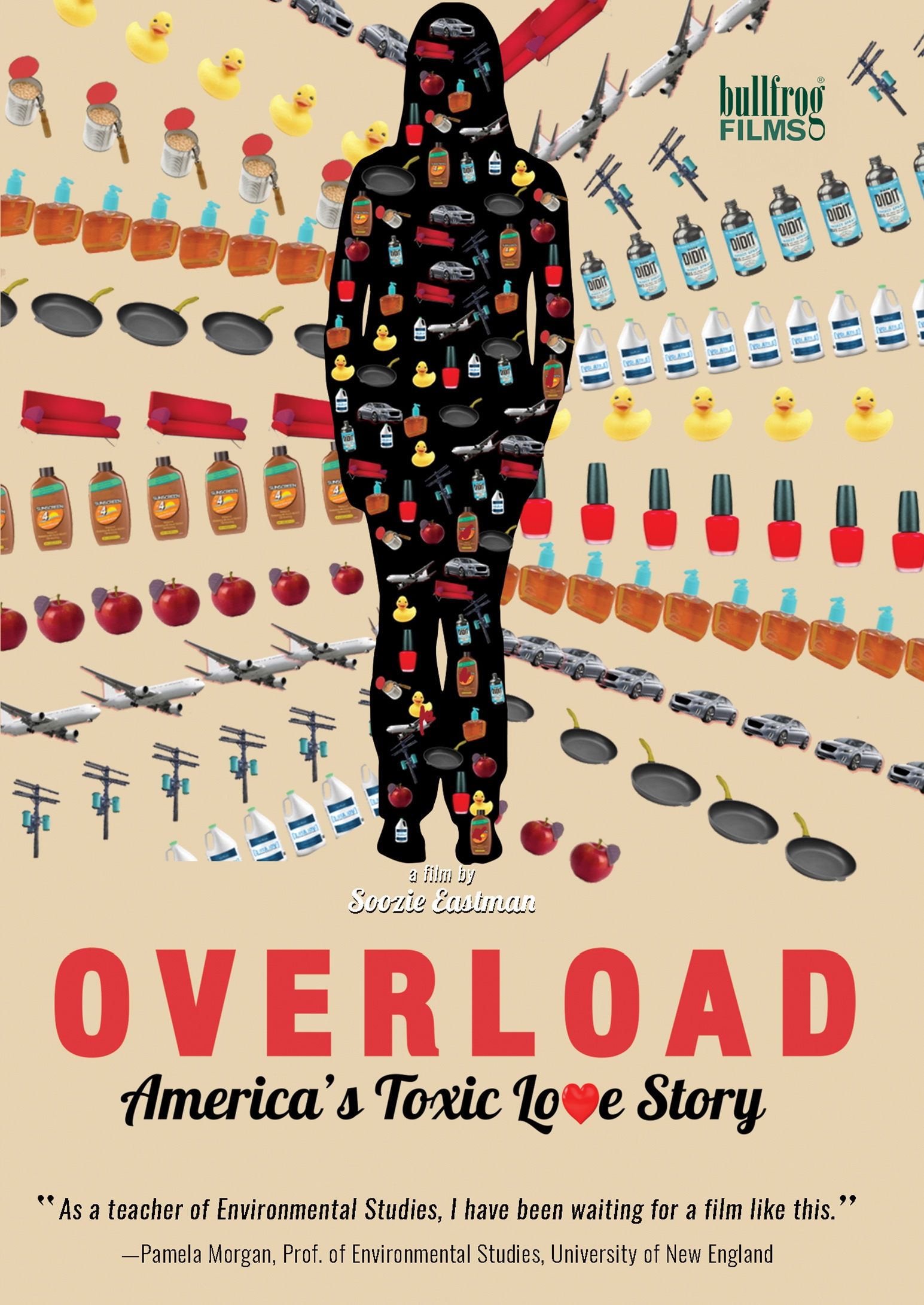
Before starting a family, Soozie Eastman, daughter of an industrial chemical distributor, embarks on a journey to find out the levels of toxins in her body and explores if there is anything she or anyone else can do to change them. She has just learned that hundreds of synthetic toxins are now found in every baby born in America and the government and chemical corporations are doing little to protect citizens and consumers. With guidance from world-renowned physicians and environmental leaders, interviews with scientists and politicians, and stories of everyday Americans, Soozie uncovers how we got to be so overloaded with chemicals and if there is anything we can do to take control of our exposure.
A cartoon film about the whole heterogeneous mixture of Canada and Canadians, and the way the invisible adhesive called federalism makes it all cling together. That the dissenting voices are many is made amply evident, in English and French. But this animated message also shows that Canadians can laugh at themselves and work out their problems objectively.
Juan “Accidentes” Dominguez is on his biggest case ever. On behalf of twelve Nicaraguan banana workers he is tackling Dole Food in a ground-breaking legal battle for their use of a banned pesticide that was known by the company to cause sterility. Can he beat the giant, or will the corporation get away with it?
The film is based on interviews with 2,000 women from 50 countries, and covers the status of women all over the world. The topics covered include forced marriages, sexual assault, female genital mutilation, acid attacks, motherhood, sexuality, menstruation, education and the professional success of women.
Explore the evolution of Buzz Lightyear from toy to human in the making of Pixar’s Lightyear. Dive into the origin and cultural impact of everyone’s favorite Space Ranger, the art of designing a new “human Buzz,” and the challenges faced by the Lightyear crew along the way.
Through deeply personal interviews with her siblings and an examination of the photographs, letters, and belongings left behind, Mariska assembles a new portrait of her mother Jayne Mansfield, an extraordinary and complex woman.
A documentary about the life and films of director John Ford.
Follow the shocking, yet humorous, journey of an aspiring environmentalist, as he daringly seeks to find the real solution to the most pressing environmental issues and true path to sustainability.
An inside look at one of the most anticipated movie sequels ever with James Cameron and cast.
A string of threatening emails escalates into a revenge plot involving a newly married US marshal and his ex-girlfriend.
Amber Heard and Nicole Kidman discuss their characters Mera and Atlanna.
Fed Up blows the lid off everything we thought we knew about food and weight loss, revealing a 30-year campaign by the food industry, aided by the U.S. government, to mislead and confuse the American public, resulting in one of the largest health epidemics in history.
A documentary focused on plastic pollution in the world's oceans.
Ranjit, a farmer in India, takes on the fight of his life when he demands justice for his 13-year-old daughter, the victim of a brutal gang rape. His decision to support his daughter is virtually unheard of, and his journey unprecedented.
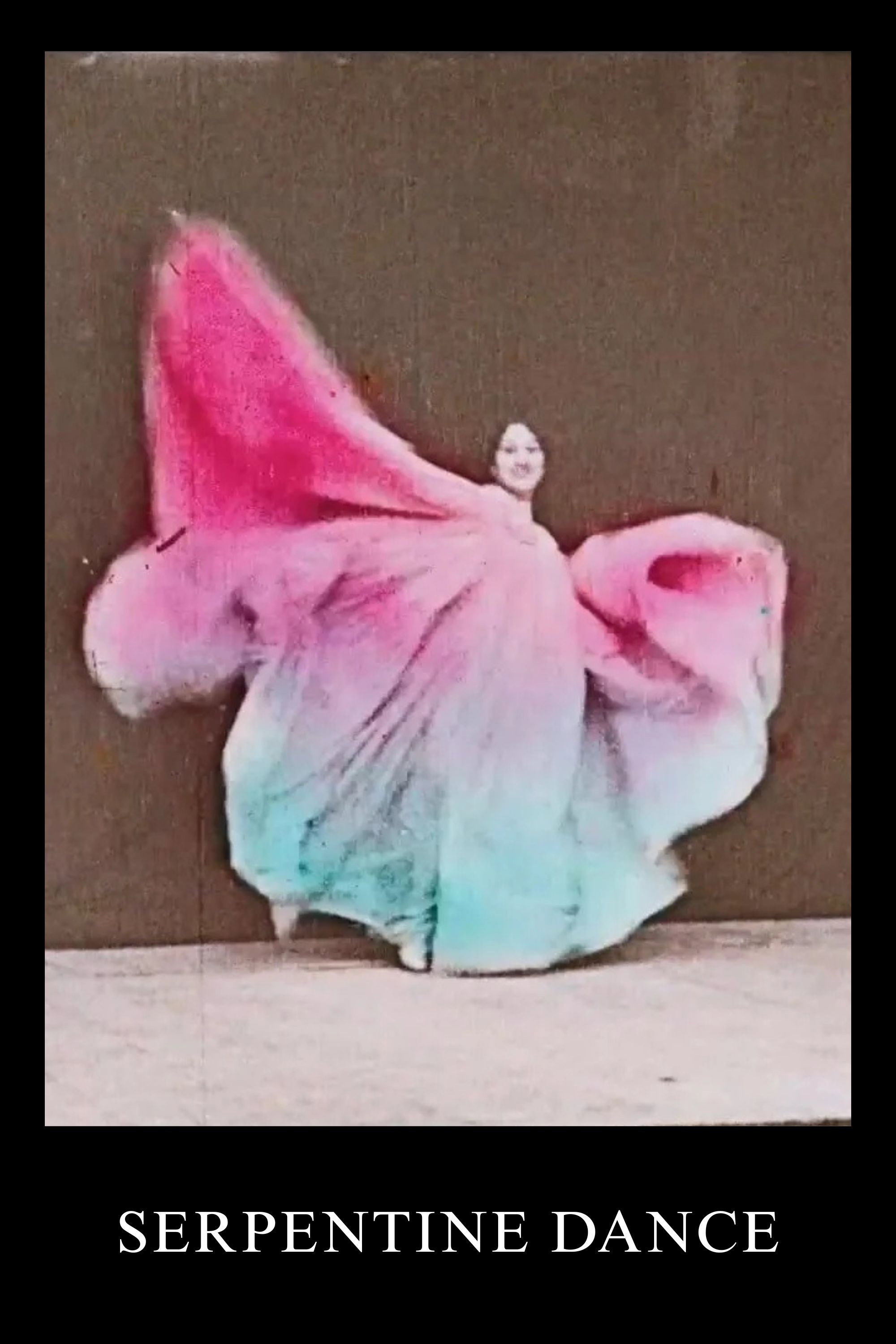
Angelic and demonic serpentine dance from dawn of cinema. Hand-colored frame by frame. Lumière no. 765 or 765.1 (colorized, different dancer?).
A detailing of the rise to prominence and global sporting superstardom of six supremely talented young Manchester United football players (David Beckham, Nicky Butt, Ryan Giggs, Paul Scholes, Phil and Gary Neville). The film covers the period 1992-1999, culminating in Manchester United's European Cup triumph.
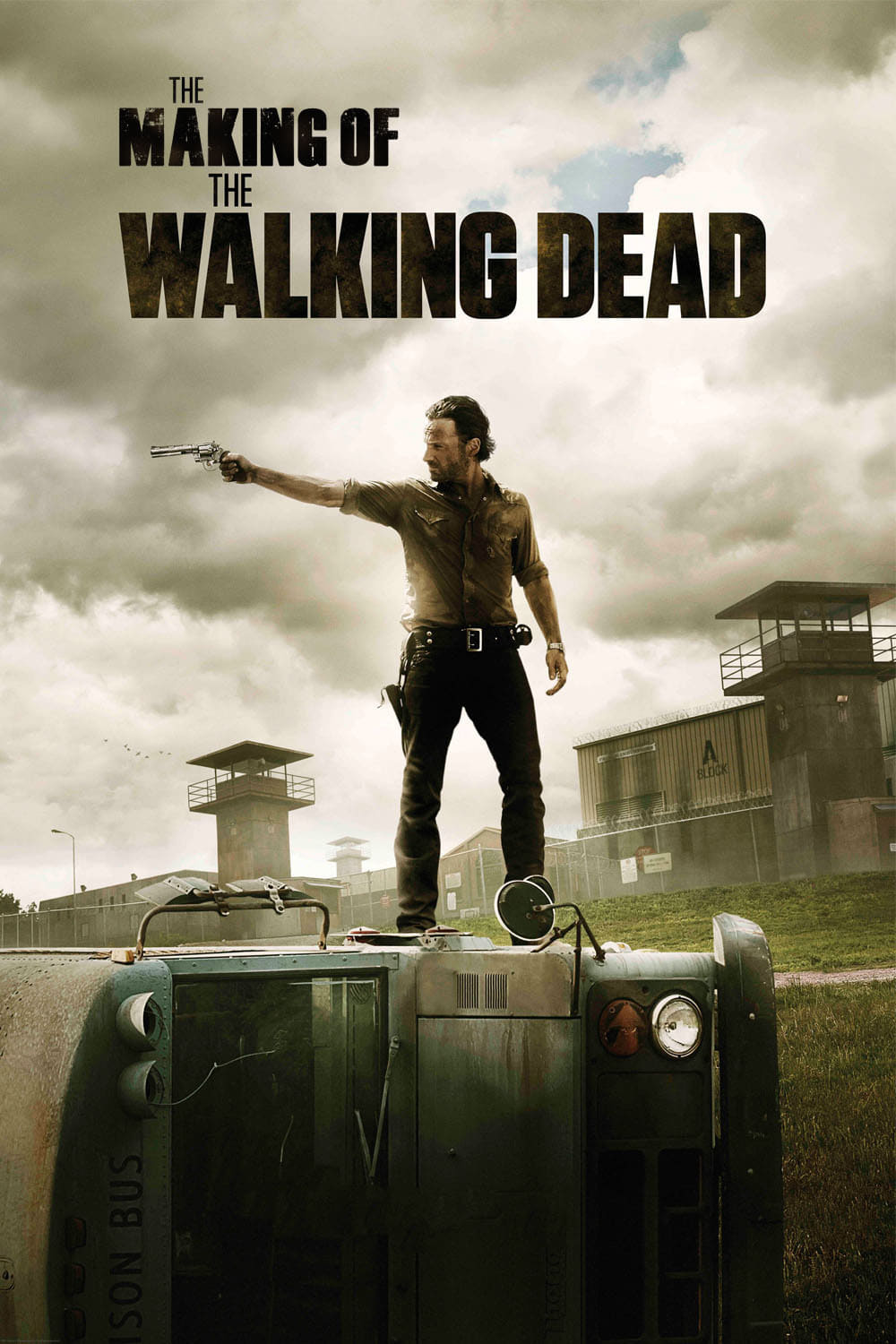
The Making of the TV Series The Walking Dead.
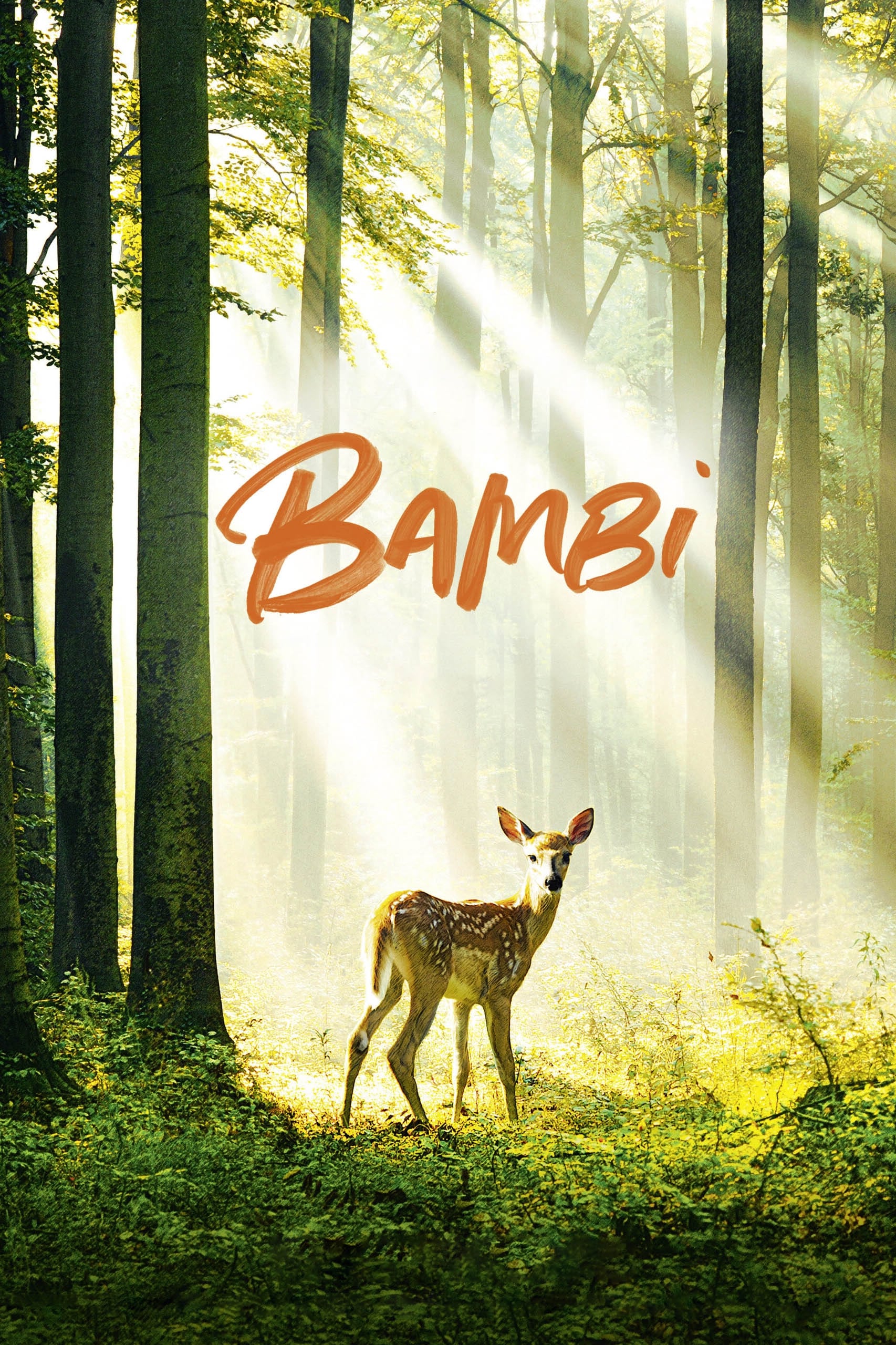
The life of Bambi, a male roe deer, from his birth through childhood, the loss of his mother, the finding of a mate, the lessons he learns from his father, and the experience he gains about the dangers posed by human hunters in the forest.
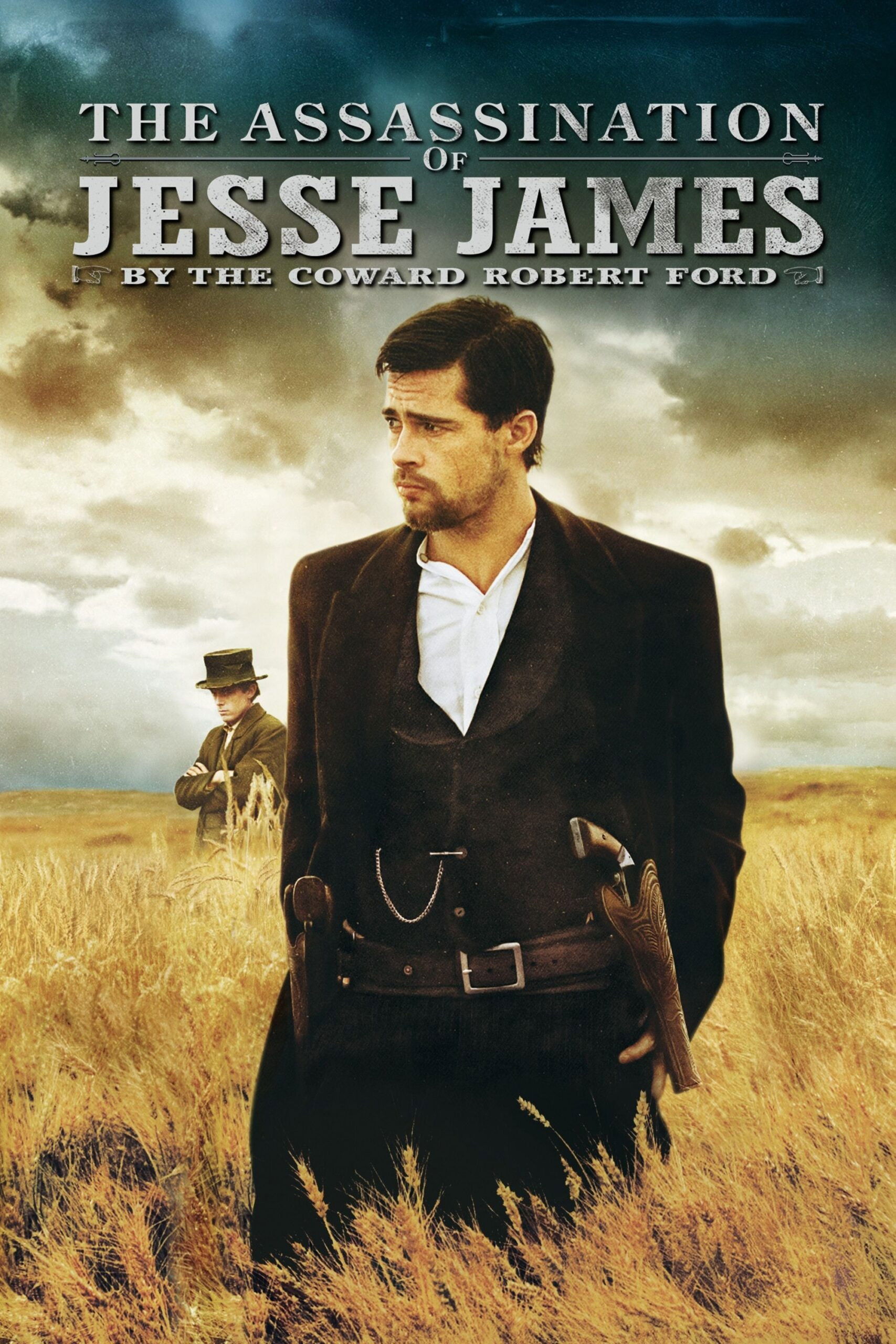
Explores the true story of the notorious Jesse James, how the myth developed during his lifetime, and how the legends have persisted over 100 years after his death at the hands of his former friend, Robert Ford.
A documentary about the making of season five of the acclaimed AMC series Breaking Bad.
A purely observational non-fiction film that takes viewers into the ethically murky world of end-of-life decision making in a public hospital.
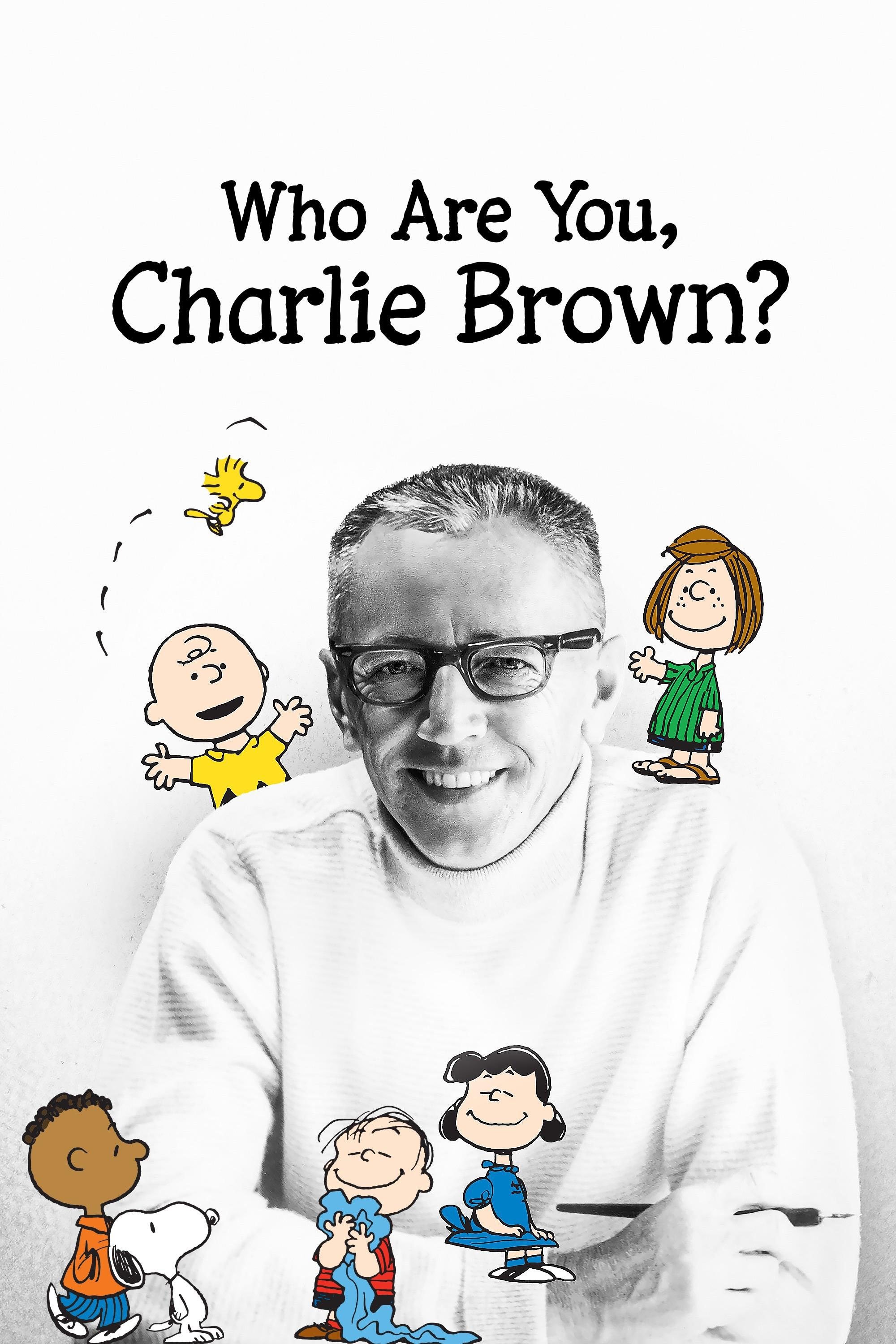
Lupita Nyong'o narrates a documentary about Peanuts and its creator, Charles M. Schulz. Famous fans—including Drew Barrymore, Kevin Smith, and Al Roker—share its influence on them, and a new animated story finds Charlie Brown on a quest.