Social & External
The people behind it
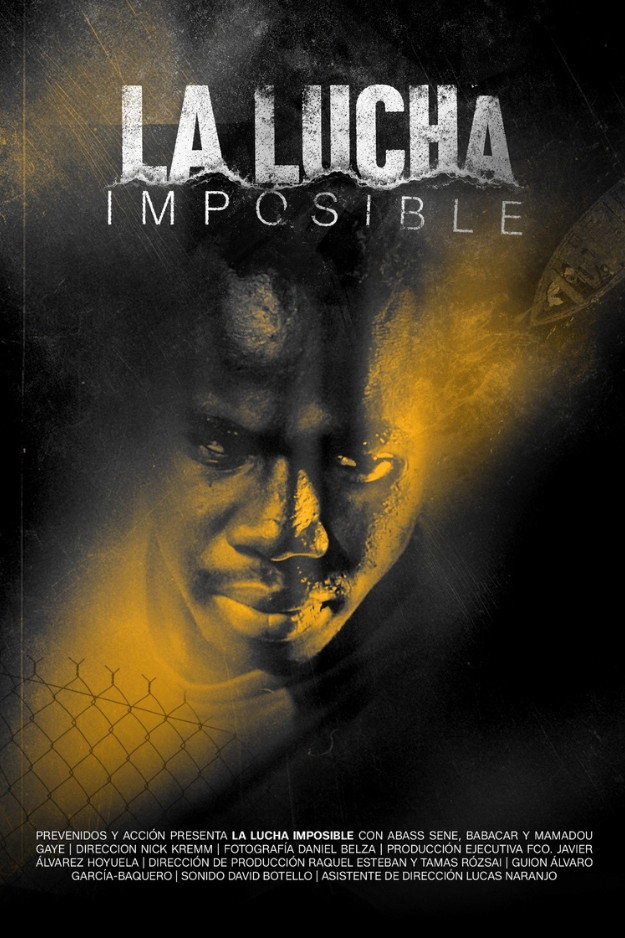
Four African immigrants face the harsh reality of living undocumented in Spain, amid rejection, precariousness, and the search for dignity.
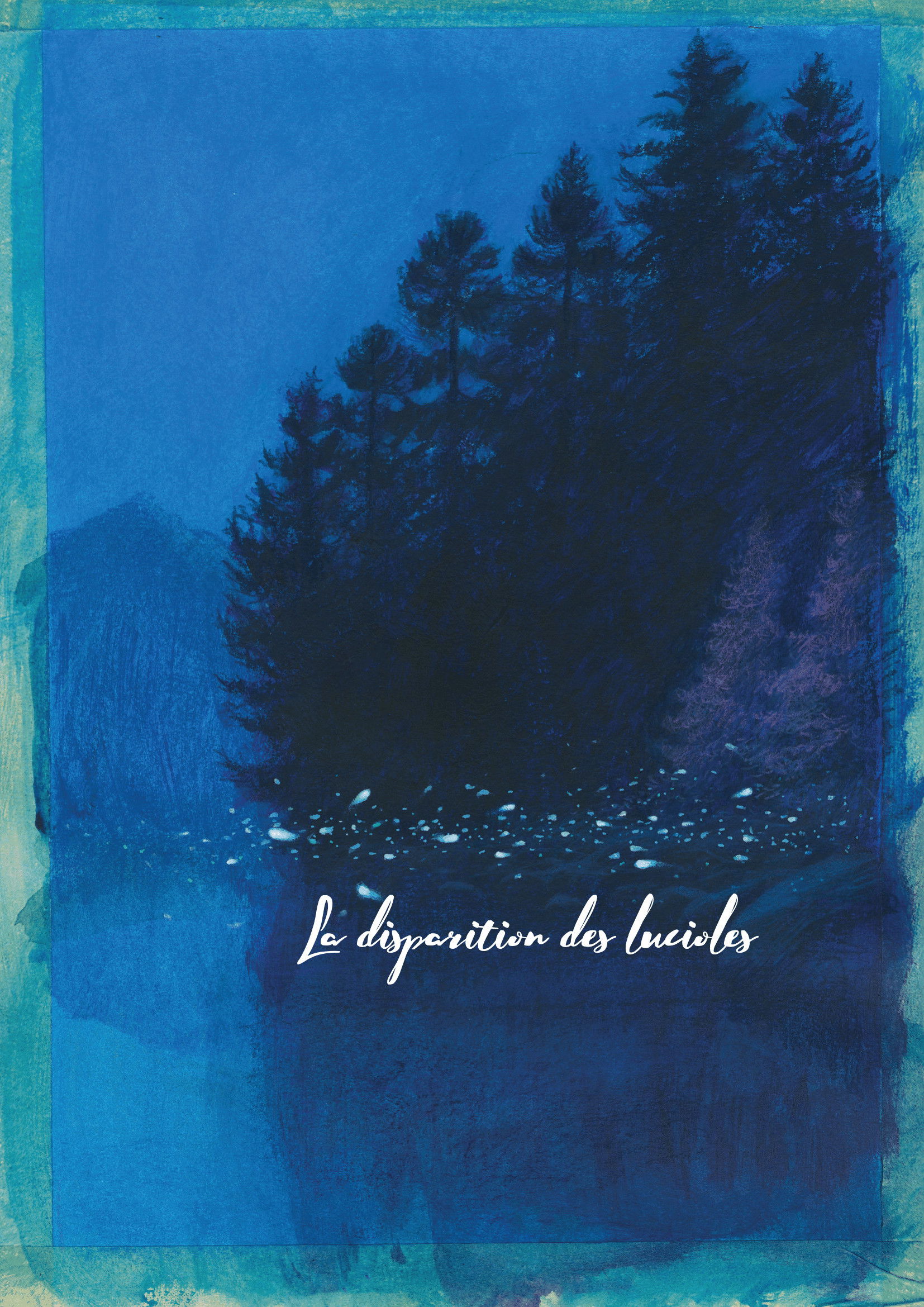
By exploring the roads of a rural France in transformation, the artists investigate the profound shifts currently shaping it. From the Maurienne valley to the Vosges forest, passing through Pays de la Loire, Normandy, and Ardèche, this documentary charts a fresh map of the French countryside.
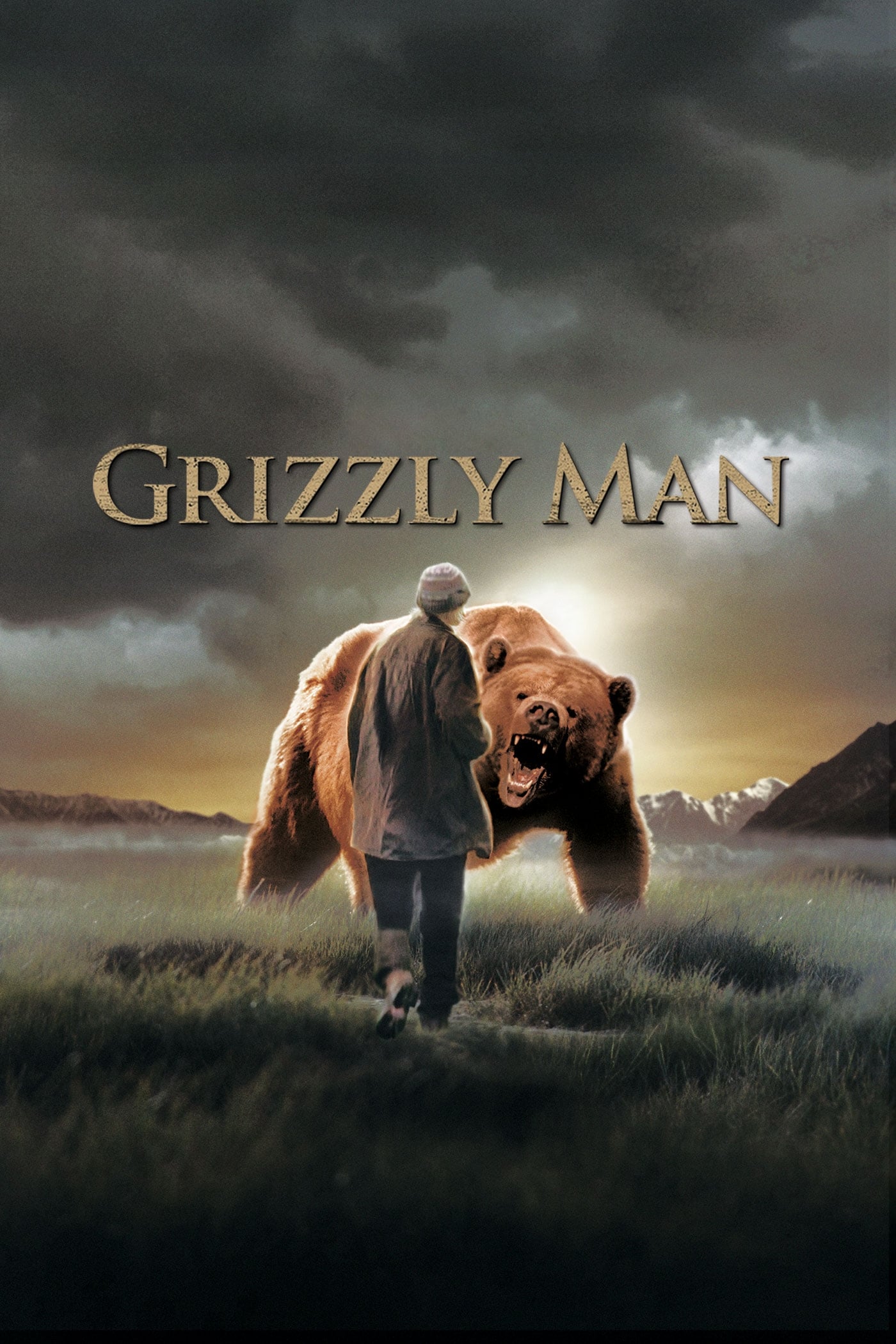
Follows the story of "Grizzly Man" Timothy Treadwell and what the thirteen summers in a National Park in Alaska were like in his attempt to protect the grizzly bears. The film is full of unique images and a look into the spirit of a man who sacrificed himself for nature.
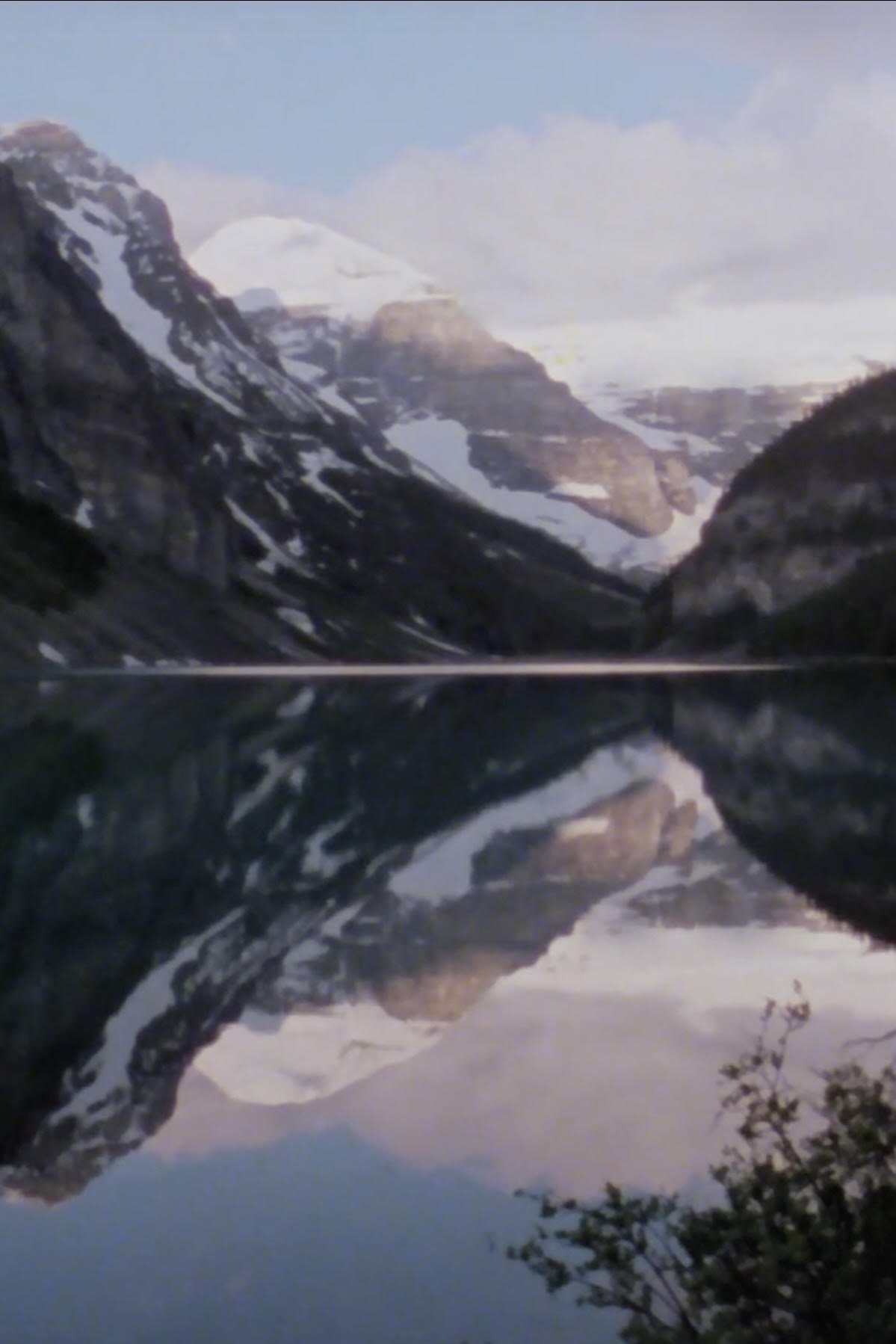
An impressionistic view of Canada's national parks. The camera creates a composite landscape of ideal beauty where nature is wild and varied. It travels from the east coast to the west, from seashore to mountains, from lakes to forests. A film without words.
For almost three years, nature filmmaker and ecologist David Cebulla has been observing wild Common hamsters. He not only tries to learn more about the species, but also documents why hamsters are globally threatened with extinction. David travels from the western border of the distribution area in France via Germany, Poland, Austria and Hungary to the eastern border of the distribution area in the Kazakh steppe. In the process, he manages to capture some unique and fantastic images. But during the project, it becomes increasingly difficult to find animals living in the wild.
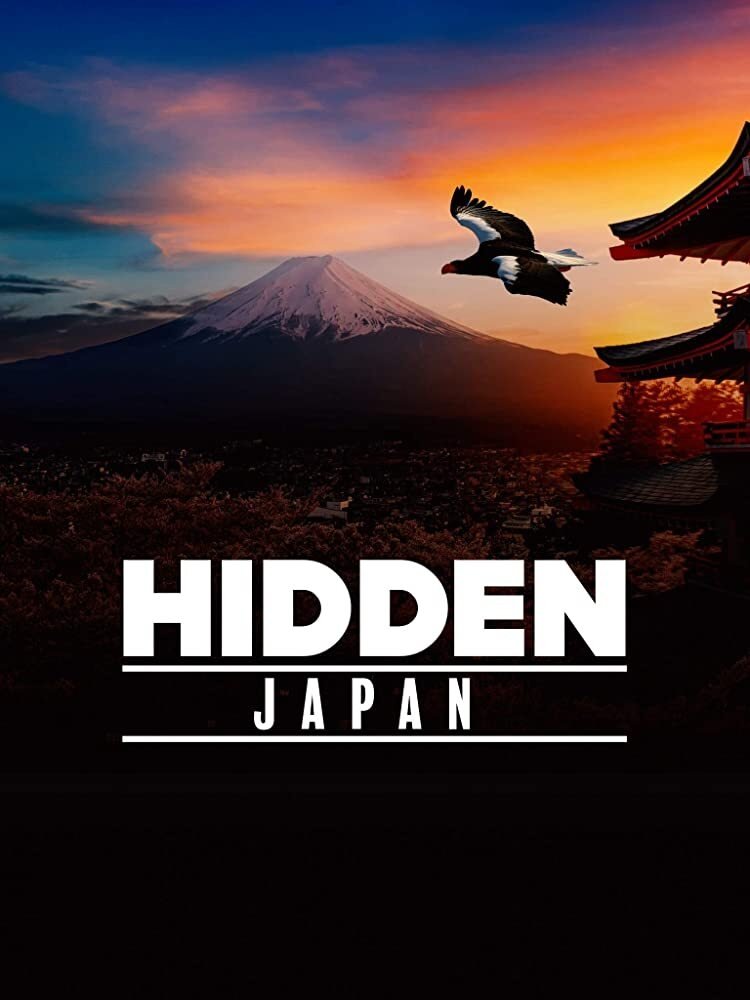
The culture of Japan is incredible, from bloom festivals to ultra-modern cities. But there are also more than 130 mammals and 600 bird species dwelling in Japan’s 6852 islands. This island chain is long enough to span climate zones, providing a huge range of habitat.
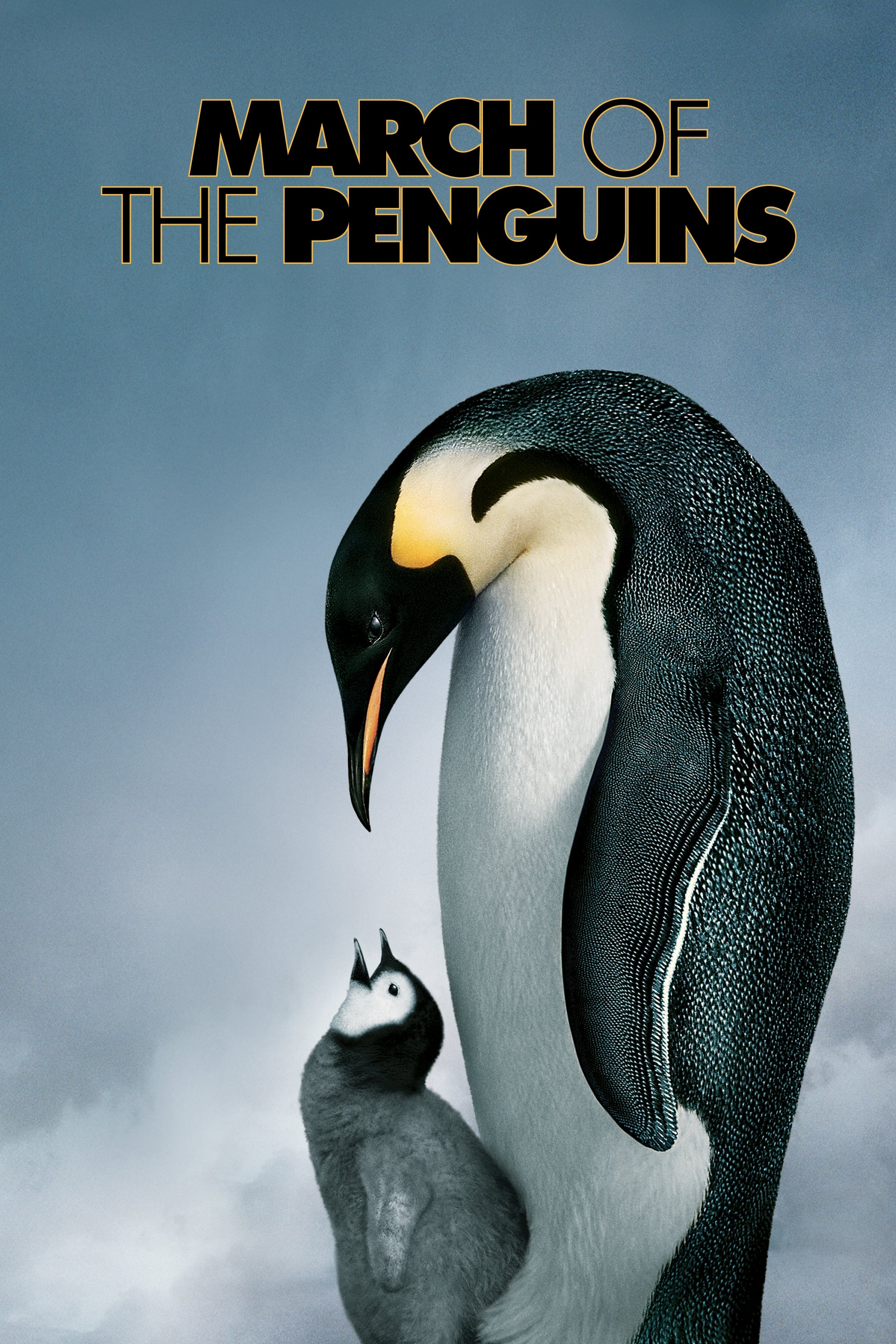
Every year, thousands of Antarctica's emperor penguins make an astonishing journey to breed their young. They walk, marching day and night in single file 70 miles into the darkest, driest and coldest continent on Earth. This amazing, true-life tale is touched with humour and alive with thrills. Breathtaking photography captures the transcendent beauty and staggering drama of devoted parent penguins who, in the fierce polar winter, take turns guarding their egg and trekking to the ocean in search of food. Predators hunt them, storms lash them. But the safety of their adorable chicks makes it all worthwhile. So follow the leader... to adventure!!
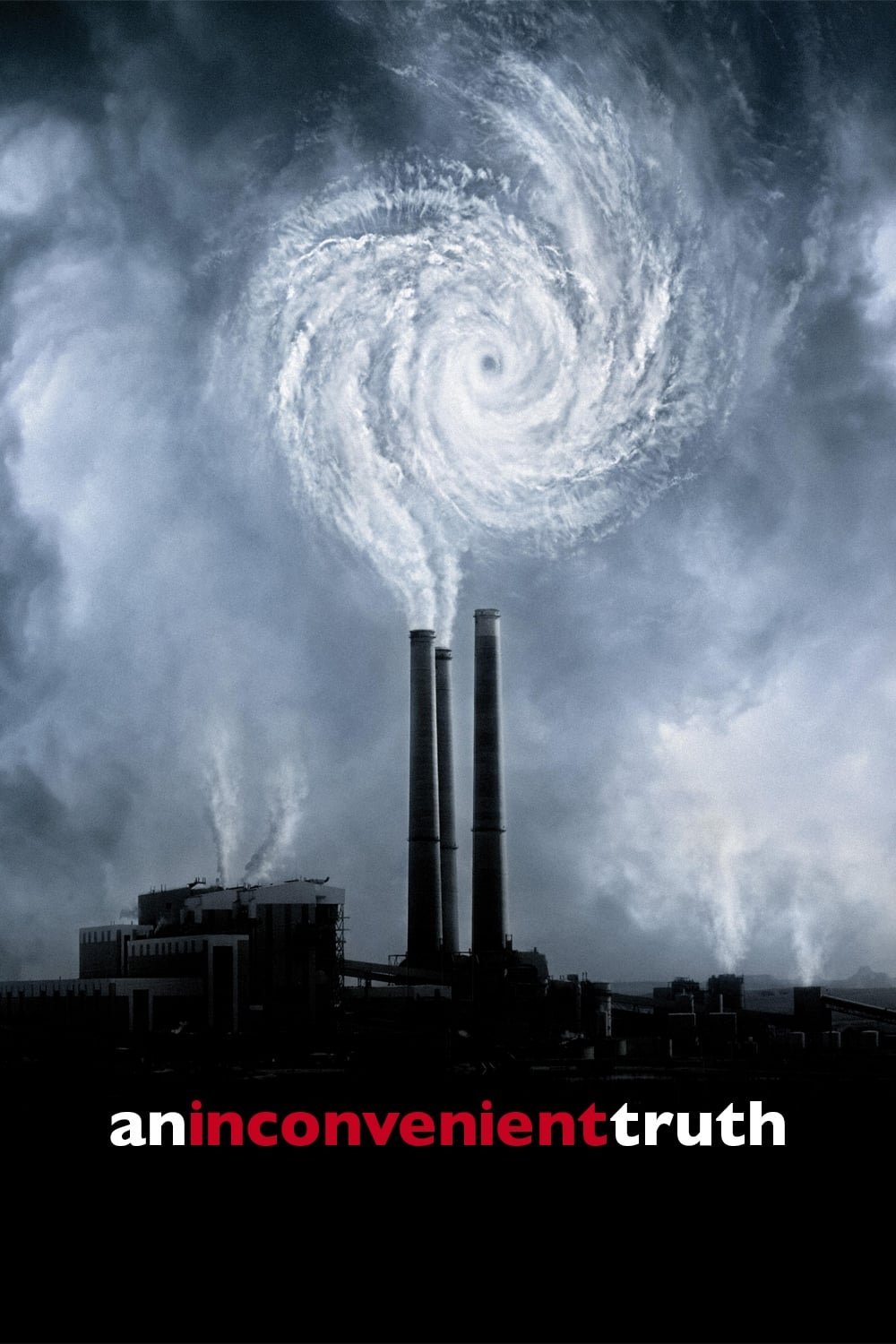
A documentary on Al Gore's campaign to make the issue of global warming a recognized problem worldwide.
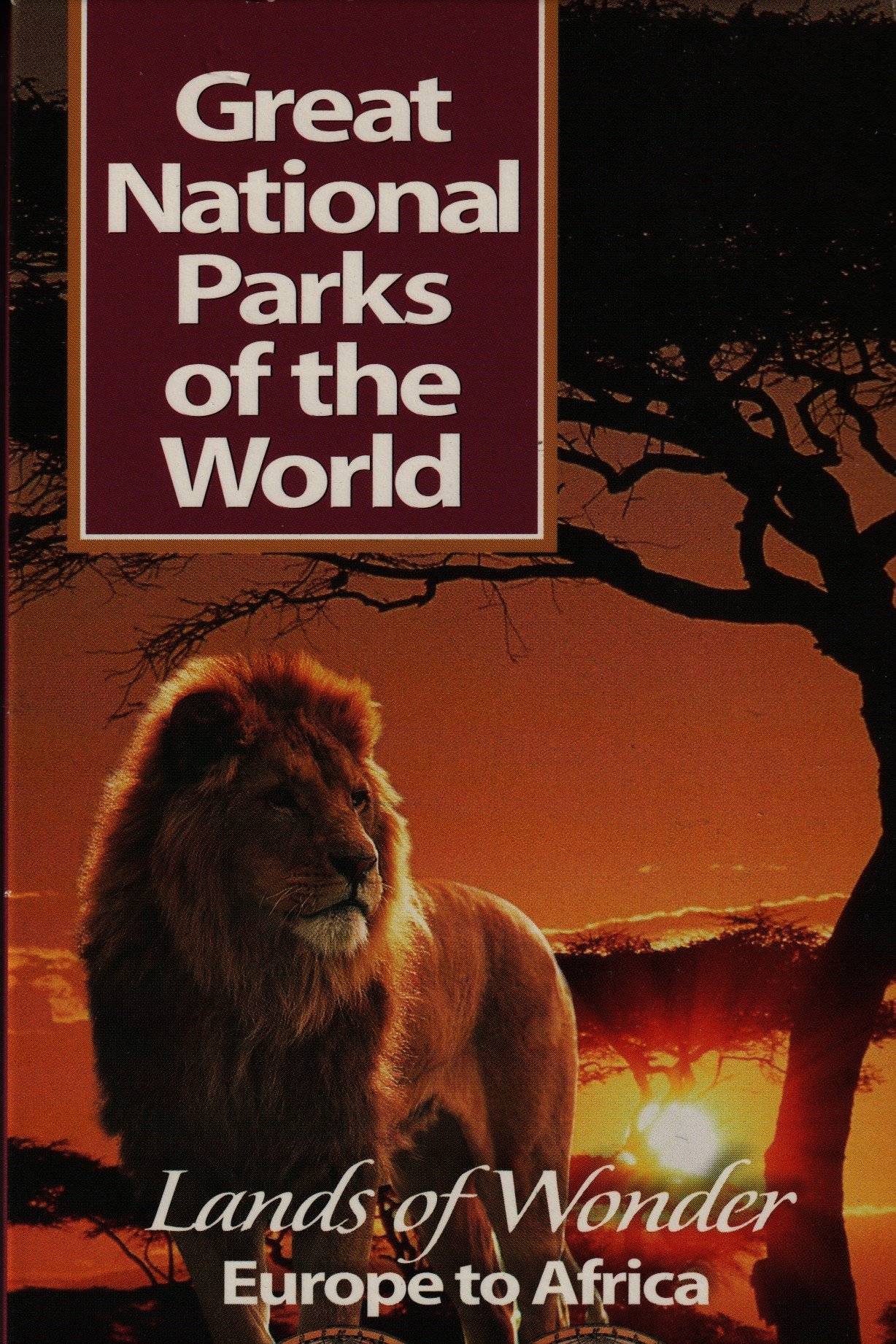
Take a thrilling journey to four of the greatest national treasures of Europe and Africa. Walk along the misty shores of Ireland's rocky northern coast to experience the legendary Giant's Causeway. Search for elusive mountain gorillas in Uganda's lush Impenetrable Forest. Climb the stunning snow-capped peaks of Italy's timeless Alps to discover the regal ibex in Gran Paradiso National Park. Behold the spectacle of thundering herds of migrating wildebeest, zebra and gazelle on Africa's fabled Serengeti Plains.
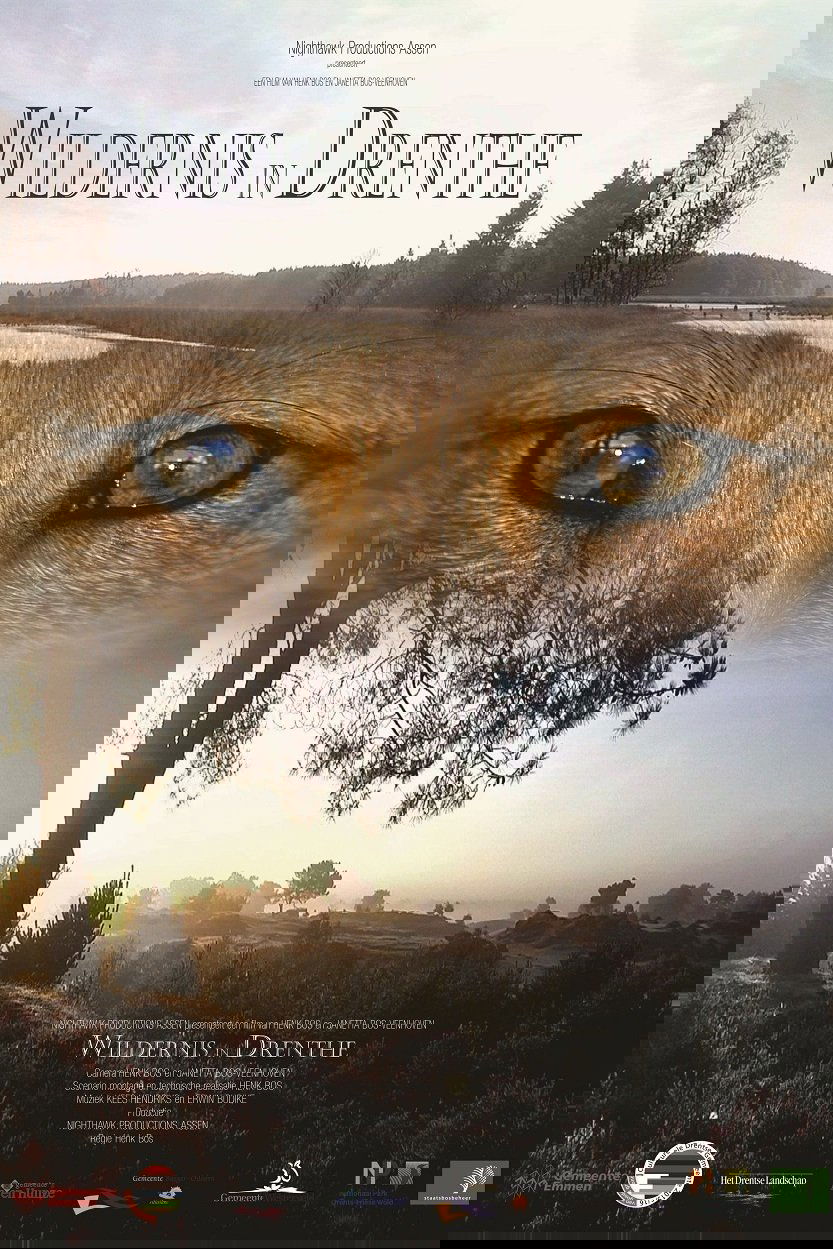
A documentary about the beautiful nature of Drenthe
An exploration —manipulated and staged— of life in Las Hurdes, in the province of Cáceres, in Extremadura, Spain, as it was in 1932. Insalubrity, misery and lack of opportunities provoke the emigration of young people and the solitude of those who remain in the desolation of one of the poorest and least developed Spanish regions at that time.
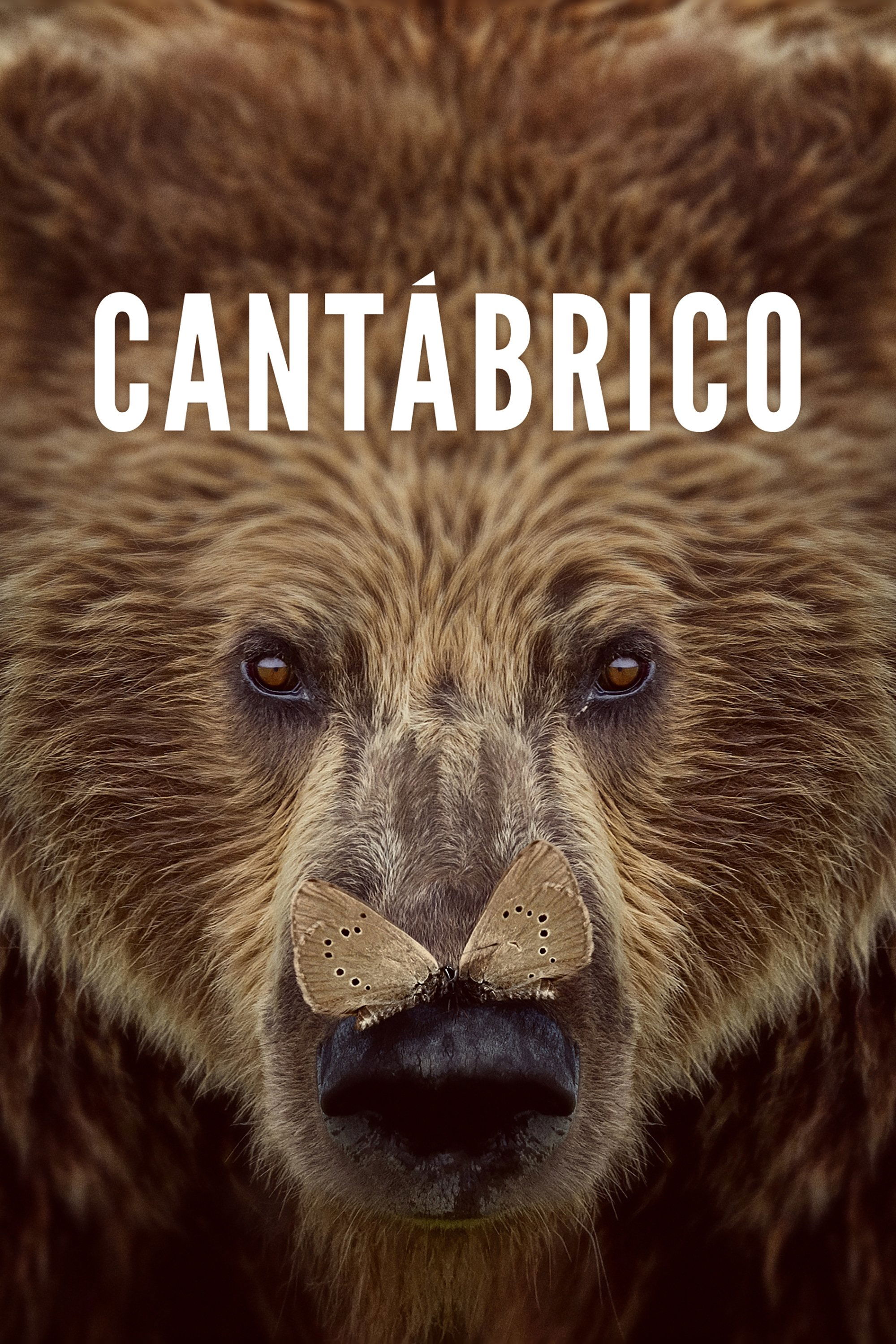
Spreading about 400 km in parallel to the Cantabric Sea, the Cantabrian Mountains, located North to Spain are a natural top wall full of animal and vegetable life that live in an extreme conditions across any year. Making a review along the four seasons, the documentary examines the situation and the relation of the different species, focusing in the brown bear's life in addition with the salmons travel along of thousand kilometers to return home to spawn, showing too the difficult of a landscape where danger is everywhere, including in the smallest size. A fascinating travel for revealing the wonder of nature.
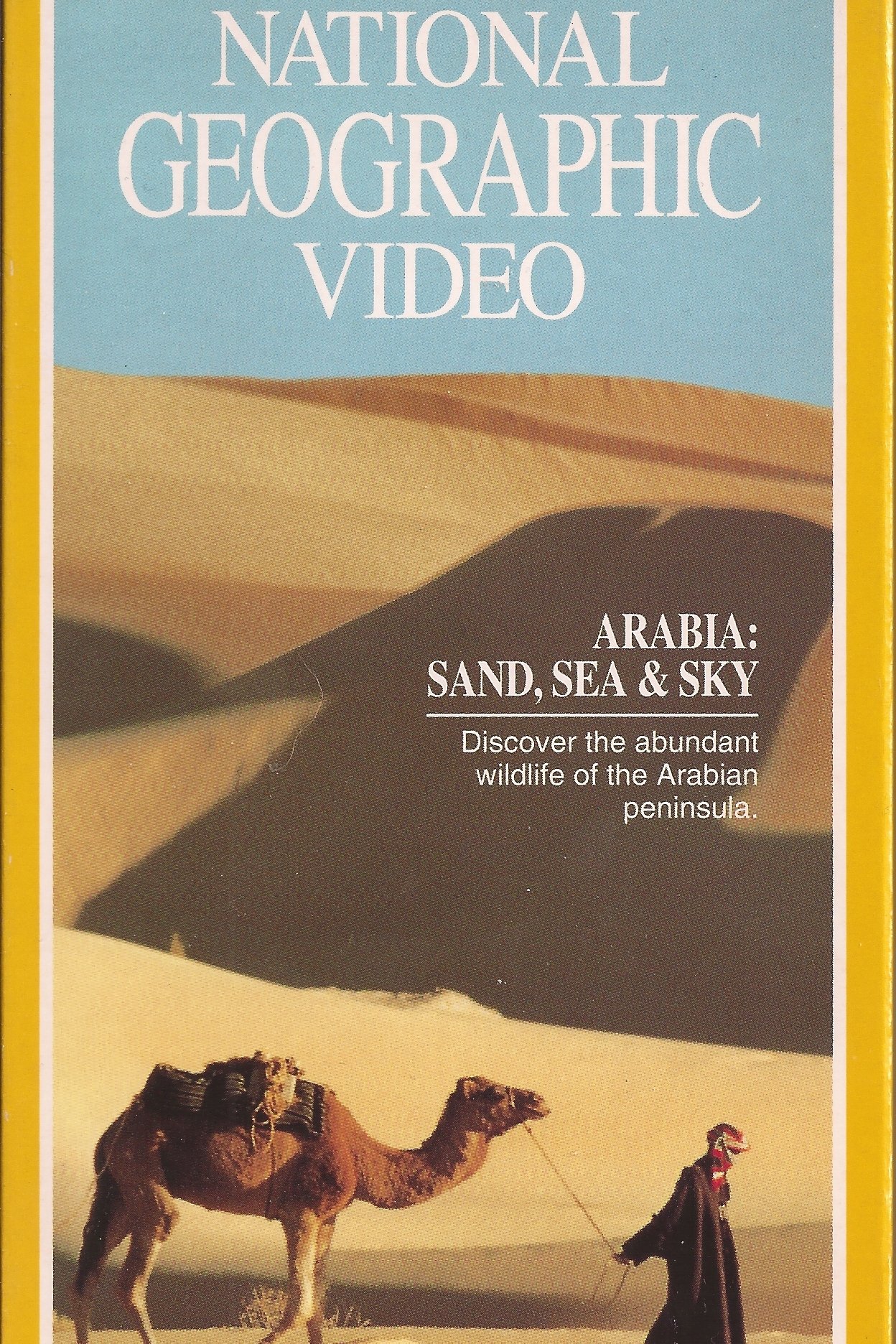
Take A Spectacular Journey. It Starts Right Here... Arabia: Sand, Sea & Sky Take a stunning tour of Arabia's natural world- a land of vivid contrast and splendor. Your journey begins in the magnificent coral reefs of the Red Sea where barracuda, giant mantra rays, and sharks comb the fertile waters. Then, high in the cliffs of the great mountain barrier, you will be fascinated by the complex social behavior of a troop of baboons. As you descend into the foothills, thousands of migrating birds converge, including the flamboyant Abyssinian Roller which will dazzle you with its brilliant feathers and swooping aerobatic dives. Finally, travel by camel across the immense sculptured desert, as the Bedouins have for more than thirty-five hundred years on an expedition you will never forget in ARABIA: SAND, SEA, & SKY.
"Without leaving his own garden, a man may know the world" - an abstract study of the wildlife found in every garden.
“Balance of Life” is a film about life’s and human kinds’ fight to find the balance between our own evolving life style and the nature of the planet we inhabit. The human race is drifting further and further away from its real roots and from what being a human is really about. The speed of development has increased to a state where humans have a hard time keeping up. We find ourselves in a situation where both our own and the planets’ wellbeing is severely threatened. As a last resort human is relying on faith to find the balance. Is faith the last defense of man or is this world guided by forces greater than us? Is this force God, evolution or just the mere sum of coincidences that formed the universe, the natural order and laws of physics?’ Watch it here (https://vimeo.com/51203265)
A humorous observation in Barcelona’s immigrant neighbourhood El Raval. Four barber shops, four places of remembrance, strange time and space capsules inhabited by people who left their home to find a better one, while the Spaniards are about to leave their own country themselves.
Director Michael Apted revisits the same group of British-born adults after a 7 year wait. The subjects are interviewed as to the changes that have occurred in their lives during the last seven years.
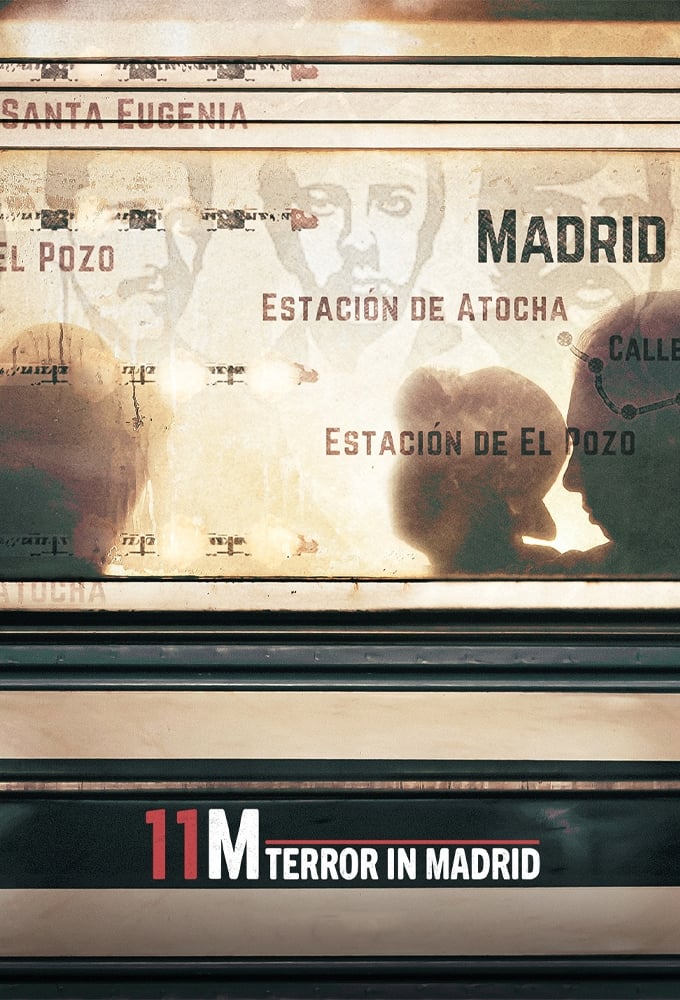
Survivors and insiders recount March 11, 2004's terrorist attack on Madrid, including the political crisis it ignited and the hunt for the perpetrators.
Takes us to locations all around the US and shows us the heavy toll that modern technology is having on humans and the earth. The visual tone poem contains neither dialogue nor a vocalized narration: its tone is set by the juxtaposition of images and the exceptional music by Philip Glass.
A documentary film that takes us on a scientific and spiritual journey where we discover that by changing one's perceptions, the human body can heal itself from any disease.
Ranjit, a farmer in India, takes on the fight of his life when he demands justice for his 13-year-old daughter, the victim of a brutal gang rape. His decision to support his daughter is virtually unheard of, and his journey unprecedented.
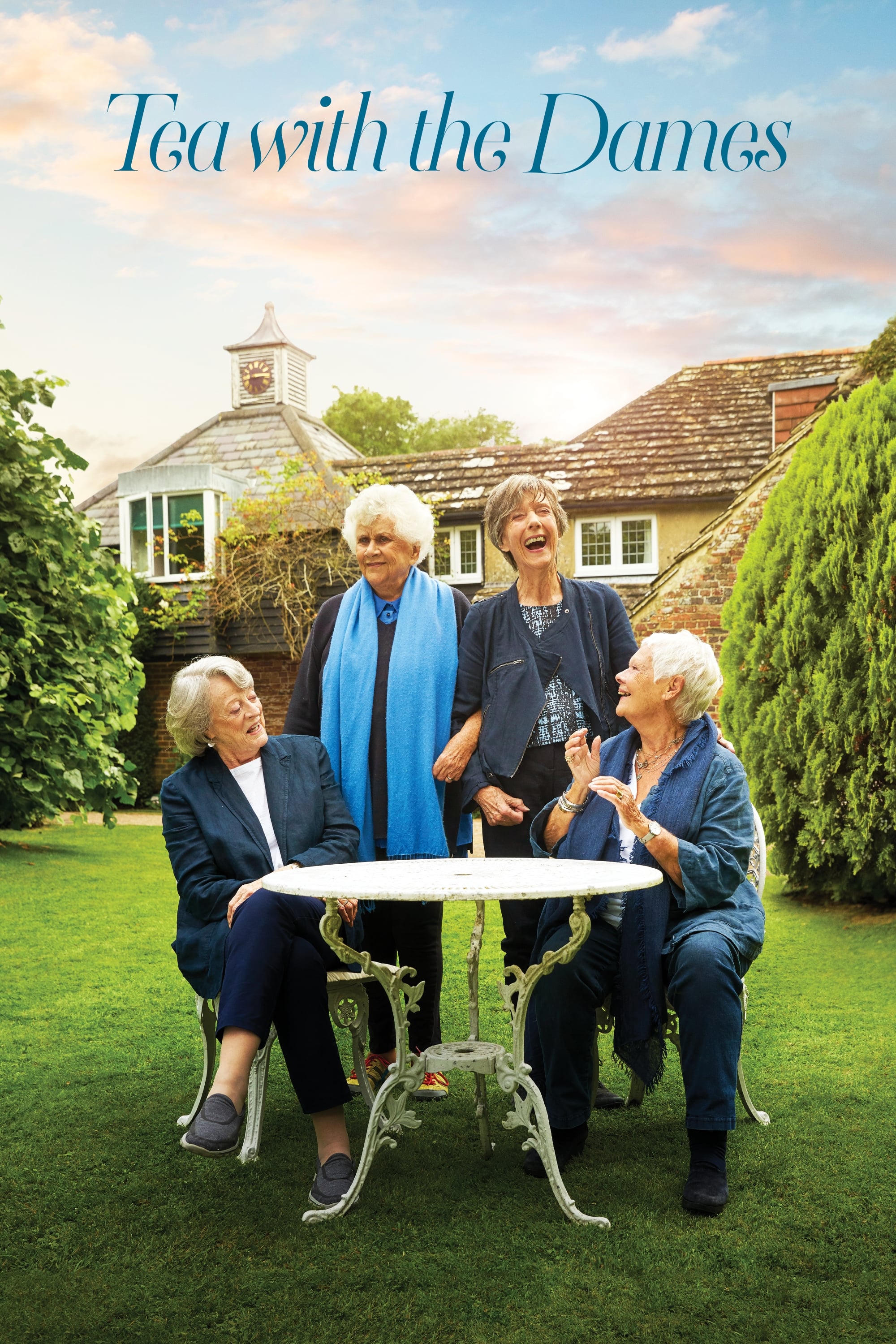
BBC Arena's documentary on the Dames of British Theatre and film featuring Maggie Smith, Eileen Atkins, Judi Dench and Joan Plowright on screen together for the first time as they reminisce over a long summer weekend in a house Joan once shared with Sir Laurence Olivier.
It narrates the epic title obtained by the Argentine National Team in the World Cup Qatar 2022 with testimonies of the protagonists, told from the intimacy and in first person.
Follow the evolution of the 'Halloween' movies over the past twenty-five years. It examines why the films are so popular and revisits many of the original locations used in the films - seeing the effects on the local community. For the first time, cast, crew, critics and fans join together in the ultimate 'Halloween' retrospective.
The film follows adventurer Jeff Johnson as he retraces the epic 1968 journey of his heroes Yvon Chouinard and Doug Tompkins to Patagonia.
Carefully picked scenes of nature and civilization are viewed at high speed using time-lapse cinematography in an effort to demonstrate the history of various regions.
An unprecedented and intimate look at the life, work and enduring legacy of British actress Audrey Hepburn (1929-1993).
A compilation of over 30 years of private home movie footage shot by Lithuanian-American avant-garde director Jonas Mekas, assembled by Mekas "purely by chance", without concern for chronological order.
Pope Francis responds to questions from around the world, discussing topics including ecology, immigration, consumerism and social justice.
A visual montage portrait of our contemporary world dominated by globalized technology and violence.
Vanessa Guillen was 20 years old when she was found murdered at a US Army base. Rather than submit to silence, her family fought for justice and change.
An intimate portrait of Hollywood royalty featuring Debbie Reynolds, Todd Fisher, and Carrie Fisher.
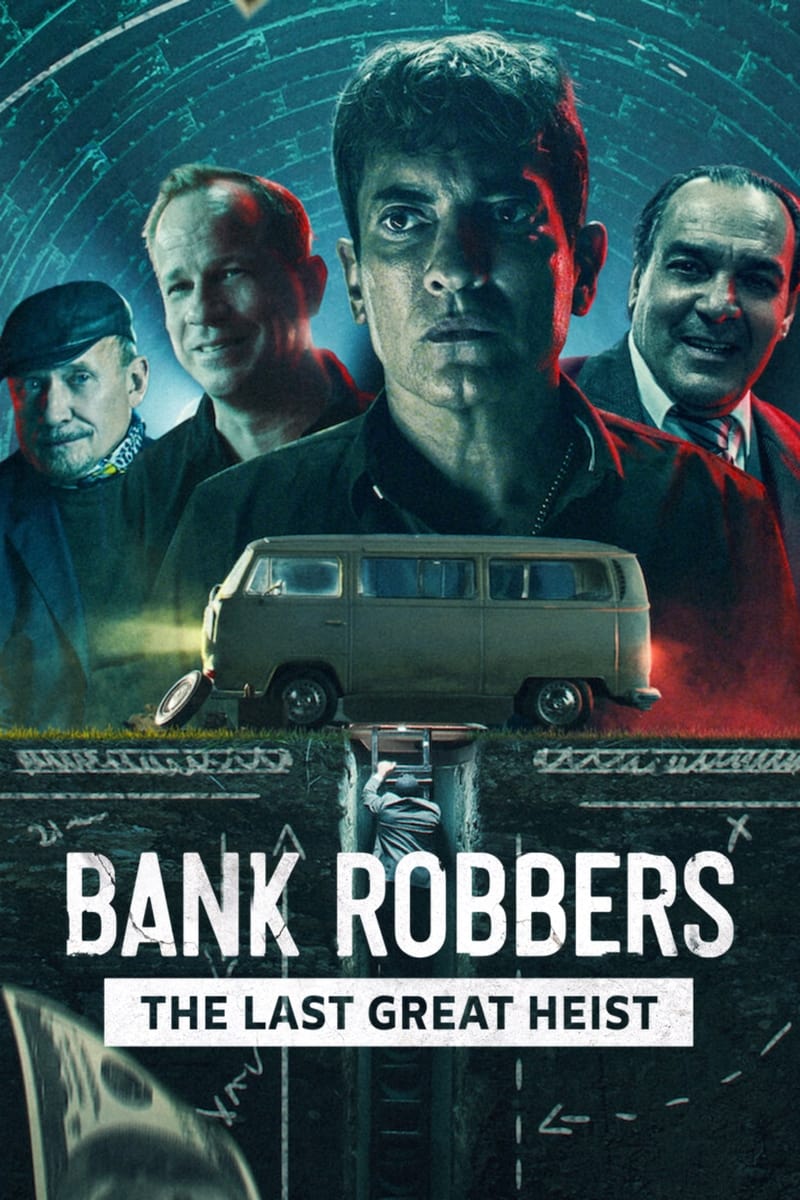
Through candid interviews, the perpetrators of Argentina's most notorious bank heist detail how — and why — they carried out the radical 2006 operation.
Over the course of three seasons, the story of Luna, Matteo, Simón, Ámbar, and the rest of the Jam & Roller crew became a unique phenomenon thanks to its blend of music, romance, drama, and roller skating. The enormous success of the series was followed by several international tours, giving the cast the opportunity to meet their fans face to face. In this special program, the cast of Soy Luna performs live for the very last time at the legendary Luna Park stadium in Buenos Aires. We will get an inside look at the backstage experience and revisit the story of the series, from the first rehearsals, filming sessions, and tours to this incredible farewell.