Social & External
The people behind it
Alondra Mijangos
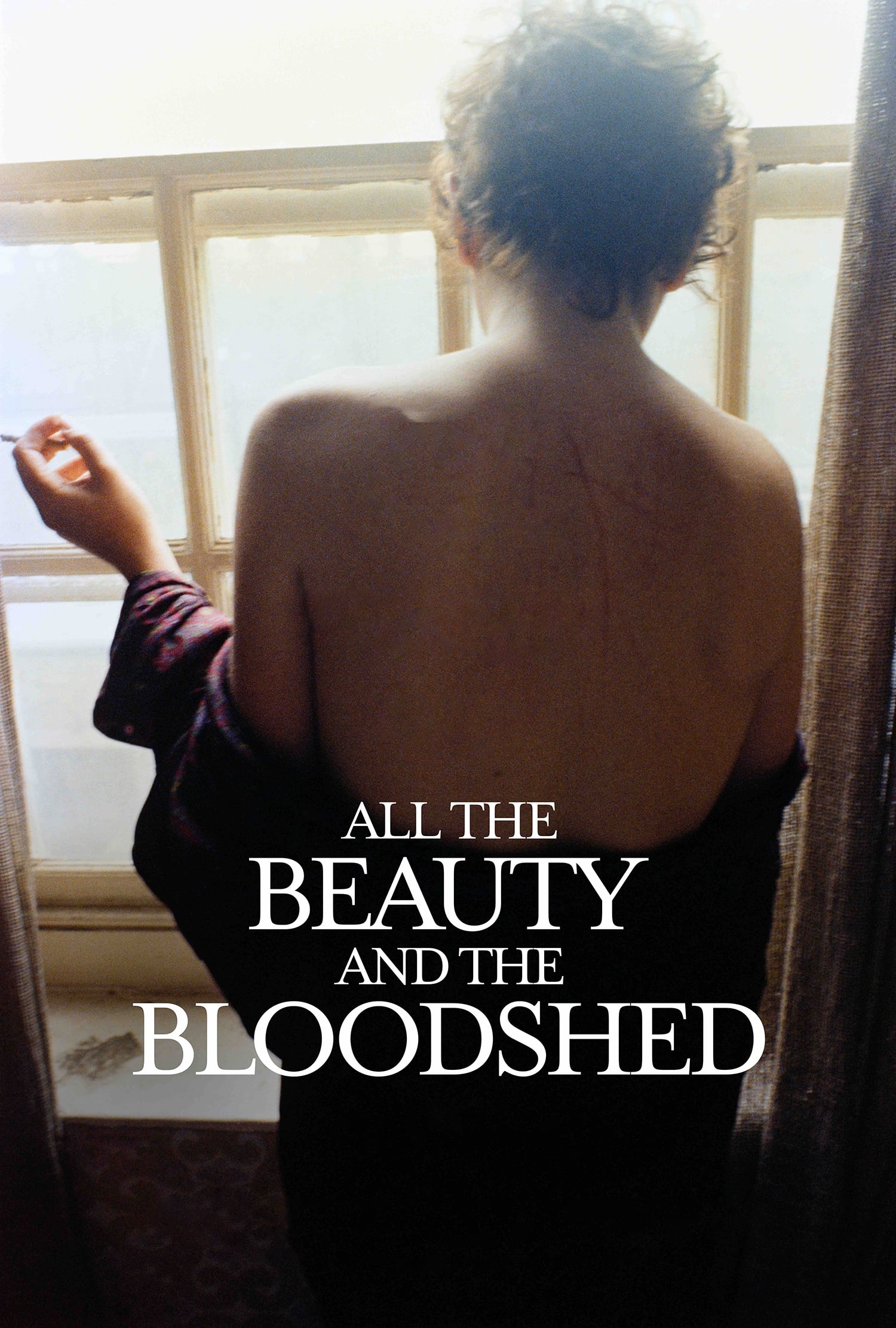
This is the story of Rose and Freya. Rose is a photographer who specializes in bondage, degradation, dehumanization, and murder. She lures unsuspecting men and women into her grasps and breaks them down until there is nothing left. Freya is her latest victim. A very naive small-town girl.
Made using footage from USA Olympics in Los Angeles 1984 and snippets of Alistair Cooke's America: A Personal History of the United States. The footage was combined at Goldsmith's Art Department using an unusual Grass Valley mixer that had oscillating wipes which created the signature colours and wiggly lines. (Modern Art Oxford) Barber was always the most polished of the Scratch video artists, and Tilt shows his ability to make seductive, easy-viewing pieces, while maintaining a subversive undercurrent.
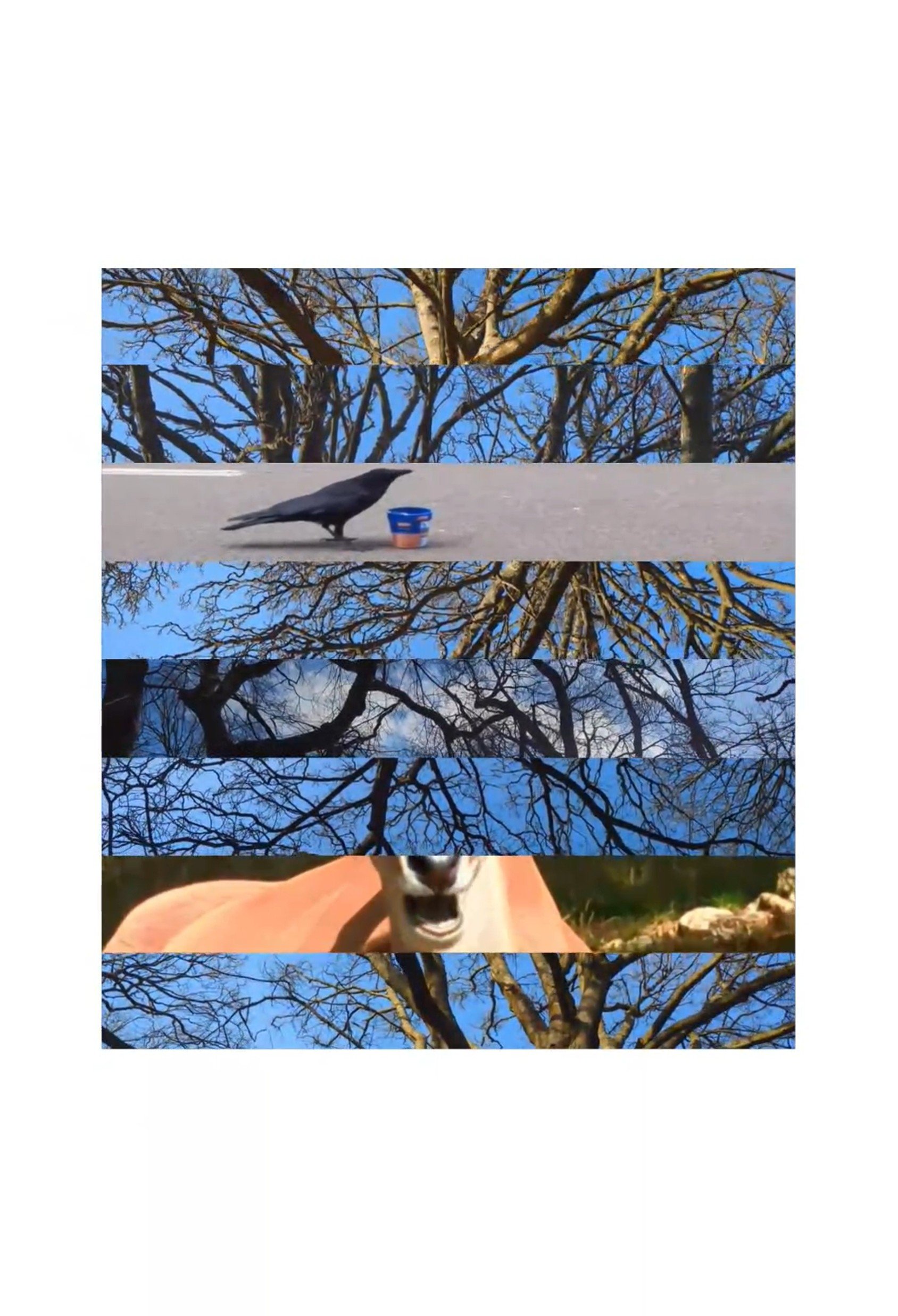
Four Poems is a series of video poems in which the horizontal lines of a poem, usually composed of text, have been substituted for horizontal lines of moving image. The piece explores what remains of a poem when its language is removed, and how images might interact with each other in similar or different ways to words. It asks whether rhyme, rhythm, sibilance, or dissonance, might be effectively created by juxtaposing images. It also asks whether arranging images might create a sense of authorship, intentionality, or a tone of voice, in the way that arranging words might. Finally, Four Poems invites the viewer to consider how they might ‘read’ a poem – does a reading have to occur from top-to-bottom, or might new interpretations be possible when the moving parts of the poem can all be seen at once?
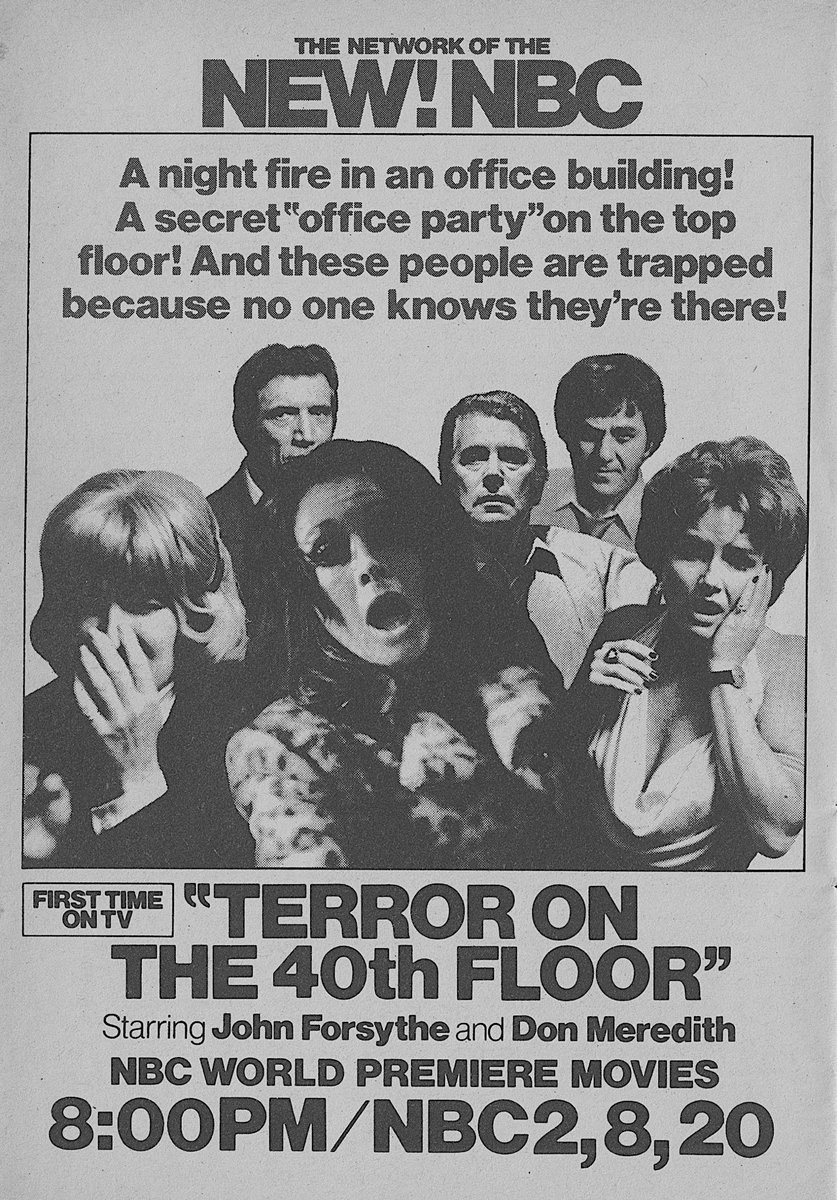
A number of business people, keeping the Christmas Eve office party going longer than was originally intended, are beset by a fire that starts in the basement of their office building and creeps up at them from floor to floor.
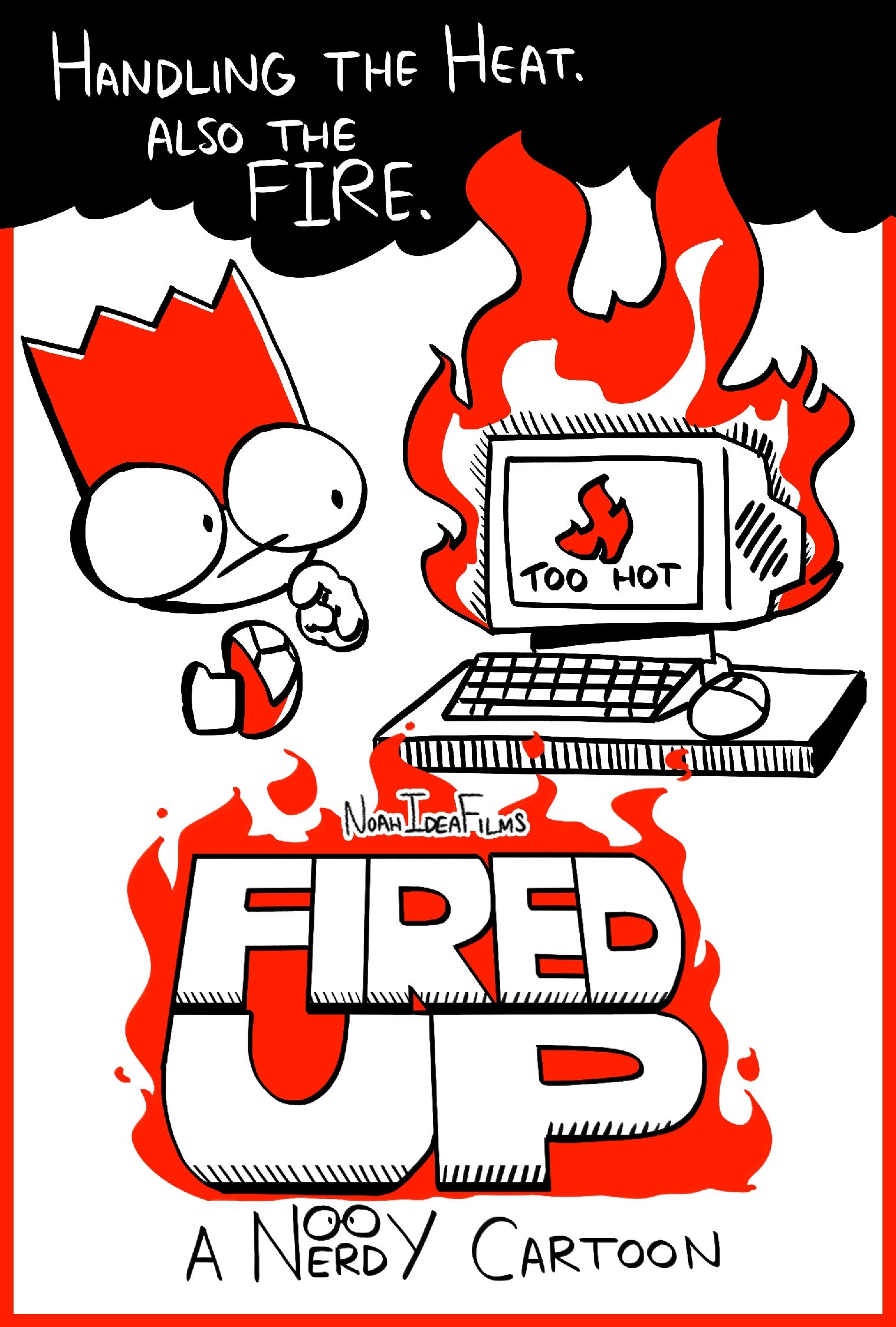
Nerdy handles the heat! When his computer suddenly catches fire, he totally handles it like a champ. For sure. Definitely.
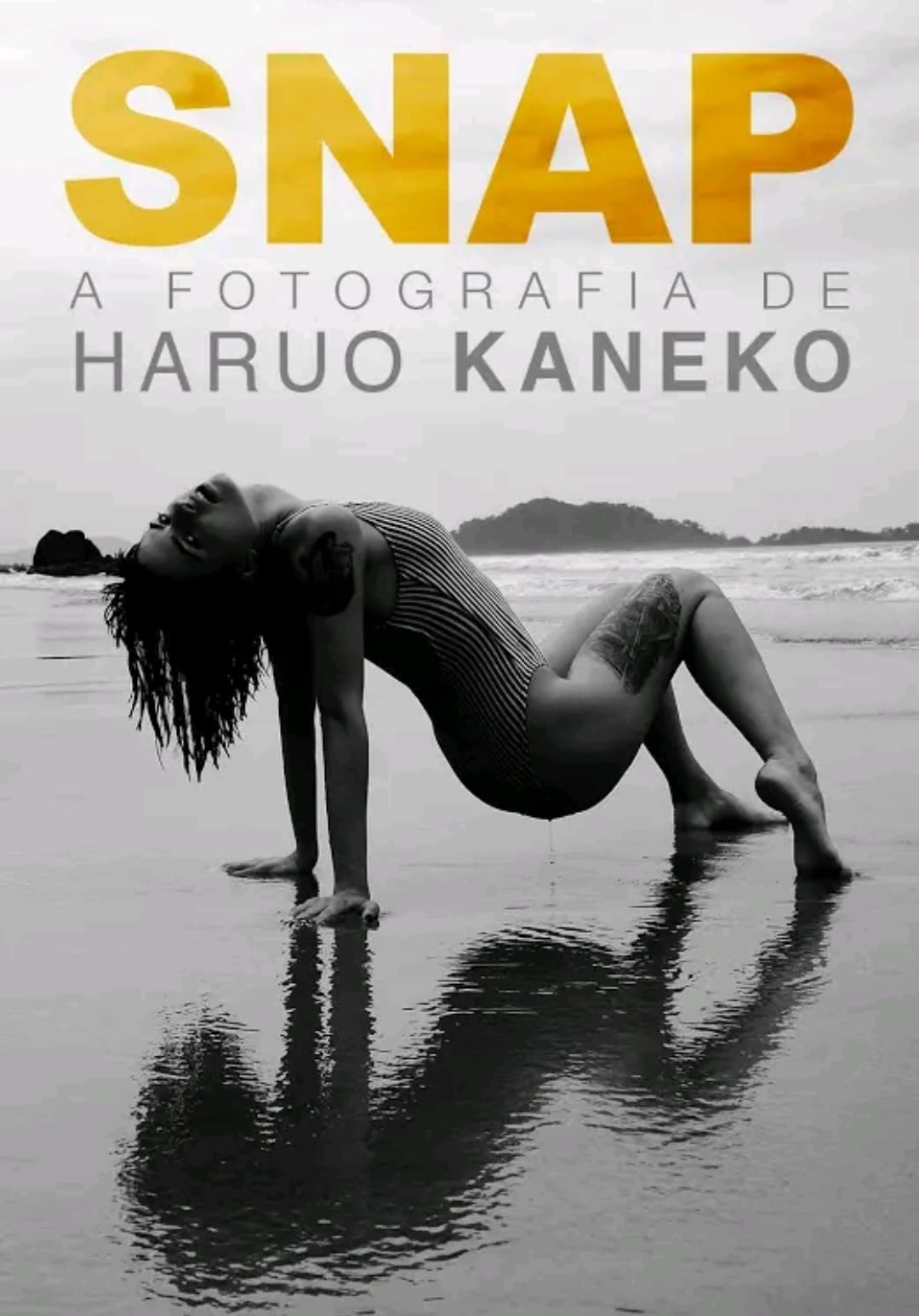
Haruto Asakura falls in love with hairdresser Misaki Ariake and asks her out. Watching Misaki Ariake work hard to achieve what she wants, Haruto Asakura, who almost gave up his dream to become a photographer, begins to pursue his dream again, but Misaki Ariake is diagnosed with a disease that ages her 10x faster than normal.
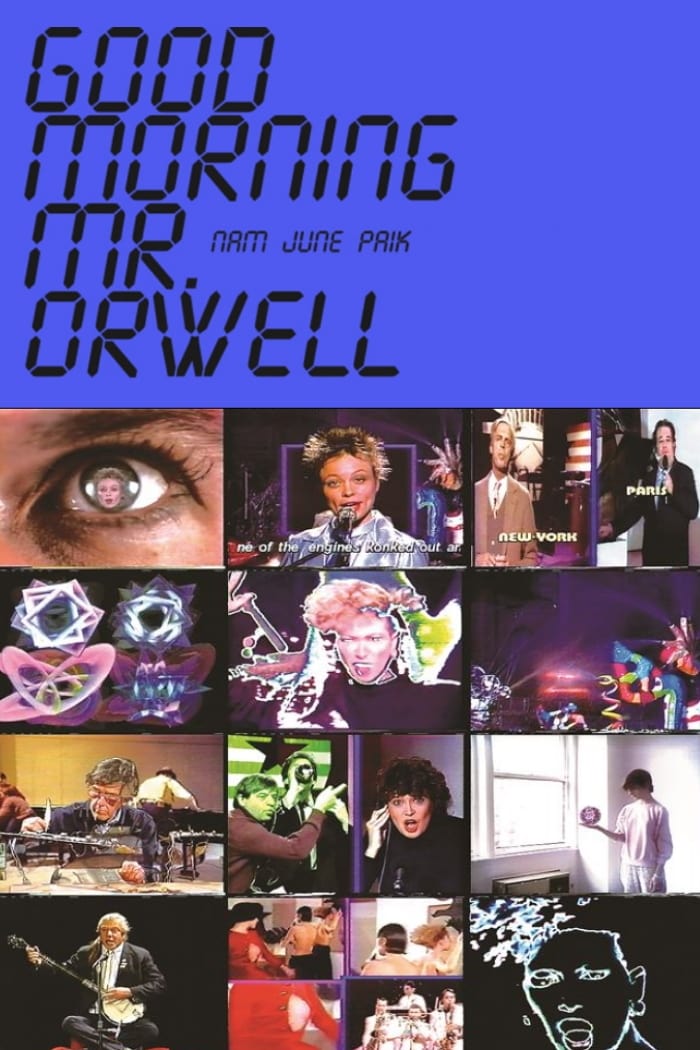
In his book "1984", George Orwell saw the television of the future as a control instrument in the hands of Big Brother. Right at the start of the much-anticipated Orwellian year, Paik and Co. were keen to demonstrate satellite TV's ability to serve positive ends-- Namely, the intercontinental exchange of culture, combining both highbrow and entertainment elements. A live broadcast shared between WNET TV in New York and the Centre Pompidou in Paris, linked up with broadcasters in Germany and South Korea, reached a worldwide audience of over 10 or even 25 million (including the later repeat transmissions).
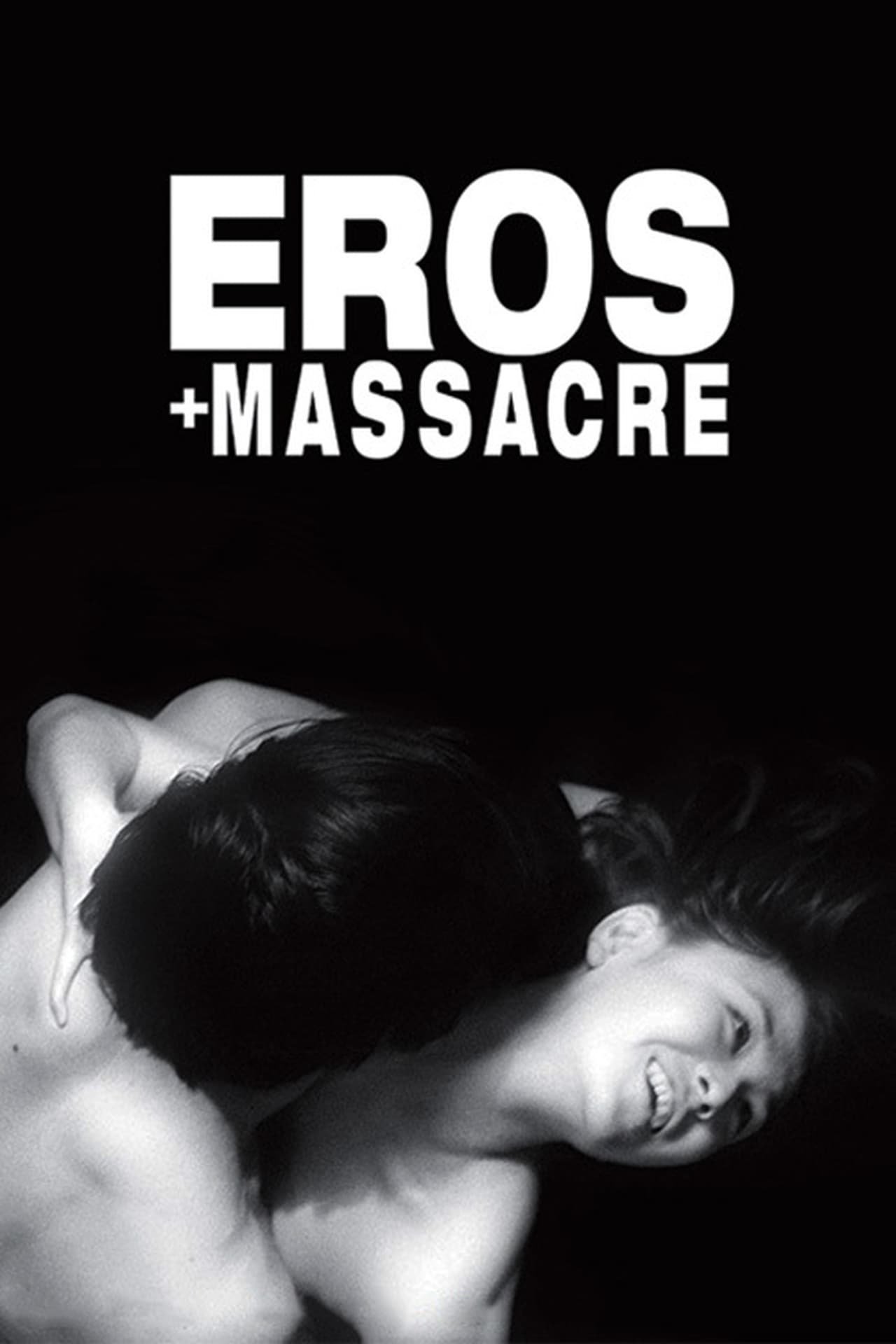
Two interwoven stories. The first is a biography of anarchist Sakae Osugi which follows his relationship with three women in the 1920s. The second centers around two 1960s students researching Osugi's theories.
In the summer of 1888, ads began to appear for a camera with a mysterious name: the Kodak. No one had ever seen anything like it. "All of a sudden this little device means you could go into the back yard, you can take a picture of the baby splashing around in a mud puddle," says John Staudenmaier, S.J., a historian at University of Detroit Mercy. "You can go to a picnic or a ballgame. You can do it. And you know how hard this is, because you in your memory have seen professional photographers all over the place. The hiding of the professional chemistry involved in photography is a stroke of genius." "The Wizard of Photography" is the story of how George Eastman struggled to overcome fierce competition and embarrassing failures to make photography easy and affordable for everyone. Produced, directed, and written by James A. DeVinney, the program is narrated by Judith Light.
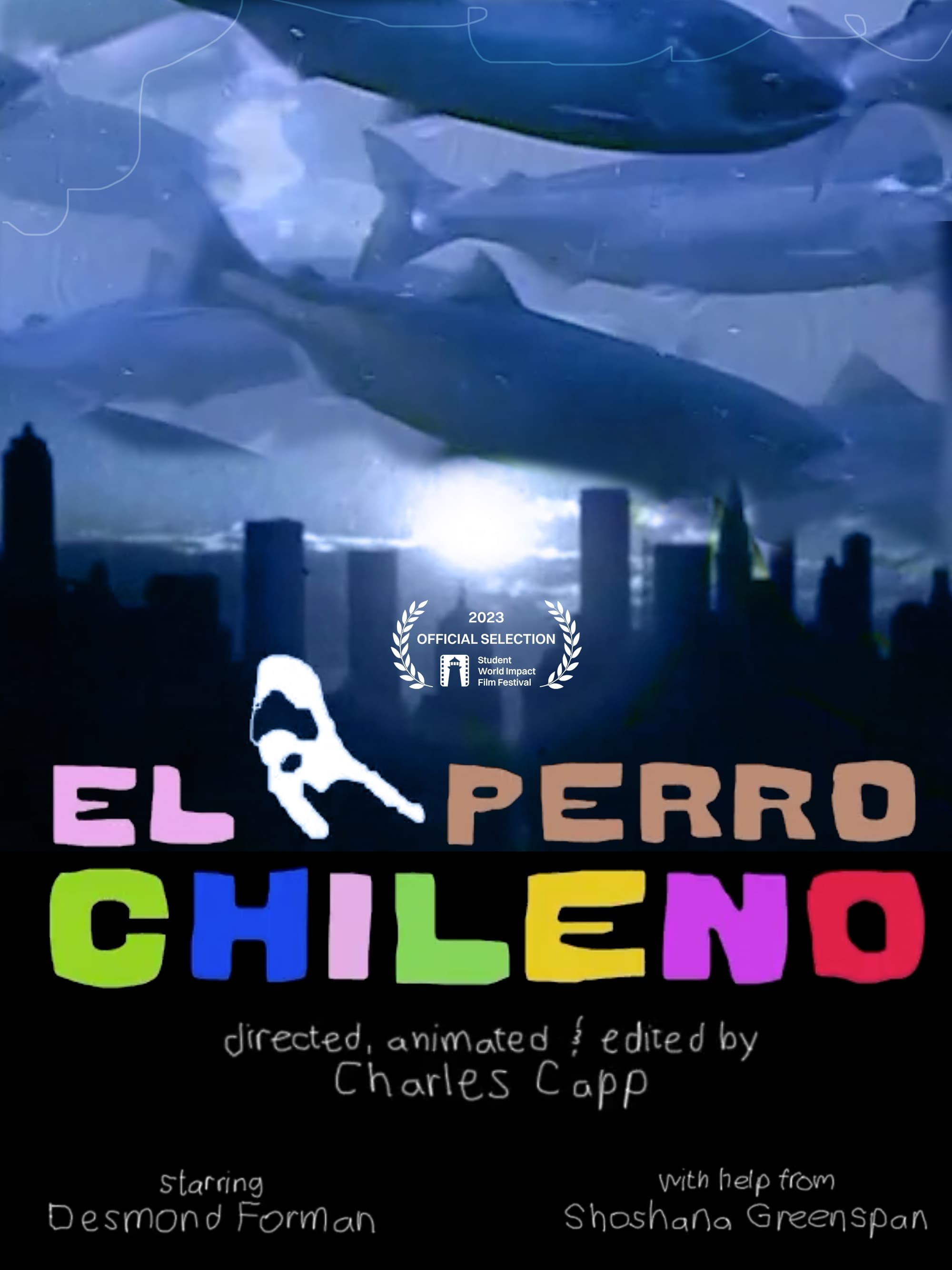
A young Chilean boy is abandoned by his parents in the city where he forms a connection with a pack of wild dogs.
Watching the Life.
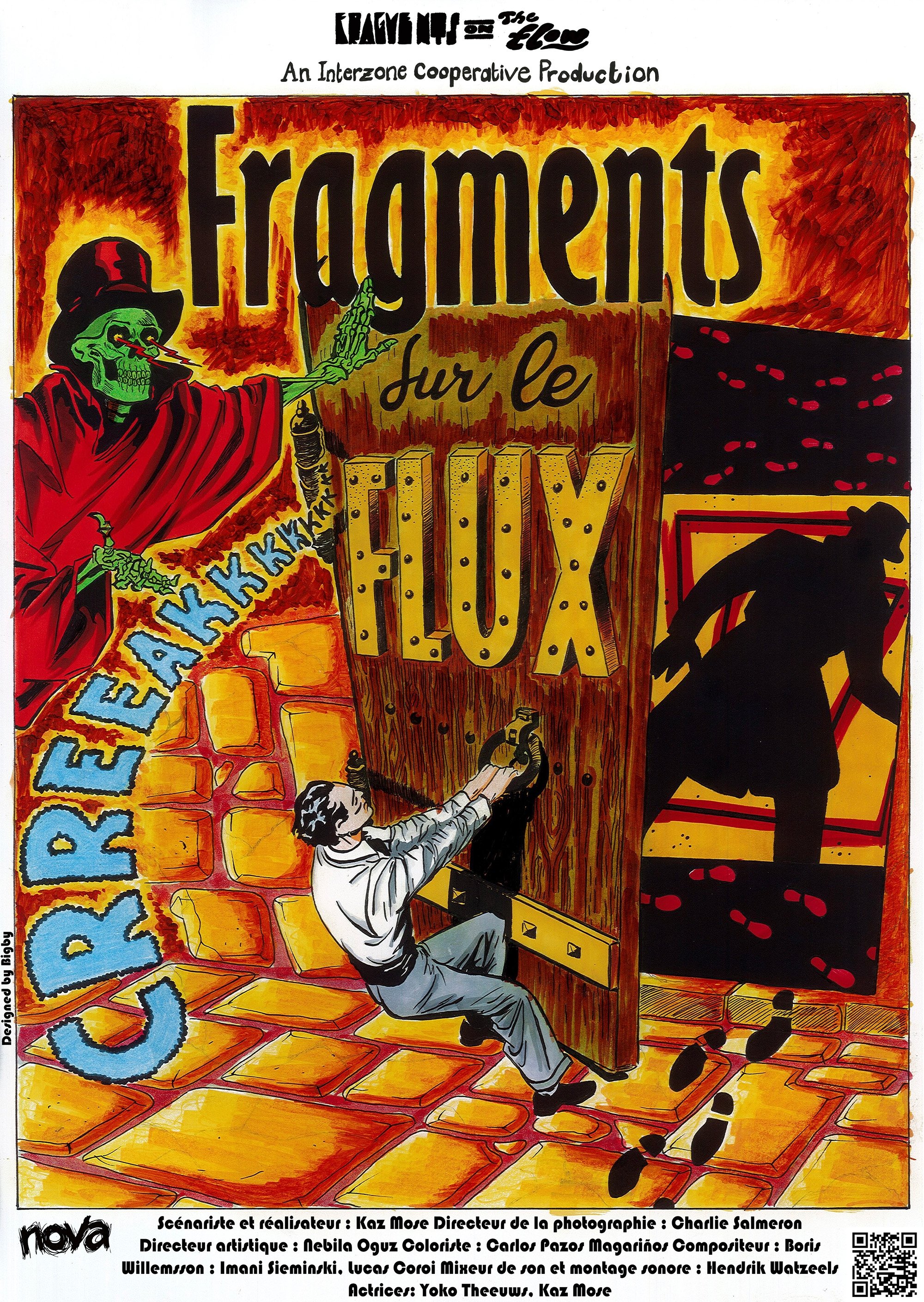
Fragments from Brussels, about the flow of the city, A cinema, A body, A film, and a wind that blows through the town. The film is a Schizomentry experience that blends real stories and fiction. After all, where is the border?
Moving through its five parts, the work describes a cycle of birth through to death, depicting both an eternal, universal Mary, and an earthly Mary representing human life on Earth.
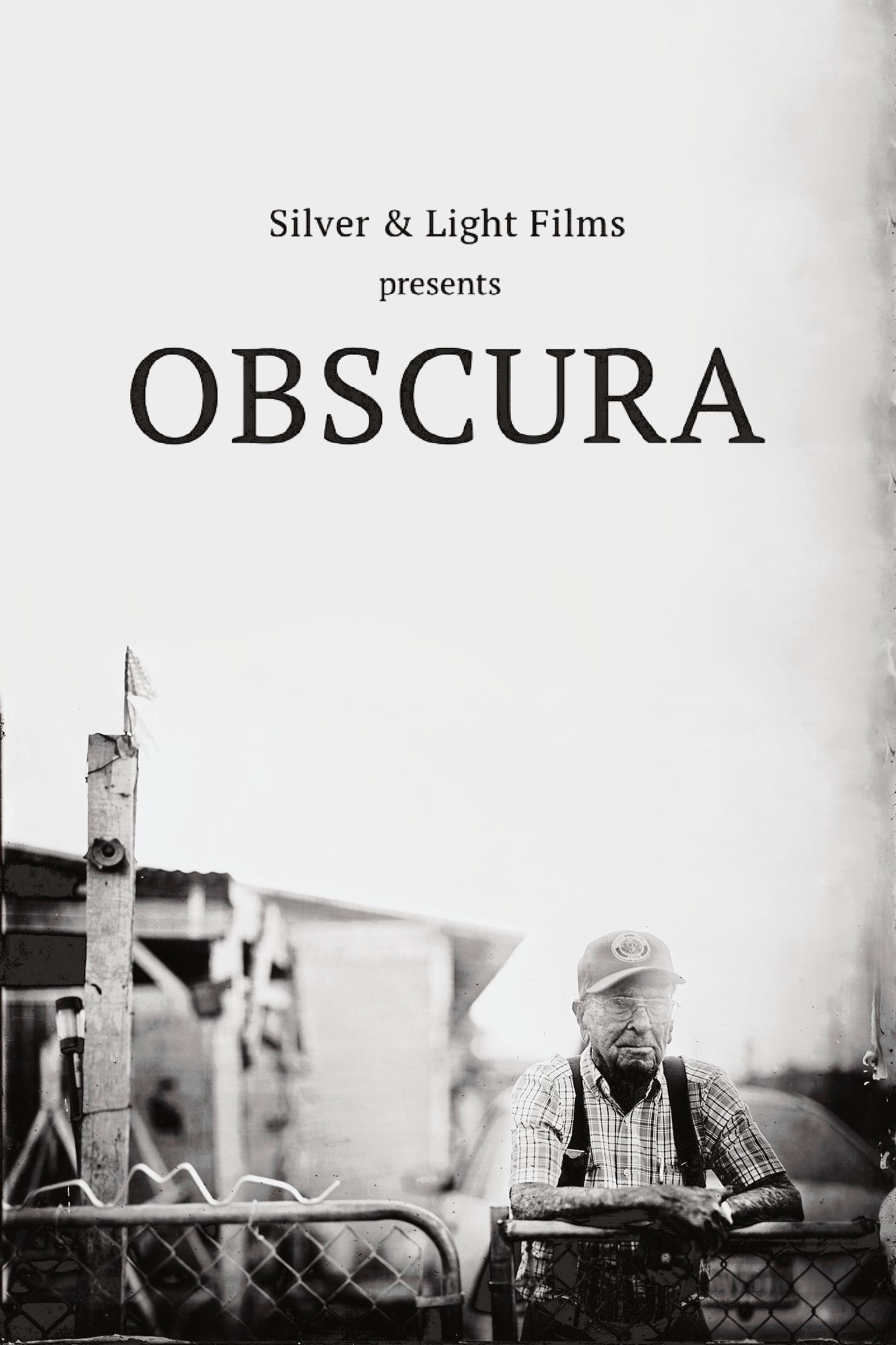
While working with wet plate collodion Ruhter came up with an idea to show the world the beauty of these objects in a size that was deemed impossible. This led him and the Silver & Light Team to a forgotten town on the edge of the Salton Sea called Bombay Beach, located in California’s Imperial Valley. The idea was to create a camera out of an abandoned house. The structure would serve as the framework for the camera. Instead of focusing on the decay from the outside, this house camera allowed a view from the inside into someone’s dream. Once the giant lens was placed on the front of the house, images of Ted, a 100 year old resident who recently found himself homeless, were projected in, breathing new life into this abandoned structure and once again making it a home. During this brief moment in time when Ted’s photograph was captured, he was present in both places. In reality, he was homeless in the outside world.
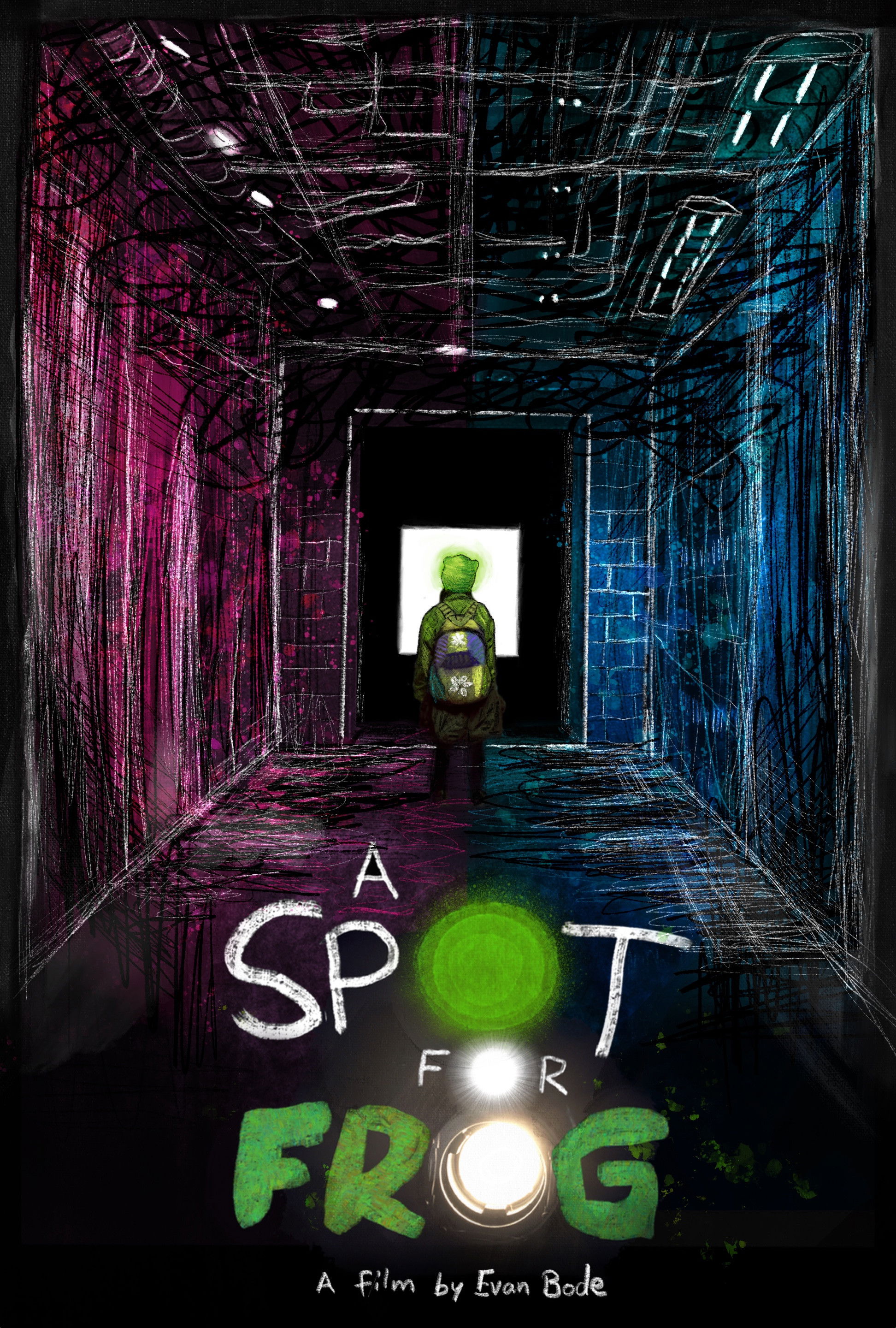
Locked out of the school art room, a creative non-binary teen named Frog grapples with anxiety as they seek a new place to eat lunch. Imagination blurs with reality in this hybrid work of live action and animation about finding a place to belong.
Artists like Robert Smithson, Donald Judd and Peter Hutchinson borrowed liberally from science fiction film and literature in their work. This collage treats the marvellous, seemingly indestructible, objects of mid-century science fiction cinema as artworks in their own right.
Somewhere between Sri Lanka and the island of New Guinea, in the upper reaches of the Amazonia jungle, there is rumoured to be a lost tribe of cannibals. Assembled out of Italo cannibal mondo movies, Hollow Jungle documents their rituals, sourcing their power in narrative repetitions and analogies, before structurally locating them in the prurient pathologies of certain pseudo-ethnographies.
A look at the gritty world of New York through the eyes of Sheldon Nadelman, bartender at the old Terminal Bar. A follow up to the prize winning short from 2002.
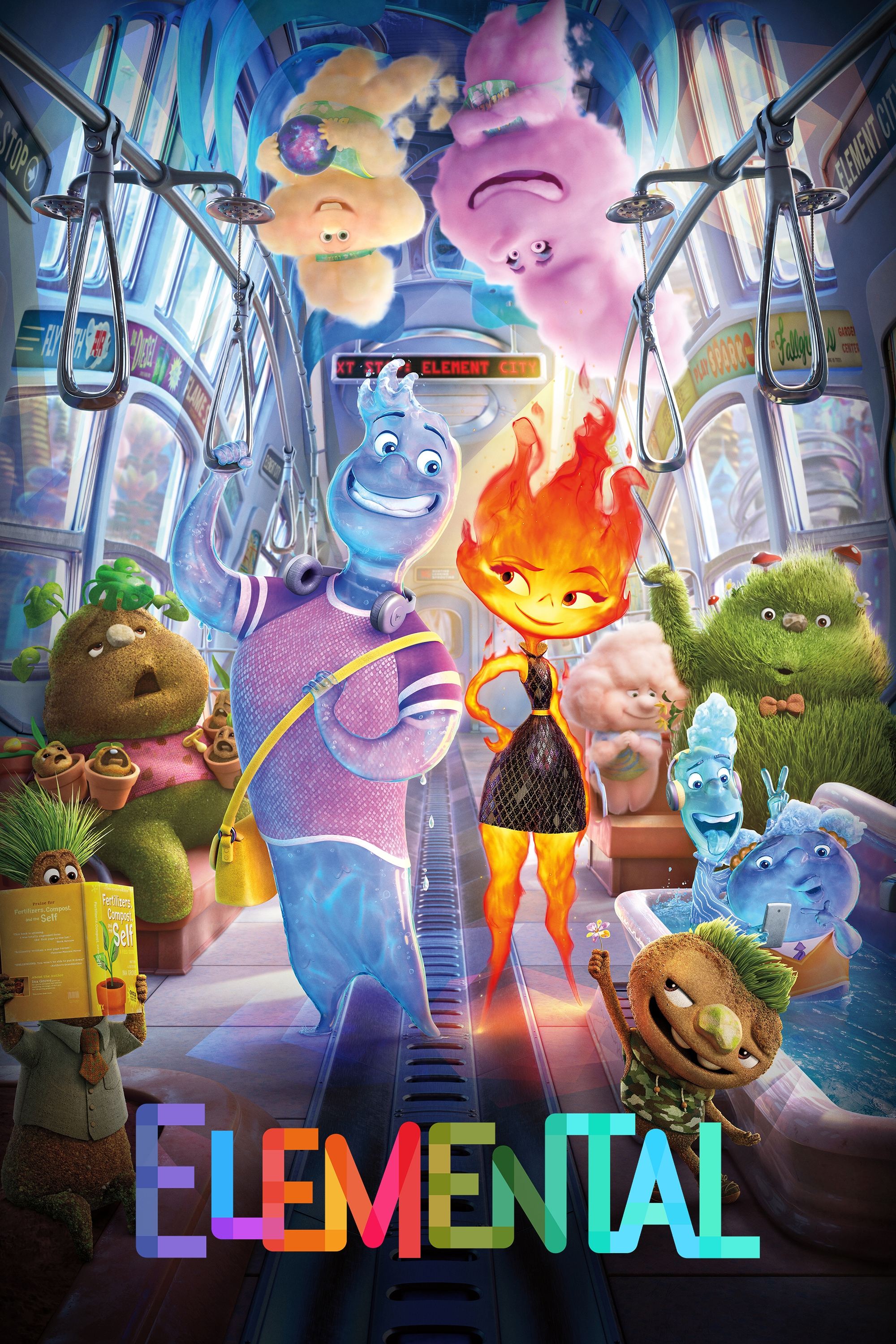
In a city where fire, water, land and air residents live together, a fiery young woman and a go-with-the-flow guy will discover something elemental: how much they have in common.
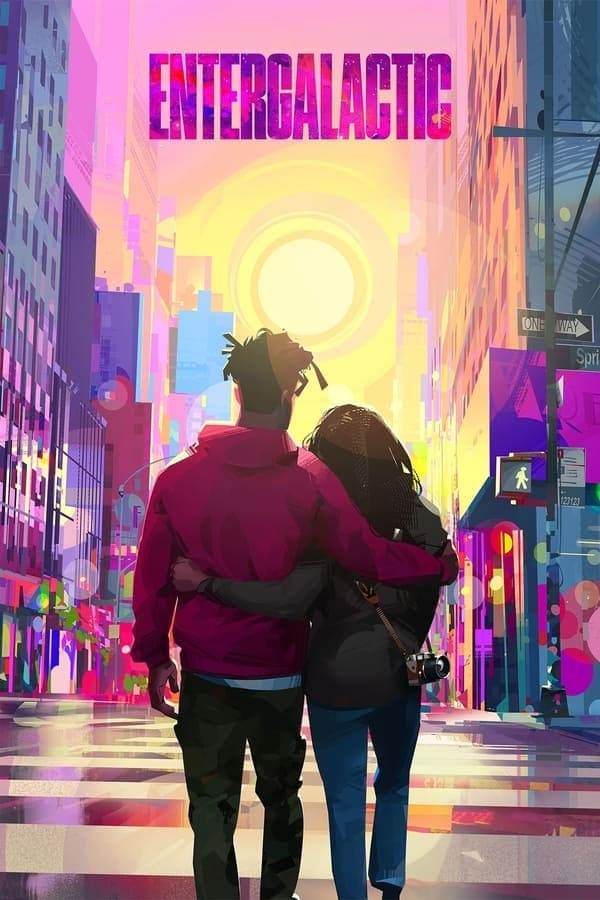
Ambitious artist Jabari attempts to balance success and love when he moves into his dream Manhattan apartment and falls for his next-door neighbor.
Bill struggles to put together his shattered psyche.
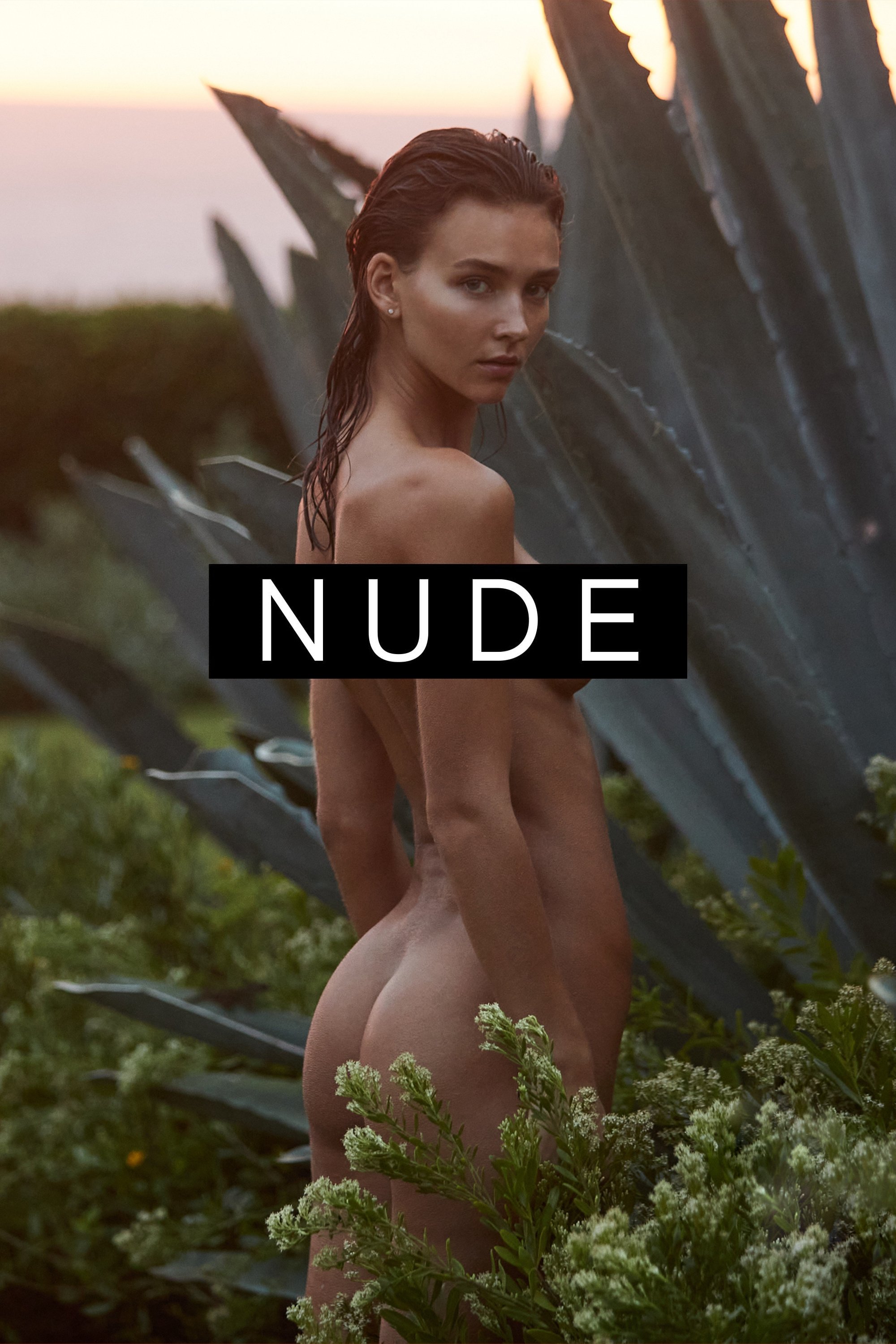
NUDE explores perceptions of nudity in art by chronicling the creative process of photographer David Bellemere as he's commissioned by NU Muses founder Steve Shaw to shoot a fine art calendar of nude photographs.
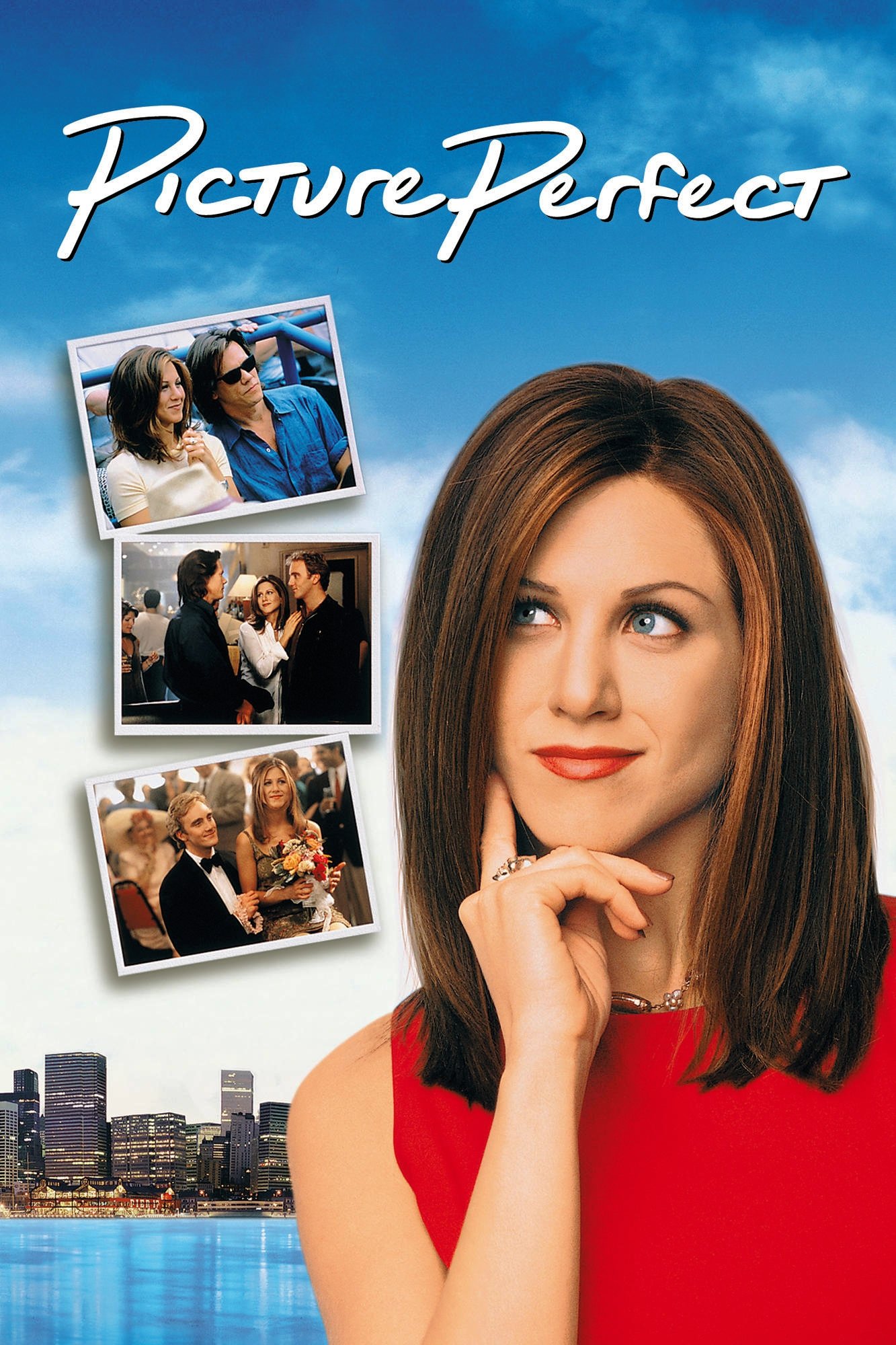
A young advertising executive's life becomes increasingly complicated when, in order to impress her boss, she pretends to be engaged to a man she has just met.
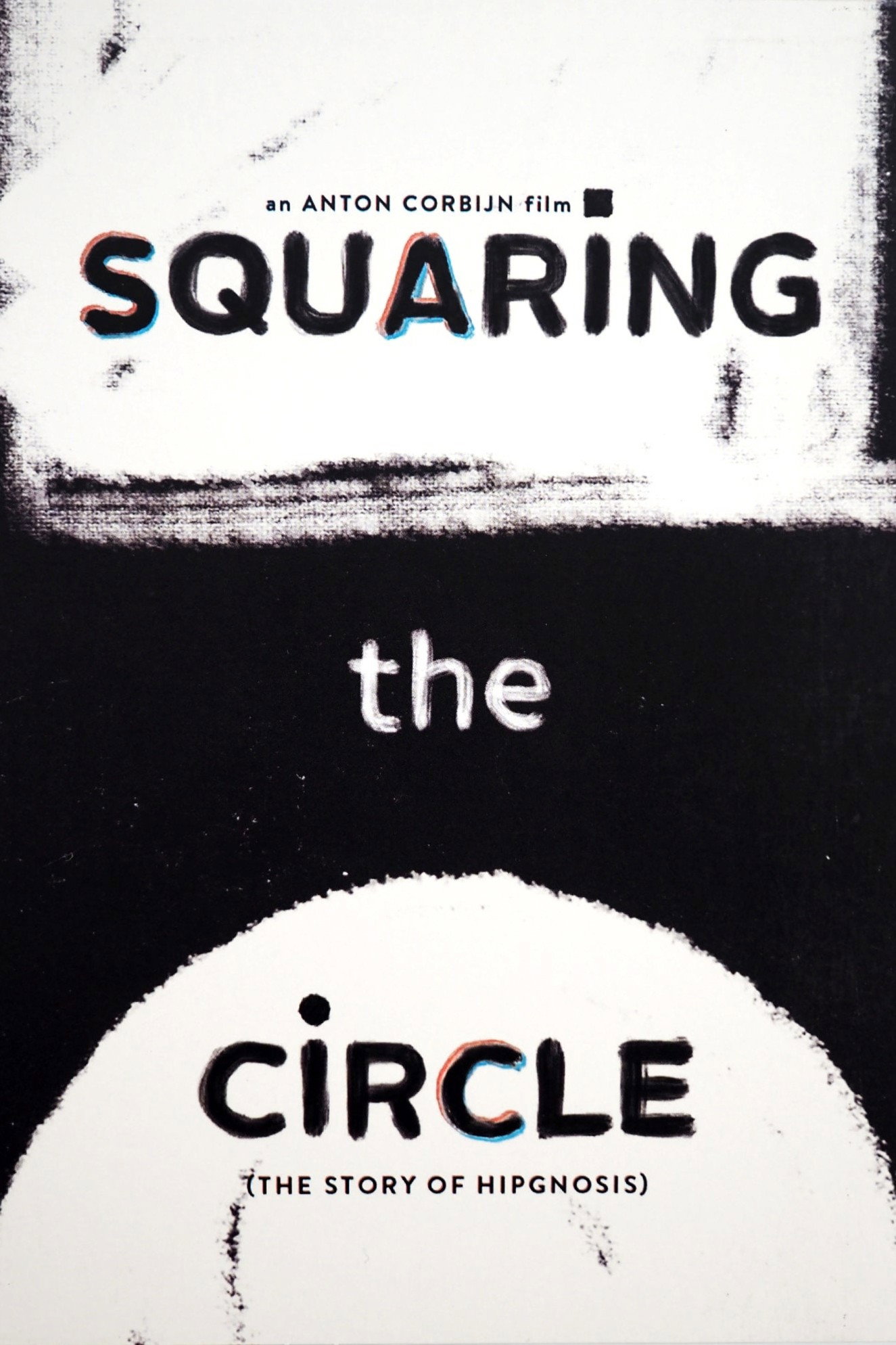
In 1968, art students Storm Thorgerson and Aubrey “Po” Powell made a trippy photo collage for their musician friends Syd, David and Roger. The resulting album and album cover, A Saucerful of Secrets, helped launch two careers: that of Pink Floyd, one of the 70s megabands, and of Hipgnosis, which, over the course of the next 25 years, designed a stream of iconic album covers.
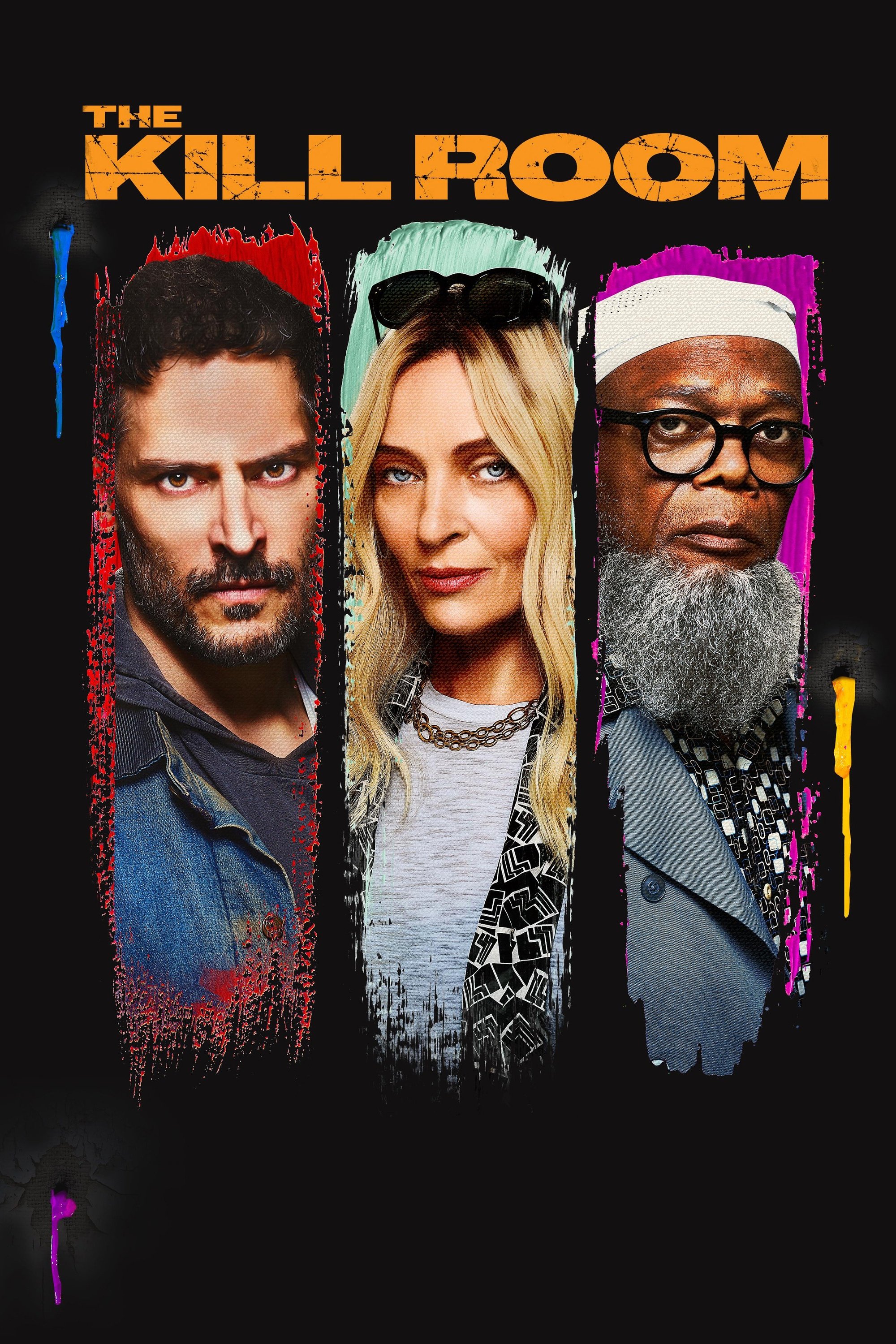
A hitman, his boss, an art dealer and a money-laundering scheme that accidentally turns the assassin into an overnight avant-garde sensation, one that forces her to play the art world against the underworld.
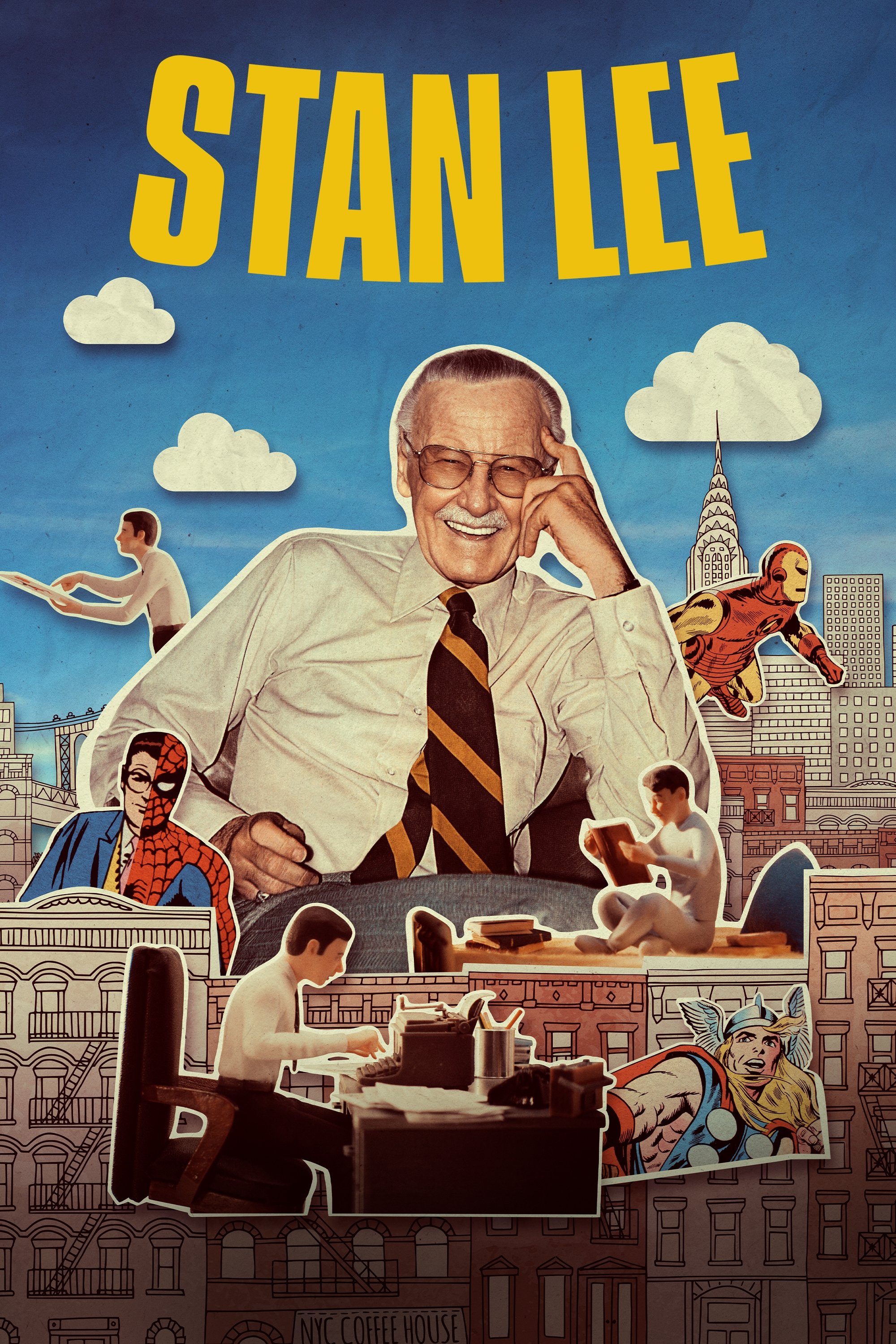
Celebrate the legacy of Stan Lee as the co-creator of such legendary characters as Fantastic Four, Iron Man, the X-Men, The Avengers, and hundreds more.
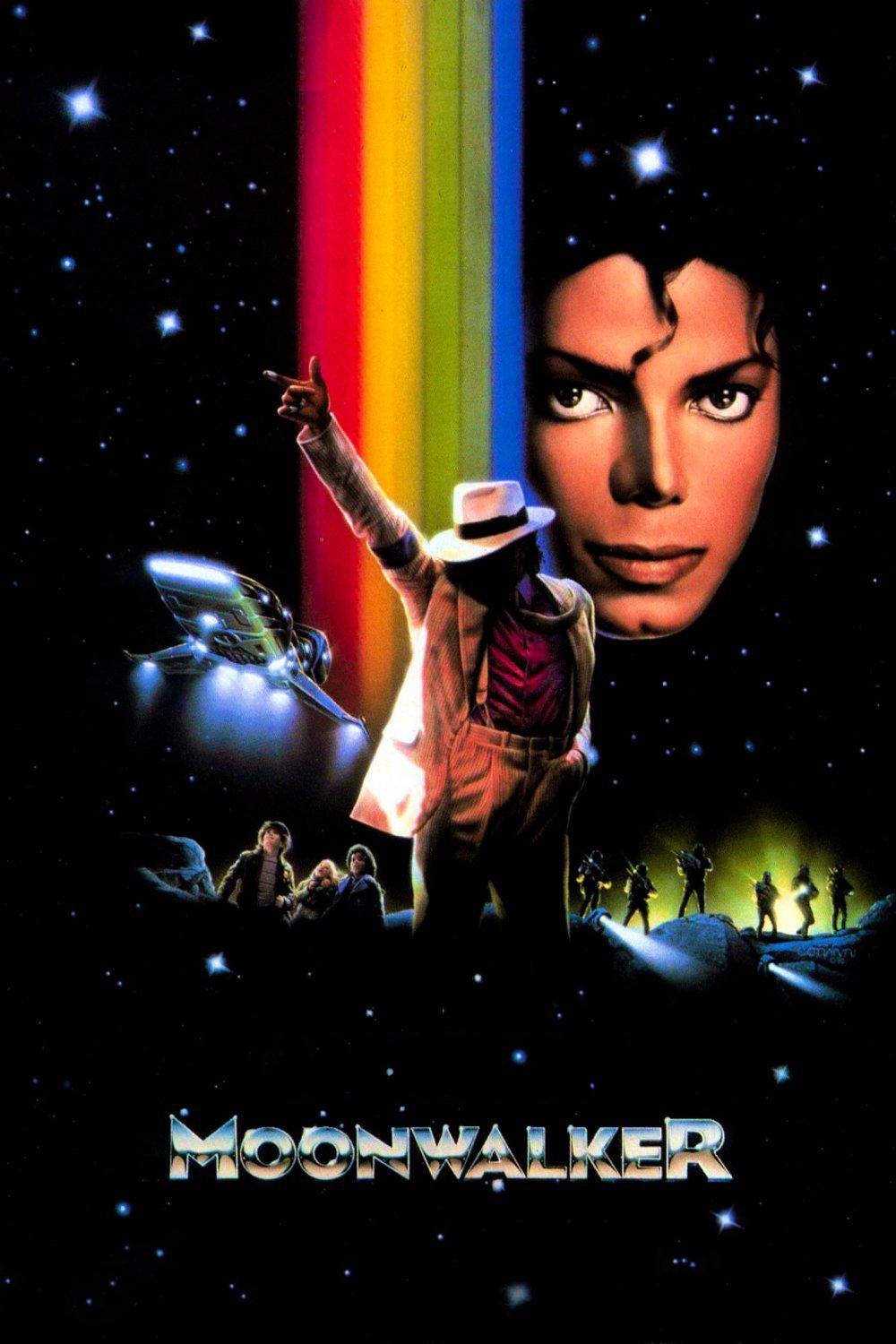
This fantastical movie inspired by the music of Michael Jackson features imaginative interpretations of hit tracks from the iconic 1987 album “Bad”.
A visual montage portrait of our contemporary world dominated by globalized technology and violence.
When a man is offered a million dollars to play a game in which hunters try to kill him, he thinks he has found the perfect loophole: they can only attack when he’s alone. His only problem is that none of his friends or family believe the game is real. Forced to seek companionship in unexpected places, he navigates the bizarre challenge with humor, paranoia, and a surprising search for connection.
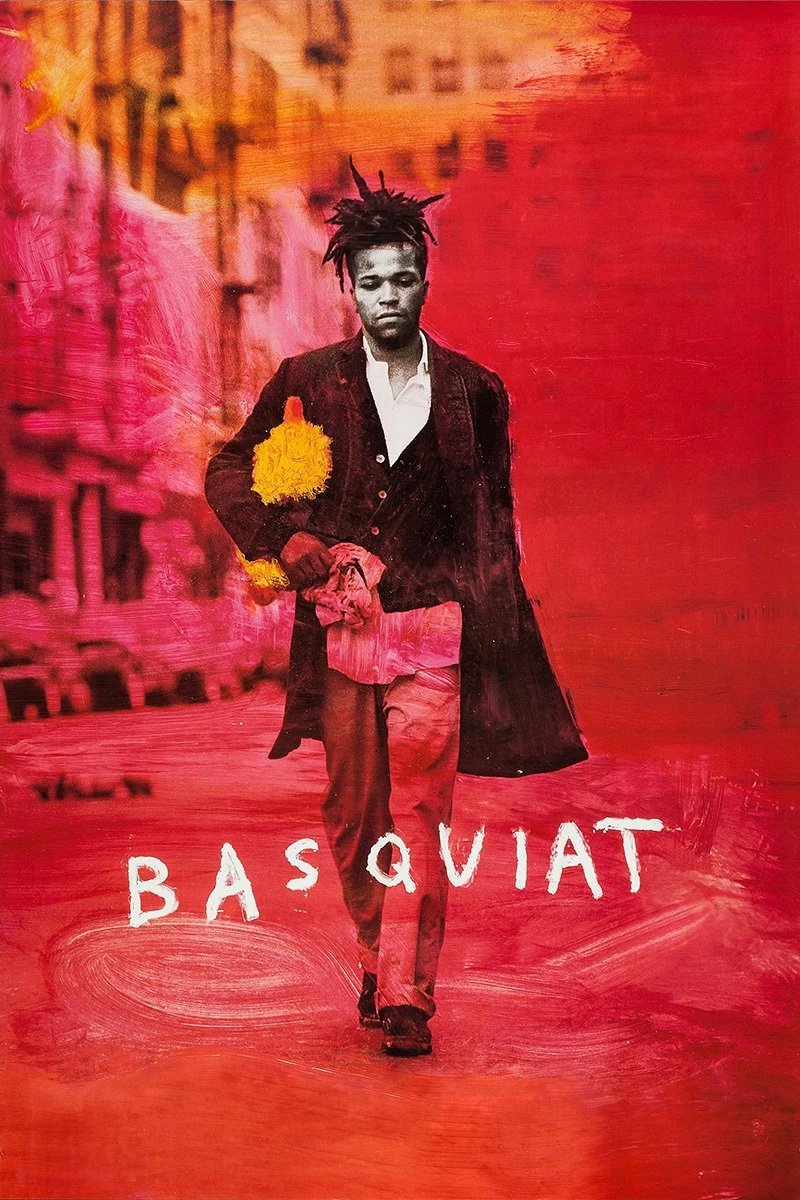
The brief life of Jean Michel Basquiat, a world renowned New York street artist struggling with fame, drugs and his identity.
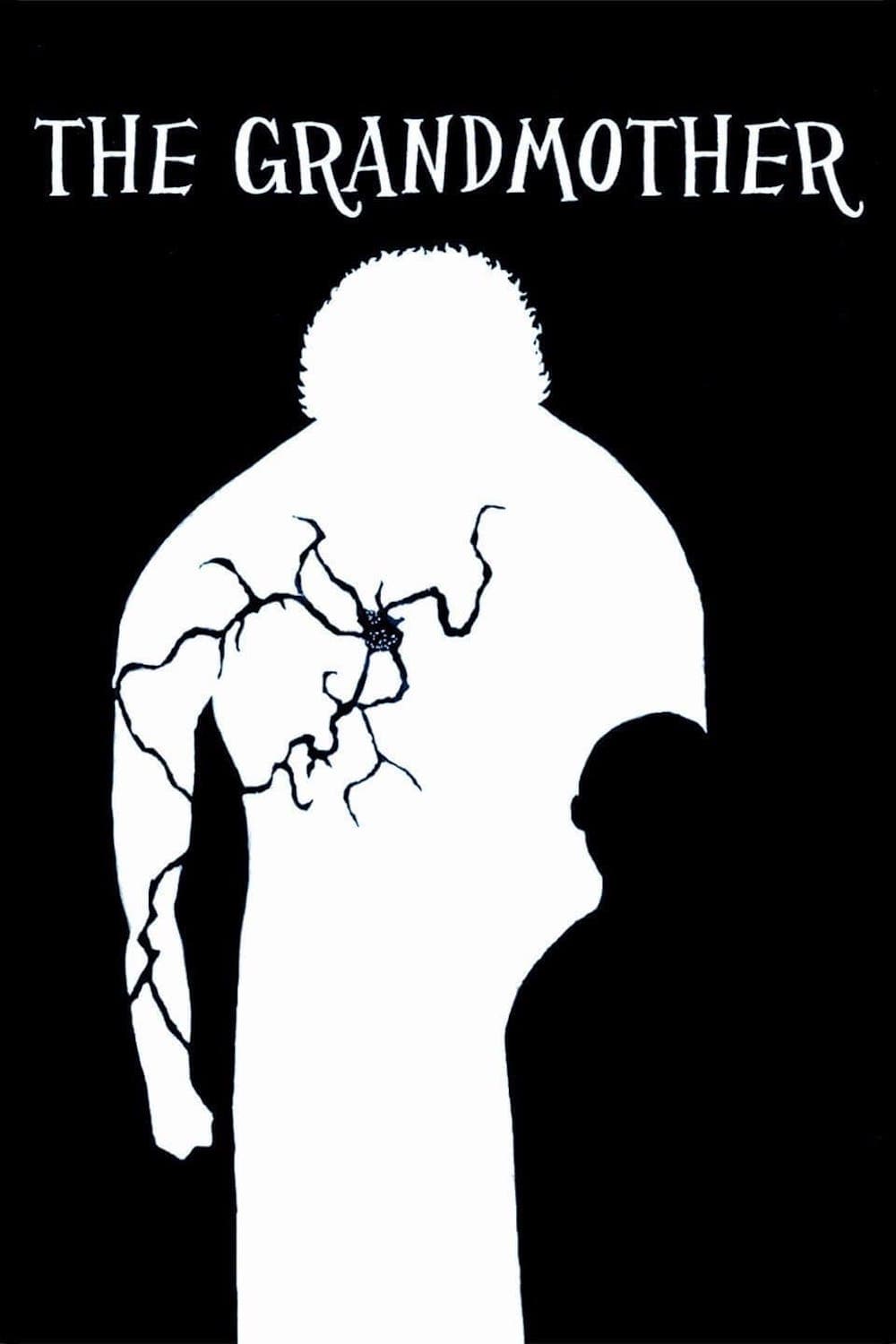
To escape neglect and abuse from his parents, a young boy plants some strange seeds and they grow into a grandmother.
The life of internationally renowned artist and activist Nan Goldin is told through her slideshows, intimate interviews, ground-breaking photography, and rare footage of her personal fight to hold the Sackler family accountable for the overdose crisis.
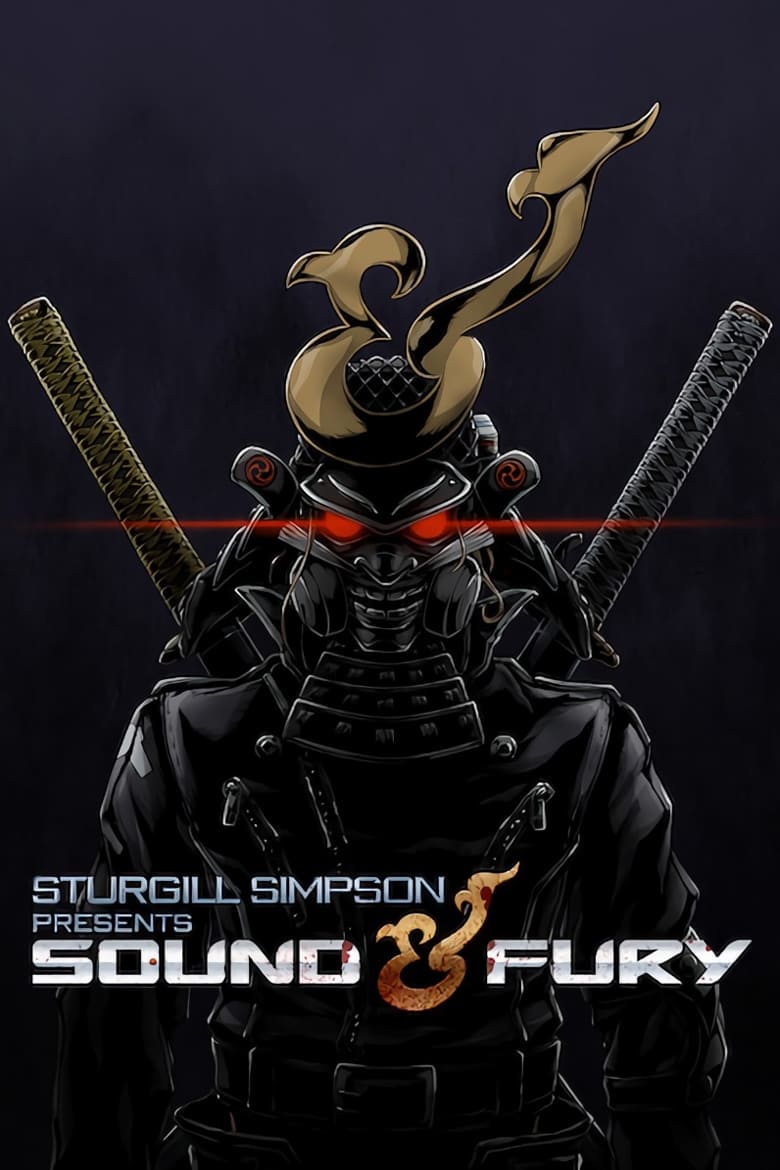
In this anime visual album, a mysterious driver heads deep into a postapocalyptic hellscape toward a ferocious showdown with two monstrous opponents.
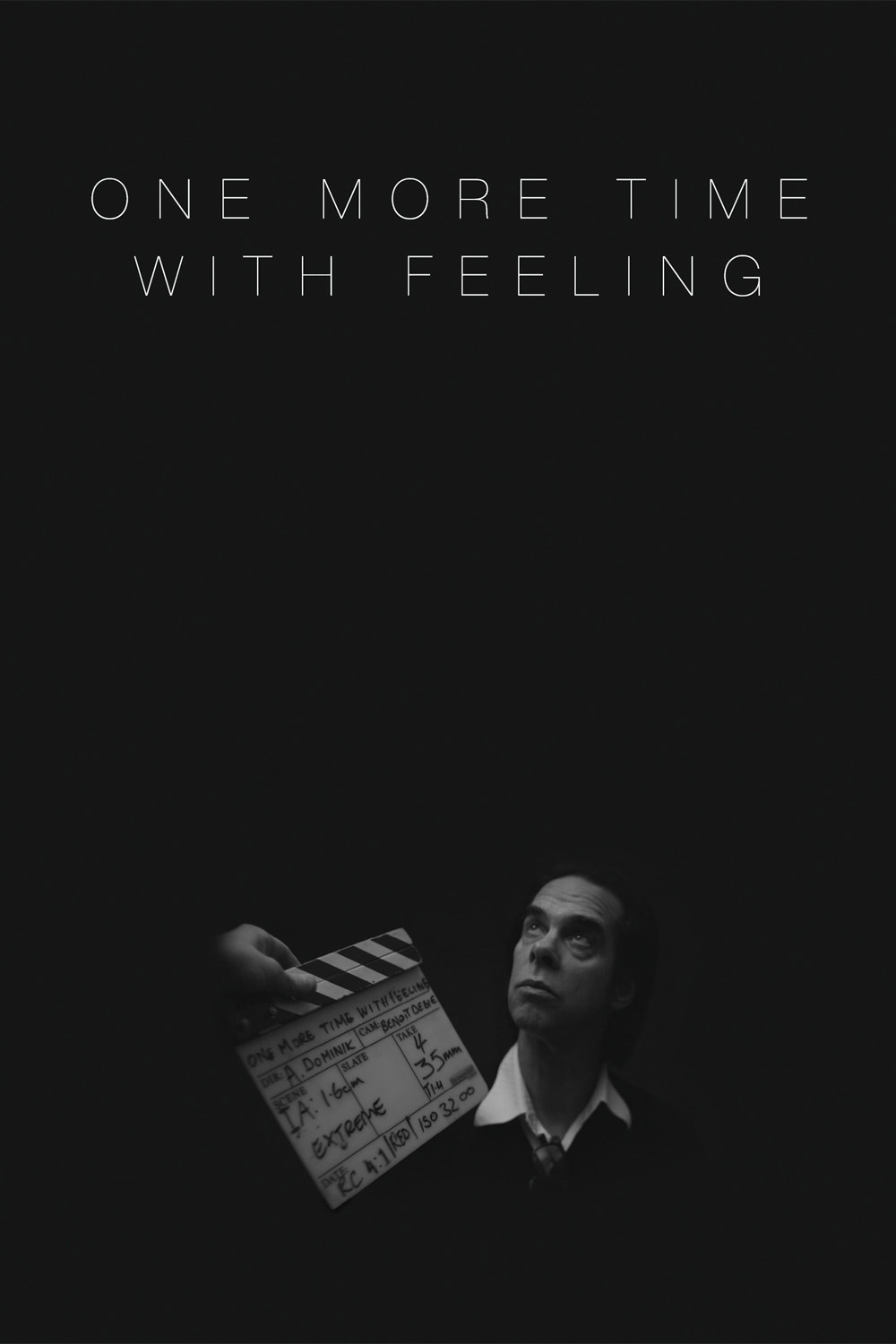
Andrew Dominik's One More Time With Feeling is a remarkable black and white documentary which chronicles the creation of Nick Cave & The Bad Seeds' album Skeleton Tree. Originally a performance based concept, the film evolved into something much more significant as Dominik delved into the tragic backdrop of the writing and recording of the album. The result is stark, fragile and raw, and a true testament to an artist trying to find his way through the darkness. It documents the writing, recording and performing of Nick Cave & the Bad Seeds’ sixteenth studio album, Skeleton Tree.
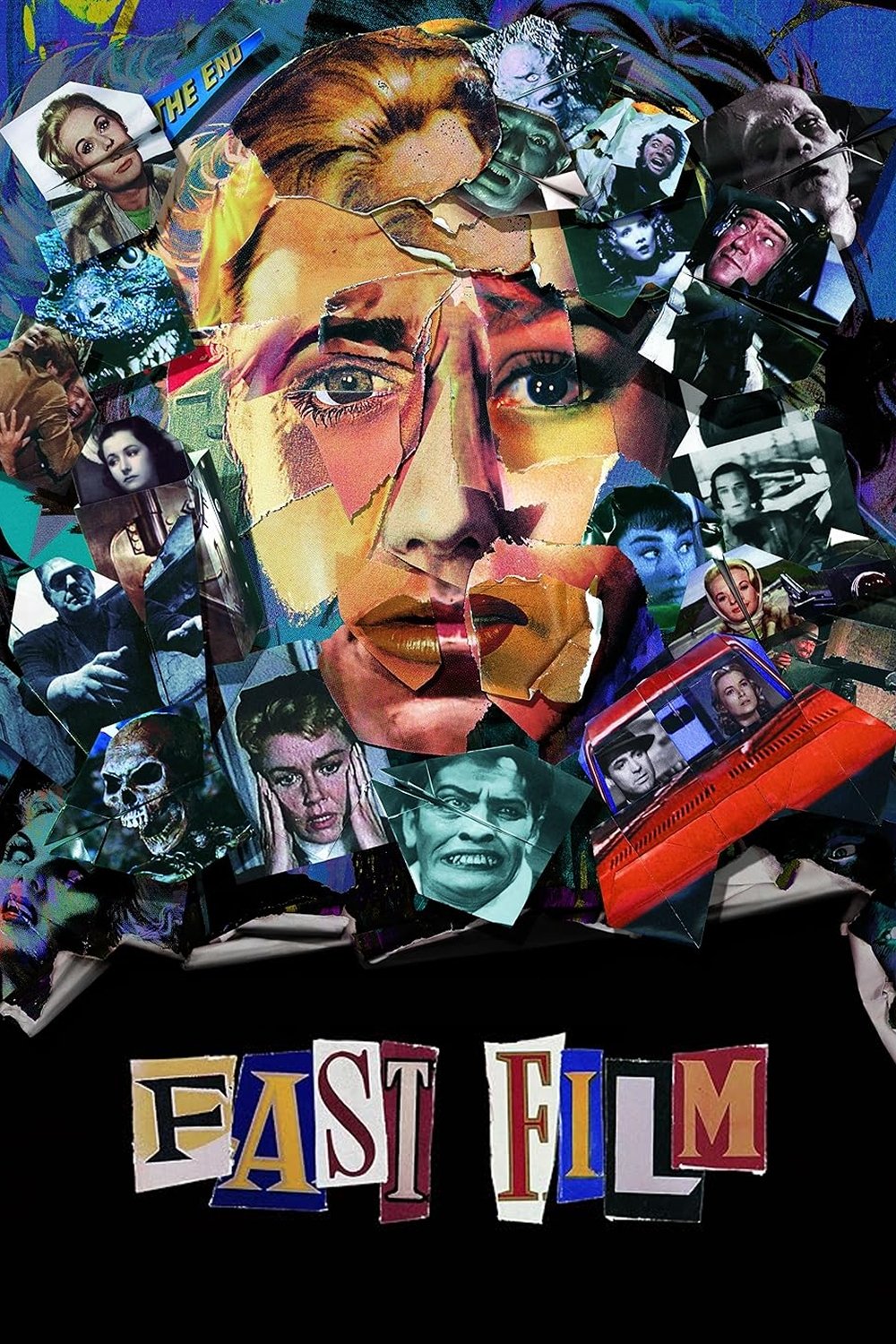
Bits of found film and different types of animation illustrate a classic chase scene scenario: A woman is abducted and a man comes to her rescue, but during their escape they find themselves in the enemy's secret headquarters.
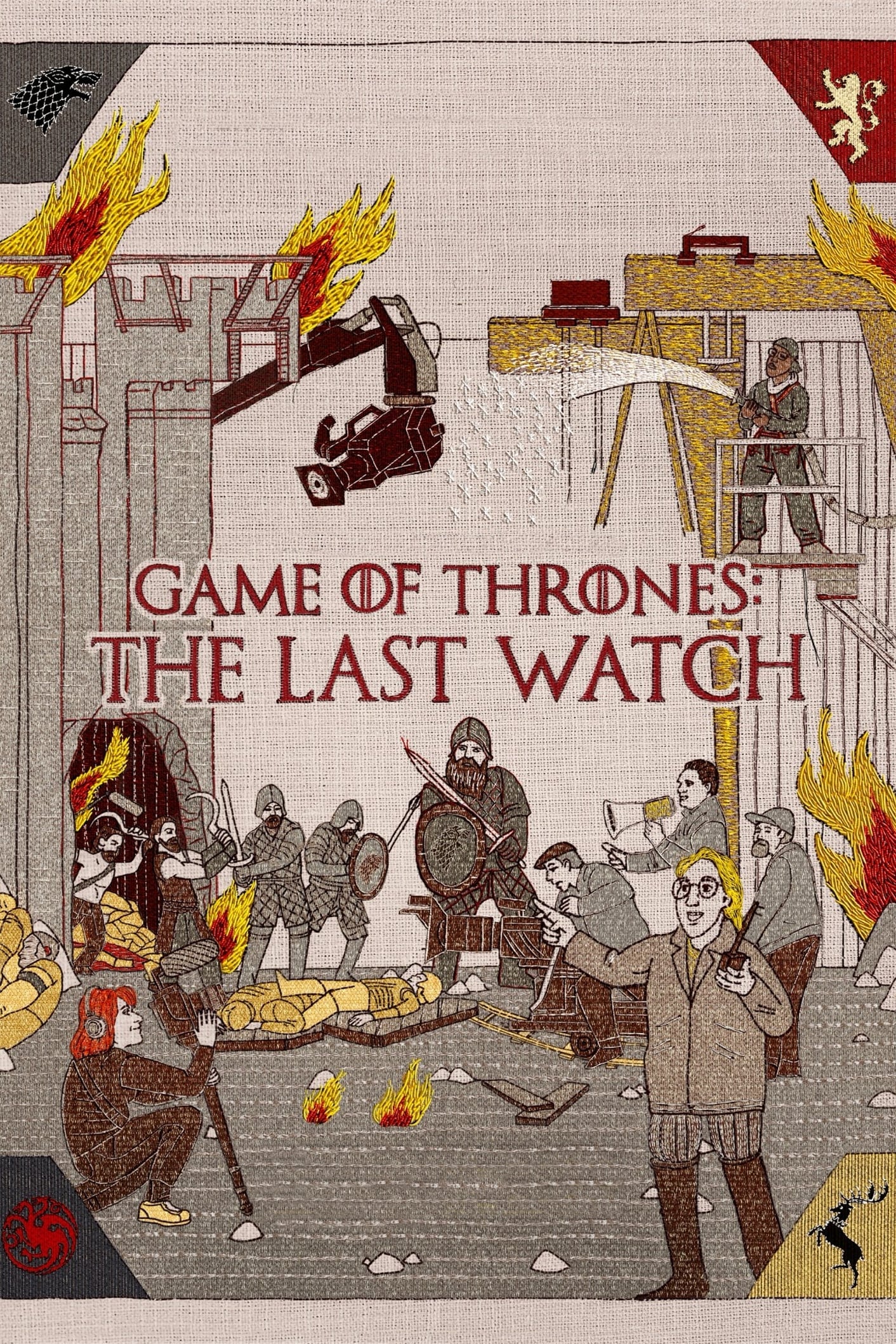
For a year, acclaimed British filmmaker Jeanie Finlay was embedded on the set of the hit HBO series “Game of Thrones,” chronicling the creation of the show’s most ambitious and complicated season. Debuting one week after the series 8 finale, GAME OF THRONES: THE LAST WATCH delves deep into the mud and blood to reveal the tears and triumphs involved in the challenge of bringing the fantasy world of Westeros to life in the very real studios, fields and car-parks of Northern Ireland. Made with unprecedented access, GAME OF THRONES: THE LAST WATCH is an up-close and personal portrait from the trenches of production, following the crew and the cast as they contend with extreme weather, punishing deadlines and an ever-excited fandom hungry for spoilers. Much more than a “making of” documentary, this is a funny, heartbreaking story, told with wit and intimacy, about the bittersweet pleasures of what it means to create a world – and then have to say goodbye to it.
Matthew, a young schizophrenic, finds himself out on the street when a slumlord tears down his apartment building. Soon, he finds himself in even more dire straits, when he is threatened by Little Leroy, a thug who is one of the tough denizens of the Fort Washington Shelter for Men. He reaches out to Jerry, a streetwise combat veteran, who takes Matthew under his wing as a son. The relationship between these two men grows as they attempt to conquer the numbing isolation of homelessness.
The film explores the world of firefighters in 1920s New York City and tells the story of a 16-year-old girl who will have to become a hero in order to save her city.