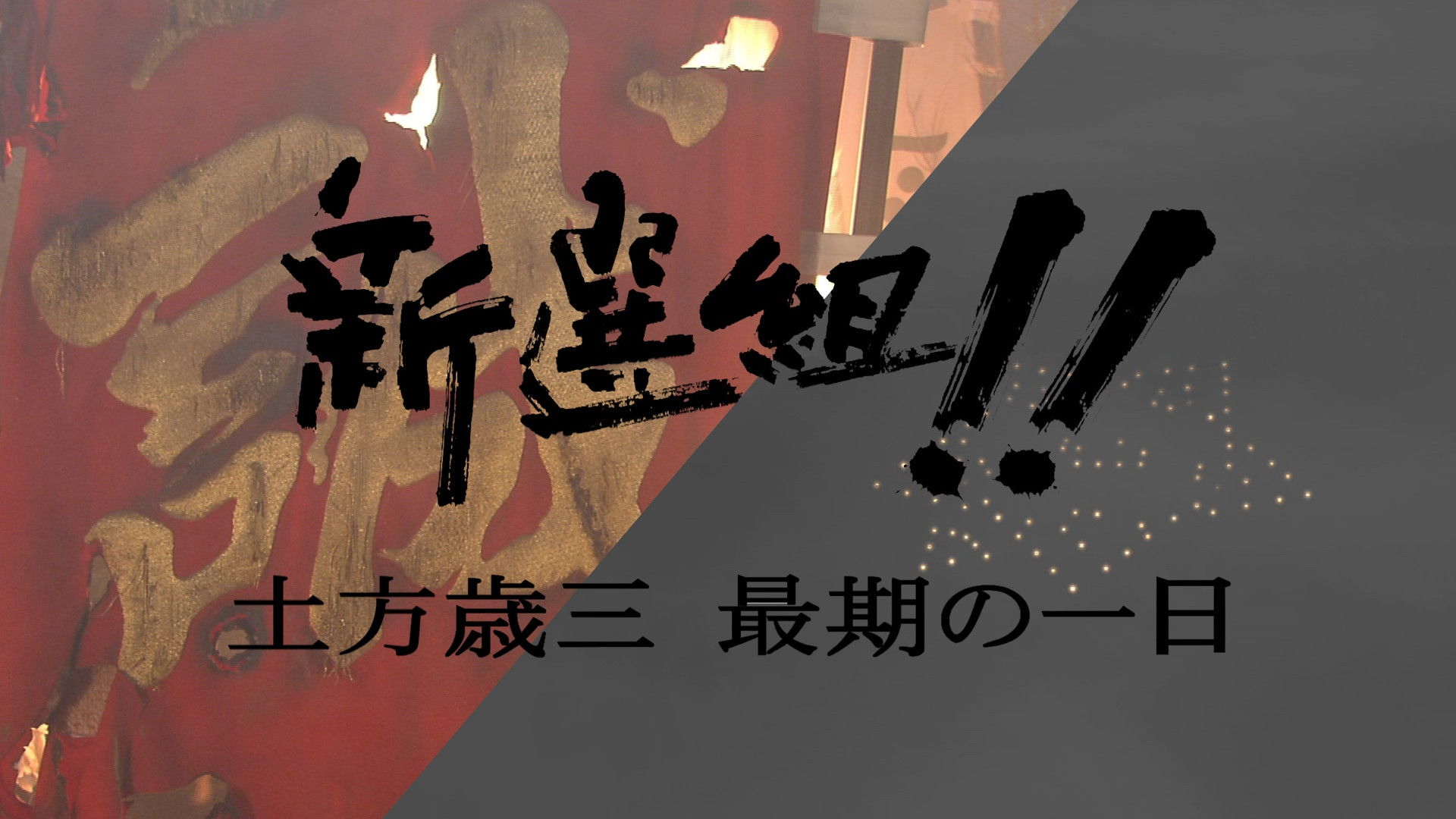
Follows the final days of the shogunate and Shinsengumi's Vice-Comander Hijikata Toshizo along with his fellow anti-imperialist group.
Social & External
The people behind it
Koji Yamamoto
Hijikata Toshizō
Sosuke Ikematsu
Ichimura Tetsunosuke
Masato Sakai
Yamanami Keisuke
Ainosuke Kataoka
Enomoto Takeaki
Kenji Kohashi
Shôei
Kai Shimada
Jun Toba
Yamano Yasohachi
Shigenori Yamazaki
Yoko Minamino
Mitsuru Fukikoshi
Ōtori Keisuke
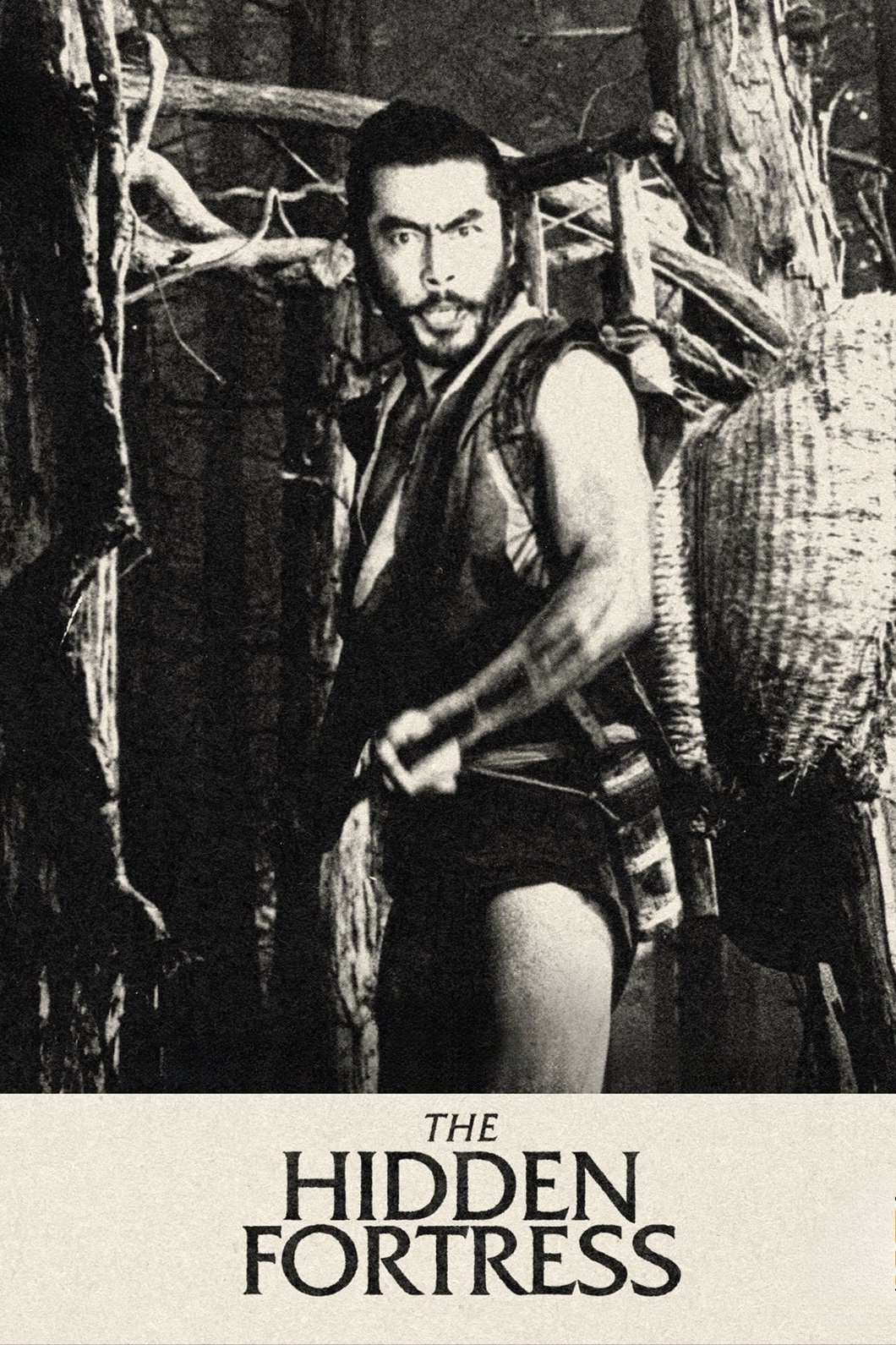
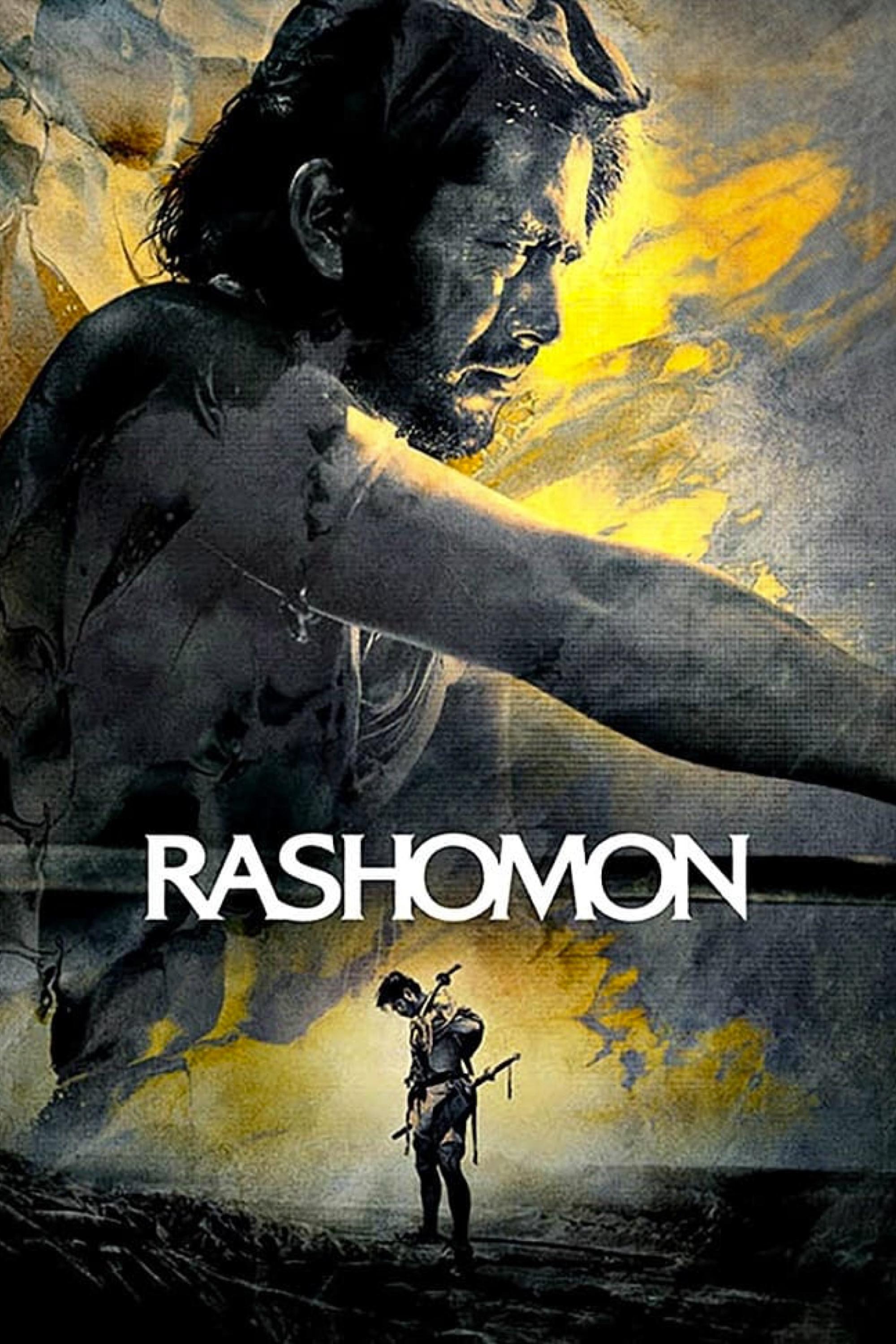
In feudal Japan, during a bloody war between clans, two cowardly and greedy peasants, soldiers of a defeated army, stumble upon a mysterious man who guides them to a fortress hidden in the mountains.
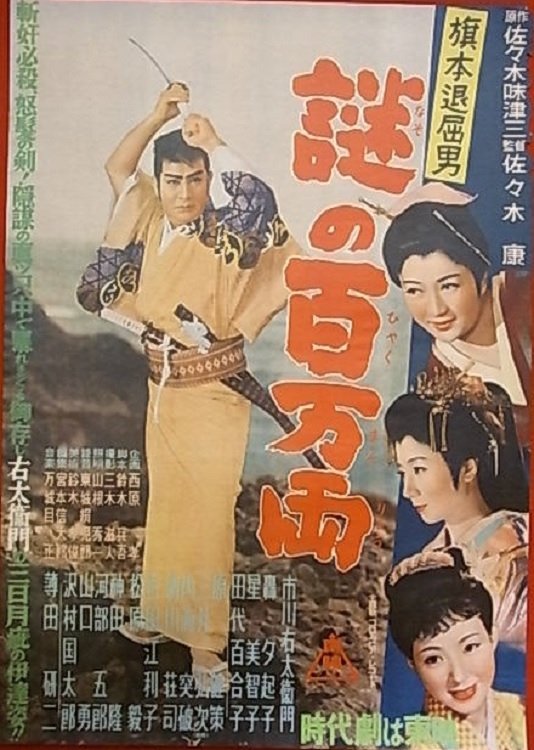
Bored Hatamoto film #16.
Four people recount different versions of the story of a man's murder and the rape of his wife.
Yagyu Jubei, the finest swordsman in the land, is called upon to bare his blade to help Iemitsu keep his post. Meanwhile a fishmonger named Isshin Tasuke who bears an amazing resemblance to Shogun Iemitsu may be called upon to put his life on the line by acting as the Shogun's double. At the same time, the tragic story of Banzuiin Chobei and Mizuno Jurozaemon is unfolding.
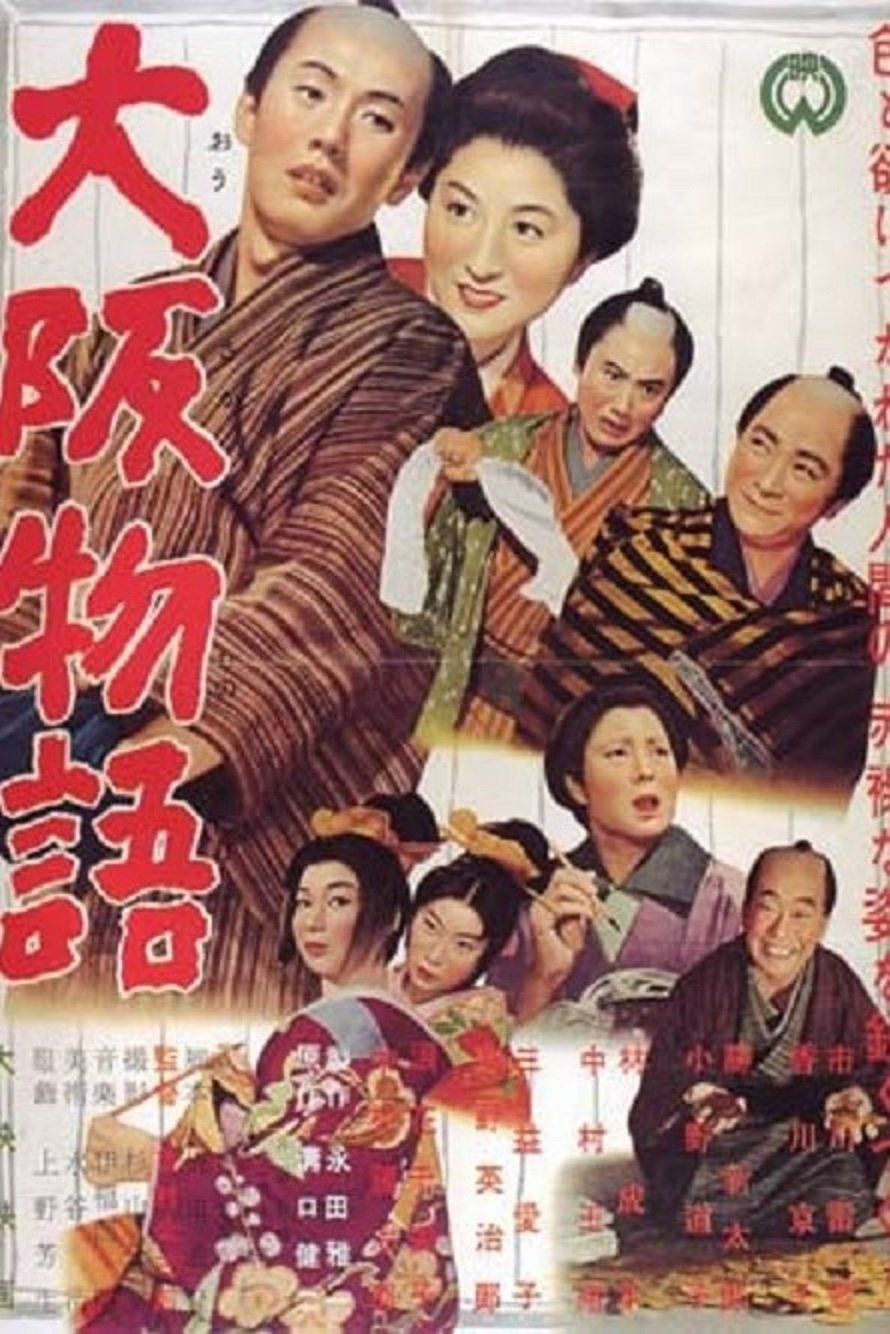
A poor peasant, after years of scraping, becomes a rich and powerful Osaka merchant. Mizoguchi Kenji's final project; he died before completing it and directing duties turned over to Yoshimura Kozaburo.
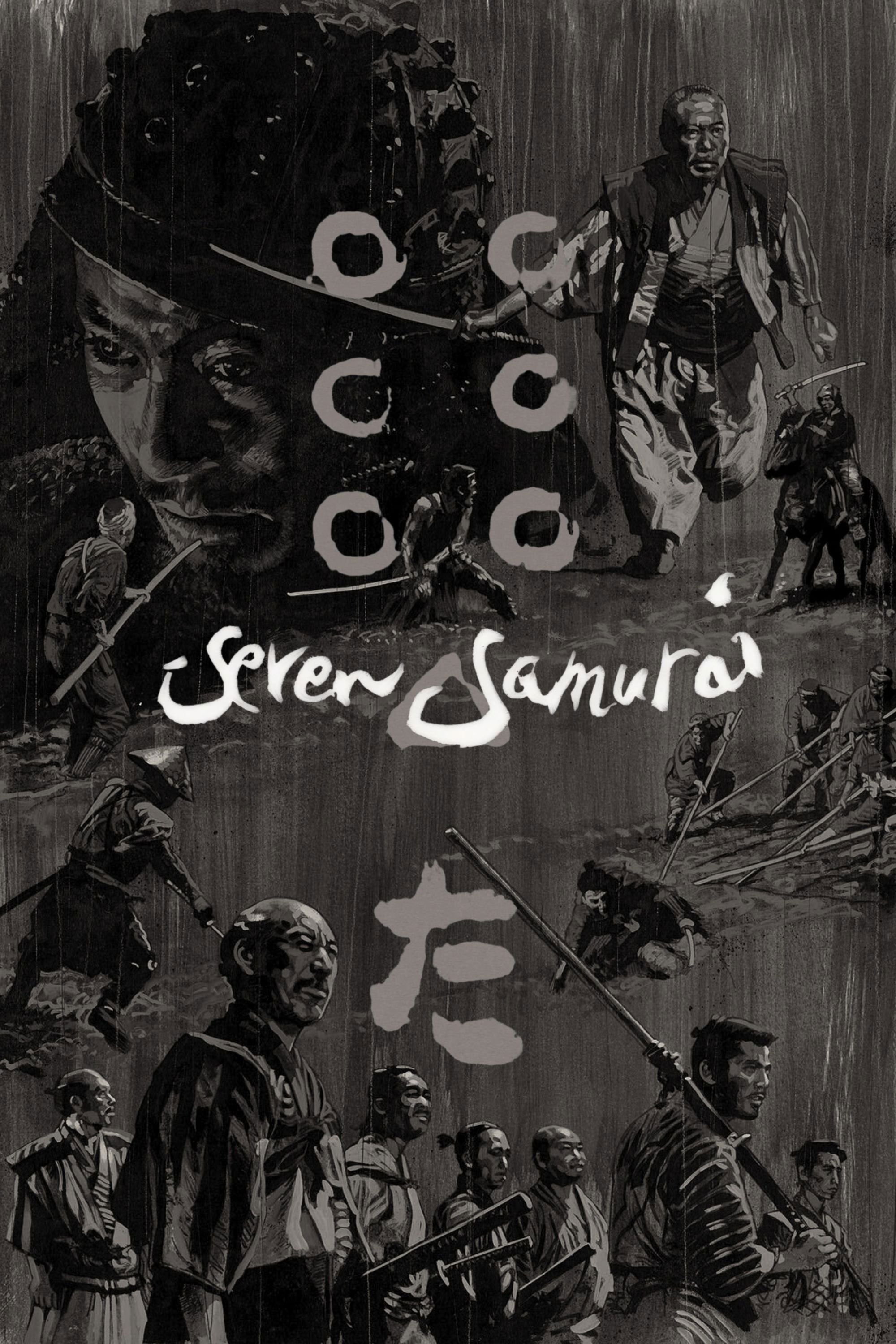
A samurai answers a village's request for protection after he falls on hard times. The town needs protection from bandits, so the samurai gathers six others to help him teach the people how to defend themselves, and the villagers provide the soldiers with food.
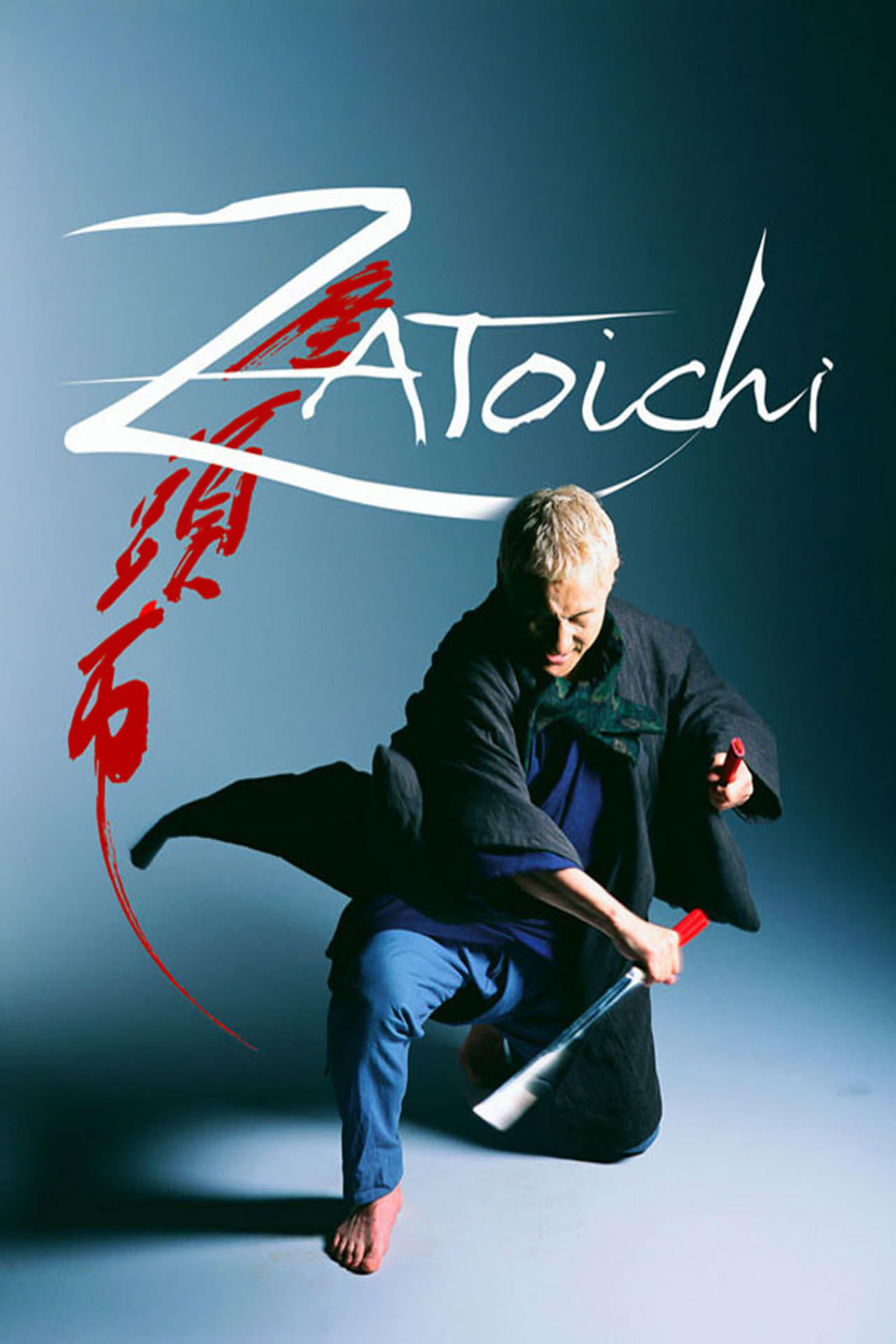
Blind traveler Zatoichi is a master swordsman and a masseur with a fondness for gambling on dice games. When he arrives in a village torn apart by warring gangs, he sets out to protect the townspeople.
The man is chased by losing the beauty and preciousness of love and the foundation of life without overcoming the hardship of life.
In the 15th year of the Genroku era (1688), the world praised the 47 ronin who avenged the death of their master Asano Takumi-no-kami. Shogun Tsunayoshi, who ruled at that time, experienced difficulties in what punishment to impose on the soldiers. As a result, it was decided to sentence them to seppuku (ritual suicide).
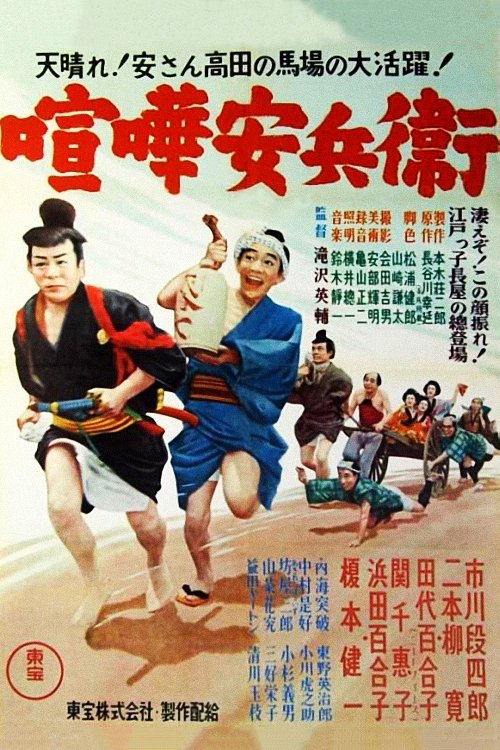
Yasube Nakayama left the clan and lives in Edo. One day, Yasubei visits his uncle Rokuroemon Kanno to borrow money from a moneylender in the amount of 13 ryo in order to save Oteru, the daughter of a merchant. However, the next day, Rokuroemon was killed in a fight by the Murakami brothers. Yasubei rushed to the scene, took revenge and became the husband of Miya, the daughter of Horibe Yahei.
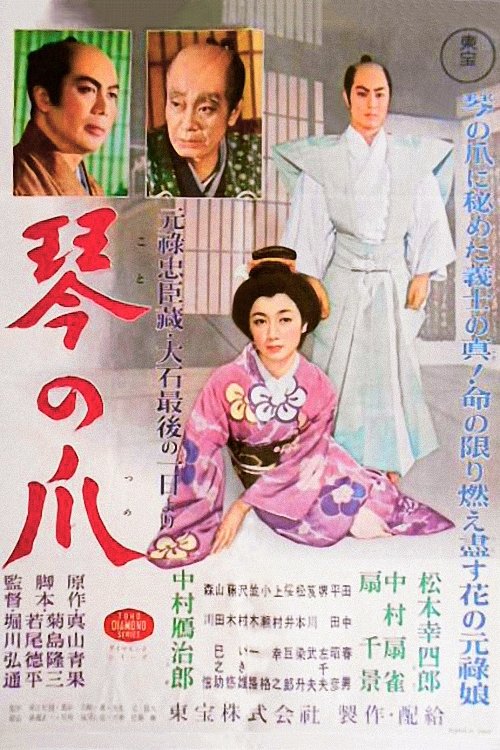
Seppuku Day 17 Ako ronins, including Kuranosuke Oishi, who were entrusted to the Hosokawa family, and the events of the two days before are depicted as a tragic romance between one of the ronins, Jurozaemon Isogai, and Omino. An adaptation of Seika Mayama play "Genroku Chusingura, the Last Day of Oishi", which tells about the torments of life and death of samurai living in feudal times.
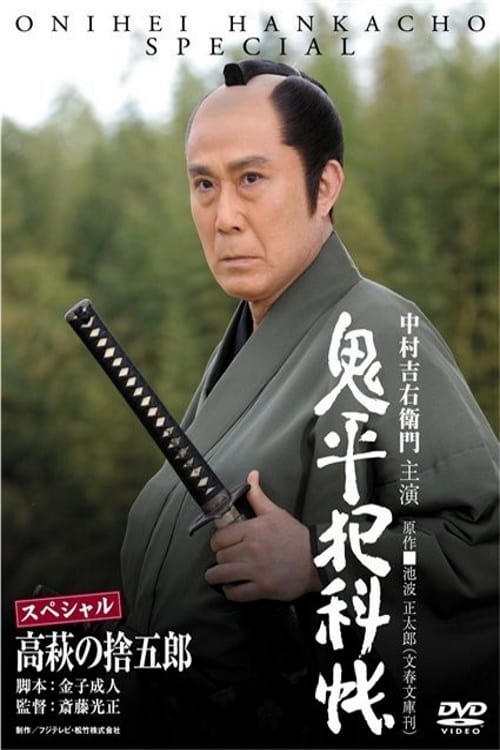
Takahagi Sutegoro is highly skilled at casing locations for thieves so that he can sell detailed floor plans to them. He suffers an injury to his leg while trying to help a parent and a child being threatened by samurai. Heizo jumps in and chases the samurai away. Feeling indebted to Heizo, Sutegoro decides to become his spy. Now, together they will try to stop scheming Myogi Danemon’s gang of merciless thieves...
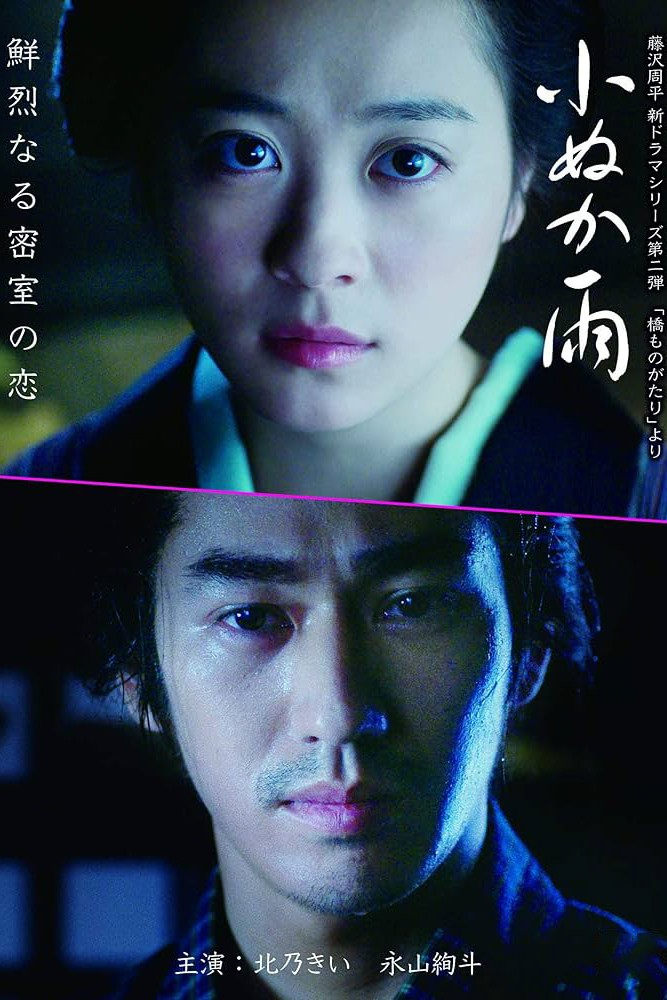
Having lost her parents at a young age, Osumi was taken in by her uncle, who ran a shoe shop, and grew up without ever experiencing happiness or a sense of joy. Against her will, she was betrothed to a rough-mannered clog maker named Katsuzo, and she lived a gloomy life. Then one night, a stranger named Shinshichi suddenly bursts into her home, where she lives alone, and begs her to hide him. As she reluctantly takes in this man with a mysterious past, Osumi gradually begins to feel a flutter in her heart.
When master swordsman Mikogami Genshiro of the Ono fencing school returns to find that his ailing sensei has been murdered in the dead of night, he must find the culprit and exact revenge. His return sets off a series of violent incidents and incites a high ranked female skilled in sword to test his mettle after he unwittingly offends her. The ever delightful Misora Hibari co-stars with the great Tsuruta Koji in this exciting tale set in the earliest days of the Tokugawa shogunate. Lots of exciting swordfights highlight this entertaining motion picture!
When an artist dies, the official cause of death is judged to be a stroke, but his daughter suspects foul play. She recruits the services of an assassin, who by chance encounters an old friend...
Struggling to elevate himself from his low caste in 17th century Japan, Miyamoto trains to become a mighty samurai warrior.
After years on the road establishing his reputation as Japan's greatest fencer, Takezo returns to Kyoto. Otsu waits for him, yet he has come not for her but to challenge the leader of the region's finest school of fencing. To prove his valor and skill, he walks deliberately into ambushes set up by the school's followers.
Set during Japan's Shogun era, this film looks at life in a samurai compound where young warriors are trained in swordfighting. A number of interpersonal conflicts are brewing in the training room, all centering on a handsome young samurai named Sozaburo Kano. The school's stern master can choose to intervene, or to let Kano decide his own path.
When the brutal Boshin War breaks out in Japan, a group of inmates on death row unite to defend a fortress against the Imperial army.
In 1879, Kenshin and his allies face their strongest enemy yet: his former brother-in-law Enishi Yukishiro and his minions, who've vowed their revenge.
The true story of 20-year-old Colleen Stan, a hitchhiking woman abducted by a young couple and held captive for seven years, during which time she's tortured and forced to live as a slave to her captors.
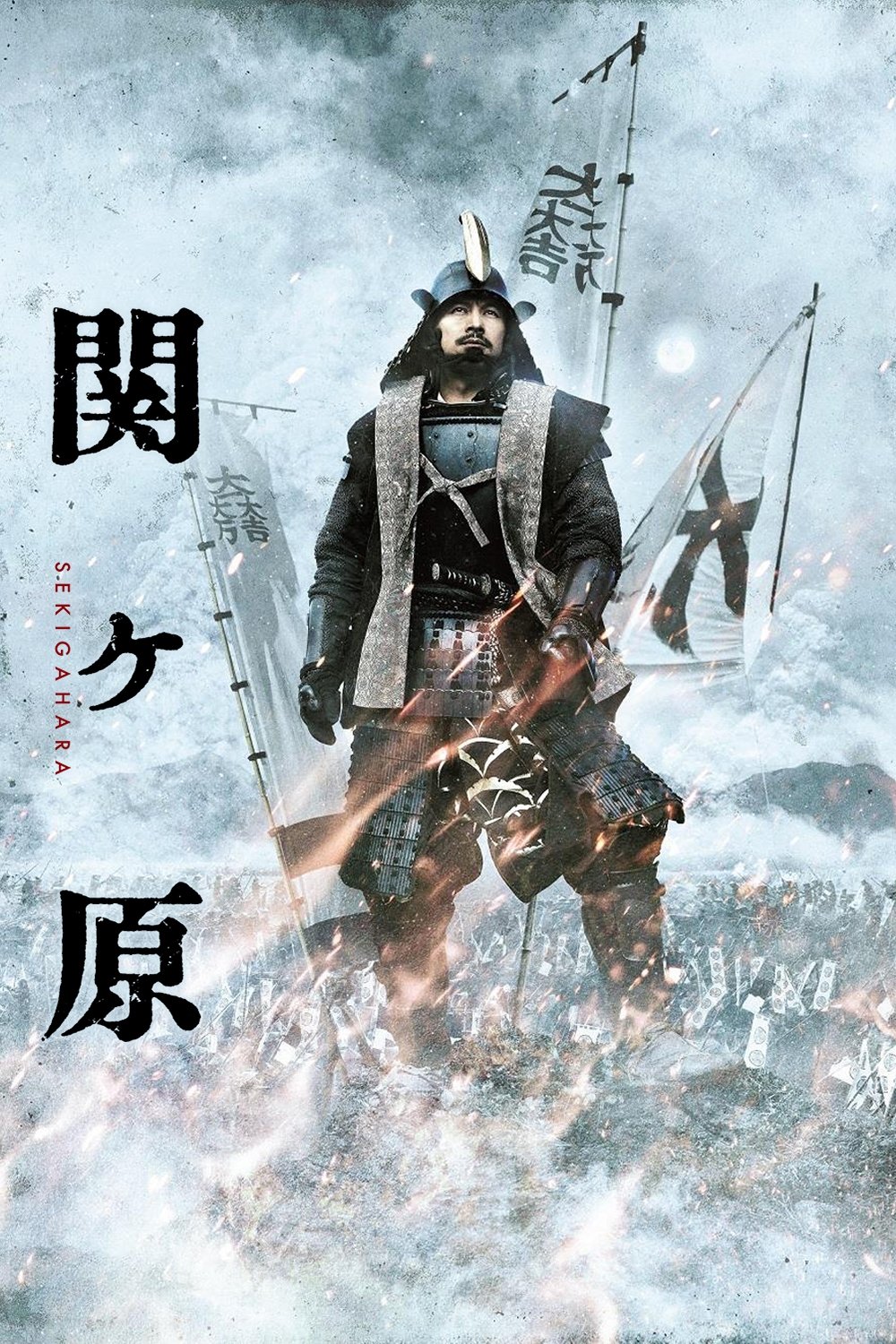
The background to and depiction of a watershed battle in Japanese history, at Sekigahara in 1600, when Tokugawa Ieyasu's Army of the East defeated the Army of the West of Ishida Mitsunari. The story includes the intrigues and shifting loyalties of the various retainers, family members, and samurai.
At the turn of the 19th century, Pugilism was the sport of kings and a gifted young boxer fought his way to becoming champion of England.
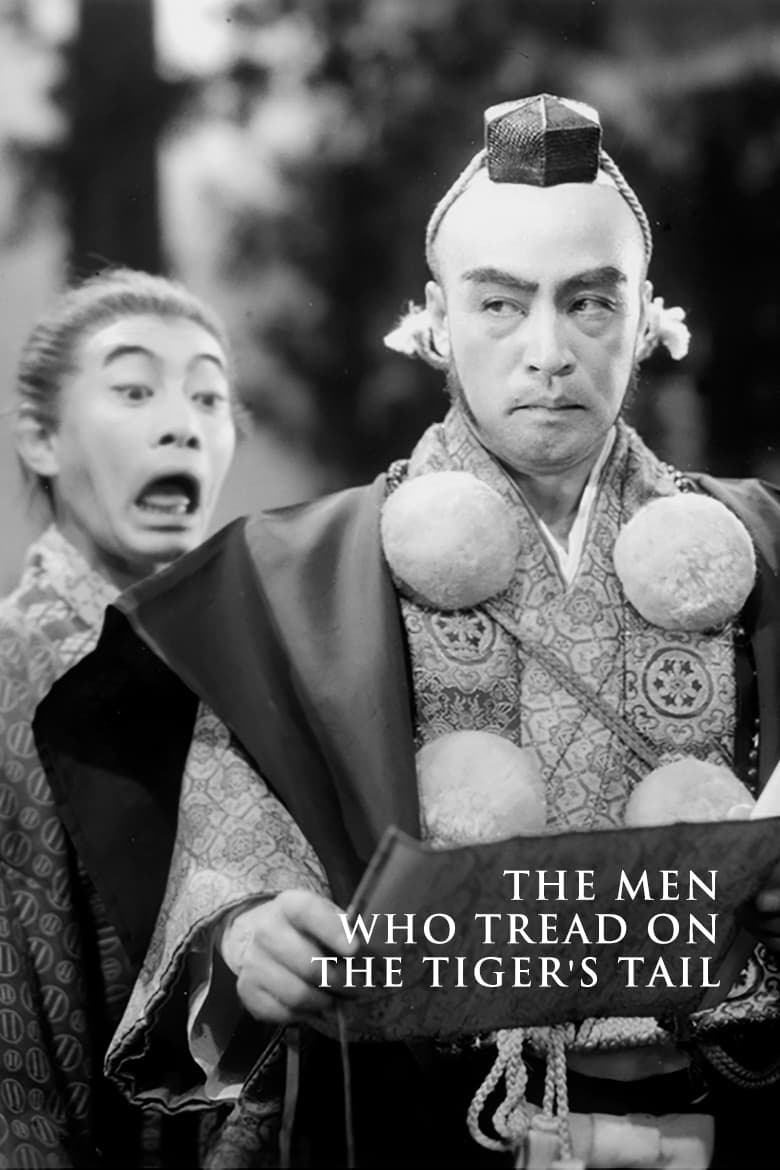
A fugitive lord and his six retainers disguise themselves as monks to bluff their way through a hostile checkpoint.
Eccentric British painter J.M.W. Turner lives his last 25 years with gusto and secretly becomes involved with a seaside landlady, while his faithful housekeeper bears an unrequited love for him.
Judge Clarence Thomas' nomination to the United States' Supreme Court is called into question when former colleague, Anita Hill, testifies that he had sexually harassed her.
After their lord is tricked into committing ritual suicide, forty-seven samurai warriors await the chance to avenge their master and reclaim their honor.
A seamstress recalls events leading to her act of peaceful defiance that prompted the 1955 bus boycott in Montgomery, Alabama.
An African-American woman becomes an unwitting pioneer for medical breakthroughs when her cells are used to create the first immortal human cell line in the early 1950s.
Kakunoshin, renowned for his skills with a sword and in the game of go, embodies the samurai code. Falsely accused of a theft, he is forced to become a lowly ronin. Years later, when a case of missing gold pulls him into a new web of intrigue, Kakunoshin uncovers the truth behind his downfall. With the real culprit exposed, the go board flips, and a hellstorm of righteous vengeance follows.
A ronin desperately seeks a way out of financial straits; he allies with the Tosa clan under the ruthless leader Takechi, who quickly takes advantage.
A woman moves to live with her new husband in 17th century Amsterdam, but soon discovers that not everything is what it seems.
The story of Elizabeth Smart's kidnapping and captivity, as told from her perspective.
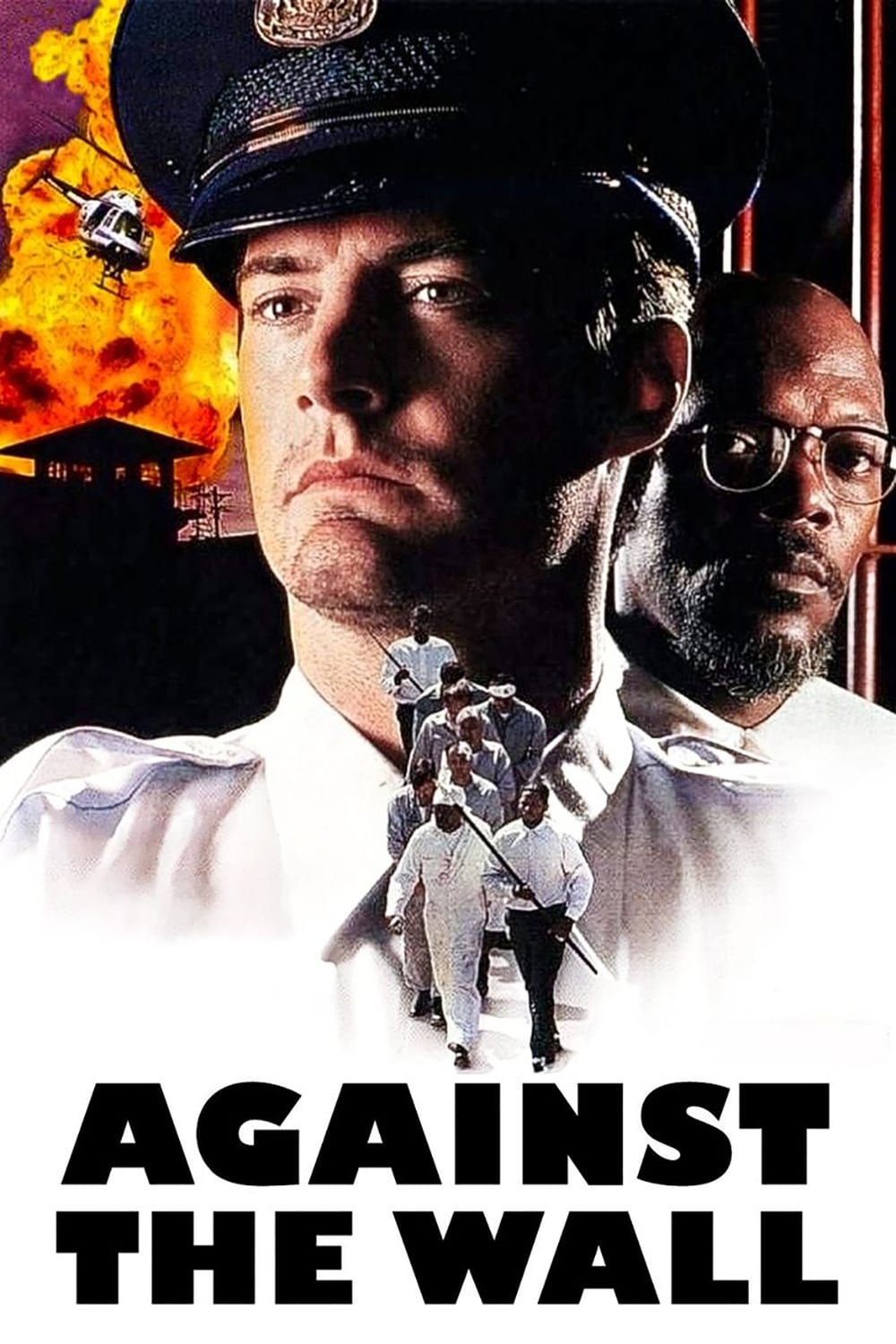
In 1971, a warden at Attica Penitentiary is caught up in a hostage crisis when inmates take over the prison to demand better living conditions.
A WWII veteran escapes his care home in Northern Ireland and embarks on an arduous but inspirational journey to France to attend the 75th anniversary of the D-Day landings, finding the courage to face the ghosts of his past.
As the Japanese surrender at the end of WWII, Gen. Fellers is tasked with deciding if Emperor Hirohito will be hanged as a war criminal. Influencing his ruling is his quest to find Aya, an exchange student he met years earlier in the U.S.
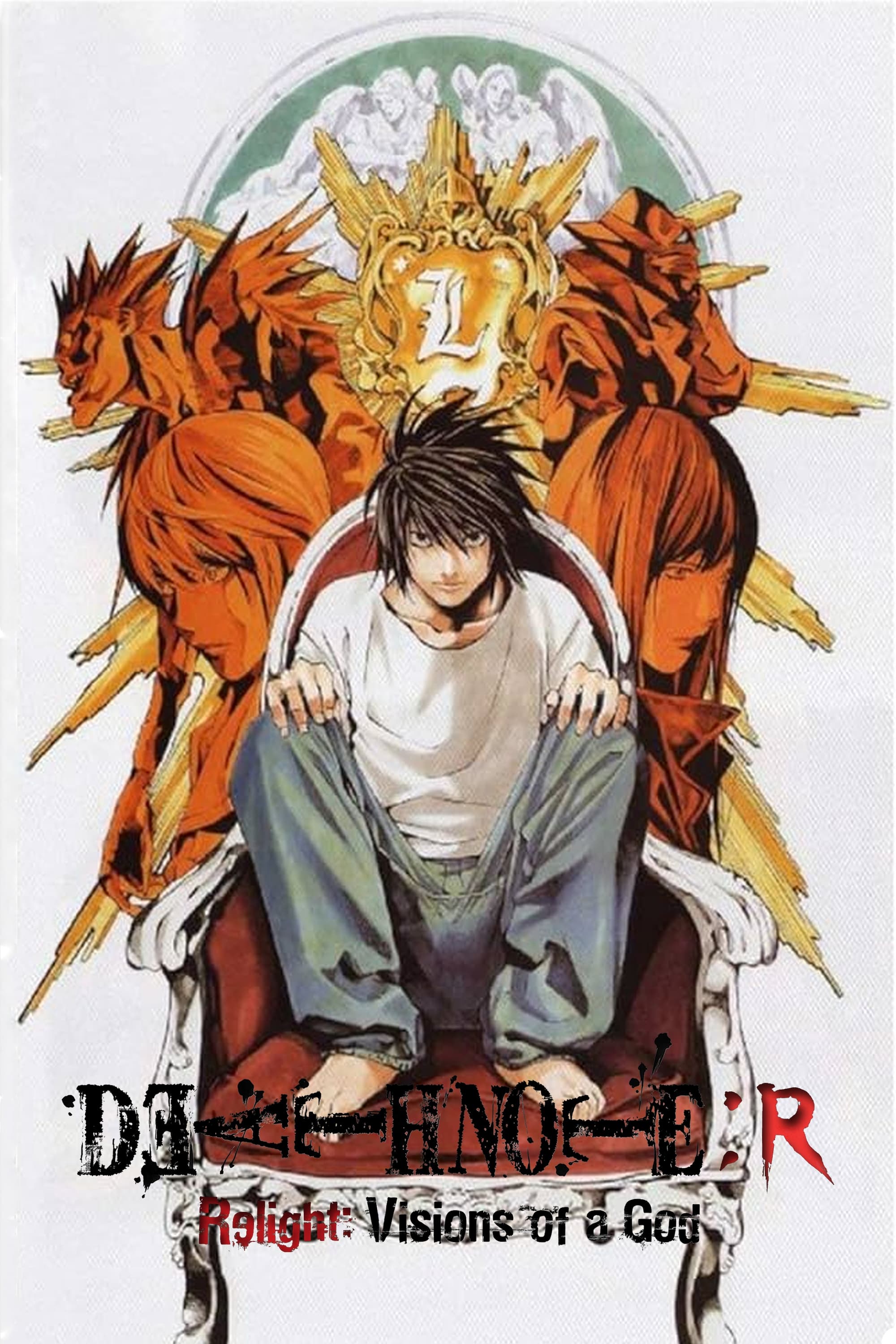
When rogue shinigami Ryuk leaves his Death Note in the human world, he has no idea how far the one who finds it will take his new-found power. With the Death Note in hand, brilliant high school student Light Yagami vows to rid the world of evil. A recap of Death Note episodes 1–26, with alternate footage.