Otakar Vávra walks through Prague in front of the camera and with the camera, and remembers those who in the 1930s determined the pulse of the cultural and political life of that time.
Social & External
Self
A poetic journey through the paths and places of old Castile that were traveled and visited by the melancholic knight Don Quixote of La Mancha and his judicious squire Sancho Panza, the immortal characters of Miguel de Cervantes, which offers a candid depiction of rural life in Spain in the early 1930s and illustrates the first sentence of the first article of the Spanish Constitution of 1931, which proclaims that Spain is a democratic republic of workers of all kind.
By combining actual footage with reenactments, this film offers both a documentary and fictional account of the life of Adolf Hitler, from his childhood in Vienna, through the rise of the Third Reich, to his final act of suicide in the waning days of WWII. The film also provides considerable, and often shocking, detail of the atrocities enacted by the Nazi regime under Hitler's command.
The story of the rape of Nanking, one of the most tragic events in history. In 1937, the invading Japanese army murdered over 200,000 and raped tens of thousands of Chinese. In the midst of this horror, a small group of Western expatriates banded together to save 250,000. Nanking shows the tremendous impact individuals can make on the course of history.
The film looks at men and women of color in the U.S. Merchant Marine from 1938-1975. Through chronicling the lives of these men and women who, with a median age of 82, are beset with a host of life-threatening illnesses, the movie tells how they navigated issues of racism, disparities in the workplace, gender and familial relations.
In the waning days of summer 1931, Honolulu's tropical tranquility was shattered when a young Navy wife made a drastic allegation of rape against five nonwhite islanders. What unfolded in the following days and weeks was a racially-charged murder case that would make headlines across the nation, enrage Hawai'i's native population, and galvanize the island's law enforcers and the nation's social elite.
This documentary focuses on 1939, considered to be Hollywood's greatest year, with film clips and insight into what made the year so special.
Reminiscences of a trip to Čáslav
The life and career of the hailed Hollywood movie star and underappreciated genius inventor, Hedy Lamarr.
Like a visual elegy, My Memory Is Full of Ghosts explores a reality caught between past, present and future in Homs, Syria. Behind the self-portrait of an exsanguinated population in search of normality emerge memories of the city, haunted by destruction, disfigurement and loss. A deeply moving film, a painful echo of the absurdity of war and the strength of human beings.
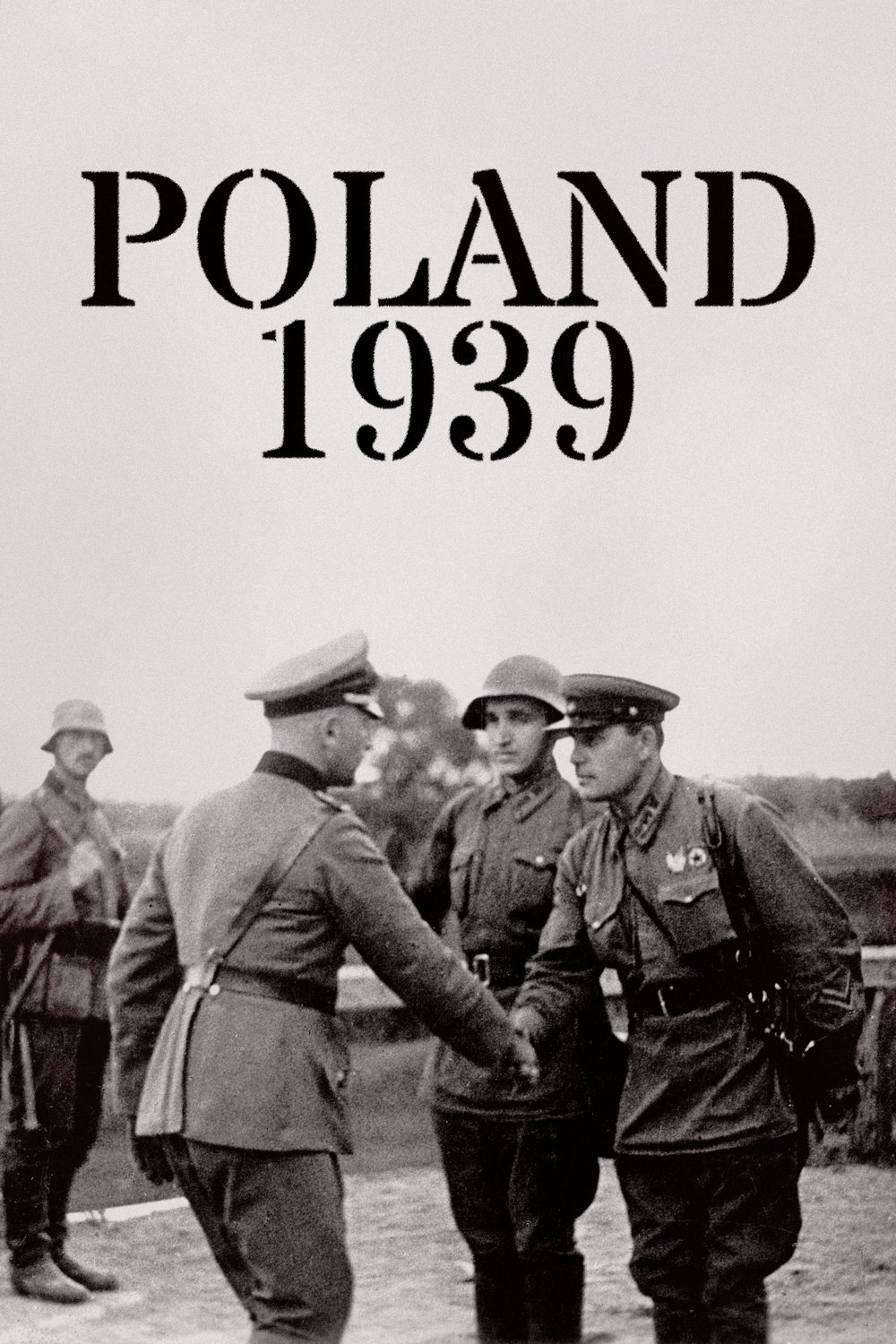
September 1st, 1939. Nazi Germany invades Poland. The campaign is fast, cruel and ruthless. In these circumstances, how is it that ordinary German soldiers suddenly became vicious killers, terrorizing the local population? Did everyone turn into something worse than wild animals? The true story of the first World War II offensive that marks in the history of infamy the beginning of a carnage and a historical tragedy.
A documentary film comparing current / everyday and historical / noble aspects of Prague.
An exploration —manipulated and staged— of life in Las Hurdes, in the province of Cáceres, in Extremadura, Spain, as it was in 1932. Insalubrity, misery and lack of opportunities provoke the emigration of young people and the solitude of those who remain in the desolation of one of the poorest and least developed Spanish regions at that time.

Czech painter and illustrator Alphonse Mucha (1860-1939) ranks among the pioneers of the Art Nouveau movement at the end of the 19th century. Virtually overnight, he becomes famous in Paris thanks to the posters that he designs to announce actress Sarah Bernhardt’s plays. But at the height of his fame, Mucha decides to leave Paris to realize his lifetime project.
A showcase of German chancellor and Nazi Party leader Adolf Hitler at the 1934 Nuremberg Rally.
Personal experiences of Northwest Ohio residents during the January 1978 blizzard that disrupted daily activities. Stories include the helicopter rescue of an expectant mother, effects on emergency services, and methods people used to survive without electricity and heat.
In the 1930’s, the workers of the underground, headed by brigades of writers, are in charge to write in real time "the history of the Moscow Metro". Based on their narratives, partially unpublished, the film recounts the first lines construction of the most beautifiul underground in the world, in the light of this "big literary Utopia", stoped by the purges of 1937-38.
Riding the Rails offers a visionary perspective on the presumed romanticism of the road and cautionary legacy of the Great Depression. The filmmakers relay the experiences and painful recollections of these now-elderly survivors of the rails. Forced to travel more by economic necessity than the spirit of adventure, the film's subjects dispel romantic myths of a hobo existence and its corresponding veneer of freedom. Riding the Rails recounts the hoboes' trade secrets for survival and accounts of dank miseries, loneliness, imprisonment, death, and dispossession. Sixty years later, the filmmakers transport their subjects back to the tracks, where the surging impact of sound and movement resuscitates memories of a shattered adolescence and devastating rite of passage.
There's not a person in the world who wouldn't recognize Mickey Mouse. But until now, not many knew the man who originally gave shape, movement and personality to the world's most beloved icon. "The Hand Behind the Mouse: The Ub Iwerks Story" takes you behind the scenes to meet Walt Disney's best friend and chief animator.