A short experimental film.
Social & External
A photographer looks at pictures of the last day of a boy's life.
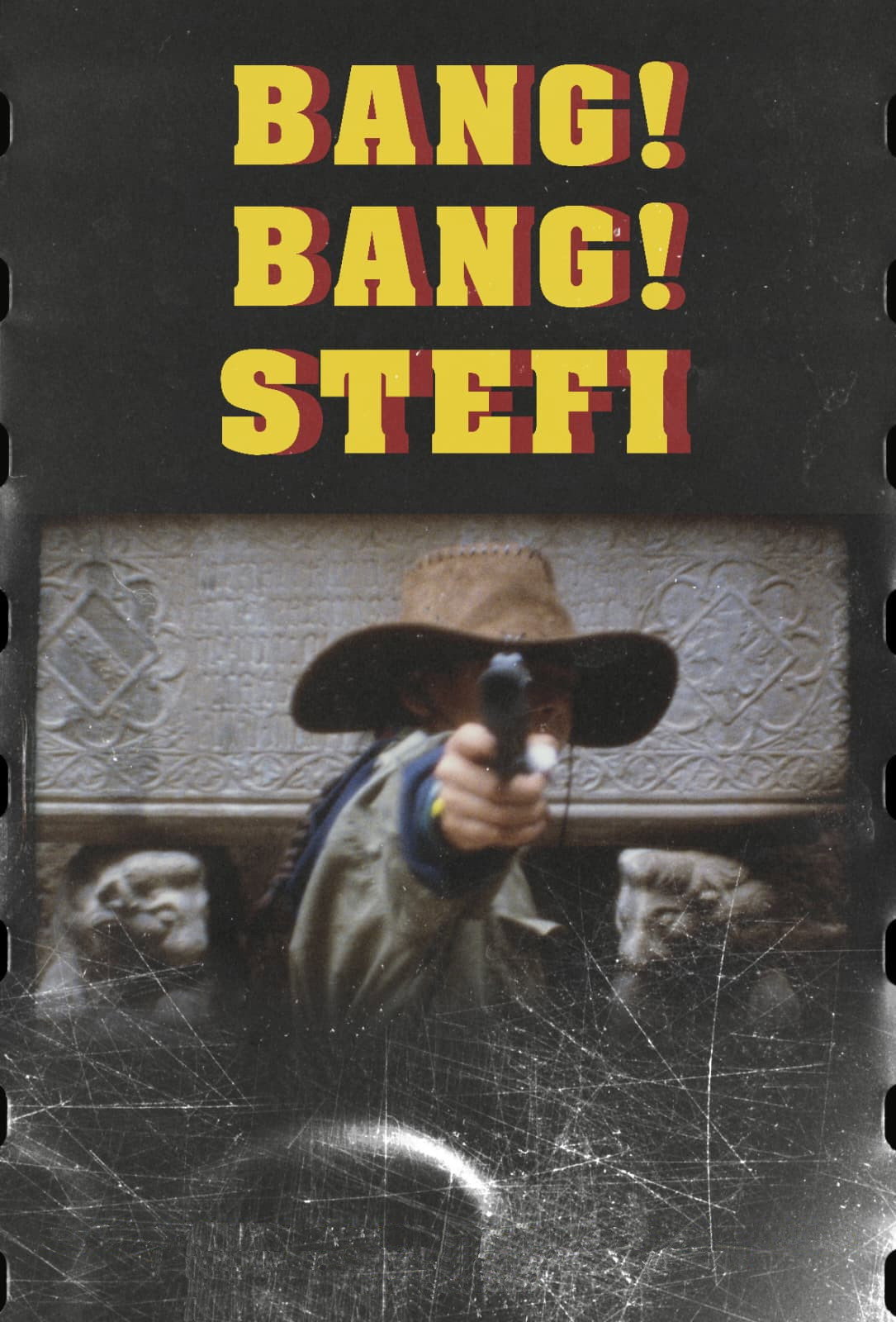
Bang Bang Stefi! is an experimental film in Super 8 format that invites us on a dreamlike journey where reality and fiction dissolve. Barcelona and the desert become interchangeable landscapes; figures such as a lion, a child, and a group of wrestlers traverse a world of passion, intuitive gestures, and visual symbols pulsing between dream and memory.
The creation of an infinite space. Light modulations over water surfaces, conjugating into multiple alterations. Time and light being reshaped through a liquid lens. The illusion of a starry night turns into a sea “roofed over by rainbows.”
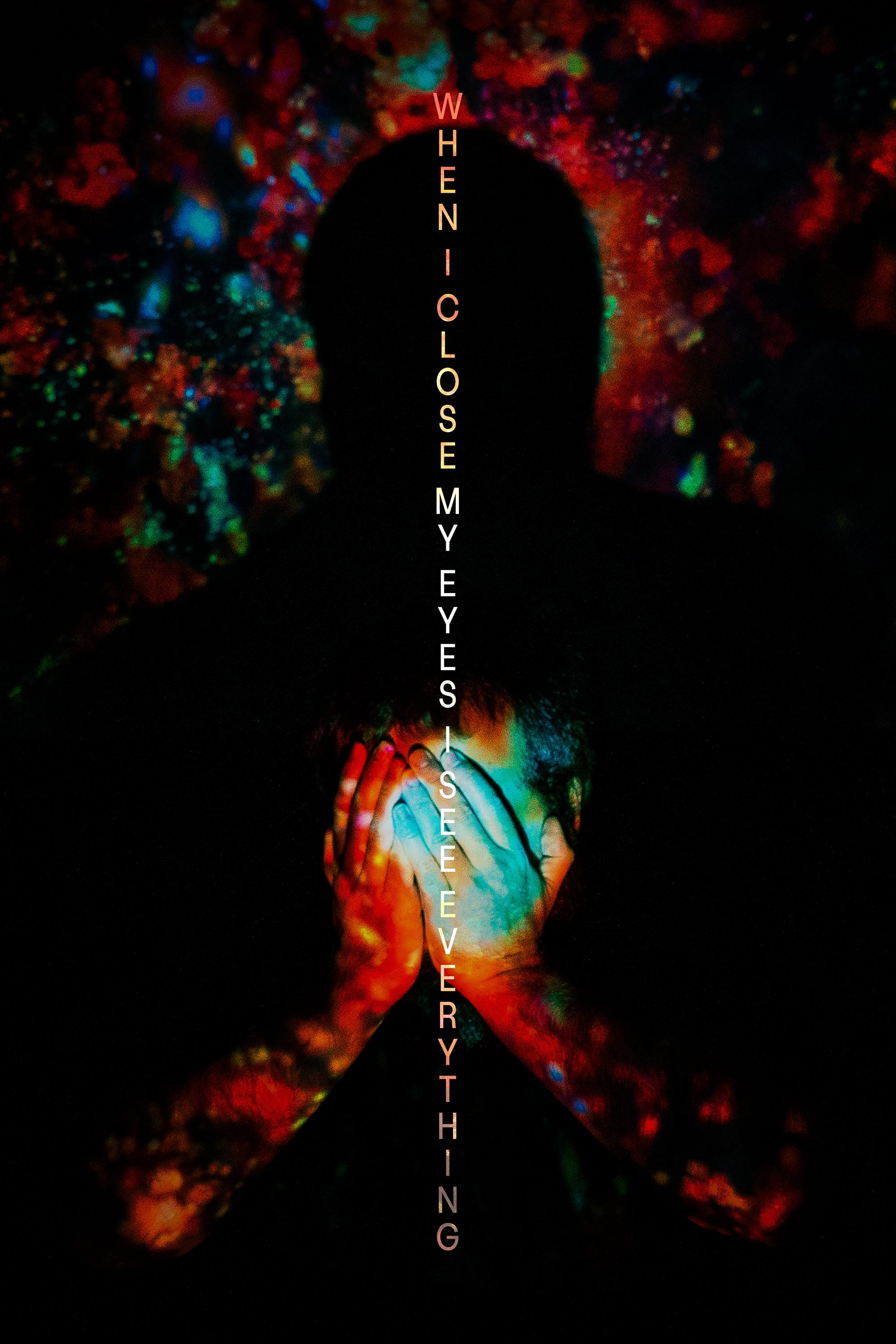
A human figure synergizes with the light and questions its existence and society's expectations of it.
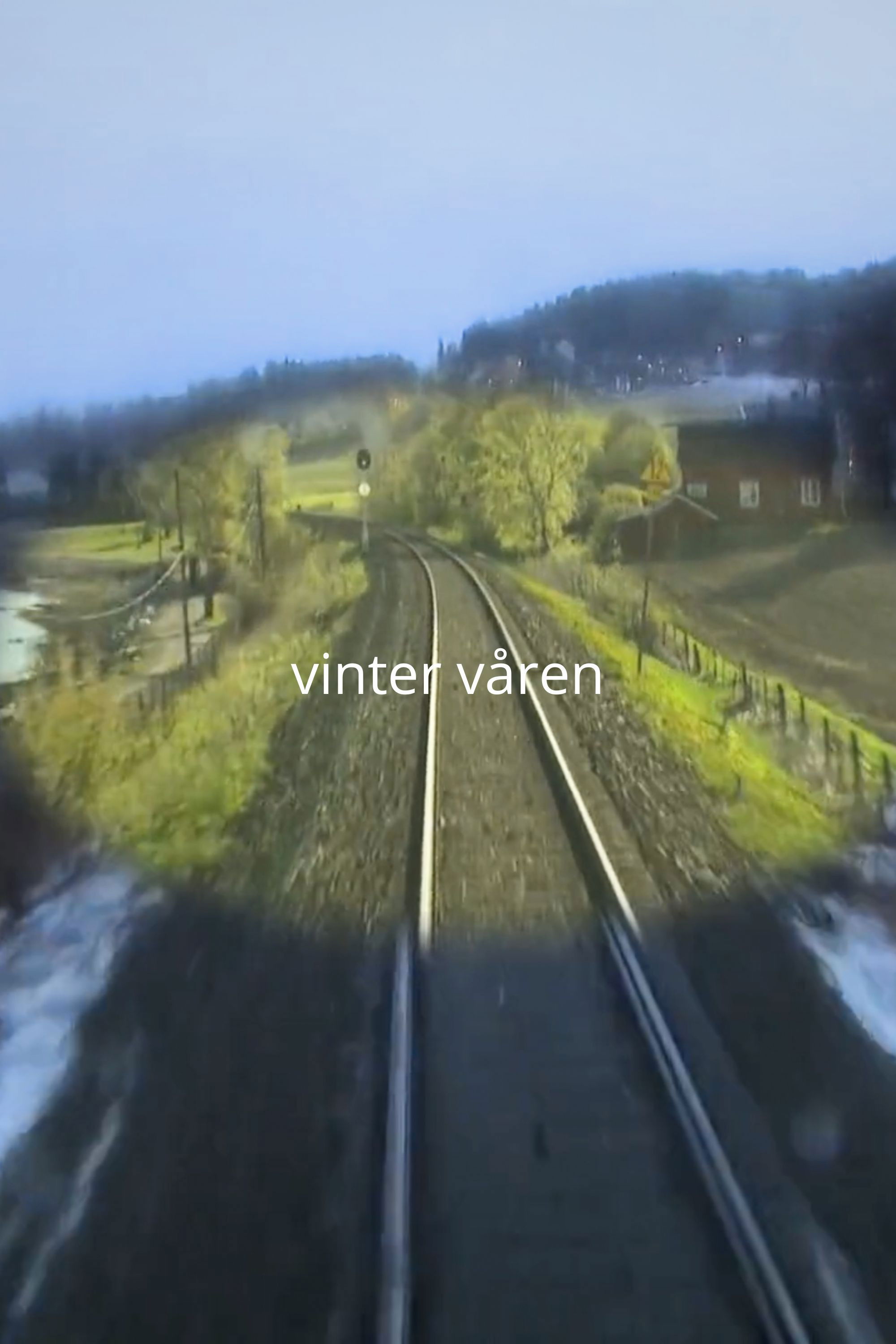
A train moves through winter as a superimposed image of the same route in spring gradually emerges. Both moments coexist within a single frame, revealing two seasons happening at once.
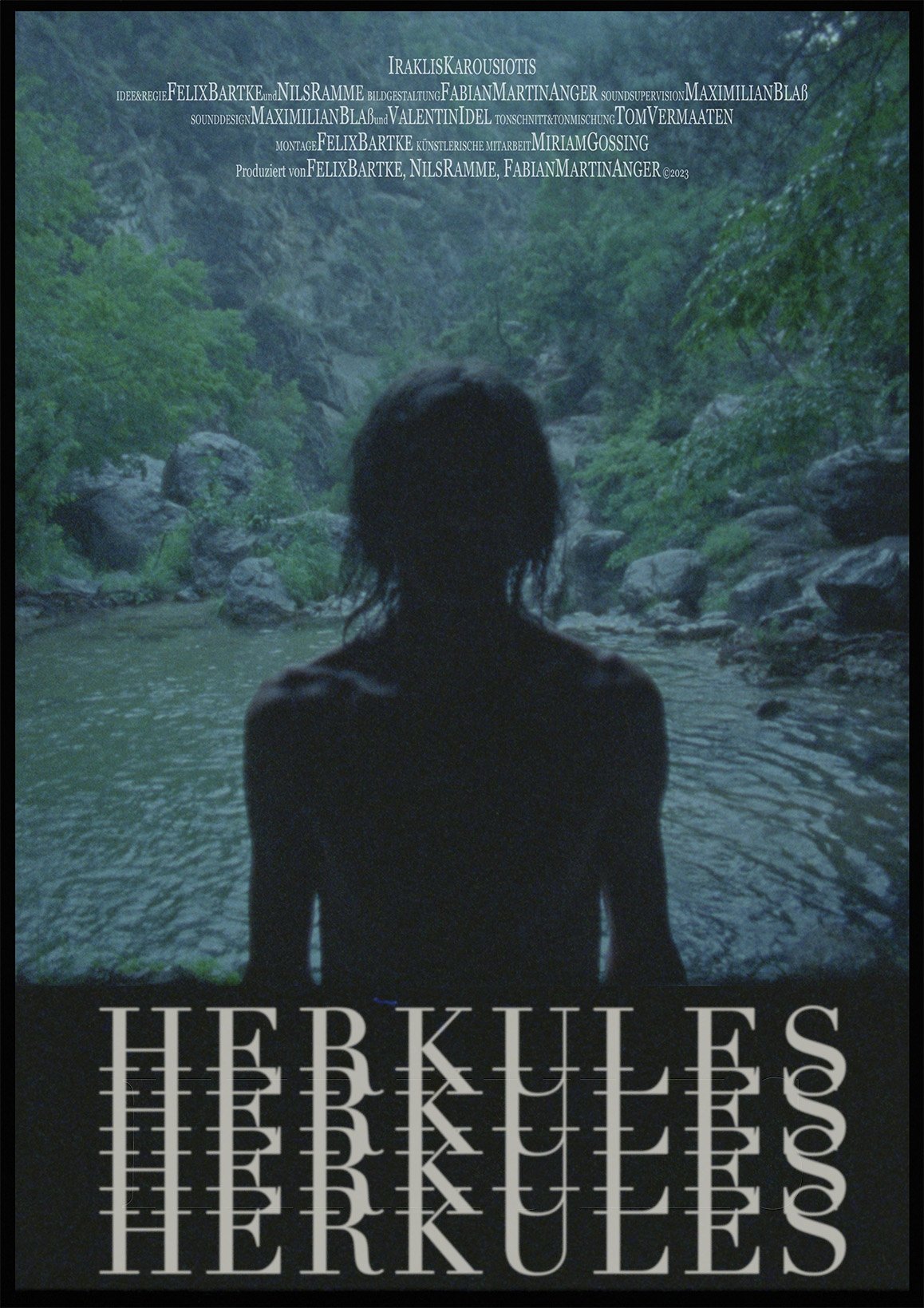
Hercules travels by bicycle from Krefeld on the Lower Rhine to Olympus, the throne of ancient deities. The Hercules myth, as a primal myth of male power, is questioned through biographical reflections and the staging of mythological echoes. The dramaturgical structure of the hero's journey disintegrates in a multi-material perspective into questions about male identity, ideals and remorse.
A Sunday walk in a forest turns into a poetic journey on perception.
Experimental short film on the theme of repetition.
Ten years ago, Arjun Singh and Tara Kapoor were inseparable-two young souls lost in love, dreaming of a future together. Their days were filled with laughter, stolen moments, and whispered promises of forever. But forever never came. Now, a decade later, Arjun finds himself in the dead of night, at an almost desolate five-star hotel room, a far cry from the life he once imagined. He is no longer the boy who believed in love-he is a man hardened by crime, preparing for the biggest drug deal of his life, one that could set him free. As the clock strikes 3:33 AM, shadows of the past begin to creep in. He sees glimpses of Tara-her laughter, her touch, her presence-as if time itself is mocking him.
Fifteen images of a camera running in a park and in obscurity searching the space of light through distorsion and the sensory of rapid motion.
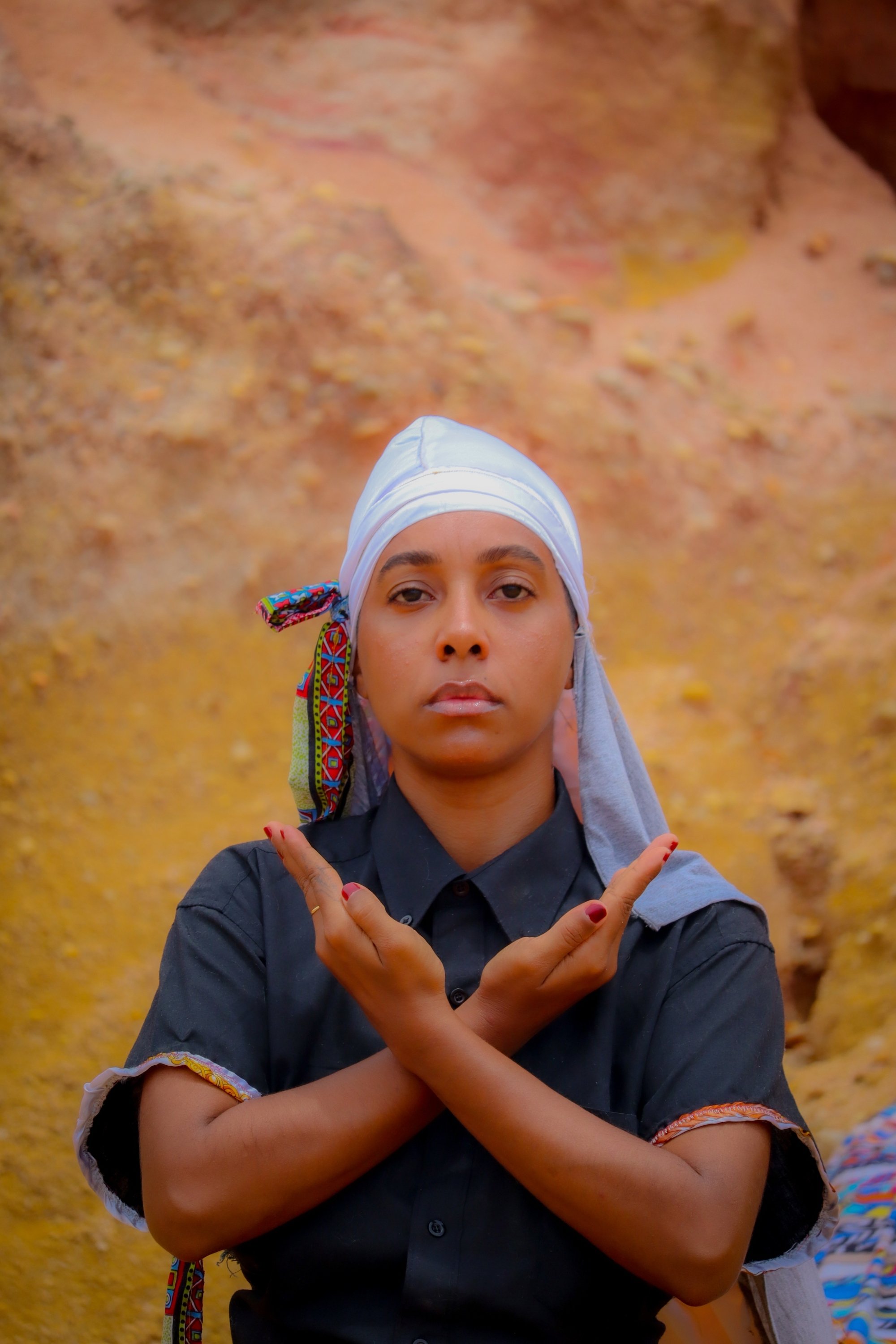
That Child with AID$ tells the story of Brazilian advocate and artist Lili Nascimento, who was born with HIV in 1990. Lili has worked to expand narratives about living with HIV beyond the limited images and ideologies that permeate the AIDS industry.
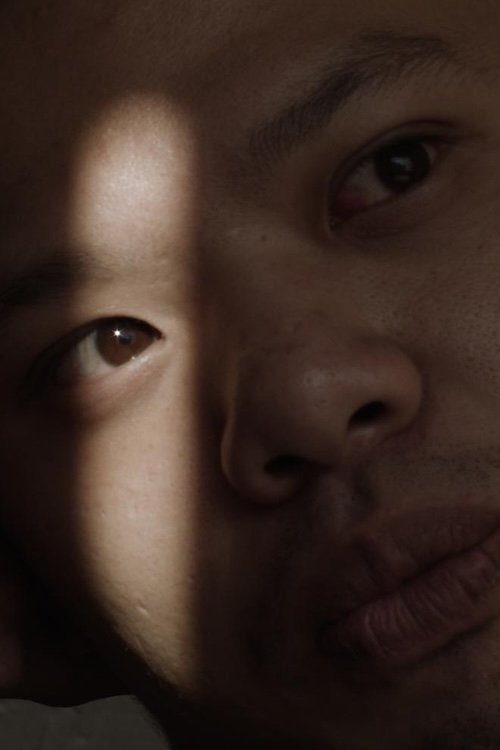
Heart Murmurs is a poetic dialogue between the filmmaker and Dean, a young man living in Hong Kong. In reflecting on his experience living with a congenital disability and HIV during the first years of the COVID pandemic, Dean expresses his sense of self in the face of regular medical challenges.
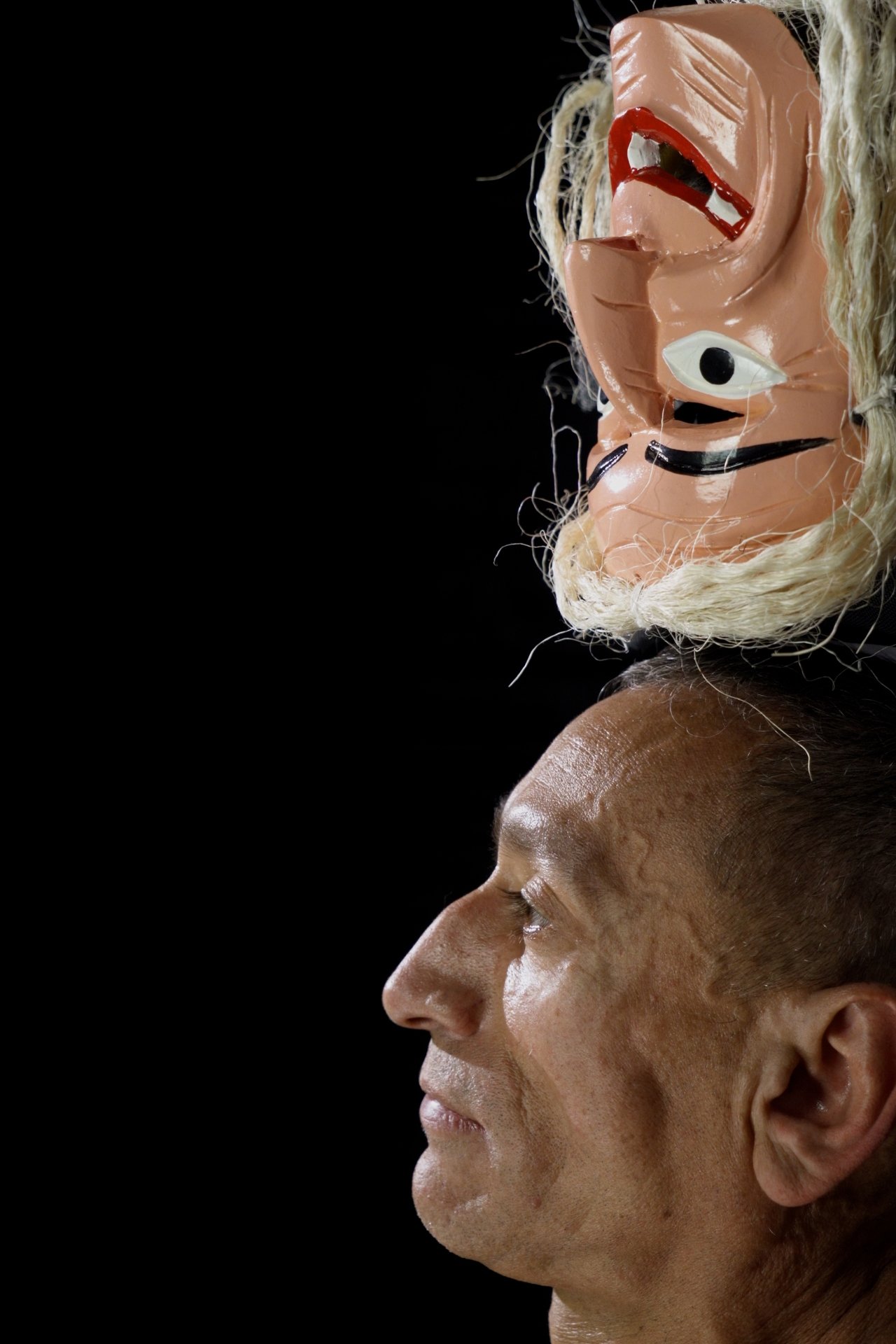
Ananias, a San Francisco Bay Area artist and immigrant, performs the folkloric Danza de los Viejitos (the Dance of the Old Men). Originally from Michoacán, Mexico, where the dance originates, Ananias interprets its movements through the lens of his spirituality, his long-term HIV-related disabilities, and his search for a place in the world.
Losing the Light reflects the artist's bitter battle to stay in this world as a long-term survivor of AIDS who has lost his vision to CMV retinitis. An experimental self-portrait, the video evokes the dissolution and fragmentation of the artists body, representing the impact of blindness, long-term HIV infection, and the cumulative effects of decades of antiretroviral medication.
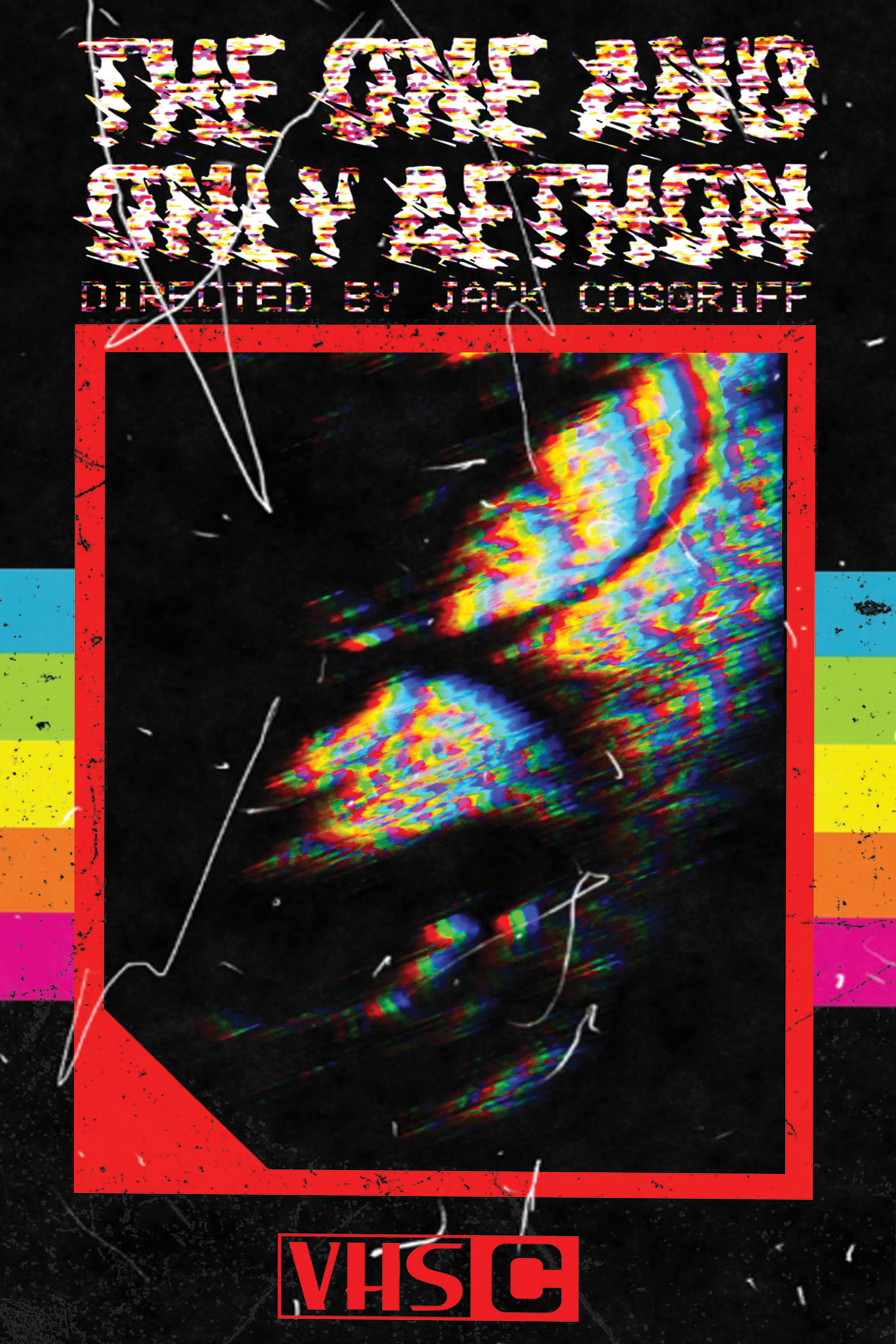
Shot entirely on vintage VHS-C tapes and loosely following the greek myth, The One and Only Aethon is a surrealist nightmare. The story follows Aethon as he struggles with his eating disorder and overbearing hyper masculinity. He is coxed by a seemingly helpful weight loss tape from Dr. Milton Mysercough, but something evil lurks that might just be himself...
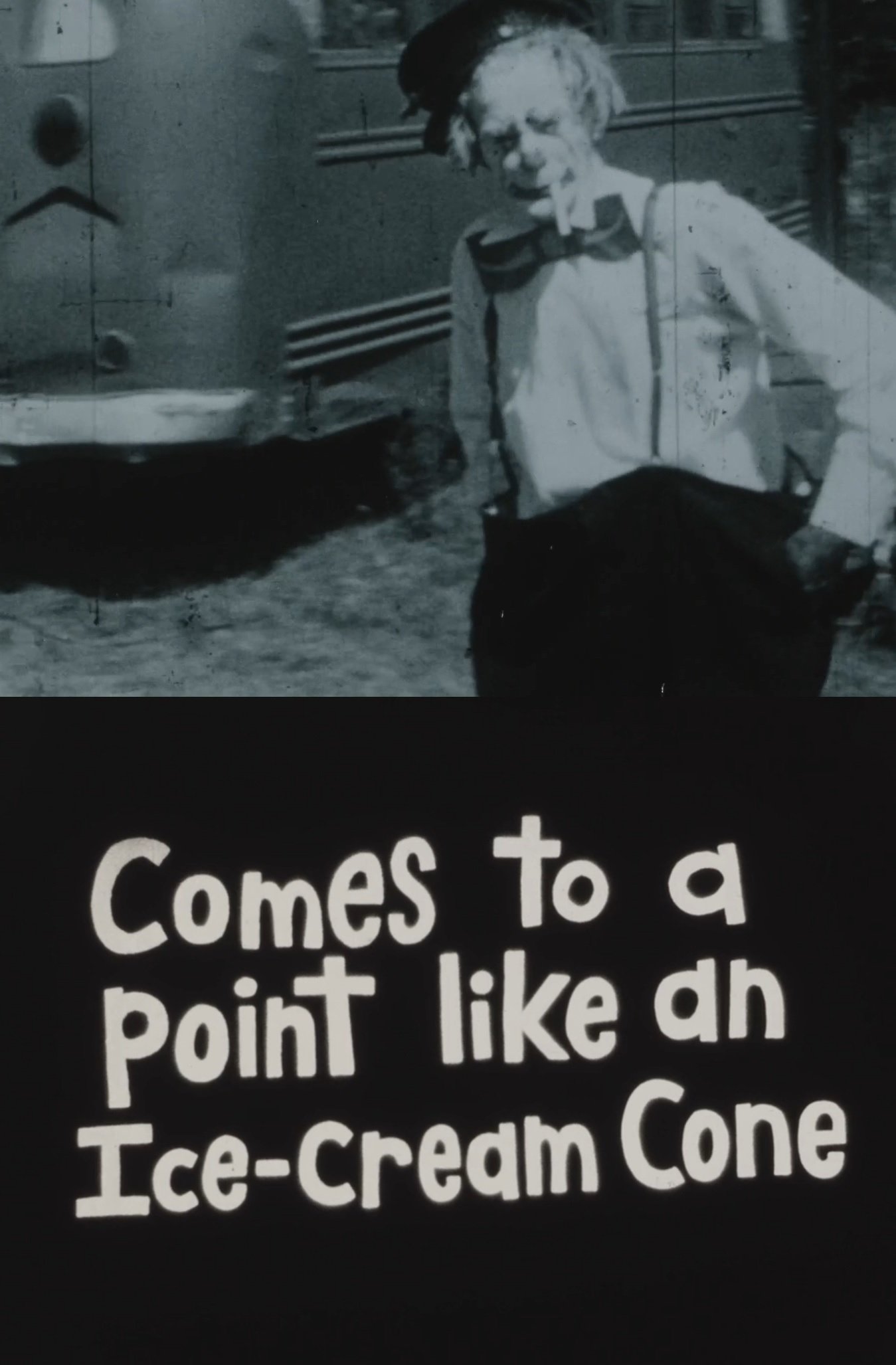
Experimental mash-up of circus and sideshow footage.
After so many generational repetitions and beneath so many layers is a territory to be negotiated beyond each person’s skin, inside: the cavity that echoes the intimate and singular identity of everyone. The voice that populate this film bring us to various spaces in Matera, from tourist agglomerations to the town’s internal spaces (grottes, caves, cisterns, lanes, rooms) and the body’s own unassailable space: pleasure and desire for other bodies that no one can cancel.
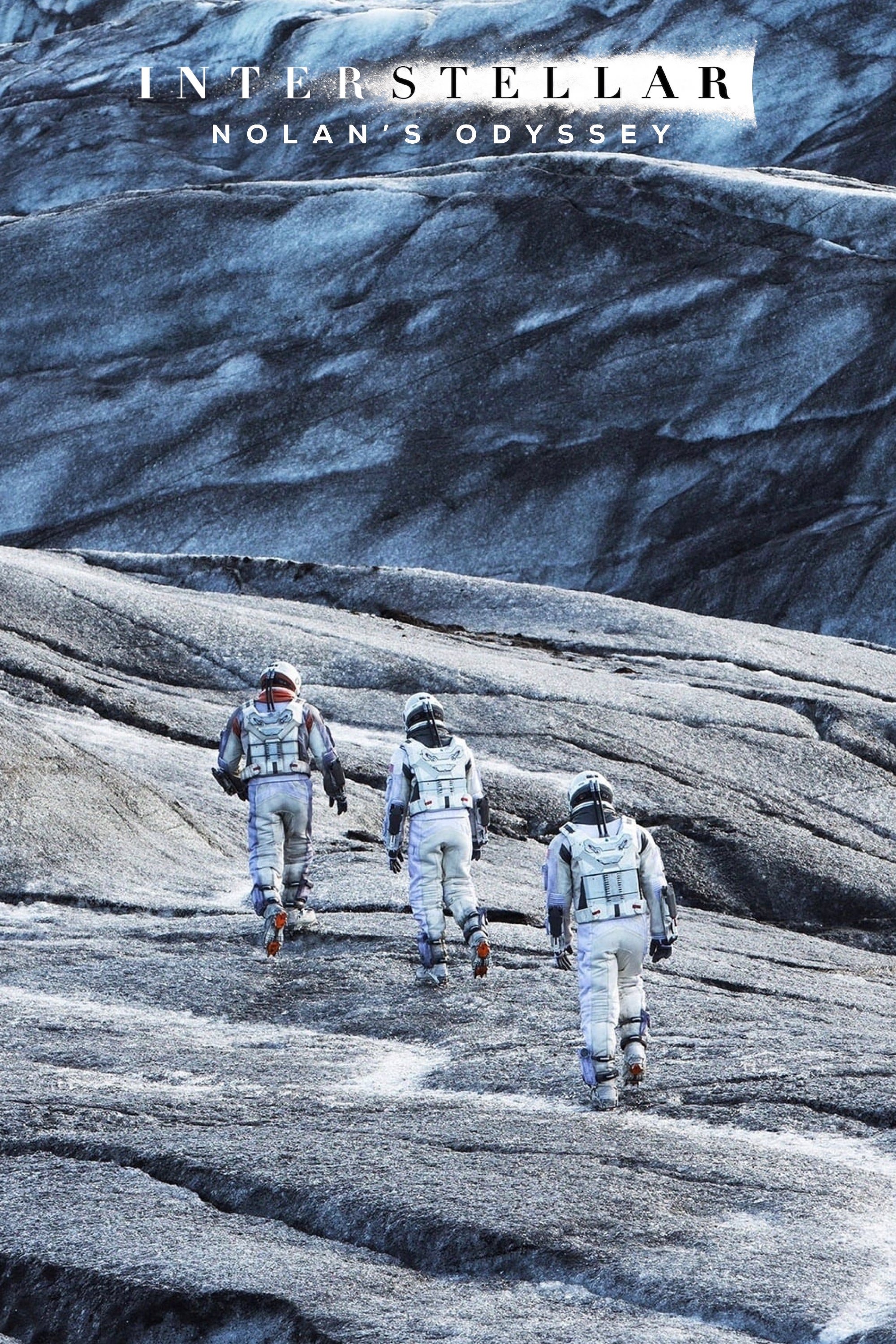
A look behind the lens of Christopher Nolan's space epic.
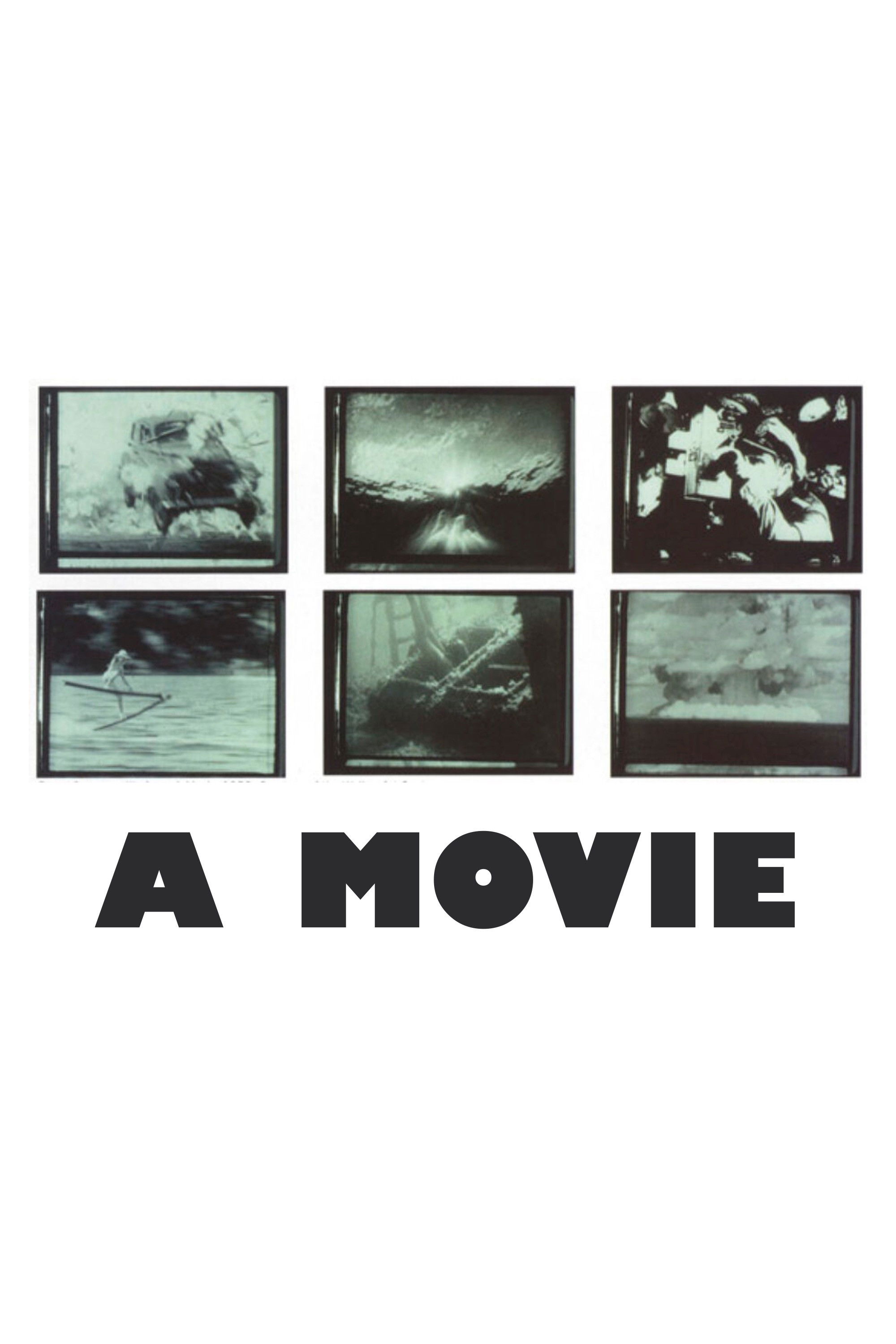
Bruce Conner's landmark experimental film consisting entirely of found footage edited to a new score.
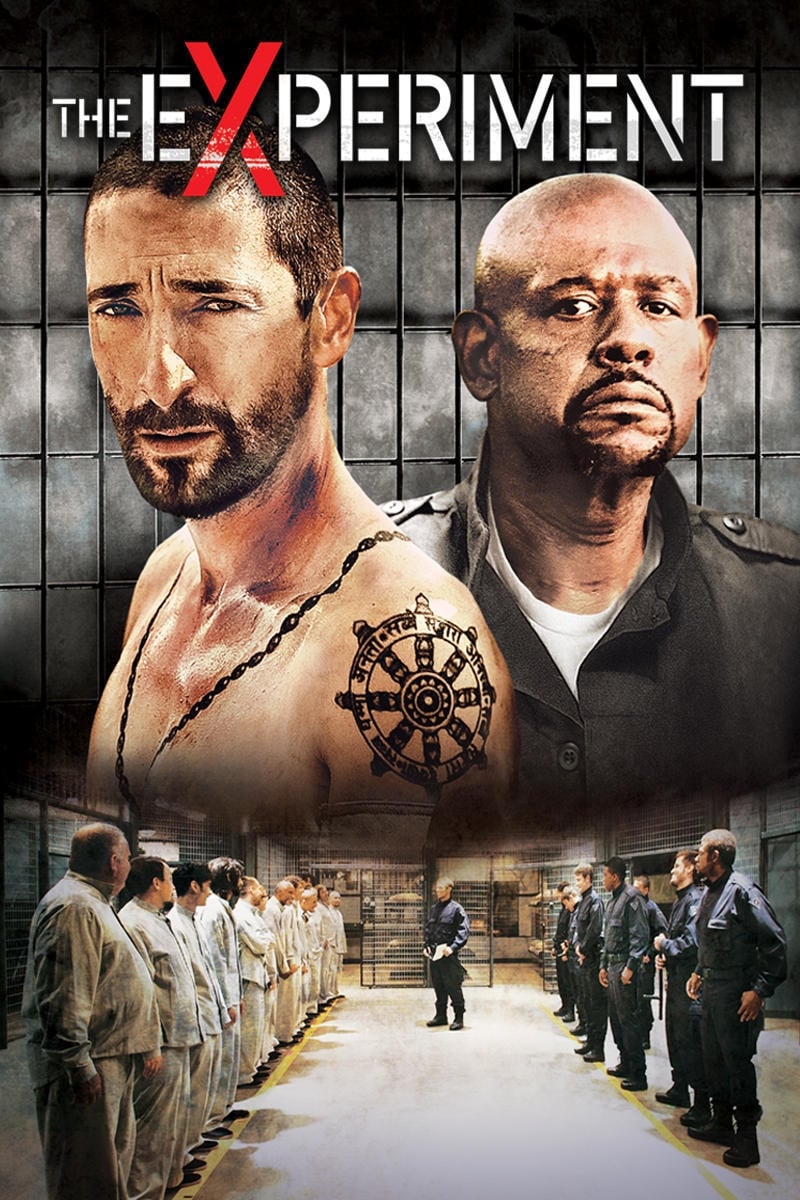
20 men are chosen to participate in the roles of guards and prisoners in a psychological study that ultimately spirals out of control.
Daniel Craig candidly reflects on his 15 year adventure as James Bond. Including never-before-seen archival footage from Casino Royale to the upcoming 25th film No Time To Die, Craig shares his personal memories in conversation with 007 producers, Michael G Wilson and Barbara Broccoli.
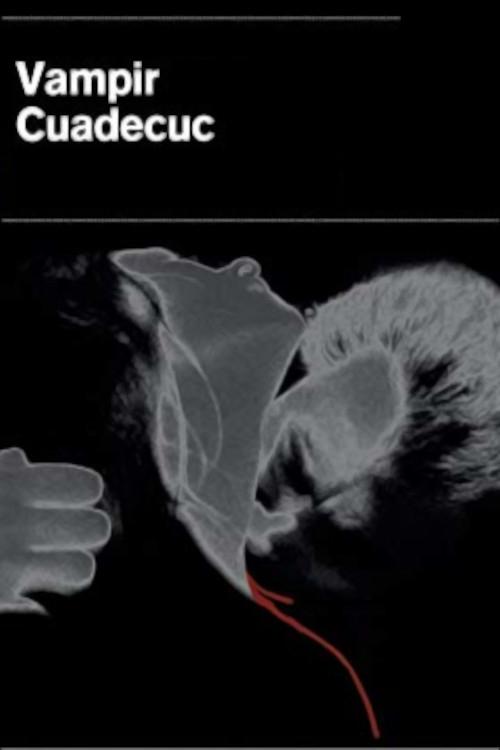
An atmospheric essay, which is an alternative version of Count Dracula, a film directed by Jess Franco in 1970; a ghostly narration between fiction and reality.
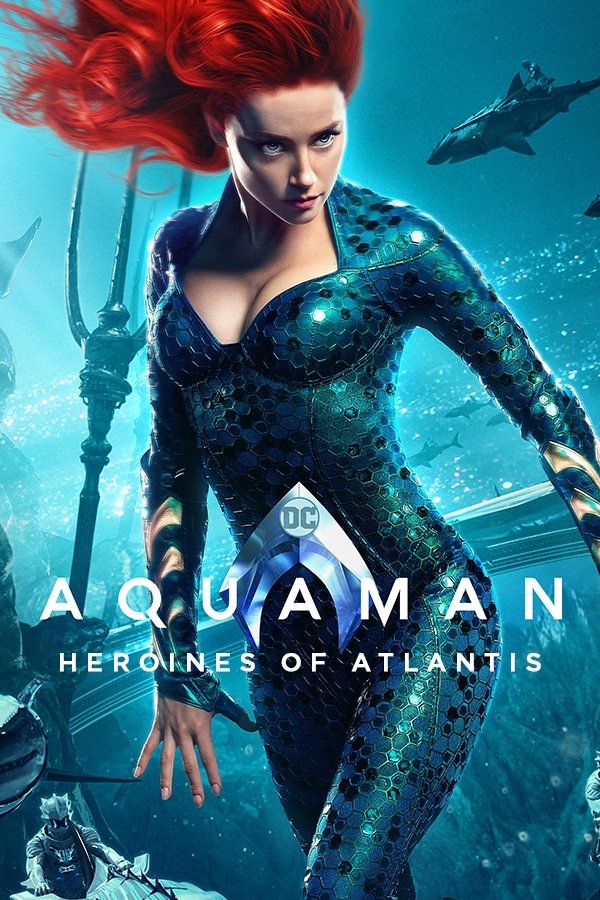
Amber Heard and Nicole Kidman discuss their characters Mera and Atlanna.
Short film made with the help of the Sundance Film Institute and serving as a proof-of-concept for the subsequent feature film.
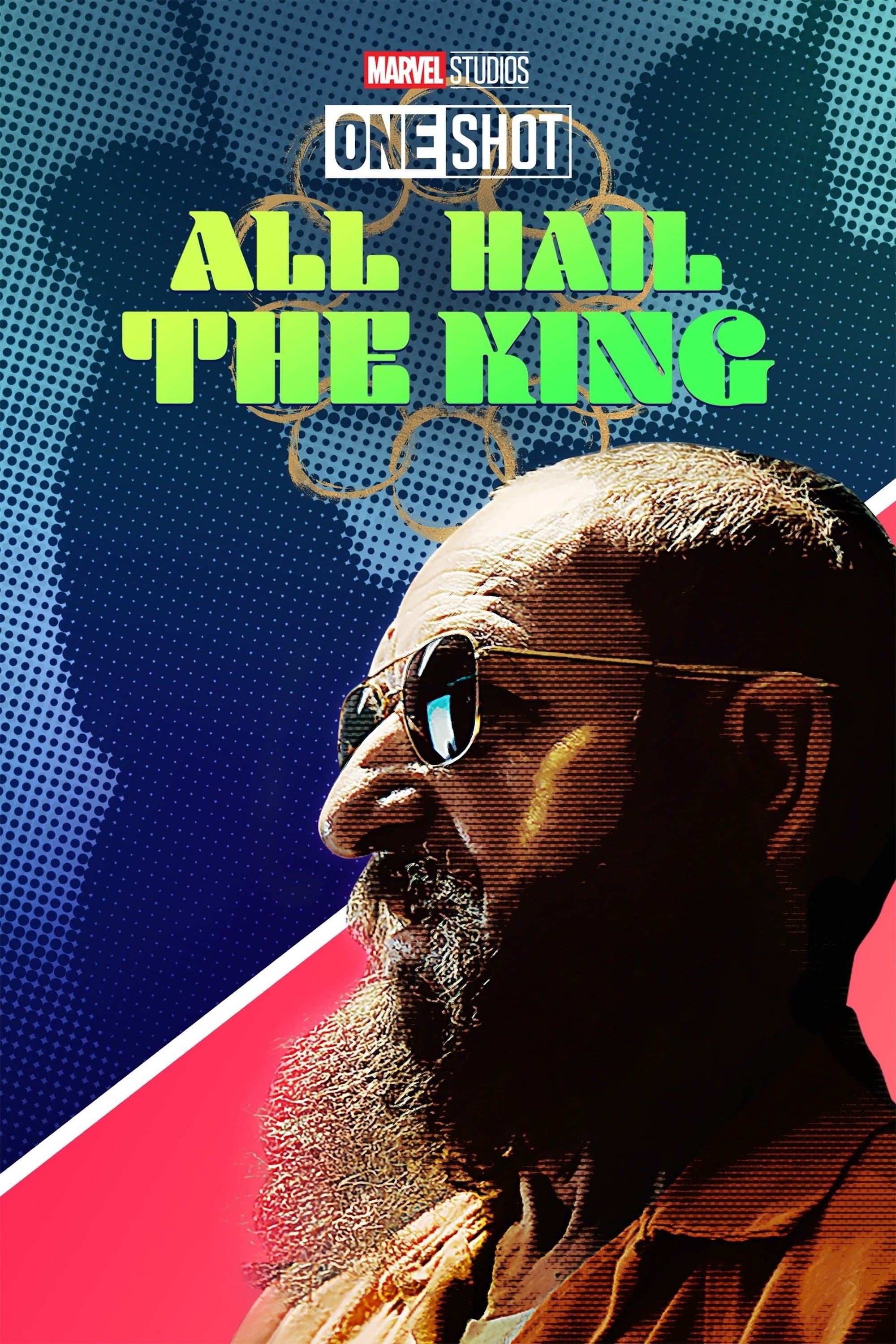
A documentary filmmaker interviews the now-famous Trevor Slattery from behind bars.
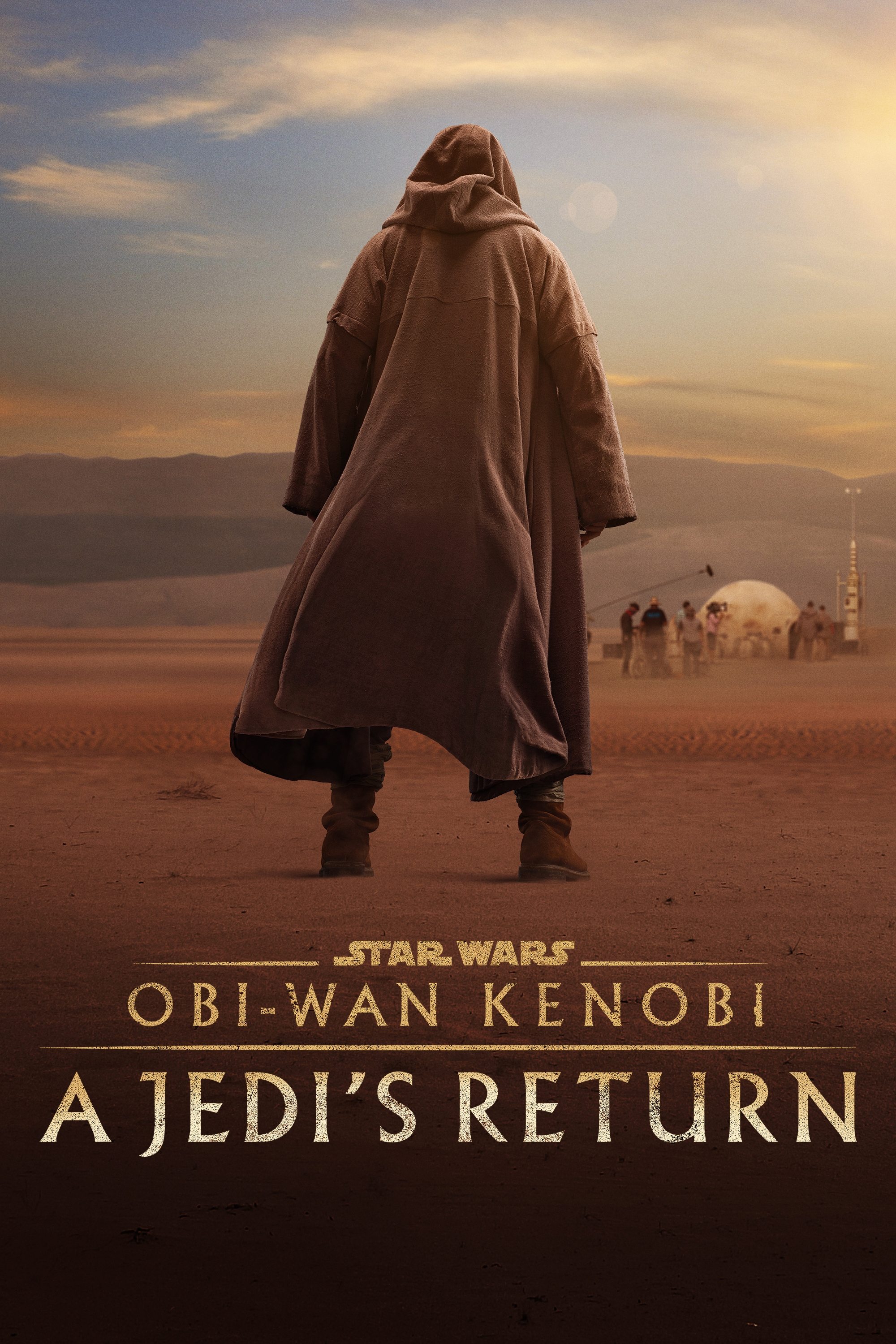
This special explores the return of Obi-Wan Kenobi and Anakin Skywalker to the screen, as well as Ewan McGregor and Hayden Christensen to their classic roles. Director Deborah Chow leads the cast and crew as they create new heroes and villains that live alongside new incarnations of beloved Star Wars characters, and an epic story that dramatically bridges the saga films.
In the Realms of the Unreal is a documentary about the reclusive Chicago-based artist Henry Darger. Henry Darger was so reclusive that when he died his neighbors were surprised to find a 15,145-page manuscript along with hundreds of paintings depicting The Story of the Vivian Girls, in What is Known as the Realms of the Unreal, of the Glodeco-Angelinnian War Storm, Cased by the Child Slave Rebellion.
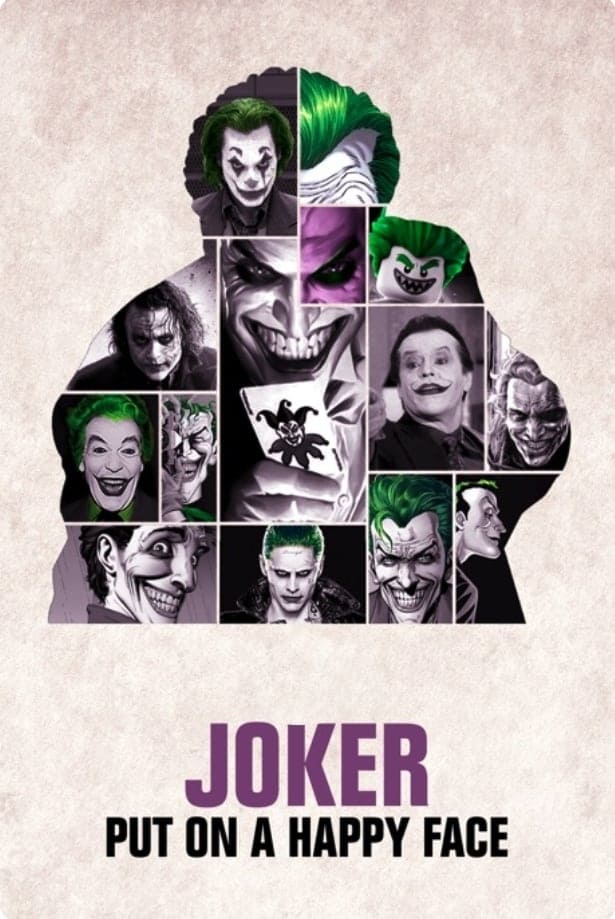
Featuring interviews with filmmakers and industry legends, discover the origins and evolution of The Joker, and learn why The Clown Prince of Crime is universally hailed as the greatest comic-book supervillain of all time.
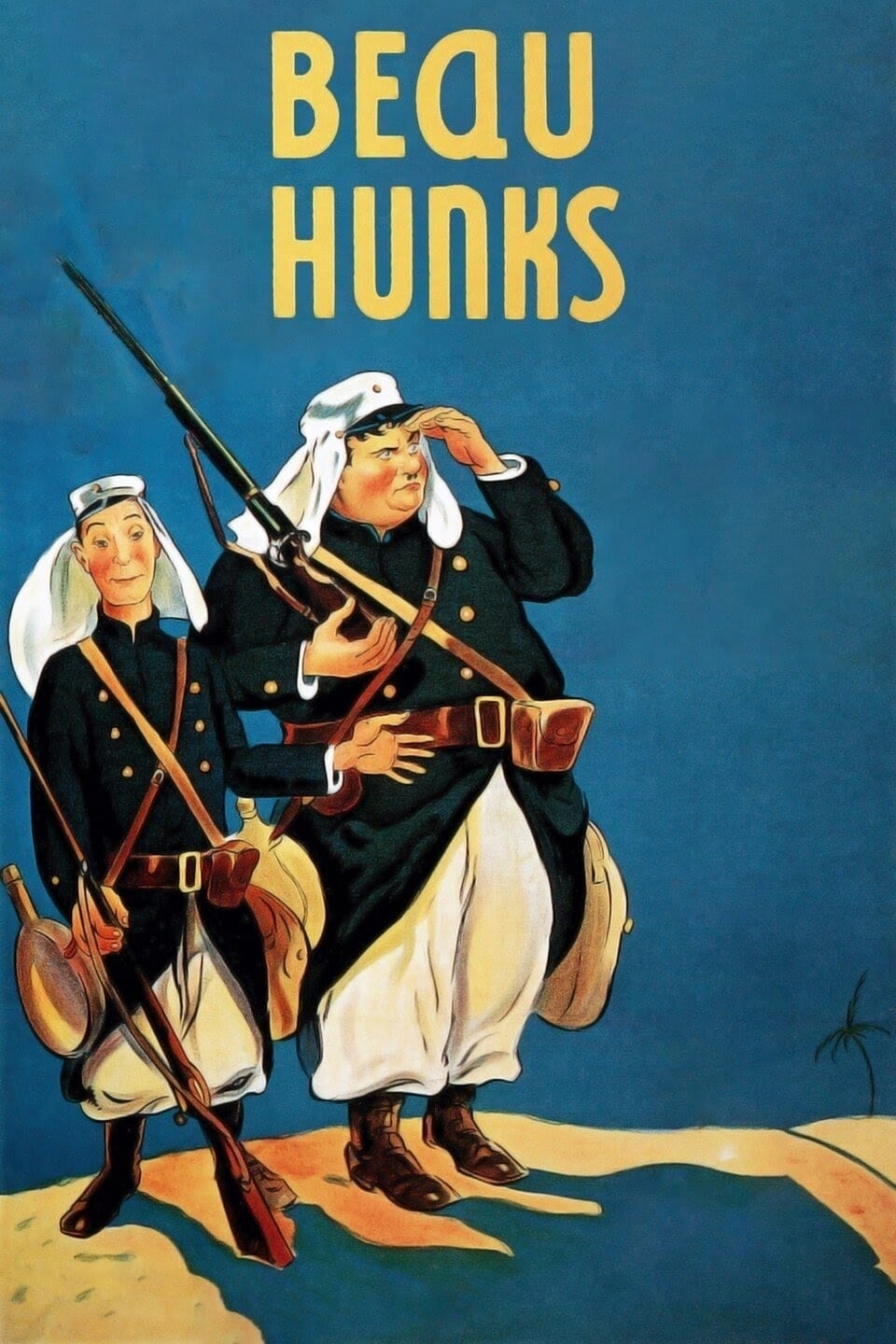
Stan and Ollie join the French Foreign Legion after Ollie's sweetheart rejects him.
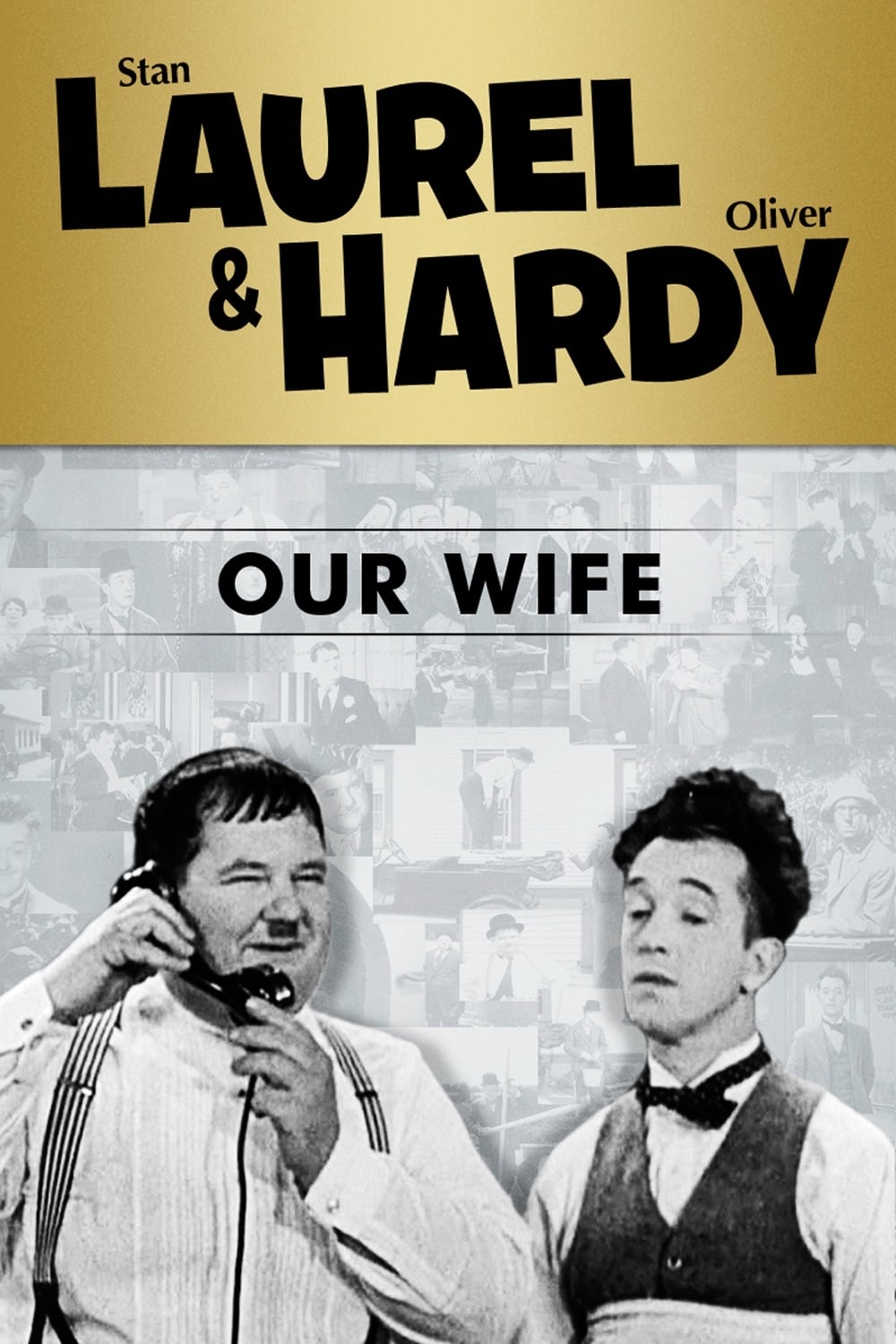
Oliver is making plans to marry his sweetheart Dulcy with Stan as his best man, but the plans are thwarted when Dulcy's father sees a picture of Ollie and forbids the marriage. The couple plan to elope, and run away to a Justice of the Peace. After typical Laurel and Hardy blundering, they manage to sneak the girl away from her father's house.
A purely observational non-fiction film that takes viewers into the ethically murky world of end-of-life decision making in a public hospital.
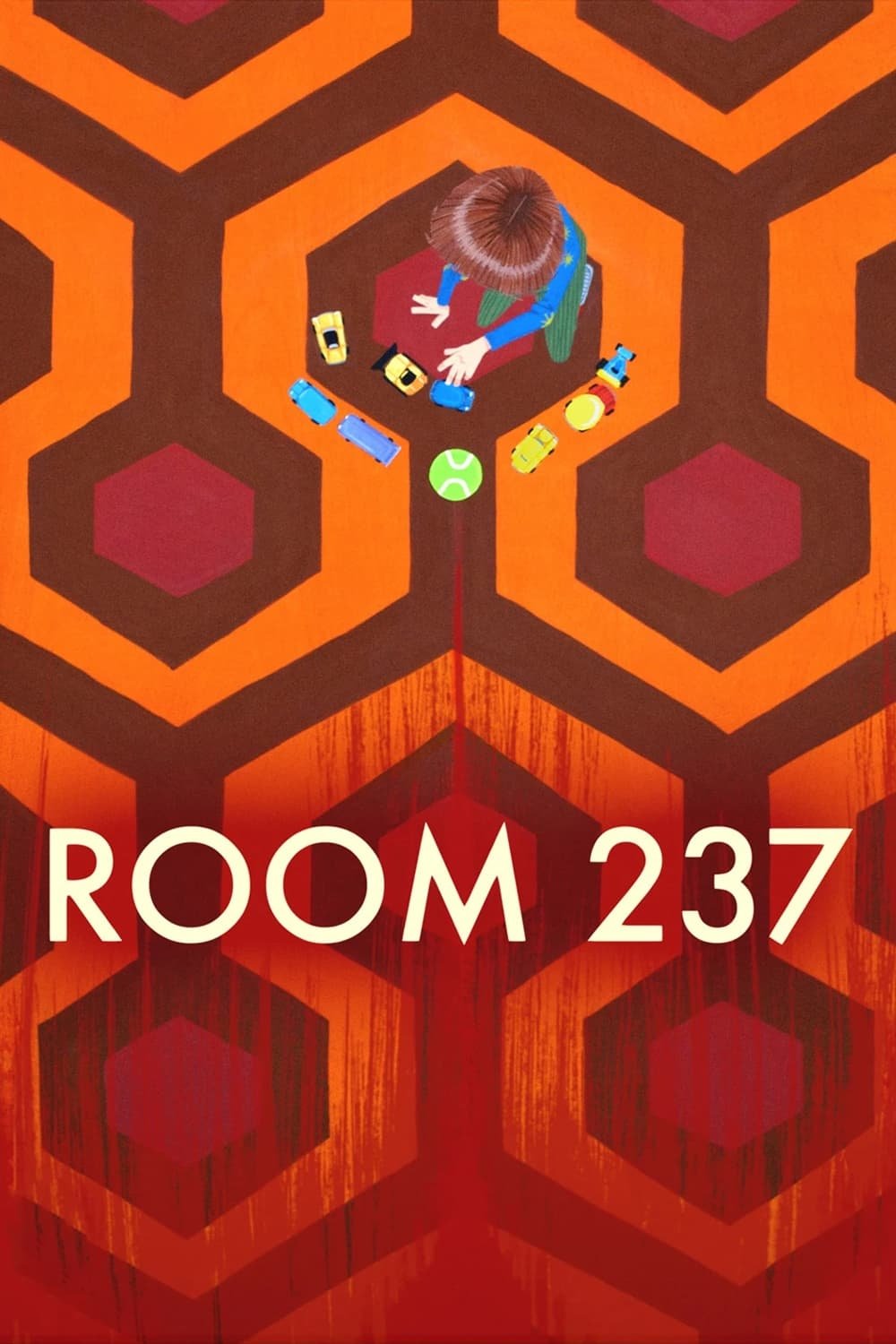
A subjective documentary that explores various theories about hidden meanings in Stanley Kubrick's classic film The Shining. Five very different points of view are illuminated through voice over, film clips, animation and dramatic reenactments.
SEDUCED AND ABANDONED combines acting legend Alec Baldwin with director James Toback as they lead us on a troublesome and often hilarious journey of raising financing for their next feature film. Moving from director to financier to star actor, the two players provide us with a unique look behind the curtain at the world's biggest and most glamourous film festival, shining a light on the bitter-sweet relationship filmmakers have with Cannes and the film business. Featuring insights from directors Martin Scorsese, 'Bernando Bertolucci' and Roman Polanski; actors Ryan Gosling and Jessica Chastain and a host of film distribution luminaries.
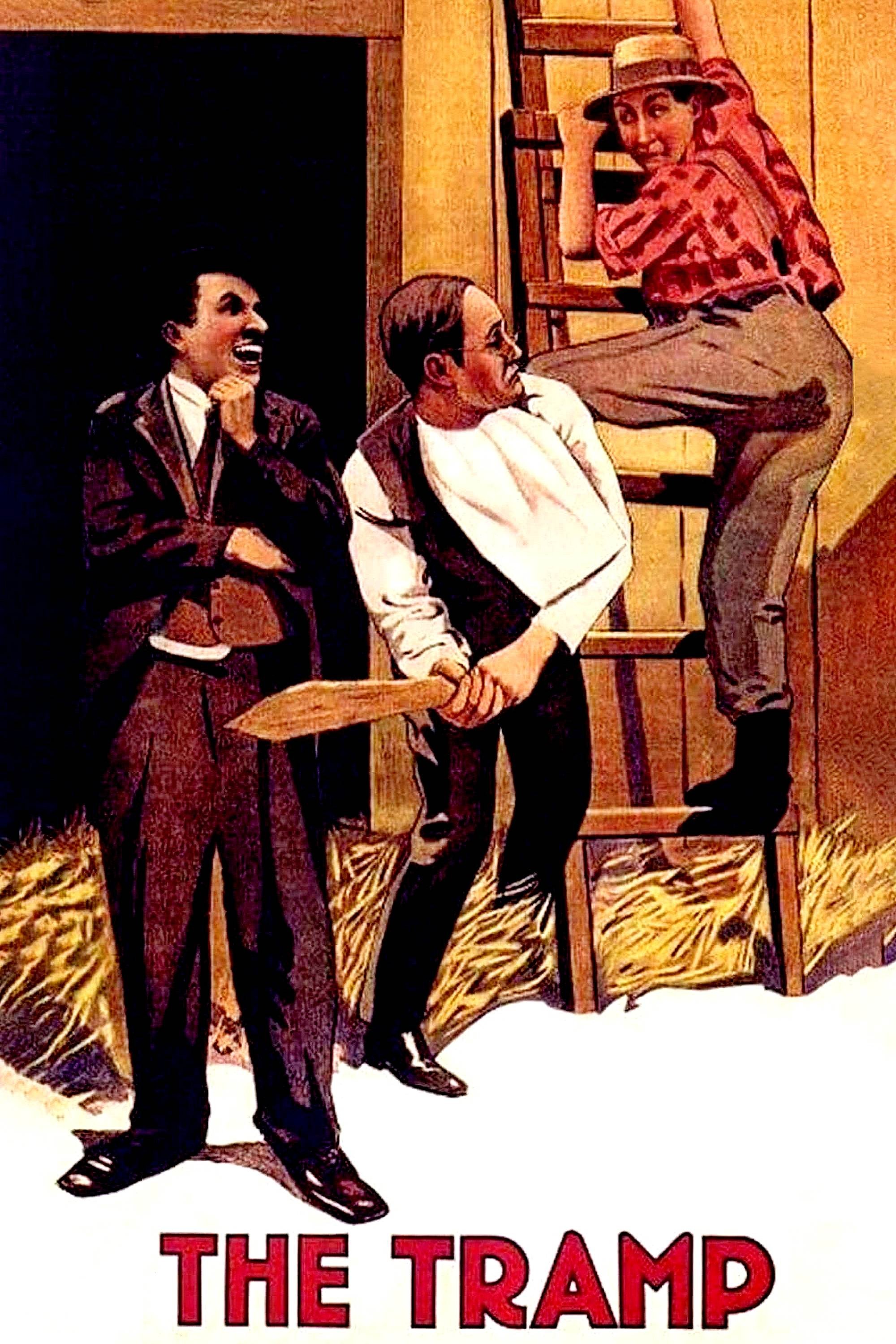
The Little Fellow finds the girl of his dreams and work on a family farm. He helps defend the farm against criminals, and all seems well, until he discovers the girl of his dreams already has someone in her life. Unwilling to be a problem in their lives, he takes to the road, though he is seen skipping and swinging his cane as if happy to be back on the road where he knows he belongs.
In Manhattan's Central Park, a film crew directed by William Greaves is shooting a screen test with various pairs of actors. It's a confrontation between a couple: he demands to know what's wrong, she challenges his sexual orientation. Cameras shoot the exchange, and another camera records Greaves and his crew. Sometimes we watch the crew discussing this scene, its language, and the process of making a movie. Is there such a thing as natural language? Are all things related to sex? The camera records distractions - a woman rides horseback past them; a garrulous homeless vet who sleeps in the park chats them up. What's the nature of making a movie?
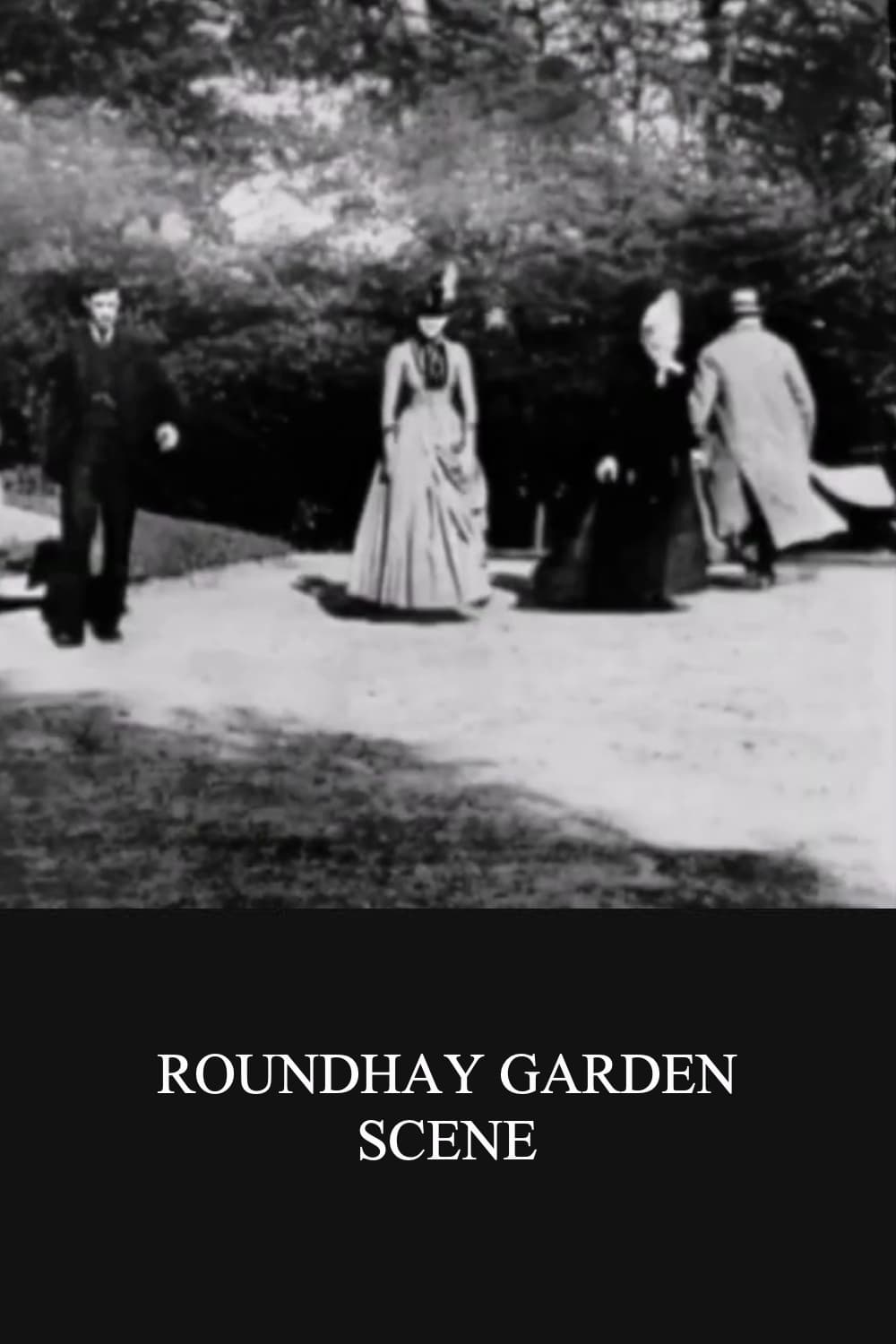
The earliest surviving motion-picture film, and believed to be one of the very first moving images ever created, was shot by Louis Aimé Augustin Le Prince using the LPCCP Type-1 MkII single-lens camera. It was taken on paper-based photographic film in the garden of Oakwood Grange, the Whitley family house in Roundhay, Leeds, West Riding of Yorkshire (UK), on 14 October 1888. The film shows Adolphe Le Prince (Le Prince’s son), Mrs. Sarah Whitley (Le Prince’s mother-in-law), Joseph Whitley, and Miss Harriet Hartley walking around in circles, laughing to themselves, and staying within the area framed by the camera. Roundhay Garden Scene is often associated with a recording speed of around 12 frames per second and runs for about 2 to 3 seconds.
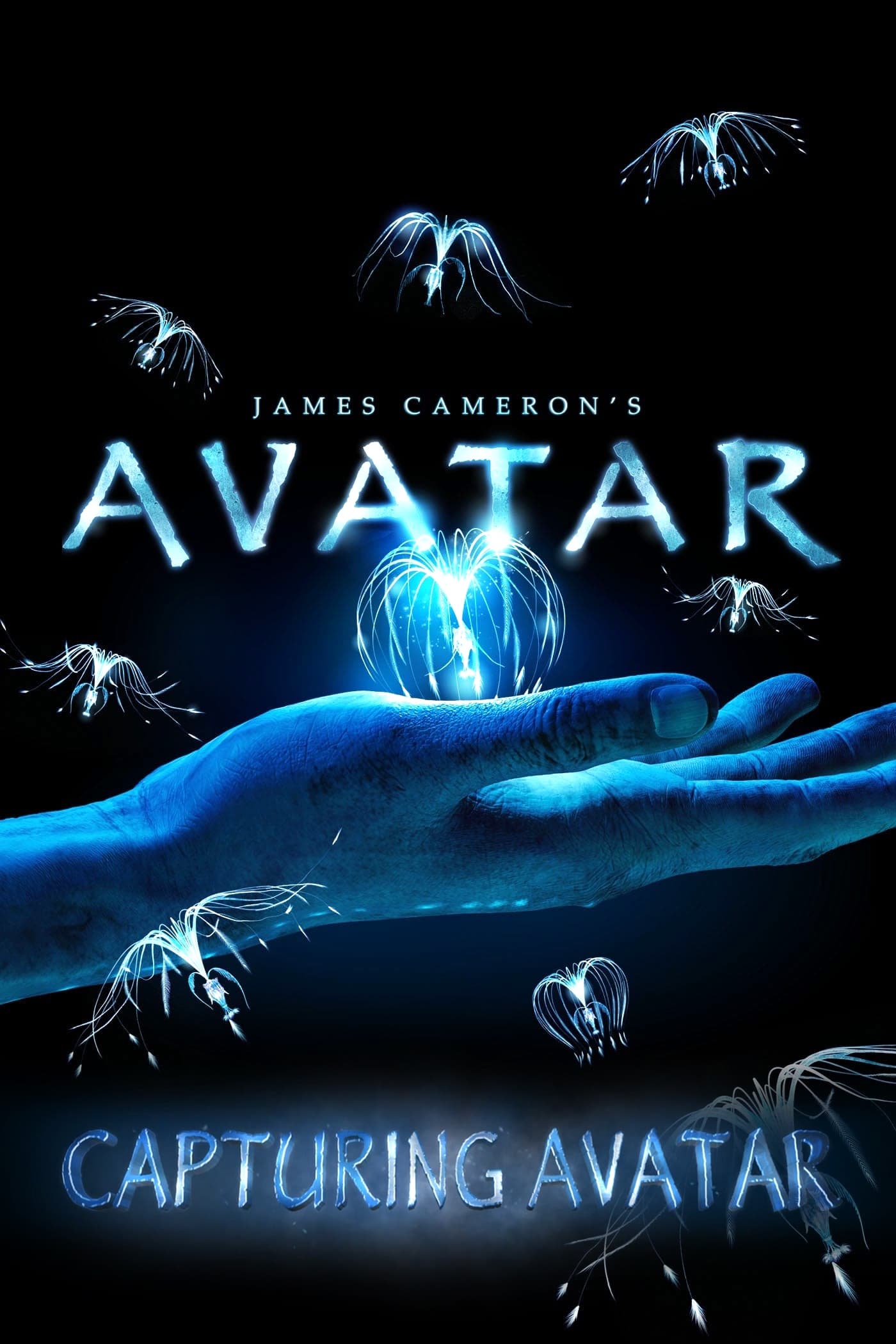
Capturing Avatar is a feature length behind-the-scenes documentary about the making of Avatar. It uses footage from the film's development, as well as stock footage from as far back as the production of Titanic in 1995. Also included are numerous interviews with cast, artists, and other crew members. The documentary was released as a bonus feature on the extended collector's edition of Avatar.