Social & External
The people behind it
Chiyoko Azuma
Oume
Keiko Hayashibara
Okon
Mineko Komatsu
Oiwa
Toshiko Makita
Otoki
Masatarō Nakamura
Rokuro Oishi
Yasurō Shiga
Reizaburo Umewaka
Iemon Tamiya
Zen'ichirô Yasuda
The young Anselmus Aselmeyer fulfilled a long cherished dream: He travels to Venice, the city of his dreams. Once there, the porter Pipistrello directs him immediately to the hotel of his boss, and Anselmus lands in the middle of a wedding party. Mestre Mangiabene, a wealthy oilman, marries the beautiful but completely depleted Marchesina dei Bisognosi. But the secretly loves an officer.
The just-out-of-college, effete son of a no-nonsense steamboat captain comes to visit his father whom he's not seen since he was a child.
Danny O'Rourke is the son of a police officer who was killed in the line of duty. Eager to join the police force, Danny fails his exams. The failure causes him to neglect his sweetheart Maggie, whose father is a police lieutenant. His attentions turn instead towards society girl Miriam Welton. When Danny’s sister, Shannon, is arrested for shoplifting, Danny turns to boxing to save her. He works his way towards the championship but discovers the final bought has been rigged. Danny fights anyhow and he is beaten, but it is discovered that a mistake had been made on his exams and he actually was eligible to join the police force after all. Considered a lost film.
A melodrama about a painter who is infected with syphilis, refuses treatment, turns to the use instead of narcotics, and withers away.
When her cotton crop is burned, Barbara Pelham, a beautiful southern girl, comes to New York to find work as a fashion designer, staying with Mrs. Kemp, a woman she meets on the northbound train. In Mrs. Kemp's house, Barbara encounters Peter Heffner, a wealthy stockbroker, and discovers from him that she has taken up residence in a whorehouse. There is a police raid, but Barbara escapes arrest and returns home. Heffner's son, Neil, goes south to inspect some family property and there meets Barbara, with whom he falls in love. They decide to be married, and she accompanies him to New York, where she meets the elder Heffner for a second time. He denounces her as a whore, but Barbara goes to Mrs. Kemp, who explains the misunderstanding to everyone's satisfaction.
A young woman becomes infatuated with the leading man of a traveling theatrical troupe. She sneaks away to join him in the next town, but her father forces her to return home...
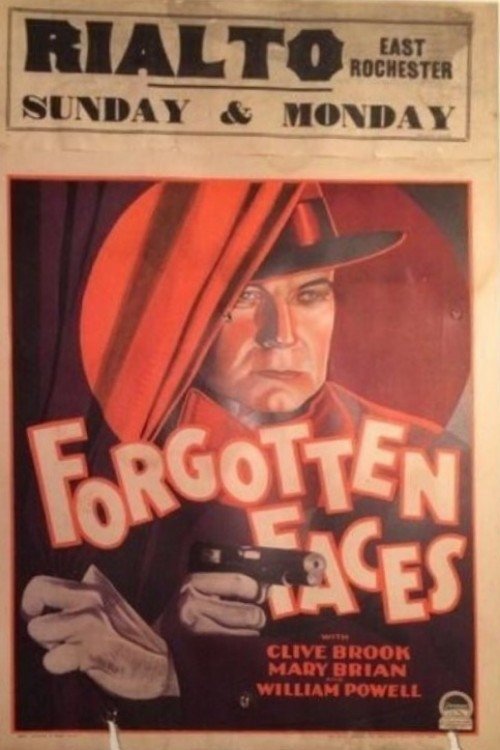
A petty thief who robs the very rich at speakeasies, and gets away with it because the rich don't want the bad publicity, is finally caught and sent to Sing Sing. After good behavior, he gets an emergency permission for a return home, so that he may save his daughter from the hands of her disreputable mother. However, he must first promise not to kill his wife while he is out of prison.
An expelled horse owner clears his name and wins the Grand National.
Experimental silent homage to the origins of cinema, recreating the apparent disappearance of a French photographer in the 1920s.
A day in a Hyatt suite gone weird
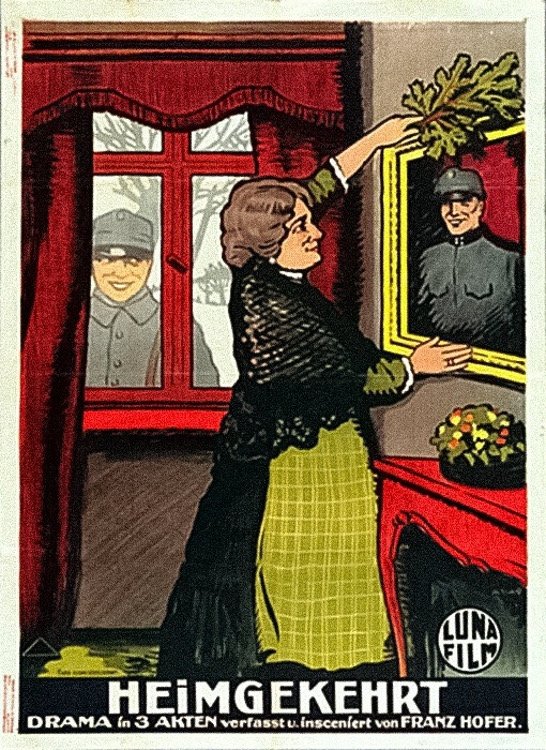
Two young men serving at the front. One comes from a good family, the other's family is poor. But the sister of the middle-class son falls in love with his poor comrade when he returns home for Christmas.
Two young swordsmen, Akado Suzunosuke and Tatsumaki Rainoshin, arrive at the city of Edo in their quest to test and improve their skills. Soon they become involved in a conflict against a mysterious group of demonic criminals led by the king of hell, Taira no Masakado — a strugle to which both were destined since the moment they were born.
A Spanish soldier falls under the spell of a fiery gypsy girl named Carmen. His obsession with her leads to his ruin.
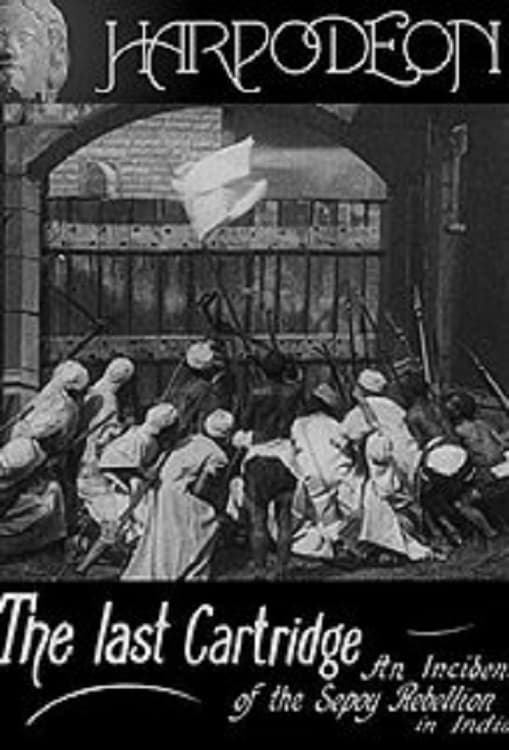
Caught off-guard by Indian mutineers, a British soldier saves his last bullet for his daughter, lest she be taken.
In 15th century France, a gypsy girl is framed for murder by the infatuated Chief Justice, and only the deformed bellringer of Notre Dame Cathedral can save her.
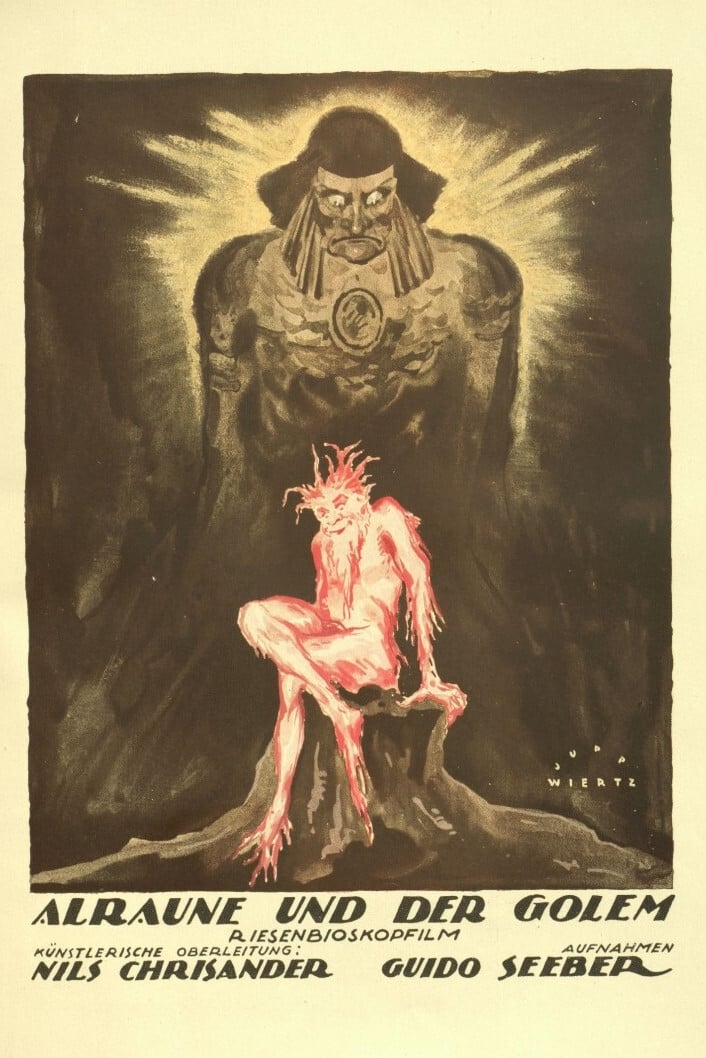
Just as Galeen and Wegener's Der Golem (1915) can be seen as a testament to early German film artistry, The Story of the Kelly Gang (1906) symbolizes both the birth of the Australian film industry and the emergence of an Australian cinema identity. Even more significantly, it heralds the emergence of the feature film format. However, only fragments of the original production of more than one hour are known to exist, preserved at the National Film and Sound Archive, Canberra; Efforts at reconstruction have made the film available to modern audiences.
A young woman trying to make it in Hollywood decides that the only way she can attain stardom is to go the "vamp" route, although in her private life she's nothing like her on-screen character. She gets the recognition she wants, but for the wrong reason--she finds herself in the middle of a notorious society scandal.
A young boy called Justen, who went through doleful past, discoveres a way to change his situation greatly.
Misaki Amemiya is an assistant inspector for the Metropolitan Police Department's Community Safety Bureau who becomes ensnared in a trap while investigating a mysterious illegal video website called "Babylon". Soon, she's bound and tortured along with Shizuko and an oversexed housewife named Ruri.
As sadomasochistic yakuza enforcer Kakihara searches for his missing boss he comes across Ichi, a repressed and psychotic killer who may be able to inflict levels of pain that Kakihara has only dreamed of.
An American journalist travels through 19th-century Japan to find the prostitute he fell in love with but instead learns of the physical and existential horror that befell her after he left.
A man takes a job at an asylum with hopes of freeing his imprisoned wife.
Ocho is accidentally captured by a drug trafficking cartel who use Chinese women to smuggle drugs into Japan by hiding it in their vaginas. She is tortured, and manages to escape, fighting both the male yakuzas and a gang of female thieves.
After thugs brutalize a deaf-mute woman, the spirit of an Apache warrior takes over her lifeless body and sets out on a bloodthirsty quest for revenge.
A malevolent being known as The Jester terrorizes the inhabitants of a small town on Halloween night, including two estranged sisters who must come together to find a way to defeat this evil entity.
Seven years after the death of his wife, widower Shigeharu seeks advice on how to find a new wife from a colleague. Taking advantage of their position as a film company, they stage an audition. Interviewing a series of women, Shigeharu is enchanted by the quiet Asami. But soon things take a twisted turn as Asami isn’t what she seems to be.
The boyfriend of an abducted woman never gives up the search as the abductor looks on.
Aldin, a vagabond water vendor, embarks of a series of fantastical and tragic misadventures through the Middle East in search of love, fortune, and power.
The life of Tatsuya, a young man of proper yet mysterious descent, whose outward respectability hides his urges for rape and torture.
Nagasaki, 1964: Following the death of his Yakuza father, 15-year-old Kikuo is taken under the wings of a famous Kabuki actor. Alongside Shunsuke, the actor’s only son, he decides to dedicate himself to this traditional form of theatre. For decades, the two young men grow and evolve together – and one will become the greatest Japanese master of the art of Kabuki.
The true story of 20-year-old Colleen Stan, a hitchhiking woman abducted by a young couple and held captive for seven years, during which time she's tortured and forced to live as a slave to her captors.
It's the year of destiny, and 15 year old Kamui Shiro, a powerful psychic, has returned to Toyko after a 6 year absence, having left when he was very young. He wants to be with his childhood friends, Fuma (his best friend) and Kotori, Fuma's little sister (and Kamui's possible girlfriend). He wants to protect them from all dangers, but destiny and fate are haunting Kamui and pulling in himself and his beloved childhood friends. It is his destiny and his sole decision to decide the fate of the world, no matter if he wants the role or not. Now it is a matter of if he will join the side of the Seven Seals and become the Dragon of Heaven to save mankind or join the Seven Angels and become the Dragon of Earth to destroy all civilization so the earth can heal itself from man's destruction.
Set in a 19th century village, a young man studying under a local doctor joins a team of hunters on the trail of a wolf-like creature.
After returning home to his long-estranged mother upon a request from her deathbed, a man raised by his parents in an orphanage has to confront the childhood memories that have long haunted him.
MMA legend Patton James, now a commercial fisherman, is pulled back into the cage when his brother is in danger. Reuniting with his old coach Sammy, he commits to one final fight in one championship against the brutal champion Xavier Grau.
L's successor must ponder L's defeat if he hopes to succeed where his famed predecessor failed. At the headquarters of the SPK, he calls upon the Japanese task force to declare war on Light. A recap of Death Note episodes 27–37, with new footage.
When seventeen-year-old Hannah stumbles upon a website about Thinspiration--an online community devoted to anorexia as a life choice--she becomes an obsessive follower of the site founder, ButterflyAna. By the time Hannah's family realizes what is happening and get Hannah the help she needs, the disease has fully taken hold and Hannah is refusing to eat. Will this family be able to exorcise the demon of anorexia from their lives?
As a serial killer stalks the city, Julia — a young actress who just moved to town with her husband — notices a mysterious stranger watching her from across the street.