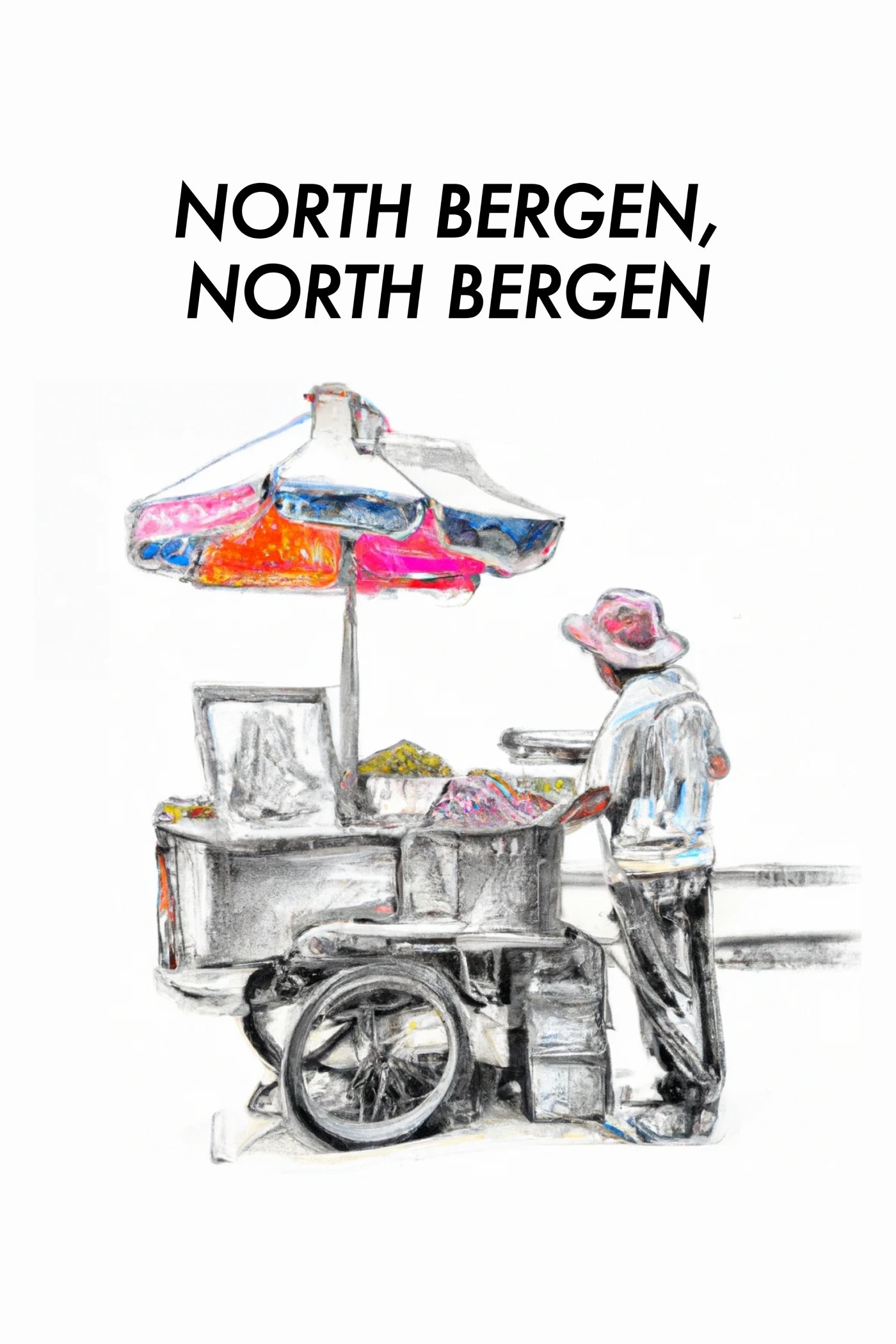
Footage shot in and around North Bergen, New Jersey presented in a minimalist series of fixed camera angles and long-takes accompanied by the ambient noise of city streets.
Social & External
The people behind it
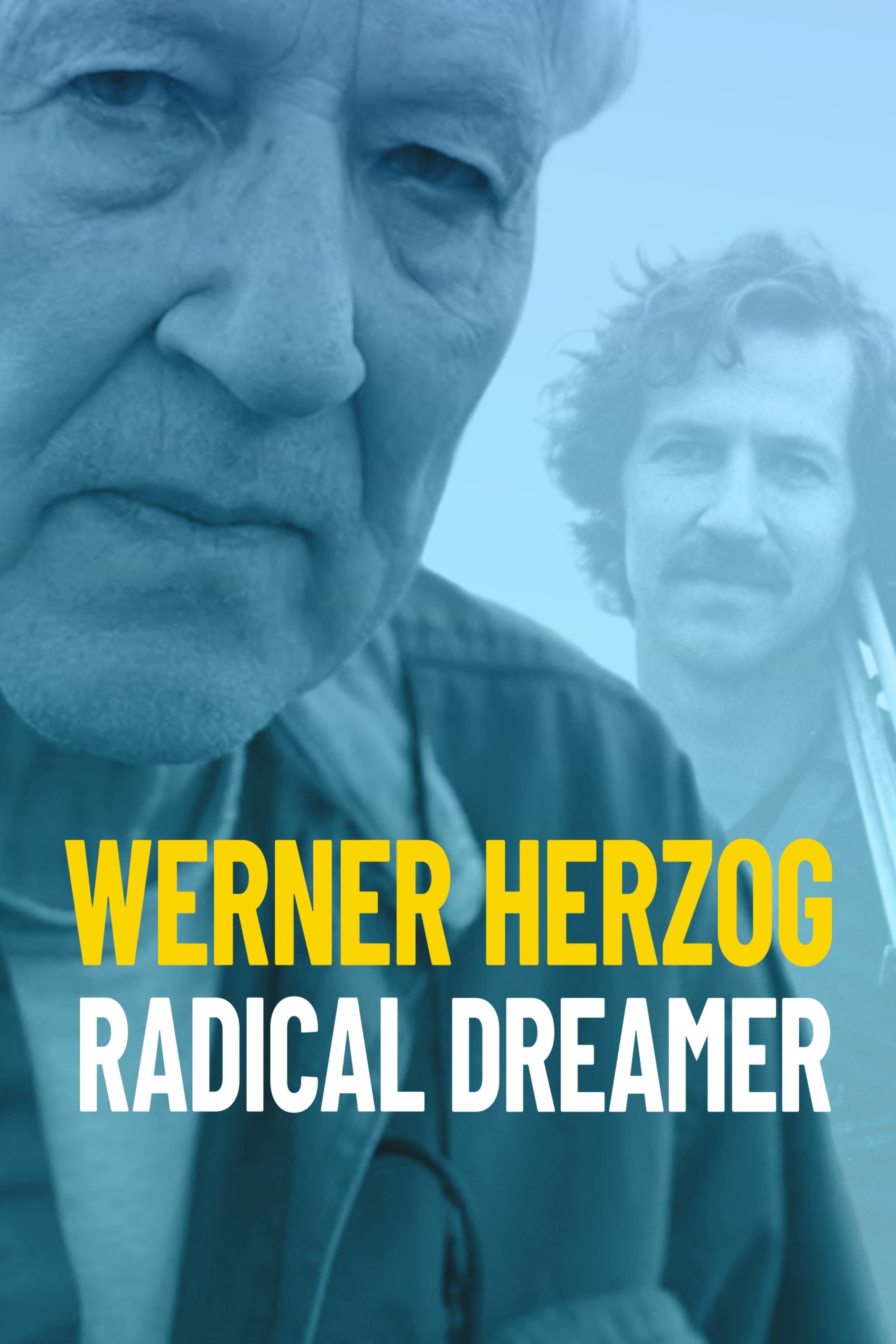
With exclusive behind-the-scenes access into Herzog’s everyday life, rare archive material and in-depth interviews with celebrated collaborators – including Christian Bale, Nicole Kidman, and Robert Pattinson, we are given an exciting glimpse into the work and personal life of the iconic artist.
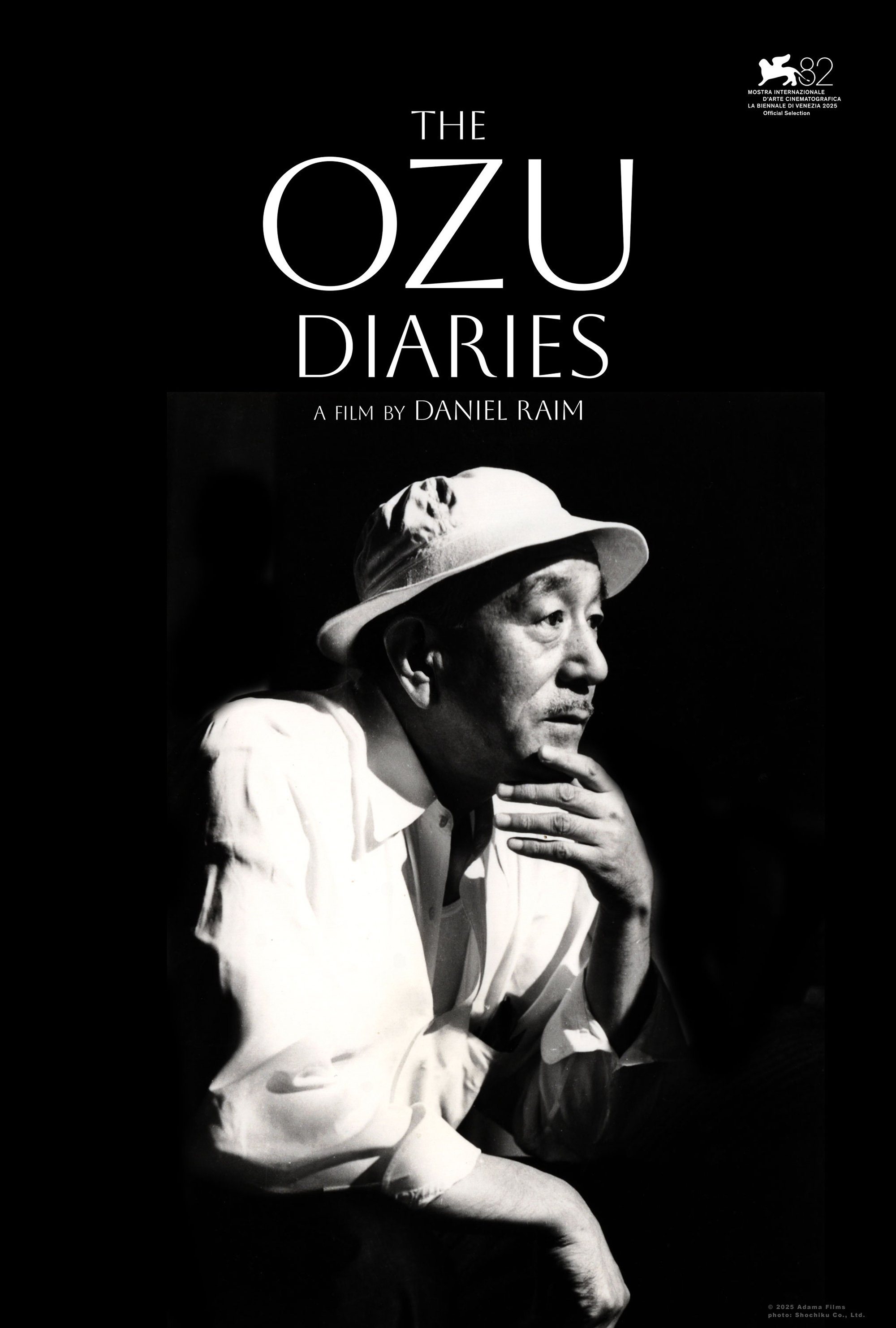
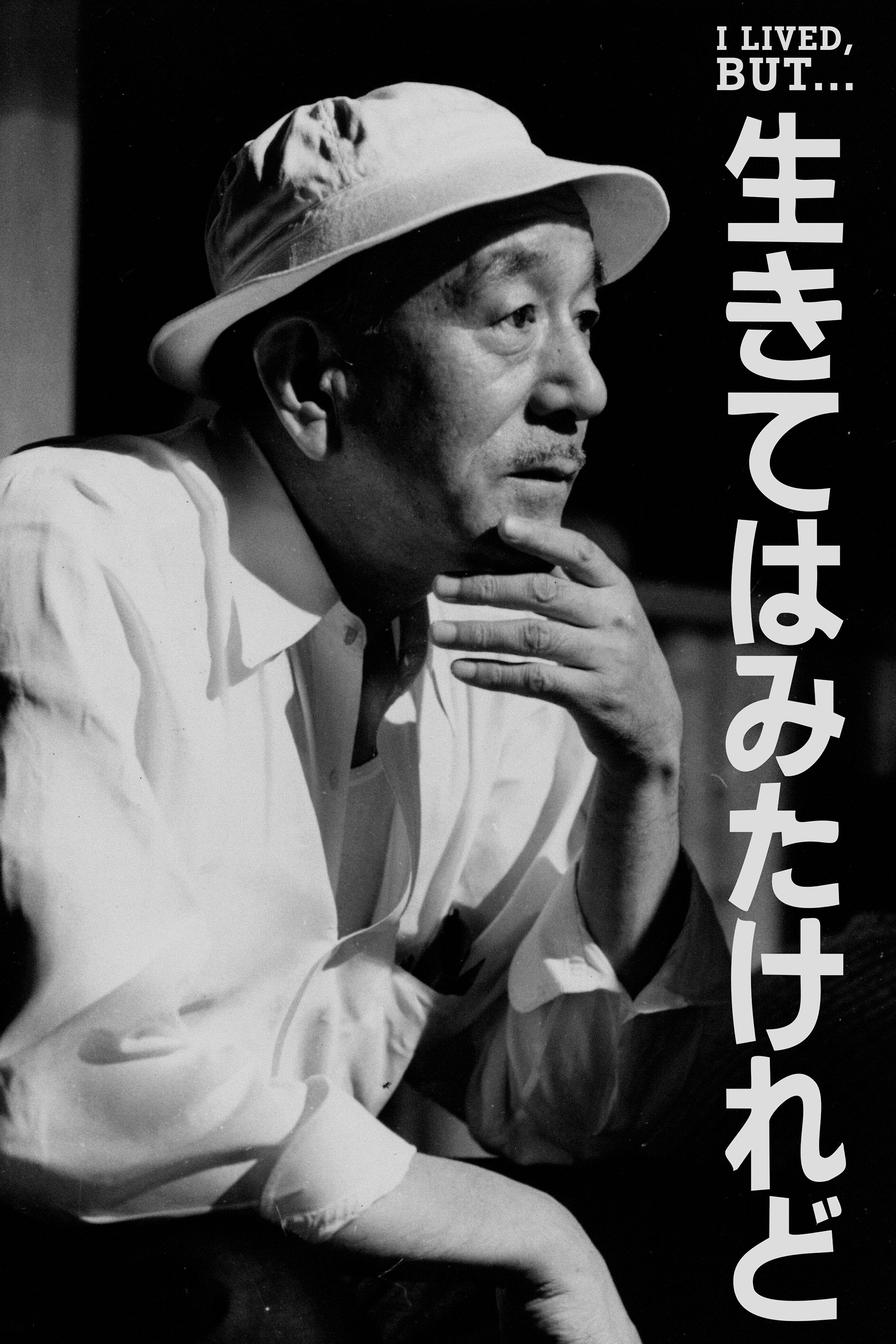
Unveiling Yasujiro Ozu’s legacy through his personal diaries, letters, and interviews, the documentary delves into his life, creative process, and lasting impact on filmmaking.
RECONQUEST OF THE USELESS, a documentary film which follows the adventures of three young men as they journey nearly 5000 miles through the Peruvian Amazon, searching for inspiration and the legacy of Werner Herzog's classic film Fitzcarraldo & Les Blank's Burden of Dreams thirty years after they were made.
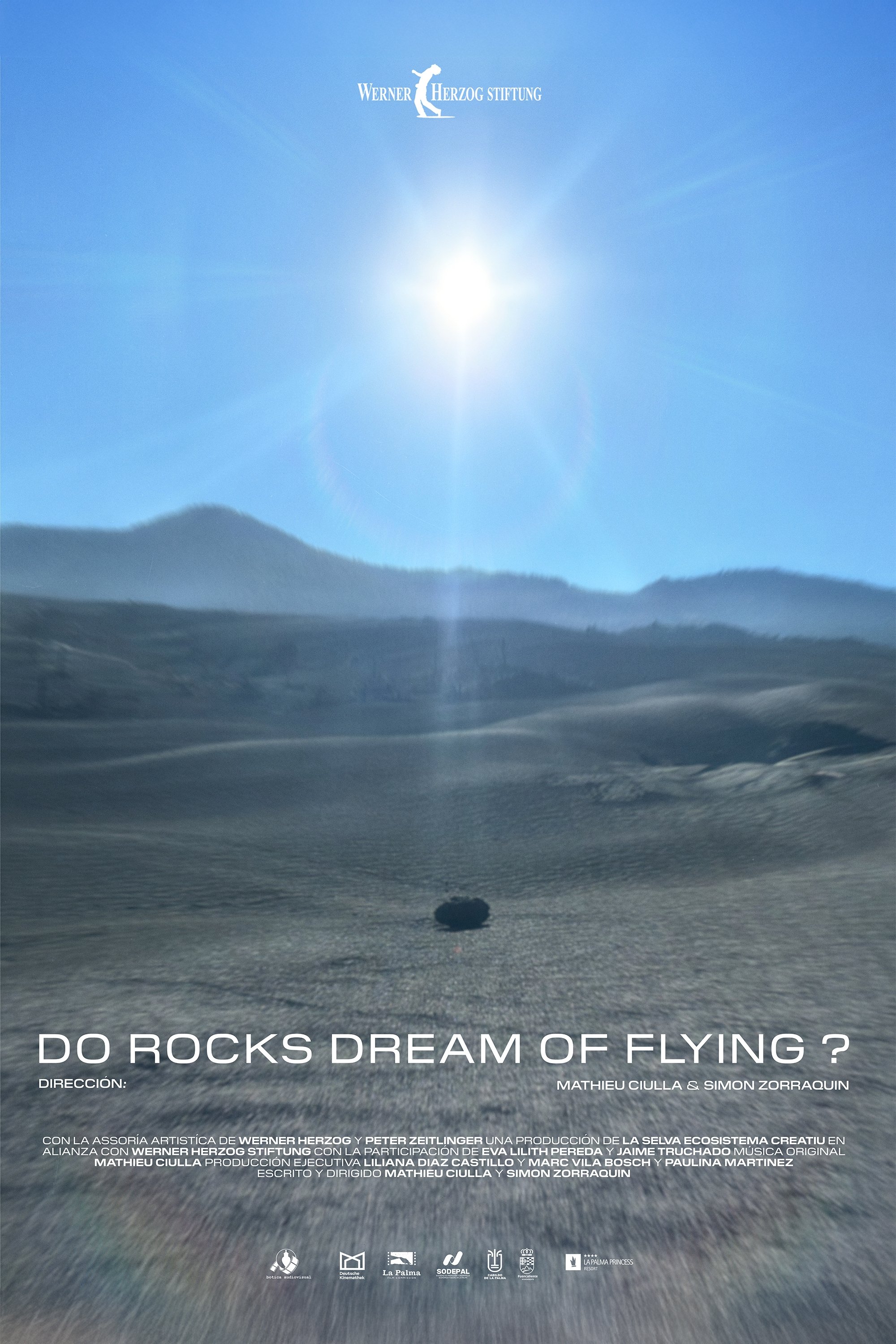
Two young documentarists travel around a forsaken island in the aftermath of a cataclysmic volcanic eruption. Their wanders lead them to the encounter of Professor Pereda, an acoustic geologist, conducting researches on geo-acoustics.
An extremely lovely tribute to Ozu, on the 20th anniversary of his death. It uses a combination of footage from vintage films and new material (both interviews and Ozu-related locations) shot by Ozu's long-time camera-man (who came out of retirement to work on this). Surprisingly (or perhaps not), it focuses less on Ozu's accomplishments as a film-maker than on his impact on the lives of the people he worked with..
Through the Fondren Fellows program, the Rice Media Center Archive Project has spent the past few months sifting through material stored at the now-defunct Rice Media Center. The team has identified several films as especially notable and will be presenting them in conjunction with documentary footage the team shot of people involved with the films. From lectures featuring Roberto Rossellini and Werner Herzog to films from former Rice students and faculty, the film presentation will tell the narrative of the Rice Media Center through the films and filmmakers that passed through its corridors.
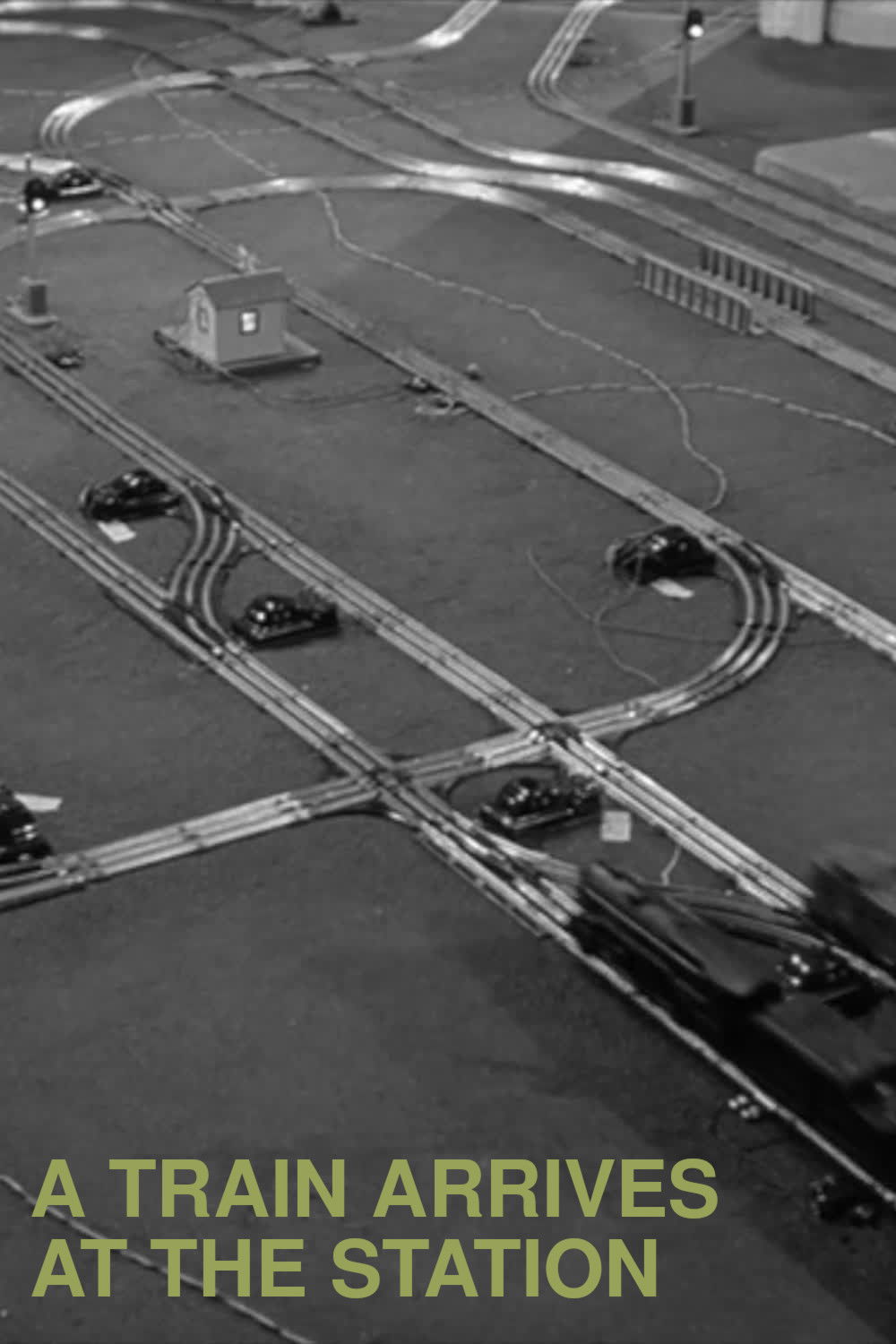
Created from material developed during "The Thoughts That Once We Had," this short film presents an anthology of 26 scenes from films made between 1904 and 2015, each depicting trains arriving at stations. The sequences are arranged in a serial structure, with black-and-white scenes in the first half paired with corresponding color sequences in the second half, forming a symmetrical visual progression.
It seemed like a typically quiet night... but the most unexpected encounter leads Chris to a difficult choice.
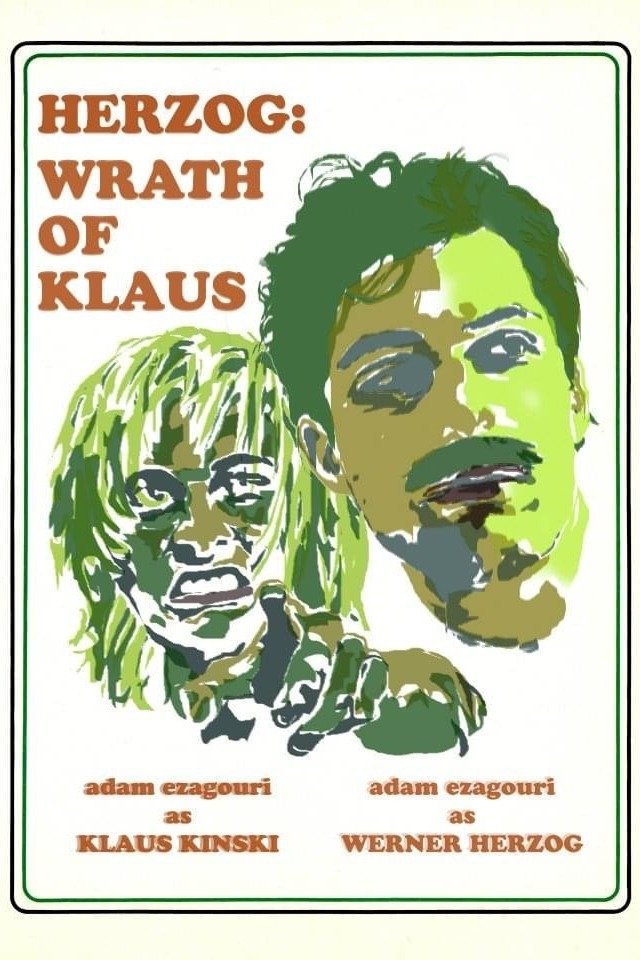
A pre-fame Werner Herzog (Adam Ezagouri) is asked to share a flat with a strange new actor only known as Klaus Kinski. Herzog agrees but soon regrets his generous decision as Kinski proves to be one uncanny flatmate. Despite their disagreements, both decide to try and shoot Herzog's own version of Don Quixote, with disastrous consequences.
A brief dive into the history and modernity of the "Russian Barbizon" — the House of creativity "Academic Cottage named after I. E. Repin" near Vyshny Volochok. Breathtaking landscapes of the Upper Volga and touching emotions of novice artists and established modern masters of the brush.
Despite being only a five-minute boat ride away from Cebu City, at the foot of the country’s record-breaking new expressway, Shell Island is an unfamiliar name to many Cebuanos today. “Dalangpanan” sheds light on the island, following a day in the life of one of its residents to uncover the stories and struggles of living on a forgotten, desolate land amidst progressive, bustling cities. Through the voices of the Shell locals, audiences learn why and how they ended up settling there, and what their future could possibly be. The documentary’s title, which literally translates to “refuge” in Cebuano, is a nod to what the island might mean to those living on it—a home, a source of hope, or even more.
This is a 20 minute documentary based on interviews with the organizers of a queer wrestling circuit in Minneapolis, Minnesota. Each event features a different substance that attendees wrestle in— Jello, mud, oil, snow, etc. This film explores the ideas of consensual violence, the necessity of an event-centered community based on performance, aggression and sexuality. The film encapsulates this scene as it was during the year of 2023, with interviews conducted in the winter of 2024.
A story about the life of the writer, poet and translator Ivan Alekseevich Bunin, who left Russia forever in 1920, and in 1933 became the winner of the Nobel Prize in Literature.
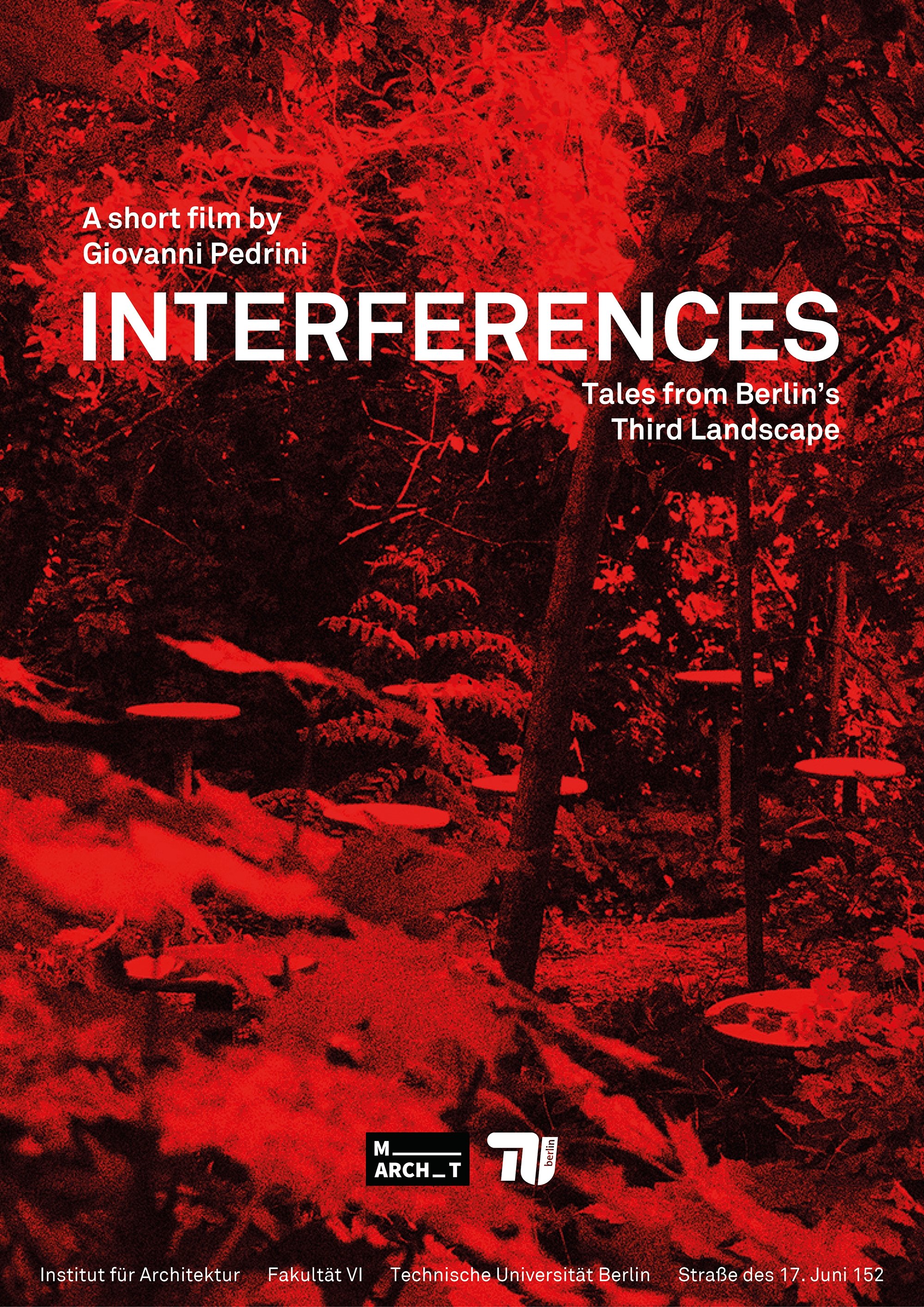
Demolition workers are tearing down Urania 4-10, an office building designed by Werner Düttmann in the 1960s. Meanwhile, experiments in urban coexistence take shape in a tiny but dense jungle in the middle of the city. 'Interferences' is an urban portrait of Berlin at the transition between winter and spring 2024. Revealing the tension between development and spontaneous rewilding, this observational documentary depicts Berlin as a city of ambiguous form, overlapping narratives, and endless material cycles. 'Interferences' implies a disturbance, but also hints at new possible alliances.
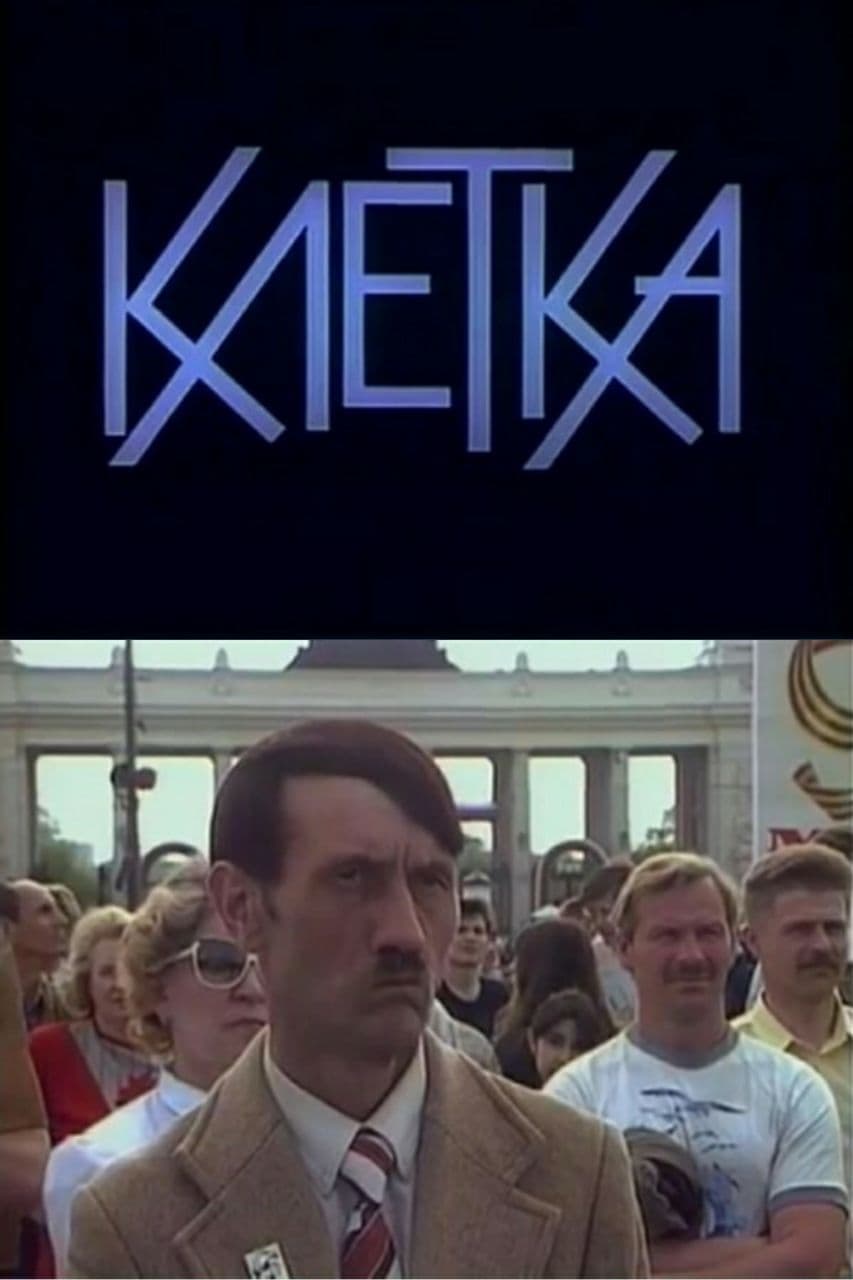
Hitler's professional look-alike from Uzbekistan arrives to Moscow to earn money.
The podcast made solely for Alex Wiseman comes to a thriling filmed conclusion in this finale made solely for Alex Wiseman.
Documentary the career of Alfred Hitchcock with Tippi Hedren bringing up allegations against the director.
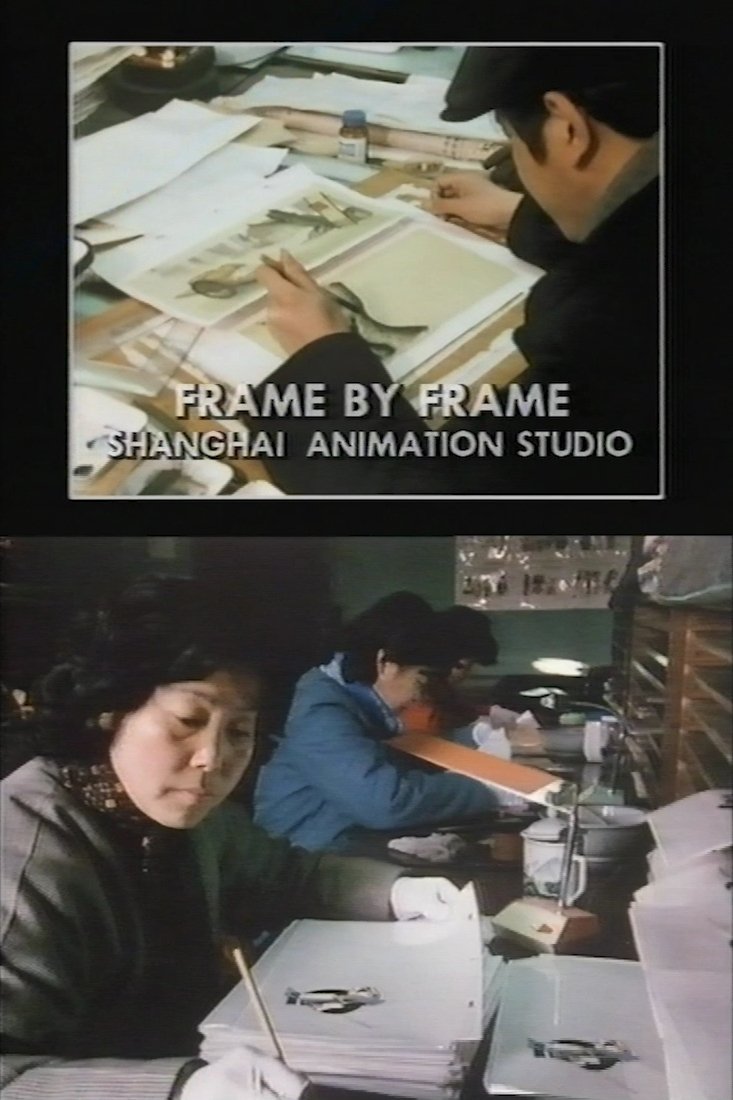
Shot in 1983, edited for the VISIONS: CINEMA programme in 1985, a short documentary about Shanghai Animation Studio.
In an intimate and joyful story of love in the face of loss, celebrated poets Andrea Gibson and Megan Falley find strength—and unexpected hilarity—in what might be their final year together.
An inside look at one of the most anticipated movie sequels ever with James Cameron and cast.
Those who knew iconic funnyman John Candy best share his story, in their own words, through never-before-seen archival footage, imagery, and interviews.
A visual montage portrait of our contemporary world dominated by globalized technology and violence.
Daniel Craig candidly reflects on his 15 year adventure as James Bond. Including never-before-seen archival footage from Casino Royale to the upcoming 25th film No Time To Die, Craig shares his personal memories in conversation with 007 producers, Michael G Wilson and Barbara Broccoli.
The life and career of an actor, artist, and icon. His own journey through his own camera.
A string of threatening emails escalates into a revenge plot involving a newly married US marshal and his ex-girlfriend.
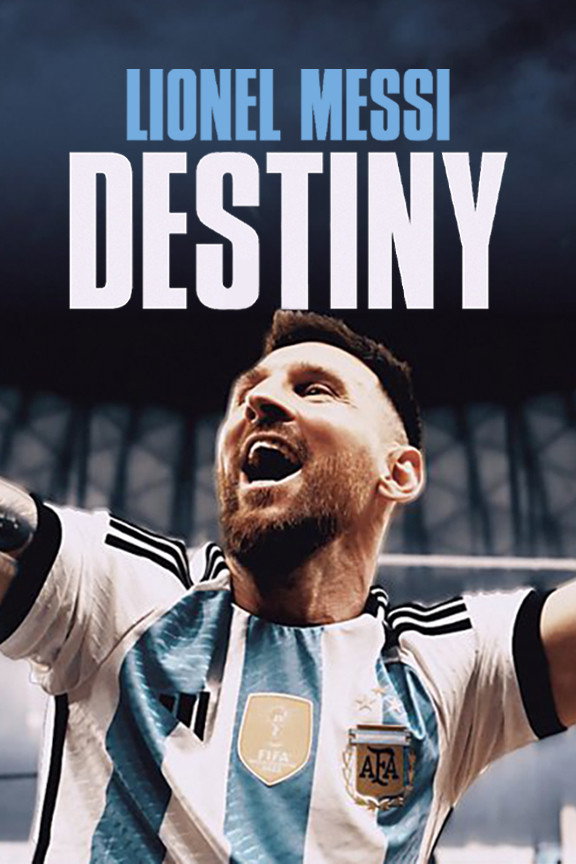
Behind-the-scenes documentary about how Lionel Messi succeeded in lifting the World Cup – the only trophy to have eluded him in an incredible career.
Through deeply personal interviews with her siblings and an examination of the photographs, letters, and belongings left behind, Mariska assembles a new portrait of her mother Jayne Mansfield, an extraordinary and complex woman.
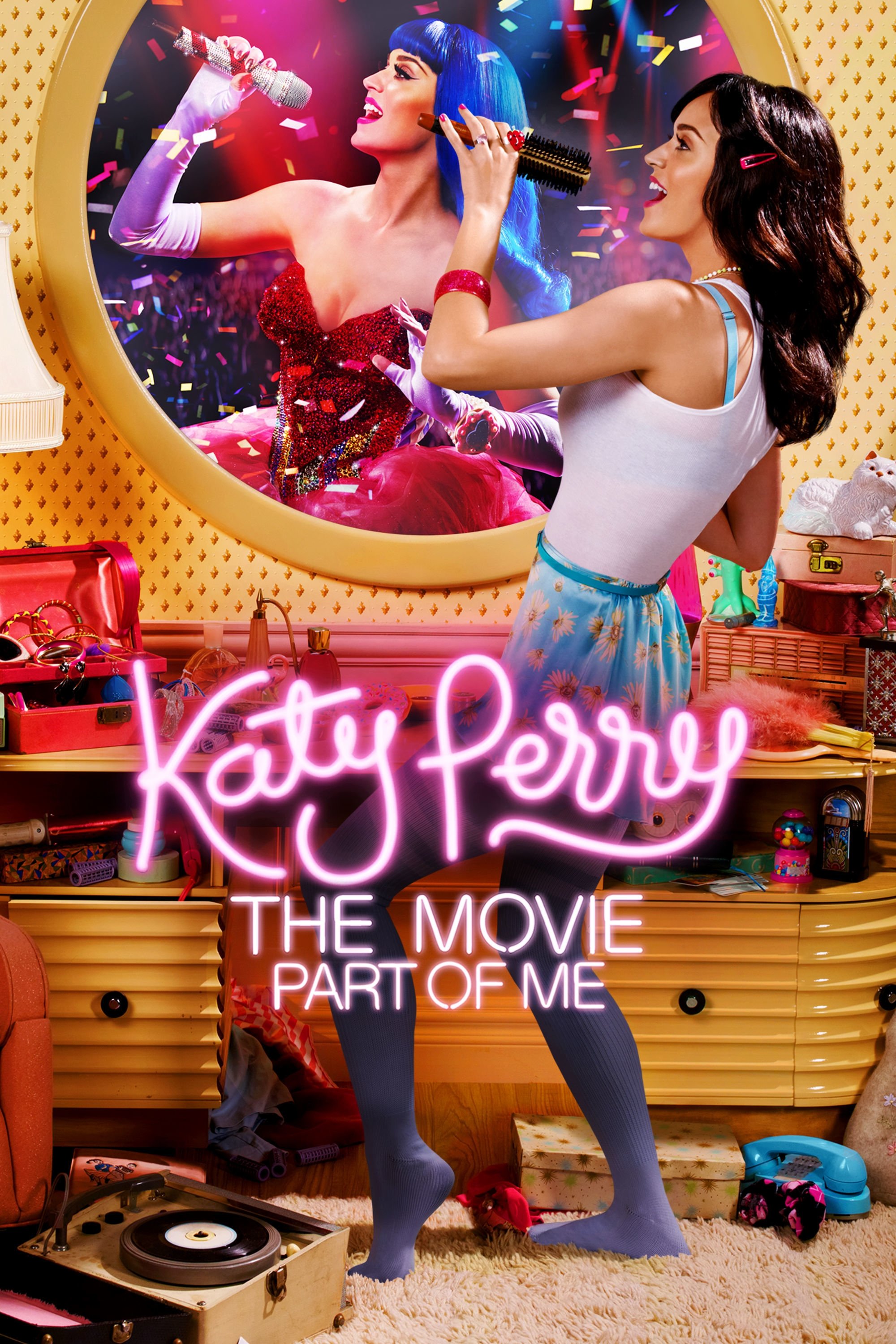
Giving fans unprecedented access to the real life of the music sensation, Katy Perry: Part of Me exposes the hard work, dedication and phenomenal talent of a girl who remained true to herself and her vision in order to achieve her dreams. Featuring rare behind-the-scenes interviews, personal moments between Katy and her friends, and all-access footage of rehearsals, choreography, Katy’s signature style and more, Katy Perry: Part of Me reveals the singer’s unwavering belief that if you can be yourself, then you can be anything.
Alexander McQueen's rags-to-riches story is a modern-day fairy tale, laced with the gothic. Mirroring the savage beauty, boldness and vivacity of his design, this documentary is an intimate revelation of McQueen's own world, both tortured and inspired, which celebrates a radical and mesmerizing genius of profound influence.
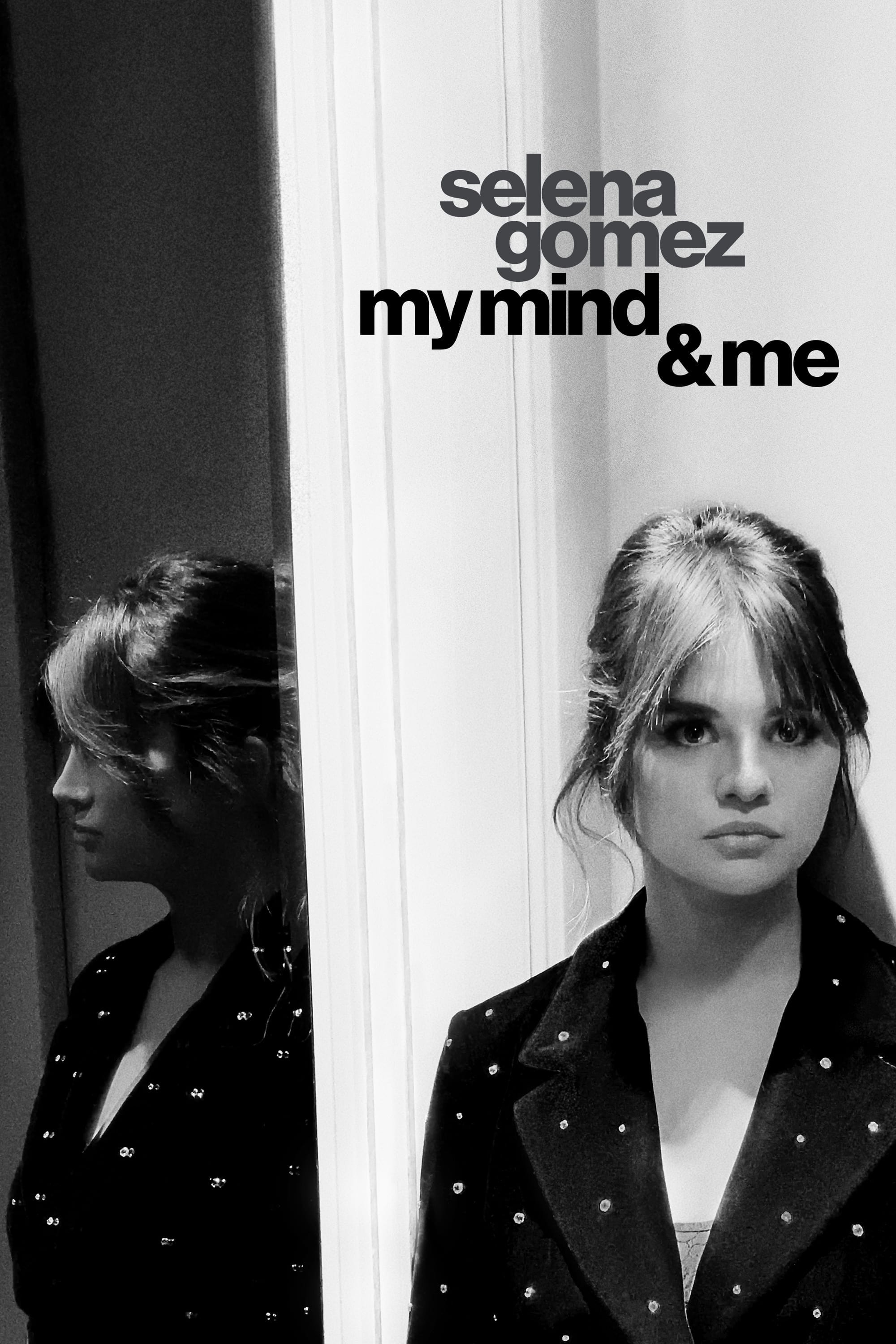
After years in the limelight, Selena Gomez achieves unimaginable stardom. But just as she reaches a new peak, an unexpected turn pulls her into darkness. This uniquely raw and intimate documentary spans her six-year journey into a new light.
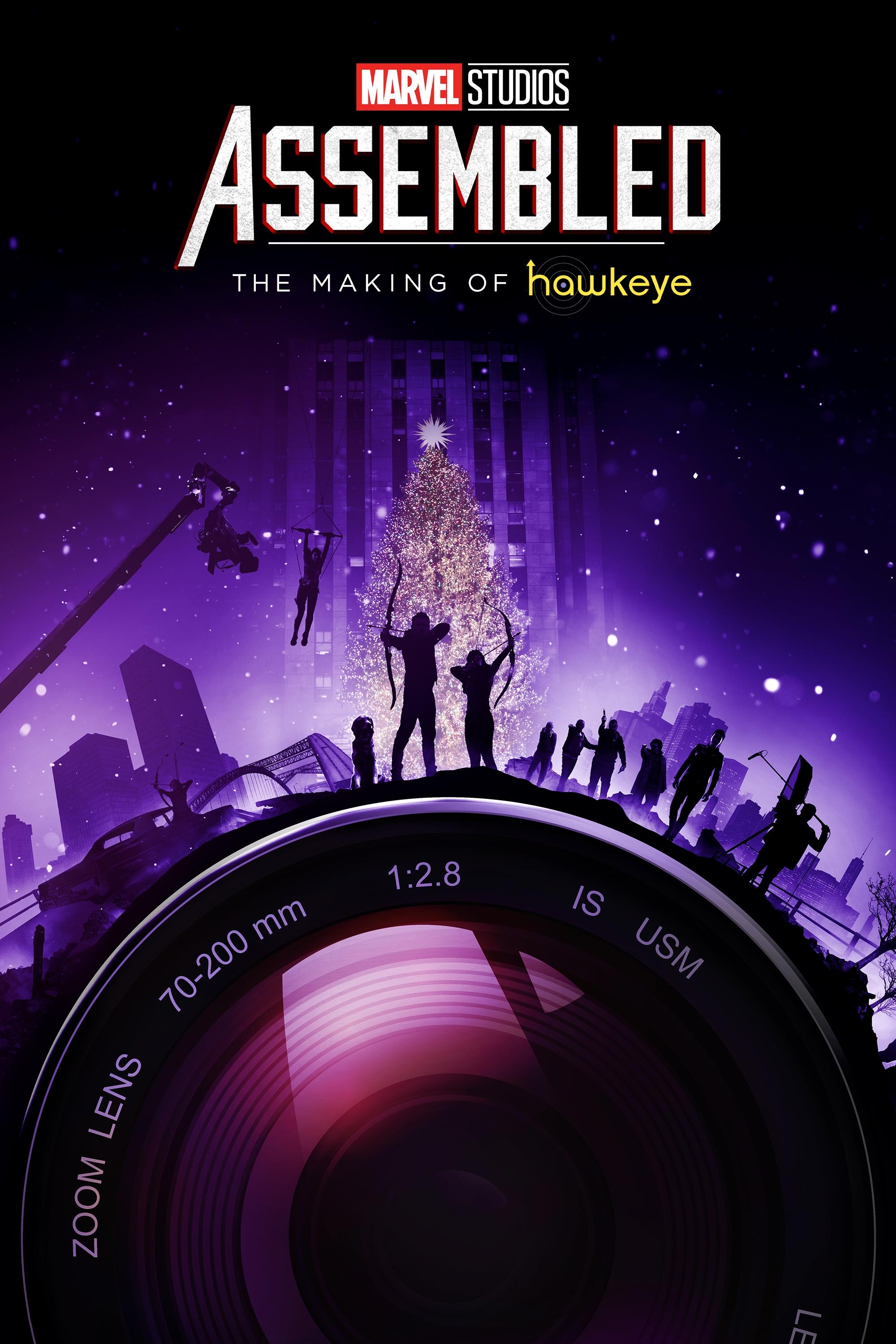
Join the likes of Jeremy Renner, Hailee Steinfeld, Florence Pugh, and Vincent D’Onofrio as they reveal how Marvel Studios’ “Hawkeye” was conceived and created. Witness firsthand what it took to pull off the show’s pulse-pounding action set pieces, and discover how iconic characters from the pages of Marvel Comics such as Kate Bishop were adapted and brought to life for the six-episode series.
Explore the unlikely partnership and enduring legacy of one of the most prolific power couples in entertainment history. Lucille Ball and Desi Arnaz risked everything to be together.
Al Pacino's deeply-felt rumination on Shakespeare's significance and relevance to the modern world through interviews and an in-depth analysis of "Richard III."
From a prolific career in film and television, Anton Yelchin left an indelible legacy as an actor. Through his journals and other writings, his photography, the original music he wrote, and interviews with his family, friends, and colleagues, this film looks not just at Anton's impressive career, but at a broader portrait of the man.
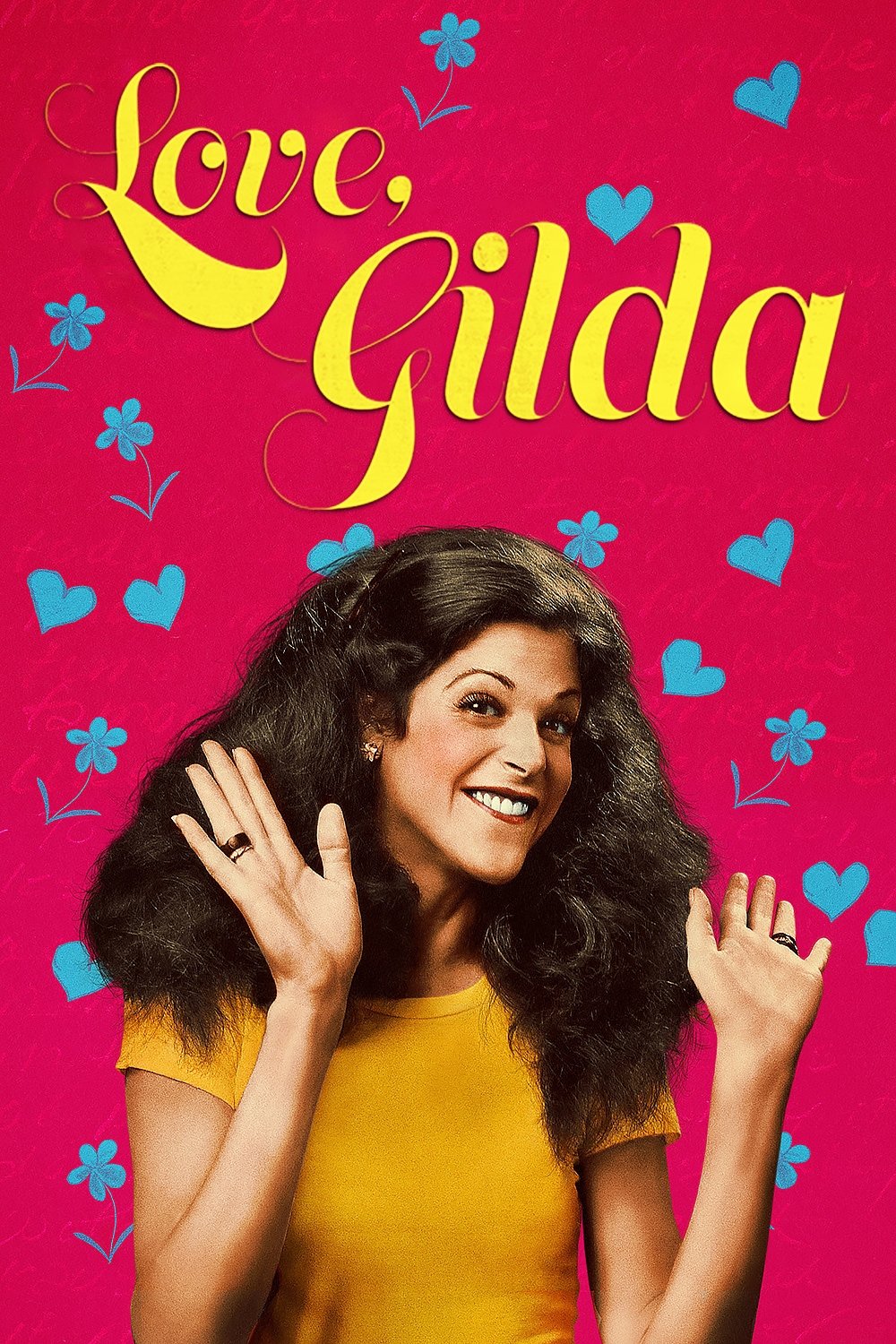
Diaries, audiotapes, videotapes and testimonials from friends and colleagues offer insight into the life and career of Gilda Radner -- the beloved comic and actress who became an icon on Saturday Night Live.
A compilation of over 30 years of private home movie footage shot by Lithuanian-American avant-garde director Jonas Mekas, assembled by Mekas "purely by chance", without concern for chronological order.
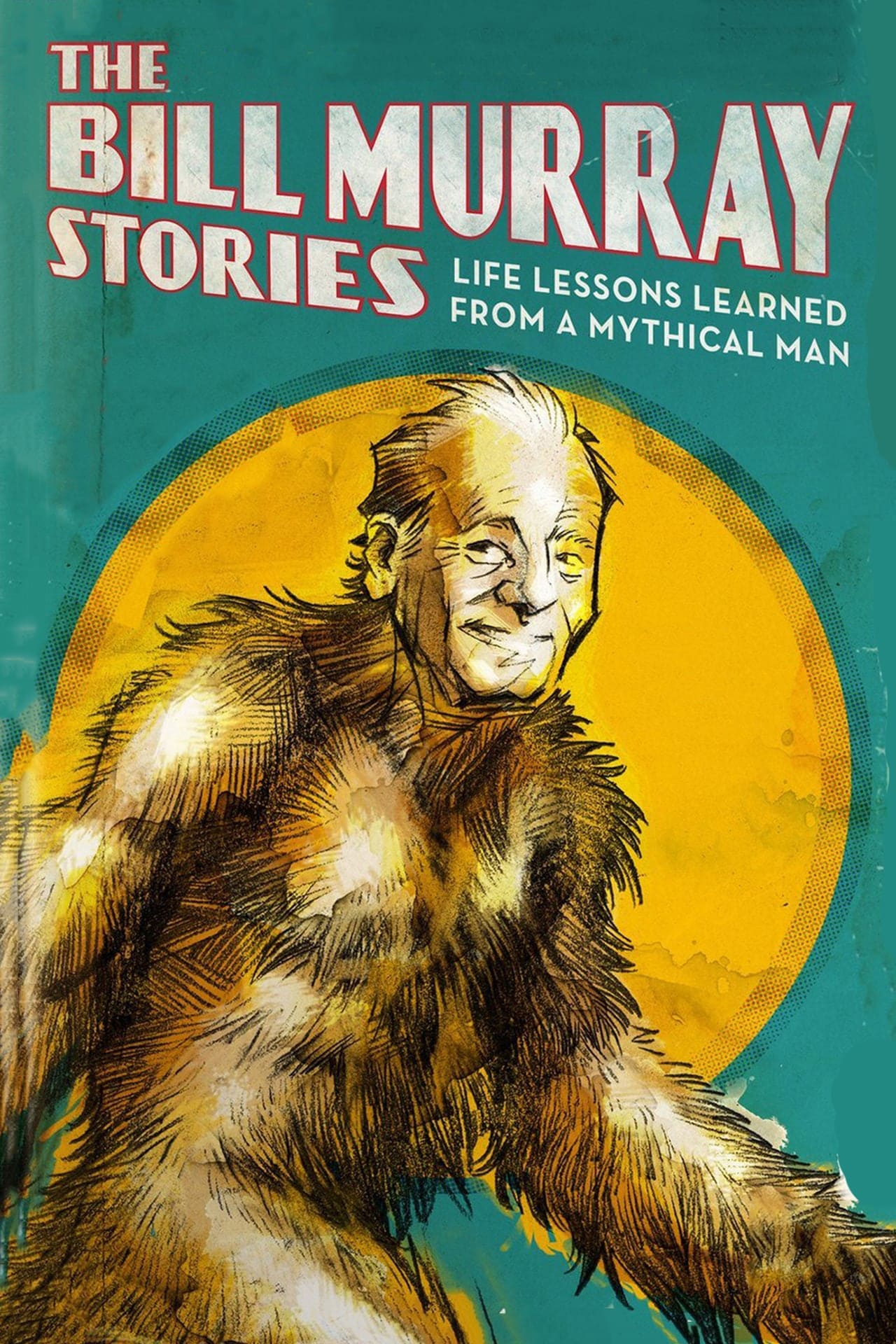
One man’s journey to find meaning in Bill Murray’s many unexpected adventures with everyday people, rare and never-before seen footage of the comedic icon participating in stories previously presumed to be urban legend.
Over 35 years after Bob Lazar's revelations, this documentary exposes secrets of a facility the government still denies. Featuring Lazar's testimony, recreations, and new evidence, it reopens a case that continues to spark global curiosity