Social & External
Based on the journals of Che Guevara, leader of the Cuban Revolution. In his memoirs, Guevara recounts adventures he and best friend Alberto Granado had while crossing South America by motorcycle in the early 1950s.
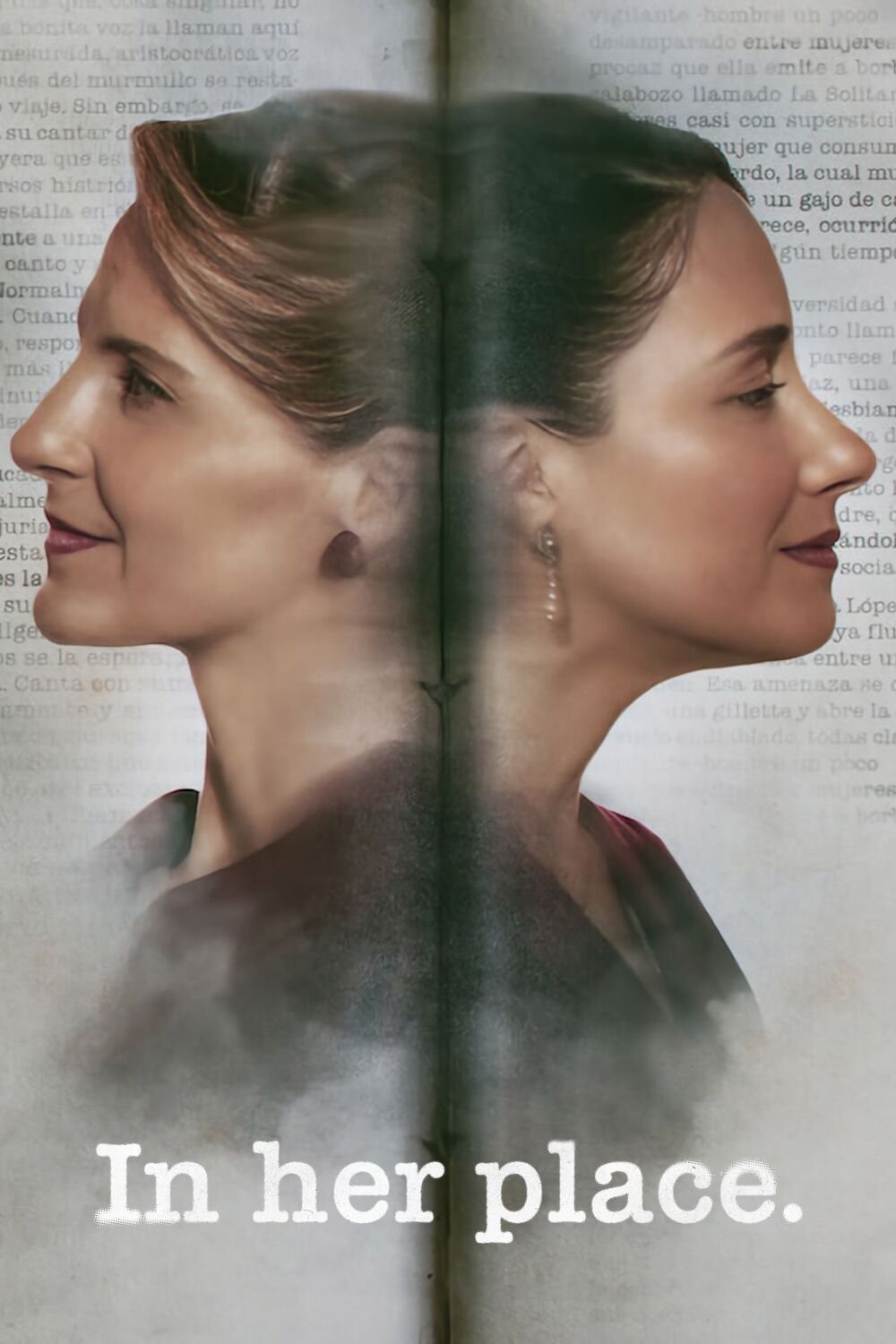
After Chilean writer María Carolina Geel murders her lover, the case captivates shy legal secretary Mercedes, sparking a connection between the two women.
It all begins at a party in Santiago, Chile, when a seemingly innocent gesture -- the offer of a ride home -- ends in a passionate night of lovemaking and intense conversation for young singles Bruno and Daniela. Shacked up at a flea-bitten motel for a one-night stand, the pair lingers deep into the night, alternating between powerful physical encounters and an ever-deepening emotional connection.
Sonar Rock City: Seattle is a journey through the city that caught our attention back in 1992 thanks to the grunge movement which today no longer exists. Still today the creative spirit runs through its veins with a new music scene that captures what Seattle is in its core.
When a retiring assassin realizes that he is the target of a hit, he winds up back in the game going head to head with a gang of younger, ruthless killers.
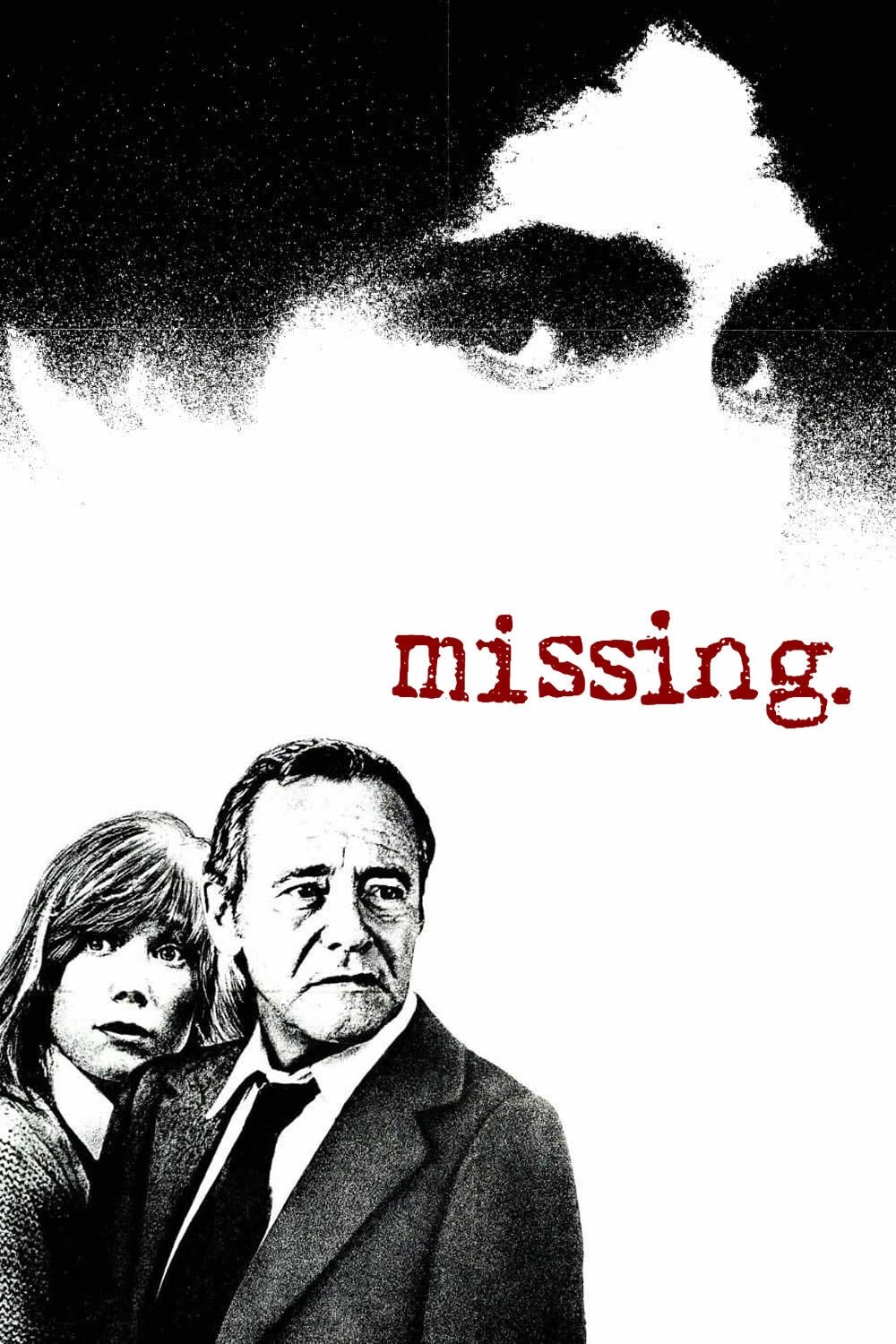
Based on the real-life experiences of Ed Horman. A conservative American businessman travels to Chile to investigate the sudden disappearance of his son after a military takeover. Accompanied by his son's wife he uncovers a trail of cover-ups that implicate the US State department which supports the dictatorship.
This short animation collage uncovers the financial backing of the Chilean Junta bosses by the US. Screened at the 1976 Oberhausen Int. Film Festival.
This film visualizes humanity’s quest to relentlessly pursue goals. In the human fight for progress, the march forward cannot be stopped, even when individual people become weary and die. This animated short is based on a poem by the Chilean filmmaker and poet Juan Forch. Chilean painter Hernando León created the design.
A Chilean woman, Teresa, comes into a firmly structured and isolated mountain community of Croatian shepherds in the early 20th century, claiming to be the widow of their émigré brother. Her arrival changes the dynamics between the members of the community and brings unrest, but also inspiration for other women.
Images of Argentinian companies and factories in the first light of day, seen from the inside of a car, while the director reads out documents in voiceover that reveals the collusion of the same concerns in the military dictatorship’s terror.
An American couple in Chile is drawn into the turmoil that followed President Salvador Allende's 1973 overthrow.
"At that time (late 1992), I made a film for British television, Channel 4, called Las Soledades, the name of a long poem by Góngora. It was made in Chile, using many poetic elements of the country. Chile is seen through the eyes of a Chinese painter—a painter who uses the traditional 18th-century concepts of Shih-Tao. Once again, I am doing something that, apparently, is not meant to go hand in hand. The landscape of my country, southern Chile, where I was born, initially provokes in me a feeling of fear. The landscape is madness. In these crazy landscapes, you can find very reasonable people, which makes the landscape seem even crazier."
Based on the true story of the collapse of a mine in San Jose, Chile—that left 33 miners isolated underground for 69 days.
The story of the Yugoslavian football team who became youth world champions in Chile, 1987.
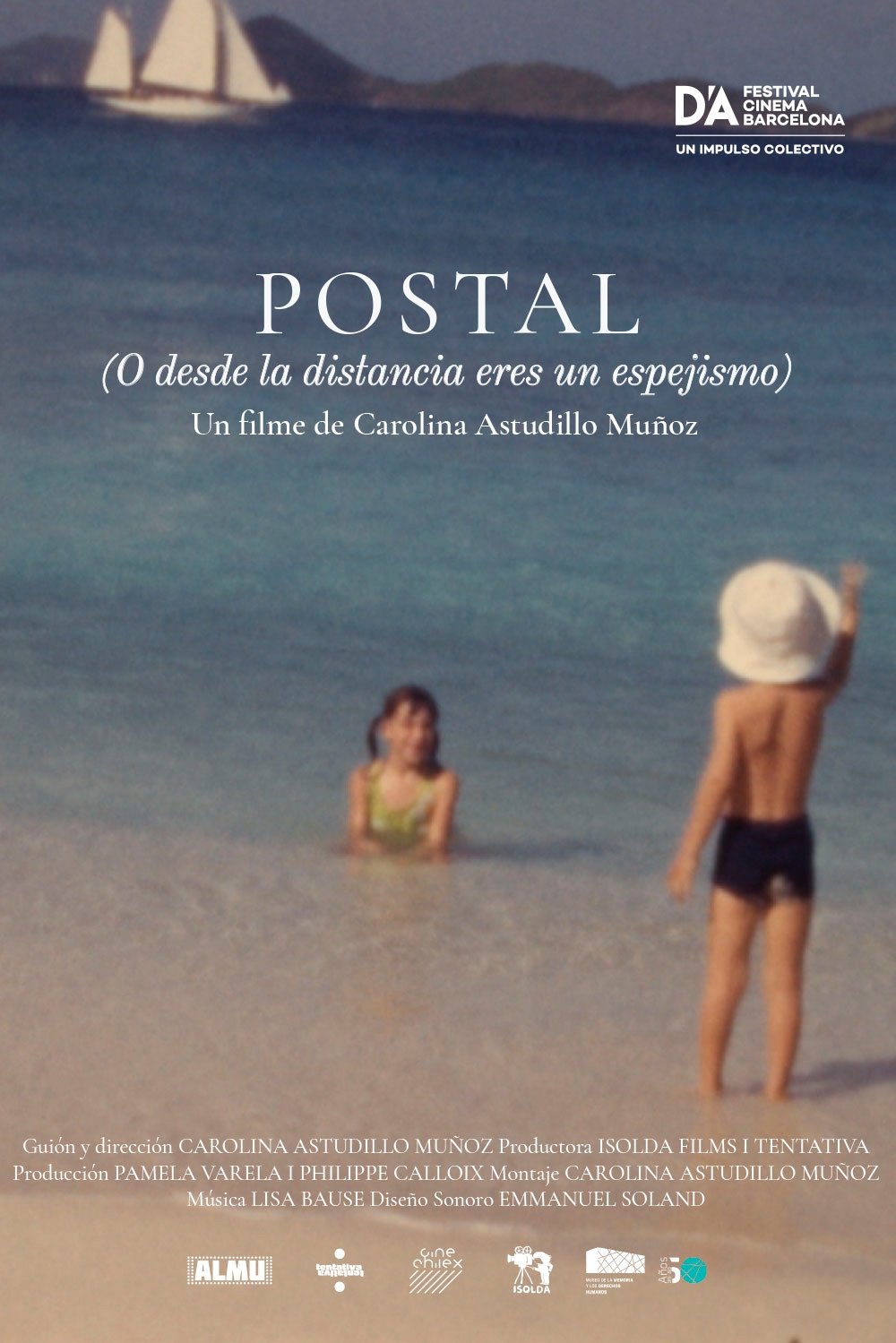
"The palm trees on the reverse are a delusion; so is the pink sand". This line, taken from a poem by Margaret Atwood, lights the path traced in "Postcard". As the years go by, landscapes transform, take on new meanings, and hold onto joys that will never be regained. The sea and the beach, once stages of happy summers, romances, and encounters, will turn into concentration camps or centers of detention and torture. This occurs across different times and places. In this piece, I embark on a journey through some of my works that explore the relationship between testimony, spaces, and time, engaging in dialogue with the beautiful film directed by Alejandro Segovia in 1972.
It follows Chilean writer Antonio Skármeta as he celebrates the end of the autocrats. Cheerful farewell rituals accompany others facing political persecution on their way to fly home.
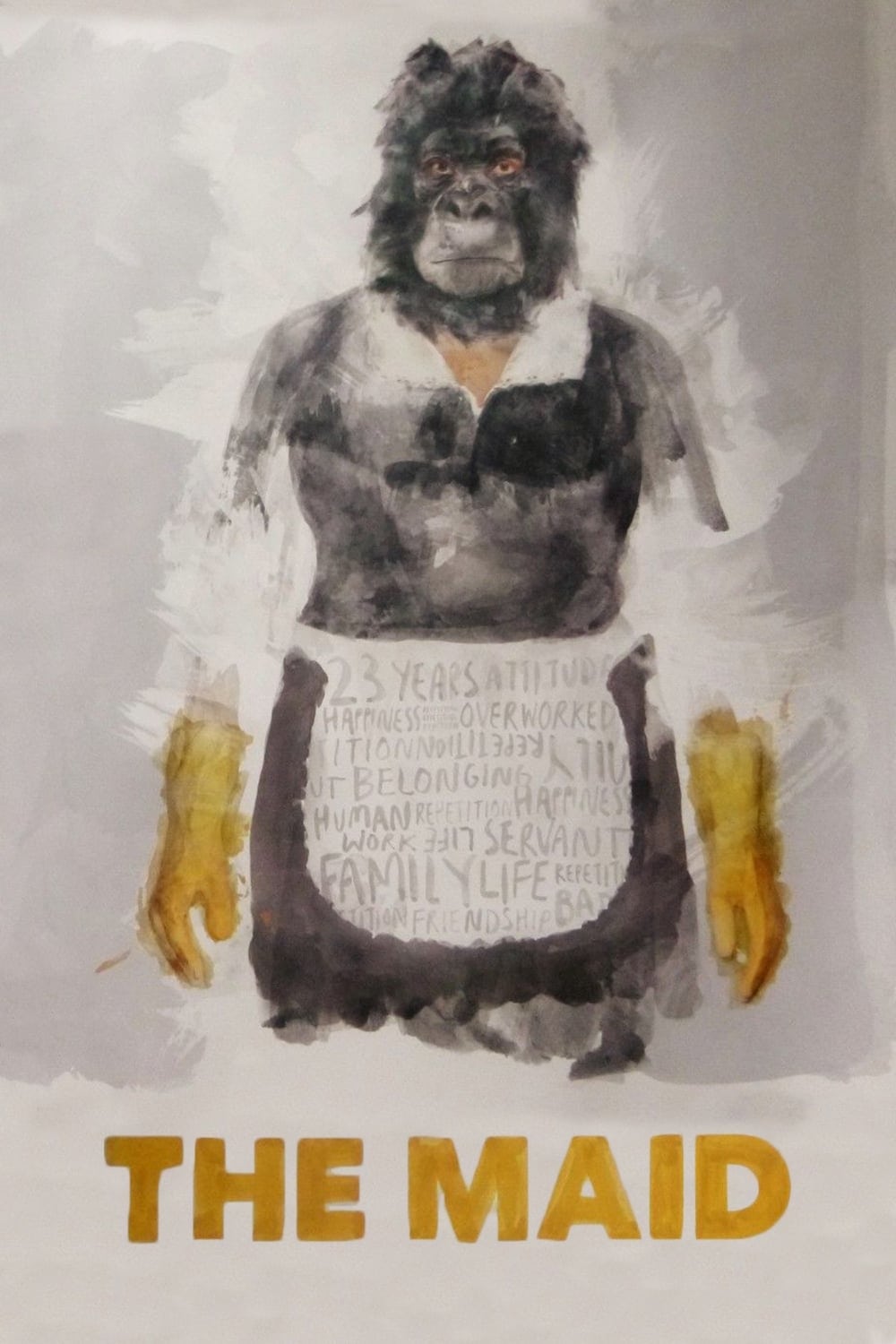
Raquel has been the live-in housekeeper for a kind, reasonably wealthy family for half her life, and the joyless repetition of the job has begun to take its toll. Increasingly dependent on painkillers, Raquel resorts to pranks and childish avoidance to antagonize the family’s college-age daughter and a procession of new servants, all in the hopes of protecting her precarious power within the home. Her antics successfully push everyone away, until new maid Lucy actually pushes back.
A congressional candidate questions his sanity after seeing the love of his life, presumed dead, suddenly emerge.
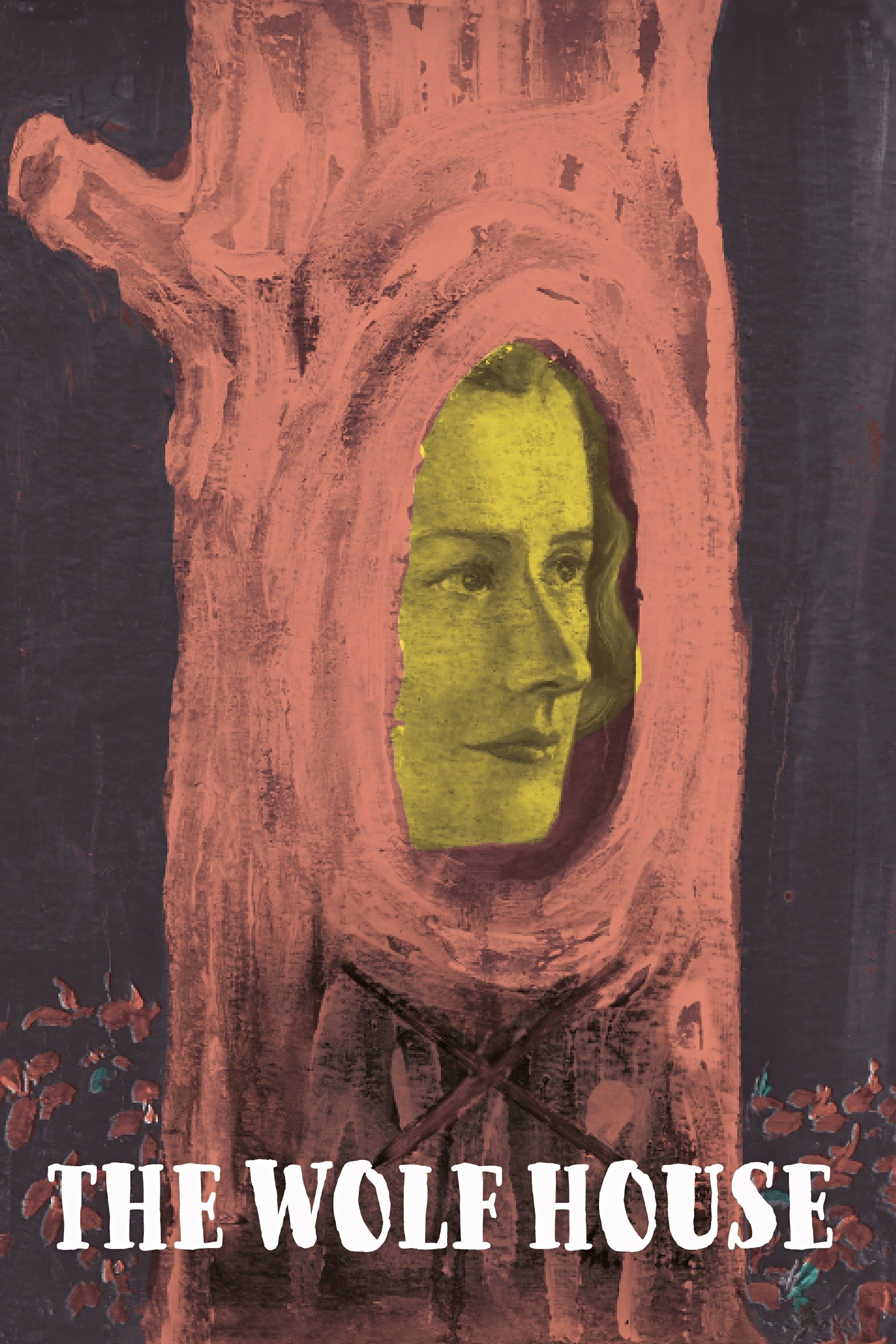
After escaping from a religious colony in Chile, Maria seeks shelter in a mansion where she’s taken in by two pigs, its only inhabitants. Like in a stop-motion dream, the universe of the house reacts to her feelings. The animals slowly morph into humans and the house into a dark, menacing world.
This short, animated piece of agitprop fiercely expresses the hopes of the Chilean people.