Social & External
The people behind it
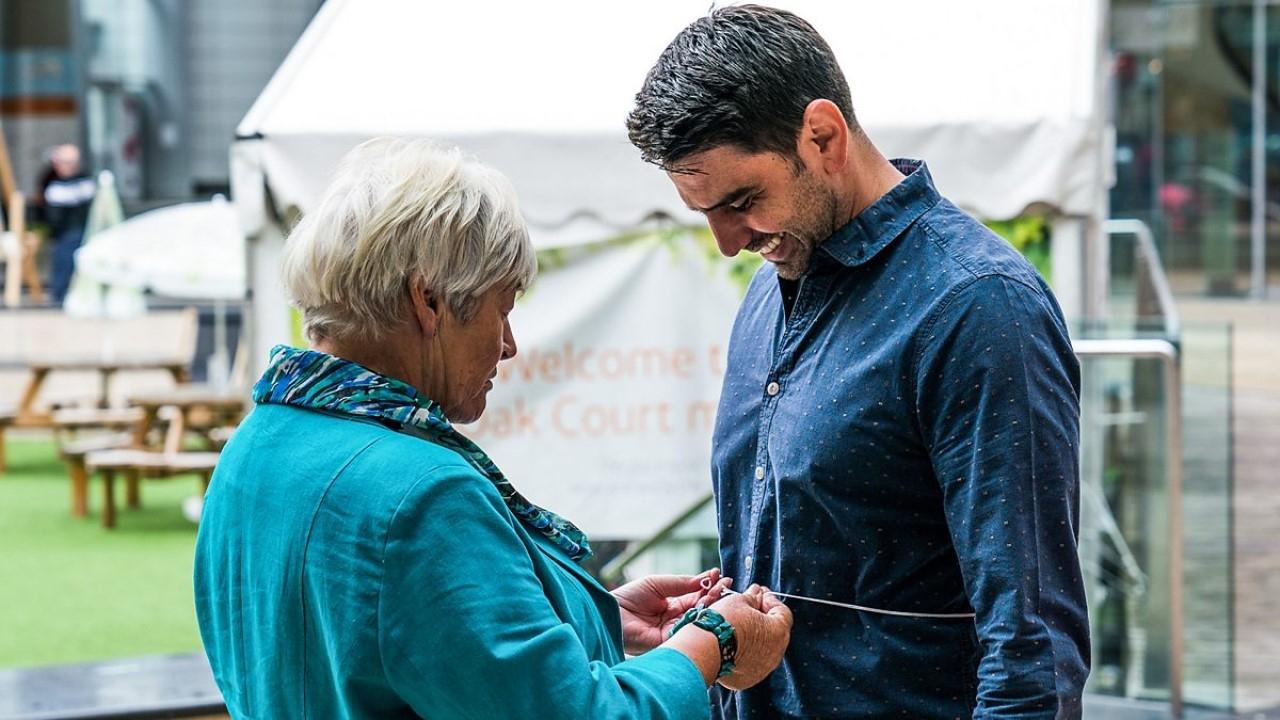
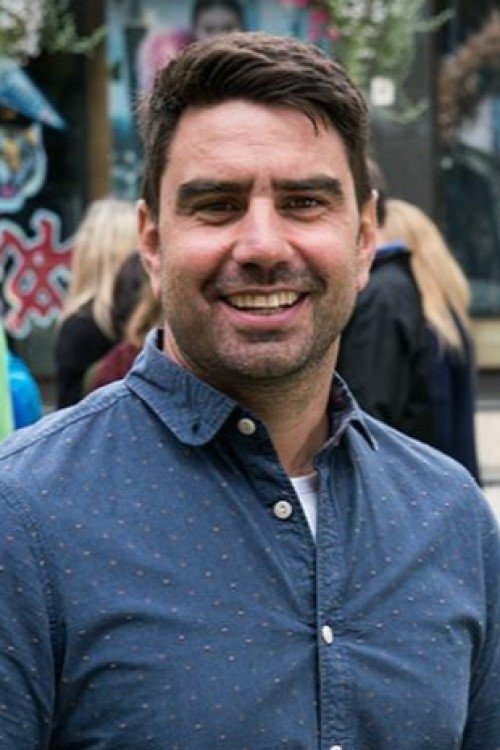
Chris Bavin
self
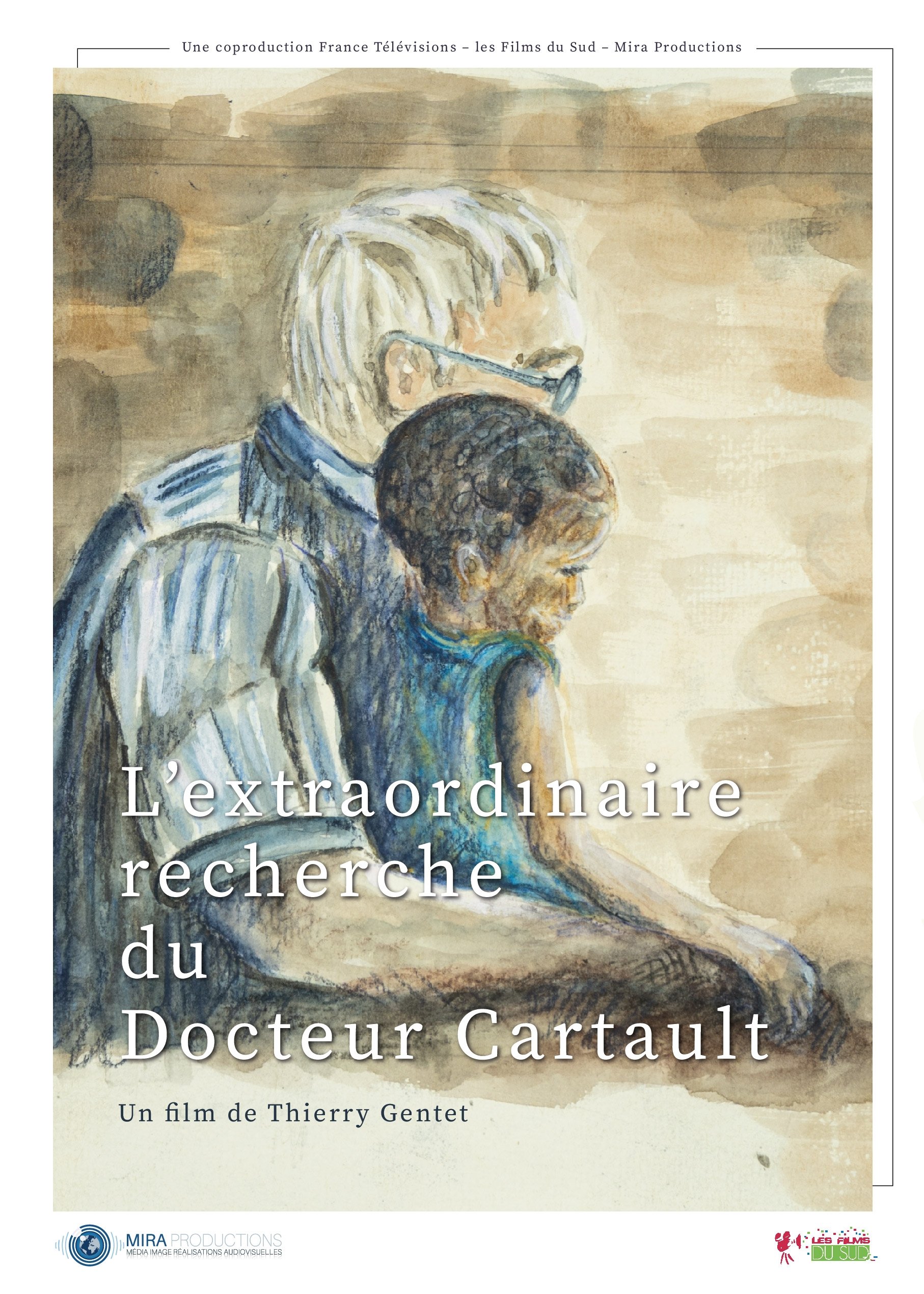
The film recounts the incredible research conducted by François Cartault, a pediatrician and geneticist on the island of Réunion. Conducted like a police investigation over more than 20 years, his research, both medical and historical, takes us on a journey through the disease of moon children, deprived of sunlight, and on the trail of slavery in Africa. The film shows how genetics is also an astonishing trace of history.
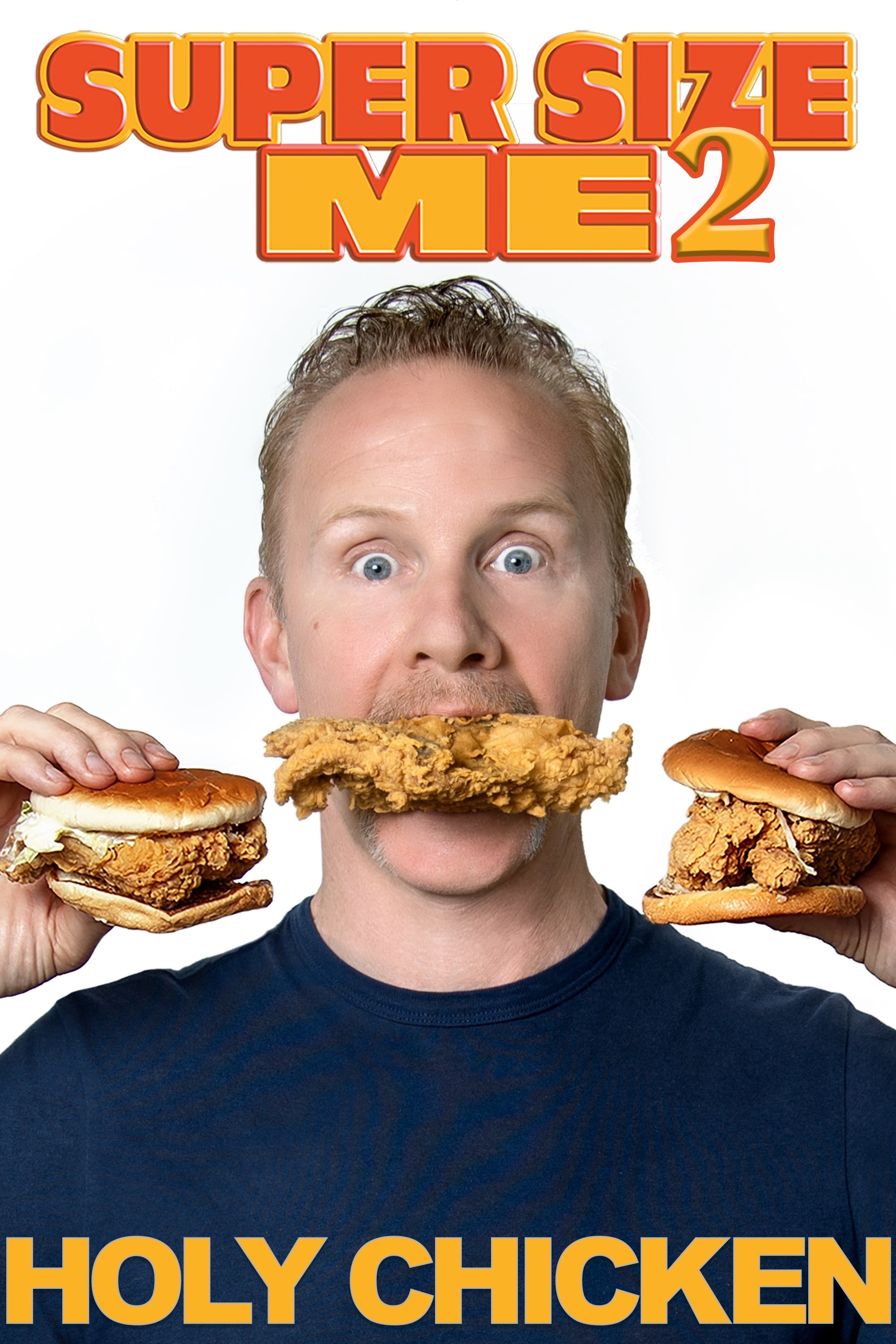
Muckraking filmmaker Morgan Spurlock reignites his battle with the food industry — this time from behind the register — as he opens his own fast food restaurant.
A Cambridge geneticist dispels misconceptions about living with obesity and explores why the epidemic continues to expand across the UK and America.
Obesity rates in the United States have reached epidemic proportions in recent years. Killer at Large shows how little is being done and more importantly, what can be done to reverse it. Killer at Large also explores the human element of the problem with portions of the film that follow a 12-year old girl who has a controversial liposuction procedure to fix her weight gain and a number of others suffering from obesity, including filmmaker Neil Labute.
From a secret lab to hidden codes, this special reveals the inner workings of Greggs, the iconic bakery known for its delectable sausage rolls.
2-channel film installation 'Die Last meines Namens', wherein Heydt deals with an unpleasant part of his own family history. Heydt’s great-grandfather was a member of the NSDAP and mayor of the small town of Haselünne in Emsland for almost 10 years during the Third Reich. Based on interviews with his grandfather and research in various archives, Heydt develops a personal perspective on the subject. The film deals with how we construct identity from oral retellings, how we process family histories, and how we can find current and personal points of access to German remembrance culture. At the heart of the work are two conversations with his grandfather Heinrich Heydt, recorded at different points in the research process. In them, the grandfather describes his memories of his father, the time, and the two reflect on the subject and the results of the research.
Huge electric sign operated by photo cell animation; freshwater fauna propagated by Carolina Biological, sold and used for research; pickup and delivery of airmail in flight with small planes.
Preparation of "spawn" for commercial mushrooms, which grow to the tune of "You Came Along." Also: extraction & uses of snake venom; personal dress forms; a Frank Lloyd Wright building in Racine, Wisc.
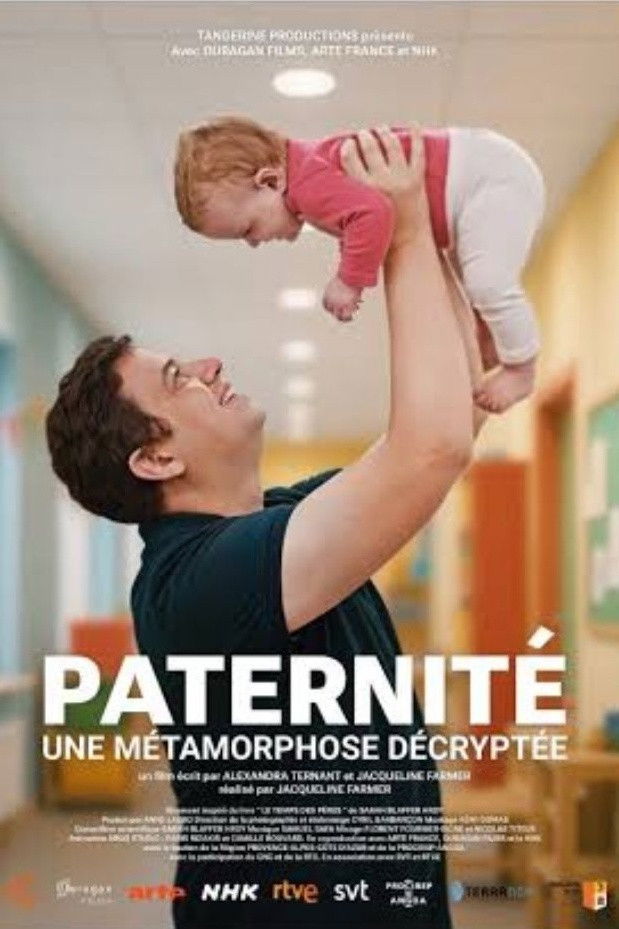
Becoming a father is an extraordinary adventure in a man's life, but it is also a real physiological metamorphosis that science is only just beginning to reveal. Researchers from multiple disciplines are lifting the veil on these changes taking place in men who are in contact with young children, and their discoveries are astonishing. By tracing the thread of evolution, the film reveals that these deep, long-ignored bonds between men and children are very ancient. And that they are just waiting for the right context to fully express themselves.
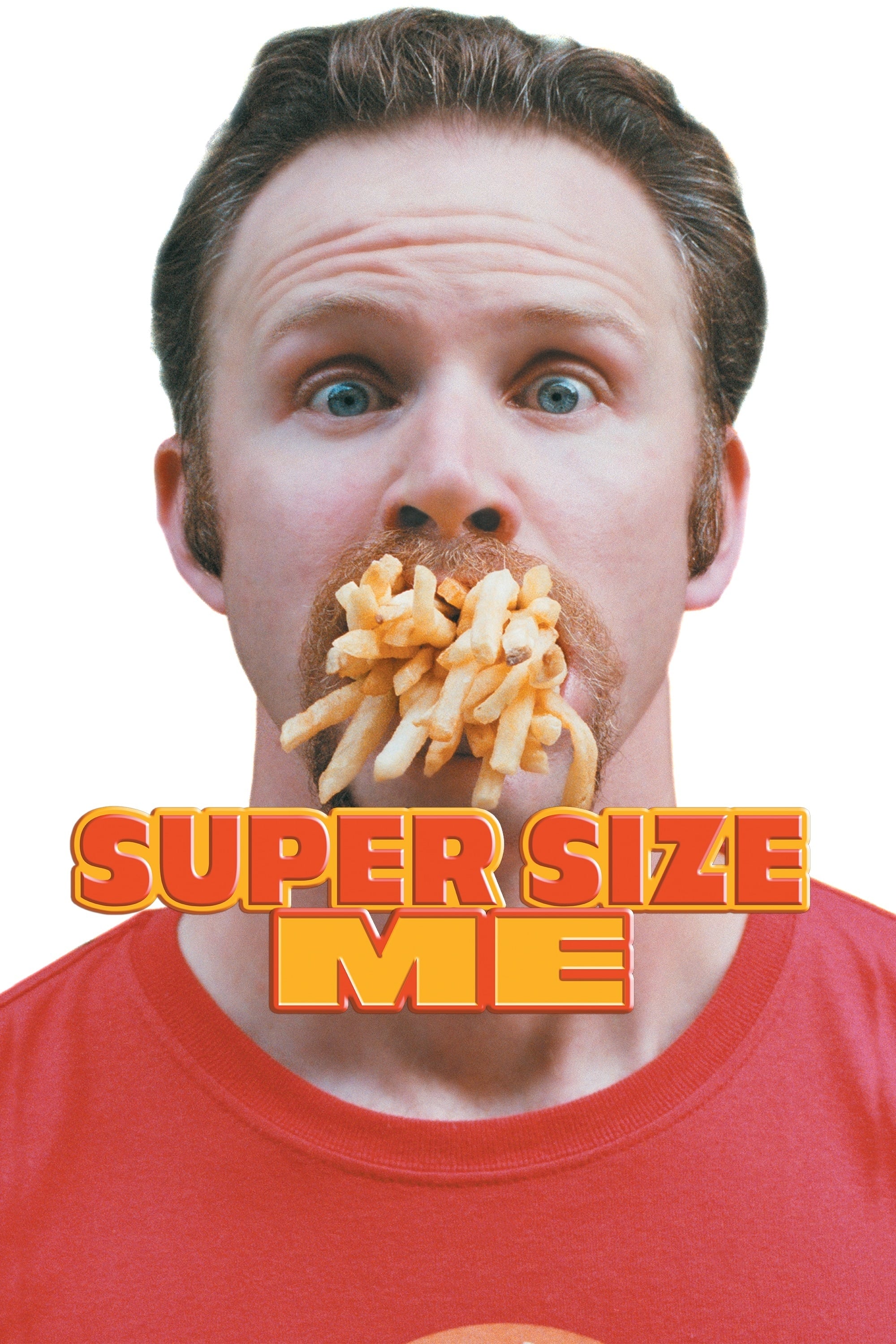
Morgan Spurlock subjects himself to a diet based only on McDonald's fast food three times a day for thirty days without exercising to try to prove why so many Americans are fat or obese. He submits himself to a complete check-up by three doctors, comparing his weight along the way, resulting in a scary conclusion.
Go where no American has ever gone before. CNBC's Carl Quintanilla takes viewers behind the scenes of the world's most successful restaurant chain. In this original production, travel with CNBC cameras across the country -- and journey as far away as China -- for an insider's look at: - What it takes to run a McDonald's restaurant -- and how lucrative it can be. - How chefs in the McDonald's top-secret test kitchen are working to develop the next big menu items. - Why the drive-thru lanes at McDonald's restaurants in China have caused unexpected problems. Get a look at how McDonald's is defending itself against critics who complain that its food is contributing to an epidemic of obesity in America. And peek behind McDonald's curtain to see for yourself how a quick-service hamburger stand grew into one of the most famous brands on the planet, serving 52 million people around the world each day. It's McDonald's ... Super-Sized.
Intermittent fasting, autophagy, "metabolic switch": ten years after their first successful documentary on fasting, Sylvie Gilman and Thierry de Lestrade delve back into promising research on a booming practice.
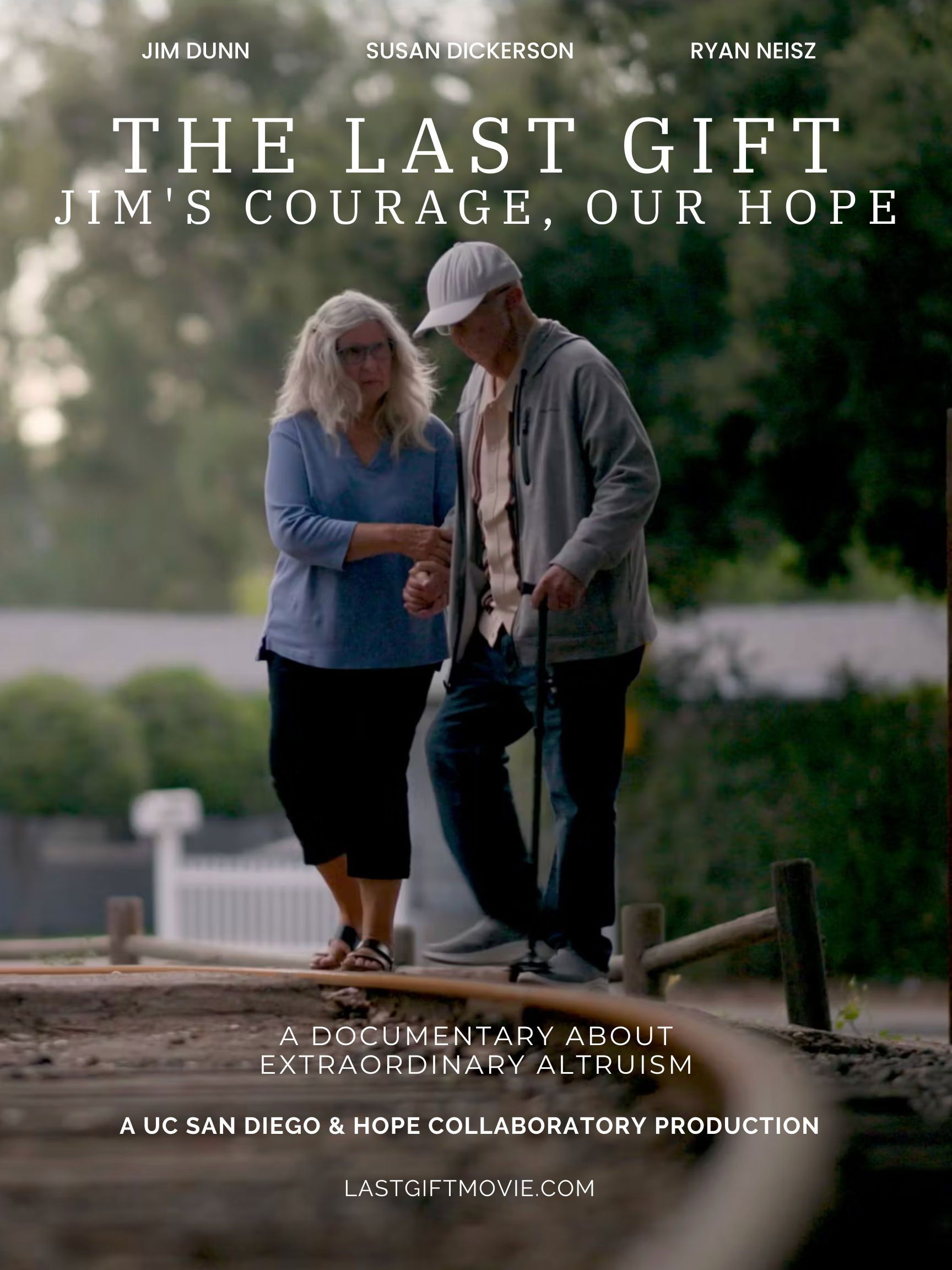
The Last Gift: Jim’s Courage, Our Hope is a moving short documentary exploring the intersection of science, altruism, and human dignity at the end of life. The film follows Jim Dunn, a man living with HIV who chooses to participate in UC San Diego’s Last Gift Study, a pioneering research effort enabling people nearing death to donate their bodies to science immediately after passing, helping researchers uncover where HIV persists despite treatment. Through intimate conversations, reflections on mortality, and moments shared with his wife Susan, clinicians, advocates, and scientists, the film reveals Jim’s profound desire to contribute to a future free of HIV. With honesty and grace, it captures the emotional complexity of end-of-life decisions and the extraordinary courage behind them. Jim’s legacy reminds us that scientific progress is built not only on data, but on human generosity, relationships, and hope.
The female breast has been a motif for as long as there has been art. For centuries, people have been creating works that showcase this intimate and emotionally charged part of the body. Today, female artists are questioning traditional ideals of beauty and countering the male-dominated perspective of the breast with their own.
She was the first to study gorillas in their natural environment: the high mountains of Rwanda, where she settled in 1967. For nearly twenty years, Dian Fossey lived with the gorillas, observed their behavior, and changed the way people viewed them. Her relentless fight against poaching prevented the species from becoming extinct. But in December 1985, the primatologist was murdered, and the mystery surrounding her death remains unsolved. Former colleagues, scientists, and biographers shed light on the impact of her work, but also on the darker sides of her personality and her uncompromising commitment.
A 'very intellectual' dirty talk on online sex work and a remix of 23-different-sources on the lookout for the answer to 'What happens to violence when you are not looking at it?' In this new work, EMIRHAKIN traces the parabola of performativity and gauges the unequal distances of labor in performance art and webcam performances from the focus point of body politics.
STRATA INCOGNITA, is a trans-scalar and trans-temporal journey across the geographies that articulate soil as an agro-industrial infrastructure, but also as an ecosystem and a somatic archive of crimes, memories and myths.
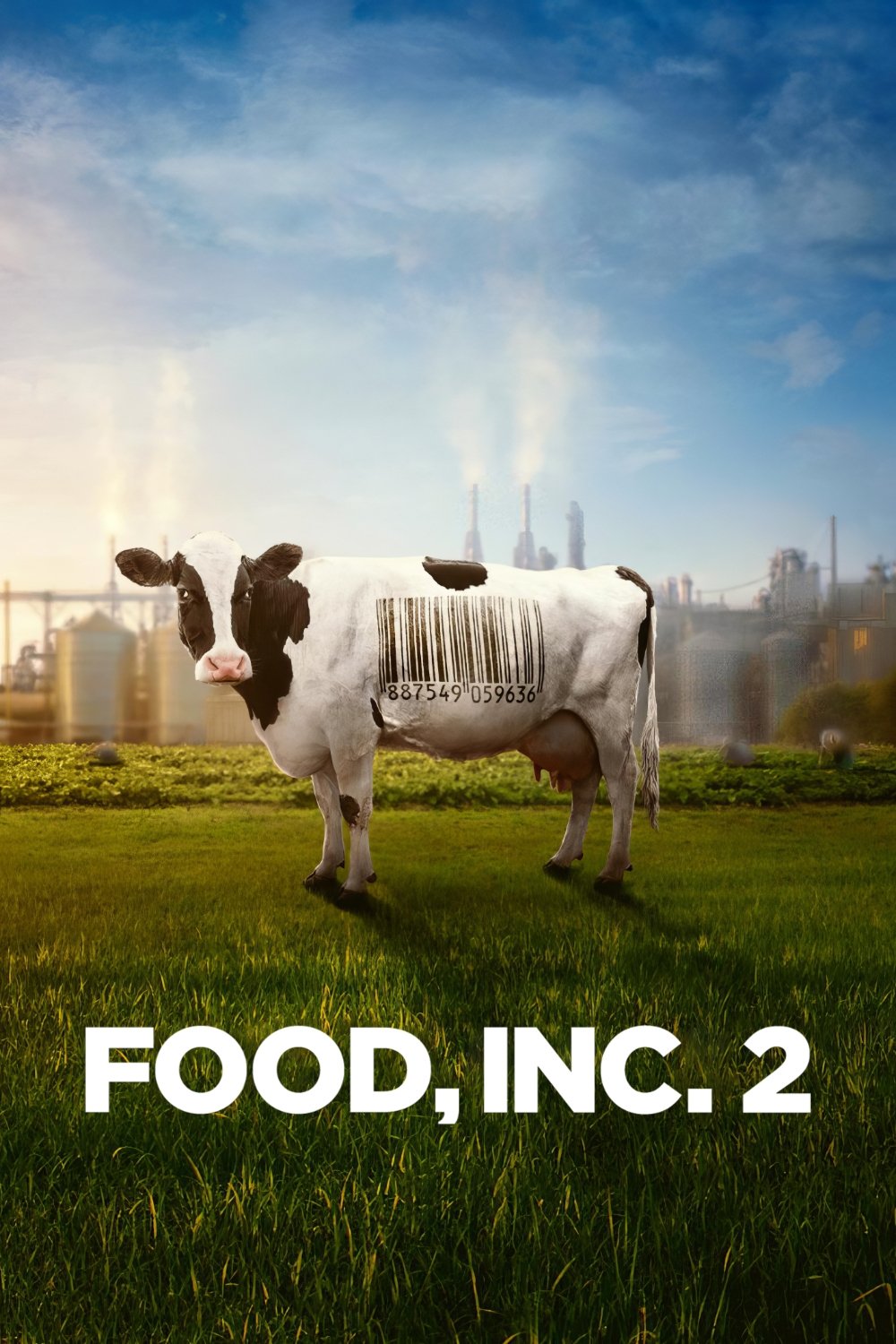
Filmmakers Robert Kenner and Melissa Robledo reunite with investigative authors Michael Pollan and Eric Schlosser to take a fresh look at our efficient yet vulnerable food system.
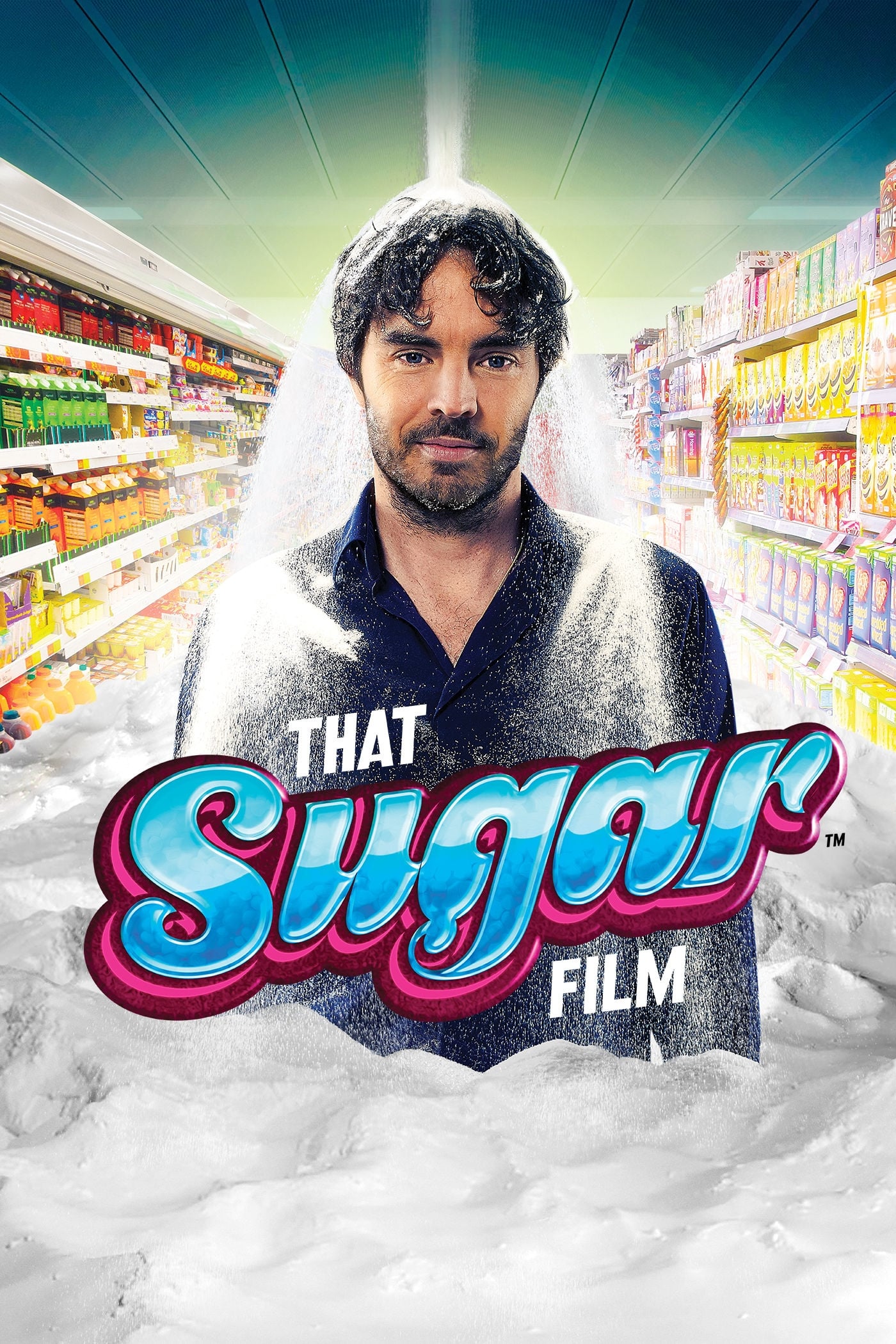
One man's journey to discover the bitter truth about sugar. Damon Gameau embarks on a unique experiment to document the effects of a high sugar diet on a healthy body, consuming only foods that are commonly perceived as 'healthy'. Through this entertaining and informative journey, Damon highlights some of the issues that plague the sugar industry, and where sugar lurks on supermarket shelves.
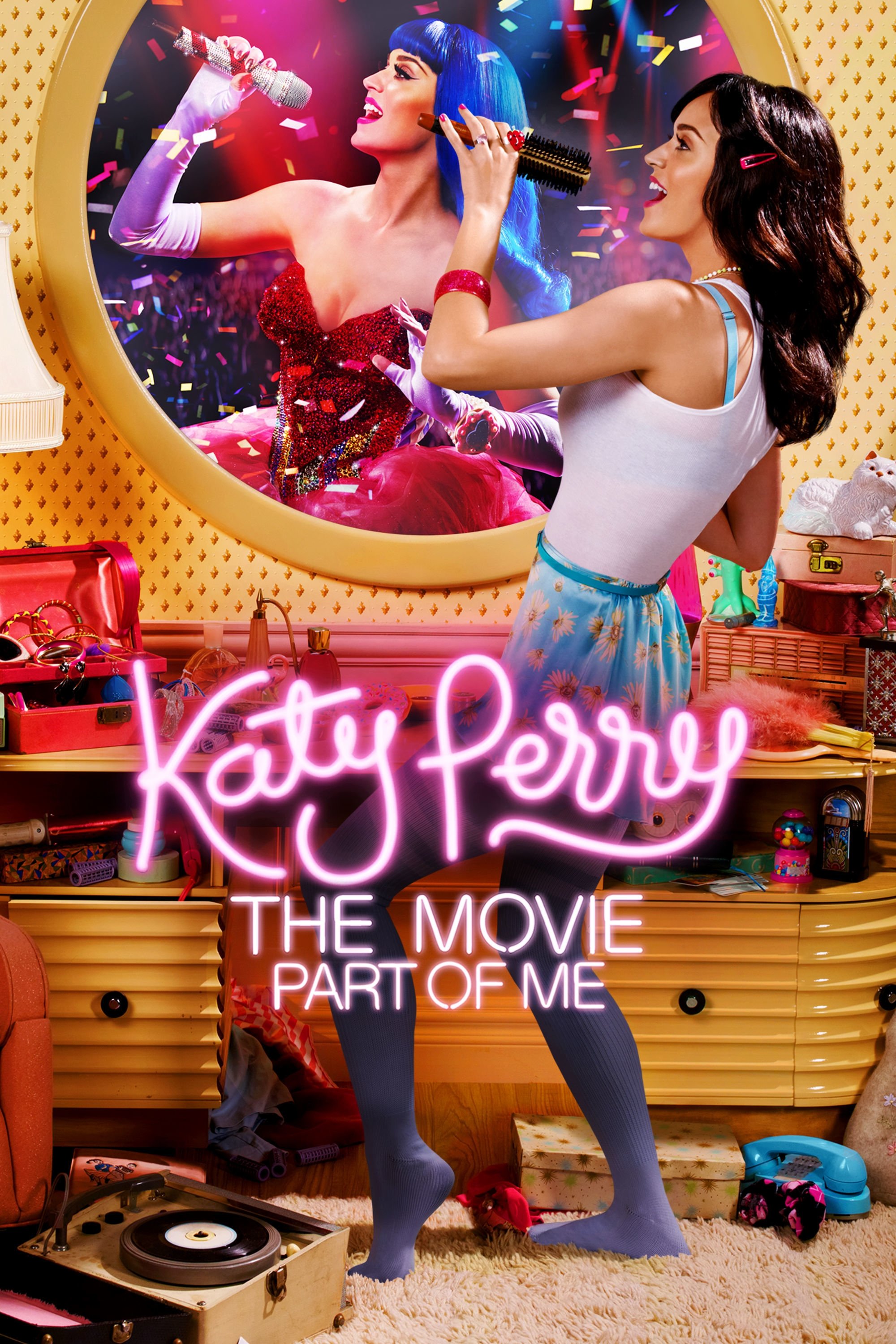
Giving fans unprecedented access to the real life of the music sensation, Katy Perry: Part of Me exposes the hard work, dedication and phenomenal talent of a girl who remained true to herself and her vision in order to achieve her dreams. Featuring rare behind-the-scenes interviews, personal moments between Katy and her friends, and all-access footage of rehearsals, choreography, Katy’s signature style and more, Katy Perry: Part of Me reveals the singer’s unwavering belief that if you can be yourself, then you can be anything.
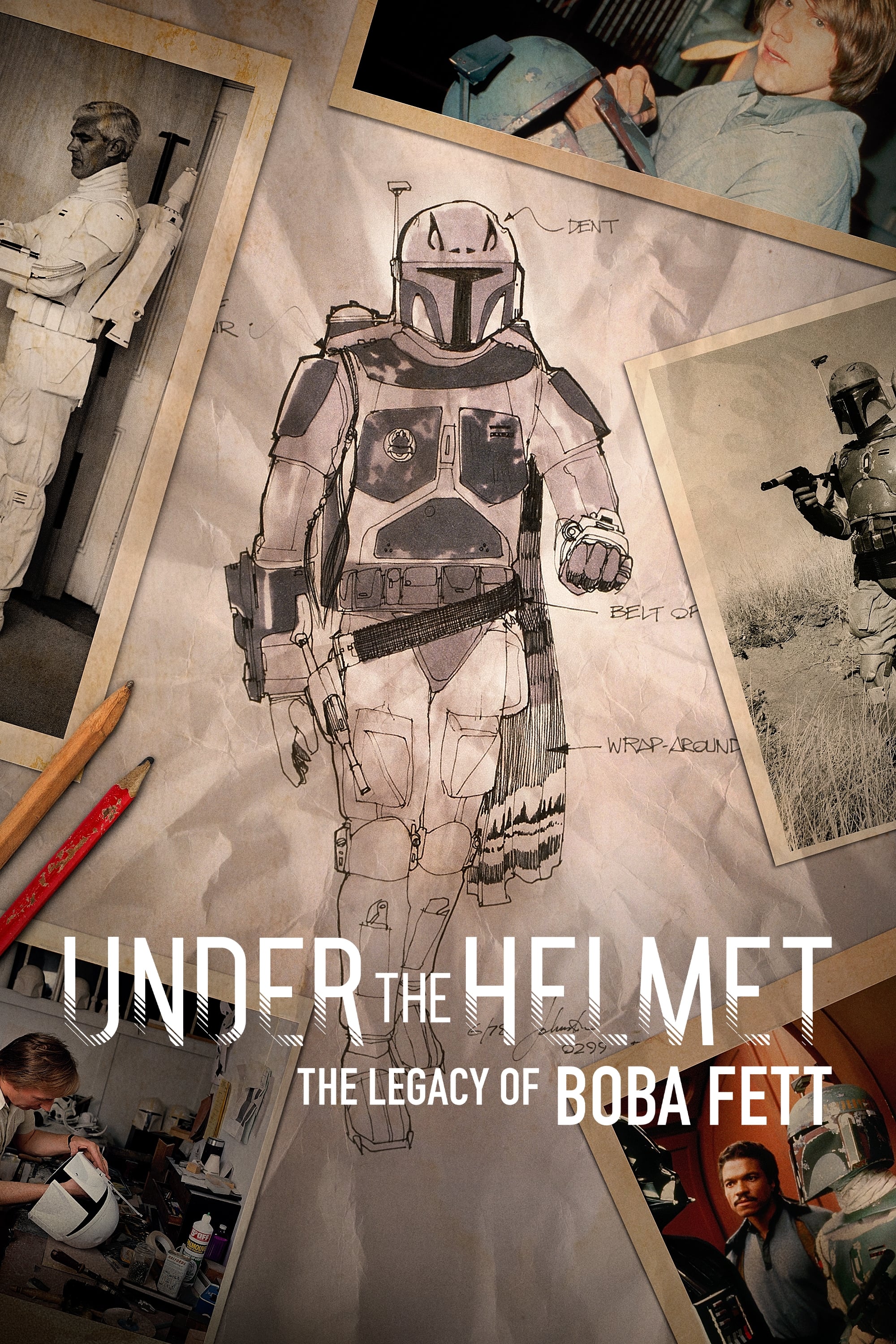
A special celebrating the origins and legacy of Star Wars' legendary bounty hunter, Boba Fett.
Follow the evolution of the 'Halloween' movies over the past twenty-five years. It examines why the films are so popular and revisits many of the original locations used in the films - seeing the effects on the local community. For the first time, cast, crew, critics and fans join together in the ultimate 'Halloween' retrospective.
A deep dive into the making of the Paranormal Activity films with first time ever interviews with cast and crew, never-before-seen footage from the movies, and a preview of the seventh installment in the franchise.
The film follows adventurer Jeff Johnson as he retraces the epic 1968 journey of his heroes Yvon Chouinard and Doug Tompkins to Patagonia.
Have you ever read the Terms and Conditions and Privacy Policies connected to every website you visit, phone call you make, or app you use? Of course you haven’t. But those agreements allow corporations to do things with your personal information you could never even imagine. This film explores the intent hidden within these ridiculous agreements, and reveals what corporations and governments are legally taking from you and the outrageous consequences that result from clicking “I accept.”
A visual montage portrait of our contemporary world dominated by globalized technology and violence.
Daniel Craig candidly reflects on his 15 year adventure as James Bond. Including never-before-seen archival footage from Casino Royale to the upcoming 25th film No Time To Die, Craig shares his personal memories in conversation with 007 producers, Michael G Wilson and Barbara Broccoli.
Explore the evolution of Buzz Lightyear from toy to human in the making of Pixar’s Lightyear. Dive into the origin and cultural impact of everyone’s favorite Space Ranger, the art of designing a new “human Buzz,” and the challenges faced by the Lightyear crew along the way.
An impressionistic portrait of the iconic actor Harry Dean Stanton comprised of intimate moments, film clips from some of his 250 films and his renditions of American folk songs.
Interviews with leading authors, philosophers and scientists, with an in-depth discussion of the Law of Attraction. The audience is shown how they can learn and use 'The Secret' in their everyday lives.
Martin Scorsese, Robert De Niro, Joe Pesci, and Al Pacino in conversation about The Irishman.
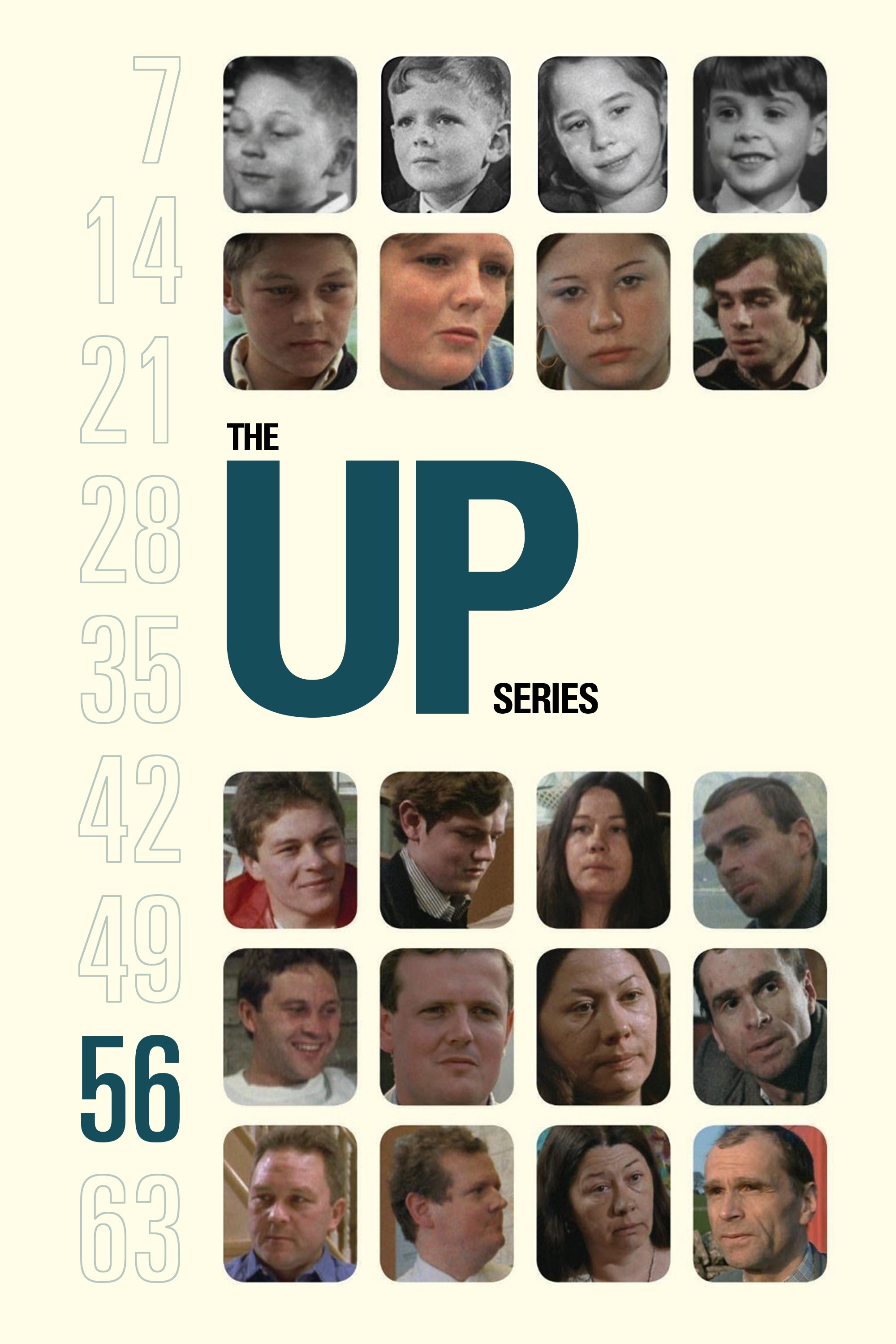
When a cross-section of seven-year-olds were interviewed for 7 Up in 1964 it was immediately evident that their social backgrounds influenced their attitudes towards life. While the upper class children were confident and self-assured, those from middle and working class backgrounds were resigned to a challenging life of hard work. This premise was put to the test every seven years when the same group were interviewed about the progression of their lives. 49 years in the making, the changes that occurred to the original 14 make for fascinating television and are in many ways the stories of all our lives. From success and disappointment, marriage and childbirth, to poverty and illness, nearly every facet of life has been captured on film. Now, at the age of 56, the group are once more brought together and, with the benefit of hindsight, assess whether their lives have been ruled by circumstance or self-determination.
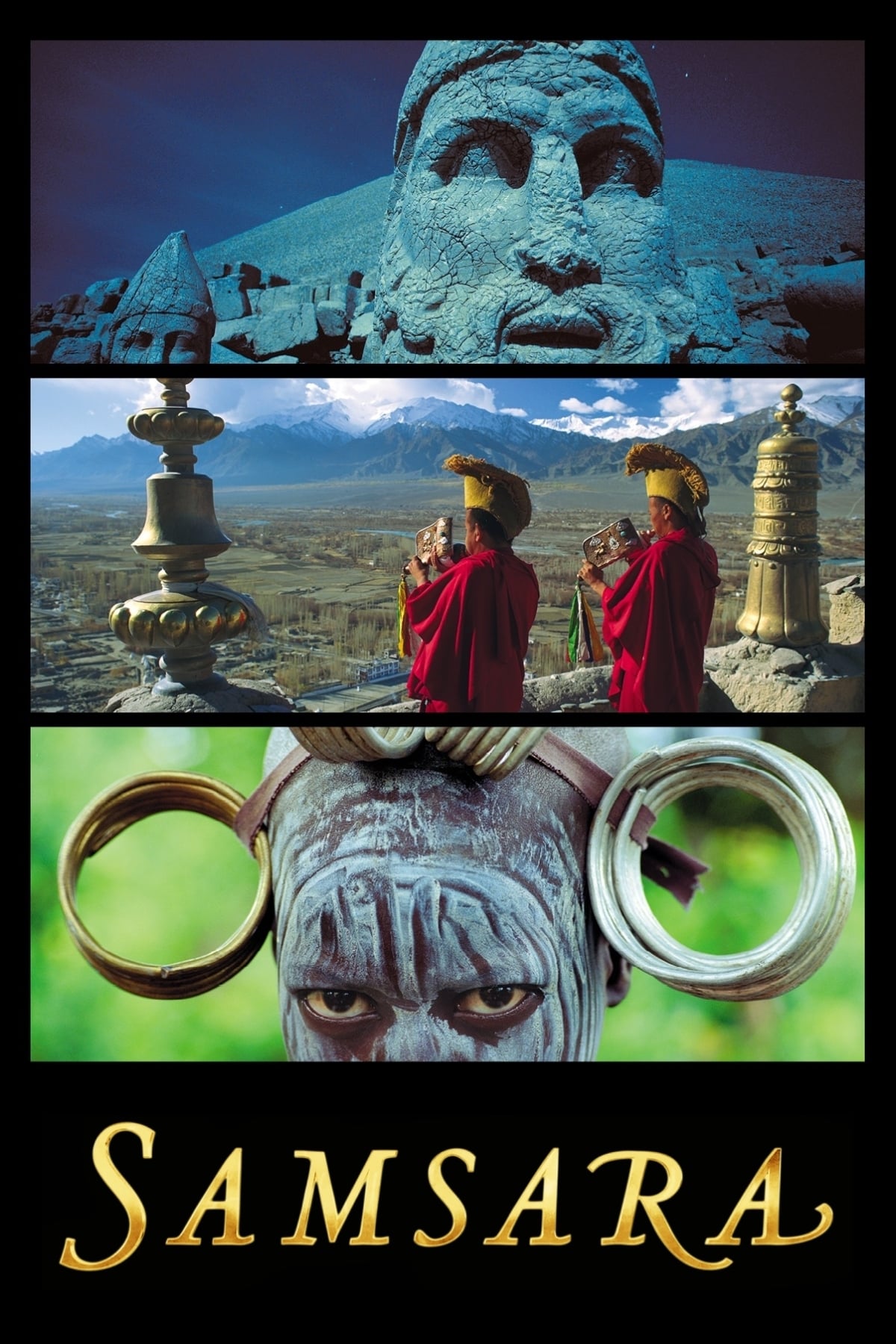
Filmed over nearly five years in twenty-five countries on five continents, and shot on seventy-millimetre film, Samsara transports us to the varied worlds of sacred grounds, disaster zones, industrial complexes, and natural wonders.
Mickey Mouse is one of the most enduring symbols in our history. Those three simple circles take on meaning for virtually everyone on the planet. So ubiquitous in our lives that he can seem invisible, Mickey is something we all share, with unique memories and feelings. Over the course of his nearly century-long history, Mickey functions like a mirror, reflecting our personal and cultural values back at us. "Mickey: The Story of a Mouse" explores Mickey's significance, getting to the core of what Mickey's cultural impact says about each of us and about our world.
Martin Scorsese spends an evening with larger-than-life raconteur Steven Prince—a former drug addict, road manager for Neil Diamond, and actor—as he recounts stories from his colorful life.
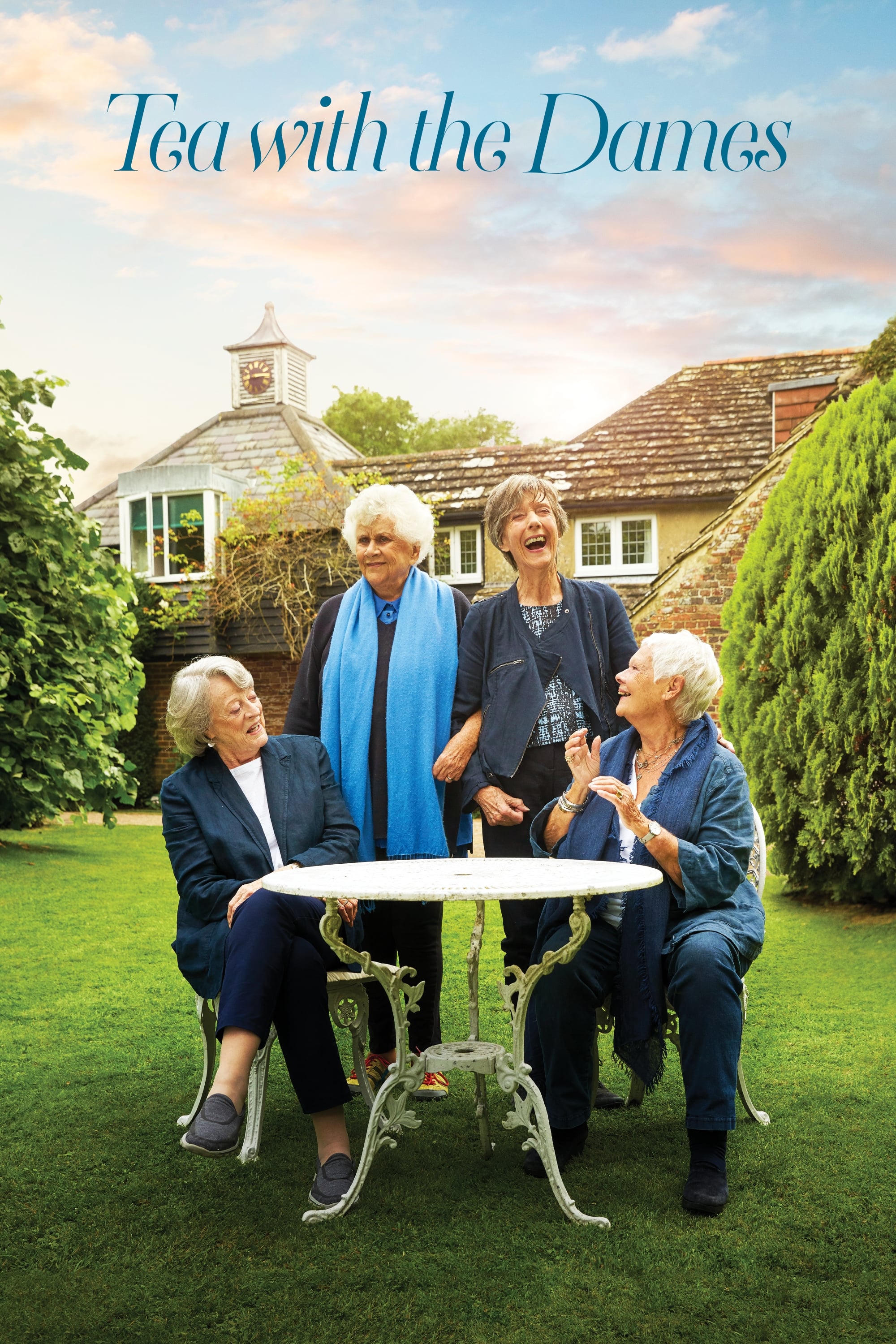
BBC Arena's documentary on the Dames of British Theatre and film featuring Maggie Smith, Eileen Atkins, Judi Dench and Joan Plowright on screen together for the first time as they reminisce over a long summer weekend in a house Joan once shared with Sir Laurence Olivier.
The life and career of an actor, artist, and icon. His own journey through his own camera.