Social & External
The people behind it
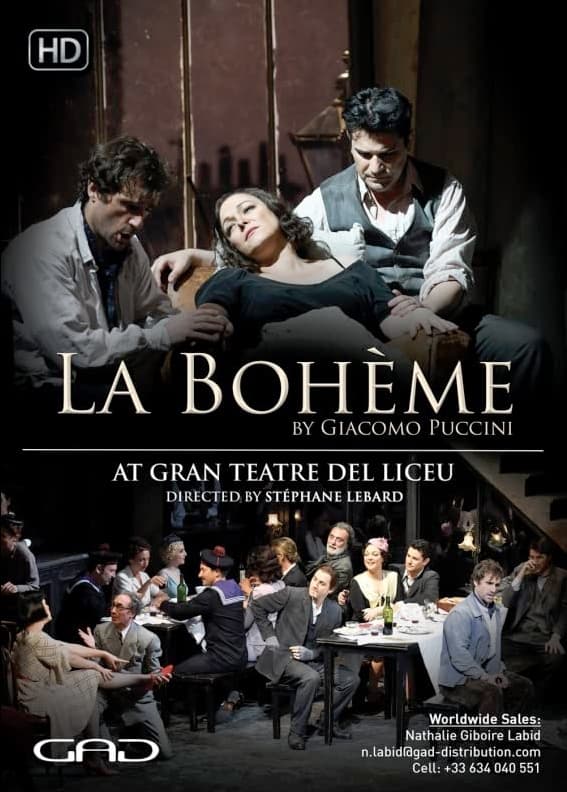
Eleonora Buratto
Mimi
Olga Kulchynska
Musetta
Saimir Pirgu
Rodolfo
Gabriel Bermúdez
Marcello
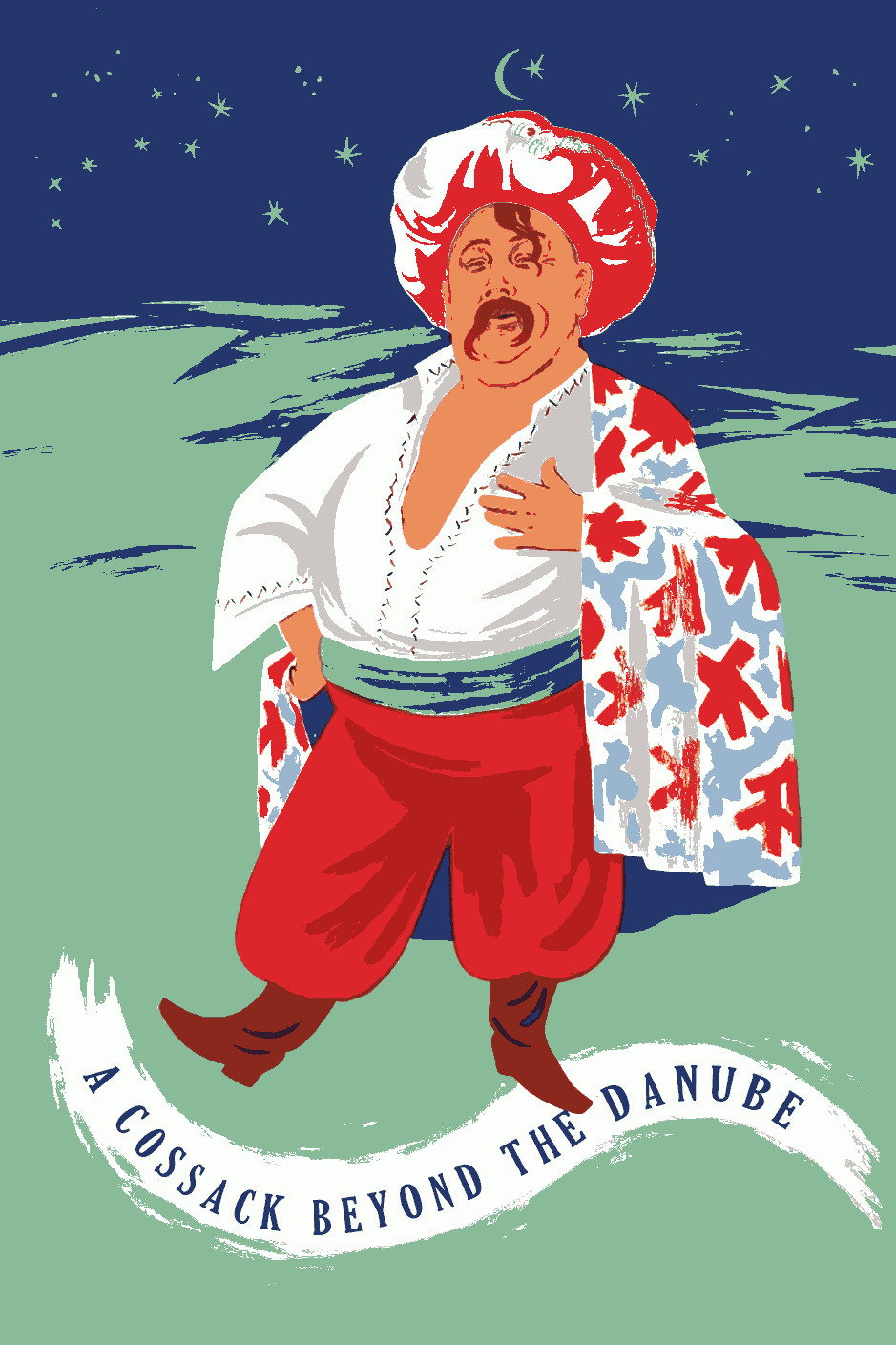
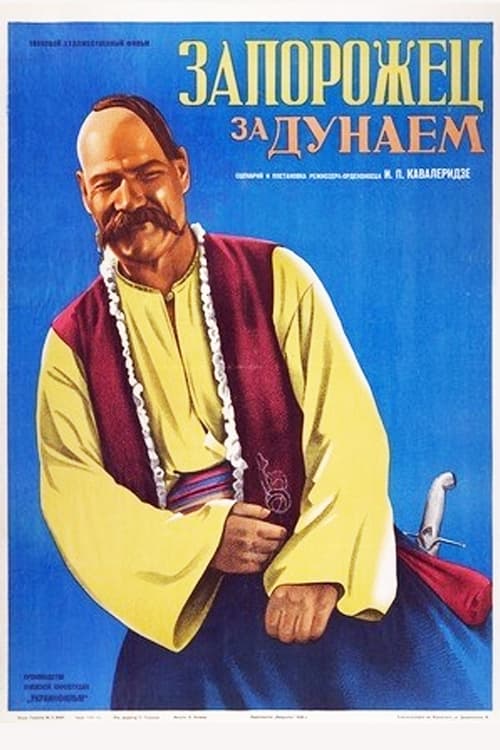
A Ukrainian comic opera with spoken dialogue in three acts with music and libretto by the composer Semen Hulak-Artemovsky (1813–1873). The orchestration has subsequently been rewritten by composers such as Reinhold Glière and Heorhiy Maiboroda. This is one of the best-known Ukrainian comic operas depicting national themes.
Adapted from the opera written by the composer Semen Hulak-Artemovsky.
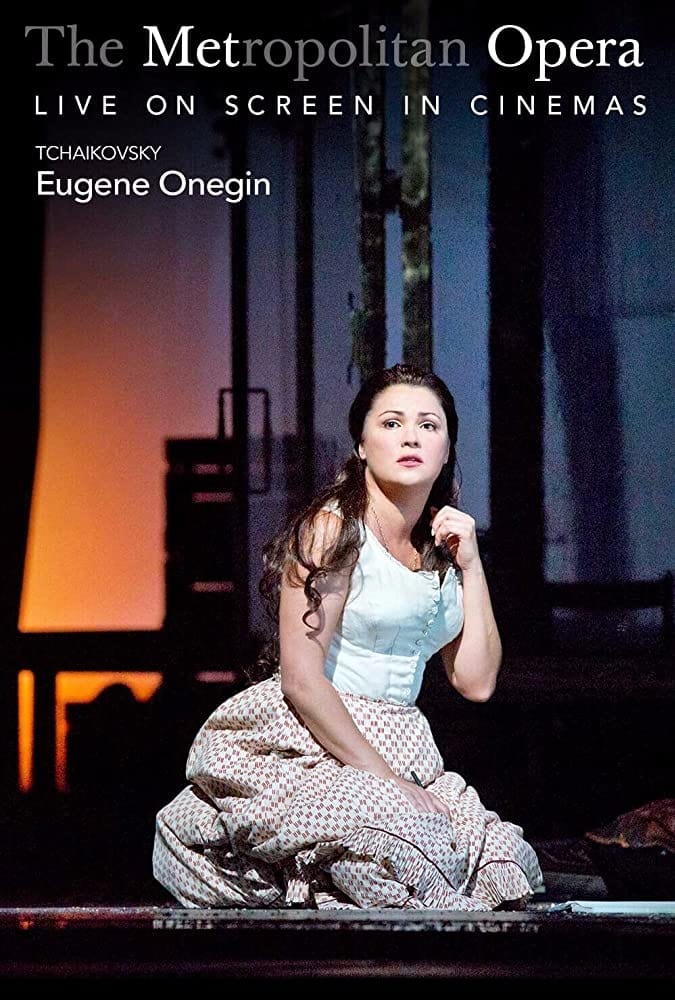
Tchaikovsky’s setting of Pushkin’s timeless verse novel is presented on the Met stage in Deborah Warner’s moving production, starring Anna Netrebko as Tatiana and Mariusz Kwiecien and Peter Mattei sharing the title role. Alexey Dolgov sings the role of Lenski, and Robin Ticciati conducts.
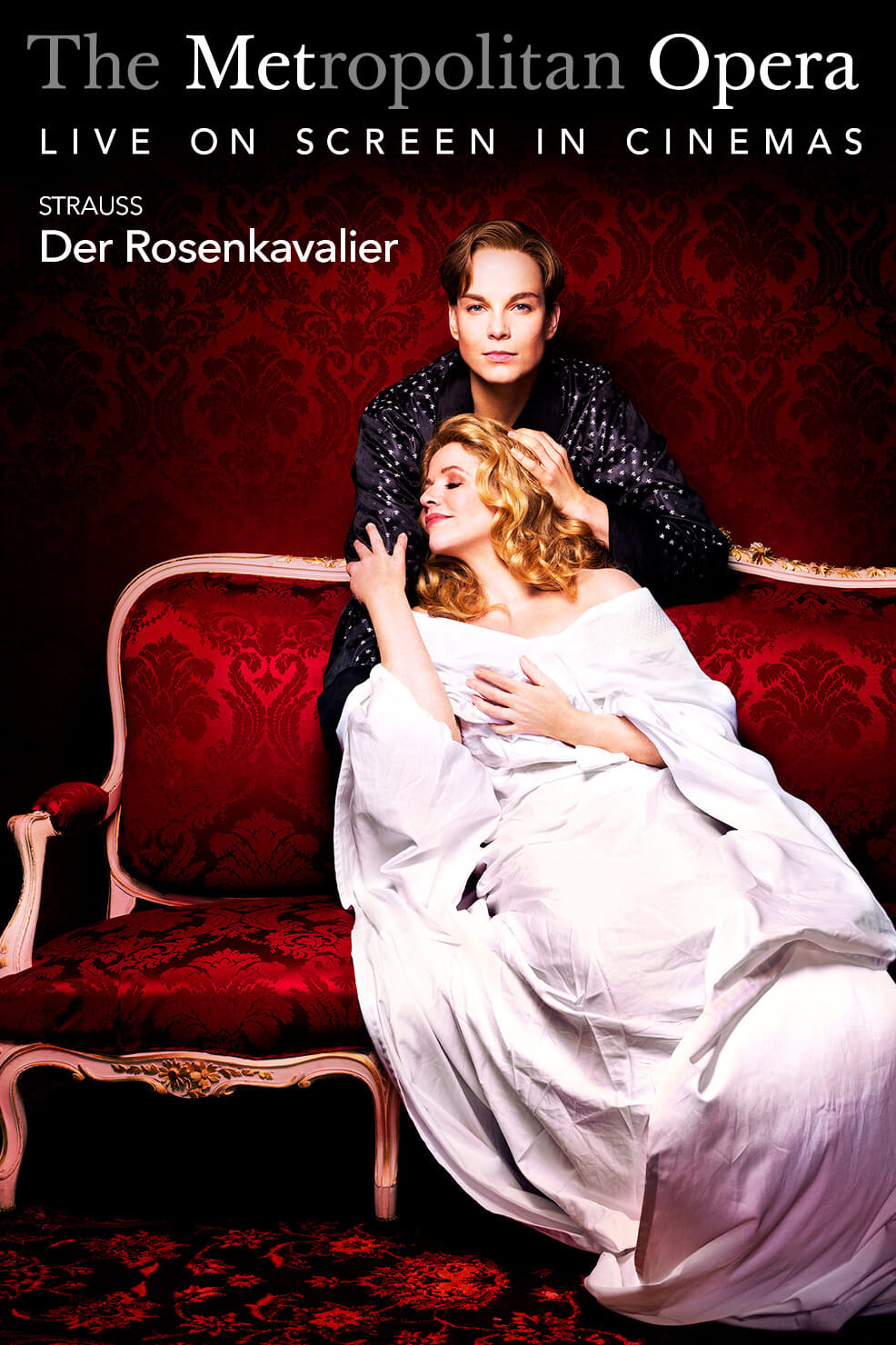
In his new production, Robert Carsen places the action at the end of the Habsburg Empire, underscoring the opera’s subtext of class and conflict against a rich backdrop of gilt and red damask
Mozart’s early masterpiece returned to the Met for the first time in more than a decade with Music Director Emeritus James Levine, who led the work’s company premiere in 1982, again on the podium. Tenor Matthew Polenzani brings both steely resolve and compassionate warmth to the title king of Crete, who is faced with an impossible decision. With her rich mezzo-soprano, Alice Coote sings the trouser role of Idomeneo’s son Idamante, who loves the Trojan princess Ilia, sung with delicate lyricism by Nadine Sierra. Elza van den Heever gives a thrillingly unhinged portrayal of the jealous Elettra. Jean Pierre-Ponnelle’s timeless production blends the grandeur of ancient myth with the elegance of Enlightenment ideals.
Shortly before his death, Romitelli together with his friend Paolo Pachini and the poetess Kenka Lèkovich, resurrected the dream of a total scenic art (a furnace of sensations, they called it, an_ initiation rite_) in the manner of the Futurists: rhythms and gleams of light striking metals (for the video part), poems in iron and chrome singing of fusion with matter (Kenka Lekovich), acoustic/electric music highly amplified, filtered, spatialised, in as artificial a manner as possible. An Index of Metals bears vigorous witness to this determination to go beyond: sizzling orchestration, electric and psychedelic; a voice which plays on effects, murmurs with reverb, cackles into a megaphone, screams like a pop star; and an electric guitar score of a kind that no ‘serious’ composer has ever written, sliding across an infinite range of tones with a lightness of touch and blurring of contours.
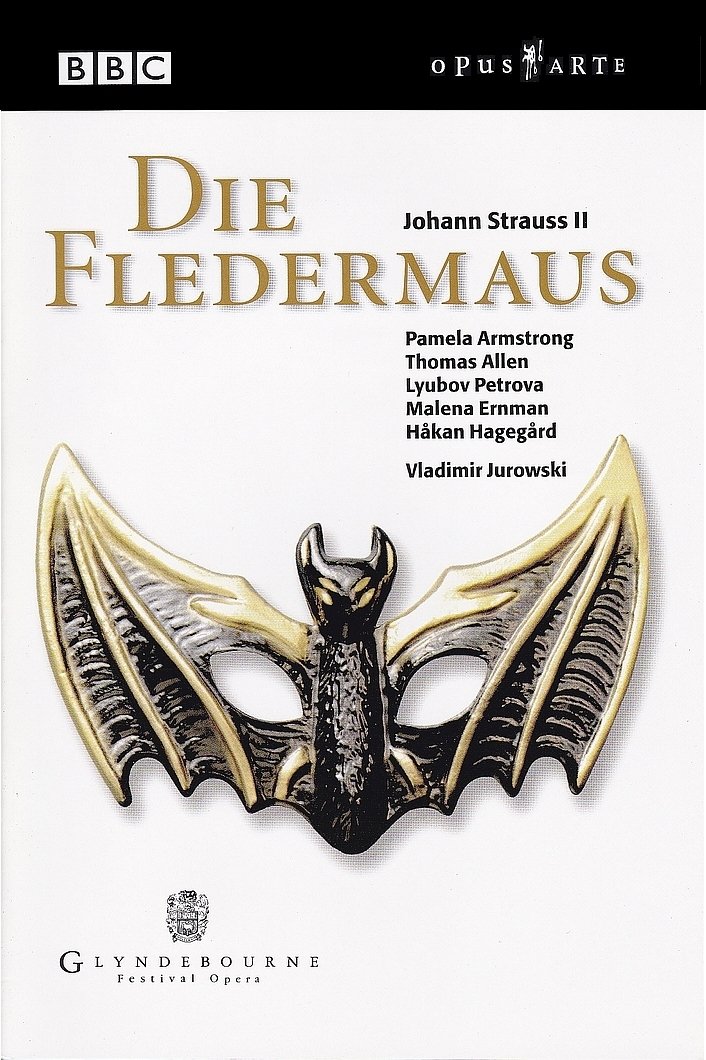
Glyndebourne's pulsating new production of the Waltz King's much-loved comic operetta. Its story centers on a magnificent masked ball, given by a Russian prince, that brings together all the main characters in various disguises. The three-act journey from boudoir to ballroom to jail provides ample opportunities for farce and humor, but also for genuine human emotion and a surprisingly realistic view of urban life.
The man looks back on a turbulent love life, which he does not dare to opt definitively for a permanent love. He loves Tosca, but leaves her for another new love, Alpha. He cherishes the infatuation at the start of a relationship, meaning he is not yet ready for real life. However, at the end, he is able to make his choice ...
Ernst Krenek's theatrical piece Karl V. consisting completely of twelve-tone series should have premiered at the Vienna State Opera. The political situation in the Vienna of 1933 and the fact that Krenek was despised by the Nazis because of this Jazz opera Jonny spielt auf, prevented the première. It only took place five years later in Prague, however Krenek had already emigrated to the USA. Karl V was the last emperor to hold to the idea of a Christian empire in which the sun never set, although its downfall was always inevitable, for numerous reasons. For the second production of Karl V. in the Nationaltheater, Carlus Padrissa in particular seeks out political power systems that are highly topical, and so very precisely analyses the treatment in the theatrical piece. At the core of the intellectually and linguistically highly qualified libretto, written by the composer himself, Karl V. reflects on his life and makes his confession to a young monk below Titian's La Gloria.
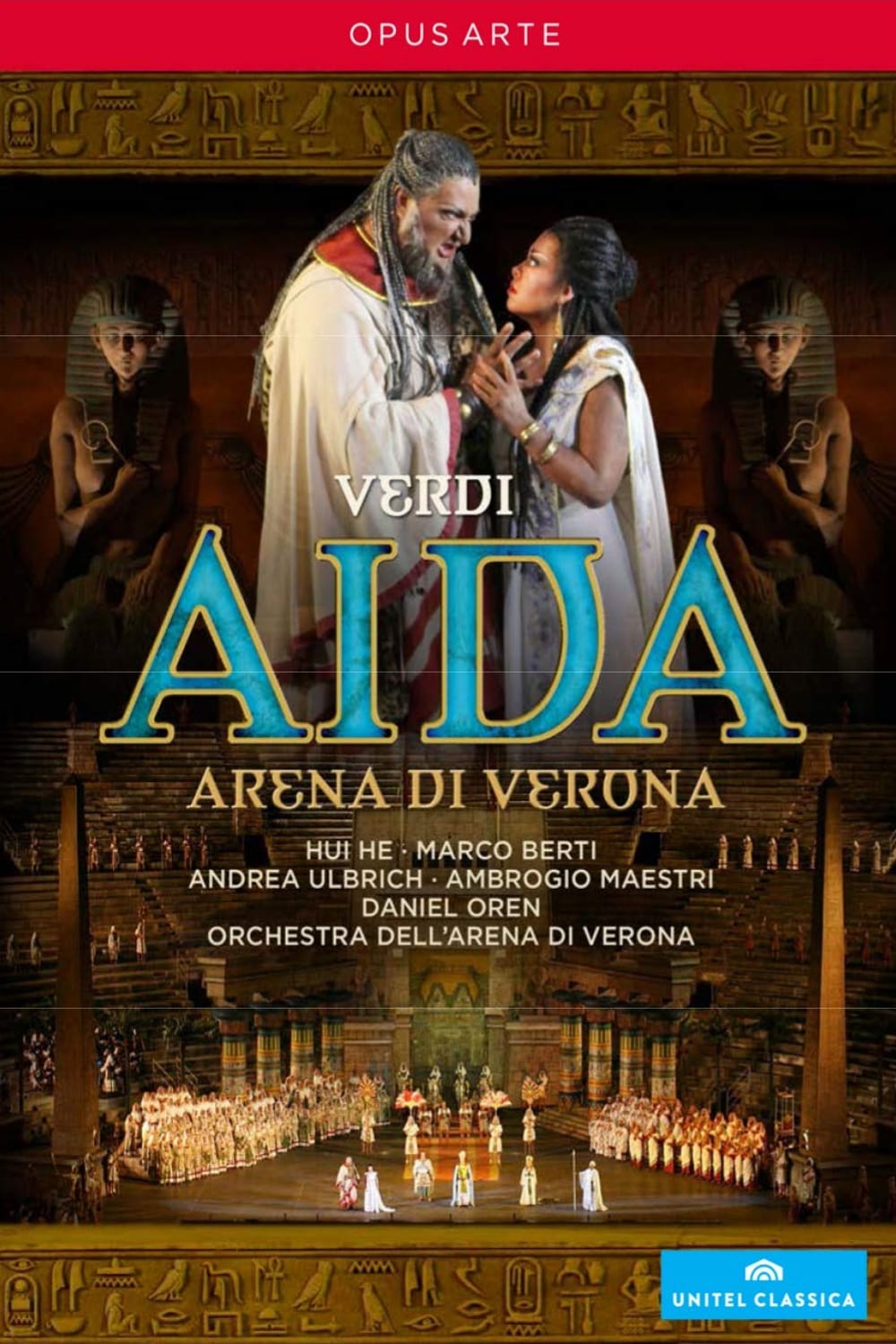
The grand scale and magnificent acoustics of the Roman arena in Verona are ideally suited to the pageantry of Verdi's Egyptian opera, presented here in a staging that is true to the original 1913 production, framed by obelisks and sphinxes and filled with chorus and dancers. Chinese soprano Hui He has won international acclaim for her portrayal of the eponymous slave girl whose forbidden love for the war hero Radamés (Marco Berti, the experienced Verdi tenor) brings death to them both.
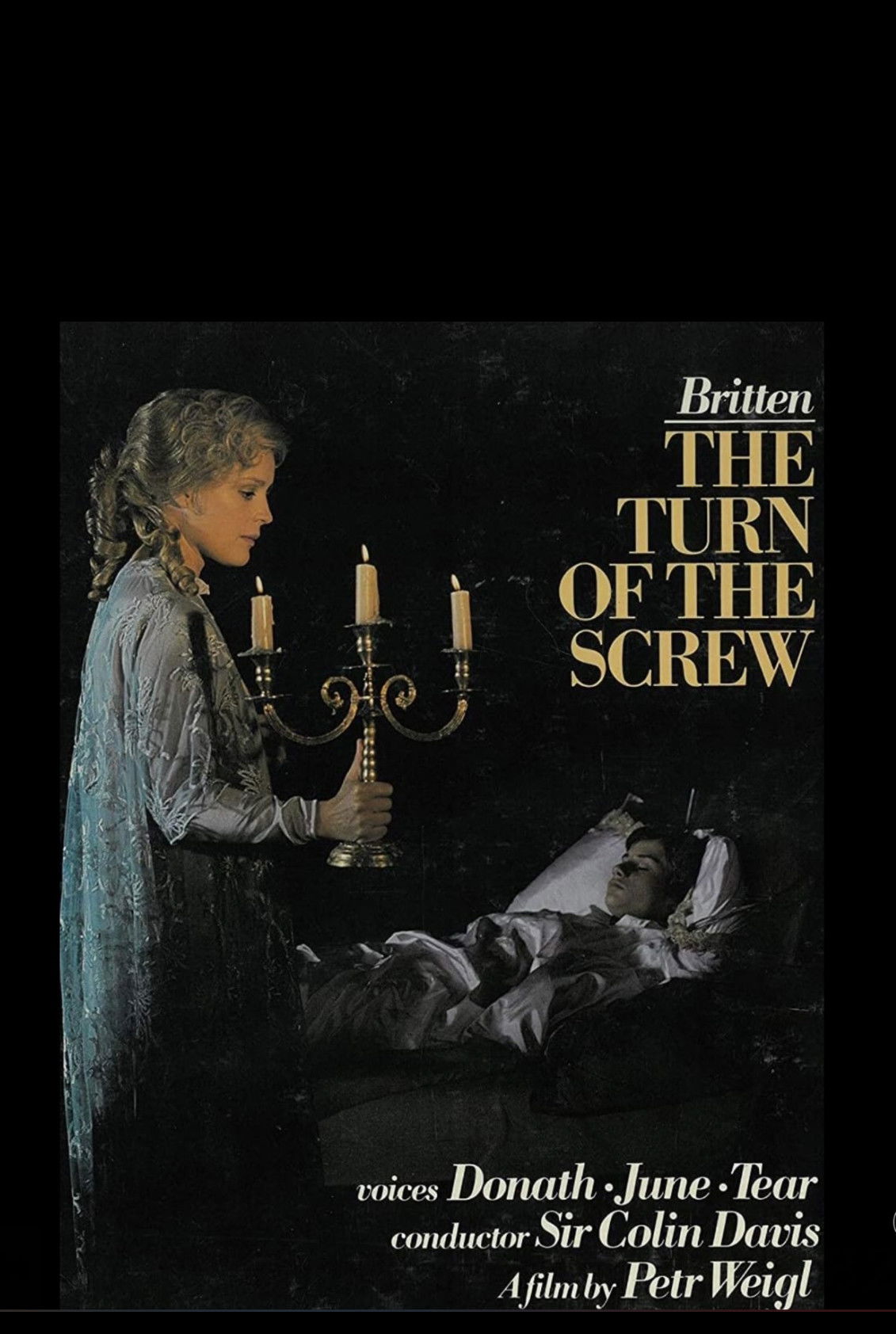
Benjamin Britten’s opera of the Henry James novel. An inexperienced governess is sent to a country house to care for two children, whom she is gradually convinced have been corrupted by the ghosts of a previous manservant and governess…
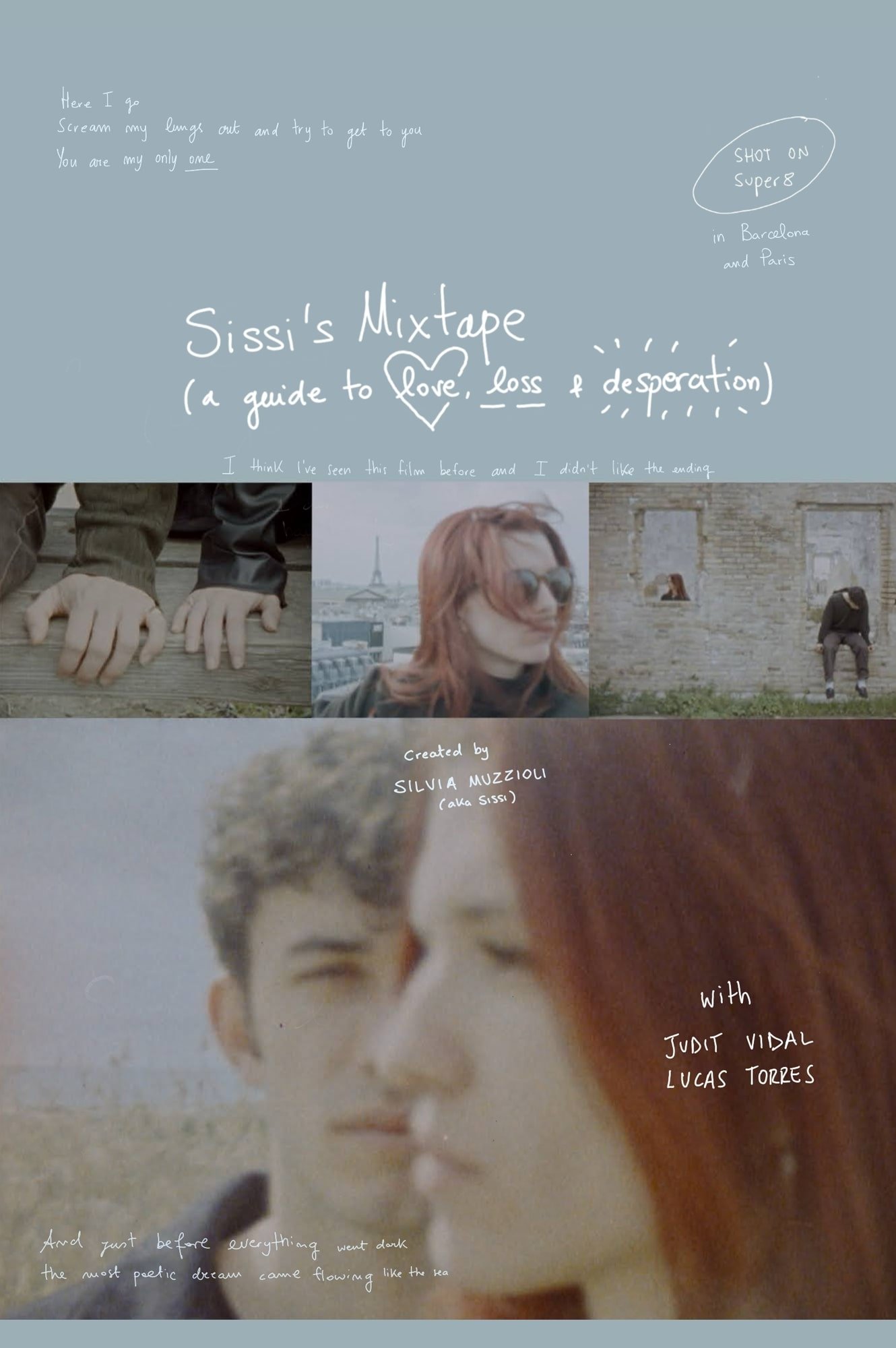
fragments from song lyrics of different artists have given life to this story about love, loss and desperation.
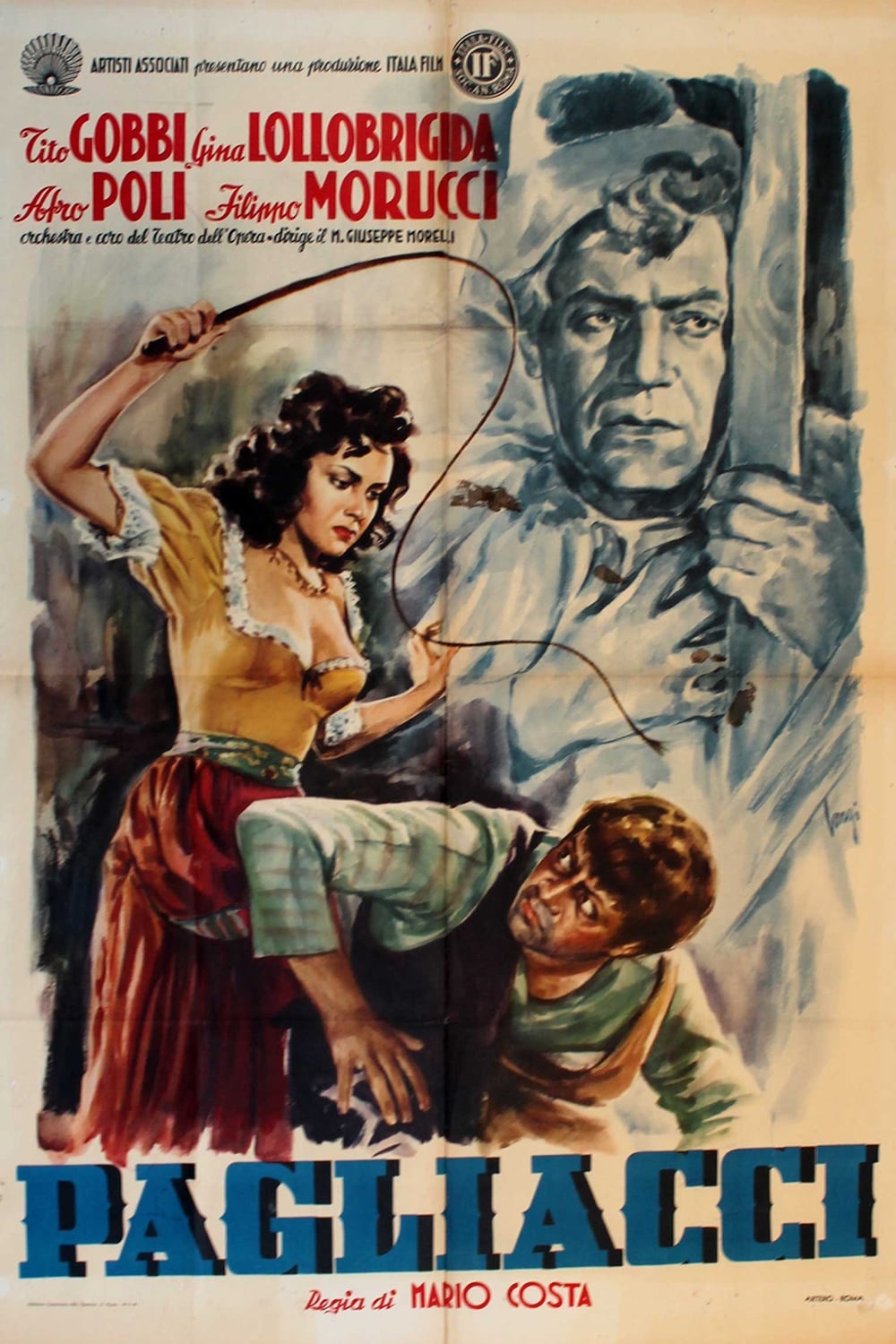
Based on Ruggero Leoncavallo's opera Pagliacci. The film recounts the tragedy of Canio, the lead clown (or pagliaccio in Italian) in a commedia dell'arte troupe, his wife Nedda, and her lover, Silvio. When Nedda spurns the advances of Tonio, another player in the troupe, he tells Canio about Nedda's betrayal. In a jealous rage Canio murders both Nedda and Silvio. The only actor in the cast who also sang his role was the celebrated Italian baritone, Tito Gobbi, but the film is largely very faithful to its source material, presenting the opera nearly complete.
All the throbbing eroticism—and ultimate heartbreak—of Puccini’s youthful score is unleashed by James Levine and his top-flight cast. Plácido Domingo is Des Grieux, the handsome, headstrong young aristocrat who falls head over heels for the enticing, impetuous Manon Lescaut (Renata Scotto). Manon returns his love, but her obsession with luxury ruins them both. Gian Carlo Menotti’s opulent production, with sets and costumes by Desmond Heeley, superbly captures the colorful world of 18th century France.
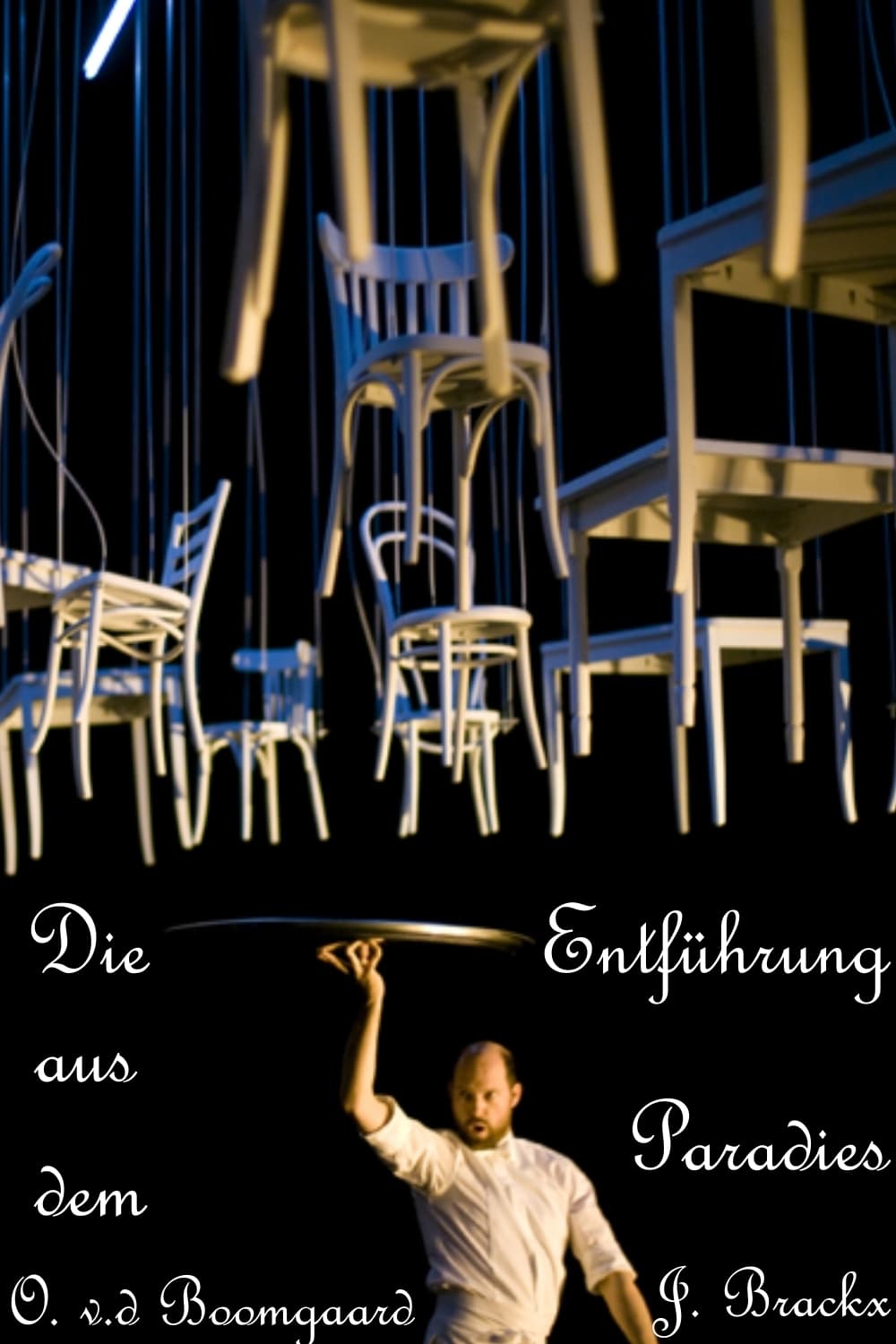
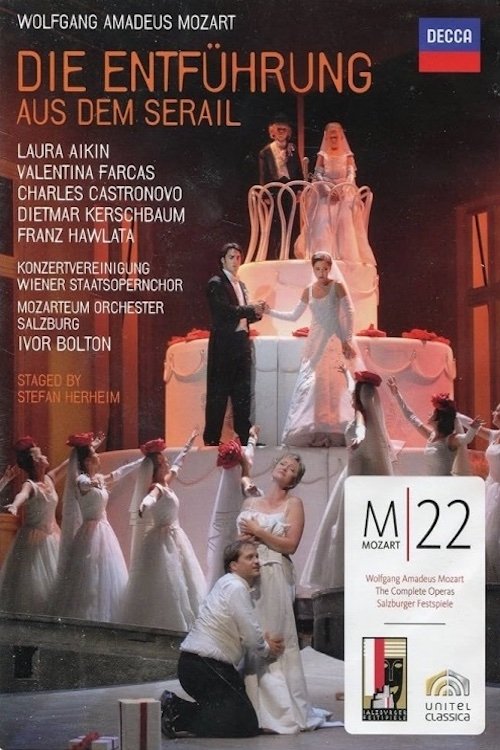
Without question, this is an incredibly bizarre production. The revised storyline makes little sense, and there is a surprising amount of violence and sexual innuendo. However, the singers are superb, both vocally and in regard to their stage presence and acting, the orchestra plays beautifully, the chorus is wonderful, and the set is as clever as it is strange. It's definitely not for purists, or for someone new to this particular opera. But for someone who's seen Die Entfuhrung before, and is familiar enough with the original story to not miss it, watching Belmonte, Constanze, Blonde, Pedrillo, and Osmin embark on an entirely new adventure -- and push the boundaries of good taste -- is rather enjoyable.
Ageing misfit Sir Morosus lives alone in an old-style apartment in Charlottenburg in Berlin. He is wealthy, but also lonely and a bit grumpy. Then his nephew Henry moves in with him and his life takes a turn for the better. Director Jan Philipp Gloger homes in on two of the most pressing problems of the day: loneliness and the housing shortage. The Staatskapelle Berlin is conducted by Christian Thielemann.
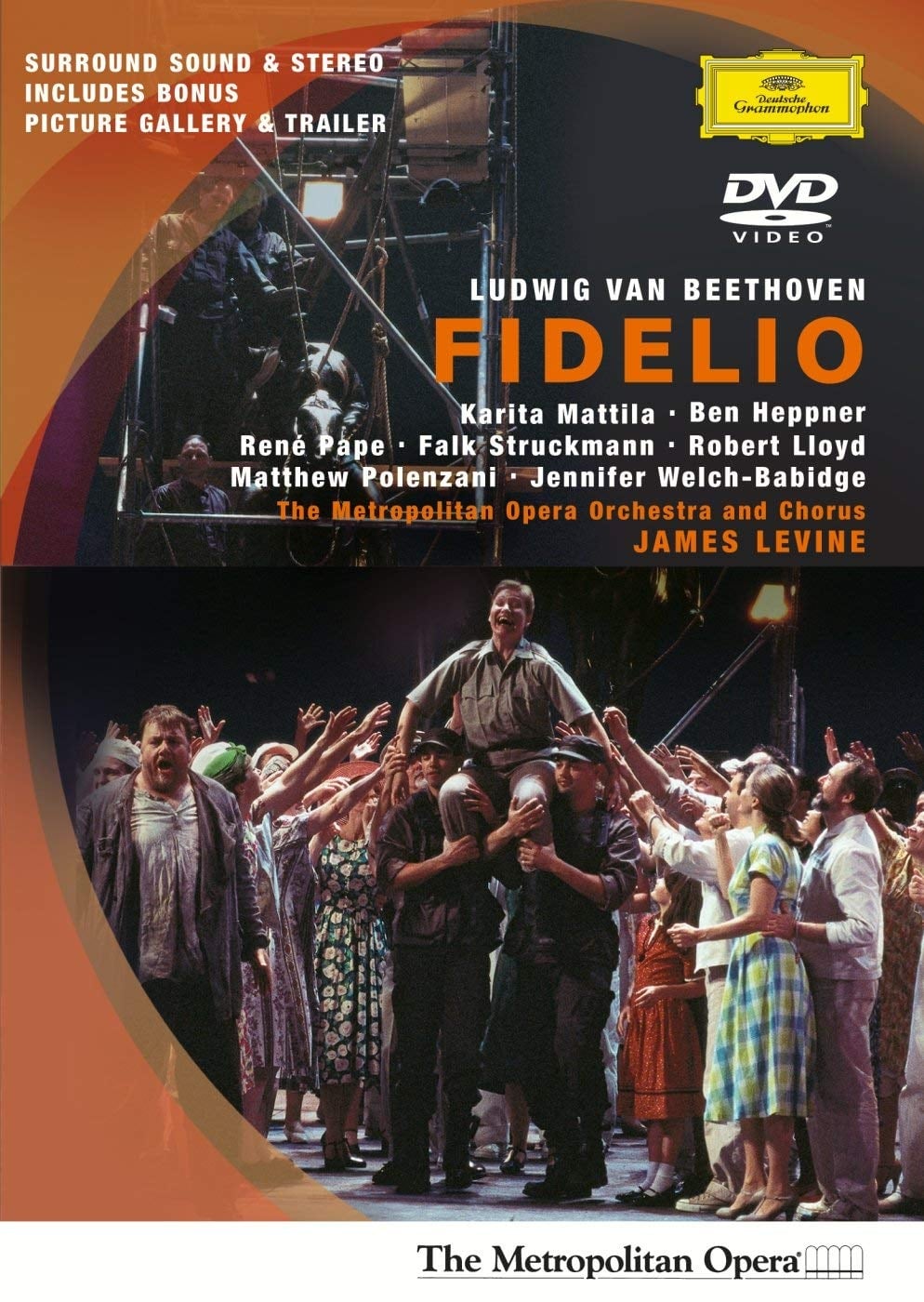
Two years prior to the opening scene, the nobleman Florestan has exposed or attempted to expose certain crimes of the nobleman Pizarro. In revenge, Pizarro has secretly imprisoned Florestan in the prison over which Pizarro is governor. The jailer of the prison, Rocco, has a daughter, Marzelline, and a servant (or assistant), Jaquino. Florestan’s wife, Leonore, came to Rocco’s door dressed as a boy seeking employment, and Rocco hired her. On orders, Rocco has been giving Florestan diminishing rations until he is nearly starved to death. Place: A Spanish state prison, a few miles from Seville; Time: Late 18th century.
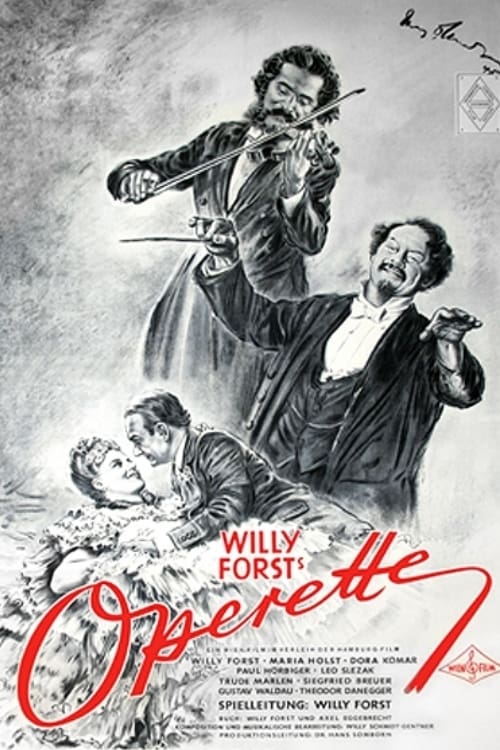
A musician is offered a job in Vienna as stage director, but his disagreements with the aristocratic opera manager end in abrupt firing in spite of a mutual attraction. He's quickly engaged by another theatre and becomes famous for his lavish stage productions and fine acting, which begins their golden age with Suppé and Strauss.
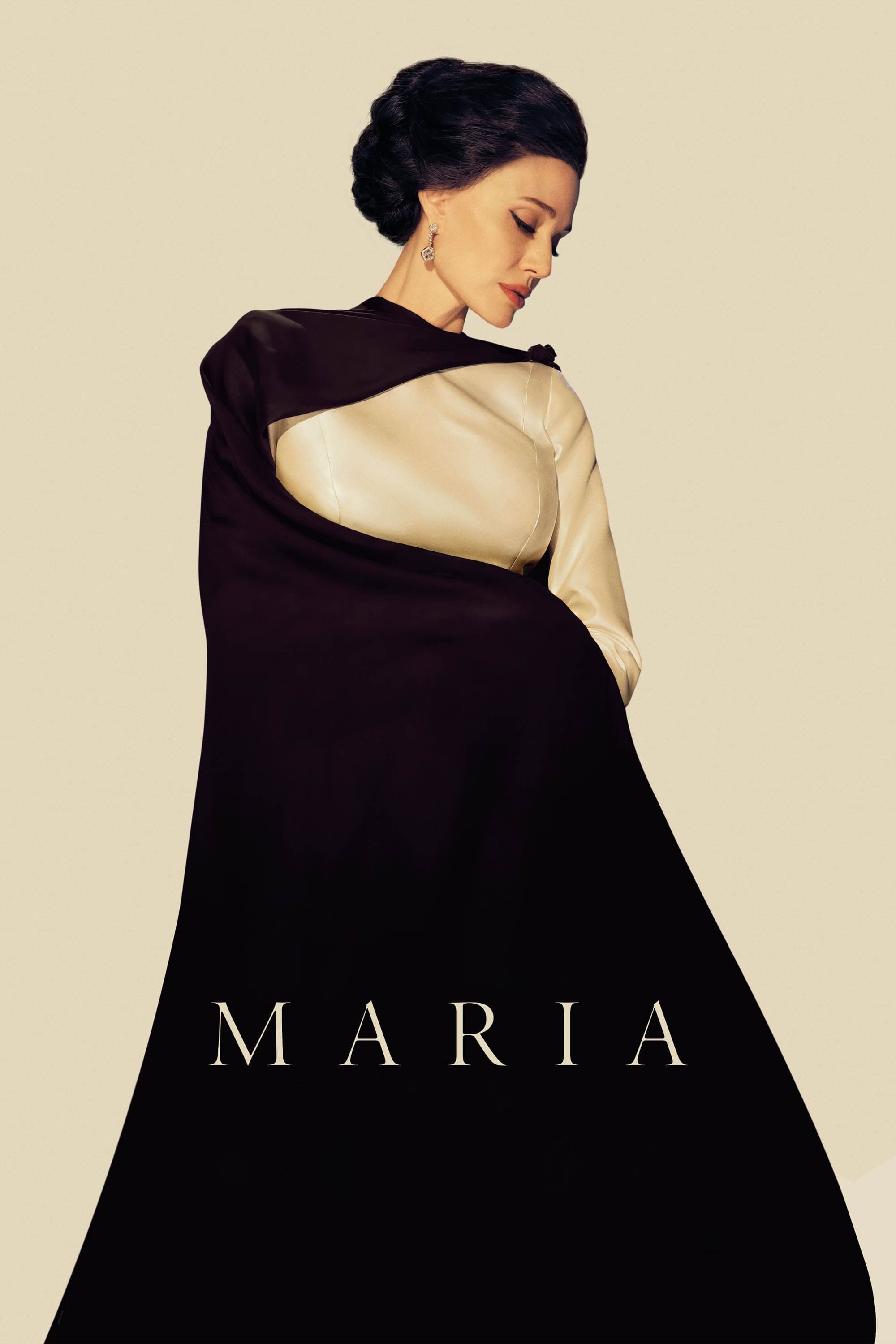
Maria Callas, the world's greatest opera singer, lives the last days of her life in 1970s Paris, as she confronts her identity and life.
A shy teenager living on the Isle of Wight dreams of pop stardom. With the help of an unlikely mentor, she enters a singing competition that will test her integrity, talent, and ambition.
A melancholy poet reflects on three women he loved and lost in the past: a mechanical performing doll, a Venetian courtesan, and the consumptive daughter of a celebrated composer.
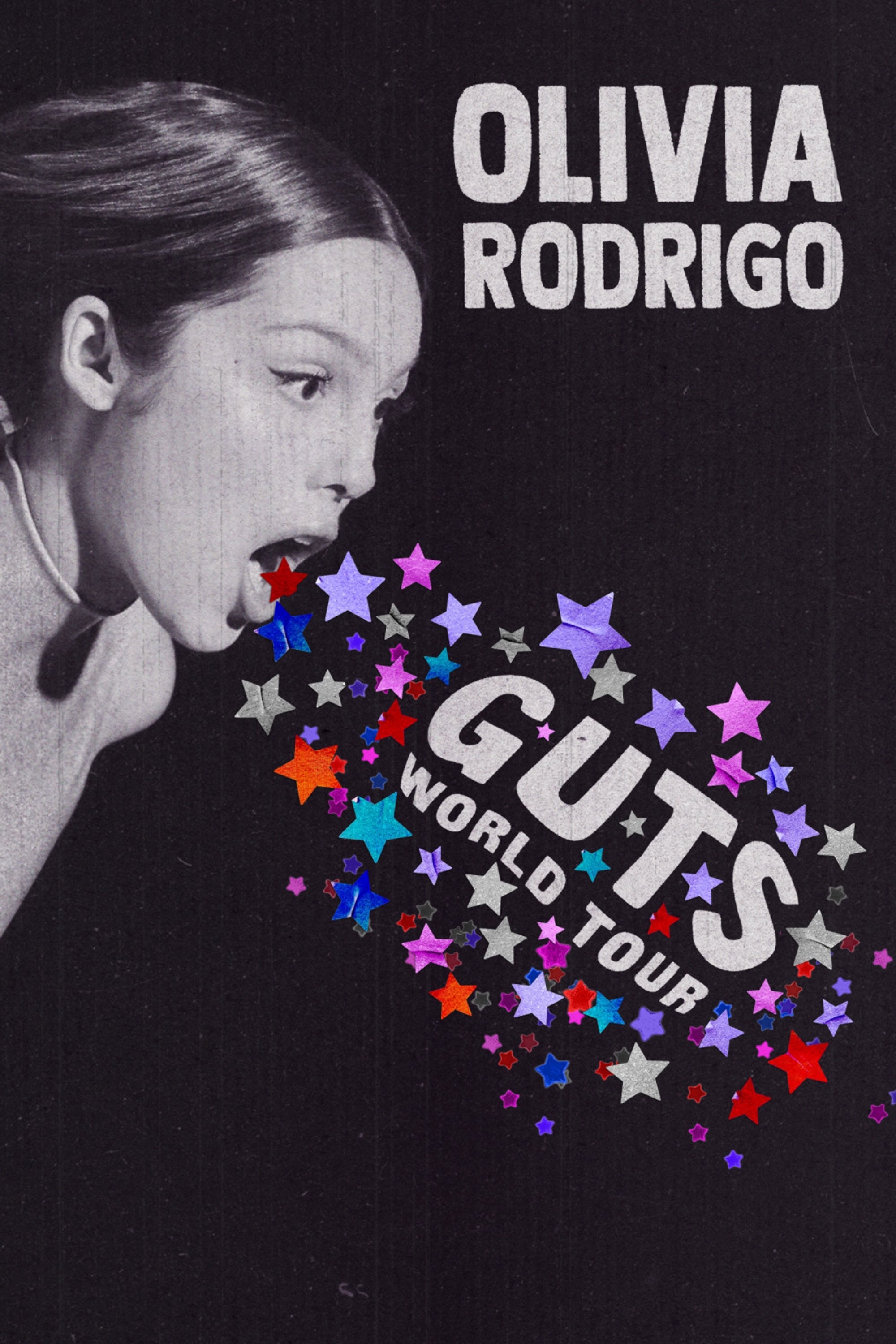
At a sold-out concert in her hometown of LA, Olivia Rodrigo pours her heart into an electrifying night of chart-topping hits and pop-rock power ballads.
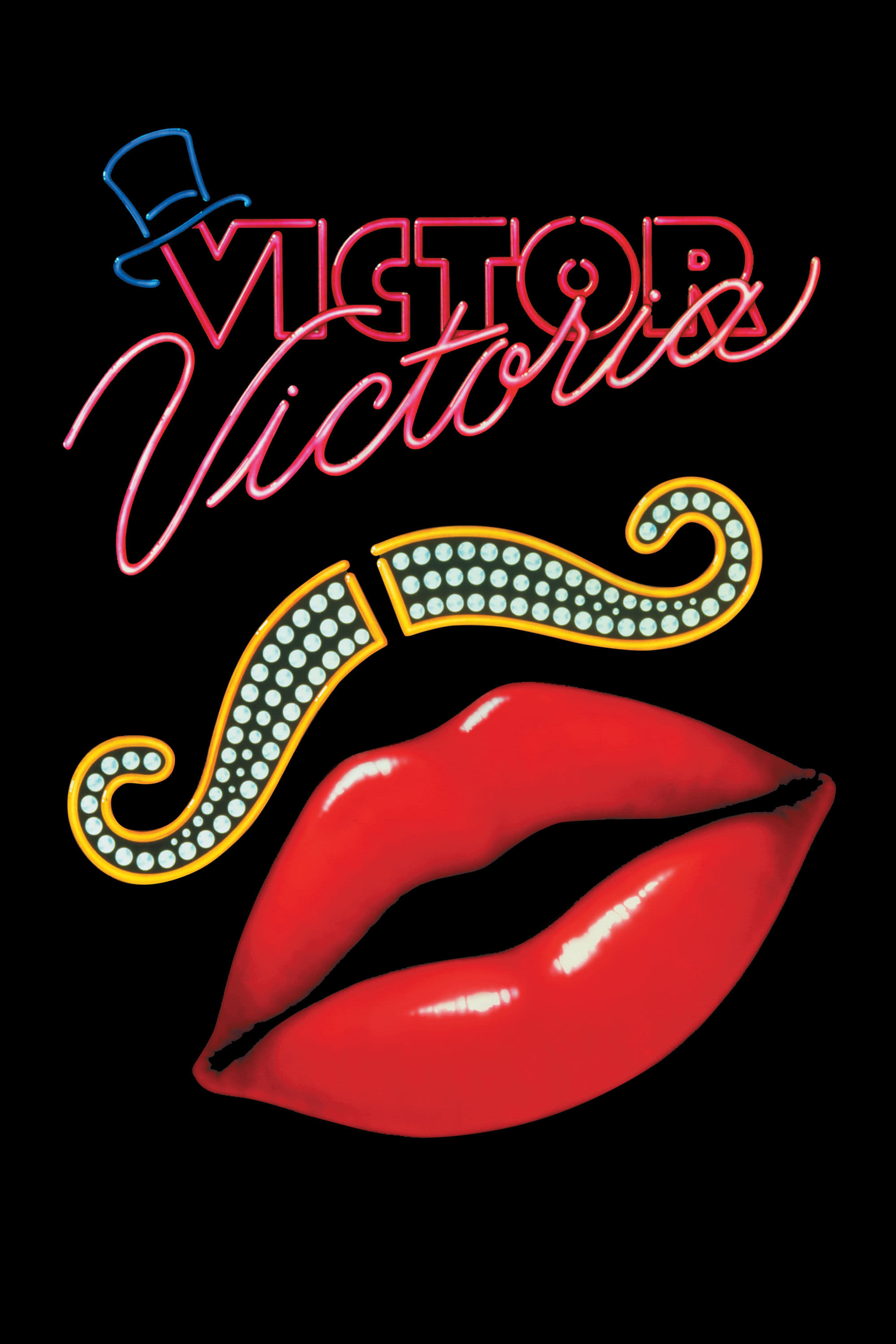
A struggling female soprano finds work playing a male female impersonator, but it complicates her personal life.
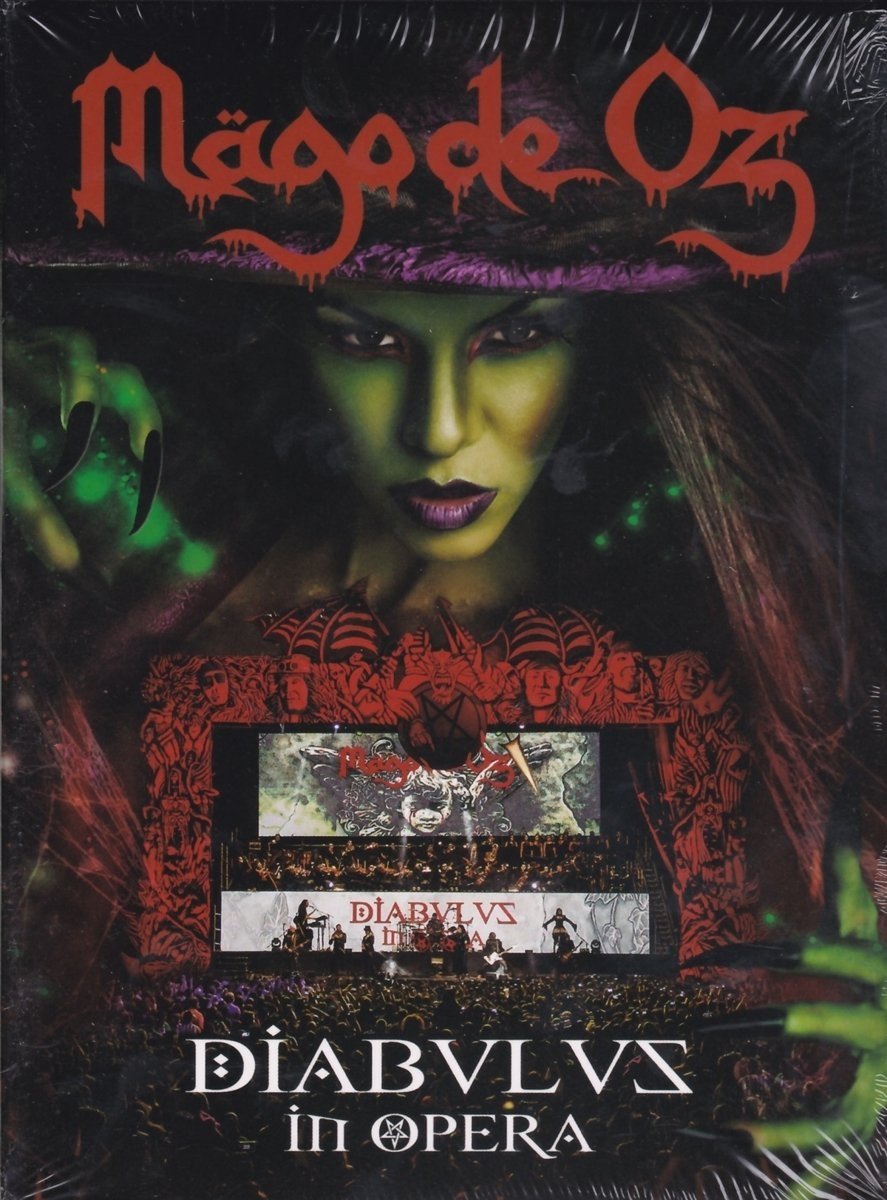
Diabulus in Opera is the fifth live album and fourth live DVD by the band Mägo de Oz, the concert was recorded on May 6, 2017 at the Arena Ciudad de México in collaboration with the Mexico Symphony Orchestra under the direction of the director of orchestra José Luis López Antón, originally the direction of the orchestra would be in charge of the soprano Pilar Jurado.
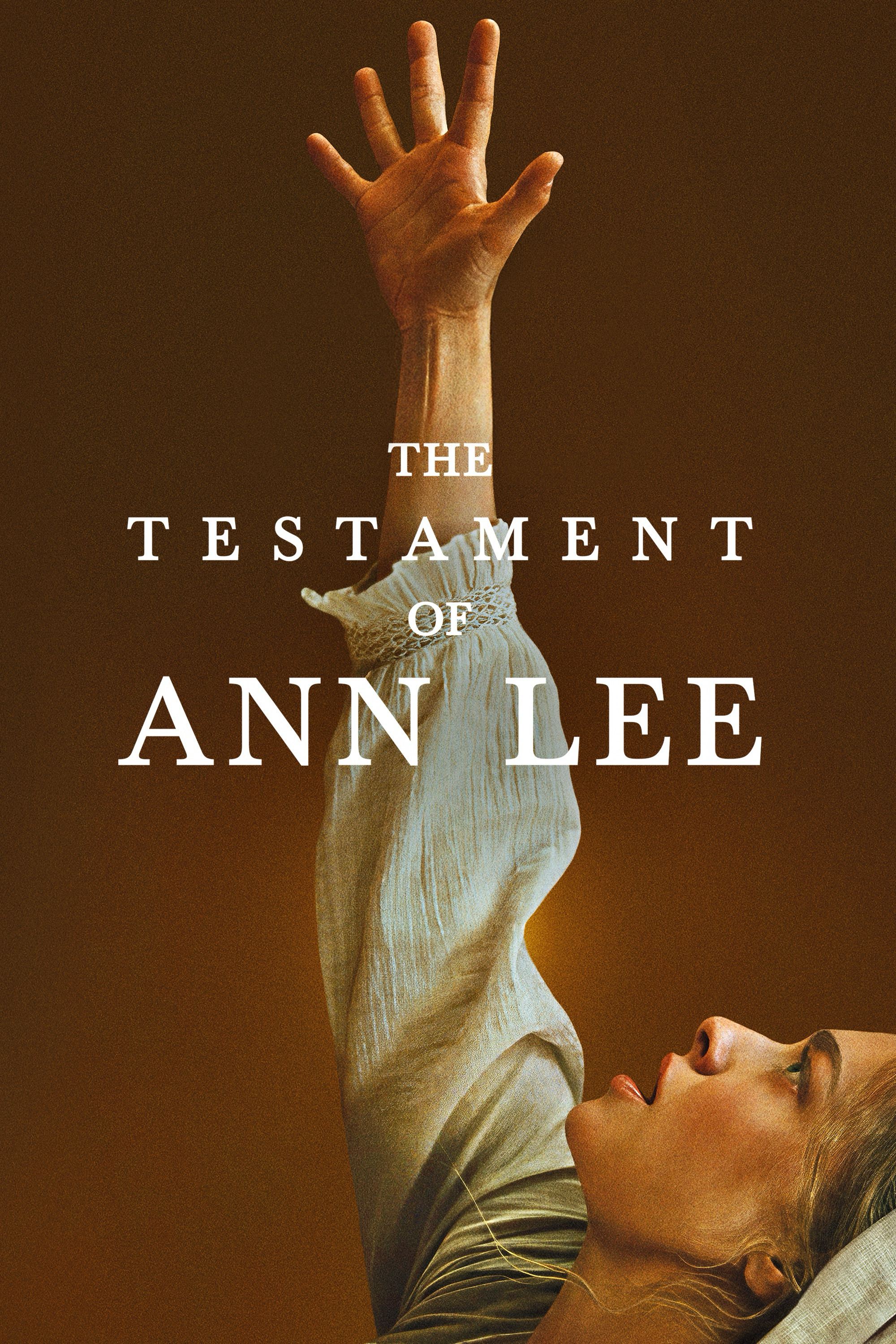
The extraordinary true legend of Ann Lee, founder of the devotional sect known as the Shakers, who preached gender and social equality and was revered by her followers as the female Christ.
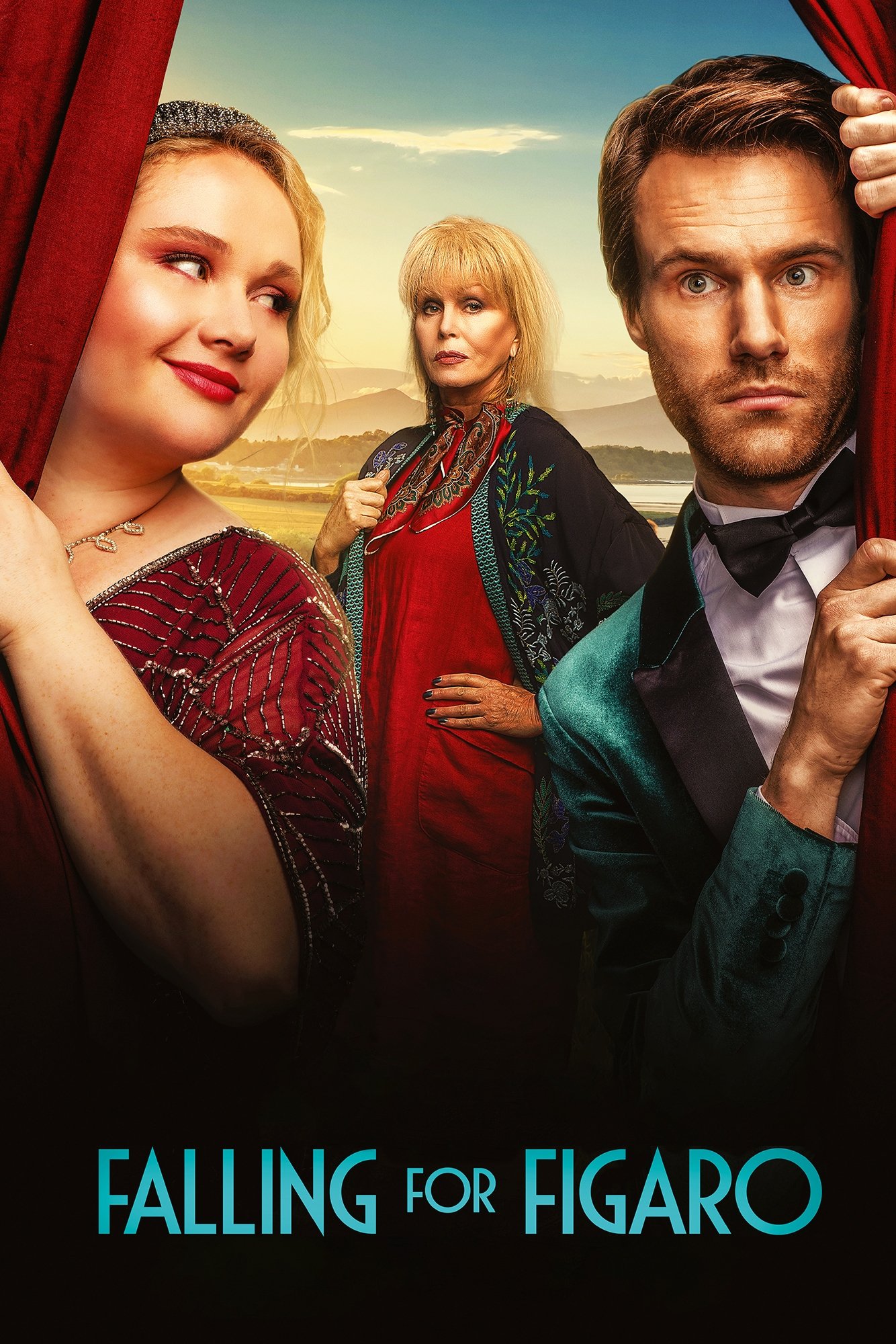
A brilliant young fund manager leaves her unfulfilling job and long-term boyfriend to chase her lifelong dream of becoming an opera singer in the Scottish Highlands.
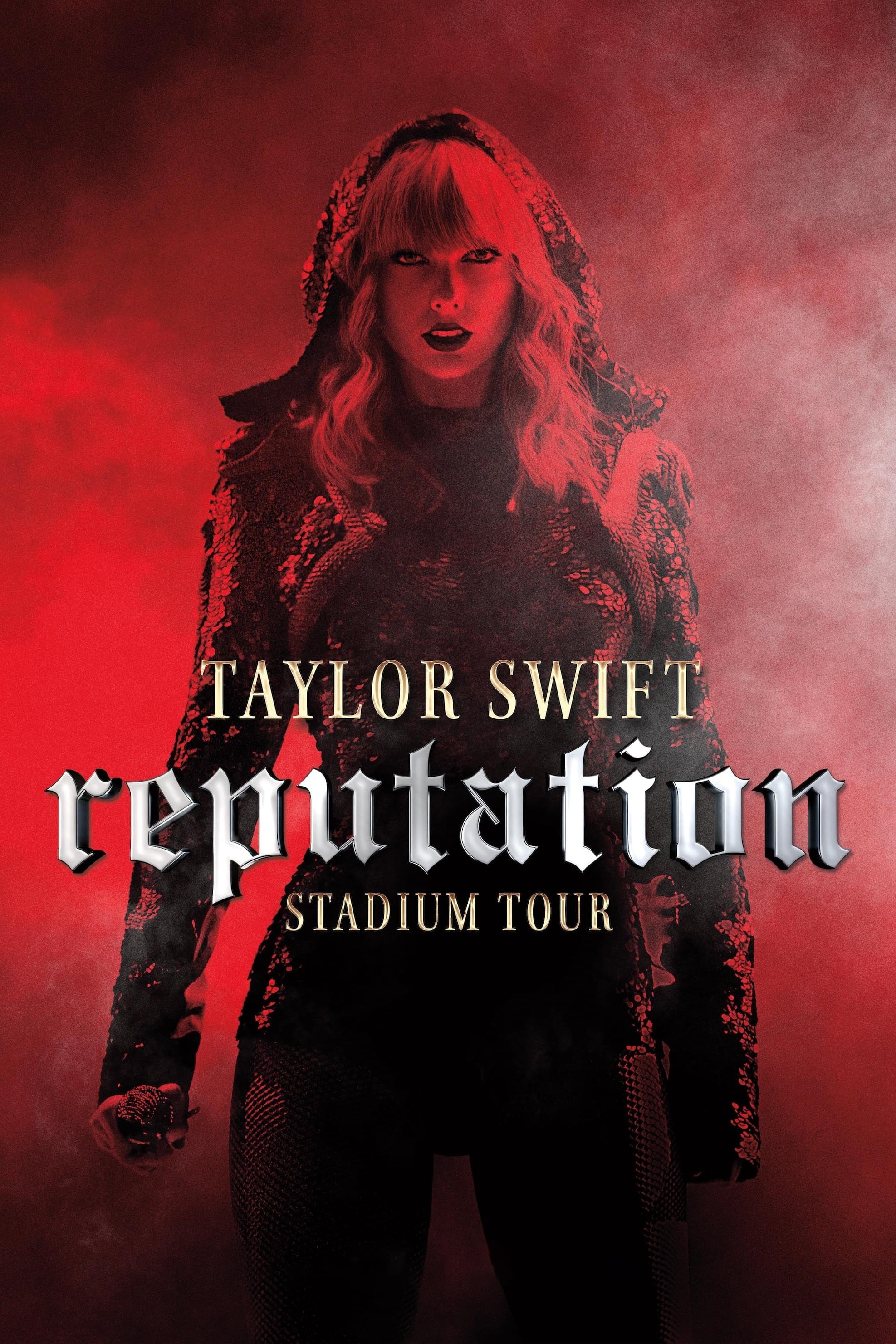
Taylor Swift takes the stage in Dallas for the Reputation Stadium Tour and celebrates a monumental night of music, memories and visual magic.
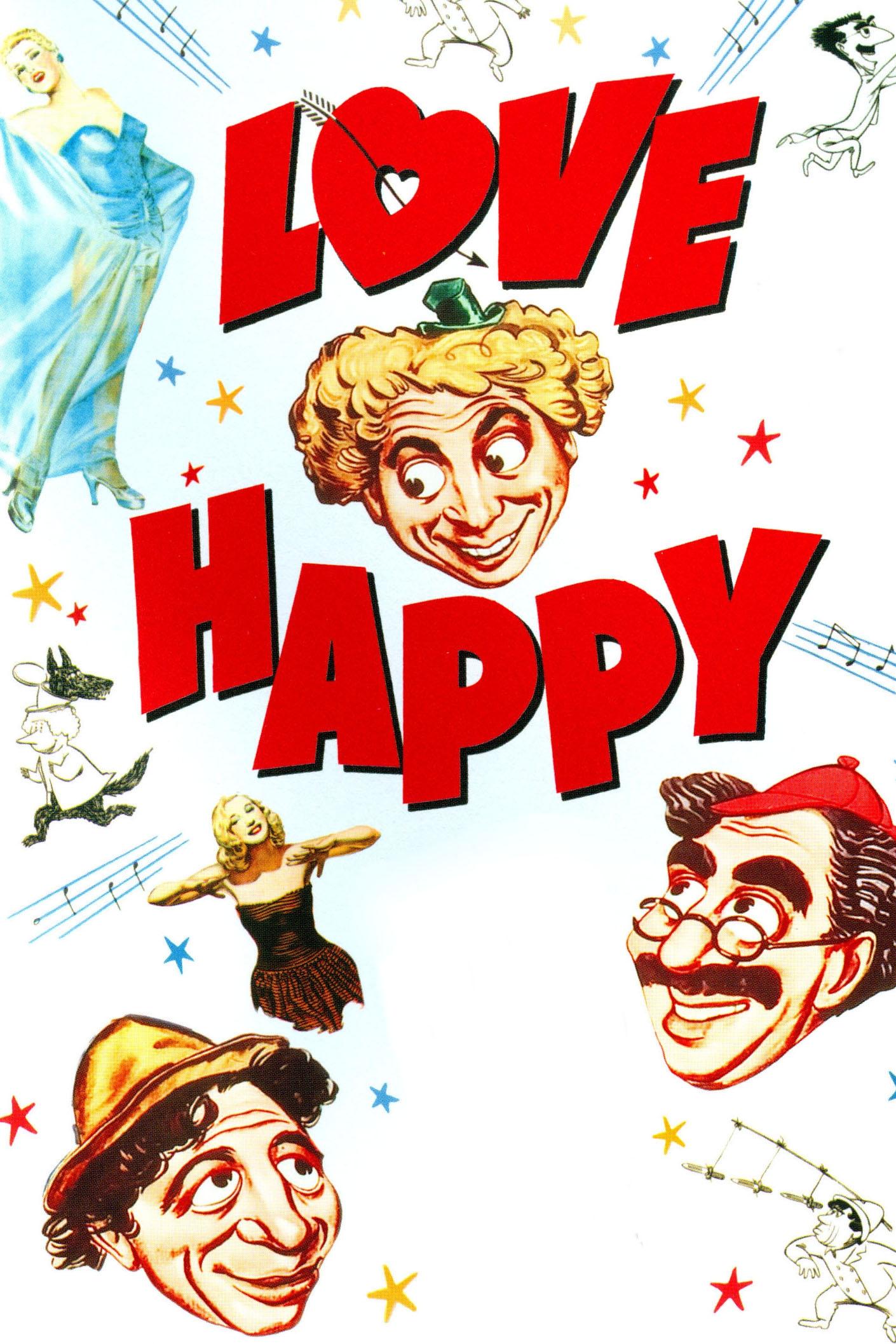
The Marx Brothers help young Broadway hopefuls when they get mixed up with gangsters due to a tin of sardines containing Romanoff diamonds.
Single mom Flora is at a loss about what to do with her rebellious teenage son, Max. Her efforts to keep him out of trouble lead to a beat-up acoustic guitar, a washed-up LA musician, and harmony for this frayed Dublin family.
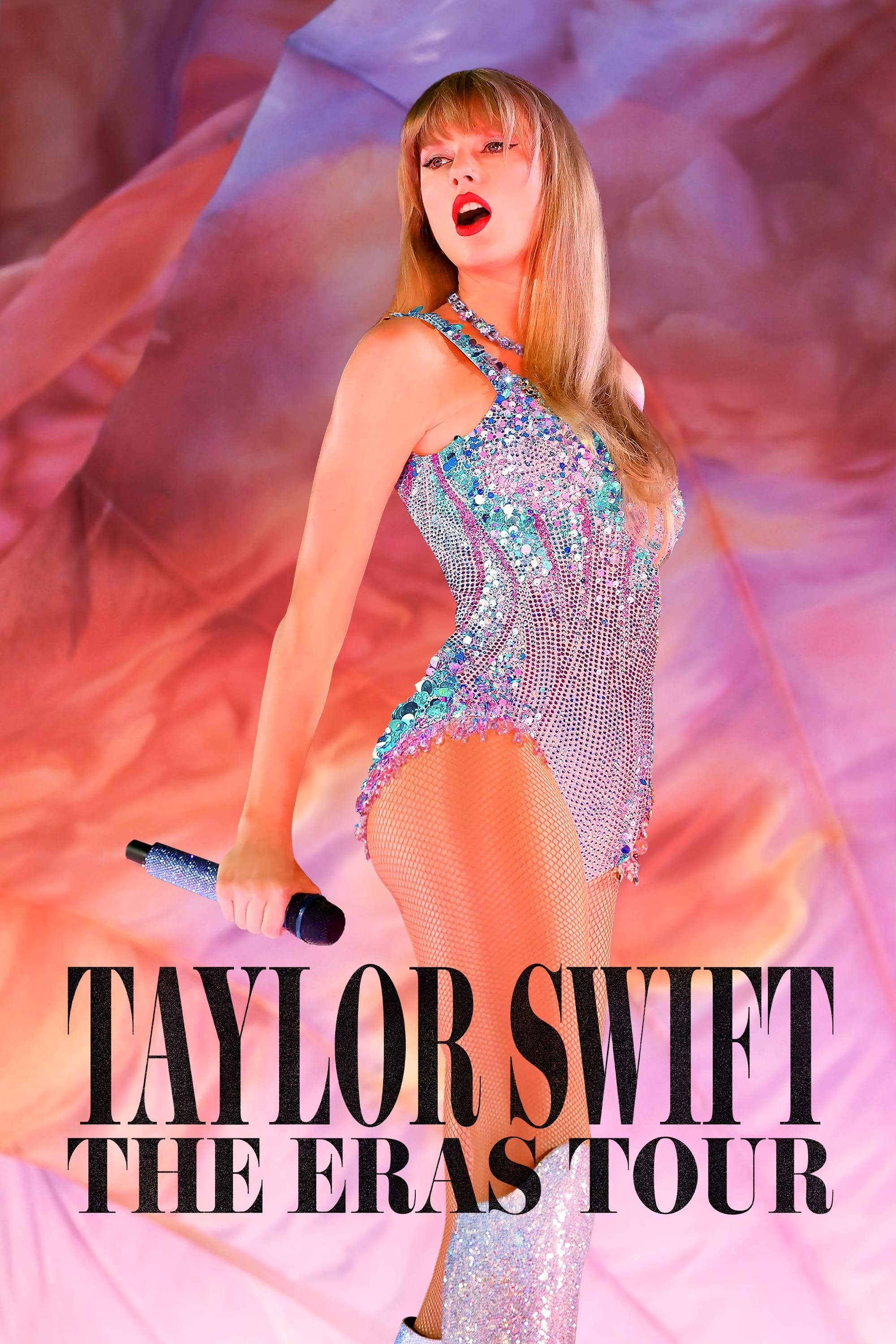
A concert film documenting Taylor Swift's record-breaking Eras Tour (2023-2024). Filmed during the Los Angeles shows, the film captures the tour's ten acts, each representing a different musical era from Swift's career. The film showcases over 40 songs, elaborate stage productions, and Swift's performance.
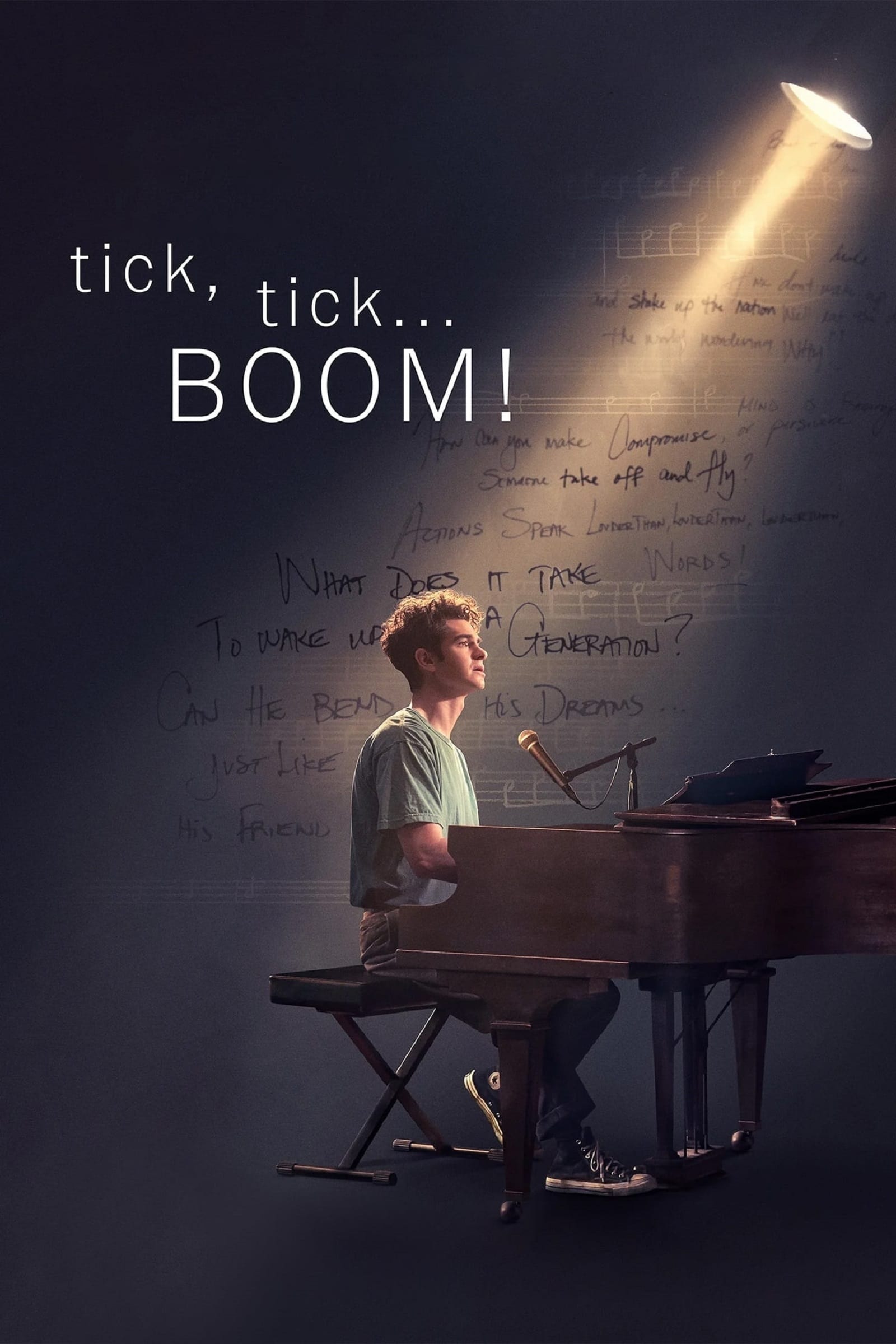
On the brink of turning 30, a promising theater composer navigates love, friendship and the pressure to create something great before time runs out.
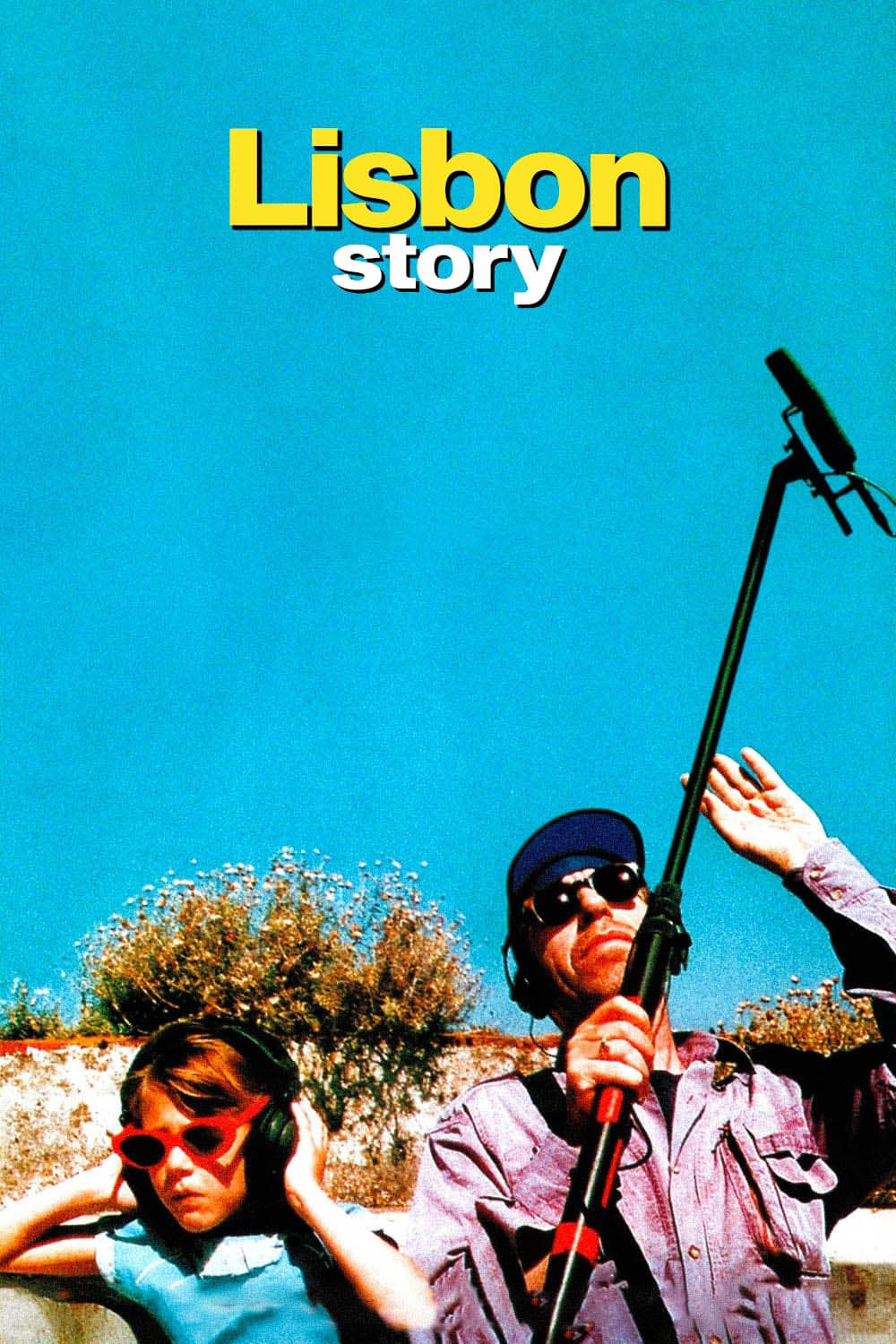
Wim Wenders' homage to Lisbon and films. A sound engineer obtains a mysterious postcard from a friend who at the moment is filming a film in Lisbon. He sets out across Europe to find him and help him.
A contemporary musical version of the classic Cinderella story in which the servant step daughter hope to compete in a musical competition for a famous pop star.
After failing to make it on Broadway, April returns to her hometown and reluctantly begins training a misfit group of young dancers for a competition.
A down-on-his-luck coach is hired to prepare a team of the best American dancers for an international tournament that attracts all the best crews from around the world, but the Americans haven't won in fifteen years.
A chronicle of the lives of several teenagers who attend a New York high school for students gifted in the performing arts.
A troubled and angry 11-year-old orphan from a small Texas town, ends up at a Boy Choir school after the death of his single mother. Completely out of his element, he finds himself in a battle of wills with a demanding Choir Master who recognises a unique talent in this young boy as he pushes him to discover his creative heart and soul in music.
This concert, recorded to celebrate the 25th anniversary of the landmark musical Les Miserables, gathers the casts of the show's 2010 original production at the Queen's Theatre, the 1985 original production by the London company, and the 2010 production at the Barbican together for one performance. Together with talents like Michael Ball, Hadley Fraser, and John Owen-Jones, the performers present the play's musical numbers in a semi-theatrical style, fully costumed and with all the emotion of the musical's heyday.