Social & External
The people behind it
Arnaldo Jabor
Narrador
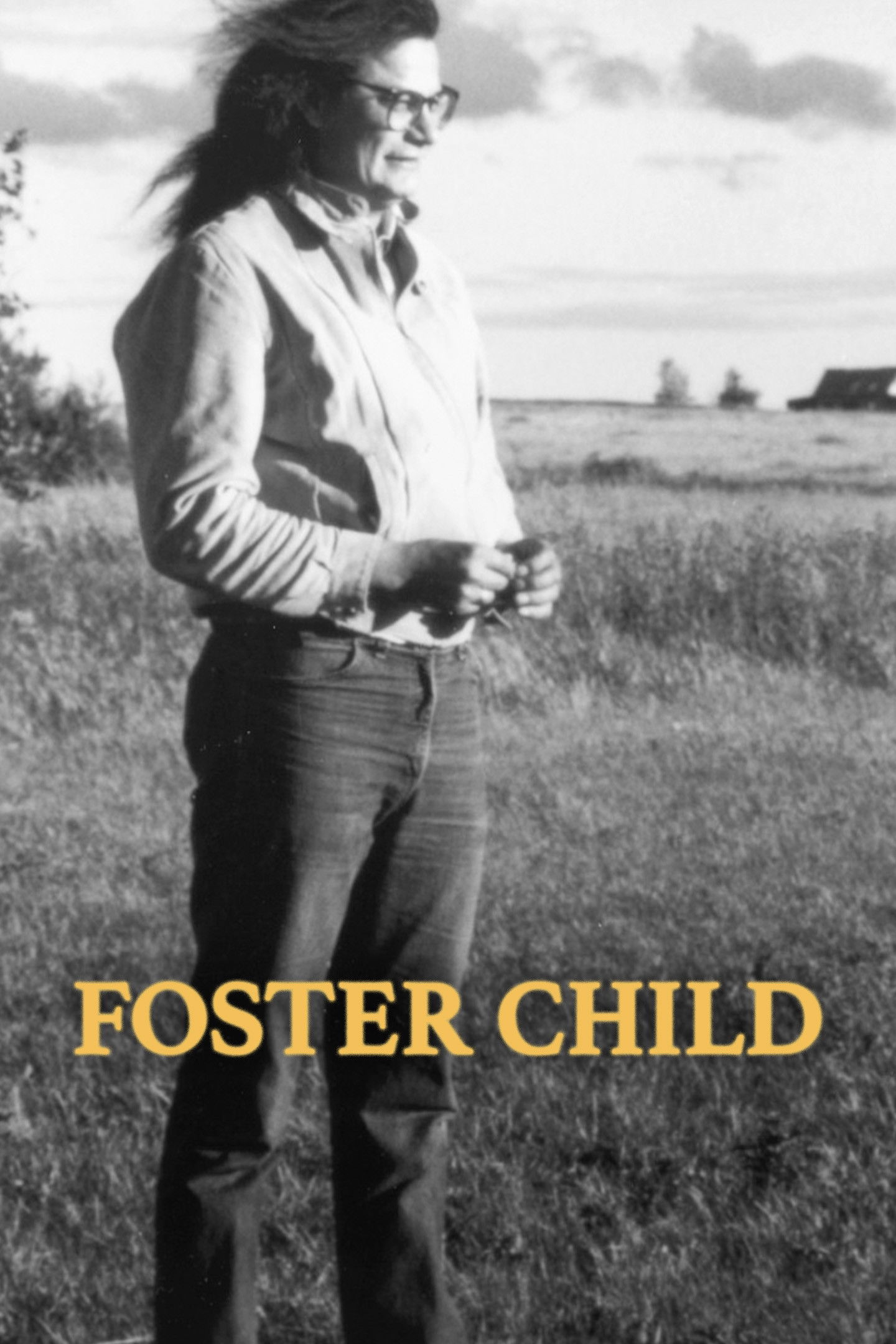
Gil Cardinal searches for his natural family and an understanding of the circumstances that led to his becoming a foster child. An important figure in the history of Canadian Indigenous filmmaking, Gil Cardinal was born to a Métis mother but raised by a non-Indigenous foster family, and with this auto-biographical documentary he charts his efforts to find his biological mother and to understand why he was removed from her. Considered a milestone in documentary cinema, it addressed the country’s internal colonialism in a profoundly personal manner, winning a Special Jury Prize at Banff and multiple international awards.
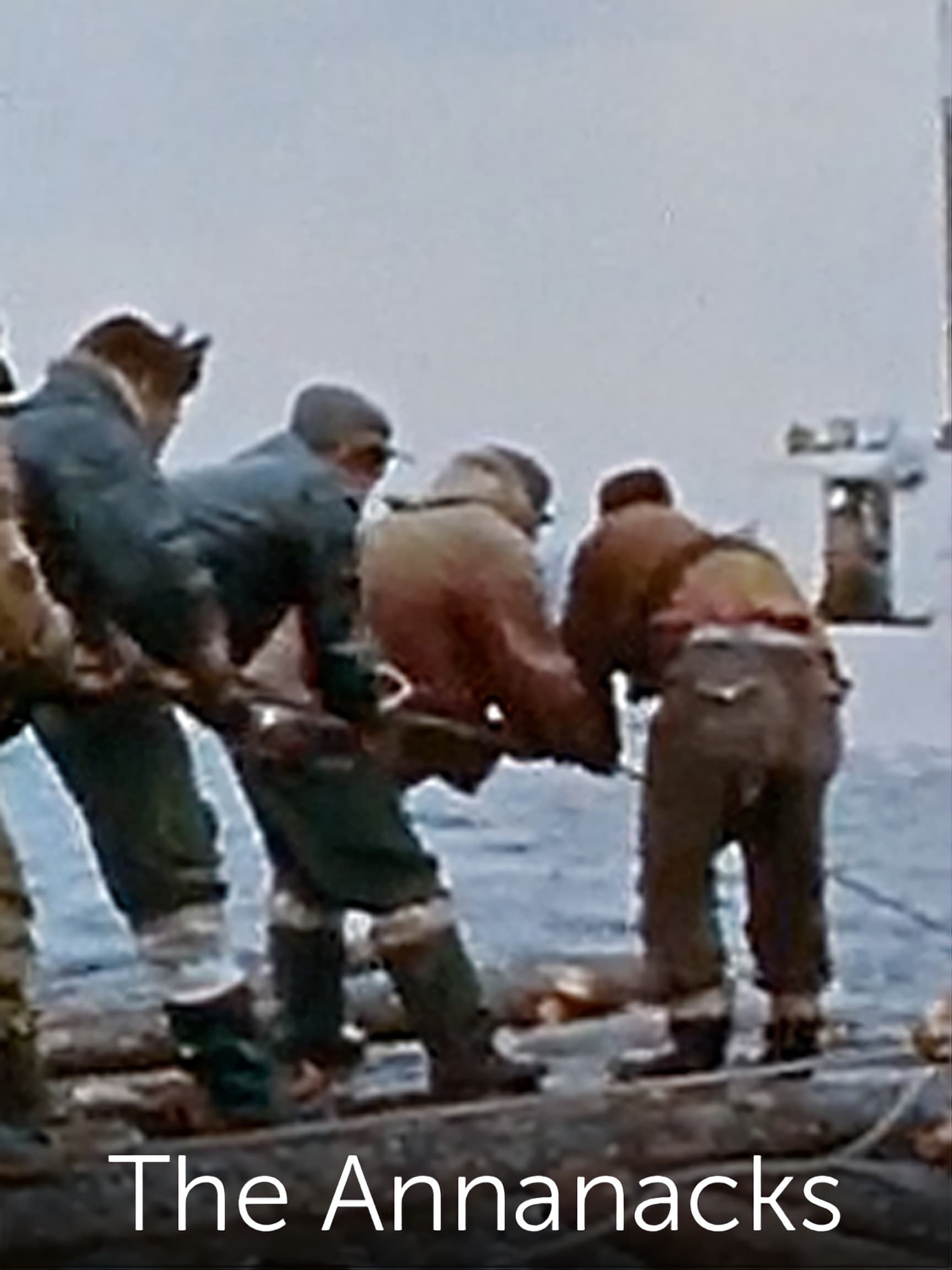
This short documentary depicts the formation in 1959 of the first successful co-operative in an Inuit community in Northern Québec. The film describes how, with other Inuit of the George River community, the Annanacks formed a joint venture that included a sawmill, a fish-freezing plant and a small boat-building industry.
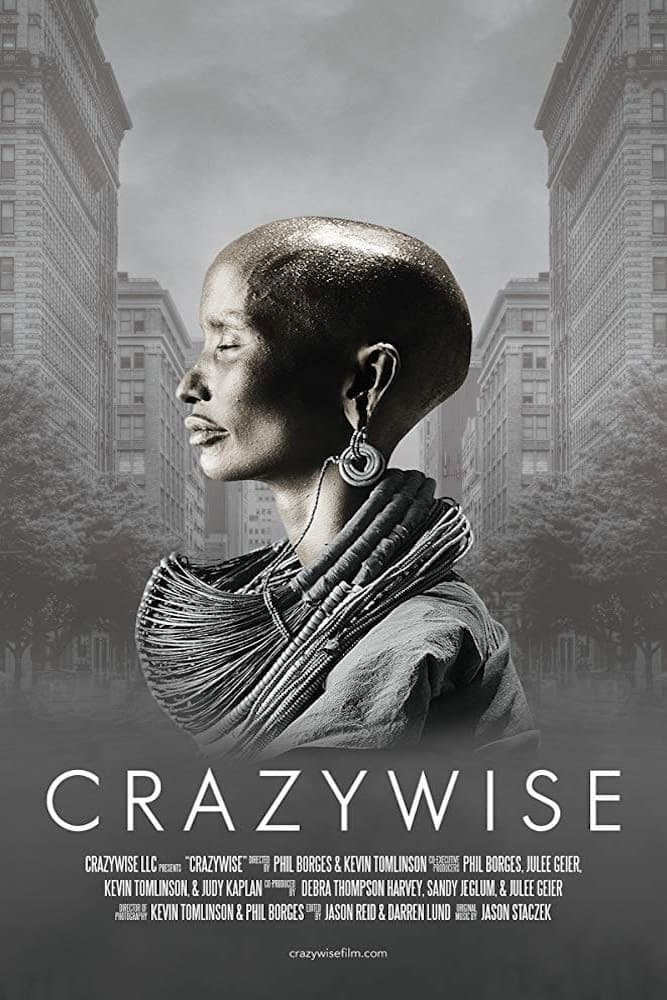
Western culture treats mental disorders primarily through biomedical psychiatry, but filmmakers Phil Borges and Kevin Tomlinson reveal a growing movement of professionals and survivors who are forging alternative treatments that focus on recovery and turning mental “illness” into a positive transformative experience.
A short film highlighting the epidemic of missing indigenous men and women who have gone missing in Bighorn County, Montana. It features several victims' stories and interviews with their families and indigenous activists who are pushing for their cases to be re-examined and solved.
Somebody’s Daughter focuses on higher-profile MMIW cases, some of which were raised during the Senate Committee on Indian Affairs in December 2018. With historical points of reference, the victims’ and their families’ stories are told through the lens of the legal jurisdictional maze and socio-economic bondage that constricts Indian Country.
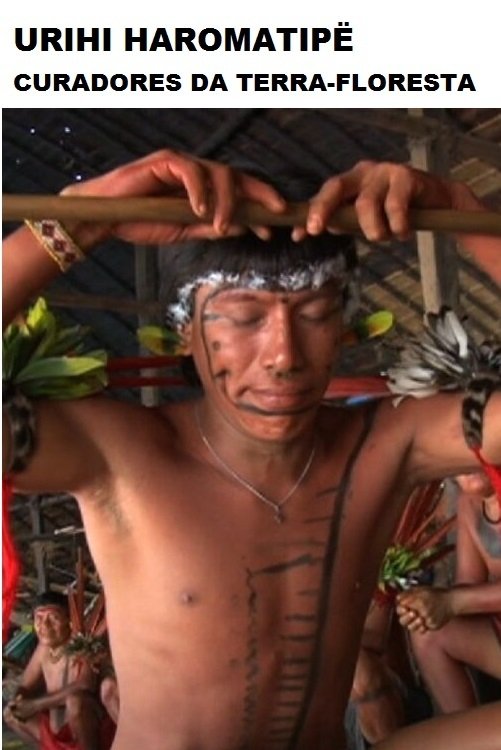
The thunder is warning, "The earth is sick." To cure it, David Kopenawa gathered in Roraima the Yanomami shamans from various regions. With the help of the spirit food, the hallucinogenic yãkoana powder, they will treat the ills caused by cities and white diseases.
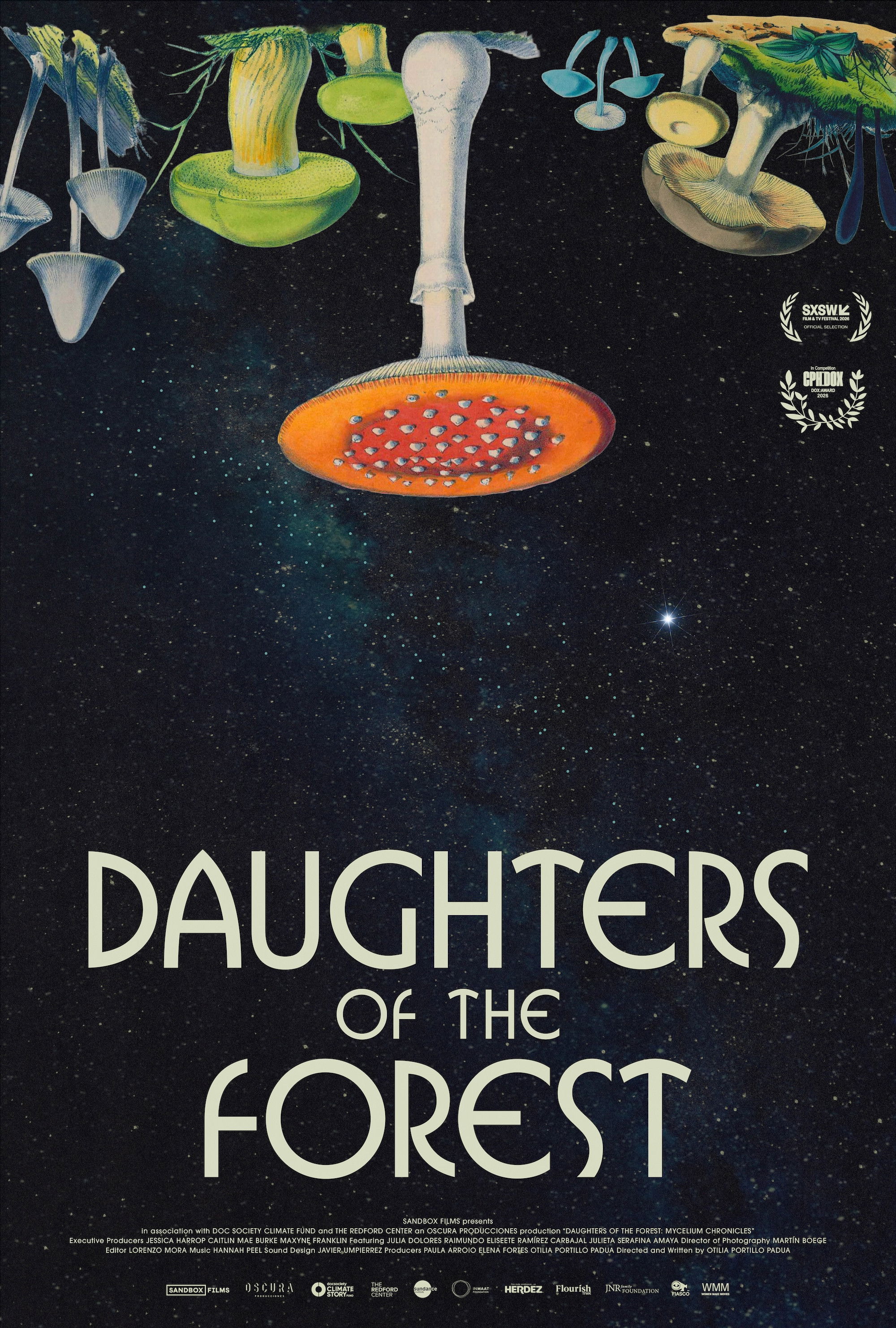
Deep in Mexico’s mushroom-rich forests, two women from indigenous communities have become mycologists. This immersive sci-fi documentary follows their unusual, fungi-driven paths as they seek to reconcile the past and present while reimagining the future for themselves and the changing world they inhabit.
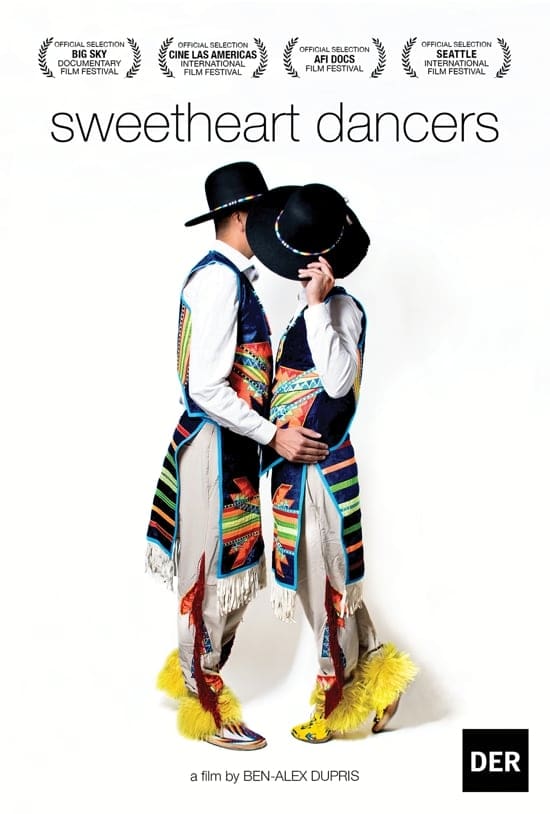
Sean and Adrian, a Two-Spirit couple, are determined to rewrite the rules of Native American culture through their participation in the “Sweetheart Dance.” This celebratory contest is held at powwows across the country, primarily for heterosexual couples … until now.
Flora Bear’s youngest granddaughter searches for truth and answers about her Indigenous grandmother’s life.
'Falas da Terra' sheds light on the plurality and the struggle of the indigenous people for the right to exist, in a historical rescue of valuing their cultures.
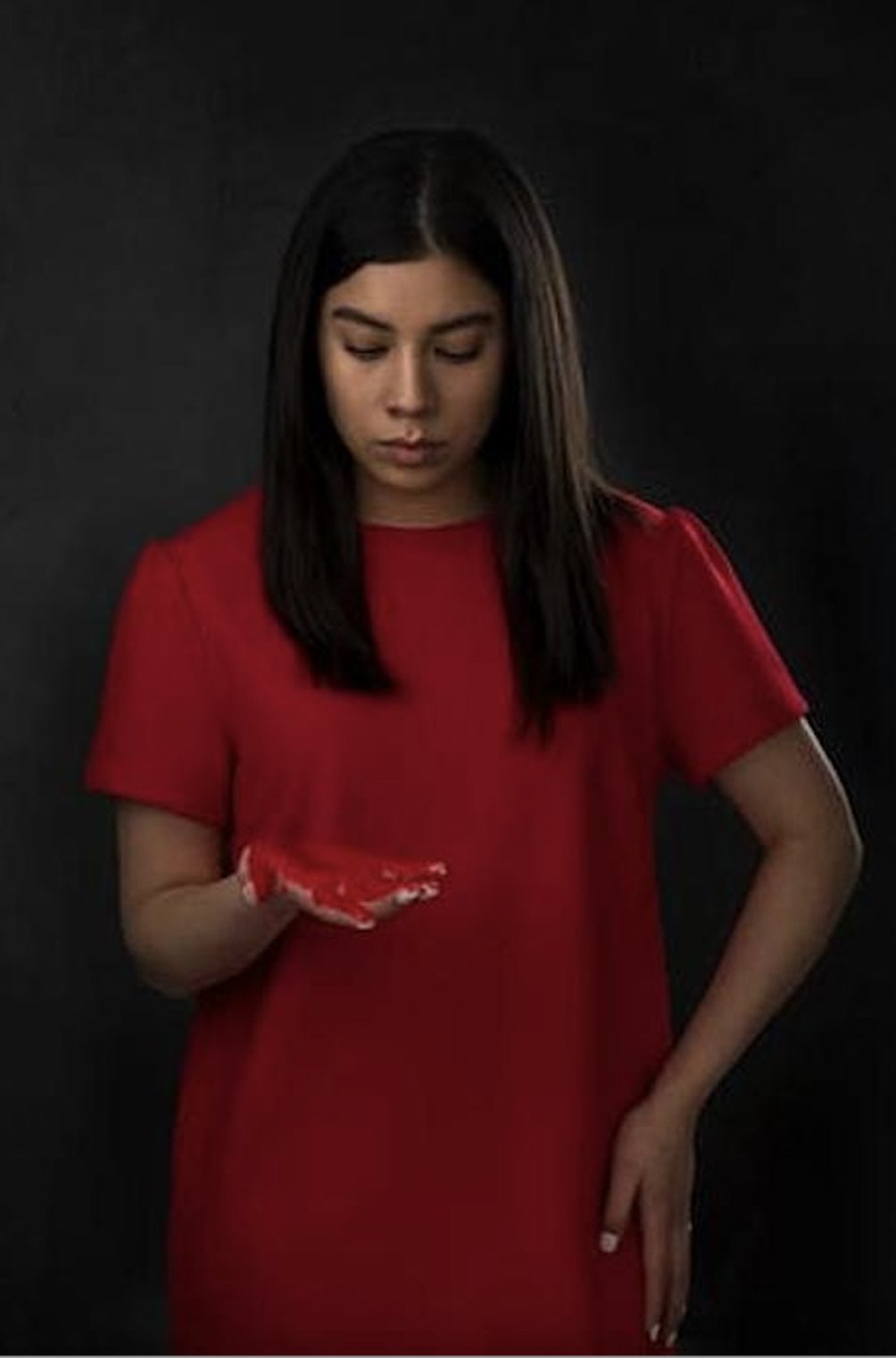
In 1995, the Chilean state made a grave mistake when it detained Marcelina (68), an Indigenous spiritual authority, a machi of the Mapuche people. The police stripped her of her jewelry and traditional clothing and sent her to a men’s prison despite her identifying as a woman. She was unjustly accused of murdering a patient through witchcraft, triggering feelings that led her to leave her community, even after her innocence was proven. Thirty years later, Cons (34) delves into her story—into a world foreign to her—confronting lessons and prejudices she had never known.
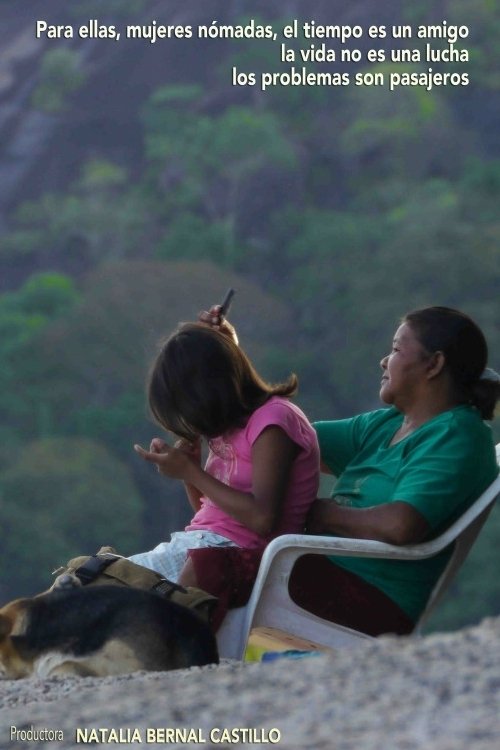
María is an Amorúa girl; an indigenous group that traveled the savannas of Orinoquía as nomads. She lives with her grandmother Matilde, her sister diana and her cousins in Puerto Carreño, in the Colombia-Venezuela border. The amorúa are considered wild and are not literate. Matilde wants her granddaughters to learn to write and read to live better in this town of "rational whites" as they call us. The director follows María's life for 8 years from her childhood to her adolescence and invites her to travel the places her grandma did as a nomad.
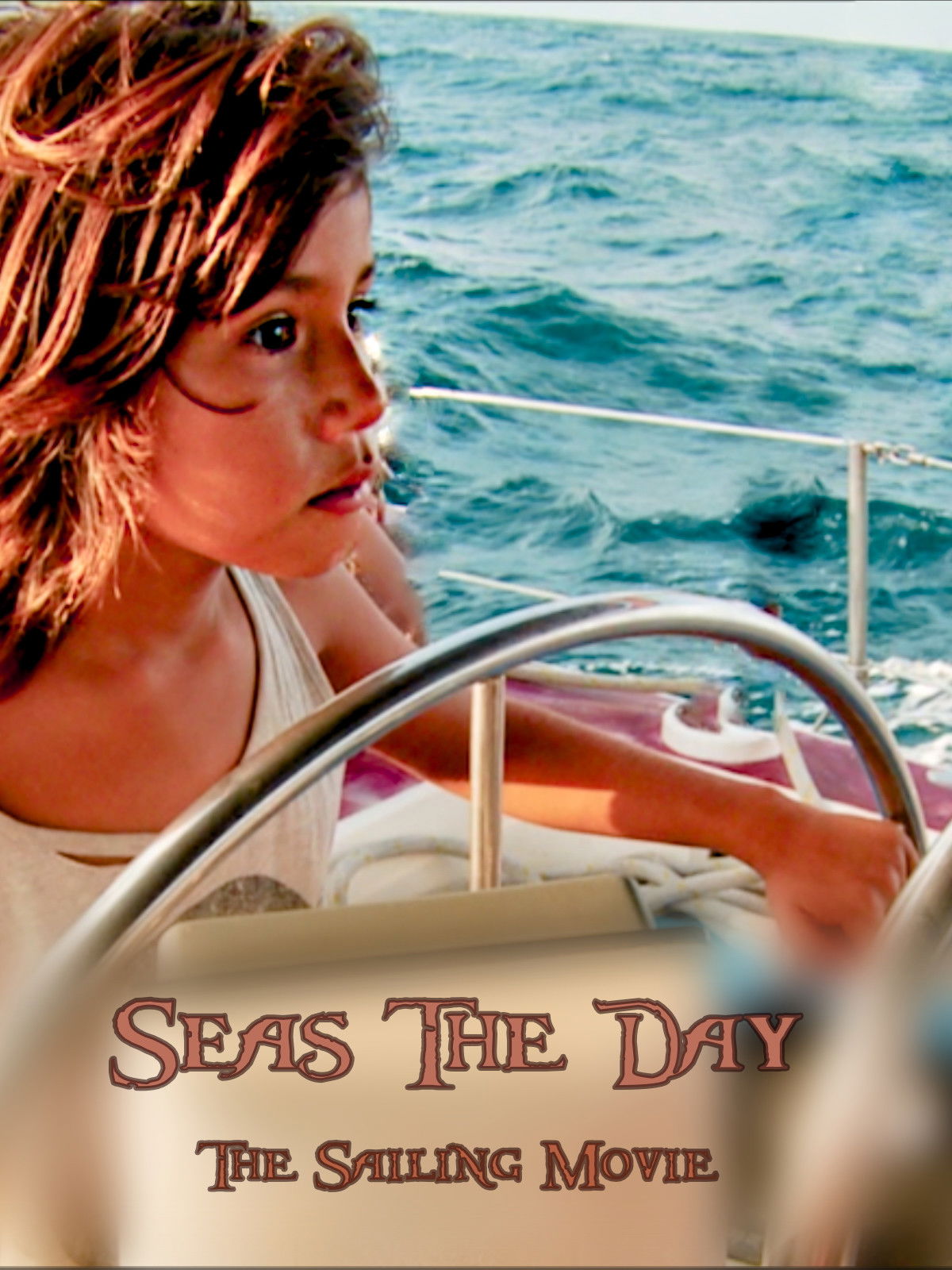
Seas the Day: The Sailing Movie is a genre-defying documentary that blends real-world adventure with deeply human storytelling. It transcends typical sailing documentaries by blending docu-fiction with a narrative inspired by Joseph Campbell’s classic The Hero's Journey. Directed by Ryan Luskin, an anthropologist and teacher, the film follows his family's quest across sixteen countries, learning life skills from diverse cultures.
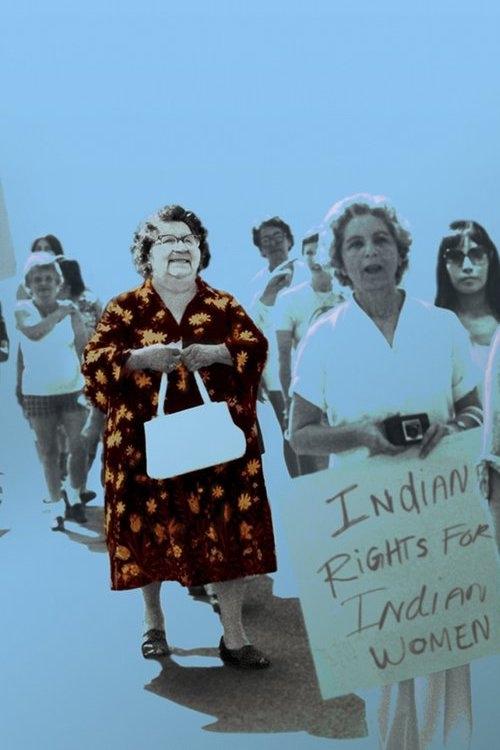
After marrying a settler, Mary Two-Axe Earley lost her legal status as a First Nations woman. Dedicating her life to activism, she campaigned to have First Nations women's rights restored and coordinated a movement that continues to this day. Kahnawake filmmaker Courtney Montour honours this inspiring leader while drawing attention to contemporary injustices that remain in this era of truth and reconciliation.
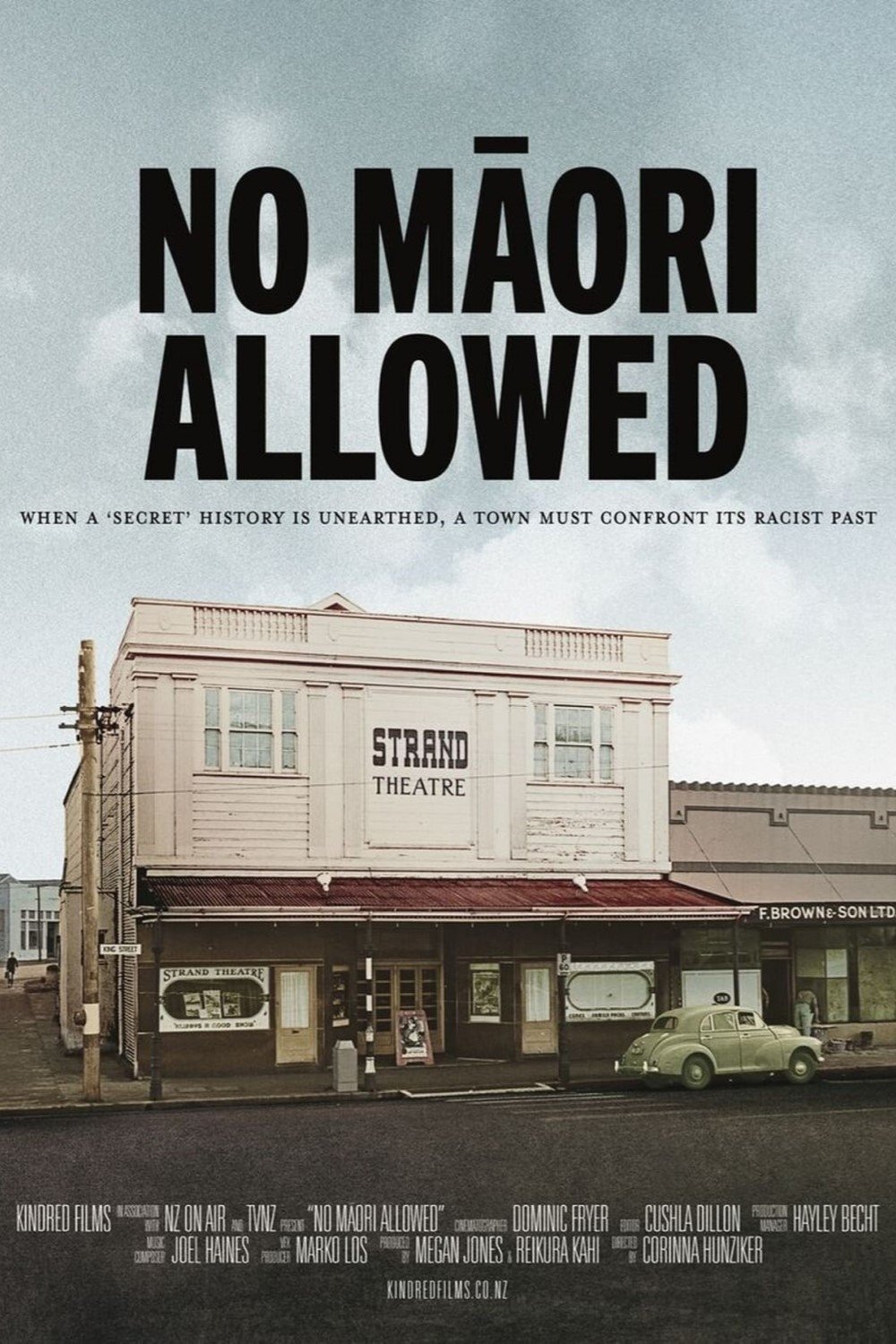
When an academic unearths a forgotten history, residents of the small township of Pukekohe, including kaumātua who have never told their personal stories before, confront its deep and dark racist past.
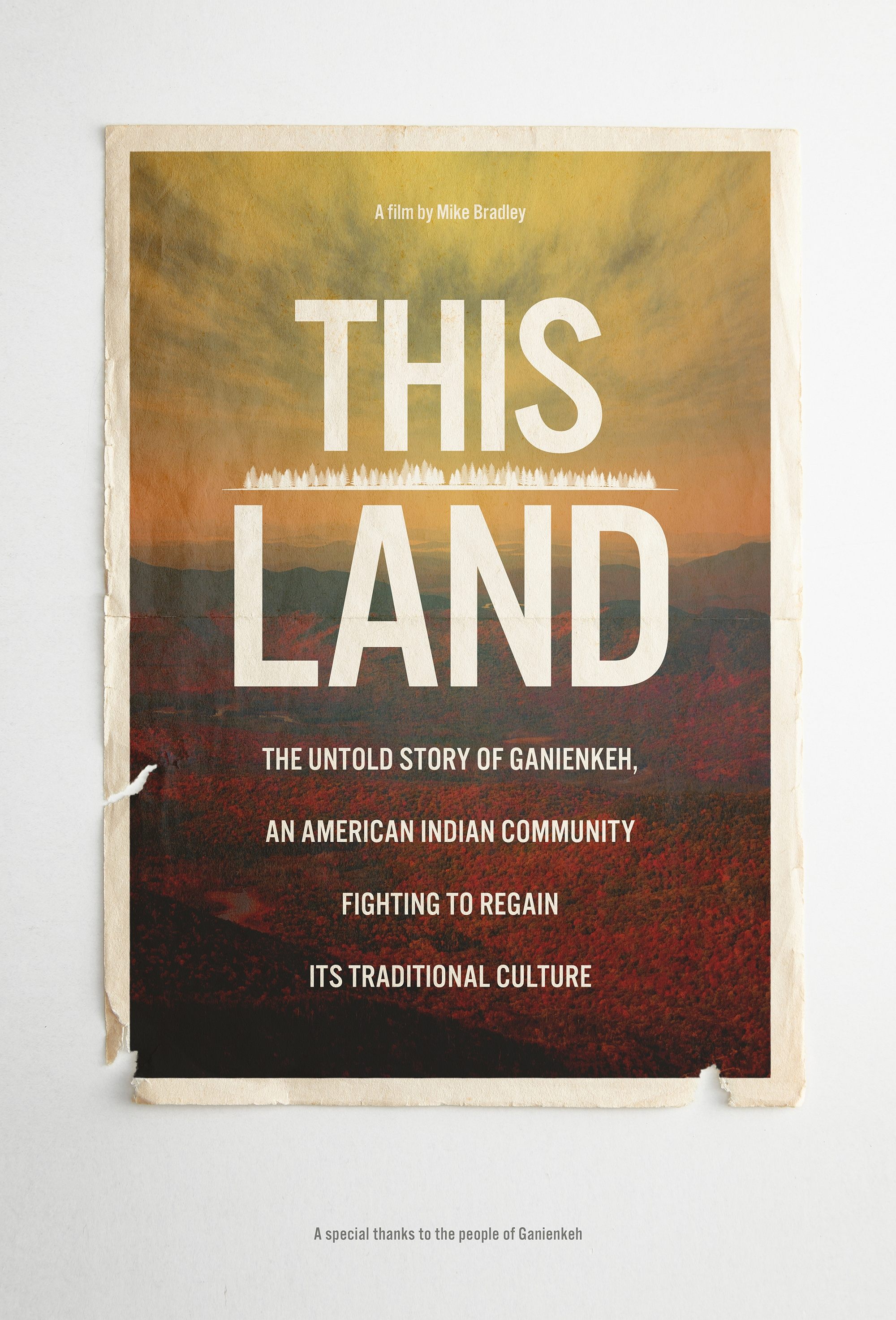
In 1974 a group of Mohawk Indians occupied a defunct girls camp in New York's Adirondack mountains and established a community they called Ganienkeh. Aiming to practice a more traditional lifestyle, and asserting aboriginal title to the land, they stayed for three years, having occasional violent clashes with the local residents. In 1977 they negotiated a (somewhat complicated) land swap with the State, and agreed to move to a permanent home near Plattsburgh, New York, where they remain today. Ganienkeh is one of the only examples of an indigenous people successfully reclaiming land from the United States, but it may not be the last.
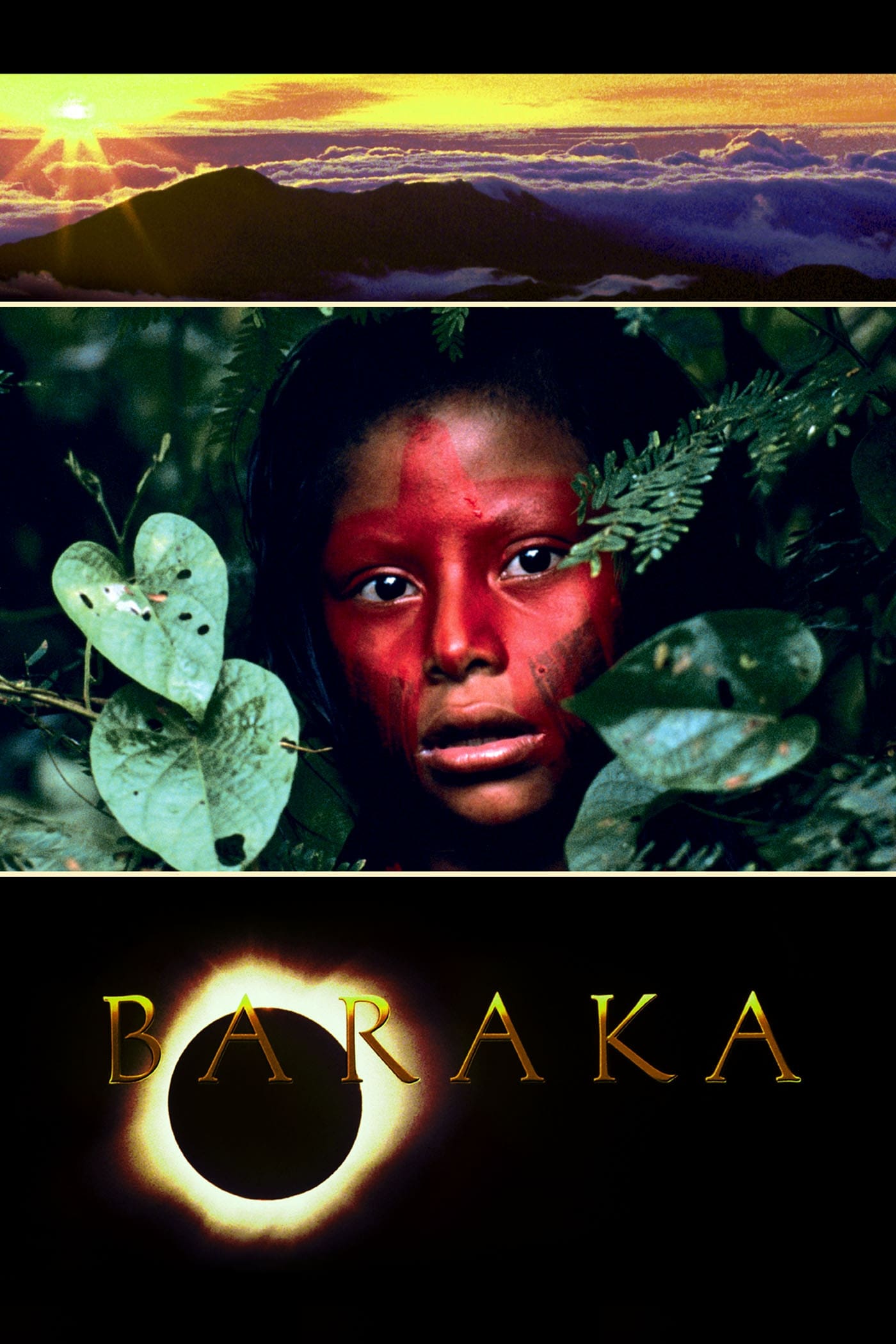
A paralysingly beautiful documentary with a global vision—an odyssey through landscape and time—that attempts to capture the essence of life.
In an intimate and joyful story of love in the face of loss, celebrated poets Andrea Gibson and Megan Falley find strength—and unexpected hilarity—in what might be their final year together.
A documentary about how a dominant cultural and demographic institution both sustains their traditional activities and adapts to the digital revolution.
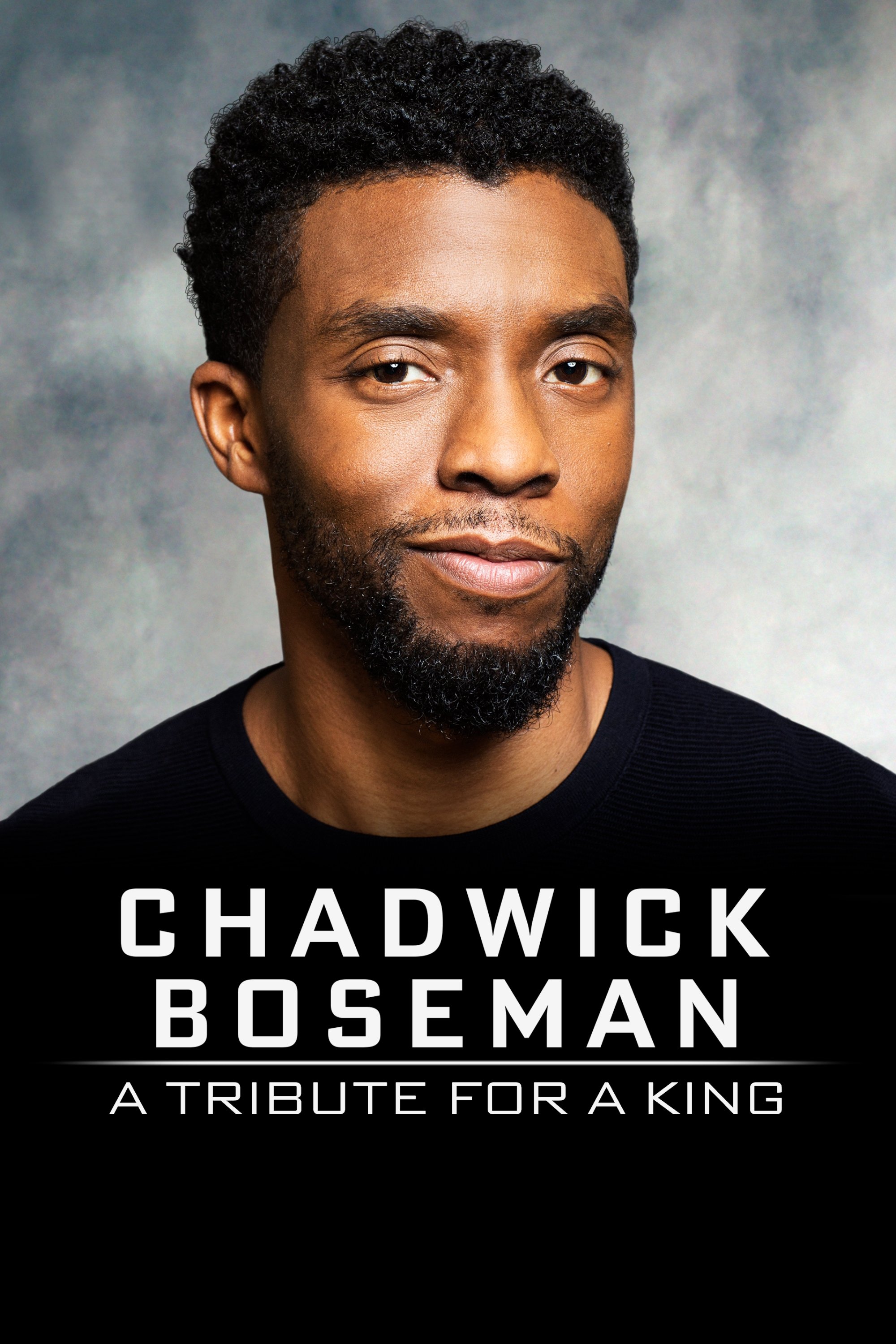
A tribute to Chadwick Boseman, celebrating his life and legacy.
Nine filmmakers each profile a young girl from a different part of the world to weave a global tapestry of youth in the 21st century.
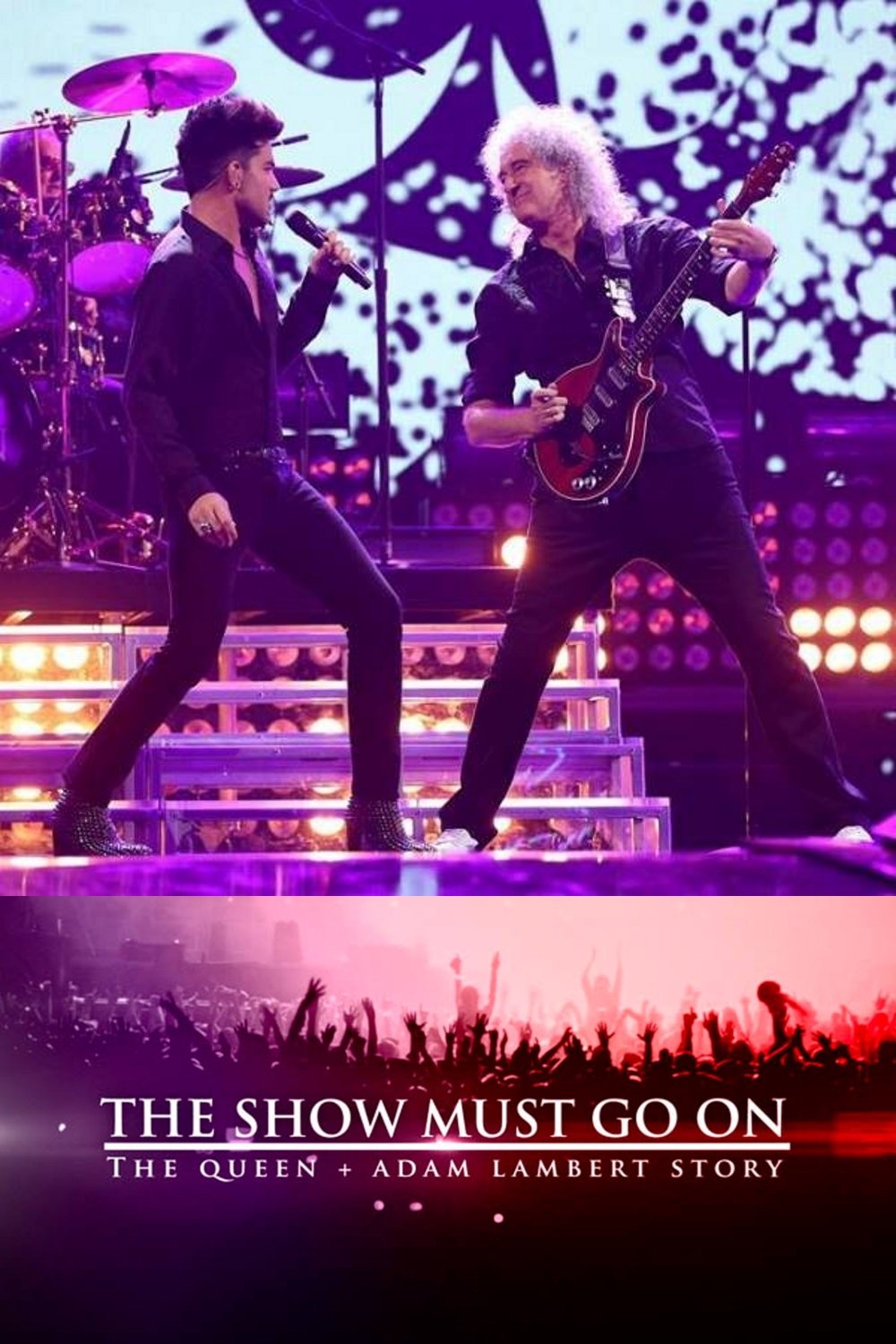
A documentary chronicling Queen and Lambert's incredible journey since they first shared the stage together on "American Idol" in 2009.
Musician and performance artist Laurie Anderson reflects on the deaths of her husband Lou Reed, her mother and her beloved dog.
A string of threatening emails escalates into a revenge plot involving a newly married US marshal and his ex-girlfriend.
Through deeply personal interviews with her siblings and an examination of the photographs, letters, and belongings left behind, Mariska assembles a new portrait of her mother Jayne Mansfield, an extraordinary and complex woman.
The Making-of James Cameron's Avatar. It shows interesting parts of the work on the set.
A documentary on the expletive's origin, why it offends some people so deeply, and what can be gained from its use.
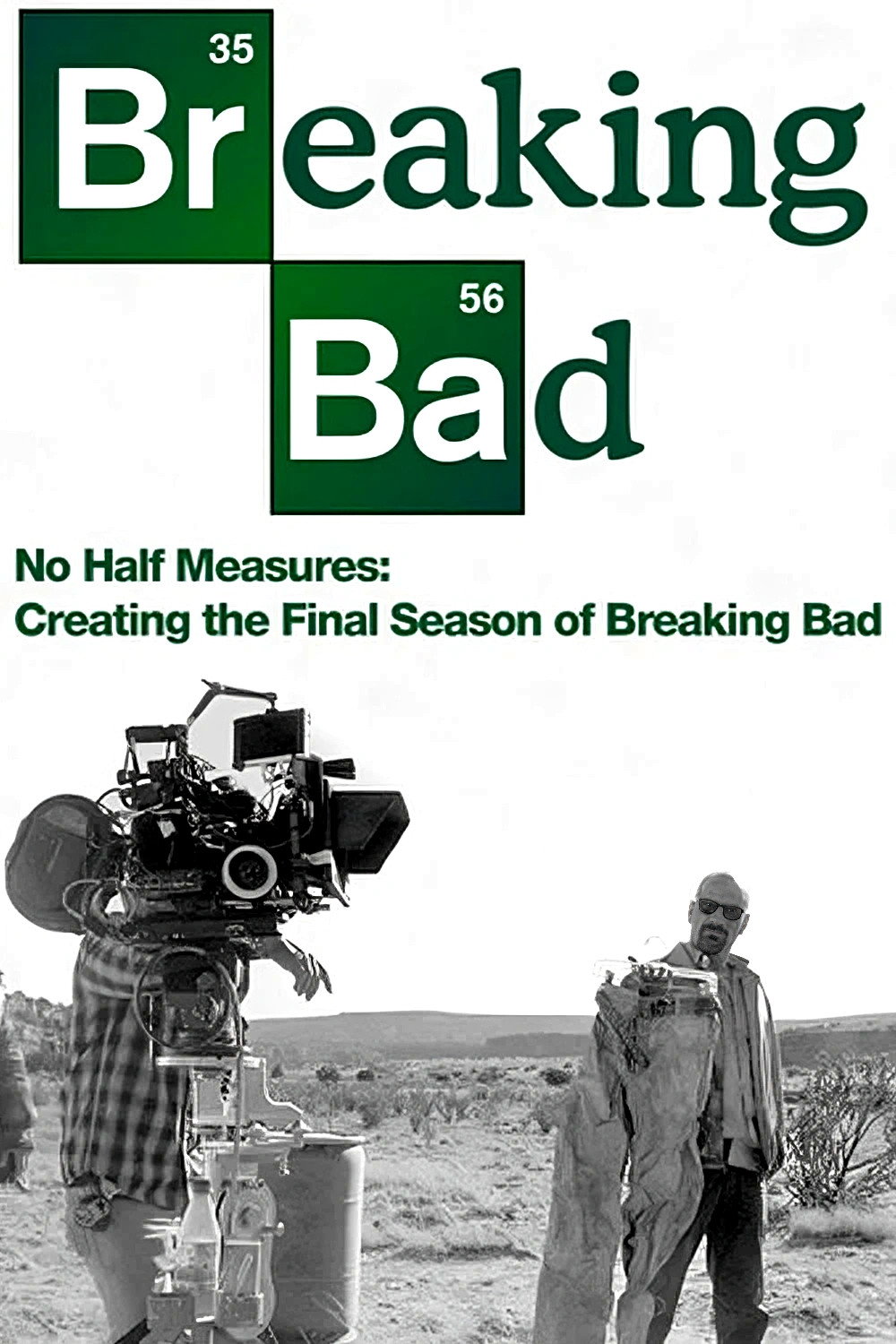
A documentary about the making of season five of the acclaimed AMC series Breaking Bad.
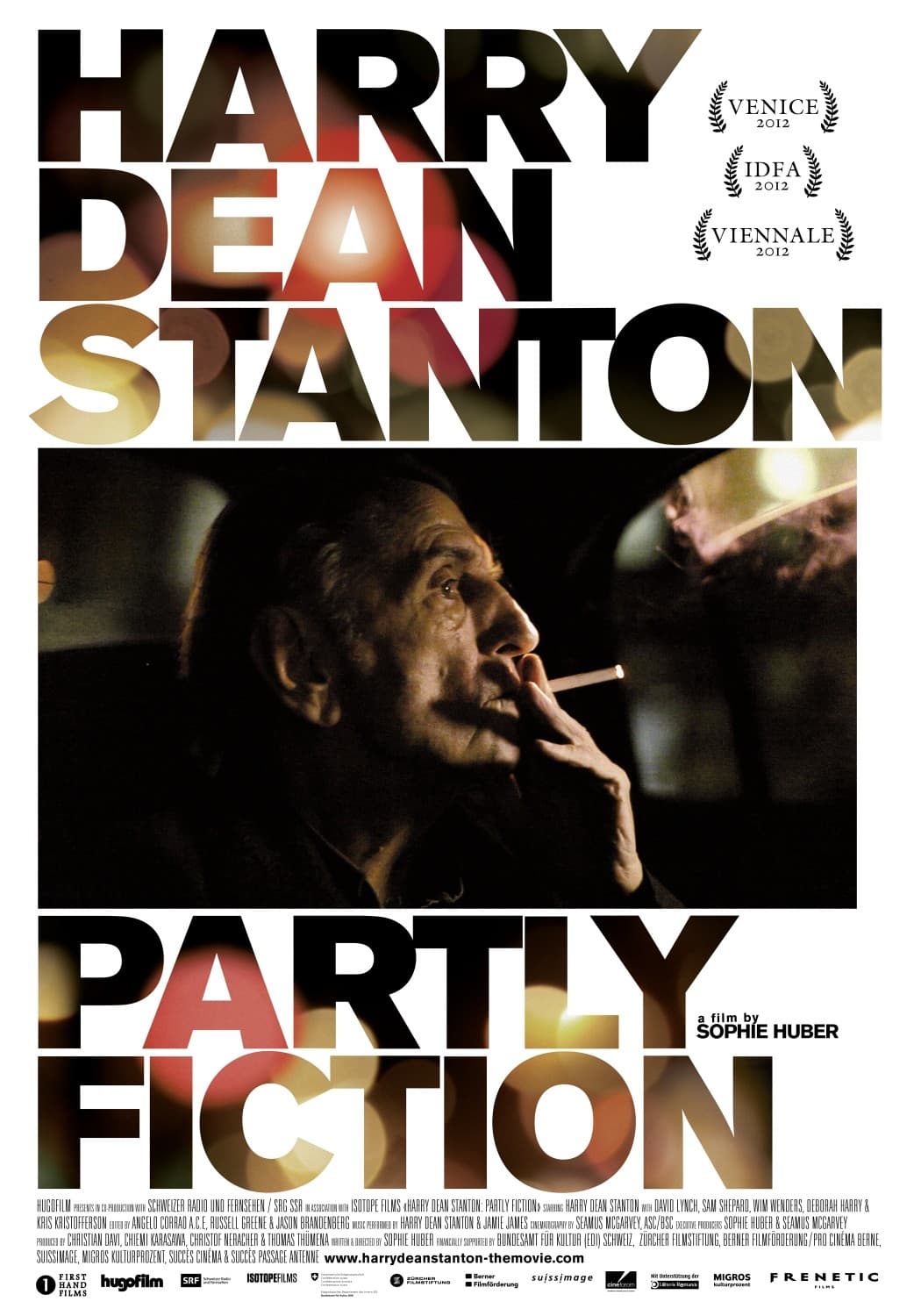
An impressionistic portrait of the iconic actor Harry Dean Stanton comprised of intimate moments, film clips from some of his 250 films and his renditions of American folk songs.
A visual montage portrait of our contemporary world dominated by globalized technology and violence.
Behind the scenes look at fight choreography and action training.
Ranjit, a farmer in India, takes on the fight of his life when he demands justice for his 13-year-old daughter, the victim of a brutal gang rape. His decision to support his daughter is virtually unheard of, and his journey unprecedented.
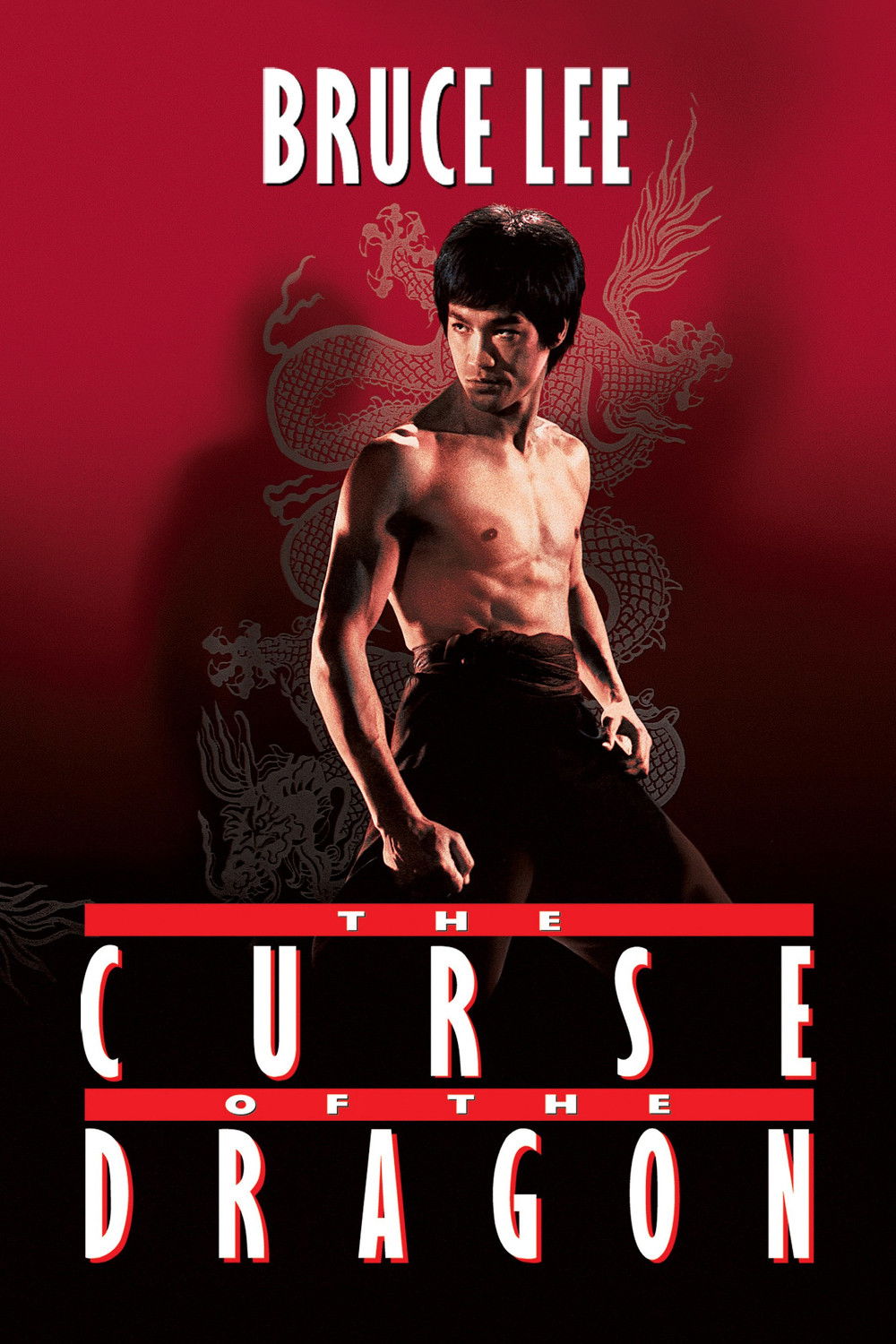
A 1993 documentary film about Bruce Lee. The film includes interviews from some of his fellow students and opponents who worked alongside him in his movies.
An inside look at one of the most anticipated movie sequels ever with James Cameron and cast.
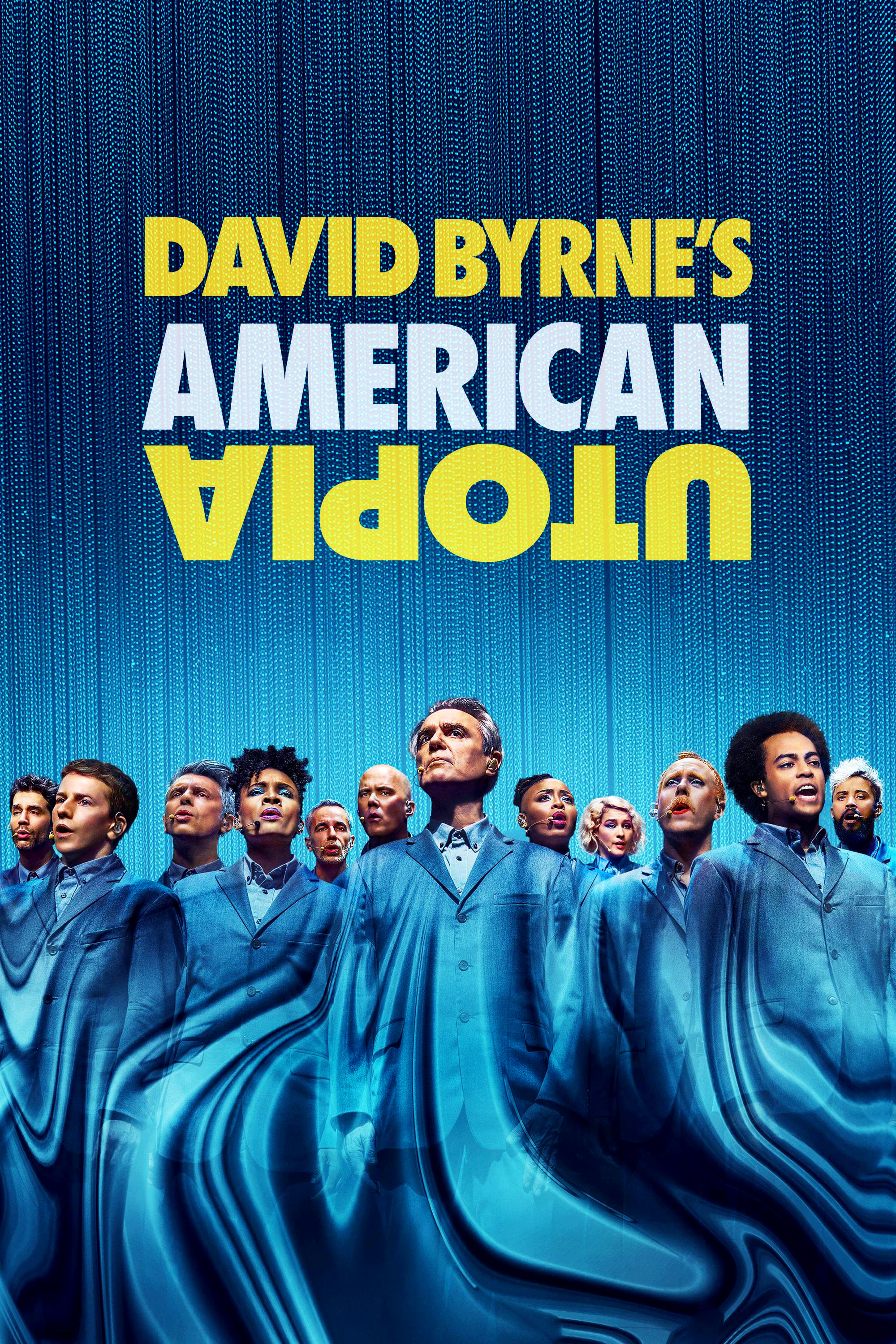
A filmed version of David Byrne's Broadway show, a unifying musical celebration that inspires audiences to connect to each other and to the global community.
Alexander McQueen's rags-to-riches story is a modern-day fairy tale, laced with the gothic. Mirroring the savage beauty, boldness and vivacity of his design, this documentary is an intimate revelation of McQueen's own world, both tortured and inspired, which celebrates a radical and mesmerizing genius of profound influence.