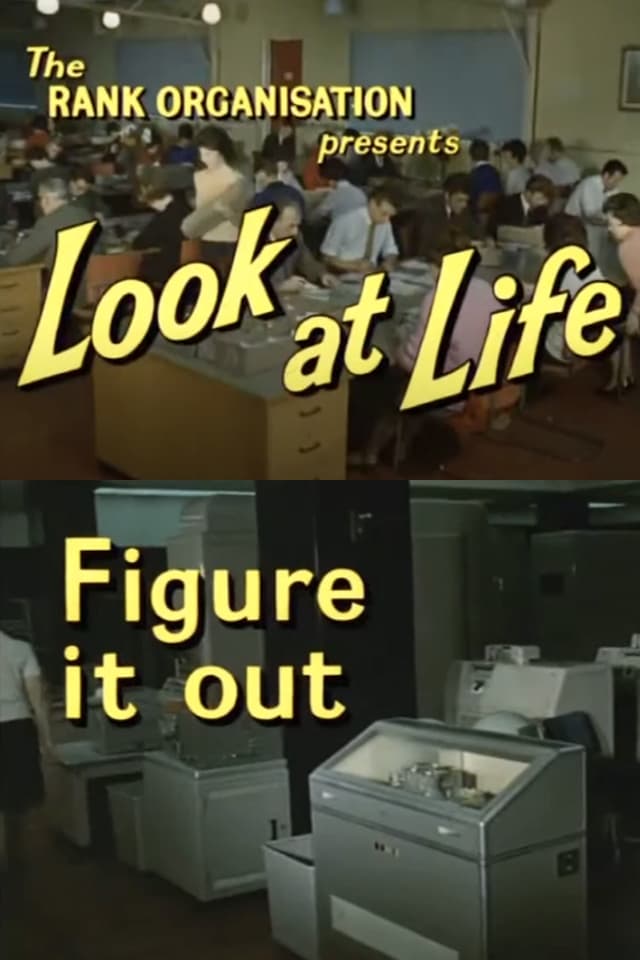
The story of computers: from electronic tape and punched cards, to austere-looking robots.
Social & External

Self - Commentator
What is Bitcoin? With the advent of Bitcoin, the world's first digital currency, for the first time in history money is no longer controlled by banks or governments, but by the people who use it. But where did this currency come from? How does it work? And is it truly the way forward, or just a flash in the pan? Magic Money answers these questions and more as it explores the mysterious origins of Bitcoin, its role in society, and how it could shape the future.
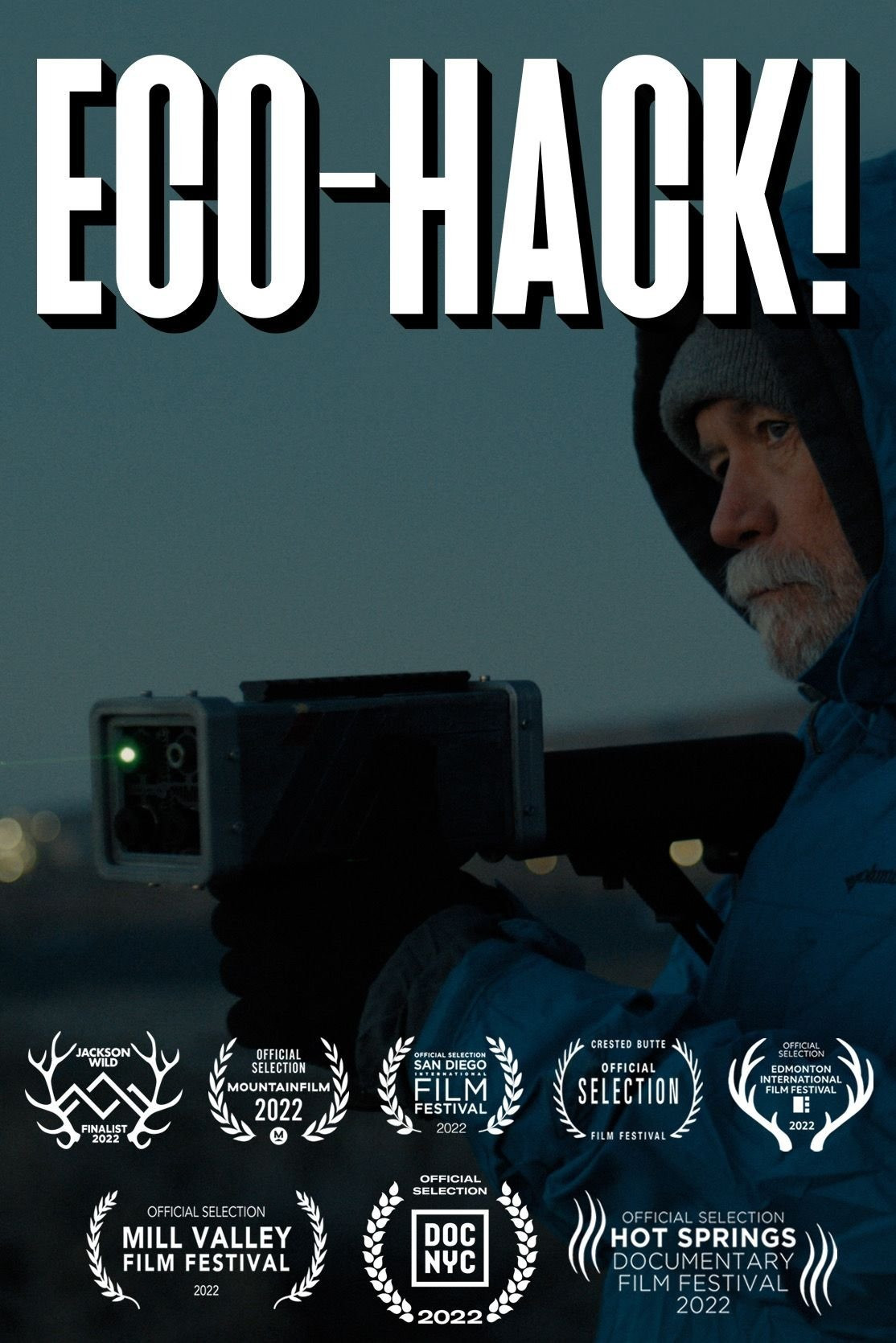
Conservation biologist Tim Shields sees urgency in the field and finds that traditional conservation practices are lacking when it comes to saving desert tortoise populations from ravens. He goes rogue, employing an arsenal of lasers, exploding model turtles, drones and desert rovers as a means of protecting the tortoise's dwindling numbers.


Film sponsored by Western Electric (AT&T's equipment manufacturing division), the builder of the United States Air Force's White Alice Communications System in Alaska. Introduces the people and geography of the new state as well as the Western Electric radio-relay system, which links far-flung military sites, alert stations, and missile-warning facilities. Ralph Caplan praised the film's "intrinsically dramatic and highly photogenic" portrayal of communications equipment.
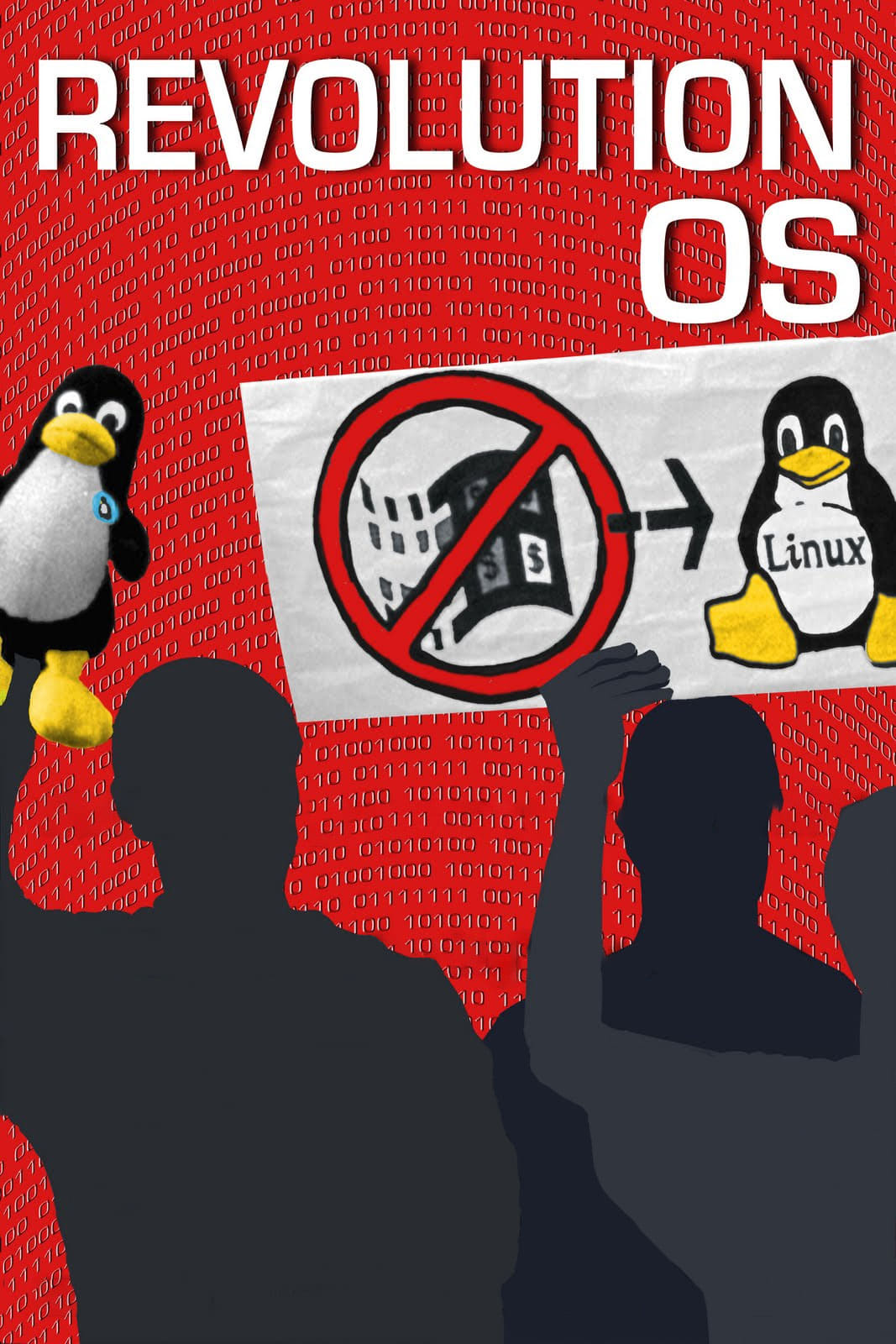
REVOLUTION OS tells the inside story of the hackers who rebelled against the proprietary software model and Microsoft to create GNU/Linux and the Open Source movement.
In a few years, technology will merge with our bodies in ways that today seem unimaginable, and will redefine the limits of what is a human being. There are already people who, driven by the desire to experiment, have crossed the biological limits by introducing electronic devices that provide them with capabilities that go beyond what is "normal." They are the first hybrids, and they face the reaction of society, which goes from malignancy to enthusiasm. Today they are only a small minority, and many people consider them as disrupted experimenters, but in the near future we may recognize them as pioneers.
This short documentary follows the fortunes of iconic car manufacturer Lotus. Once famous for its championship-winning race cars and iconic sports cars, Lotus has struggled to remain in profit. A new investor and managing director set out to build the first new Lotus road cars in over a decade: their final petrol-powered car Emira and their first pure electric British hypercar, the 2000bhp Evija.
Explores the history, technology, people, stories and industry influence of this lesser-known personal computer. The film profiles important individuals involved in the creation of the computer, plus its life after cancellation, both as an entry-level Macintosh compatible and as a collectible. The work of Douglas Engelbart and his team, plus advances from the Xerox Palo Alto Research Center (PARC) with their Alto and Star workstations were the initial innovators of the Graphical User Interface (GUI), but the Apple Lisa stands as the clear foundation for what we all use today -- Macintosh -- Windows -- iOS -- Android.
"Welcome to Macintosh" is a documentary that mixes history, criticism and an unapologetic revelry of all things Apple. Whether a long time Mac fanatic or new to computers, Welcome to Macintosh explores the many ways Apple Computer (now Apple, Inc.) has changed the world, from the early days of the Apple-I to the latest the company has to offer.
On June 11th, 1997, Philippe Kahn created the first camera phone solution to share pictures instantly on public networks. The impetus for this invention was the birth of Kahn's daughter, when he jerry-rigged a mobile phone with a digital camera and sent photos in real time. In 2016 Time Magazine included Kahn's first camera phone photo in their list of the 100 most influential photos of all time.
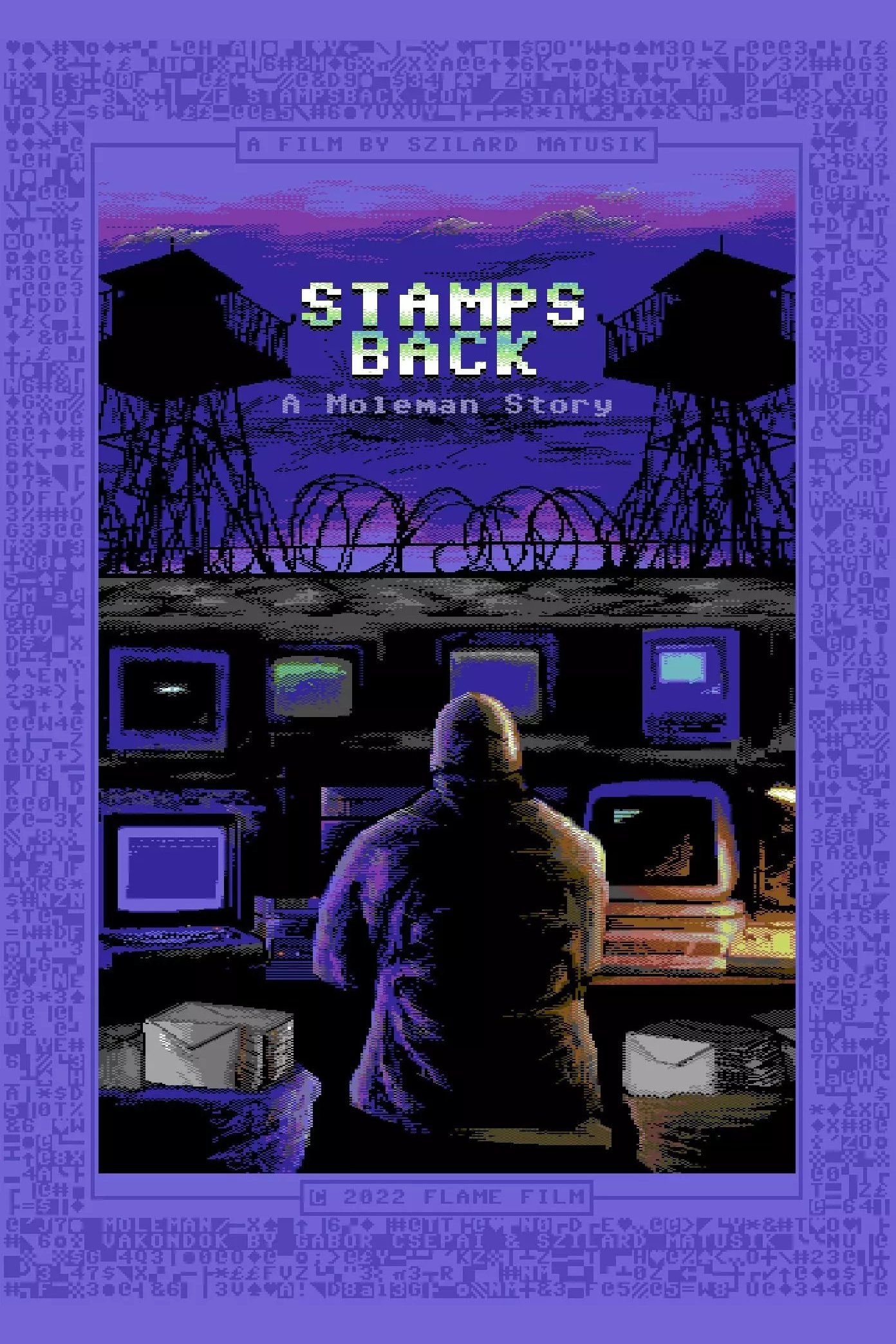
The story of the birth of the Hungarian home computer scene back in the '80s behind the Iron Curtain. Smuggled in C64s, cracked games, swappers, diskmags, hacked phone lines to American BBS servers, demoscene, copy parties.
The life and career of the hailed Hollywood movie star and underappreciated genius inventor, Hedy Lamarr.
Takes us to locations all around the US and shows us the heavy toll that modern technology is having on humans and the earth. The visual tone poem contains neither dialogue nor a vocalized narration: its tone is set by the juxtaposition of images and the exceptional music by Philip Glass.
This documentary-drama hybrid explores the dangerous human impact of social networking, with tech experts sounding the alarm on their own creations.
NOTHING TO HIDE is an independent documentary dealing with surveillance and its acceptance by the general public through the "I have nothing to hide" argument. The documentary was produced and directed by a pair of Berlin-based journalists, Mihaela Gladovic and Marc Meillassoux. It was crowdfunded by over 400 backers. NOTHING TO HIDE questions the growing, puzzling and passive public acceptance of massive corporate and governmental incursions into individual and group privacy and rights. After the emotion initially triggered by the Snowden revelations, it seems that the general public has finally accepted to live in a monitored digital world.
William Shatner presents a light-hearted look at how the "Star Trek" TV series have influenced and inspired today's technologies, including: cell phones, medical imaging, computers and software, SETI, MP3 players and iPods, virtual reality, and spaceship propulsion.
A documentary about the development and spread of the virtual currency called Bitcoin.
Host Grant Jeffrey discusses how technology and government activities are changing the way our information is handled. How is this shaping our lives?
Four children want to invite their friends to a picnic, but they don't know how to use the telephone. Suddenly, the room goes dark and the phone becomes large enough for them to climb into. They walk through a tunnel and meet a man named Telly, who takes them into the world of Telezonia, where they are shown various kinds of telephones. They meet several costumed characters, such as Question Mark, who teaches them how to answer the phone; Q and Z, who show them how to use the phone book; and Exclamation Point, who teaches them how to place a call. By the time they leave Telezonia, they are full-fledged telephone users.
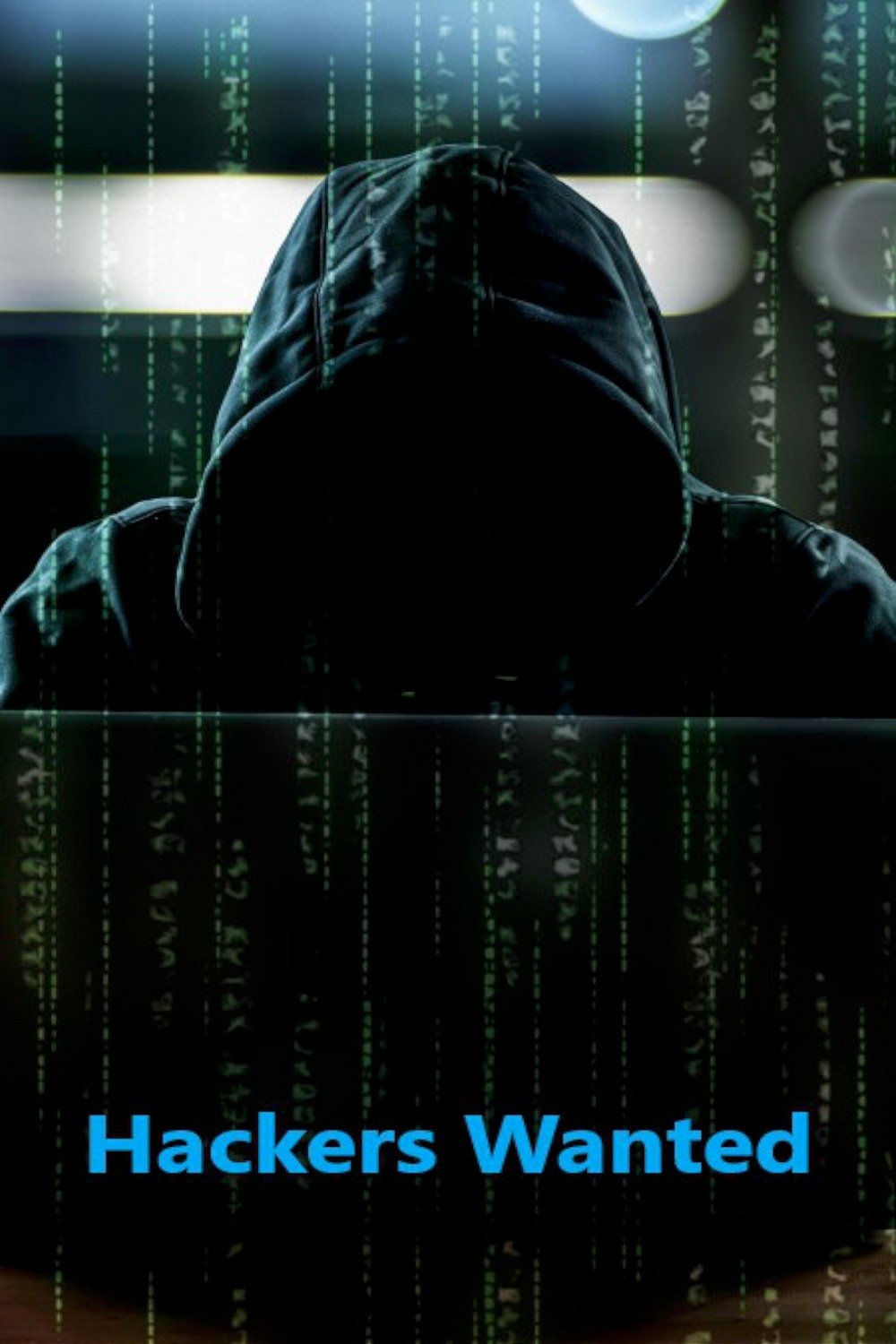
Hackers Wanted explores the origins and nature of hackers and hacking by following the adventures of Adrian Lamo, and contrasting his story with that of controversial figures throughout history.
In the first decades of the 20th century, when life was being transformed by scientific innovations, researchers made a thrilling new claim: they could tell whether someone was lying by using a machine. Popularly known as the “lie detector,” the device transformed police work, seized headlines and was extolled in movies, TV and comics as an infallible crime-fighting tool. Husbands and wives tested each other’s fidelity. Corporations routinely tested employees’ honesty and government workers were tested for loyalty and “morals.” But the promise of the polygraph turned dark, and the lie detector too often became an apparatus of fear and intimidation. Written and directed by Rob Rapley and executive produced by Cameo George, The Lie Detector is a tale of good intentions, twisted morals and unintended consequences.