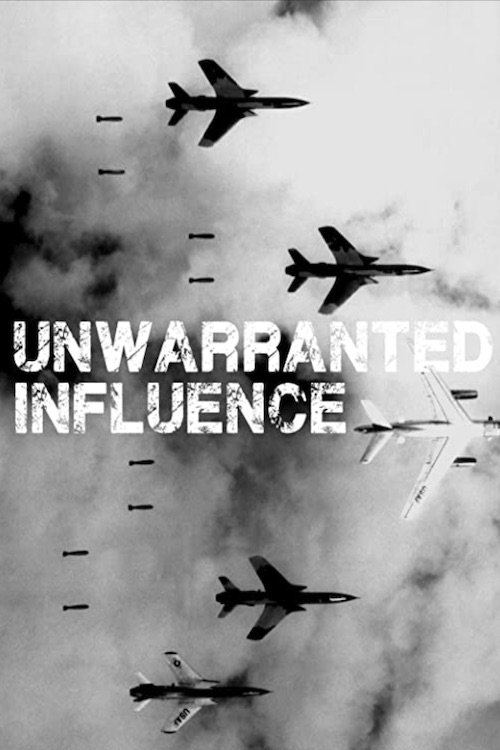
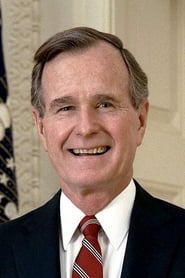
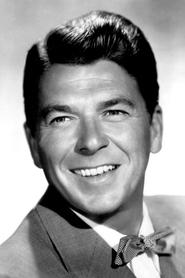
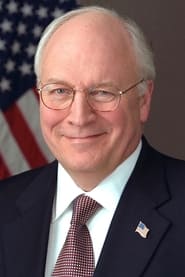
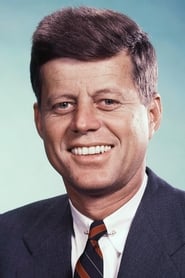
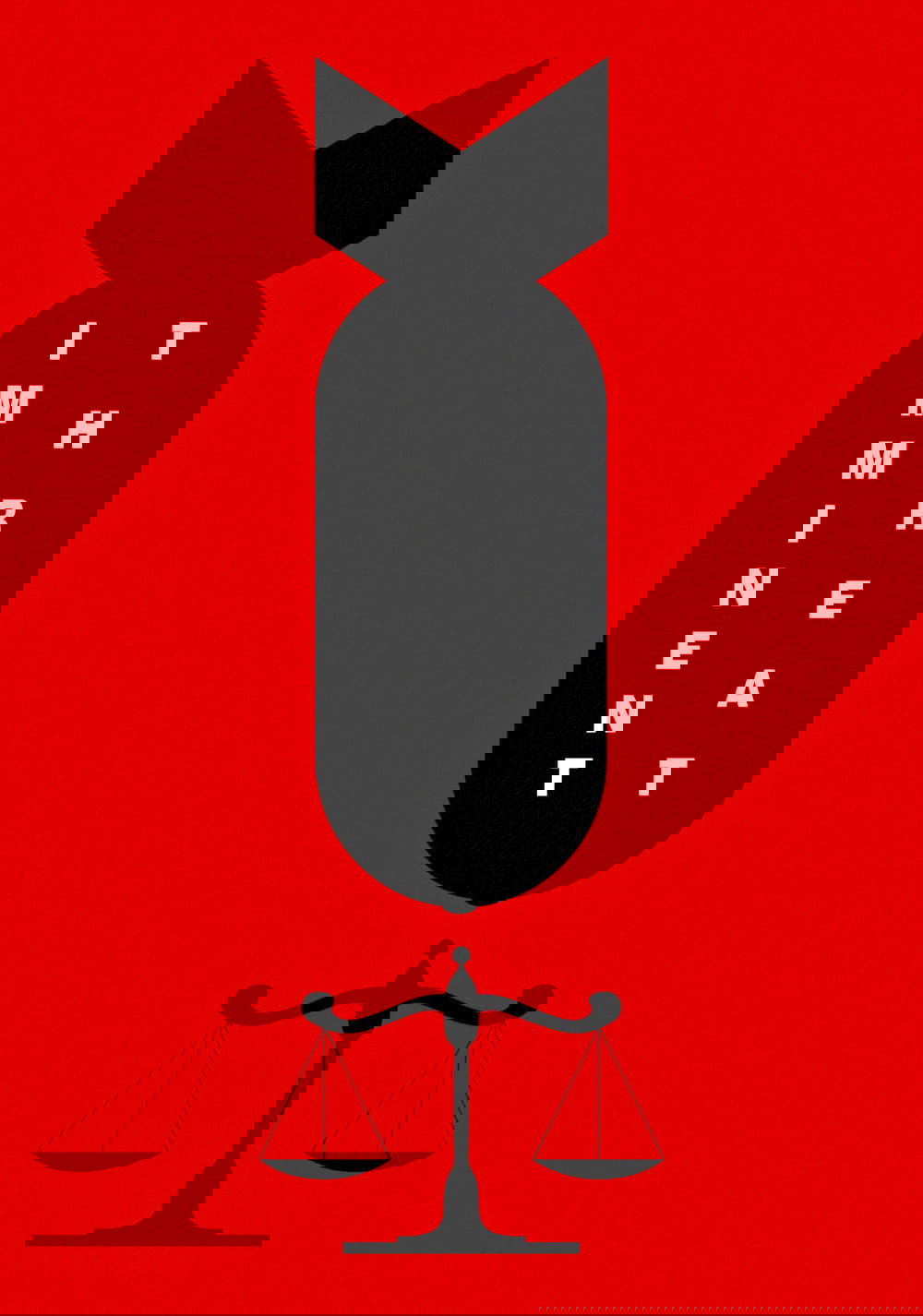
An intense examination of the military industrial complex, from President Eisenhower to the modern day.
Social & External
The people behind it
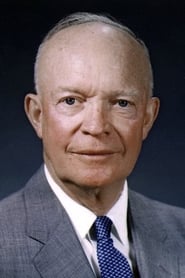
Dwight D. Eisenhower
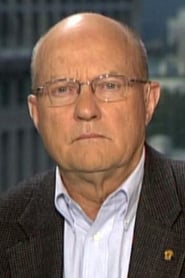
Lawrence Wilkerson
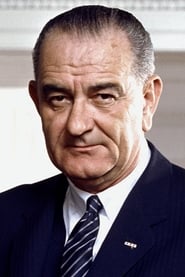
Lyndon B. Johnson
George H. W. Bush
Ronald Reagan
Dick Cheney
John F. Kennedy
Self (archive footage)
A documentary examining possible historical and modern conspiracies surrounding Christianity, the 9/11 terrorist attacks, and the Federal Reserve bank.
Director Peter Joseph examines examples of economic subjugation and offers solutions based on alignment with nature.
Documentary about red-bereted Jimmy Mirikitani, a feisty painter working and living on the street, near the World Trade Center, when 9/11 devastates the neighborhood. A nearby film editor, Linda Hattendorf, persuades elderly Jimmy to move in with her, while seeking a permanent home for him. The young woman delves into the California-born, Japan-raised artist's unique life which developed his resilient personality, and fuel his 2 main subjects, cats and internment camps. The editor films Jimmy's remarkable journey.
Michael Moore's view on how the Bush administration allegedly used the tragic events on 9/11 to push forward its agenda for unjust wars in Afghanistan and Iraq.
Jazz and decolonization are intertwined in a powerful narrative that recounts one of the tensest episodes of the Cold War.
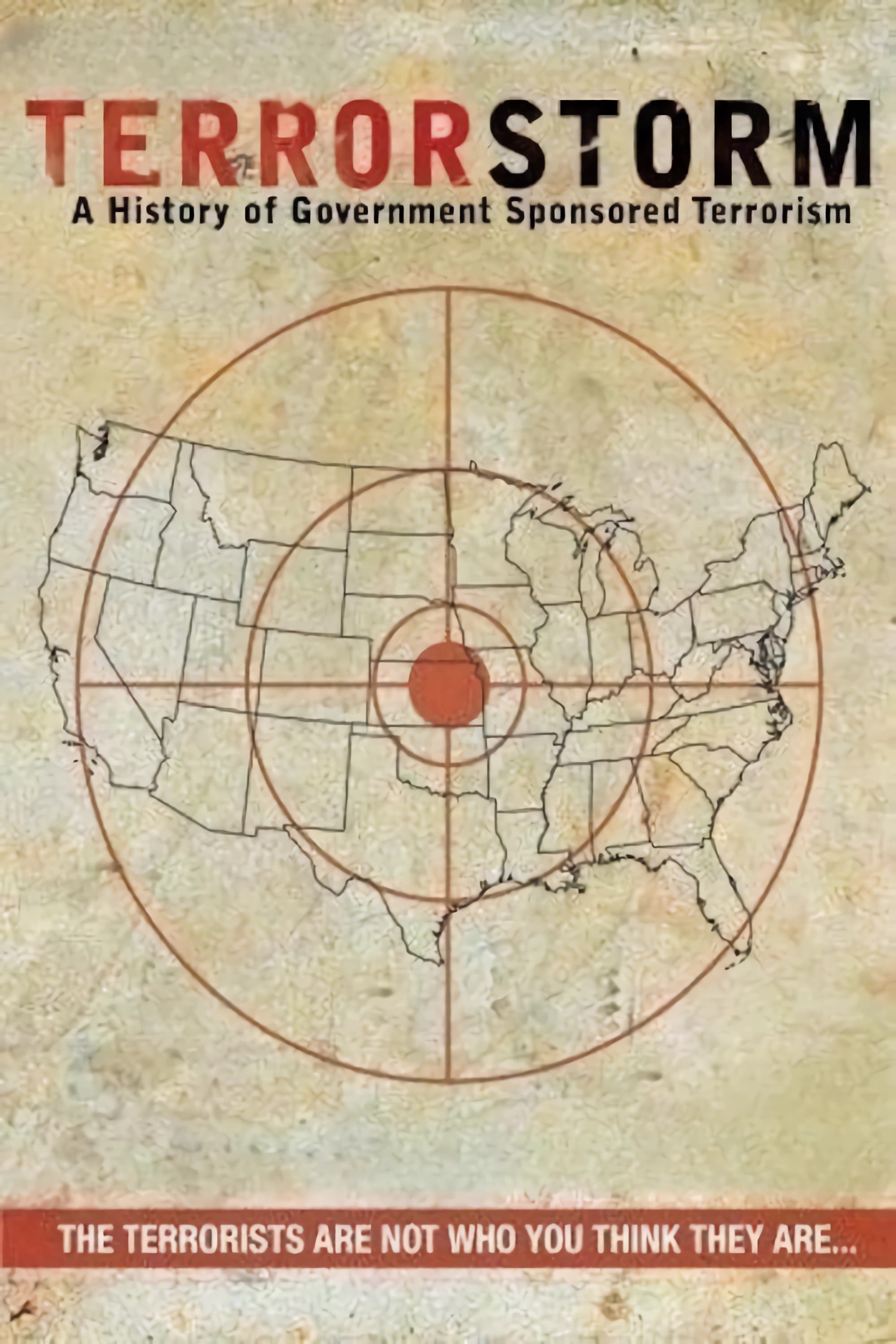
Throughout history, regimes have used terror attacks as a means of control over their populations, and for the last 100 years, Western governments have employed the same measures.
An on-the-scene documentary following the events of September 11, 2001 from an insider's view, through the lens of two French filmmakers who simply set out to make a movie about a rookie NYC fireman and ended up filming the tragic event that changed our lives forever.
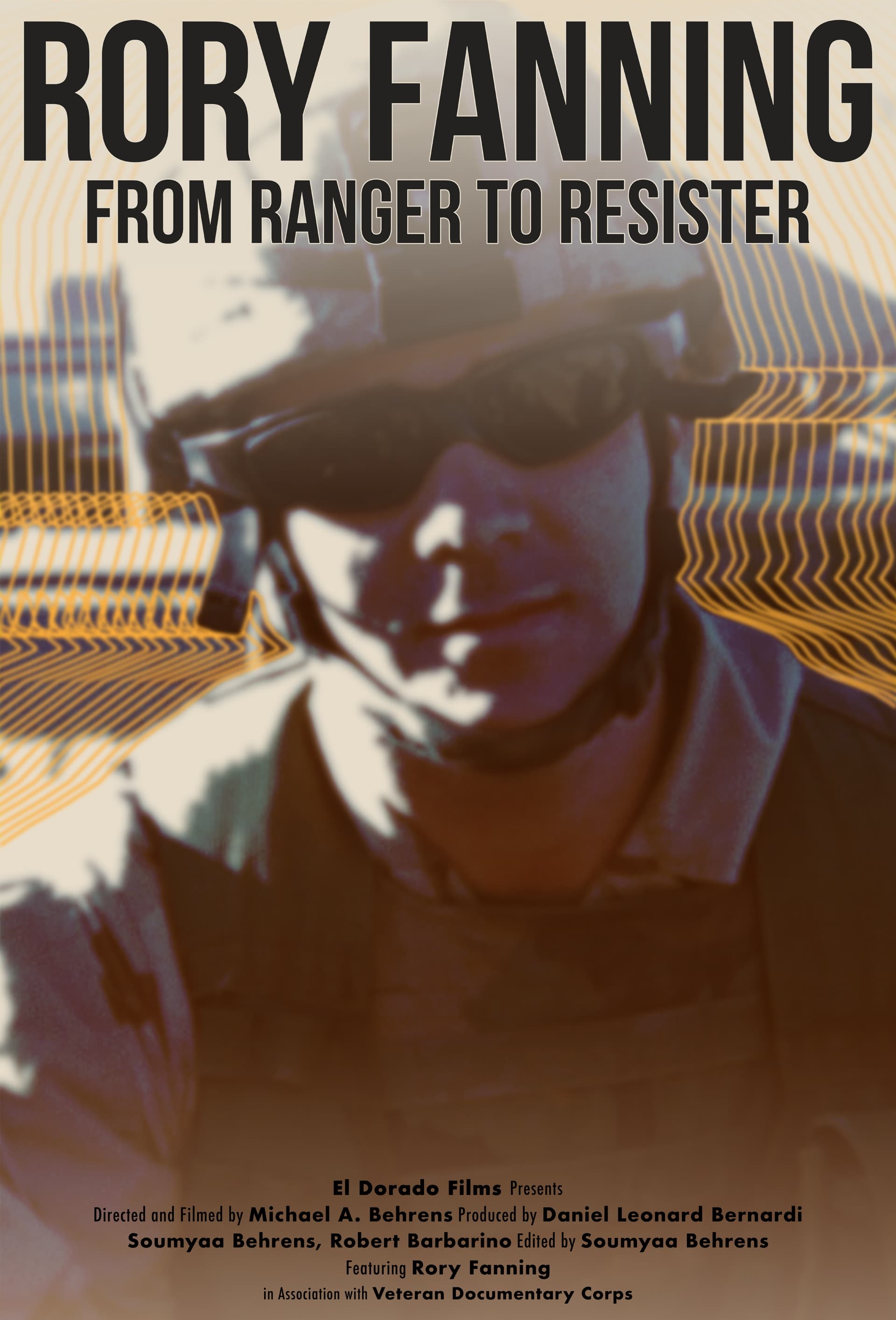
After ex-NFL star turned soldier Pat Tillman's death is covered up by the U.S. Army, Rory Fanning is discharged from the Army for resisting a second combat tour. Back home, he walks across the country while studying the history of war resistors.
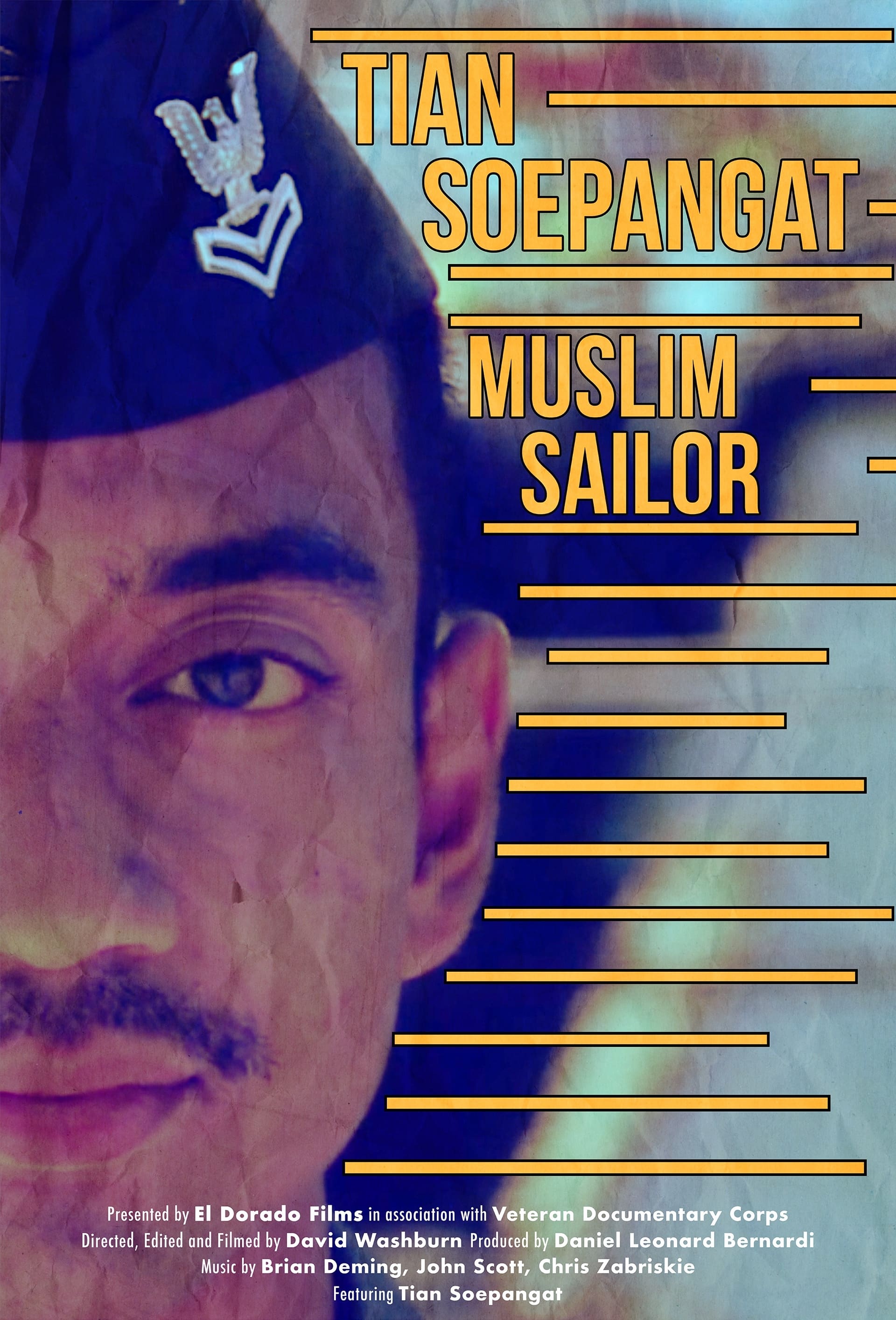
Tian Soepangat joins the U.S. Navy out of a commitment to helping others. As a Muslim, Tian is uncertain of his shipmates' attitudes toward his religion, and so he hides it. Eventually discovering he doesn't have to hide his faith, he is free to express pride in his heritage.
In times of conflict, a companion can be the final thread linking one to human connection. In Call of Duty: Warzone, communication is fractured, making it even harder to truly know those you play with. Dialogue is just a series of terse exchanges of orders and instructions; everything revolves around the game, everything is subsumed by war. Forming a meaningful connection with an anonymous player seems nearly impossible. In The Zone, the protagonists confront this challenge, pushing beyond the fleeting interactions dictated by random matchmaking. They seek to reclaim their humanity, engaging with pressing themes — religion, terrorism, and representation — subtly embedded in the game’s mechanics and geography.
7 years after 911 the supposed mastermind behind the attacks is still at large, and the nation is entrenched in multiple Wars in the Middle East. Is Bin Laden the Evil behind the attack or a mere front man in a larger picture, a Bogeyman? We are told we are fighting a War on Terror, and that the Terrorists hate us for our freedom. If that is the case, why do our leaders take more and more of those freedoms away every day?
STATE OF FEAR takes place in Peru, yet serves as a cautionary tale for a world engaged in a "global war on terror." It dramatizes the human and societal costs a democracy faces when it embarks on a "war" against terror, a "war" potentially without end, all too easily exploited by unscrupulous leaders seeking personal political gain.
How did the USSR - a country considered a second-rate industrial power, economically inferior to Germany, the USA and the UK - shape its victory over the armies of Hitler's regime, and secure its place among the winners?
Die zahlreichen Bilder vom 11. September bewahren die Erinnerung an eine beispiellose Katastrophe. Zu ihrem zehnten Jahrestag wird der Anschlag im Fernsehen wieder und wieder nachgestellt, dokumentiert, analysiert und kommentiert werden. Zum Auftakt zeigt die ARD die Dokumentation "Die Falle 9/11". Der in Teilen bestechende Film kann seine reißerische These allerdings nicht erhärten.
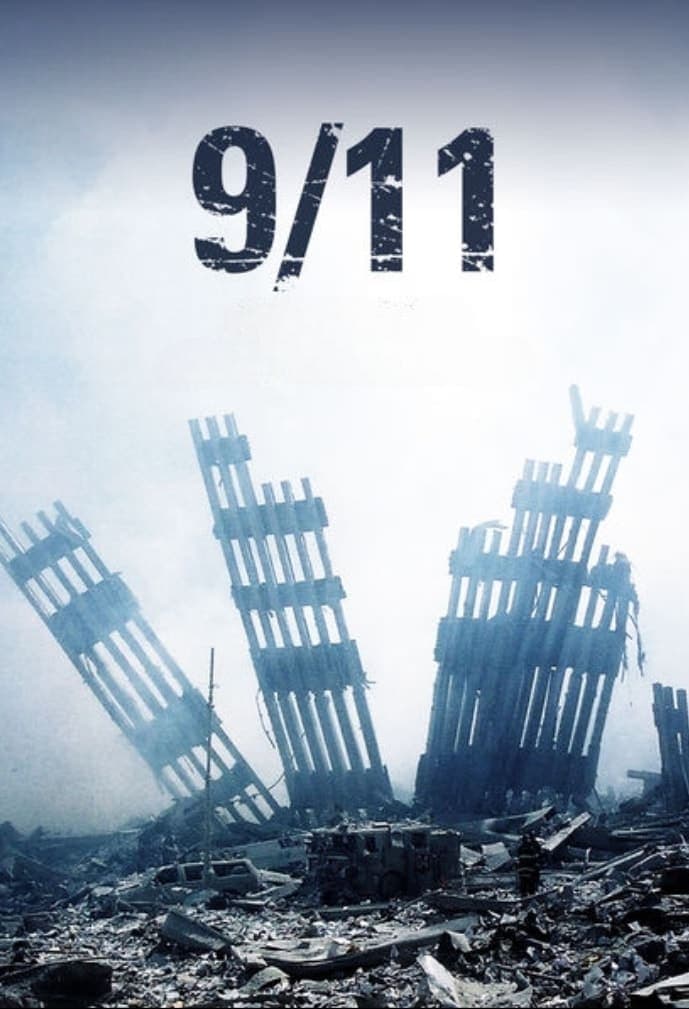
9/11 marked a new era in global terrorism, and a "War on Terror" was launched by the US. Since then, trillions have been spent on conventional warfare, counter-terrorism, secret intelligence, homeland security, cyberdefence and more, in pursuit of a sometimes indefinable enemy. We look at the costs and impact of this effort. Is there less terrorism today than before the war started? Is our world any safer?
Saddam Hussein's arsenal of "weapons of mass destruction" was George W. Bush's main justification for waging war against Iraq in 2003. After the invasion of the country, American leaders recognised that they had been mistaken, and that the Baghdad tyrant did not possess such a capability. Bush claimed it was an error and defended his good faith, denouncing the negligence of his secret services. But the brutal truth lies elsewhere: The war in Iraq was based on lies.
An anti-western propaganda film about the influences of American visual and consumption culture on the rest of the world, as told from a North Korean perspective.
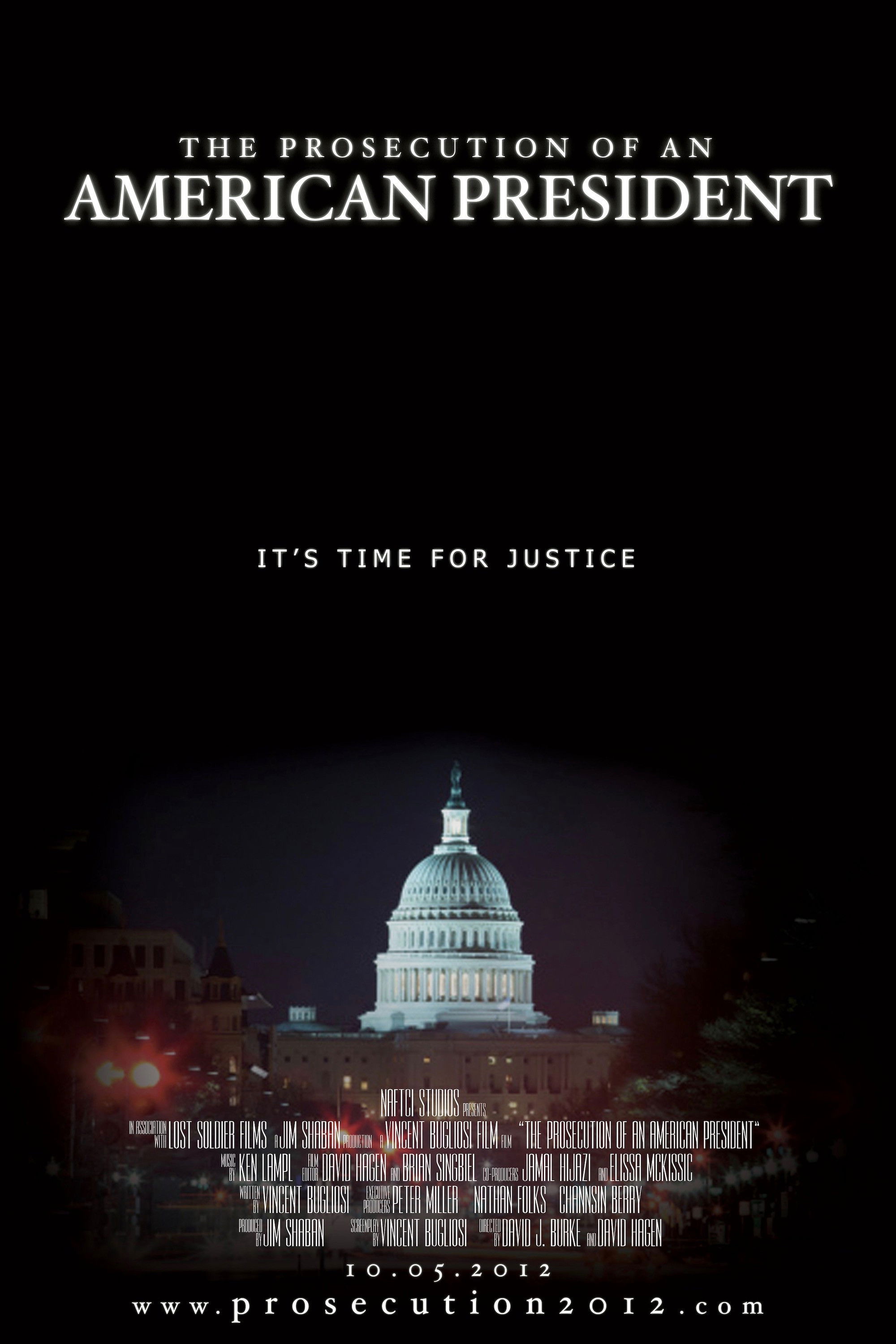
This electrifying film documents the efforts of Vincent Bugliosi, one of our nation's foremost prosecutors, as he presents his case that former president George W. Bush should be prosecuted for the deaths of American soldiers in Iraq because he deliberately took our nation to war under false pretenses. Based on Bugliosi's New York Times bestseller, the movie discloses shocking hidden details of how Bush and his people systematically lied to Congress and the country. He shows incontrovertible evidence that Bush, Cheney, Rice, et al committed a monumental crime under our constitution and the laws of this land. He leads us through a legal understanding of what is needed to bring a formal prosecution, setting the stage for what would be the biggest and most important trial in U.S. history.
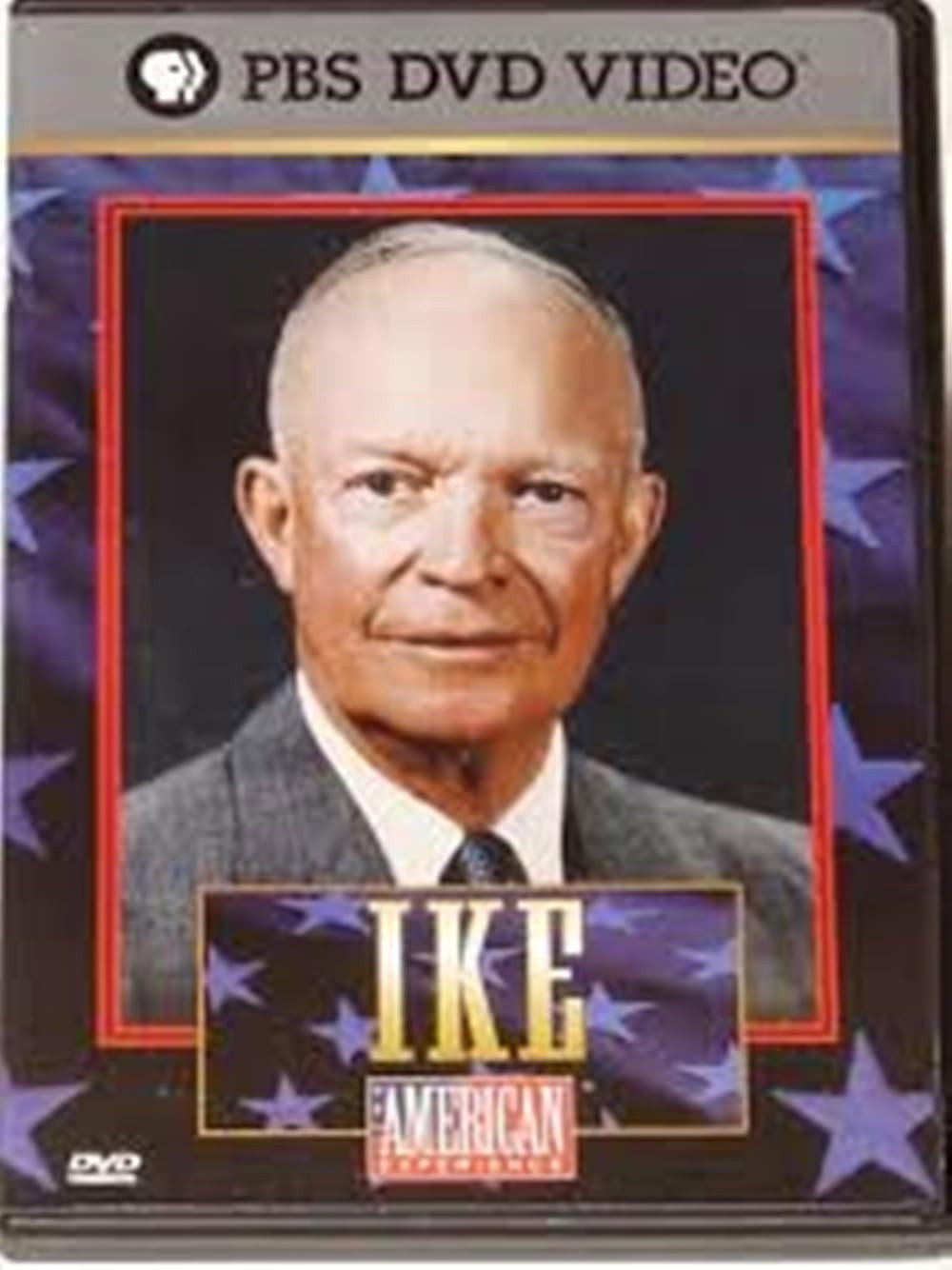
He went off to war an unknown soldier and returned a beloved national hero. Often dismissed as a "do-nothing" president and a good-natured bumbler, Dwight D. Eisenhower -- the last American president to be born in the 19th century -- was actually a skillful politician, a tough Cold War warrior, and one of America's most misunderstood and unappreciated presidents. Two-part documentary from American Experience.
A look at the War on Terror and the threat it's causing to our civil liberties and political discourse. Academy Award nominee James Cromwell presents Janek Ambros' directorial debut. The feature doc tackles the War on Terror's impact on civil liberties and the strange coalition it's creating between the progressive left and libertarian right. The doc examines the NSA, drones, the war on journalism and other encroachments on civil liberties started by the Bush era and expanded by the Democratic establishment.
A look at the origins, history and conspiracies behind the "Majestic 12", a clandestine group of military and corporate figureheads charged with reverse-engineering extraterrestrial technology.
Al Pacino's deeply-felt rumination on Shakespeare's significance and relevance to the modern world through interviews and an in-depth analysis of "Richard III."
Over 35 years after Bob Lazar's revelations, this documentary exposes secrets of a facility the government still denies. Featuring Lazar's testimony, recreations, and new evidence, it reopens a case that continues to spark global curiosity
Through deeply personal interviews with her siblings and an examination of the photographs, letters, and belongings left behind, Mariska assembles a new portrait of her mother Jayne Mansfield, an extraordinary and complex woman.
An inside look at one of the most anticipated movie sequels ever with James Cameron and cast.
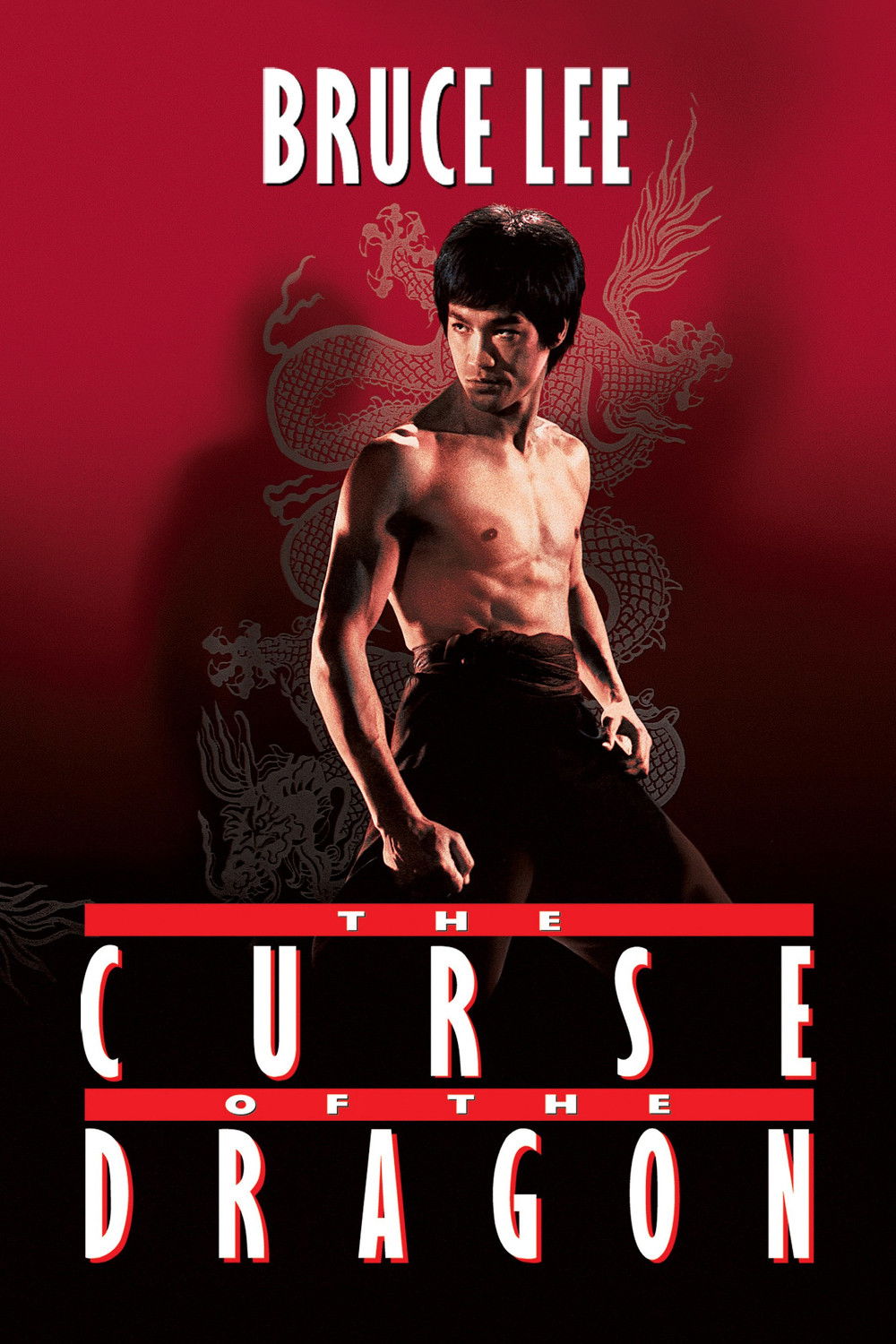
A 1993 documentary film about Bruce Lee. The film includes interviews from some of his fellow students and opponents who worked alongside him in his movies.
A detailing of the rise to prominence and global sporting superstardom of six supremely talented young Manchester United football players (David Beckham, Nicky Butt, Ryan Giggs, Paul Scholes, Phil and Gary Neville). The film covers the period 1992-1999, culminating in Manchester United's European Cup triumph.
This revealing documentary honors the legendary Sidney Poitier—iconic actor, filmmaker, and civil rights activist. Featuring interviews with Denzel Washington, Spike Lee, Halle Berry, and more.
The life and career of an actor, artist, and icon. His own journey through his own camera.
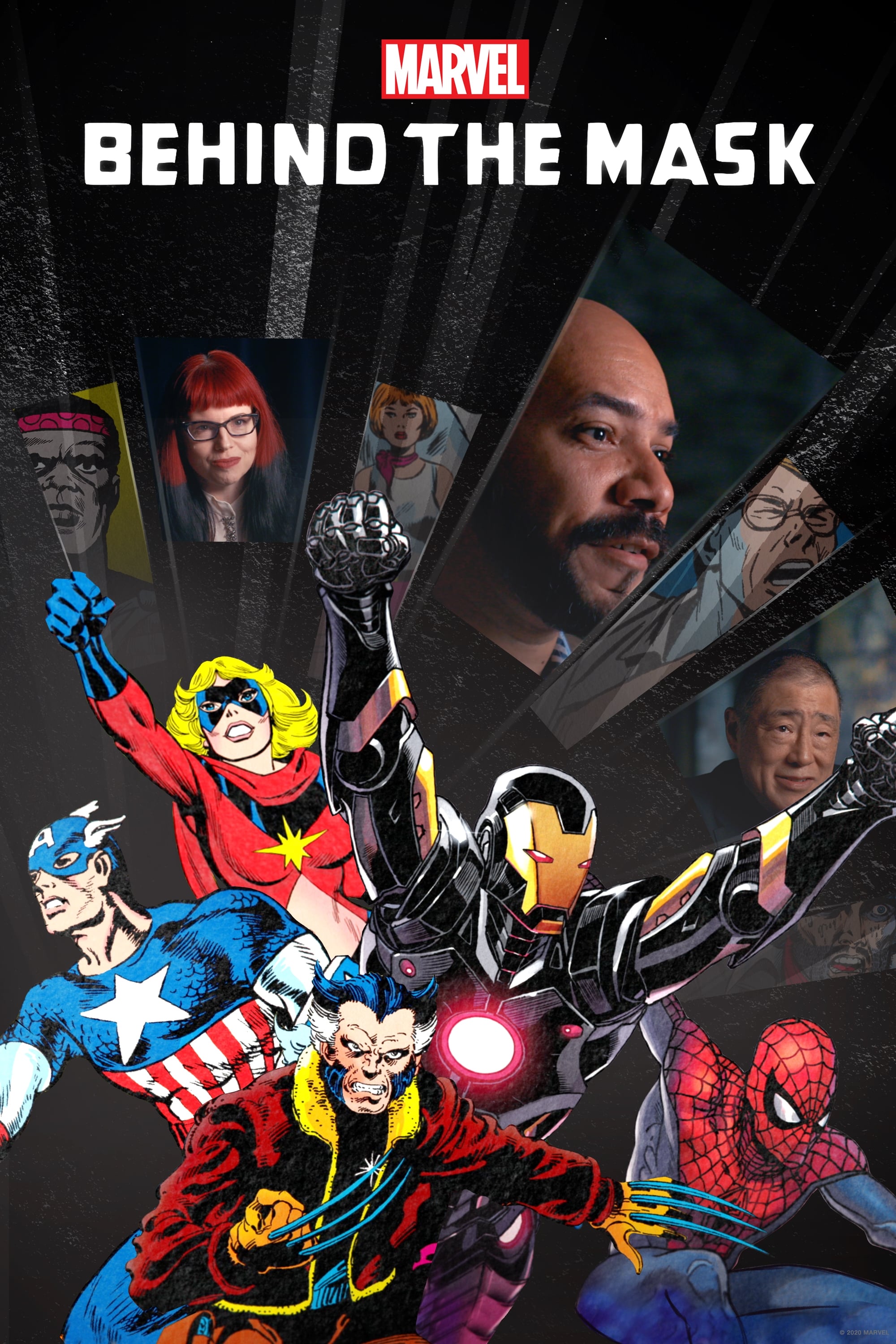
A documentary special that explores the power of identity behind the iconic superheroes we know and love today. These legendary Marvel creations and stories have not only reflected the world outside our window – they have become a reflection of our own identities and who we truly are.
Experience the events of September 11, 2001 through the eyes of President Bush and his closest advisors as they personally detail the crucial hours and key decisions from that historic day.
Brilliant, long in-the-works story of the life and art of the world's greatest comedian and the cinema's first genius, Charlie Chaplin. Produced, written and directed by renowned film critic Richard Schickel.
A subjective documentary that explores various theories about hidden meanings in Stanley Kubrick's classic film The Shining. Five very different points of view are illuminated through voice over, film clips, animation and dramatic reenactments.
Musician and performance artist Laurie Anderson reflects on the deaths of her husband Lou Reed, her mother and her beloved dog.
In an intimate and joyful story of love in the face of loss, celebrated poets Andrea Gibson and Megan Falley find strength—and unexpected hilarity—in what might be their final year together.
A visual montage portrait of our contemporary world dominated by globalized technology and violence.
Follow the evolution of the 'Halloween' movies over the past twenty-five years. It examines why the films are so popular and revisits many of the original locations used in the films - seeing the effects on the local community. For the first time, cast, crew, critics and fans join together in the ultimate 'Halloween' retrospective.
The background and career of Tony Parker, whose determination led him to become arguably the greatest French basketball player.
The life and career of one of comedy's most inimitable modern voices, Mr. Gilbert Gottfried.
A documentary about the life and films of director John Ford.