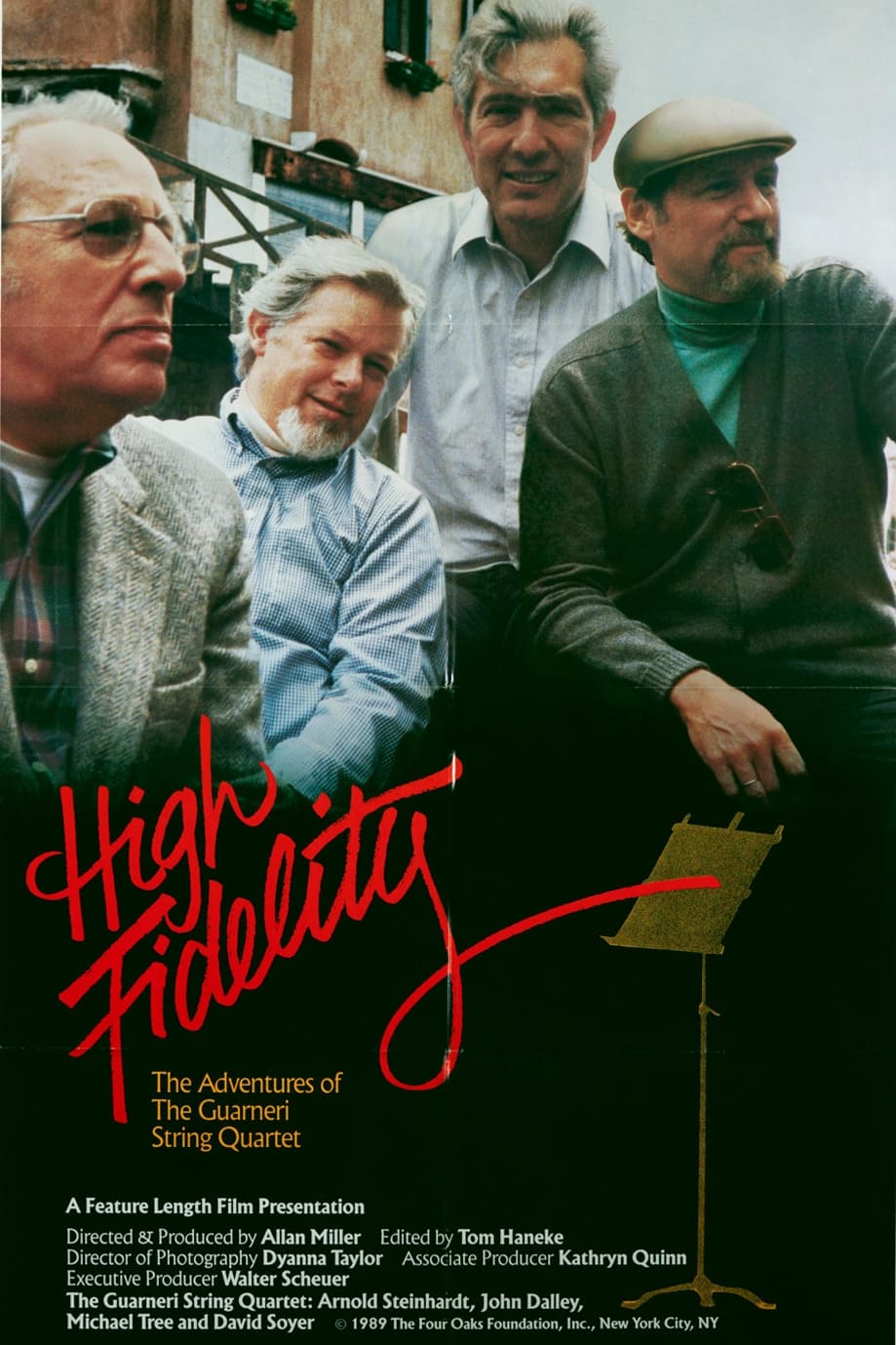
Relationships, rehearsals, performances, hobbies, and family life of the members of the Guarneri String Quartet.
Social & External
The people behind it
John Dalley
Self
David Soyer
Arnold Steinhardt
Michael Tree
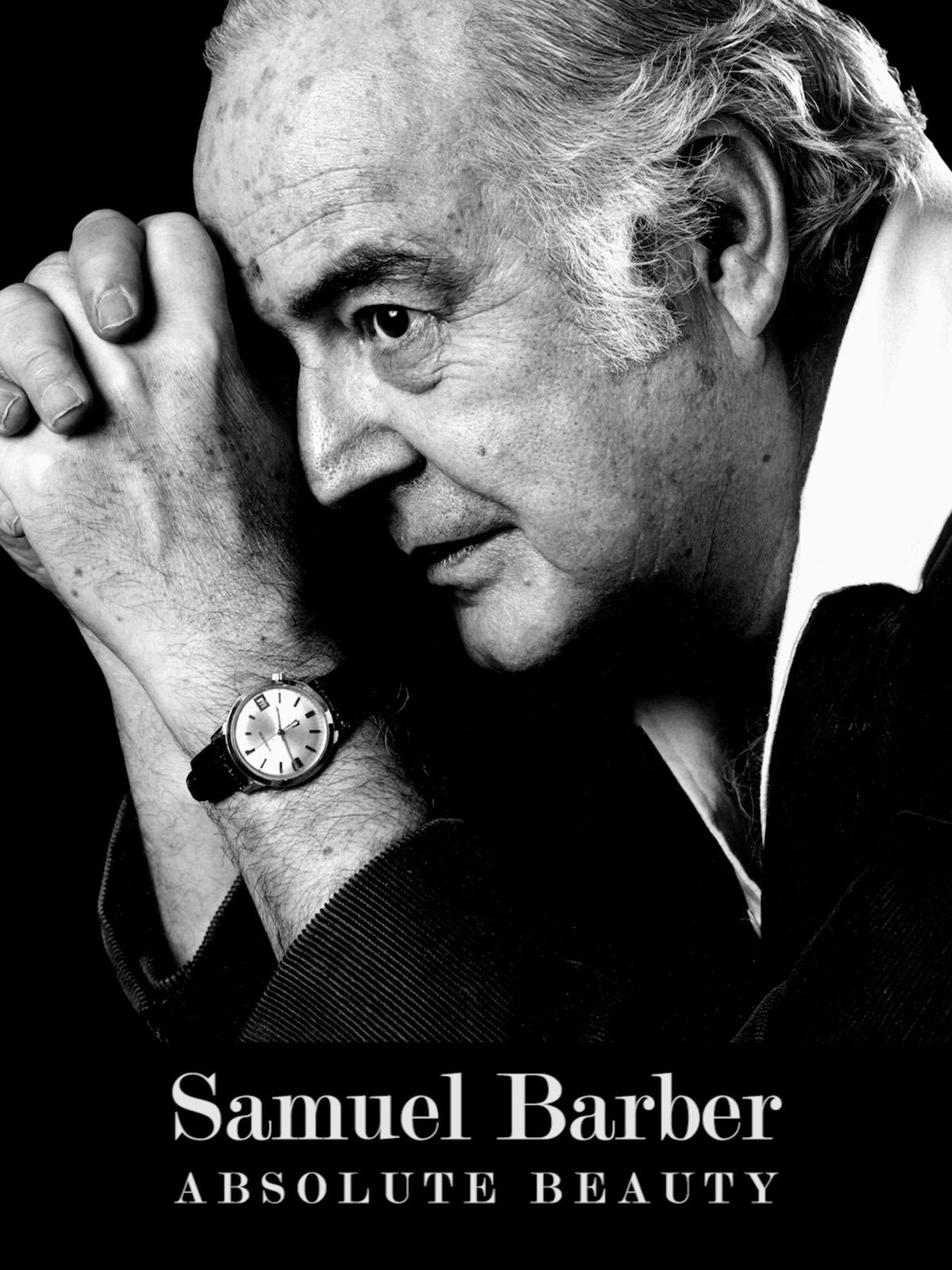
Known for his mournful "Adagio for Strings," Samuel Barber was never quite fashionable. This acclaimed film is a probing exploration of his music and melancholia. Performance, oral history, musicology, and biography combine to explore the life and music of one of America’s greatest composers. Features Thomas Hampson, Leonard Slatkin, Marin Alsop and many more of the world's leading experts on Barber's music, with tributes from composers Leonard Bernstein, Aaron Copland, Virgil Thomson and William Schuman. The film was broadcast on PBS, and screened at nine film festivals internationally, with three best-of awards. It was named a Recording of the Year 2017 by MusicWeb International.
Jenny is young. Her life is over. She killed someone. And she would do it again. When an 80-year-old piano teacher discovers the girl’s secret, her brutality and her dreams, she decides to transform her pupil into the musical wunderkind she once was.
A live recorded performance of Castle Atom, a band from the MD/DE area. Six songs are performed, intercut with random conversation and interludes.
Two families, abolitionist Northerners the Stonemans and Southern landowners the Camerons, intertwine. When Confederate colonel Ben Cameron is captured in battle, nurse Elsie Stoneman petitions for his pardon. In Reconstruction-era South Carolina, Cameron founds the Ku Klux Klan, battling Elsie's congressman father and his African-American protégé, Silas Lynch.
Lázaro, a terminally ill young man, goes on a journey to find Ambrosía, a mysterious pirate town where death doesn't happen.
Changing colors according to the music.
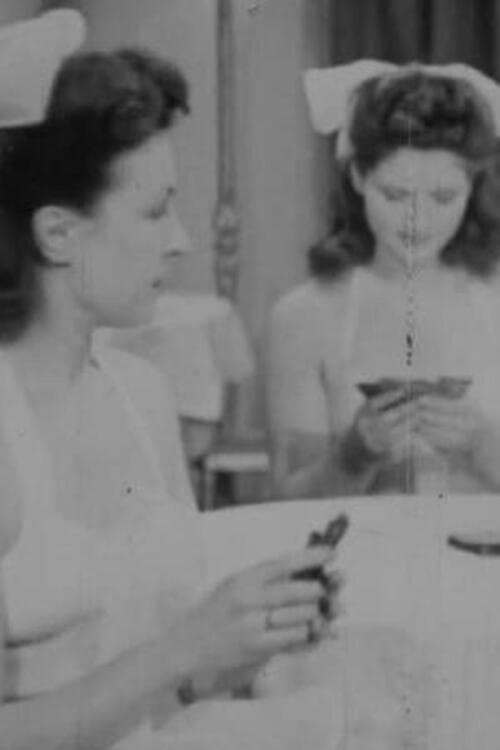
Set during rehearsals for a cabaret show, this short film features singer Rosalind Melville.
In 1975, as America faced social and political upheaval, filmmakers turned chaos into art.
In a special Christmas edition, violinist Daniel Hope and guests perform a varied and atmospheric repertoire including traditional Christmas songs in new arrangements, classical works and the hit song "Fields of Gold". Daniel Hope's guests are British musician, composer, and living-legend, Sting, Canadian pianist Bruce Liu, winner of the 18th International Chopin Piano Competition, South African soprano Golda Schultz, Argentinian-British guitarist Dominic Miller, Brazilian pianit Sylvia Thereza, the up-and-coming Leonkoro Quartet, cellist Nicola Mosca and percussionist Michael Metzler.
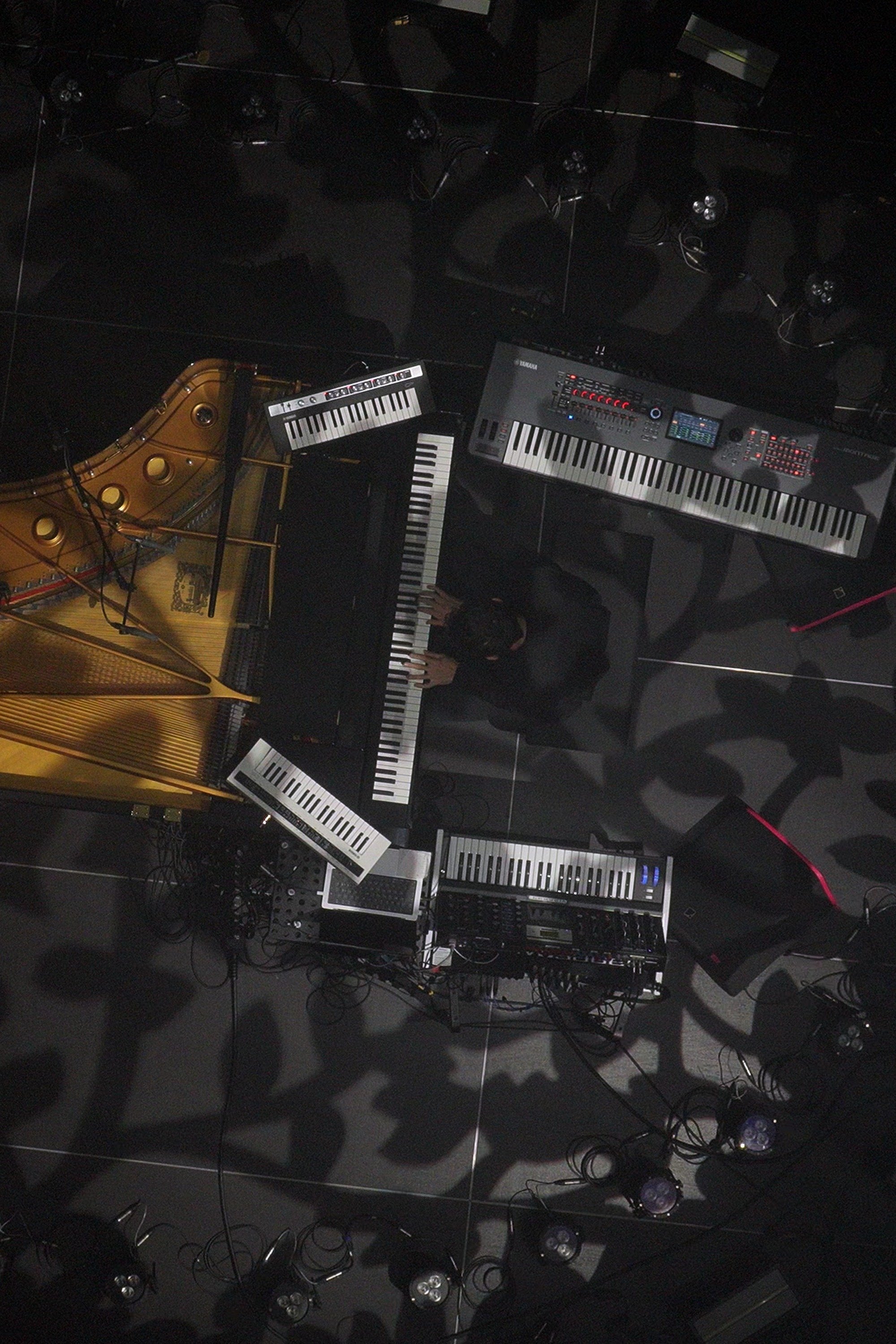
Although he is a highly regarded classical pianist, Francesco Tristano closes his concerts with a remarkable DJ set. With these unique performances, part classical music and part electronic, the Luxembourg-based artist proves he can stimulate both mind and body.
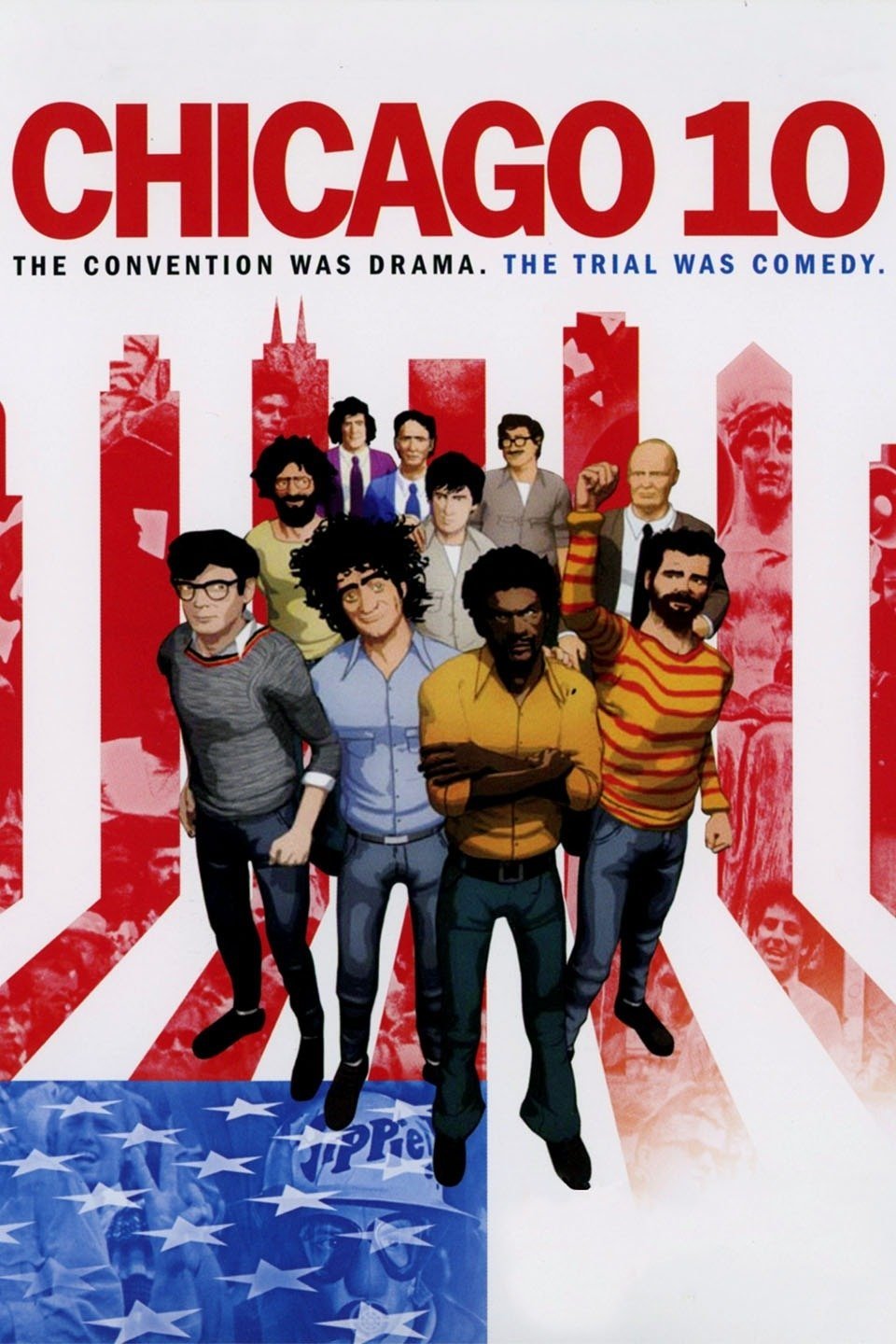
Archival footage, animation and music are used to look back at the eight anti-war protesters who were put on trial following the 1968 Democratic National Convention.
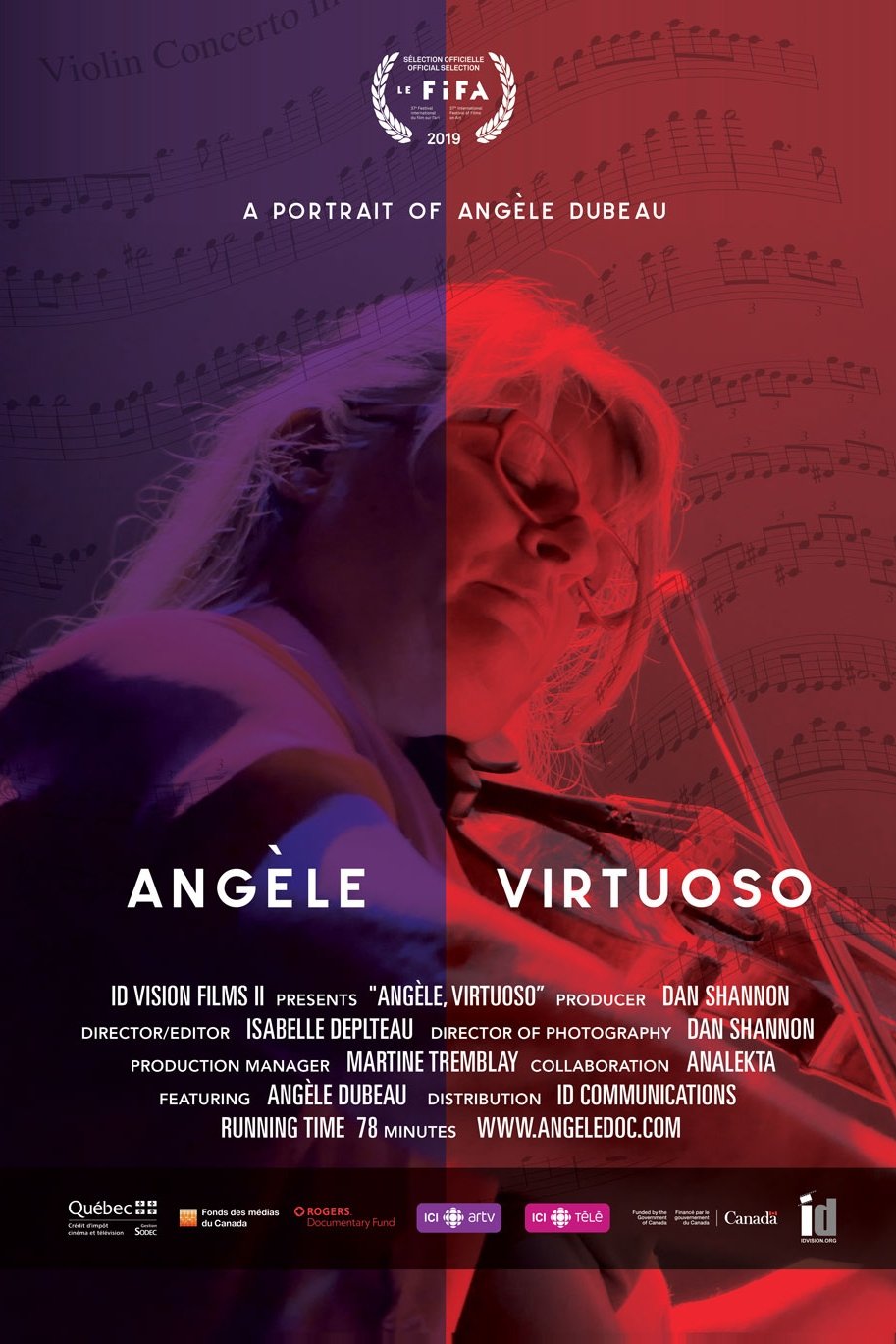
The unconventional story of virtuoso violinist Angèle Dubeau and her incredible journey from a small Quebec rural town to Julliard and eventually, to the world stage.
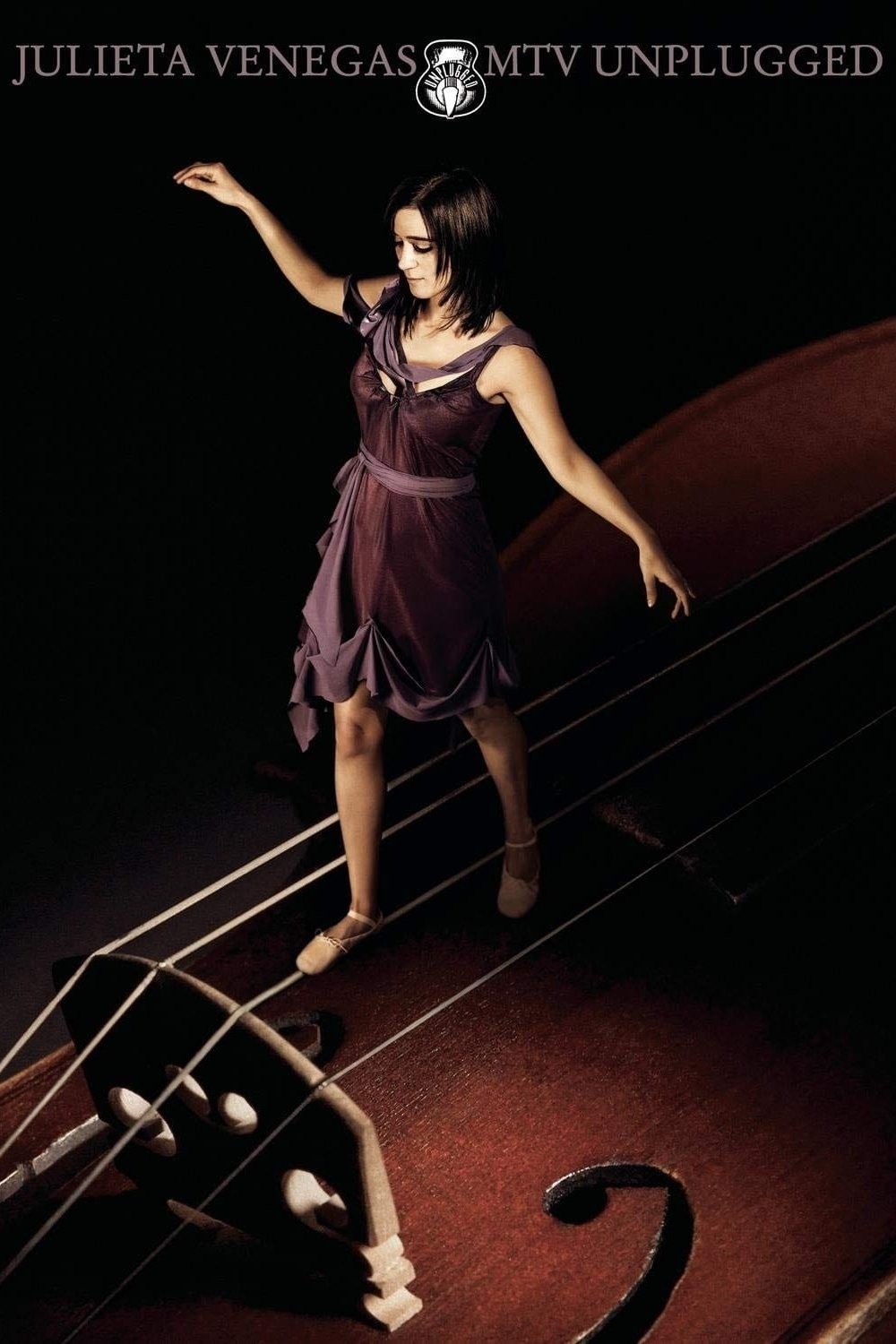
MTV Unplugged is the first live album recorded by Mexican singer-songwriter Julieta Venegas. The album features a selection of her greatest hits, along with new tracks, including the singles "El Presente" and "Algún Día". A handful of guest artists was included: Gustavo Santaolalla, Natalia Lafourcade, Marisa Monte and La Mala Rodríguez.
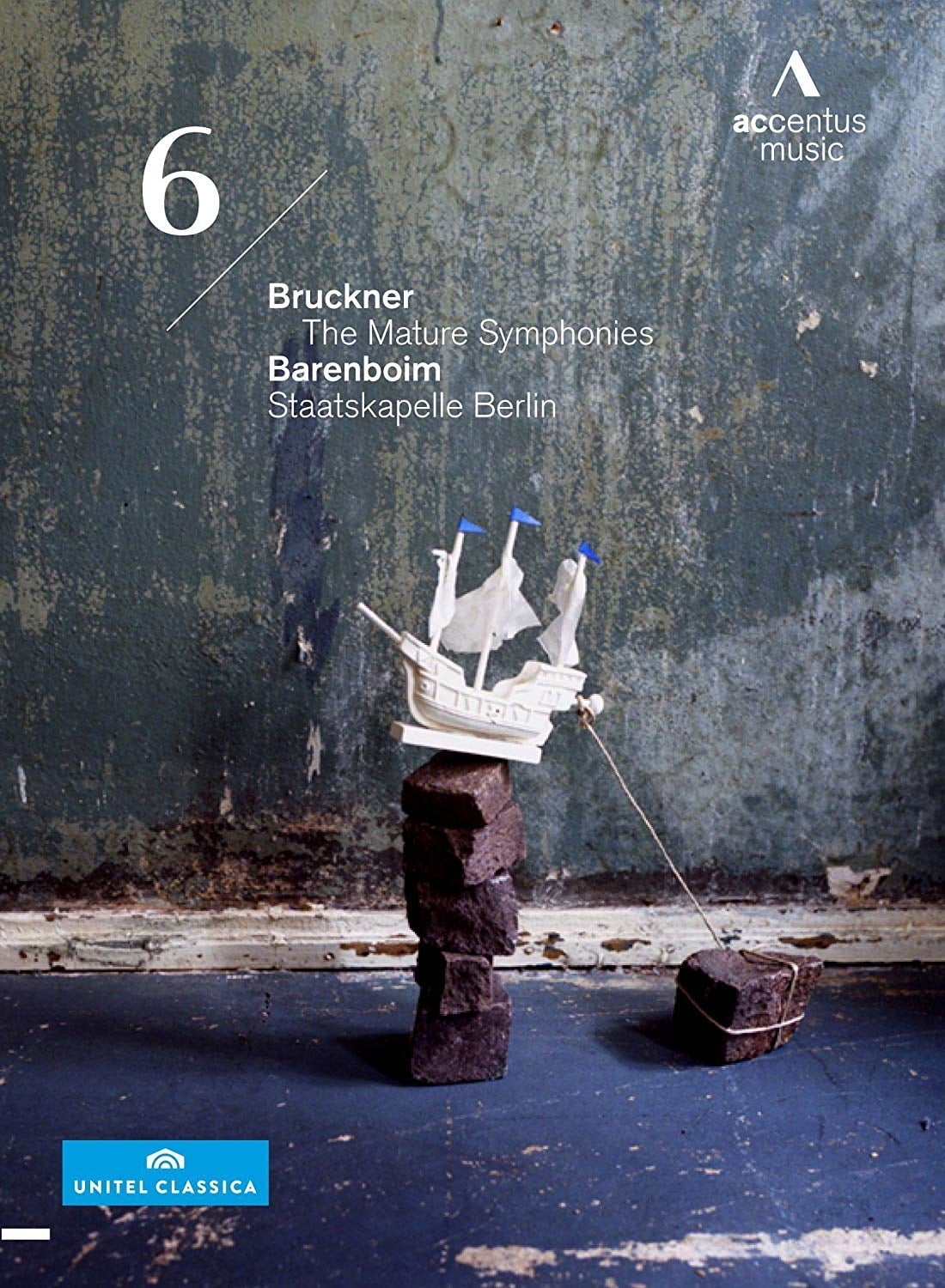
Anton Bruckner’s 6th Symphony was written between 1879 and 1881: a very happy time in his life. Unlike most of Bruckner’s symphonies, the 6th was not revised. Of all his works, this one seems to come from a single source of inspiration. Bruckner himself called it his “boldest” symphony – probably due to its extreme degree of motivic, rhythmic and harmonic originality. This live recording of the seldom-performed 6th Symphony is the next instalment of the acclaimed Bruckner cycle by the Staatskapelle Berlin and Daniel Barenboim. Anton Bruckner Symphony No. 6 in A major (original version) Daniel Barenboim, Conductor Staatskapelle Berlin Recorded live at the Philharmonie Berlin, 22 June 2010
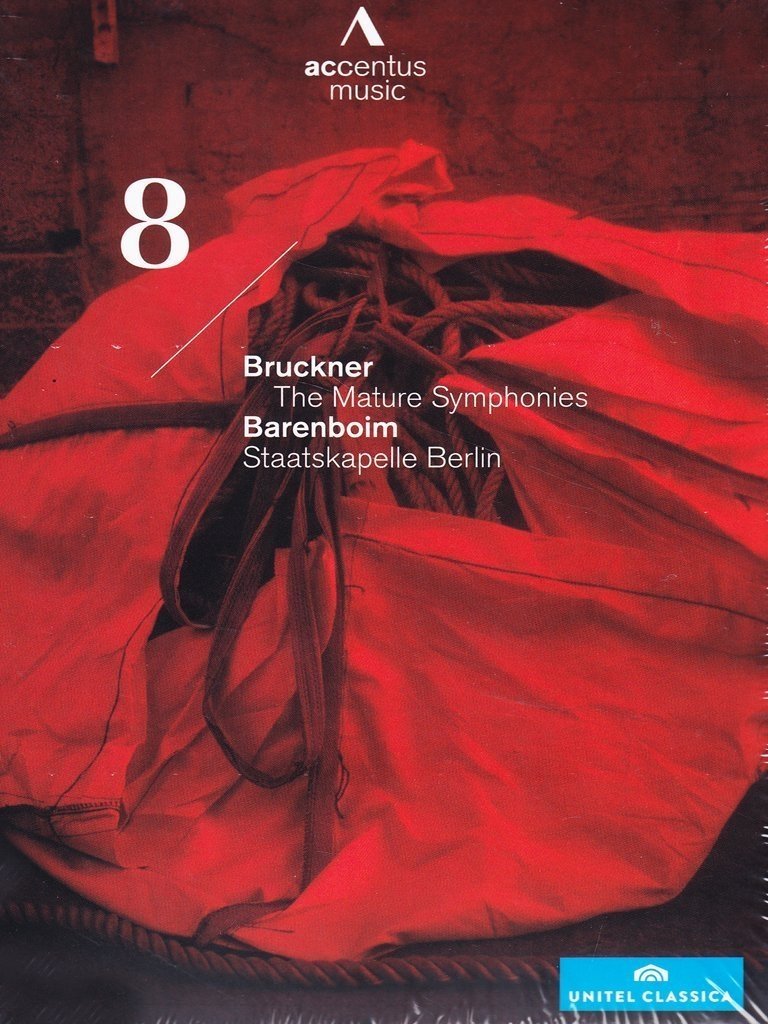
“Clarity was one thing that made this performance a marvel. Another was the flexibility of Barenboim’s speeds…. The flexibility of Barenboim’s tempi meant that Bruckner’s charm – an often overlooked aspect of his genius – shone through, especially in the genial Trio.” (The Telegraph) Bruckner’s 8th is the last symphony completed by the Austrian composer. Many of his contemporaries regarded the symphony as “the pinnacle of 19th century music”. Even today, this monumental work fascinates listeners with its virtuoso orchestral technique, its immensity of sound, and its inexhaustible richness of detail. Symphony No. 8 in C minor (second version 1887-90, Robert Haas Edition) Daniel Barenboim, Conductor Staatskapelle Berlin Recorded live at the Philharmonie Berlin, 26 June 2010
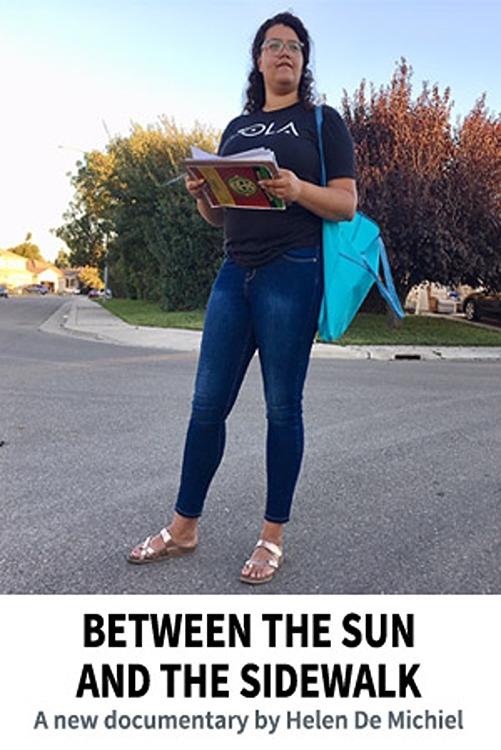
Christian Garcia, a fiercely dedicated Latino political organizer, leads a team of young people mobilizing their community for a soda tax. Tested during their fight for the right to vote, the young recruits dare to beat back the goliath soda industry and ignite a youth-powered movement for health equity and justice.
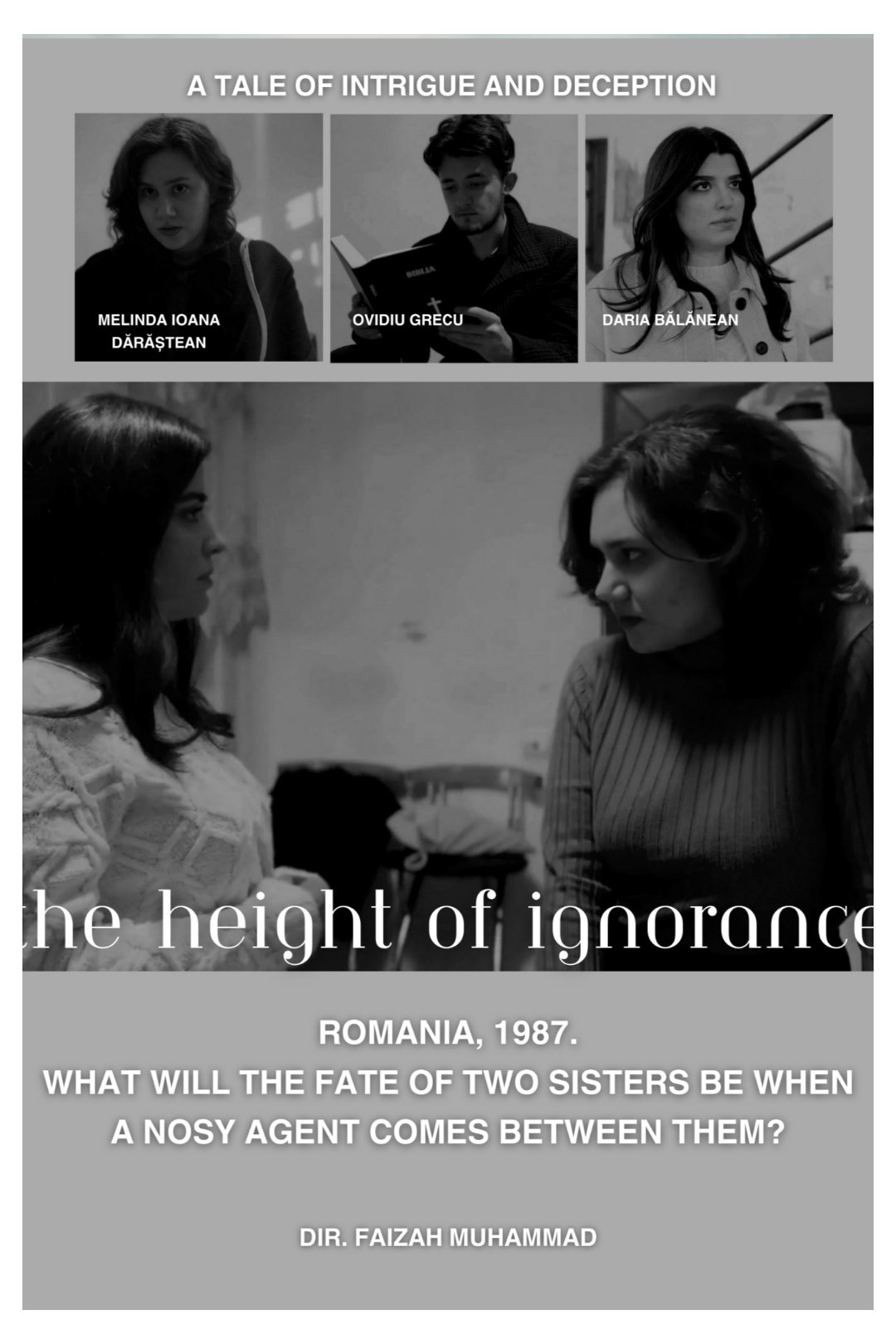
Two sisters face the presence of a nosy Security agent during the Communist period in Romania.
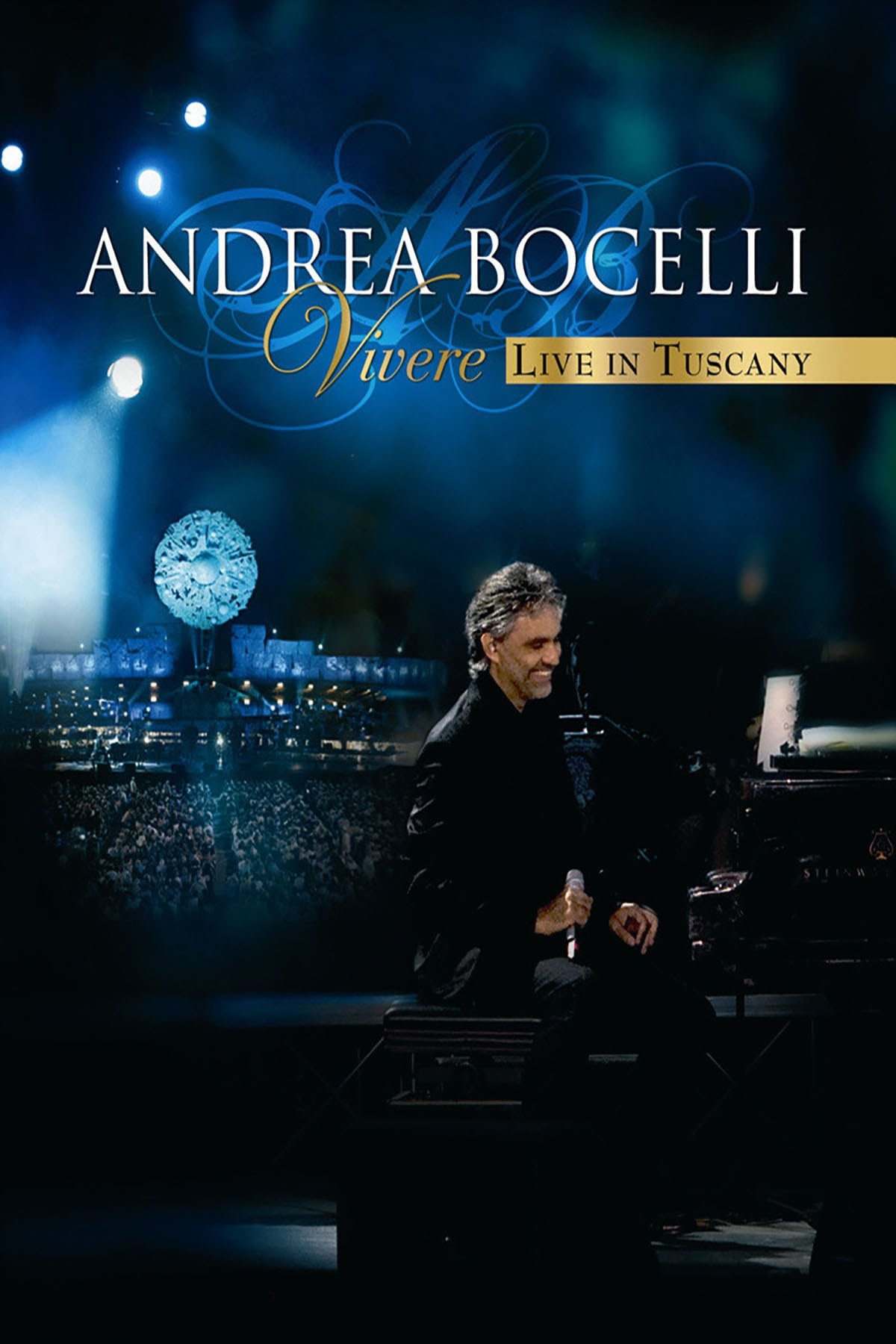
Italian tenor Andrea Bocelli grew up in Lajatico, a rural village in Tuscany, where his family still farms nearby. In July 2007, on the slopes of his ancient hill town, a special theater was constructed for a one-night-only concert of his greatest popular hits along with new songs performed to honor the occasion. Some famous musical friends dropped by and the magical result is Andrea Bocelli - Vivere - Live in Tuscany, premiering this December on PBS.
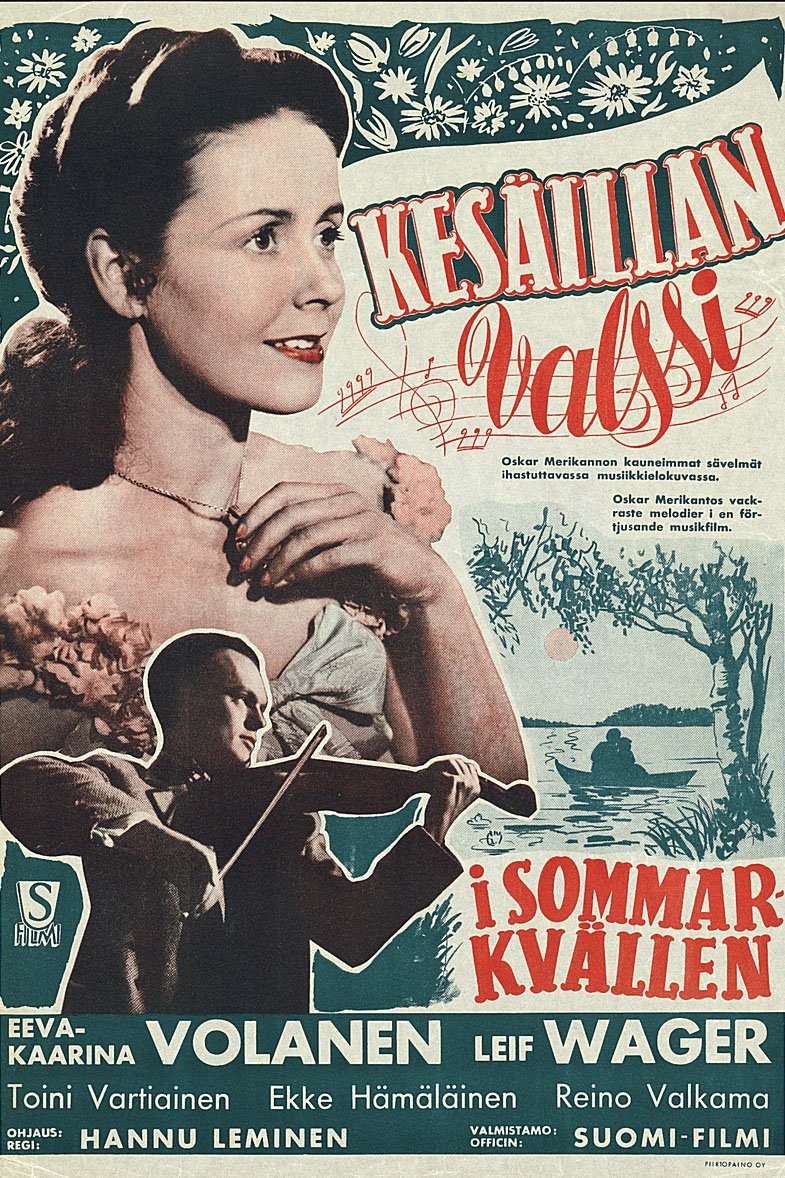
A story built around the music of Oskar Merikanto, tells the love story of the poor musician Lauri Alanko and the daughter of the rich Grahn family Annina. Annina’s family doesn’t approve of the relationship, and the couple’s happiness is also threatened by Lauri’s worsening eye disease.
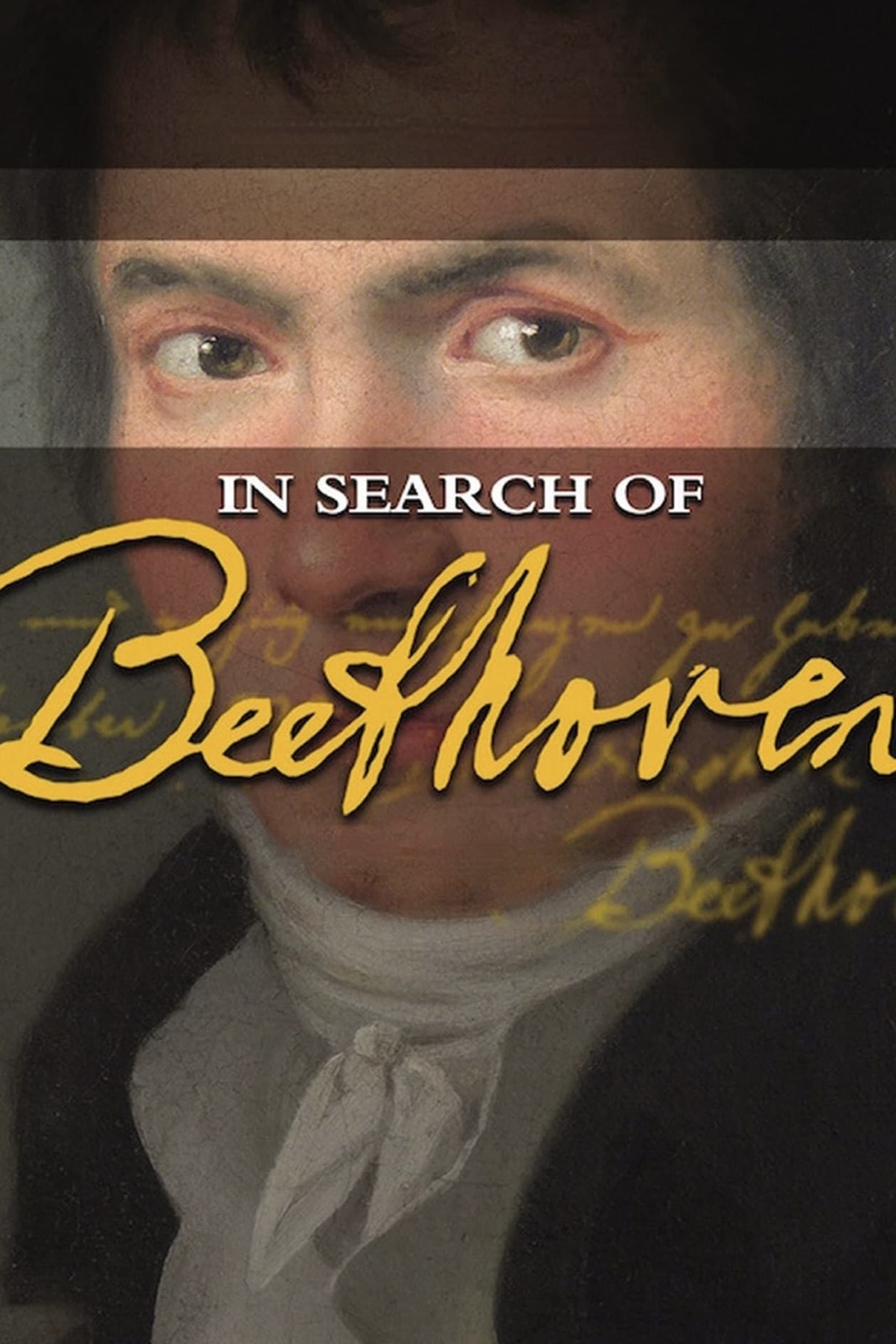
In Search of Beethoven offers a comprehensive documentary about the life and works of the great composer. Over 65 performances by the world's finest musicians were recorded and 100 interviews conducted in the making of this beautifully crafted film. Eleven interviews are included in the Extras and Six complete movements.
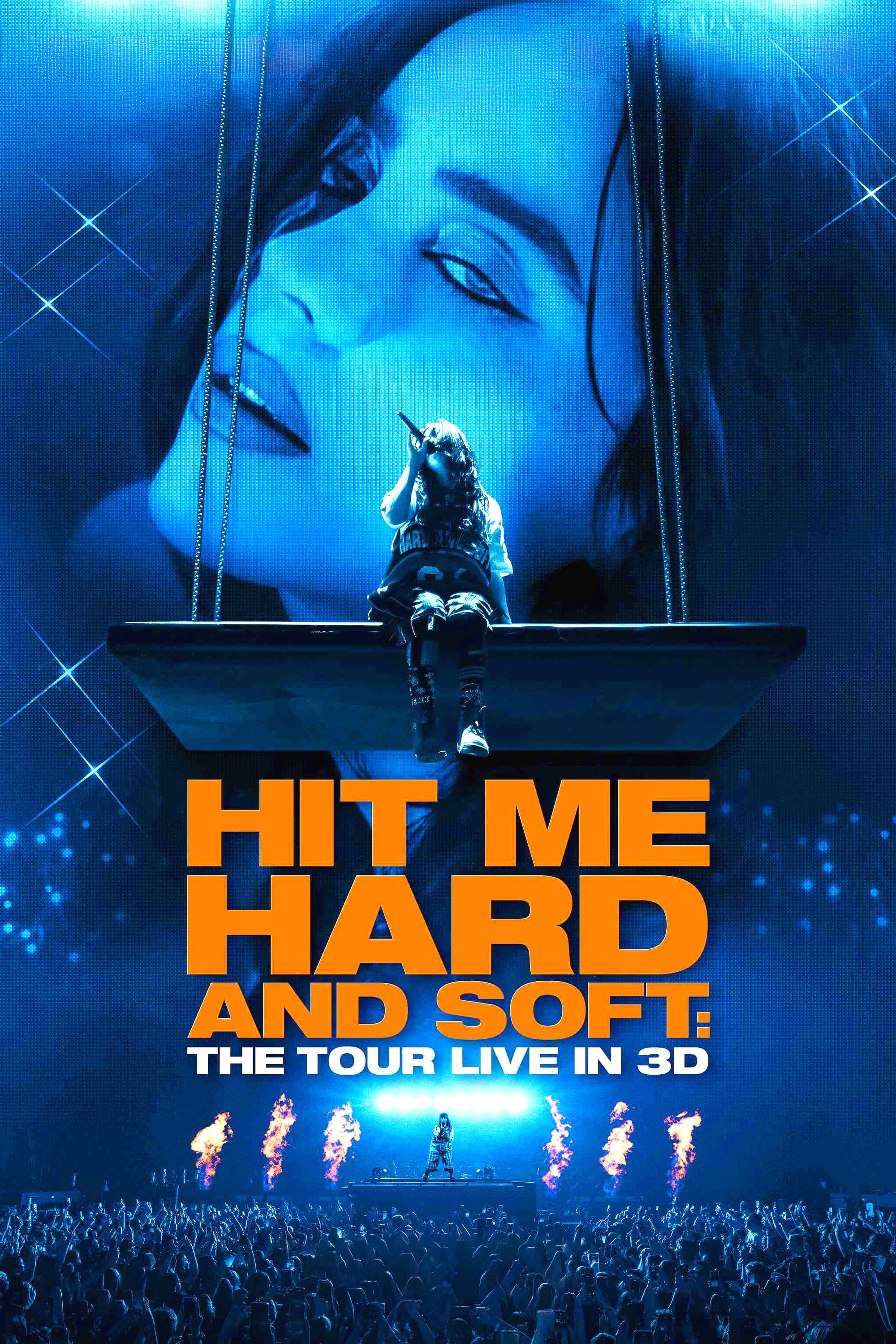
Captured during Billie Eilish's sold-out world tour, a concert experience from one of the most celebrated and successful artists of her generation, presented in immersive 3D.
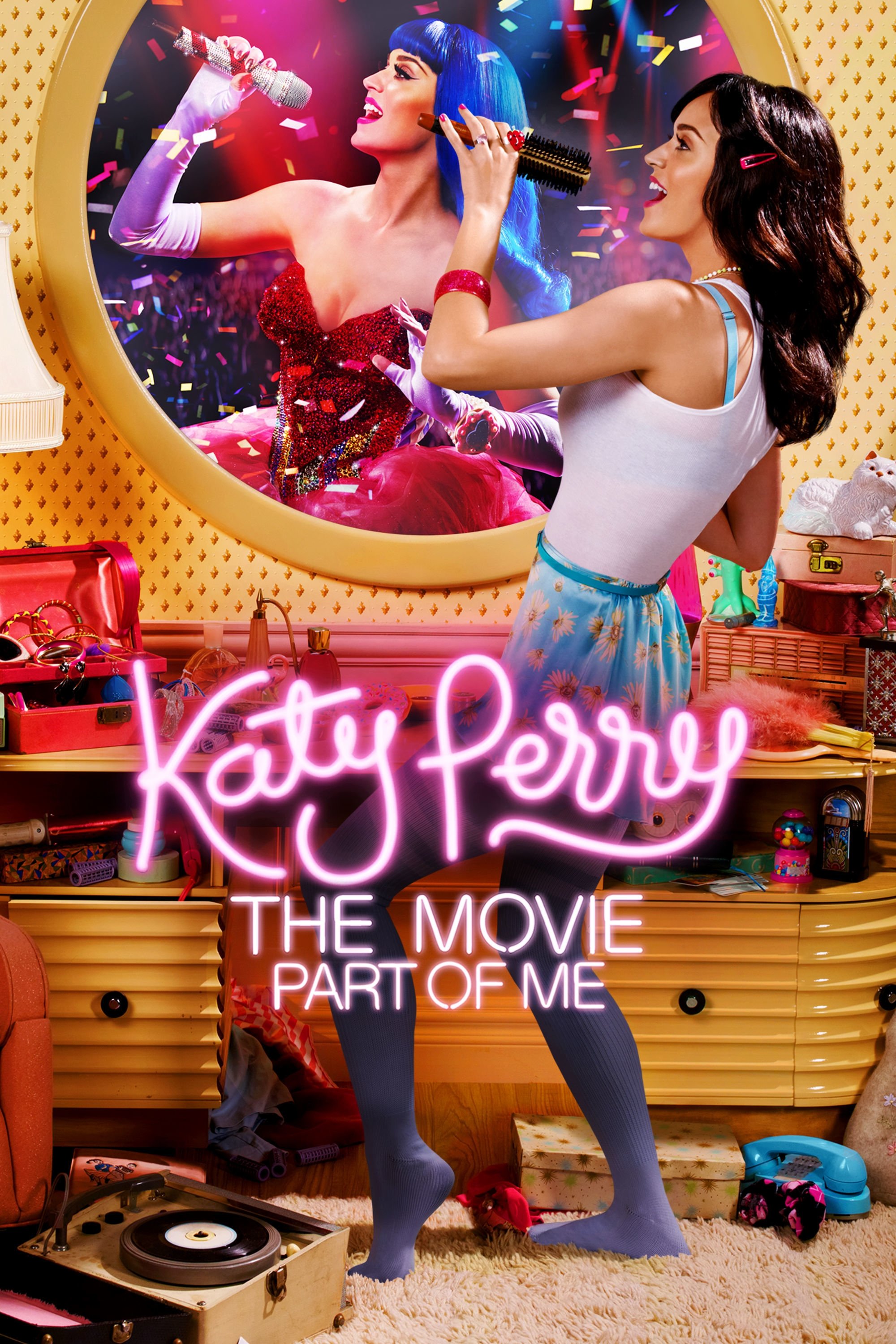
Giving fans unprecedented access to the real life of the music sensation, Katy Perry: Part of Me exposes the hard work, dedication and phenomenal talent of a girl who remained true to herself and her vision in order to achieve her dreams. Featuring rare behind-the-scenes interviews, personal moments between Katy and her friends, and all-access footage of rehearsals, choreography, Katy’s signature style and more, Katy Perry: Part of Me reveals the singer’s unwavering belief that if you can be yourself, then you can be anything.
A primetime special with performances from the superstar including Adele’s first new material in six years plus her chart-topping hits. The special will also feature an exclusive interview with Adele by Oprah Winfrey from her rose garden, in Adele’s first televised wide-ranging conversation.
A backstage and on-stage look at Justin Bieber during his rise to super stardom.
The incomparable Bruce Springsteen performs his critically acclaimed latest album and muses on life, rock, and the American dream, in this intimate and personal concert film co-directed by Thom Zimny and Springsteen himself.
A documentary chronicling Queen and Lambert's incredible journey since they first shared the stage together on "American Idol" in 2009.
Featuring never before seen footage uncovered from the archives and interviews with Paul McCartney, Tommy Lee and others, God Bless Ozzy Osbourne is the first documentary to take viewers inside the complex mind of rock's great icon.
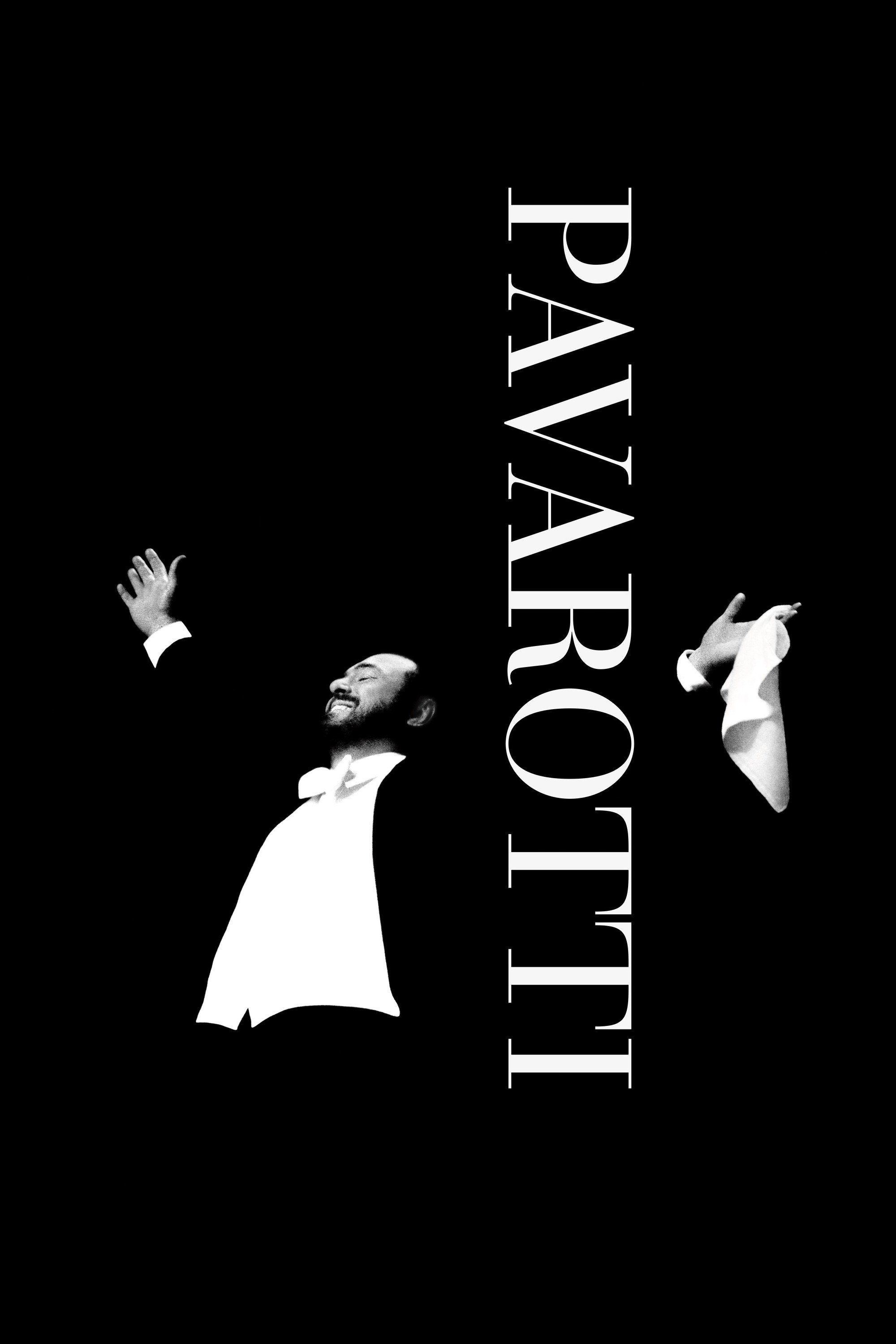
Featuring never-before-seen footage, concert performances and intimate interviews, filmmaker Ron Howard examines the life and career of famed opera tenor Luciano Pavarotti.
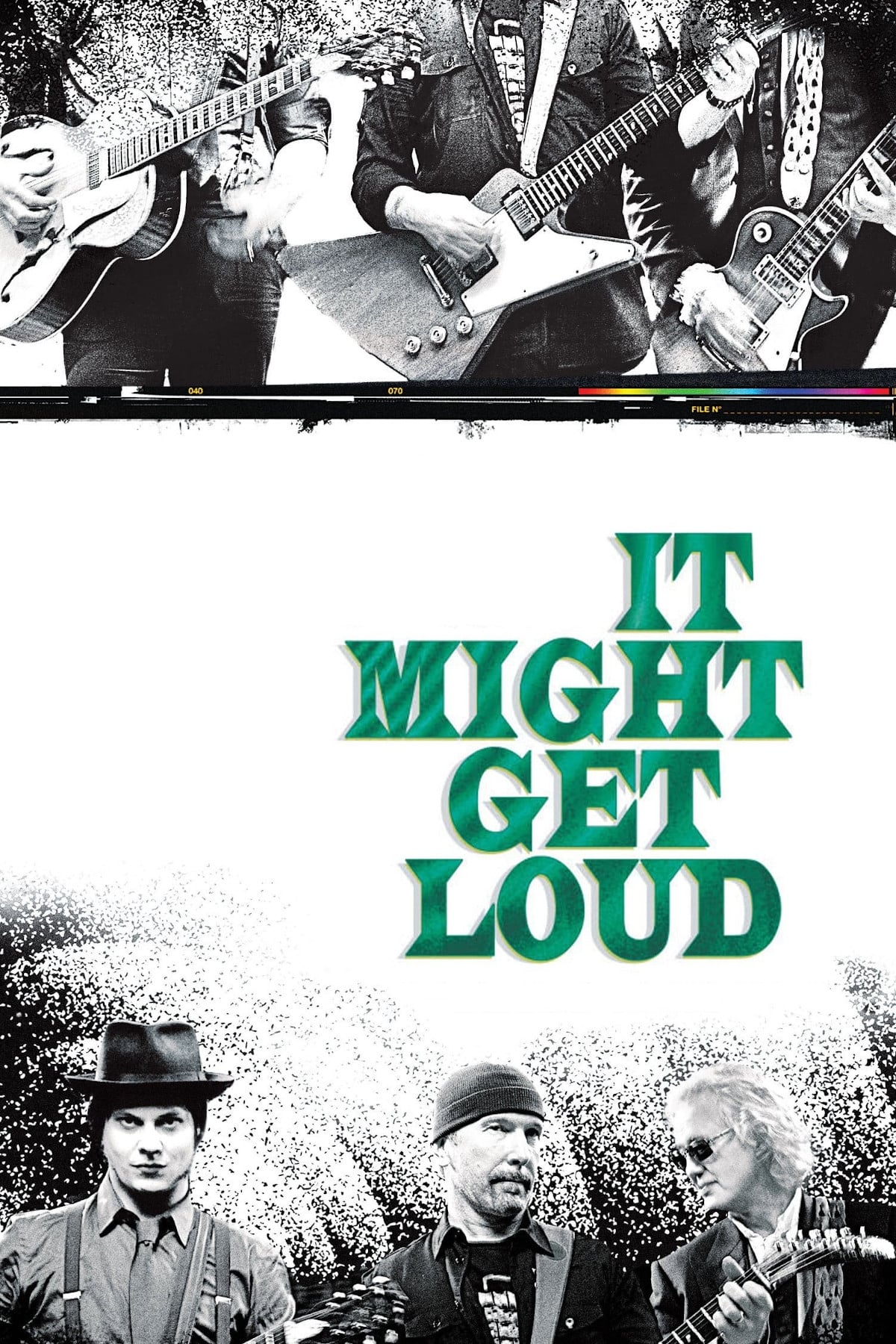
A documentary on the electric guitar from the point of view of three significant rock musicians: the Edge, Jimmy Page and Jack White.
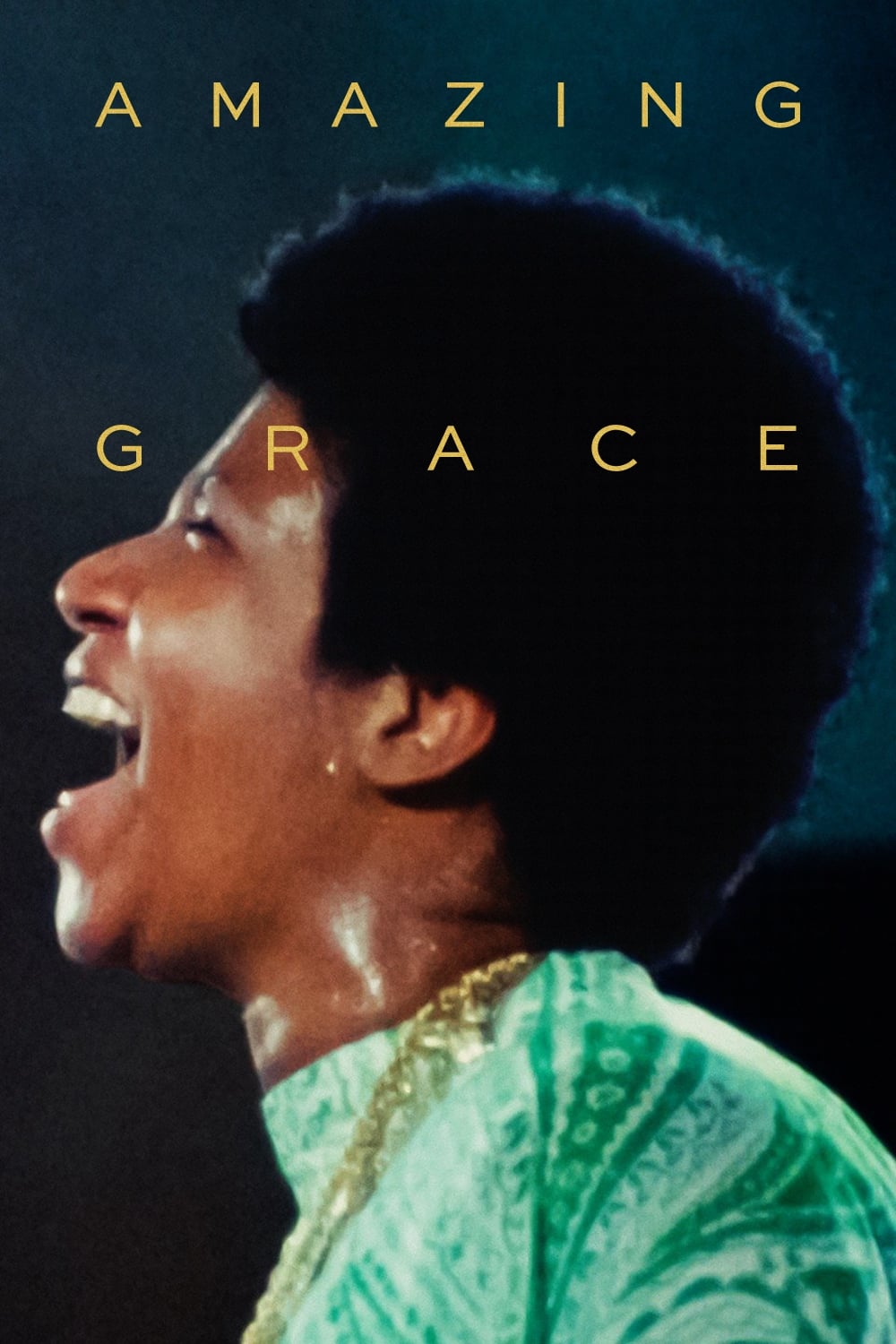
A behind-the-scenes documentary about the recording of Aretha Franklin's best-selling album finally sees the light of day more than four decades after the original footage was shot.
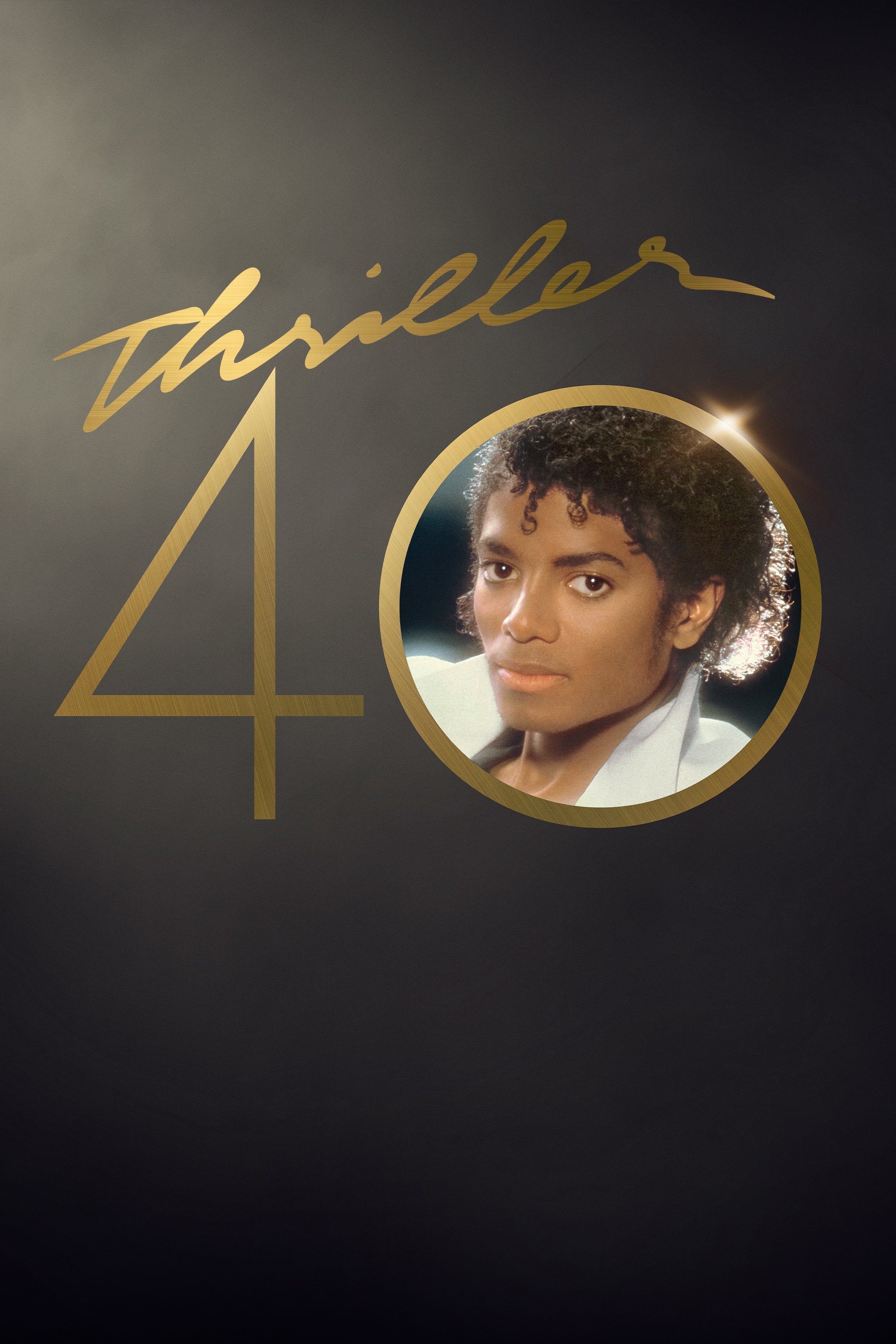
Forty years after the release of Michael Jackson’s ‘Thriller,’ the best-selling album of all-time, director Nelson George takes fans back in time to the making of a pop masterpiece, featuring never-before-seen footage and candid interviews.
Fresh off the heels of her brand-new album, "Happier Than Ever," this cinematic concert experience features an intimate performance of every song in the album's sequential order – for the first and only time – from the stage of the legendary Hollywood Bowl.
Live Aid was held on 13 July 1985, simultaneously in Wembley Stadium in London, England, and the John F. Kennedy Stadium in Philadelphia, United States. It was one of the largest scale satellite link-ups and television broadcasts of all time: watched live by an estimated global audience of 1.9 billion, across 150 nations. "It's twelve noon in London, seven AM in Philadelphia, and around the world it's time for Live Aid...!"
An intimate portrait of Brooklyn-based electronic rock band LCD Soundsystem's then-final live show on April 2, 2011, capturing both the exuberant, three-hour farewell concert at New York City's Madison Square Garden and frontman James Murphy's introspective 48 hours surrounding it.
Though legendary lyricist Howard Ashman died far too young, his impact on Broadway, movies, and the culture at large were incalculable. Told entirely through rare archival footage and interviews with Ashman’s family, friends, associates, and longtime partner Bill Lauch, Howard is an intimate tribute to a once-in-a-generation talent and a rousing celebration of musical storytelling itself.
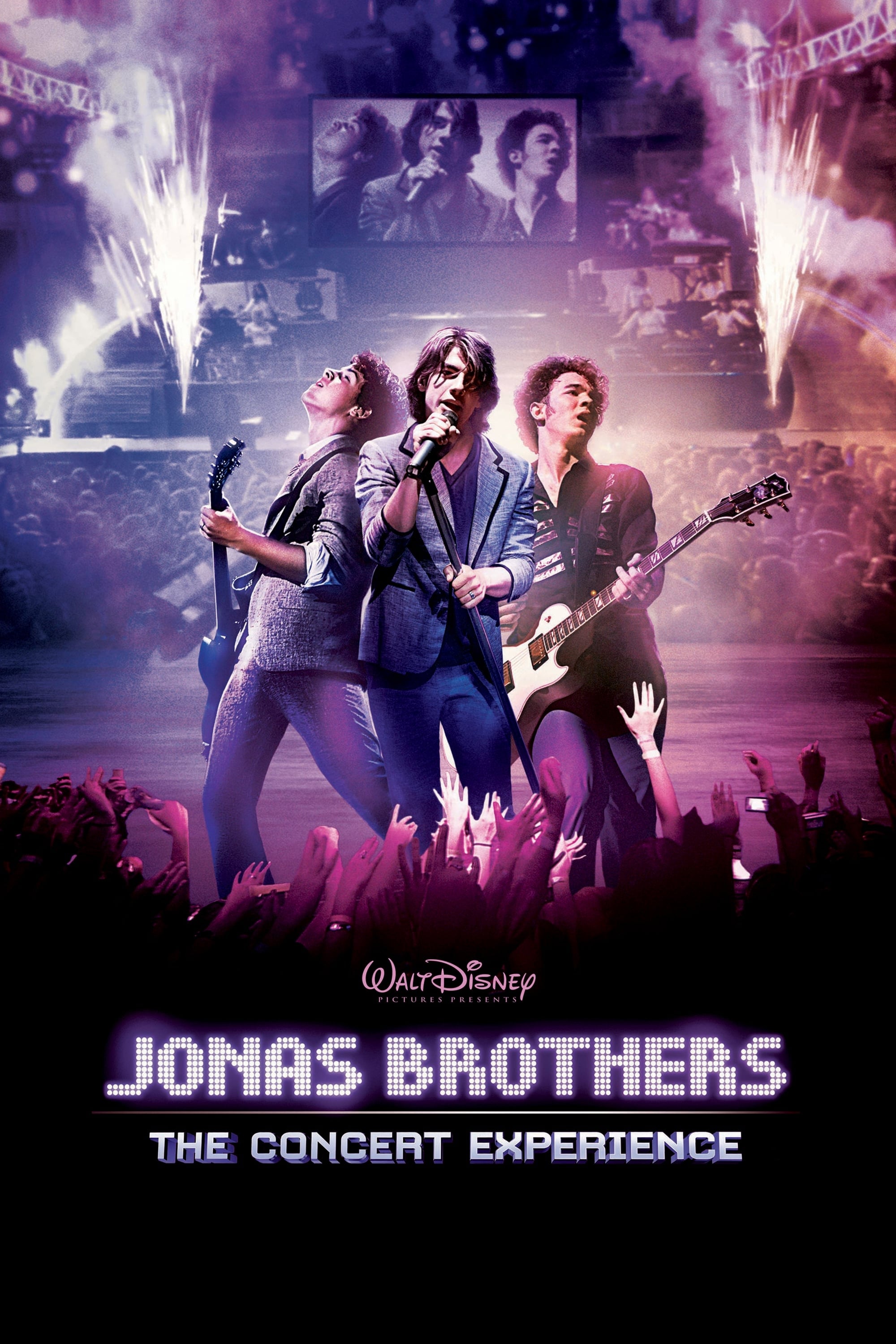
Grab a backstage pass to the Jonas Brothers' motion picture debut! Kevin, Joe and Nick are "Burning Up" the stage and inviting you inside their personal world for the adventure of a lifetime. This colossal movie event launches the world's hottest band straight into your living room – and includes guest appearances by chart-topping artists Demi Lovato and Taylor Swift! Secure your VIP pass to a once-in-a-lifetime experience with the Jonas Brothers. Get ready to hang out with this multitalented trio, and take an intimate look at what their lives are like offstage and behind the scenes. It's the music-filled movie event perfect for the whole family!
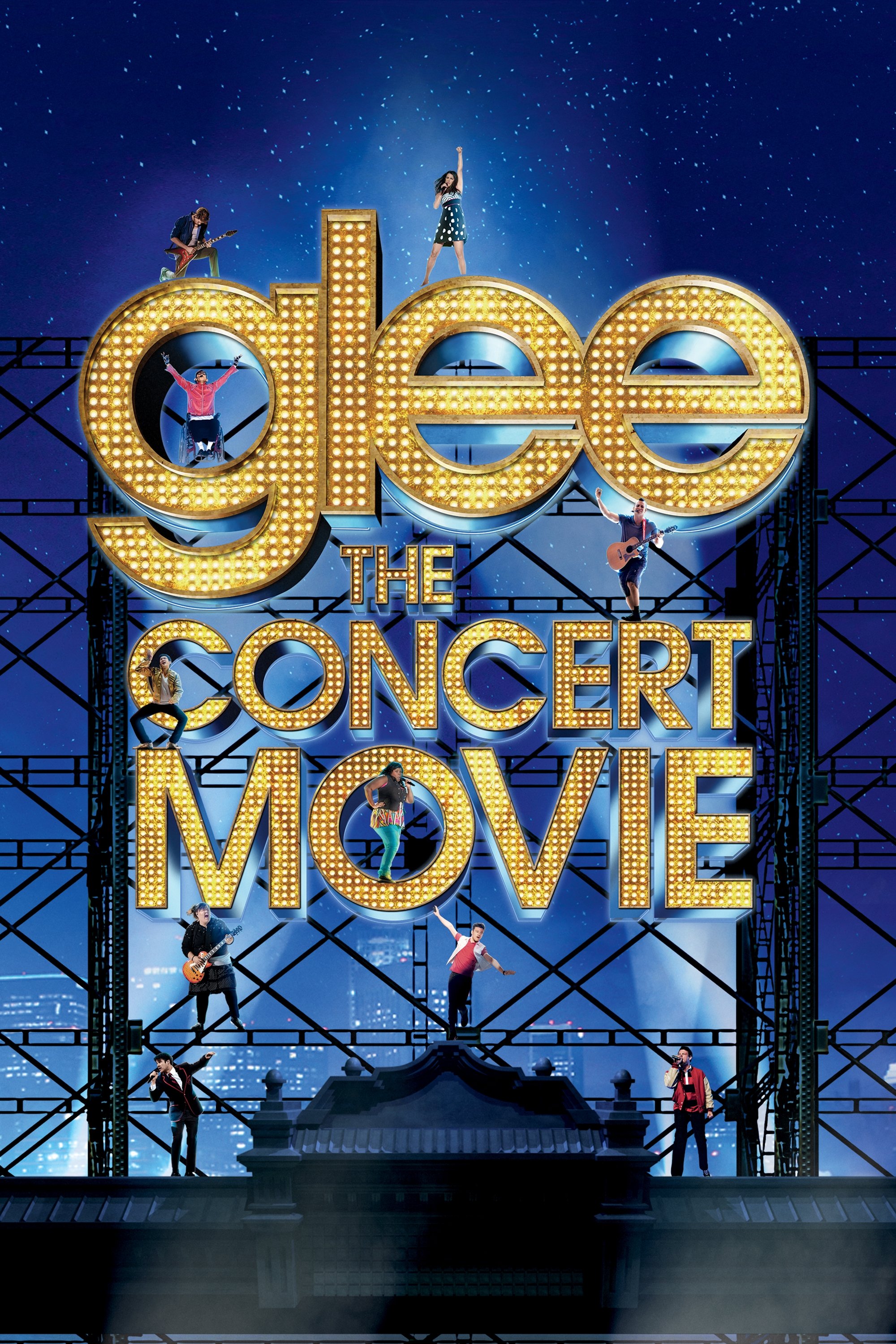
A concert documentary shot during the Glee Live! In Concert! summer 2011 tour, featuring song performances and fans' life stories and how the show influenced them.
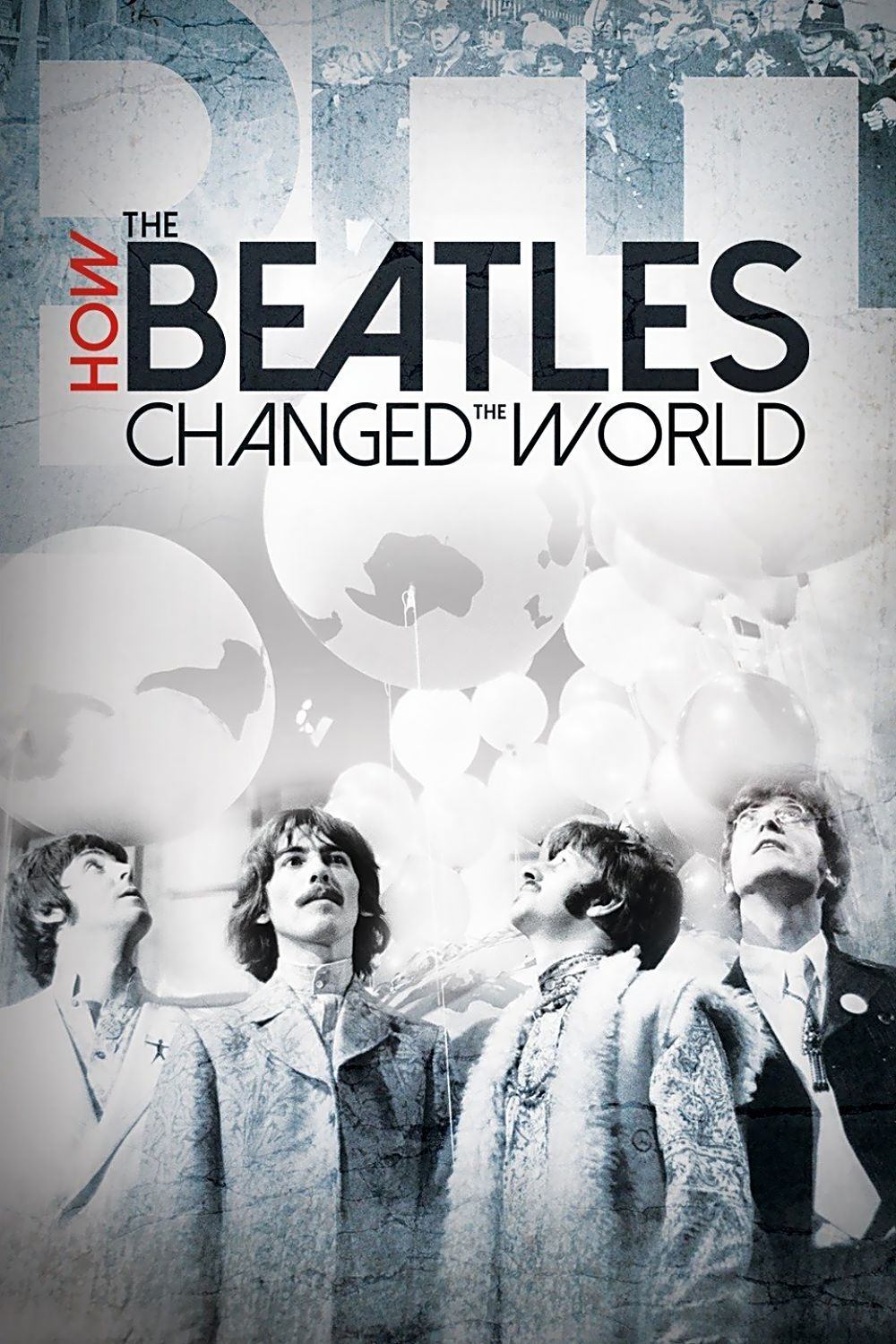
The fascinating story of the cultural, social, spiritual, and musical revolution ignited by the coming of the Beatles. Tracing the impact that these four band members had, first in their native Britain and soon after worldwide, it reappraises the band and follows their path from young subversives to countercultural heroes. Featuring fresh, revealing interviews with key collaborators as well as a wealth of rarely-seen archival footage, this is a bold new take on the most significant band in the history of music and their enduring impact on popular culture.
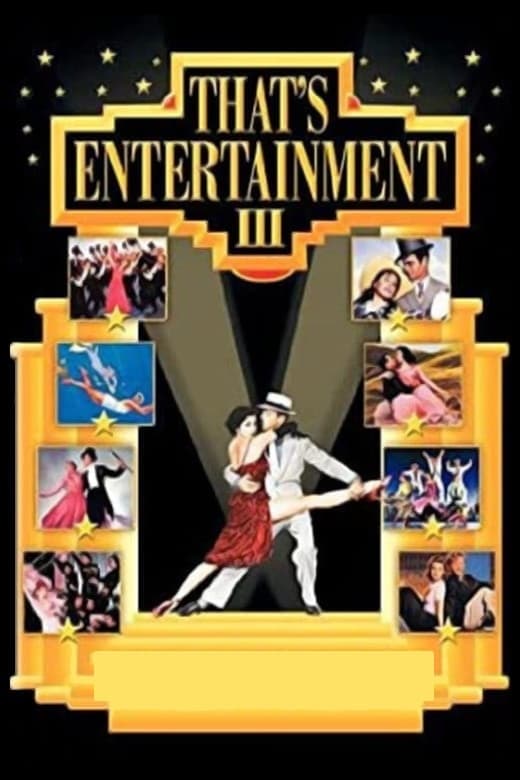
Some of MGM's musical stars review the studio's history of musicals. From The Hollywood Revue of 1929 to Brigadoon, from the first musical talkies to Gene Kelly in Singin' in the Rain.
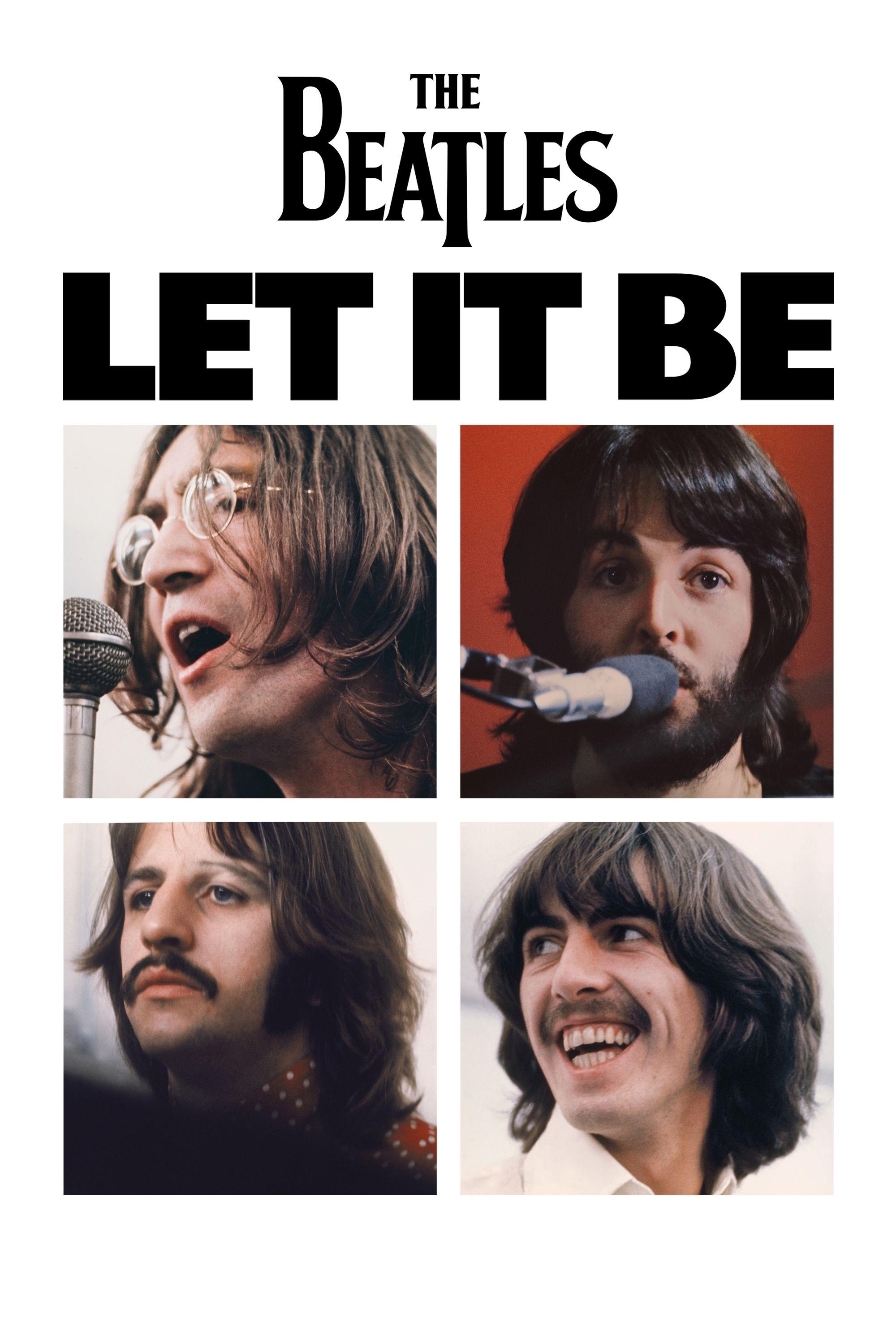
A documentary chronicling the Beatles' rehearsal sessions in January 1969 for their proposed "back to basics" album, "Get Back," later re-envisioned and released as "Let It Be."