Social & External
The people behind it
Christoph Wagner-Trenkwitz
Niklas-Sven Kerck
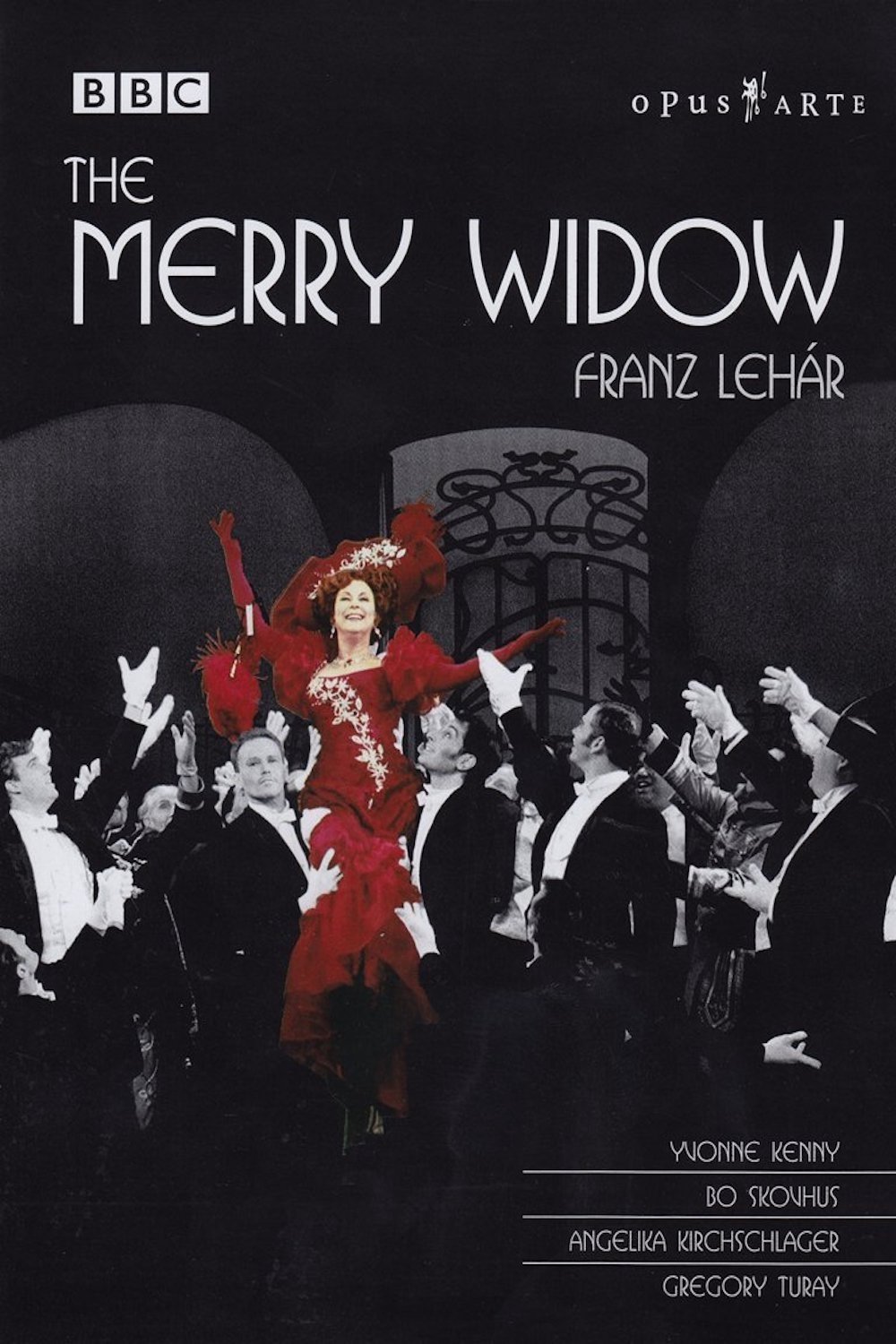
Lotfi Mansouri's spectacular last production as General Director of The San Francisco Opera with Yvonne Kenny making her debut in the title role, new dialogue specially commissioned from Pulitzer Prize-winning playwright, Wendy Wasserstein and an original ballet to set the scene ‘Chez Maxime’ bringing fresh insight into Lehár's classic operetta. This production also features another world premiere, Njegus's song, ‘Quite Parisian’.
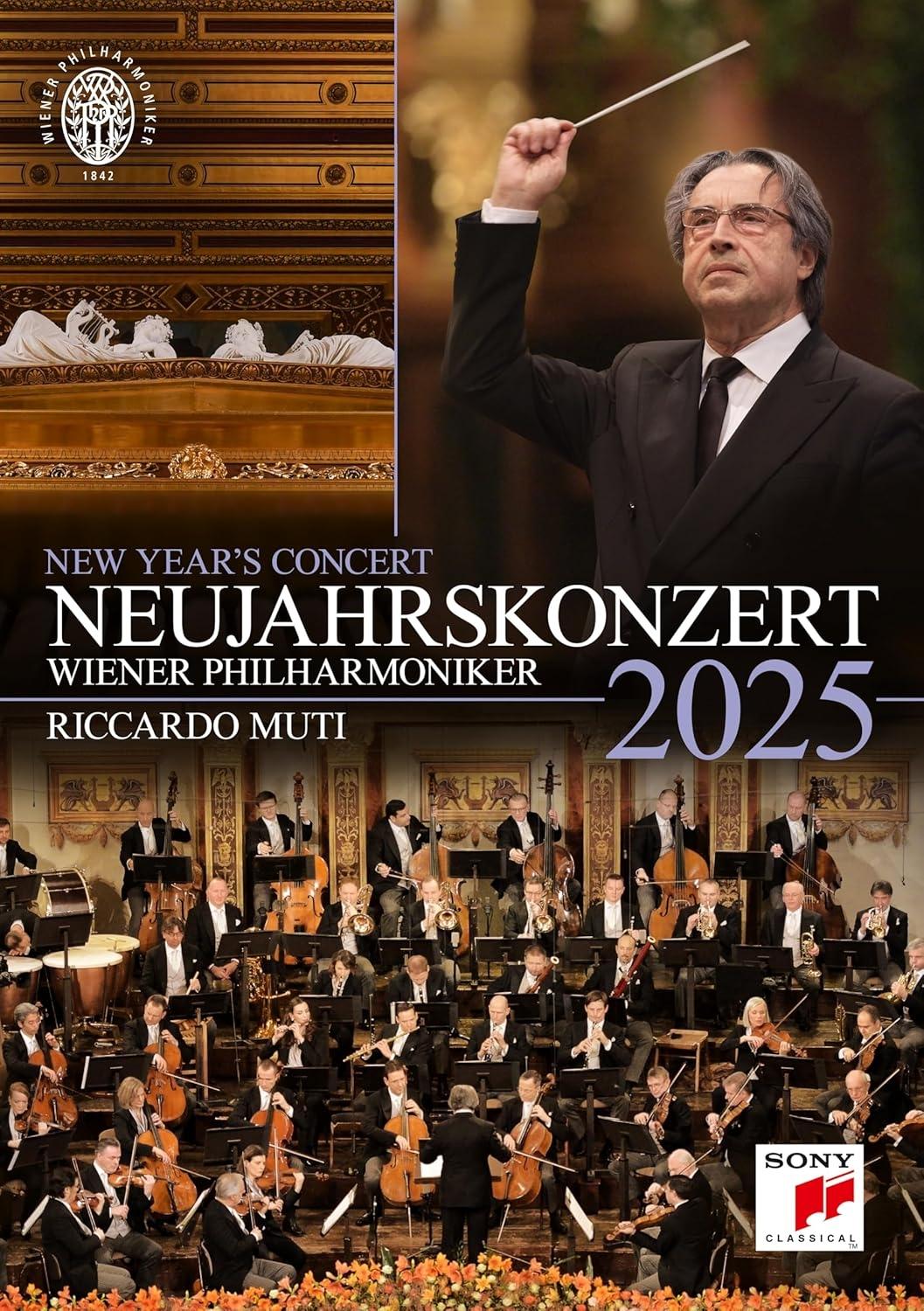
New Year's concert 2025 of Vienna Philharmonic with Riccardo Muti.
Beginning on the eve of her thirtieth birthday, “Brave Enough,” documents violinist Lindsey Stirling over the past year as she comes to terms with the most challenging & traumatic events of her life. Through her art, she seeks to share a message of hope and courage and yet she must ask herself the question, “Am I Brave Enough?” Capturing her personal obstacles and breakthrough moments during the “Brave Enough,” tour, the film presents an intimate look at this one-of- a-kind artist and her spectacular live performances inspired by real-life heartbreak, joy, and love.
Jenny is young. Her life is over. She killed someone. And she would do it again. When an 80-year-old piano teacher discovers the girl’s secret, her brutality and her dreams, she decides to transform her pupil into the musical wunderkind she once was.
On the centenary of the opening of the operetta Iolanthe, Gilbert & Sullivan return to the Royal Albert Hall London to attend a performance of their most popular works.
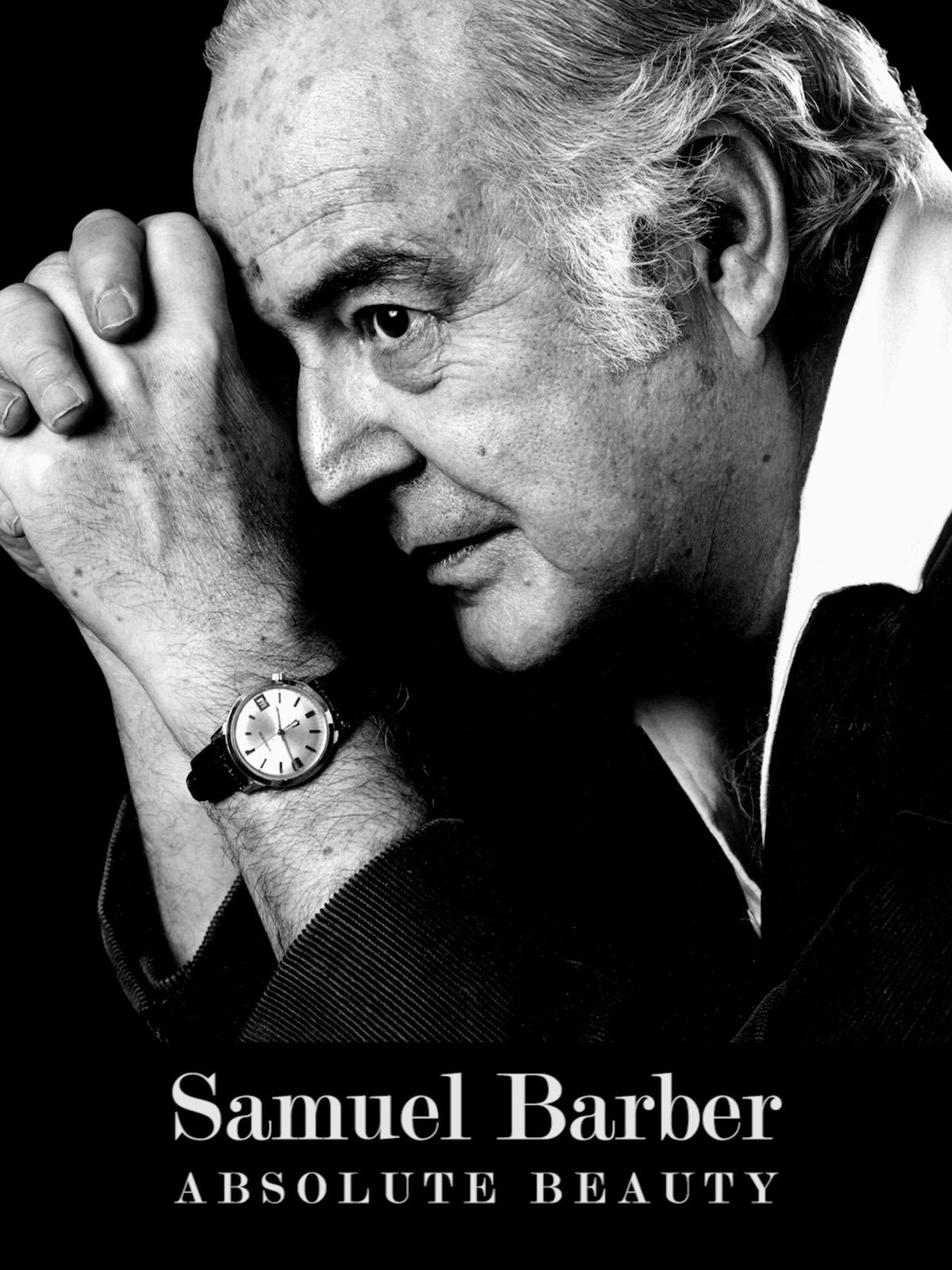
Known for his mournful "Adagio for Strings," Samuel Barber was never quite fashionable. This acclaimed film is a probing exploration of his music and melancholia. Performance, oral history, musicology, and biography combine to explore the life and music of one of America’s greatest composers. Features Thomas Hampson, Leonard Slatkin, Marin Alsop and many more of the world's leading experts on Barber's music, with tributes from composers Leonard Bernstein, Aaron Copland, Virgil Thomson and William Schuman. The film was broadcast on PBS, and screened at nine film festivals internationally, with three best-of awards. It was named a Recording of the Year 2017 by MusicWeb International.
In a special Christmas edition, violinist Daniel Hope and guests perform a varied and atmospheric repertoire including traditional Christmas songs in new arrangements, classical works and the hit song "Fields of Gold". Daniel Hope's guests are British musician, composer, and living-legend, Sting, Canadian pianist Bruce Liu, winner of the 18th International Chopin Piano Competition, South African soprano Golda Schultz, Argentinian-British guitarist Dominic Miller, Brazilian pianit Sylvia Thereza, the up-and-coming Leonkoro Quartet, cellist Nicola Mosca and percussionist Michael Metzler.
The trials and tribulations of Natalka and Petro. The sweethearts plan to get married, however, Natalka's father does not approve of the marriage because Petro's not affluent enough to keep Natalka in the manner he thought that she should be kept. Petro goes off to earn the required fortune. With no news from Petro for five years, Natalka succumbs to her mother's wishes and finally accepts her next offer of marriage, which happens to come from an old, but relatively wealthy government official.
When Gabriel and Emilie meet by chance, he offers her a ride, and they spend the evening talking, laughing and getting along famously. At the end of the night, Emilie declines Gabriel's offer of "a kiss without consequences". Emilie admonishes him that the kiss could have unexpected consequences, and tells him a story, unfolding in flashbacks, about the impossibility of indulging your desires without affecting someone else's life.
Changing colors according to the music.
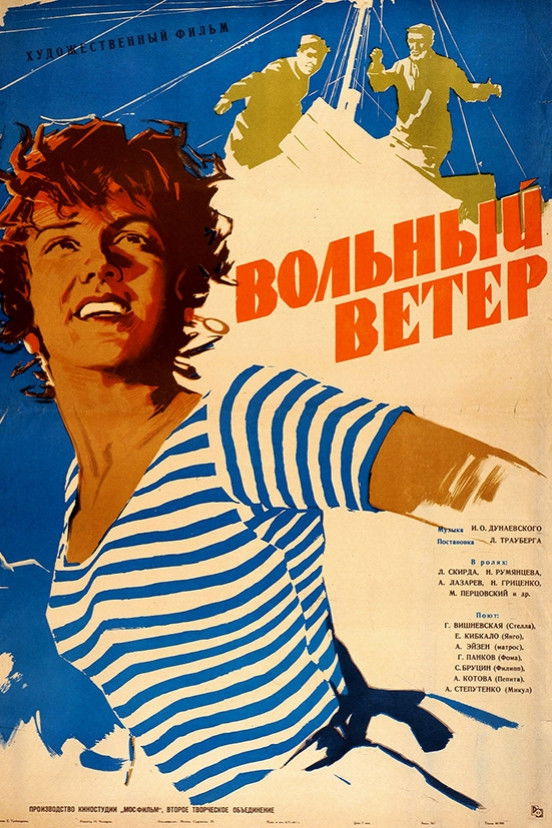
The port town of one of the small southern countries. After the Nazi occupiers left, the port's berths were empty, the steamers did not smoke, cargo cranes stood. Fearing retaliation for collaborating with enemies, port owner Georg Stan fled the city. After waiting a while and securing the support of local authorities, Stan nonetheless returns - and loading operations begin in the port. While loading oranges, the sailor Yango and the beautiful Stella are preparing for the wedding. Suddenly, Stan makes a proposal to the girl and tricks her into agreeing. Upon learning of the deception, the girl runs away to Yango. Having discovered weapons intended to support fascism in the drawer of the hold, the heroes do everything possible to make the boxes fall to the bottom of the sea.
A look back at the violent conflict between the two leading figures of musical modernity, Arnold Schönberg and Igor Stravinsky, in the first decades of the 20th century. Although Arnold Schönberg and Igor Stravinsky both had a decisive influence on the fourth art, their creations remained diametrically opposed. While the Austrian developed the dodecaphonic method, placing the twelve notes of the chromatic scale at the heart of the composition technique to the detriment of tonality, his Russian rival based his practice on stylistic eclecticism. Their supporters formed two opposing camps, and the two composers - one the father of the Second Viennese School, the other of Neoclassicism - became, in the wake of their successes, the figureheads of a conflict that marked the history of music by its duration and intensity.
Austrian composer Franz Léhar's opera Giuditta receives a unique interpretation by the Seefestspiele Mörbisch in this stage production, which stars Natalia Ushakova and Mehrzad Montazeri as the principal leads. The Morbisch Festival Orchestra accompanies the production, while the Chorus and Ballet of the Seefestpiele Mörbisch lend added support.
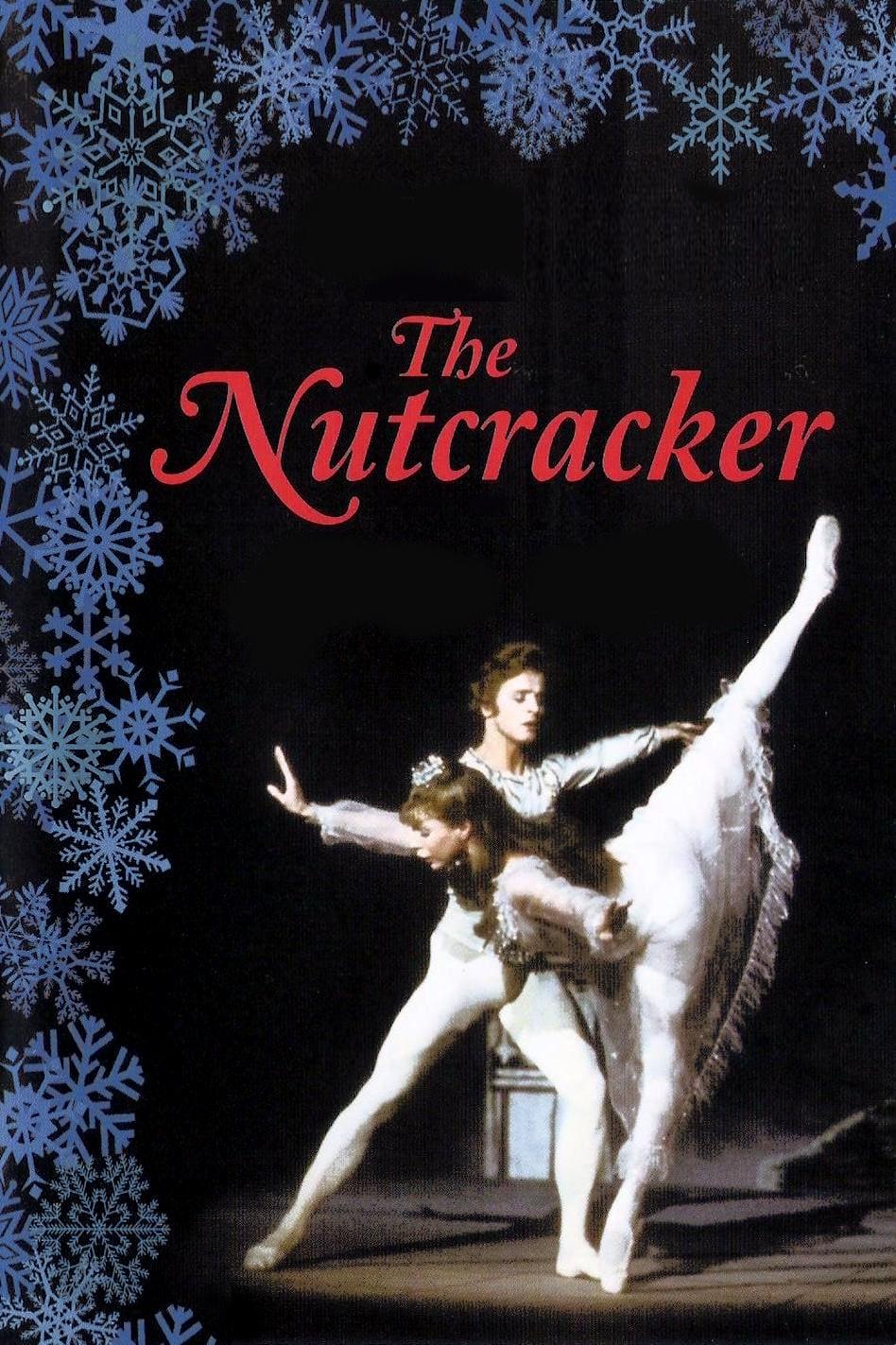
The Nutcracker is Mikhail Baryshnikov's breathtaking and critically acclaimed Emmy-nominated production. This spectacular performance is danced by the magnificent team of Baryshnikov, one of the greatest classical dancers of the century, and Gelsey Kirkland, both showcased at the peak of their careers, with members of the American Ballet Theatre.
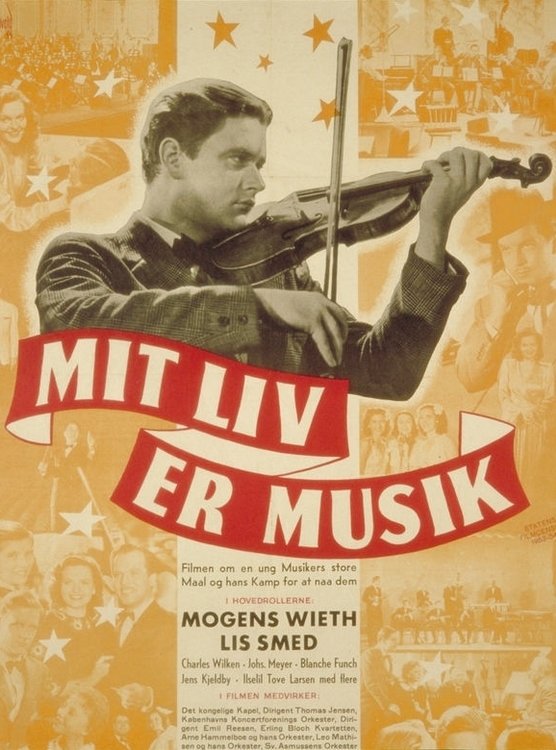
We meet the young violinist Erik Smith in the lap of his family with his wife Lise and his little daughter Lone. Erik is a young, aspiring musician who dreams of one day making a career as an interpreter of the great masters of music. At a concert where a well-known solo violinist has to interrupt, Erik Smith suddenly jumps in and gets his big breakthrough.
A brilliant performance of Schönberg's monumental work at the Prague State Opera. Arnold Schönberg composed Gurre-Lieder to a text by J. P. Jacobsen about the tragic love of the Danish king Waldemar and his mistress Tove Lille, who was murdered out of jealousy by Queen Helviga. He orchestrated the composition for a monumental orchestral and vocal ensemble: five vocal solos, a narrator, a male and mixed choir, and a huge orchestra comprising 25 woodwind instruments, 25 brass instruments, four harps, a celesta, 16 different percussion instruments (including iron chains), and an exceptionally large string section. Every performance of this masterpiece, composed down to the last detail, is truly an overwhelming experience. SOČR chief conductor Petr Popelka seized this unique opportunity, as at the time of the performance of Songs he was also chief conductor of the Norwegian Radio Orchestra, and in this unique project he brought together the two ensembles entrusted to him.
A concert performance of the most famous parts of Dvořák's opera Rusalka in the park of Liteň Castle, directed by the Caban brothers with multimedia elements and original choreography... The year 2021 marks an important milestone in the history of Dvořák's opera Rusalka, which premiered in 1901, 120 years ago. At the same time, the non-profit organization Liteň Castle and the Jarmila Novotná Festival are celebrating ten years of activity. Its mission is to popularize the name of the legendary diva, actress, patriot, and important personality Jarmila Novotná and to care for the cultural monuments on the grounds of Liteň Castle—and on the occasion of both anniversaries, it did so with an extraordinary performance of the opera Rusalka in the picturesque surroundings and magical summer atmosphere of Liteň Castle.
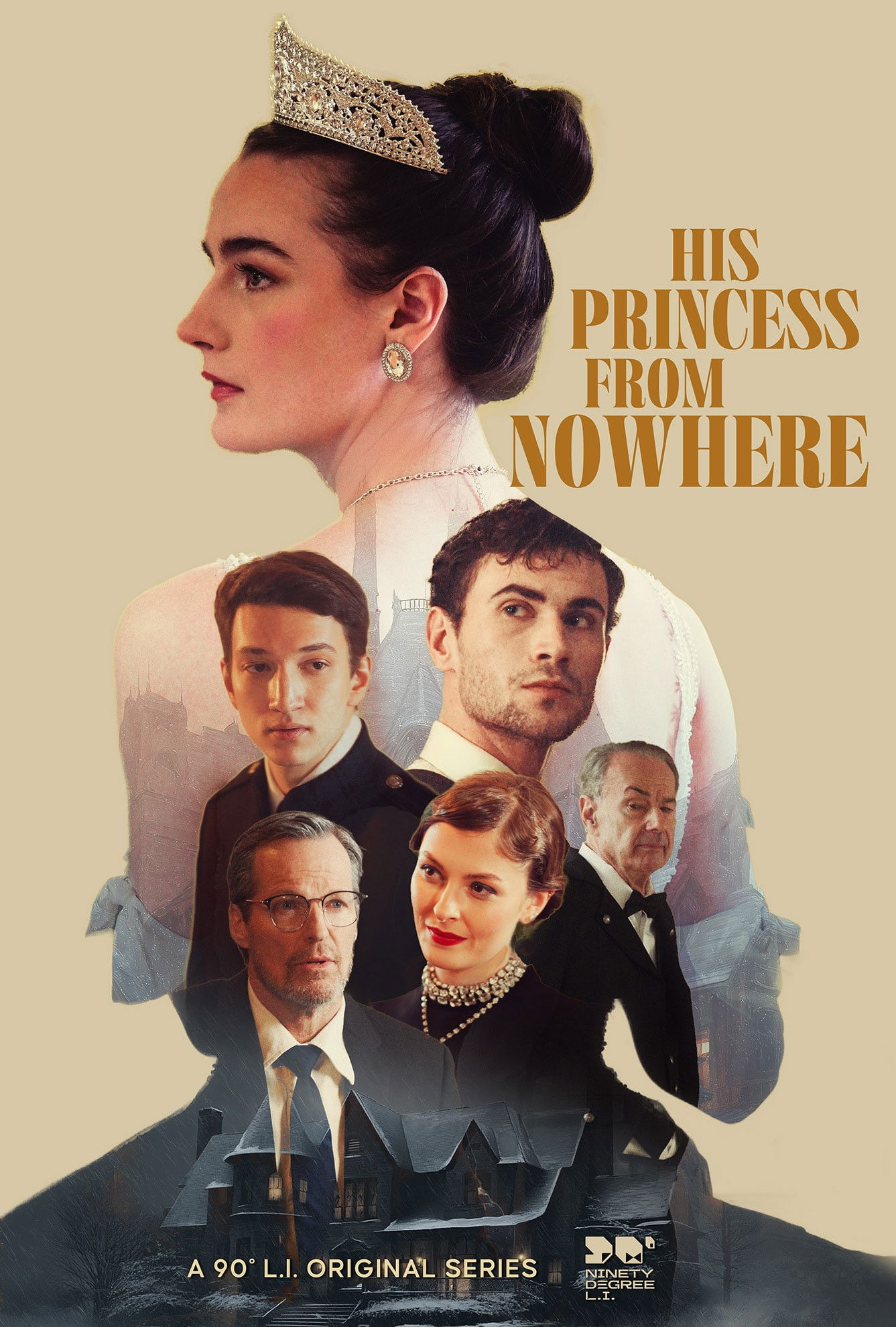
In the winter of 1960, small-town piano teacher Lucy Lay enters the Rich family, believing she has come for a simple tutoring job. She soon discovers the position is only a façade, and with no way out, she is pressed into the family’s arrangement to disguise herself as a princess from a mysterious nation and marry the family heir. Inside the hush of that vast winter manor, desire gathers like heat beneath ice. The secret she uncovers binds them in ways neither can escape. What begins as confinement becomes a dangerous pull that reshapes the course of her life.
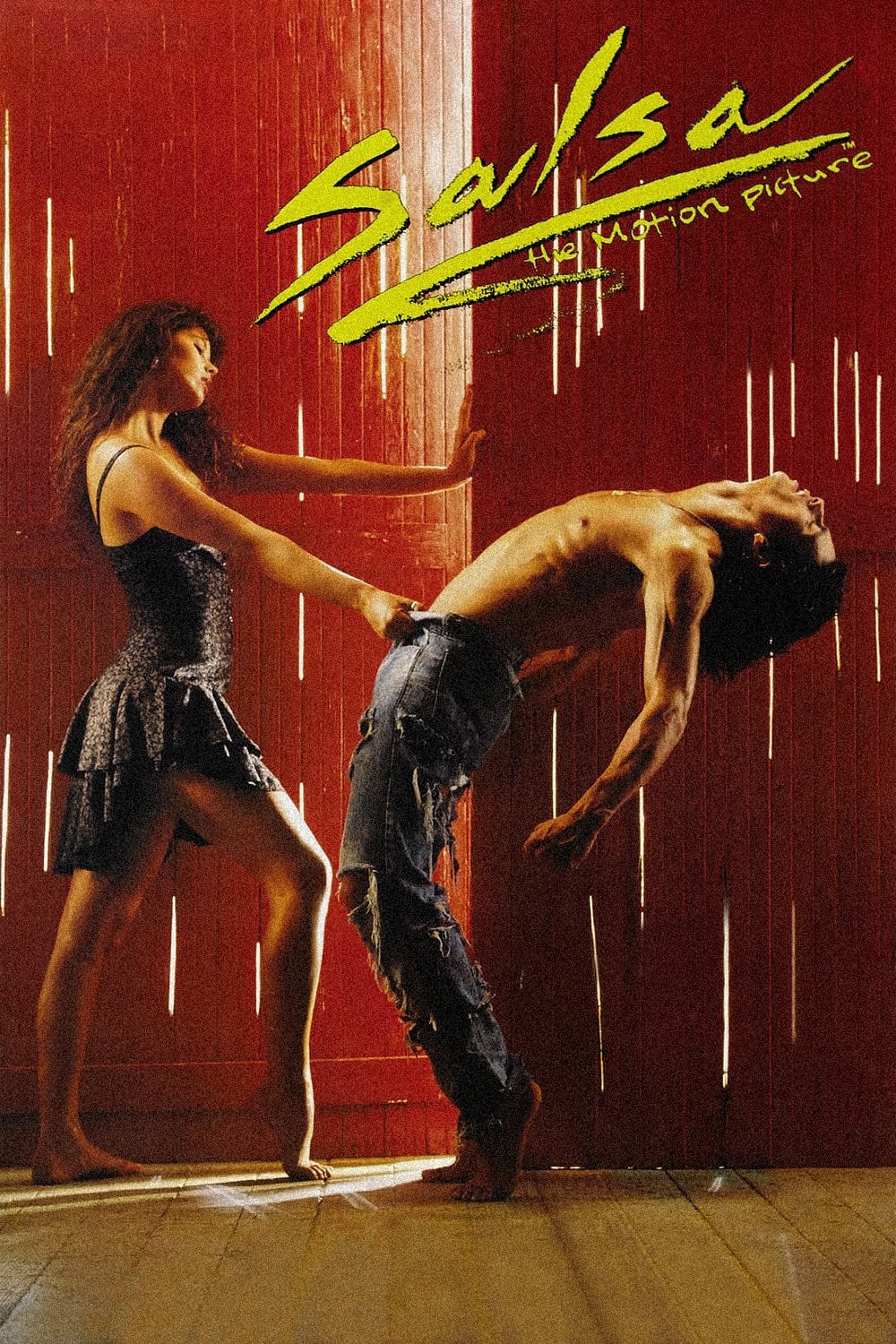
Fatherless barrio Puerto Rican Rico is a menial car mechanic by day, but lives for the nights, when he dances and dates hot dancing girls, cockily convinced the title of Salsa king in fancy nightclub La Luna's upcoming contest is to be his. He encourages his best friend, courteous gentleman Ken, to date his sister Margarita so he gets a free hand with her flirtatious classmate Lola. The reigning salsa queen Luna's interest in Rico as dance-partner threatens his on-off relationship with Vicki. More jealous trouble follows when Ken and Margarita fall in true love.
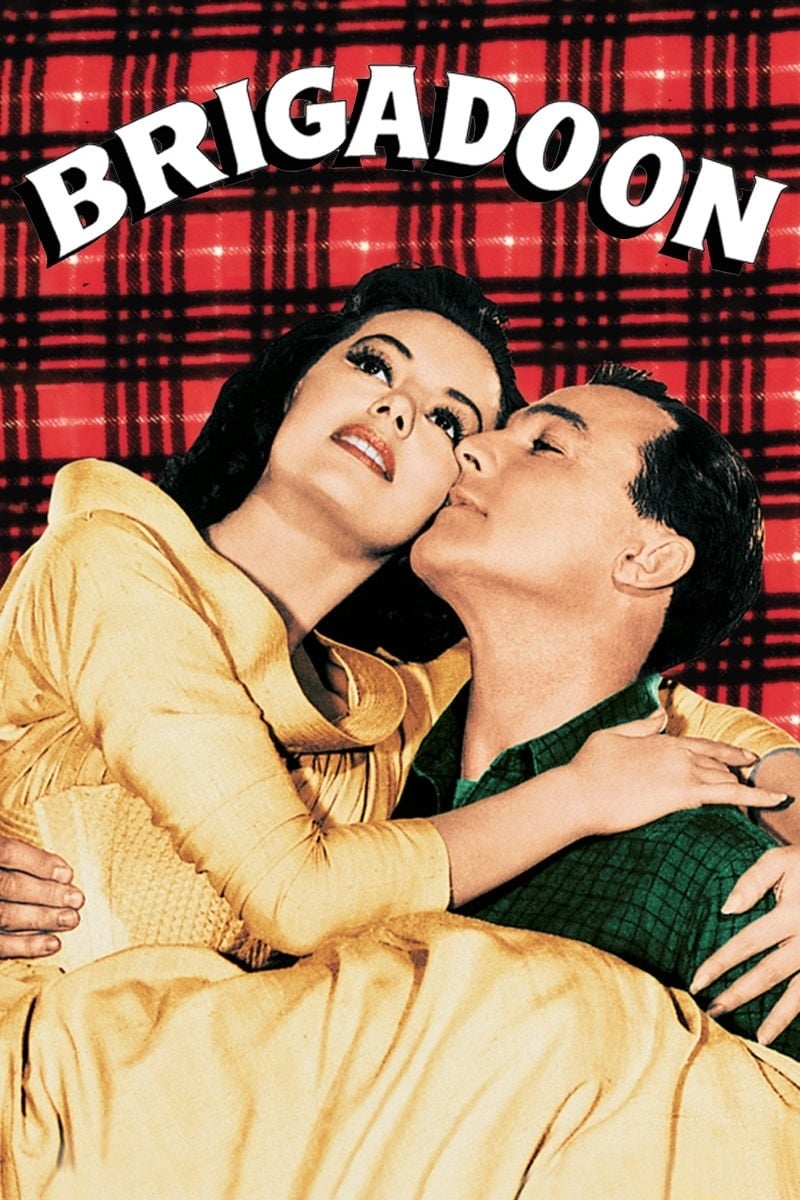
Americans Jeff and Tommy, hunting in Scotland, stumble upon a village - Brigadoon. They soon learn that the town appears once every 100 years in order to preserve its peace and special beauty. The citizens go to bed at night and when they wake up, it's 100 years later. Tommy falls in love with a beautiful young woman, Fiona, and is torn between staying or going back to his hectic life in New York.
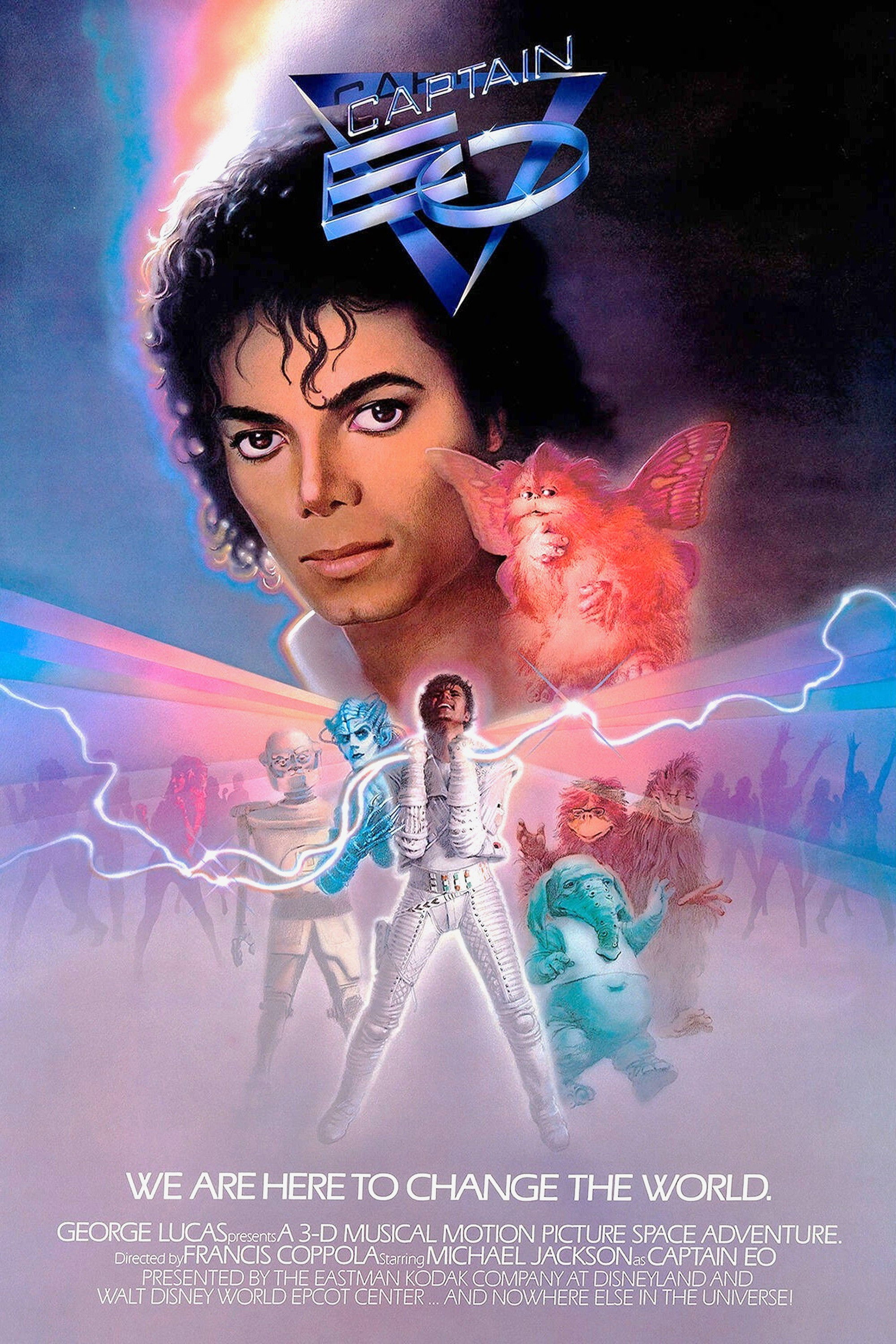
Captain EO and his crew journey to a dark, mechanical world to deliver a gift to the tyrannical Supreme Leader, using the power of music and dance to transform her realm from darkness into light.
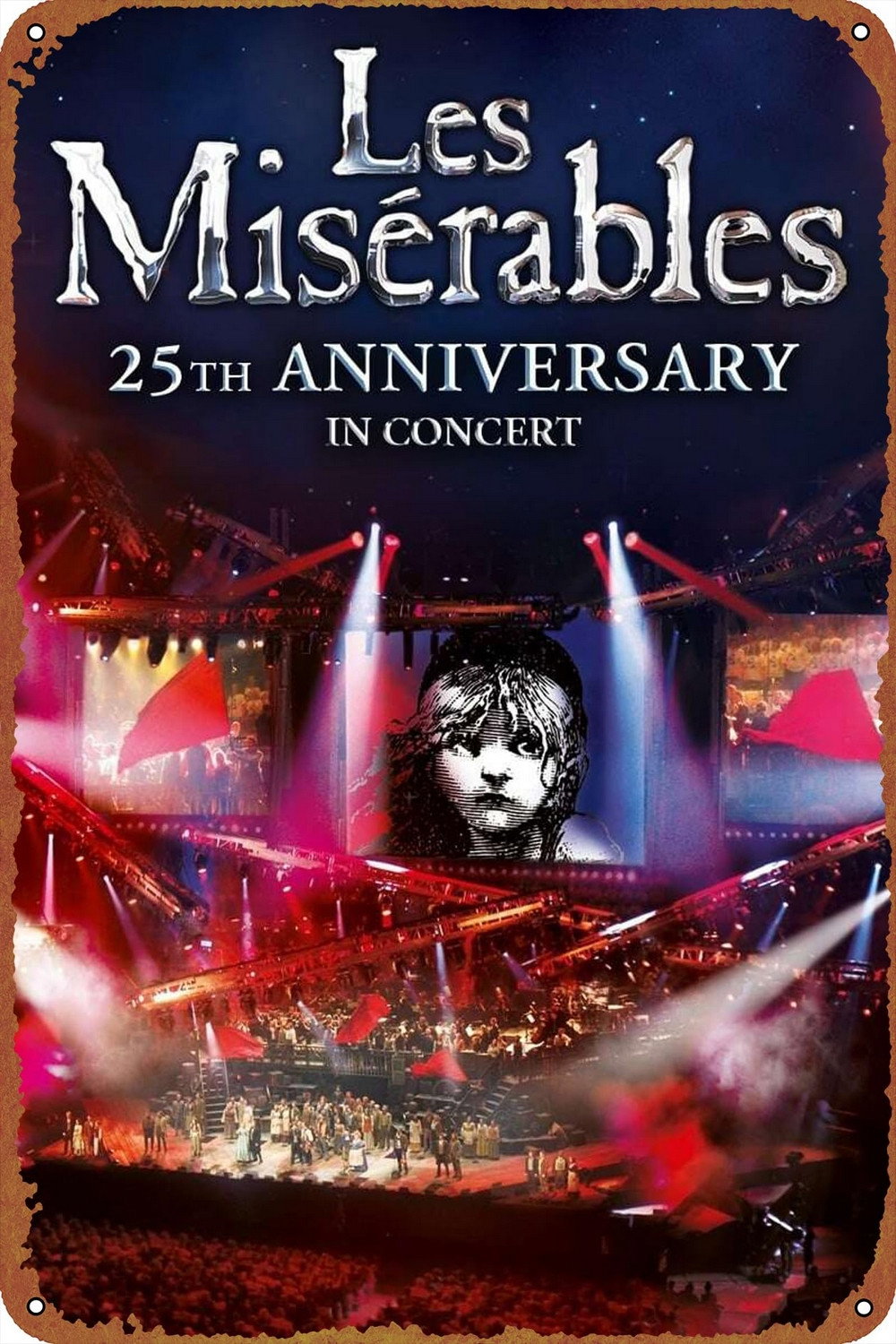
This concert, recorded to celebrate the 25th anniversary of the landmark musical Les Miserables, gathers the casts of the show's 2010 original production at the Queen's Theatre, the 1985 original production by the London company, and the 2010 production at the Barbican together for one performance. Together with talents like Michael Ball, Hadley Fraser, and John Owen-Jones, the performers present the play's musical numbers in a semi-theatrical style, fully costumed and with all the emotion of the musical's heyday.
In this anime visual album, a mysterious driver heads deep into a postapocalyptic hellscape toward a ferocious showdown with two monstrous opponents.
As partners in life and professional winemaking, Frankie Baldwin and Nate DeLuca have different personality types and styles. They’ve just gotten engaged when Frankie’s cousin Lexi and Nate’s brother Marco spring the news that they are getting married – and on Valentine’s Day. Agreeing to keep their plans a secret, Frankie and Nate offer to host Lexi and Marco’s big day.
When chef Hank makes a deal with frozen food executive Maggie to save his restaurant, their unexpected attraction complicates matters, leaving Maggie conflicted: Does she choose her allegiance to her cut-throat boss or does she partner - both in work and in love - with Hank?
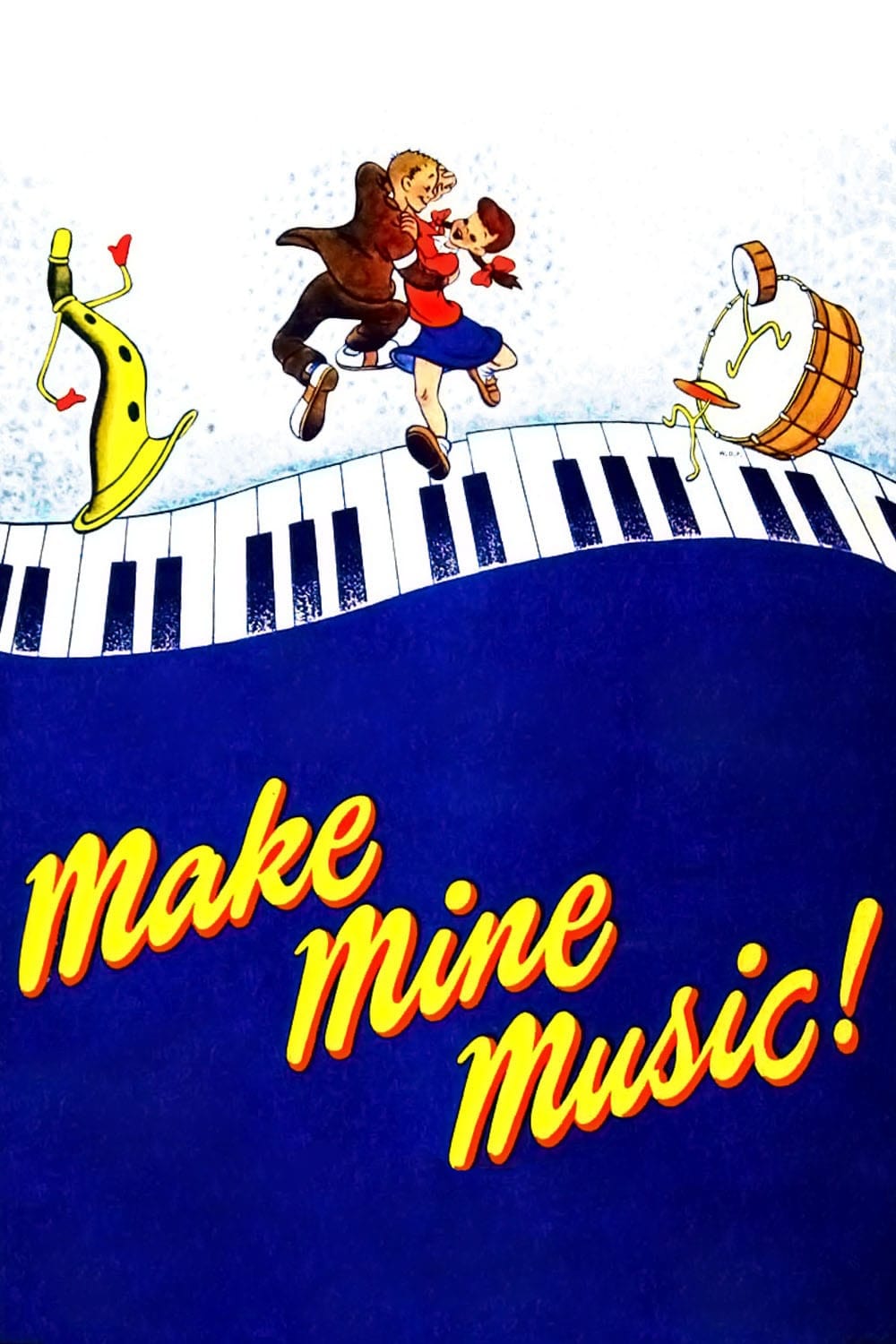
In the tradition of Fantasia, Make Mine Music is a glorious collection of musically charged animated shorts featuring such fun-filled favorites as "Peter and the Wolf", narrated by the beloved voice behind Winnie the Pooh. In addition you'll enjoy such classic cartoon hits as "Casey at the Bat," "The Whale Who Wanted to Sing at the Met" and "Johnnie Fedora and Alice Bluebonnet."
A pair of star-crossed dancers in New York find themselves at the center of a bitter rivalry between their brothers' underground dance clubs.
Aimie Roarke is always up for a cause and when the town’s beloved Oak tree is set to be cut down, she takes it upon herself try and save it. When the Mayor hires a handsome new landscaper to cut it down, she decides the only way to save the tree is to chain herself to it. As Kyle attempts to wait her out and the two start to spend more time together, they may find the Old Tree brings them both more than they could have imagined in life and love.
When successful dating app creator Alana hesitantly gets engaged, she returns to her hometown in Florida to deliver the news to her dad. Upon returning home, she crosses paths with her former flame, Kai, and finds herself falling in love with the fun and adventurous lifestyle tied to her community. As Alana and Kai work together to help her dad restore his declining property, Alana finds herself conflicted as to whether or not her current way of living makes her happier than the home and community that she always knew and loved.
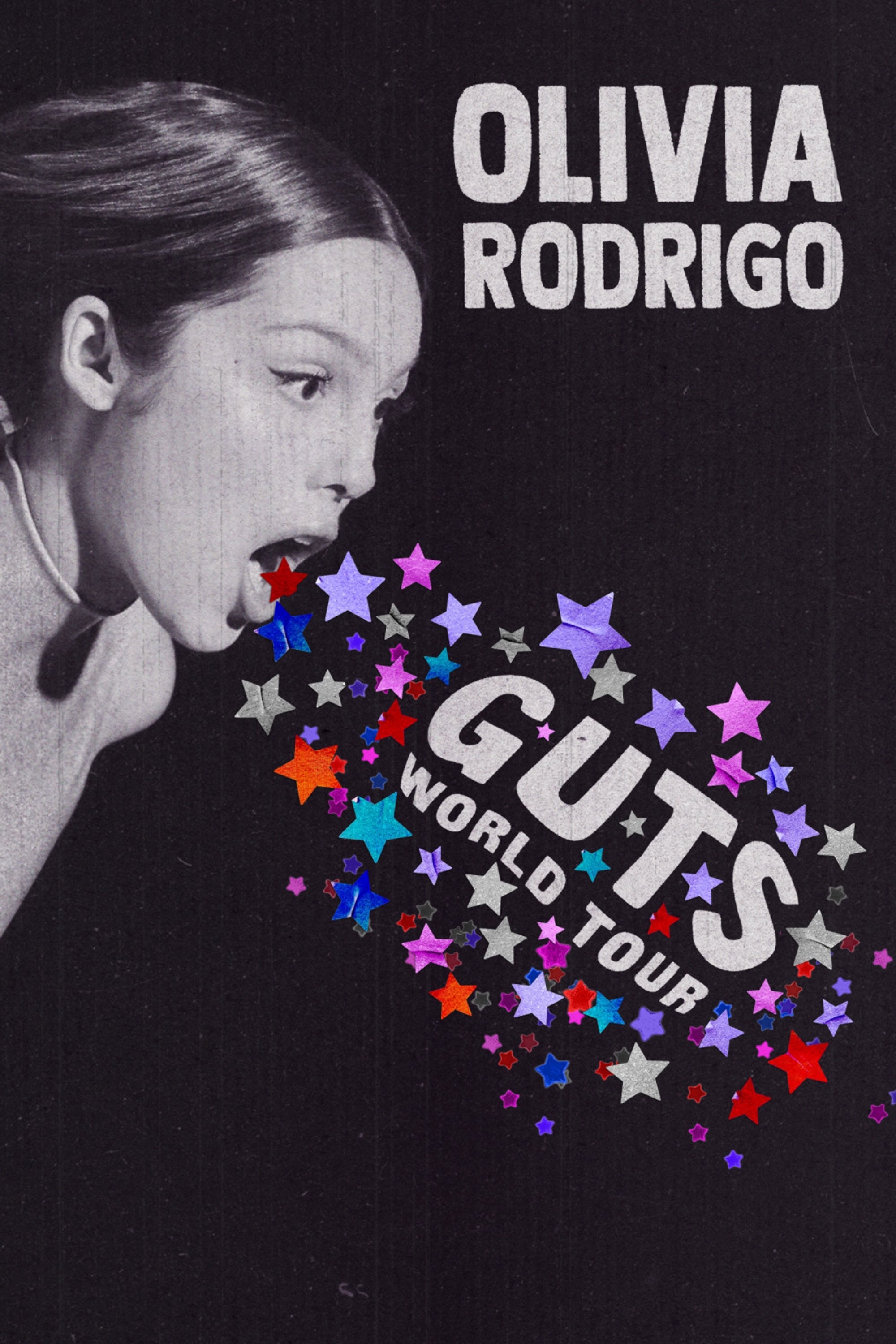
At a sold-out concert in her hometown of LA, Olivia Rodrigo pours her heart into an electrifying night of chart-topping hits and pop-rock power ballads.
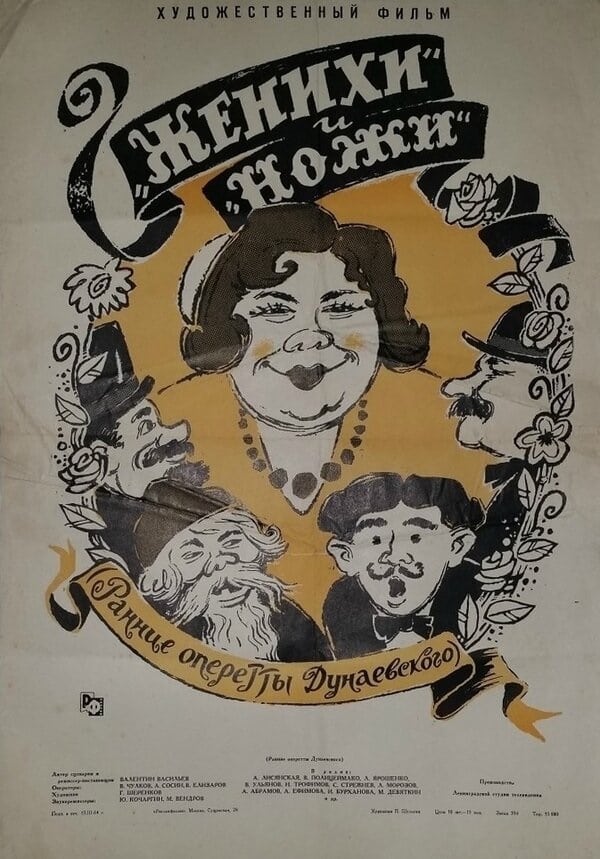
A boy, no bigger than a thumb, manages to outwit two thieves determined to make a fortune from him.
Elizabeth's engagement plans are thrown into disarray when her fiancée's free-spirited brother David returns home. David's unexpected influence prompts Elizabeth to question her life decisions.
Julia Crawley and Ryan Mason must unite their families during Crestridge's Centennial Christmas celebration in order to save their family inns from a chain resort.
Courtney Bennett, a former US figure skating hopeful, runs the city’s public skating rink but when the Mayor announces its closing, Courtney is heartbroken but determined to save it. After Courtney’s attempts to warm the Mayor’s Scrooge-like heart fail, she enlists the help of Noah Tremblay, a former professional hockey player and single dad, who owns the new indoor skating center, to help her, and together they find more than just the spirit of holidays on the ice.
Susanna gladly accepts help one day from handsome stranger Nate at her parents’ garden store in small-town Georgia. Sparks between them fly, but when a photo of them gets leaked to the press, Susanna is in for the shock of her life when Nate is called back home by his mother… For his coronation as the King Nathaniel of Cambria!
An all-star cast highlights this vibrant musical adaptation of Lewis Carroll's immortal tale. One day, plucky young Alice follows a white rabbit down a hole and discovers a world of bizarre characters.
A famous country singer set to marry a glamorous Hollywood actress returns to his small town roots. When he crosses paths with his childhood sweetheart and finally feels inspired to write songs again he reevaluates his life, his values and his opinion of true love. As his wedding day approaches, he must decide if he has chosen the right woman to be his wife.
Laura and Harrison have the picture-perfect romance built on the foundation of a shared love of music. After a deadly accident, Laura gets the chance to save the love of her life when she discovers that their mixtape can transport her back in time.