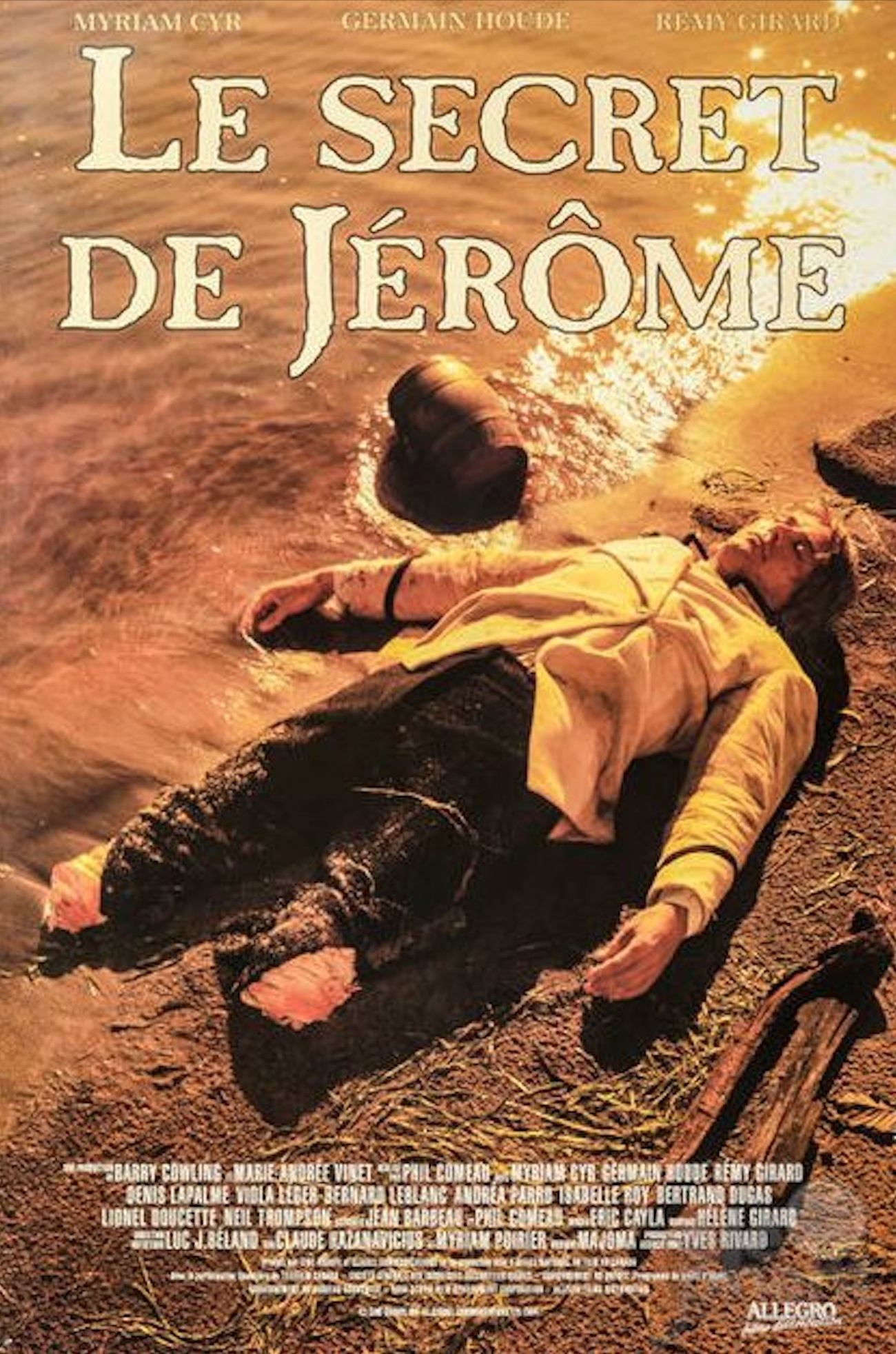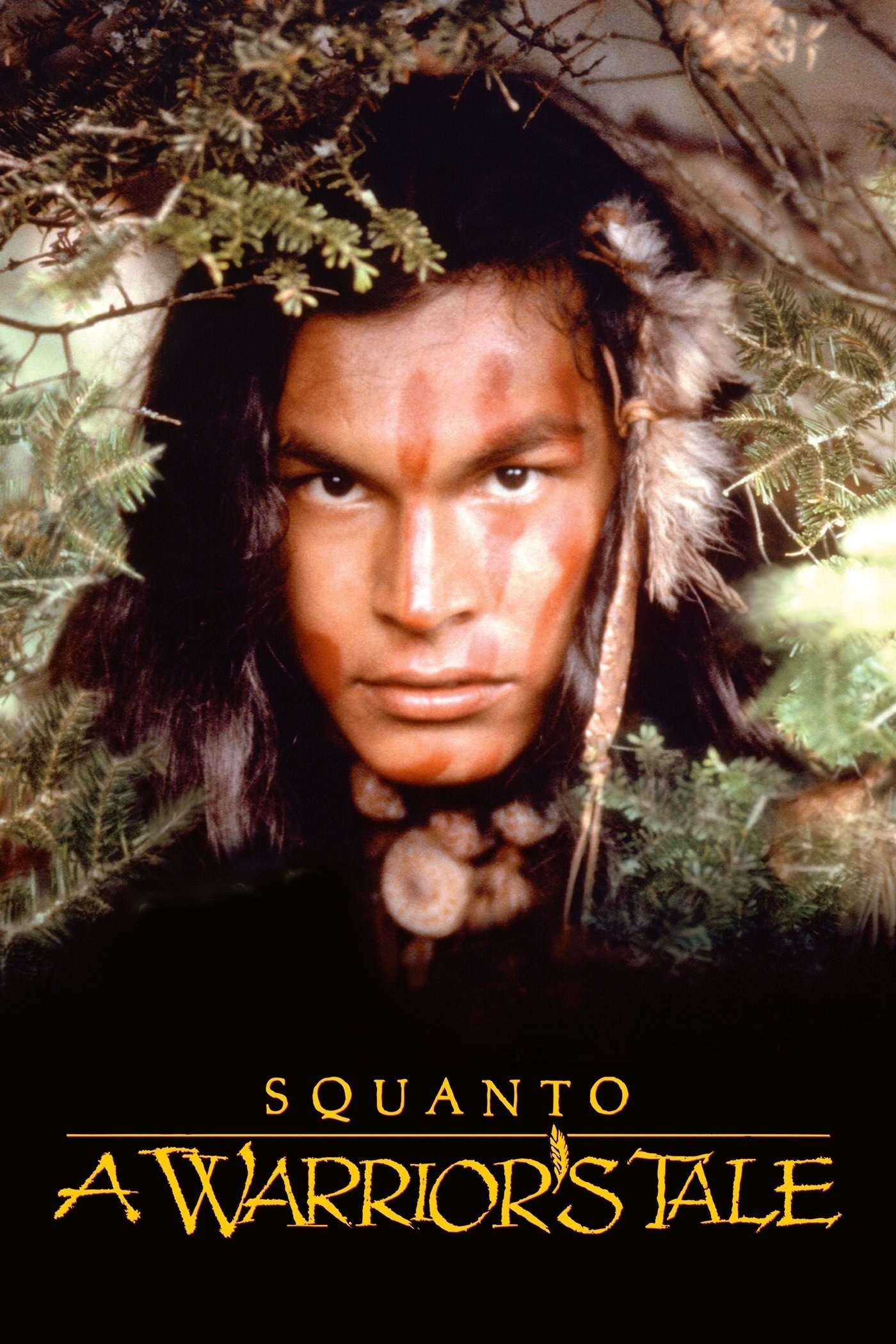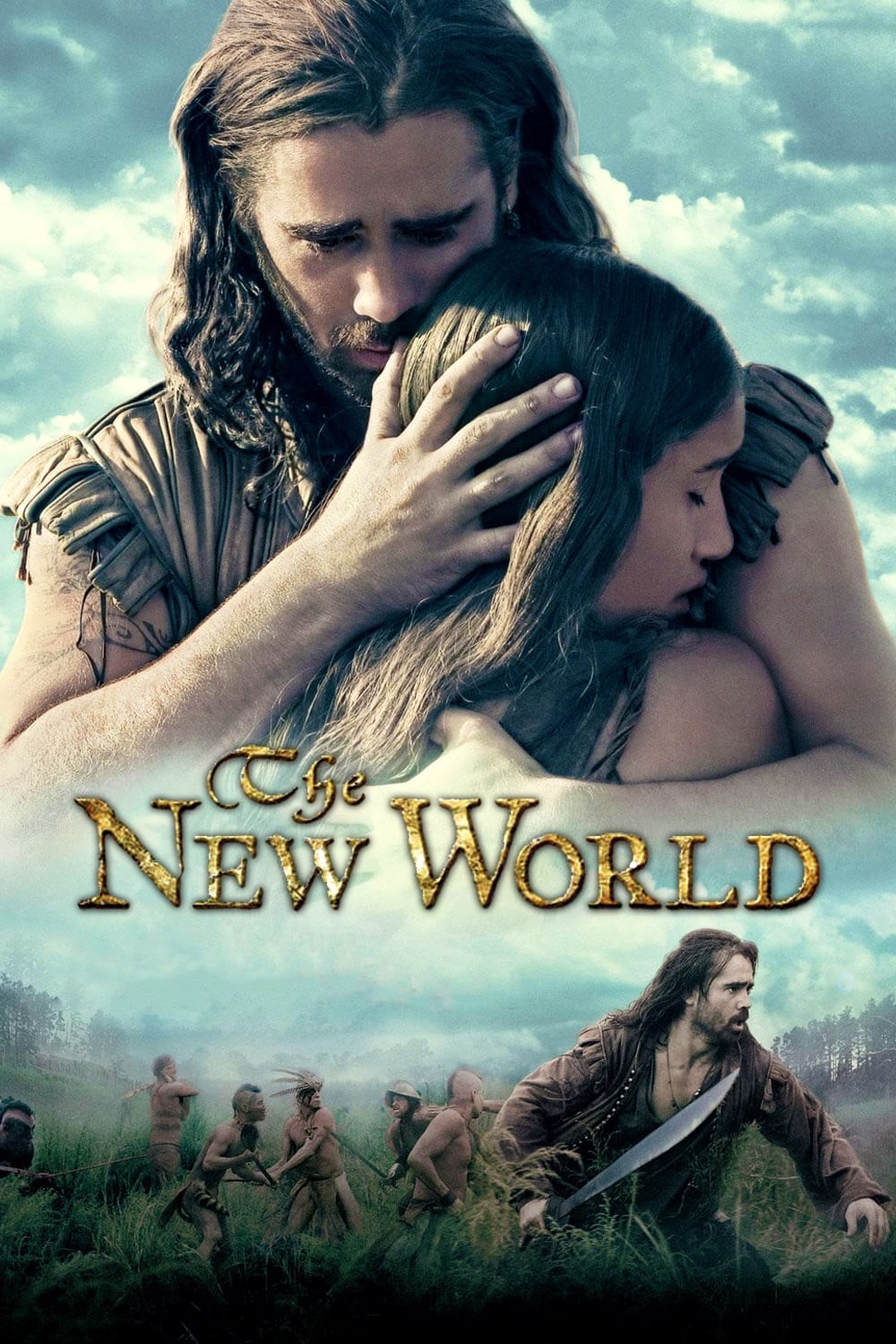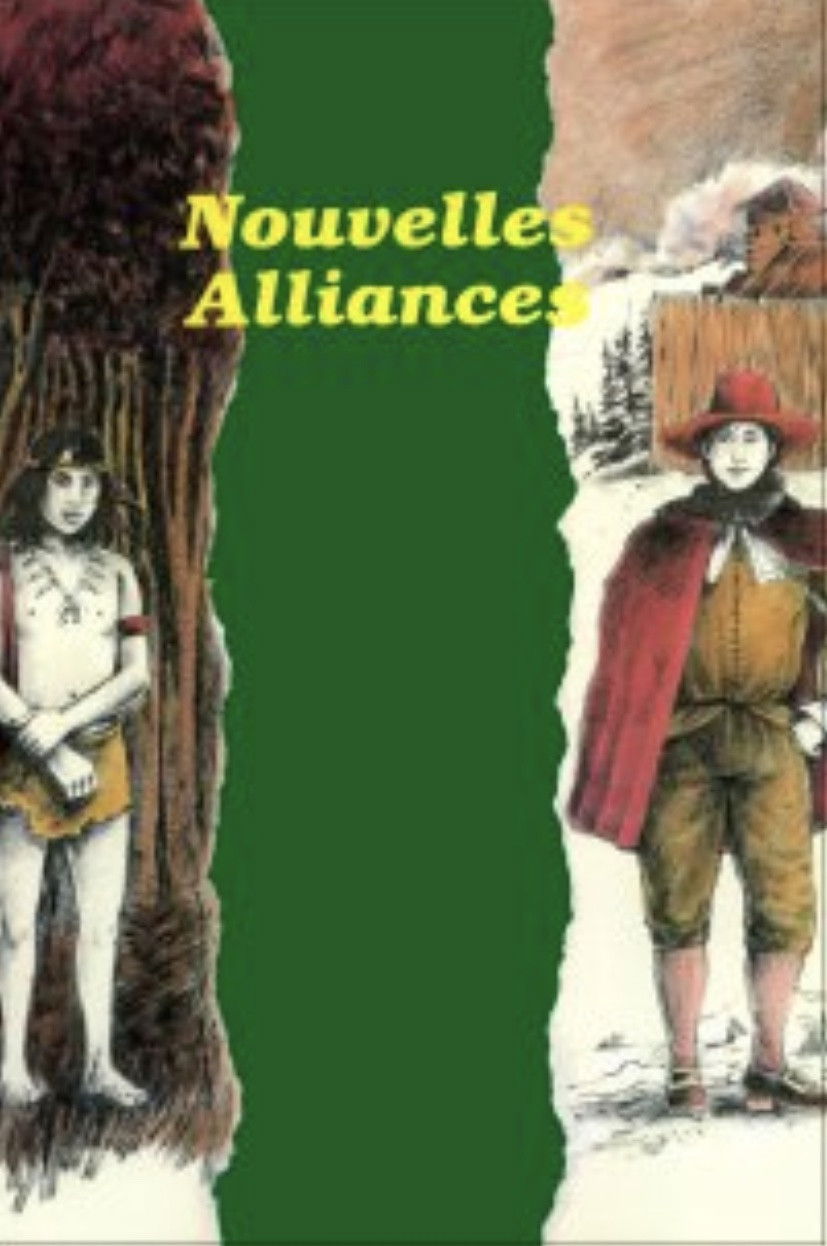

The dramatic story of two youths--one French and one Indigenous--who share a pivotal time in Canada's history: the first contact between European and First Nations peoples.
Social & External
Andashee
Ochasteguin
Iroquet
Grandmother
Charles de Biencourt de Saint-Just
Jean de Biencourt de Poutrincourt et de Saint-Just
Samuel de Champlain
Membertou
Andashee (voice)
Biencourt (voice)
Self - Narration (voice)
Self - Narration (Voice)
Halifax, 1863: Miss Lewly arrives in Halifax to search for Lt Pinson, with whom she is madly in love. Actually, she is Adèle Hugo, second daughter of the great French author of Les Misèrables and statesman. However, her feelings for Pinson are unrequited, but she is so delusional that his attempts to dissuade her are unsuccessful.
The story of the Trojan war is one of history's most enduring legends. A beautiful queen elopes with a foreign prince, which results in a decade-long battle that ends in the complete annihilation of an entire city. However, what grain of truth is there to this mythologicale tale of love and destruction?
Amidst a mostly Catholic community, a small tiny Anglican church offers more to the community of Placentia than people may think, and holds many connections and history to the rest of the world.
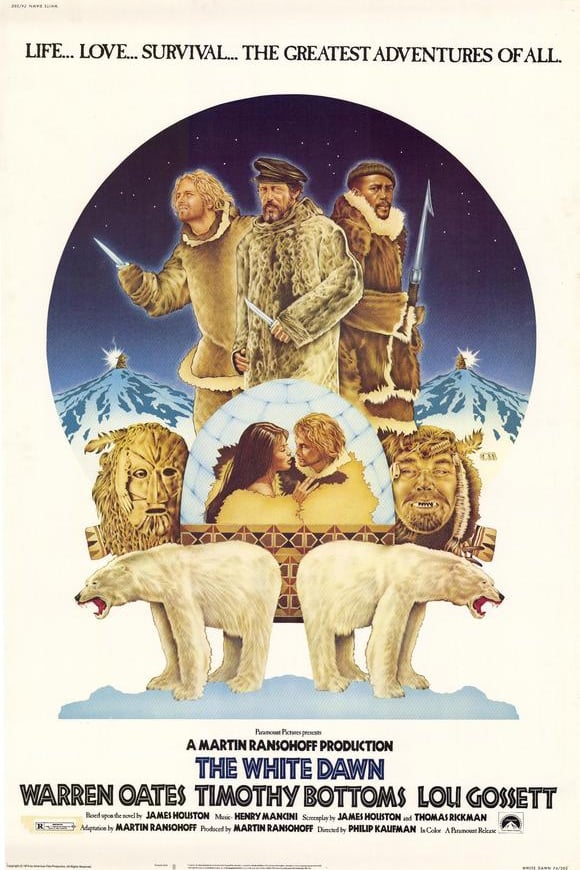
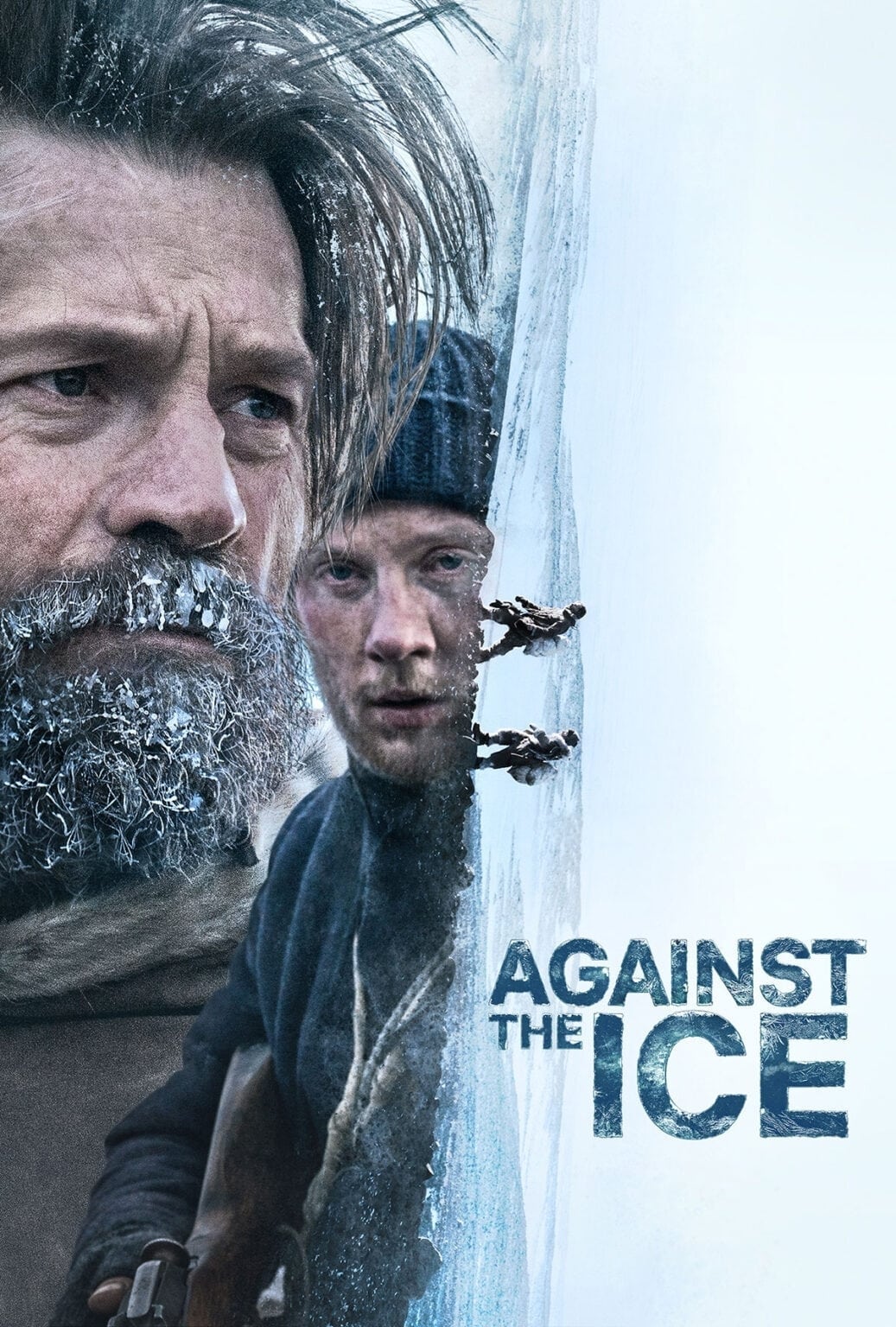
In 1896, three survivors of a whaling ship-wreck in the Canadian Arctic are saved and adopted by an Eskimo tribe but frictions arise when the three start misbehaving.
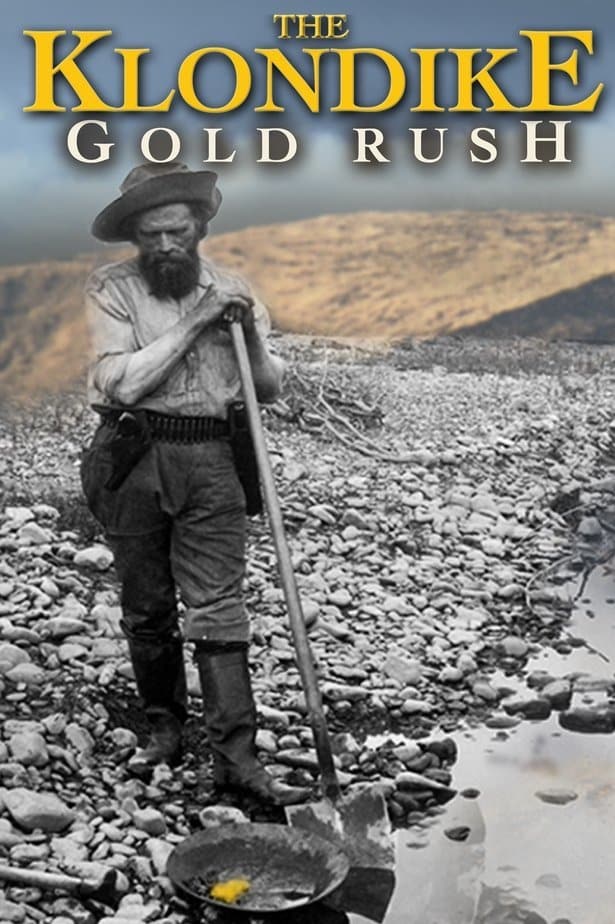
Renowned as the richest gold strike in North American mining history, the Klondike Gold Rush (1896-1899) set off a stampede of over 100,000 people on a colossal journey from Alaska to the gold fields of Canada's Yukon Territory. Filled with the frontier spirit, prospectors came and gave rise to what was one of the largest cities in Canada at that time - Dawson City. The boomtown, which became known as "the Paris of the North", earned the reputation as a place where lives could be revolutionized. Brought to life with excerpts from the celebrated book The Klondike Stampede - published in 1900 by Harper's Weekly correspondent Tappan Adney - and featuring interviews with award-winning author Charlotte Gray, and historians Terrence Cole and Michael Gates, The Klondike Gold Rush is an incredible story of determination, luck, fortune, and loss. In the end, it isn't all about the gold, but rather the journey to the Klondike itself.
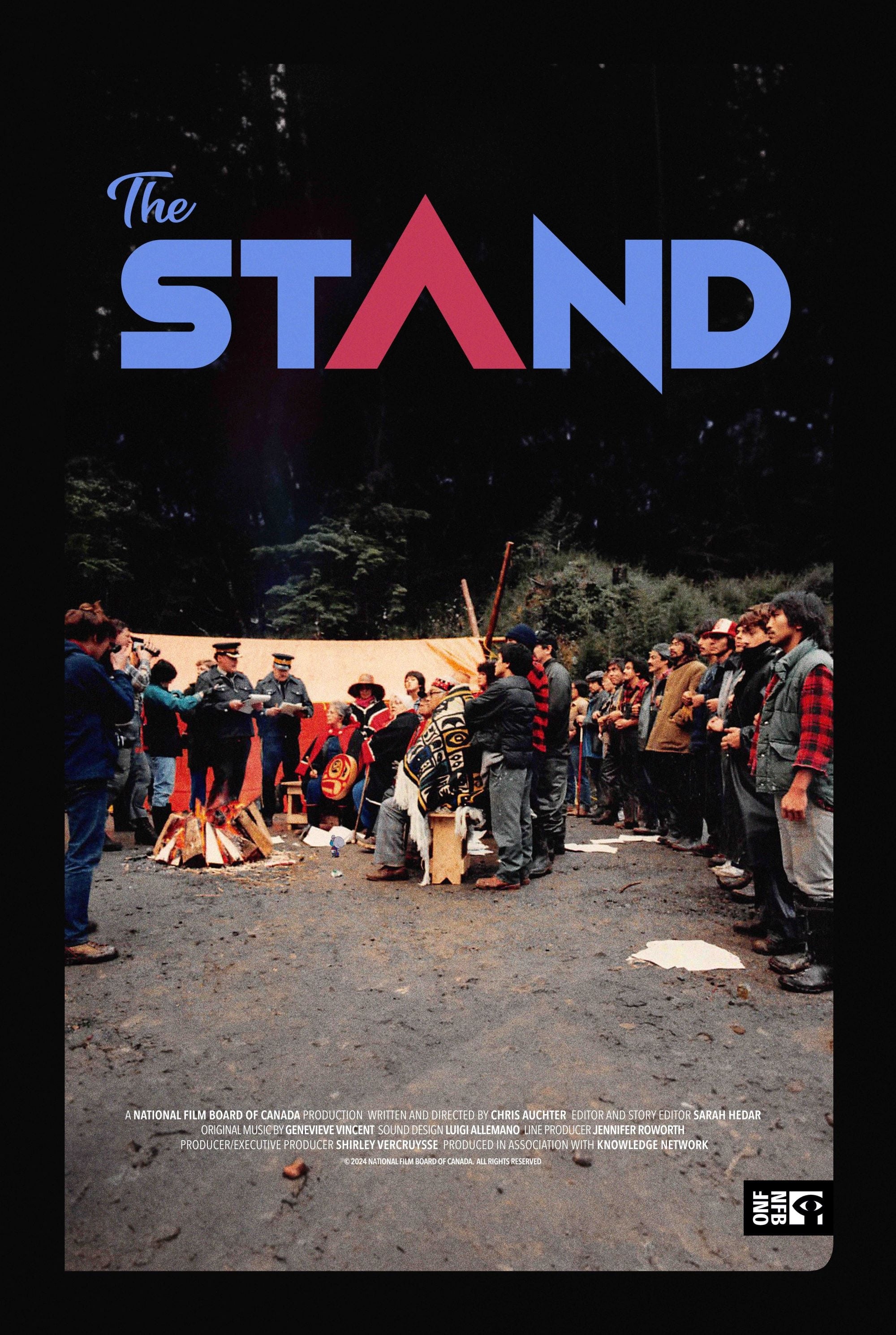
Three intrepid women battle for Indigenous women's treaty rights.
By combining actual footage with reenactments, this film offers both a documentary and fictional account of the life of Adolf Hitler, from his childhood in Vienna, through the rise of the Third Reich, to his final act of suicide in the waning days of WWII. The film also provides considerable, and often shocking, detail of the atrocities enacted by the Nazi regime under Hitler's command.
The injustice of the Japanese internment is explored through the story of Kyuichi Nomoto, one of the first Japanese Canadians to graduate from UBC, who suffered a breakdown deep in the BC Interior.
Two thousand Canadians suffered the longest incarceration anywhere in the Second World War, a bitter four-year period inside Japanese POW camps in Hong Kong and Japan.
Sergeant Michael Dunne fights in the 10th Battalion, AKA The "Fighting Tenth" with the 1st Canadian Division and participated in all major Canadian battles of the war, and set the record for highest number of individual bravery awards for a single battle
The filmed account of a large Canadian rock festival train tour boasting major acts. In the summer of 1970, a chartered train crossed Canada carrying some of the world's greatest rock bands. The Grateful Dead, Janis Joplin, The Band, Buddy Guy, and others lived (and partied) together for five days, stopping in major cities along the way to play live concerts. Their journey was filmed.
The documentary recounts the world's first nuclear attack and examines the alarming repercussions. Covering a three-week period from the Trinity test to the atomic bombing of Hiroshima, the program chronicles America's political gamble and the planning for the momentous event. Archival film, dramatizations, and special effects feature what occurred aboard the Enola Gay (the aircraft that dropped the bomb) and inside the exploding bomb.
A Canadian artist turned diamond merchant in Vienna, Austria risks his life to smuggle Jews out of the Third Reich.
True story of Norman Bethune, a medical doctor who fought for justice in China during Mao's rise to power.
Filmed on location in Saskatchewan from the Qu'Appelle Valley to Hudson Bay, the documentary traces the filmmaker's quest for her Native foremothers in spite of the reluctance to speak about Native roots on the part of her relatives. The film articulates Métis women's experience with racism in both current and historical context, and examines the forces that pushed them into the shadows.
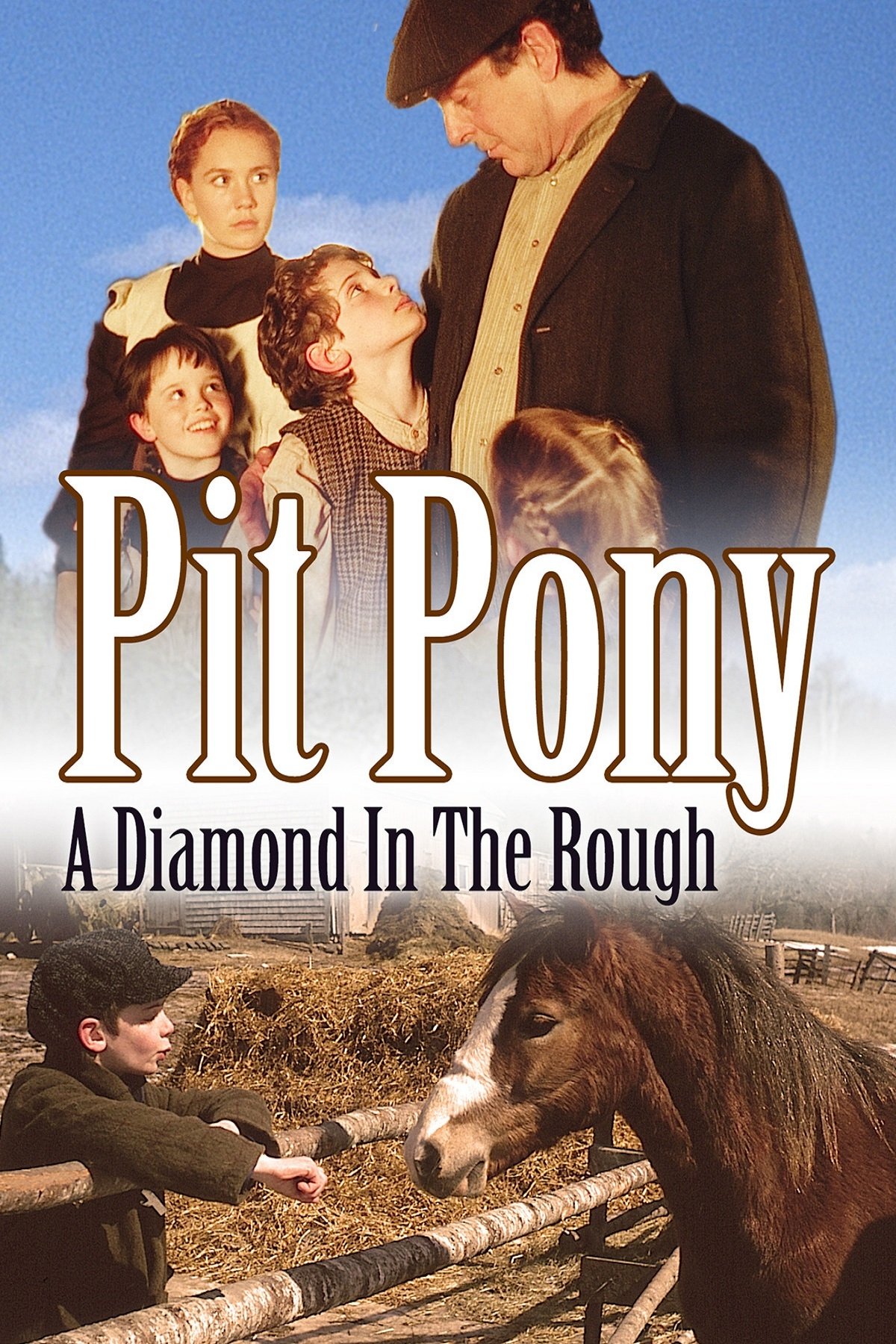
Glace Bay, Nova Scotia Canada, 1901. Willie MacLean is a 10-year-old boy with a love for horses and liking to school to cape the difficult times his family has. Willie's stern, but benevolent father is a coal miner in a local mine along with his older brother John. But when Willie's father is injured and John is killed in an accident at the mine, Willie is forced to step into his brother's shoes to support his older sister Nelle, and two younger sisters until their father recovers. Willie soon finds work at the mine lonely (aka: the pit) and unfriendly in which he forms a bond with a pit pony horse in order to make it though each day.
In this reenactment of a propaganda documentary, a woman is falling prey to the role assigned to her in slow motion. Upon her arrest, diplomat Mária Kerényi is interviewed by the state television. Her story in espionage confronts the mechanisms of autocracy and the concept of guilt in a closed society.
Set in 1815, this is the dramatic story of a child of the fur trade, son of a Native mother and a Scottish-Canadian fur trader. John Mackenzie's father is a wintering partner of the Montréal-based North West Company, which was for decades the wealthiest merchant enterprise in North America. To mark his entry into adulthood, twelve-year-old John is travelling for the first time to Fort William, the Company's lavish winter headquarters by Lake Superior. In following his journey, the film reveals the complex network of people--Scottish, French and Native Canadian--that made up fur-trading society and gave a unique flavor to the opening up of Canada's northwest.
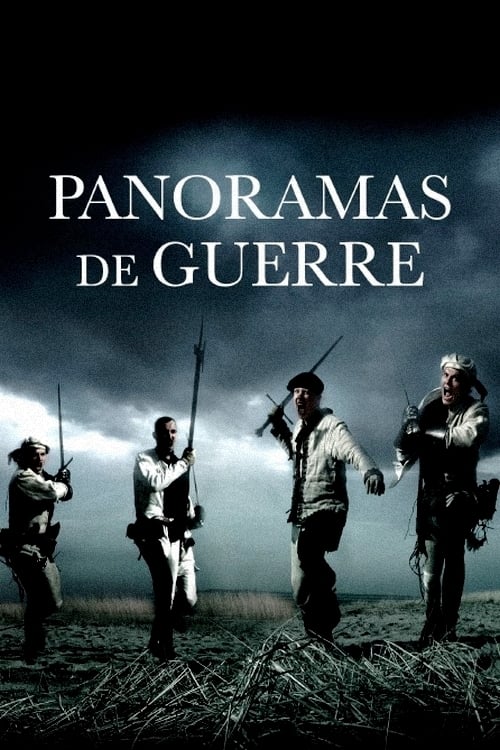
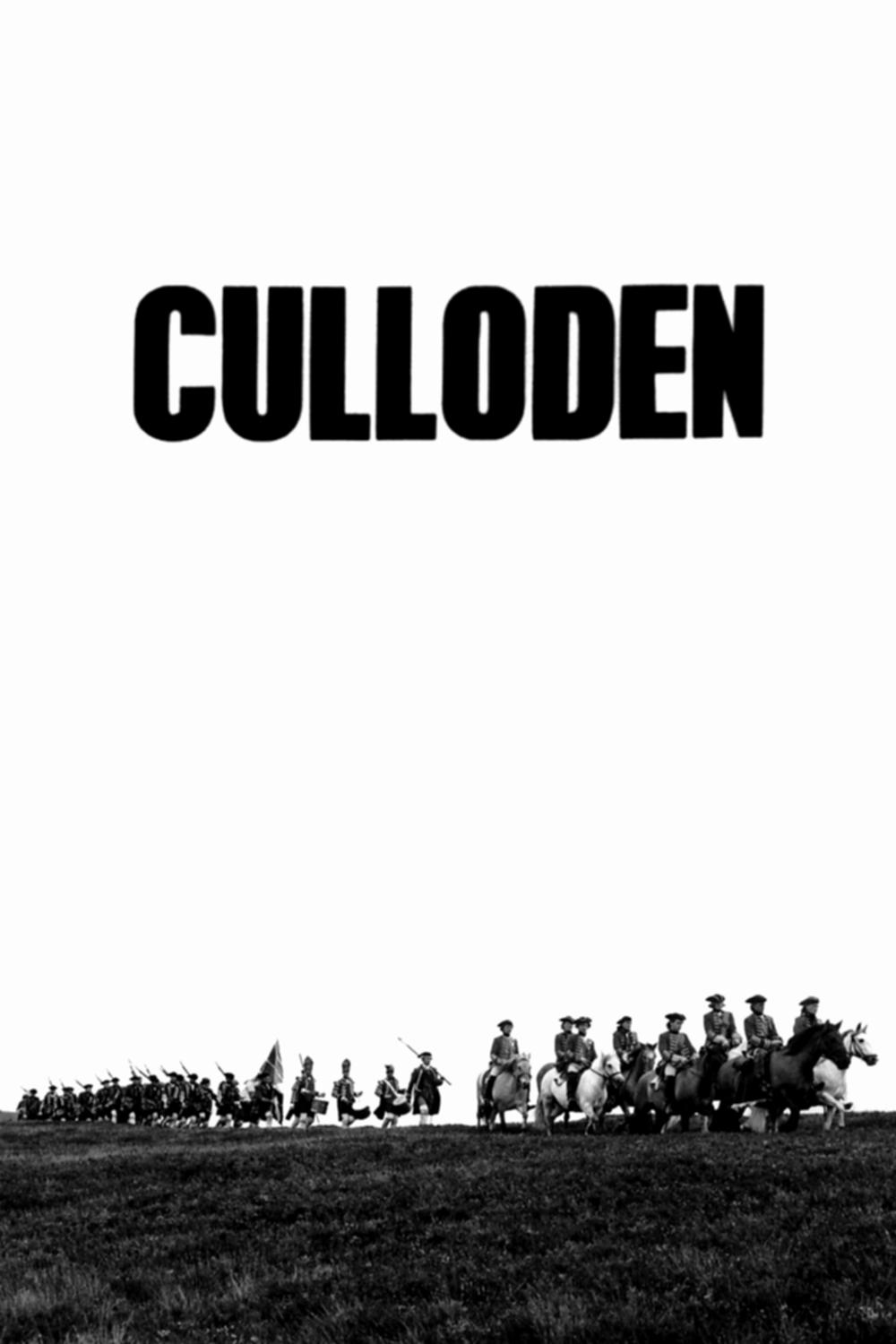
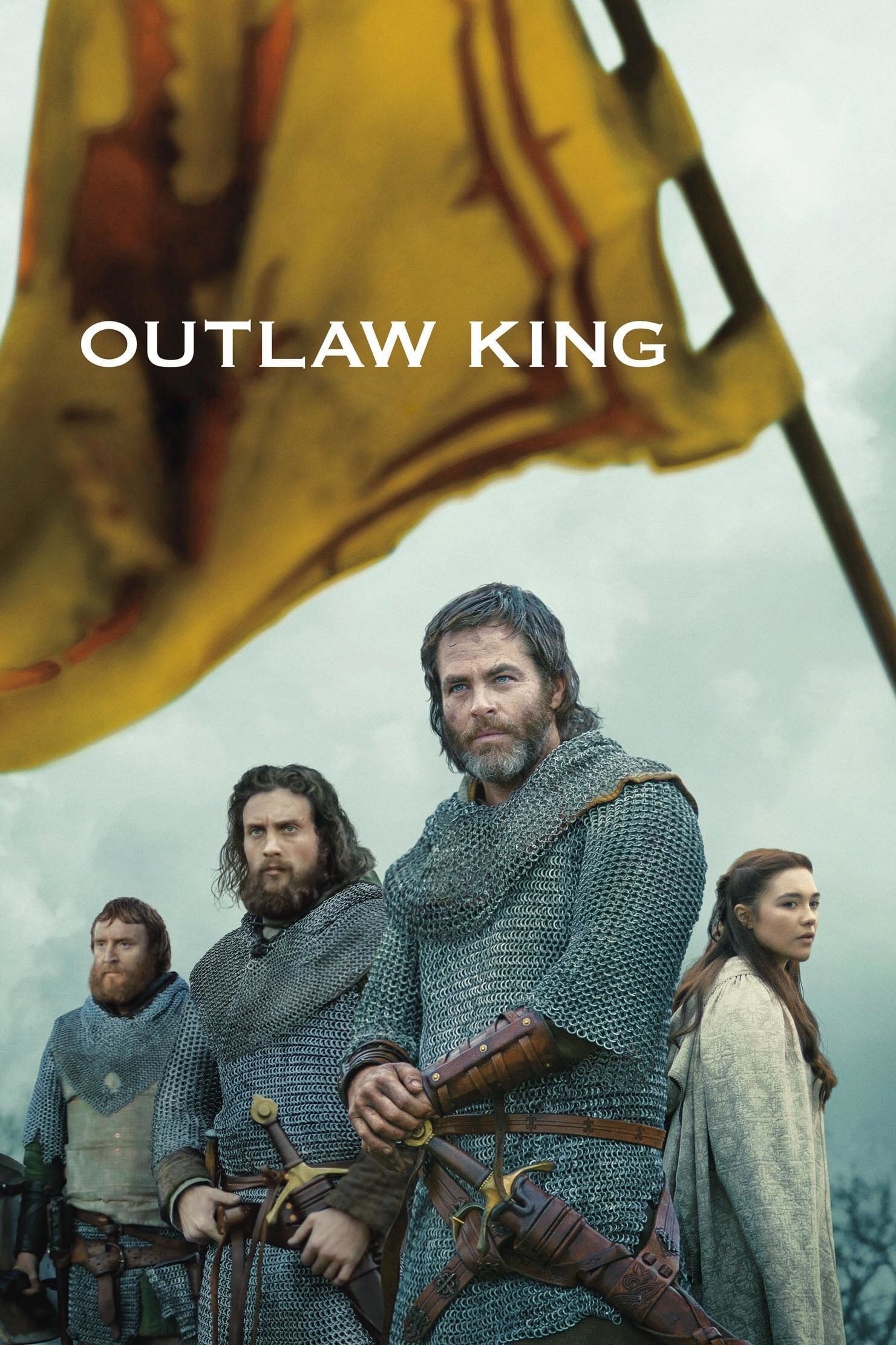
Culloden, Scottish Highlands, April 16th, 1746. It was one of the most mishandled and brutal battles ever fought in Great Britain. Its aftermath was tragic. The men responsible for such a disaster must be exposed. The men, women and children who suffered because of it must be remembered.