Social & External
The people behind it
At age 25, Olivier Rousteing was named the creative director of the French luxury fashion house, Balmain. At the time, Rousteing was a relatively unknown designer, but in the decade since, he’s proven his business prowess and artistic instinct by leading Balmain to new heights. Wonderboy gives the viewer the rare opportunity to experience the inner sanctum of the fashion world, as we stand shoulder-to-shoulder with this extraordinary individual while he works.
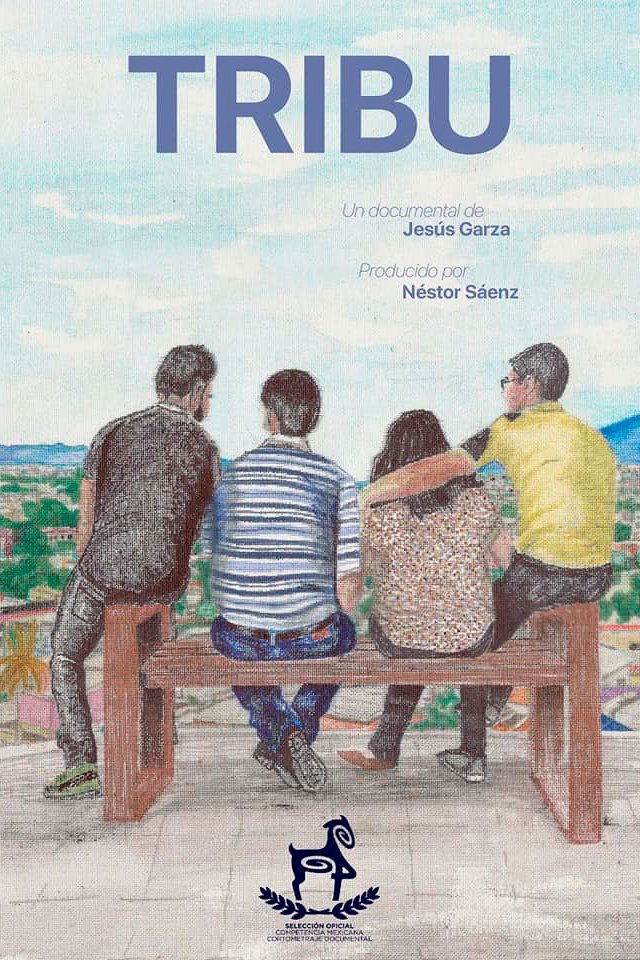
Ruben and Gio have been recently adopted by Evelyn and Memo. The four of them try to create a home where the past, the bad and good stories, and the dreams in common for the future blend all together.
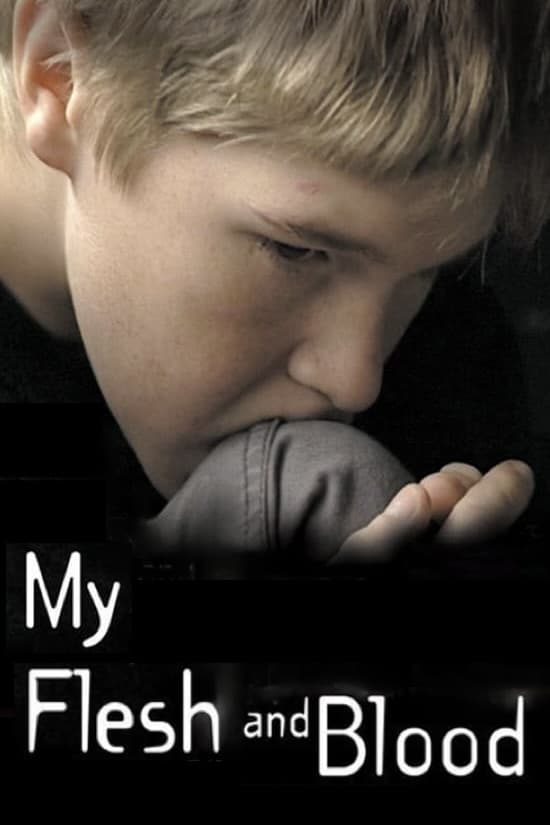
My Flesh and Blood is a 2003 documentary film by Jonathan Karsh chronicling a year in the life of the Tom family. The Tom family is notable as the mother, Susan, adopted eleven children, most of whom had serious disabilities or diseases. The film itself is notable for handling the sensitive subject matter in an unsentimental way that is more uplifting than one might expect.
Denese Joy Becker, a manicurist living in Iowa, discovers she is indeed Dominga Sic Ruiz, a survivor from a 1982 Guatemalan massacre, when more than 200 people were killed in the small village of Rio Negro, after opposing the construction of a dam, sponsored by World Bank. She then tries to unveil the truth.
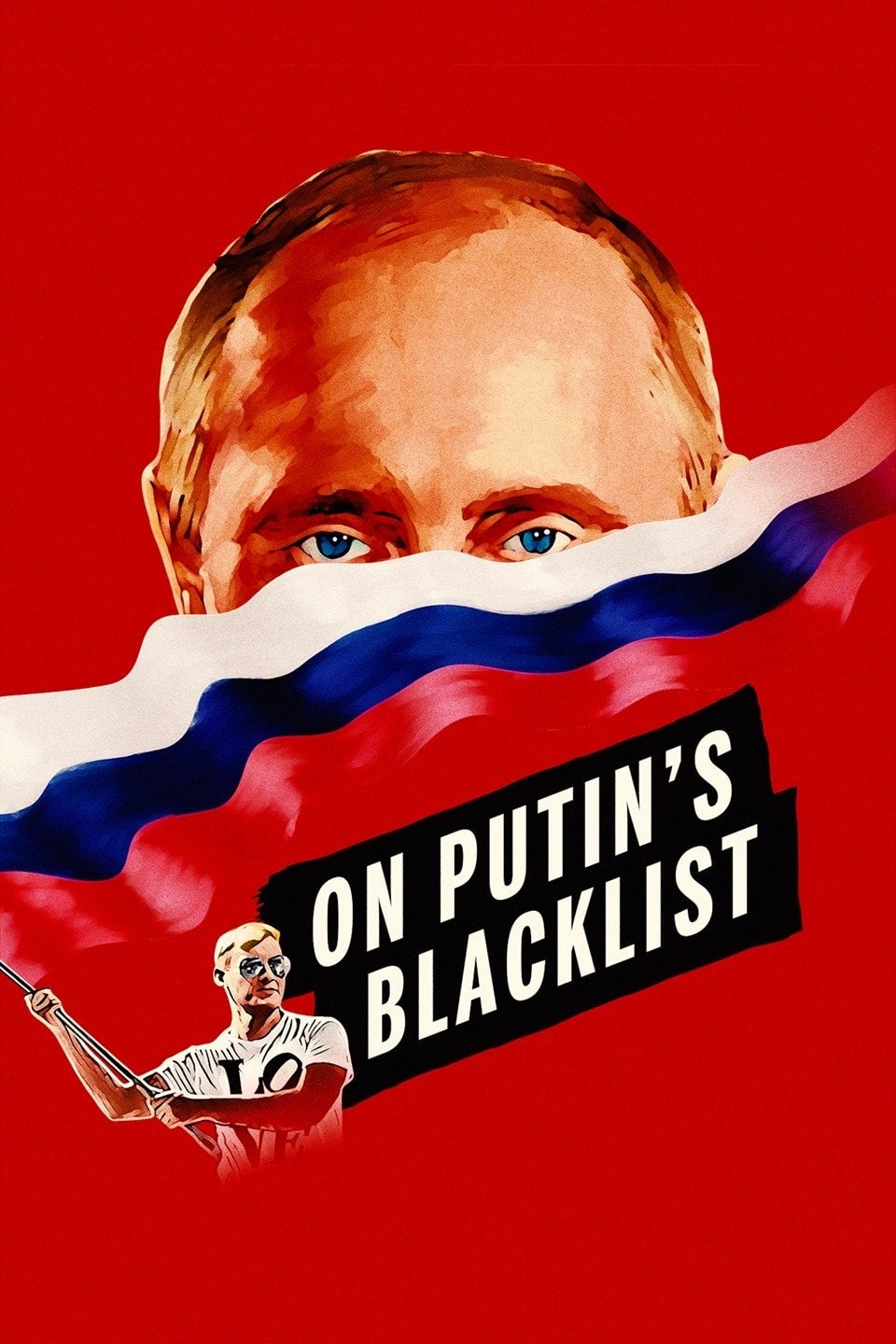
Traces the new Cold War between Russia and the West from the ban on American citizens adopting Russian children to the Kremlin’s anti-LGBTQ campaign, which positions the international marriage equality movement as a national threat.
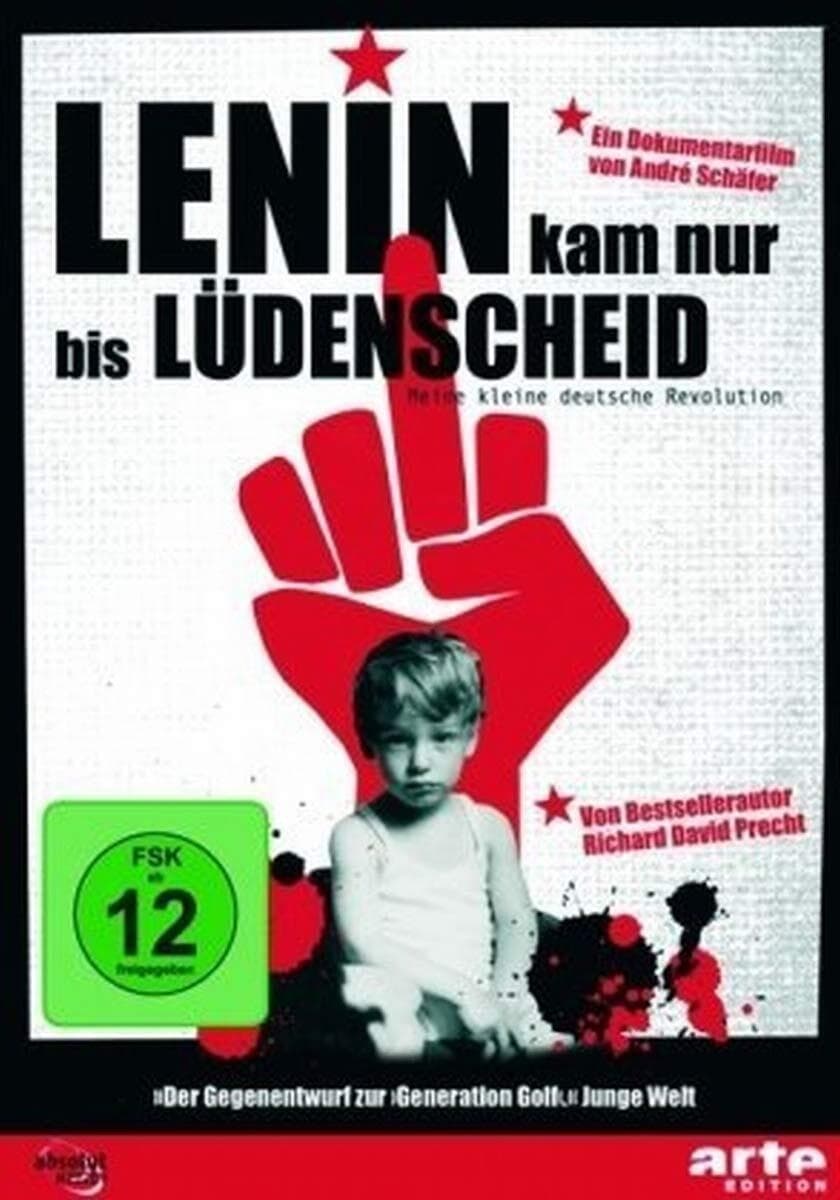
The free, almost naive view from the perspective of a child puts the "68ers" in a new, illuminating light in the anniversary year 2008. The film is a provocative reckoning with the ideological upbringing that seemed so progressive and yet was suffocated by the children's desire to finally grow up. With an ironic eye and a feuilletonistic style, author Richard David Precht and Cologne documentary film director André Schäfer trace a childhood in the West German provinces - and place the major events of those years in completely different, smaller and very private contexts.
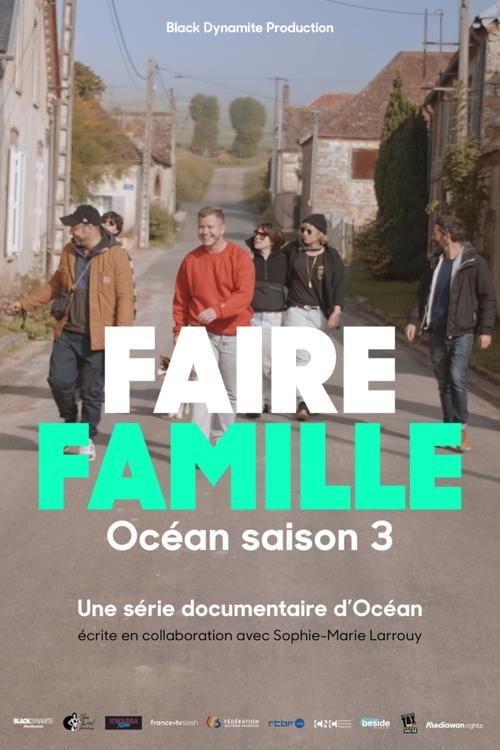
What's it like to "make a family" when you're not part of the traditional hetero couple? Can two best buddies living on the same floor become a family? Océan and his best friend Sophie-Marie Larrouy will question their friendship, their desire for children and their ability to commit to each other, going to meet people who have made families "differently" to draw inspiration from them and invent their own model.
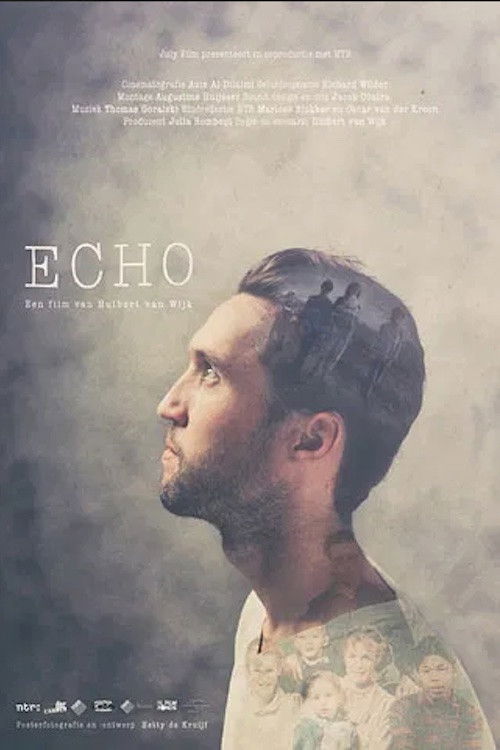
Through divorce, adoption and second marriages, none of the children in the Van Wijk family have the same biological parents.
New York, 1980. Three complete strangers accidentally discover that they're identical triplets, separated at birth. The 19-year-olds' joyous reunion catapults them to international fame, but also unlocks an extraordinary and disturbing secret that goes beyond their own lives – and could transform our understanding of human nature forever.
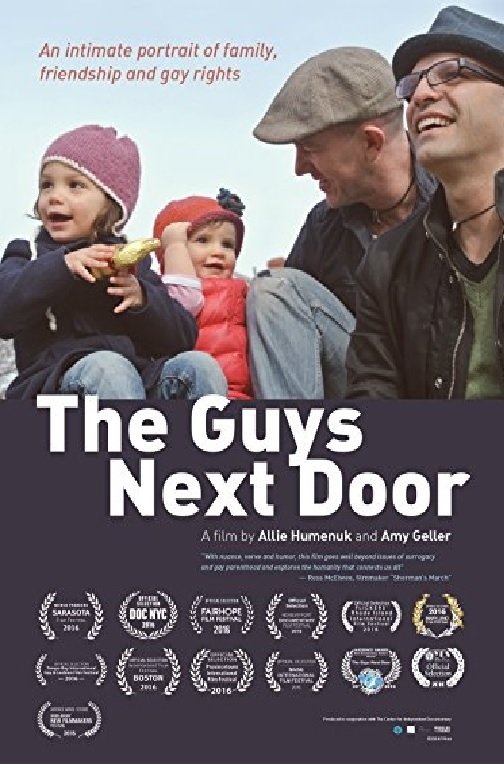
An intimate portrait of a real Modern Family: Meet Erik and Sandro, a gay couple with daughters birthed by their friend Rachel who's married with three teenagers of her own.
From 2000 to 2008, China was the leading country for U.S. international adoptions. There are now approximately 70,000 Chinese adoptees being raised in the United States. Ninety-five percent of them are girls. Each year, these girls face new questions regarding their adopted lives and surroundings. This is a film about Chinese adopted girls, their American adoptive families and the paradoxical losses and gains inherent in international adoption. The characters and events in this story will challenge our traditional notions of family, culture and race.
During the pandemic, living under an extreme right-wing government, filmmakers Bel Bechara and Sandro Serpa receive the news that would change their lives: there was a baby to be adopted.
After the collapse of the Communist regime in 1989, over 100,000 children were discovered living in Romanian orphanages. Follow Nori Vito, one of those orphans, as she journeys from her adopted American home to Romania and Greece to find the family she lost almost 30 years ago.
Life Happens deals with the topic of abortion in a unique, personal and ultimately uplifting way. Director Ash Greyson, who was nearly aborted just months before the Roe vs Wade decision, sets out on a journey to find others like him. In the process he uncovers the divisive issues, eventually finds some common ground, and seals it all up with compelling first person stories from mothers and children who narrowly escaped abortion. While pulling no punches, he skillfully replaces rhetoric and religion with hope and heart in what may be the most approachable film ever created on the topic.
Jackie Miller adopted her son, Scott, in the early 1970s. In 2008, Scott brought his mom to StoryCorps to ask her about that decision.
Actually, Tomas knows his parents. Born in Brazil in 1993 and adopted from there, he now lives with them in the Netherlands. Now he is faced with the question of whether he should look for his biological mother, or if there are reasons not to do so.
This feature documentary tells the complex and touching story of Winnipeg city councilor Glen Murray and his 17-year-old adopted son Mike, whose struggles with addiction and behavioural problems cyclically repeat. Glen, now an Ontario Member of Provincial Parliament, was one of the first openly gay elected politicians in Canada. He adopted Mike during an era when homophobic stereotypes often prevented gay men and women from adopting children. Glen and Mike's relationship is always tenuous and always turbulent as they struggle to define themselves together and alone.
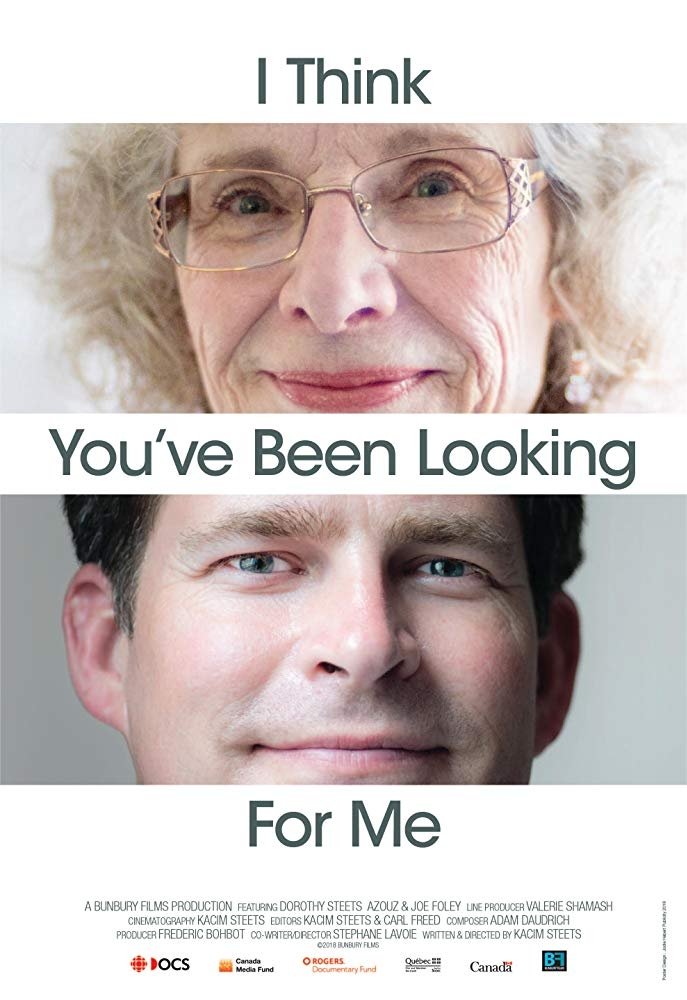
After 48 years of emotional longing, a mother meets her son who she relinquished at birth. In the months after the reunion, Dorothy and Joe must overcome nearly five decades of separation in order to reconnect.
Through deeply personal interviews with her siblings and an examination of the photographs, letters, and belongings left behind, Mariska assembles a new portrait of her mother Jayne Mansfield, an extraordinary and complex woman.
Musician and performance artist Laurie Anderson reflects on the deaths of her husband Lou Reed, her mother and her beloved dog.
A string of threatening emails escalates into a revenge plot involving a newly married US marshal and his ex-girlfriend.
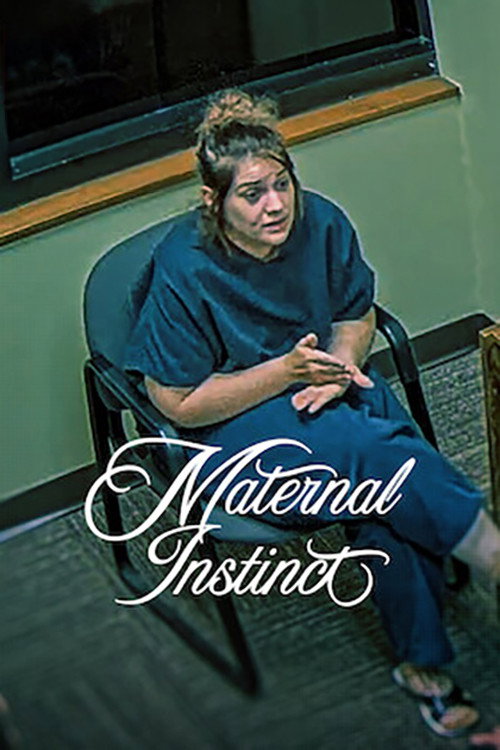
Police pull over a woman who claims she just gave birth. But the baby — and the blood — aren't hers. Twisted lies unravel in this true-crime documentary.
In an intimate and joyful story of love in the face of loss, celebrated poets Andrea Gibson and Megan Falley find strength—and unexpected hilarity—in what might be their final year together.
An inside look at one of the most anticipated movie sequels ever with James Cameron and cast.
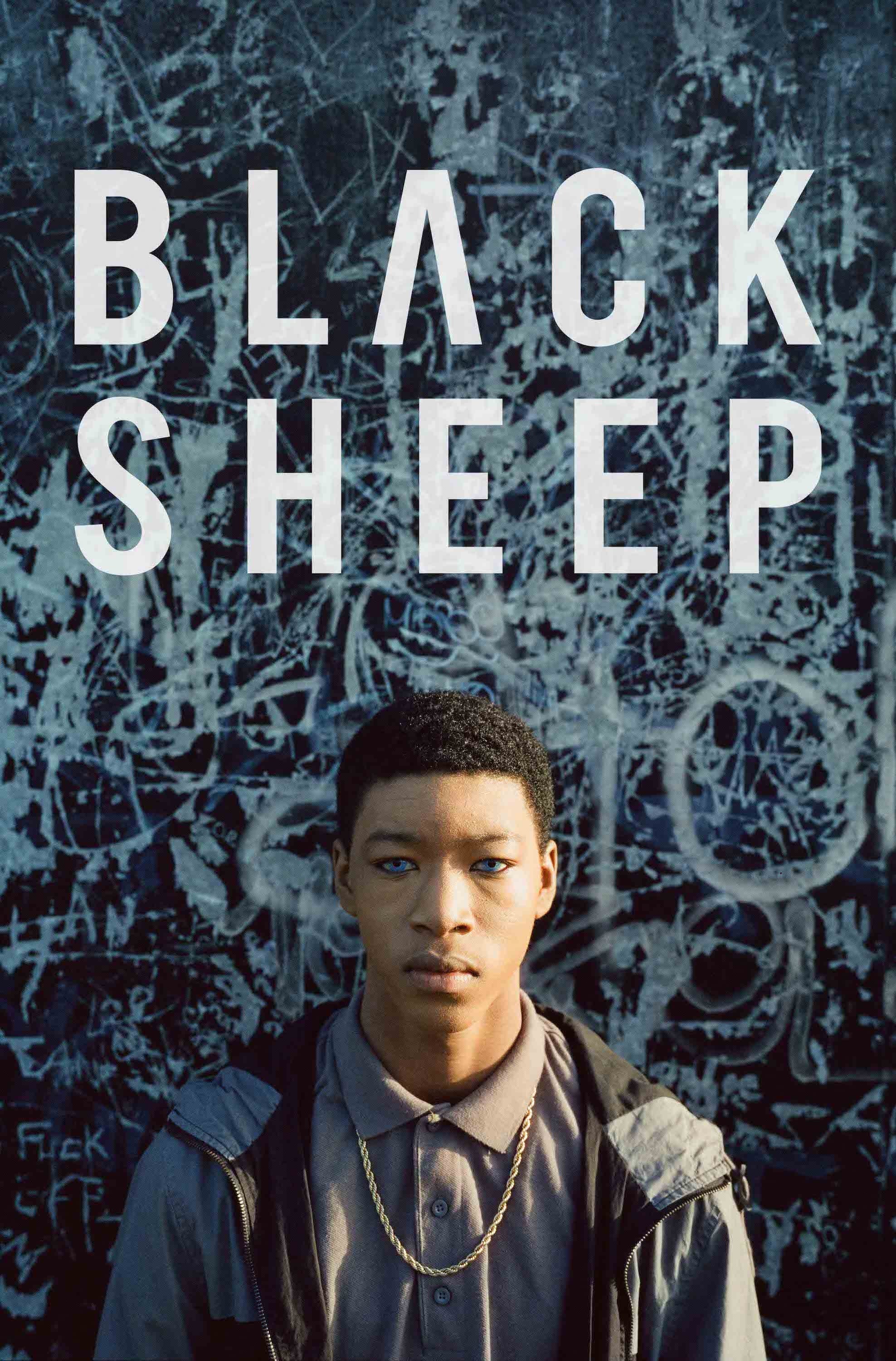
After the high-profile killing of Damilola Taylor, Cornelius' family move out of London. But when they discover their new town is run by racists, Cornelius takes a drastic step to survive.
A visual montage portrait of our contemporary world dominated by globalized technology and violence.
A documentary about the making of David Fincher's 2008 film THE CURIOUS CASE OF BENJAMIN BUTTON. Virtually every element in the evolution of the Fincher's film is documented here, from the project's attachment to numerous other directors during the 1990s, to its shoot in 2006 and 2007 in New Orleans, to its complex, CGI-intensive postproduction process.
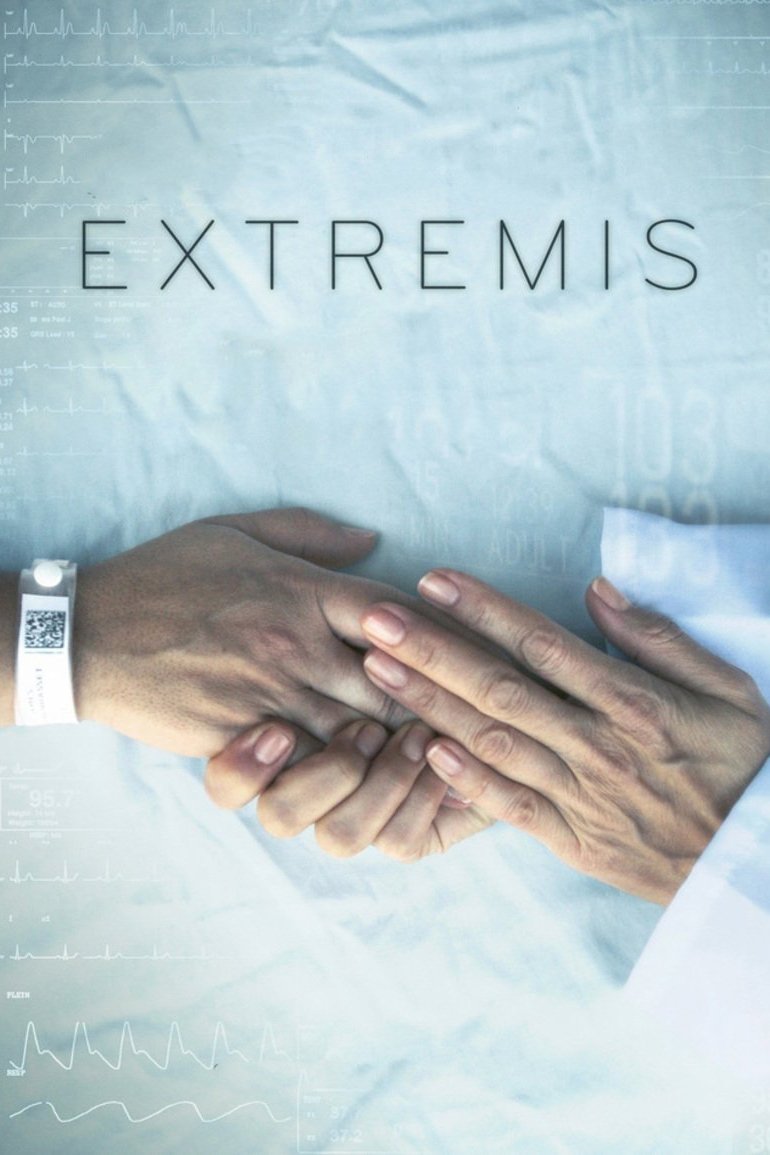
A purely observational non-fiction film that takes viewers into the ethically murky world of end-of-life decision making in a public hospital.
Ranjit, a farmer in India, takes on the fight of his life when he demands justice for his 13-year-old daughter, the victim of a brutal gang rape. His decision to support his daughter is virtually unheard of, and his journey unprecedented.
“Showrunners” is the first ever feature length documentary film to explore the fascinating world of US television showrunners and the creative forces aligned around them. These are the people responsible for creating, writing and overseeing every element of production on one of the United State’s biggest exports – television drama and comedy series. Often described as the most complex job in the entertainment business, a showrunner is the chief writer / producer on a TV series and, in most instances, the show’s creator. Battling daily between art and commerce, showrunners manage every aspect of a TV show’s development and production: creative, financial and logistical.
The Making-of James Cameron's Avatar. It shows interesting parts of the work on the set.
The Savage X Fenty Show gives a look into Rihanna's creative process for her latest lingerie collection. Modeled by incredible, diverse talent, celebrating all genders and sizes, and featuring performances by the hottest music artists.
From the heights of her modeling fame to her tragic death, this documentary reveals Anna Nicole Smith through the eyes of the people closest to her.
This revealing documentary honors the legendary Sidney Poitier—iconic actor, filmmaker, and civil rights activist. Featuring interviews with Denzel Washington, Spike Lee, Halle Berry, and more.
Al Pacino's deeply-felt rumination on Shakespeare's significance and relevance to the modern world through interviews and an in-depth analysis of "Richard III."
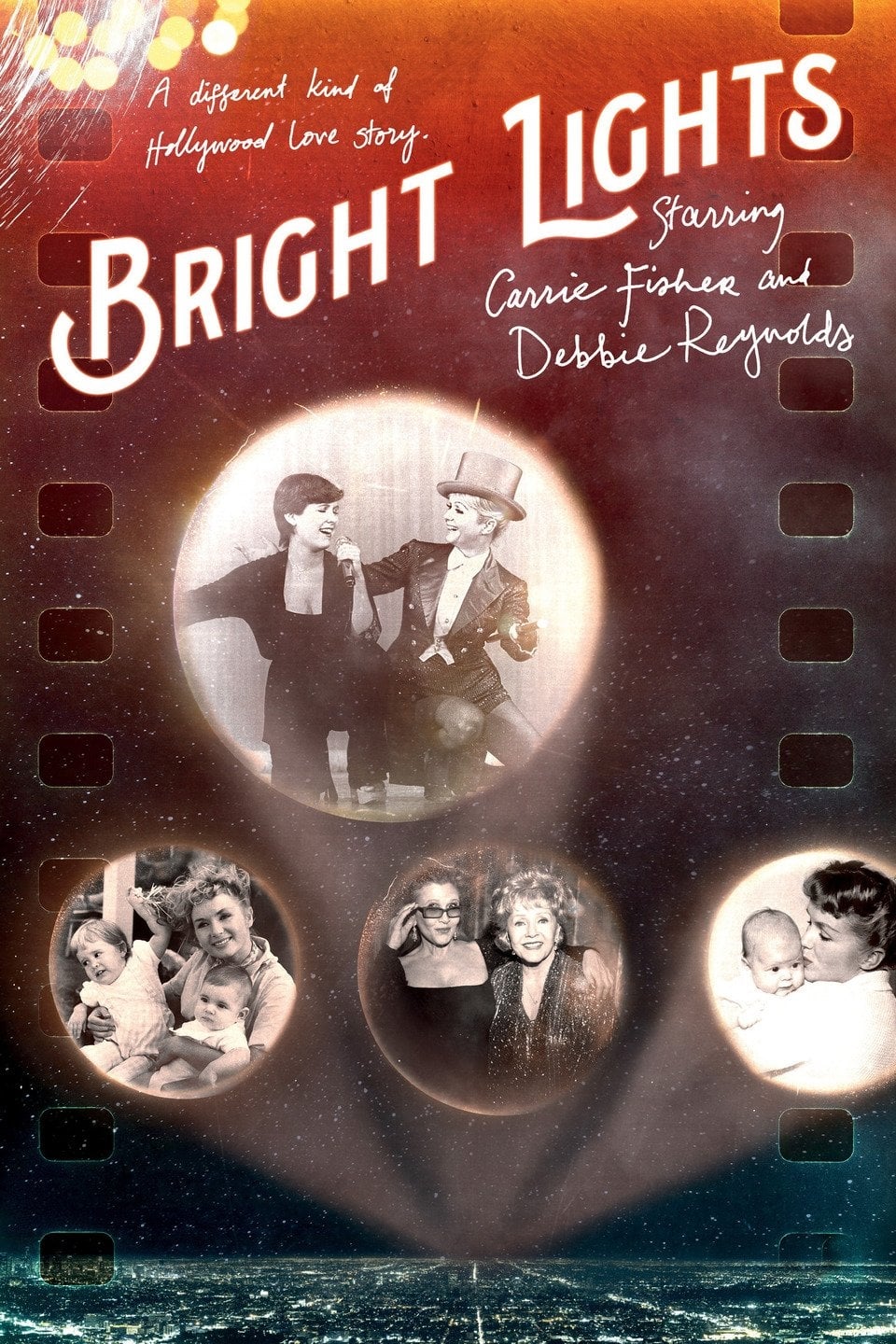
An intimate portrait of Hollywood royalty featuring Debbie Reynolds, Todd Fisher, and Carrie Fisher.
SEDUCED AND ABANDONED combines acting legend Alec Baldwin with director James Toback as they lead us on a troublesome and often hilarious journey of raising financing for their next feature film. Moving from director to financier to star actor, the two players provide us with a unique look behind the curtain at the world's biggest and most glamourous film festival, shining a light on the bitter-sweet relationship filmmakers have with Cannes and the film business. Featuring insights from directors Martin Scorsese, 'Bernando Bertolucci' and Roman Polanski; actors Ryan Gosling and Jessica Chastain and a host of film distribution luminaries.