"JOHN, aged 17 months. For 9 days in a residential nursery."
John, a baby who has never been without his parents, spends nine days in a nursery without them.
Social & External
Self
Narrator
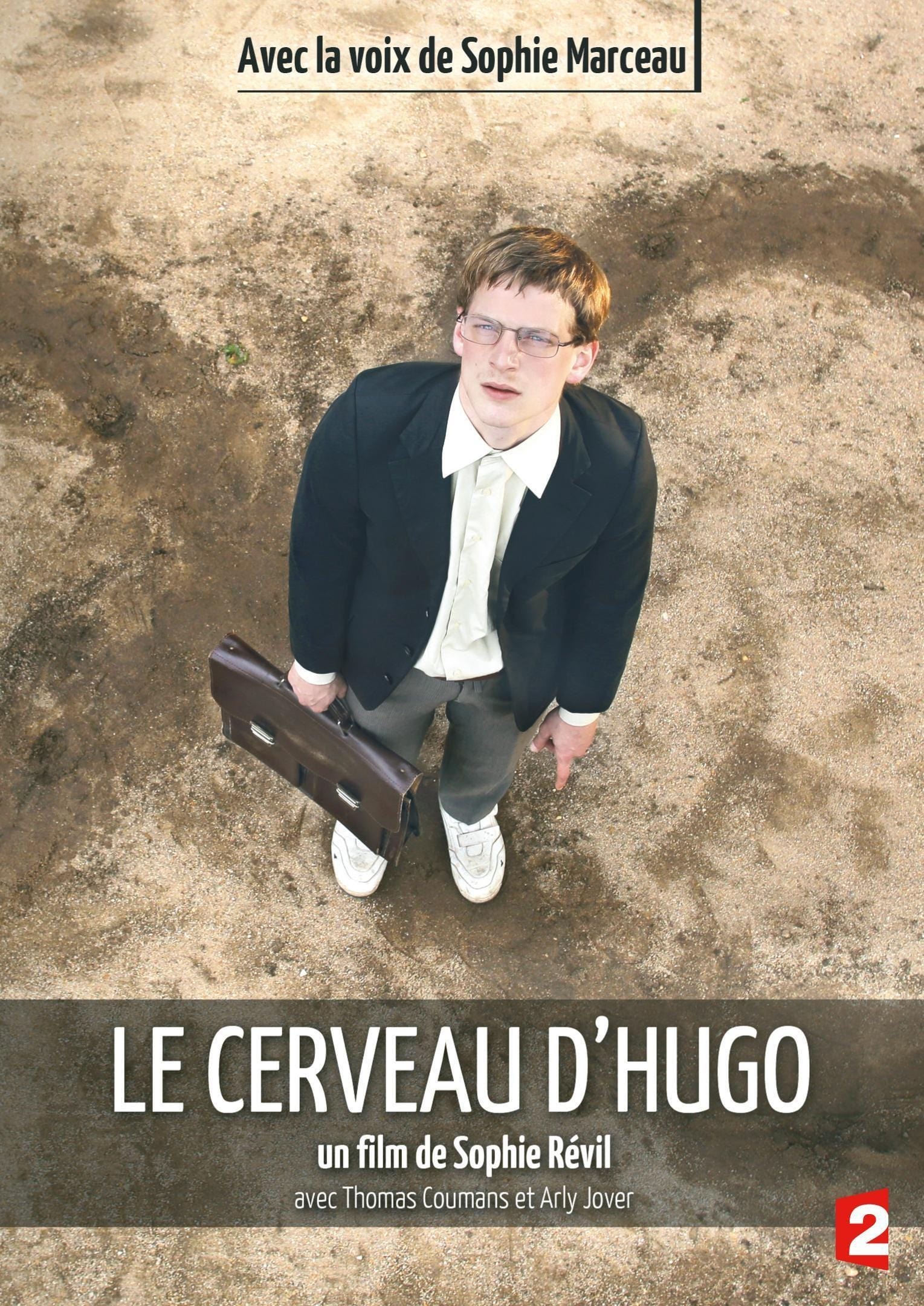
The Hugo's Brain is a French documentary-drama about autism. The documentary crosses authentic autistic stories with a fiction story about the life of an autistic (Hugo), from childhood to adulthood, portraying his difficulties and his handicap.
Stéphane and Alizée, two rock-climbers looking for a breakthrough, spend their winter in Catalonia—the perfect place for climbing hard. Their projects lie in the sector called “El Pati” (the playground). Success, more than a physical achievement, seems to be a state of mind.
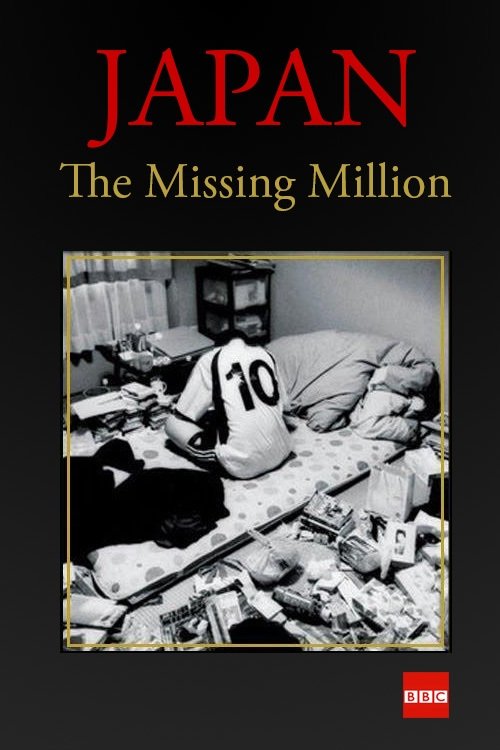
In Japan, a million young men have shut the door on real life. Almost one man in ten in his late teens and early twenties is refusing to leave his home – many do not leave their bedrooms for years on end.
In Their Hands follows the psychotherapy of vulnerable people, sometimes destroyed by acts of torture.Their speech deals with an inhuman past: they want to stop the pain, rule out the folly and protect their family from violence in them, be understood and recognized - these are the issues that drive them.
Do you want to relax, meditate or sleep deeply? Personalize the experience according to your mood or mindset with this Headspace interactive special.
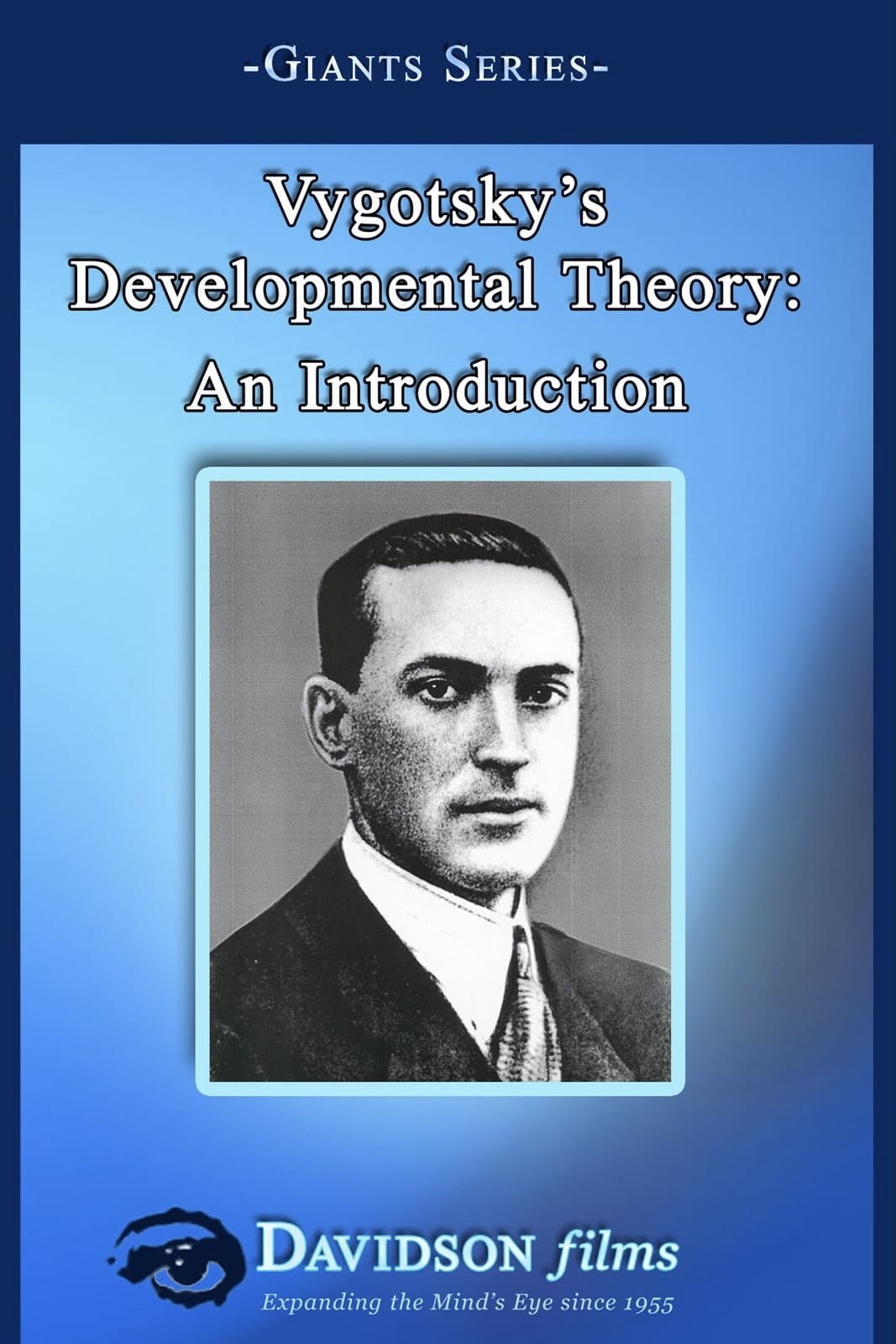
The work of Lev Vygotsky is increasingly cited as we reconsider the theory and practice of constructivist education. This program introduces the life, vocabulary and concepts of Lev Vygotsky. The video illustrates four basic concepts integral to his work: Children construct knowledge, learning can lead development, development cannot be separated from its social context, and language plays a central role in cognitive development. Elena Bodrova brings an easy familiarity to these concepts. Deborah Leong’s commentary and the lively classroom examples enable students, teachers in training, and classroom teachers to incorporate these concepts into their understanding of child development.
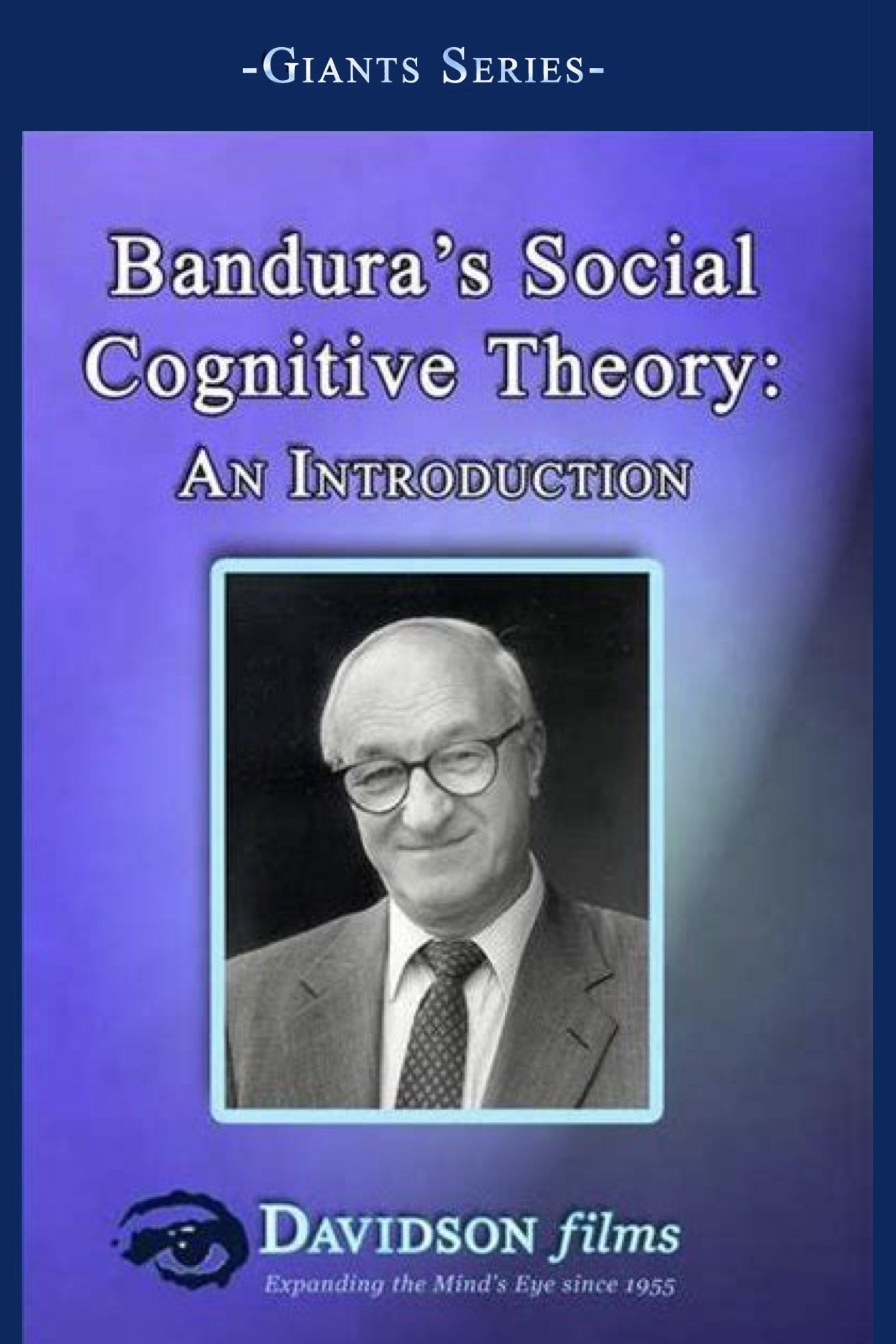
Treading new ground in the field of social psychology, Albert Bandura’s work has become basic to an understanding of how social forces influence individuals, small groups and large groups. From his early BoBo doll experiments through his work with phobias, to his recent work on self-efficacy, Bandura has given us a sense of how people actively shape their own lives and those of others. Utilizing archival materials and newly shot visuals, students will be introduced to the vocabulary and innovative methods of this influential thinker. Dr. Bandura’s narration imbues this video with his compelling presentation style and intellectual authority.
Jérôme was sexually abused as a child by a priest. In a deeply personal film, he tries to search for clues in his memories and come to terms with the complicity of his former social environment.
In this feature-length documentary, six teenage girls, aged 14 to 16, agree to open up and have their private worlds invaded by the camera. They have to face problems that they intend to take on "to the end": early experience of sexuality, belonging to a gang, relationships with parents, social tolerance, friendship... They live tender and pure lives in their own way.
This compelling film represents a rare record of an original genius. In Jung on Film, the pioneering psychologist tells us about his collaboration with Sigmund Freud, about the insights he gained from listening to his patients' dreams, and about the fascinating turns his own life has taken. Dr. Richard I. Evans, a Presidential Medal of Freedom nominee, interviews Jung, giving us a unique understanding of Jung's many complex theories, while depicting Jung as a sensitive and highly personable human being.
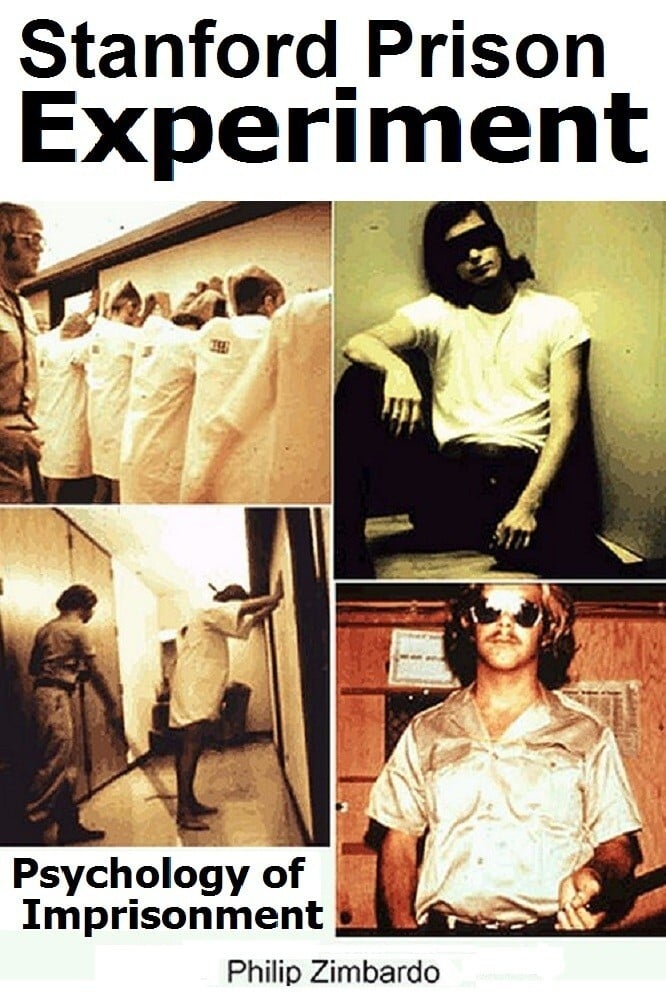
The Stanford prison experiment was a landmark psychological study of the human response to captivity, in particular, to the real world circumstances of prison life, and the effects of imposed social roles on behaviour. It was conducted in 1971 by a team of researchers led by Philip Zimbardo of Stanford University.
THEY HEARD VOICES is a documentary film exploring the Hearing Voices Movement, chronic psychosis, and the schizophrenia label. The film is a series of wide-ranging interviews with voice hearers, medical historians, anthropologists and psychiatrists from Britain and America, presenting different people’s views. Is schizophrenia hard science or an arbitrary, catch-all term with no real meaning? What does it mean for those experiencing psychosis?
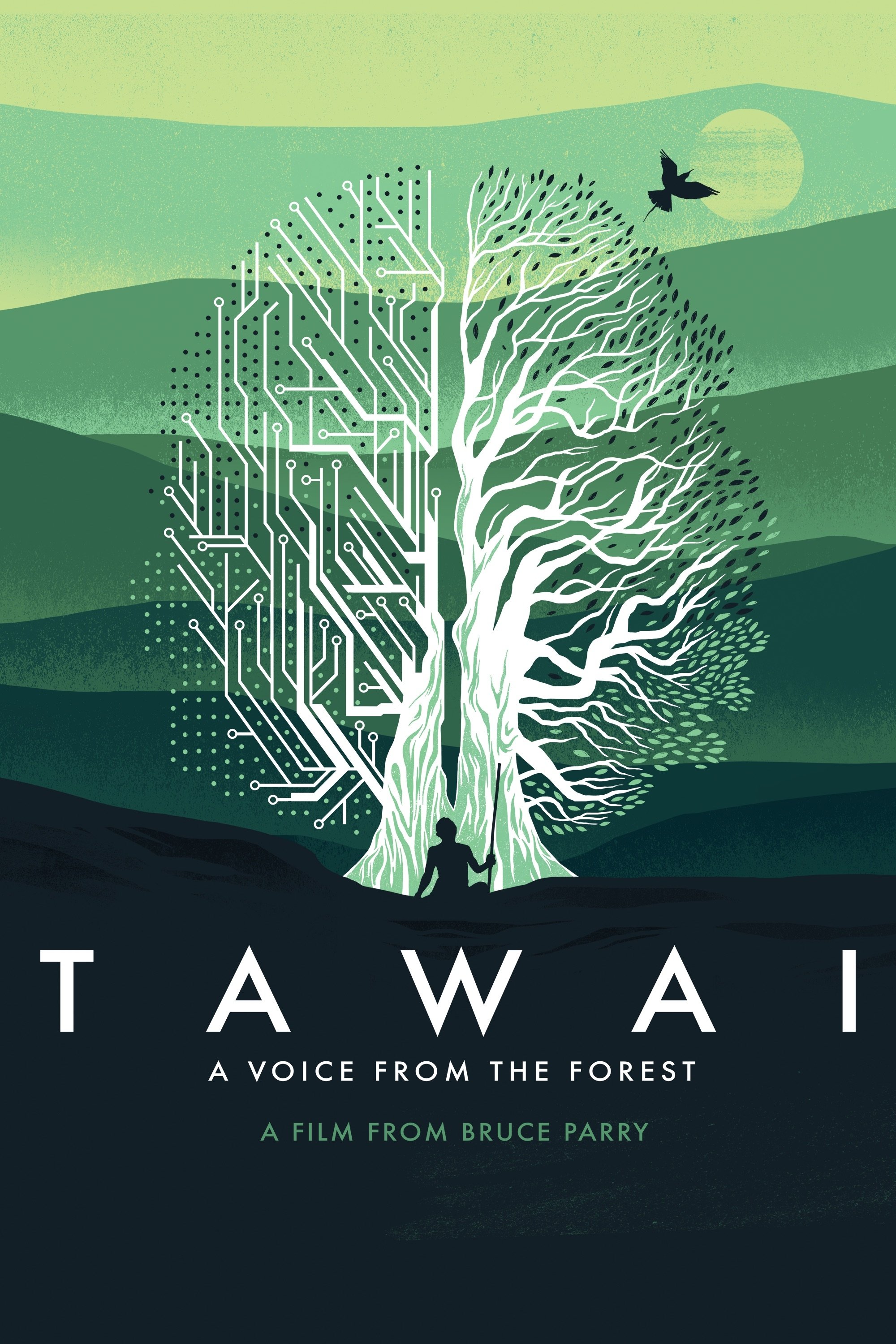
Explorer Bruce Parry visits nomadic tribes in Borneo and the Amazon in hope to better understand humanity's changing relationship with the world around us.
This documentary follows three couples to see how things turned out several years after their weddings. The film presents challenging ideas about relationships, as it answers the question: Why is marriage so difficult?
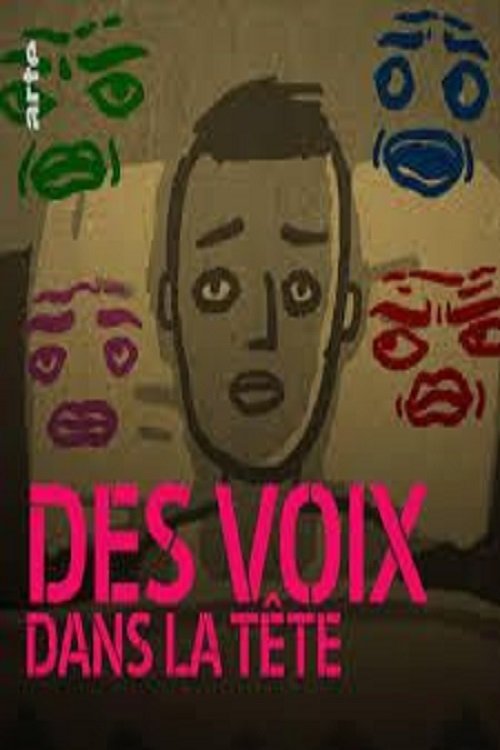
Around six to 15 percent of all people (study by John Hearst 2011) hear voices at some point in their lives. Many of them even live with their invisible companions for their entire lives. Well over half of voice hearers are mentally healthy and lead a completely unremarkable life. Despite this, voice hearers continue to be stigmatized and are subject to prejudice. As a result, few speak openly about their experiences. In recent decades in particular, however, voice hearing has been regarded as a symptom of impaired brain function. The documentary sheds light on the phenomenon. Sufferers describe the voices in their heads, as well as the thoughts and feelings they trigger in them, and scientists explain the causes that lead people to hear voices.
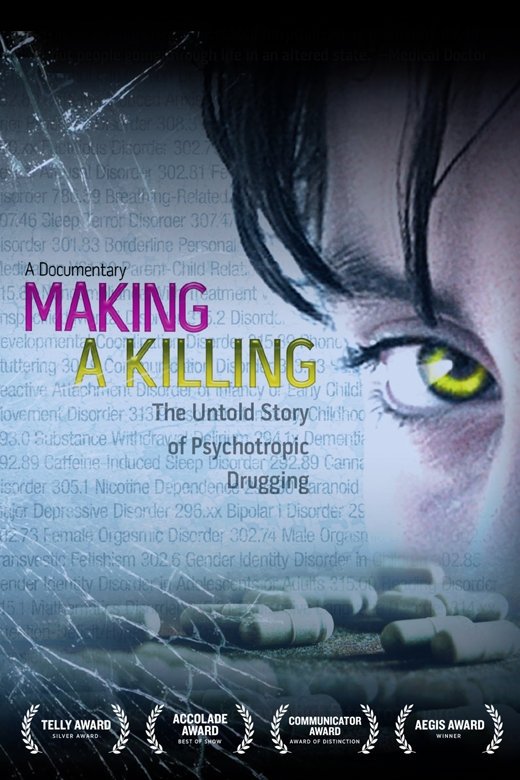
Psychotropic drugs. It’s the story of big money-drugs that fuel a $330 billion psychiatric industry, without a single cure. The cost in human terms is even greater-these drugs now kill an estimated 42,000 people every year. And the death count keeps rising. Containing more than 175 interviews with lawyers, mental health experts, the families of victims and the survivors themselves, this riveting documentary rips the mask off psychotropic drugging and exposes a brutal but well-entrenched money-making machine. Before these drugs were introduced in the market, people who had these conditions would not have been given any drugs at all. So it is the branding of a disease and it is the branding of a drug for a treatment of a disease that did not exist before the industry made the disease.
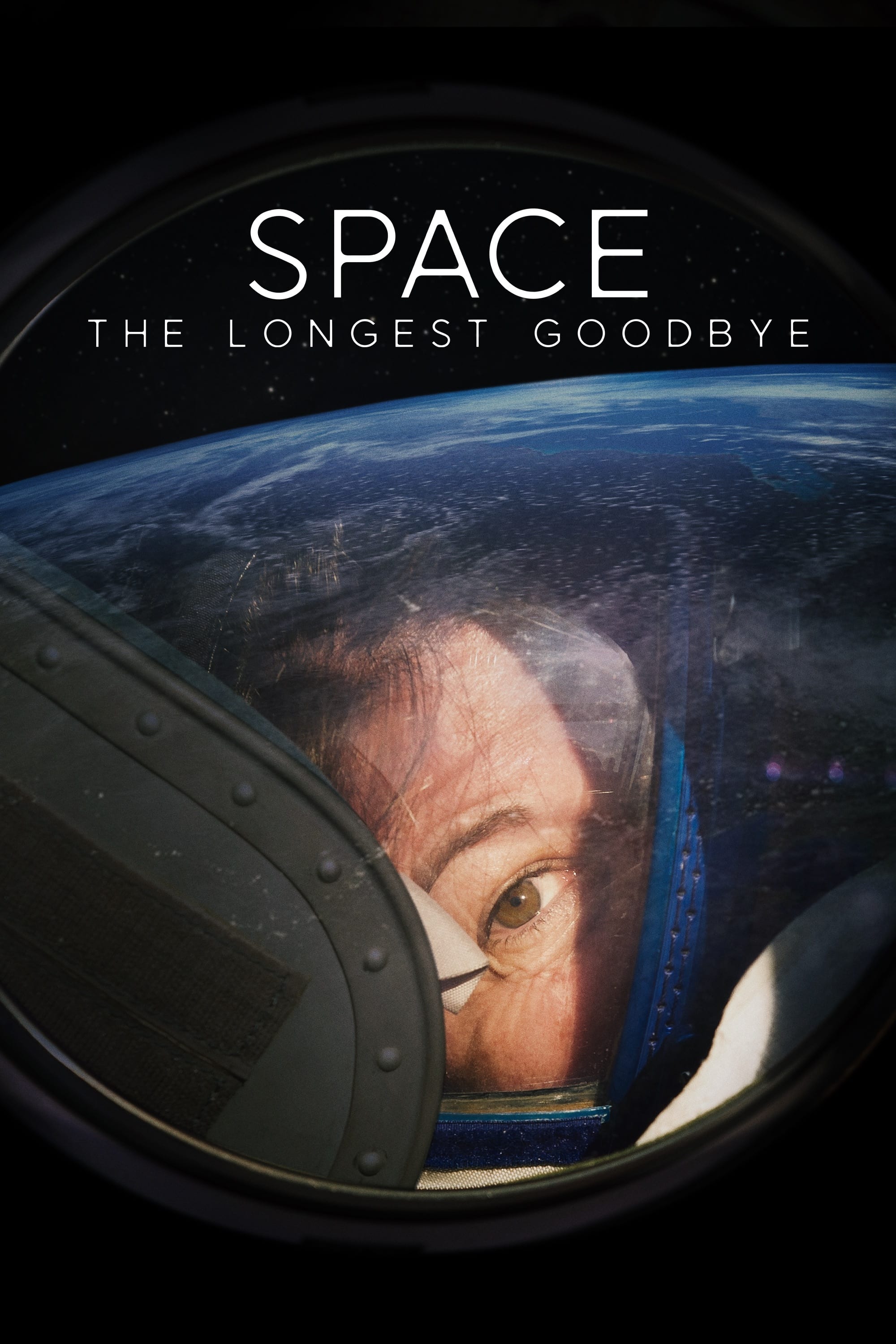
Social isolation affects millions of people, even Mars-bound astronauts. A savvy NASA psychologist is tasked with protecting these daring explorers.