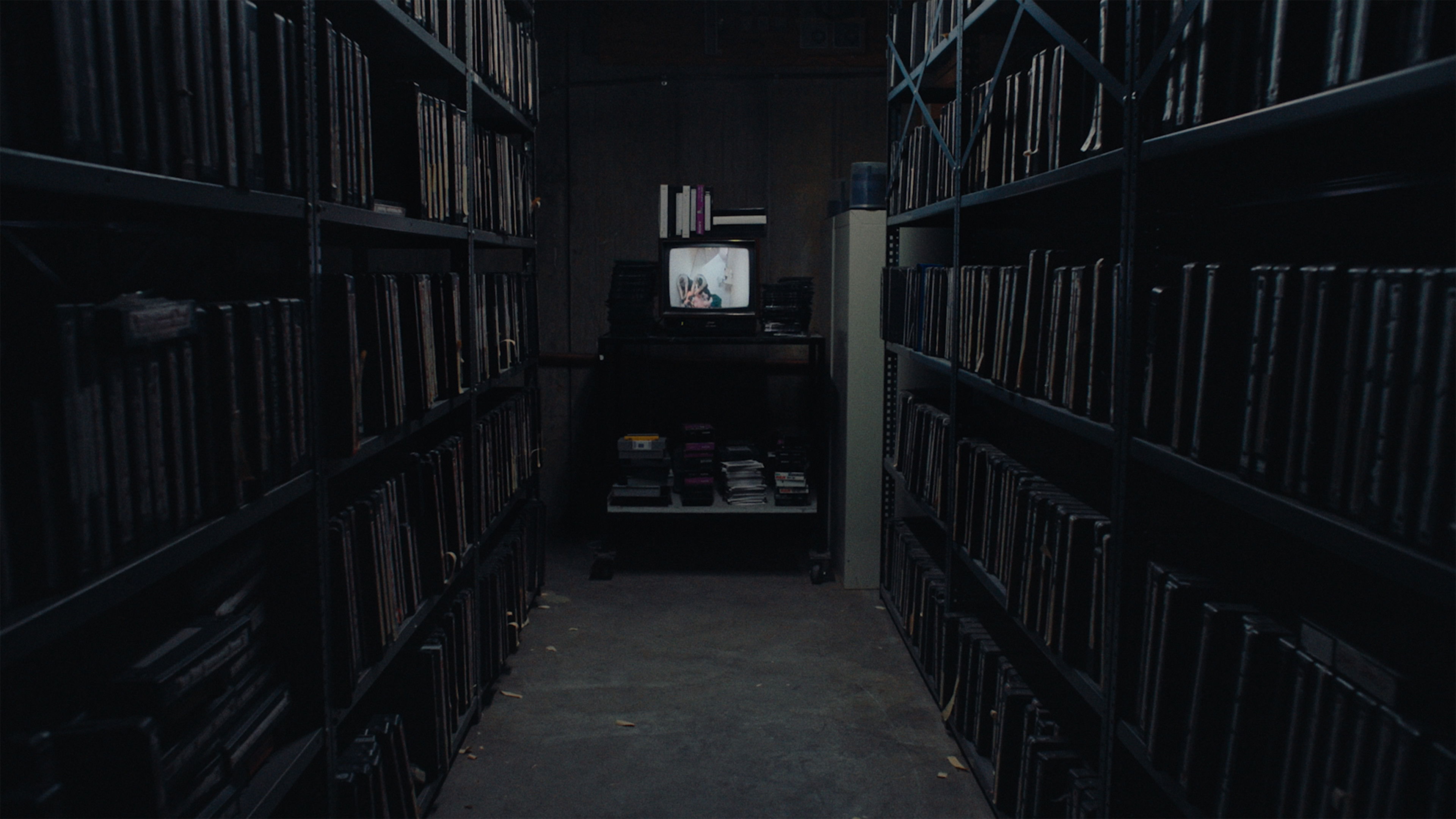
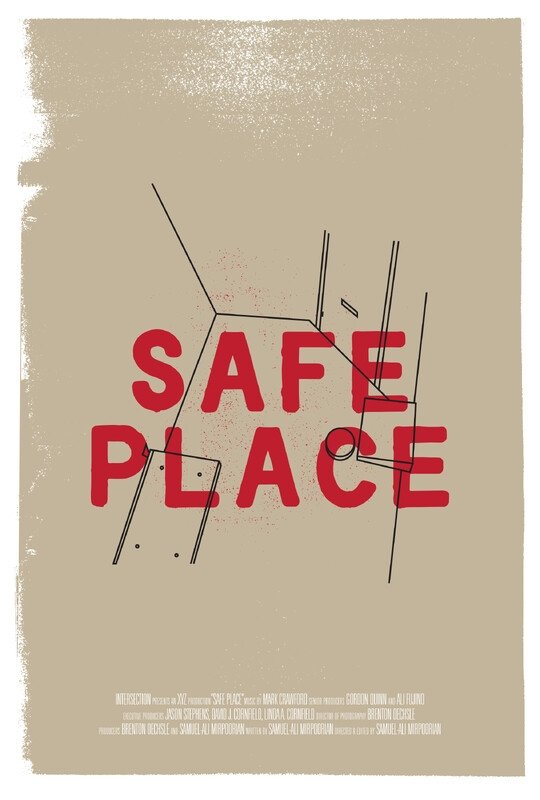
A Southern Indiana man endures a fatal night of torture after being arrested for a routine traffic stop.
Social & External
The people behind it
Larry Wilder
Indiana Attorney
Jarod Draper
A documentary expose on the first Gulf War.
A hand-filmed 32-minute documentary of the Skinny Puppy's 1988 'Head Trauma' tour of Europe by Dwayne Rudolph Goettel. Edited by Nivek Ogre in 2005.
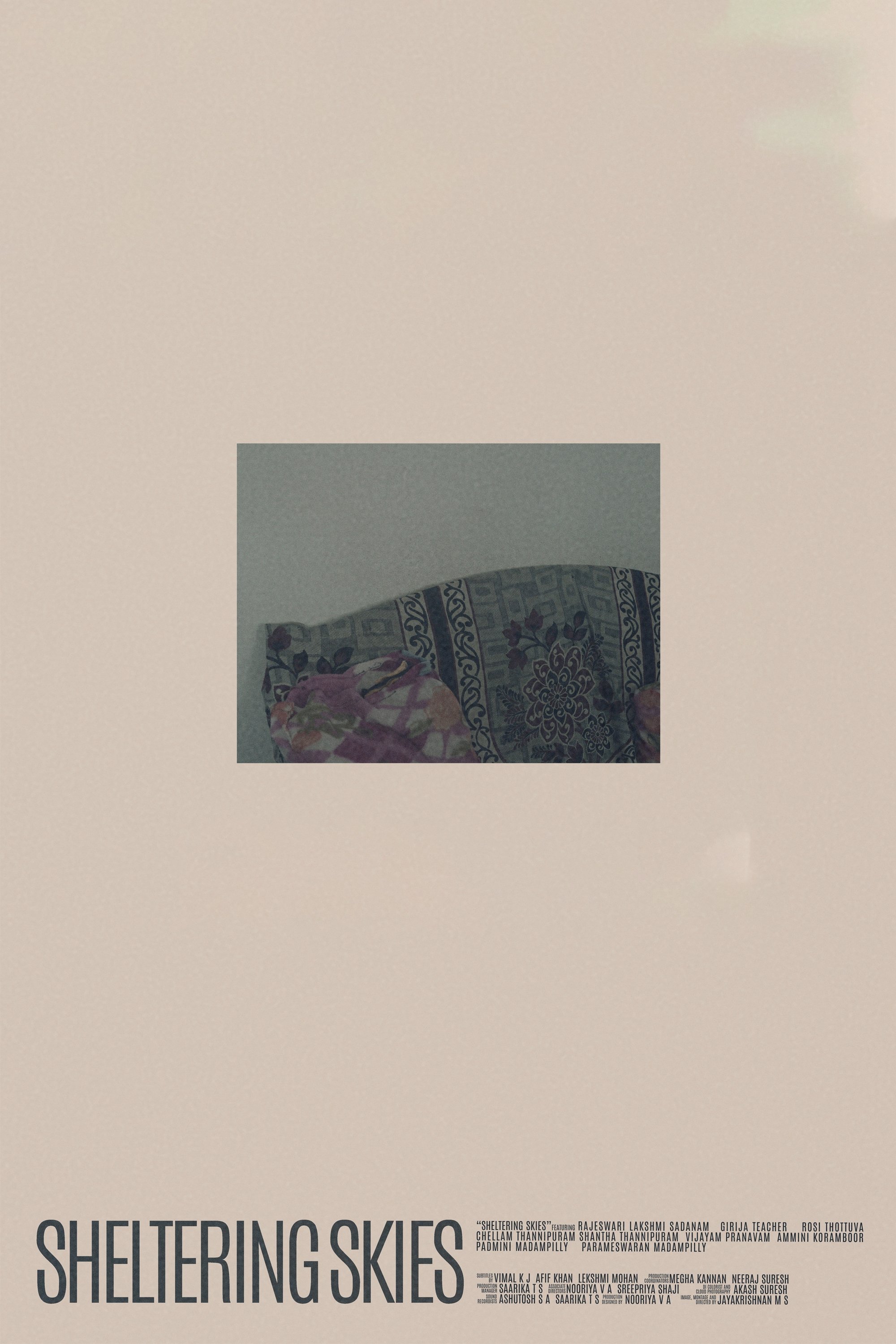
Exploration of the ordinary lives led by women of different classes—a college professor, an unmarried woman, and a seasoned drama artist. They unveil the societal intricacies woven into their social backgrounds, with typical evening talks besides them. Gripping tales of yore immersed in the metaphorical embrace of their surroundings, their familial shelters are emblematic of resilience and protection, where profound truths lie hidden within the depths of the commonplace.
In February, Just Jam's event at The Barbican was cancelled at the last minute. It was an event that seemed to be yet another victim of the London authorities now notorious risk assessment procedure, Form 696.
During the women's demonstration on March 8, 1972, Mariasilvia SPOLATO was there with a placard: Liberazione omosessuale. A month later, Simone de Beauvoir came to Rome to give an interview, and this placard illustrated her article. Mariasilvia could no longer teach, ended up homeless and spent her life on the trains.
Little Mix star Jesy Nelson goes on a journey of rehabilitation as she opens up about abuse she has suffered at the hands of cyberbullies and its effects on her mental health.
Documentary about the abstract filmmaker.
Concert film and documentary from Mika Nakashima's First Tour 2003 performed on February 23, 2003 at Zepp Tokyo.
Live concert documentary that was filmed during her "Sokenbicha Natural Breeze 2001 Happy Live" tour. In addition to the live show, it contains extensive backstage and behind-the-scenes footage. It also includes live perfomrance fragments from the 6 venues throughout Japan of her first tour.
A filmmaker's search for Yambo Ouologuem, a once famous writer who no longer wants to see any white people. Along the way, he meets five university students interested in the relationship between Africa and the West and who question the desire to go somewhere else, to leave the country and with it the culture that is theirs and their parents'.
When Moisex declares his hatred for Christmas, Kevin sets out to change his mind by creating a short film. This documentary captures their journey of creativity, humor, and the search for holiday spirit.
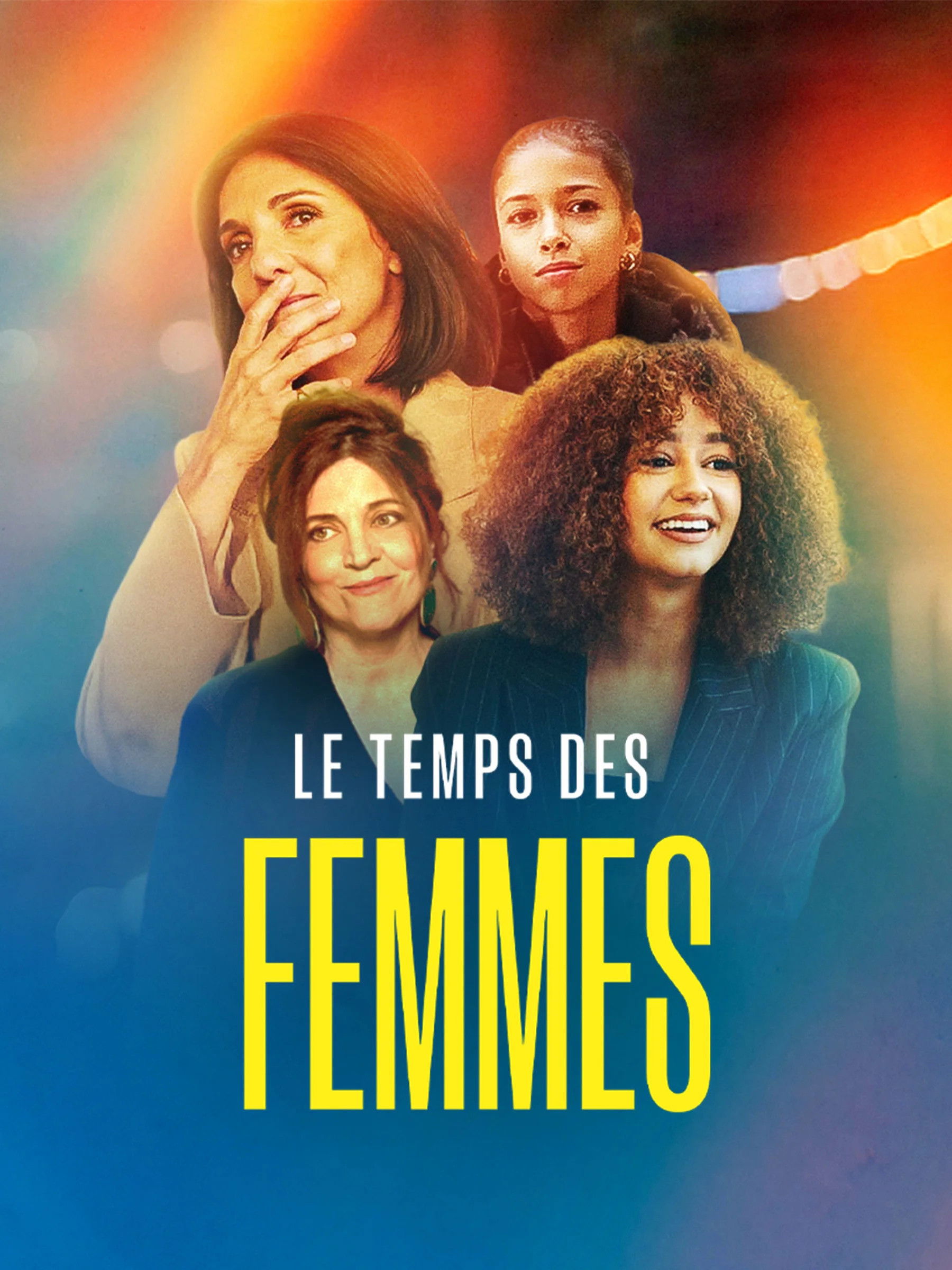
Has the time of women finally come? Have their everyday lives truly changed over the past sixty years? Guided by Agnès Jaoui, women—famous and unknown—share their stories across generations. From childhood to retirement, the documentary traces shared experiences shaped by prejudice, but also by hope, strength, and humor. Blending personal archives, historic moments, and social media footage, the film places women at the center of their own story. Welcome to the Time of Women.
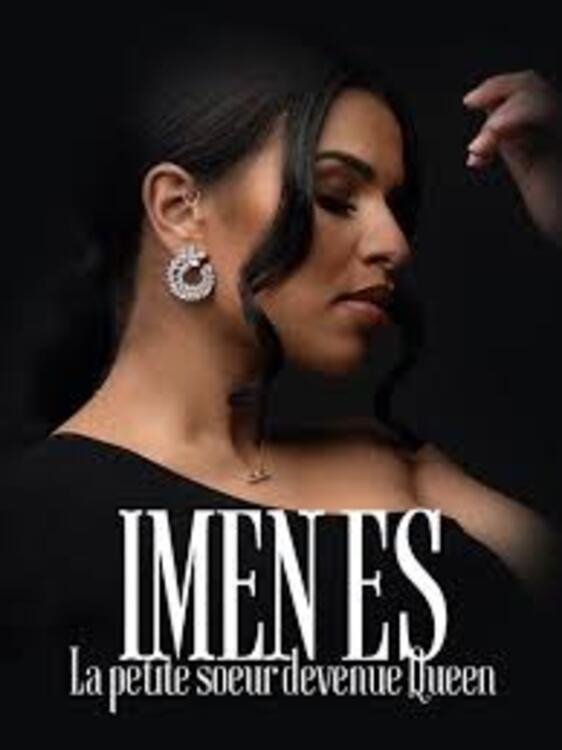
At just 24 years old, Imen ES, originally from Sevran, a city often seen as the archetype of a rough suburb and the birthplace of a raw hip-hop scene, has made her mark. Today, nothing can stop her. Starting out with the image of a "little sister," she has now transformed into a "queen," collaborating with renowned artists in France.
A look at the community surrounding Nintendo's New York store in the month leading up to the launch of the Nintendo Switch in 2017.
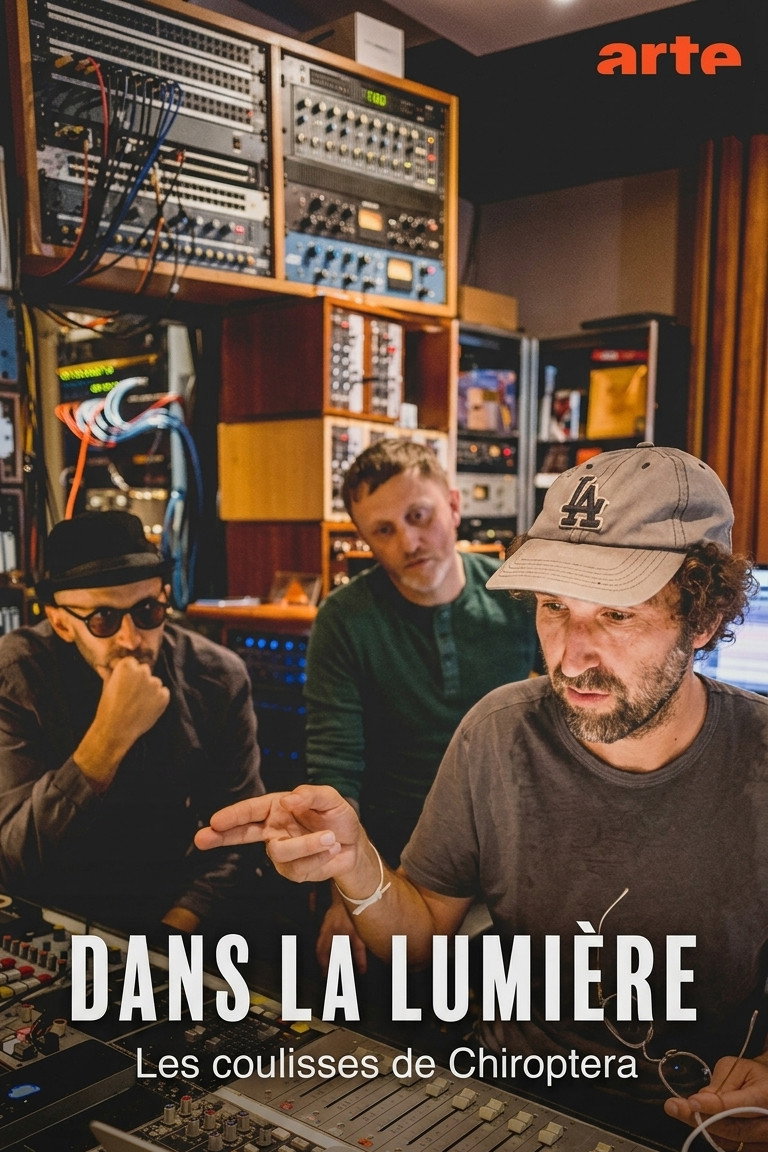
The documentary reveals the unique artistic collaboration between visual artist JR, former Daft Punk member Thomas Bangalter, and choreographer Damien Jalet. By combining their respective talents, they created "Chiroptera": 154 dancers from around the world perched on the scaffolding of the Palais Garnier in Paris. Together, they offer us an extraordinary performance. In the fall of 2023, the Paris Opera asked artist JR to transform the construction site on the façade of the Palais Garnier into a creative playground. By inviting Damien Jalet and Thomas Bangalter to create a performance for 154 dancers with him, he embarks on a human and artistic adventure with complex technical challenges. This documentary takes us behind the scenes of this show. How will the challenge be met?
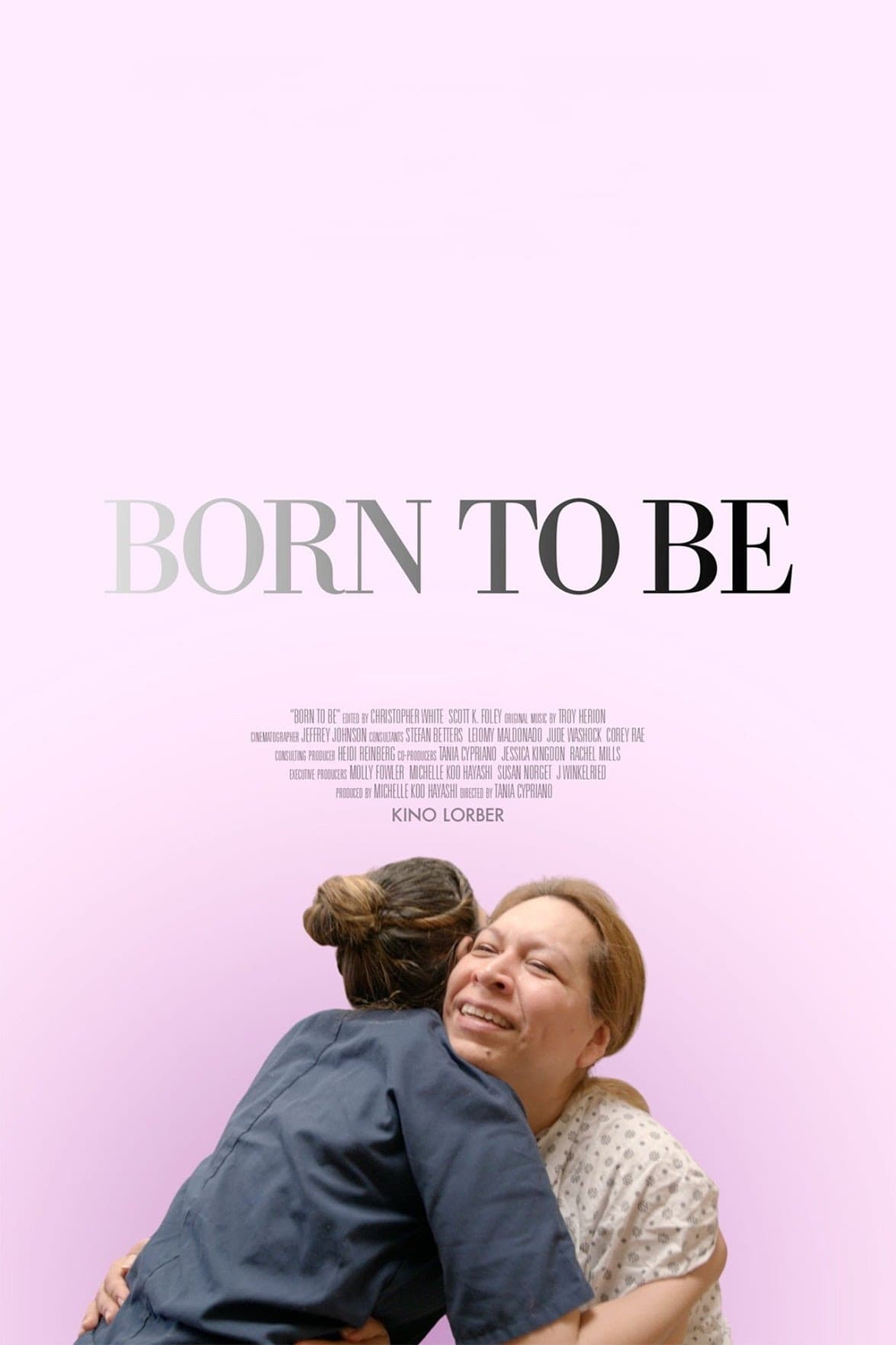
Soon after New York state passed a 2015 law that health insurance should cover transgender-related care and services, director Tania Cypriano and producer Michelle Hayashi began bringing their cameras behind the scenes at New York’s Mount Sinai Hospital, where this remarkable documentary captures the emotional and physical journey of surgical transitioning. Lending equal narrative weight to the experiences of the center’s groundbreaking surgeon Dr. Jess Ting and those of his diverse group of patients, BORN TO BE perfectly balances compassionate personal storytelling and fly-on-the-wall vérité. It’s a film of astonishing access—most importantly into the lives, joys, and fears of the people at its center.
Documentary of Nana Mizuki's summer tour of LIVE SENSATION, filmed at Shibuya Public Hall with Zepp and Hal Another Side.
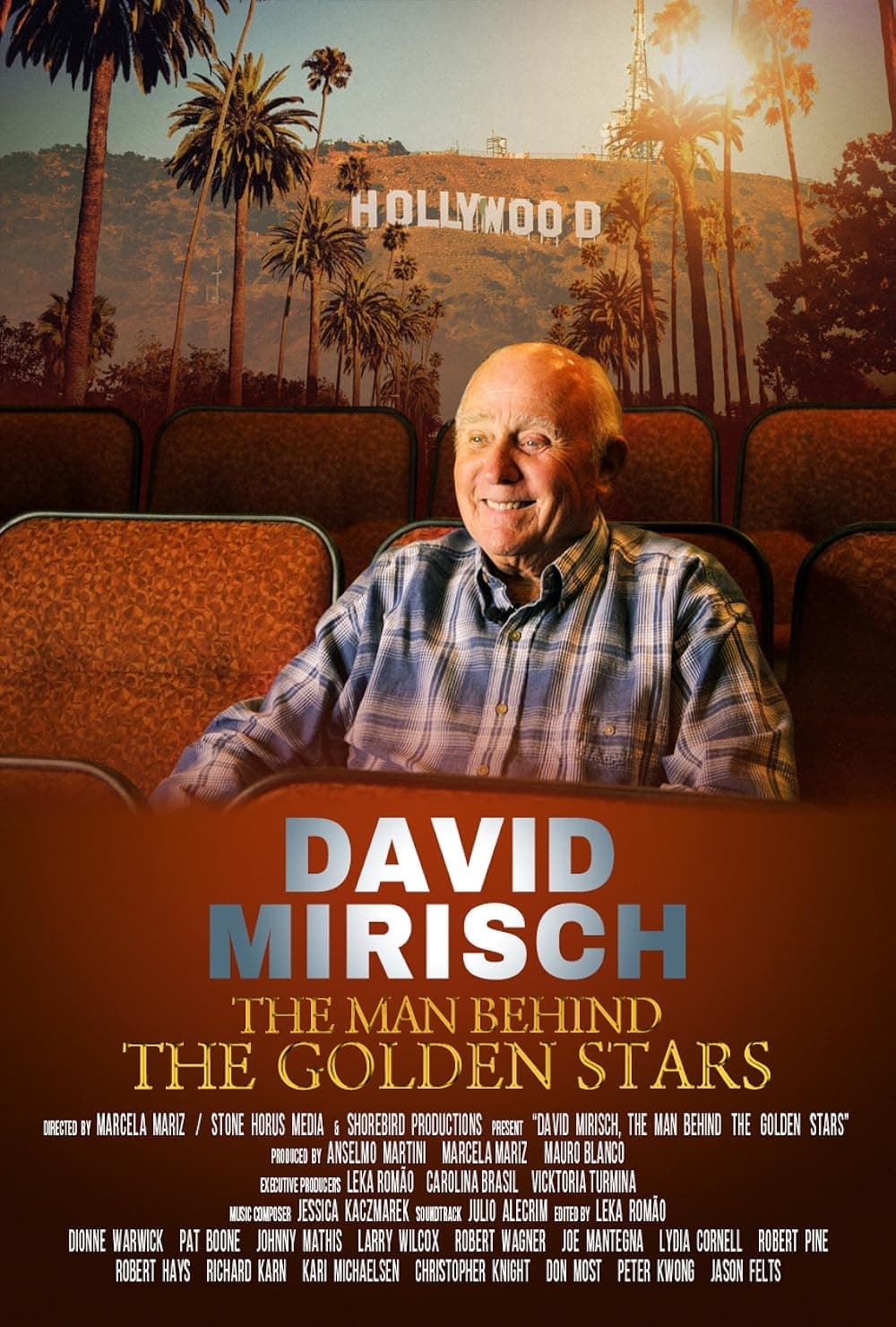
The documentary about the life of legendary Hollywood P.R. man David Mirisch.
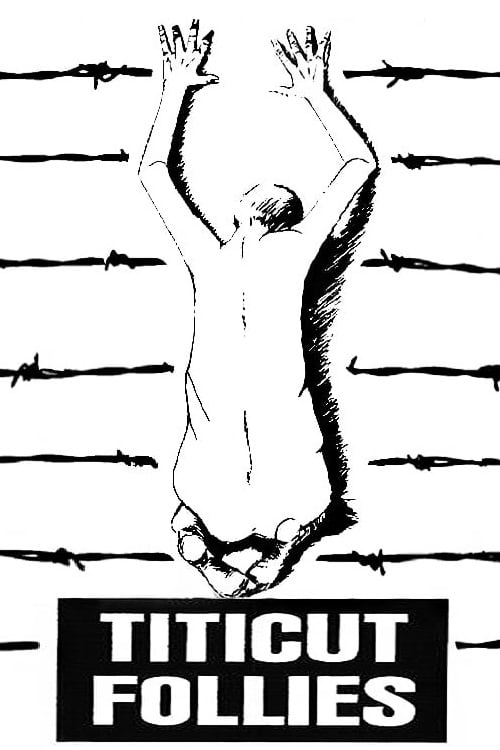
This important film is a stark and graphic portrayal of the conditions that existed at the State Prison for the Criminally Insane at Bridgewater, Massachusetts. It documents the various ways the inmates are treated by the guards, social workers, and psychiatrists.
Unravel the case of Utah therapist Jodi Hildebrandt, whose child abuse arrest with parenting YouTuber Ruby Franke exposed a twisted tale of manipulation.
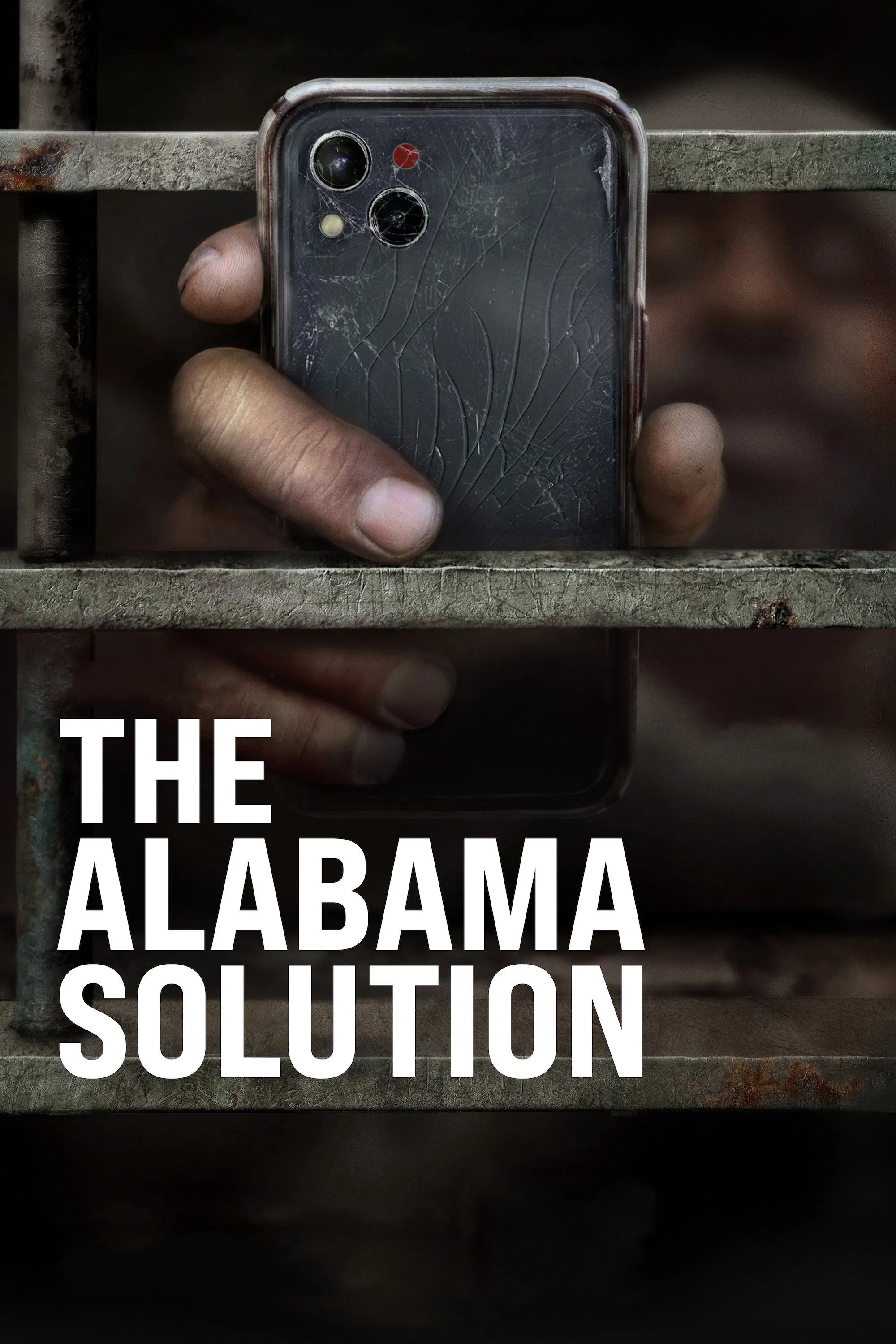
Incarcerated men defy the odds to expose a cover-up in one of America’s deadliest prison systems.
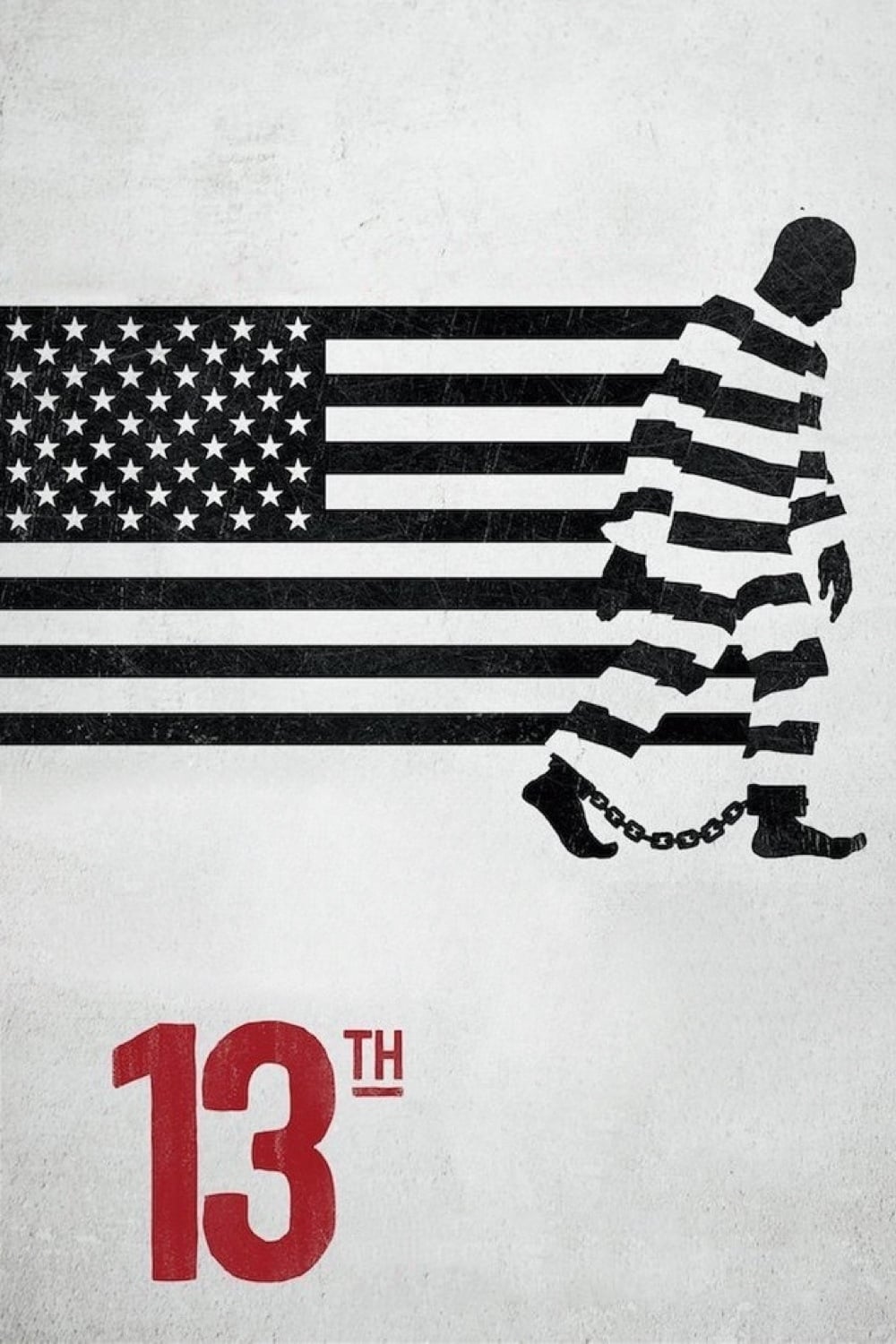
An in-depth look at the prison system in the United States and how it reveals the nation's history of racial inequality.
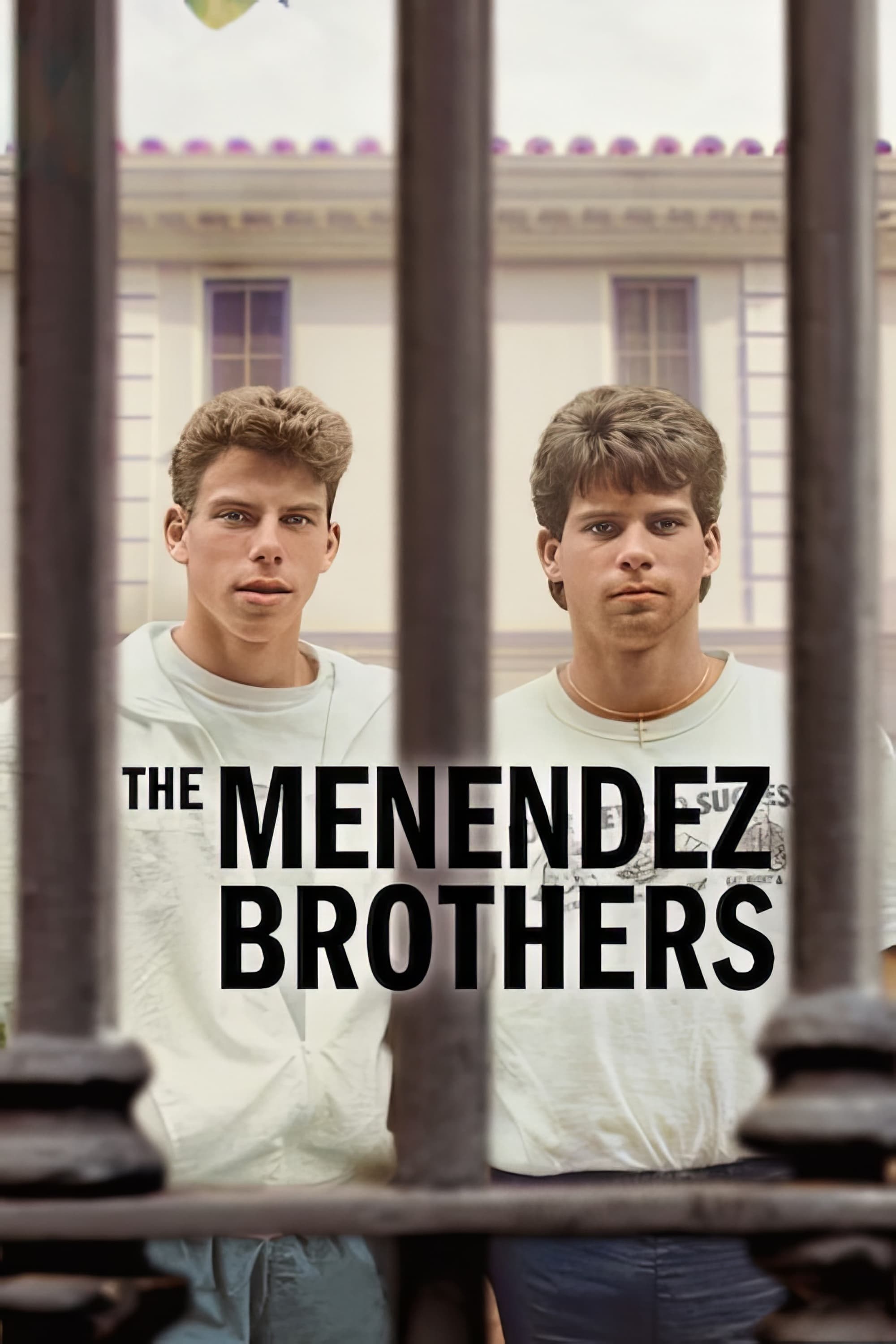
Serving life in prison for murdering their parents, Lyle and Erik Menendez speak out in this documentary explaining the shocking crime and ensuing trials.
A visual montage portrait of our contemporary world dominated by globalized technology and violence.
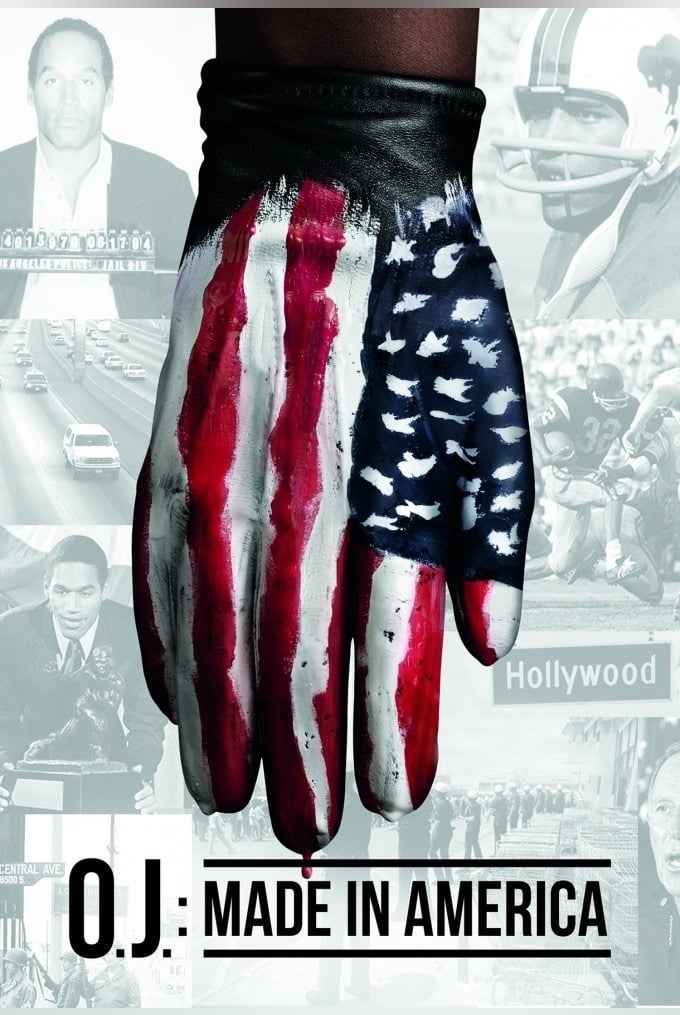
A chronicle of the rise and fall of O.J. Simpson, whose high-profile murder trial exposed the extent of American racial tensions, revealing a fractured and divided nation.
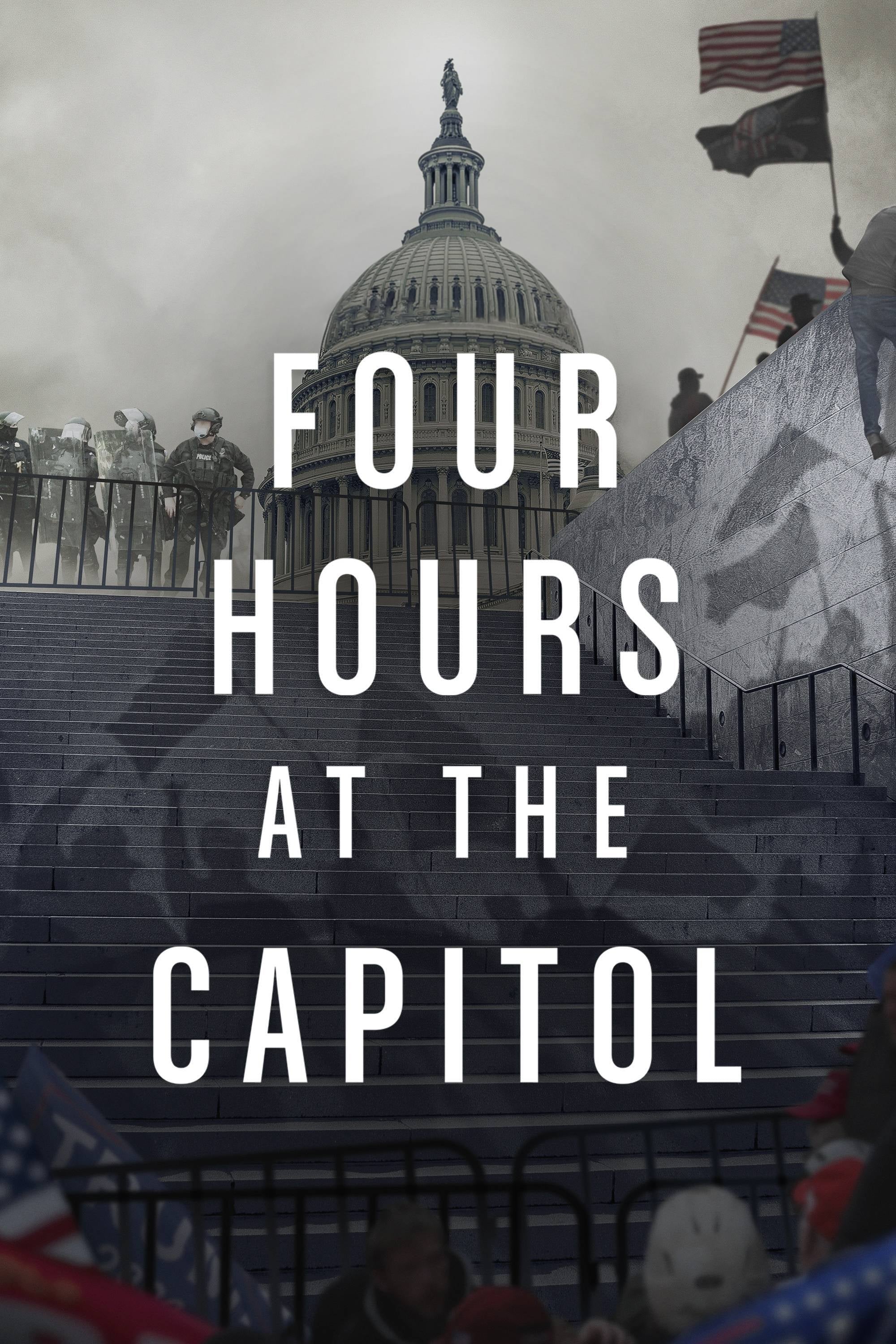
The documentary is an immersive chronicle of the insurrection at the U.S. Capitol on January 6, 2021, when thousands of American citizens from across the country gathered in Washington D.C. to protest the results of the 2020 presidential election, many with the intent of disrupting the certification of Joe Biden's presidency.
A documentary on the expletive's origin, why it offends some people so deeply, and what can be gained from its use.
Police bodycam footage reveals how a long-running neighborhood dispute turned fatal in this documentary about fear, prejudice and Stand Your Ground laws.
A teen slams her car into a building, killing her boyfriend and his friend. What seems like a tragic accident becomes a murder case.
Global superstar Jennifer Lopez reflects on her multifaceted career and the pressure of life in the spotlight in this intimate documentary.
Musician and performance artist Laurie Anderson reflects on the deaths of her husband Lou Reed, her mother and her beloved dog.
Those who knew iconic funnyman John Candy best share his story, in their own words, through never-before-seen archival footage, imagery, and interviews.
Alexander McQueen's rags-to-riches story is a modern-day fairy tale, laced with the gothic. Mirroring the savage beauty, boldness and vivacity of his design, this documentary is an intimate revelation of McQueen's own world, both tortured and inspired, which celebrates a radical and mesmerizing genius of profound influence.
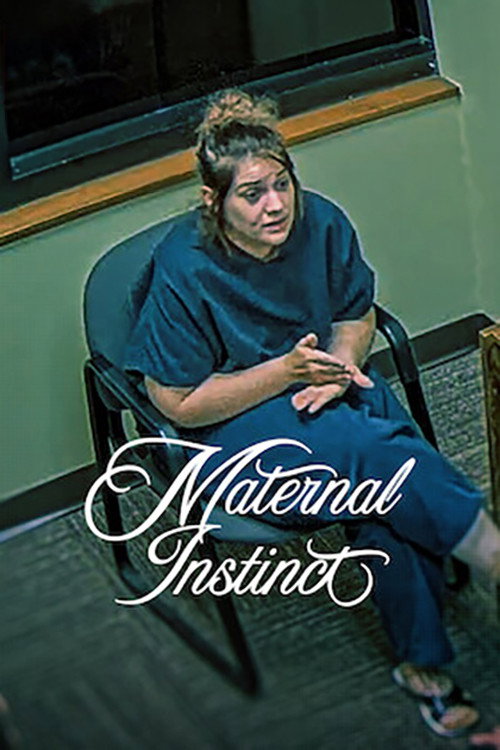
Police pull over a woman who claims she just gave birth. But the baby — and the blood — aren't hers. Twisted lies unravel in this true-crime documentary.
Fox Rich, indomitable matriarch and modern-day abolitionist, strives to keep her family together while fighting for the release of her incarcerated husband. An intimate, epic, and unconventional love story, filmed over two decades.
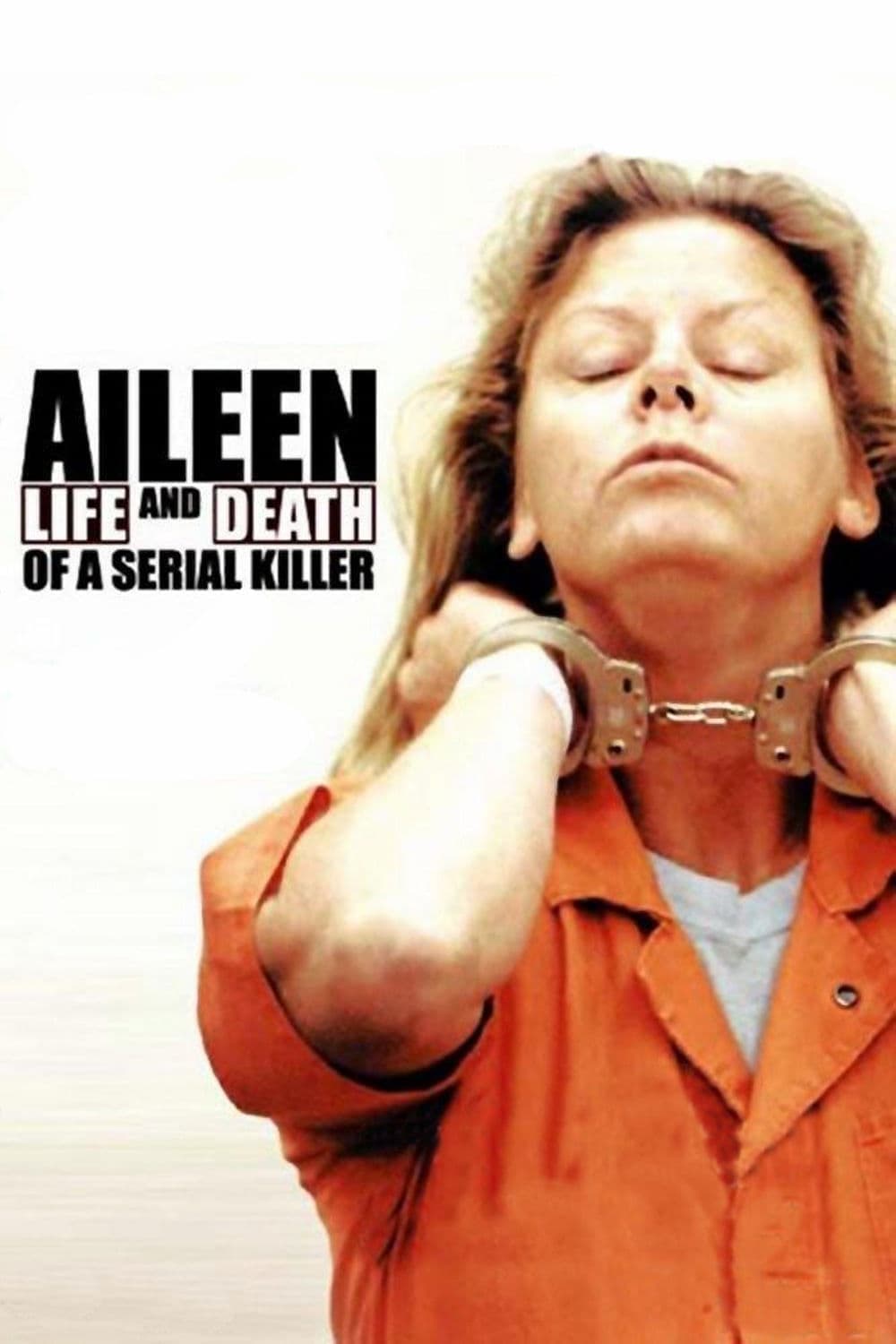
British documentarian Nick Broomfield creates a follow-up piece to his 1992 documentary of the serial killer Aileen Wuornos, a highway prostitute who was convicted of killing six men in Florida between 1989 and 1990. Interviewing an increasingly mentally unstable Wuornos, Broomfield captures the distorted mind of a murderer whom the state of Florida deems of sound mind -- and therefore fit to execute. Throughout the film, Broomfield includes footage of his testimony at Wuornos' trial.
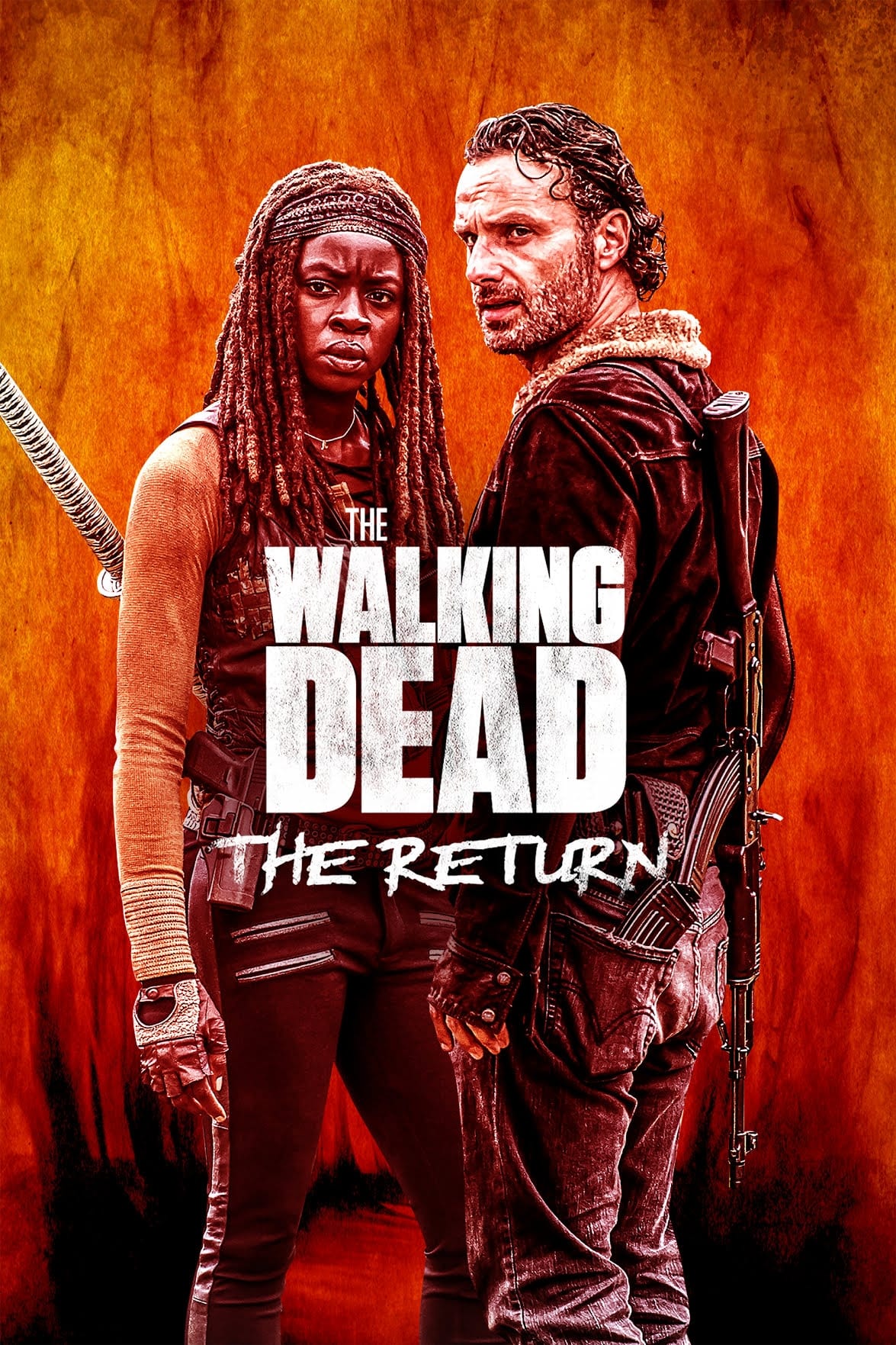
Stars of "The Walking Dead," Andrew Lincoln and Danai Gurira, walk down memory lane and visit iconic locations where pivotal moments between their characters, Rick and Michonne, were filmed.
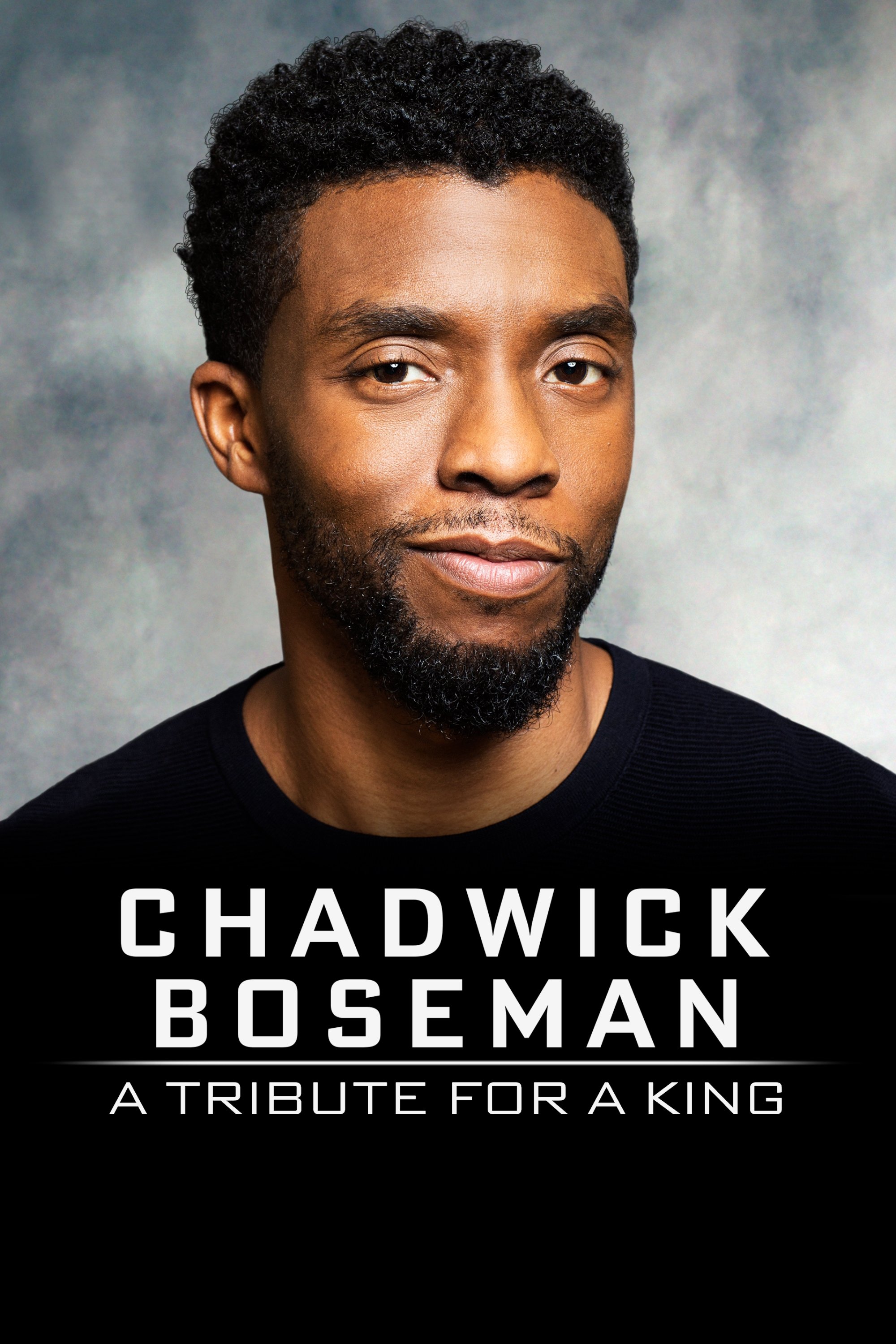
A tribute to Chadwick Boseman, celebrating his life and legacy.