Social & External
The people behind it
YouTuber Jeffiot goes digging for the origins of skull trumpet / doot doot / mr skeltal, and ends up taking a trip to the early web heyday of animated gif art, and ruminating on creativity and legacy.
Join College Student Parker Bennink and he interviews four of Rowan University's most prolific filmmakers, to uncover what life as a student filmmaker is really like in today's day and age.
A video essay by Mark Rappaport, which spans René Magritte and Michelangelo to Bonnie & Clyde. Let’s mask up to rob a bank! But make sure that you are home before the curfew.
An experimental video essay which uses circles and waves to explore neurodivergent experience.
A short documentary that emerge at the center of round table debate, participating in it there's three students from the Superior School of Arts and Design, Caldas da Rainha - Portugal. This conversation go along with a video essay about Afrofuturism and Pop Culture. Also, during the debate, an interview with another student gives some real example of how afrofuturism can be applied when it comes to in taking control of the colonial narratives into a black person perspective.
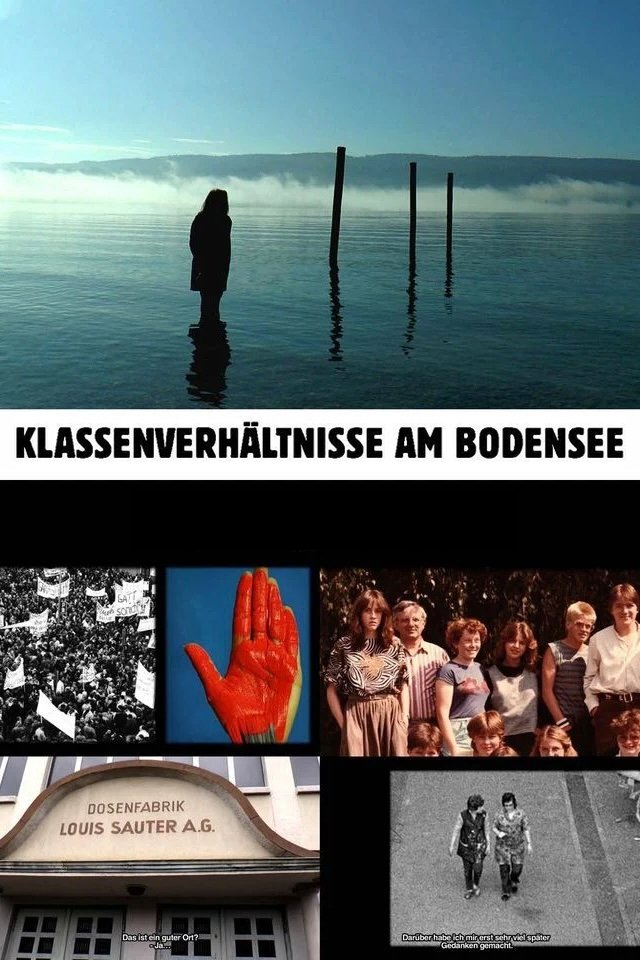
A filmmaker reconstructs a common memory about the formerly industrialized Lake Constance region, which was also largely built up by migration – and in recent years has mainly attracted people who do not like to pay taxes. The imprints speak, the fog. Without talking heads, in perspectives beyond the memorialized self-image of this region, classism becomes comprehensible.
The film follows journeys of observational tours solicited by the Palestinian Museum and conducted by two professors from Birzeit University to collect photos of and information on the Palestinian Flora. The title is adapted from a collection of 123 images (circa 1900 to 1920) of wild flowers in Palestine found in the Matson Collection in the Library of Congress. Despite the tendency to trace the wild plants, the text in general aims at questioning the territorial extension of what is meant by the term “Palestinian”, while standing on insignificant topographical features of the (postcolonial) landscape in West Bank. Furthermore, it addresses photography as a practice and a tool of distributing and restricting information at once.
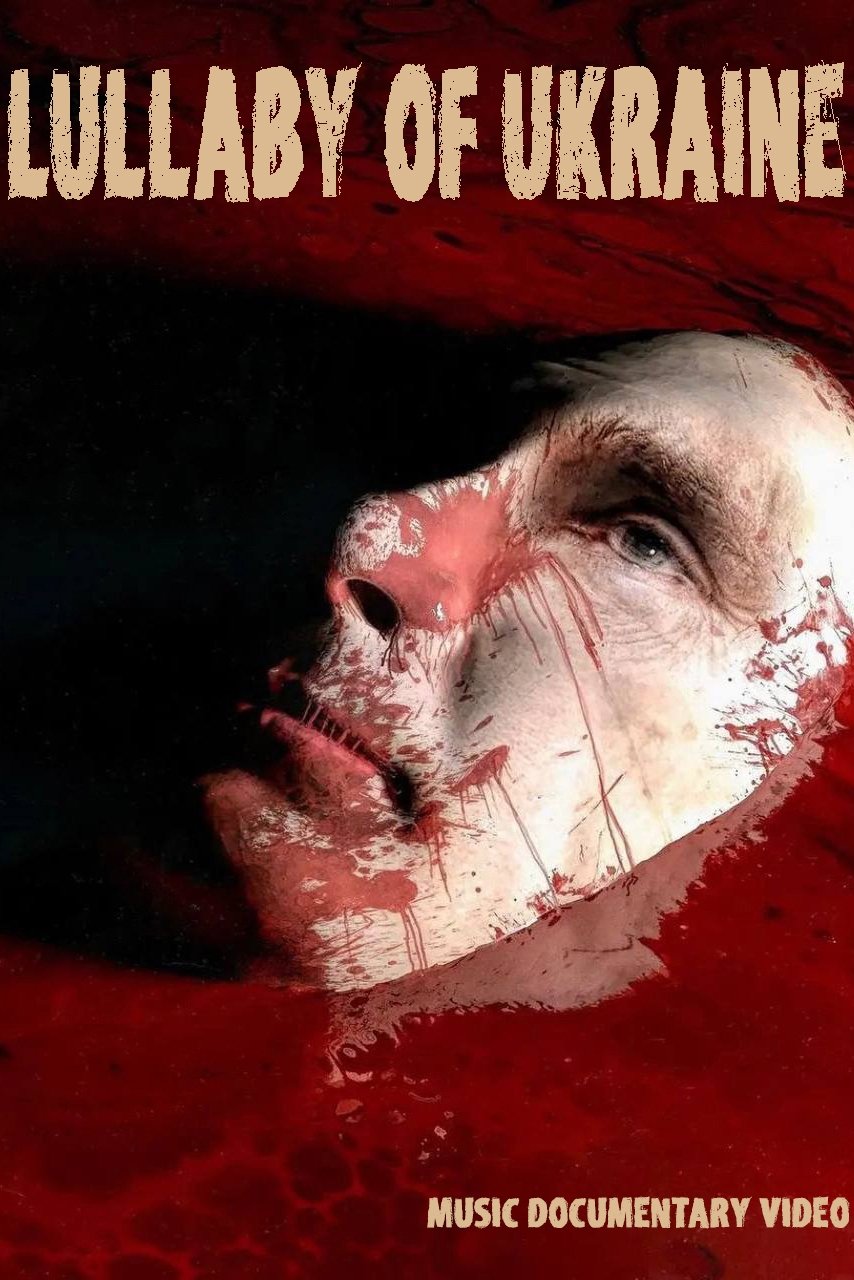
Dedicated to the Children of Ukraine, victims of the brutal Russian invasion...Let everyone ask themselves and the leaders of their countries: what else has to happen, what arguments are needed that Ukraine is finally given the necessary military aid for Victory?
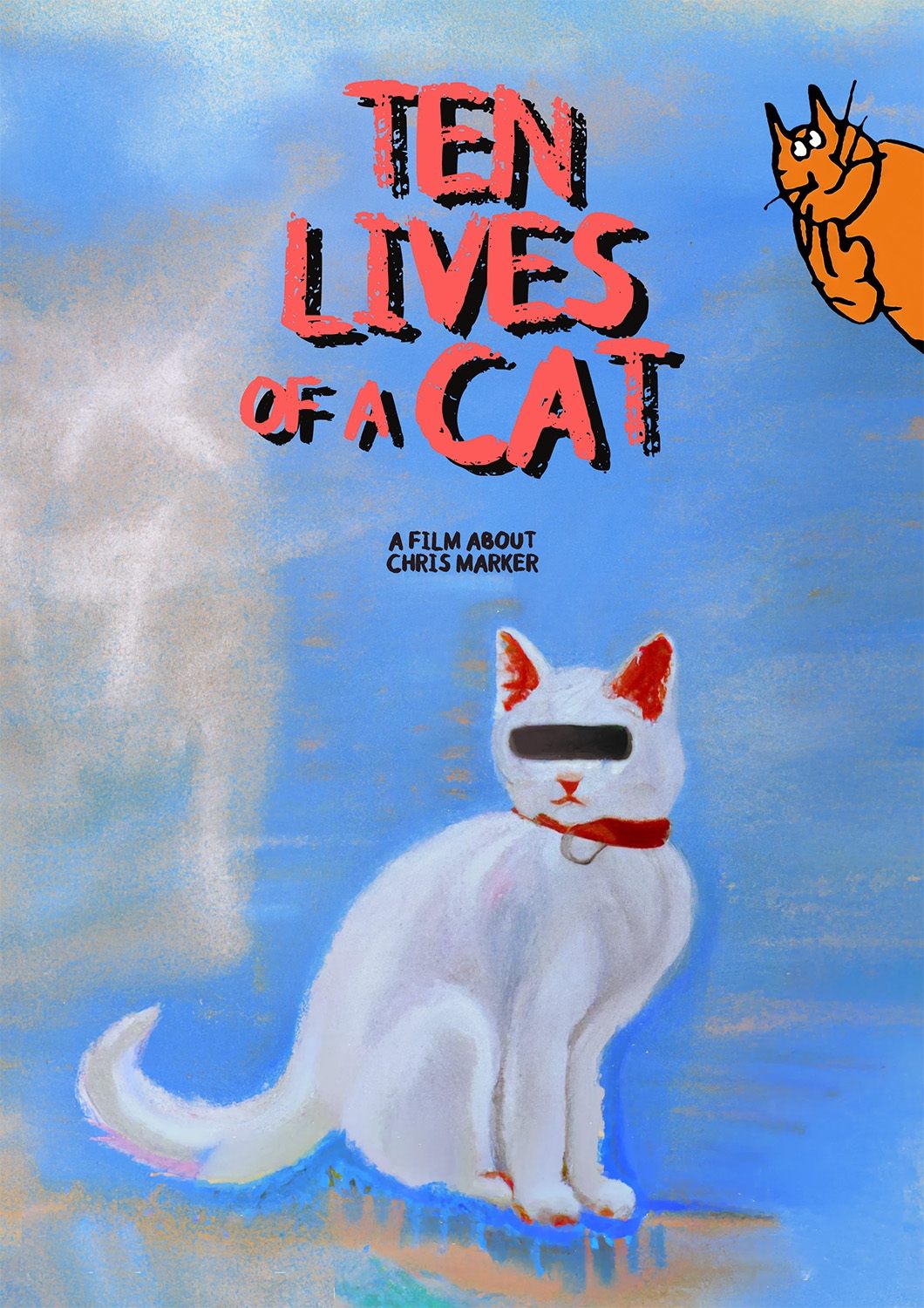
Ten years after the death of iconic French filmmaker, Chris Marker. A filmmaker, hoping to rediscover that unique sensibility against the uncertainty of the new century, returns to the places synonymous with those incomparable and unforgettable films-- From the cat cemetery of Sans Soleil, to the mausoleum of The Last Bolshevik; The caves of Level Five to the rooftops of The Case of the Grinning Cat. A biographical portrait of one of the 20th century's greatest and most misunderstood filmmakers.
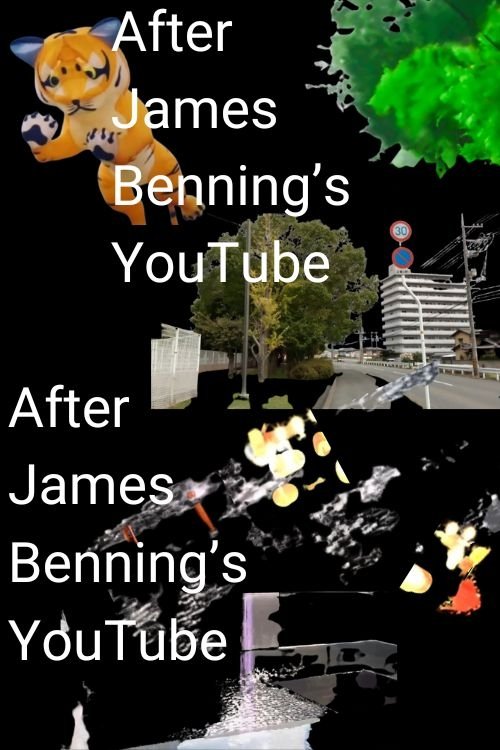
Divided into 26 parts, an attempt to remake James Benning's film, YouTube (2011) with similar internet footage after 13 years.
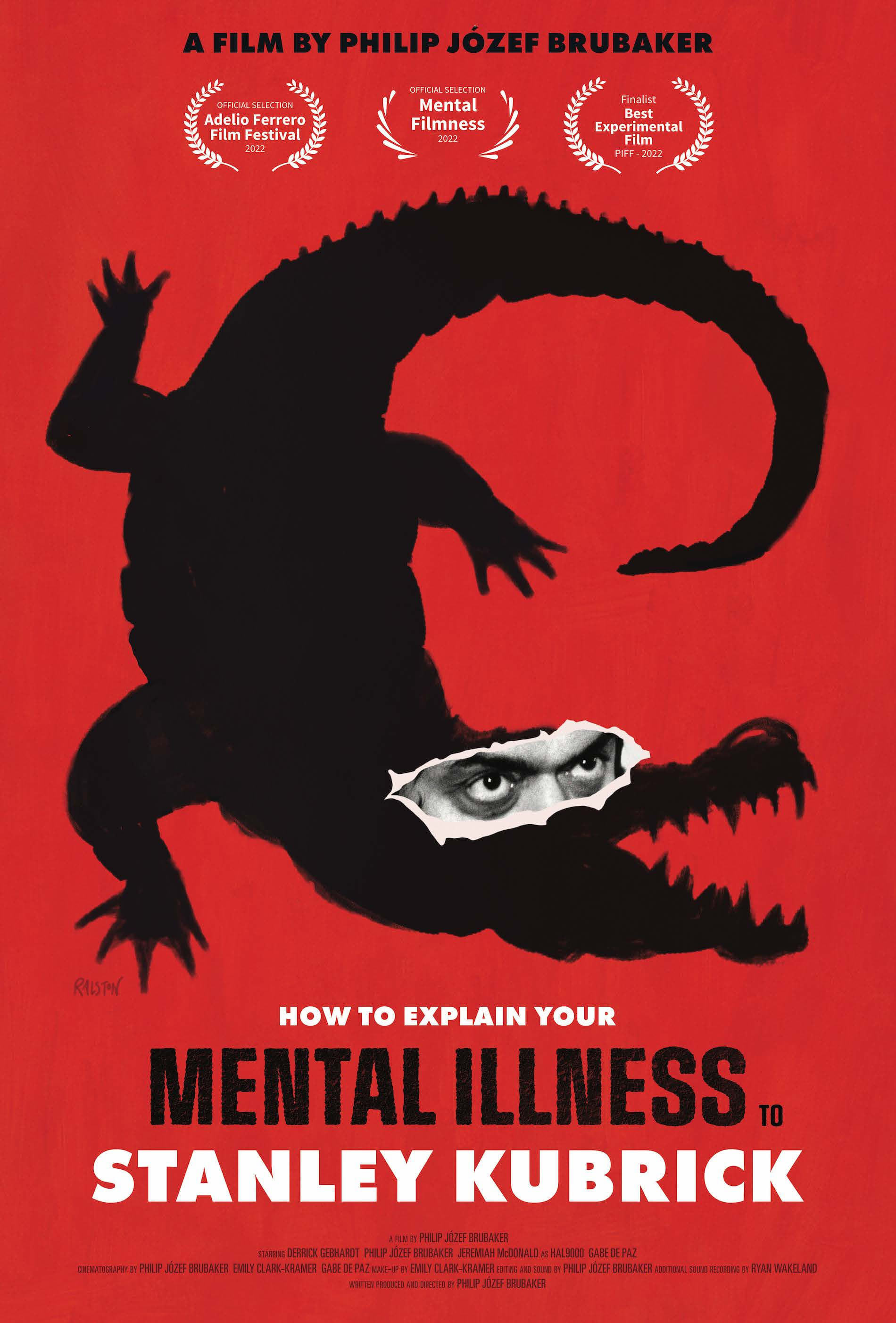
A psychotic filmmaker named Philip summons a manifestation of Stanley Kubrick into his apartment to confront him on the depiction of mental illness in his filmography. Kubrick's obsession with 'crazy' characters who meet an untimely death disturbs Philip, who wishes he could see Kubrick characters who manage their illness. The two directors go on a journey into Kubrick's films to understand insanity in our modern era.
A gentle and confused home movie in search of a lost space - my grandmother's garden, where I spent my childhood. There is nothing to testify to that place and my time there. There are memories pollinated by the pollen of garden poppies the warmth of my hands, toiling in the sunshine and the stories of adults about the big world. Summer, reveries, childhood, prejudices, the realities of the noughties, a small town - shimmering images that can never manifest, but endlessly manifest themselves. The intimate experience is torn by externalised reality: the formerly Latin poppy becomes a threat to gardeners and gardeners, bugs represent terror and flowers represent death.
Using a collage of found footage, this documentary essay examines humanity's conflicted relationship with fire - tracing its journey from control and mastery to destructive power, reflects on masculinity and the cost of progress and hubris.
This visual essay sets clips from Robert Bresson's "A Man Escaped" to a reading of "Functions of Film Sound," a chapter from David Bordwell and Kristin Thompson's book "Film Art." The chapter analyzes the sound design of Bresson's masterpiece as a means of discussing the use of sound in film.
A fictionalized biography on John Dall who was in two great movies - Alfred Hitchcock’s Rope (1948) and Joseph H. Lewis’ Gun Crazy (1950).
floating images, abstractions, memories. silhouettes of a life lived in Jawaharlal Nehru University
An extension of the Benign Violation theory of comedy developed by Tom Veatch and A. Peter McGraw and Caleb Warren. Source: The Cure (1917) Dir. Charles Chaplin and Edward Brewer
A tribute to actresses, approaching their presence in and out the screen, humanizing the icons. From the Ukrainian Anna Sten to the French Anna Karina, we can see some close-up faces that marked the history of the cinema, and whose demand is more relevant than ever.
Near Munich, in Bavaria, Germany, is the Schleißheim Palace, where French filmmaker Alain Resnais shot his film Last Year at Marienbad in 1960. Nearby is the Dachau concentration camp, where thousands of people were killed between 1933 and 1945. An essay about the present and the past, beauty and horror, life and death.
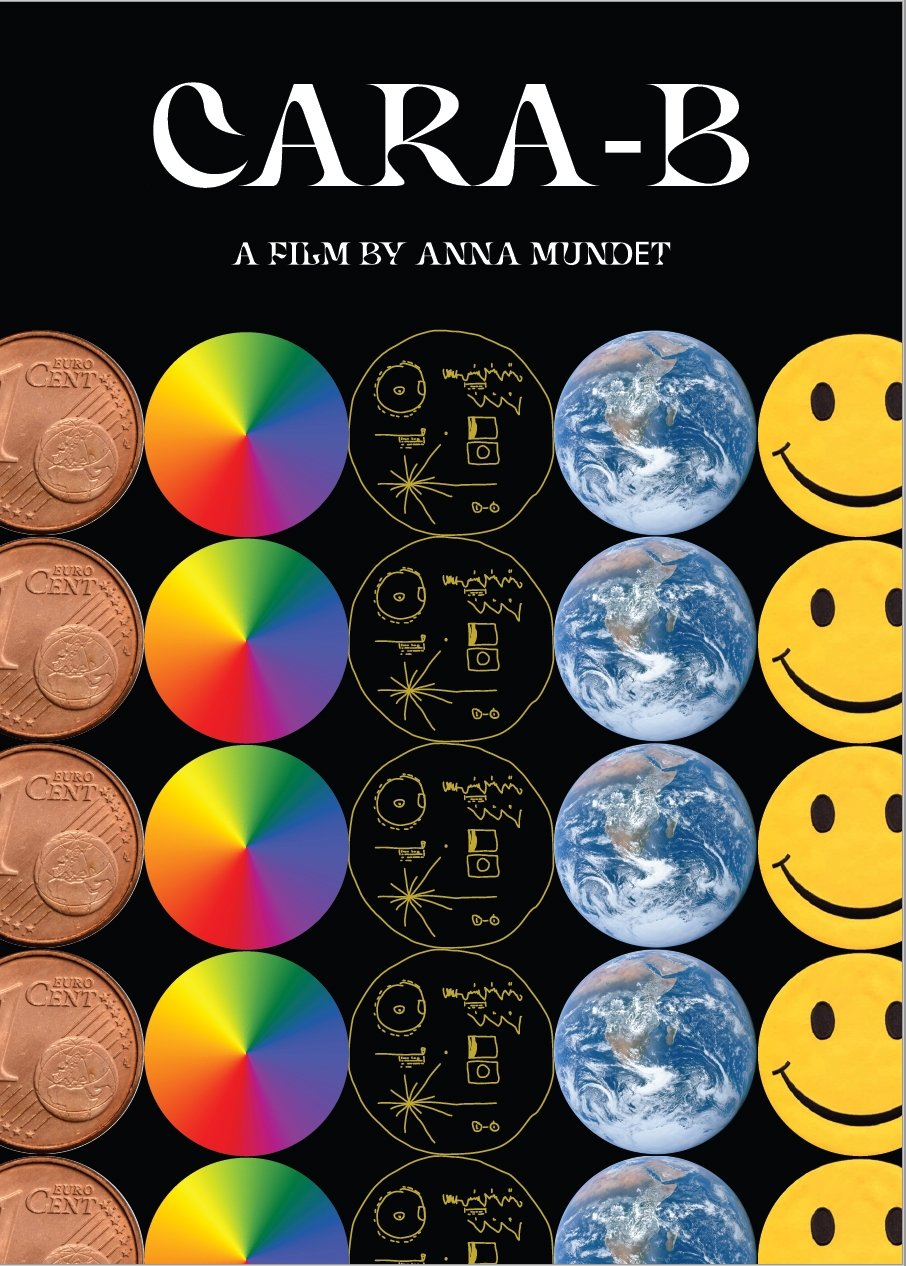
A desktop documentary that focuses on the Golden Record that NASA sent into space in the late 1970s. The piece reflects on issues such as the power of scientific discourse to produce revisions of the world, the evolution of the concept of the archive and the resignification of borders in the rhetoric of space colonialism.
A purely observational non-fiction film that takes viewers into the ethically murky world of end-of-life decision making in a public hospital.
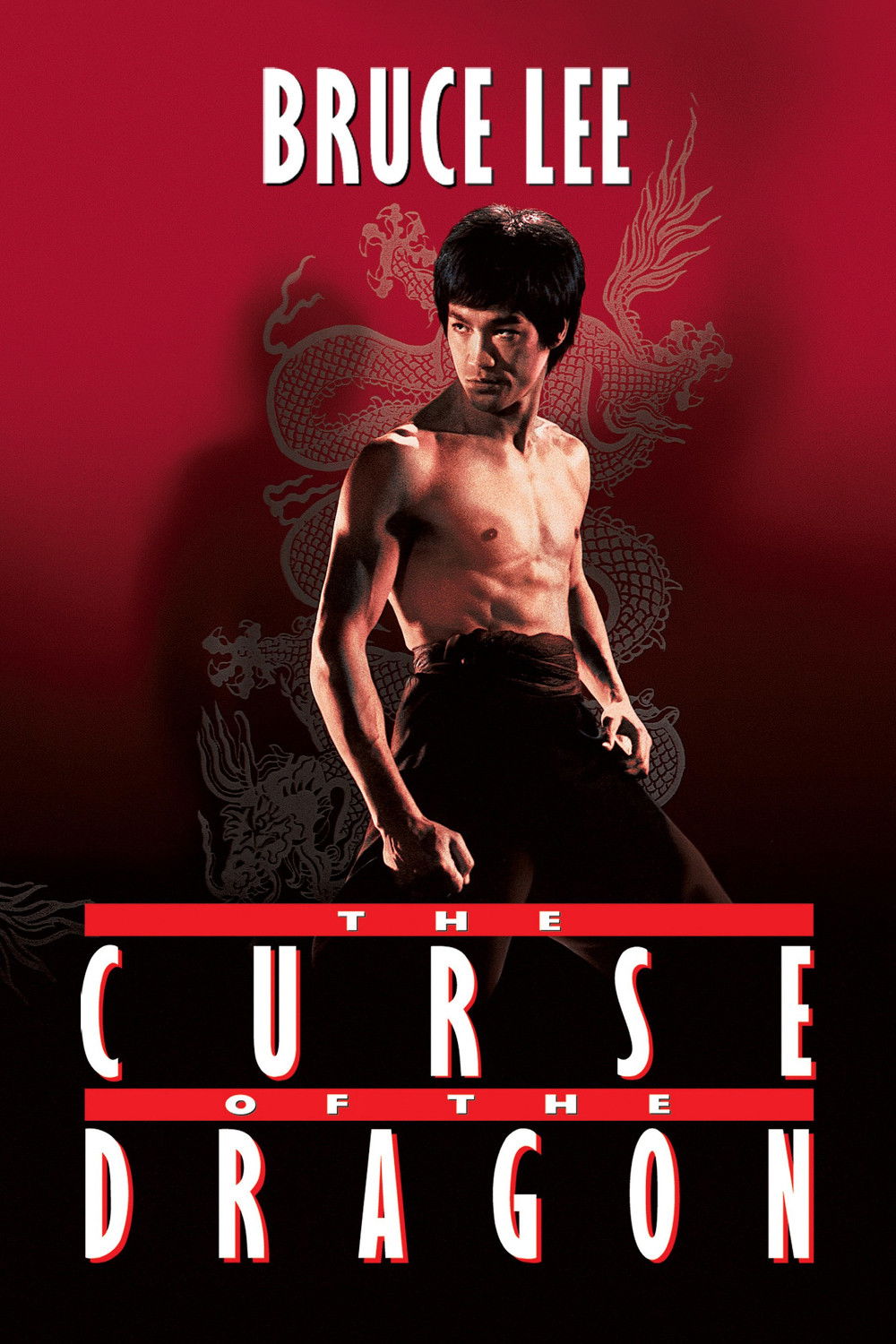
A 1993 documentary film about Bruce Lee. The film includes interviews from some of his fellow students and opponents who worked alongside him in his movies.
A feature length documentary about the all-women team at the helm of Pixar's original feature, Turning Red. With unprecedented behind-the-scenes access to Director Domee Shi and her core leadership crew, this story shines a light on the powerful professional and personal journeys that brought this incredibly comical, utterly relatable, and deeply heartfelt story to the screen.
In an intimate and joyful story of love in the face of loss, celebrated poets Andrea Gibson and Megan Falley find strength—and unexpected hilarity—in what might be their final year together.
A documentary about the life and films of director John Ford.
An inside look at one of the most anticipated movie sequels ever with James Cameron and cast.
Behind the scenes look at fight choreography and action training.
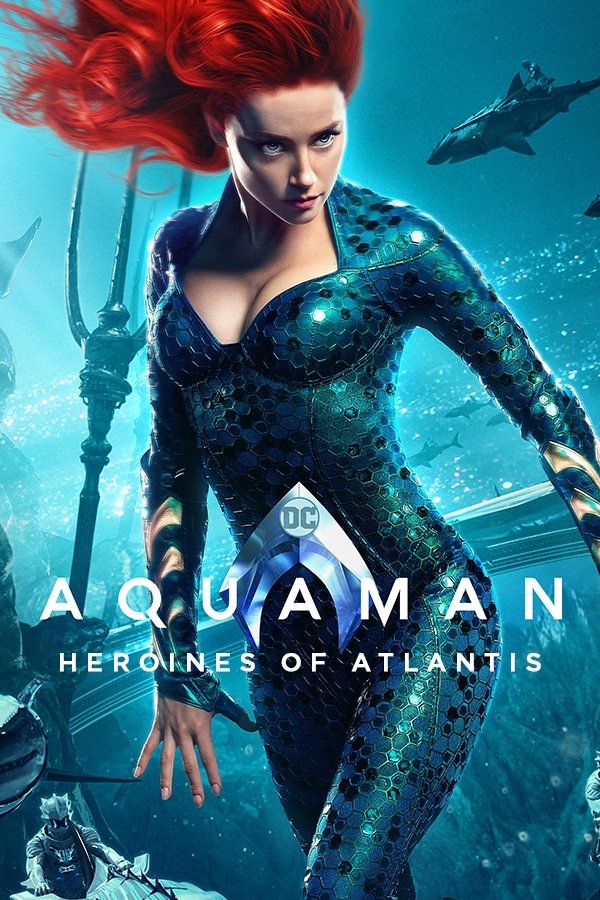
Amber Heard and Nicole Kidman discuss their characters Mera and Atlanna.
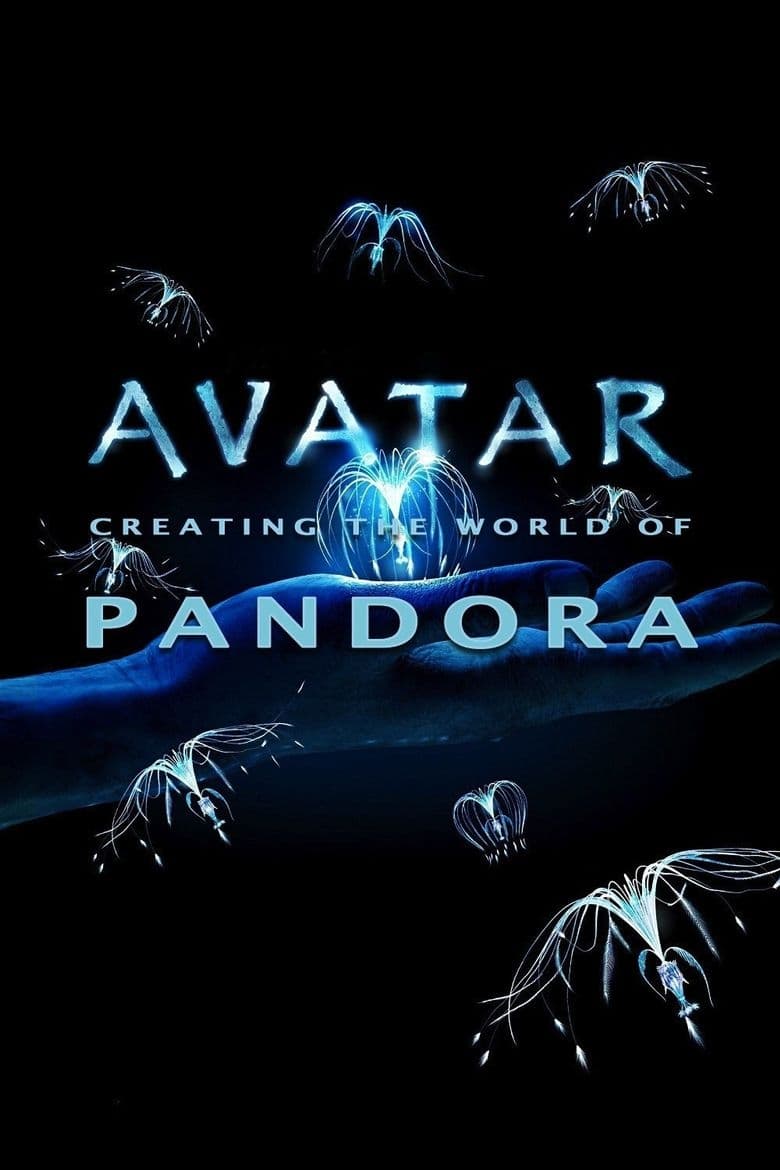
The Making-of James Cameron's Avatar. It shows interesting parts of the work on the set.
Alexander McQueen's rags-to-riches story is a modern-day fairy tale, laced with the gothic. Mirroring the savage beauty, boldness and vivacity of his design, this documentary is an intimate revelation of McQueen's own world, both tortured and inspired, which celebrates a radical and mesmerizing genius of profound influence.
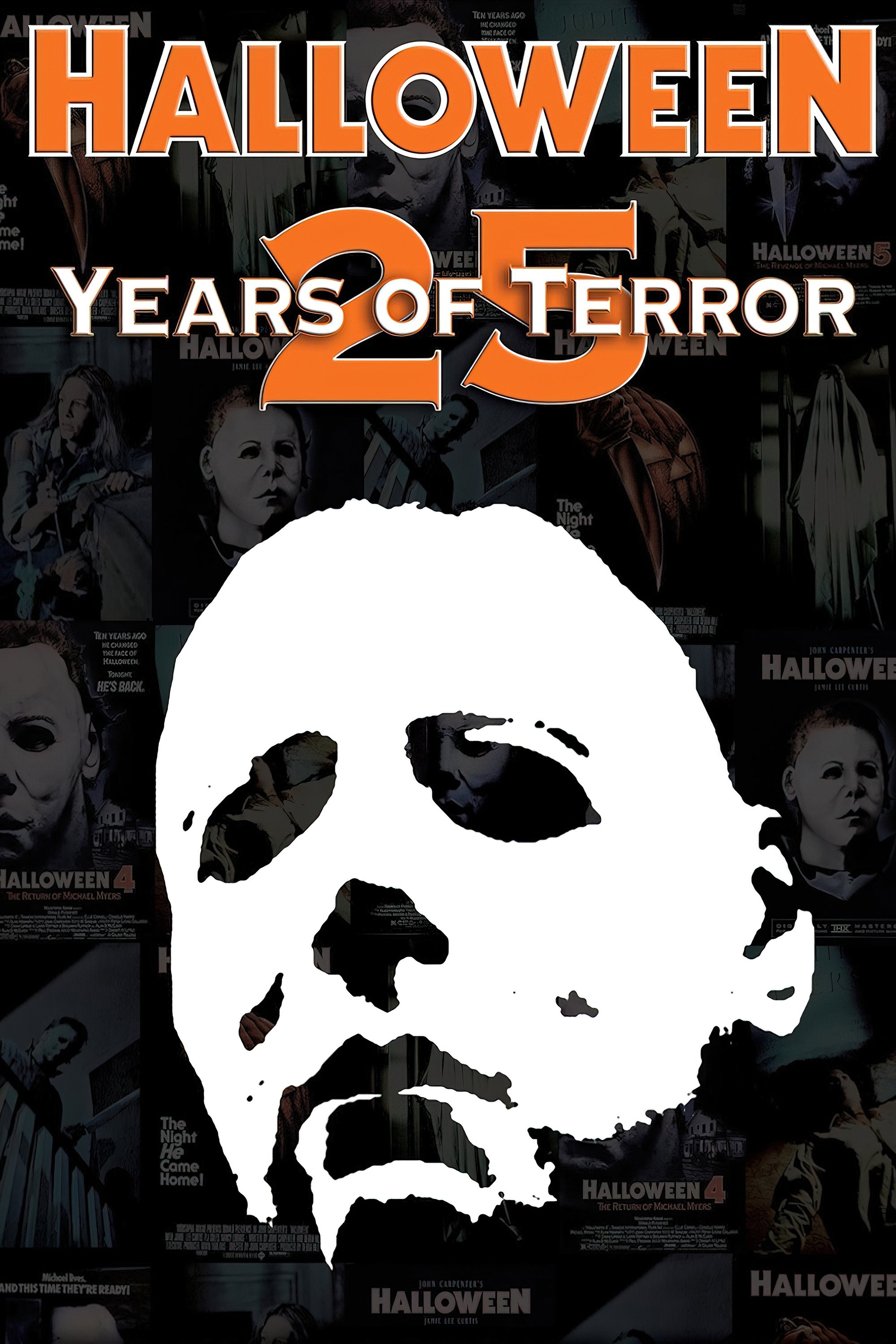
Follow the evolution of the 'Halloween' movies over the past twenty-five years. It examines why the films are so popular and revisits many of the original locations used in the films - seeing the effects on the local community. For the first time, cast, crew, critics and fans join together in the ultimate 'Halloween' retrospective.
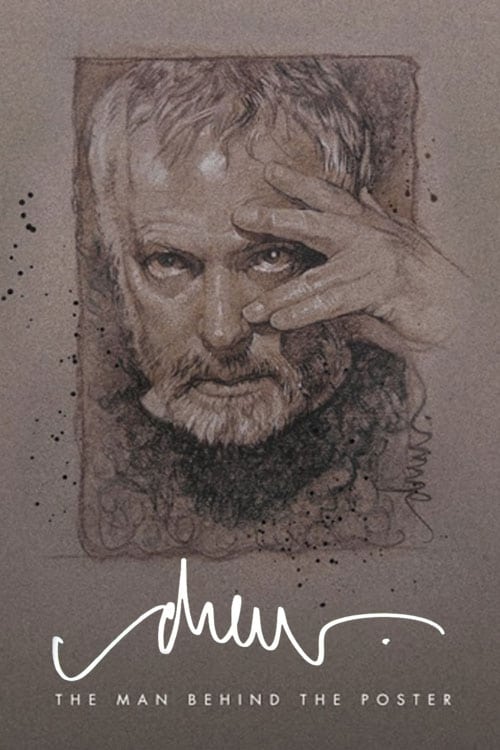
A documentary on legendary movie-poster artist Drew Struzan.
Brilliant, long in-the-works story of the life and art of the world's greatest comedian and the cinema's first genius, Charlie Chaplin. Produced, written and directed by renowned film critic Richard Schickel.
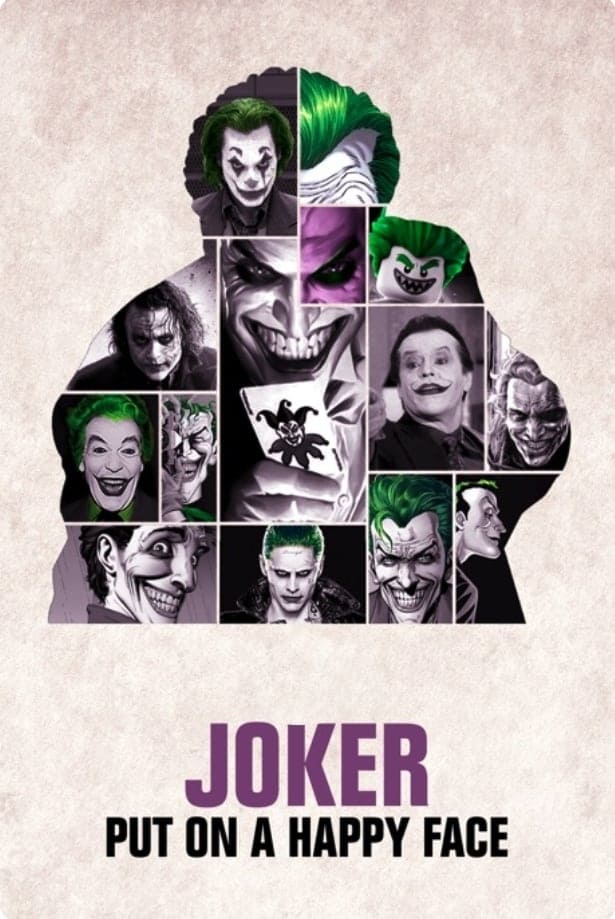
Featuring interviews with filmmakers and industry legends, discover the origins and evolution of The Joker, and learn why The Clown Prince of Crime is universally hailed as the greatest comic-book supervillain of all time.
A detailing of the rise to prominence and global sporting superstardom of six supremely talented young Manchester United football players (David Beckham, Nicky Butt, Ryan Giggs, Paul Scholes, Phil and Gary Neville). The film covers the period 1992-1999, culminating in Manchester United's European Cup triumph.
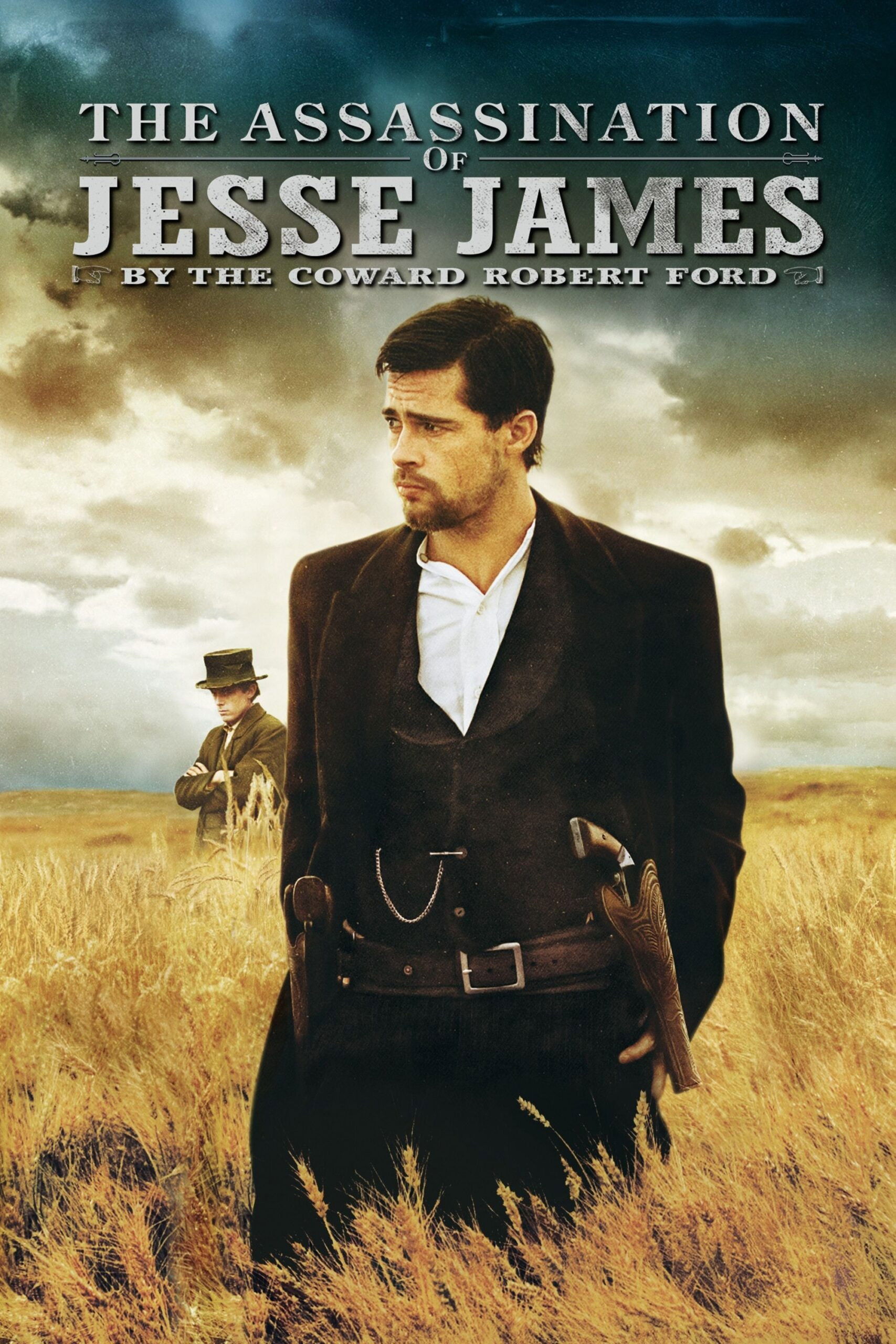
Explores the true story of the notorious Jesse James, how the myth developed during his lifetime, and how the legends have persisted over 100 years after his death at the hands of his former friend, Robert Ford.
Daniel Craig candidly reflects on his 15 year adventure as James Bond. Including never-before-seen archival footage from Casino Royale to the upcoming 25th film No Time To Die, Craig shares his personal memories in conversation with 007 producers, Michael G Wilson and Barbara Broccoli.
A string of threatening emails escalates into a revenge plot involving a newly married US marshal and his ex-girlfriend.
Join the likes of Jeremy Renner, Hailee Steinfeld, Florence Pugh, and Vincent D’Onofrio as they reveal how Marvel Studios’ “Hawkeye” was conceived and created. Witness firsthand what it took to pull off the show’s pulse-pounding action set pieces, and discover how iconic characters from the pages of Marvel Comics such as Kate Bishop were adapted and brought to life for the six-episode series.
After the high-profile killing of Damilola Taylor, Cornelius' family move out of London. But when they discover their new town is run by racists, Cornelius takes a drastic step to survive.