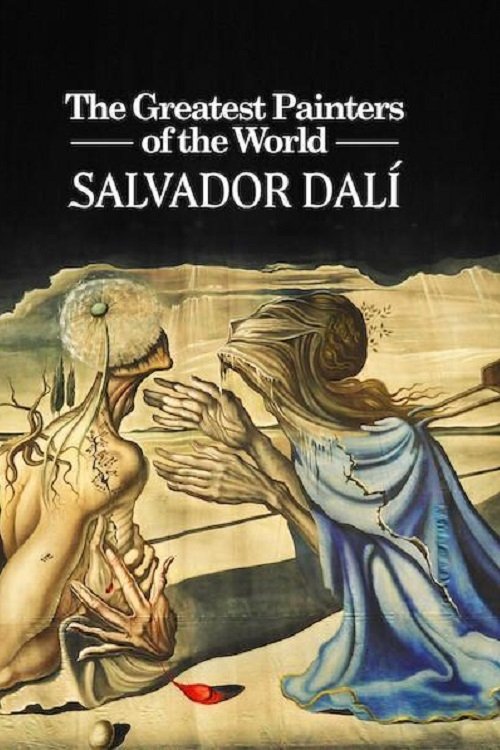
"Painters, Salvador Dalí"
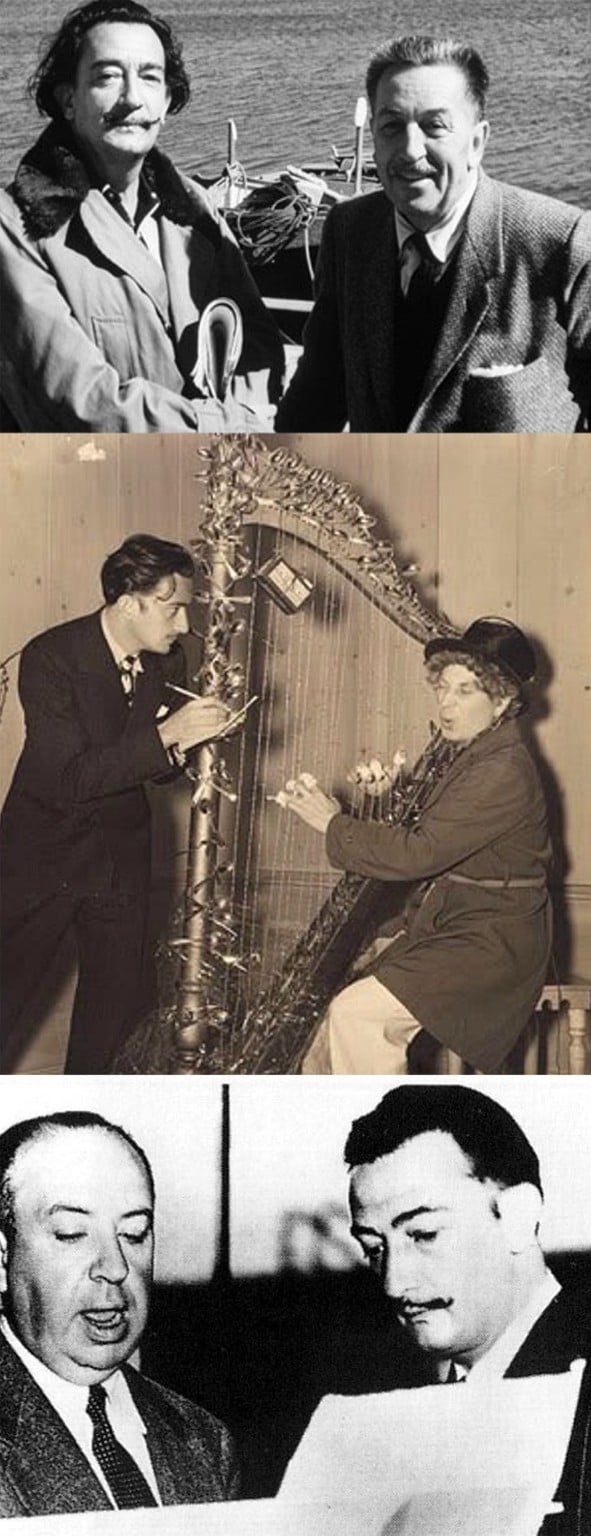
This documentary tells the story of the life, career and influence of the surrealist painter Salvador Dali and the stunning works of his extraordinary mind.
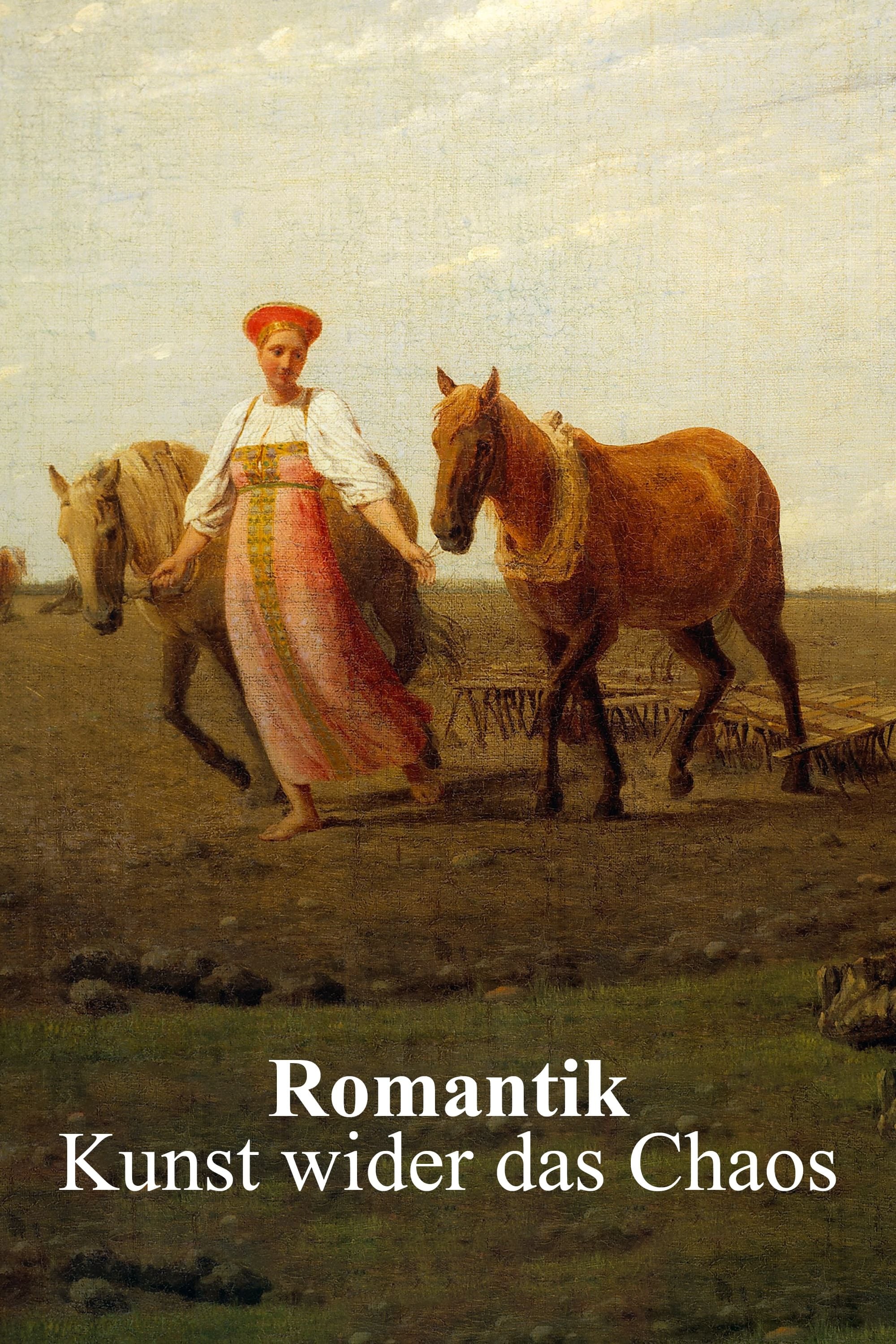
Social & External
Romantic art was a response to the social upheavals of the 19th century, as shown by works by its emblematic painters Friedrich, Venetsianov and Delacroix.
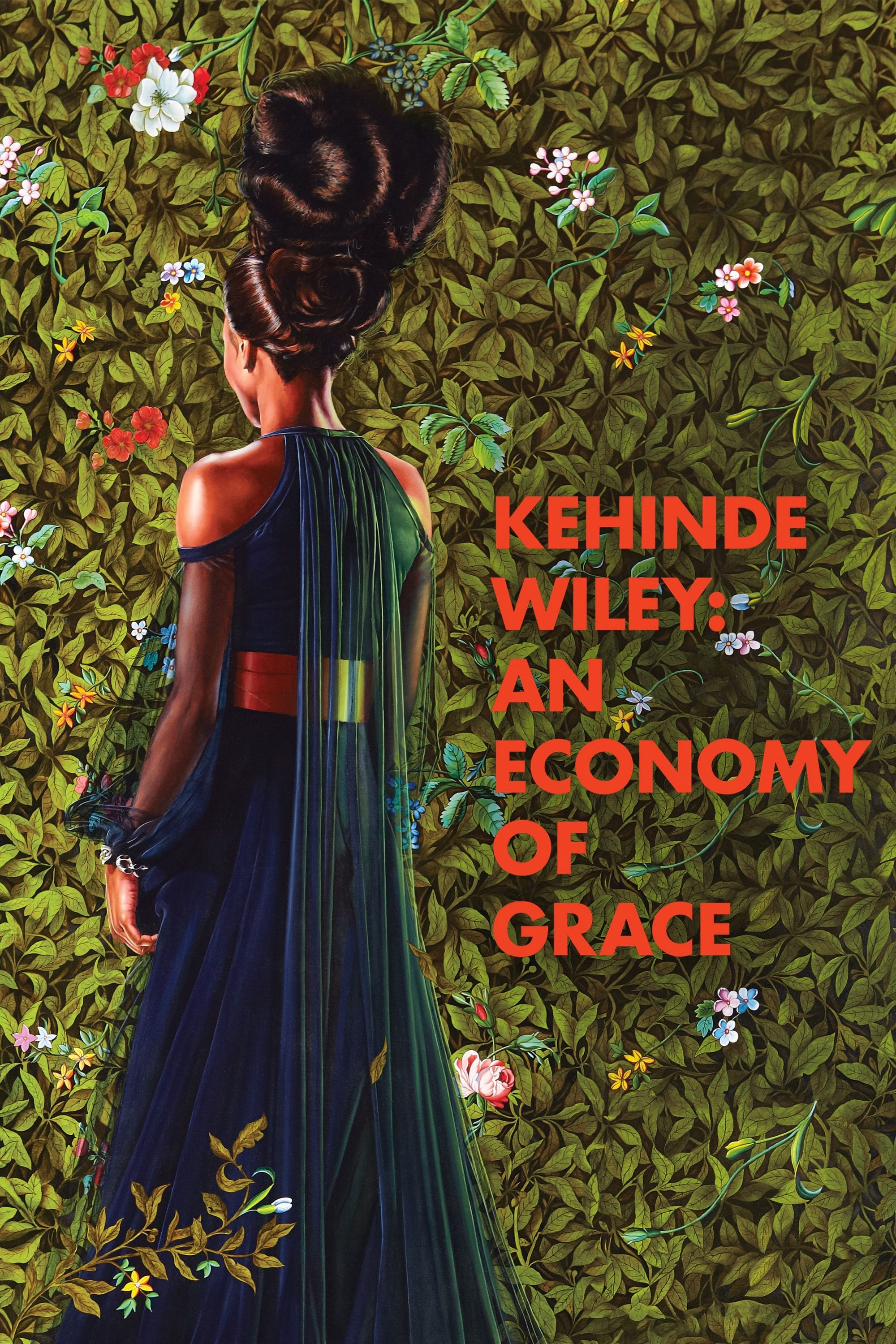
Known for his vibrant reinterpretations of classical portraits featuring African-American men, New York-based painter Kehinde Wiley has turned the practice of portraiture on its head and in the process has taken the art world by storm.
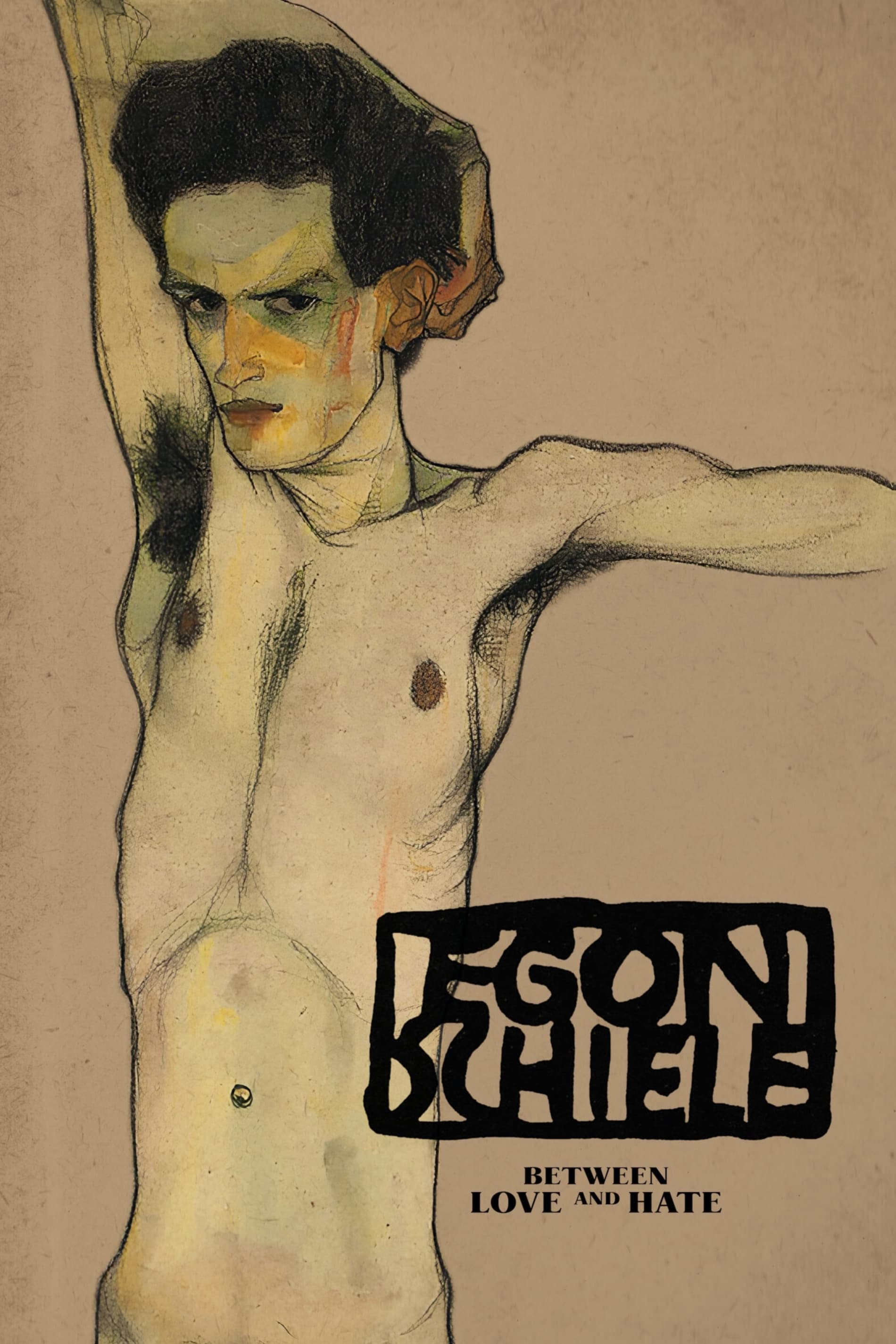
An account of the short life and the astonishing and provocative work of the Austrian painter Egon Schiele (1890-1918), seen through the peculiar point of view and the critic voices of the women who defined the paramount milestones of his existence: Gerti, his sister; Wally, his main model and lover; and Edith, his wife. A brief story of love, hate, betrayal and misfortune.
A film that looks at the genius of JMW Turner in a new light. There is more to Turner than his sublime landscapes - he also painted machines, science, technology and industry. Turner's life spans the Industrial Revolution, he witnessed it as it unfolded and he painted it. In the process he created a whole new kind of art. The programme examines nine key Turner paintings and shows how we should re-think them in the light of the scientific and Industrial Revolution. Includes interviews with historian Simon Schama and artist Tracey Emin.
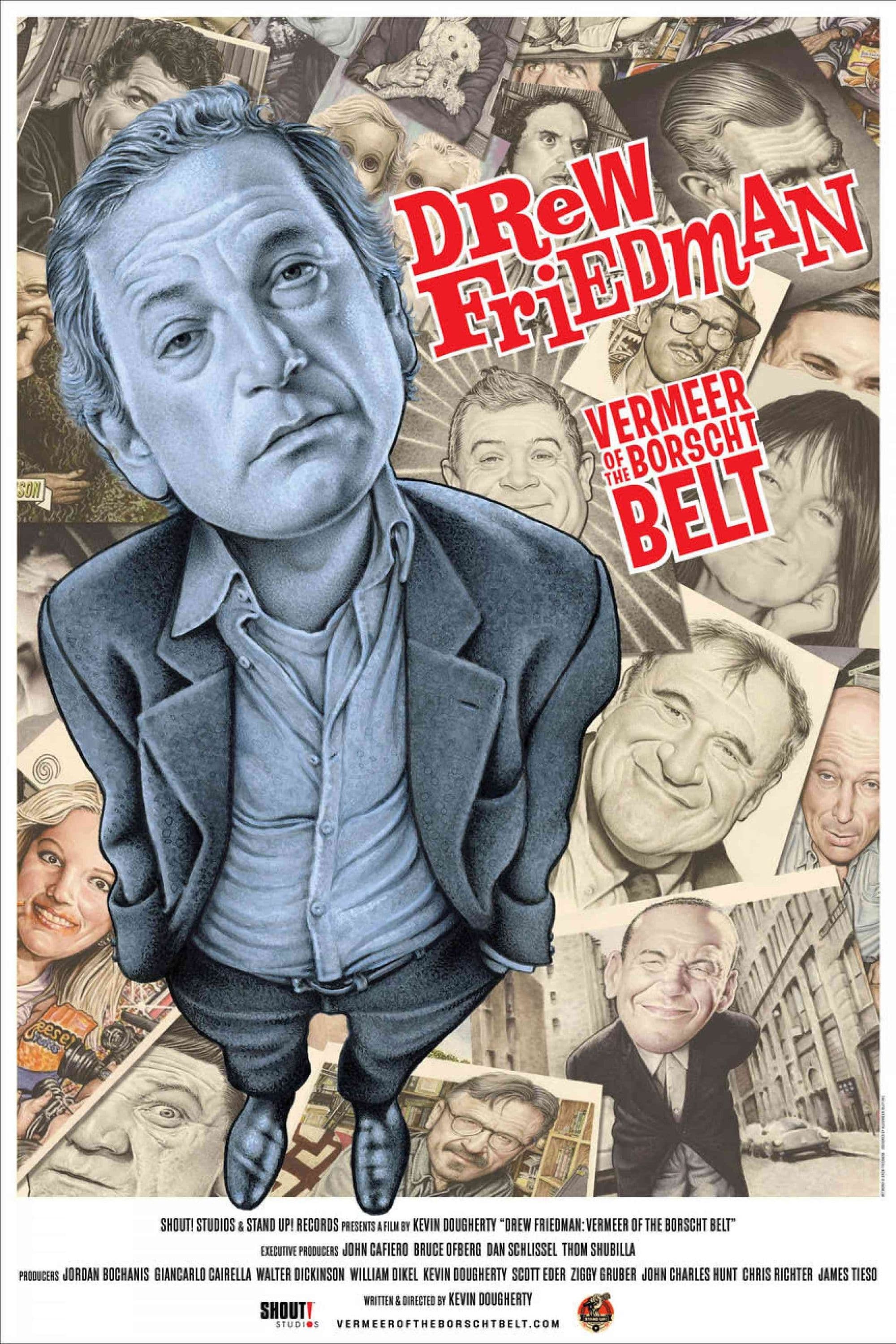
For years, artist Drew Friedman has chronicled a strange, alternate universe populated by forgotten Hollywood stars, old Jewish comedians and liver-spotted elevator operators. Drew Friedman: Vermeer of the Borscht Belt is an in-depth documentary tracing artist Friedman's evolution from underground comics to the cover of The New Yorker. The film, directed by Kevin Dougherty, features interviews with Friedman's friends and colleagues, including Gilbert Gottfried, Patton Oswalt, Richard Kind, Mike Judge, Merrill Markoe and many others.
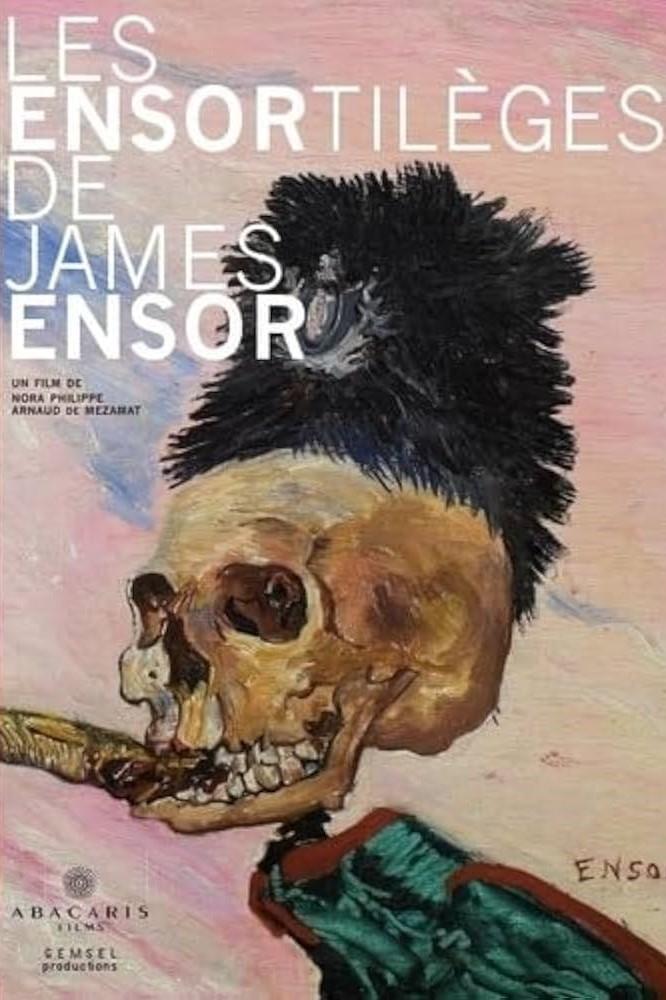
This film explains what James Ensor (1860-1949) meant for the development of art and makes palpable where he got his inspiration from.
A unique documentary that follows artist Mark Waller and his family over 20 years. When Mark is diagnosed with a deadly Melanoma the fault lines in the Waller family erupt with surprising results.
The film approaches the work of the Greek artist Nikos Koniaris. The particular way in which the painter depicts human suffering is presented through a film - a hybrid of real recording and directed material. The grief, the sick body, is reflected in self portraits, portraits of dying strangers and paintings of dead models. The paintings, apart from his work, also express a different version of himself. All together contribute to the depiction of man as a "garment of pain".
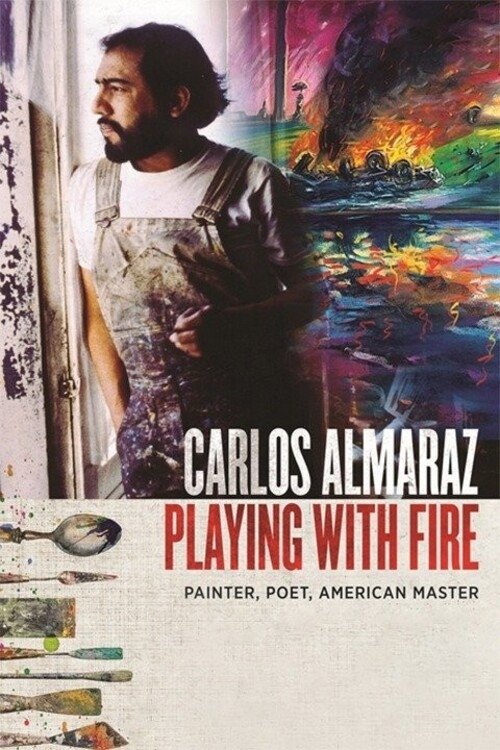
Mixing archival footage with interviews, this film celebrates one of Los Angeles's most influential painters and Chicano art activists from the 1970s.
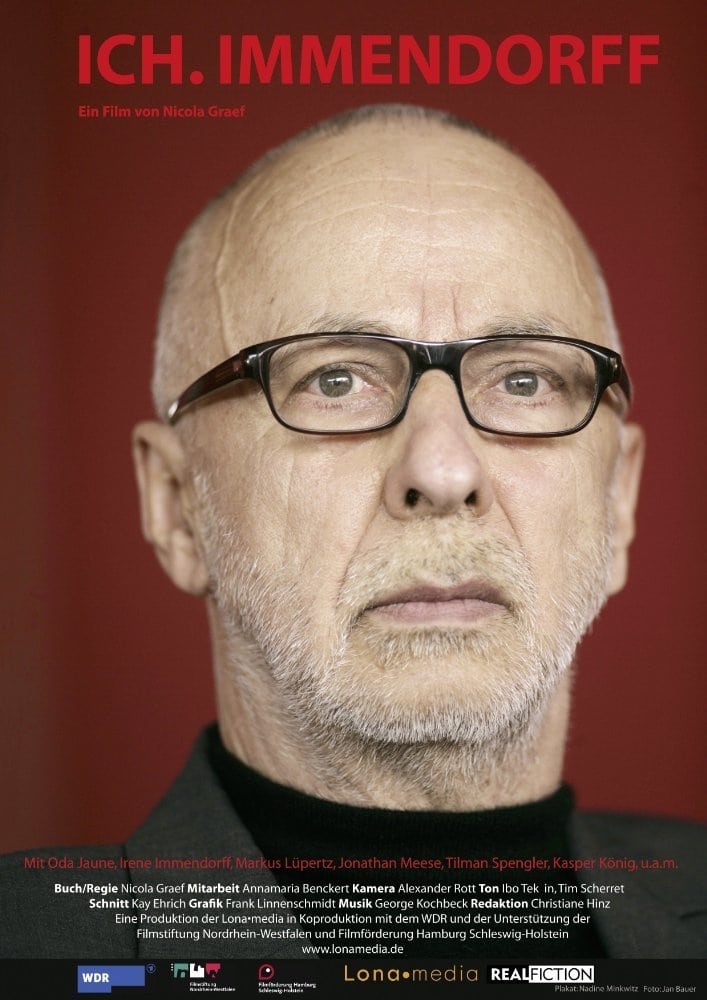
Documentary film about the painter and sculptor Jörg Immendorff who ranks among the most important German artists. The filmmakers accompanied Immendorff over a period of two years – until his death in May 2007. The artist had been living for nine years knowing that he was terminally ill with ALS. The film shows how Immendorff continued to work with unabated energy and how he tried not to let himself be restrained by his deteriorating health.
Cinema and painting establish a fluid dialogue and begins with introspection in the themes and forms of the plastic work of a woman tormented by the elongated specters, originating from her obsessions and nightmares.
Chuck Close, an astounding portrait of one of the world's leading contemporary painters, was one of two parting gifts (her second is a film on Louise Bourgeois) from Marion Cajori, a filmmaker who died recently, and before her time. With editing completed by filmmaker Ken Kobland, Chuck Close lives the life and work of a man who has reinvented portraiture. Close photographs his subjects, blows up the image to gigantic proportions, divides it into a detailed grid and then uses a complex set of colors and patterning to reconstruct each face.
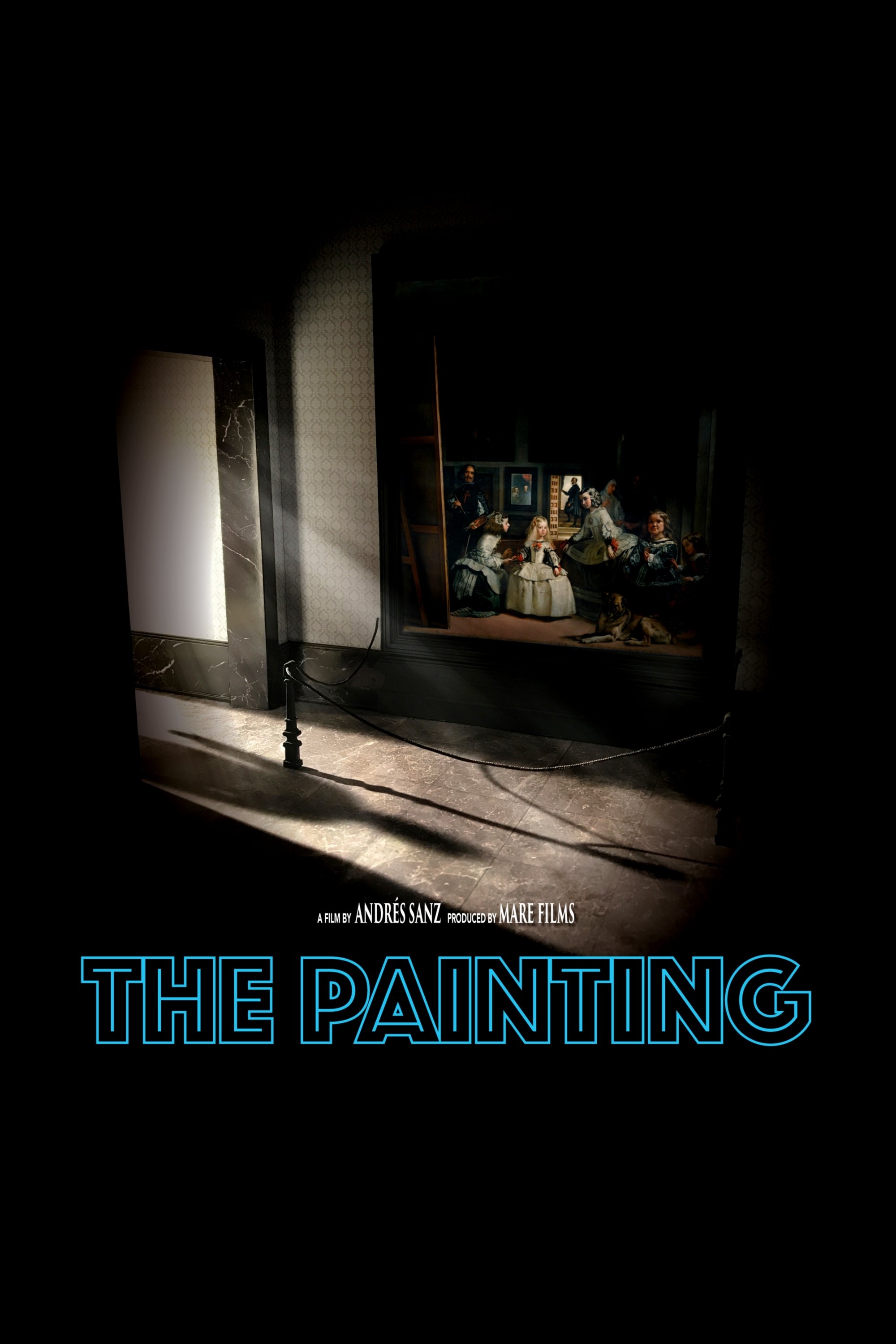
For three and a half centuries, from the same day that Diego Velázquez (1599-1660) applied his last brushstroke to the canvas, the enigma of “Las meninas, o La familia de Felipe IV” (1656) has not been deciphered. The secret story of a painting unveiled as if it was the resolution of a perfect crime.
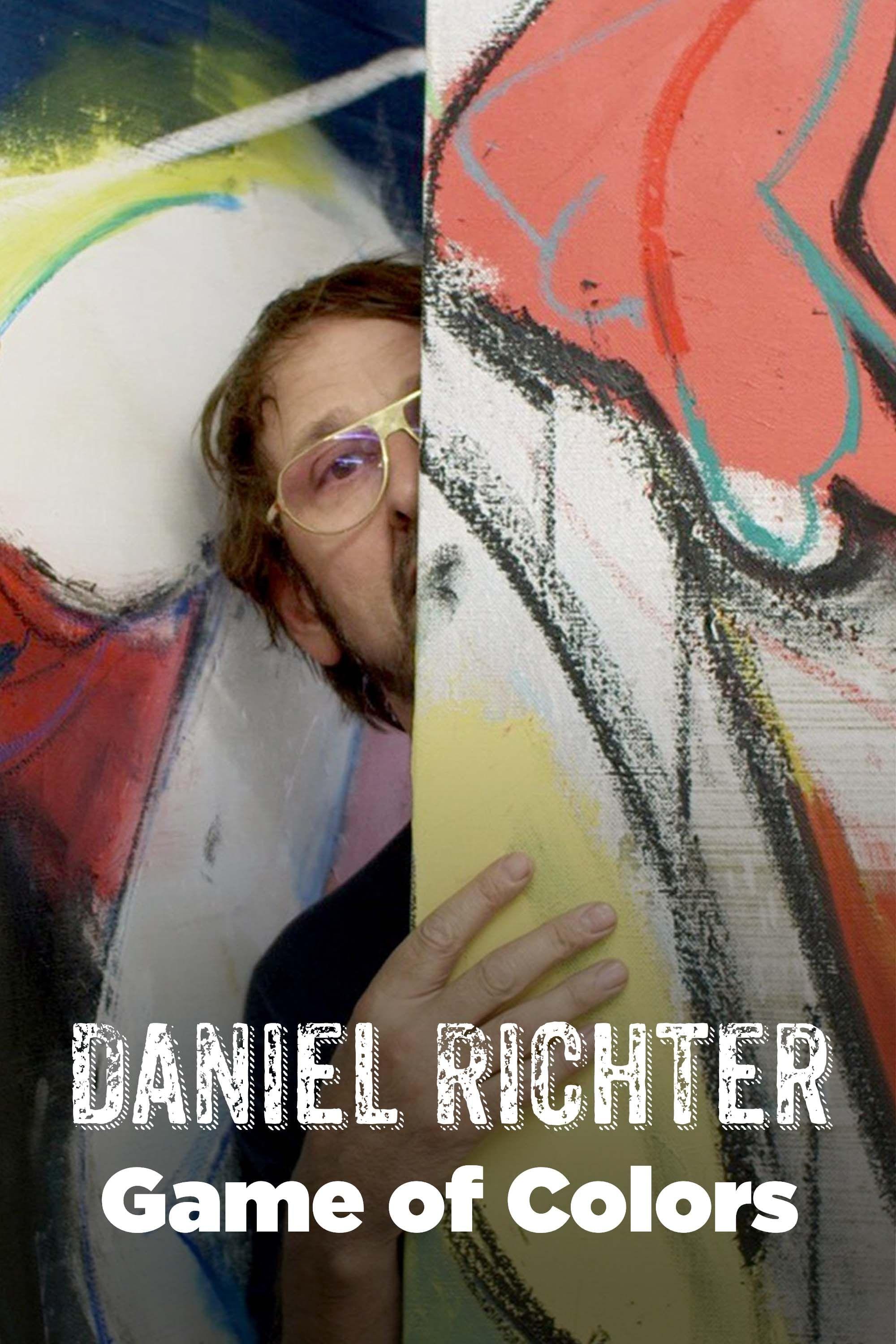
Few artist portraits give us the privilege of getting as close to the painter as if we had free access to his studio. Over a period of three years, Pepe Danquart got to accompany the painter Daniel Richter, watching him paint, negotiate with his gallerist, talk to his publisher and joke with fellow artist Jonathan Meese. Danquart interviews collectors, attends auctions and even visits record shops.