Architect Stanley King involves the local Vancouver community in urban design.
Social & External
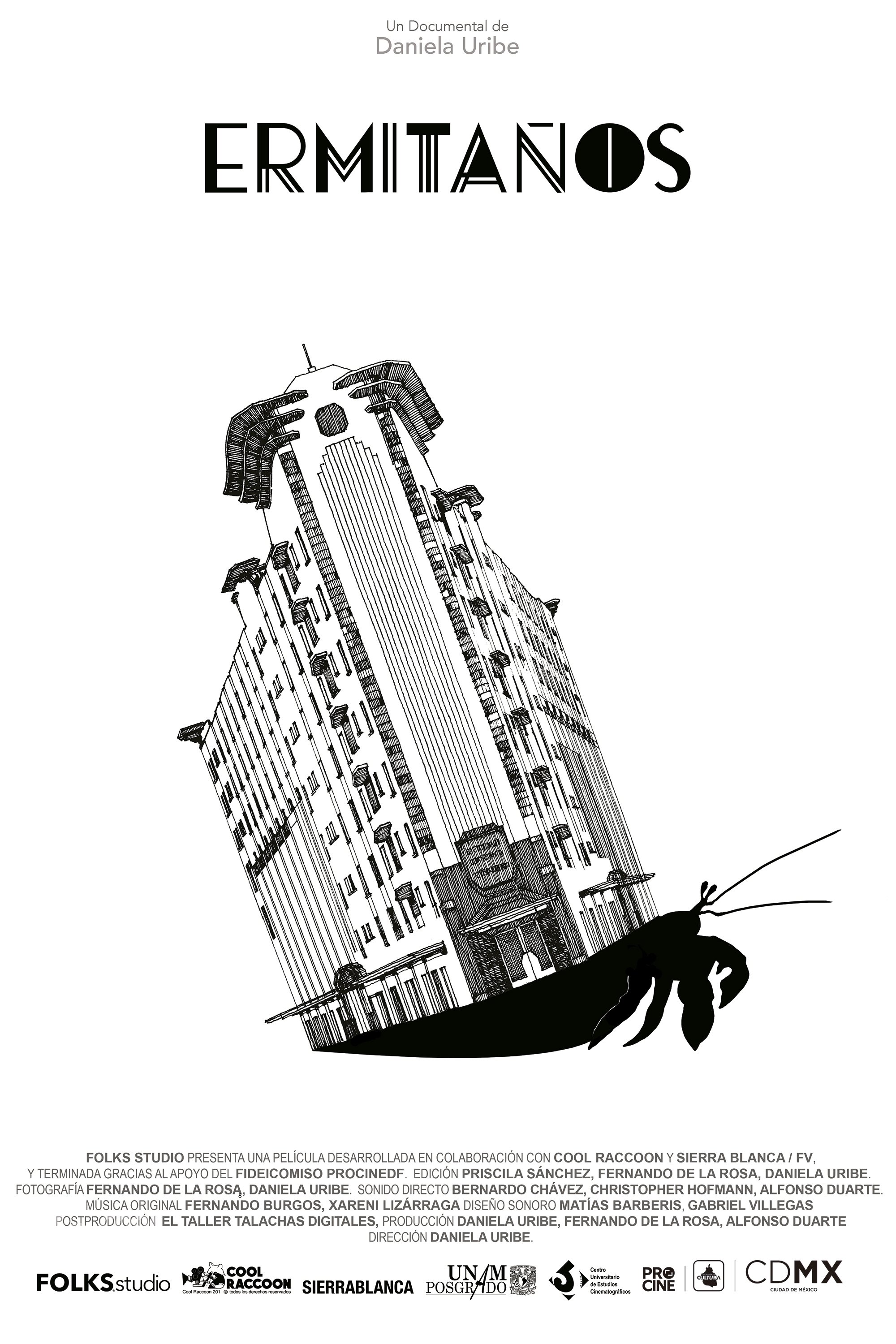
In the midst of the chaos of México City, a group of eight bachelor millennials who call themselves ´The Hermits´, open the doors to their tiny apartments in the historic Ermita Building, in the yet-to-be gentrified neighborhood of Tacubaya, and share their life experiences in a time when precarity changes the way in which we love, feel and relate to each other. As we explore the homes of these eight neighbors, we also witness their personalities intersect in a Whatsapp chat, a virtual space that functions as a supporting system that helps them face the adversities that living alone in this city brings.
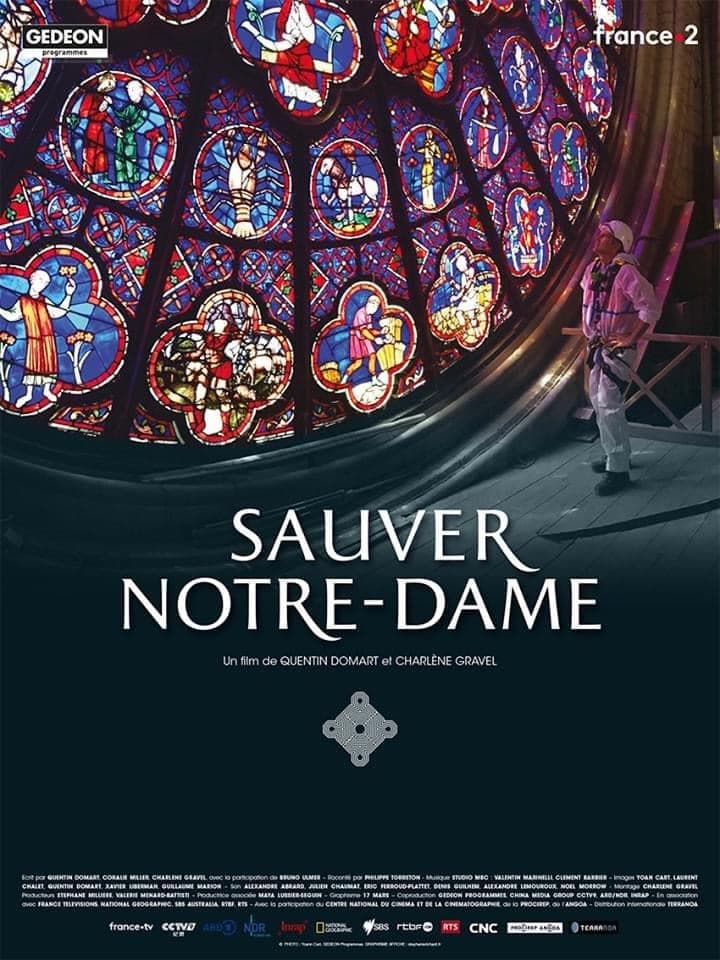
In the aftermath of the fire that struck Notre-Dame de Paris in 2019, the cathedral is in danger of collapsing. A race against time begins for a hundred men and women who will face danger, the unknown, and toxic lead dust for a year to save this world heritage site. Architects, stonemasons, carpenters, crane operators, scaffolders, rope access technicians, archaeologists: this unique project brings together rare skills. With rare enthusiasm and cohesion, they will achieve numerous technical and human feats. This film recounts the spectacular and moving adventure of these builders fighting to save Notre Dame.
A documentary with and about the legendary Italian Architect Carlo Scarpa.
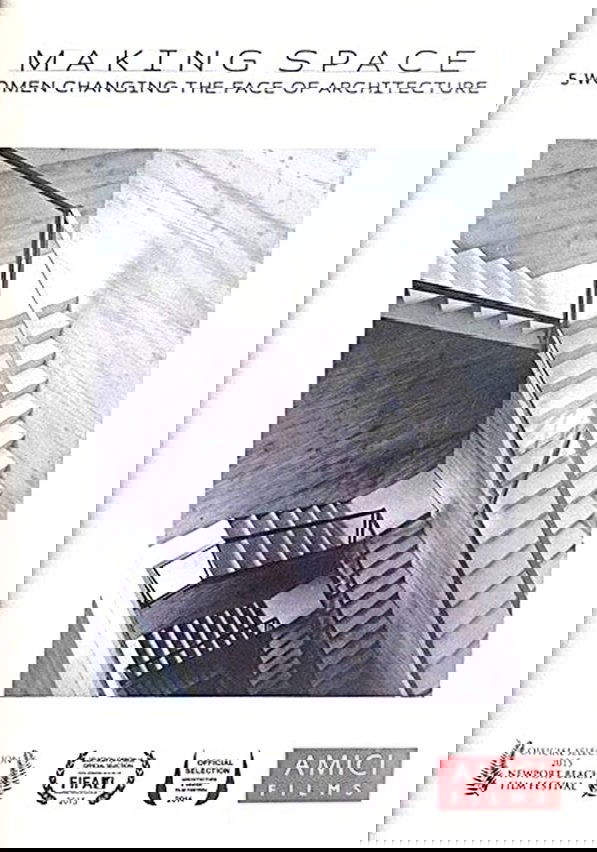
For the first time in history, women are designing our world. They are the rising stars in architecture-previously an all-male galaxy--and they are literally and figuratively changing the landscape. MAKING SPACE captures the compelling stories and outstanding designs of Annabelle Selldorf (NY), Farshid Moussavi (London), Odile Decq (Paris), Marianne McKenna (Toronto), and Kathryn Gustafson (Seattle & London). Without script or narration, each woman tells her own story, enhanced by the insights of commentators including Pulitzer Prize-winning architecture critic Paul Goldberger; MoMA's Peter Reed and Paola Antonelli; and others. Meryl Streep makes a special guest appearance.
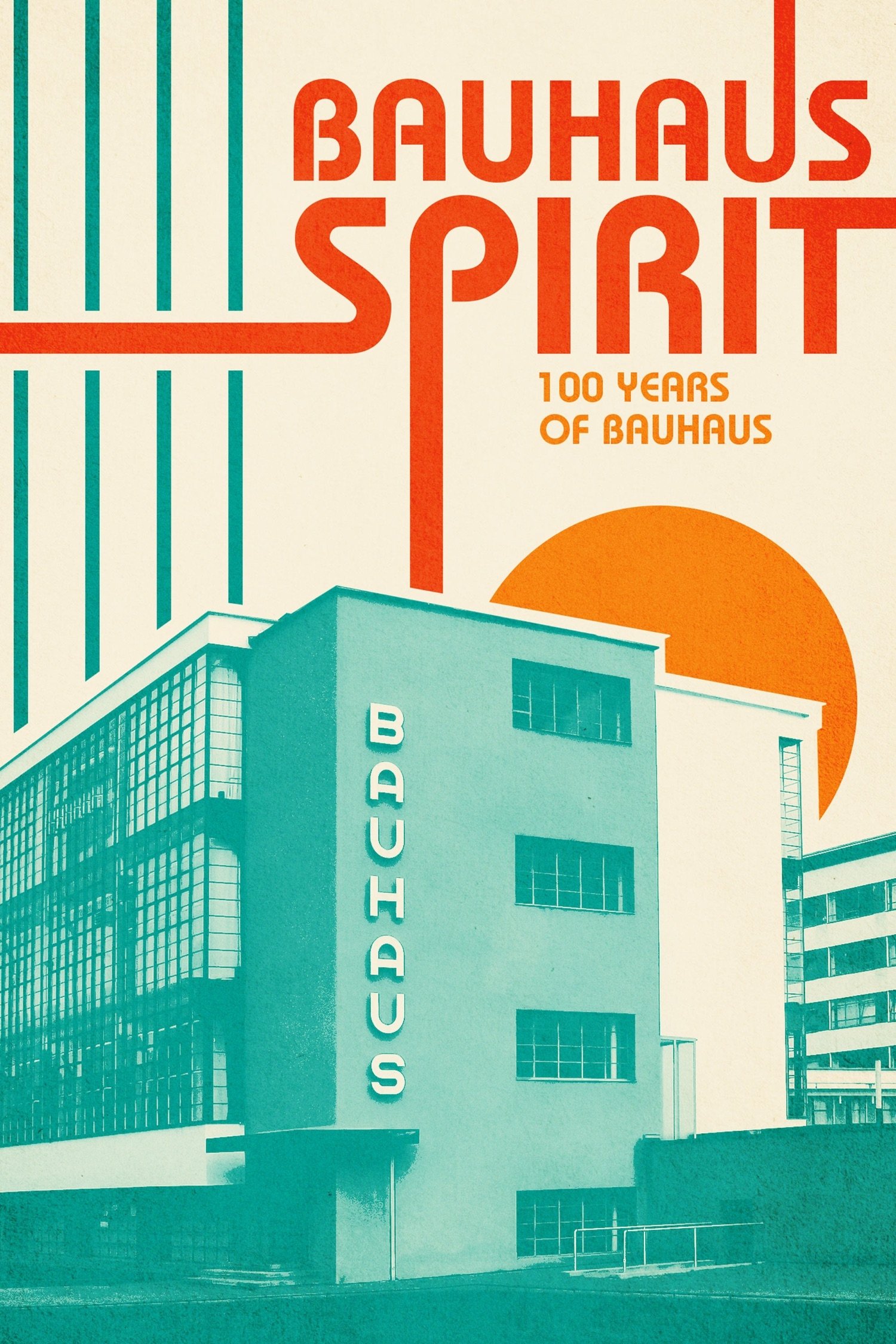
Founded in 1919 by Walter Gropius, Bauhaus was supposed to unite sculpture, painting, design and architecture into a single combined constructive discipline. It is a synthesis of liberated imagination and stringent structure; cross-medial concepts that embellish and enrich our existence, illumination and clarity, order and playfulness. But Bauhaus was never just an artistic experiment. Confronted with the social conditions of that particular time, as well as the experience of WWI, the movement concerned itself with the political and social connotations of design from the very outset. Hence, Bauhaus history is not just the history of art, but also the history of an era that stretches from the early 20th century to the modern day.
The Barbican Estate in the City of London is arguably England's finest example of Brutalist architecture. This film explores the history of the estate from the perspective of its residents
"Chair Times" charts a course through an ocean of chairs. In the focus are 125 objects from the Collection of the Vitra Design Museum. Arranged according to their year of production, they illustrate development from 1807 to the very latest designs straight off the 3D printer, forming a timeline to modern seating design. The film features many people whose vocations involve design and who are experts in the field, such as designers Hella Jongerius, Antonio Citterio and Ronan Bouroullec, architects and collectors Arthur Rüegg and Ruggero Tropeano, architect David Chipperfield, Director Emeritus of MAK Vienna/Los Angeles Peter Noever, Mateo Kries, Director of the Vitra Design Museum, Vitra Design Museum curators Amelie Klein, Jochen Eisenbrand and collection curator Serge Mauduit. And your guide through the history of chairs is Rolf Fehlbaum, Chairman Emeritus of Vitra.
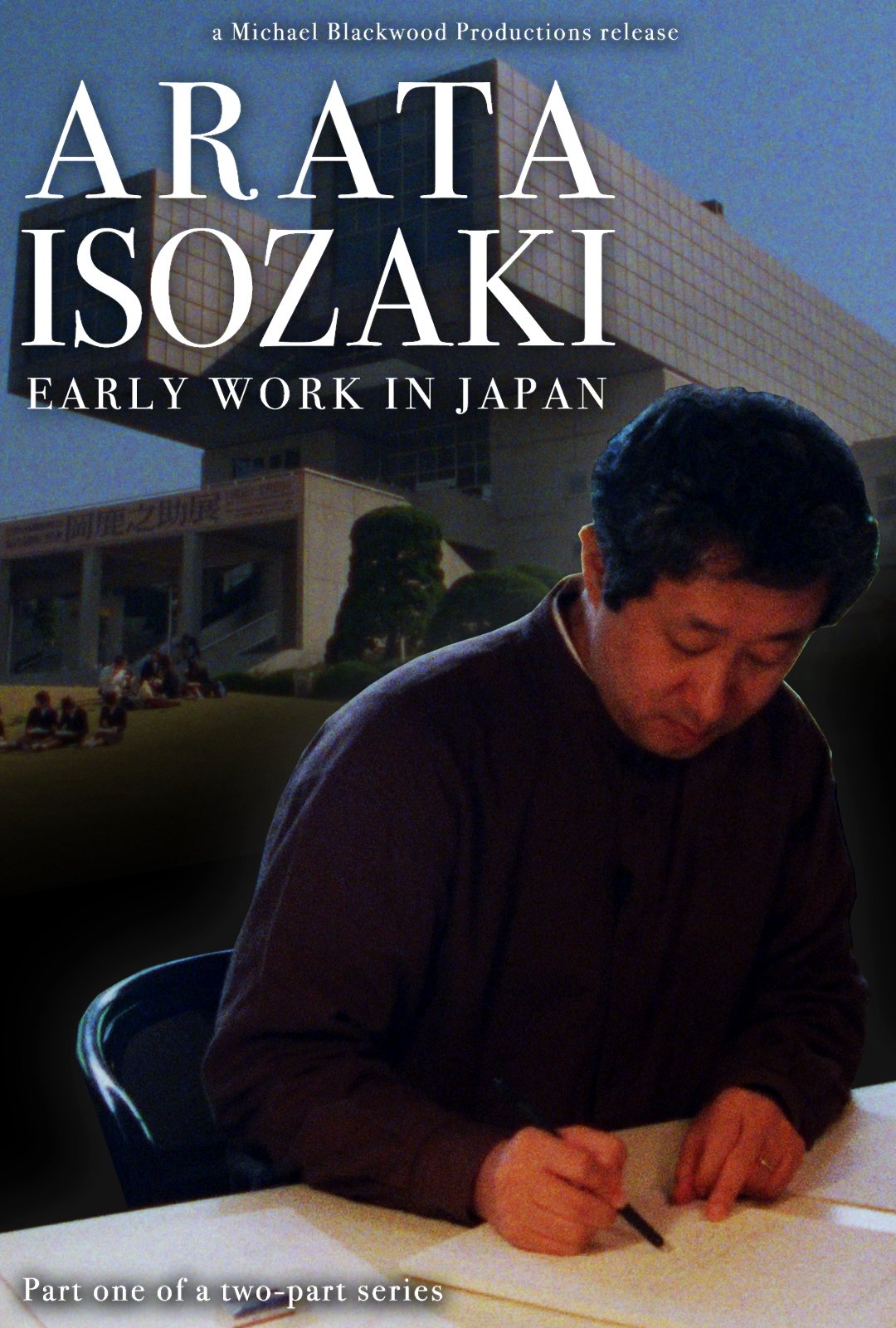
Arata Isozaki: Early Work in Japan takes a detailed look at the architect's pieces, exploring applauded projects such as the EXPO '70 Osaka Festival Plaza, Gunma Prefectural Museum of Modern Art and Kitakyushu Municipal Library. The extraordinary series of architectural breakthroughs made during this time contributed significantly to the evolution of contemporary architecture worldwide, and eventually gained him his first foreign commission
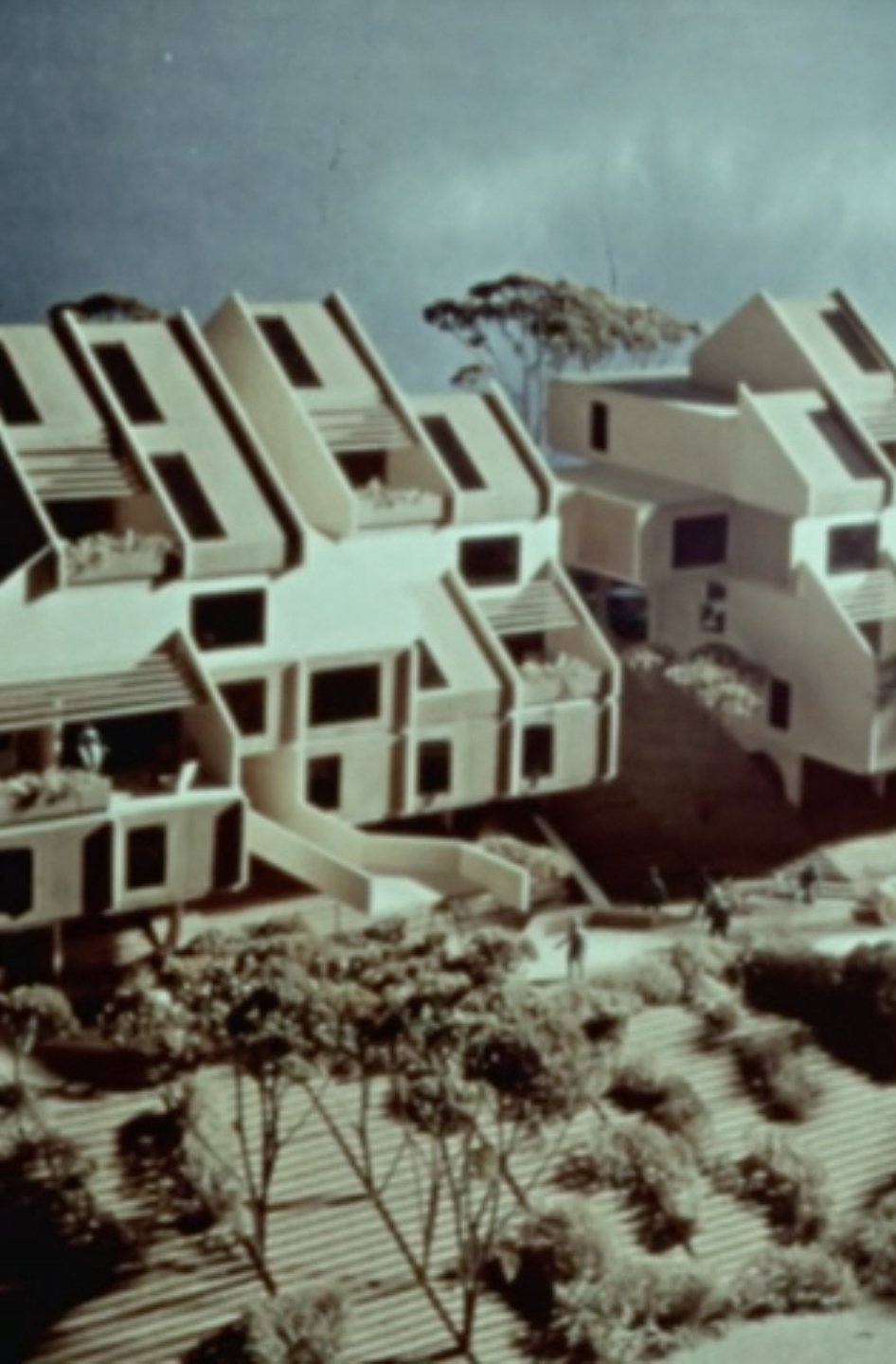
The human side of town planning, as exemplified in Baltimore, Maryland. The Coldspring Project concerned a proposed housing development for lower and upper income levels on a three hundred-acre site adjoining a wildlife sanctuary. The film records the differences aired in meetings of various interest groups that tried to modify the plan according to their views, and the compromise reached, based on plans drawn up by Montréal architect Moshe Safdie.
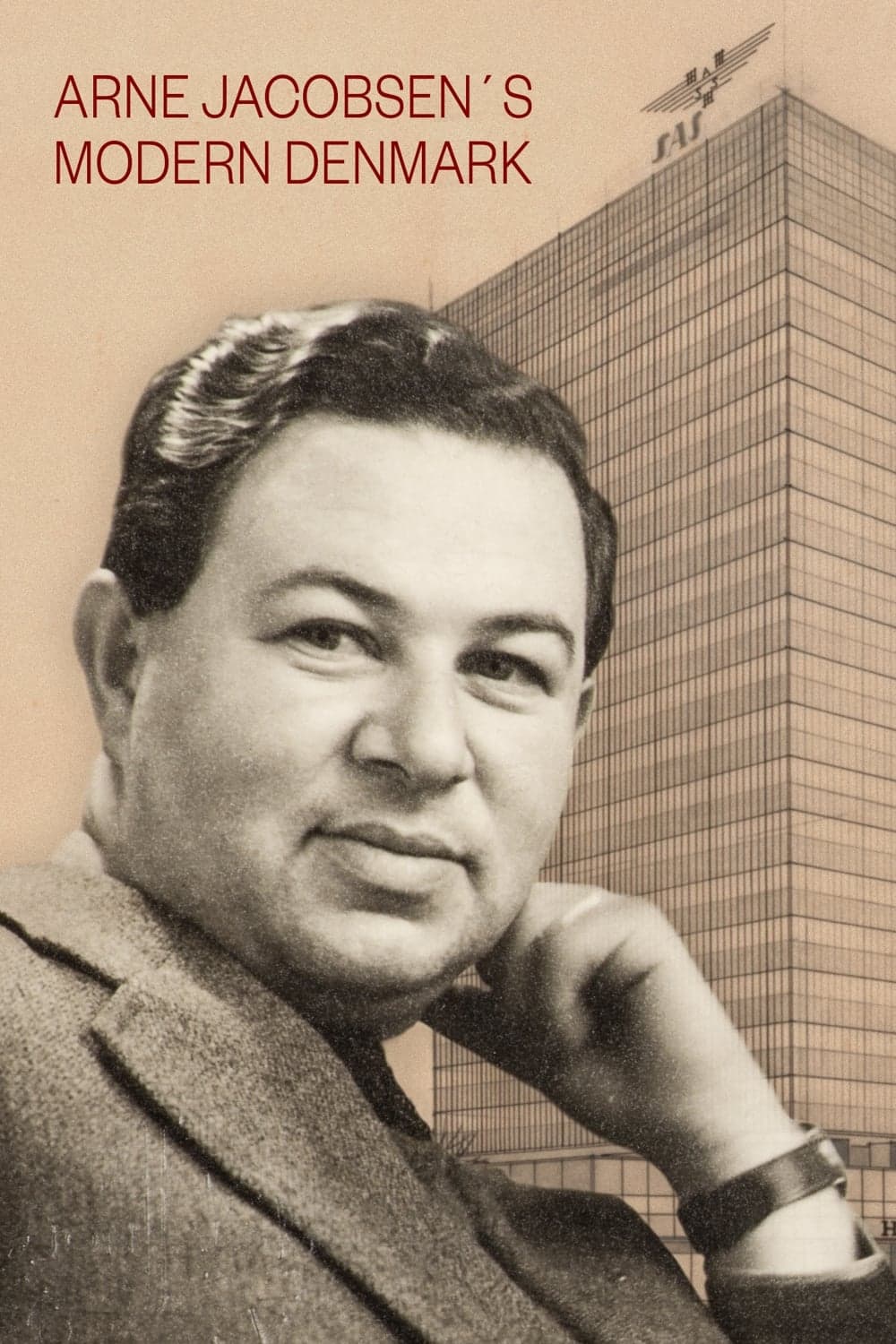
Danish documentary about the disobedient schoolboy with a talent for painting, who became one of Denmark’s greatest architects. His ideas were ahead of their time and often received criticism, but today, 50 years after his death, Arne Jacobsen's schools, town halls and libraries are still with us, and they define modern Denmark.
Once a maverick who was nearly run out of the American Institute of Architects, John Portman is now recognized as one of the most innovative and imitated architects ever. Over 45 years, Portman's iconic urban statements and eye-popping interiors have risen in 60 cities on four continents to redefine cityscapes in America, and skylines in China and the rest of Asia. The film captures Portman's approach in an intimate portrait that, by turn, assesses and appreciates Portman's work. Dramatic time-lapse footage shows off Portman's buildings at their best- often in moving sunlight that washes over his facades and spaces.
This full-length documentary from the Challenge for Change program addresses housing issues affecting Montreal in the mid-1970s. As the city is restoring older apartments through direct action and government subsidies, new, low-rent housing is being integrated into old neighborhoods.
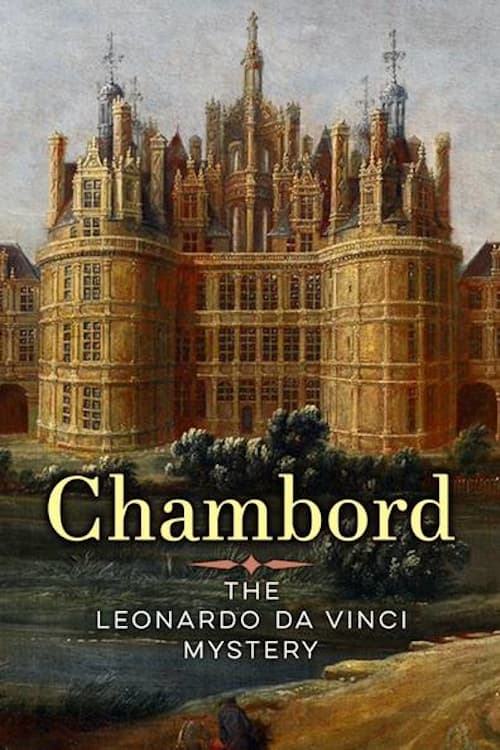
A building lost in the midst of a 5 000 hectare park, that's the equivalent of the surface of Paris, Chambord is the castle of all superlatives. Having required nearly 220,000 tonnes of stone to build, the Chateau de Chambord, in the Loir-et-Cher department, is an architectural gem. 156 metres of facade, it has more than 70 staircases, 282 fireplaces and 426 rooms. The castle commissioned by Francis 1st in the 16th century is also the most mysterious. The majestic monument has its share of mysteries: identity of its architect, influence of the Florentine painter Leonardo da Vinci in its design, location in the middle of marshes in the heart of the forest and even longevity because it has survived through time without being damaged since the beginning of its construction in September 1519.
Confidential report on designer Dino Gavina's showroom created by Carlo Scarpa between 1961 and 1963. Restoration details and stills from a 1985 film by Ellis Donda.
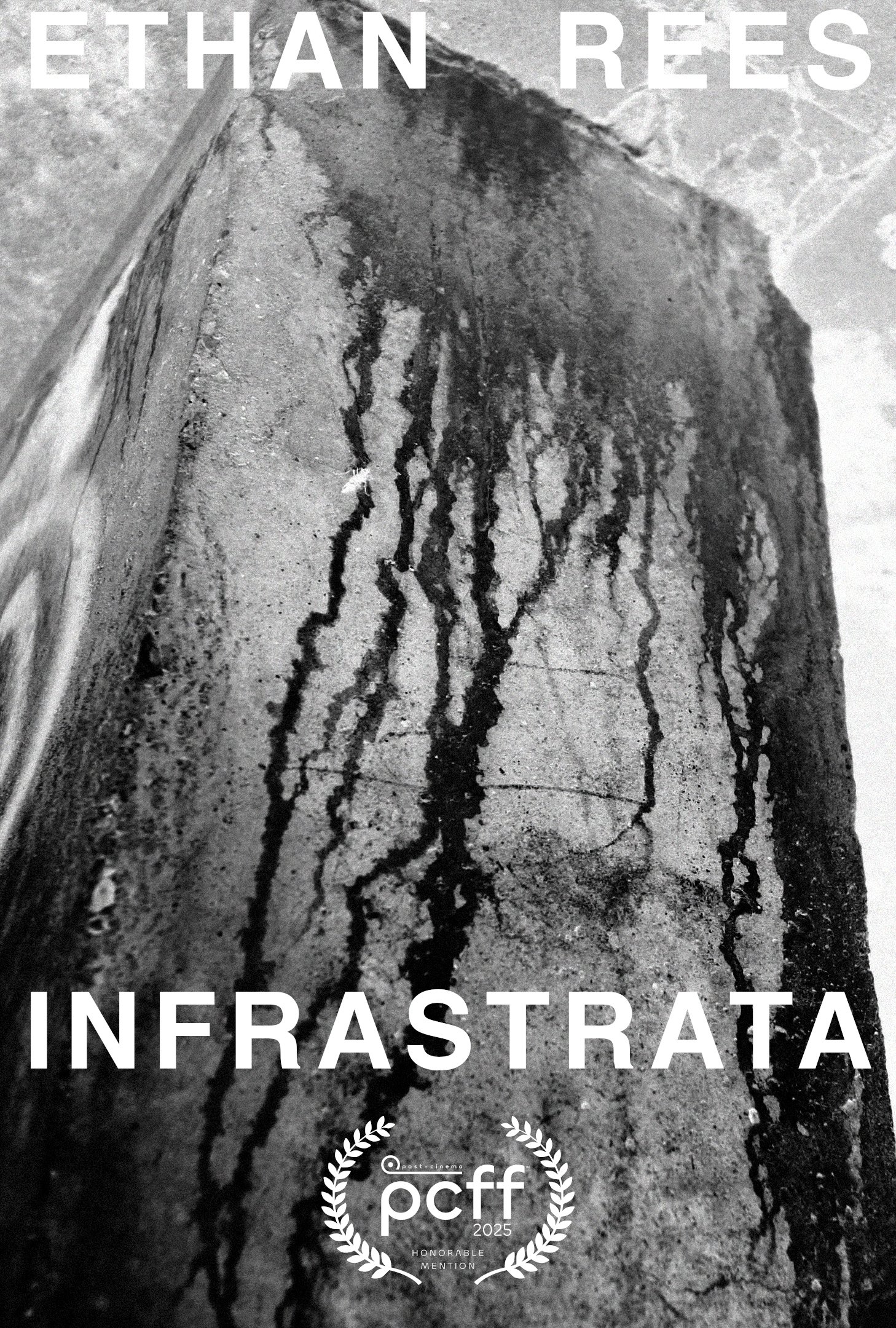
Amongst the contemplative static shots of decaying architecture weaves an abstract narrative unveiling the life-cycle of a higher perception, too large to perceive. Shot at various sites across south-east England, INFRASTRATA is a study on the concept of super-organisms, and the relationship between structure and nature.
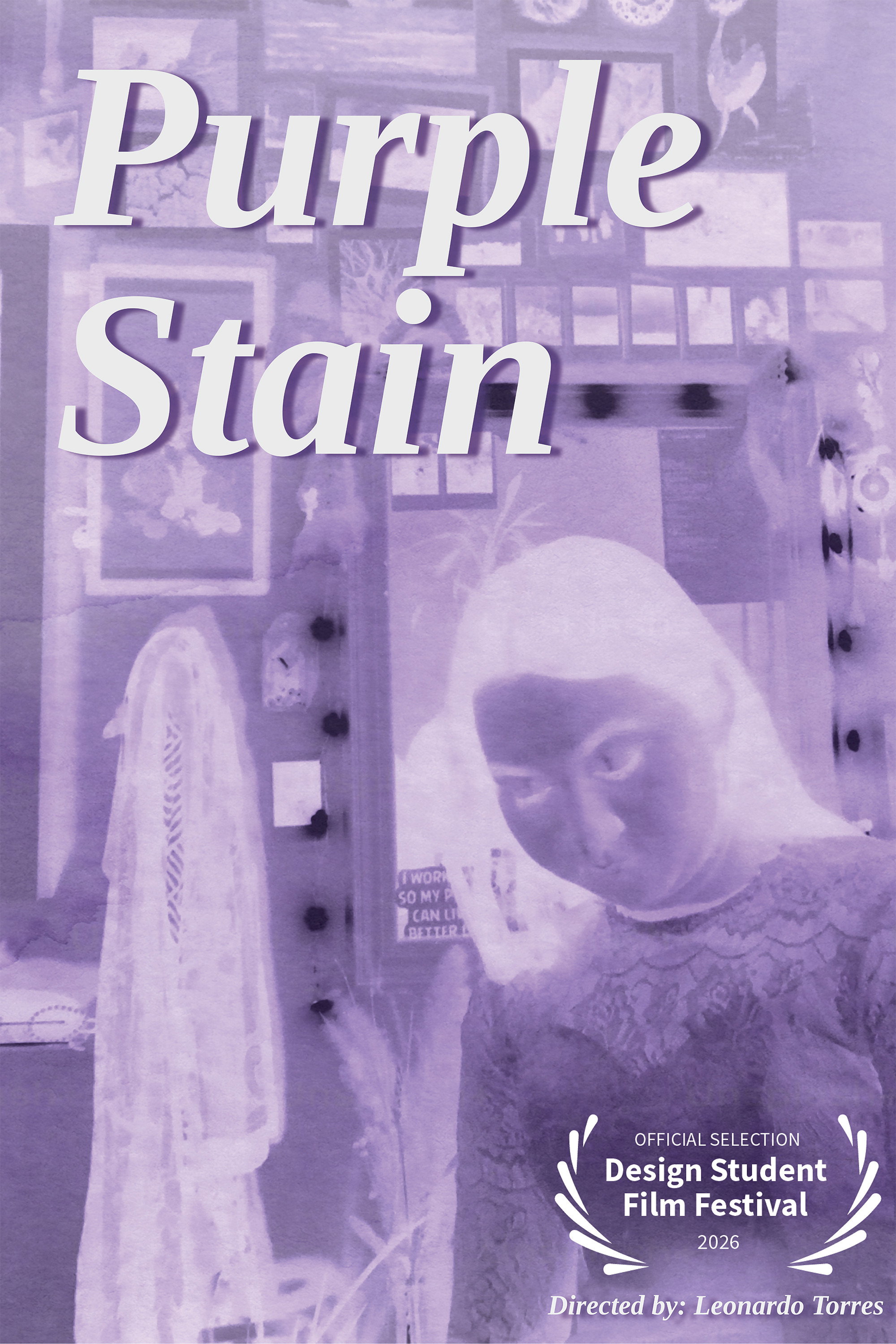
The film follows an architecture graduate as she reflects on the meaning of home and the labor of making home. Architecture is framed beyond the physical built object: as a second skin that stretches and reconfigures itself as she, too, stretches to be in a new place. The film moves through themes of migration, womanhood, and what it means to be an architect without building, still making architecture constantly, just through different forms.
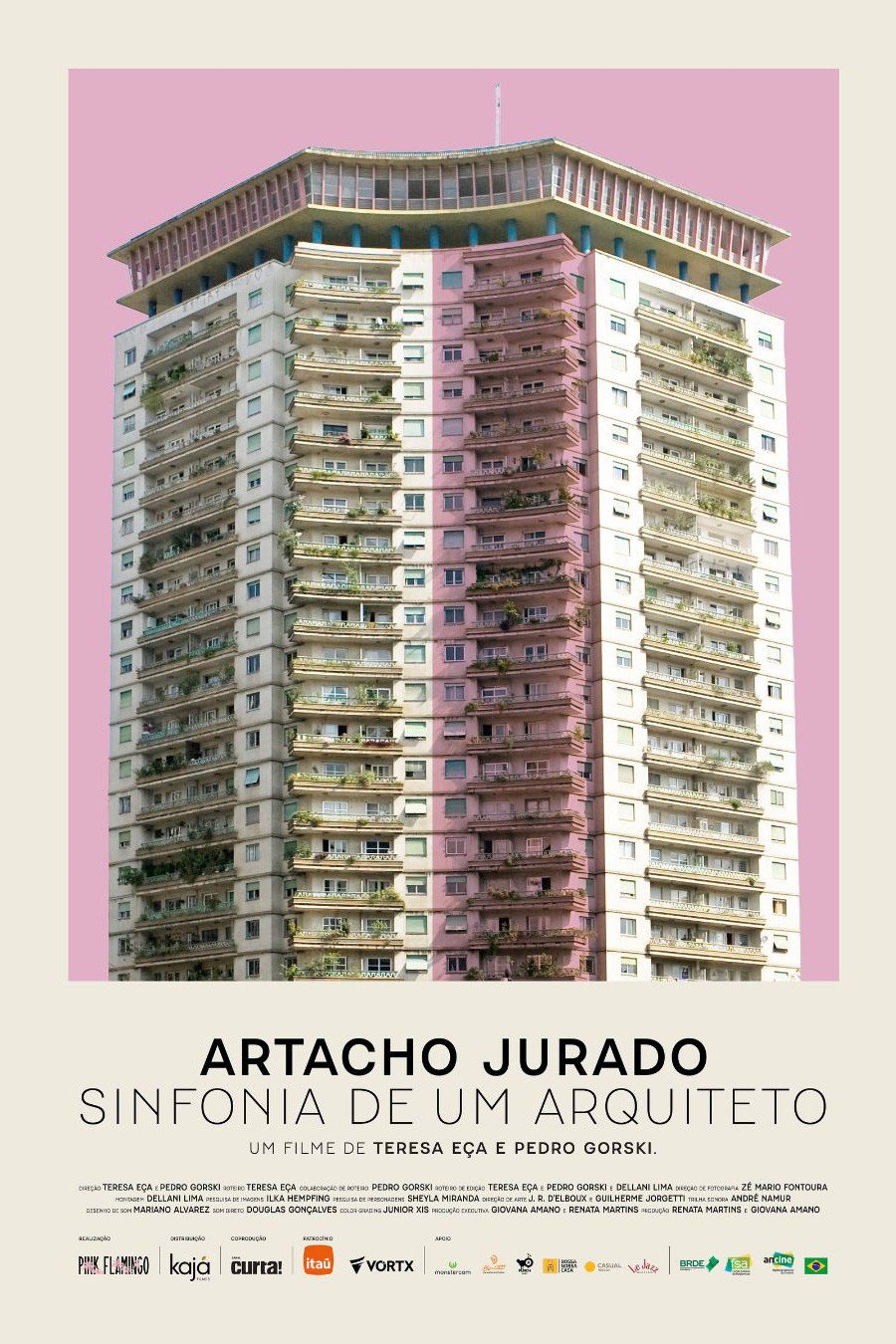
Responsible for some of São Paulo’s most iconic buildings, Artacho Jurado blended colors, shapes, and textures to create an architecture that, decades later, still feels ahead of its time.
The life of Mr. Spock, as well as that of Leonard Nimoy, the actor who played him for almost fifty years, written and directed by his son: Adam.
Behind-the-scenes documentary about how Lionel Messi succeeded in lifting the World Cup – the only trophy to have eluded him in an incredible career.
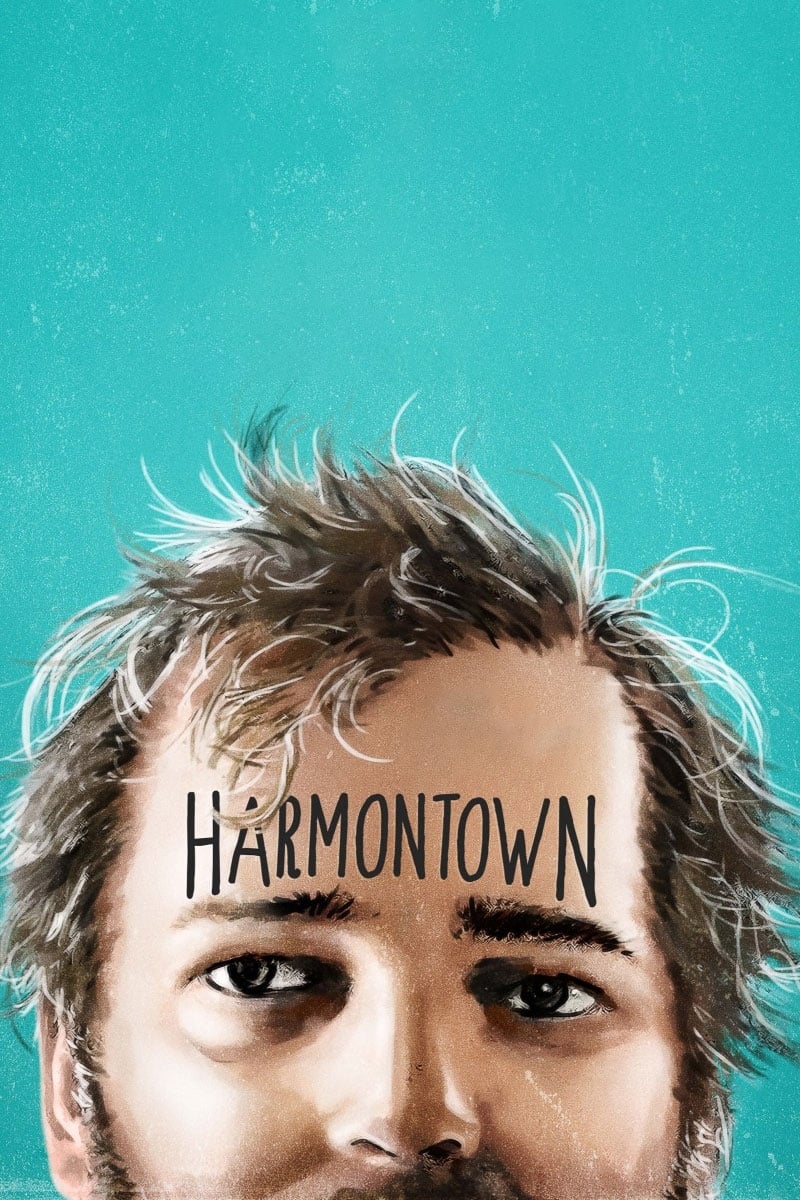
A comedic, brutally honest documentary following self-destructive TV writer Dan Harmon as he takes his live podcast on a national tour.
In the Realms of the Unreal is a documentary about the reclusive Chicago-based artist Henry Darger. Henry Darger was so reclusive that when he died his neighbors were surprised to find a 15,145-page manuscript along with hundreds of paintings depicting The Story of the Vivian Girls, in What is Known as the Realms of the Unreal, of the Glodeco-Angelinnian War Storm, Cased by the Child Slave Rebellion.
Al Pacino's deeply-felt rumination on Shakespeare's significance and relevance to the modern world through interviews and an in-depth analysis of "Richard III."
The life and career of an actor, artist, and icon. His own journey through his own camera.
The film follows adventurer Jeff Johnson as he retraces the epic 1968 journey of his heroes Yvon Chouinard and Doug Tompkins to Patagonia.
A purely observational non-fiction film that takes viewers into the ethically murky world of end-of-life decision making in a public hospital.
With unprecedented access to the official archives and intimate recollections from the band, both current and past, Iron Maiden: Burning Ambition invites fans to experience one of the most iconic journeys in music history. Spanning five decades, this electrifying documentary charts the band’s rise from the pubs of East London to the world’s biggest stadiums. Featuring exclusive interviews with band members and contributors such as Javier Bardem, Lars Ulrich and Chuck D, as well as all-new animated sequences of the band's legendary mascot, Eddie, the film offers a rare and intimate look at Iron Maiden’s uncompromising vision and unwavering connection with their truly global army of fans.
A look at the origins, history and conspiracies behind the "Majestic 12", a clandestine group of military and corporate figureheads charged with reverse-engineering extraterrestrial technology.
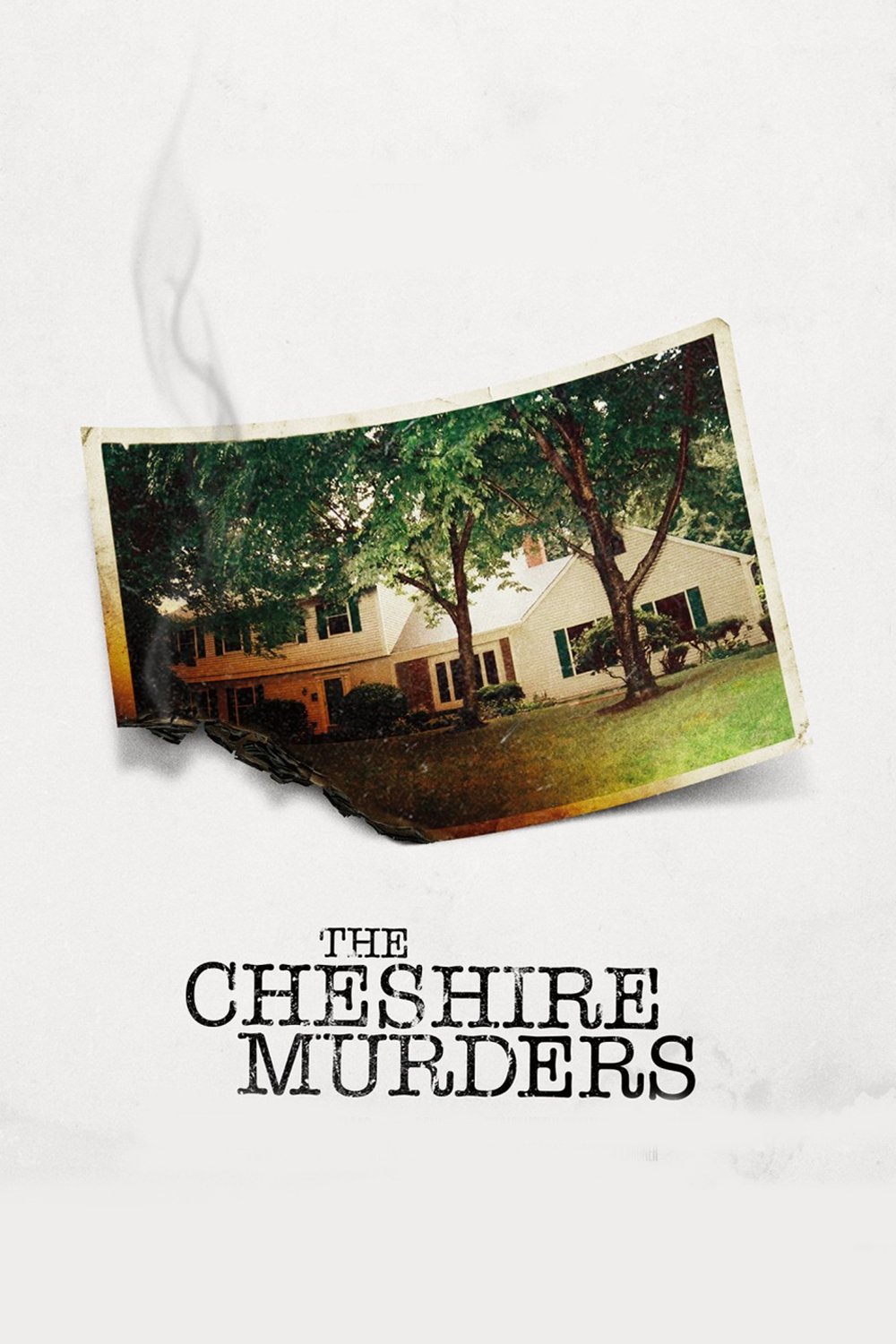
In the early-morning hours of July 23, 2007, in Cheshire, Conn., ex-convicts Steven Hayes and Joshua Komisarjevsky broke into the family home of William Petit, his wife, Jennifer, and their daughters, Michaela, 11, and Hayley, 17. Dr. Petit was beaten and tied to a pole in the basement. The three women were bound in their bedrooms while the men ransacked the house. The brutal ordeal continued throughout the morning, ending with rape, arson and a horrific triple homicide.
Alexander McQueen's rags-to-riches story is a modern-day fairy tale, laced with the gothic. Mirroring the savage beauty, boldness and vivacity of his design, this documentary is an intimate revelation of McQueen's own world, both tortured and inspired, which celebrates a radical and mesmerizing genius of profound influence.
Filmed at the end of the tour in Vancouver, B.C., with the entire Tortured Poets Department set.
A detailing of the rise to prominence and global sporting superstardom of six supremely talented young Manchester United football players (David Beckham, Nicky Butt, Ryan Giggs, Paul Scholes, Phil and Gary Neville). The film covers the period 1992-1999, culminating in Manchester United's European Cup triumph.
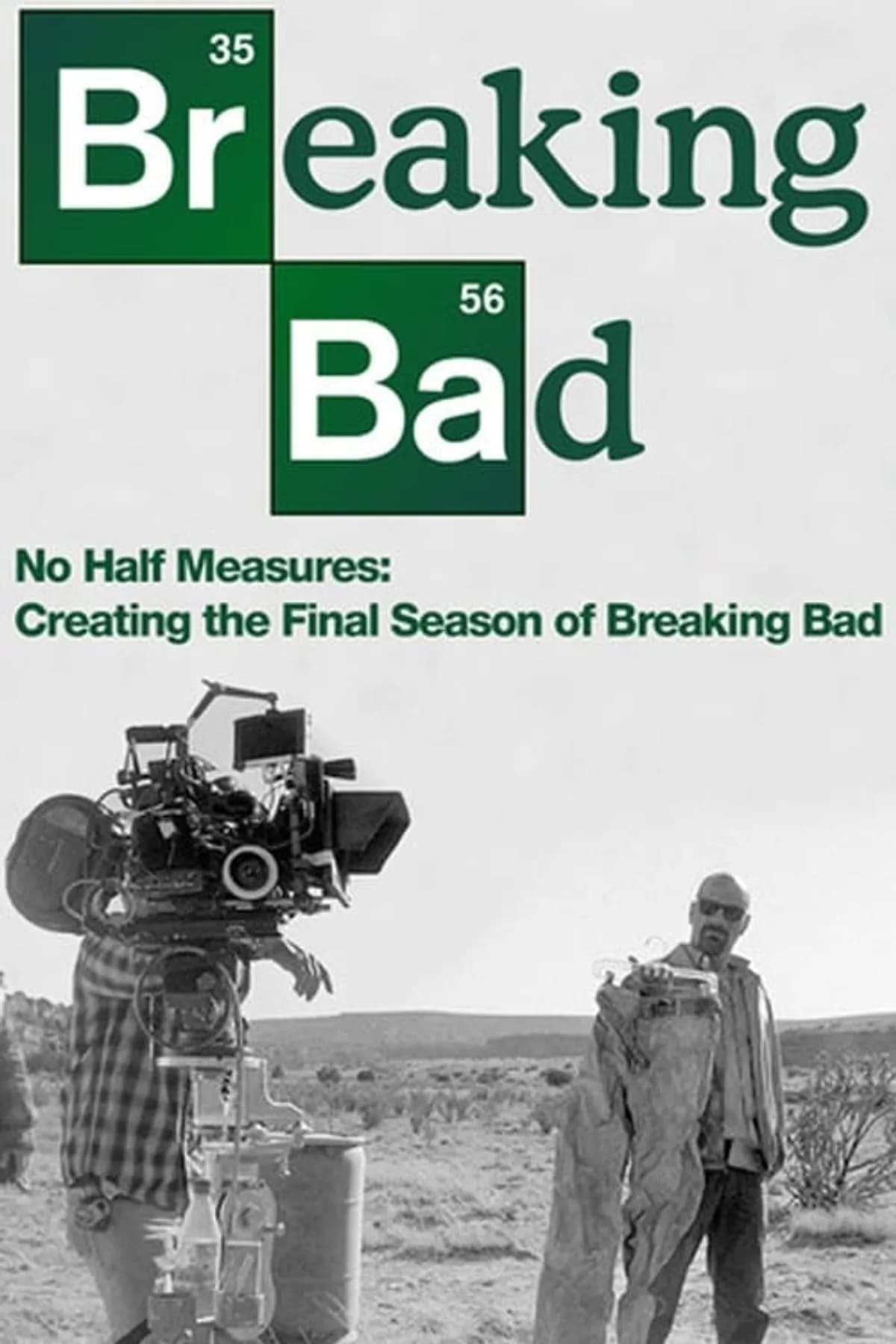
A documentary about the making of season five of the acclaimed AMC series Breaking Bad.
Daniel Craig candidly reflects on his 15 year adventure as James Bond. Including never-before-seen archival footage from Casino Royale to the upcoming 25th film No Time To Die, Craig shares his personal memories in conversation with 007 producers, Michael G Wilson and Barbara Broccoli.
An inside look at one of the most anticipated movie sequels ever with James Cameron and cast.
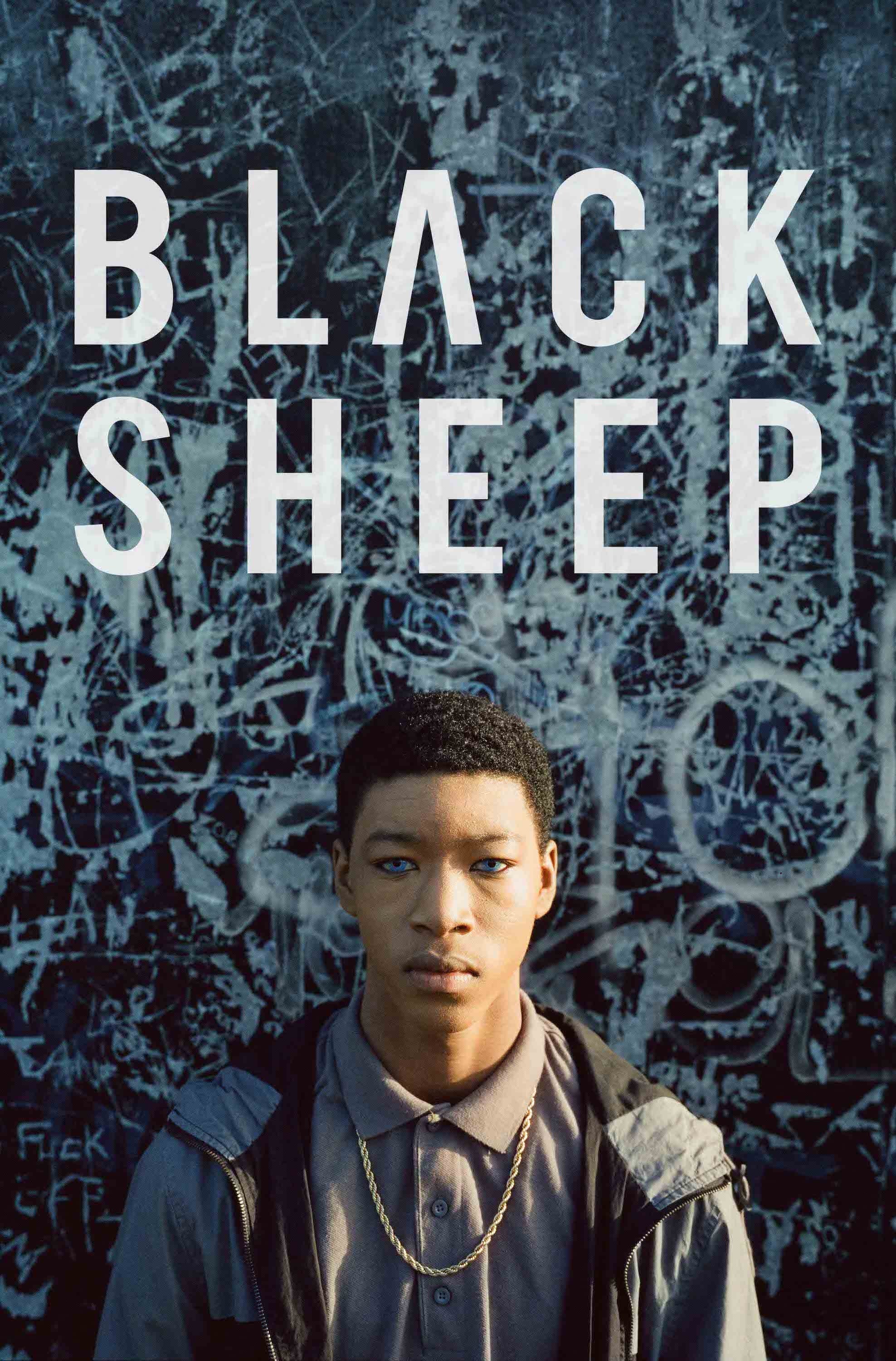
After the high-profile killing of Damilola Taylor, Cornelius' family move out of London. But when they discover their new town is run by racists, Cornelius takes a drastic step to survive.
A documentary about the life and films of director John Ford.
JB Smoove and Martin Starr host a celebration of 20 years of "Spider-Man" movies, from the Sam Raimi trilogy to Marc Webb's movies and the trio from Jon Watts.