Canada is facing a housing crisis, and cooperative housing might be a part of the solution.
Social & External
Narrator (voice)
PROJEKT A is a documentary that resists the common clichés about anarchism to instead show anarchist ideas of a society in which no one shall have the power to control knowledge, natural resources, land, soil or other people. After inspiring over 25,000 German cinema-goers, this award-winning documentary about anarchism and anarchist projects in Europe is now available on VoD! “Projekt A stirs up the audience and is grippingly shot, getting close to the kinds of tenacious people who are so vital to change in our society.” (kinokino) “…a cinematic portrait, not of anarchy, but of anarchists. A story, not of possibilities, necessities or even failure, but a depiction of achievements, initiative, action, ideas, as well as success.” (kino-zeit.de) Audience Award Filmfest Munich
This short documentary examines the complex range of issues affecting urban transport in developing countries. After examining cost and available technology, as well as the different needs of the industrialized middle class and the urban poor, the film proposes some surprising solutions.
Directed by Jean Rouch.
This documentary presents a before-and-after picture of people in a large-scale public housing project in Toronto. Due to a housing shortage, they were forced to live in squalid, dingy flats and ramshackle dwellings on a crowded street in Regent Park North; now they have access to new, modern housing developments designed to offer them privacy, light and space.
"Ellas en la ciudad" (Them in the City) focuses on the first settlers of the neighborhoods on the outskirts of Seville. Through their stories, we discover that they have been the backbone of a city that has turned its back on them.
"This film is one of the first French Unit productions of the “Société Nouvelle/Challenge for Change” program. When an old area of Montréal is to be demolished to make way for a new low-income housing development, is there anything the residents can do to protect their own interests? The film documents such a situation in the Little Burgundy district of Montréal and shows how the residents organized themselves into a committee that successfully influenced the city’s housing policy." - Anthology Film Archives
Following a commission from the College of Architects of Seville, for the production of a documentary about the La Alameda de Hércules area of the Sevillian capital in a debate about its possible destiny and urban planning challenges, the filmmaker Juan Sebastián Bollaín, offers this visionary realistic and critical, at the same time experimental and iconoclastic, portrait of the problem of the transformation of historic centers in our cities.
Writer and urban activist Jane Jacobs fights to save historic New York City during the ruthless redevelopment era of urban planner Robert Moses in the 1960s.
Montreal — one of the few remaining affordable cities in North America — is now in the midst of an unprecedented housing crisis. An intimate portrait of socio-political resistance, this multilayered film explores the human impact of real estate speculation on the cities of tomorrow.
Between 1968 and 1970, J M Goodger, a lecturer at the University of Salford, made a film record of the living conditions in the slums of Ordsall, Salford, which were then in the process of being demolished. Under the title 'The Changing face of Salford', the film was in two parts: 'Life in the slums' and 'Bloody slums'.
Exemplary in its town planning and administration, Bologna has been transformed into a city that is avant-garde, both socially and culturally, yet still preserves its historical roots.
Author and activist Jane Jacobs talks about the problems and virtues of North American cities.
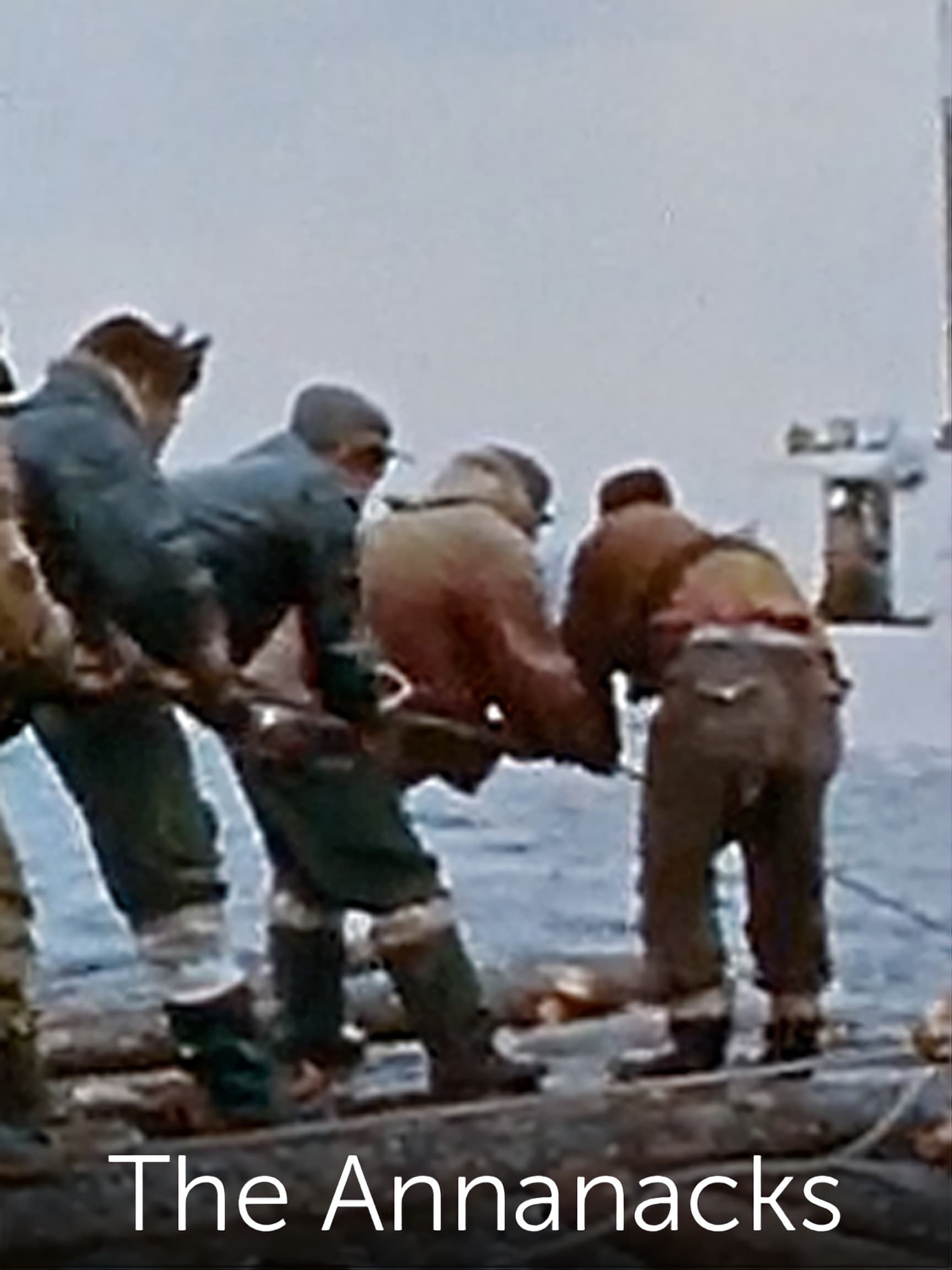
This short documentary depicts the formation in 1959 of the first successful co-operative in an Inuit community in Northern Québec. The film describes how, with other Inuit of the George River community, the Annanacks formed a joint venture that included a sawmill, a fish-freezing plant and a small boat-building industry.
Alanis Obomsawin’s documentary The People of the Kattawapiskak River exposes the housing crisis faced by 1,700 Cree in Northern Ontario, a situation that led Attawapiskat’s band chief, Theresa Spence, to ask the Canadian Red Cross for help. With the Idle No More movement making front page headlines, this film provides background and context for one aspect of the growing crisis.
Departing from peripheral details of some paintings of the Bilbao Fine Arts Museum, a female narrator unravels several stories related to the economic, social and psychological conditions of past and current artists.
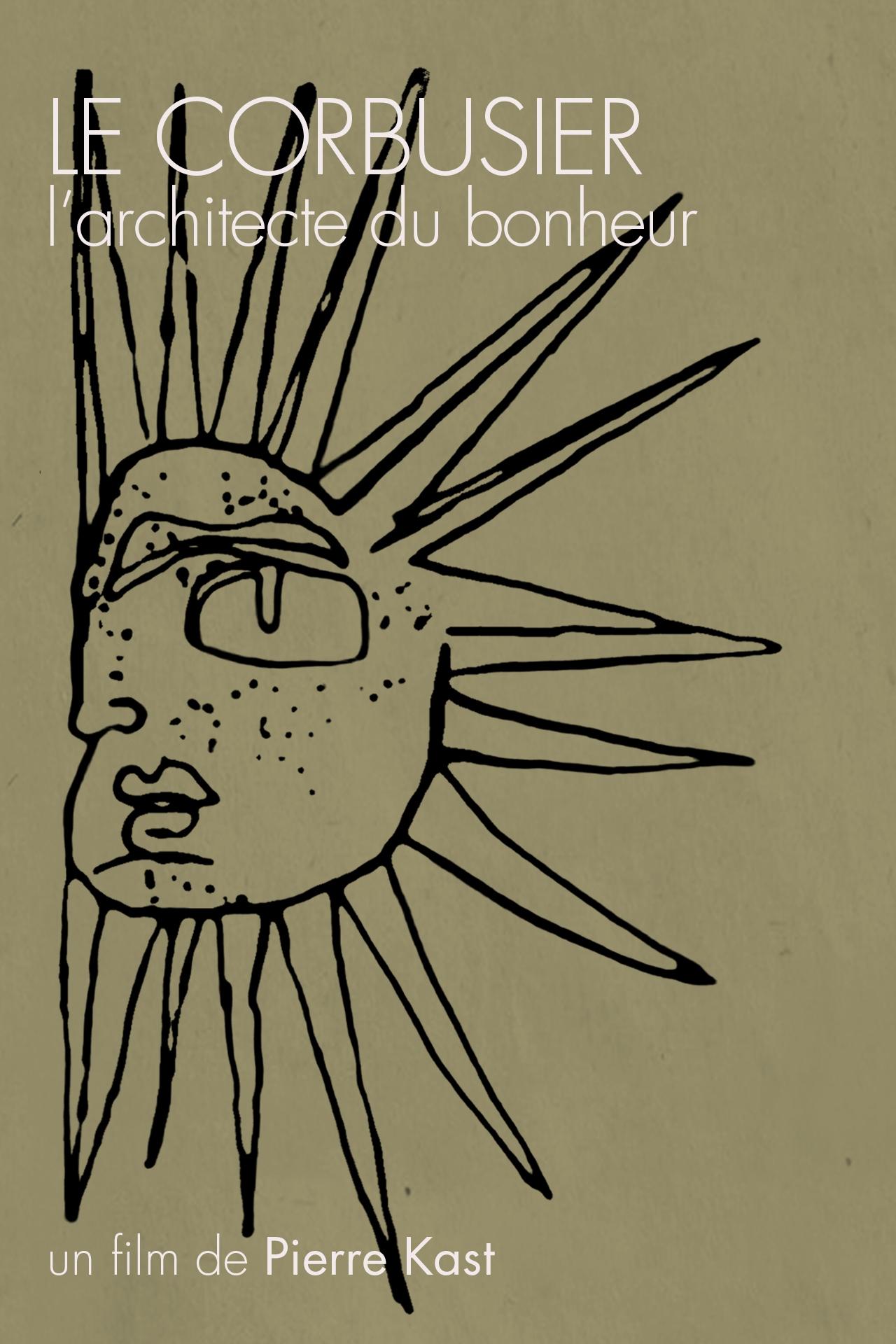
Documentary devoted to the architectural and urban planning designs of Le Corbusier. The architect supports his in-depth reflection on the city and its necessary adaptation to modern life with plans, drawings and images, particularly Paris, whose revolutionary development dreamed of by Le Corbusier is exhibited here. Its first projects will remain at the stage of a model: the modernization plan for the city of Algiers. Some will be created by other architects: Ministry of Education in Rio de Janeiro, UN Palace in New York. From the post-war period in less than 10 years, Le Corbusier created large housing units in Marseille, Nantes, a chapel in Ronchamps, a factory in Saint-Dié, a town in Chandigarh in India. Through diagrams, the architect presents his theory of the "radiant city", the mathematical key modulor of his work as well as his project for reorganizing the countryside, industrial and urban cities into a grouping around a cooperative system.