Social & External
Unknown Role
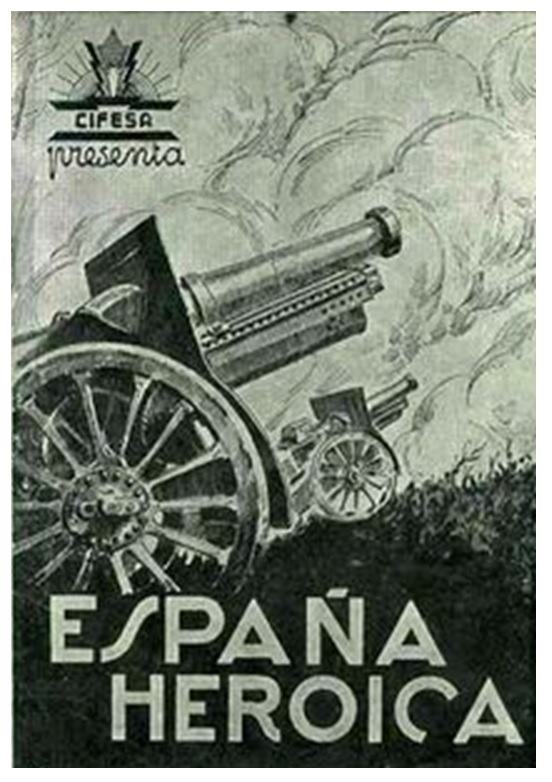
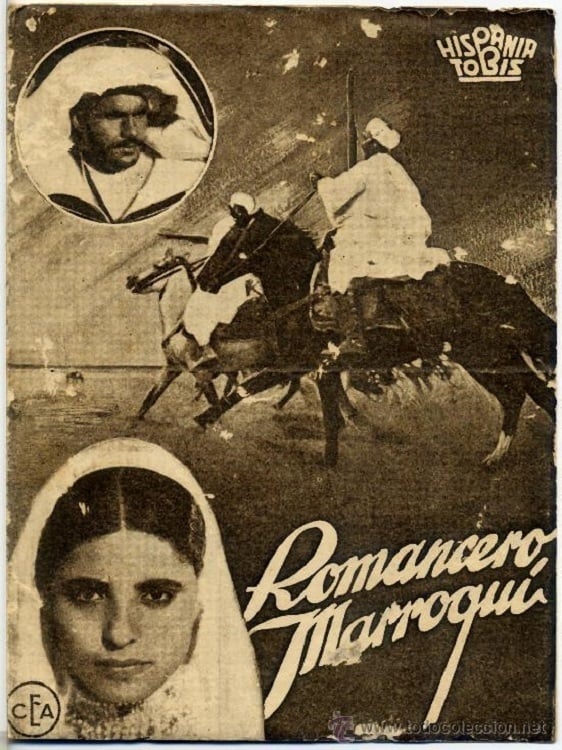
Documentary produced by Falange and edited in Berlin, in response to the international success of the Republican production "Spain 1936" (Le Chanois, 1937).
The young farmer Aalami leaves his family to find work elsewhere. He gets to know the country and its people, customs and traditions at Küste in North Africa: Market life in Tetuan, the art of craftsmanship, the life of the Moors, dances and festivities in honour of the caliph, white mosques, the call of the muezzin of the minaret and the music of the shepherd flutes. Aalami also follows Franco's call and flies from Morocco to Spain to fight at Bürgerkrieg. In the end Aalami comes back to his wife and children.
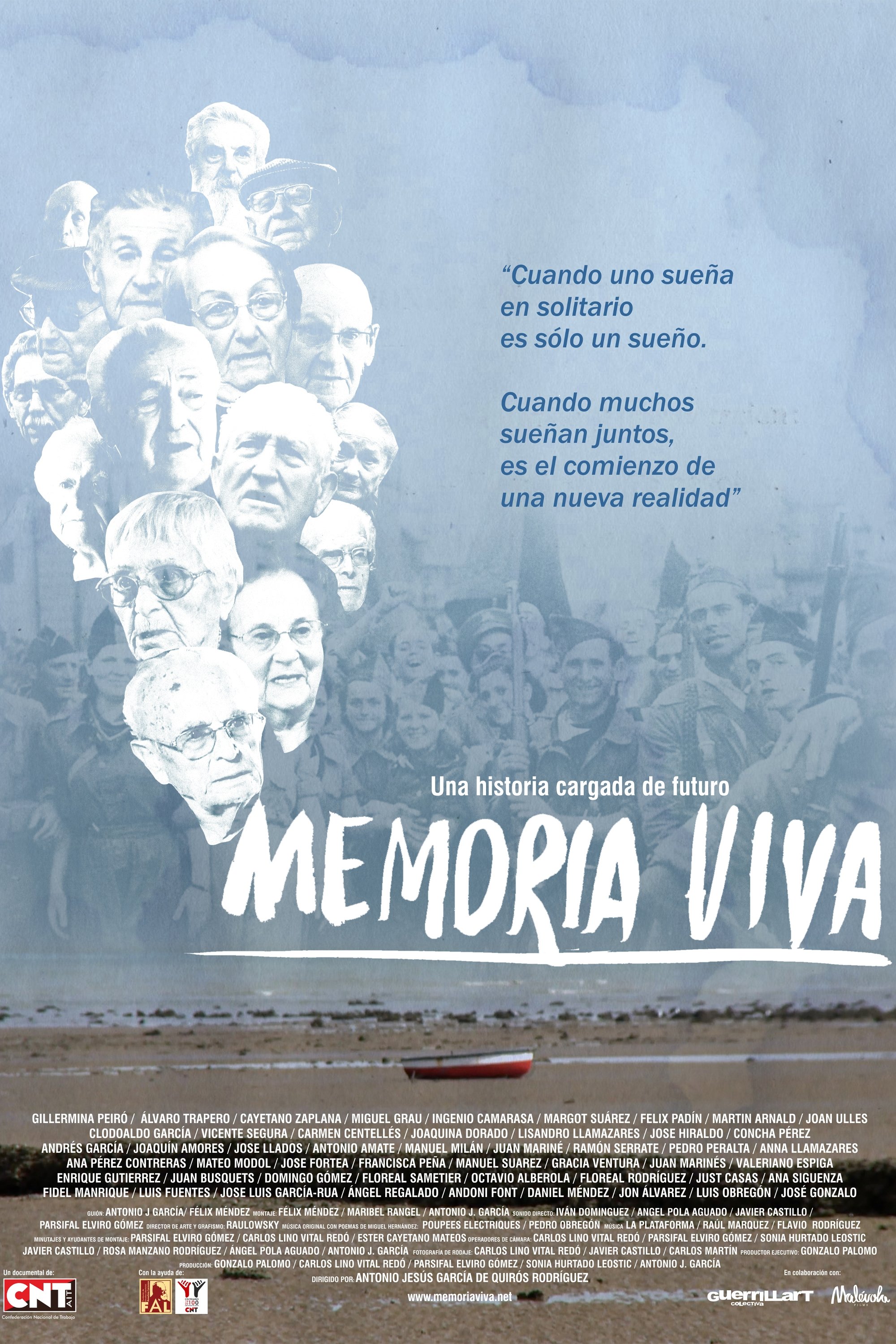
The Living Memory Project began back in 2009 on the 70th anniversary of the end of the Spanish Civil War with the recording of the event, organized in Paris to the Spanish Exiles and the victims of the Nazi extermination camp of Mauthausen. Our goal thereafter focused on collecting the greatest possible number of testimonies related to the history of Spanish anarcho-syndicalism. As part of the celebrations of 100 years of CNT we set up the project, the union decided to fund it and we set off . We travelled 12,000 km visiting three countries relying on the logistical support of CNT and selfless work of their members as well as partners Malicious Films GuerrillART. This is the result: 80 hours worth of records, 300 hours worth of testimony in timing and transcription meant for reference purposes at the Anselmo Lorenzo Foundation and 0 actors. Written by Antonio J. García de Quirós Rodríguez
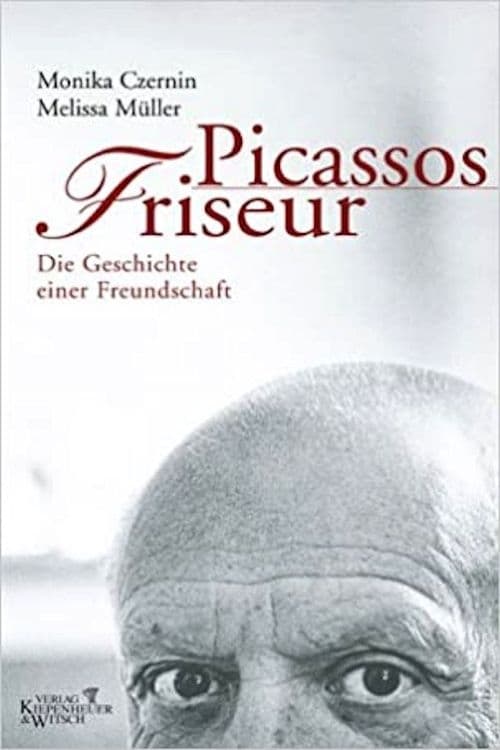
In 1948 Pablo Picasso met the hairdresser Eugenio Arias. Both were linked by the fate of emigration. If Picasso initially only had his hair cut by Arias, a deep friendship soon developed.
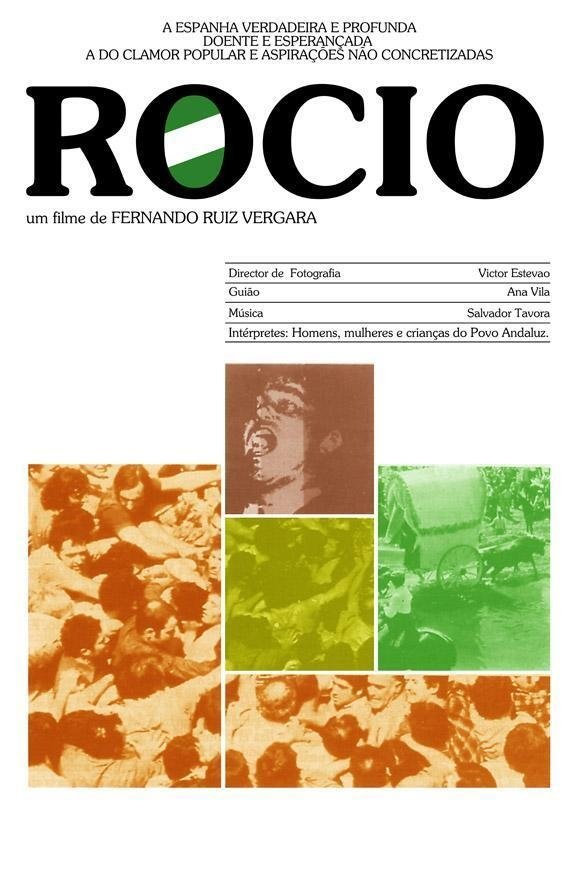
The film shows the genesis of the El Rocío pilgrimage and unveils the economic, socio-political and religious reasons and interests that nurture the phenomenon.
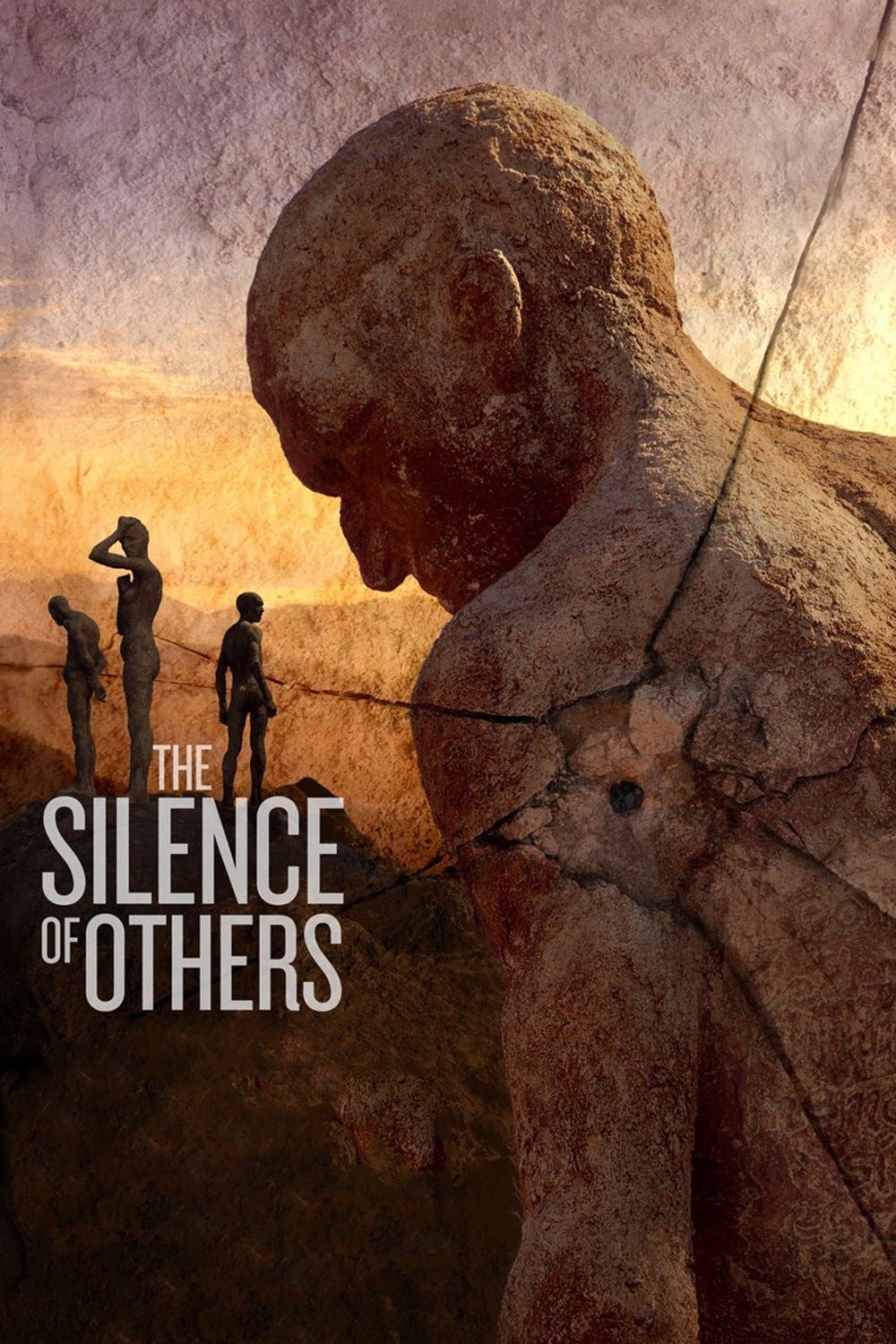
The story of the tortuous struggle against the silence of the victims of the dictatorship imposed by General Franco after the victory of the rebel side in the Spanish Civil War (1936-1975). In a democratic country, but still ideologically divided, the survivors seek justice as they organize the so-called “Argentinian lawsuit” and denounce the legally sanctioned pact of oblivion that intends to hide the crimes they were subjects of.
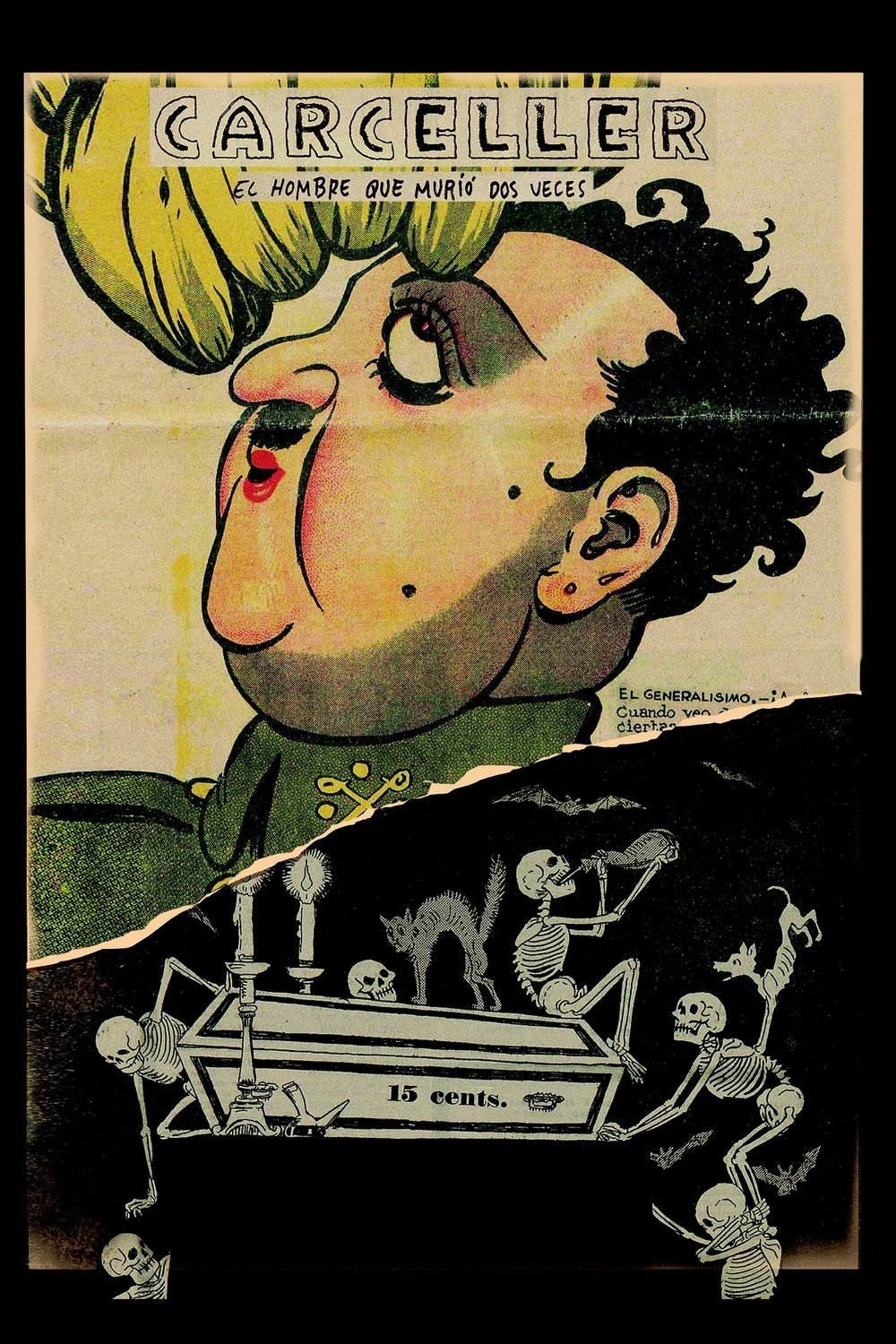
The life story of Vicente Miguel Carceller (1890-1940), a Spanish editor committed to freedom who, through his weekly magazine La Traca, connected with the common people while maintaining a dangerous pulse with the powerful.
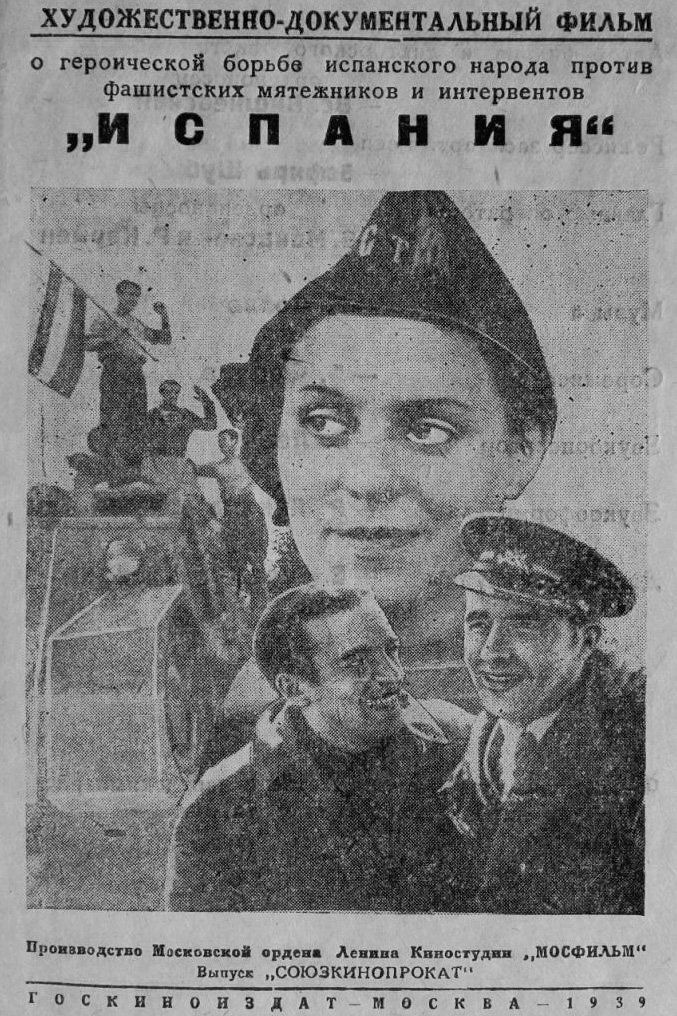
A feature-length documentary based on film reports from the Spanish civil war.
Women from the different Spanish regions dress in their traditional costumes to attend the triumphal parade celebrating the victory of Francisco Franco and the rebel side over the Second Republic in 1939; the deeds of past heroes are remembered; and a patriotic poem by Nicaraguan poet Rubén Darío is recited.
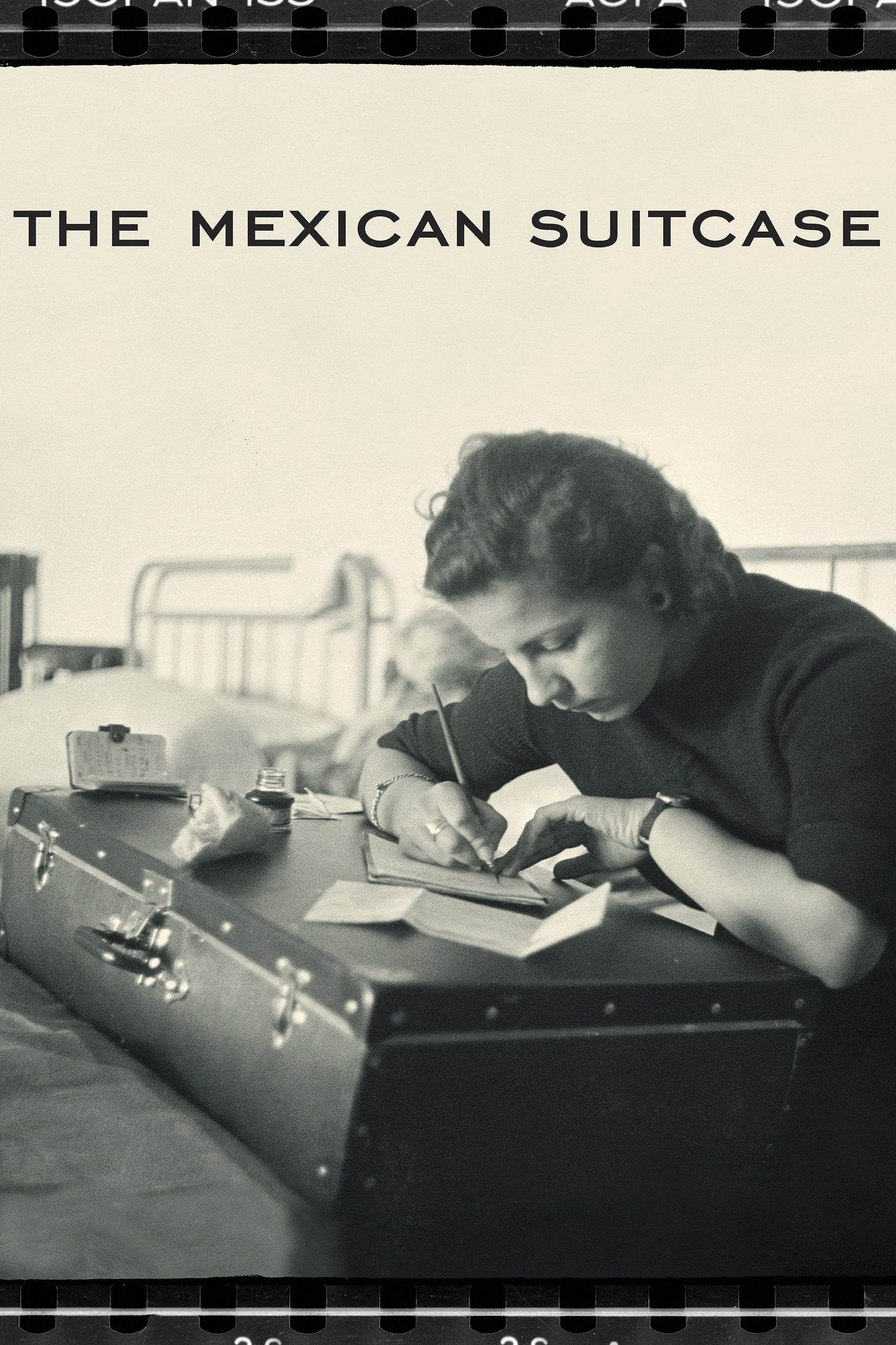
The story of the recovery of the negatives of thousands of photos taken by three photographers during the Spanish Civil War that were found seventy years later in a suitcase, inside a closet in Mexico City.
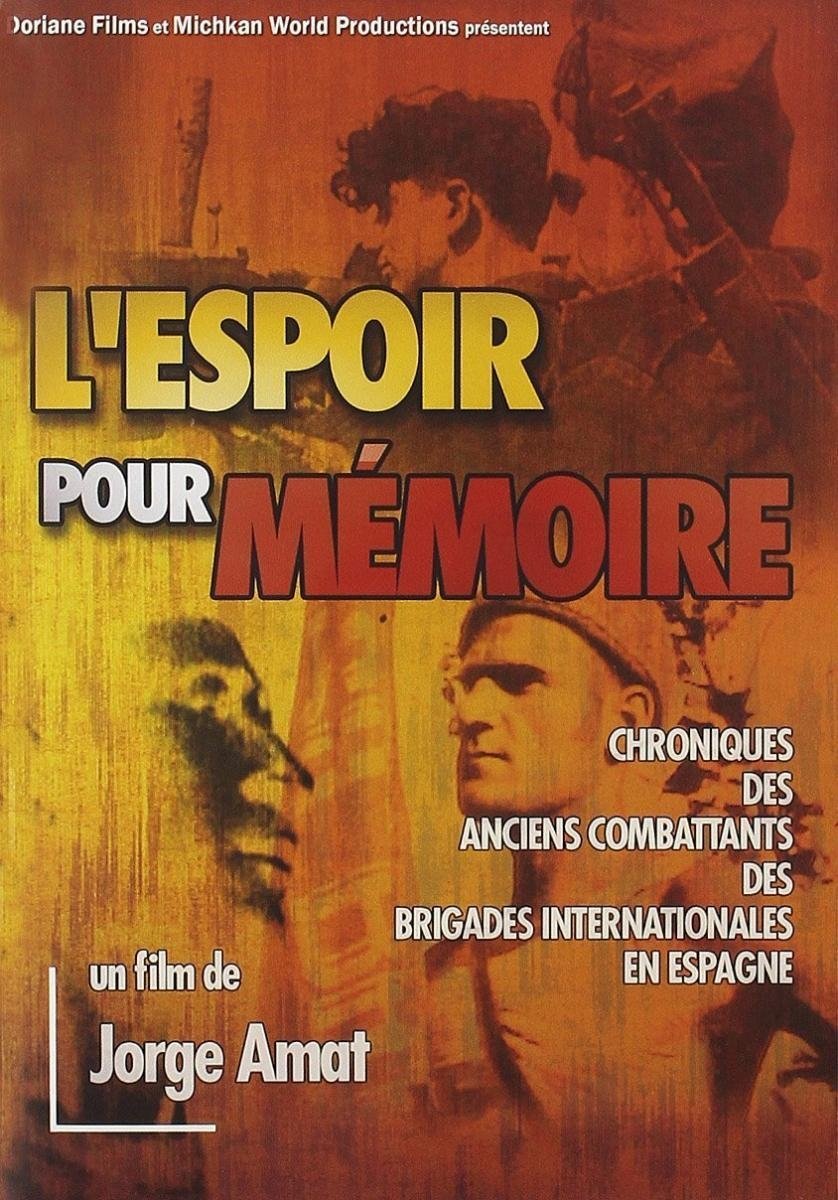
In july 1936, the civil war began in Spain, and it would last three years. Since then, it has constantly been a subject for fascination and controversy. What could have pushed leftists from all over the world to fight for a cause that their governments rejected? Why did young men leave their work, their family and their country, so they could join a fight that was somehow a rehearsal for World War II? Nearly 40.000 people enlisted to defend their ideals on a foreign territory. Chronicles Of Hope doesn't intend to describe the events of the civil war in a one-tracked political mould; the human dimension is here the center of interest.
In July 1936, the Spanish people resist the offensive by Franco’s army, backed by Italian and German fascists, aimed at conquering the country's major cities. Although many of the recruits to the new Republican Army are well trained, weapons and ammunition remain in short supply due to the non-intervention agreement initiated by France and signed by Italy and Germany. Yet the latter two countries continue to provide Franco’s army with military support and commit their troops on Spanish soil, while the fighters of the International Brigades return home.
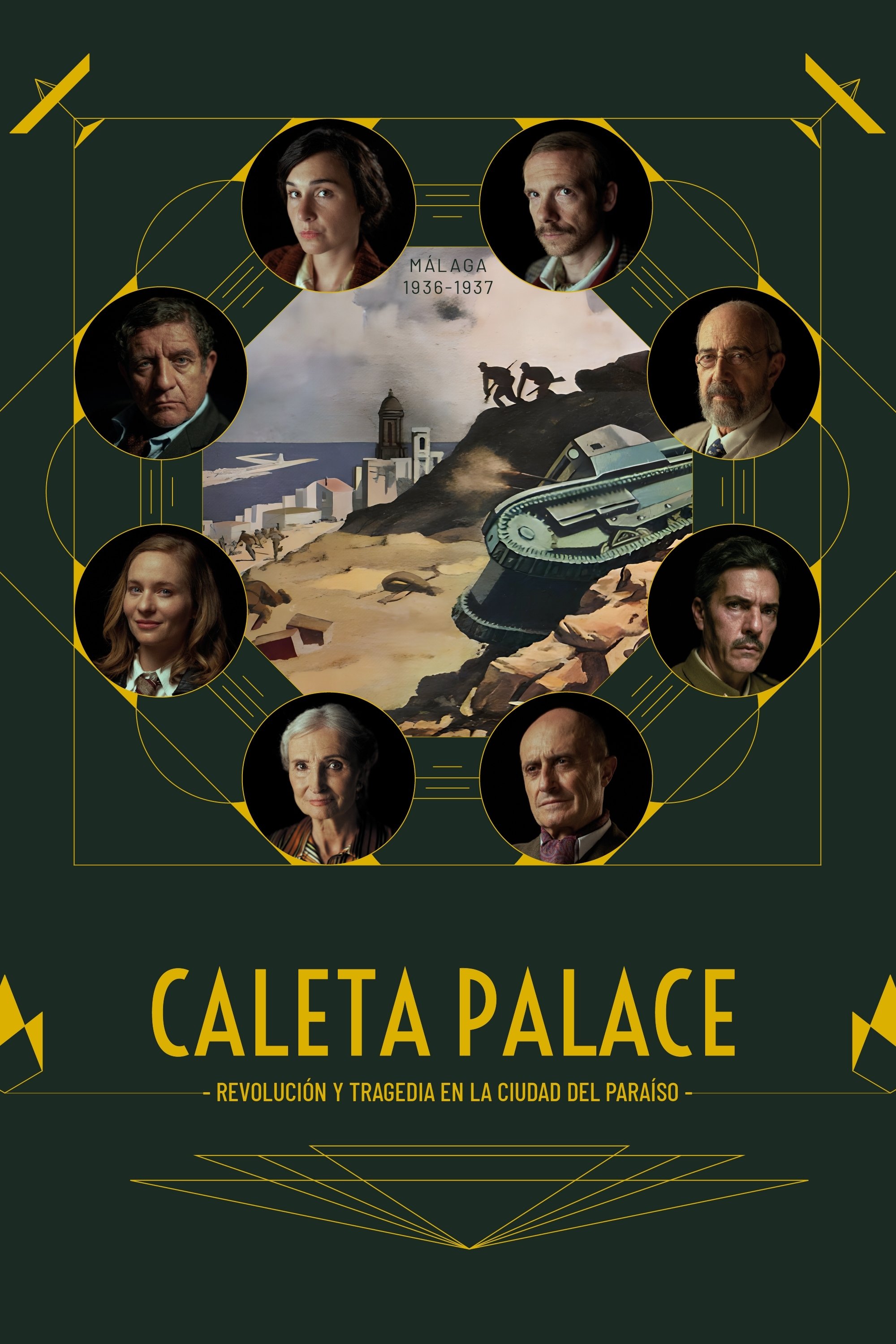
Eight foreign characters recall their exploits and fears in Malaga, a paradise city that starts a revolution on July 18th 1936, as the military coup is stopped by popular rebellion, until February 9th 1937, when Mussolini troops take Malaga and put it under the rule of Franco. Seven months that shape the stark tale of a besieged city, the first capital to be conquered in Spanish Civil War and a prelude of WW2.
The Spanish Civil War (1936-1939) caused a great impression on the lives of most of the American artists of that era, so many movies were made in Hollywood about it. The final defeat of the Spanish Republic left an open wound in the hearts of those who sympathized with its cause. The eventful life of screenwriter Alvah Bessie (1904-1985), one of the Hollywood Ten, serves to analyze this sadness, the tragedy of Spain and its consequences.
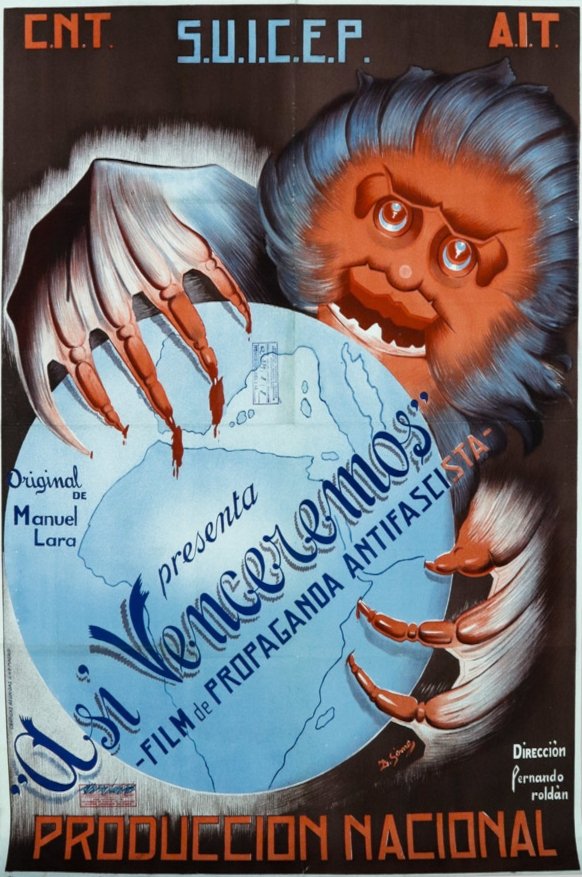
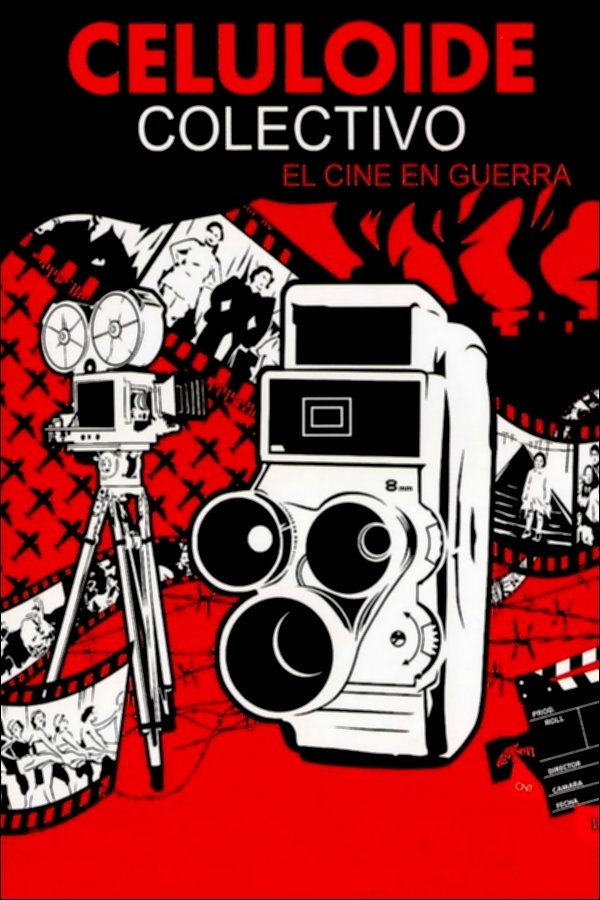
July, 1936. The terrible Spanish Civil War begins. When the streets are taken by the working class, the social revolution begins as well. The public shows are socialized, a model of production and exhibition of films, never seen before in the history of cinema, is created, where the workers are the owners and managers of the industry, through the unions.
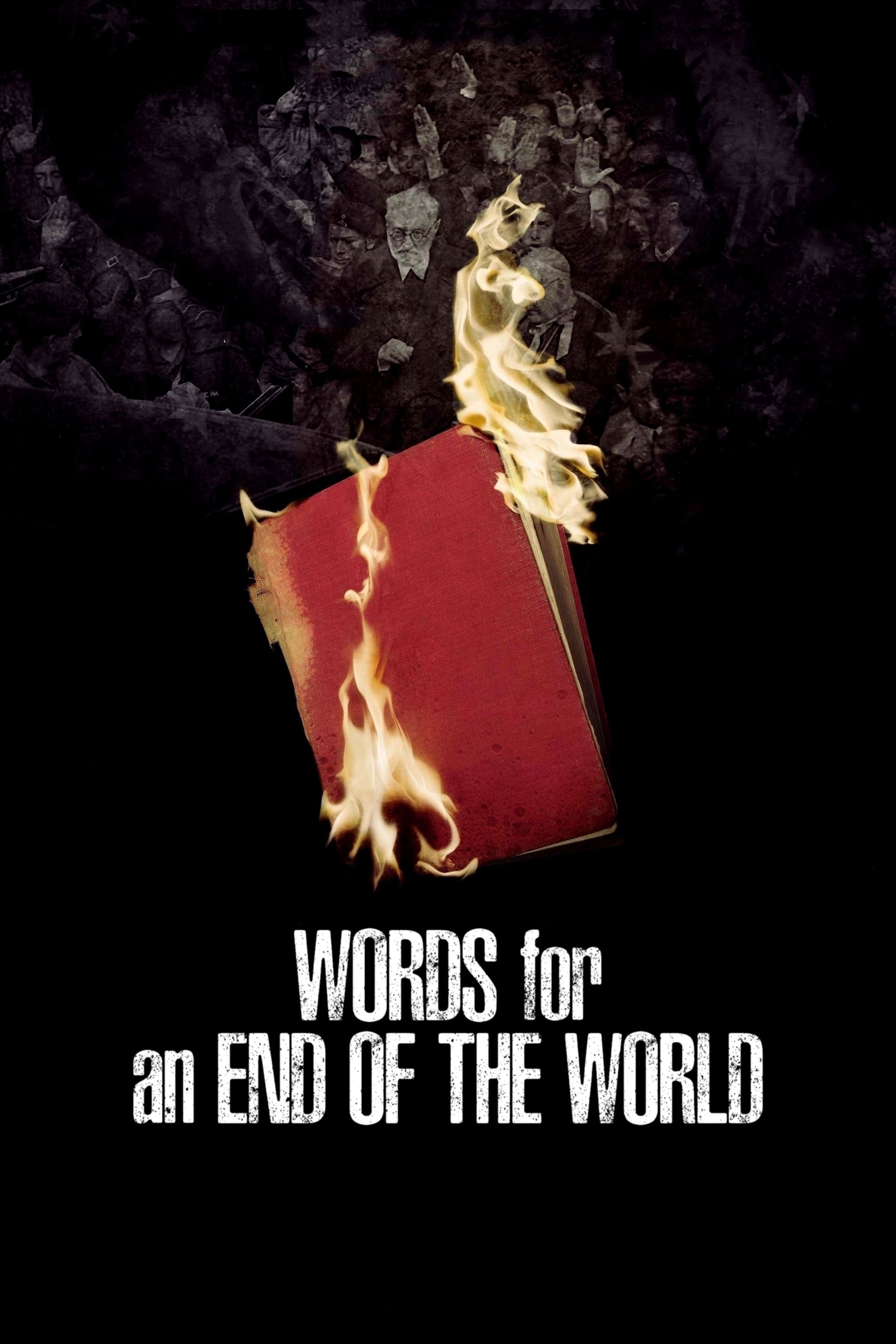
Spain, April 14, 1931. The Second Republic is born. From the beginning, the writer Miguel de Unamuno is considered one of the ethical pillars of the new regime. Five years later, on December 31, 1936, a few months after the outbreak of the Spanish Civil War (1936-39), Unamuno dies at his home in Salamanca, capital of the rebel side, led by General Francisco Franco, and main center of dissemination of its propaganda apparatus.
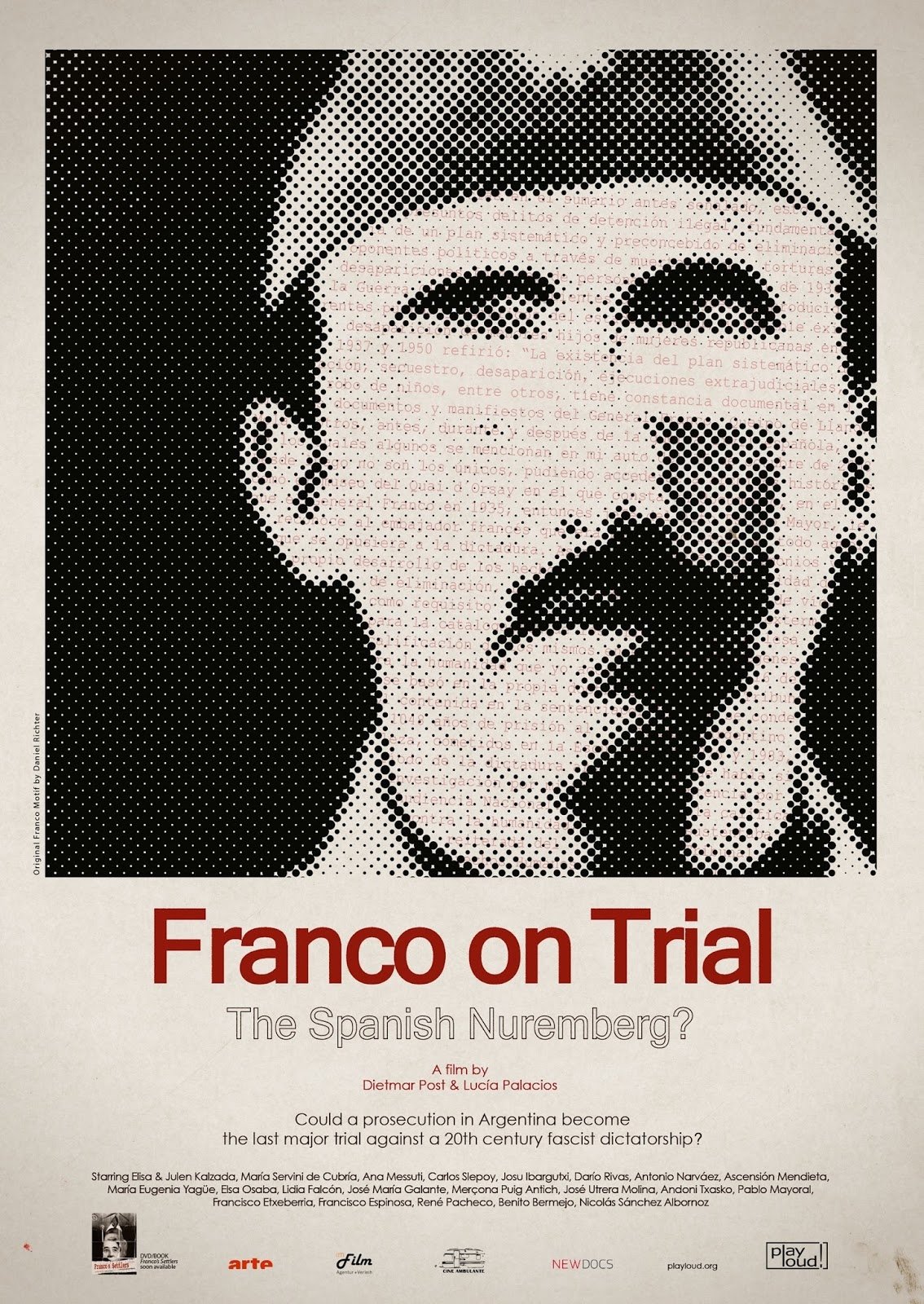
Franco on Trial is the new film by Dietmar Post and Lucía Palacios. After the success of Franco's Settlers, their first encounter with Franco's dictatorship, they are now setting their sights on one of the darkest chapters of European history: the presumed organized extermination that took place during the coup, the war, and the subsequent dictatorship led by Franco, as well as Argentina's current effort, by invoking the principle of universal jurisdiction, to prosecute Francoists accused of committing crimes against humanity. The film is also a sore reminder of an issue that still stands today: the clear-cut accountability held by Germany, Italy, and Portugal. The film accomplishes to give both sides a voice - those against whom the killing has been directed; and the side of the perpetrators.
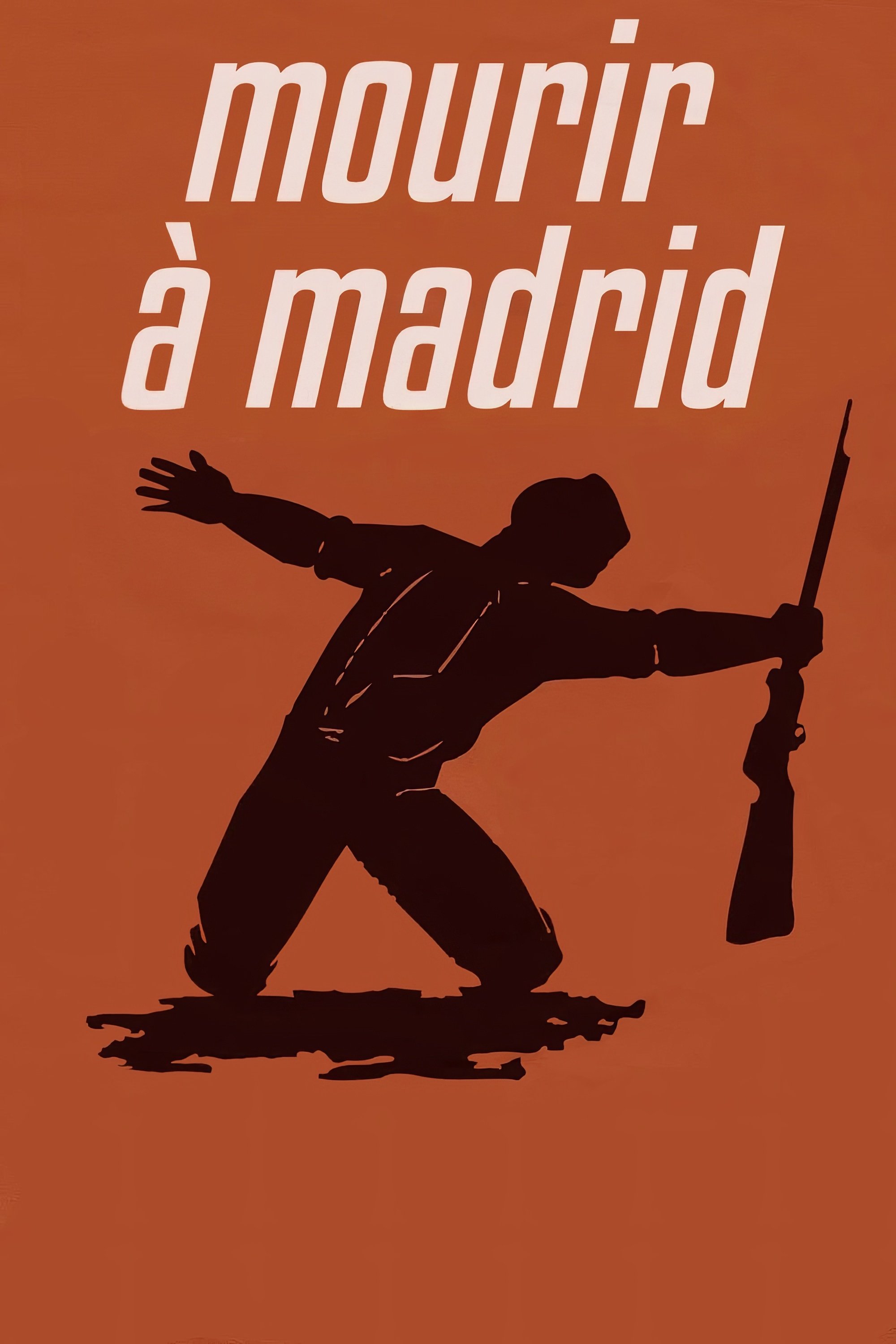
Morir en Madrid brings together several papers on the Spanish Civil War and integrates capturing different points of view, intended to represent the continuity of the suffering of the Spanish during the Franco regime. The death of Federico Garcia Lorca, Guernica, the defense of Madrid, the International Brigades, are some of the items comprised in this document.