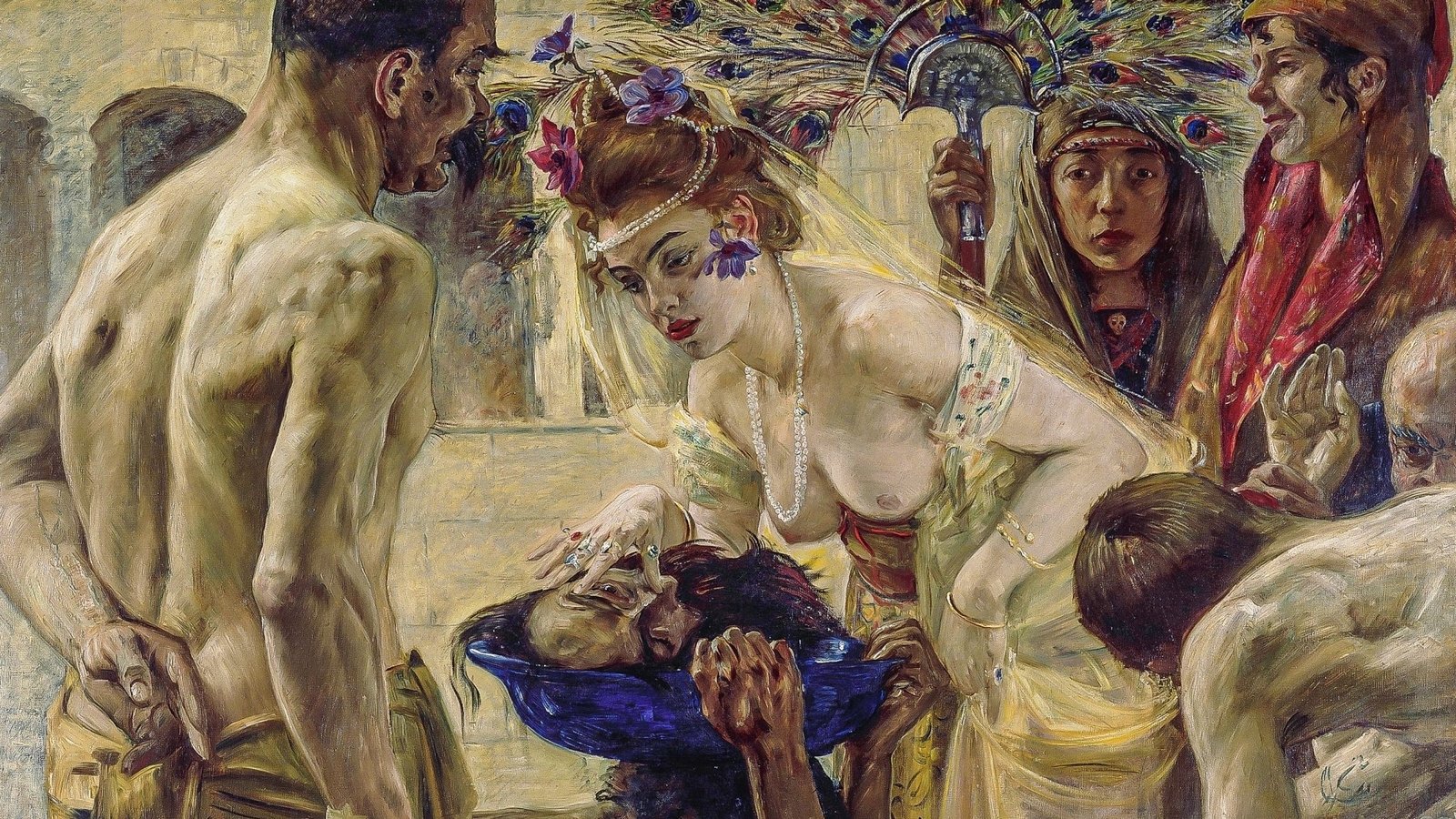
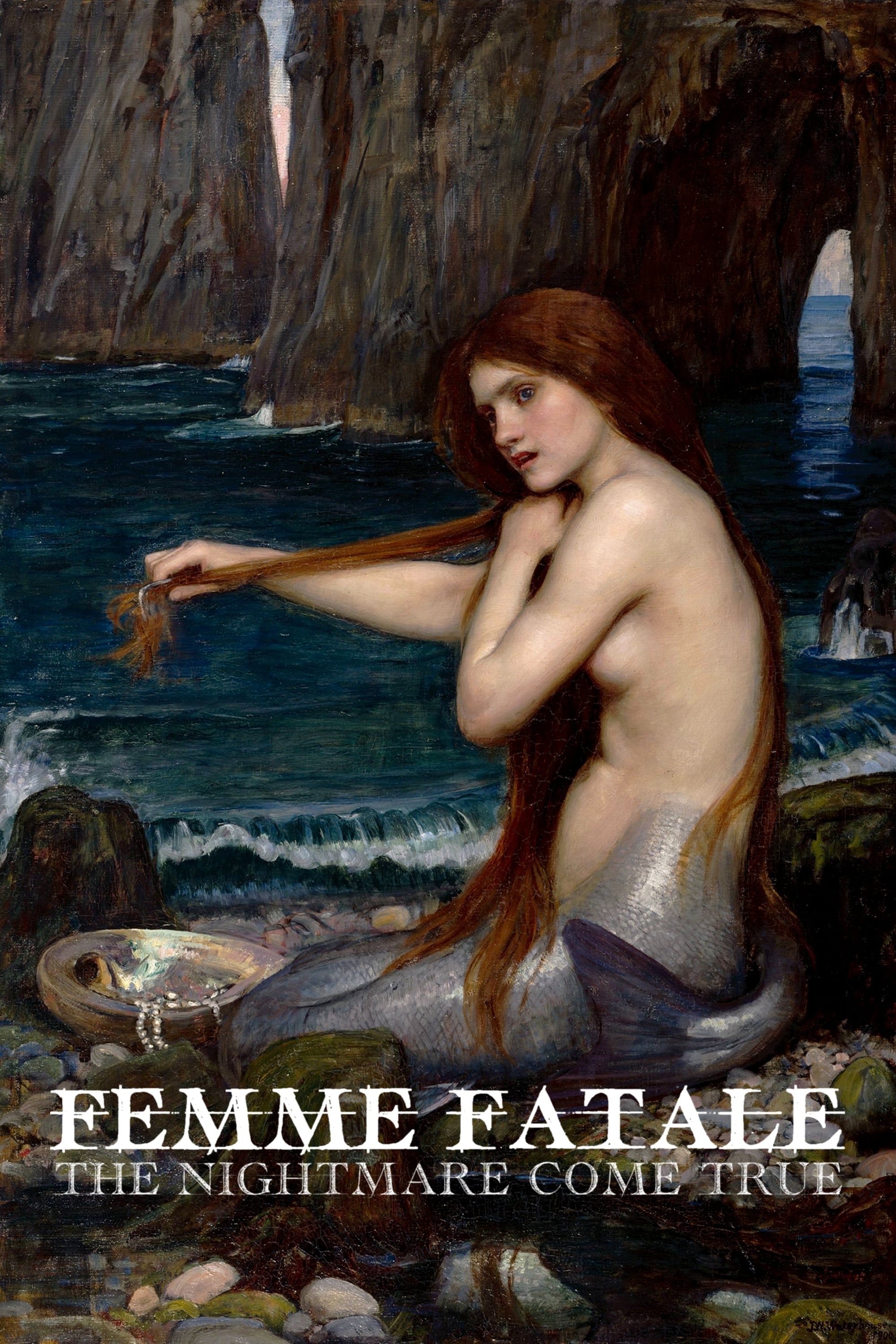
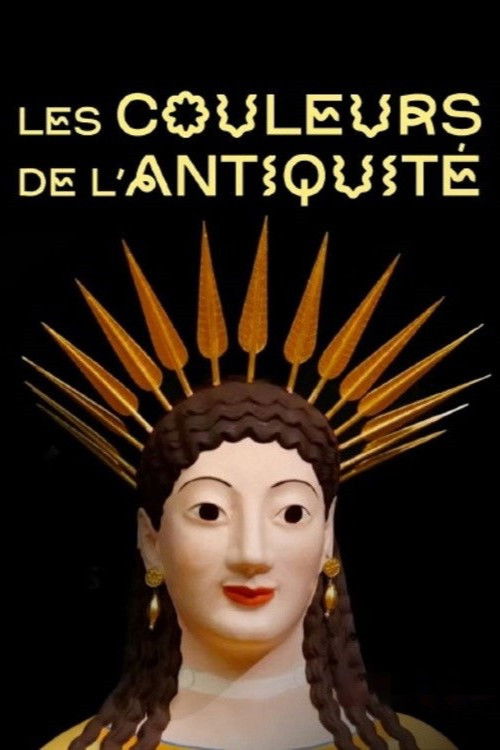
The passionate story of the femme fatale, seductive and dangerous, a myth and a fantasy, through her representation in art.
Social & External
The people behind it
Nadja Schulz-Berlinghoff
Self - Narrator (voice)
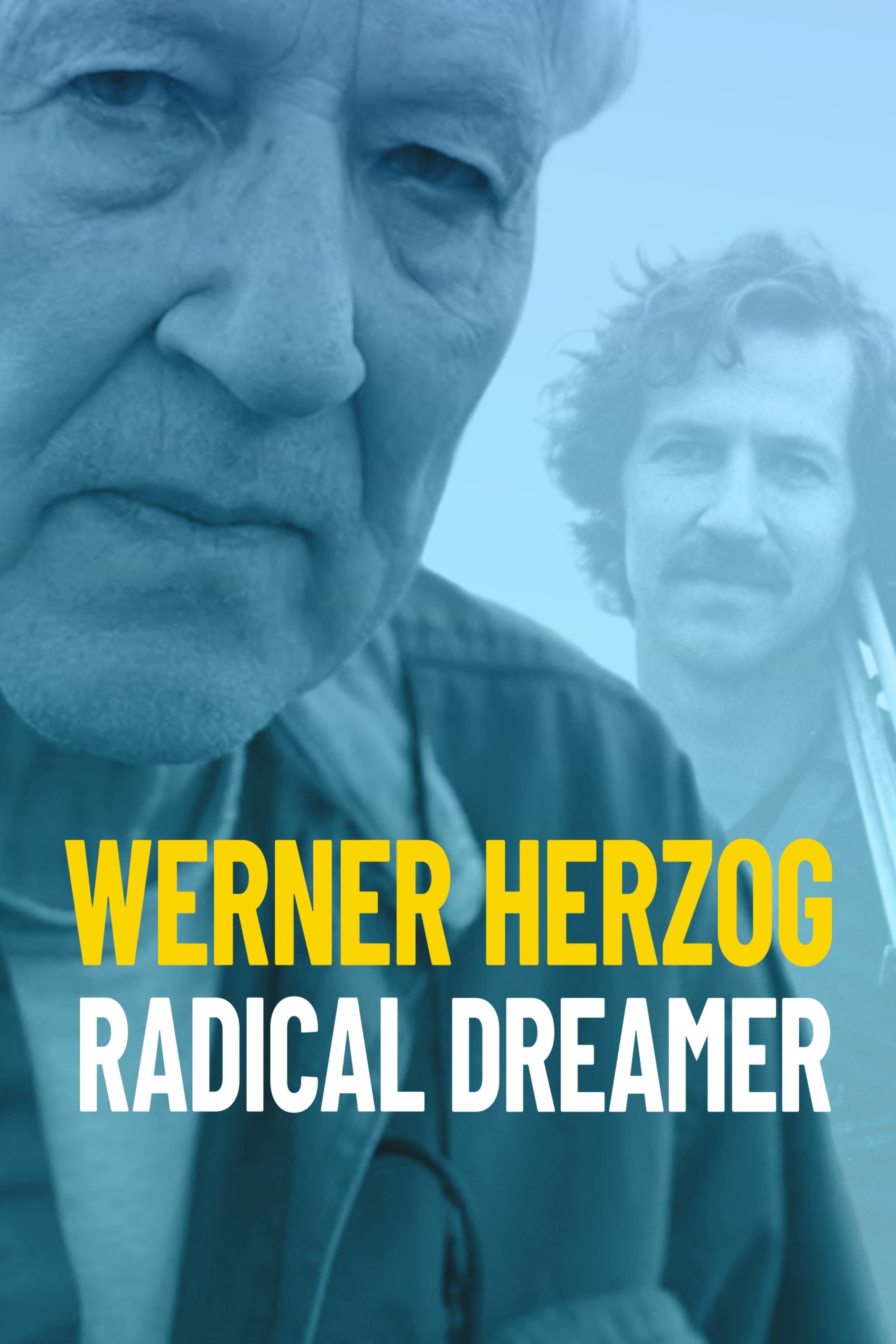
With exclusive behind-the-scenes access into Herzog’s everyday life, rare archive material and in-depth interviews with celebrated collaborators – including Christian Bale, Nicole Kidman, and Robert Pattinson, we are given an exciting glimpse into the work and personal life of the iconic artist.
Black Is the Color highlights key moments in the history of Black visual art, from Edmonds Lewis’s 1867 sculpture Forever Free, to the work of contemporary artists such as Whitfield Lovell, Kerry James Marshall, Ellen Gallagher, and Jean-Michel Basquiat. Art historians and gallery owners place the works in context, setting them against the larger social contexts of Jim Crow, WWI, the civil rights movement and the racism of the Reagan era, while contemporary artists discuss individual works by their forerunners and their ongoing influence.
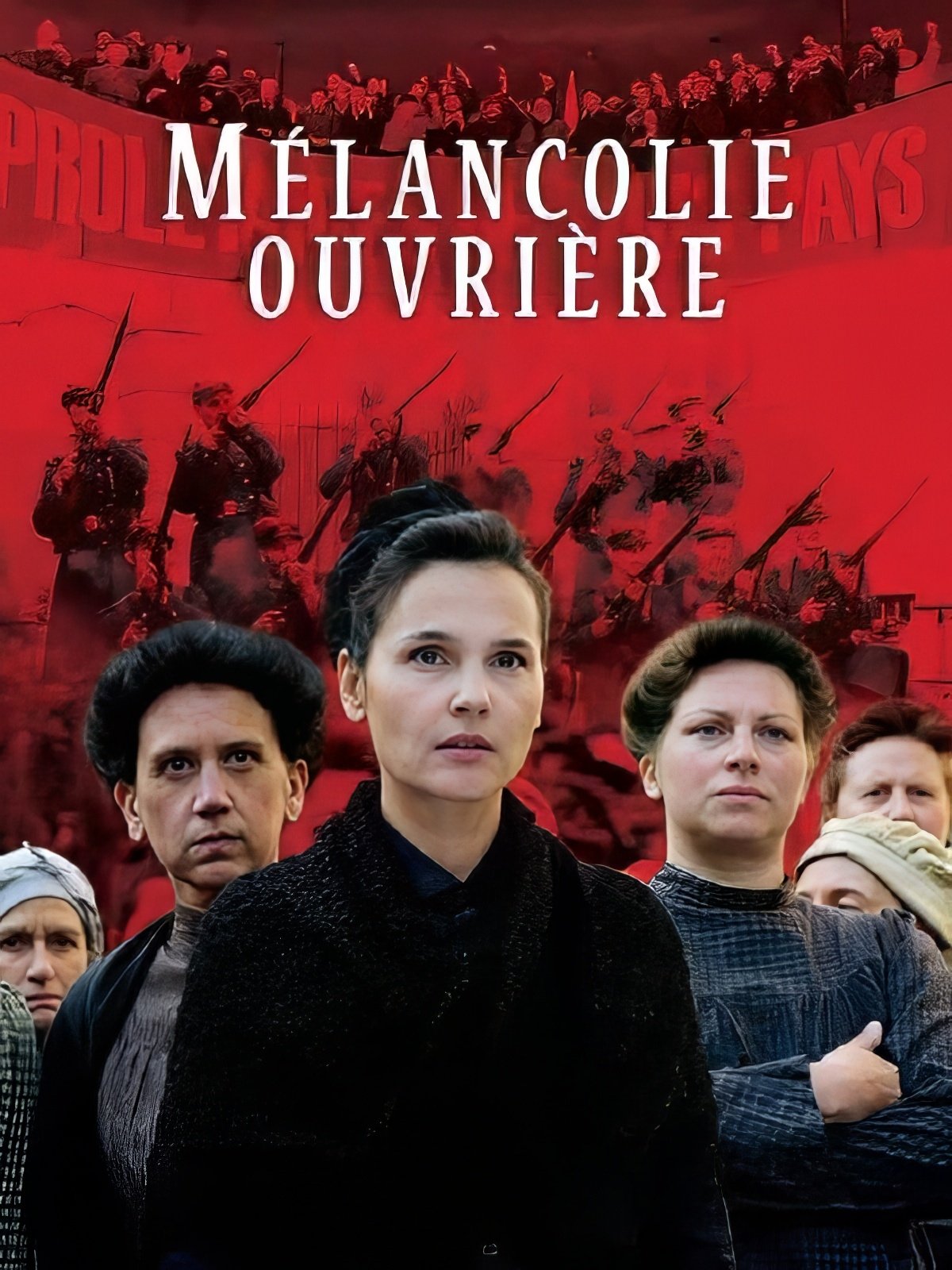
Long live the strike! Lucie Baud, one of the pioneers of the women's movement, went with creativity, fighting spirit and the power of singing against the weapons of male-dominated capitalist society in nineteenth-century France. The film, based on true events, describes the ambitious fight of a silk moth. She stood up for the rights of the female working class to end maltreatment and oppression once and for all. For the revolution in women's rights, she even put her family back and fought to the end for their beliefs.
Three suitors, three princes, vie for the hand of Princess Lejada. But she rejects them all. The offended suitors decide to punish the proud princess and offer her an unknown young man as a suitor of noble birth. But he is a poor shepherd who falls in love with the princess, and she with him. However, he must not reveal his true identity. He promises to remain silent and do as he is told. In the end, however, he confesses to the princess who he really is. This enrages the princes and suitors... The theme of the fairy tale is loosely based on a Hindu myth belonging to the field of Indian religious literature and dealing with the fates of gods and earthly heroes. The main character is the Hindu goddess Kali, a symbol of maternal instincts and cults. The second hero is her son, a young shepherd who, at the end of the fairy tale, takes his mother's name in her divine honor. The story takes place in India in the 6th century BC.
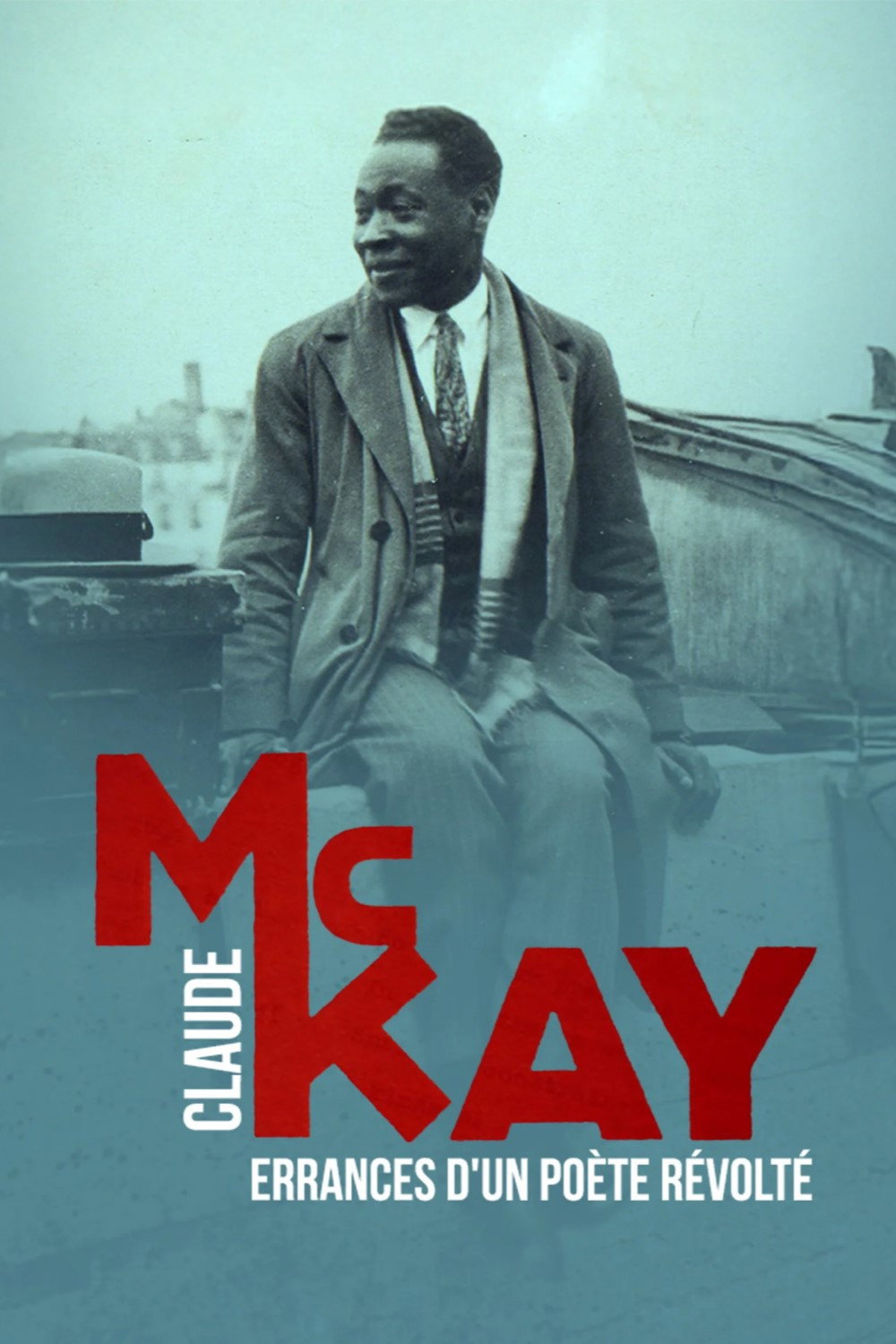
At the crossroads of Black literary consciousness and political struggle, the ideas of Claude McKay, Jamaican poet and novelist, laid the foundations for major literary movements, including Négritude. Proudly wandering, both bohemian and politically committed, a chameleon with a magnetic personality, he traveled across the globe: New York’s literary scene, Parisian aristocracy, Communist intelligentsia in Russia, and Black diasporas in the port of Marseille. Using archival materials and texts read in voice-over by Gaël Faye and Manon Azem, the film traces McKay’s journey as he crosses paths with major figures of his time, from George Bernard Shaw to W.E.B. Du Bois, Trotski, and many others.
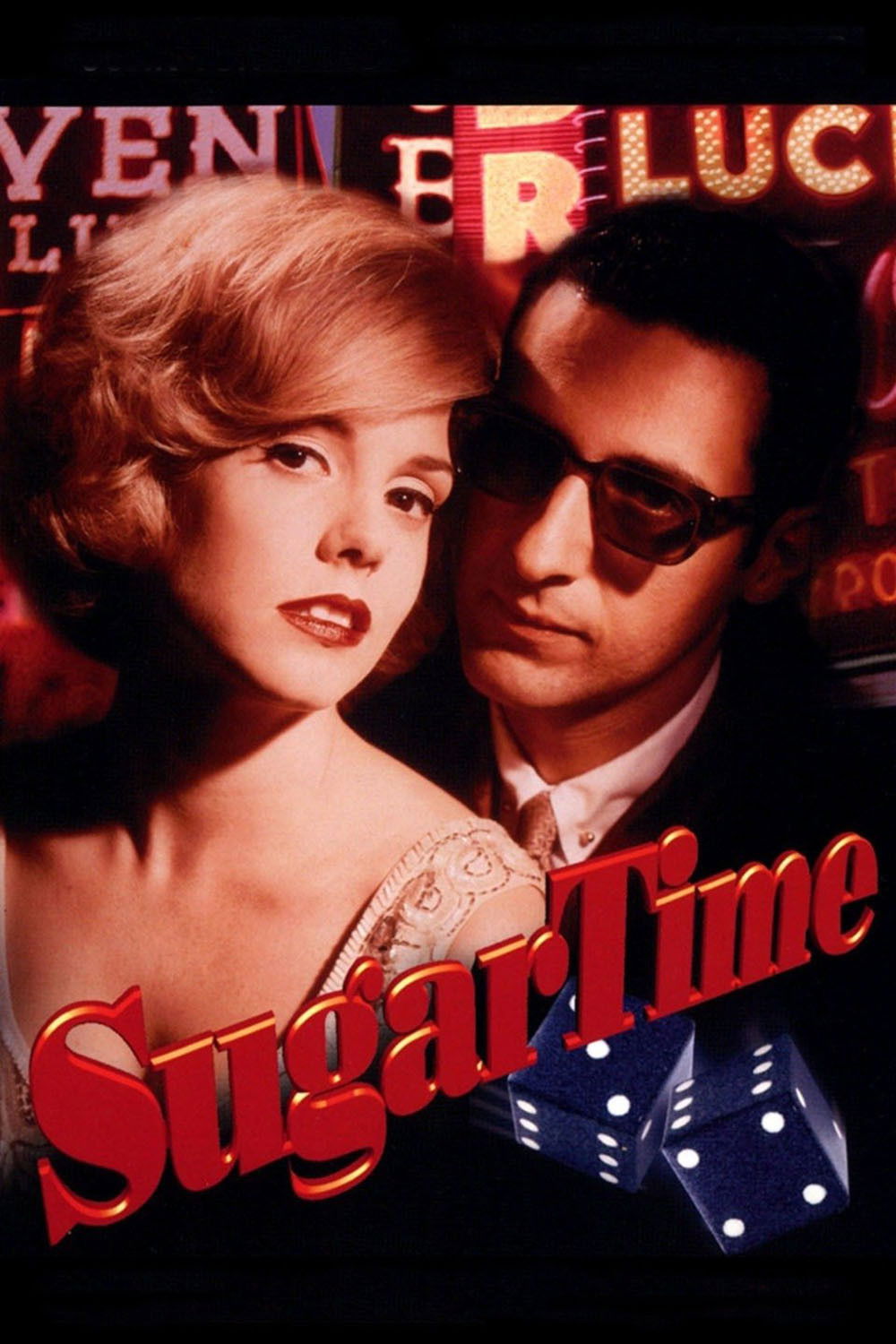
Sam Giancana is a ruthless mob boss from Chicago. During a trip to Las Vegas, he sees a performance by the McGuire Sisters, a popular singing group with a pure image. Sam is attracted to Phyllis and begins aggressively courting her. The two enter into an epic romance, but it brings unwanted attention and tarnishes Phyllis's reputation. For Sam, however, the consequences are far more drastic, landing him in trouble with the law and his fellow mobsters.
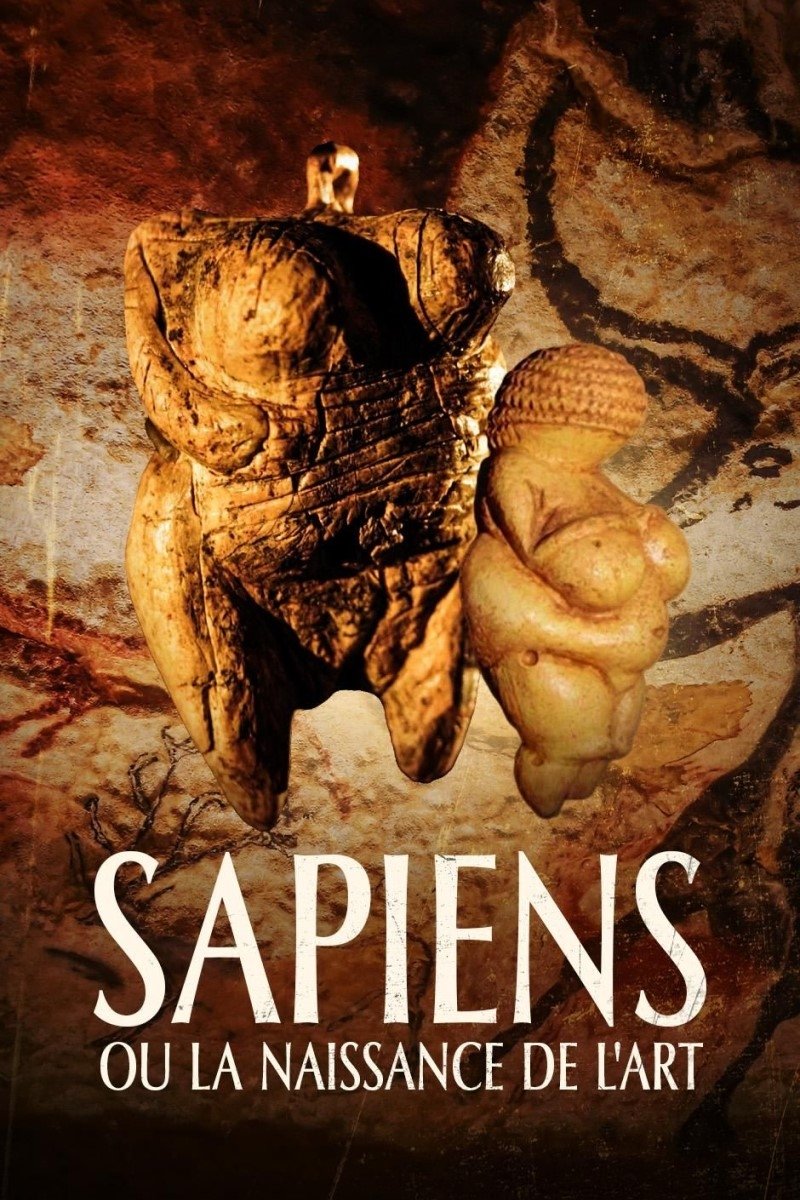
We immerse ourselves in a quest for the origins of Art, among the very first modern humans. The prehistoric works, of incredible richness and diversity, tell a story of beauty and the species. Researchers, including archaeologists, but also art historians, philosophers and contemporary artists, enrich our view of prehistoric art with their different, but also complementary, points of view on the subject.
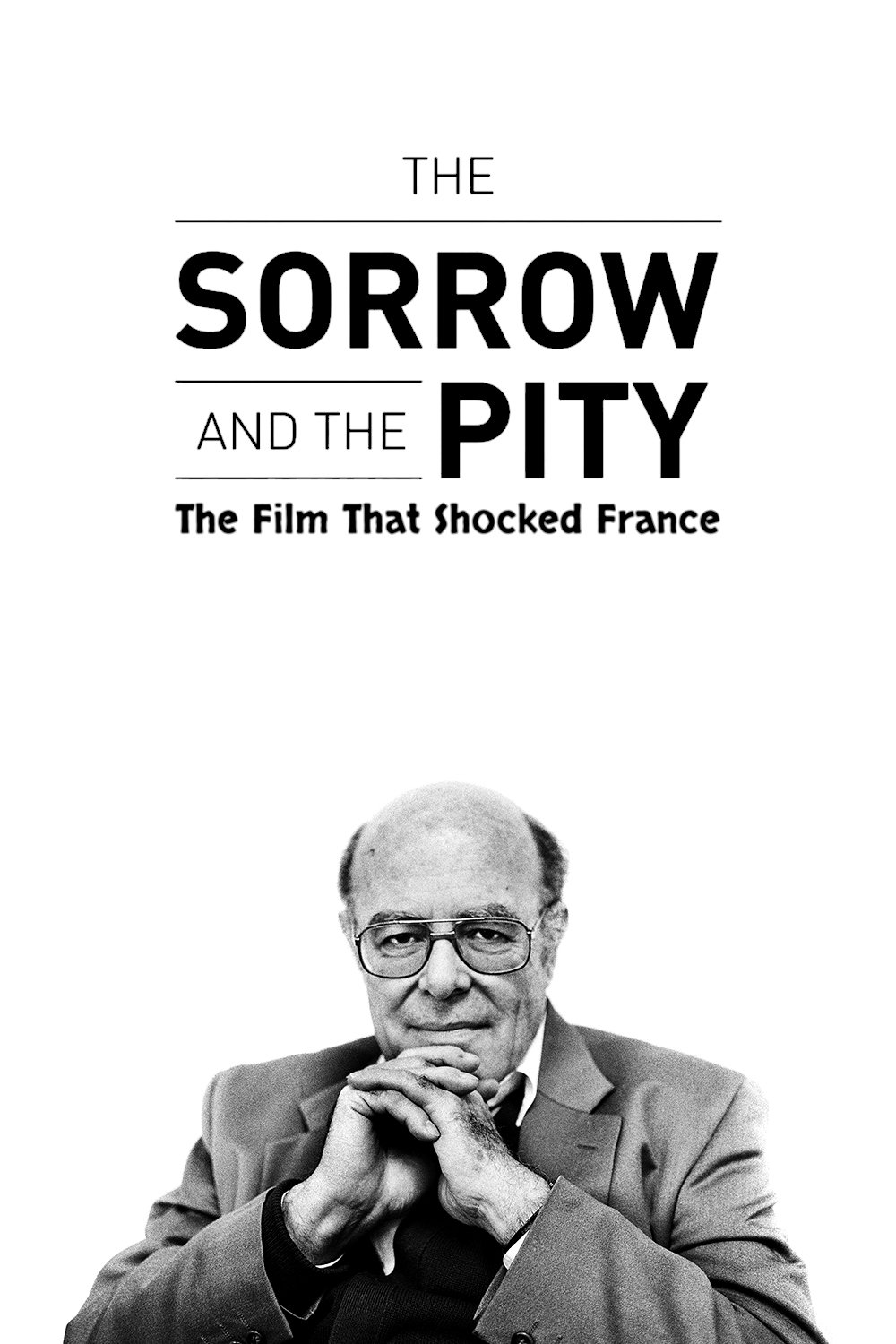
The story of the documentary The Sorrow and the Pity (1971), directed by Marcel Ophüls, which caused a scandal in a France still traumatized by the German occupation during World War II, because it shattered the myth, cultivated by the followers of President Charles de Gaulle (1890-1970), of a united France that had supposedly stood firm in the face of the ruthless invaders.
Performance and conversation with husband-and-wife poets Donald Hall and Jane Kenyon at a New Jersey festival, in their Wilmot, NH hometown and their Eagle Pond farmhouse.
Russell revisits the life of composer Edward Elgar, using his own music as the score and featuring evocative, visually rich scenes, often set in the Malvern Hills where Elgar grew up.
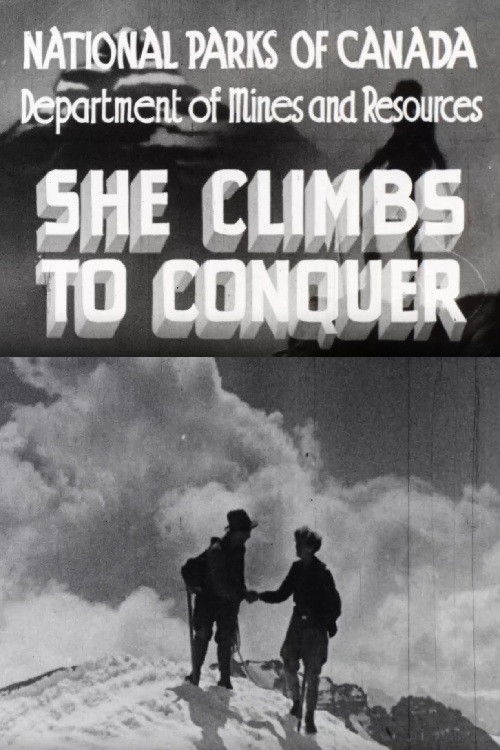
"She Climbs to Conquer" shot by W.J. Oliver, was a noteworthy film which gained well merited acclaim. Made in 1933 it pictured the climb of Georgia Engelhard, a professional mountain climber, from Abbot's Pass to the peak of Mount Victoria.
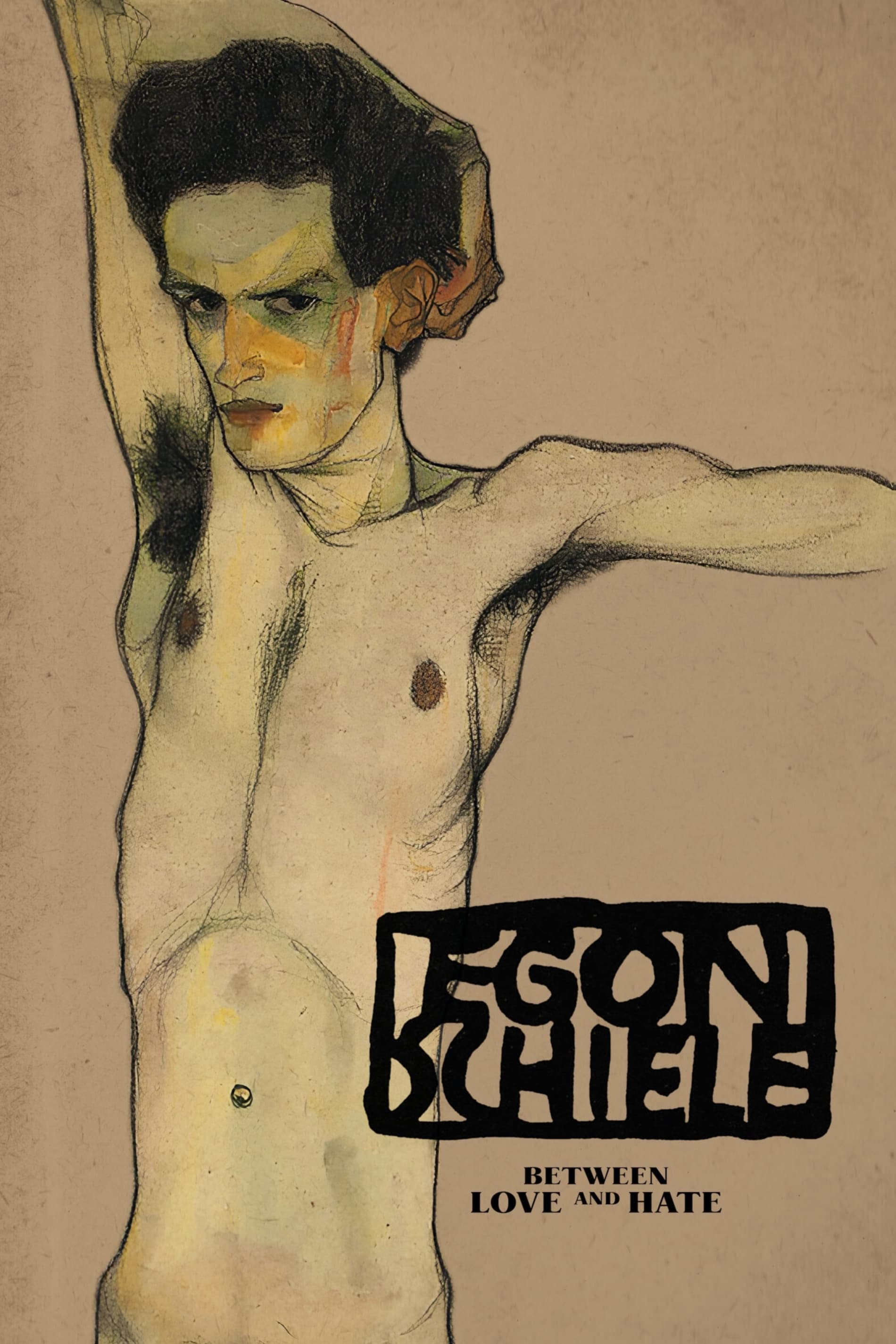
An account of the short life and the astonishing and provocative work of the Austrian painter Egon Schiele (1890-1918), seen through the peculiar point of view and the critic voices of the women who defined the paramount milestones of his existence: Gerti, his sister; Wally, his main model and lover; and Edith, his wife. A brief story of love, hate, betrayal and misfortune.
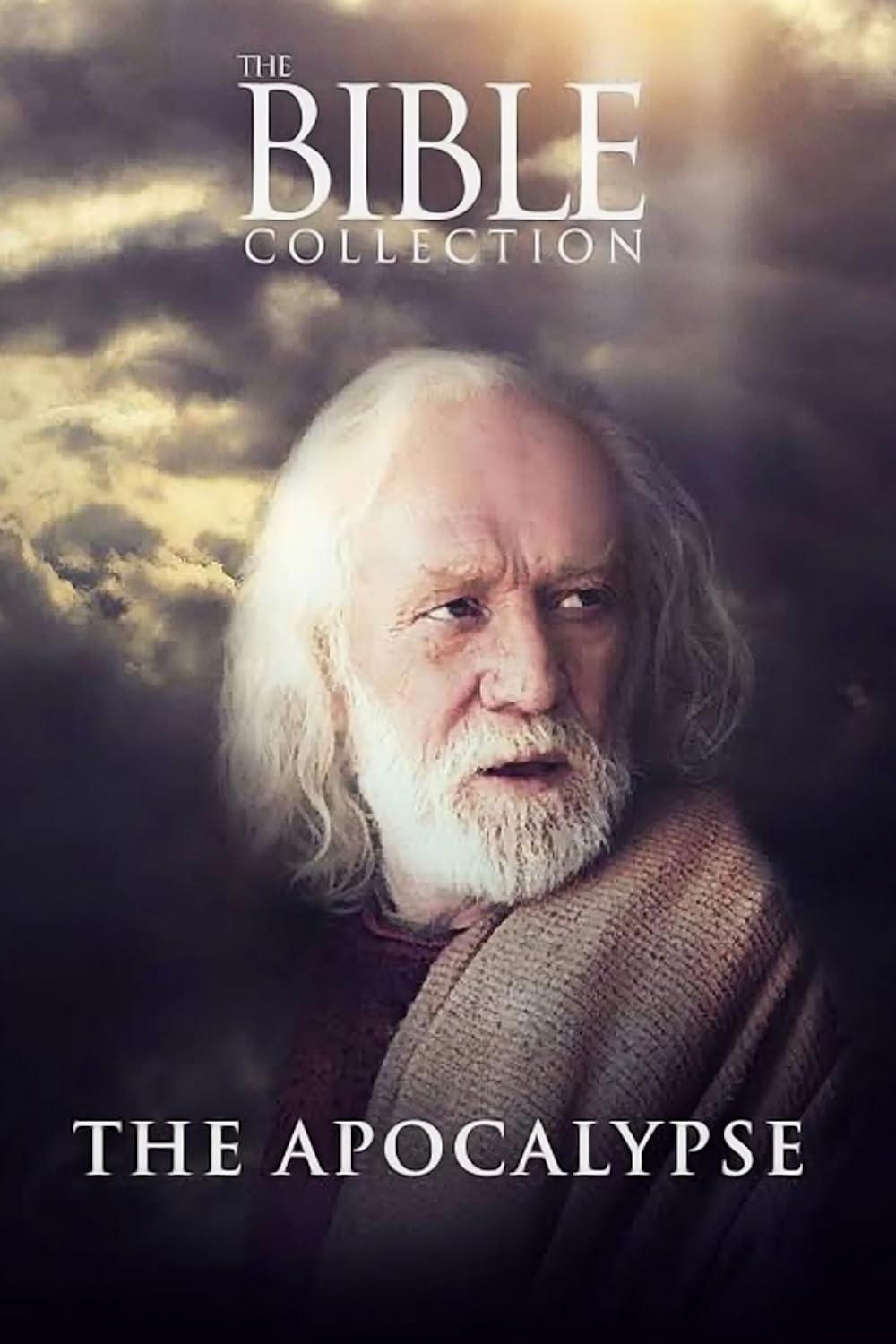
The film is set in 90 AD and concerns Jesus Christ's last surviving disciple, John of Patmos, and his writings and visions from the Apocalypse of John. Emperor Domitian has declared himself to be God and ruler, over heaven and earth. The Christians do not recognize his divinity and face persecution, from the God Emperor. John has been imprisoned on, the island of Patmos, a Roman mining, penal colony, with many others. He writes out messages of his visions and sends the "Revelation of God", to the seven churches of Greek Asia Minor. The Christian church, in Ephesus, sends Irene to make sure John is alive and to confer with him in person. The movie depicts scenes from the Book of Revelation and links them to events happening to the church in Asia.
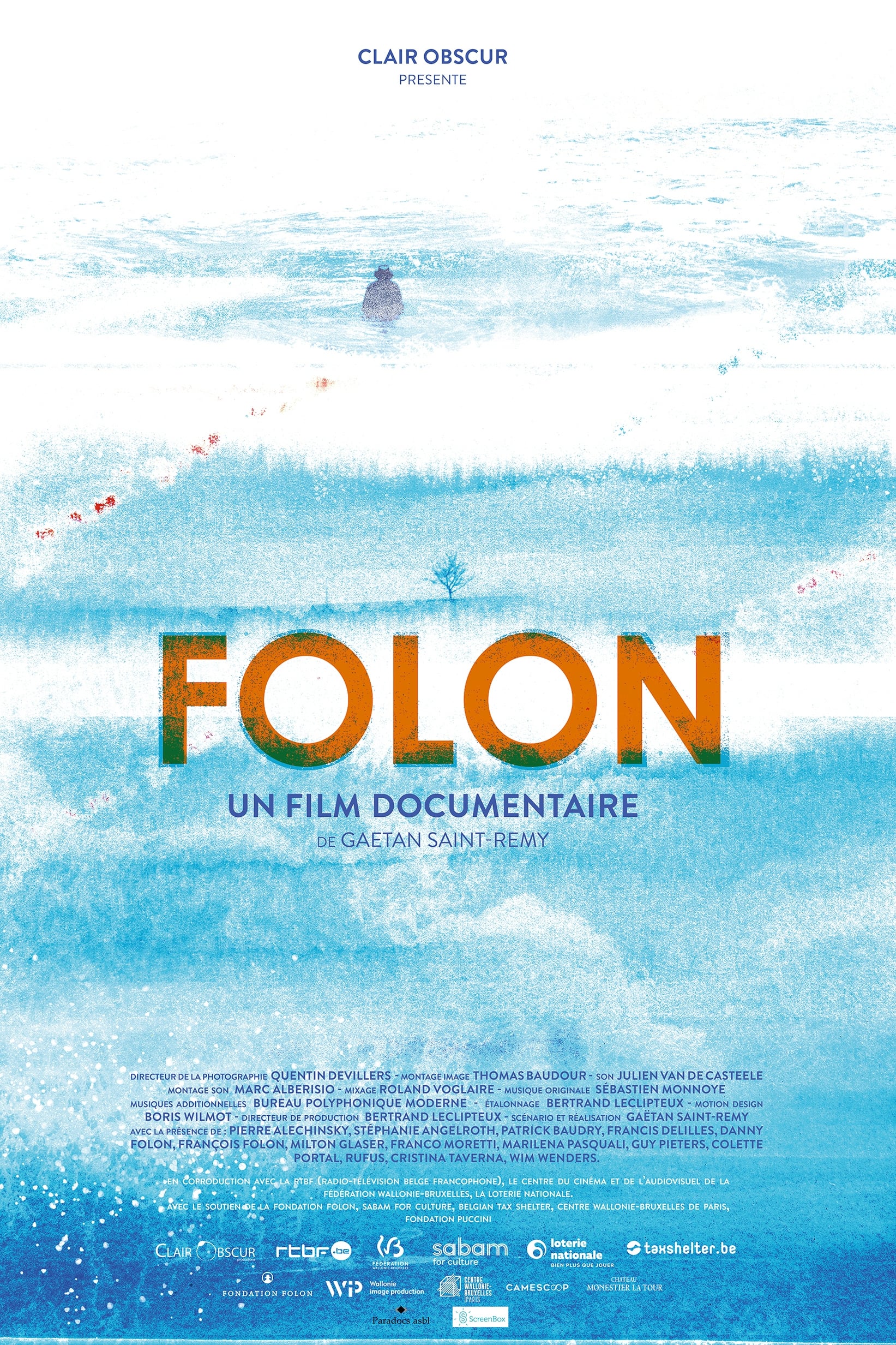
One of the 20th century Belgian artists who was the most idolized, exhibited, published, sold... Yet the artist himself, Jean-Michel Folon (1934-2005), whose work became controversial because deemed insipid, with its mannerisms, pastel tones and colors, remains little-known. Through previously unseen archive footage, Gaëtan de Saint-Rémy offers him a voice.
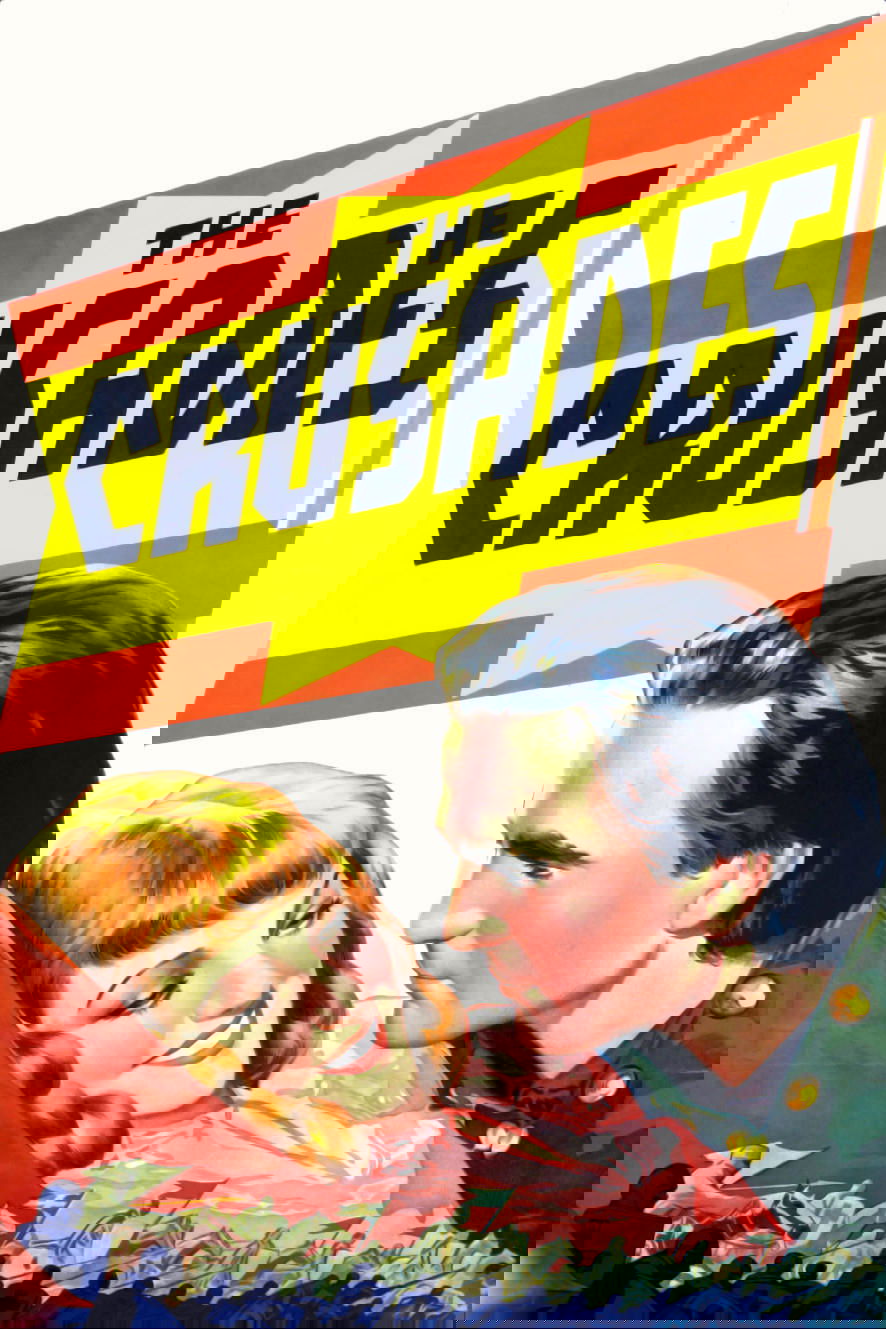
King Richard the Lionhearted launches a crusade to preserve Christianity in Jerusalem.
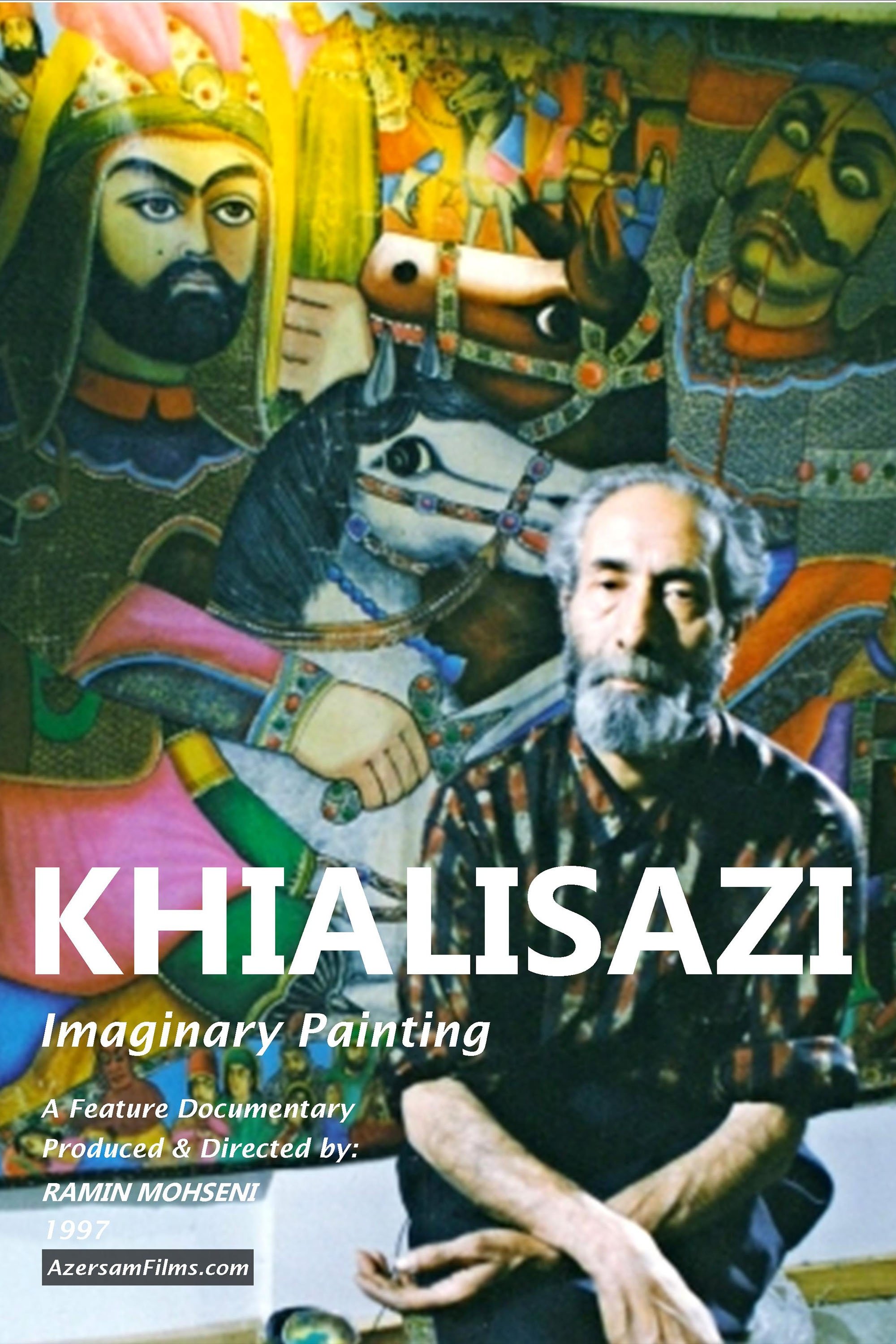
A documentary about the life and works of the maestros of Imaginary Painting School who made Iranian popular old style Khialisazi or Coffee-House Painting.
The history of cinematic sound, told by legendary sound designers and visionary filmmakers.
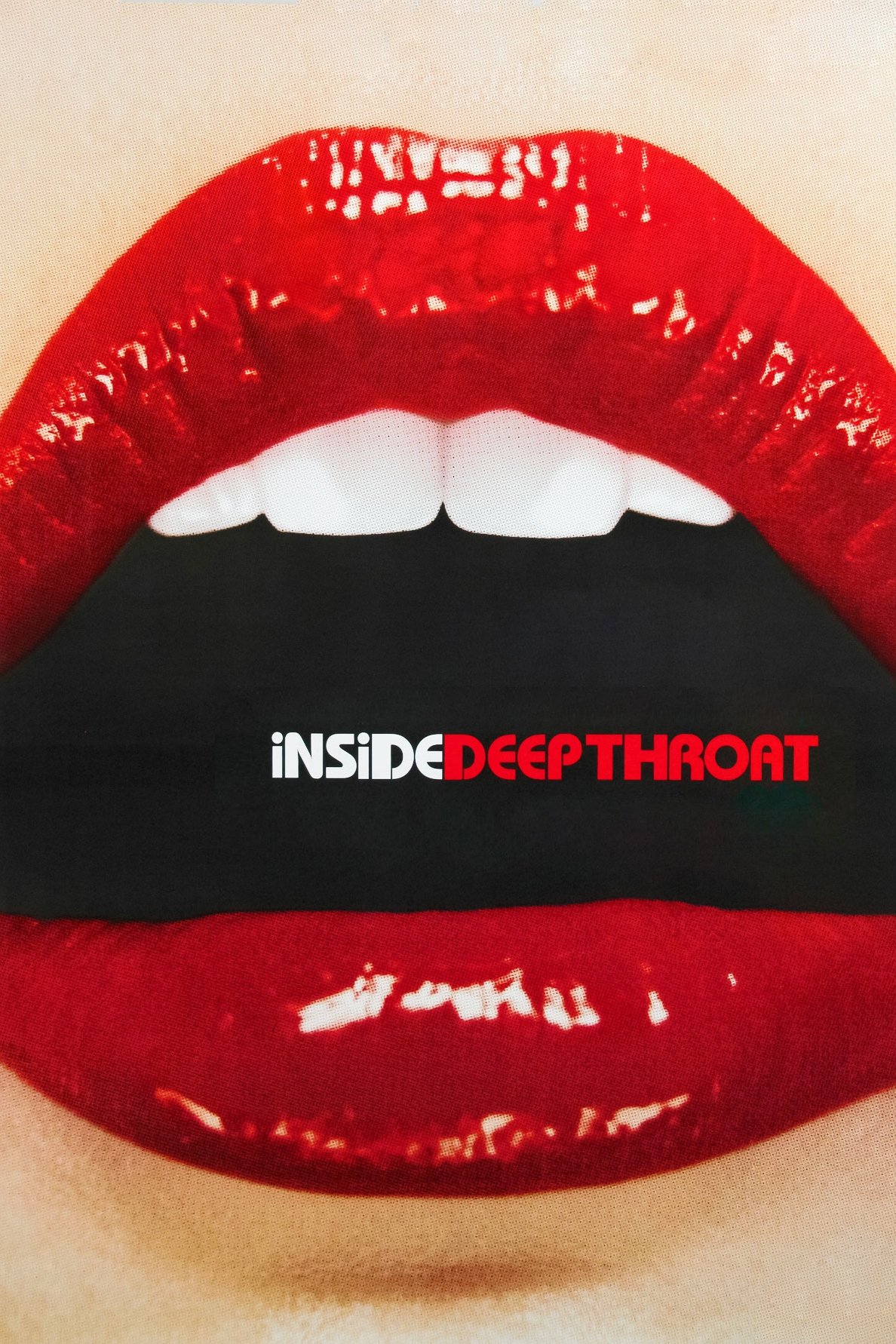
In 1972, a seemingly typical shoestring budget pornographic film was made in a Florida hotel: "Deep Throat," starring Linda Lovelace. This film would surpass the wildest expectation of everyone involved to become one of the most successful independent films of all time. It caught the public imagination which met the spirit of the times, even as the self-appointed guardians of public morality struggled to suppress it, and created, for a brief moment, a possible future where sexuality in film had a bold artistic potential. This film covers the story of the making of this controversial film, its stunning success, its hysterical opposition along with its dark side of mob influence and allegations of the on set mistreatment of the film's star.
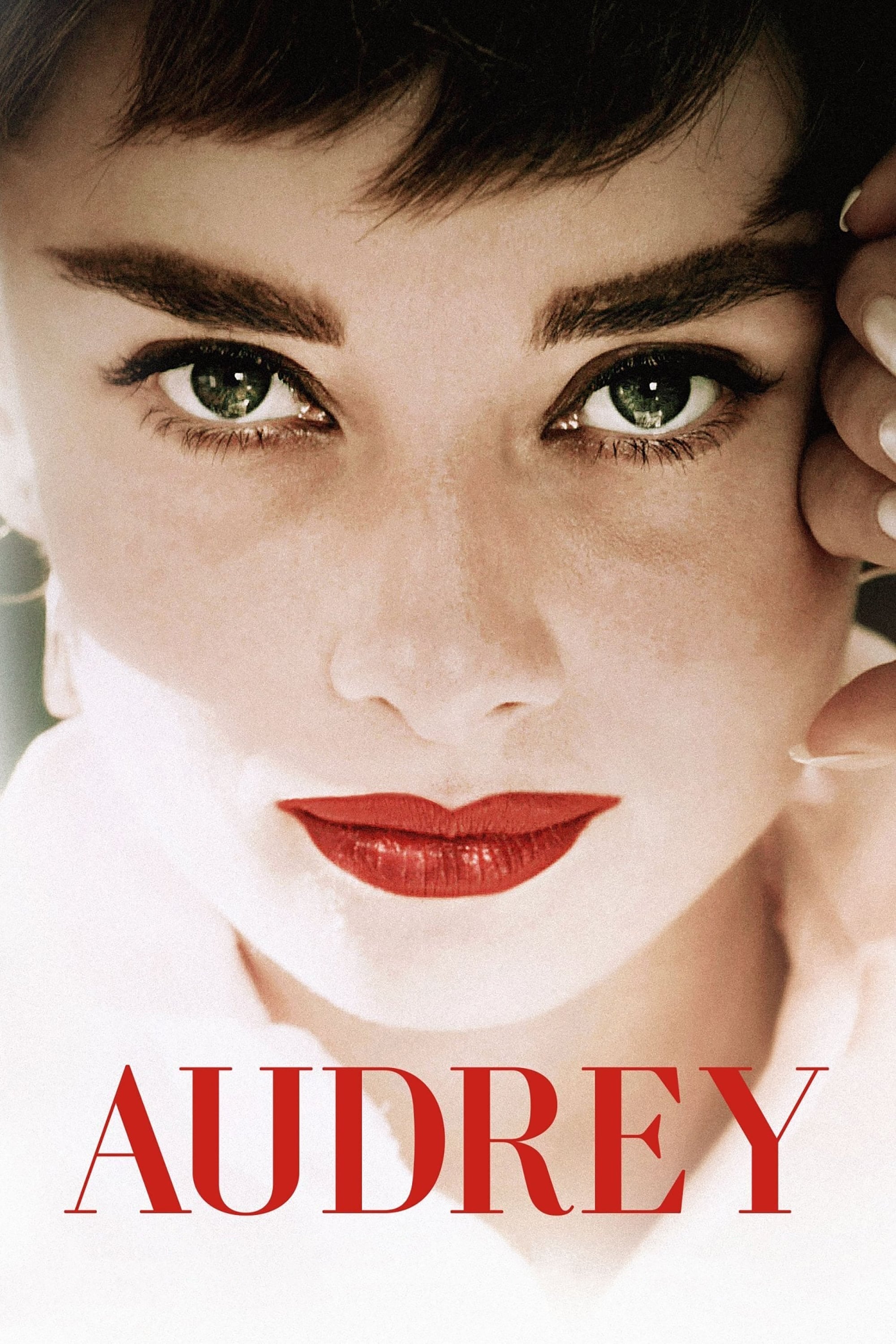
An unprecedented and intimate look at the life, work and enduring legacy of British actress Audrey Hepburn (1929-1993).
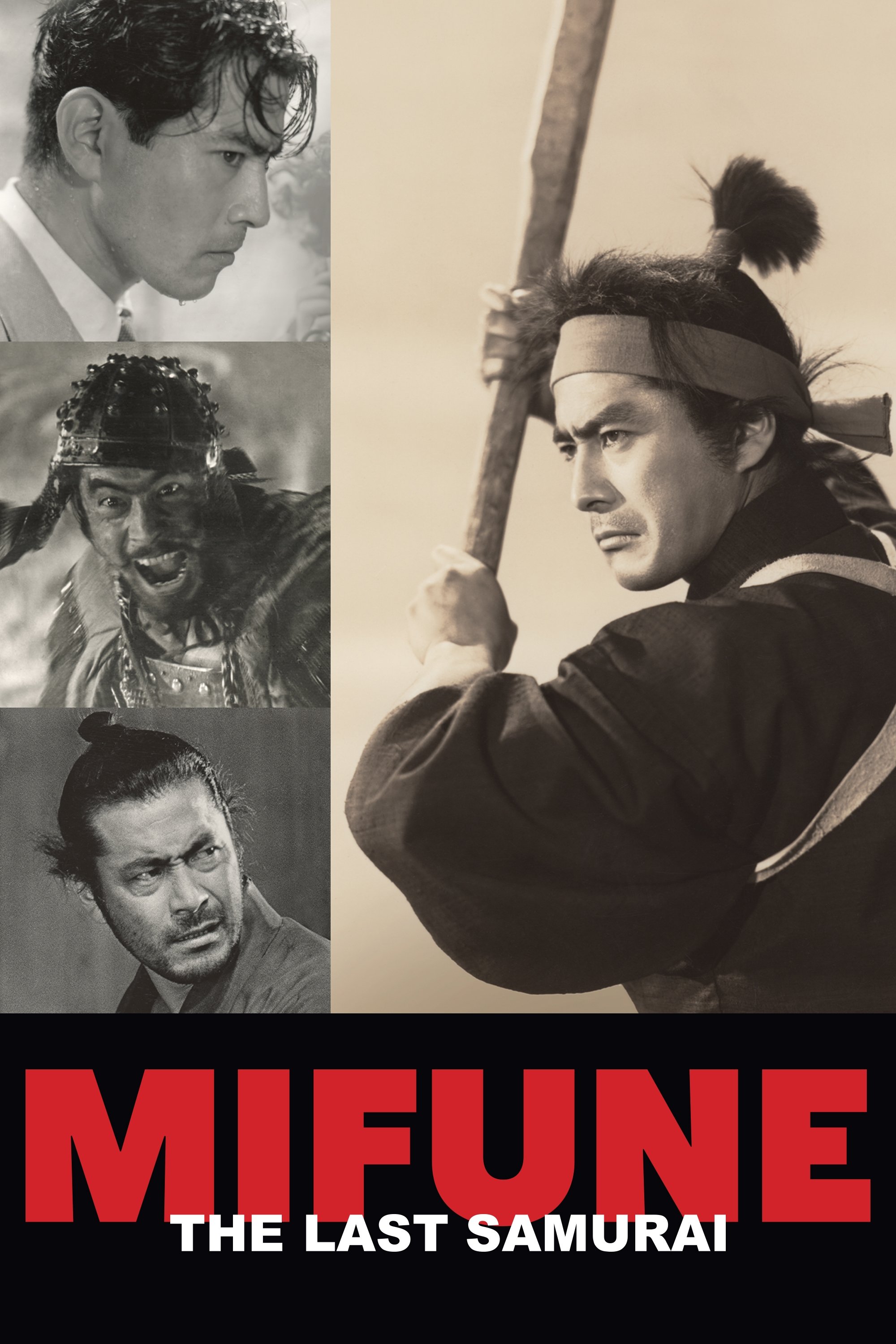
An account of the life and work of legendary Japanese actor Toshirō Mifune (1920-97), the most prominent actor of the Golden Age of Japanese cinema.
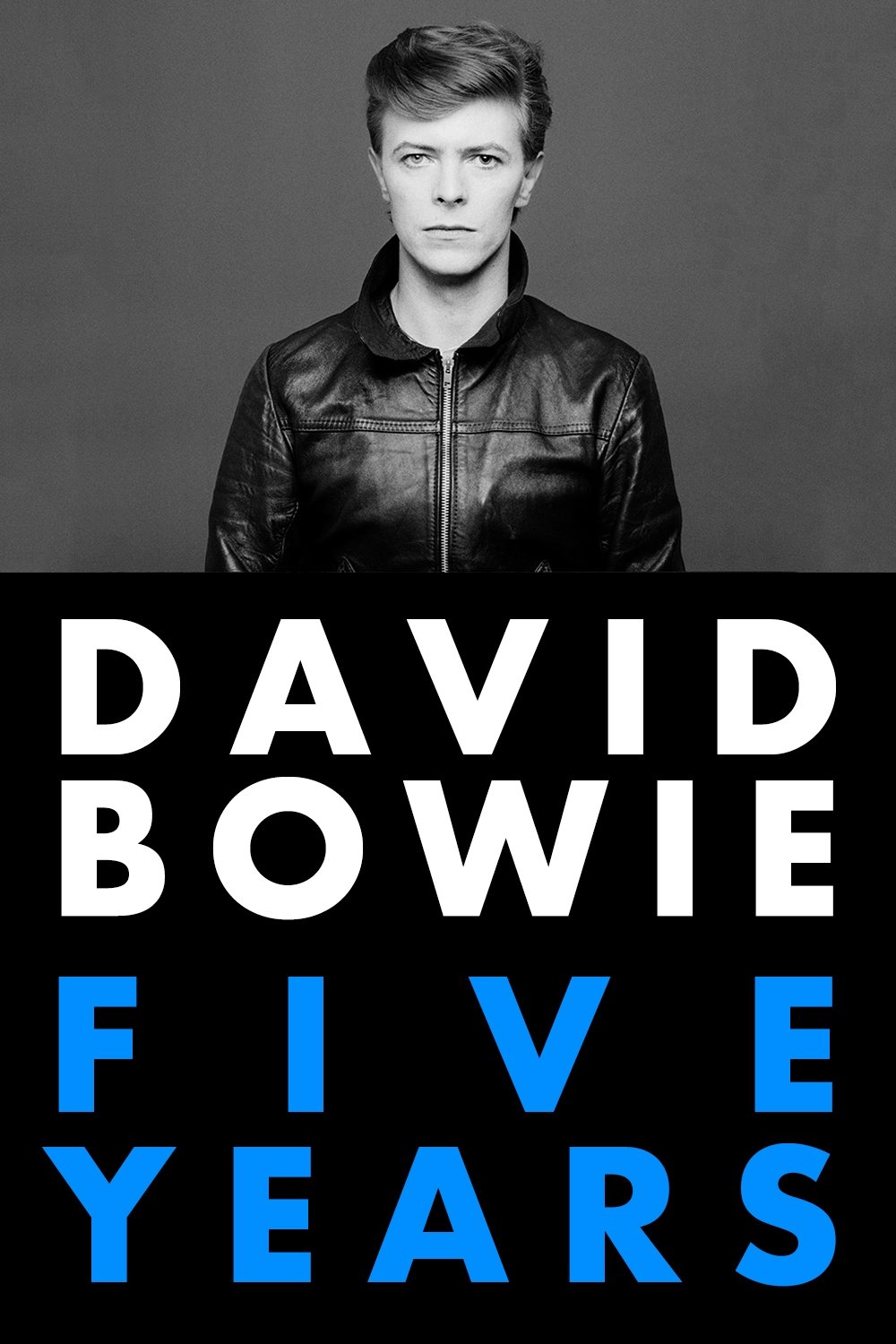
Featuring a wealth of previously unseen archive, this film looks at how Bowie continually evolved: from Ziggy Stardust to the Soul Star of Young Americans, to the ‘Thin White Duke’. It explores his regeneration in Berlin with the critically acclaimed album Heroes, his triumph with Scary Monsters and his global success with Let’s Dance. With interviews with all his closest collaborators, David Bowie - Five Years presents a unique account of why Bowie has become an ‘icon of our times’.
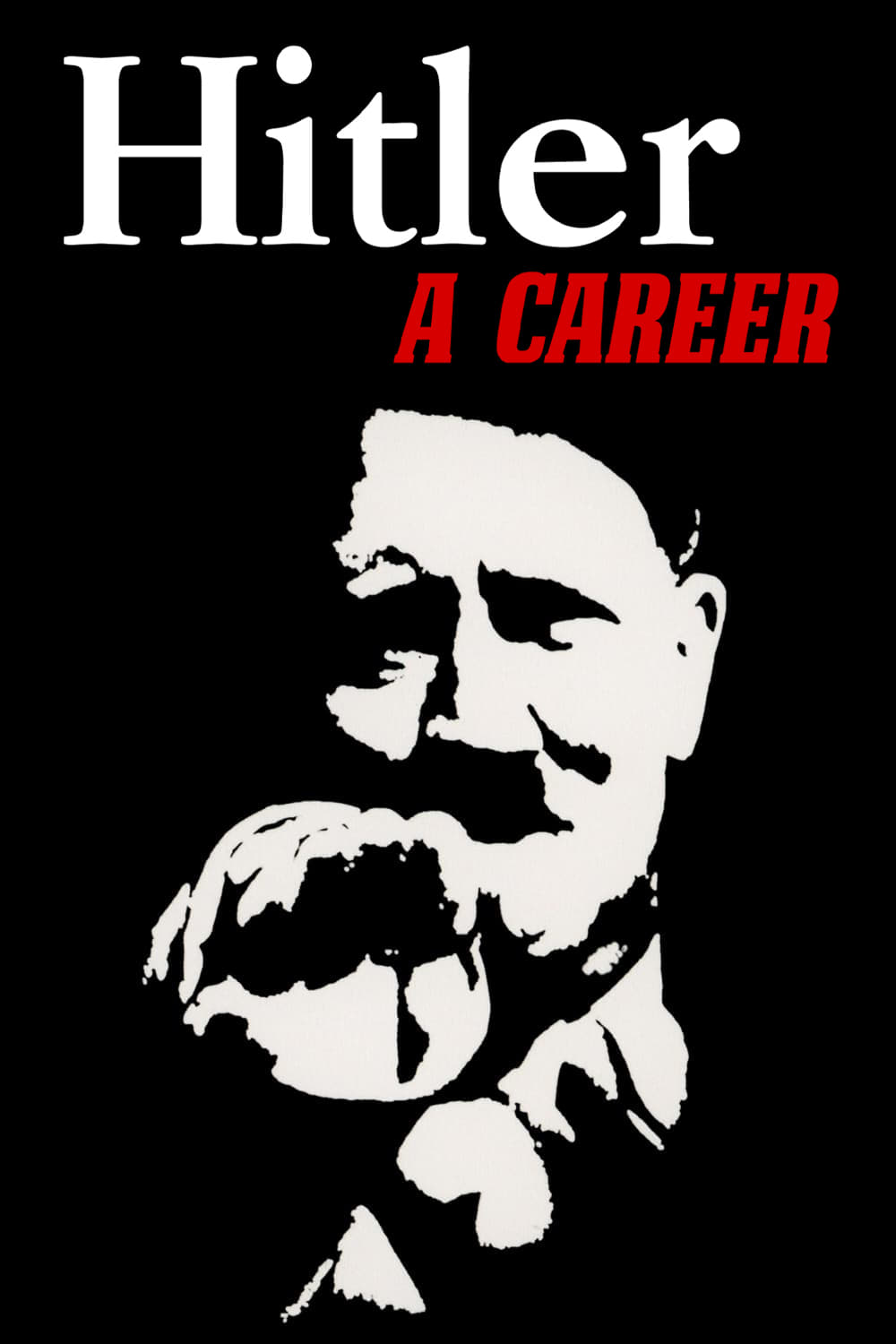
A keen chronicle of the unlikely rise to power of Adolf Hitler (1889-1945) and a dissection of the Third Reich (1933-1945), but also an analysis of mass psychology and how the desperate crowd can be deceived and shepherded to the slaughterhouse.
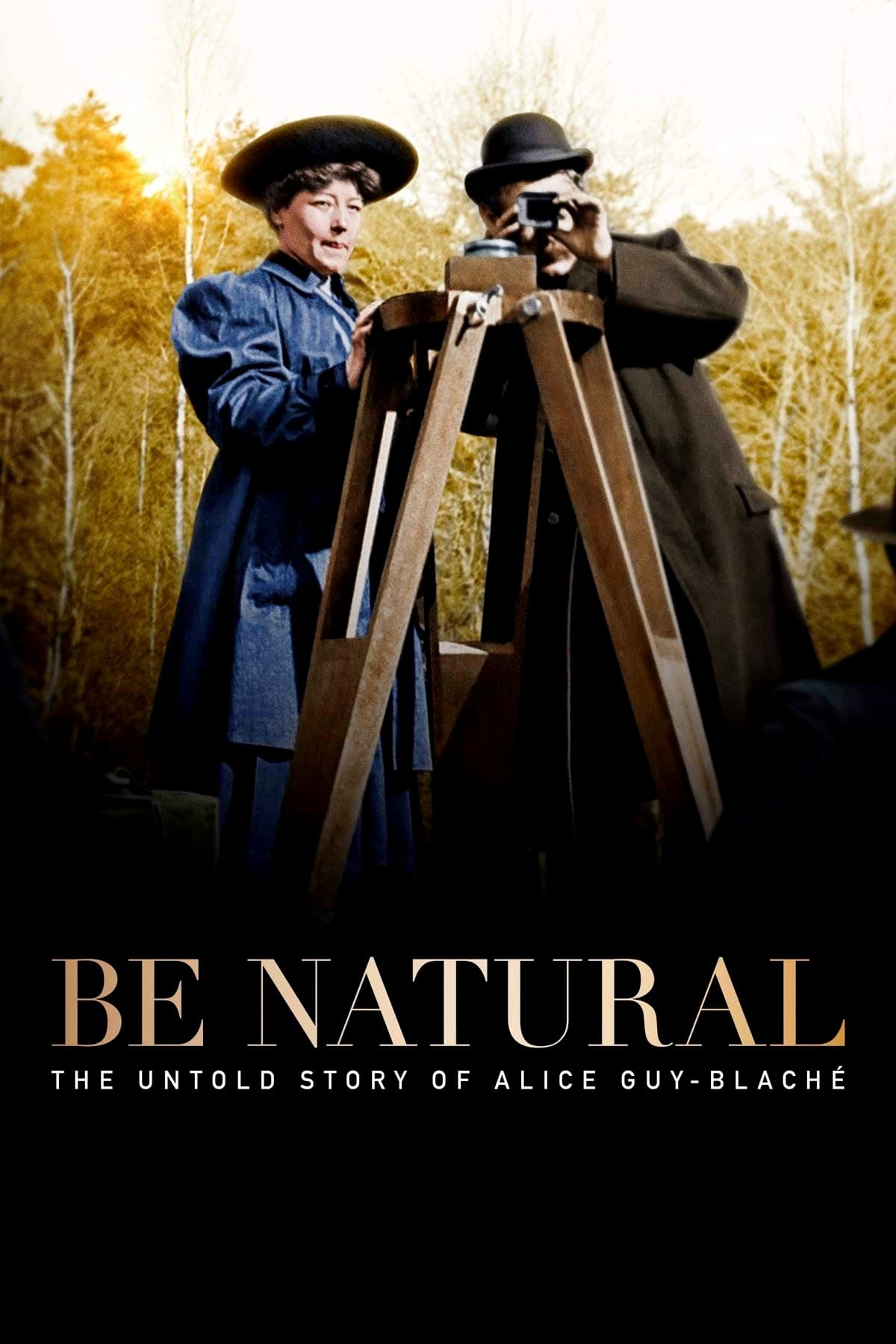
The epic life story of Alice Guy-Blaché (1873–1968), a French screenwriter, director and producer, true pioneer of cinema, the first person who made a narrative fiction film; author of hundreds of movies, but banished from history books. Ignored and forgotten. At last remembered.
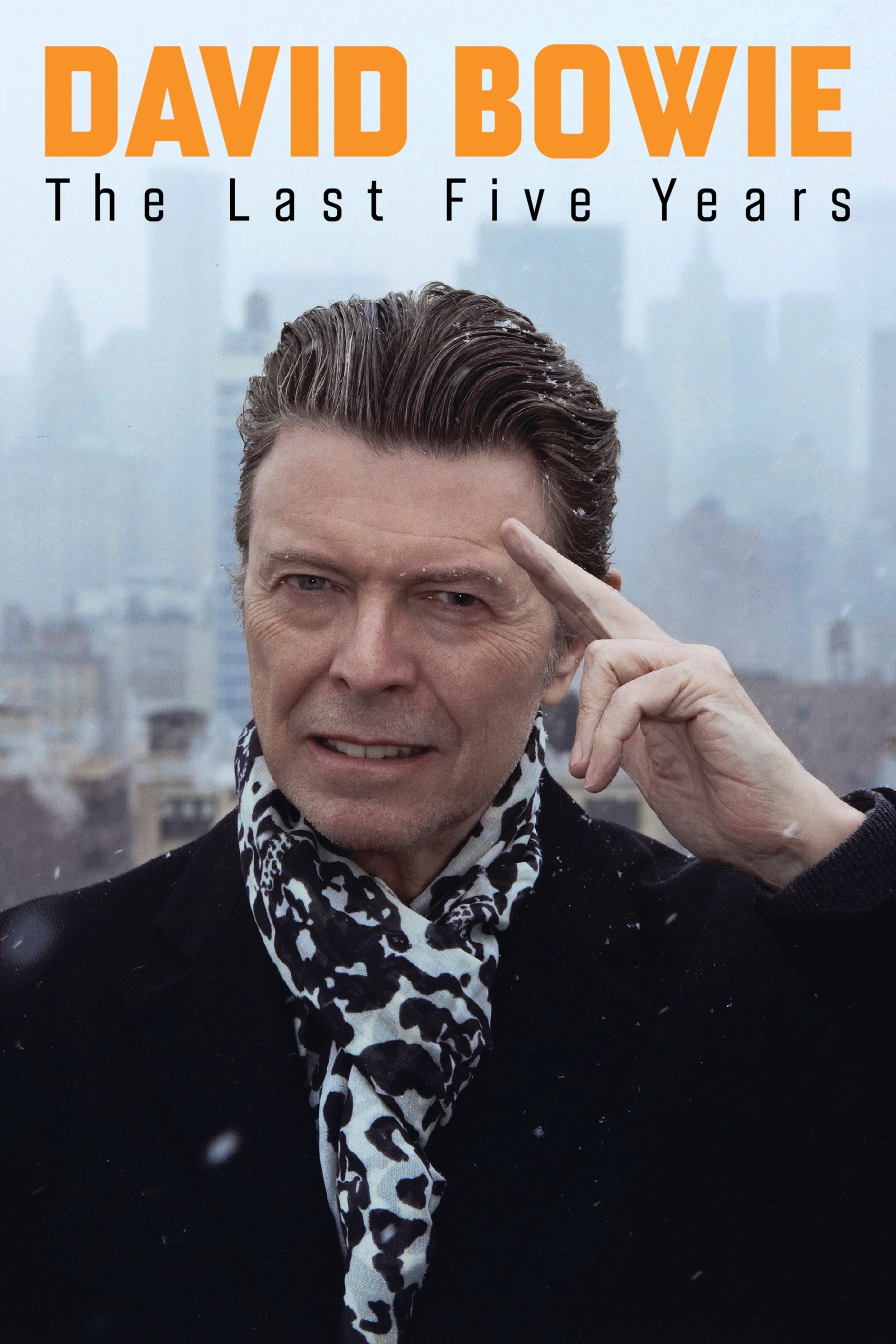
In the last five years of his life, David Bowie ended nearly a decade of silence to engage in an extraordinary burst of activity, producing two groundbreaking albums and a musical. David Bowie: The Last Five Years explores this unexpected end to a remarkable career. Made with remarkable access, Francis Whately’s documentary is a revelatory follow-up to his acclaimed 2013 documentary David Bowie: Five Years, which chronicled Bowie’s golden ‘70s and early-‘80s period.
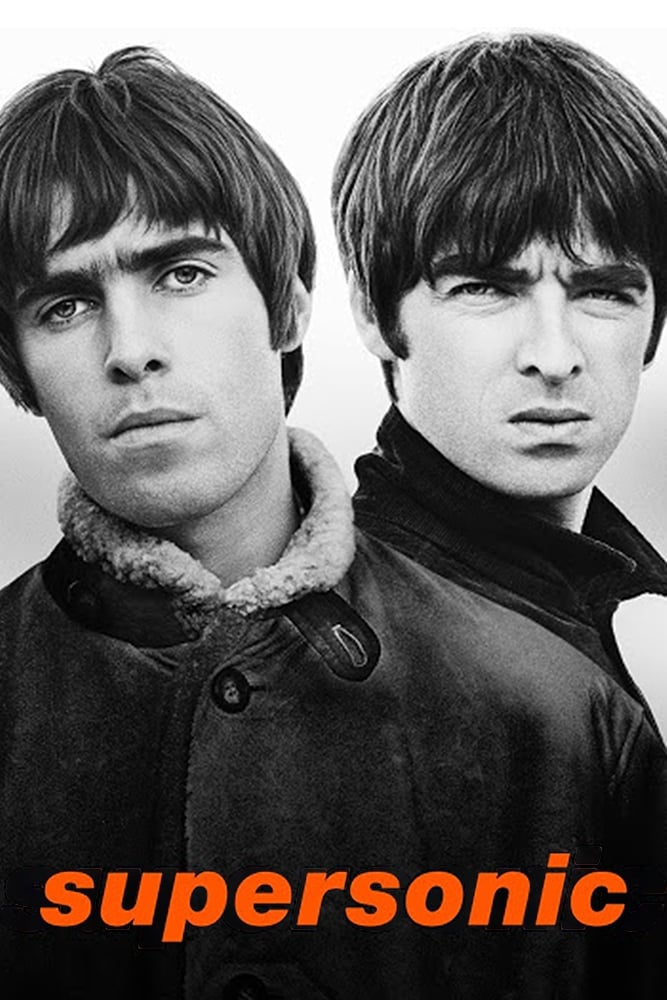
Supersonic charts the meteoric rise of Oasis from the council estates of Manchester to some of the biggest concerts of all time in just three short years. This palpable, raw and moving film shines a light on one of the most genre and generation-defining British bands that has ever existed and features candid new interviews with Noel and Liam Gallagher, their mother, and members of the band and road crew.
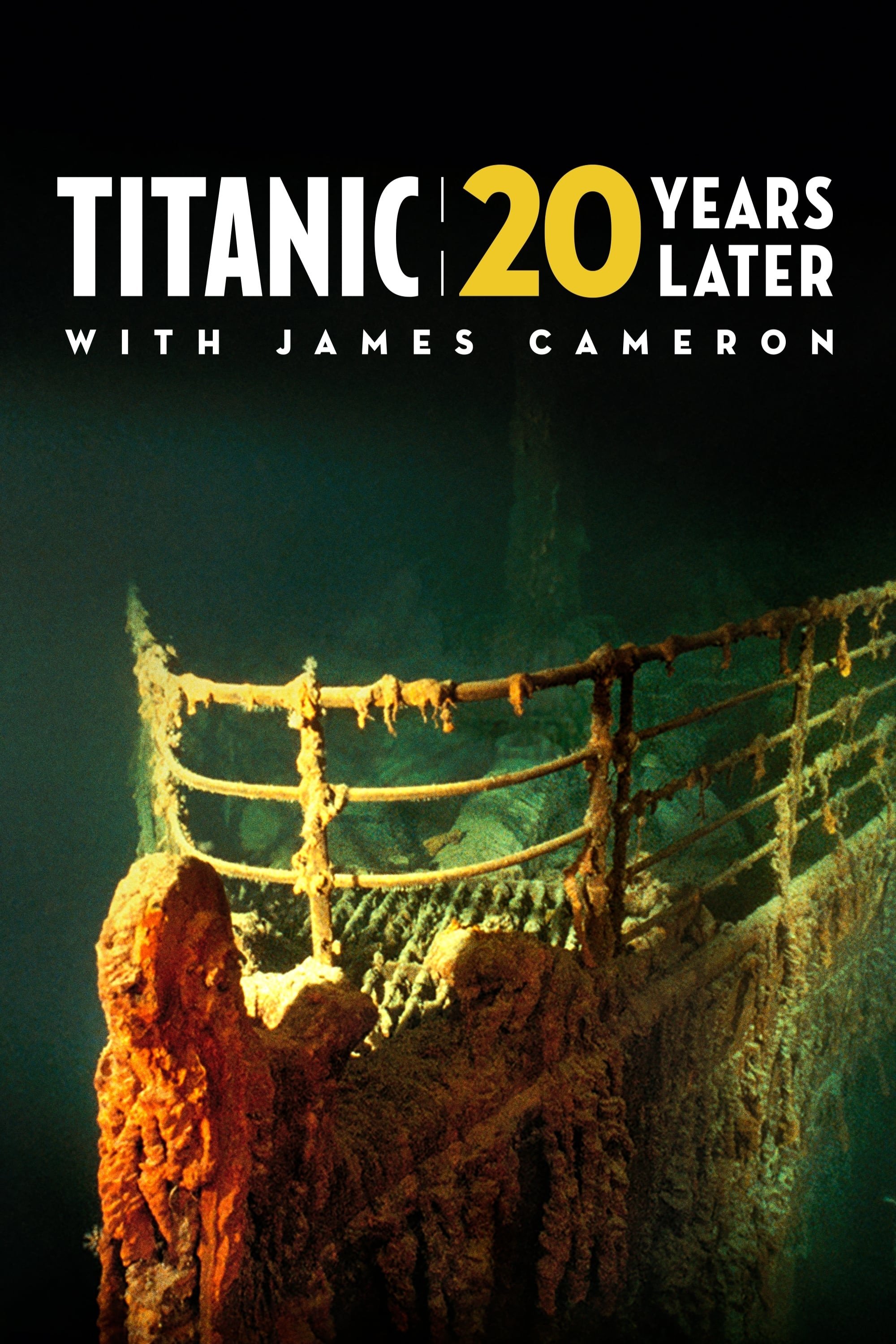
For the 20th anniversary of "Titanic," James Cameron reopens the file on the disaster.
“The Soviet Story” is a story of an Allied power, which helped the Nazis to fight Jews and which slaughtered its own people on an industrial scale. Assisted by the West, this power triumphed on May 9th, 1945. Its crimes were made taboo, and the complete story of Europe’s most murderous regime has never been told. Until now...
Documentary about the art of film editing. Clips are shown from many groundbreaking films with innovative editing styles.
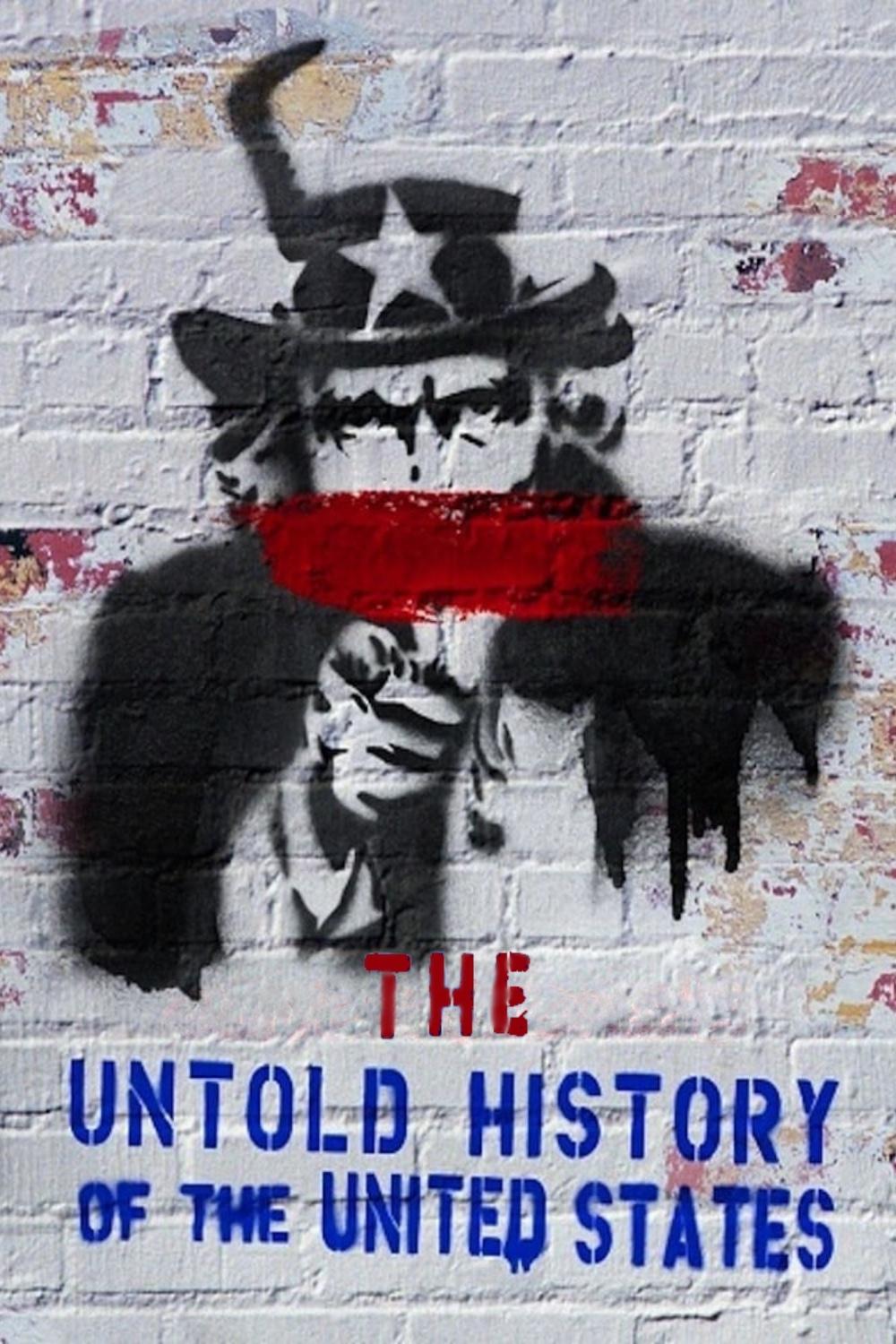
Oliver Stone charts the history of the United States from the Second World War to the present.
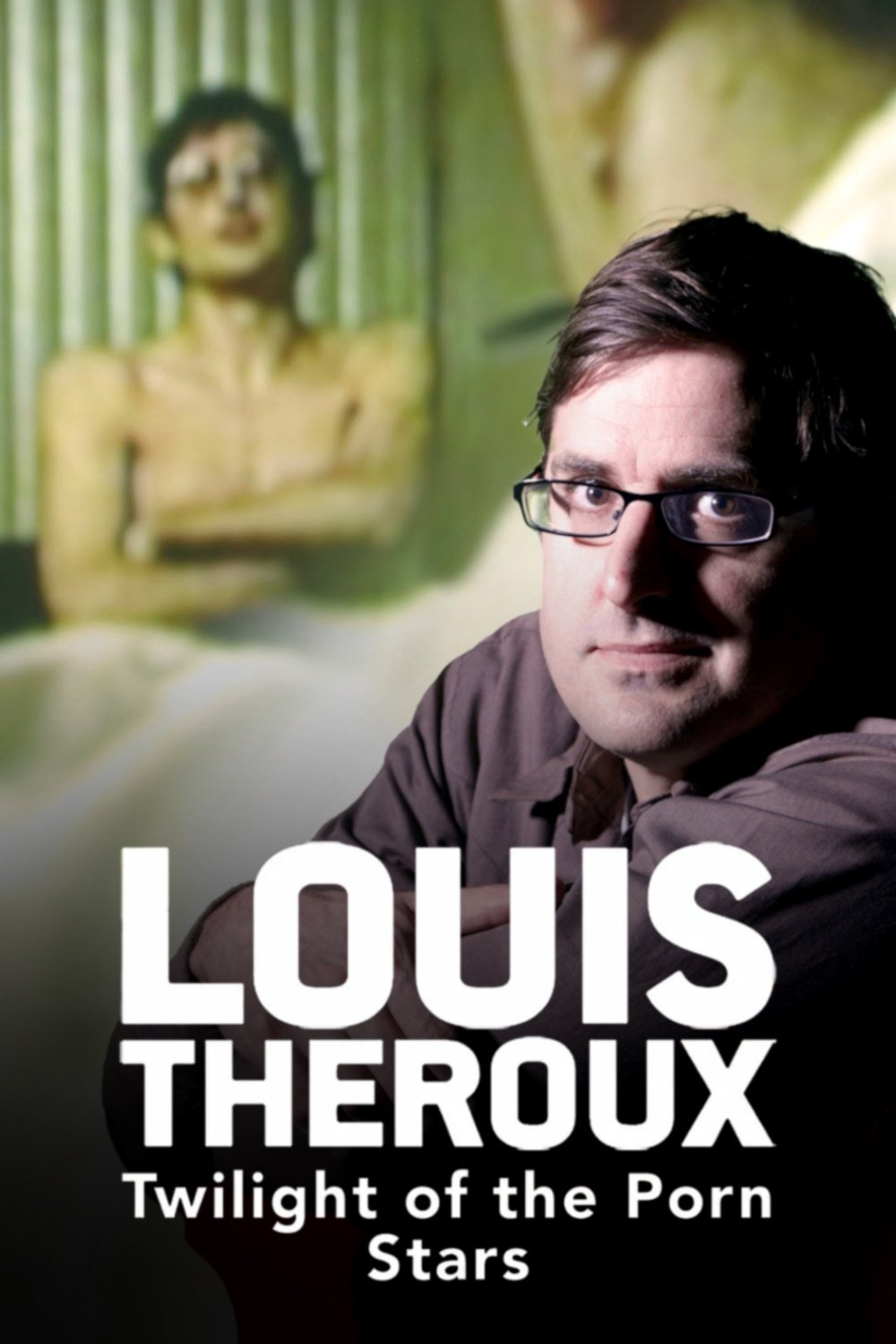
In 1997, Louis Theroux made a documentary about the world of male porn performers in Los Angeles. 15 years later, he returns to find a business struggling with the deluge of free porn on the internet. Louis revisits some of the original programme's contributors as well as meeting the latest crop of porn performers dreaming of porn stardom.
A documentary about the legendary series of nationally televised debates in 1968 between two great public intellectuals, the liberal Gore Vidal and the conservative William F. Buckley Jr. Intended as commentary on the issues of their day, these vitriolic and explosive encounters came to define the modern era of public discourse in the media, marking the big bang moment of our contemporary media landscape when spectacle trumped content and argument replaced substance. Best of Enemies delves into the entangled biographies of these two great thinkers, and luxuriates in the language and the theater of their debates, begging the question, "What has television done to the way we discuss politics in our democracy today?"
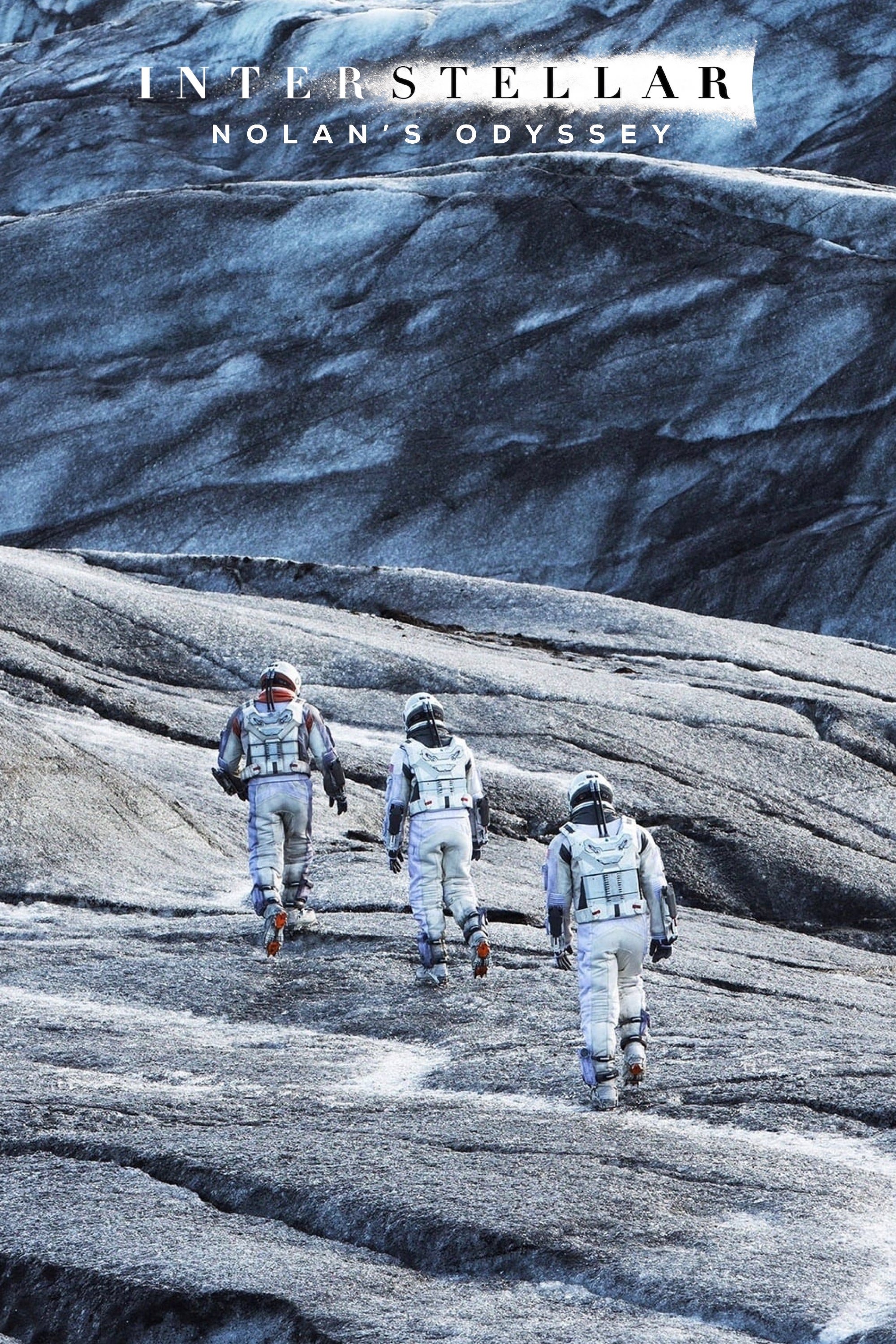
A look behind the lens of Christopher Nolan's space epic.
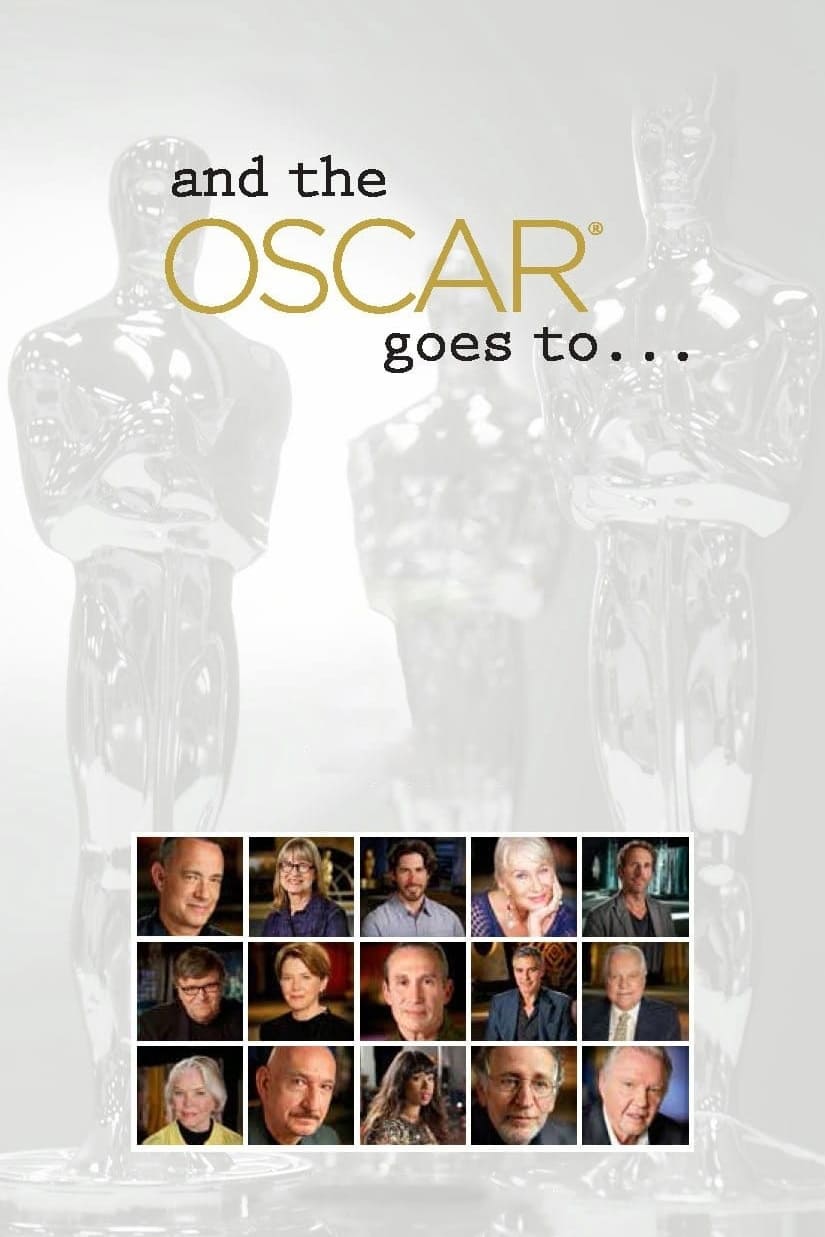
The story of the gold-plated statuette that became the film industry's most coveted prize, AND THE OSCAR GOES TO... traces the history of the Academy itself, which began in 1927 when Louis B. Mayer, then head of MGM, led other prominent members of the industry in forming this professional honorary organization. Two years later the Academy began bestowing awards, which were nicknamed "Oscar," and quickly came to represent the pinnacle of cinematic achievement.
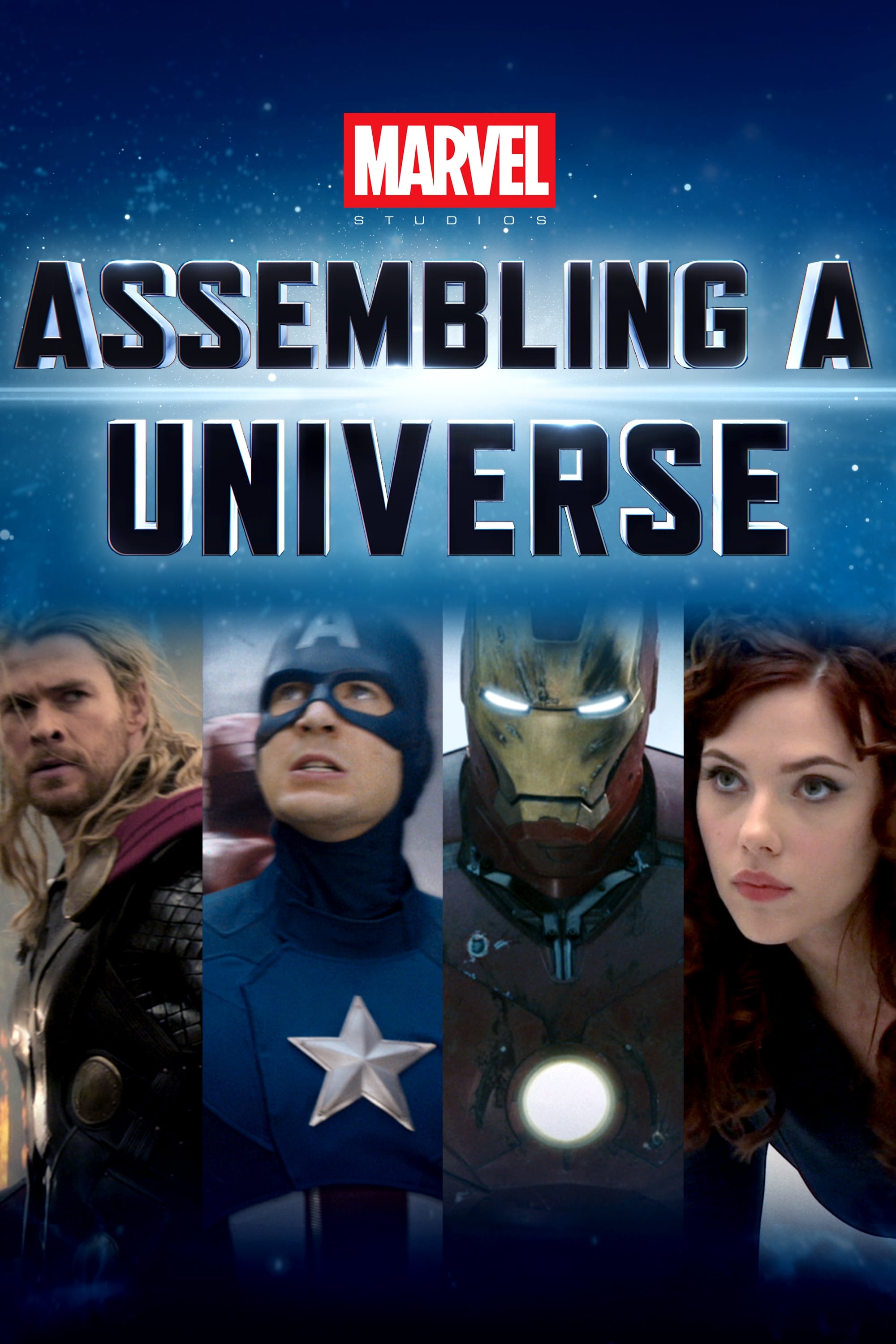
A look at the story behind Marvel Studios and the Marvel Cinematic Universe, featuring interviews and behind-the-scenes footage from all of the Marvel films, the Marvel One-Shots and "Marvel's Agents of S.H.I.E.L.D."!
Experience the events of September 11, 2001 through the eyes of President Bush and his closest advisors as they personally detail the crucial hours and key decisions from that historic day.
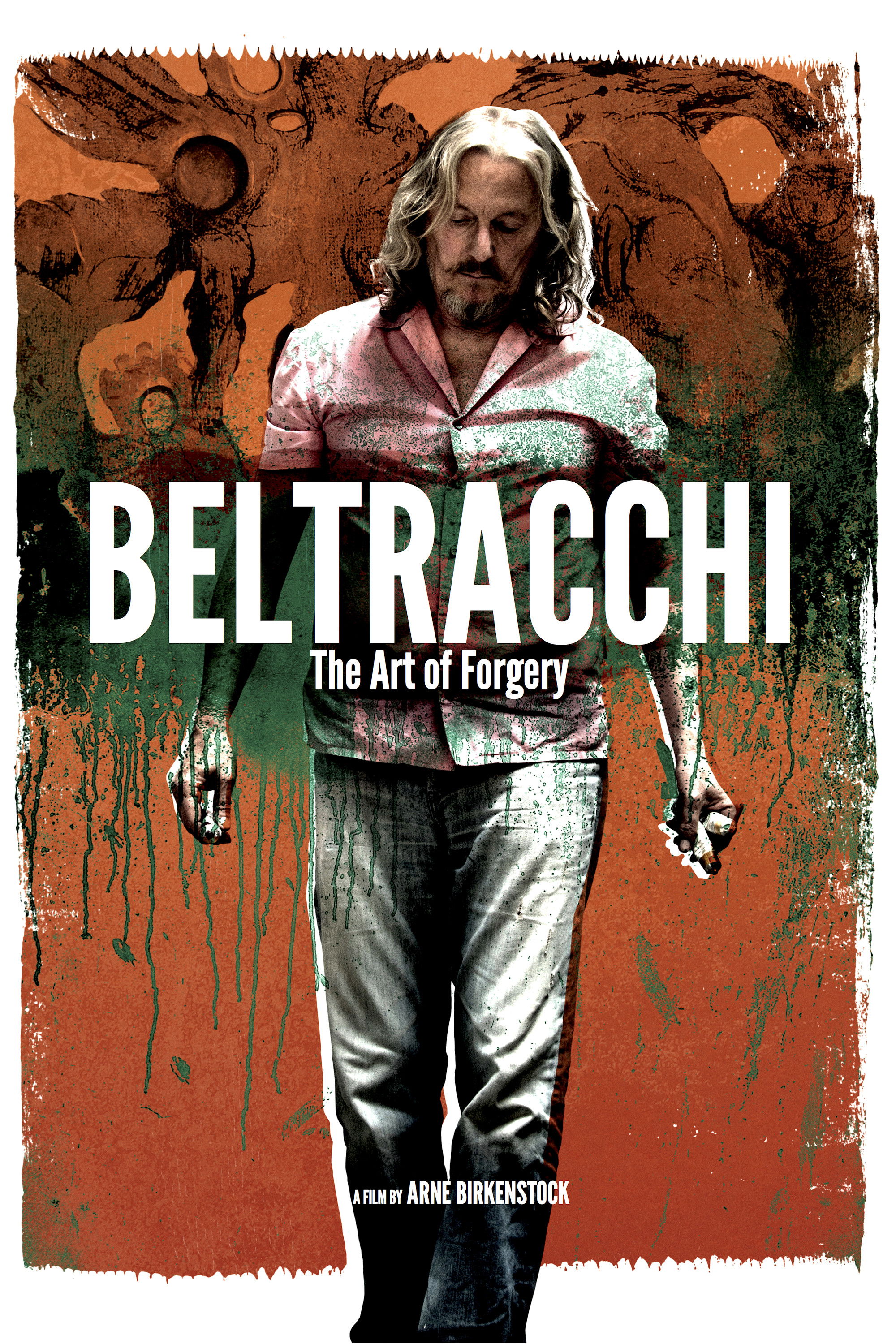
Wolfgang Beltracchi got away with forging art masterpieces for over 40 years. He may be egotistical and nihilistic, but his genius in undeniable. He managed to fool gallery owners, historians and investors with the stroke of a brush. This documentary follows his last days as a free man.