Social & External
Narradora (voice)
Self
“It ain’t easy…being green” is the favorite expression of Stormé DeLarverie, a woman whose life flouted prescriptions of gender and race. During the 1950s and '60s she toured the black theater circuit as a mistress of ceremonies and the sole male impersonator of the legendary Jewel Box Revue, America’s first integrated female impersonation show and forerunner of La Cage aux Folles.

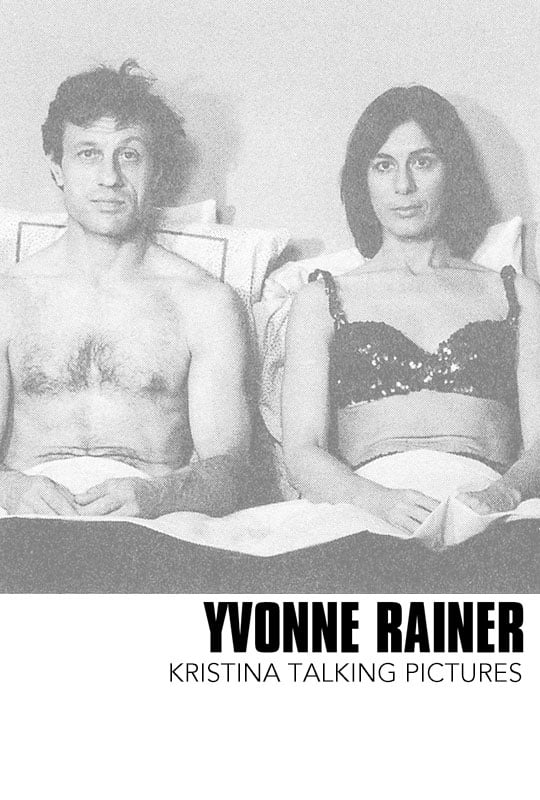
Kristina, a self-named Hungarian female lion tamer, arrives in New York to become a dance choreographer. Kristina, now a middle-class NYC artist concerned about the environment, has a sailor lover named Raoul. The film, a collage work, an essay film, a fictional narrative and a documentary all rolled into one, is one of the most important independent American feminists films made during the 1970's.
Everything about the Quebec visual artist Lyne Lapointe reflects the grip of art on her life. Lesbian and feminist, she tirelessly highlights in her work the challenging position of women in society and in the art world. This concern is the common thread in the story of her life and projects. Despite a serious accident that ended her first series, revolutionary urban creations that earned her international reputation, she reinvents her approach with the tenacity that characterizes her, ultimately becoming the subject of significant exhibitions in Quebec, Canada, and abroad.
A painter, a naked woman, and a camera. In this triple constellation we explore the power of the gaze and the roles it imposes on us. An artist's studio turns into the setting for questions about how we look at and perceive women. The naked skin of the model becomes the canvas for an audiovisual exploration of the ways in which seeing and being seen anchors us in our body. And how this body shapes our experience of the world and our role in it.
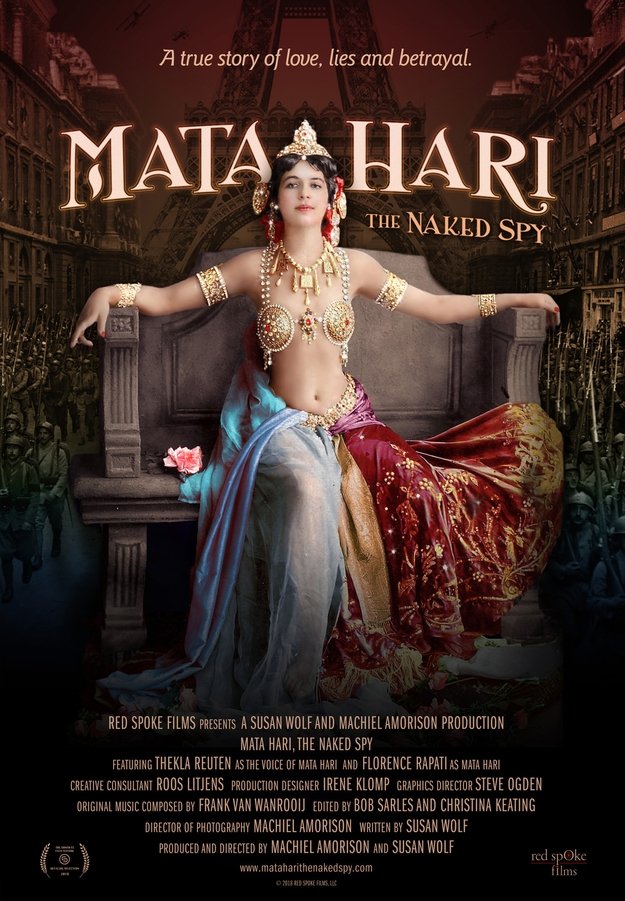
100 years ago Mata Hari faced the firing squad as a convicted Dutch spy. It was at this moment that the legend of Mata Hari, the seductive spy, was born. Newly-discovered documents cast doubt on her guilt and reveal startling truths about her life. Mata Hari was a self-made woman whose boldness and sexuality threatened the male establishment. Most of what we've known about her until now has largely been myth. Mata Hari's challenges as an abused wife, single mother and a creative independent woman are familiar to women around the world. At the turn of the century, her struggles to attain sexual freedom, artistic expression, and liberation from the constraints of conventional society are the same ones women face today. She graced the cover of Vogue, performed all over Europe and left a coterie of smitten admirers in her wake.
In 1977, a book of photographs captured an awakening - women shedding the cultural restrictions of their childhoods and embracing their full humanity. This documentary revisits those photos, those women and those times and takes aim at our culture today that alarmingly shows the need for continued change.
“Olive” is a short documentary that follows Olive Hagemeier, an energetic woman, on her daily routine of salvaging, repackaging and redistributing food, and occasional other types of “waste”, across Atlanta, GA. Presented in a quiet observational style, this film is both a character study of a committed and enigmatic volunteer, as well as an ethnographic work that places the audience in the heart of a decentralized, volunteer-run mutual aid network in a “post-COVID” American city.
An investigative look and analysis of gender disparity in Hollywood, featuring accounts from well-known actors, executives and artists in the Industry.
In the 1950s, Patria, Minerva, and María Teresa Mirabal - who were known by their codename "The Butterflies" - created an underground resistance movement against Rafael Trujillo, dictator of the Dominican Republic. On November 25, 1960, Trujillo had all three sisters assassinated. The assassinations turned the Mirabal sisters into national heroines and symbols of feminist resistance. The documentary interweaves interviews with over forty witnesses to the story, including the Mirabal family friends, colleagues, co-revolutionaries, teachers, and most importantly, their surviving sister, Dedé, along with dramatic reenactments and archival footage.
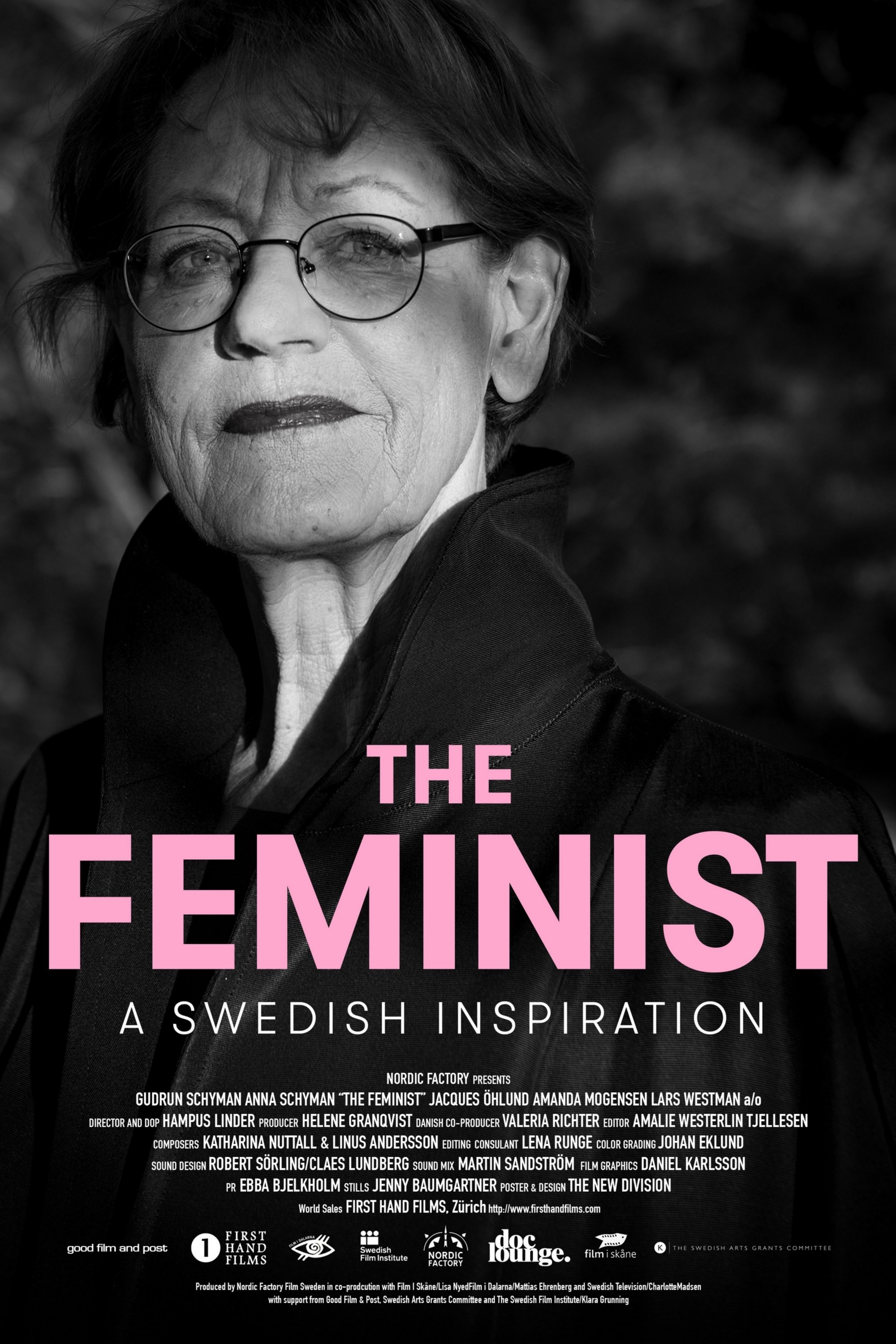
This personal and compelling portrait follows Gudrun Schyman, spokesperson of Sweden's Feminist Initiative political party, as she moves between small towns, refugee camps, and the corridors of power.
This documentary interweaves celluloid and voice recordings by Maya Deren, and colleagues who knew her firsthand: Jean Rouch, Jonas Mekas, Alexander Hammid, Cecile Starr etc. Maya Deren (1917-1961) was an experimental filmmaker. In the 1940s and 1950s she made several influential avant-garde films, such as Meshes of the Afternoon (1943). Images from this and her other work are used in this documentary. You can also hear her voice, as well as accounts by contemporaries such as Jean Rouch and Jonas Mekas.
A tribute to the late Pat Schulz, an influential Canadian feminist.
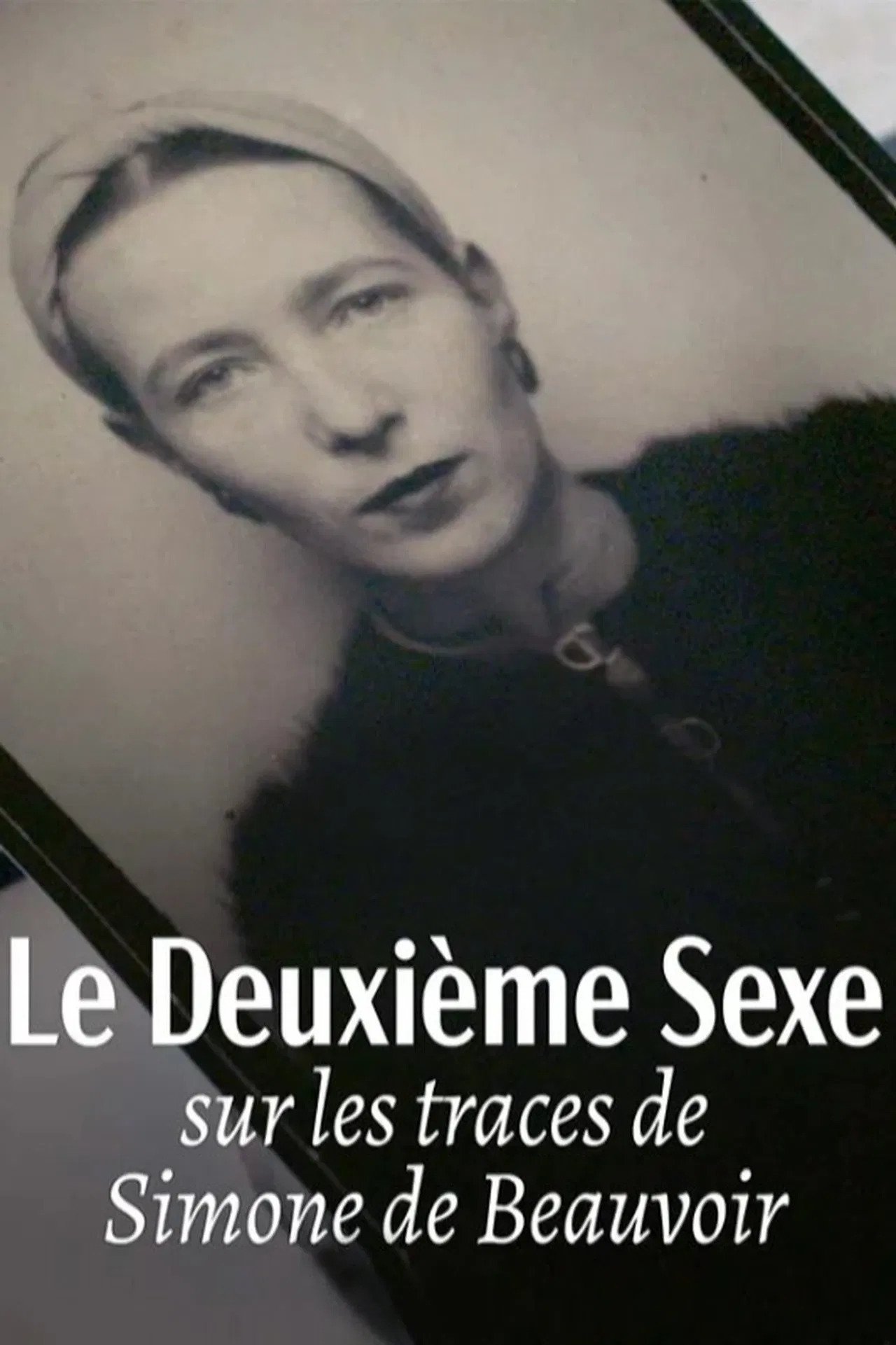
Published in 1949, The Second Sex became the bible of global feminism. An essential work that passionately advocates for gender equality, women's independence, and the liberation of morals. Today, how does this seminal work continue to resonate in our contemporary world? Conceived as an initiatory journey to the origins of Simone de Beauvoir's thinking, the film The Second Sex: In the Footsteps of Simone de Beauvoir takes us to the United States, to the places that inspired the philosopher and nourished her theories. An American road trip bringing together the worst and the best, predatory capitalism and mad love. A unique reinterpretation in the company of the great thinkers of our century.
She's Not Alone is a social enterprise short, that exposes the lack of safety in rideshare services, particularly for women and gender-diverse people.
The film was originally conceived as a portrait of Dr. Nawal El Saadawi, the well-known Egyptian doctor, writer, and women’s rights activist. But the director was disappointed by the encounter with the woman who had been her great role model. Instead, she set out to discover what life means to Egyptian women by visiting her female relatives. Her mother, aunts, and neighbors talk about life as a married woman, about the traditional clitoridectomy of girls, about love and sexuality. The result is a very impressive and extremely personal film.
Radical feminist Andrea Dworkin's expose on the pornography industry.
In 2016, after the hate-fuelled murder of a woman in Gangnam, young feminists gathered to talk about their experiences, which led to the ‘tsunami’ of the feminist movement reawakening in Korean society. This tsunami included street protests against misogynistic hate crimes, political campaigning in the upcoming presidential elections, protests against sexism and sexual violence in everyday life, and the ‘black’ protests calling for the abolition of the anti-abortion law. The Fearless And Vulnerable focuses on the activities and members of the Feminist Party (known in Korean as “Femidangdang”), a feminist group that was part of this tsunami wave. The pleasure and sincerity with which they conduct their activities are compounded with their courage in the face of conflict, and the sense of fear that permeates the community. The film shows Femidangdang meetings as well as the daily lives and thoughts of members during their activities post-2016.
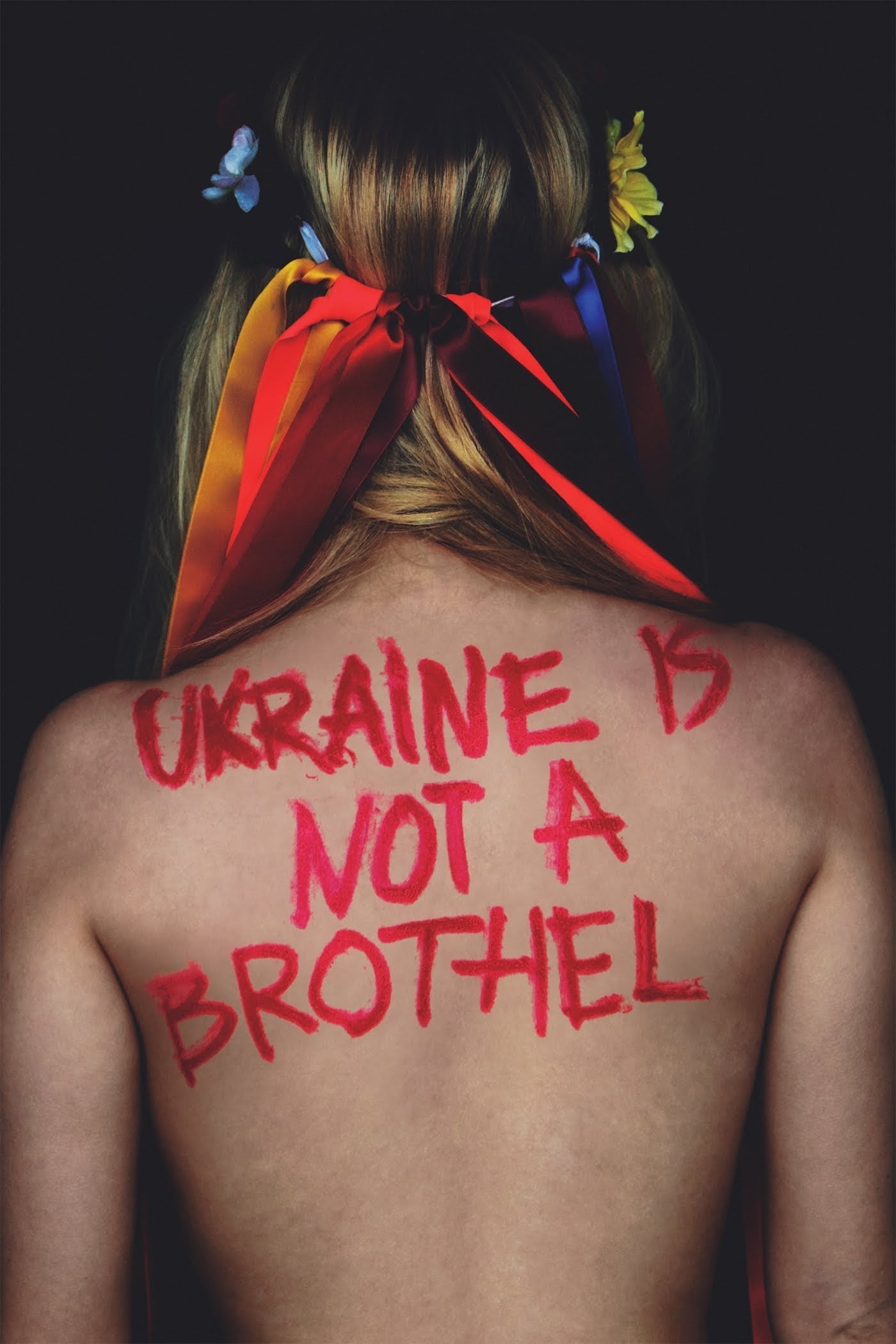
Ukraine's topless feminist sensation Femen has created a media frenzy across Europe, but before they take the world by storm, these bold and beautiful women must confront the dark and perverse forces that power their organisation.