Social & External
The people behind it
Digital images decomposing in rain-like effects. A visual poem, trying to capture the poetics of a cinematic rain shower into the structure of its images. Still images from the 1982 science fiction film noir classic Blade Runner become animated, a frozen memory of two lovers is washed away in time.
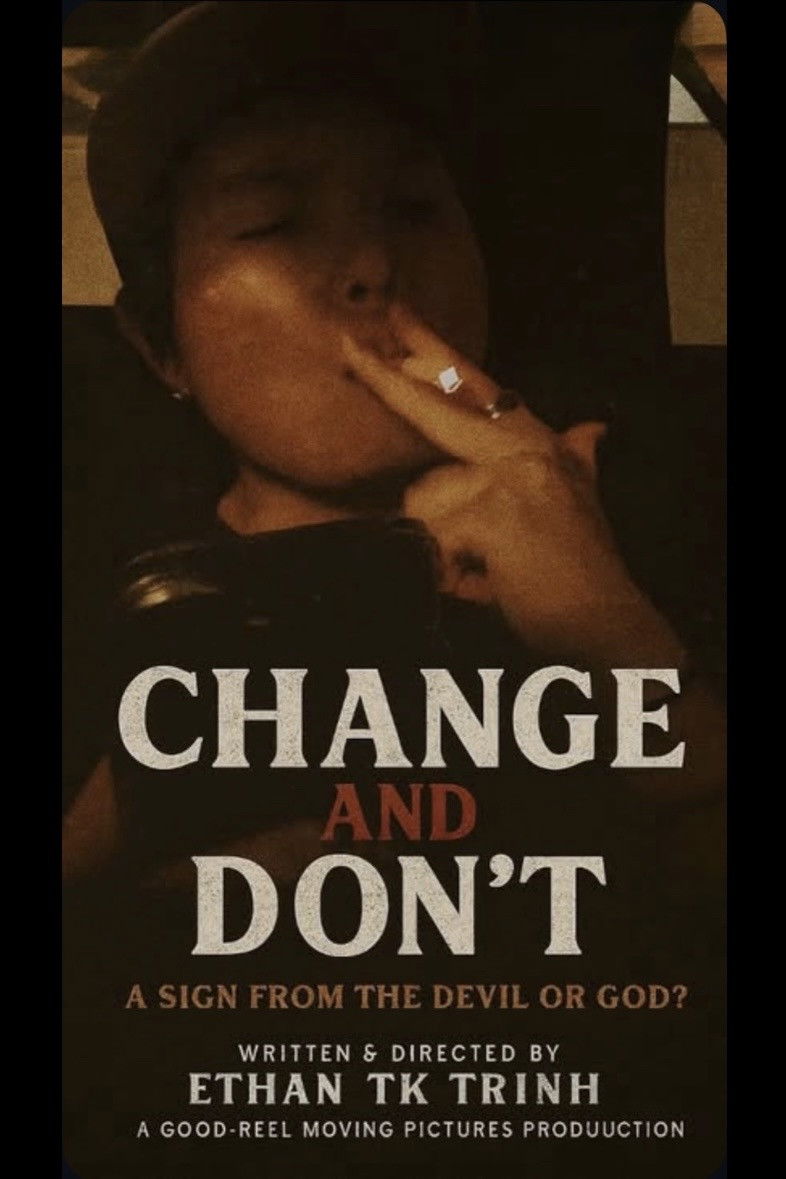
An intimate visual poem explores the delicate balance between change and stillness, inspired by Ethan TK Trinh’s 2025 poetry collection, “Change and Don’t.”
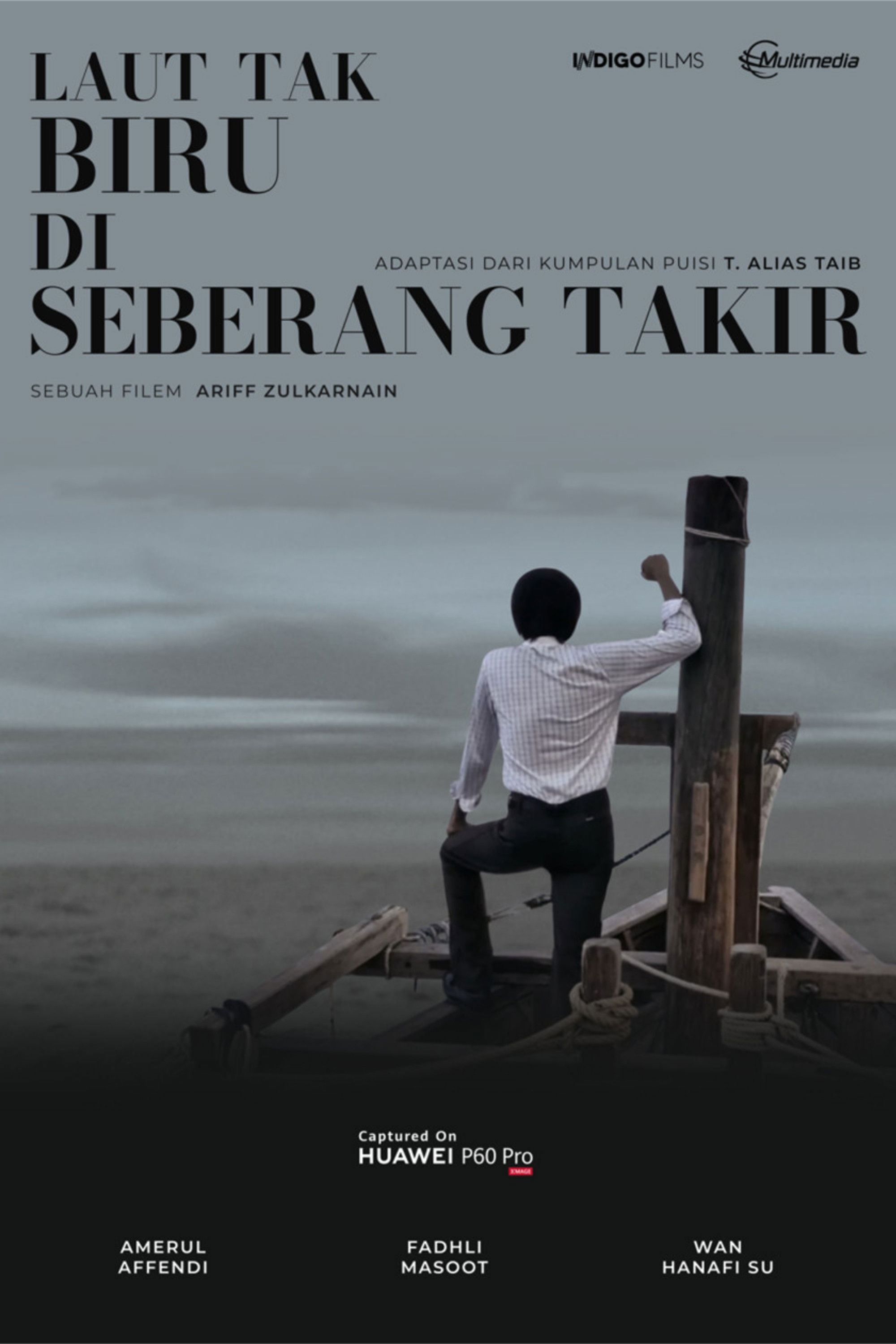
Captured on HUAWEI P60 Pro, "The Sea Is Not Blue At Seberang Takir" is a glimpse into the lives of three characters in a village by the sea in Kuala Terengganu. Written and directed by Ariff Zulkarnain, the short film features an anthology of poems by the great T. Alias Taib, also known as the "People's Poet".
a haiku films, a poem by Nha Thuyen
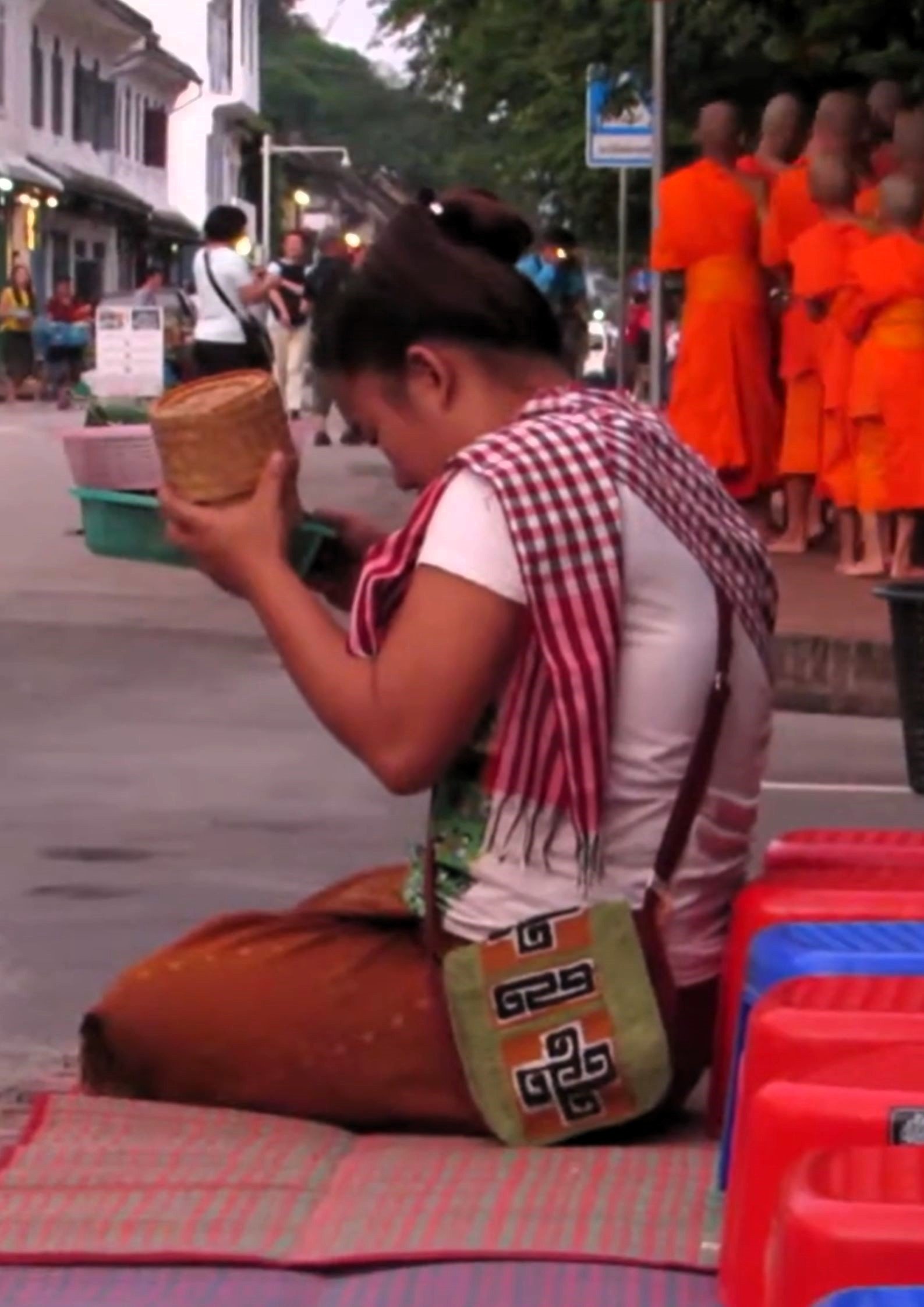
A haiku film poem. the early morning waiting for the monks. the voices. the fire. the wat drum.
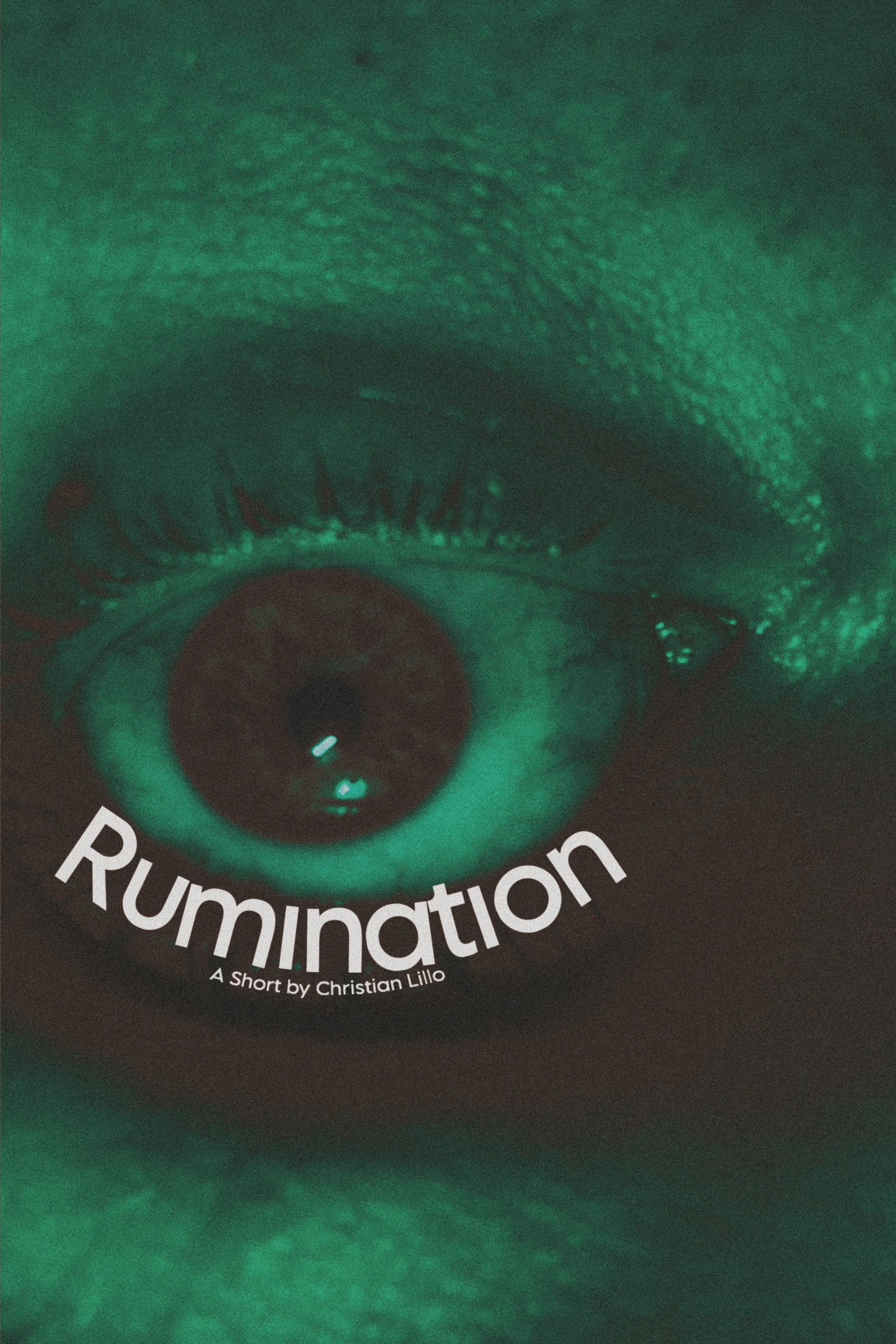
Rumination is a quiet reflection on a fractured relationship, told through memory, distance, and unanswered questions. Looking back, the narrator sifts through what went wrong, caught between what was real and what was lost.
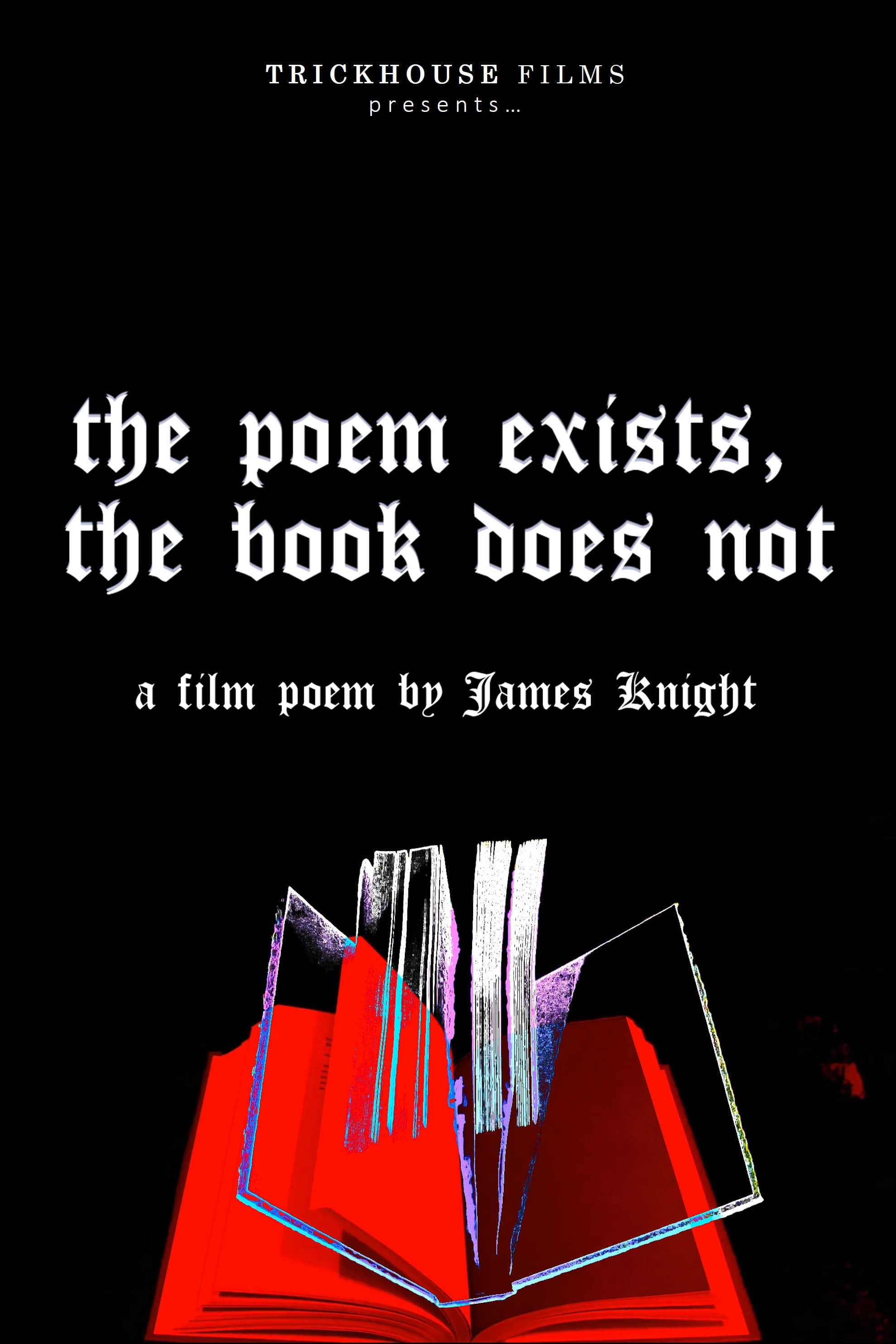
In this short from James Knight, a collection of Paul Celan's poetry is subjected to an electrical atomisation. Its words are severed from their material form. Knight composes through decomposition, pages disintegrate and reintegrate, and all the while the traces of their words remain fixed.
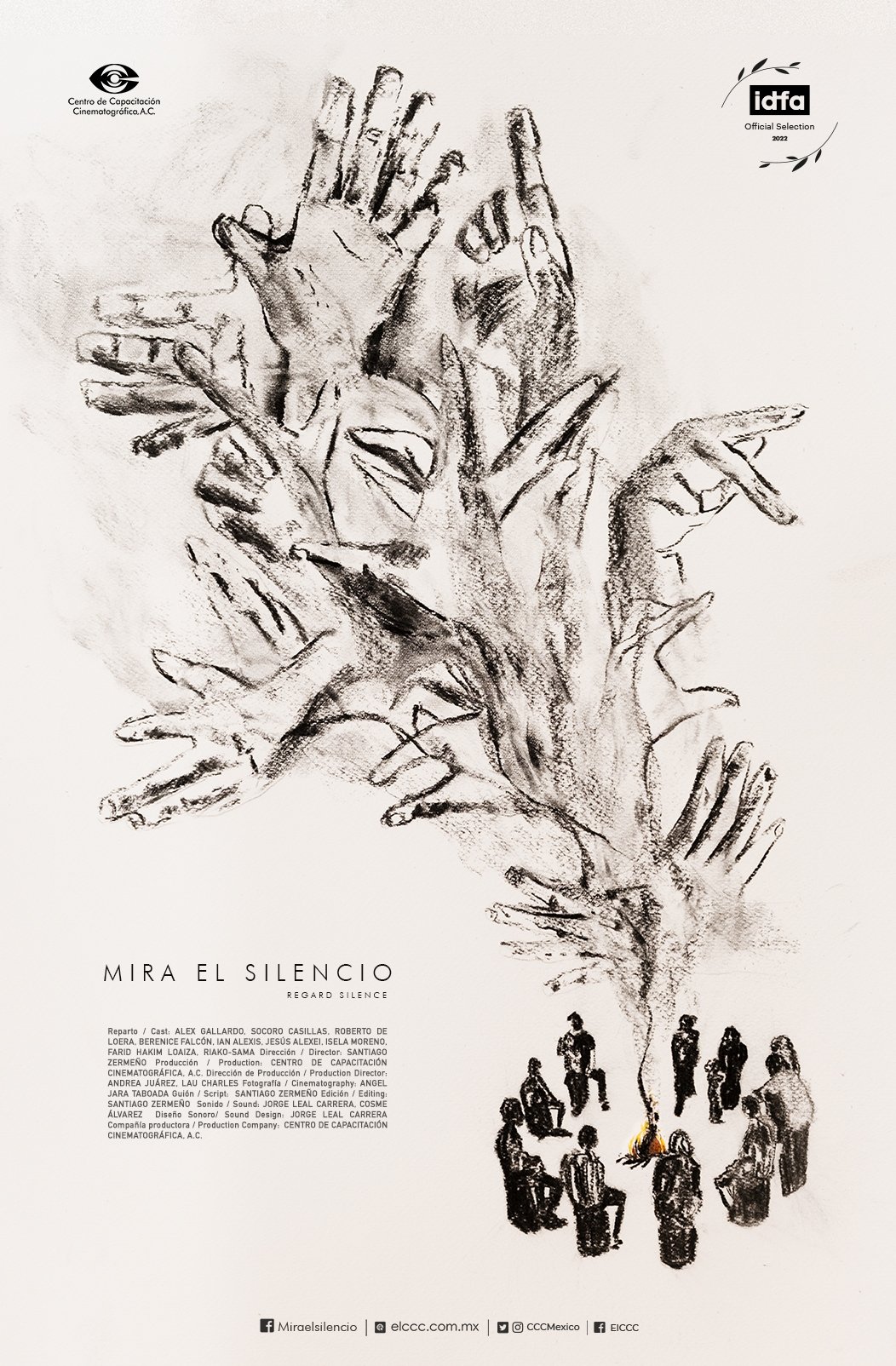
“I love poetry because it makes me feel like my mind expands.” In Regard Silence, that's the very first sentence expressed—in sign language of course. Watching the poems signed by deaf people in this film has a similarly mind-expanding effect. That’s because sign language—the Mexican version in this case—is a very different means of communication than written or spoken language.
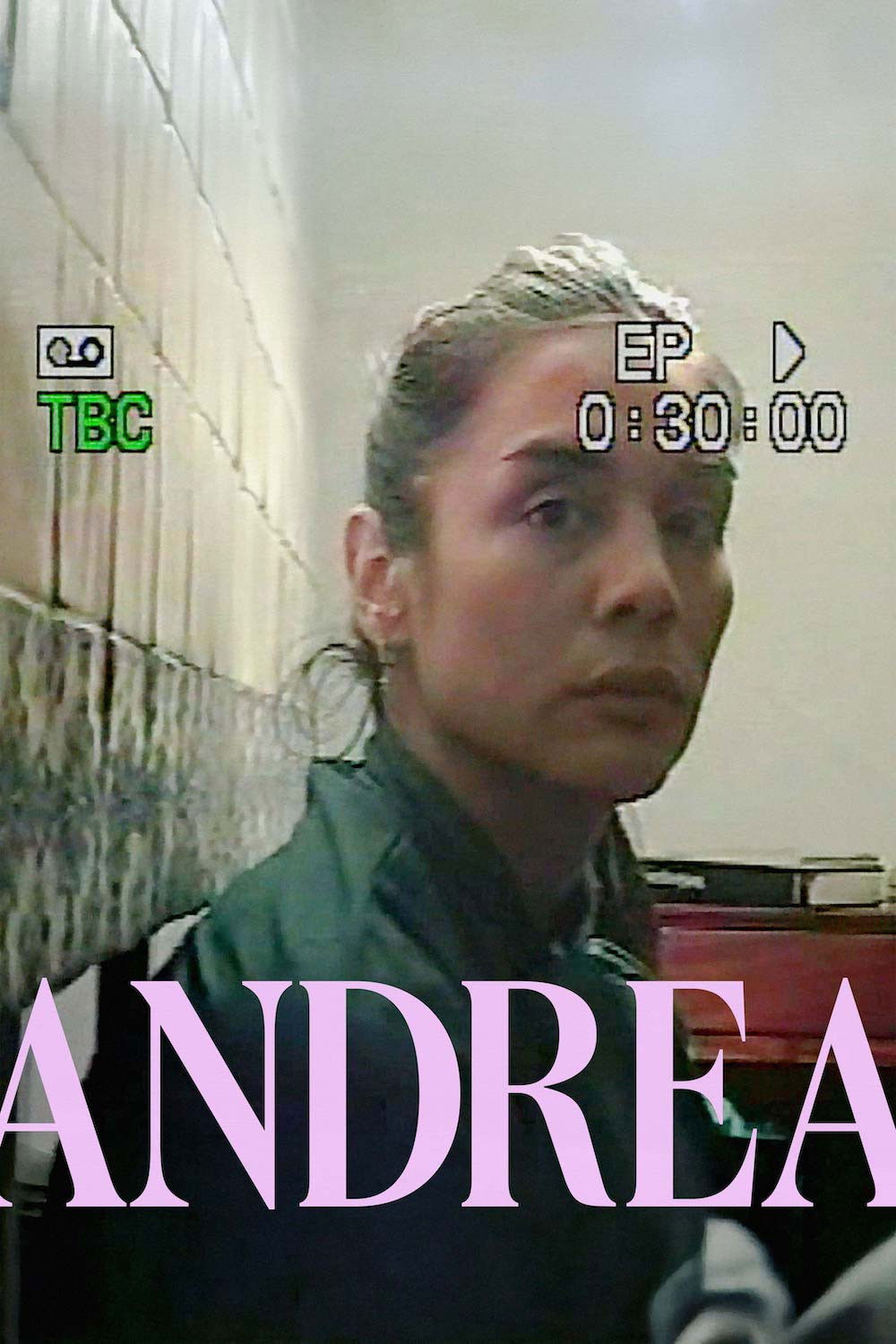
A transgender girl runs away from home and is invited to live with a strange photographer who pushes her to help him pay his debts.
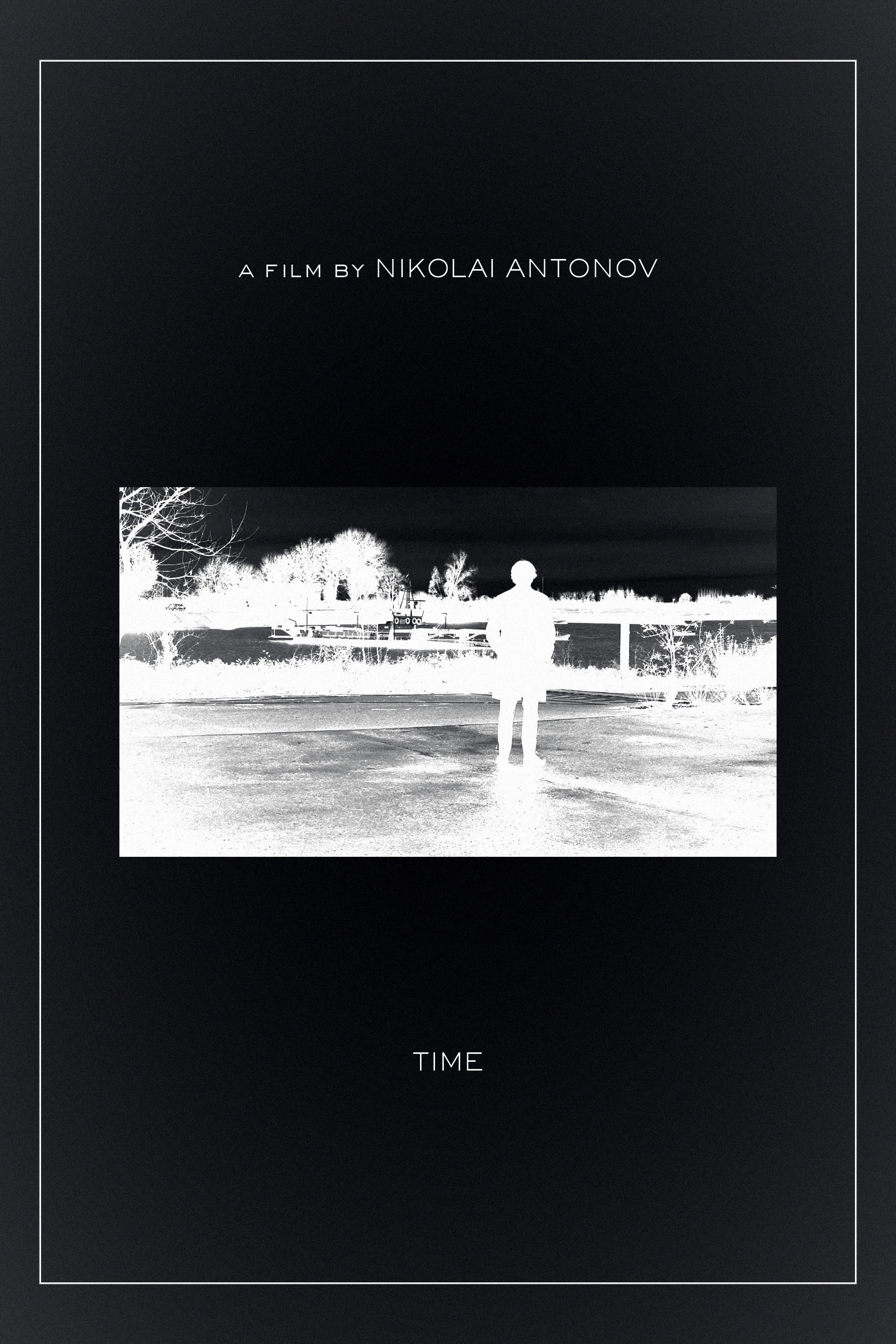
A loose interpretation of the poem of the same name by Dutch poet M. Vasalis, "Time" follows a grieving man who is plagued by a strange and prophetic dream.
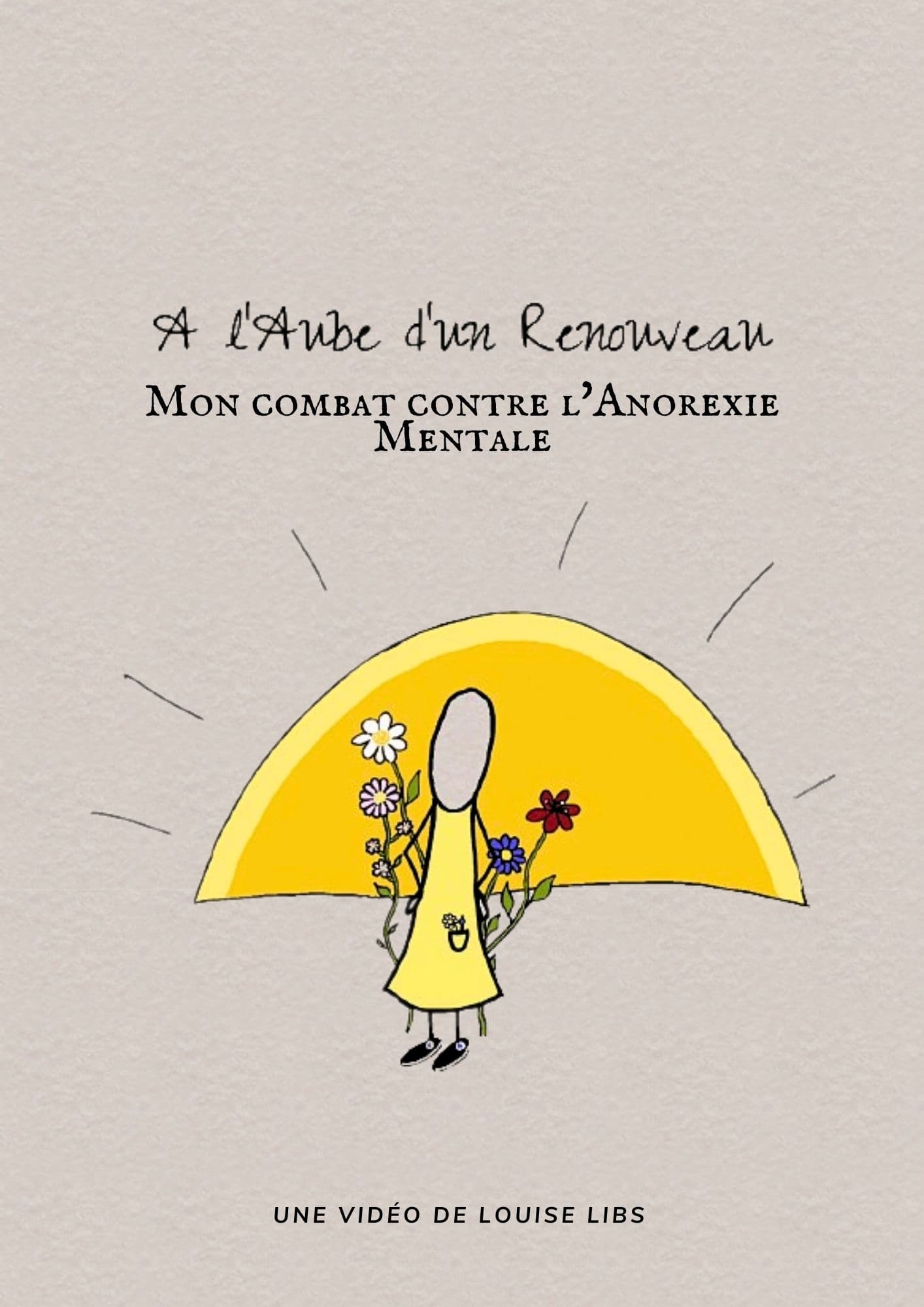
In this farewell letter to Ana (aka Anorexia), I reveal the suffering associated with this illness. I sincerely express my deep desire to regain my freedom and vitality by sharing not only my progress but also my relapses. Through the interweaving of drawings and poetry, I share this quest for reconstruction, which I hope will help raise awareness of this mental illness and bring a little hope to people affected by it and those around them.
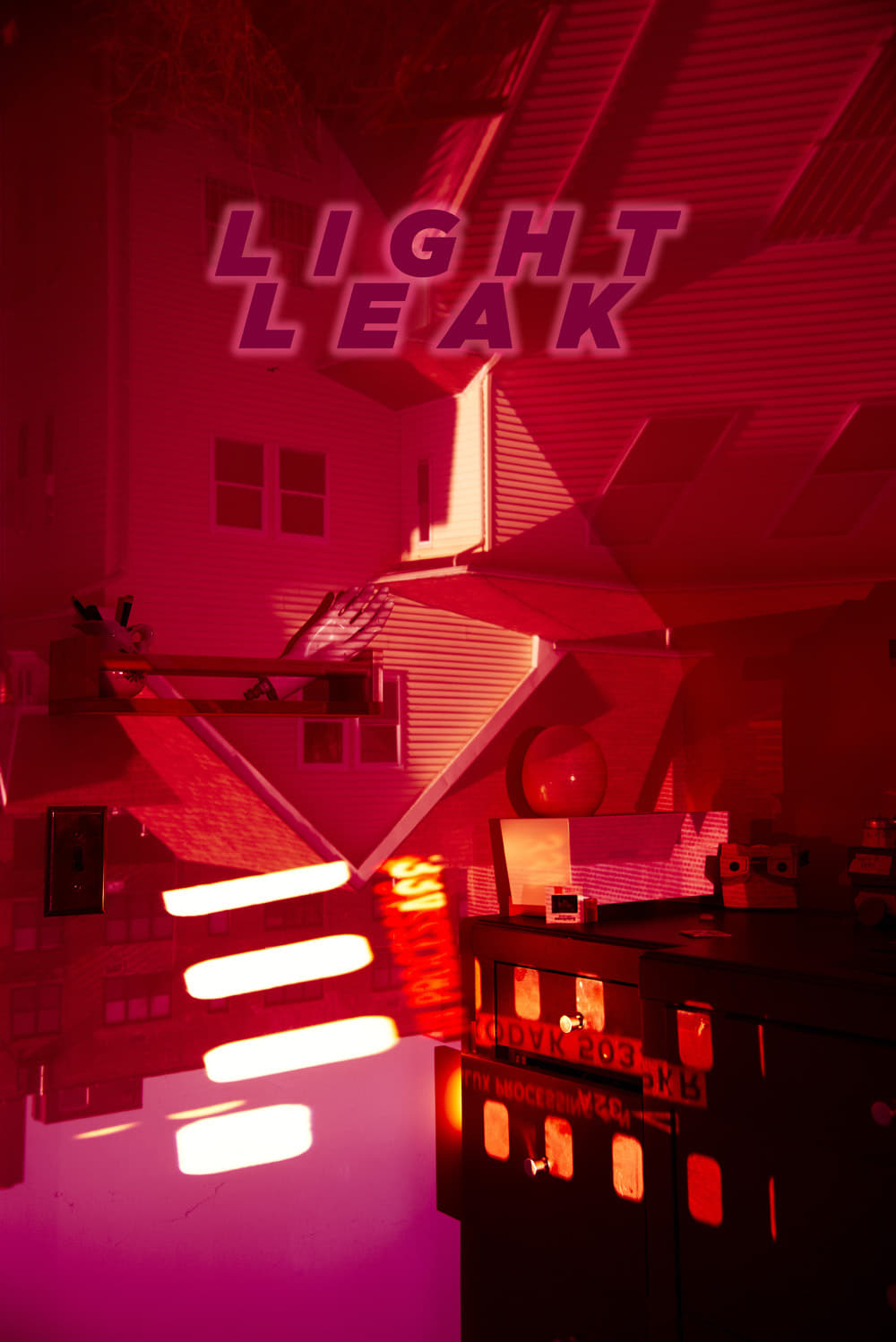
Light is information, a signal more lasting than recollection. If there’s anyone out there to receive the message. Isolated in a sealed apartment, a lone observer regards an outside world outside become increasingly unreal or unreachable. Archaic illuminations, old slides and the pin-lights of the camera obscura, crawl across the walls. Connections fray. Time loses meaning. A science fictional essay film, or its inverse. A rumination on optics, memory, data, and endings.
As a prayer, a character exhausted by her own life desperately calls out to something with no name as a last resource for help in her existence. Through the analogy of a lamp that slowly turns on as if answering her request, let there be "light".
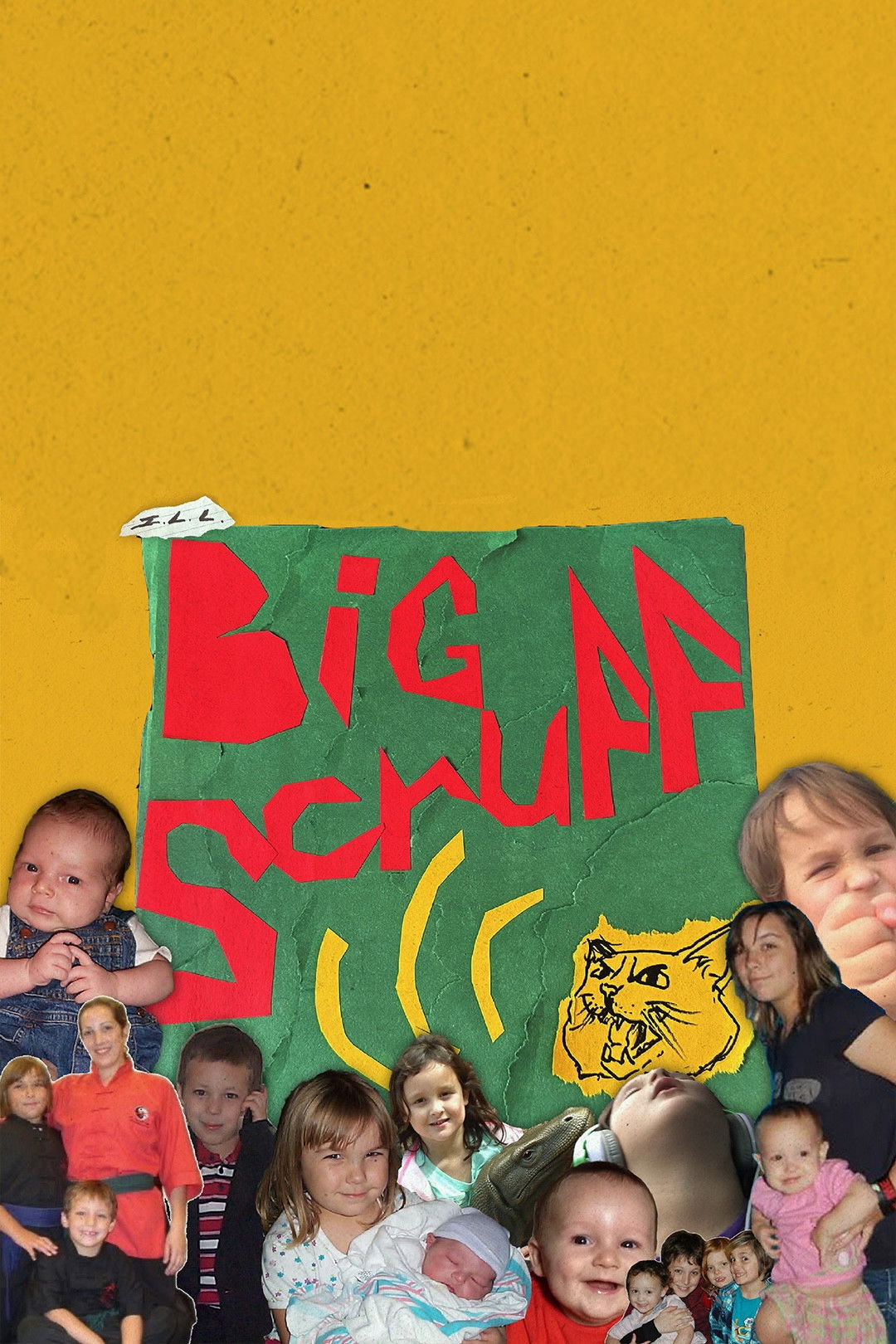
A visual album made to accompany the EP of the same name by I.L.L.
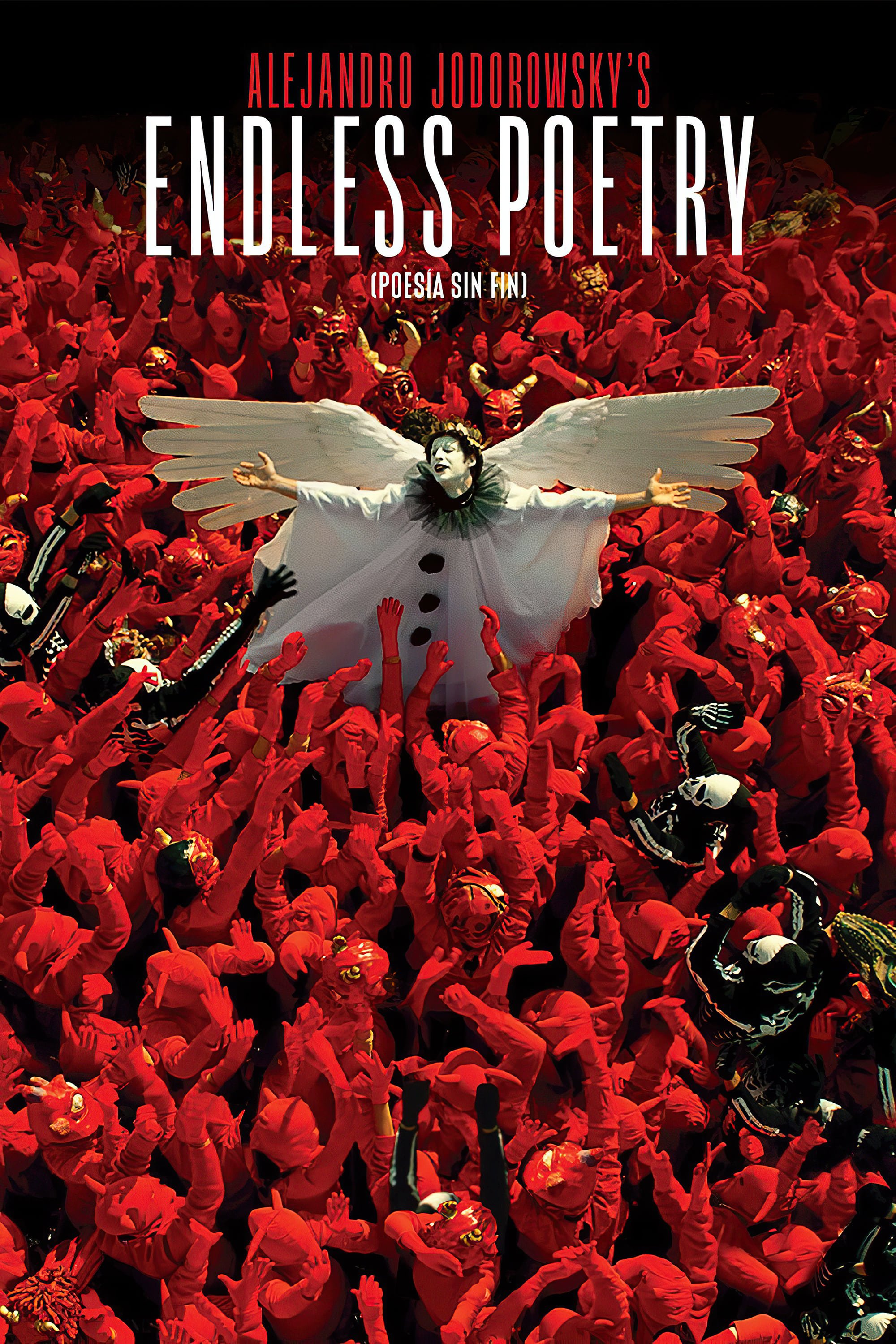
A portrait of the director’s young adulthood, set in the 1940s–1950s, in the electric capital city of Santiago. There, he decides to become a poet and is introduced, by destiny, into the foremost bohemian and artistic circle of the time.
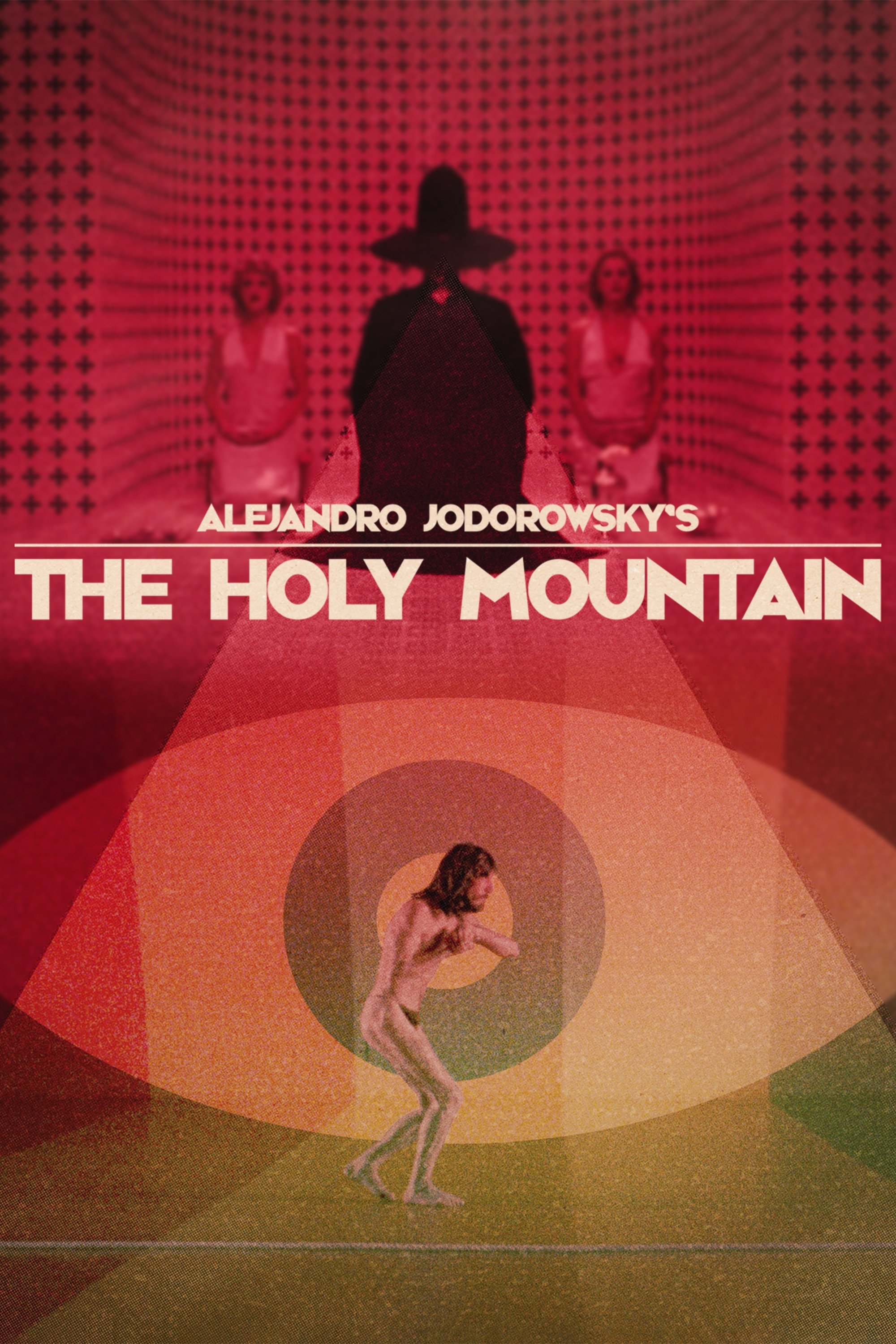
The Alchemist assembles together a group of people from all walks of life to represent the planets in the solar system. The occult adept's intention is to put his recruits through strange mystical rites and divest them of their worldly baggage before embarking on a trip to Lotus Island. There they ascend the Holy Mountain to displace the immortal gods who secretly rule the universe.
Oliveiro is a young poet living in Buenos Aires where sometimes he has to sell his ideas to an advertising agency to make a living or exchange his poems for a steak. In Montevideo, he meets a prostitute, Ana, with whom he falls in love. Back in Buenos Aires, he accepts a contract with a publicity agency to get the money for three days of love with her. Will he get what he's searching for when his ideal of love's pleasure is literally going in levitation while making love?
Two girlfriends on a summer holiday in Spain become enamored with the same painter, unaware that his ex-wife, with whom he has a tempestuous relationship, is about to re-enter the picture.
Lucy Harmon, an American teenager is arriving in the lush Tuscan countryside to be sculpted by a family friend who lives in a beautiful villa. Lucy visited there four years earlier and exchanged a kiss with an Italian boy with whom she hopes to become reacquainted.
About the young life and loves of artist Salvador Dalí, filmmaker Luis Buñuel and writer Federico García Lorca.
After 15 years, Tomas, a not very succesfull writer, comes back to the village in Galicia where his family comes from, Arga, apparently to get an award. But he doesn't know the real reason why he is there, to end with an old curse that is been haunting the village for the last hundred years.
High school loner Bird Fitcher has no idea what dark secrets are tied to the mysterious Polaroid vintage camera she stumbles upon, but it doesn't take long to discover that those who have their picture taken meet a tragic end. Bird and her friends must survive one more night as they race to solve the mystery of the haunted Polaroid before it kills them all.
Johnny Smith is a schoolteacher with his whole life ahead of him but, after leaving his fiancee's home one night, is involved in a car crash which leaves him in a coma for 5 years. When he wakes, he discovers he has an ability to see into the past, present and future life of anyone with whom he comes into physical contact.
In the wake of a freak accident, Lance suffers the worst tragedy and the greatest opportunity of his life. He is suddenly faced with the possibility of fame, fortune and popularity, if he can only live with the knowledge of how he got there.
Santi, a young high-school student with a serious physical reaction to sunlight, is forced by his health to move with his single mother to a shadowy, isolated village in the mountains of Spain where the inhabitants begin to reveal themselves as strangely xenophobic. When terrible, violent events begin to occur, Santi becomes first a pariah at school and then strongly suspected by the police of hideous murders. Santi himself, however, wonders if he is not the next victim.
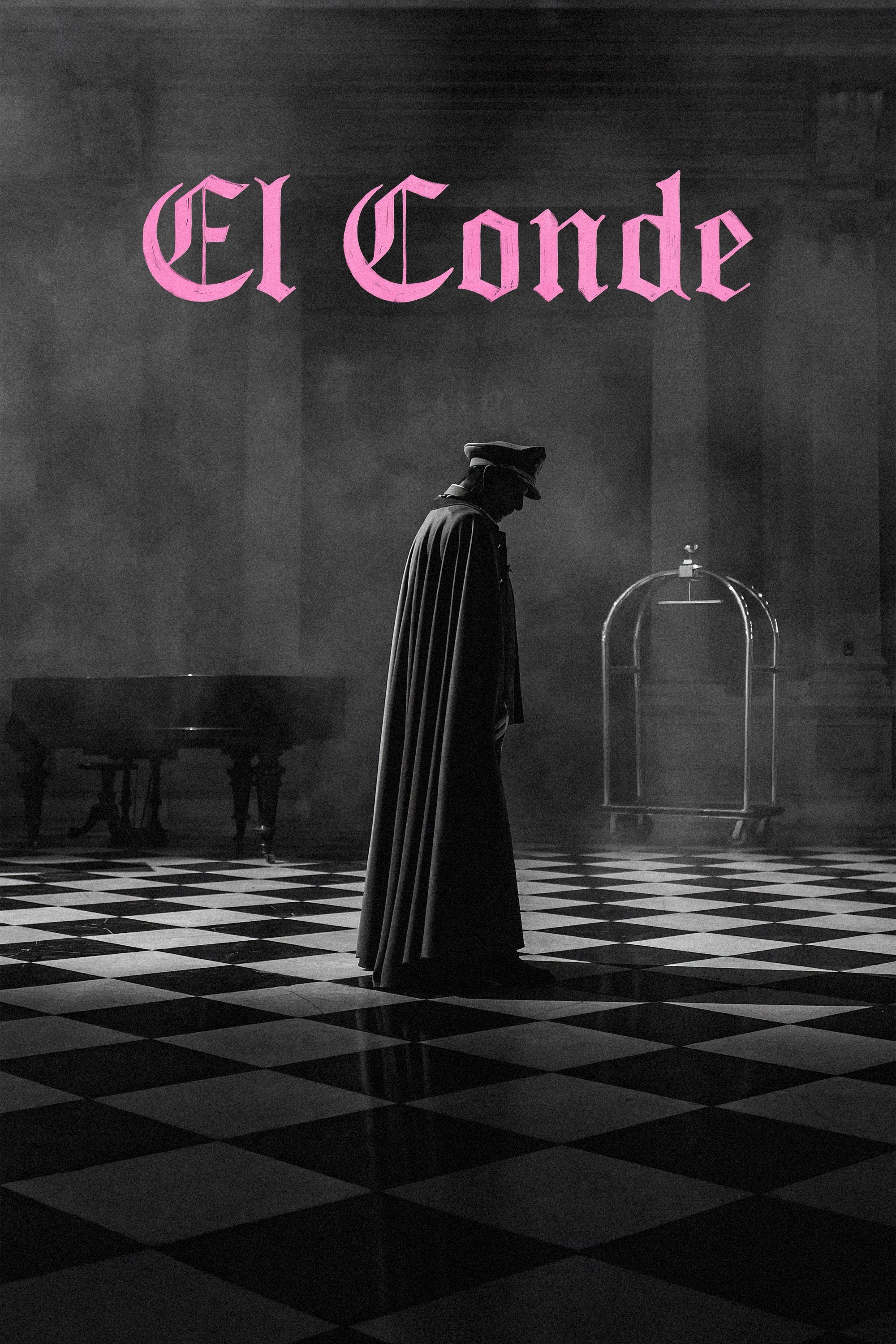
After living for over two centuries, Augusto Pinochet is a vampire ready to die… but the vultures around him won't let him go without one last bite.
A study in contrasts set in and around Havana that explores Cuba's 1959 revolution: a young woman's fascination with the excess of an American-owned casino leads to her downfall in the eyes of her street vendor boyfriend; a tenant farmer revolts the only way he knows how, attacking the land he works; university students gain first-hand knowledge of political upheaval; and, in the hills outside the city, the members of a poor peasant family are patriotically swept up into the burgeoning revolt.
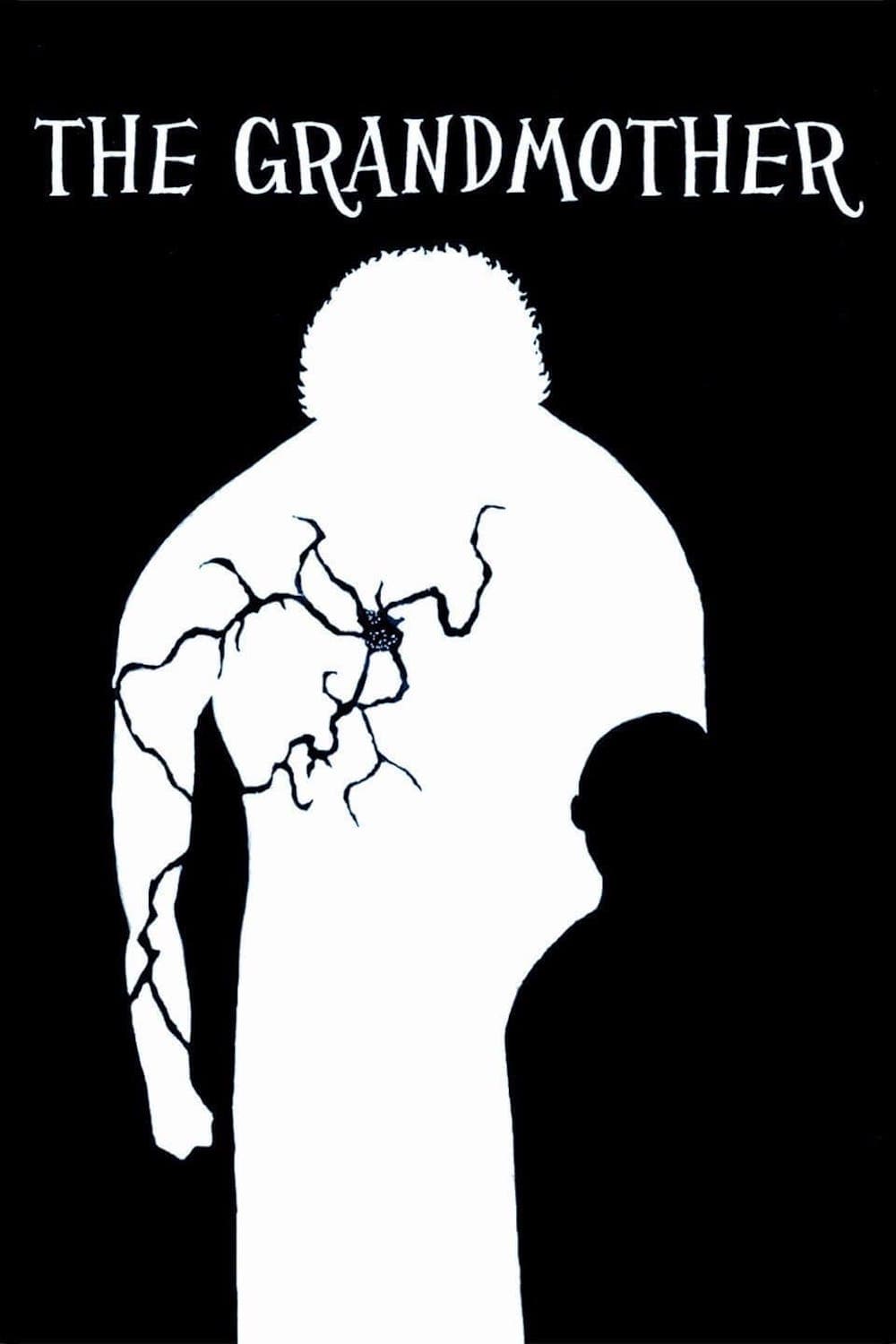
To escape neglect and abuse from his parents, a young boy plants some strange seeds and they grow into a grandmother.
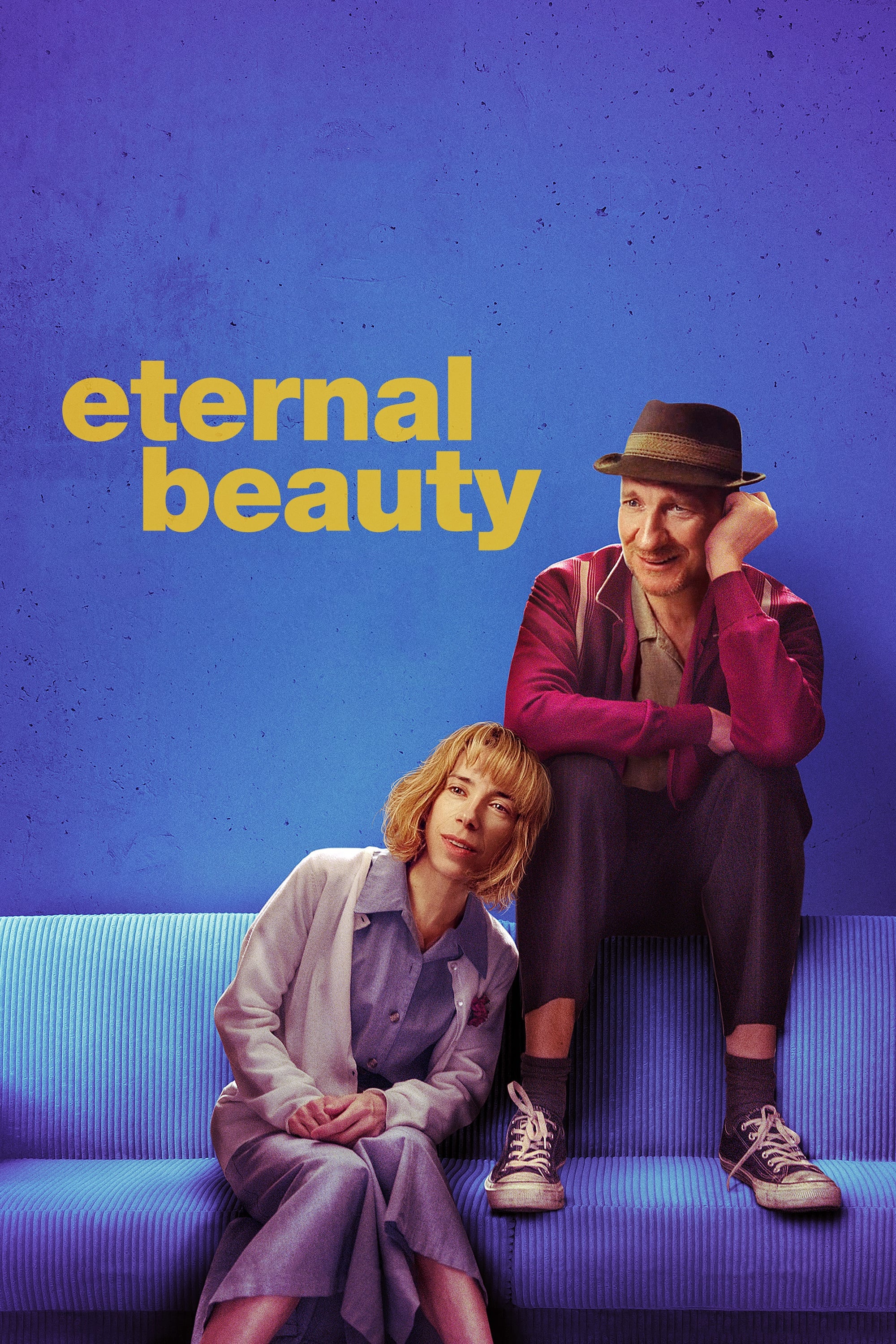
When Jane is rejected by life, she spirals into a chaotic, schizophrenic world where love and normality collide with humorous consequences.
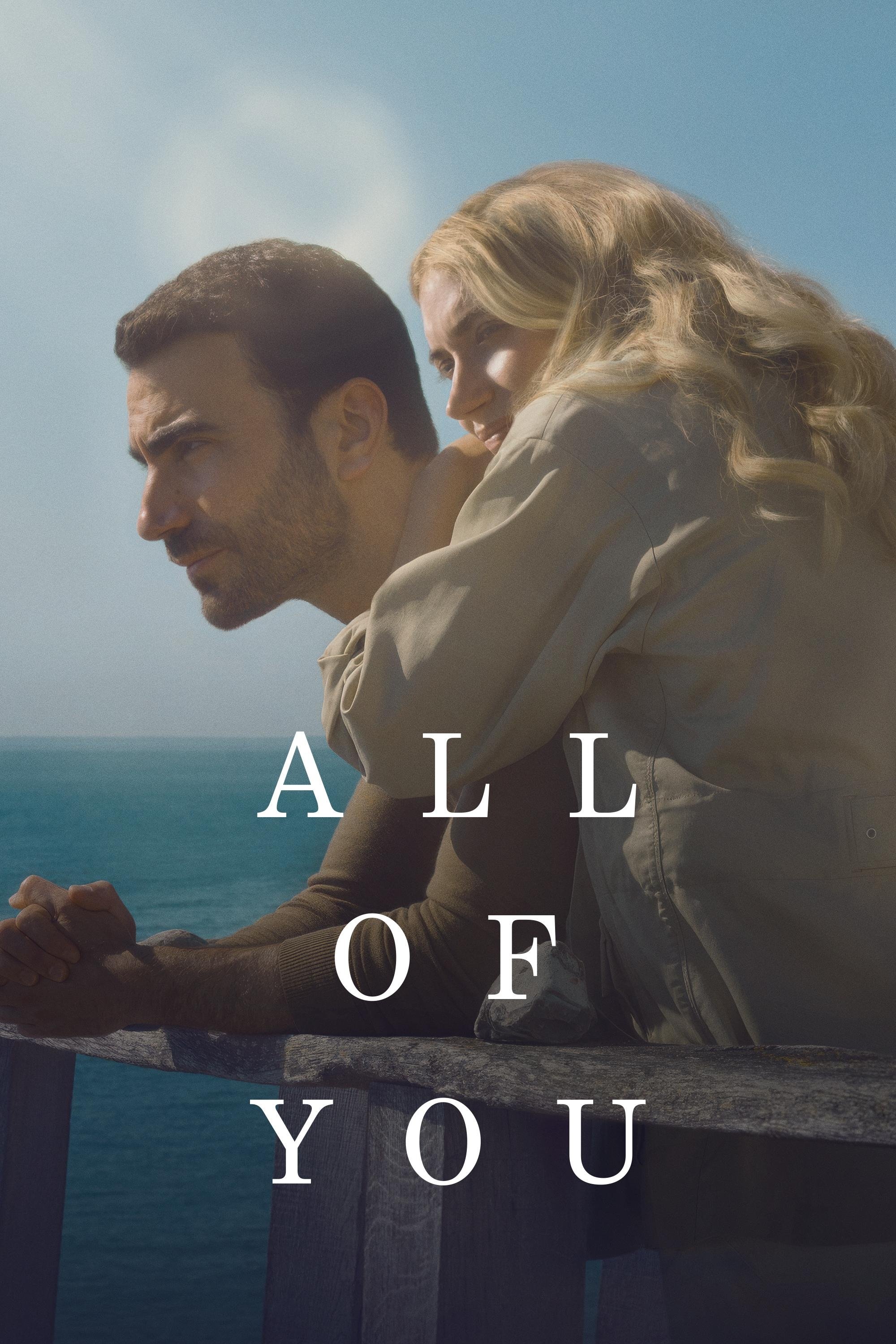
Laura and Simon have been best friends since college. Over the years, they've realized their bond is more than platonic. Can they—and should they—risk everything to explore a love that has existed all along?
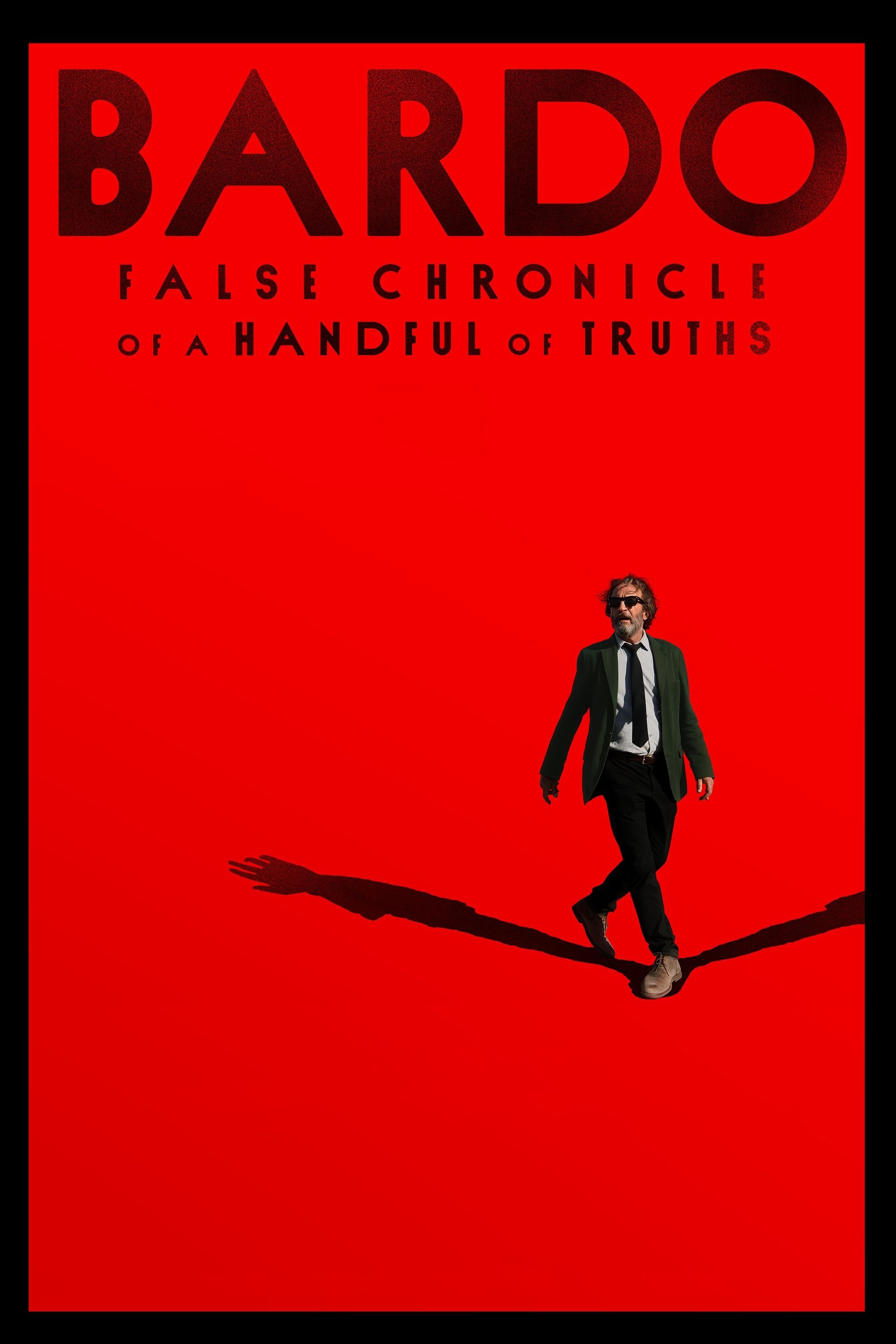
A renowned Mexican journalist and documentary filmmaker living in Los Angeles, after being named the recipient of a prestigious international award, is compelled to return to his native country, unaware that this simple trip will push him to an existential limit.
This satirical anthology tells the surreal stories of a gift for Don Horacio, a trip to the beach for Bermejo, a life-changing relationship between Tina and the young immigrant Ayoub, and a new client for a company that specializes in excuses.
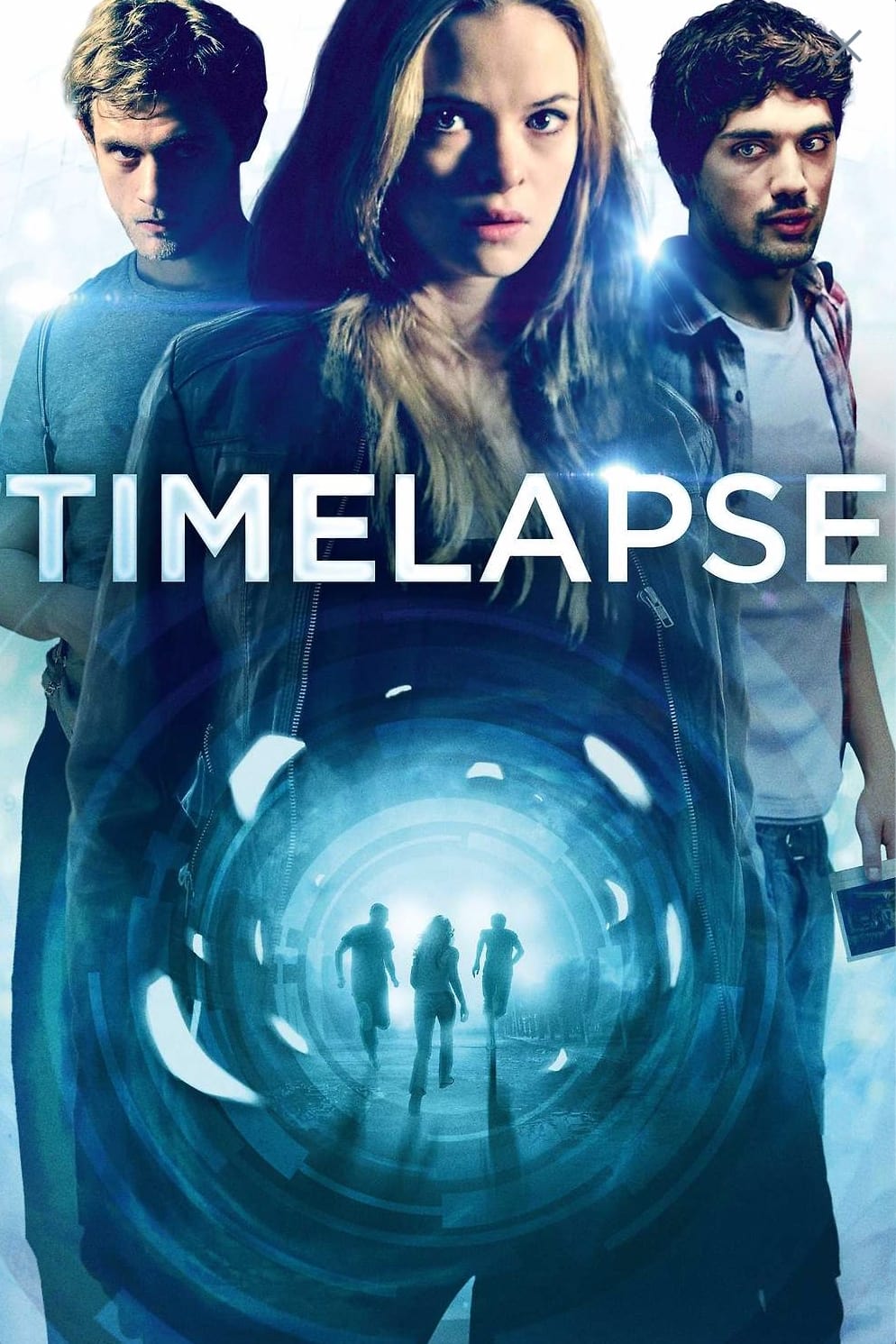
Three friends discover a mysterious machine that takes pictures 24 hours into the future and conspire to use it for personal gain, until disturbing and dangerous images begin to develop.
An ambitious American fulfilling her dream of studying at Oxford falls for a charming Brit hiding a secret that may upend her perfectly planned life.