Social & External
The people behind it
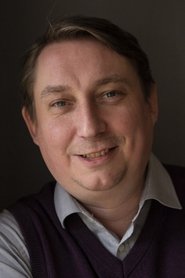
Pavel Rímský
Narrator
Karel Dobrý
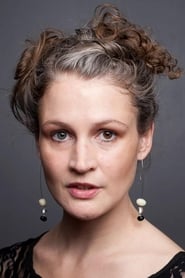
Tereza Hofová
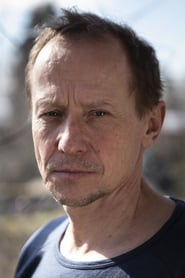
Ondřej Malý
Eva Podzimková
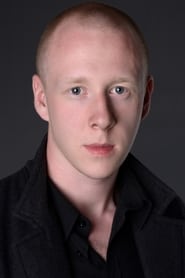
Štěpán Kozub
Sara Sandeva
Robert Mikluš
Hynek Chmelař
Jiří Maryško
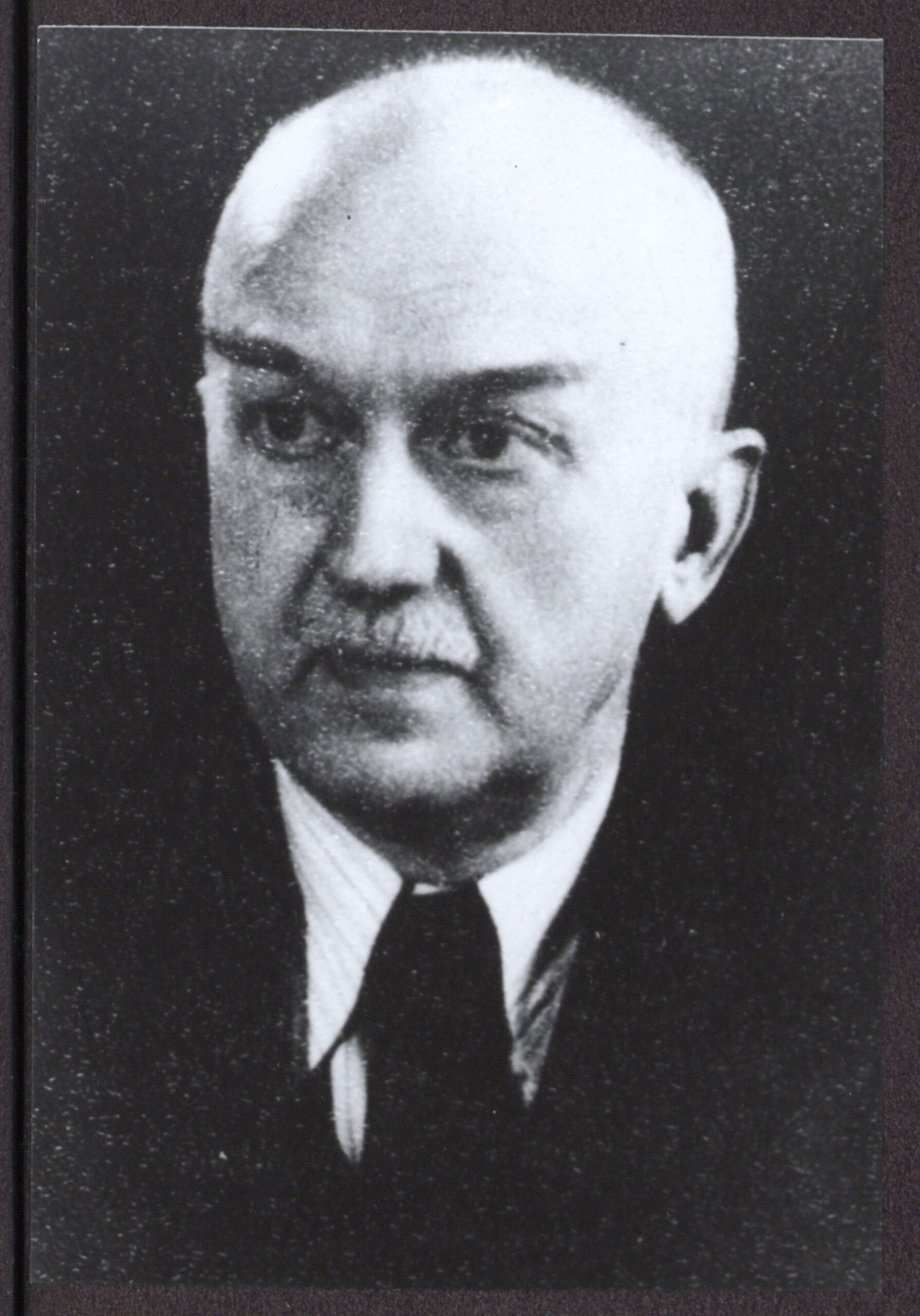
Documentary about the renowned Estonian pedagogue and educational reformer Johannes Käis. Made on commission for Estonian Ministry of Education.
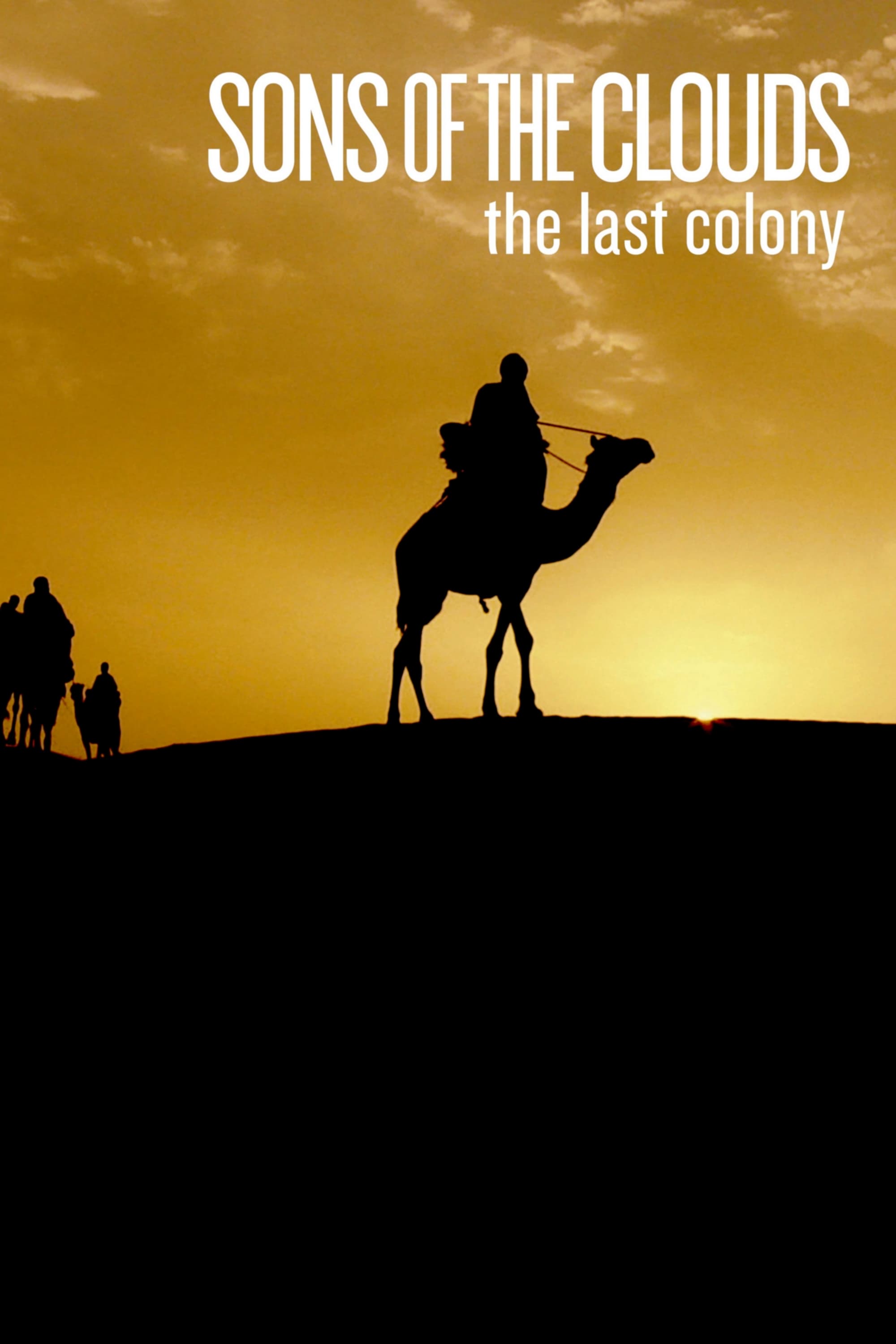
The political upheaval in North Africa is responsibility of the Western powers —especially of the United States and France— due to the exercise of a foreign policy based on practical and economic interests instead of ethical and theoretical principles, essential for their international politic strategies, which have generated a great instability that causes chaos and violence, as occurs in Western Sahara, the last African colony according to the UN, a region on the brink of war.
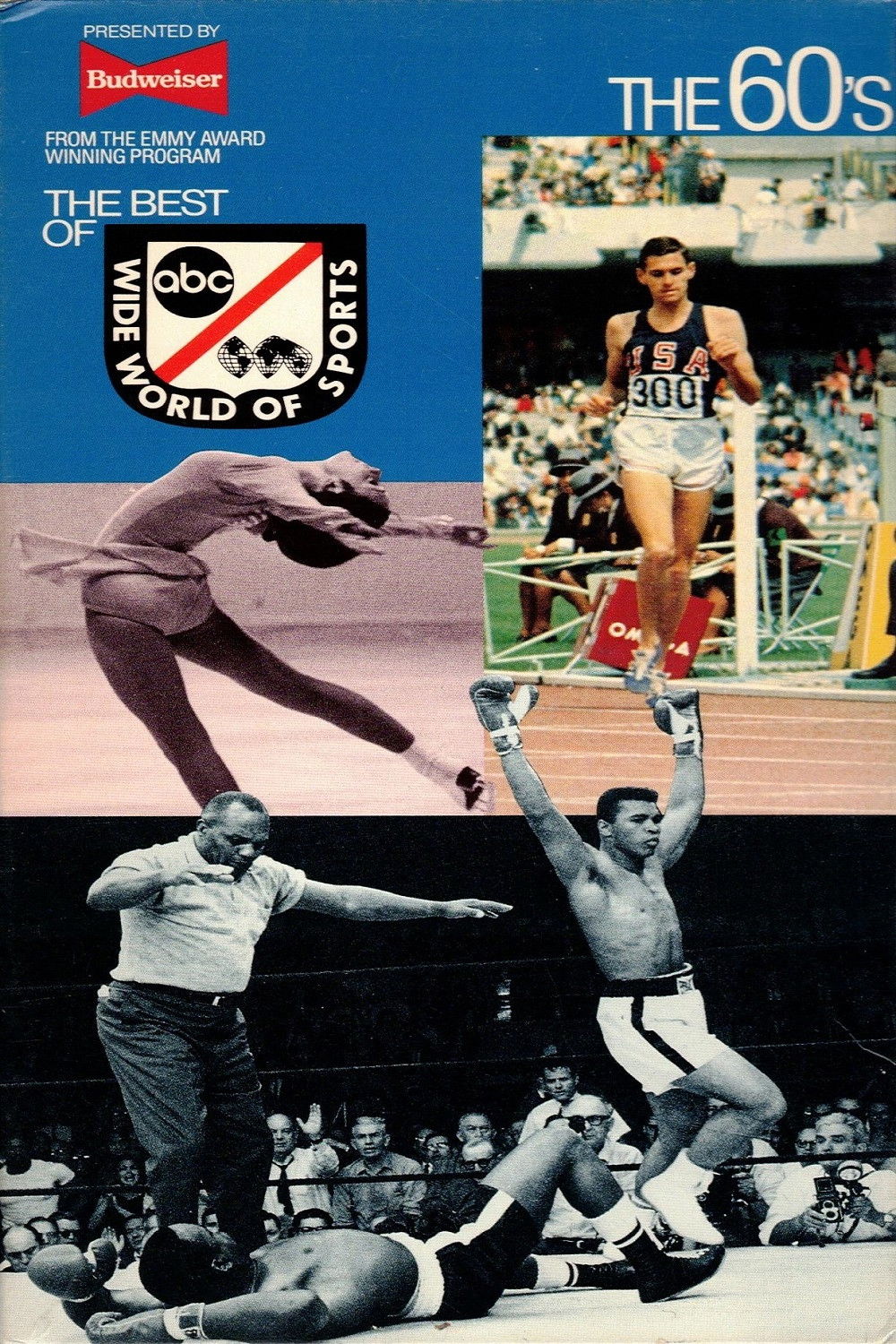
ABC's Wide World of Sports first started spanning the globe in 1960, and a generation of sports fans and weekend TV viewers were hooked from the start. In this videocassette, featuring highlights of that first decade, Wide World captured the famous moments of competition all over the globe.
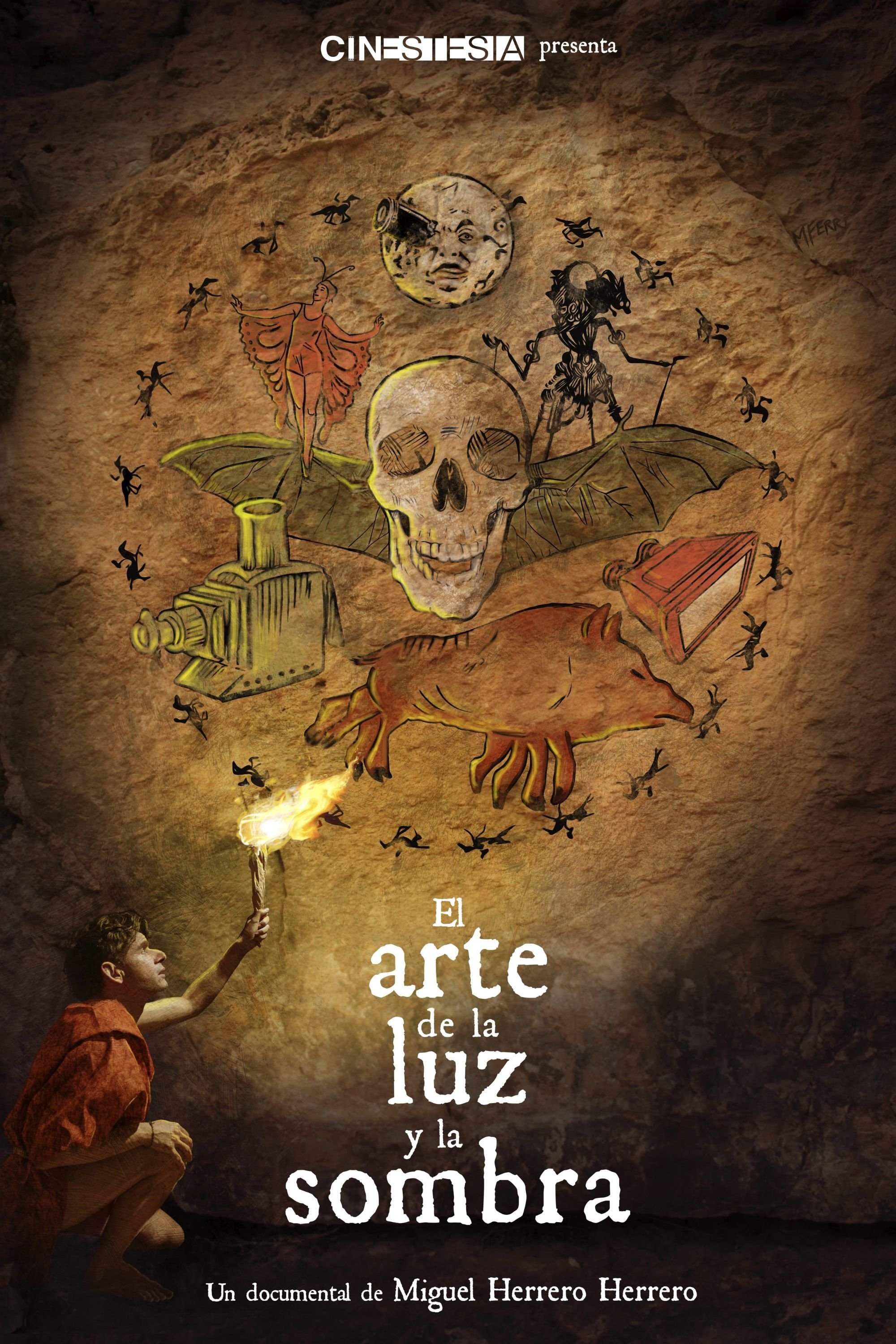
The unknown and fascinating origins of cinema and audiovisuals from prehistory to the beginning of the 20th century.
Haakon Sandberg made 11 annual cavalcades from year 1960 to 1992. He filmed small and great events in Bergen, intertwining them with historical archive footage of the city. The films contain unique footage of Bergen from 1916 to 1992, created with artistic intention. Øyvind Sandberg made a 23-minute film portrait of his parents, specifically Haakon, at the end of this DVD collection.
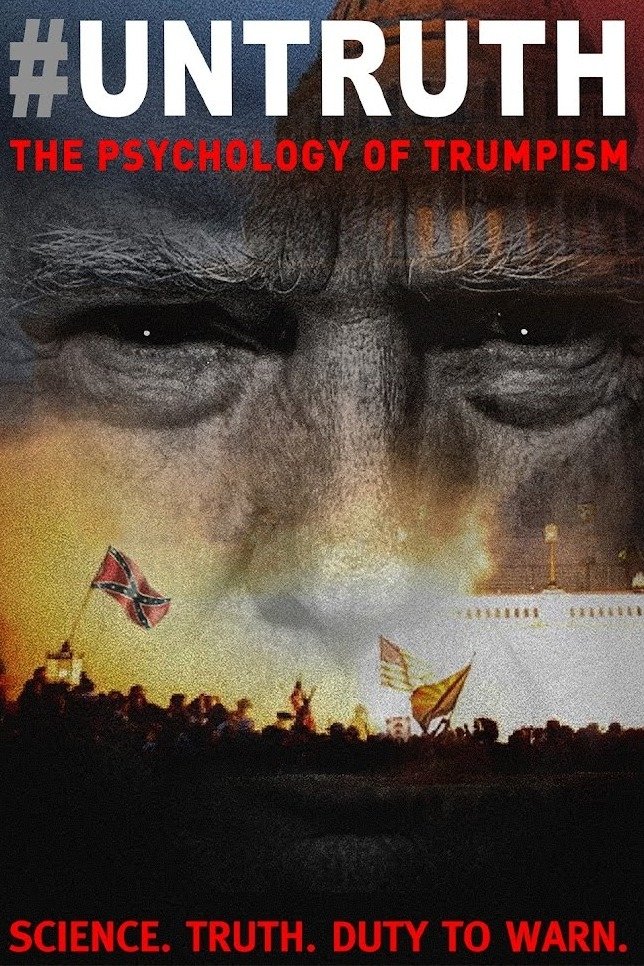
From the filmmakers of the critically-acclaimed blockbuster #UNFIT: THE PSYCHOLOGY OF DONALD TRUMP, which grossed over $2.5 million, has been viewed by millions, and was nominated for the IDA Documentary Awards Video Source Award Director, producer, and writer Dan Partland and producer Art Horan are back with #UNTRUTH: THE PSYCHOLOGY OF TRUMPISM examines the psychology of “Trumpism” and the authoritarian strain that it seeded in the American political landscape.
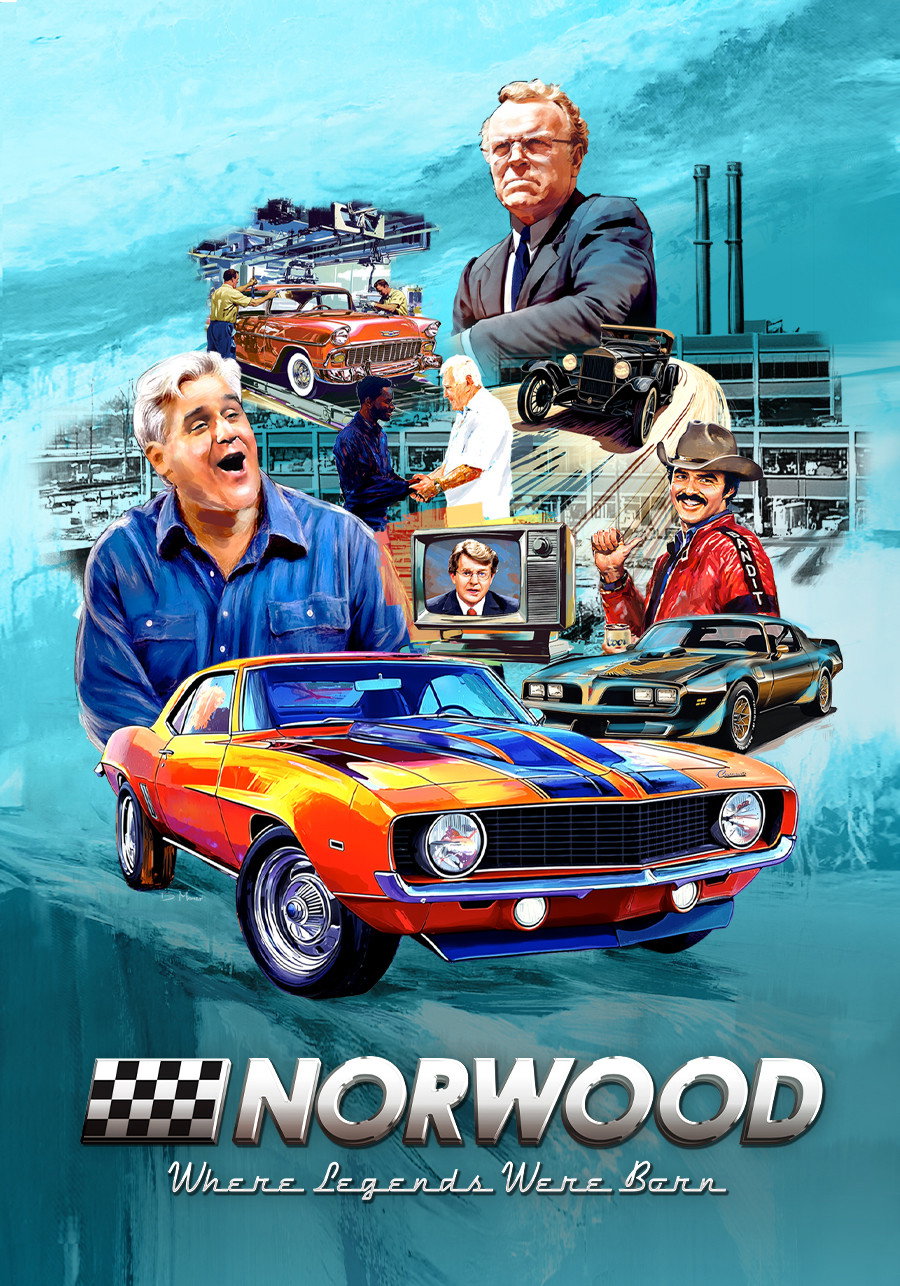
Discover the untold story of Norwood Assembly, where legendary cars like the Chevrolet Camaro and Pontiac Firebird Trans Am were born. Through the voices of the people who built them, this documentary celebrates innovation, perseverance, and American manufacturing. Featuring exclusive interviews with Jay Leno and Burt Reynolds and rare never-before-seen footage, this compelling documentary uncovers the remarkable story of one of America's most influential factories and celebrates American automotive manufacturing in its heyday.
This is a short and low-budget documentary film about the life of the legendary Bulgarian revolutionary - Delyo Voyvoda. This film is available to watch in the museum named after him located in Zlatograd, Bulgaria.
Majka lives alone in Stolac, a Herzegovinian village with pretty scenery and a dark history. The past and present collide in this bittersweet documentary about the beauty that was, the destruction that persists and what can never be undone.
When Tadeusz Soplica returns to his family home, a dispute takes place between the Horeszków and Soplic family over the castle.
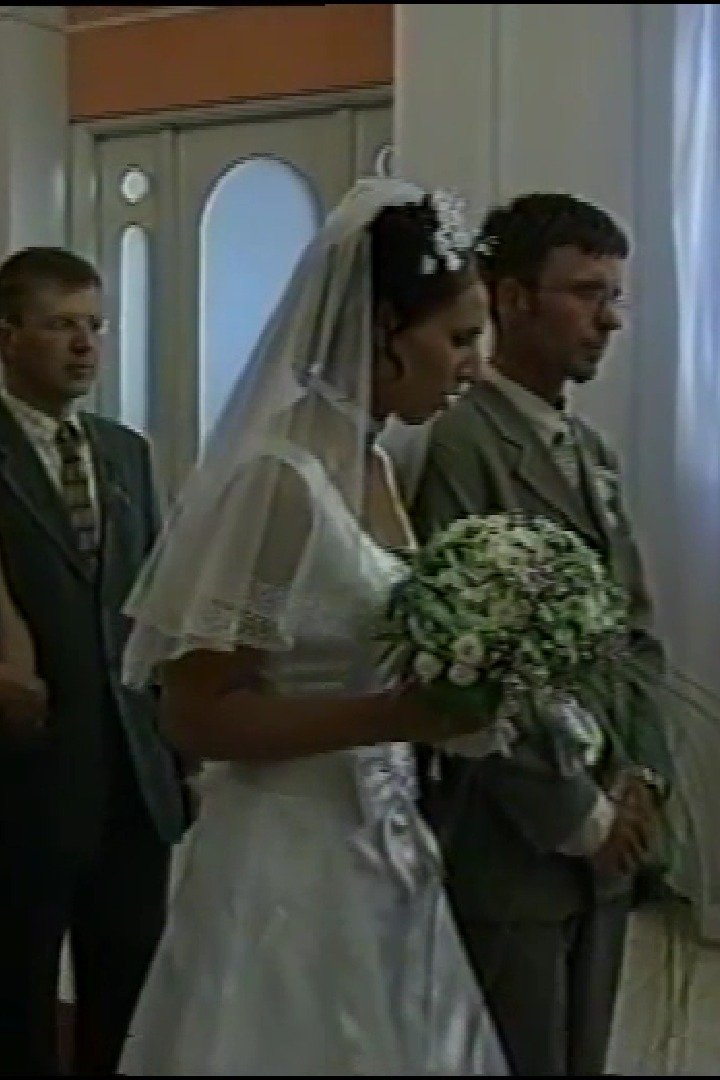
Through archival footage of his parents' wedding, the filmmaker reflects on love and marriage in contemporary Serbia. Observing traditional Balkan rituals, he questions his own place as an LGBT individual in a society resistant to equality. The film explores the tension between tradition and modern love, and the hope for a future where everyone can experience love freely. Through his personal journey, he confronts family expectations and dreams of acceptance.
Many people, especially younger ones, might be surprised to learn that a river once flowed through Tallinn. Even less known to the public are the places where traces of Härjapea's former course can still be seen.
An Original Documentary Film that explores 4 unique haunted hot spots including a Gothic Haunted House, America's Oldest Lighthouse, Ryholite Ghost Town, Nevada and a haunted Train Museum. With Mark Hall-Patton from "Pawn Stars"
Reinscribing the Dondorf explores the former Dondorf Printing Works in Frankfurt through the history of the German-Jewish family who founded it. Following the traces of Clara, a Holocaust survivor, and Helene, deported to the Łódź ghetto in 1941, the film examines the potential and limitations of AI as a tool for archival research and memory. Working with both analytic and generative AI models, it explores how these new visual and sound regimes shape our relationship with history and with the archive.
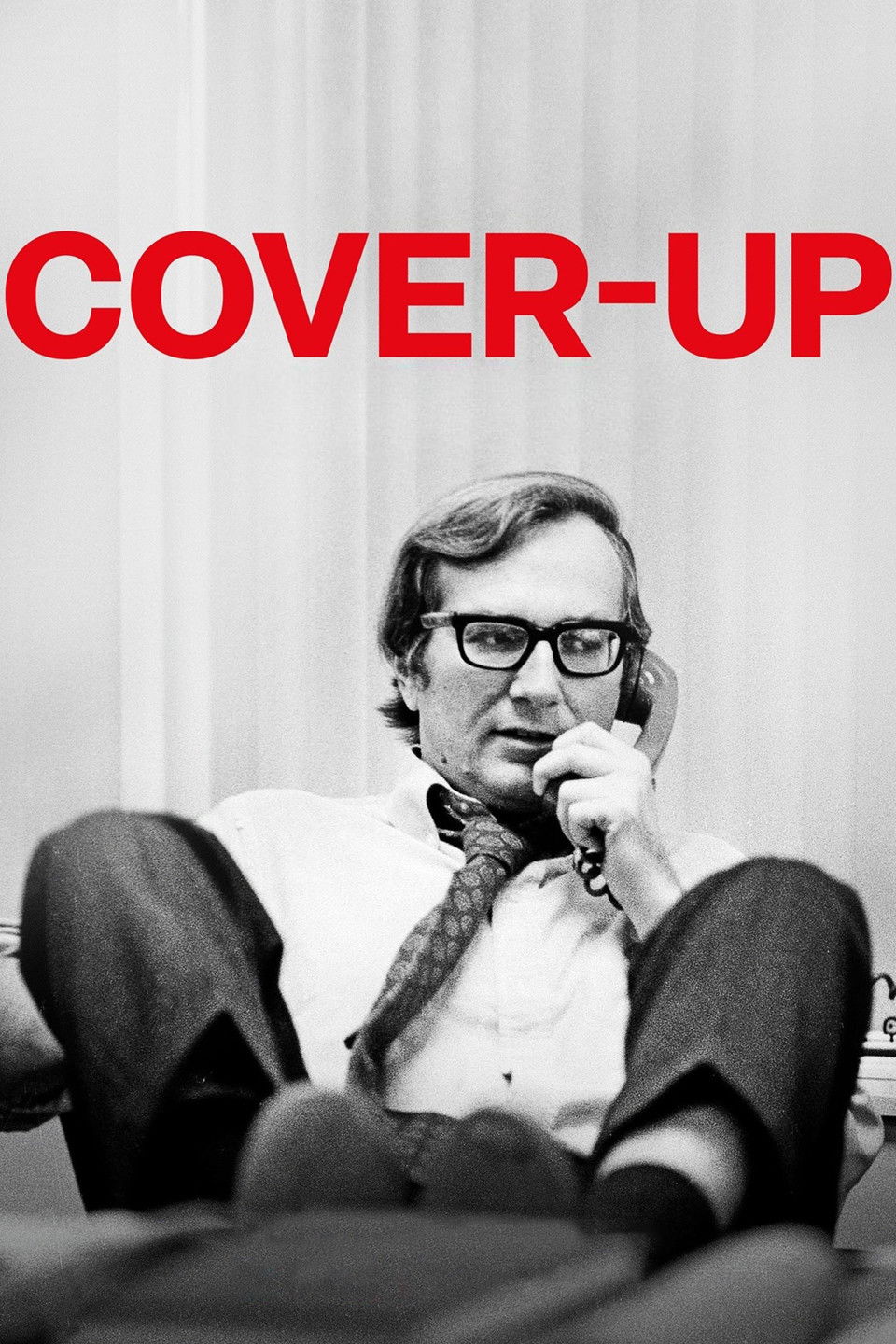
He's devoted his career to uncovering stories the powerful want buried. From My Lai to Abu Ghraib, dig into the life's work of journalist Seymour Hersh.
A documentary chronicling the shared experiences of prominent former child stars and the personal and professional price of fame and failure on a child.
The history of cinematic sound, told by legendary sound designers and visionary filmmakers.
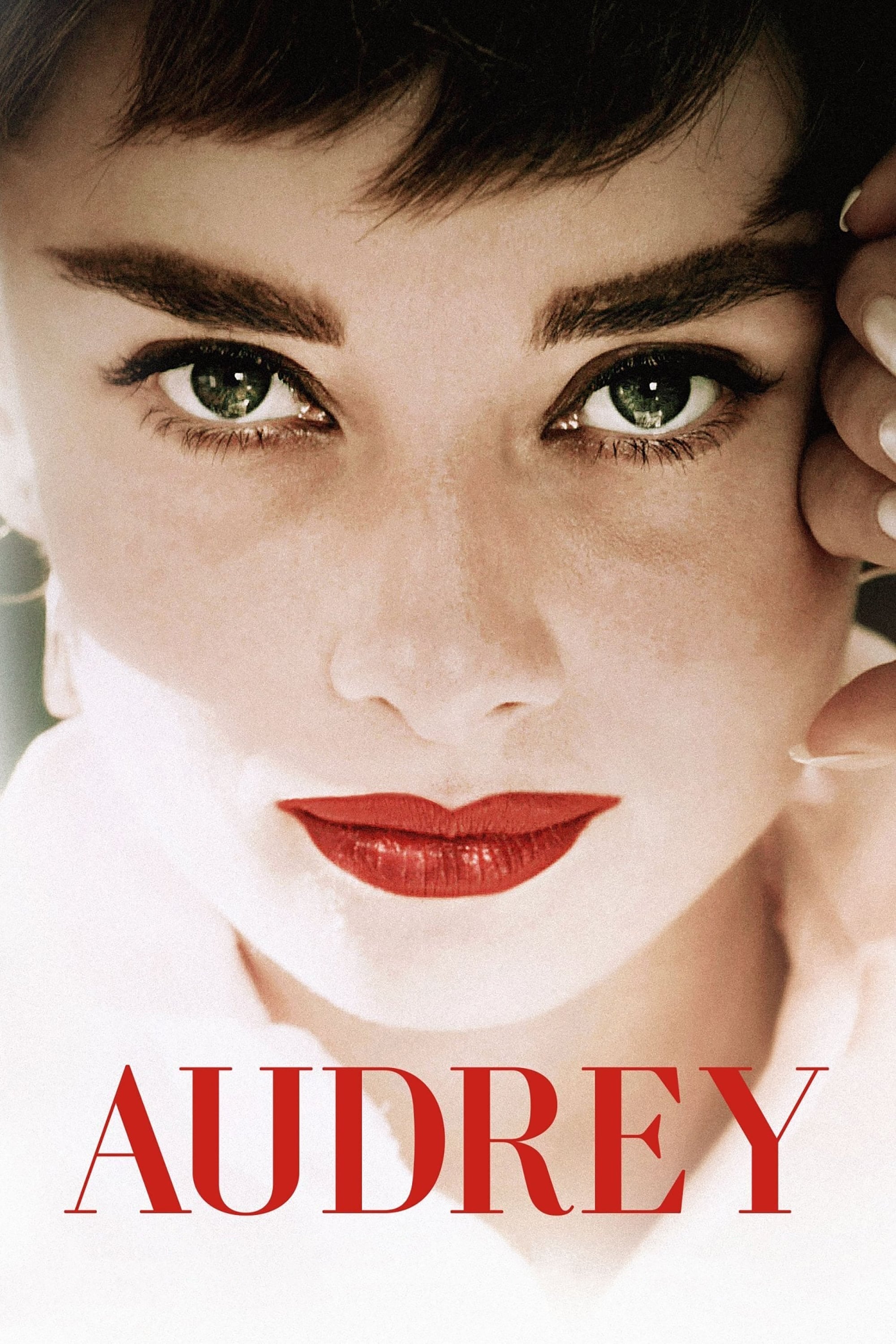
An unprecedented and intimate look at the life, work and enduring legacy of British actress Audrey Hepburn (1929-1993).
A documentary about the legendary series of nationally televised debates in 1968 between two great public intellectuals, the liberal Gore Vidal and the conservative William F. Buckley Jr. Intended as commentary on the issues of their day, these vitriolic and explosive encounters came to define the modern era of public discourse in the media, marking the big bang moment of our contemporary media landscape when spectacle trumped content and argument replaced substance. Best of Enemies delves into the entangled biographies of these two great thinkers, and luxuriates in the language and the theater of their debates, begging the question, "What has television done to the way we discuss politics in our democracy today?"
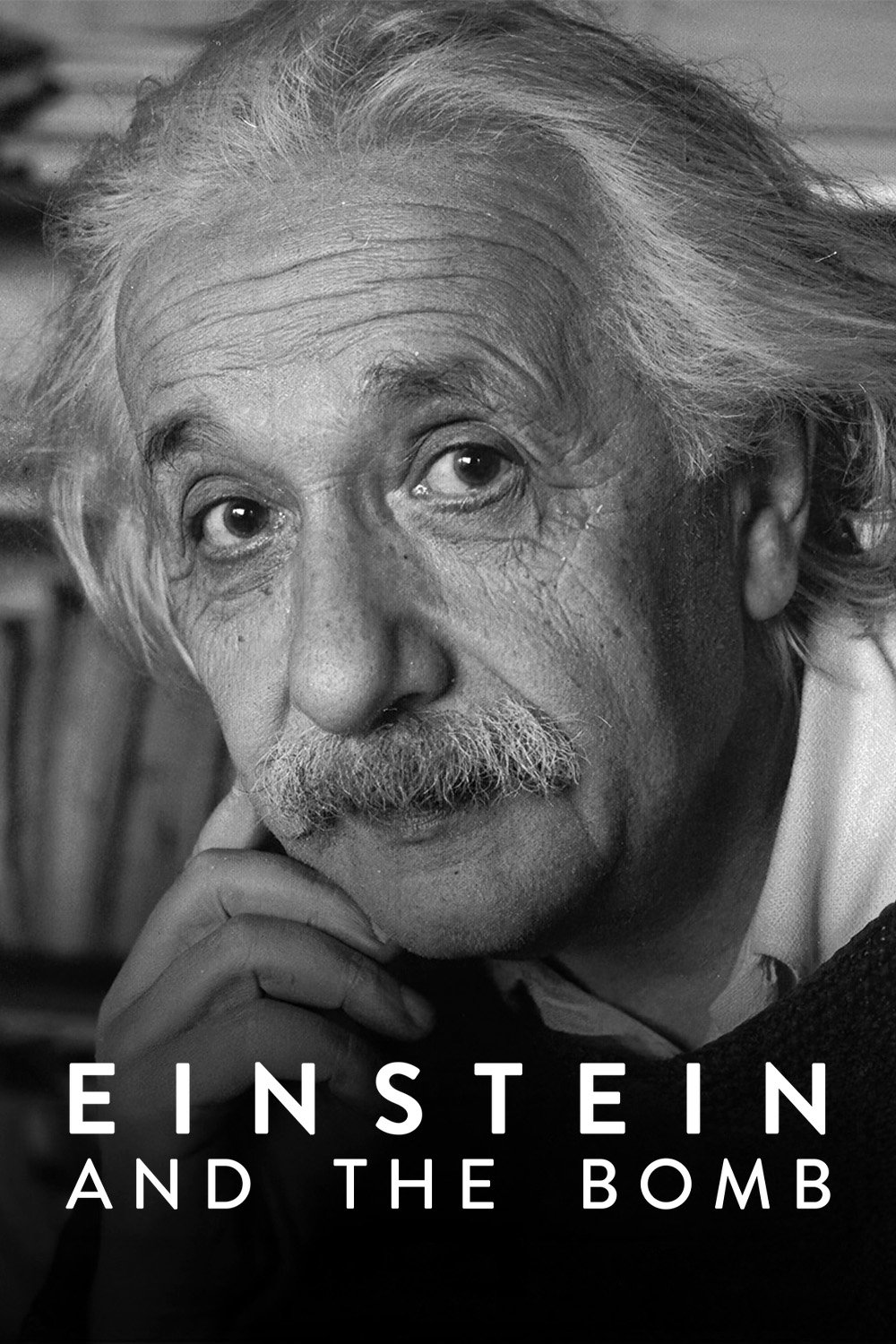
What happened after Einstein fled Nazi Germany? Using archival footage and his own words, this docudrama dives into the mind of a tortured genius.
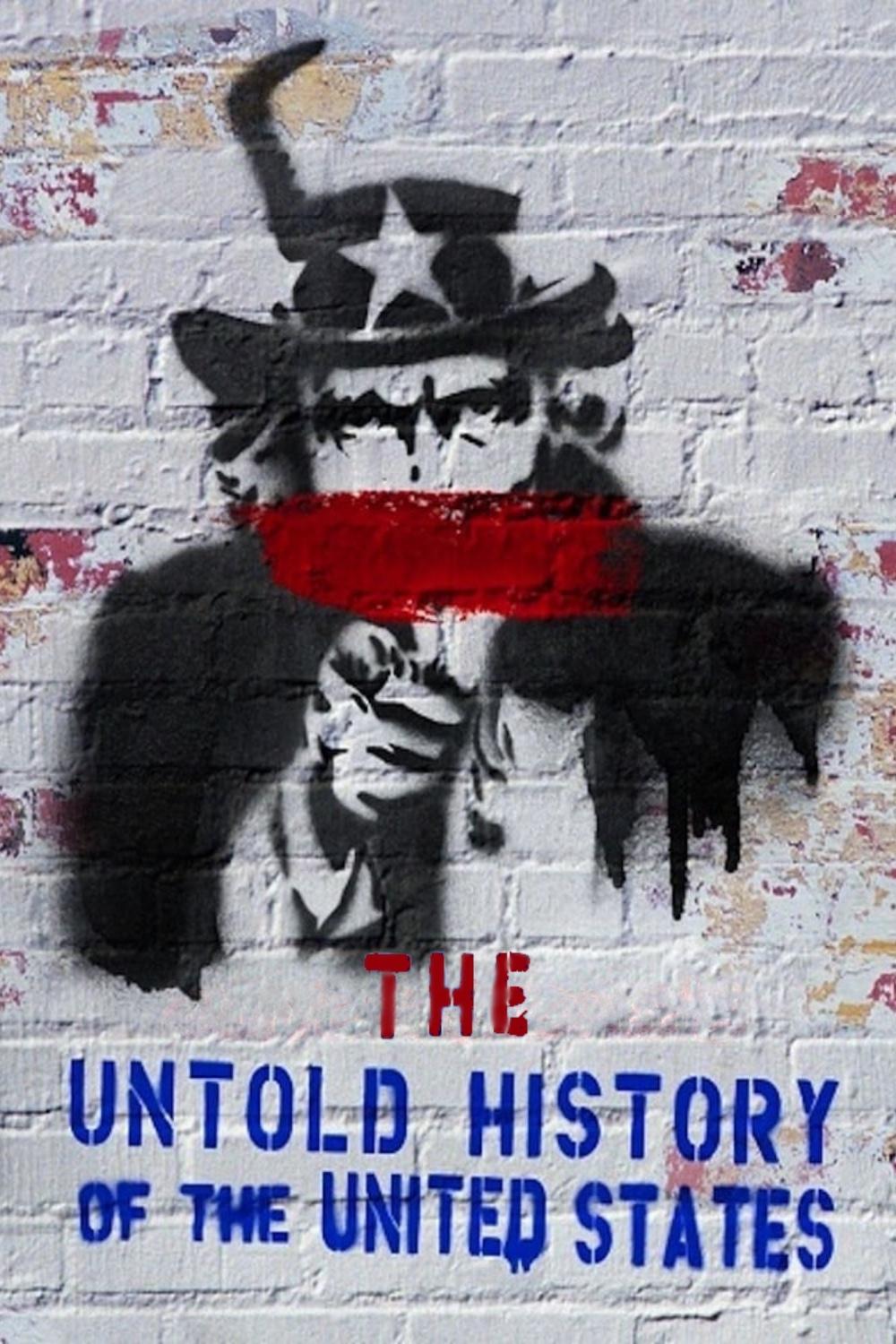
Oliver Stone charts the history of the United States from the Second World War to the present.
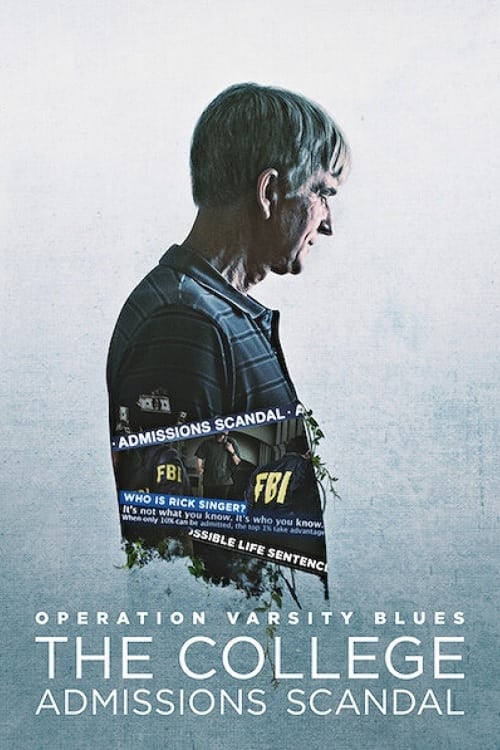
An examination that goes beyond the celebrity-driven headlines and dives into the methods used by Rick Singer, the man at the center of the shocking 2019 college admissions scandal, to persuade his wealthy clients to cheat an educational system already designed to benefit the privileged.
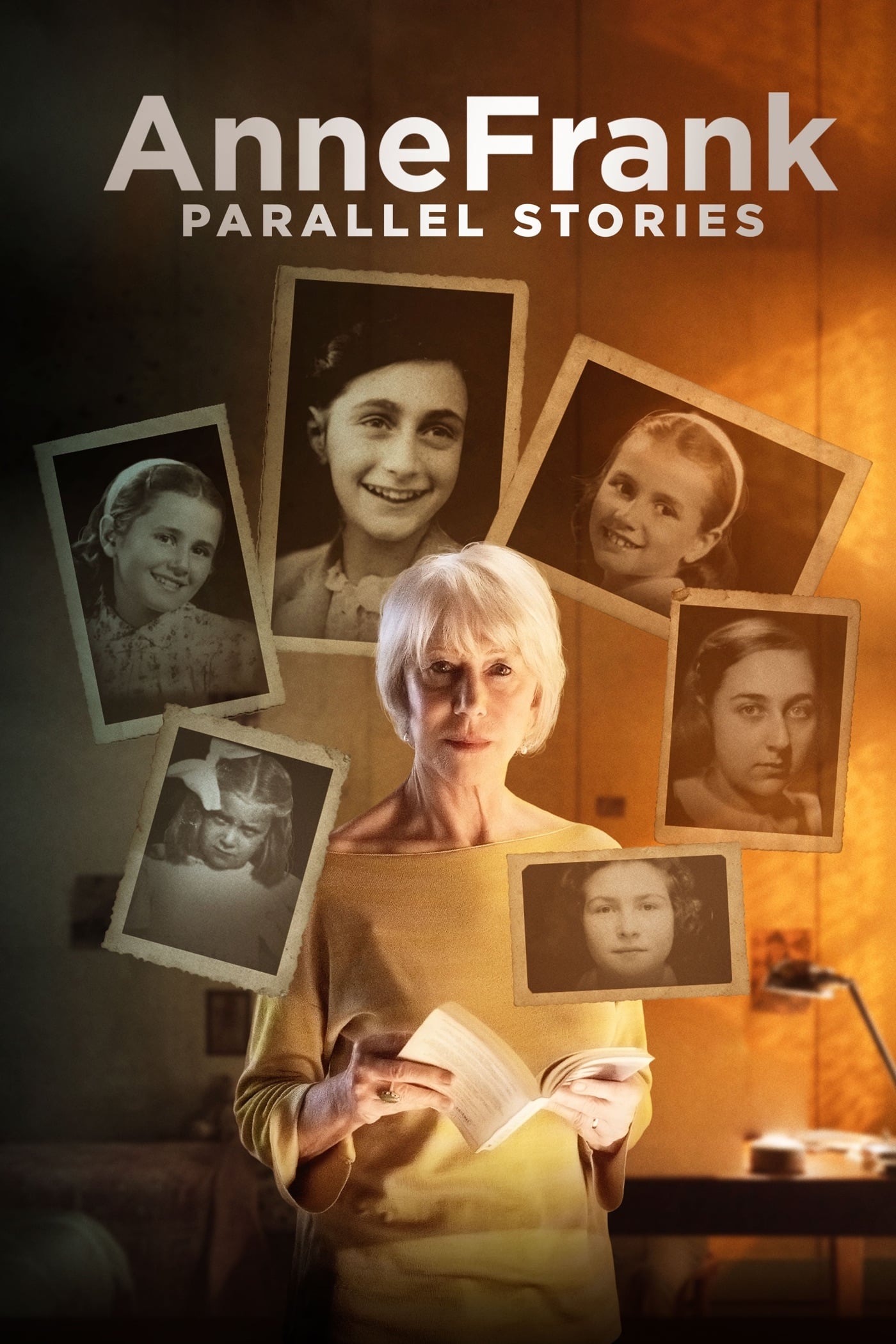
One single Anne Frank moves us more than the countless others who suffered just as she did but whose faces have remained in the shadows-Primo Levi. The Oscar®-winning Helen Mirren will introduce audiences to Anne Frank's story through the words in her diary. The set will be her room in the secret refuge in Amsterdam, reconstructed in every detail by set designers from the Piccolo Theatre in Milan. Anne Frank this year would have been 90 years old. Anne's story is intertwined with that of five Holocaust survivors, teenage girls just like her, with the same ideals, the same desire to live: Arianna Szörenyi, Sarah Lichtsztejn-Montard, Helga Weiss and sisters Andra and Tatiana Bucci. Their testimonies alternate with those of their children and grandchildren.
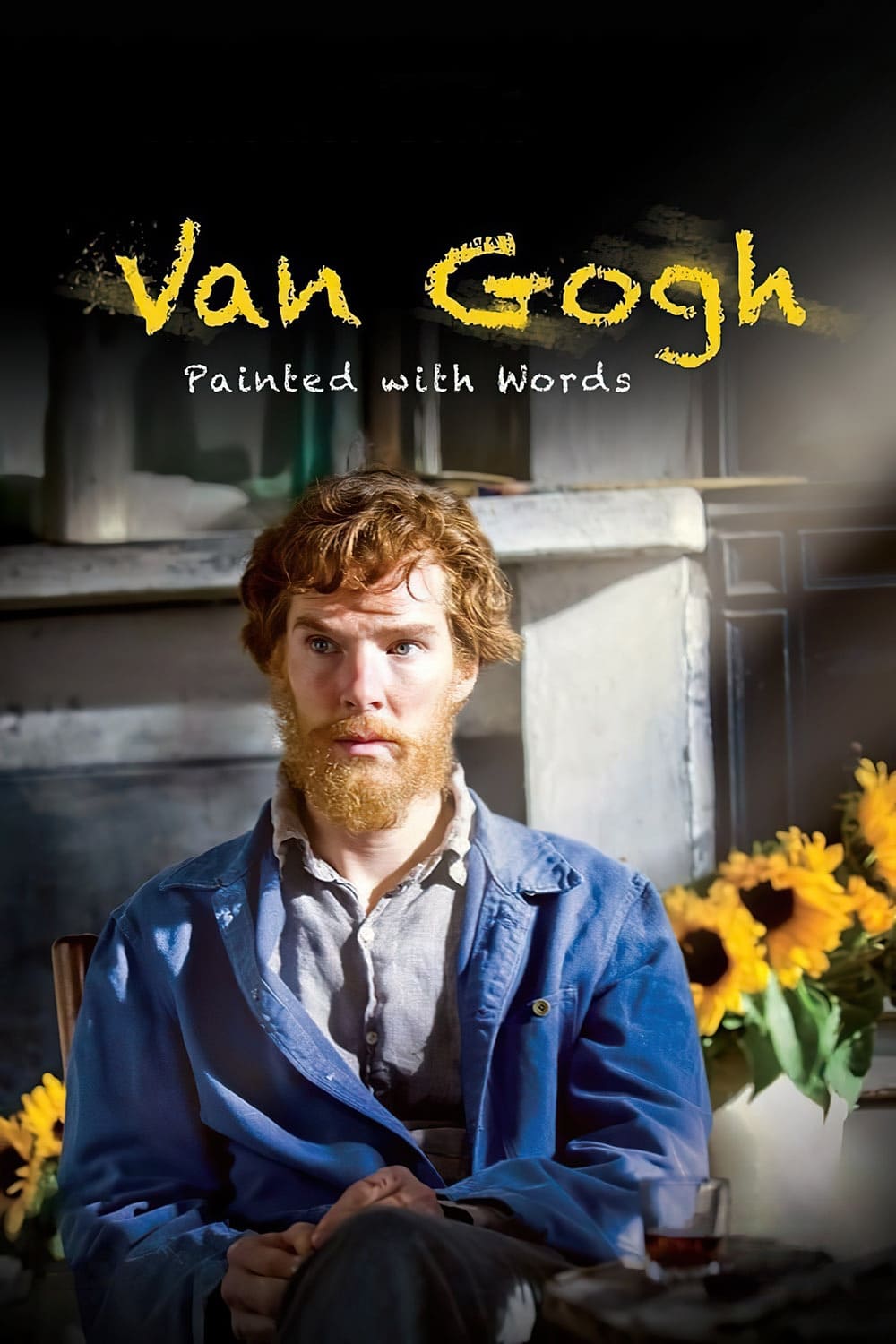
A drama-documentary presented by Alan Yentob, with Benedict Cumberbatch in the lead role. Every word spoken by the actors in this film is sourced from the letters that Van Gogh sent to his younger brother Theo, and of those around him. What emerges is a complex portrait of a sophisticated, civilised and yet tormented man.
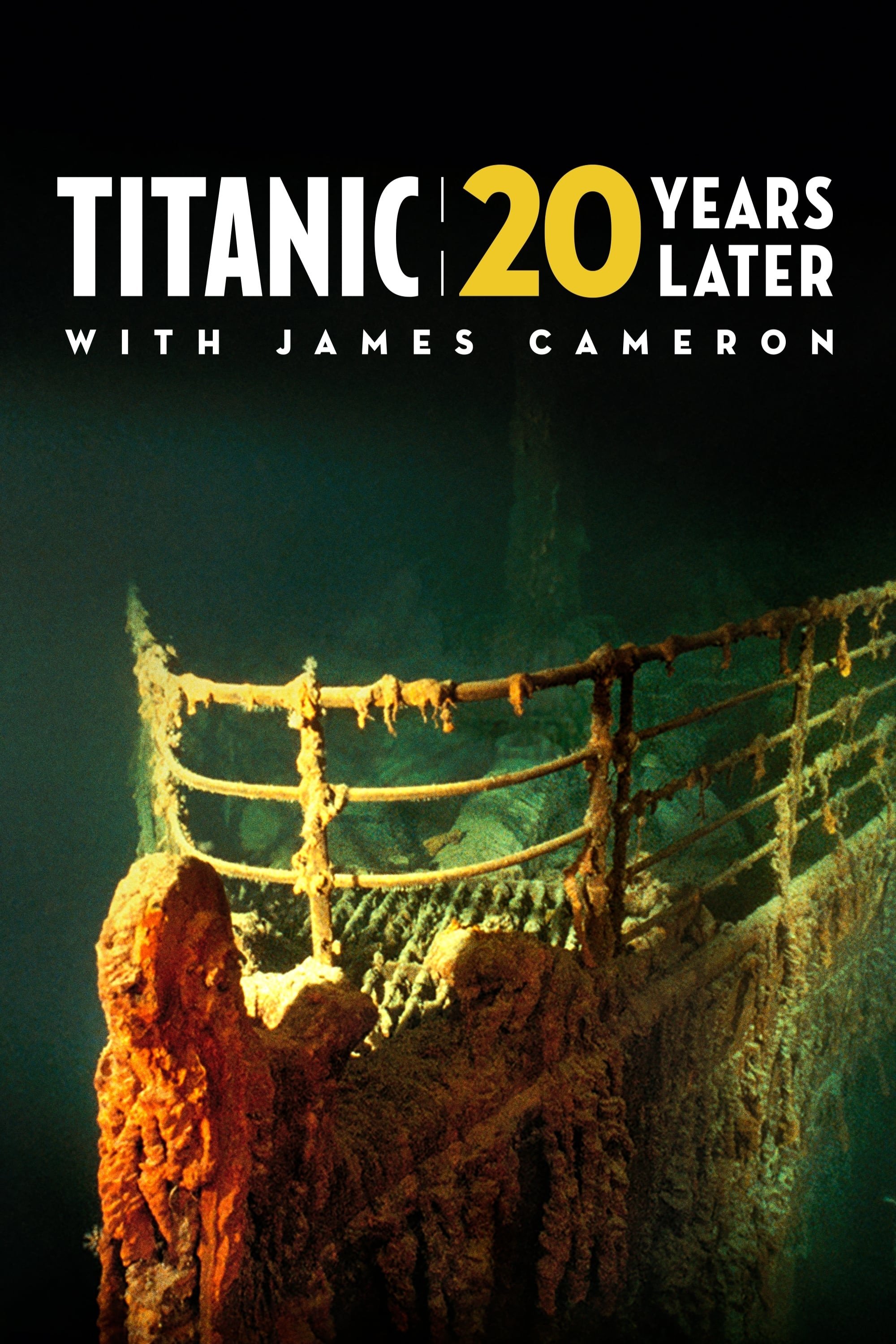
For the 20th anniversary of "Titanic," James Cameron reopens the file on the disaster.
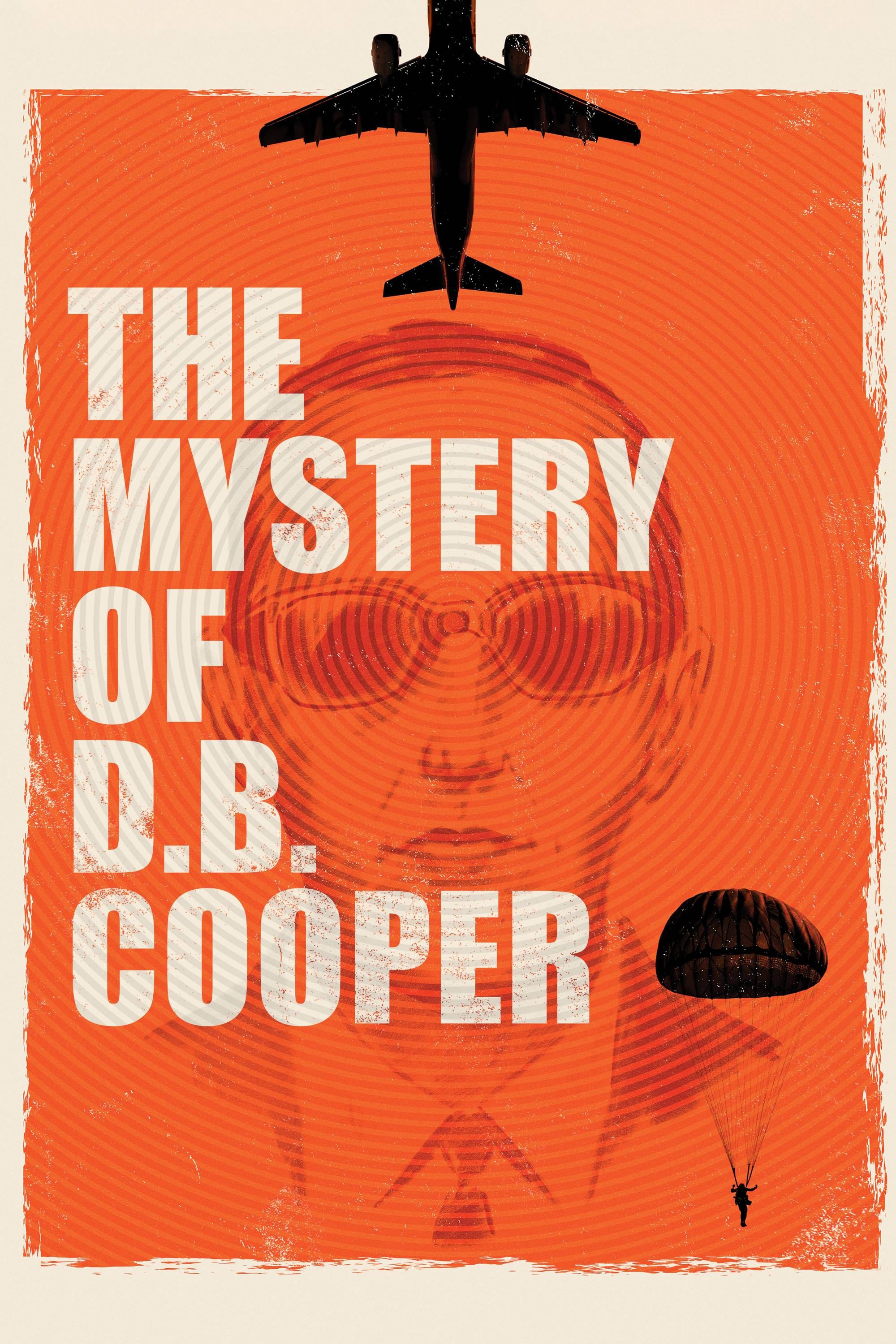
This documentary brings to life the stories of four people believed by their family and friends to be “DB Cooper,” a man who hijacked a 727 flying out of Seattle and jumped from the plane over the wilds of Washington State with a parachute and $200,000, never to be heard from again.
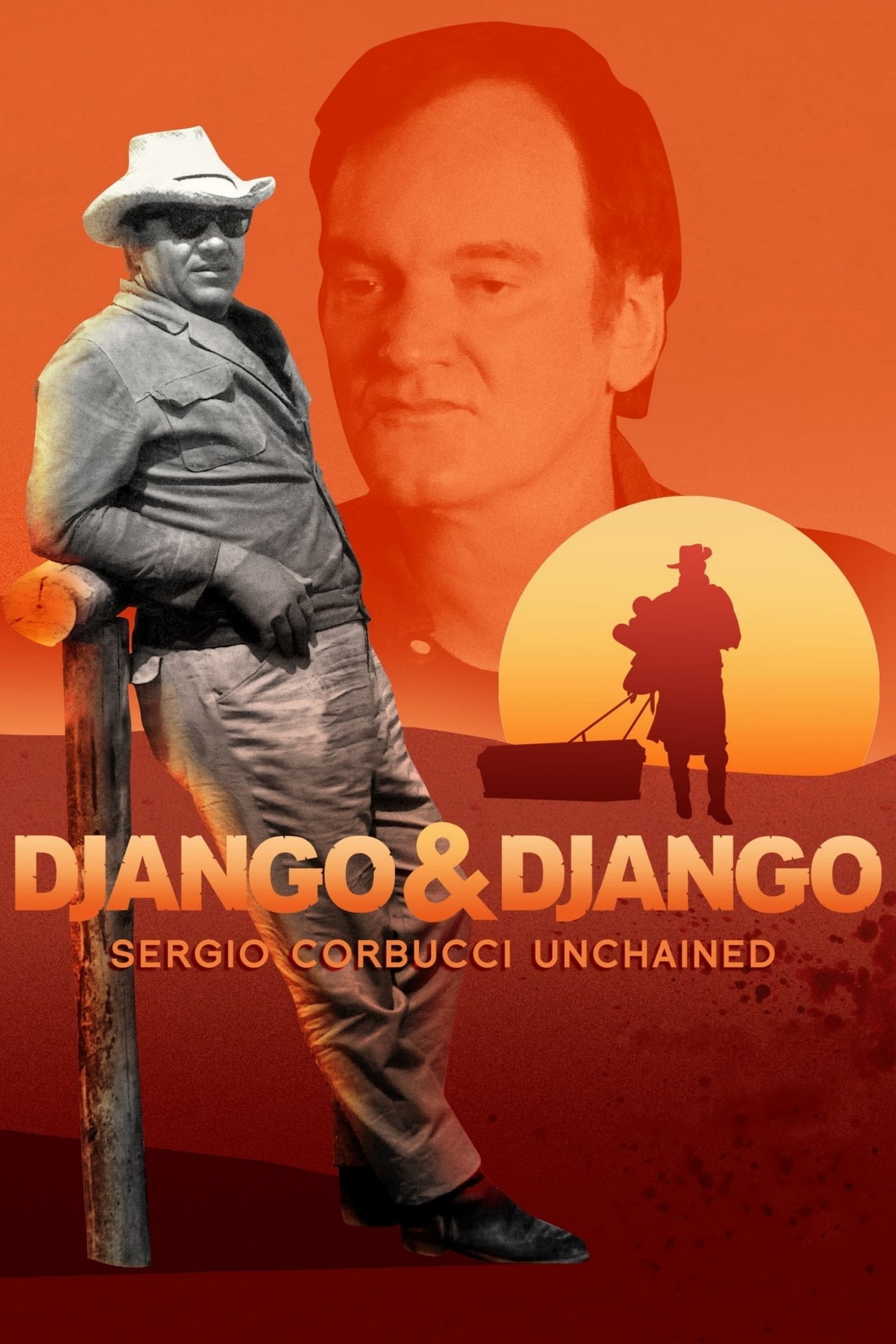
A tribute to Italian filmmaker Sergio Corbucci (1926-90), presented by American filmmaker Quentin Tarantino.
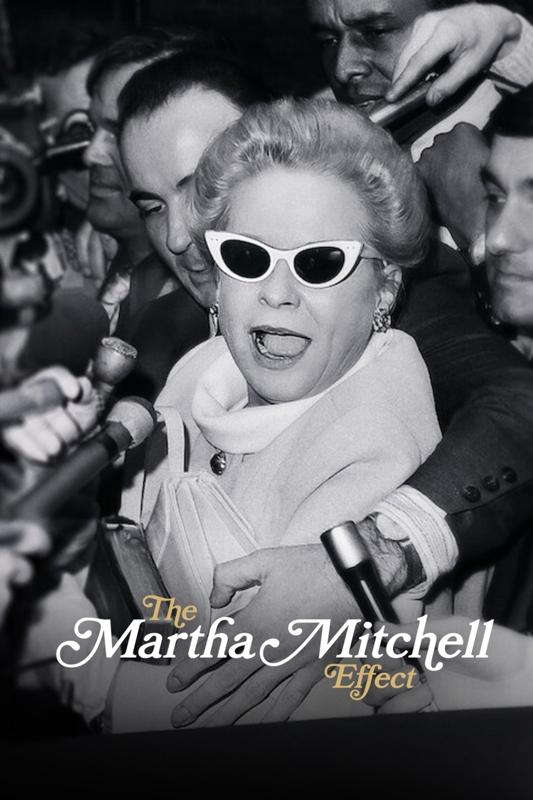
She was once as famous as Jackie O—and then she tried to take down a President. Martha Mitchell was the unlikeliest of whistleblowers: a Republican wife who was discredited by Nixon to keep her quiet. Until now.
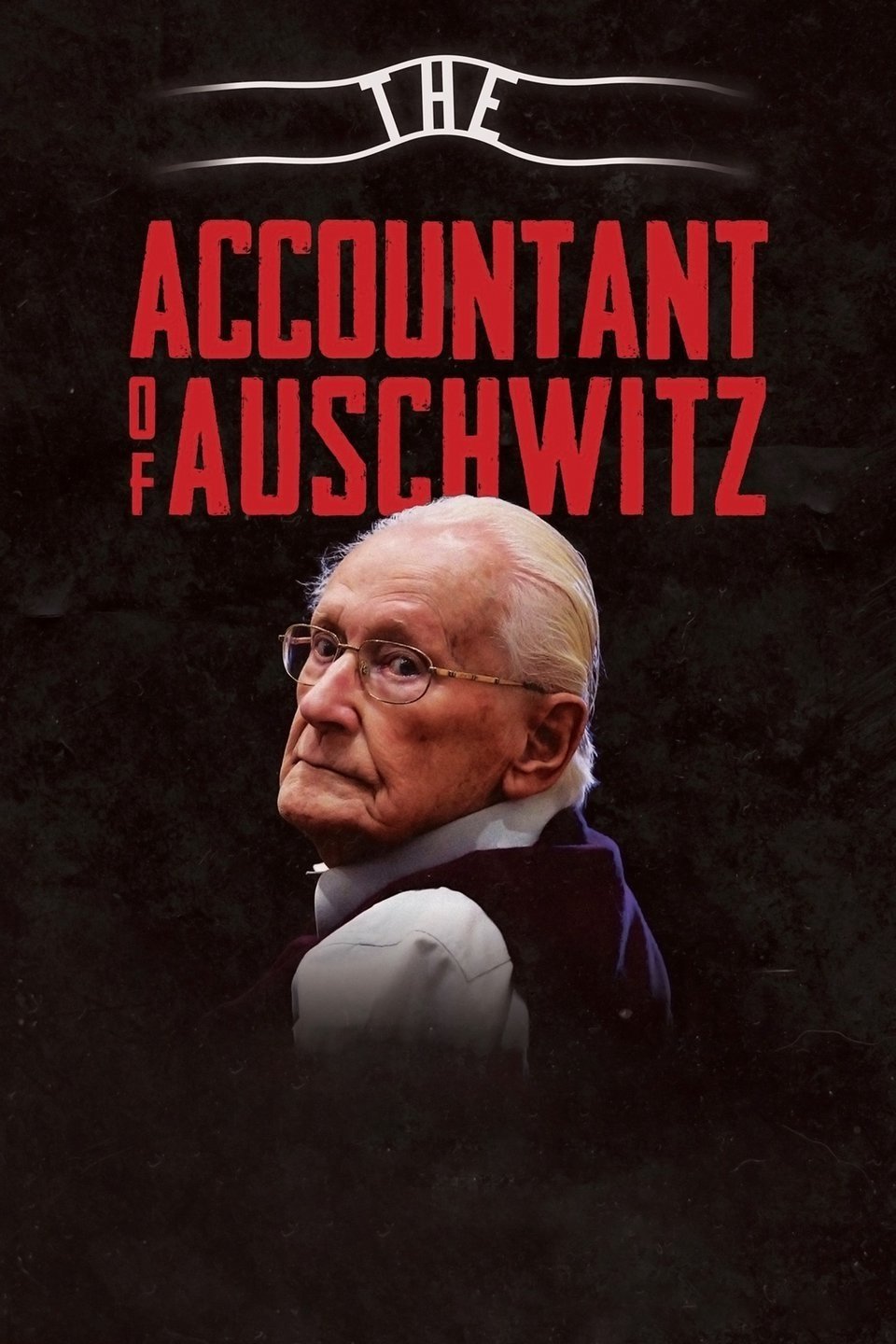
Oskar Gröning, known as the "Accountant of Auschwitz," was charged with the murder of 300,000 Jews. When he took the stand in 2015, at the age of 94, his trial made headlines worldwide.
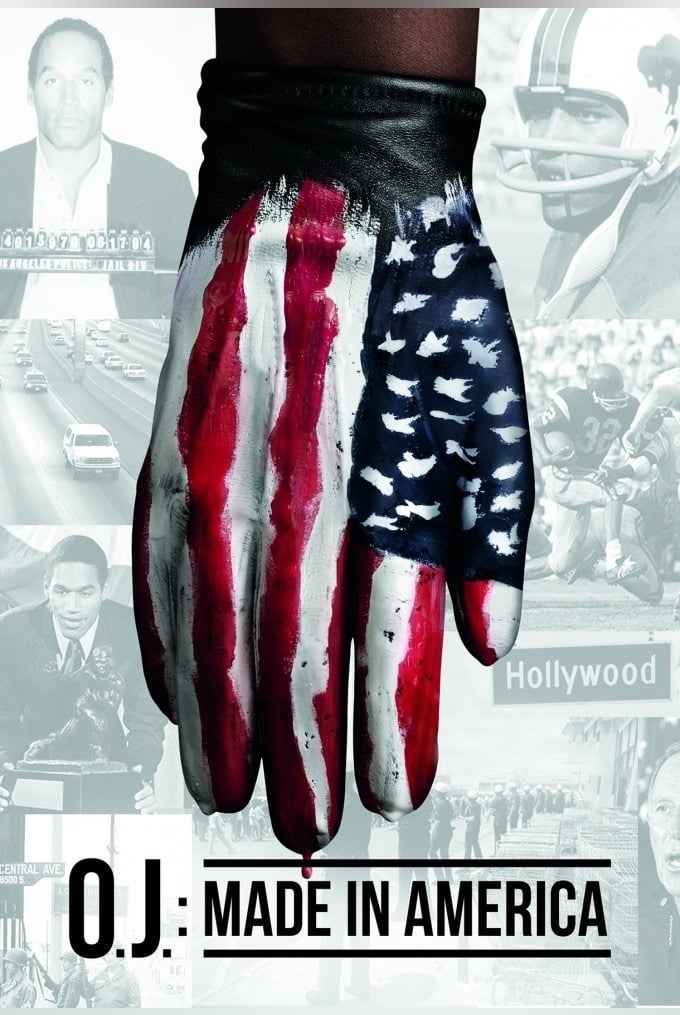
A chronicle of the rise and fall of O.J. Simpson, whose high-profile murder trial exposed the extent of American racial tensions, revealing a fractured and divided nation.
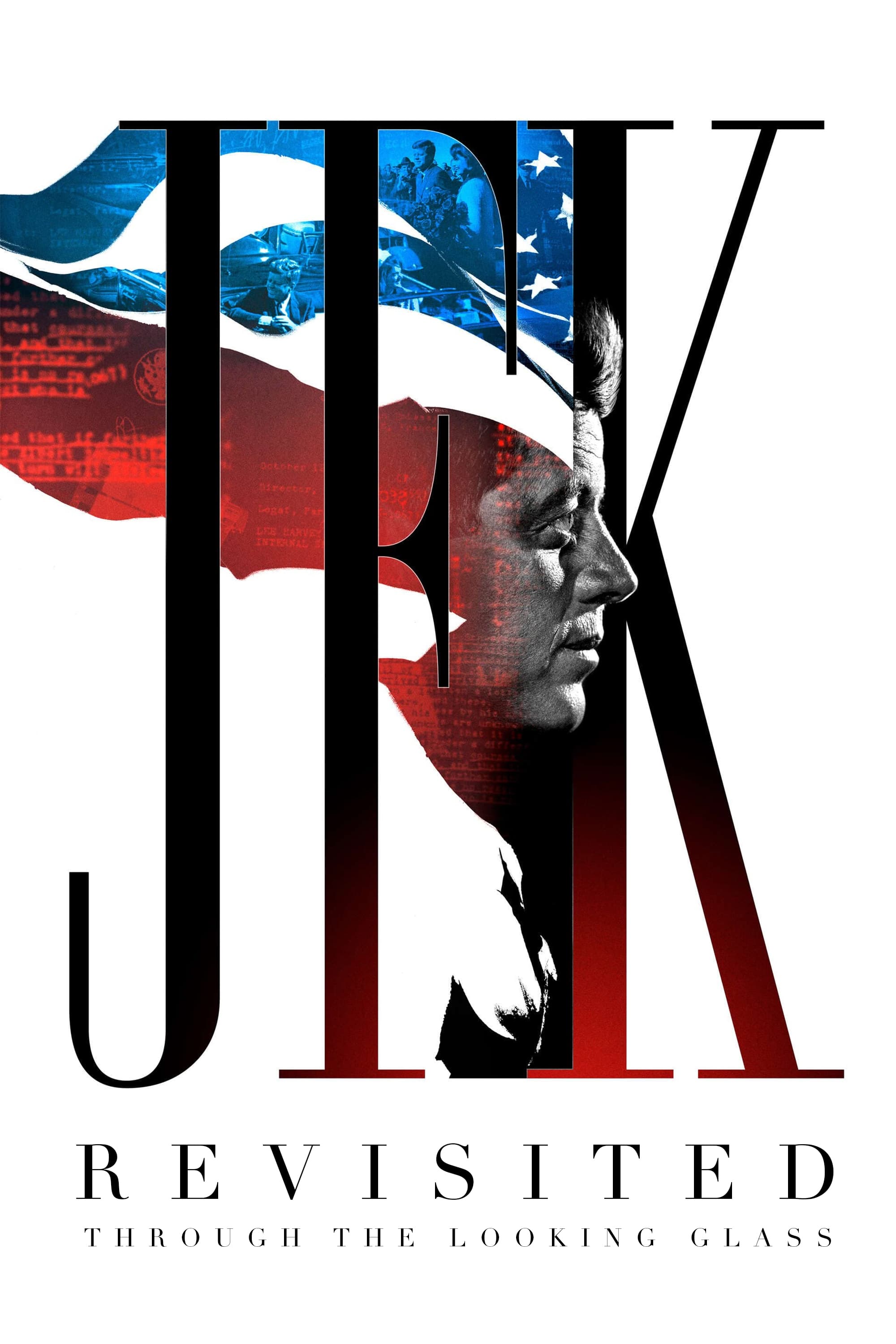
Thirty years after the release of his film JFK (1991), filmmaker Oliver Stone reviews recently declassified evidence related to the assassination of President John F. Kennedy, which took place in Dallas on November 22, 1963.
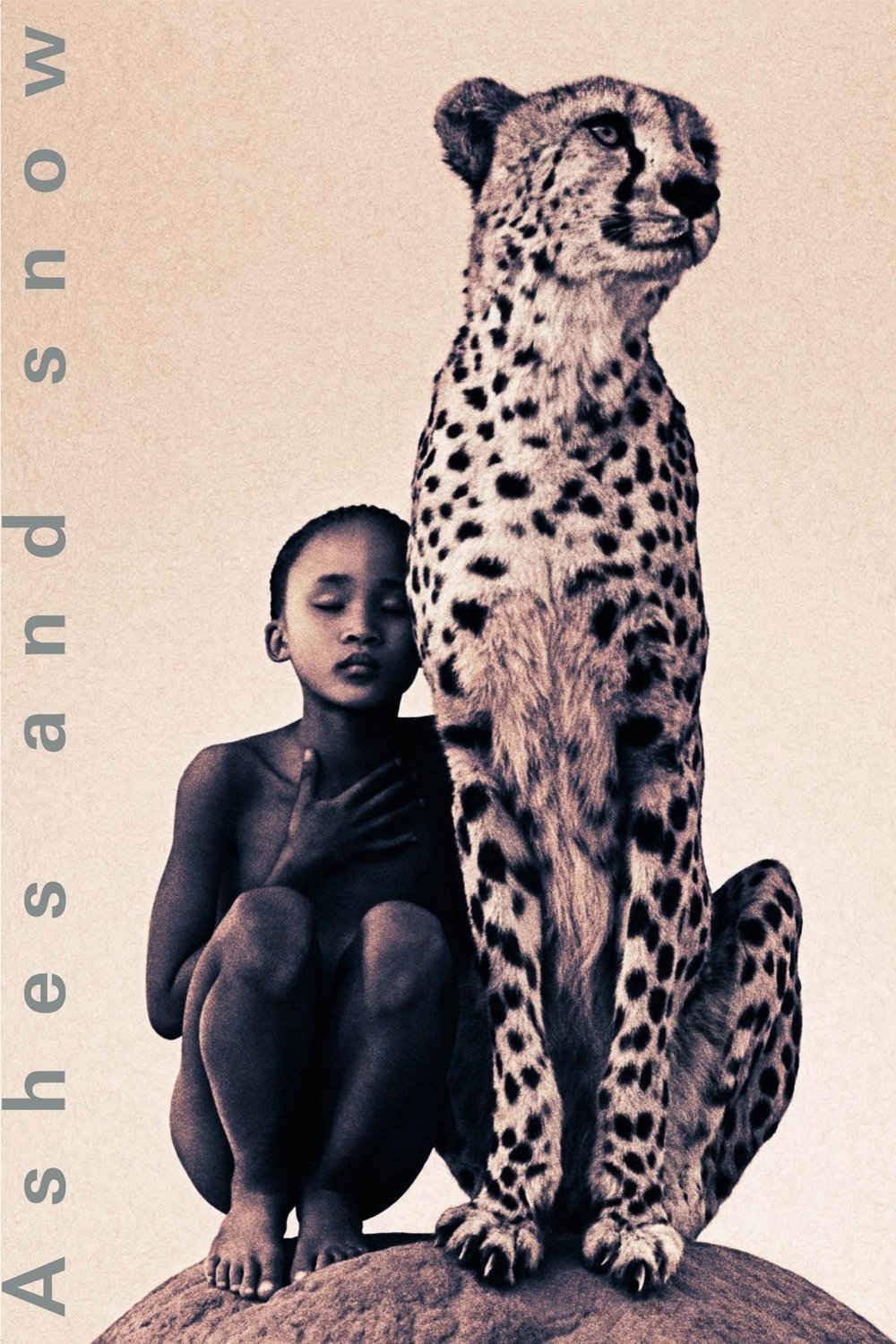
Ashes and Snow, a film by Gregory Colbert, uses both still and movie cameras to explore extraordinary interactions between humans and animals. The 60-minute feature is a poetic narrative rather than a documentary. It aims to lift the natural and artificial barriers between humans and other species, dissolving the distance that exists between them.
“The Soviet Story” is a story of an Allied power, which helped the Nazis to fight Jews and which slaughtered its own people on an industrial scale. Assisted by the West, this power triumphed on May 9th, 1945. Its crimes were made taboo, and the complete story of Europe’s most murderous regime has never been told. Until now...
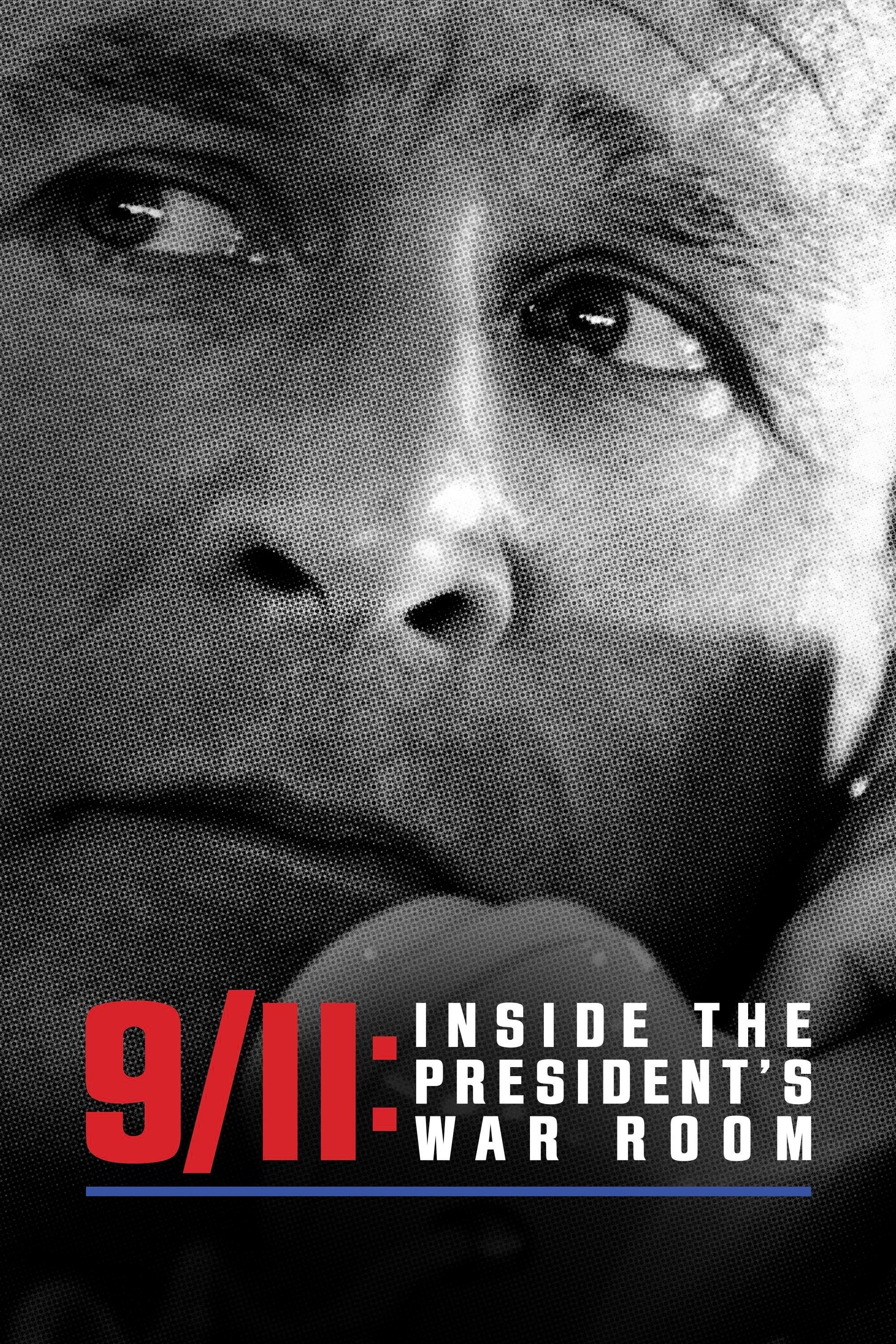
Experience the events of September 11, 2001 through the eyes of President Bush and his closest advisors as they personally detail the crucial hours and key decisions from that historic day.