After the capture of Shanghai, Japanese soldiers make a trip to Suzhou.
Social & External

Wedding rituals grounded on non-verbal social agreements represent the perception of society in general. Wedding dress is a symbolic part of these rituals. The process that a wedding dress has went through can be considered as an embodiment of the formation of women identity in society. Like most of the women, wedding dressmakers also dream of being a princess once they wear their wedding dress. On the other hand, dressmakers are certainly aware of the fact that they promote the already existing image of women in society because of their job. While they also recognise the truth is way different.
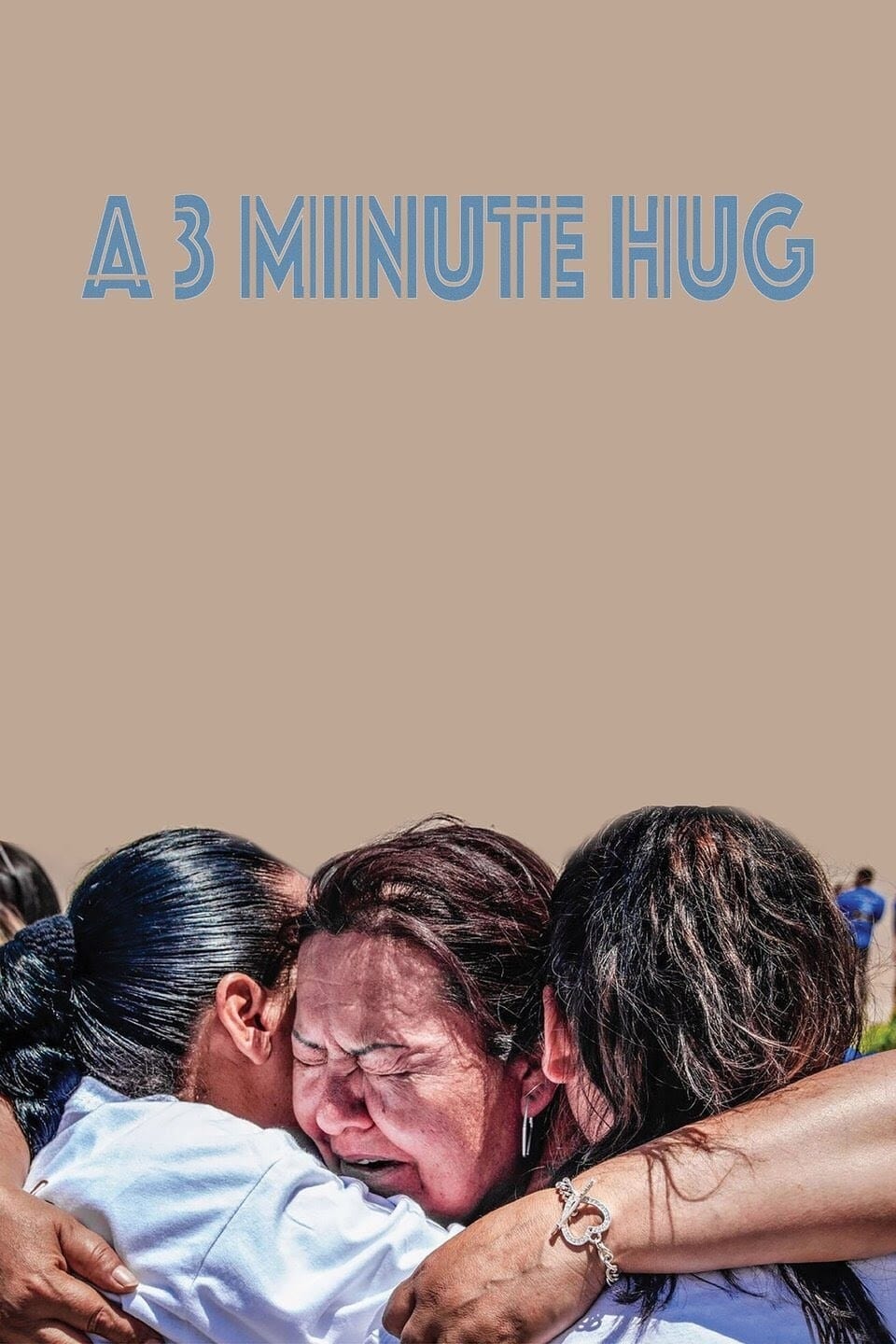
As daylight breaks between the border cities of El Paso, Texas, and Juarez, Mexico, undocumented migrants and their relatives, divided by a wall, prepare to participate in an activist event. For three minutes, they’ll embrace in no man’s land for the briefest and sweetest of reunions.
How did Nazi Germany, from limited natural resources, mass unemployment, little money and a damaged industry, manage to unfurl the cataclysm of World War Two and come to occupy a large part of the European continent? Based on recent historical works of and interviews with Adam Tooze, Richard Overy, Frank Bajohr and Marie-Bénédicte Vincent, and drawing on rare archival material.
On the surface, this collection of shorts by up-and-coming African American filmmakers arrived at a perfect time. The cutting-edge products of the New Black Cinema of the early '90s had disappeared, giving way to embarrassingly stereotypical, scatological fare such as Booty Call and Next Friday. This feature-packed compilation (which includes production notes, interviews with all of the filmmakers, and audio commentary by four) attempts to prove that African American cinema is intent on moving past the lowbrow humor, as six of the seven shorts steer clear of any comedy.
A trip that the author makes to a distant beach trying to find the place where his grandfather made a painting years ago.
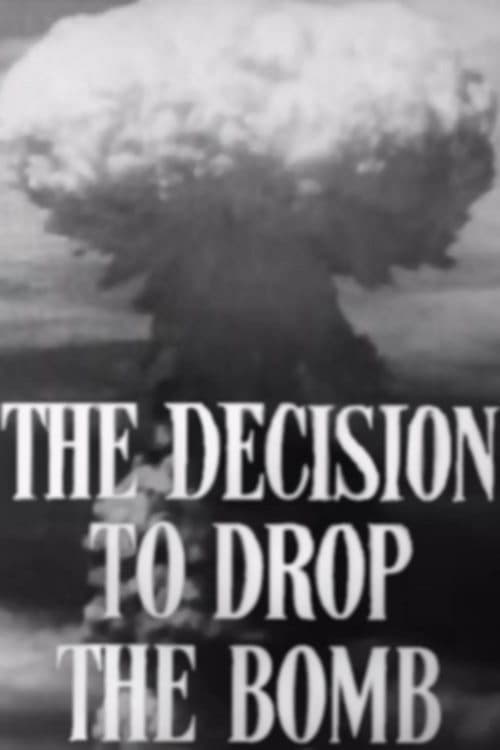
J. Robert Oppenheimer and other key figures involved in the decision to drop the first atomic bomb discuss their motivations in this NBC News documentary. Originally produced and televised in 1965, two decades after the bombings of Hiroshima and Nagasaki, it was re-released in 2023 with an epilogue by Michael Beschloss, NBC News Presidential Historian.
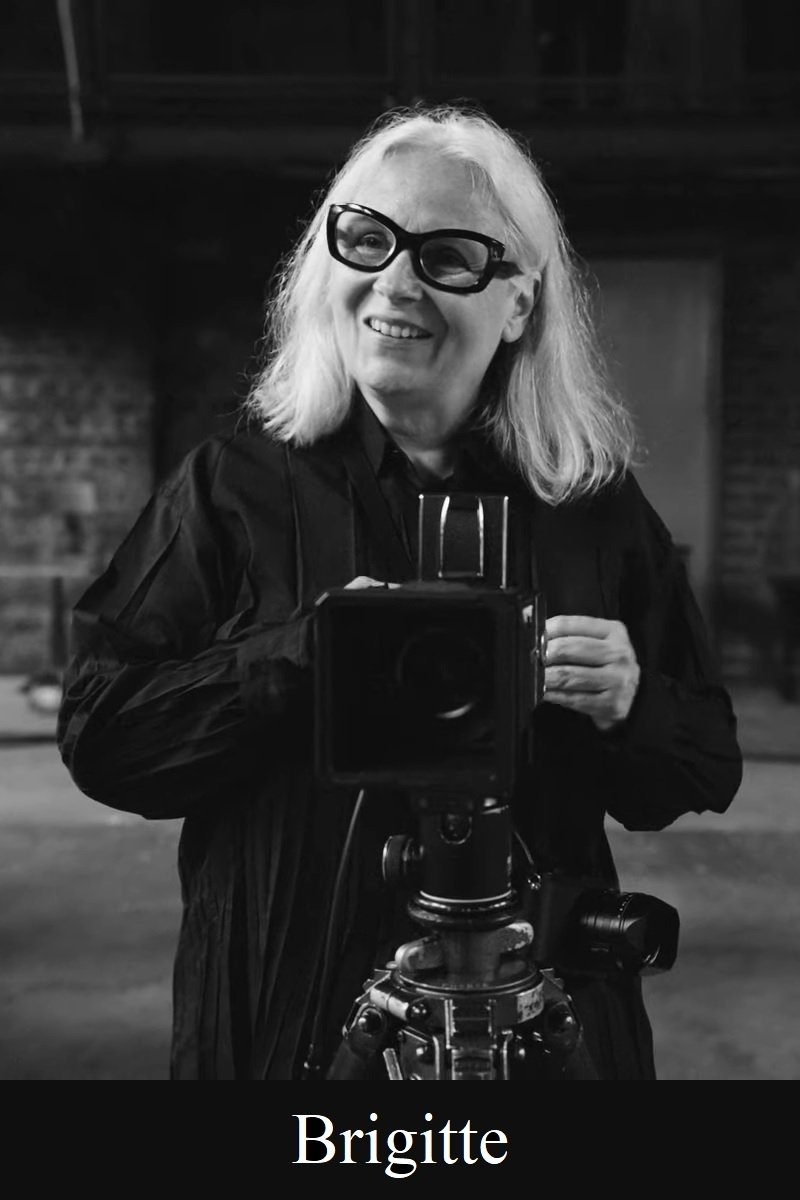
An insight into the creative process of photographer Brigitte Lacombe, exploring her obsession with taking pictures and how her lens defines her relationship with her subjects and the world.
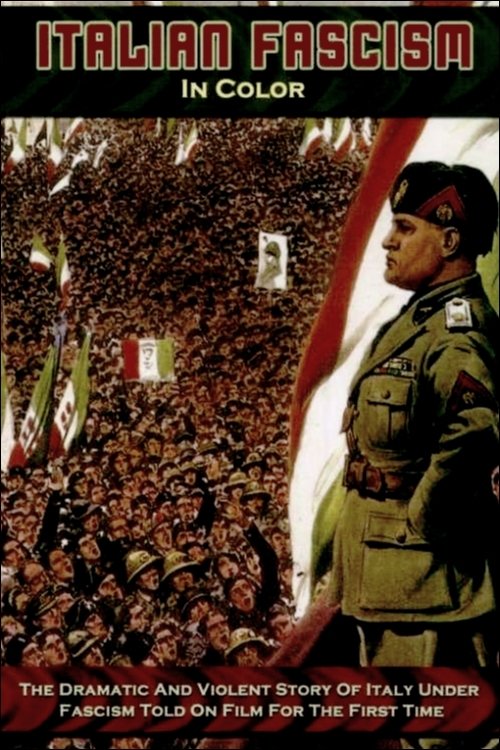
After the World War I, Mussolini's perspective on life is severely altered; once a willful socialist reformer, now obsessed with the idea of power, he founds the National Fascist Party in 1921 and assumes political power in 1922, becoming the Duce, dictator of Italy. His success encourages Hitler to take power in Germany in 1933, opening the dark road to World War II. (Originally released as a two-part miniseries. Includes colorized archival footage.)
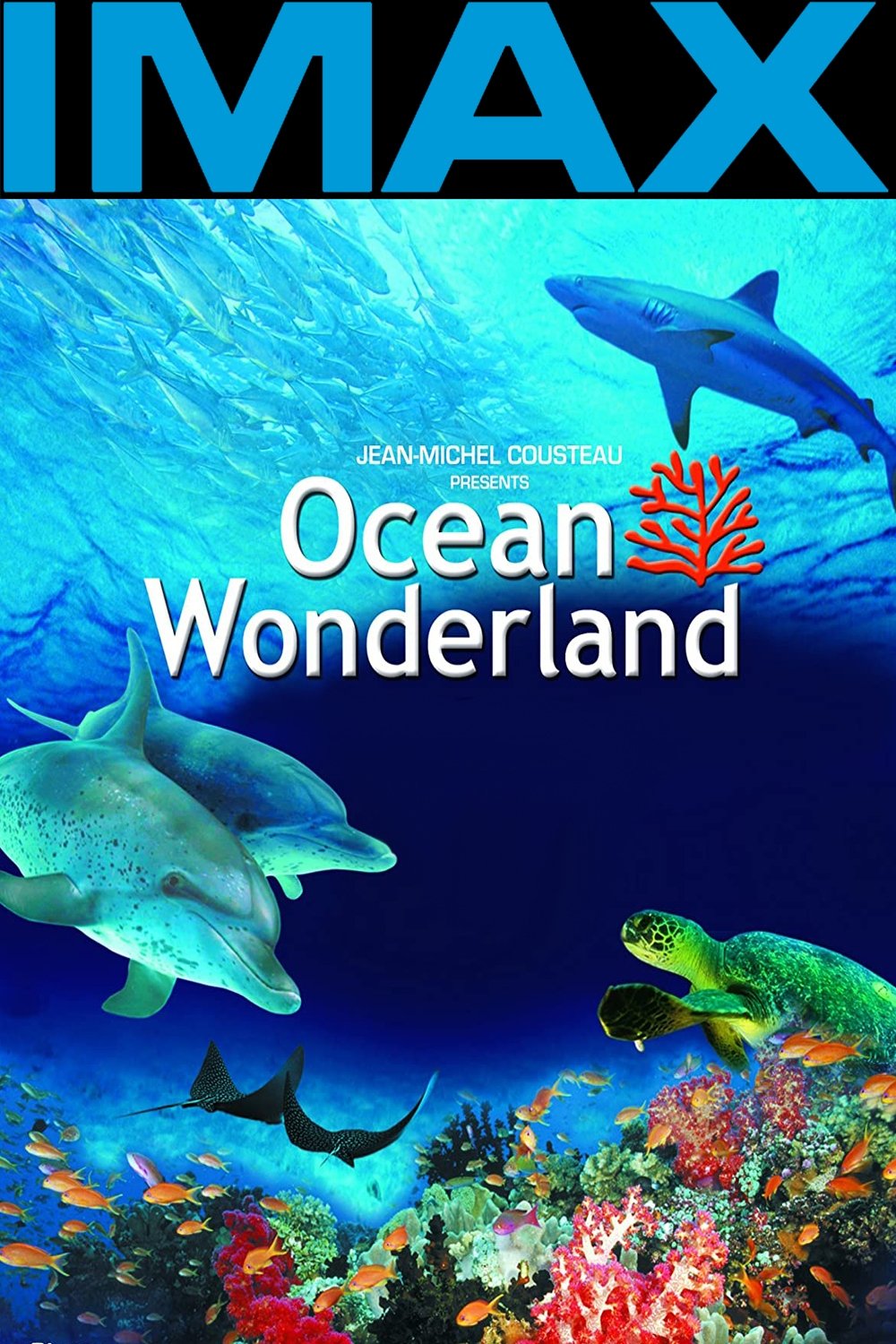
Shot on the Great Barrier Reef in Australia and in the Bahamas, Ocean Wonderland brings to you the amazing beauty of the many varieties of coral and the immense diversity of the marine life thriving there.
To help prevent the unthinkable from ever coming true, it is important to know what could really happen....the most awesome and deadly display of warfare that the world has ever seen.
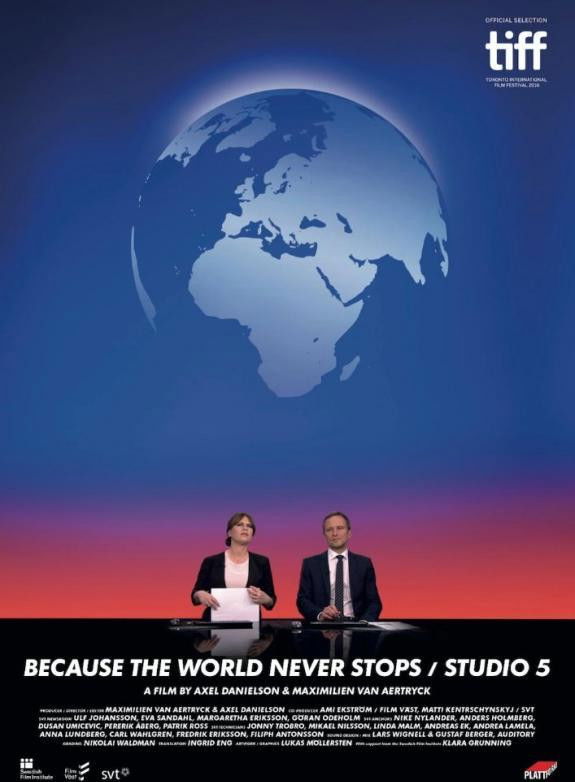
Shot live in the studio during the evening broadcast on Swedish public television, the film shows the news like you've never seen them before.
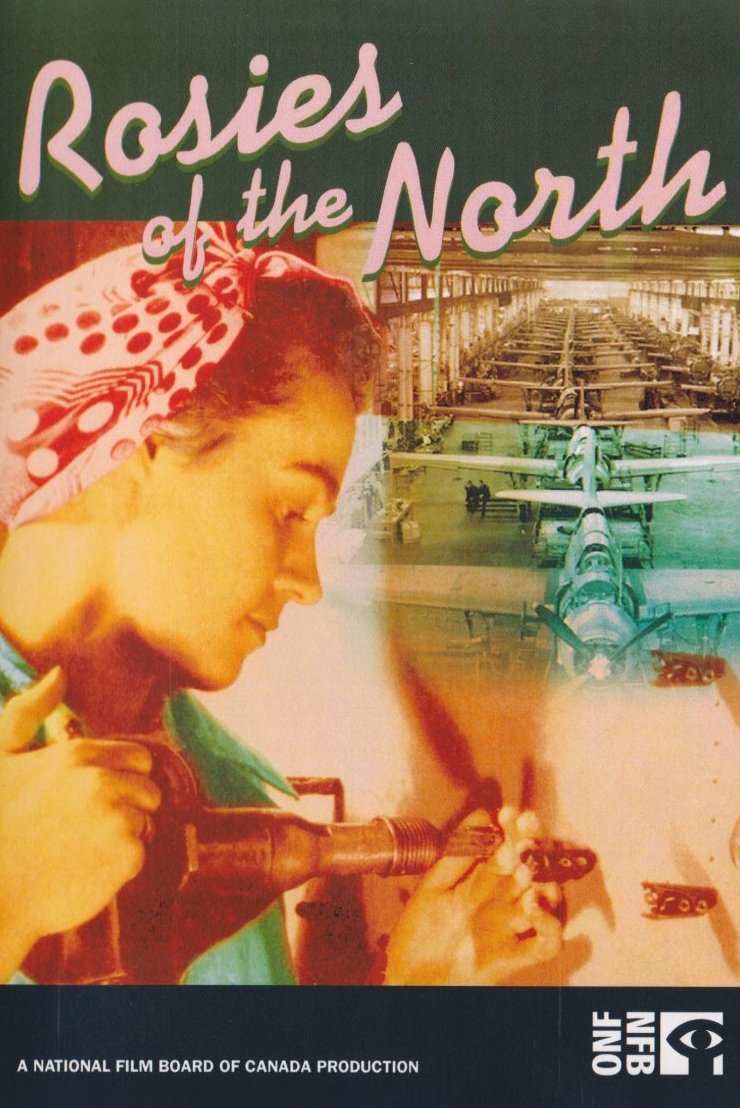
They raised children, baked cakes... and built world-class fighter planes. Sixty years ago, thousands of women from Thunder Bay and the Prairies donned trousers, packed lunch pails and took up rivet guns to participate in the greatest industrial war effort in Canadian history. Like many other factories across the country from 1939 to 1945, the shop floor at Fort William's Canadian Car and Foundry was transformed from an all-male workforce to one with forty percent female workers.
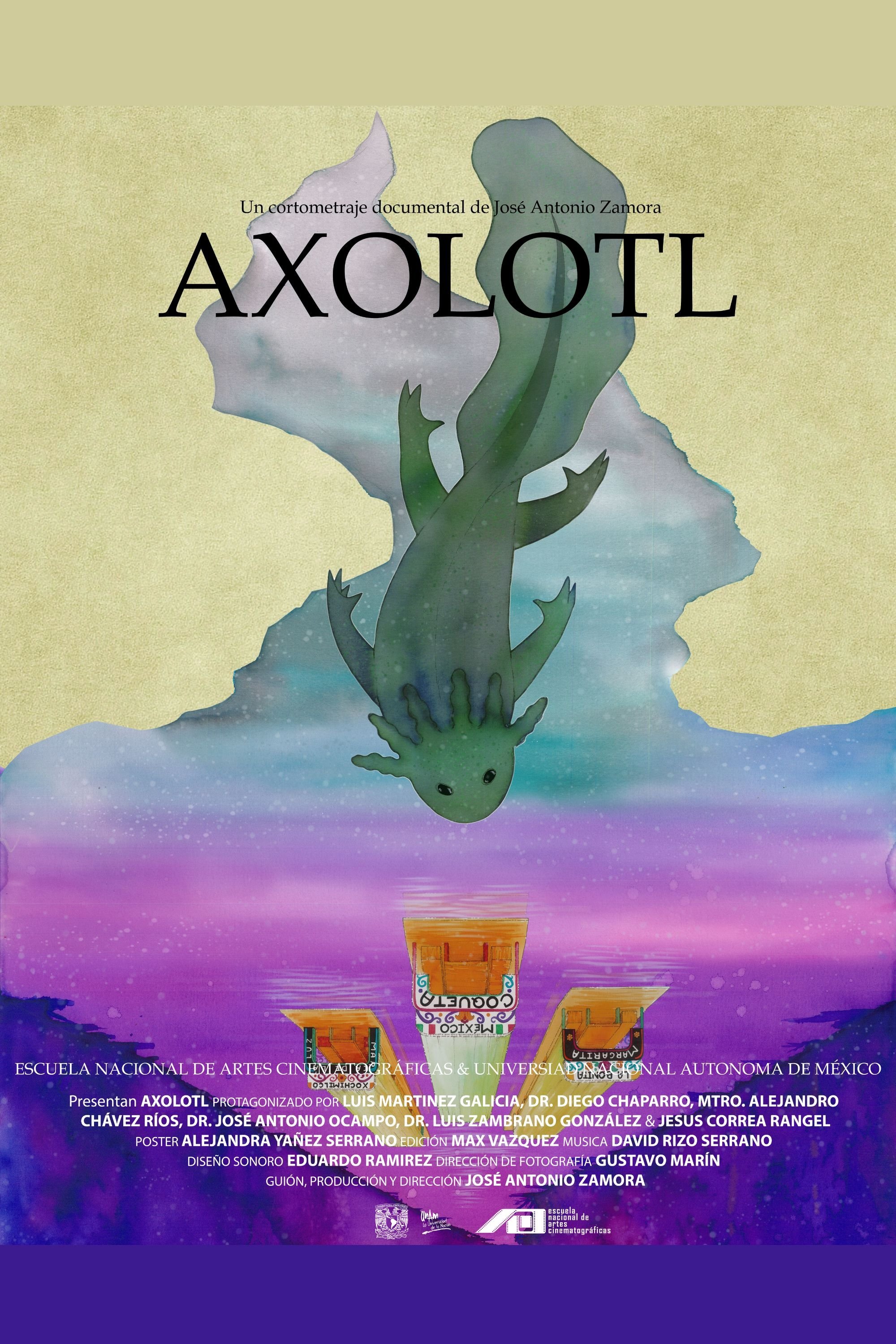
Through a choral diversity of testimonies, the documentary explores the myth of the axolotl, transporting us from the story of a chinampero whose lifestyle reflects the environmental decay of Mexico City, to the efforts of a group of scientists racing against the consequences of the extinction of our symbols and ecological heritage.
Gil Cardinal searches for his natural family and an understanding of the circumstances that led to his becoming a foster child. An important figure in the history of Canadian Indigenous filmmaking, Gil Cardinal was born to a Métis mother but raised by a non-Indigenous foster family, and with this auto-biographical documentary he charts his efforts to find his biological mother and to understand why he was removed from her. Considered a milestone in documentary cinema, it addressed the country’s internal colonialism in a profoundly personal manner, winning a Special Jury Prize at Banff and multiple international awards.

It is not in the cards that young Anne Marie Christensen from Fanø ends up as one of the most notorious Danish war criminals from World War II. Nevertheless, she is recruited by the Gestapo under the name Jenny Holm during the occupation. She turns out to have agent skills beyond the usual. It is believed that she is responsible for many hundreds of arrests of enemies of Nazism. She is so skilled that she is recruited by Danish and British intelligence in the years just after the war, where she uses her skills to catch Nazi war criminals in Germany. Jenny Holm disappears into oblivion - until a day when a resourceful writer finds out where Jenny Holm ends her days. The trail ends surprisingly, at a celebrated alternative therapist with electric hands on Gammel Kongevej
A 20-minute documentary film about the Kyrgyz people living by the Narym River.
When Allied forces liberated the Nazi concentration camps in 1944-45, their terrible discoveries were recorded by army and newsreel cameramen, revealing for the first time the full horror of what had happened. Making use of British, Soviet and American footage, the Ministry of Information’s Sidney Bernstein (later founder of Granada Television) aimed to create a documentary that would provide lasting, undeniable evidence of the Nazis’ unspeakable crimes. He commissioned a wealth of British talent, including editor Stewart McAllister, writer and future cabinet minister Richard Crossman – and, as treatment advisor, his friend Alfred Hitchcock. Yet, despite initial support from the British and US Governments, the film was shelved, and only now, 70 years on, has it been restored and completed by Imperial War Museums under its original title "German Concentration Camps Factual Survey".
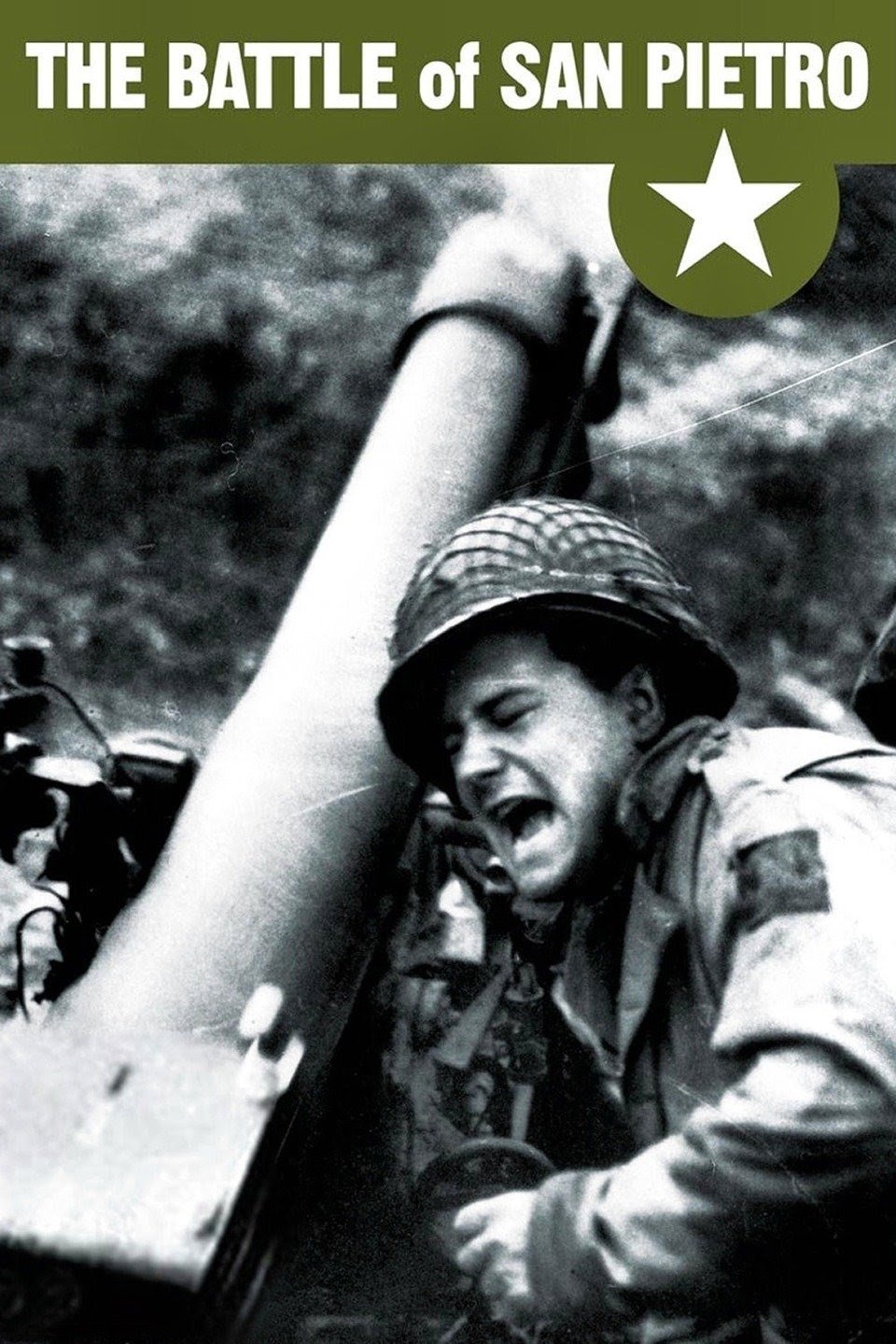
This documentary movie is about the battle of San Pietro, a small village in Italy. Over 1,100 US soldiers were killed while trying to take this location, that blocked the way for the Allied forces from the Germans. Preserved by the Academy Film Archive in 2005.
Prelude to War was the first film of Frank Capra's Why We Fight propaganda film series, commissioned by the Pentagon and George C. Marshall. It was made to convince American troops of the necessity of combating the Axis Powers during World War II. This film examines the differences between democratic and fascist states.
A documentary on the expletive's origin, why it offends some people so deeply, and what can be gained from its use.
A love letter from a young mother to her daughter, the film tells the story of Waad al-Kateab’s life through five years of the uprising in Aleppo, Syria as she falls in love, gets married and gives birth to Sama, all while cataclysmic conflict rises around her. Her camera captures incredible stories of loss, laughter and survival as Waad wrestles with an impossible choice– whether or not to flee the city to protect her daughter’s life, when leaving means abandoning the struggle for freedom for which she has already sacrificed so much.
A purely observational non-fiction film that takes viewers into the ethically murky world of end-of-life decision making in a public hospital.
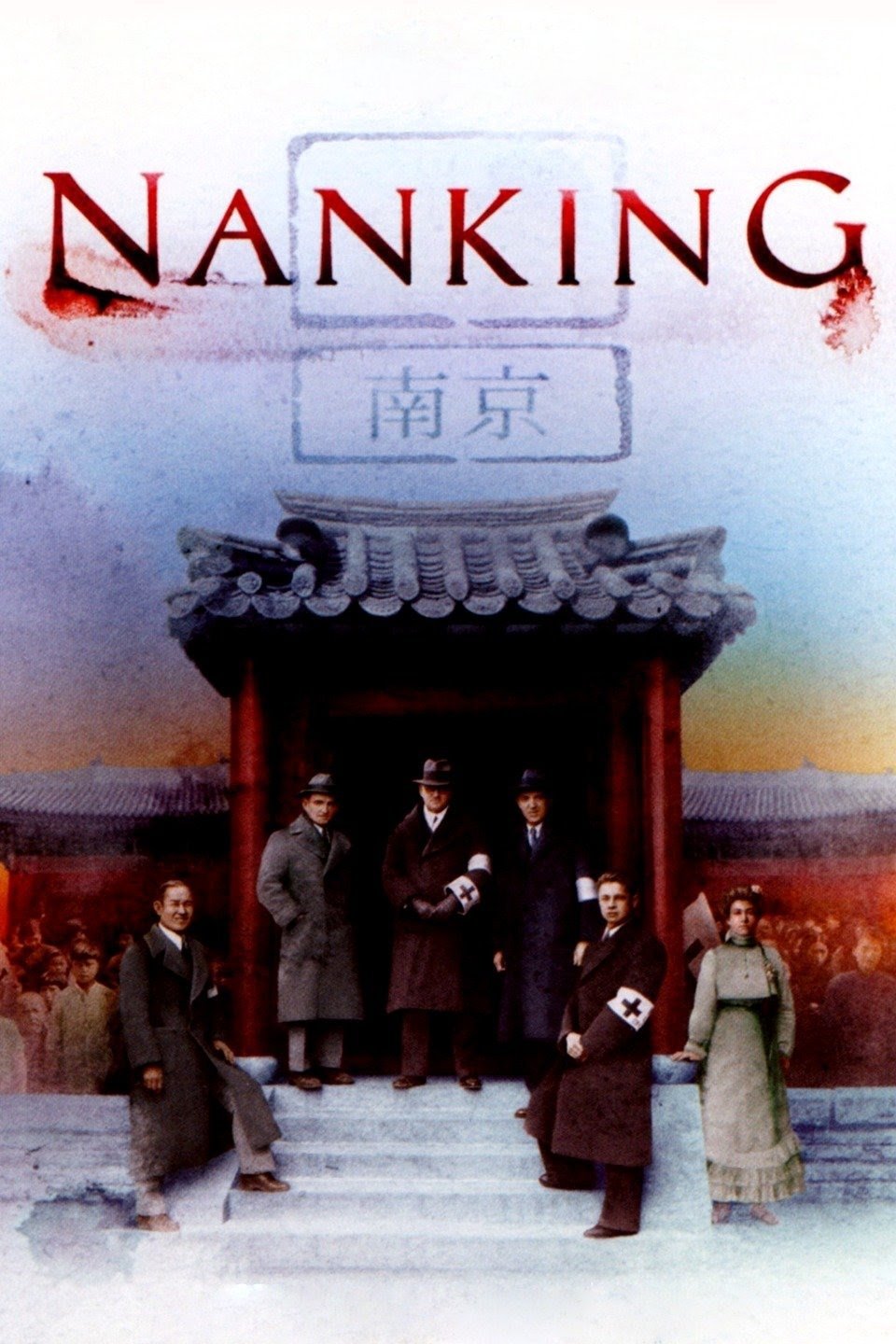
The story of the rape of Nanking, one of the most tragic events in history. In 1937, the invading Japanese army murdered over 200,000 and raped tens of thousands of Chinese. In the midst of this horror, a small group of Western expatriates banded together to save 250,000. Nanking shows the tremendous impact individuals can make on the course of history.
A subjective documentary that explores various theories about hidden meanings in Stanley Kubrick's classic film The Shining. Five very different points of view are illuminated through voice over, film clips, animation and dramatic reenactments.
The documentary recounts the world's first nuclear attack and examines the alarming repercussions. Covering a three-week period from the Trinity test to the atomic bombing of Hiroshima, the program chronicles America's political gamble and the planning for the momentous event. Archival film, dramatizations, and special effects feature what occurred aboard the Enola Gay (the aircraft that dropped the bomb) and inside the exploding bomb.
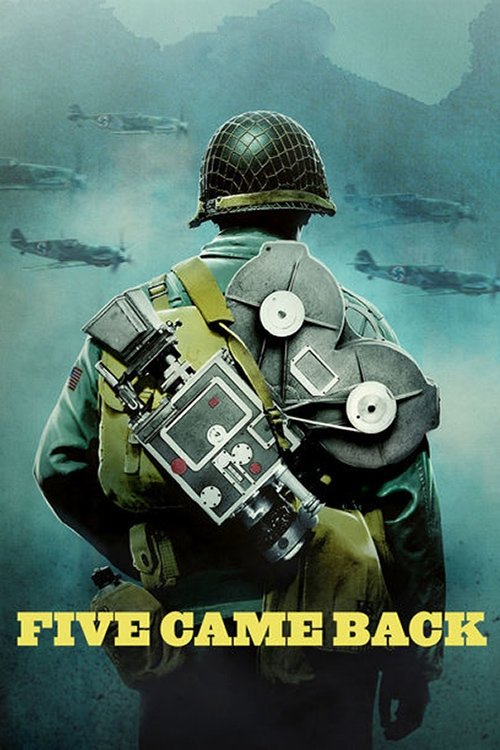
The extraordinary story of how Hollywood changed World War II – and how World War II changed Hollywood, through the interwoven experiences of five legendary filmmakers who went to war to serve their country and bring the truth to the American people: John Ford, William Wyler, John Huston, Frank Capra, and George Stevens. Based on Mark Harris’ best-selling book, “Five Came Back: A Story of Hollywood and the Second World War.”
Lyrical and powerfully personal essay film that reflects on the deaths of her husband Lou Reed, her mother, her beloved dog, and such diverse subjects as family memories, surveillance, and Buddhist teachings.
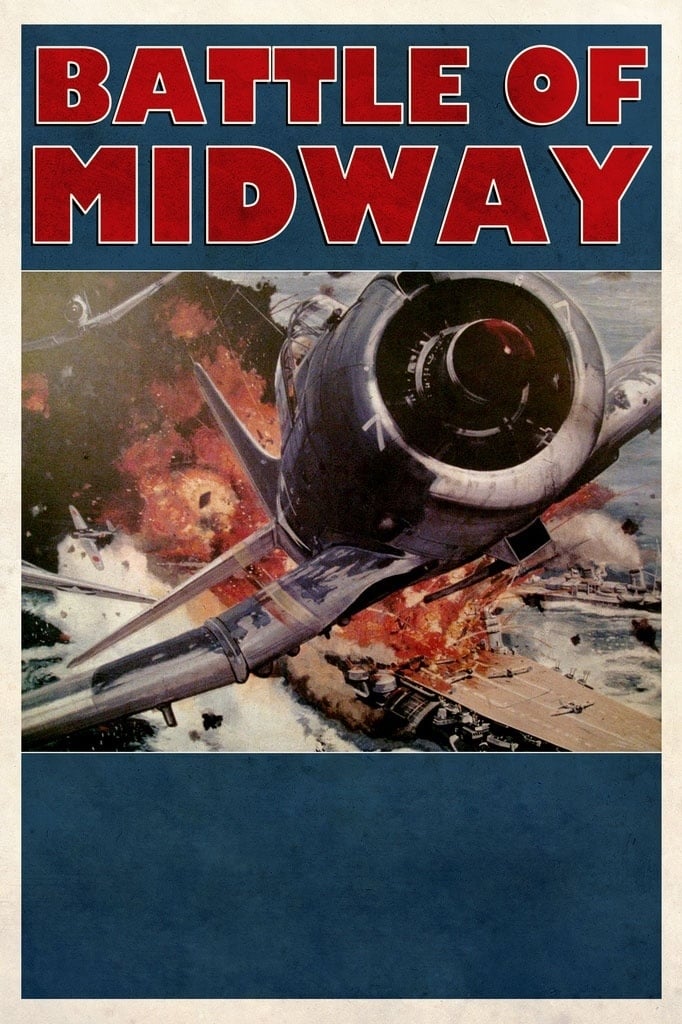
The Japanese attack on Midway in June 1942, filmed as it happened. Preserved by the Academy Film Archive, in partnership with Twentieth Century Fox Film Corporation, in 2006.
Filmed and edited in intimate vérité style, this movie follows visionary medical practitioners who are working on the cutting edge of life and death and are dedicated to changing our thinking about both.
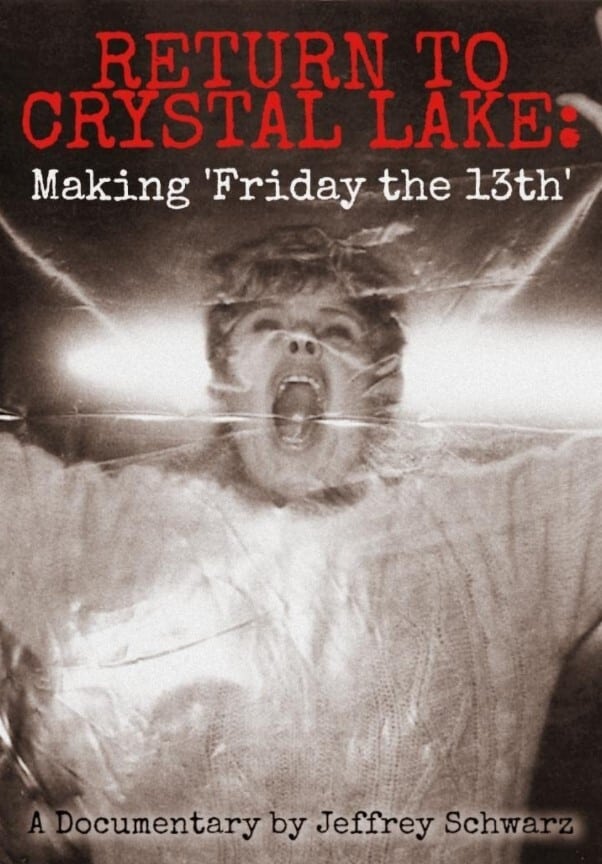
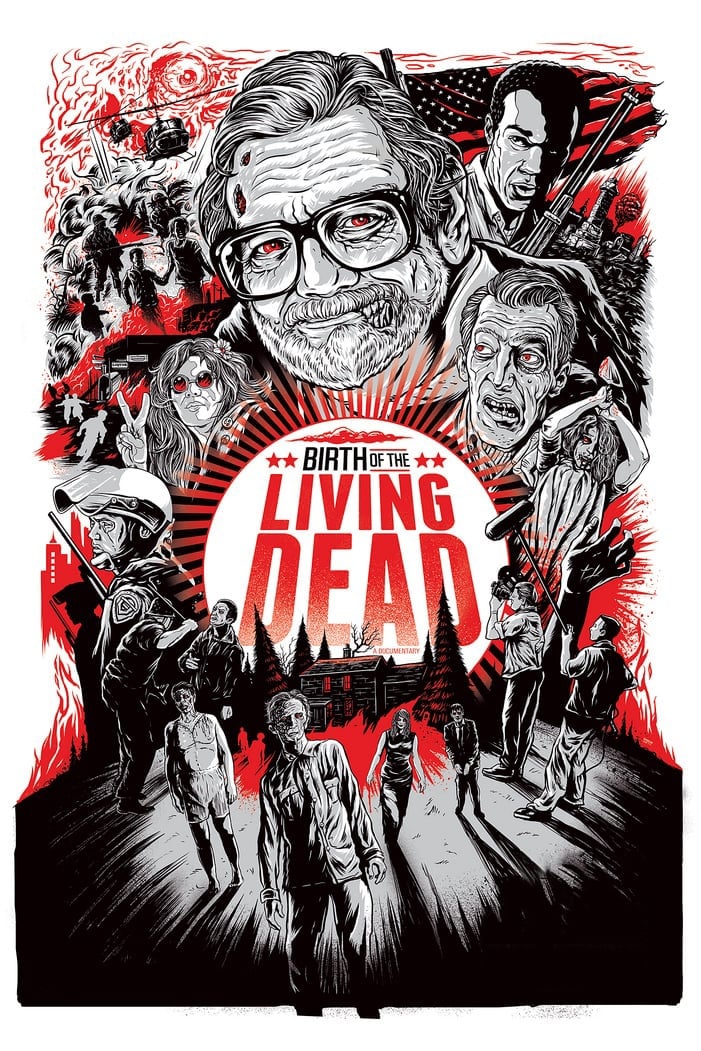
A behind the scenes look into George Romero's groundbreaking horror classic Night of the Living Dead.
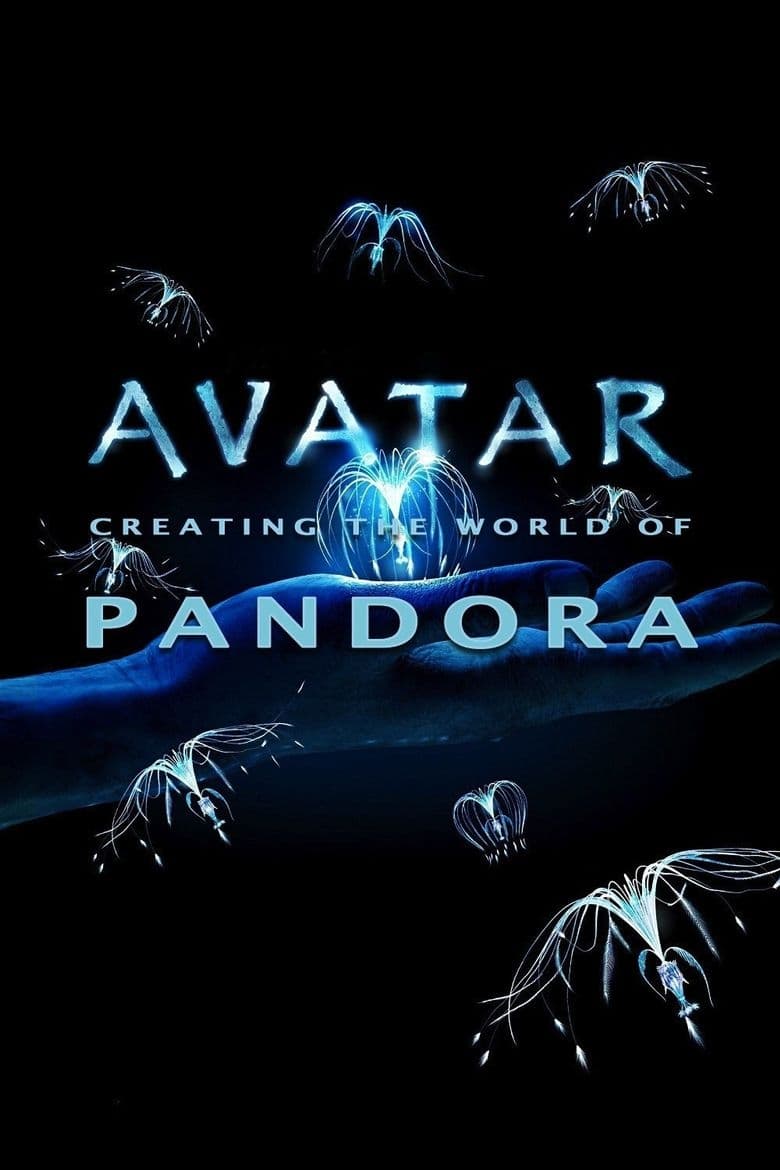
The Making-of James Cameron's Avatar. It shows interesting parts of the work on the set.
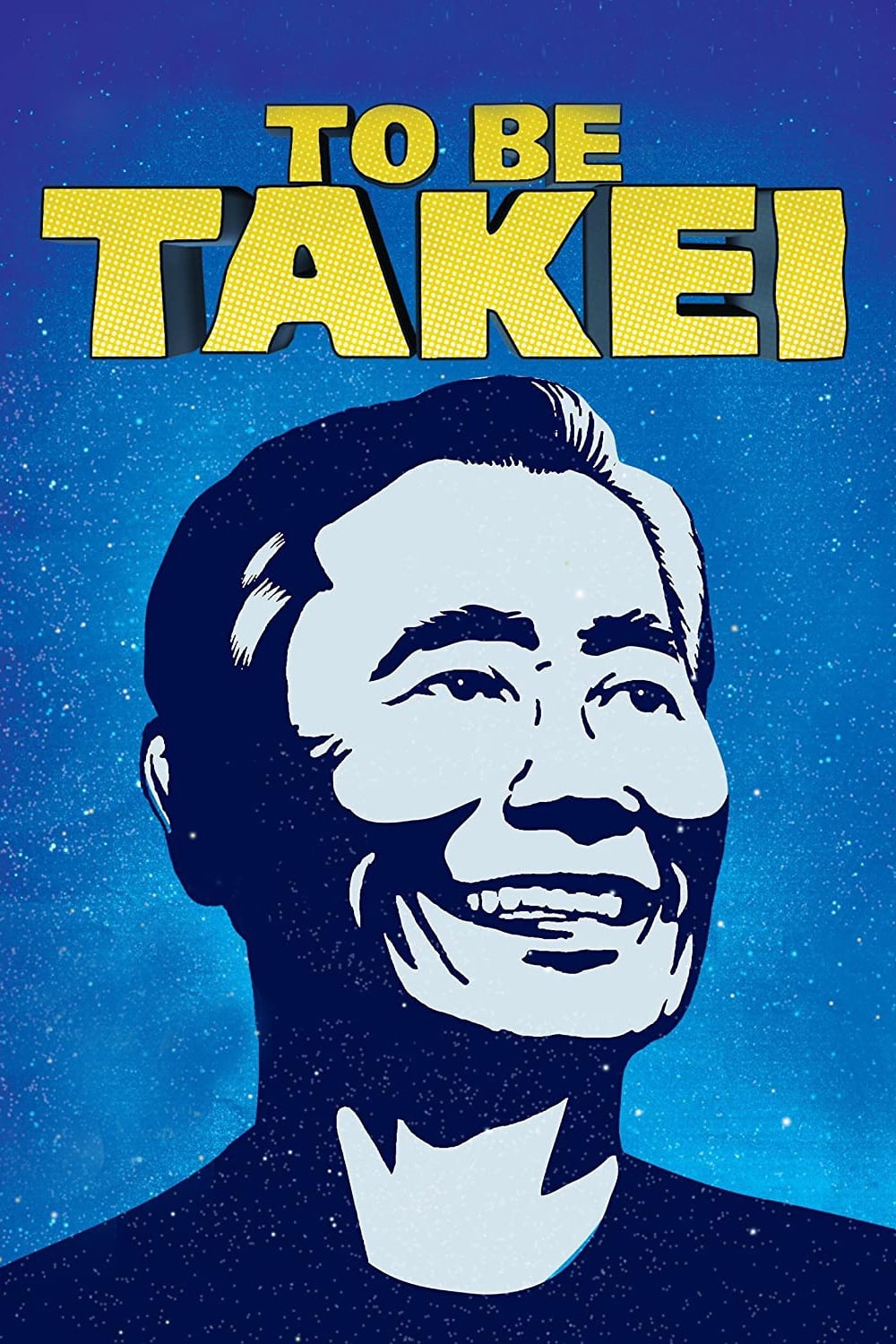
Over seven decades, actor and activist George Takei journeyed from a World War II internment camp to the helm of the Starship Enterprise, and then to the daily news feeds of five million Facebook fans. Join George and his husband, Brad, on a wacky and profound trek for life, liberty, and love.
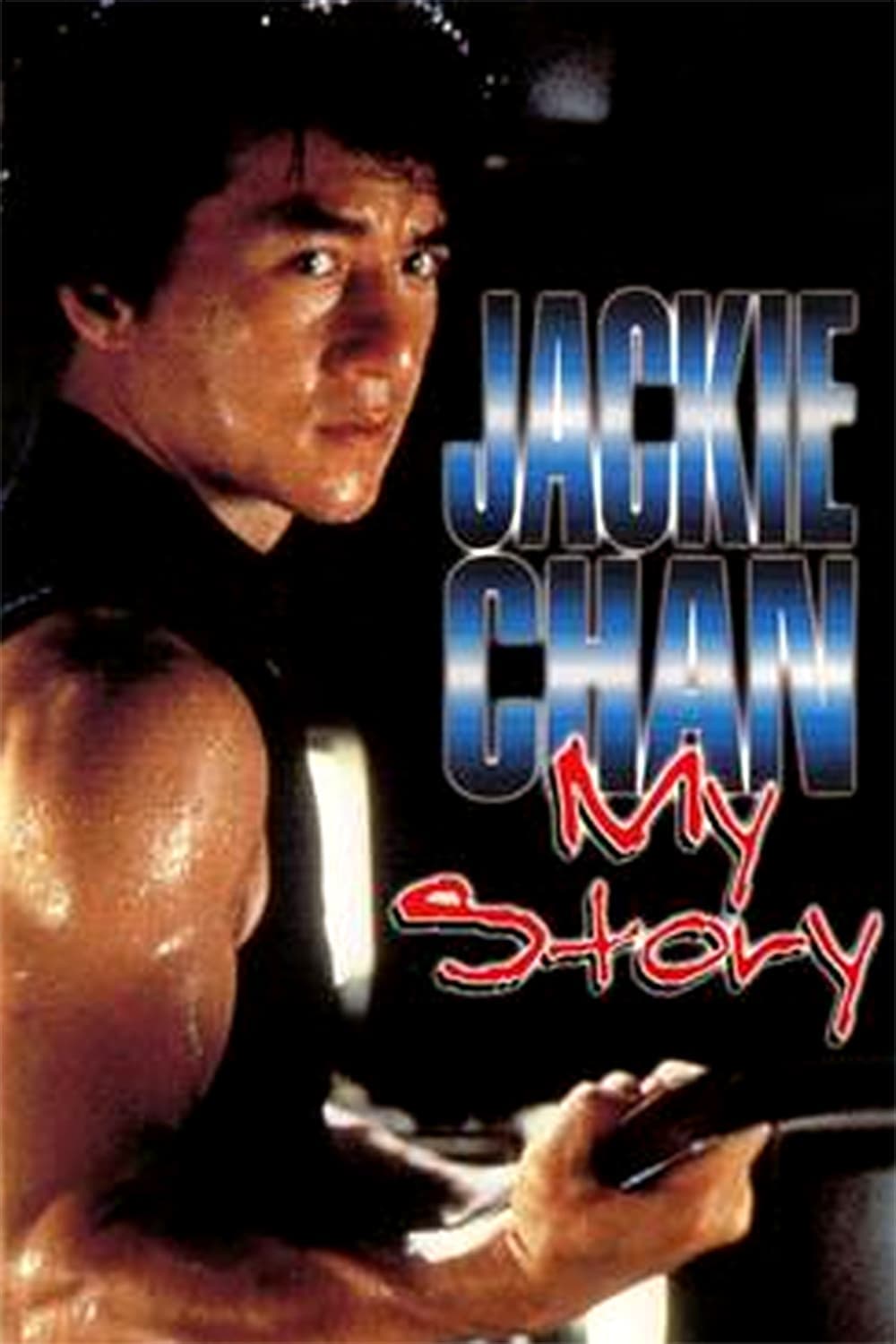
Jackie Chan is one of the world's biggest action stars, famed for his wacky sense of humor, remarkable martial arts techniques, and willingness to perform incredible stunts without the use of doubles -- or a net. This video takes a personal look at Chan as he works on screen projects in Hollywood and Beijing and candidly discusses his life and work.
As a visually radical memoir, CAMERAPERSON draws on the remarkable footage that filmmaker Kirsten Johnson has shot and reframes it in ways that illuminate moments and situations that have personally affected her. What emerges is an elegant meditation on the relationship between truth and the camera frame, as Johnson transforms scenes that have been presented on Festival screens as one kind of truth into another kind of story—one about personal journey, craft, and direct human connection.
Amber Heard and Nicole Kidman discuss their characters Mera and Atlanna.
Carefully picked scenes of nature and civilization are viewed at high speed using time-lapse cinematography in an effort to demonstrate the history of various regions.