"50 Years of Cyprus: Final"
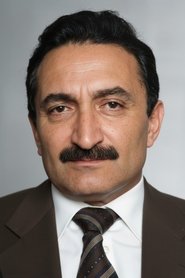
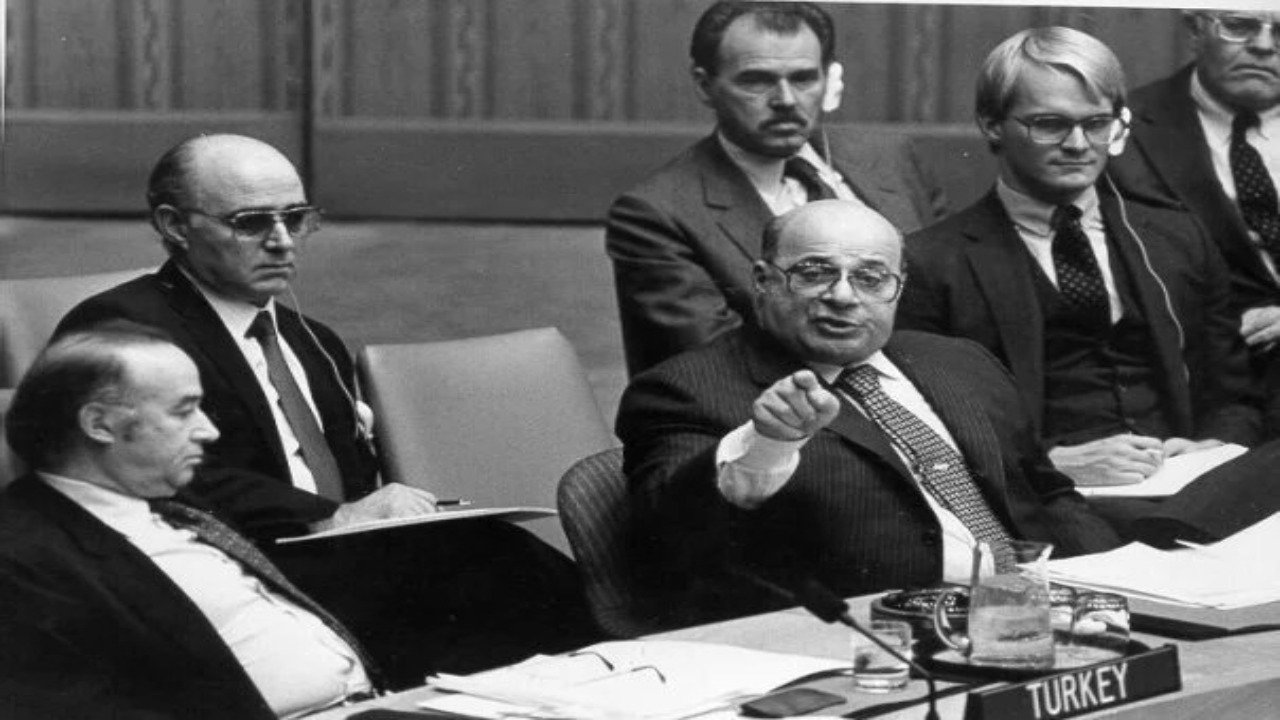
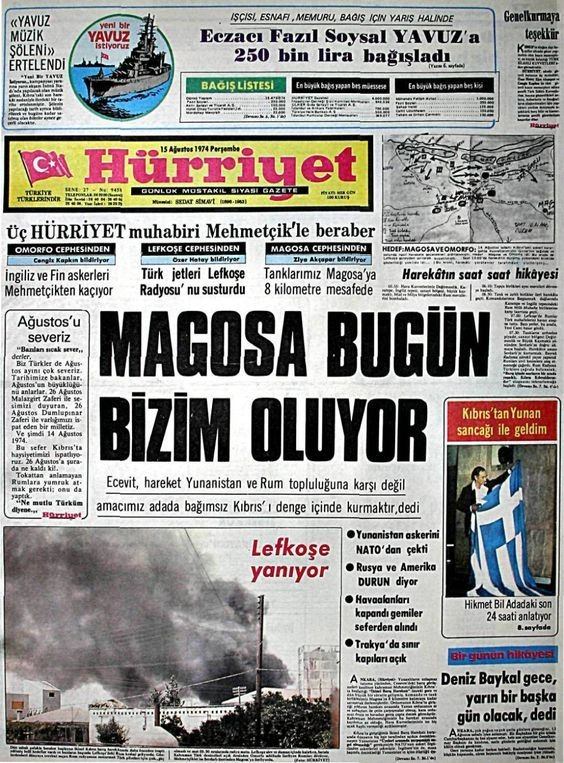
32.Day, a news classic by Mehmet Ali Birand, is with you this time with the documentary 50 Years of Cyprus!
Social & External
Self-Narrator
Self
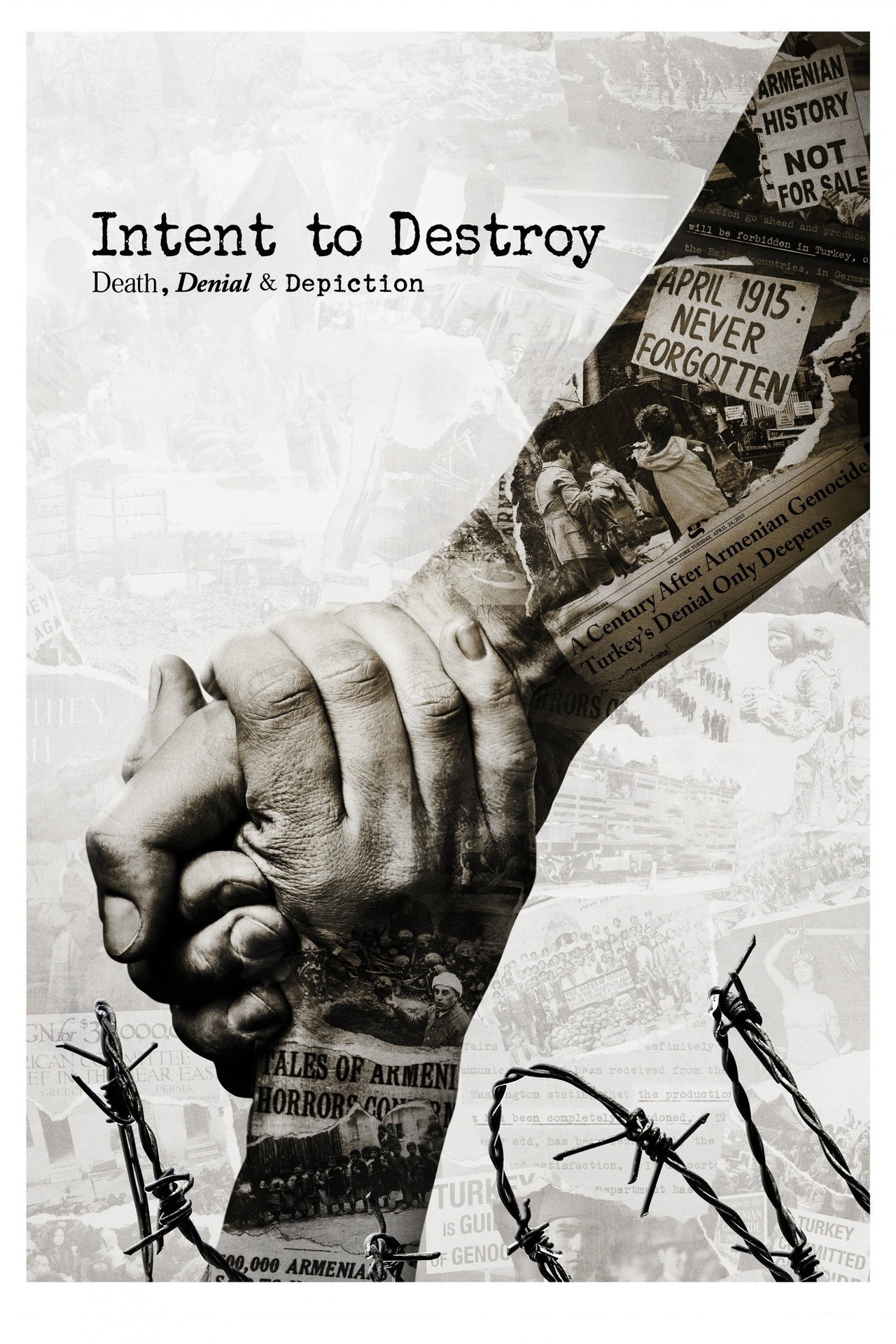
Though both the historical and modern-day persecution of Armenians and other Christians is relatively uncovered in the mainstream media and not on the radar of many average Americans, it is a subject that has gotten far more attention in recent years.
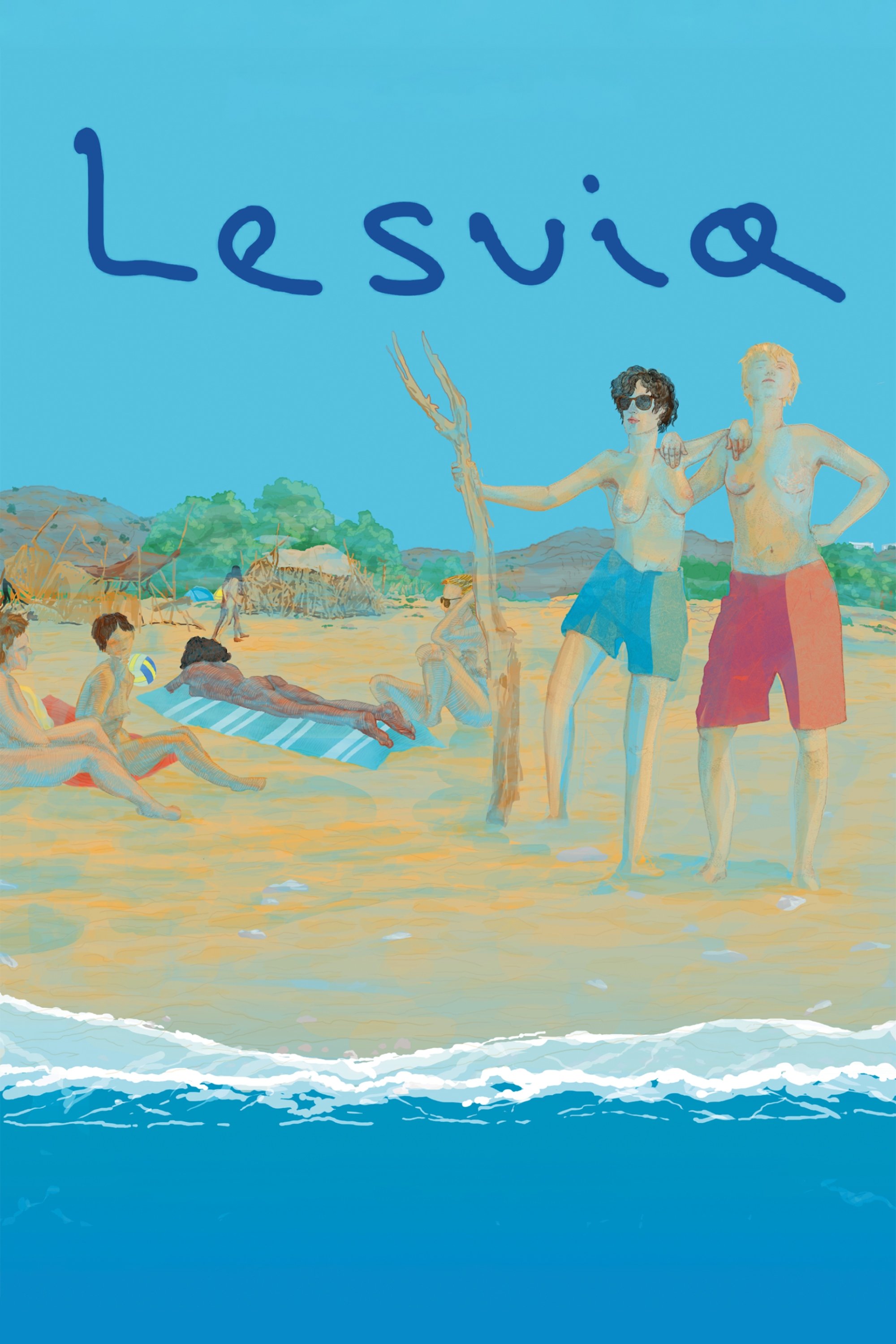
A documentary that is a deep exploration of gender identity within the context of Greek society, providing a multi-layered narrative that reflects the experiences of individuals navigating the complexities of gender in a culture where these topics are still emerging. Over four years, the filmmakers captured intimate stories of people confronting their gender identities, revealing how personal, societal, and familial expectations shape their journeys. The documentary aims to challenge the traditional norms of gender and to give voice to those whose experiences are often marginalized. It marks a significant step in Greece’s cinematic exploration of LGBTQ+ themes and is a pivotal contribution to the global conversation on gender identity.


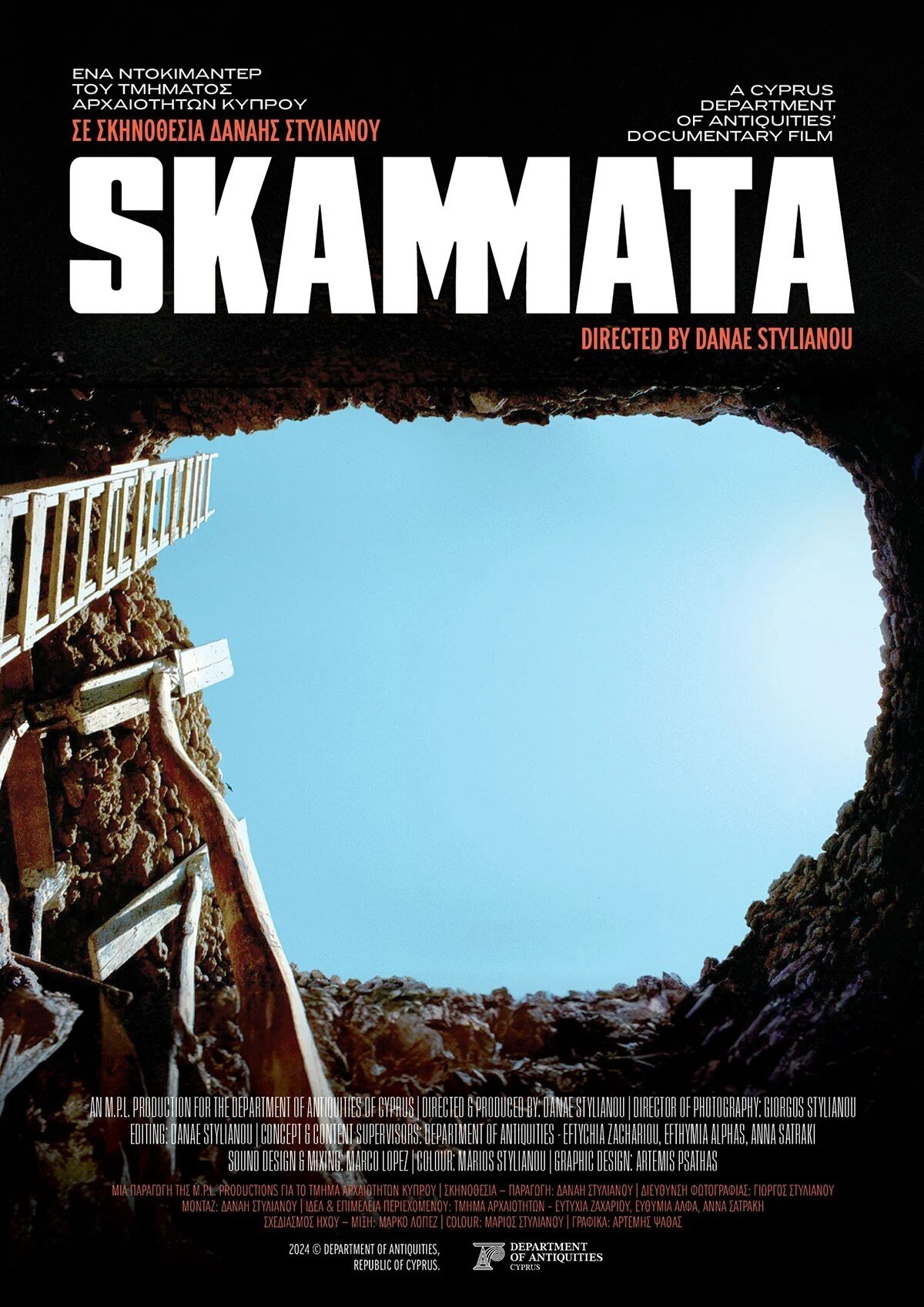
Filmed In the heart of the mountainous villages of Greece and North Macedonia, the documentary follows a group of conservators of antiquities and works of art on their journey, with the goal of preserving Byzantine iconography. The dialogue between them and the hagiographers of the past comes to life.
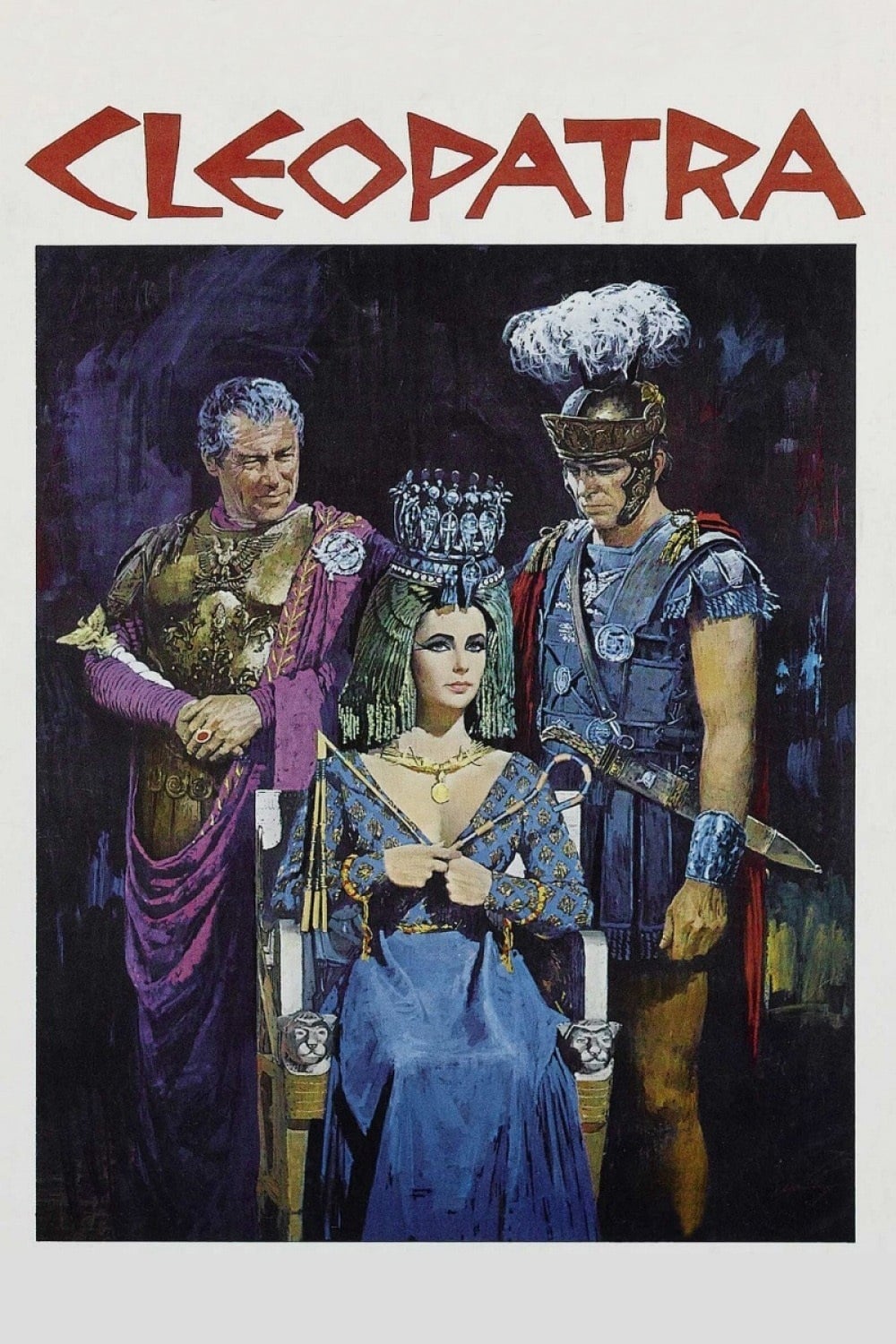
Determined to hold on to the throne, Cleopatra seduces the Roman emperor Julius Caesar. When Caesar is murdered, she redirects her attentions to his general, Marc Antony, who vows to take power—but Caesar’s successor has other plans.
Interrogated by a customs officer, a young man recounts how his life was changed during the making of a film about the Armenian genocide.
The parallel stories of four Pakistani immigrants in Greece become the trigger for the director to explore the story of his father, a worker in the Perama Shipyard. The background unfolds a most deadly shipwreck, Libyan immigrants found in limbo, as well as a (possibly racist) crime, which was committed during the shooting of this film.
The story of three Turkish men. They all grew up in Switzerland and all got deported after various criminal offenses.
In the early 70s Greek cinema entered in a period of crisis. One of its aspects was said "crisis of issues" and one of the exits heard in the name "erotic cinema". The genre was already acquaintance from the abundance of foreigner films, that was distributed in the grindhouses under the "adults only" motto and its Greek version had a lot of variants.
The 300 Spartans is an account of the 480 B.C. Battle of Thermopylae, in which the Greek Spartan King Leonidis, played by Richard Egan, led a remarkably small number of Greek Sparta to victory over an invading Persian army led by evil King Xerxes that was thought to number over 25,000. This spectacular conflict gave the Grecians enough time to organize a force to ultimately repel the Persians, and thus change the course of Western civilization.
The popular resistance to the current Greek economic crisis explored and expressed through the ethical and political writings of Ancient Greece.
An intimate look into the life of composer Mikis Theodorakis from 1987 until 2017: comprising three decades, four continents, 100 locations and 600 hours of film material. The film interweaves personal moments with archive footage, documentary recordings and fictional pieces, all accompanied by Theodorakis’ music in jazz, classic, electro and rap versions.
"Everybody should have a home. If you punish a nation, this is so abstract, it's very mean to use your power to put another country in your control... Instead of punishment, maybe we should have love." Eliane from Chile, Milad from Iran, and Georgia from Greece, three migrants in the UK and their thoughts on love, home, family, and Shakespeare's Romeo and Juliet.
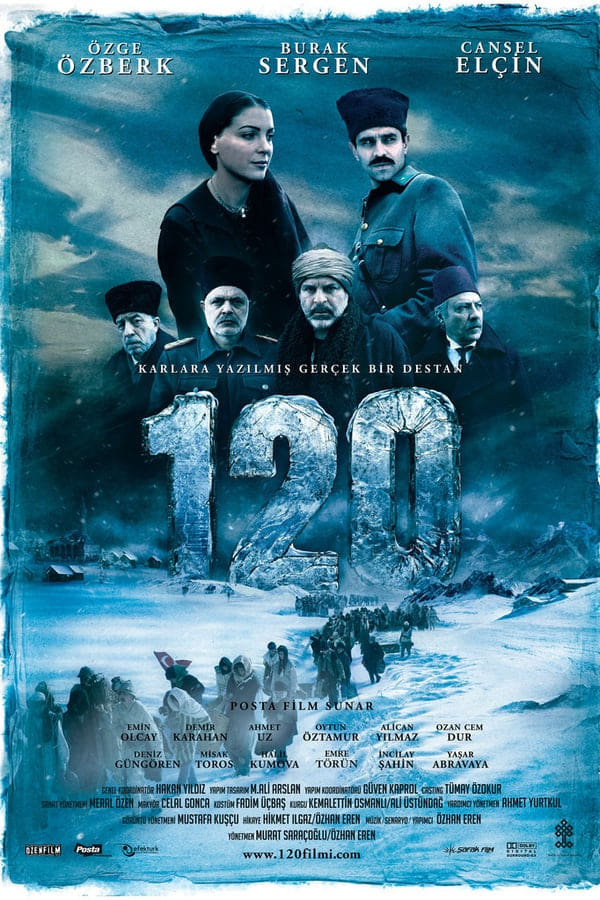
During the Sarikamis Battle, the Ottoman army runs out of ammunition and appeals to the people of Van for help, who happen to have supplies. However, the First World War is on and all men are fighting at four corners of the empire and therefore can not respond to to the appeal. The young children of Van want to do something...
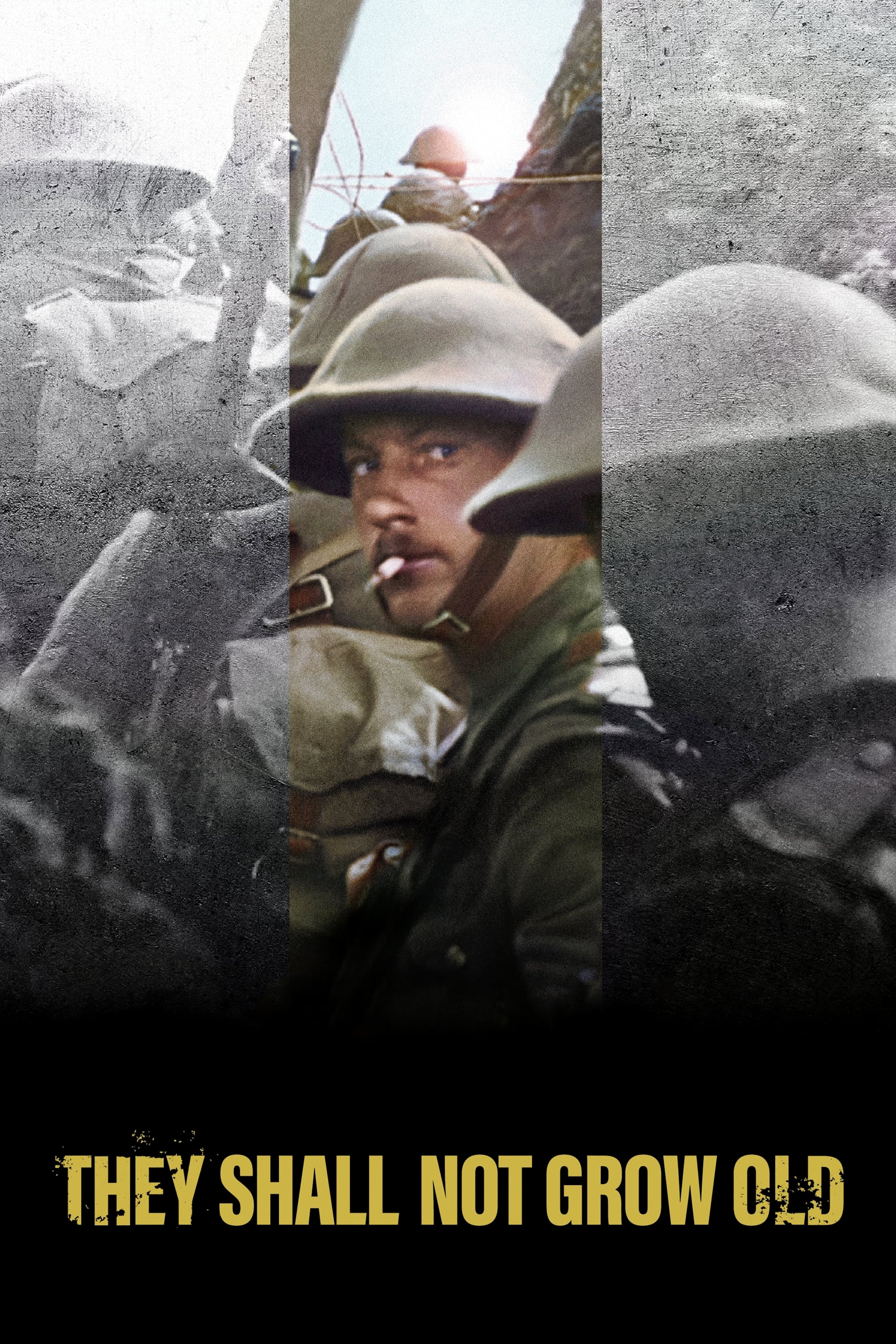
Two Australian sprinters face the brutal realities of war when they are sent to fight in the Gallipoli campaign in the Ottoman Empire during World War I.
Alexander, the King of Macedonia, leads his legions against the giant Persian Empire. After defeating the Persians, he leads his army across the then known world, venturing farther than any westerner had ever gone, all the way to India.
Dogs of Democracy is an essay-style documentary about the stray dogs of Athens and the people who take care of them. Author and first-time filmmaker Mary Zournazi explores life on the streets through the eyes of the dogs and peoples' experience. Shot in location in Athens, the birthplace of democracy, the documentary is about how Greece has become the 'stray dogs of Europe', and how the dogs have become a symbol of hope for the people and for the anti- austerity movement. A universal story about love and loyalty and what we might learn from animals and peoples' timeless quest for democracy.
During World War II, Helmut Dantine specialized in playing villainous Nazis in Hollywood melodramas. He offers a compelling performance in a variation of these earlier roles in this suspense filled and politically loaded tale of intrigue. The story opens in German-occupied Athens during the darkest hours of the war. Civilians are not allowed on the streets after dark.
The key male members of the far-right political party Golden Dawn are imprisoned accused of carrying out organized criminal activity. To maintain Golden Dawn's position as the fifth largest political party in Greece, their daughters, wives and mothers step up to the task of leading the party through the upcoming elections.
A small task force of the Turkish army have to defend a relay station in the middle of nowhere against a possible terrorist raid.