A cross-section of women share their experiences with UTI and being failed by primary healthcare.
Social & External
As we emerge from a global pandemic that has turned our world upside down, David Olusoga explores the hidden history of the nurses, doctors and health workers who, for more than 70 years, have been coming to Britain from overseas to serve in the NHS. Without them the NHS would have been in danger of collapse - not least during the current COVID crisis - but from the very start the story of this beloved British institution has been intertwined with one of the most divisive social and political issue of the age, immigration. The people who came to this country to work in the NHS have found themselves fighting battles they neither sought nor expected.
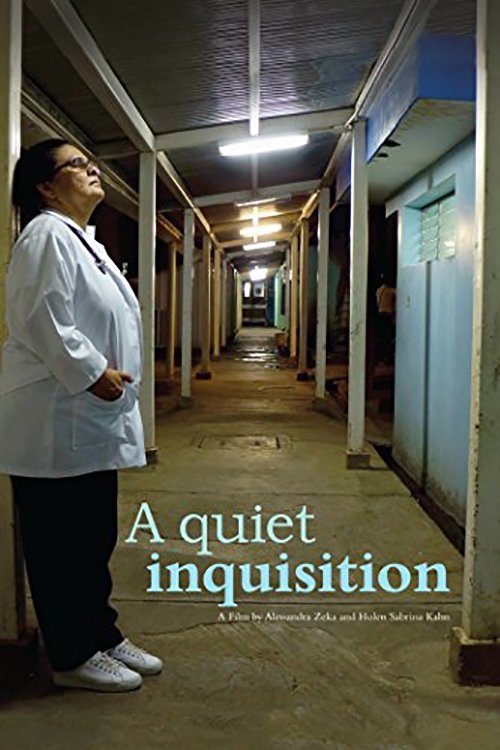
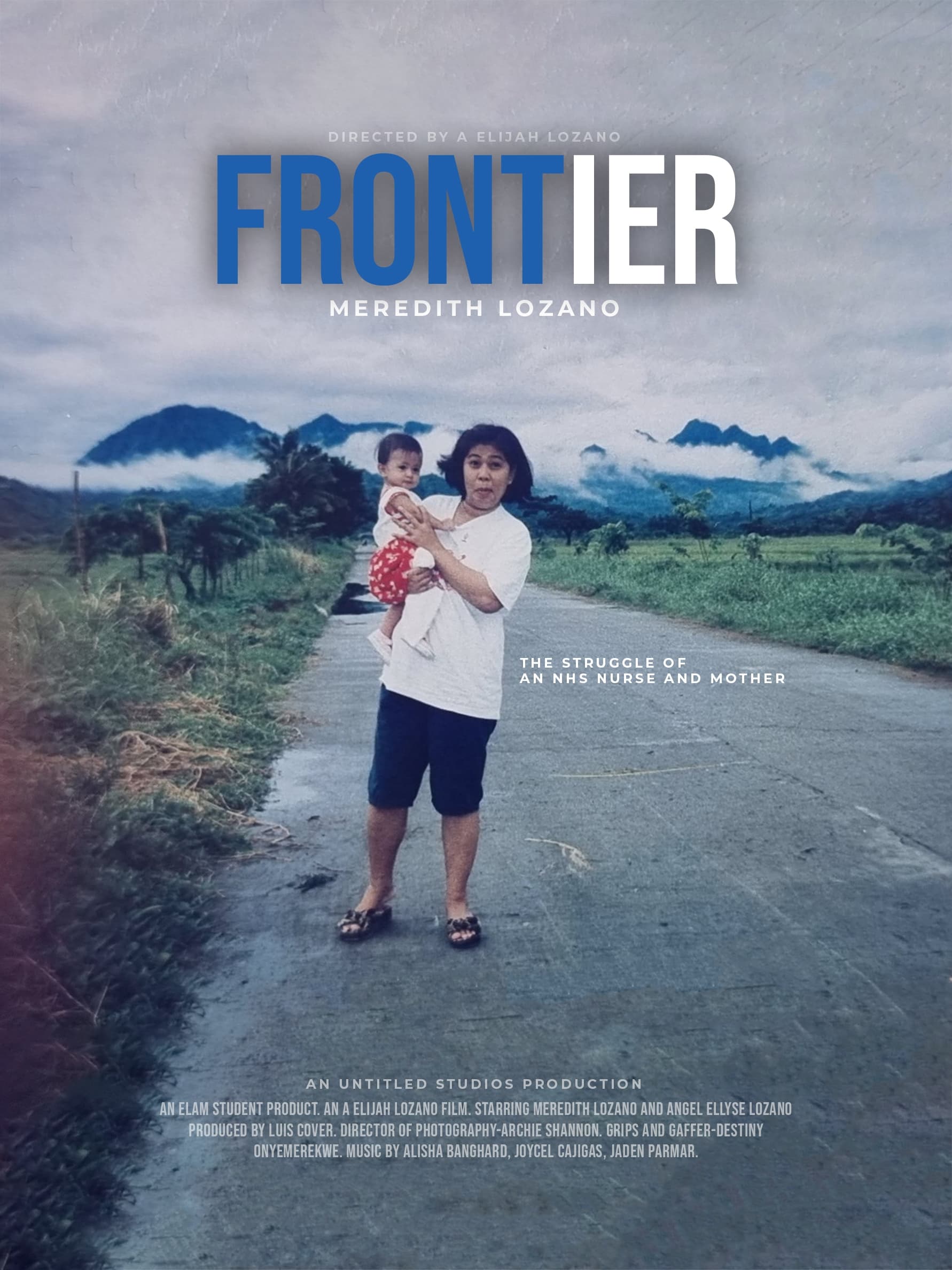
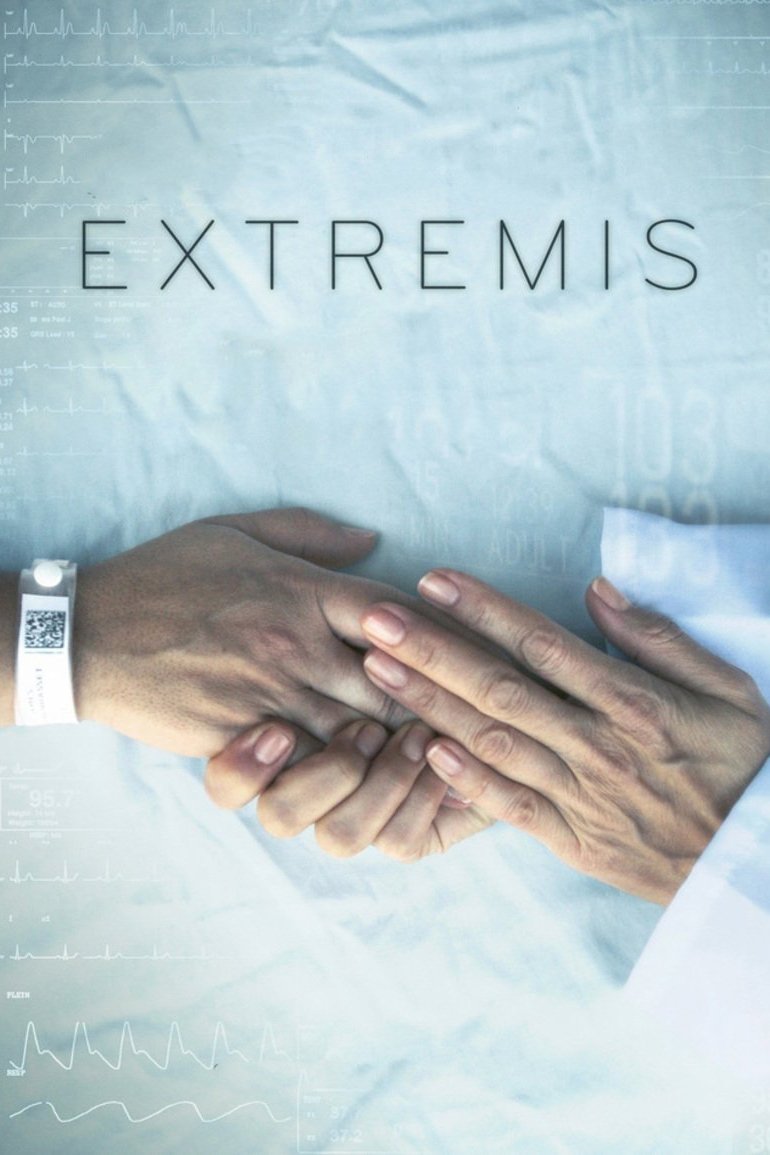
An NHS nurse of twenty years reflects on a challenging and strenuous career as time dwindles to her retirement.
Gloria Allred overcame trauma and personal setbacks to become one of the nation’s most famous women’s rights attorneys. Now the feminist firebrand takes on two of the biggest adversaries of her career, Bill Cosby and Donald Trump, as sexual violence allegations grip the nation and keep her in the spotlight.
Inside the dramatic search for a cure to ME/CFS (Myalgic Encephalomyelitis/Chronic Fatigue Syndrome). 17 million people around the world suffer from what ME/CFS has been known as a mystery illness, delegated to the psychological realm, until now. A scientist in the only neuro immune institute in the world may have come up with the answer. An important human drama, plays out on the quest for the truth.
Pacific Mother journeys from Japan, to Hawaii, Tahiti, Rarotonga and Aotearoa to share interwoven stories of formidable women who live at one with the Pacific Ocean – freediving, spearfishing and paddling waka through its depths and playing with their children in its shallows – a stark contrast to fast-paced lifestyles of larger towns or cities. These women are all mothers who experienced diverse births in hospital, at home and by the sea, with and without medical assistance. Fukumoto also meets Māori and Japanese midwives who share indigenous traditions and rituals around birth that have been lost over recent generations, and are now gradually being reclaimed. Their stories demonstrate just how disconnected the global default maternity system is from the instinctive and cultural needs of mothers and families. They inspire a call to action on birthing rights, as well as a call for parents’ reconnection with their role as nurturers and protectors of their natural environment.
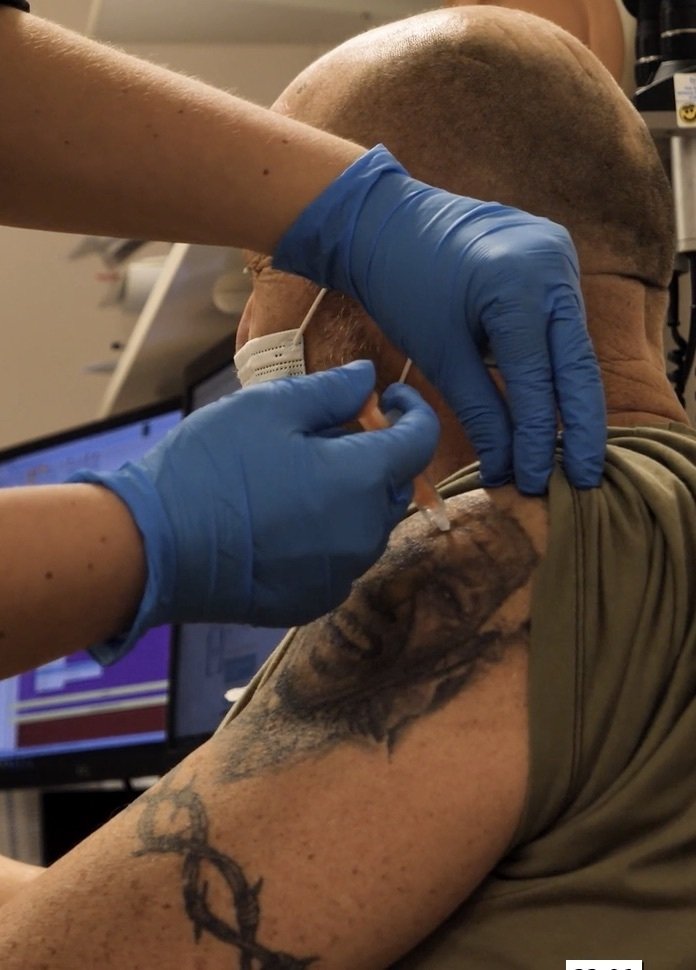
A glimpse into the routine of a busy Covid vaccination service in the north of England.
Carmen accompanies a group of women who must travel from the island of Vieques to San Juan, capital of Puerto Rico, in order to perform breast biopsies. The long journey is by water and road. Amid many fears and vicissitudes, Carmen confirms once again the need for appropriate medical services for both women and for the rest of the Vieques population.
Véro compares perimenopause to the lottery: you can experience 3, 10 or 30 symptoms. In her case, she won the lottery. The first signs came early in her life. So she didn't make the connection between the mood swings, water retention, dry skin, hair loss - and menopause. Before finding comfort, she wandered for years. Loto-Méno is her story, her quest, told with courage and frankness.
When Harvard PhD student Jennifer Brea is struck down at 28 by a fever that leaves her bedridden, doctors tell her it’s "all in her head." Determined to live, she sets out on a virtual journey to document her story—and four other families' stories—fighting a disease medicine forgot.
Across the Bay Area, illuminated windows reveal volunteers for Exhale, a hotline for women seeking help in processing their abortion experiences. In the still of night, these volunteers lend an ear to those who need it.
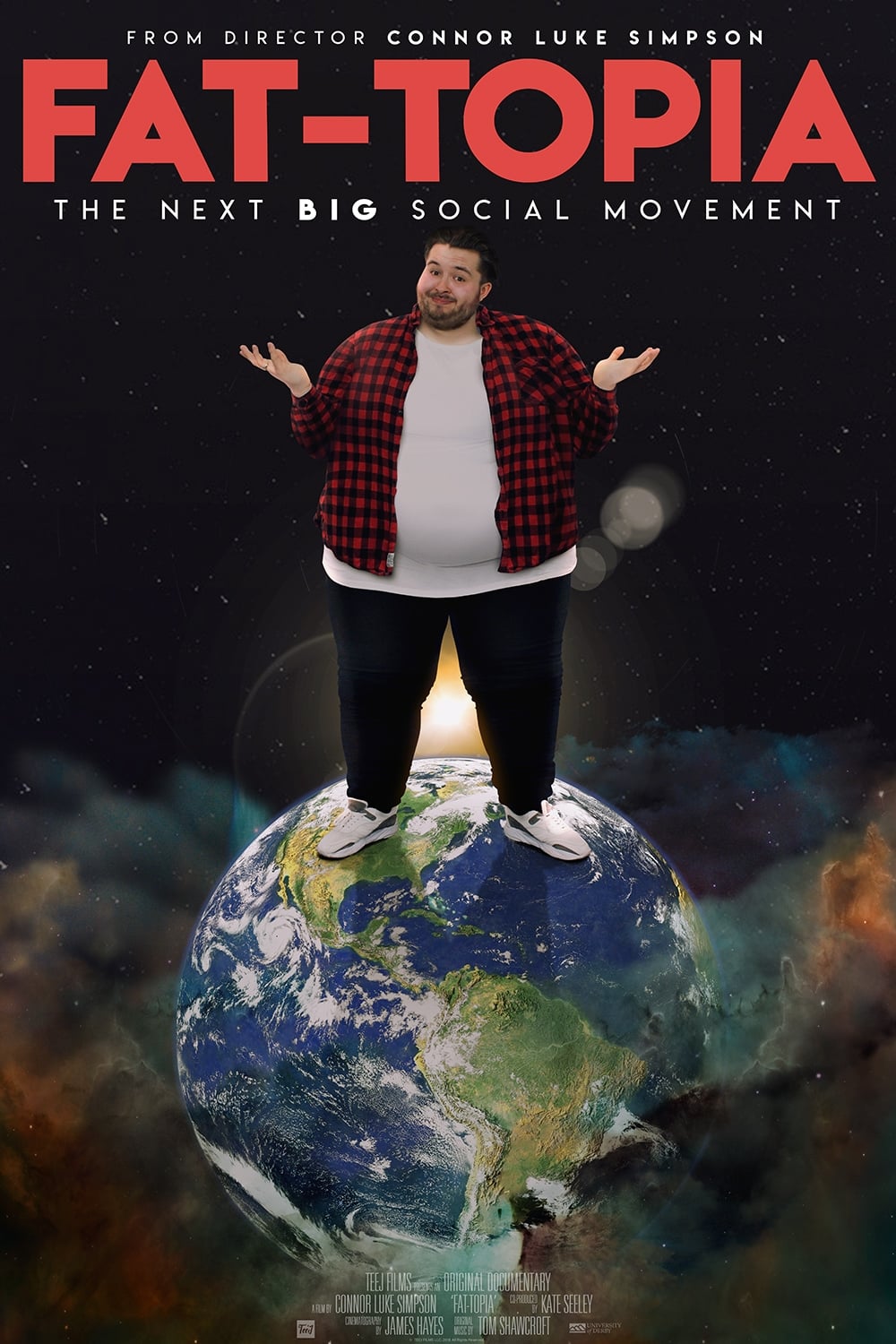
In an era of activism, filmmaker Connor Luke Simpson enters the world of Fat Acceptance, a provocative social movement that is seeking to change the negative perception of obesity. Is everything we know about obesity wrong, or, will this movement just become a footnote in the history books?
In a Parisian public hospital, Claire Simon questions what it means to live in women’s bodies, filming their diversity, singularity and their beauty in all stages throughout life. Unique stories of desires, fears and struggles unfold, including the one of the filmmaker herself.
In recent years, the number of diagnoses of attention-deficit hyperactivity disorder has skyrocketed. What are the reasons? Does a society geared towards efficiency use the label ADHS to weed out anyone who does not fit its frames? What are the consequences of the fact that medication treatment has become almost ubiquitous? Could Ritalin and the like have become the doping of the performance society?
Afghani-American filmmaker Sedika Mojadidi shadows her father, a women's health specialist working to rebuild hospitals in war-torn Afghanistan, in this thought-provoking documentary filmed in the wake of the United States' invasion of the region. In a country where one in seven women dies during childbirth, many women are willing to travel for days to receive adequate care from a trained professional.
Myf Warhurst is on the cusp of a big change: the change. Myf wants to know what's in store. What is menopause, what are the symptoms and what can she do about it?
At a public hospital in Nicaragua, Ob/Gyn Dr. Carla Cerrato must choose between following a law that bans all abortions and endangers her patients or taking a risk and providing the care that she knows can save a woman's life. In 2007, Dr. Cerrato’s daily routine took a detour. The newly elected government of Daniel Ortega, a former Marxist revolutionary who converted to Catholicism to win votes, overturned a 130-year-old law protecting therapeutic abortion. The new law entirely prohibits abortion, even in cases of rape, incest, or when a woman’s life is at stake. As Carla and her colleagues navigate this dangerous dilemma, the impact of this law emerges—illuminating the tangible reality of prohibition against the backdrop of a political, religious, and historically complex national identity. The emotional core of the story—the experiences and situations of the young women and girls who are seeking care—illustrate the ethical implications of one doctor's response.
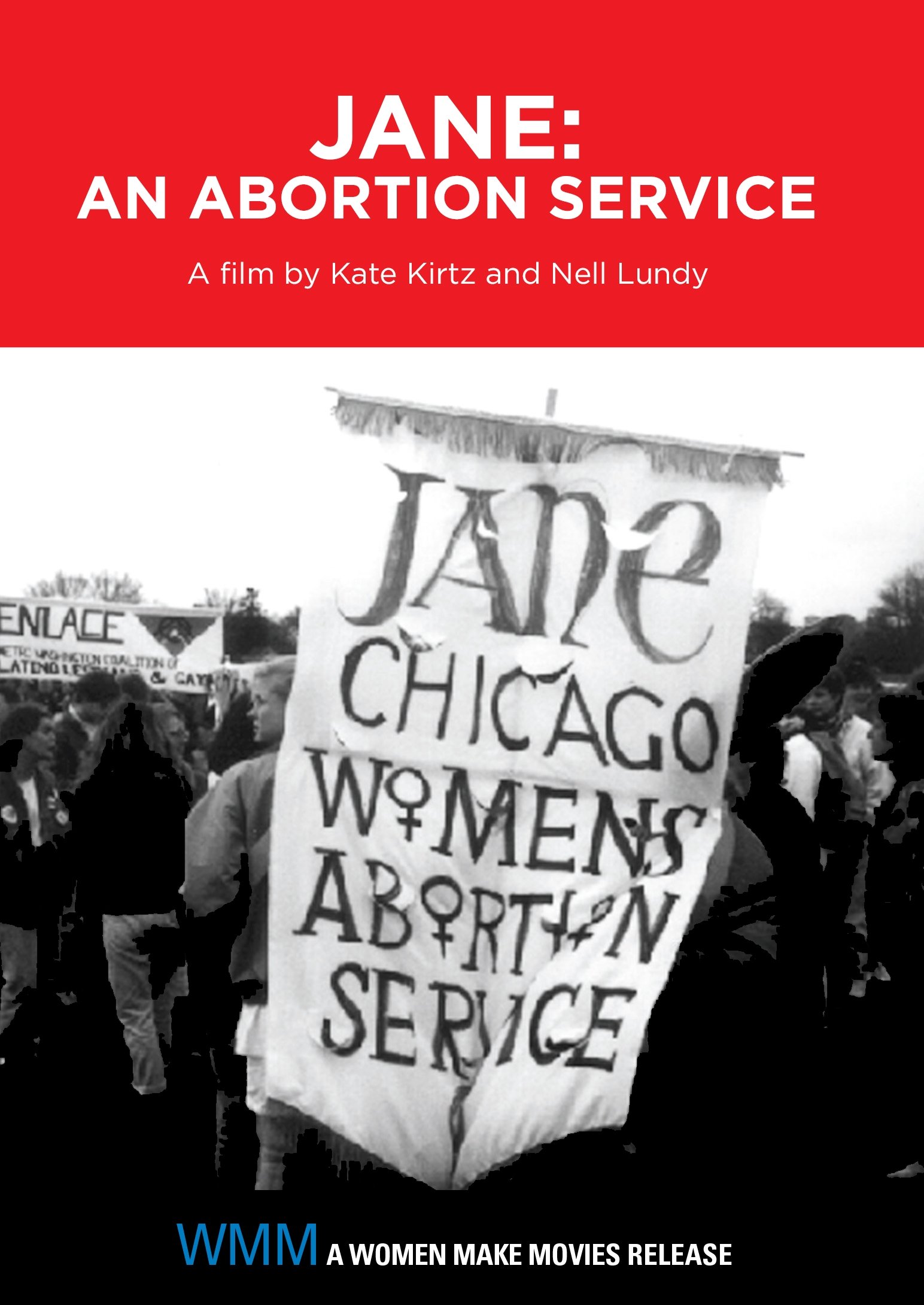
This fascinating political look at a little-known chapter in women's history tells the story of "Jane", the Chicago-based women's health group who performed nearly 12,000 safe illegal abortions between 1969 and 1973 with no formal medical training. As Jane members describe finding feminism and clients describe finding Jane, archival footage and recreations mingle to depict how the repression of the early sixties and social movements of the late sixties influenced this unique group. Both vital knowledge and meditation on the process of empowerment, Jane: An Abortion Service showcases the importance of preserving women's knowledge in the face of revisionist history. JANE: AN ABORTION SERVICE was funded by the Independent Television Service (ITVS) with funds provided by the Corporation for Public Broadcasting.