Social & External
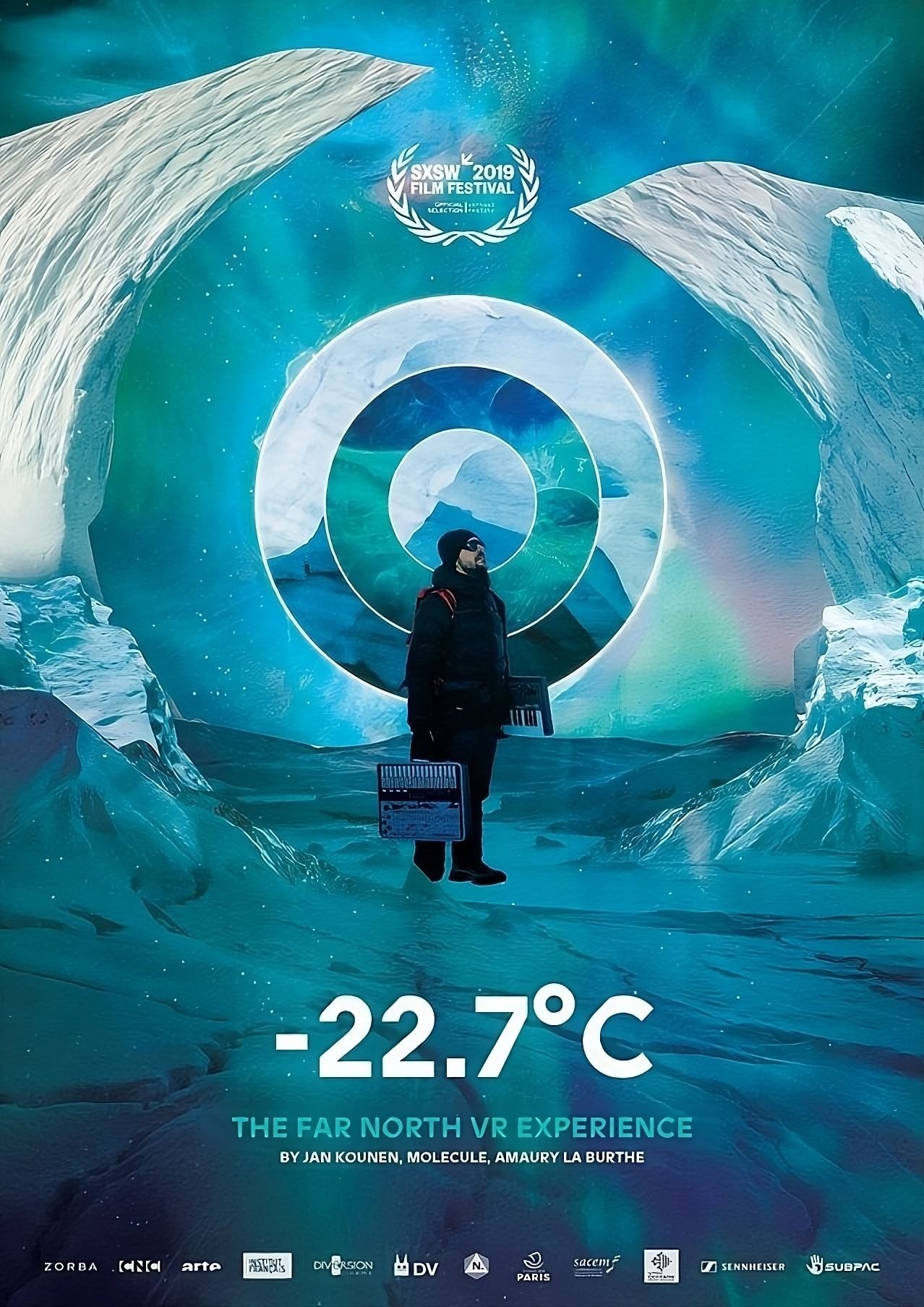
The music producer Molécule stayed in a village in Greeland, where he recorded the sounds of the Artic to compose music. The viewer follows Molécule in his adventure in the extreme North, in a sensorial and musical immersion.
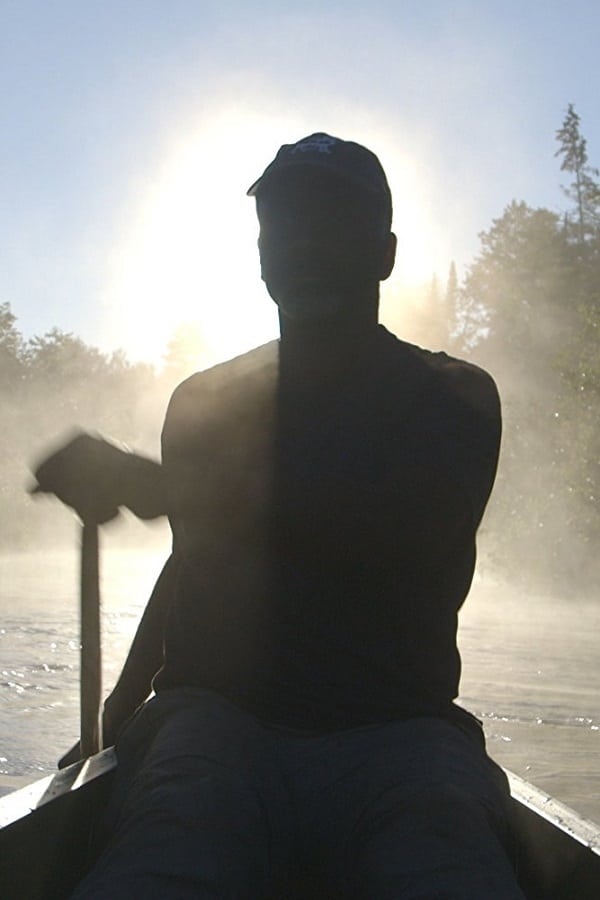
Eddy L. Harris is the author of the lauded travel book “Mississippi Solo” (1988), which chronicled his canoe trip down the length of the Mississippi River, from its headwaters in Minnesota to its terminus in the Gulf of Mexico. In “River to the Heart,” Harris retraces that journey as a 60-year-old, and the film explores what he discovered about both the country that was and the country that is.
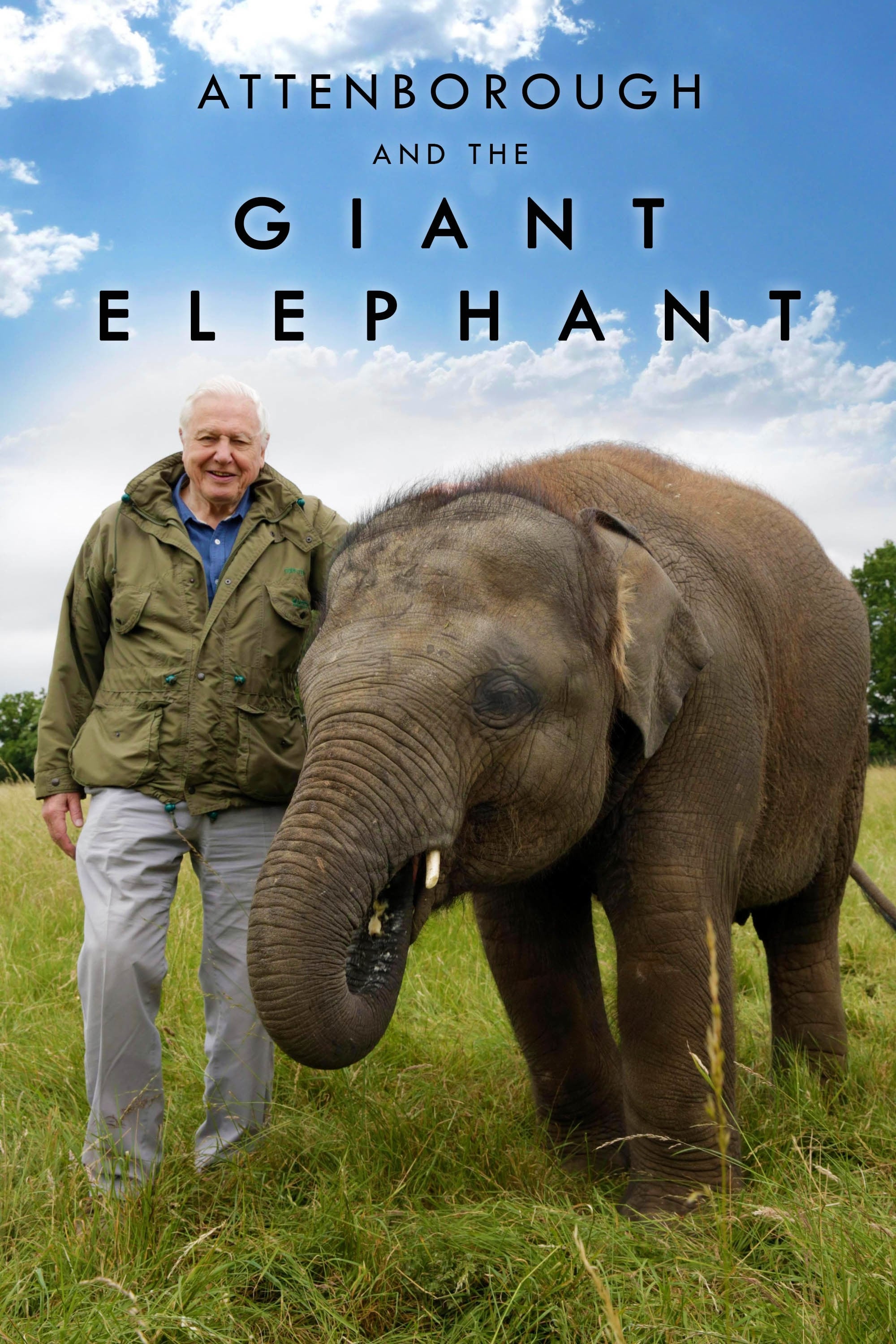
David Attenborough investigates the remarkable life and death of Jumbo the elephant - a celebrity animal superstar whose story is said to have inspired the movie Dumbo. Attenborough joins a team of scientists and conservationists to unravel the complex and mysterious story of this large African elephant - an elephant many believed to be the biggest in the world. With unique access to Jumbo's skeleton at the American Museum of Natural History, the team work together to separate myth from reality. How big was Jumbo really? How was he treated in captivity? And how did he die? Jumbo's bones may offer vital clues.
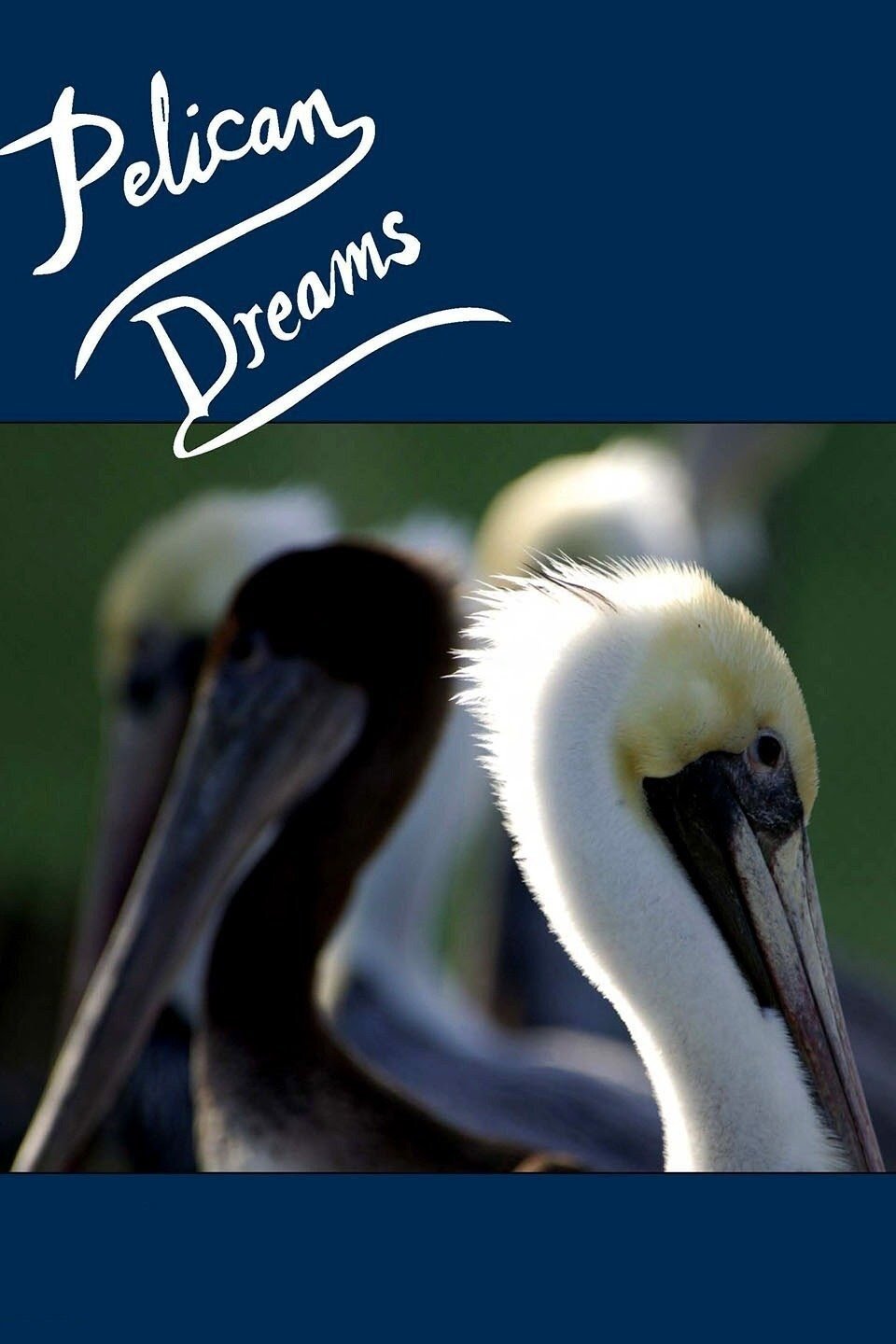
Sundance-and-Emmy-Award-winning filmmaker Judy Irving (with her first film since the widely acclaimed and loved “The Wild Parrots of Telegraph Hill”) follows a wayward California brown pelican from her “arrest” on the Golden Gate Bridge into care at a wildlife rehabilitation facility, and from there explores pelicans’ nesting grounds, Pacific coast migration, and survival challenges of these ancient birds, sometimes referred to as the flying dinosaurs. The film is about wildness, and asks the following questions: how close can we get to a wild animal without taming or harming it? Why do we need wildness in our lives, and how can we protect it? PELICAN DREAMS, stars “Gigi” (for Golden Gate) and Morro (a backyard pelican with an injured wing).
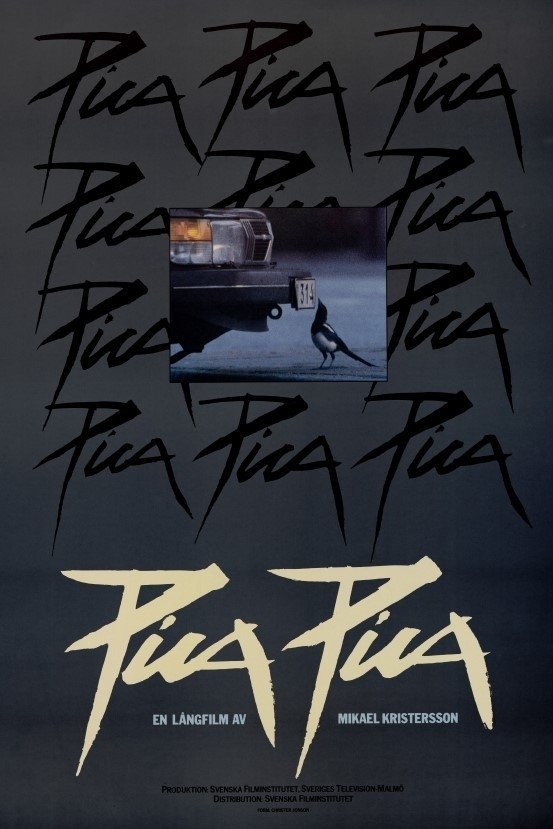
In Pica Pica Kristersson invites the viewer to be enthralled for an hour and a half by the vicissitudes of magpie life. Opposing himself to the current nature films that tend to highly compress time in order to end up with a concentrated sequence of action-elements Kristersson leaves rhythm and tempo almost completely up to the magpies themselves. With great integrity he filmed the daily, social and emotional life of a species of birds that has many points of contact with human life. Thus, the movie offers us the oppurtunity to view our own everyday existence through other eyes, from a world right above our heads, but yet so far away.
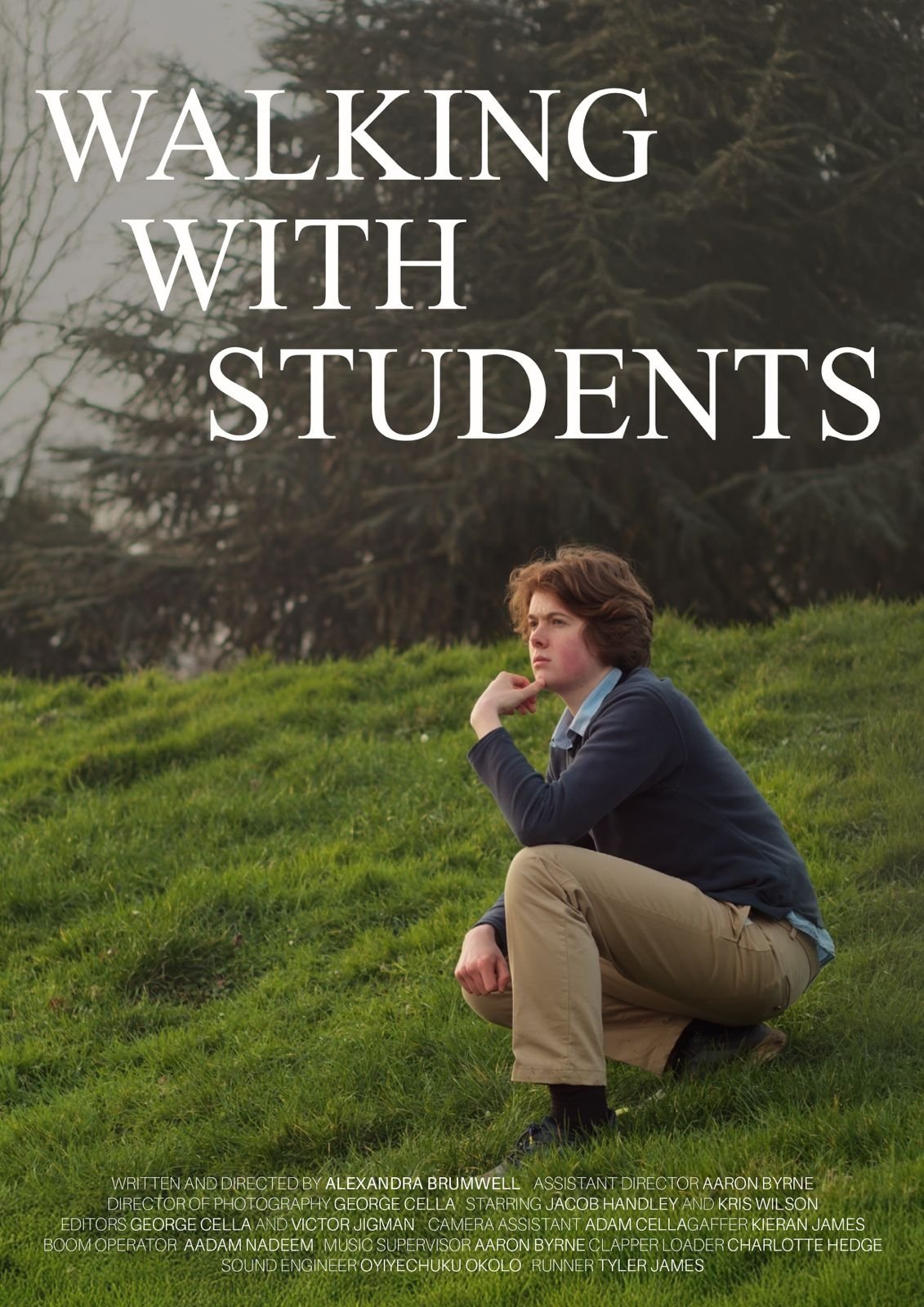
Join nature presenter Barnaby Clutterbuck in this deep dive into the rich and beautiful lives of the creatures that inhabit universities.
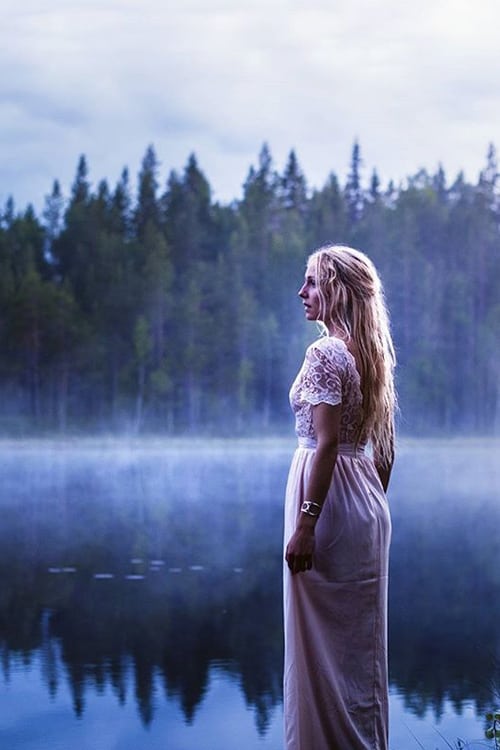
A poetic film about a young woman's life and dreams. A woman who had the courage to change her life and realize her dreams. A movie about Jonna Jinton. Blogger, photographer and artist and nature lover.
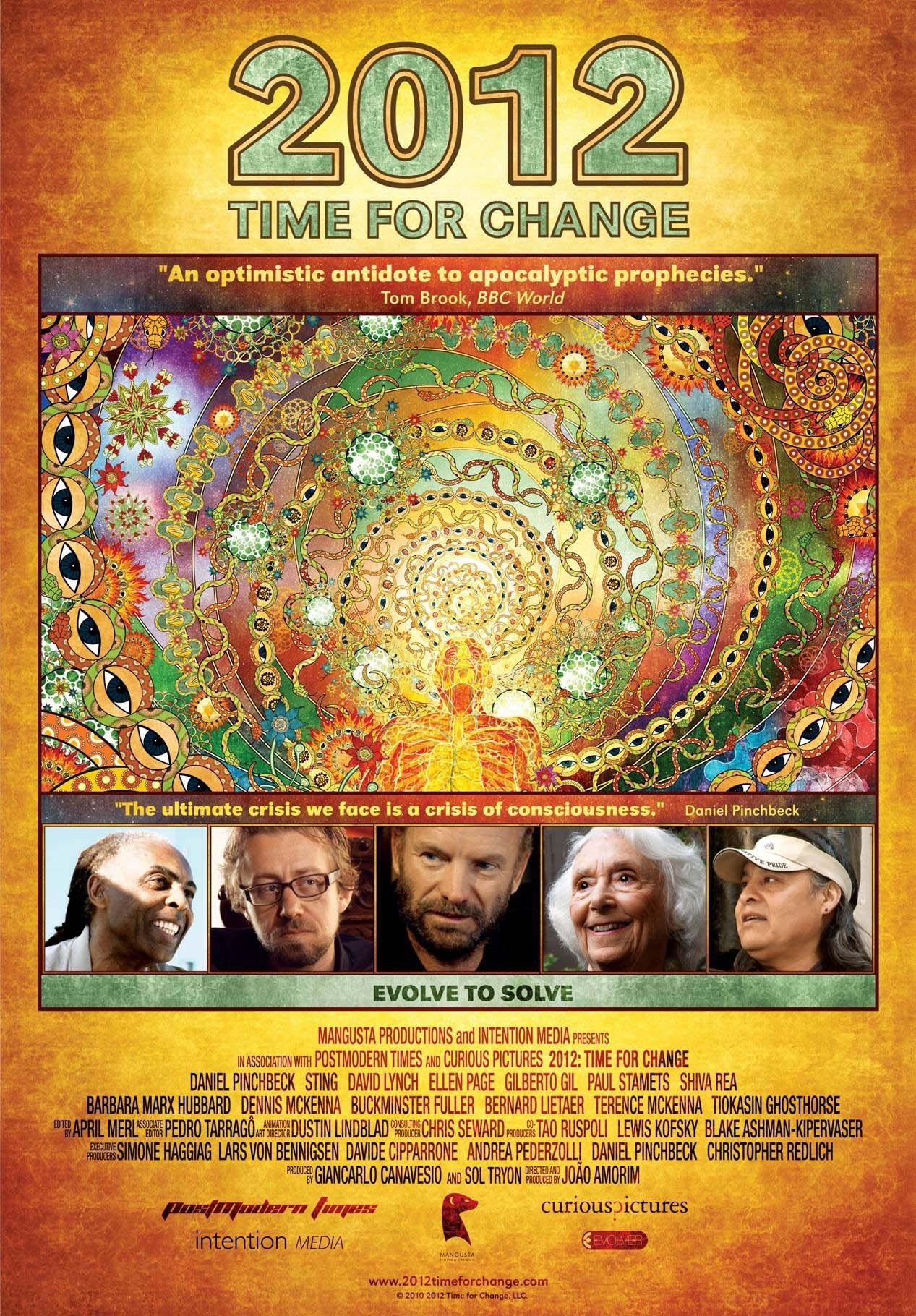
2012: Time For Change is a documentary feature that presents ways to transform our unsustainable society into a regenerative planetary culture. This can be achieved through a personal and global change of consciousness and the systemic implementation of ecological design.
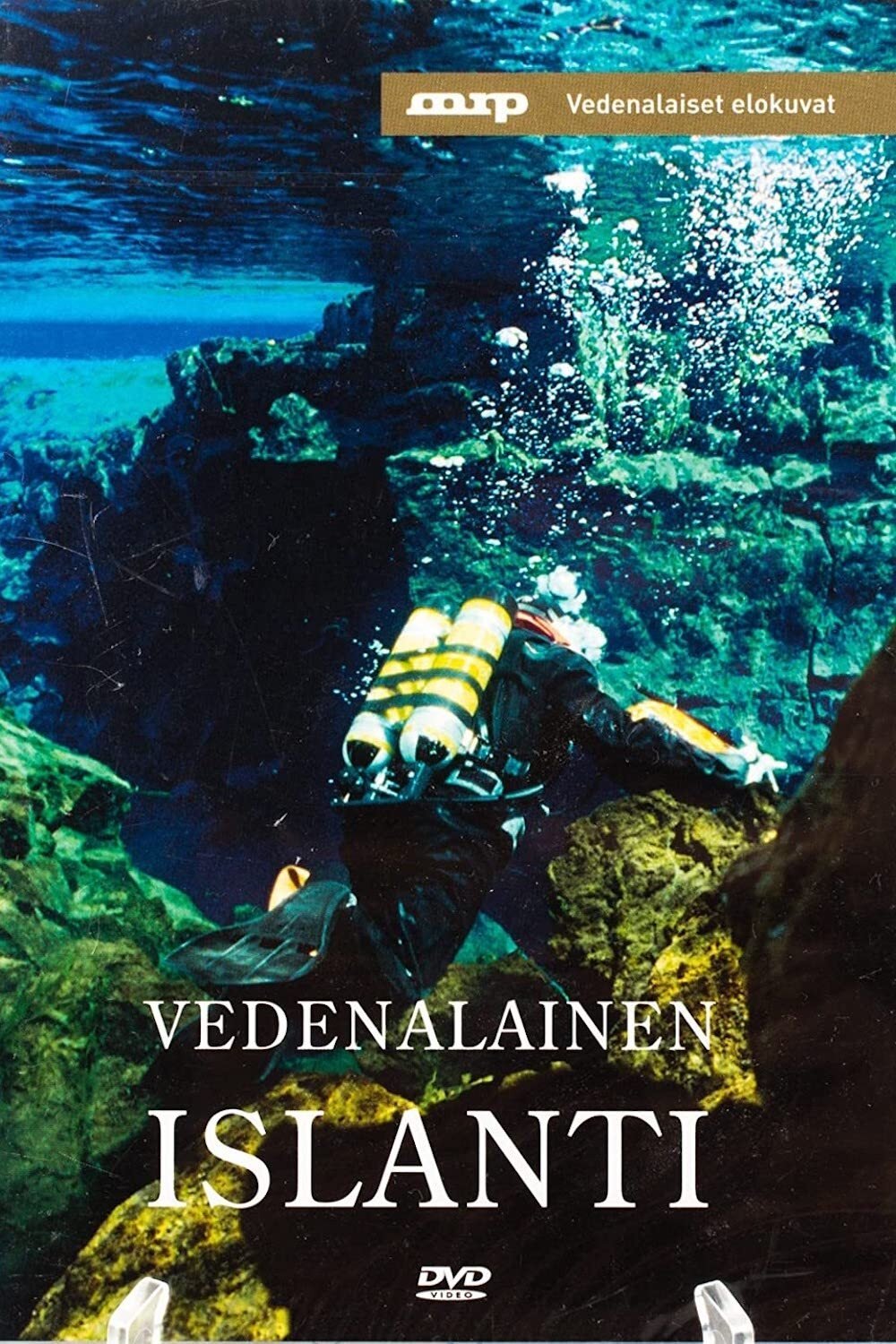
Marko Röhr's film crew takes the viewer to Europe's last unexplored area: Iceland's unique underwater world. We explore the geysers of boiling waters and the crystal clear lakes off the coast of Iceland. We dive under the icebergs, into the tears between the continental plates and into the deep caves.
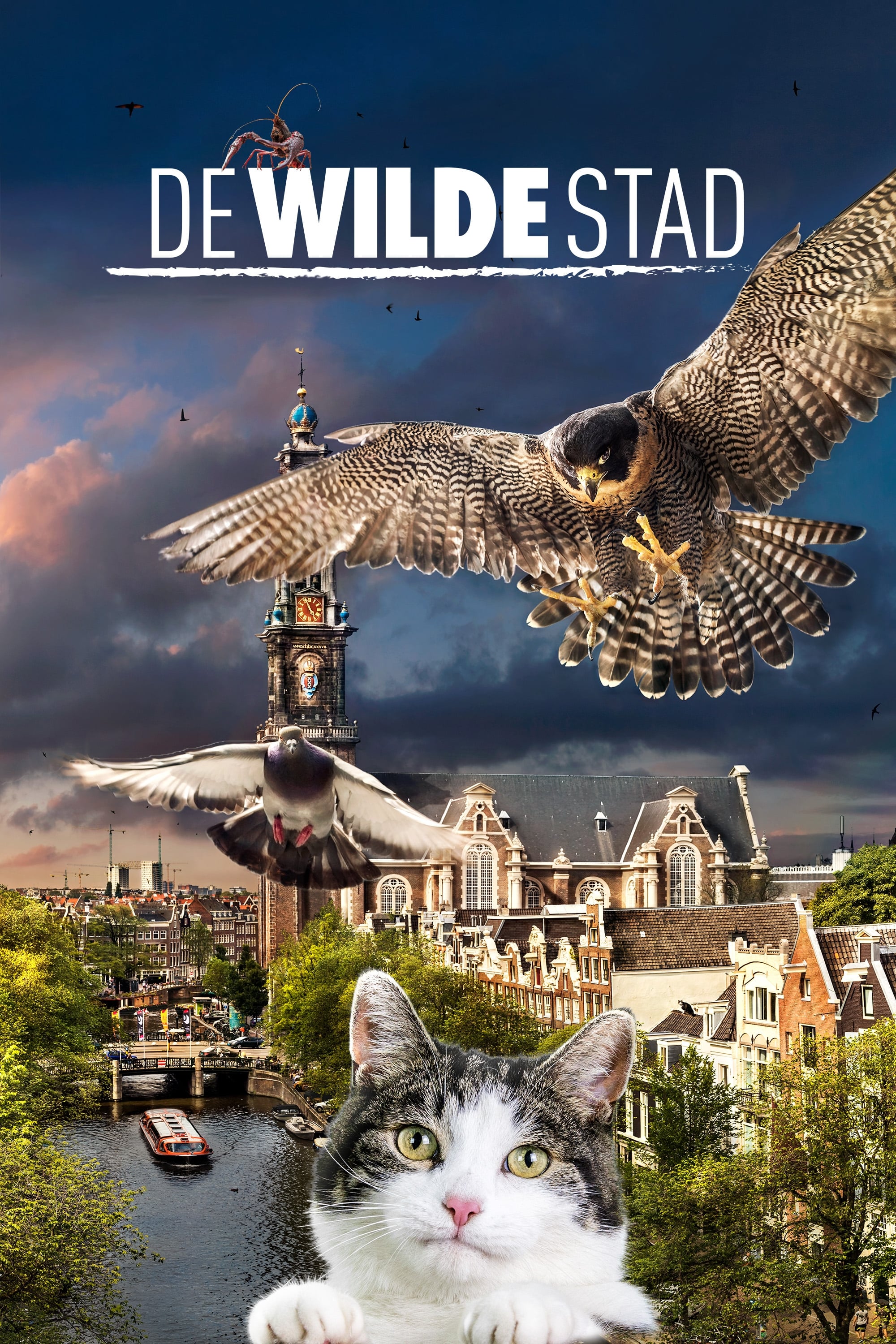
The city from the unique perspective of the many wild animals and plants that inhabit it. Seen through the eyes of the adventurous urban cat, Abatutu.
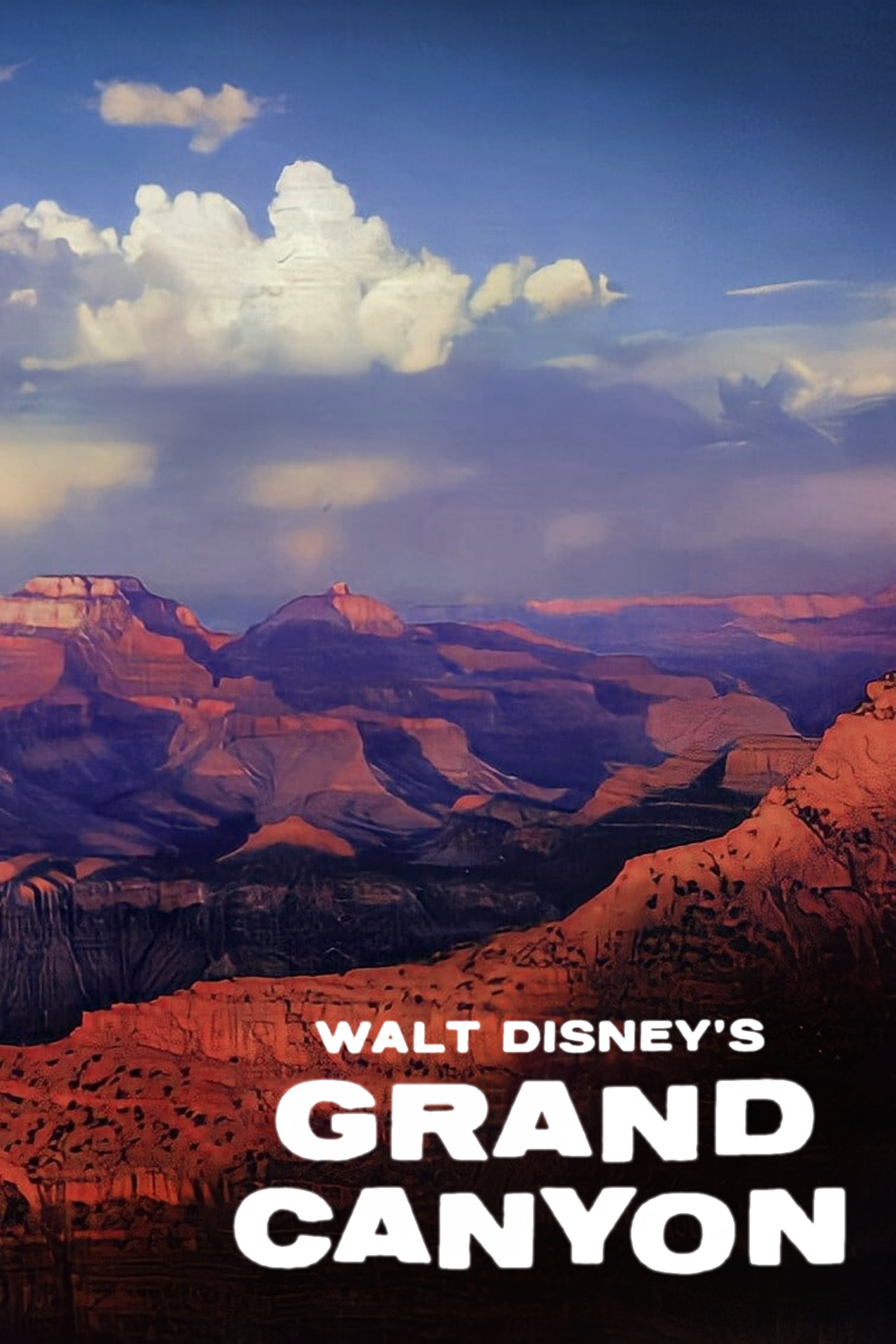
Grand Canyon is a 1958 American short documentary film directed by James Algar and produced by Walt Disney Productions. It is a pictorial interpretation of Ferde Grofé's Grand Canyon Suite. Grand Canyon is one of Walt Disney's more unconventional and experimental works, as it has musical accompaniment, but no dialogue or narration. The short won an Oscar at the 31st Academy Awards in 1959 for Best Short Subject (Live Action).
Before leaving for Rome with his mother, five year old Natan is taken by his father, Jorge, on an epic journey to the pristine Chinchorro reef off the coast of Mexico. As they fish, swim, and sail the turquoise waters of the open sea, Natan discovers the beauty of his Mayan heritage and learns to live in harmony with life above and below the surface, as the bond between father and son grows stronger before their inevitable farewell.
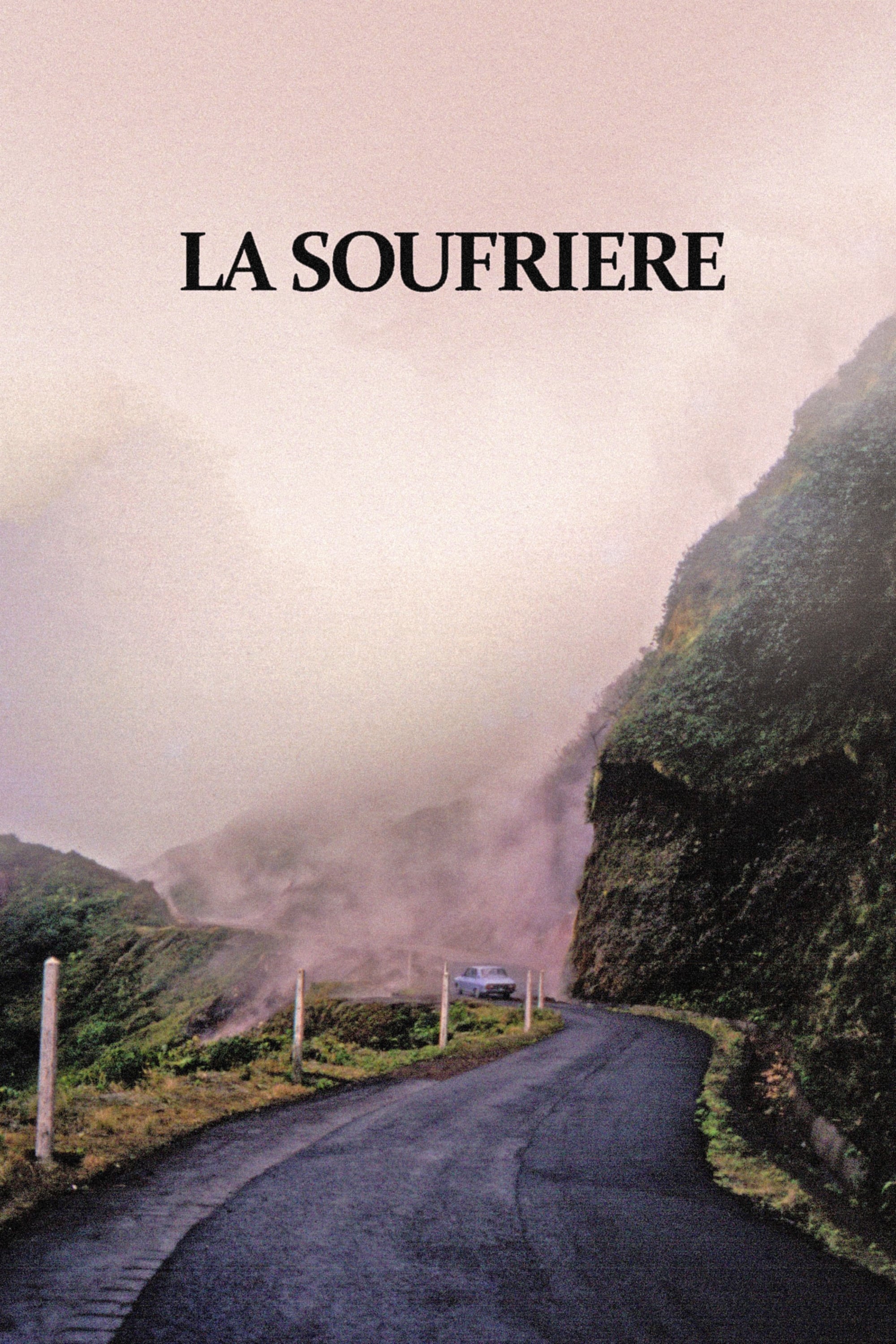
Werner Herzog takes a film crew to the island of Guadeloupe when he hears that the volcano on the island is going to erupt. Everyone has left, except for one old man who refuses to leave.
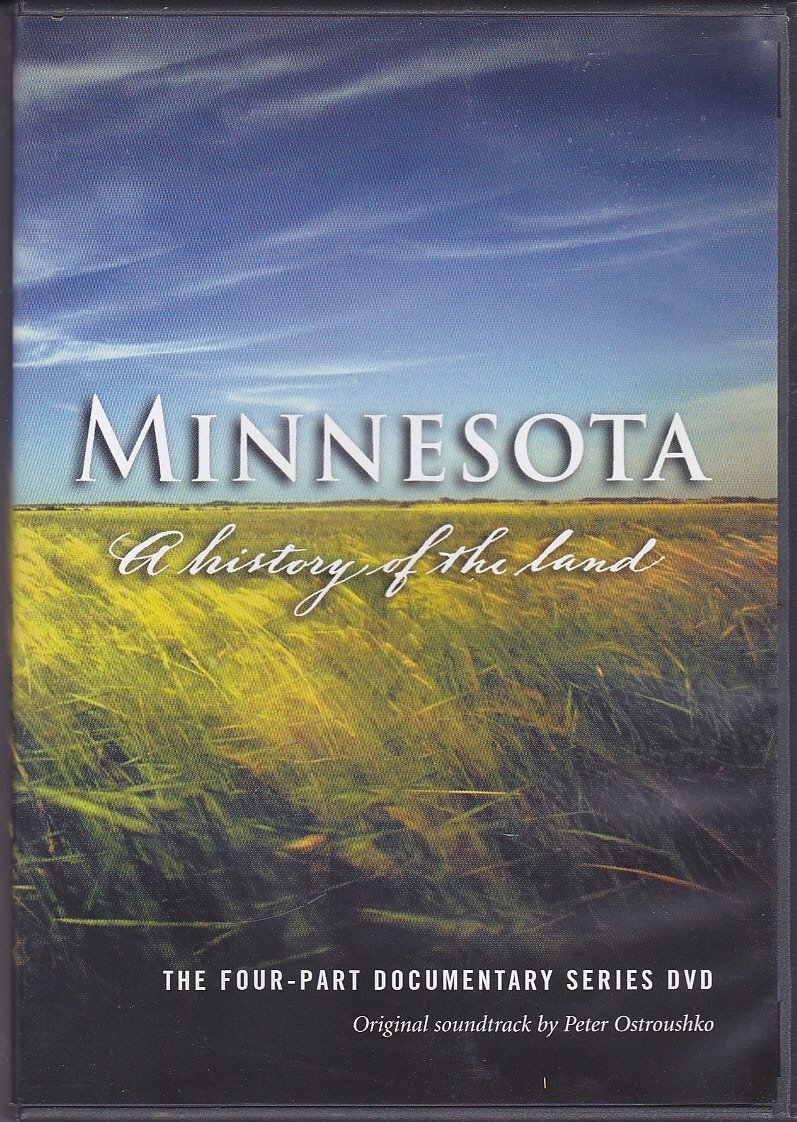
Minnesota: A History of the Land vividly brings to life the epic story of the people and landscapes of Minnesota. From the retreat of the last ice sheets to the growth of today’s suburbs – the series seeks to entertain as it enriches our understanding of Minnesota’s past, present, and future. A visually stunning and groundbreaking 4-part documentary series featuring nature videography from across the state, never before seen historic images, state-of-the-art animations and historic recreations. Original soundtrack by award-winning composer, Peter Ostroushko.
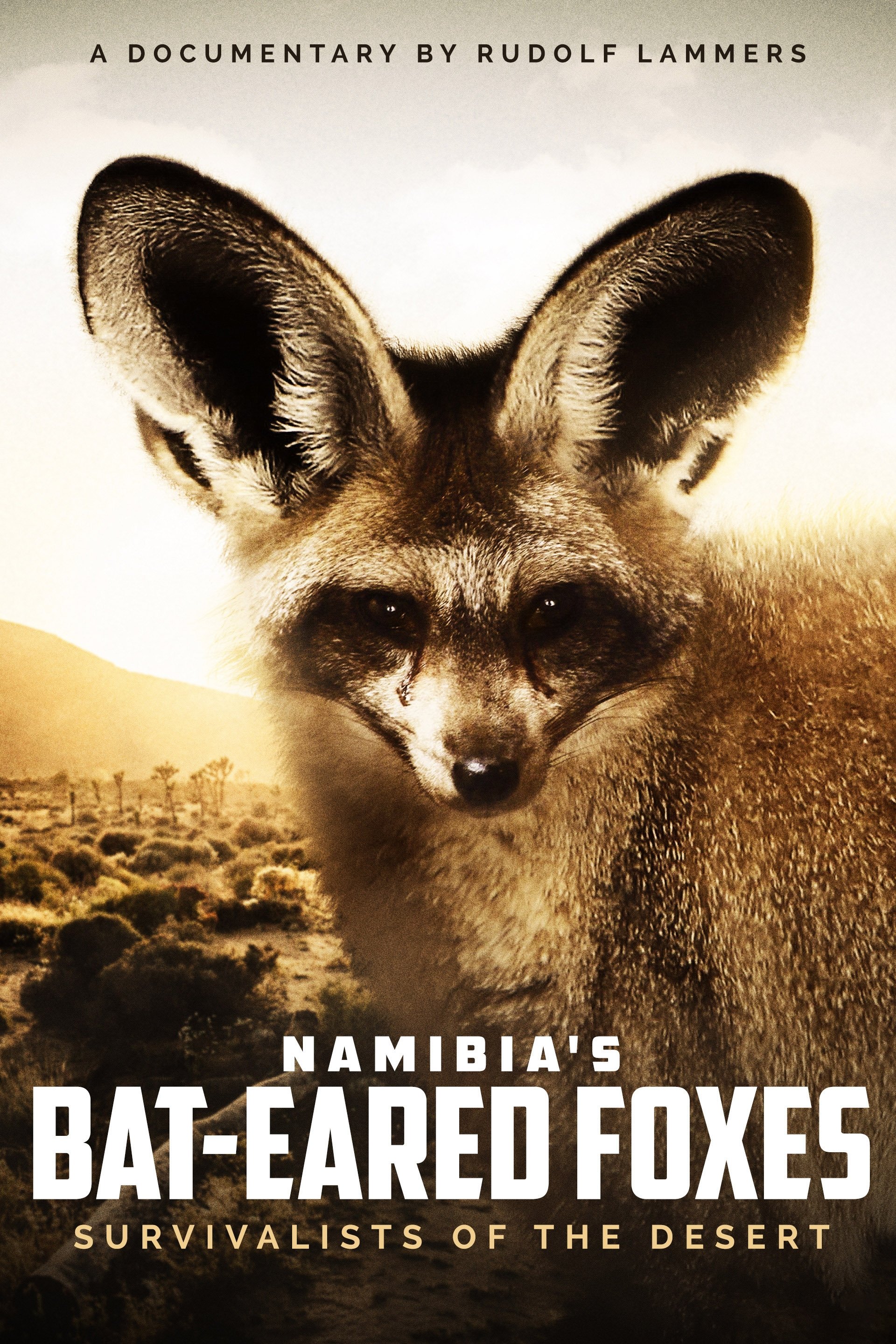
Their huge ears locate the underground crawling sounds of beetles, larvae, and other insects in the sands of the Kalahari desert. But their resemblance to the thieving jackal lead to their inadvertent targeting by farmers defending their livestock. With their numbers dwindling, the bat-eared foxes of southern Namibia have become the passion project of veterinarian Margit Du Toit.
For 12,000 years wolves roamed Scotland. However, over three centuries ago, we exterminated them. This film reveals the rise and fall of the Scottish wolf and explores the question of whether they should be re-introduced. Wolves arrived as the last ice age ended, following the herds of deer and reindeer that crossed a now-lost land bridge from Europe. For thousands of years, wolves and humans shared the landscape as apex predators, with the wolf entering human art, myth and belief. However, farming put wolves and humans on a collision course, and, after centuries of persecution, wolves became extinct in Scotland. Since then, deer numbers have exploded, and many of Scotland’s woodlands have been stripped bare. Some argue for the wolf’s return. Could we, and should we, hear the howl of the wolf once more in the Highlands?