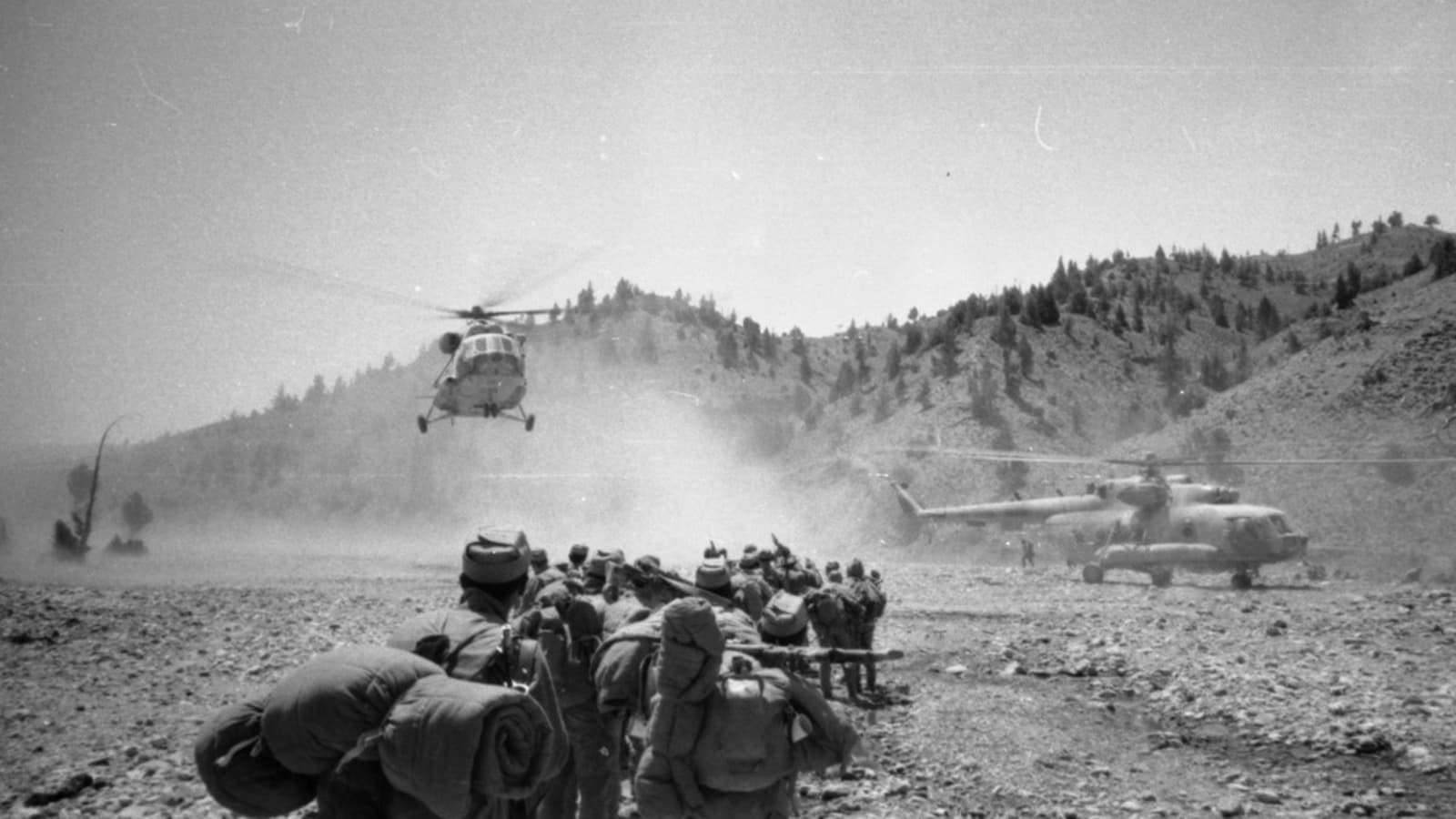
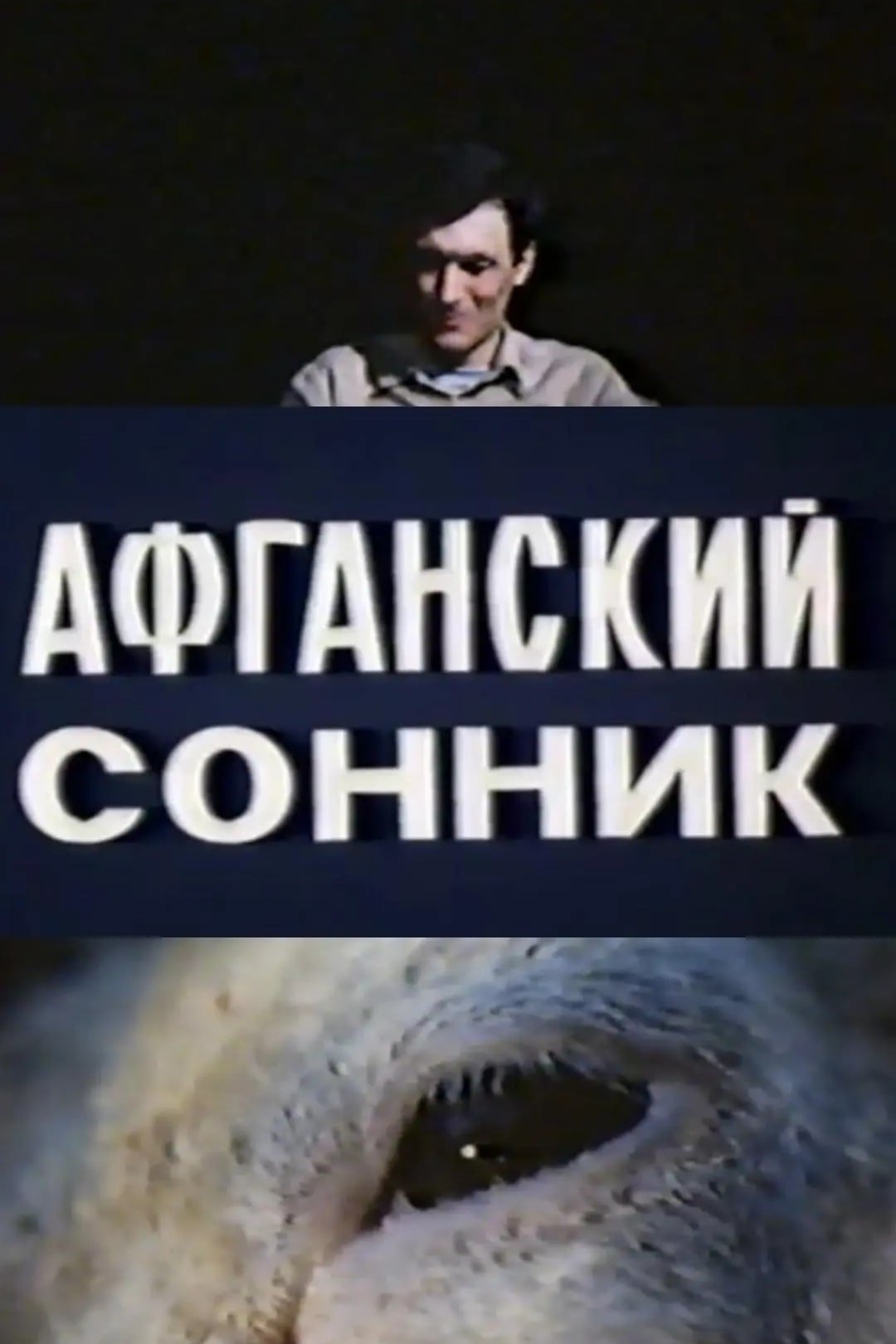
Story of psychological pressure which former Soviet Afghan soldiers have to deal with in peaceful life. Through the story of Ruslan we are shown how public indifference often leads to drug usage.
Social & External
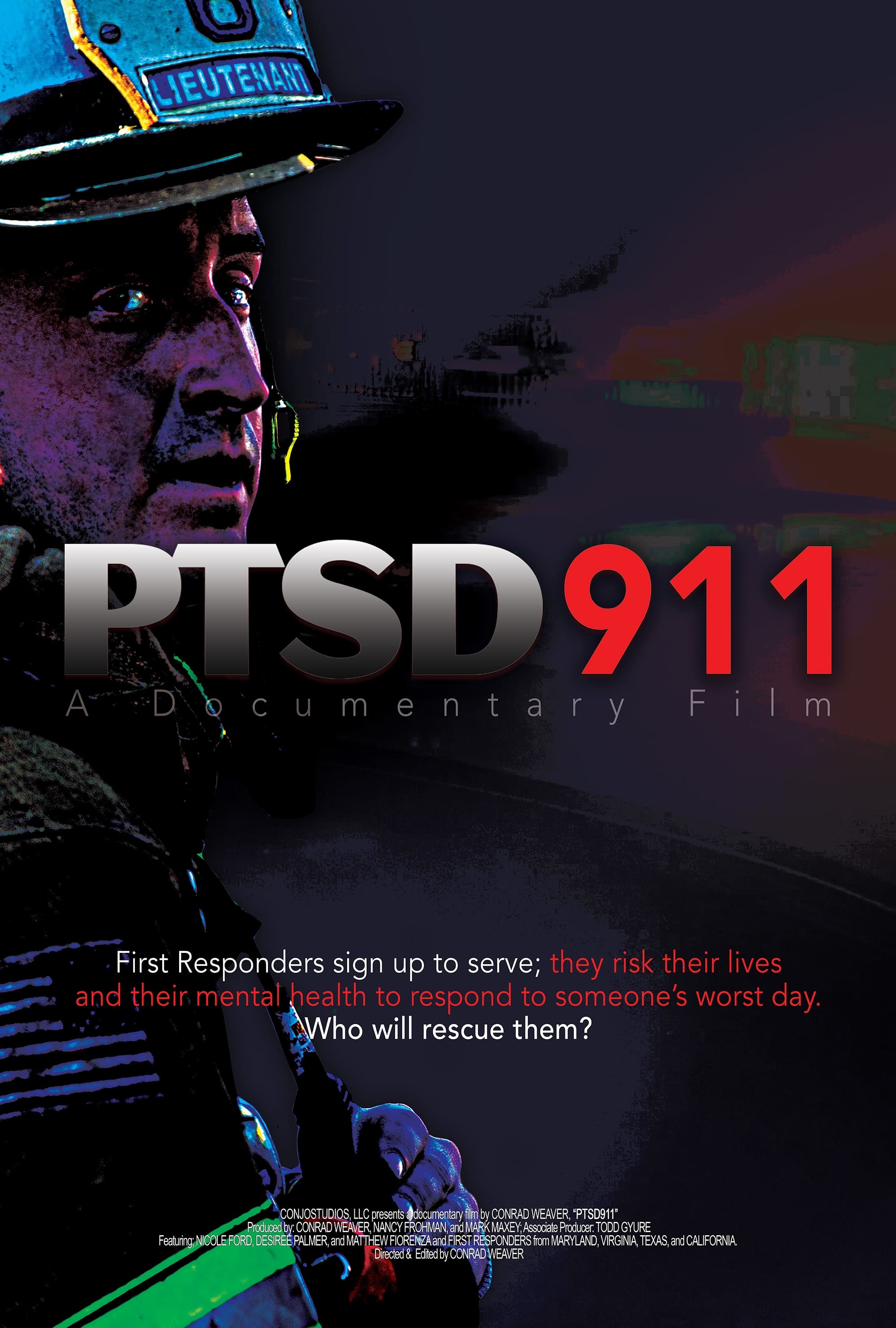
With suicide rates among active military servicemen and veterans currently on the rise, this documentary brings urgent attention to the invisible wounds of war. Drawing on personal stories of American soldiers whose lives and psyches were torn asunder by the horrors of battle and PTSD, the documentary chronicles the lingering effects of combat stress and post-traumatic stress on military personnel and their families throughout American history, from the Civil War through today's conflicts in Iraq and Afghanistan.
The film discusses the emotional aftermath of disasters, emphasizing the importance of expressing feelings and seeking help. It highlights personal experiences of individuals affected by hurricanes and earthquakes, focusing on their feelings of guilt, anxiety, and the need for support. The discussion underscores that sharing experiences can alleviate emotional pain and that professional help should be sought for those struggling to cope with trauma.
The transcript discusses the prevalent drug culture, particularly marijuana use, among youth in national parks. It highlights the perception that marijuana is less harmful than harder drugs and reflects on the challenges park rangers face in enforcing drug laws. While acknowledging the existence of drug trafficking, the narrative emphasizes that marijuana use is often seen as a minor issue compared to alcohol consumption or harder narcotics. The conversation also touches on the need for a more nuanced understanding of drug use, suggesting that current laws may be overly stringent and not reflective of societal attitudes.
9/11 was perhaps the defining historical event of the postwar era. Broadcast live around the world like horrifying theatre, it was a moment in history imprinted onto people's memories. But what was it like to actually live through, and how easy is it to move on from a day that society wants to go on remembering? Twenty years on, this film brings together 13 ordinary people who were caught in an event they weren't able to fully comprehend at the time and which they are still working through.
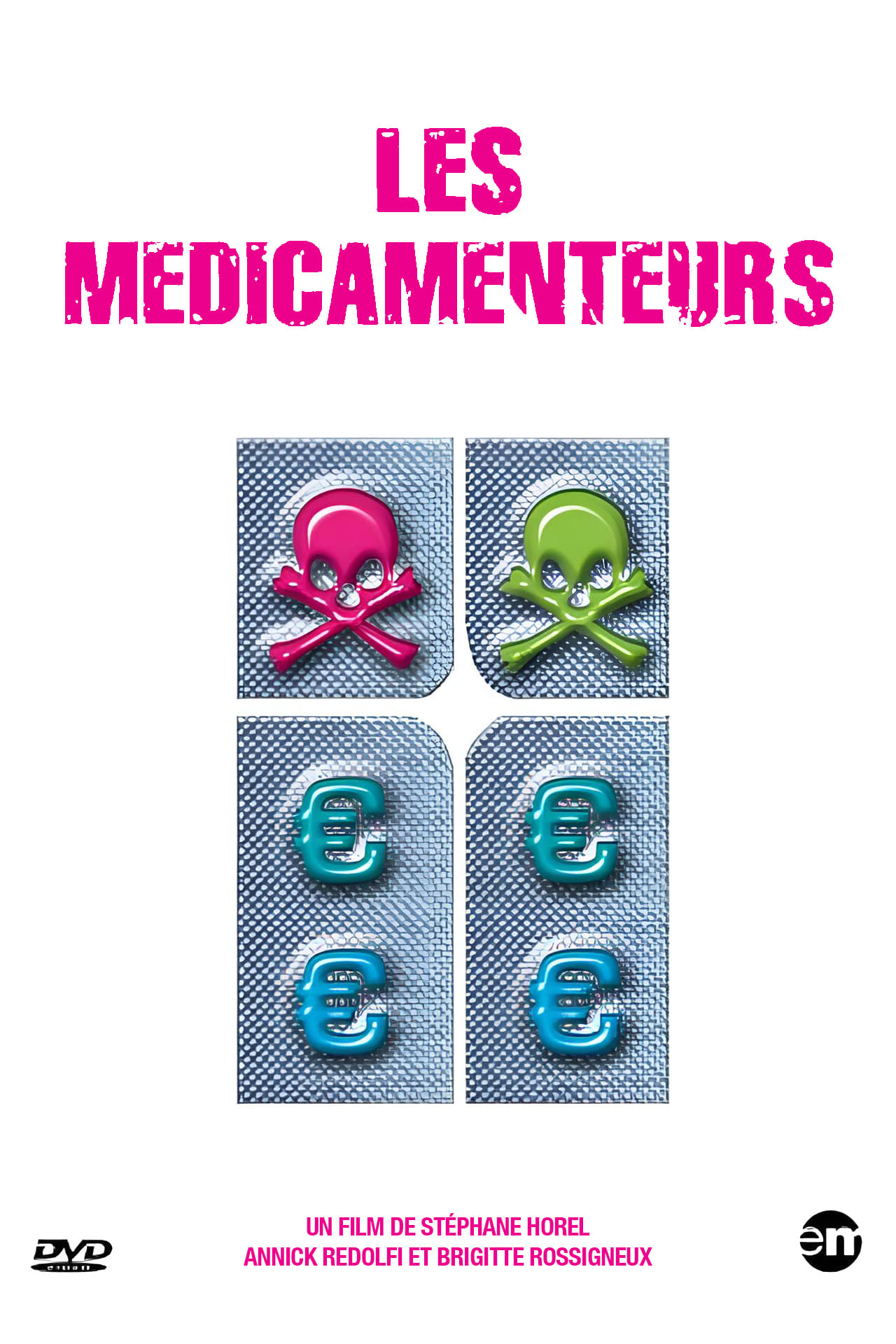
The leading consumers of medicines on the planet, are the French really sicker than the rest of humanity? Or are there other explanations for this bulimia? By mixing in-depth interviews and plasticine animations, this documentary takes viewers on a journey through the drug. Materialized by the setting of a town, Pharmacy, this walk goes through all the stages. From clinical trials to marketing, from therapeutic evaluation to price setting, from marketing hype to the side effects suffered - at the end of the chain - by patients, public authorities and the pharmaceutical industry are questioned without question. detours on their responsibilities.
THE SCIENCE OF TAPPING is a collection of videos about the practice of Emotional Freedom Techniques (or "tapping"). Tapping techniques are interventions that apply principles of Chinese medicine for self-regulation — especially for the relief of chronic stress, anxiety, or pain. Interviewees discuss the evidence basis for the benefits of manually percussing some associated acupuncture points.
This film tells (using modern day interviews and archival footage and sound tapes) the story of how in 1967, while his band The Beach Boys triumphantly toured abroad, Brian Wilson was trying to push the boundaries of conventional pop music with a new follow-up to the Beach Boys' cutting-edge mega-hit, Pet Sounds. The new album was to be called "SMiLE". SMiLE pushed the envelope both musically and lyrically, and was supposed to out-do the Beatles' Sgt. Pepper record. But Brian wasn't able to sell the project to his band-mates when they returned. The project was shelved and Wilson's well-documented decline into depression, drug abuse, recluseness, and obesity had begun. Thirty-odd years later, Wilson announced that in 2004, SMiLE would be performed live in its entirety in London. This film tells the story of a damaged but healing artist bringing his greatest work to light.
Psychotropic drugs. It’s the story of big money-drugs that fuel a $330 billion psychiatric industry, without a single cure. The cost in human terms is even greater-these drugs now kill an estimated 42,000 people every year. And the death count keeps rising. Containing more than 175 interviews with lawyers, mental health experts, the families of victims and the survivors themselves, this riveting documentary rips the mask off psychotropic drugging and exposes a brutal but well-entrenched money-making machine. Before these drugs were introduced in the market, people who had these conditions would not have been given any drugs at all. So it is the branding of a disease and it is the branding of a drug for a treatment of a disease that did not exist before the industry made the disease.
Two young documentary filmmakers follow an up and coming musician by the name of JØHN through his life, creative process, and journey towards becoming the biggest pop star in the world
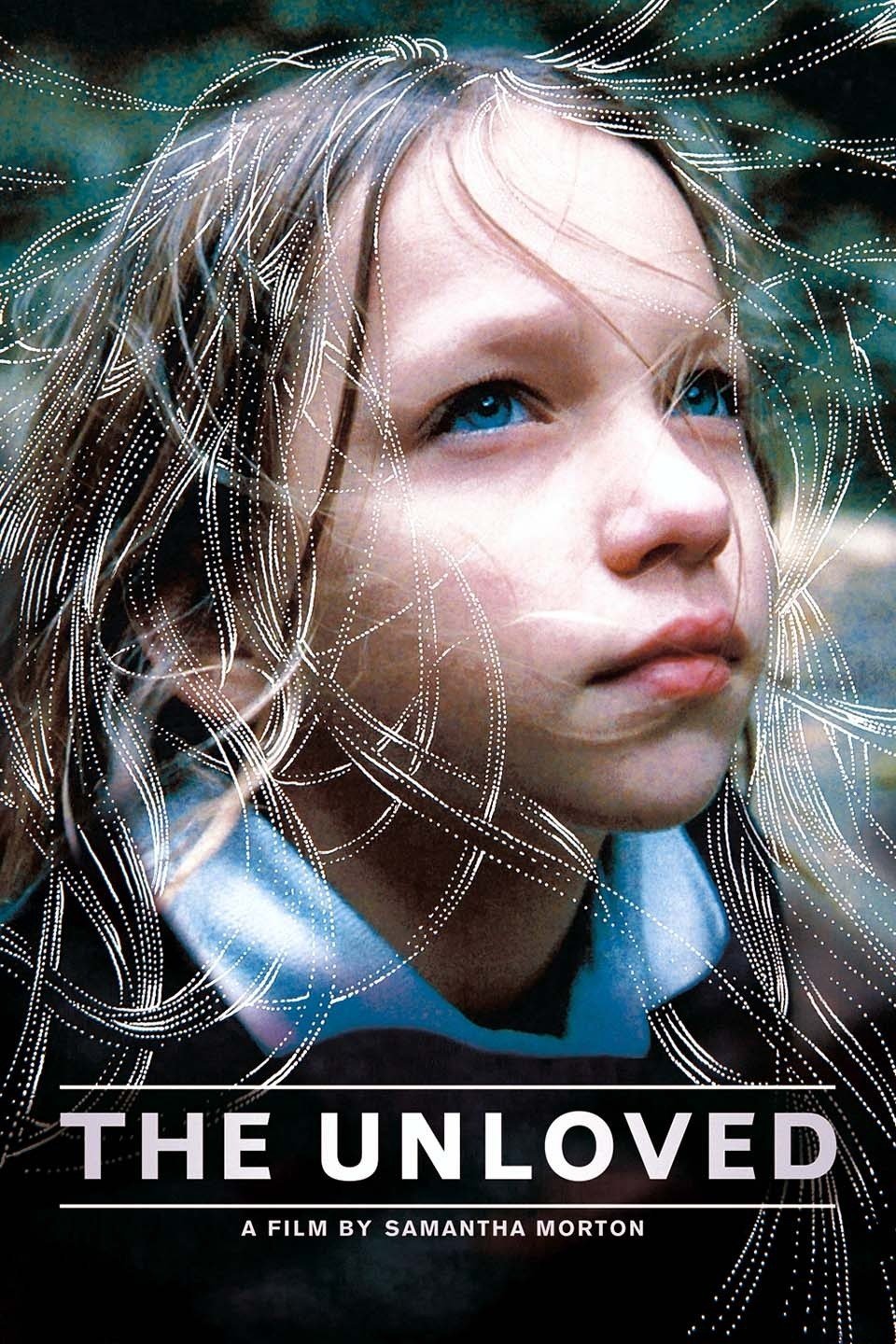
Lucy is eleven years old. Having been neglected by her estranged mother and father, she is placed in a children's home. Through her eyes, we follow her struggle to cope with the system; her only saving being her self-belief and certainty that she is being watched over and protected by the holy spirit.
According to the official history of Afghanistan, ruthless destruction has always prevailed over art and creation; but there is another tale to be told, the forgotten account of a diverse and progressive country, seen through the lens of innovative filmmakers, a story that survives thanks to a few brave Afghans, a small but very passionate group that secretly fought to save a huge film archive that was constantly menaced by war and religious fanaticism.
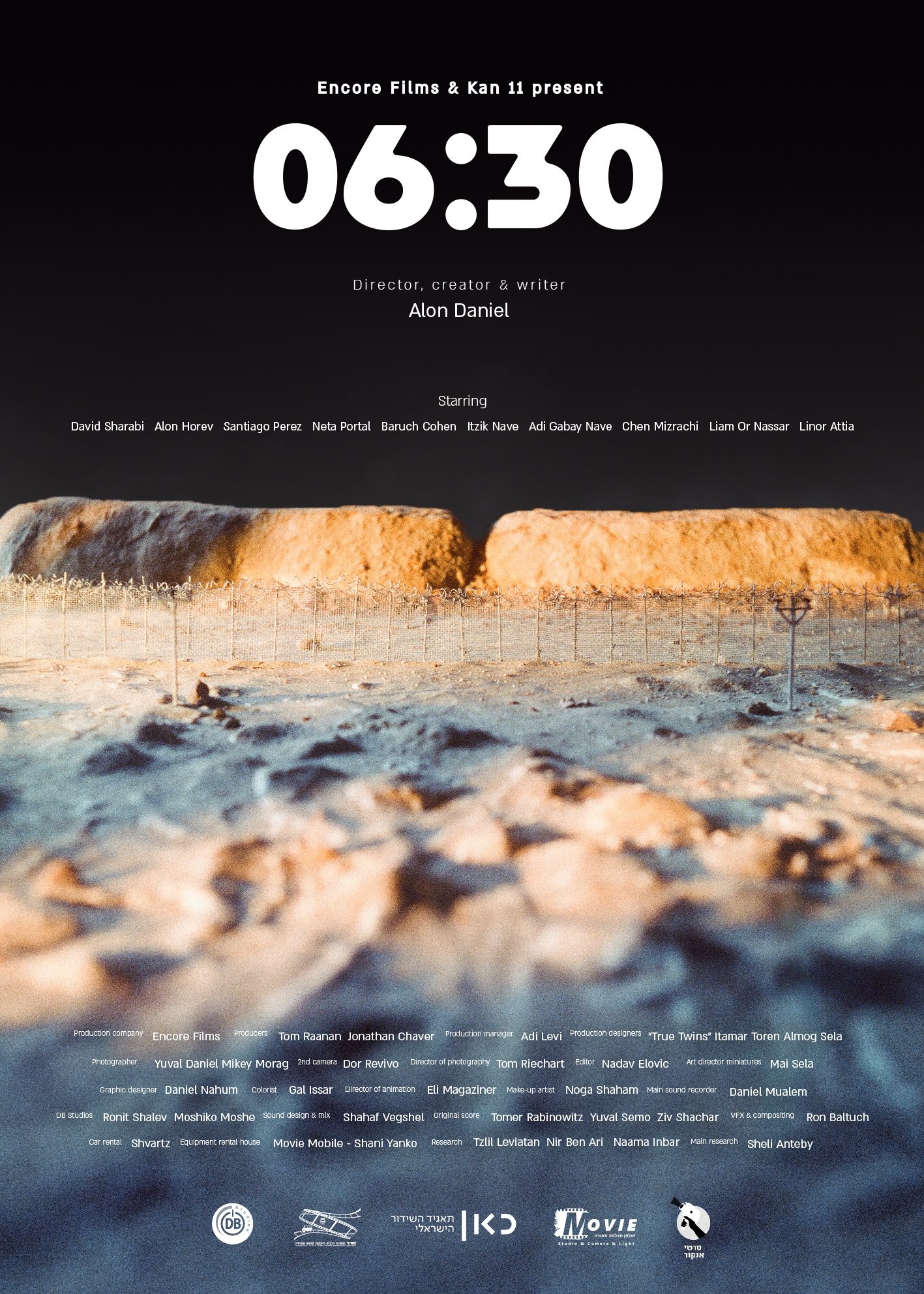
A bomb on board an airliner has an altitude-sensitive trigger. Unless a ransom is paid, it will explode when the plane descends to land.
An investigative and powerfully emotional documentary about the epidemic of rape of soldiers within the US military, the institutions that perpetuate and cover up its existence, and its profound personal and social consequences.
While going through a difficult divorce from her domineering, businessman husband, Alexandra moves back into her old childhood brownstone home, where she sets out to uncover dark family secrets from when she was a young girl, involving her Aunt Judith's murder and her mother's descent into insanity. The only clue is a key to a mysterious secret room that lies within the house. As a series of bizarre and unsettling incidents prod Alexandra to investigate her past, she finds herself wandering deeper into danger as her past comes back to haunt her.
Dawn Mikkelson’s Risking Light is a meditation on forgiveness, layered with a theme that is rarely seen on the screen—forgiving the unforgivable. Five years prior to making the film, Mikkelson met Mary Johnson and O’Shea Israel, a meeting she describes as a life-changing event that would lead to the development of Risking Light. It was then she learned that Johnson had chosen to forgive Israel for the murder of her son, which motivates the tone of humanistic mission in the film.
After getting hired to probe a suspicious death in the small town of Wander, a mentally unstable private investigator becomes convinced the case is linked to the same 'conspiracy cover up' that caused the death of his daughter.
A docudrama depicting a hypothetical nuclear attack on Britain. After backing the film's development, the BBC refused to air it, publicly stating "the effect of the film has been judged by the BBC to be too horrifying for the medium of broadcasting." It debuted in theaters in 1966 and went on to great acclaim, but remained unseen on British television until 1985.
Based on years of research into the mass rapes committed by the Red Army at the end of the Second World War. In the first part of the documentary Helke Sander interviews multiple German women who were raped in Berlin by Soviet soldiers in May 1945. Most women never spoke of their experience to anyone, after 46 years of silence they talk for the first time publicly about their violent experiences that have left such a mark.
The lastest neuroscience discoveries show surprising results: false memories, distortion, modification, déjà vus. Our memory is affected in many ways, and deceives us every day. The very fact of recalling souvenirs modifies them. The everyday consequences are manyfold. To what extent can we rely on our souvenirs? How much credit can we give them during trials? Even more shocking, scientists have proved to be able to manipulate our memory: creating artificial souvenirs, deleting, emphasizing or restoring them on demand.
In 1989, Swedish journalist, Khazar Fatemi narrowly fled the war torn country of Afghanistan with her life. Twenty years later, the former refugee returned to the place that has always remained in her heart. Where My Heart Beats follows Khazar's dangerous, painful, and inspirational journey back home to reconnect with the amazing people of this broken nation.
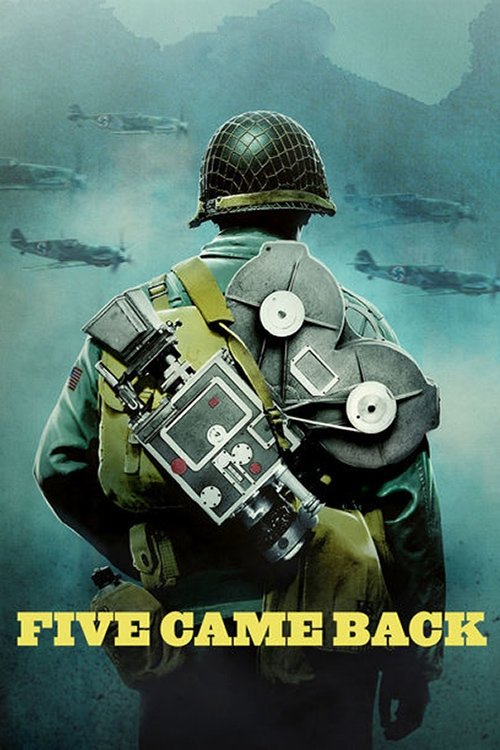
The extraordinary story of how Hollywood changed World War II – and how World War II changed Hollywood, through the interwoven experiences of five legendary filmmakers who went to war to serve their country and bring the truth to the American people: John Ford, William Wyler, John Huston, Frank Capra, and George Stevens. Based on Mark Harris’ best-selling book, “Five Came Back: A Story of Hollywood and the Second World War.”
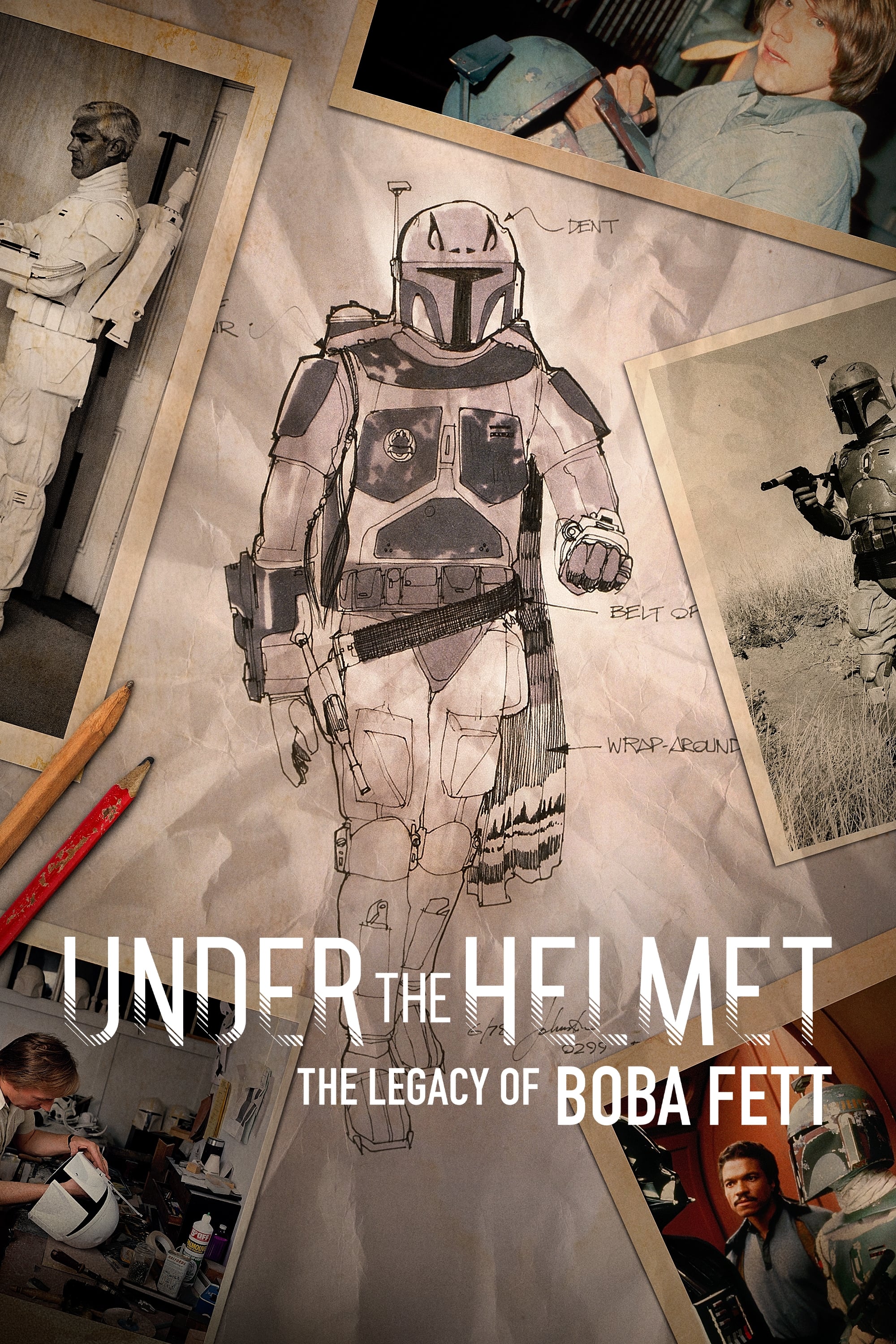
Learn the incredible behind-the-scenes story of how the original Star Wars movie was brought to the big screen in this fascinating documentary hosted by C-3PO and R2-D2 which includes interviews with George Lucas and appearances by Mark Hamill, Harrison Ford and Carrie Fisher.
A documentary on the making of the three Godfather films, with interviews and recollections from the film makers and cast. This feature also includes the original screen tests of some of the actors for "The Godfather" film, and some candid moments on the set of "The Godfather: Part III."
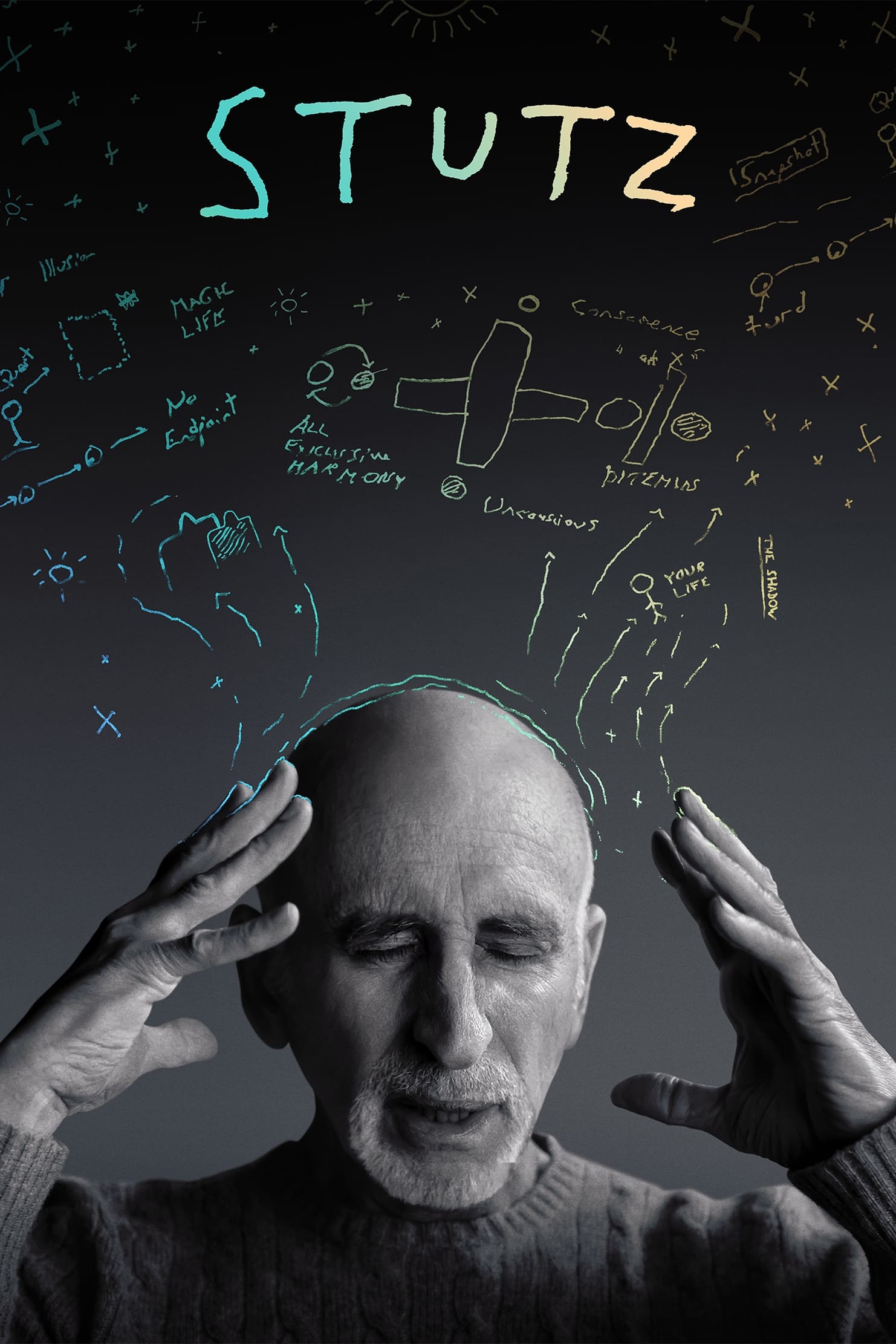
In candid conversations with actor Jonah Hill, leading psychiatrist Phil Stutz explores his early life experiences and unique, visual model of therapy.
In the past 40 years, the War on Drugs has accounted for 45 million arrests, made America the world's largest jailer, and destroyed impoverished communities at home and abroad. Yet drugs are cheaper, purer, and more available today than ever. Where did we go wrong?
Dick Proenneke retired at age 50 in 1967 and decided to build his own cabin in the wilderness at the base of the Aleutian Peninsula, in what is now Lake Clark National Park. Using color footage he shot himself, Proenneke traces how he came to this remote area, selected a homestead site and built his log cabin completely by himself. The documentary covers his first year in-country, showing his day-to-day activities and the passing of the seasons as he sought to scratch out a living alone in the wilderness.
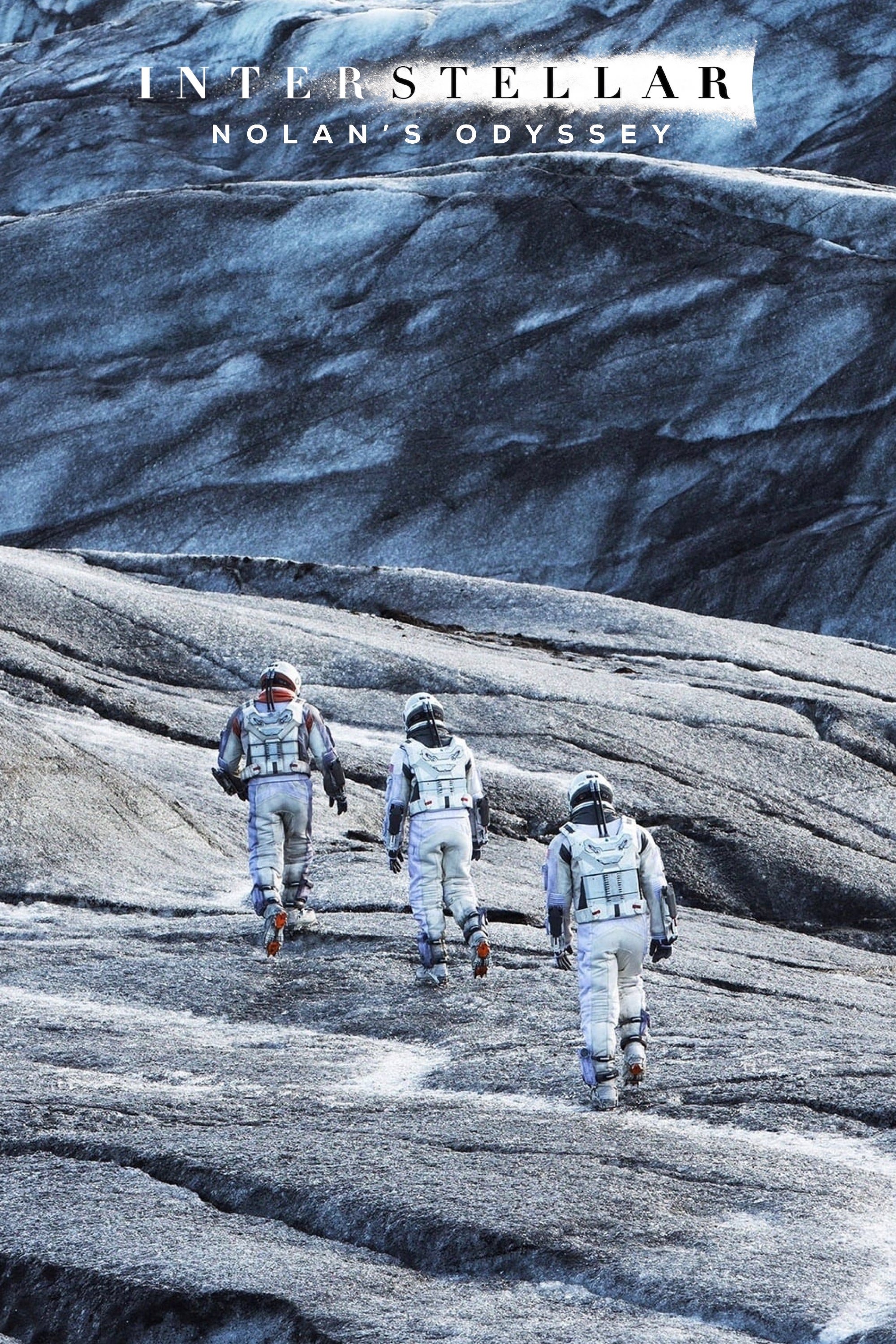
A look behind the lens of Christopher Nolan's space epic.
In 2010 David Crowley, an Iraq veteran, aspiring filmmaker and charismatic up-and-coming voice in fringe politics, began production on his film Gray State. Set in a dystopian near-future where civil liberties are trampled by an unrestrained federal government, the film’s crowd funded trailer was enthusiastically received by the burgeoning online community of libertarians, Tea Party activists and members of the nascent alt-right. In January of 2015, Crowley was found dead with his family in their suburban Minnesota home. Their shocking deaths quickly become a cause célèbre for conspiracy theorists who speculate that Crowley was assassinated by a shadowy government concerned about a film and filmmaker that was getting too close to the truth about their aims.
Hailed as one of the most innovative and intimate documentaries of all time, experience Kurt Cobain like never before in the only ever fully authorized portrait of the famed music icon. Academy Award nominated filmmaker Brett Morgen expertly blends Cobain's personal archive of art, music, never seen before movies, animation and revelatory interviews from his family and closest friends.
Canadian acting legend William Shatner takes viewers inside the creation of Star Trek: The Next Generation, the bold attempt in 1986 to recreate the success of the original television series, in which Shatner played Captain James T. Kirk.
Unravel the case of Utah therapist Jodi Hildebrandt, whose child abuse arrest with parenting YouTuber Ruby Franke exposed a twisted tale of manipulation.
An in-depth investigation into the private world of the American writer J. D. Salinger (1919-2010), who lived most of his life behind the impenetrable wall of a self-imposed seclusion: how his dramatic experiences during World War II influenced his life and work, his relationships with very young women, his obsessive writing methods, his many literary secrets.
“The Soviet Story” is a story of an Allied power, which helped the Nazis to fight Jews and which slaughtered its own people on an industrial scale. Assisted by the West, this power triumphed on May 9th, 1945. Its crimes were made taboo, and the complete story of Europe’s most murderous regime has never been told. Until now...
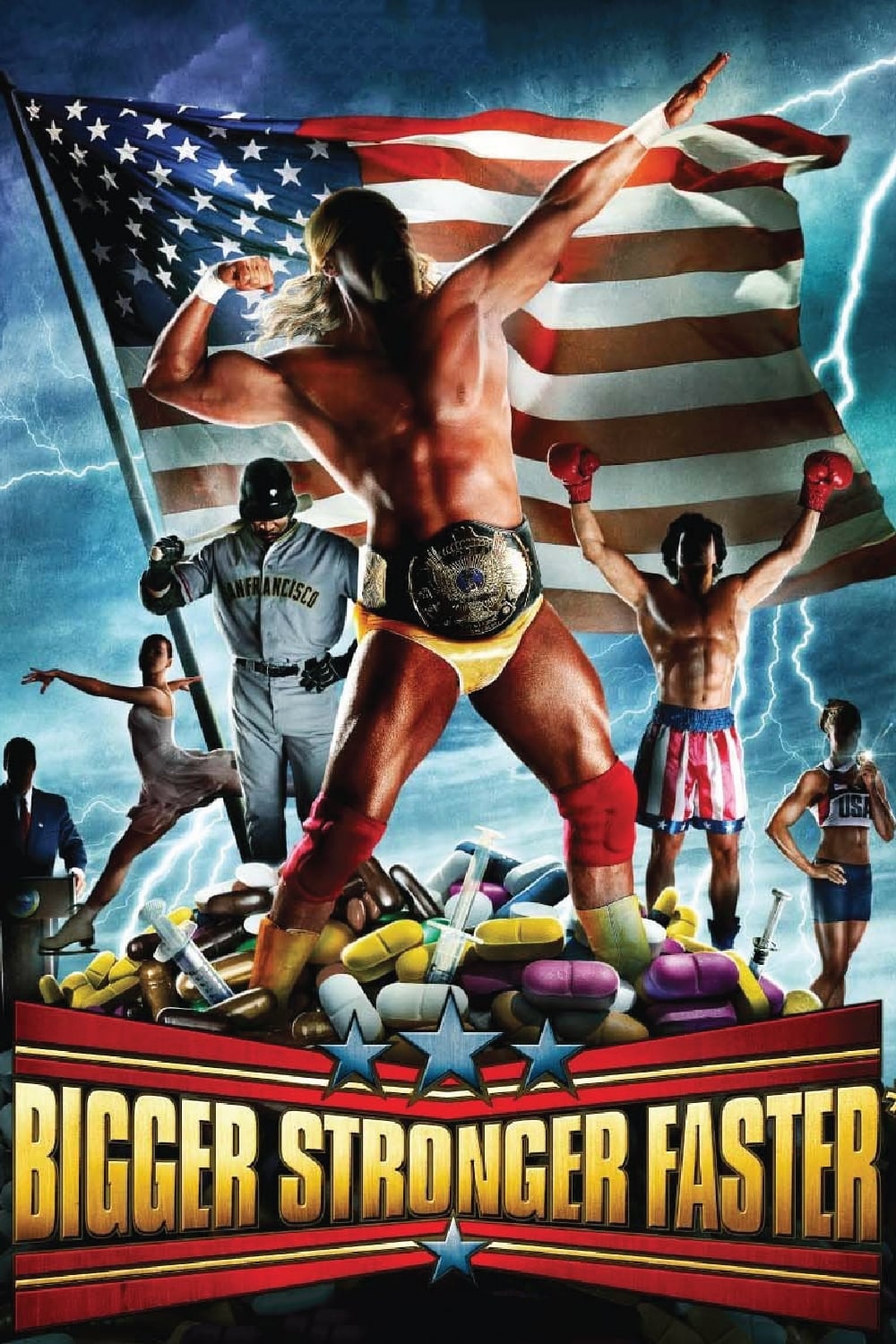
In America, we define ourselves in the superlative: we are the biggest, strongest, fastest country in the world. Is it any wonder that so many of our heroes are on performance enhancing drugs? Director Christopher Bell explores America's win-at-all-cost culture by examining how his two brothers became members of the steroid-subculture in an effort to realize their American dream.
When Allied forces liberated the Nazi concentration camps in 1944-45, their terrible discoveries were recorded by army and newsreel cameramen, revealing for the first time the full horror of what had happened. Making use of British, Soviet and American footage, the Ministry of Information’s Sidney Bernstein (later founder of Granada Television) aimed to create a documentary that would provide lasting, undeniable evidence of the Nazis’ unspeakable crimes. He commissioned a wealth of British talent, including editor Stewart McAllister, writer and future cabinet minister Richard Crossman – and, as treatment advisor, his friend Alfred Hitchcock. Yet, despite initial support from the British and US Governments, the film was shelved, and only now, 70 years on, has it been restored and completed by Imperial War Museums under its original title "German Concentration Camps Factual Survey".
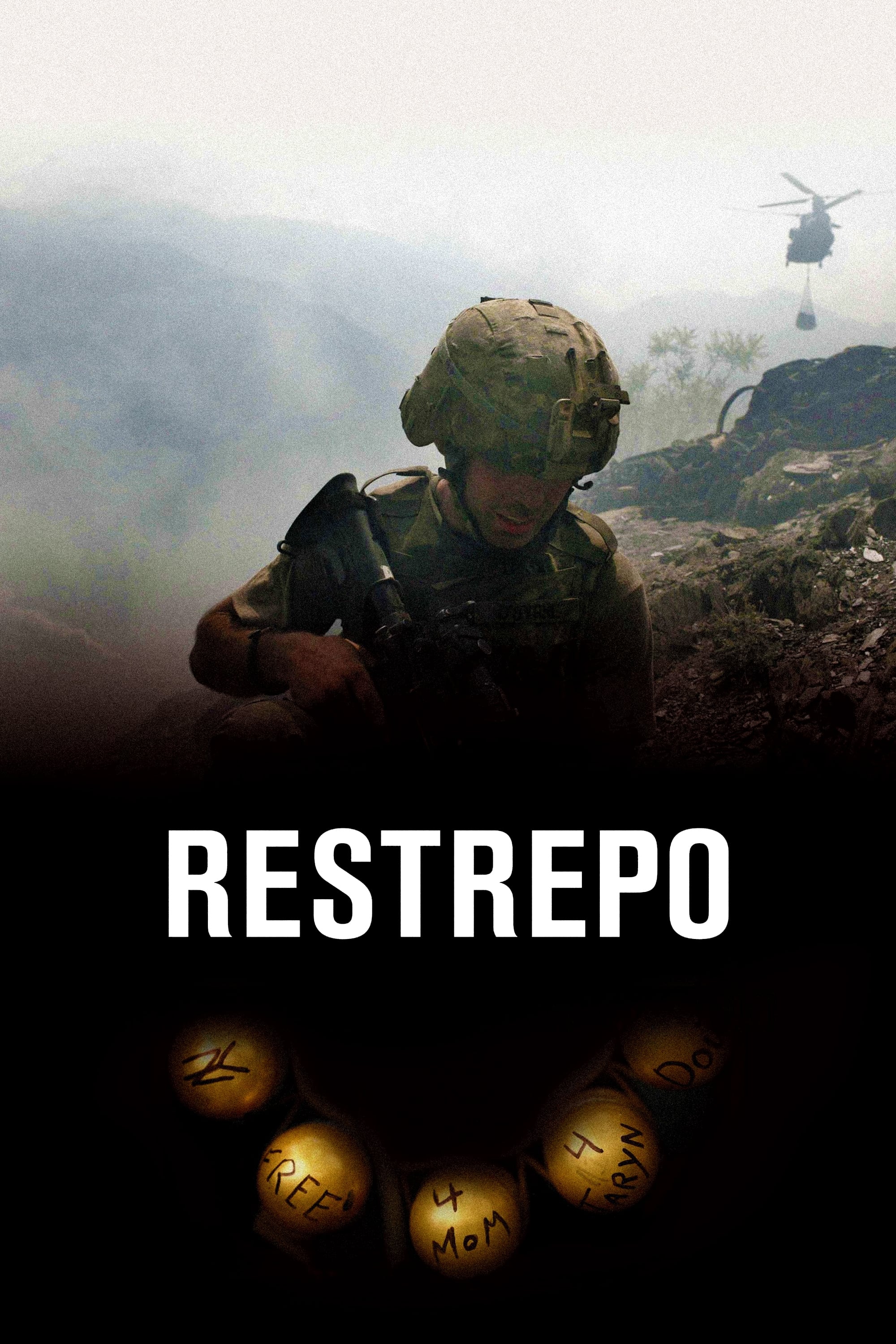
Directors Hetherington and Junger spend a year with the 2nd Battalion of the United States Army located in one of Afghanistan's most dangerous valleys. The documentary provides insight and empathy on how to win the battle through hard work, deadly gunfights and mutual friendships while the unit must push back the Taliban.
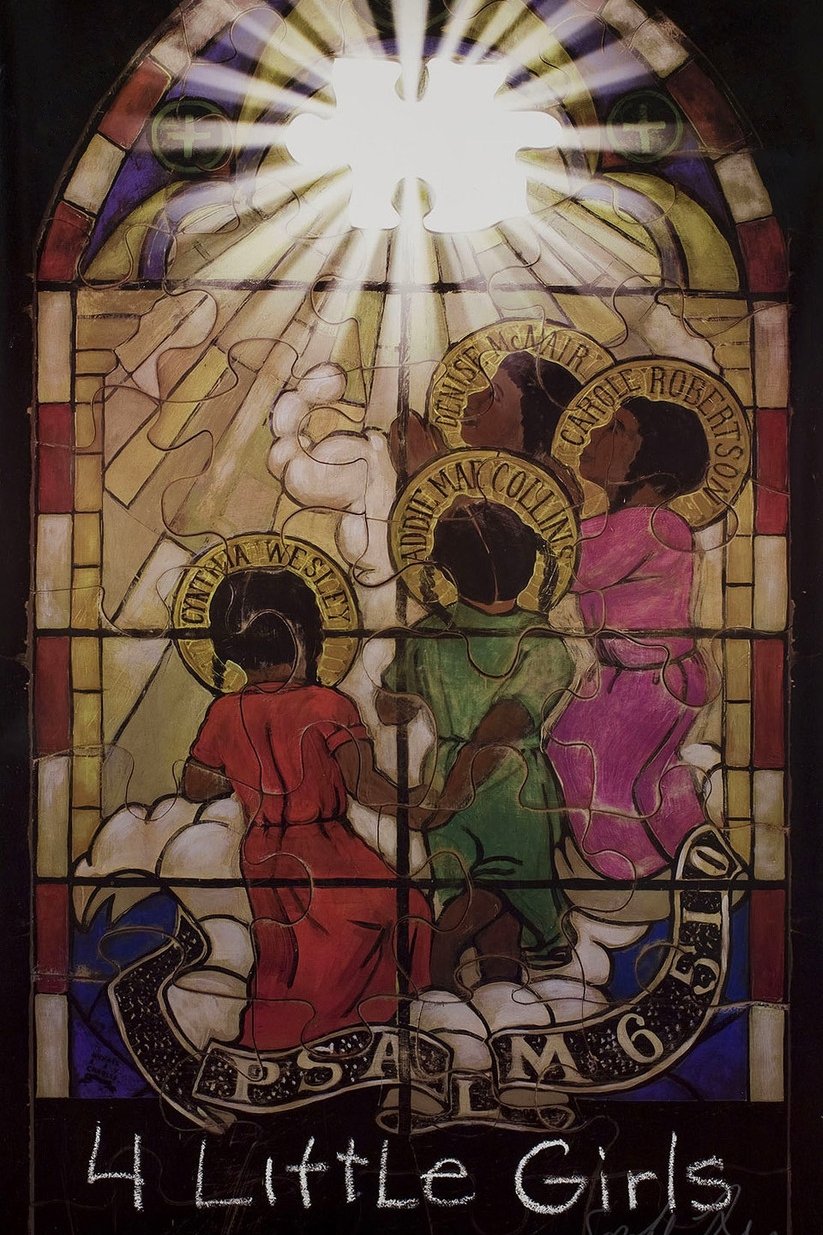
On September 15, 1963, a bomb destroyed a black church in Birmingham, Alabama, killing four young girls who were there for Sunday school. It was a crime that shocked the nation--and a defining moment in the history of the civil-rights movement. Spike Lee re-examines the full story of the bombing, including a revealing interview with former Alabama Governor George Wallace.
We live in a world where the powerful deceive us. We know they lie. They know we know they lie. They do not care. We say we care, but we do nothing, and nothing ever changes. It is normal. Welcome to the post-truth world. How we got to where we are now…
Derren Brown investigates the power of social compliance by persuading an unwitting member of the public into believing that they have pushed someone to their death.
An experimental documentary that explores Saudi Arabia's relationship with the U.S. and the role this has played in the war in Afghanistan.