Social & External
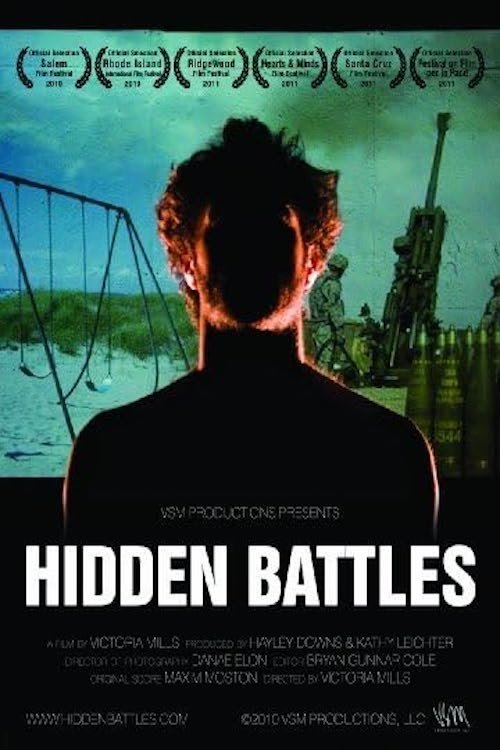
Dramatic and deeply personal film about the psychological impact of killing on the lives of five soldiers. Representing a cross section of nationalities, gender, class and race, these soldiers reveal intimate memories about the central act of war, the killing of another human being. How do these individuals make sense of what they have done? What happens when time challenges their carefully constructed stories? Consciously apolitical but deeply psychological, Hidden Battles examines the strength and struggles of men and women who kill and how they create a life for themselves afterward.
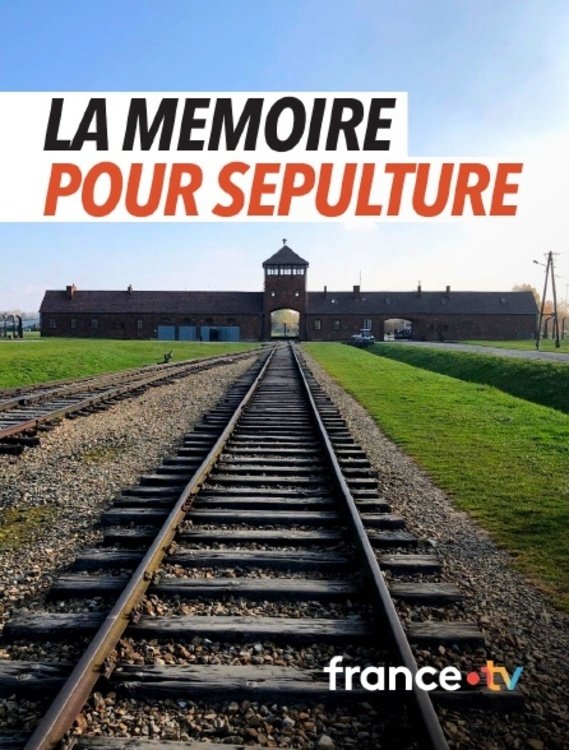
Surviving against all odds. In 1940, Benjamin Orenstein, just a teenager, was sent to his first concentration camp in Poland. It was the beginning of a journey that would mark him for life. After years of silence, he now bears witness to one of the darkest chapters in history.
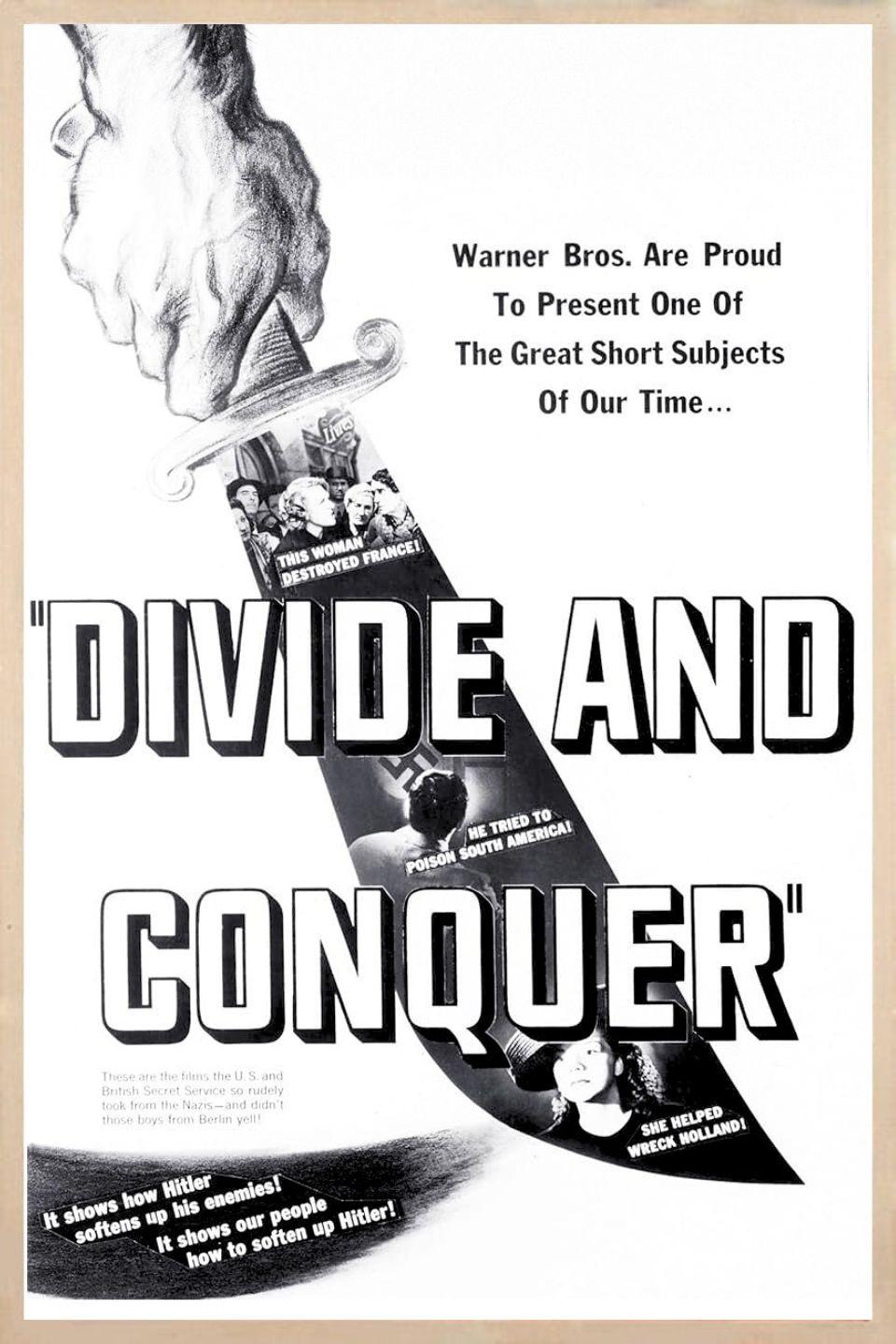
The third film of Frank Capra's 'Why We Fight" propaganda film series, dealing with the Nazi conquest of Western Europe in 1940.
Switzerland has long been a special partner for Russia: A non-member of the EU and NATO, a welcome investor in Russia and the world’s most important trading centre for Russian raw materials. Now things are different in both countries.
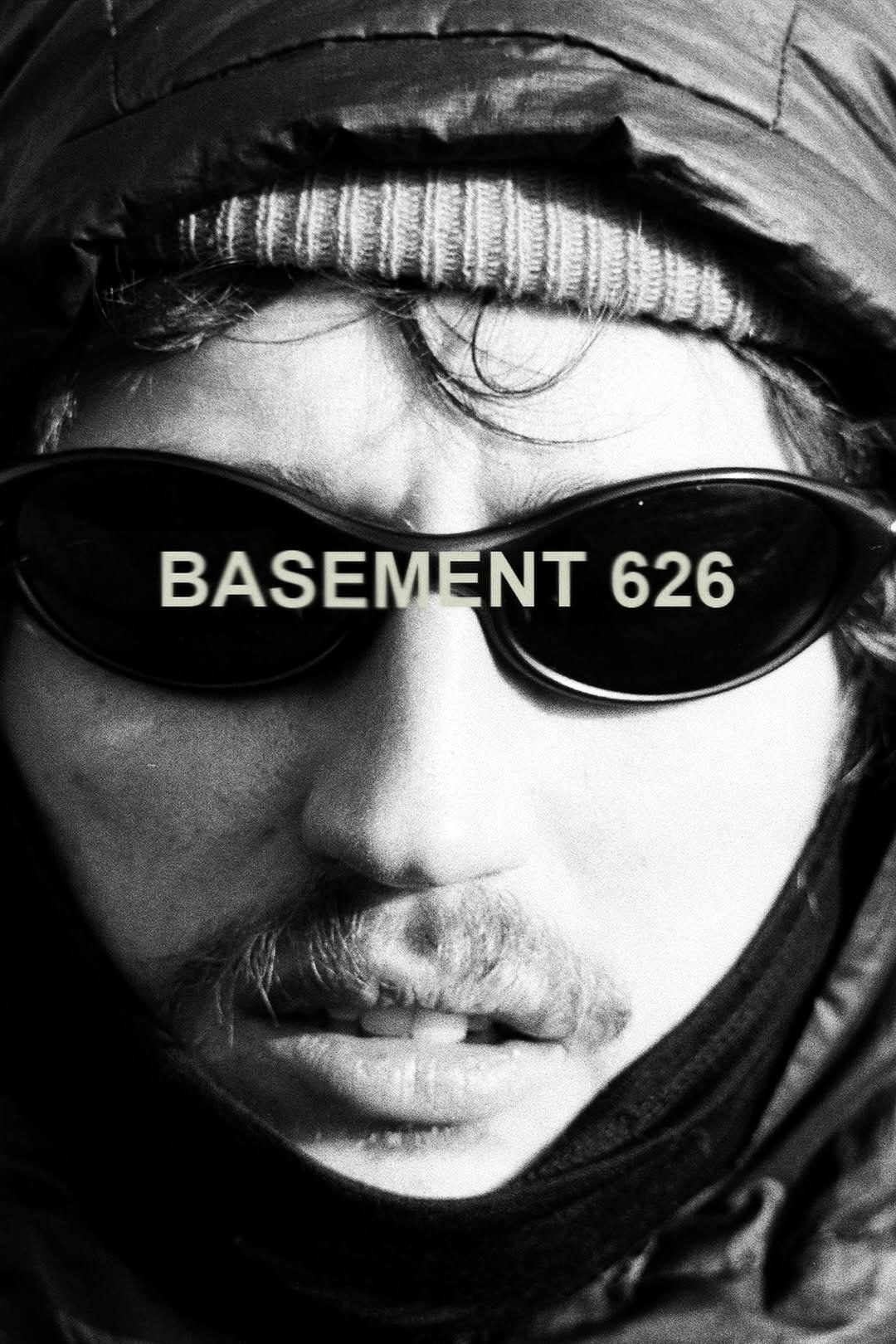
In January 2025, experimental jazz duo Myshko Birchenko and Yevhen Puhachov, members of Hyphen Dash, travelled to Kramatorsk without any pre-made drafts or demo recordings to use music as a vessel to capture the emotions present in a place on the edge of a battle for survival and explore the therapeutic nature of music and improvisation in the brutal reality of war. They packed all the equipment into a car, drove 700 kilometres from Kyiv to the frontline city Kramatorsk, and turned one of many basements which serve as shelters into a makeshift recording studio. As a result, they recorded over 300 minutes of music, which were eventually distilled into a 90-minute album.
In 1945 Mexico sent special forces to the World War II. This is a documentary about those known as the “Aztec Eagles,”the 201st Air Fighter Squadron sent to the Philippines to fight on the war.
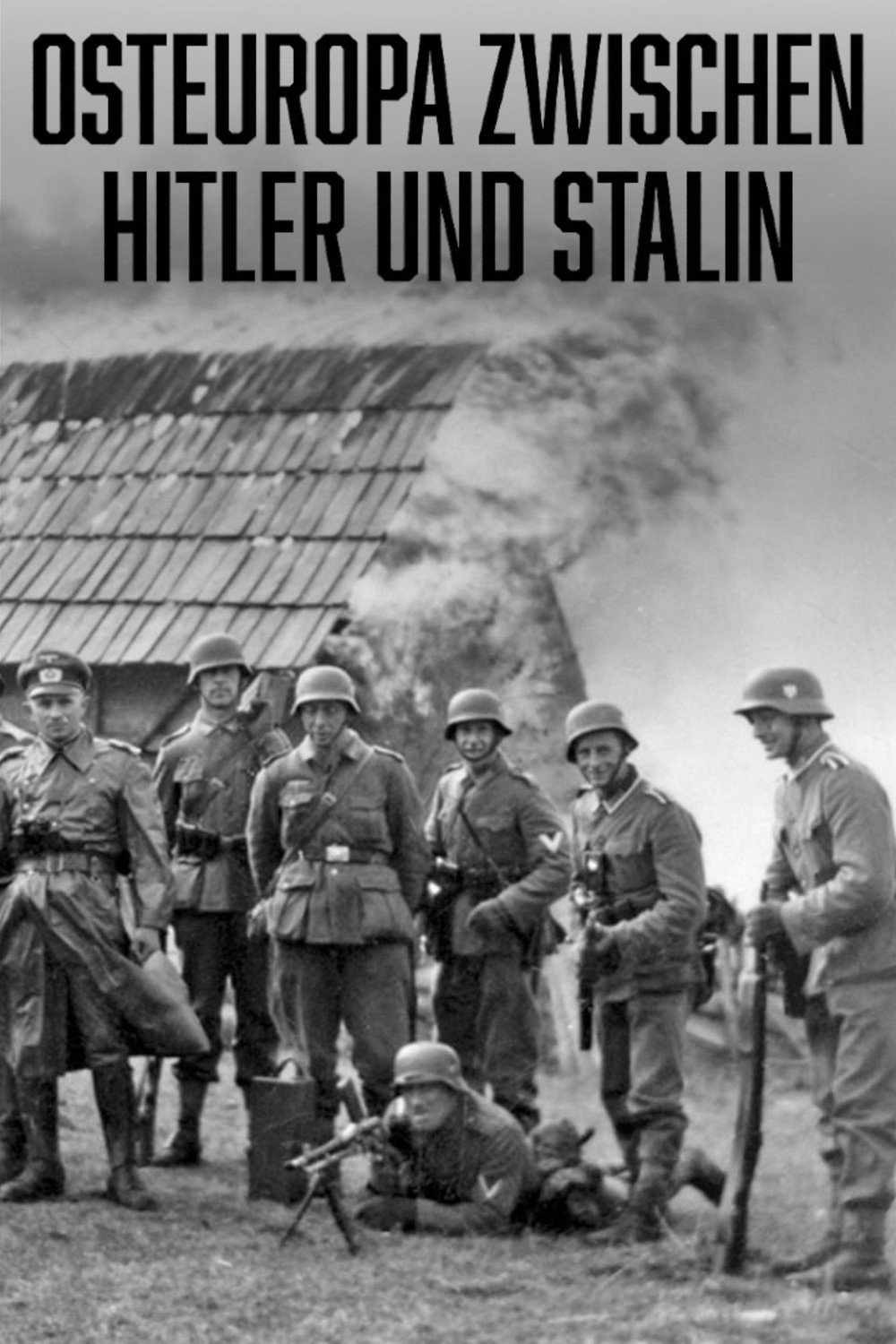
Between 1930 and 1945, Eastern Europe experienced mass violence on an unprecedented scale. Hitler and Stalin exploited the vast region for their respective expansionist plans. It is estimated that around 14 million civilians were murdered—primarily Jews, Poles, Balts, Belarusians, and Ukrainians.
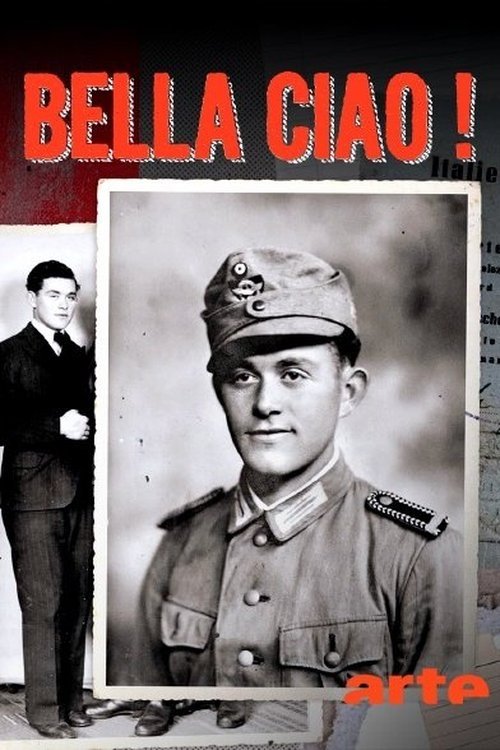
When Italy capitulated 1943 and joined the allied forces, some soldiers from the German Wehrmacht also changed sides and joined the Italians in their fight to liberate the country. This film tells the story of Rudolf Jacobs, Walter Fischer and Heinz Brauers, three of the ‘Good Germans’ remembered in Italy for their efforts in fighting the Nazis.
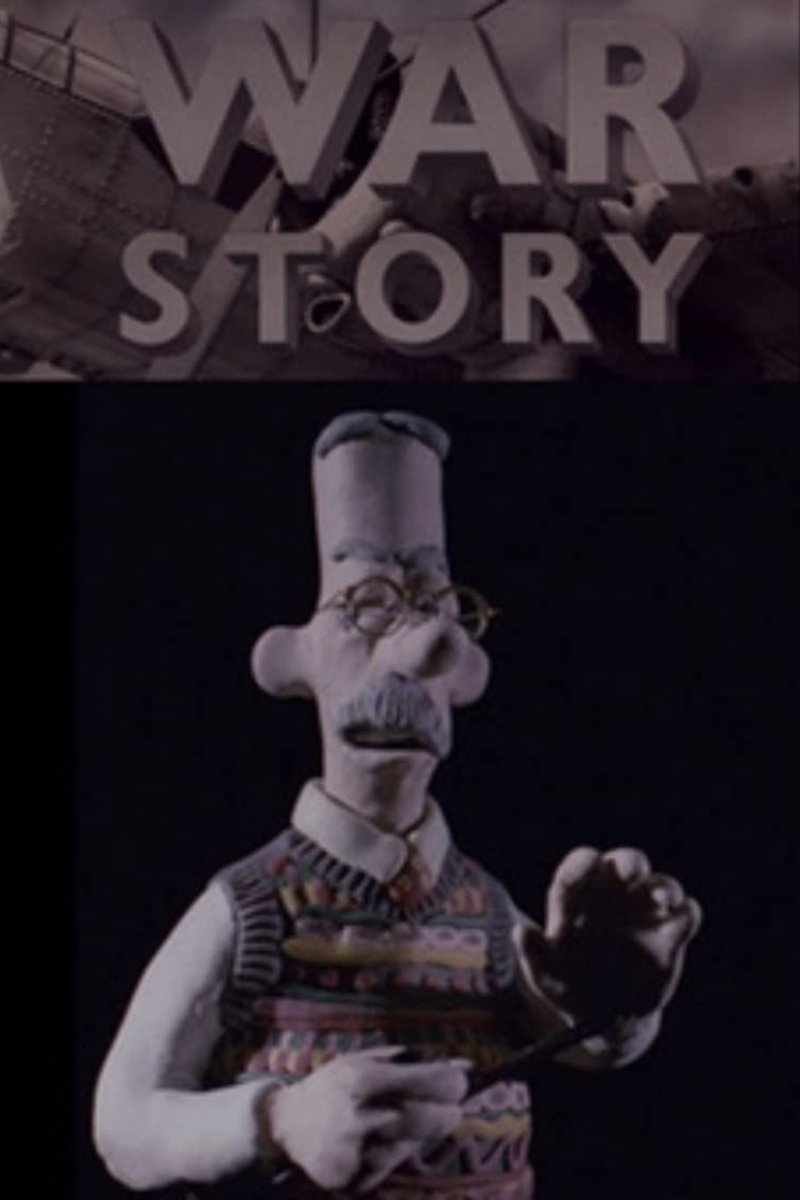
This claymation short film uses a real interview for dialogue. Bill Perry relates stories about his youth, his tilted house, and adventures during WWII in Bristol, England during the blitz. Preserved by the Academy Film Archive.
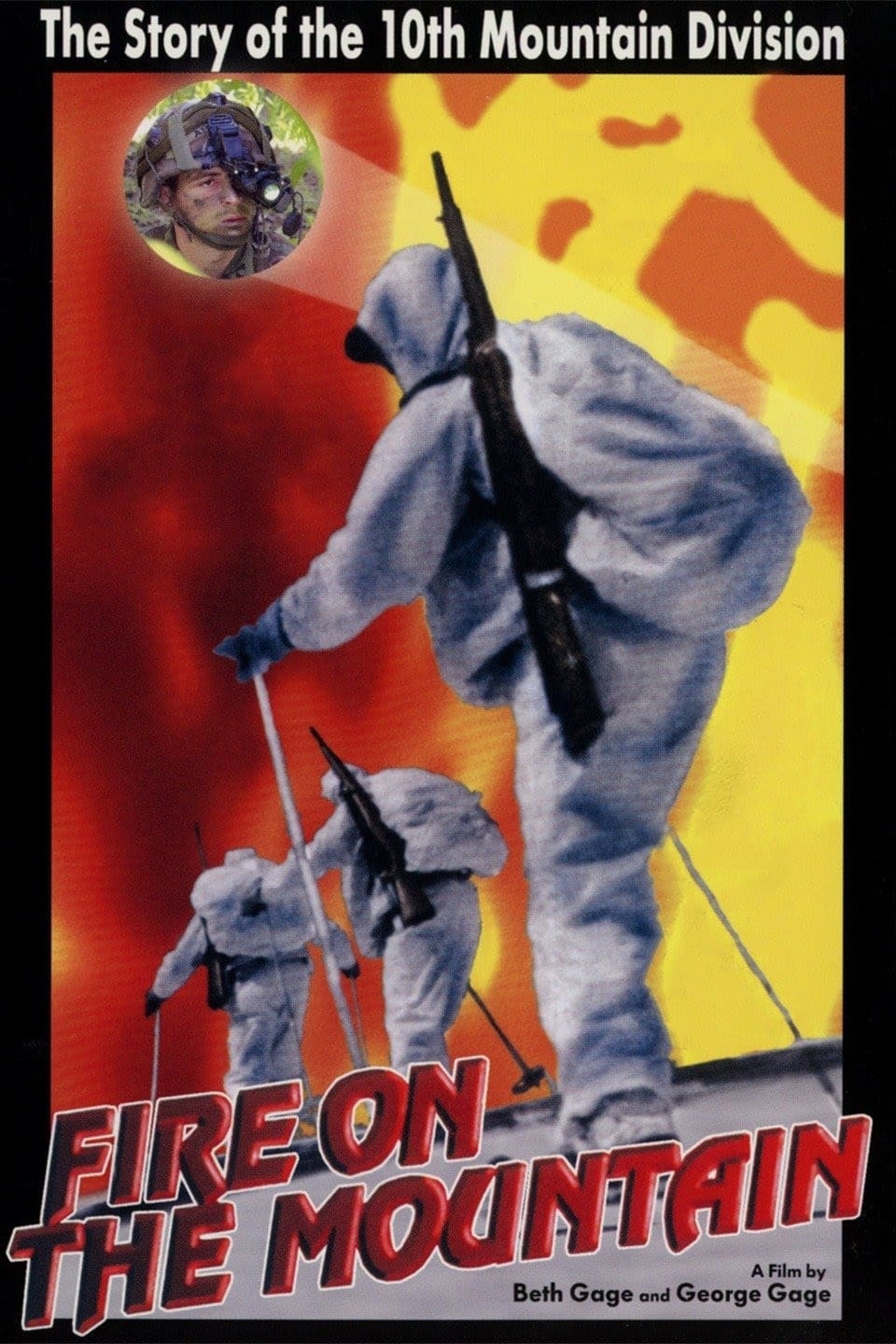
A documentary film about the exploits of the 10th Mountain Division, an elite group of mountain climbers who fought decisive battles against the Nazis in the Italian Alps during the final days of World War II. From the intensive training atop the Colorado Rockies to the spectacular night climb of Italy's Riva Ridge.
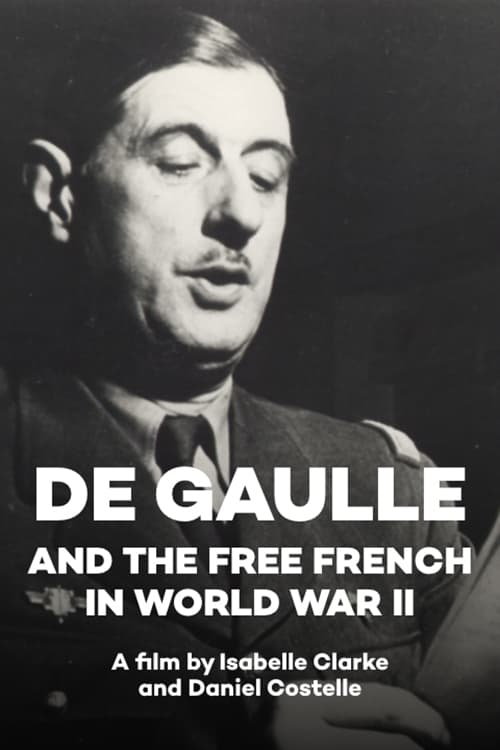
In June 1940 nothing was written. The appeal of June 18 by General de Gaulle was a hope but also a start. The start for an essential page of the History of France, written by De Gaulle and his followers, without whom nothing would have existed in the Resistance to the German tyranny and this film wishes to honor their memory.
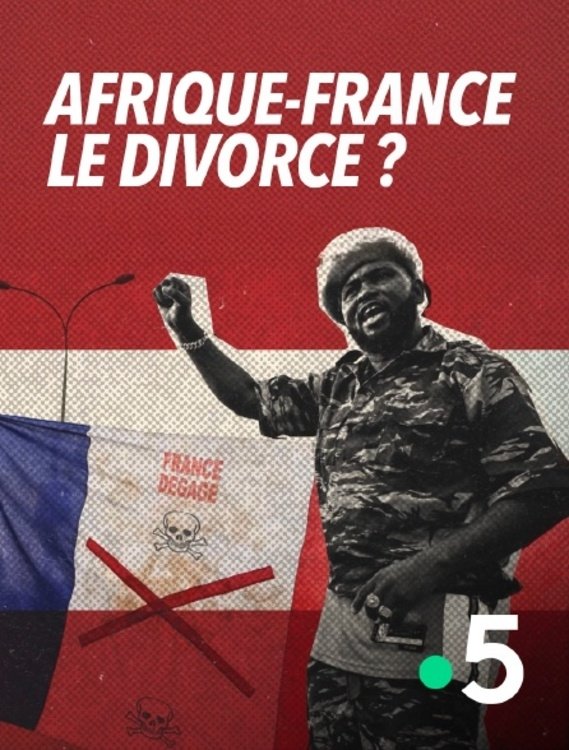
At a time when French flags are being burned and French embassies targeted, this documentary delves into the growing disaffection between French-speaking Africa and the former colonial power. Through the voices of African leaders, pan-African activists, and committed young people, the film questions the persistence of a relationship marked by the aftermath of colonization, the opaque agreements of "Françafrique," and a military presence deemed paternalistic.
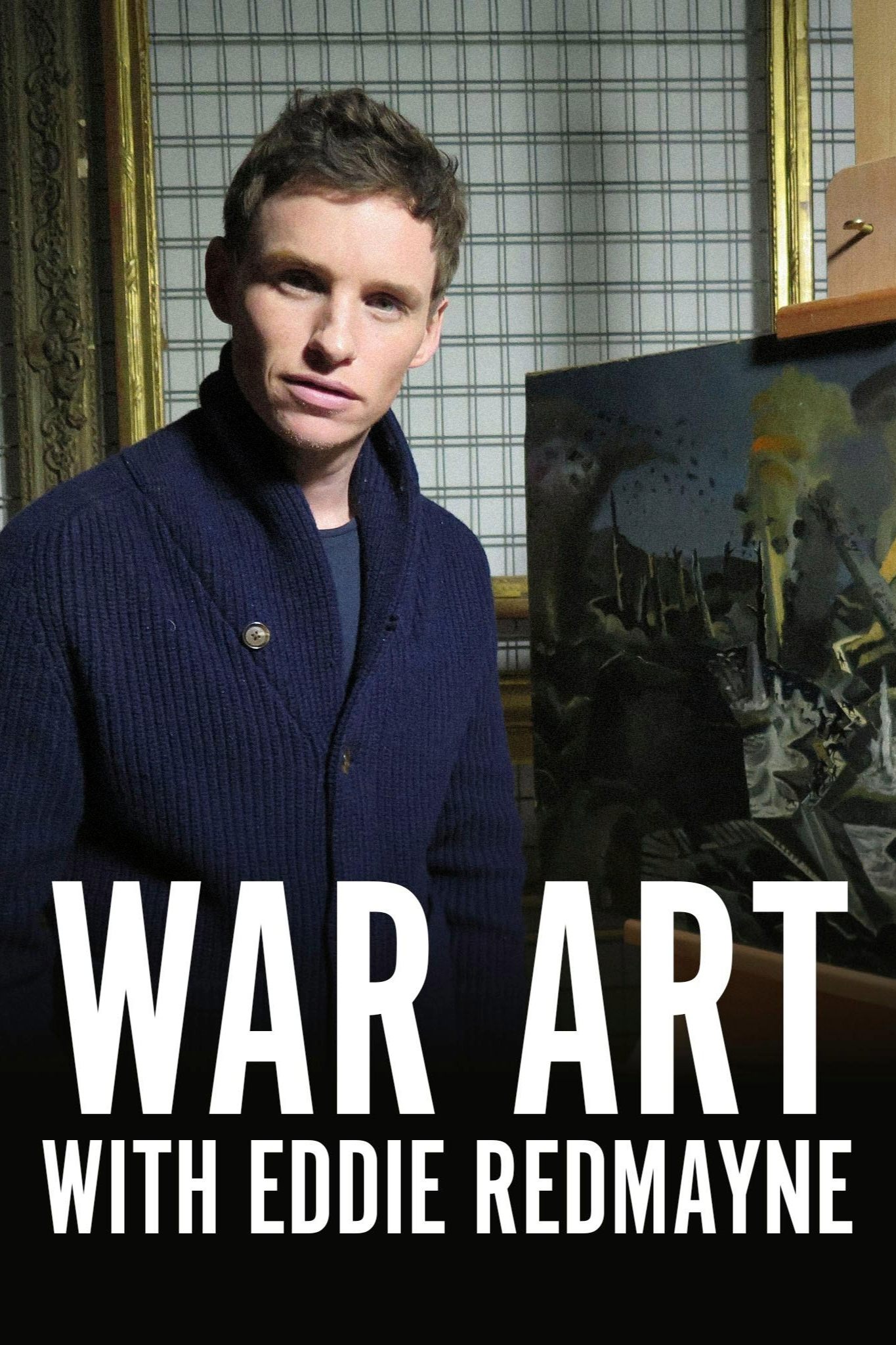
War is a compelling stimulus to the imagination, creating some of our richest and most powerful artistic inspiration. Oscar-winning actor Eddie Redmayne takes an intensely emotional journey, visiting artists’ studios, museums and travelling to battlefield locations to shine a powerful light into the abyss of warfare, where War Artists have left a unique legacy.
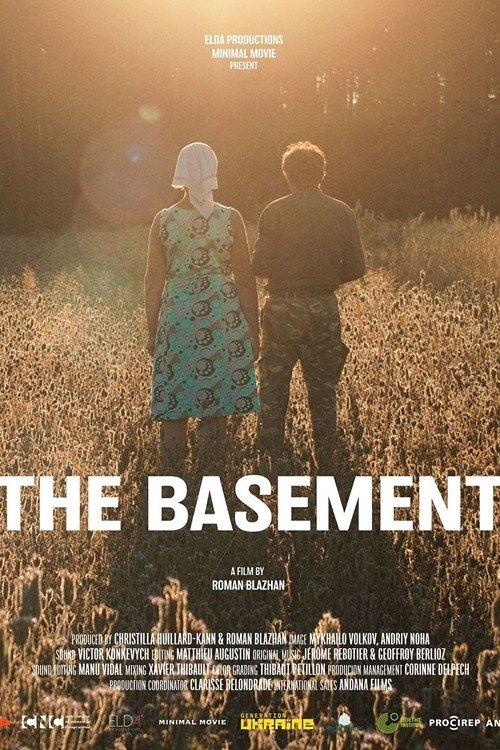
The village of Yahidne in northern Ukraine is coming back to life. Dogs are running around. Gardens and crops are green again. People support one another and families have reunited. In a movement of solidarity, local youth help rebuild what was devastated a year ago when Russian troops occupied the village imprisoning the villagers in the school's basement for a month. The villagers' attitudes alternate between their desire to move forward an remembering the horrors of the past. A heartwarming tribute to resilience and unity.
When hundreds of letters from members serving in the First World War are discovered in the roof of The Mildmay working men's club in London, two amateur archivists set out to solve the mysteries of the men who wrote them and the remarkable man they were all writing to.
This 1967 documentary tells the story of 734 Polish children who were adopted by New Zealand in 1944 as WWII refugees. Moving interviews, filmed 20 years later, document their harrowing exodus from Poland: via Siberian labour camps, malnutrition and death, to being greeted by PM Peter Fraser on arrival in NZ. From traumatic beginnings the film chronicles new lives (as builders, doctors, educators, and mothers) and ends with a family beach picnic. Made for television, this was one of the last productions directed by pioneering woman filmmaker Kathleen O'Brien.
Guilty by Reason of Race was produced and reported by veteran producer Robert Northshield and incorporated historic footage and photographs with contemporary interviews with Japanese Americans as well as those who advocated for incarceration at the time to tell the story of Japanese American removal from the West Coast and their subsequent confinement in concentration camps. Several former inmates are filmed visiting the places where they had been incarcerated, including Amy Uno Ishii, J. H. Takeda, and Betty Kozasa visiting Santa Anita and activist Edison Uno (who was an adviser to the film's producers) at Amache. It is also notable for including an interview in Tokyo with renunciant Masao Amachi, who recalled that he had "lost confidence" in the U.S. and felt that no matter who won the war, that he "would always be looked at as a Jap."
When Allied forces liberated the Nazi concentration camps in 1944-45, their terrible discoveries were recorded by army and newsreel cameramen, revealing for the first time the full horror of what had happened. Making use of British, Soviet and American footage, the Ministry of Information’s Sidney Bernstein (later founder of Granada Television) aimed to create a documentary that would provide lasting, undeniable evidence of the Nazis’ unspeakable crimes. He commissioned a wealth of British talent, including editor Stewart McAllister, writer and future cabinet minister Richard Crossman – and, as treatment advisor, his friend Alfred Hitchcock. Yet, despite initial support from the British and US Governments, the film was shelved, and only now, 70 years on, has it been restored and completed by Imperial War Museums under its original title "German Concentration Camps Factual Survey".
Prelude to War was the first film of Frank Capra's Why We Fight propaganda film series, commissioned by the Pentagon and George C. Marshall. It was made to convince American troops of the necessity of combating the Axis Powers during World War II. This film examines the differences between democratic and fascist states.
The life of Mr. Spock, as well as that of Leonard Nimoy, the actor who played him for almost fifty years, written and directed by his son: Adam.
Behind-the-scenes documentary about how Lionel Messi succeeded in lifting the World Cup – the only trophy to have eluded him in an incredible career.
A detailing of the rise to prominence and global sporting superstardom of six supremely talented young Manchester United football players (David Beckham, Nicky Butt, Ryan Giggs, Paul Scholes, Phil and Gary Neville). The film covers the period 1992-1999, culminating in Manchester United's European Cup triumph.
Through deeply personal interviews with her siblings and an examination of the photographs, letters, and belongings left behind, Mariska assembles a new portrait of her mother Jayne Mansfield, an extraordinary and complex woman.
Documentarian Ross McElwee originally set out to make a travelogue of sorts tracing General William T. Sherman's infamous scorched-earth march through the Confederacy in the latter stages of the Civil War. Instead, haunted by a recent breakup with a girlfriend, McElwee ends up documenting his progress -- or lack thereof -- in starting a new relationship. His journey then becomes one of self-reflection and self-discovery rather than a historical/sociological exploration.
Those who knew iconic funnyman John Candy best share his story, in their own words, through never-before-seen archival footage, imagery, and interviews.
JB Smoove and Martin Starr host a celebration of 20 years of "Spider-Man" movies, from the Sam Raimi trilogy to Marc Webb's movies and the trio from Jon Watts.
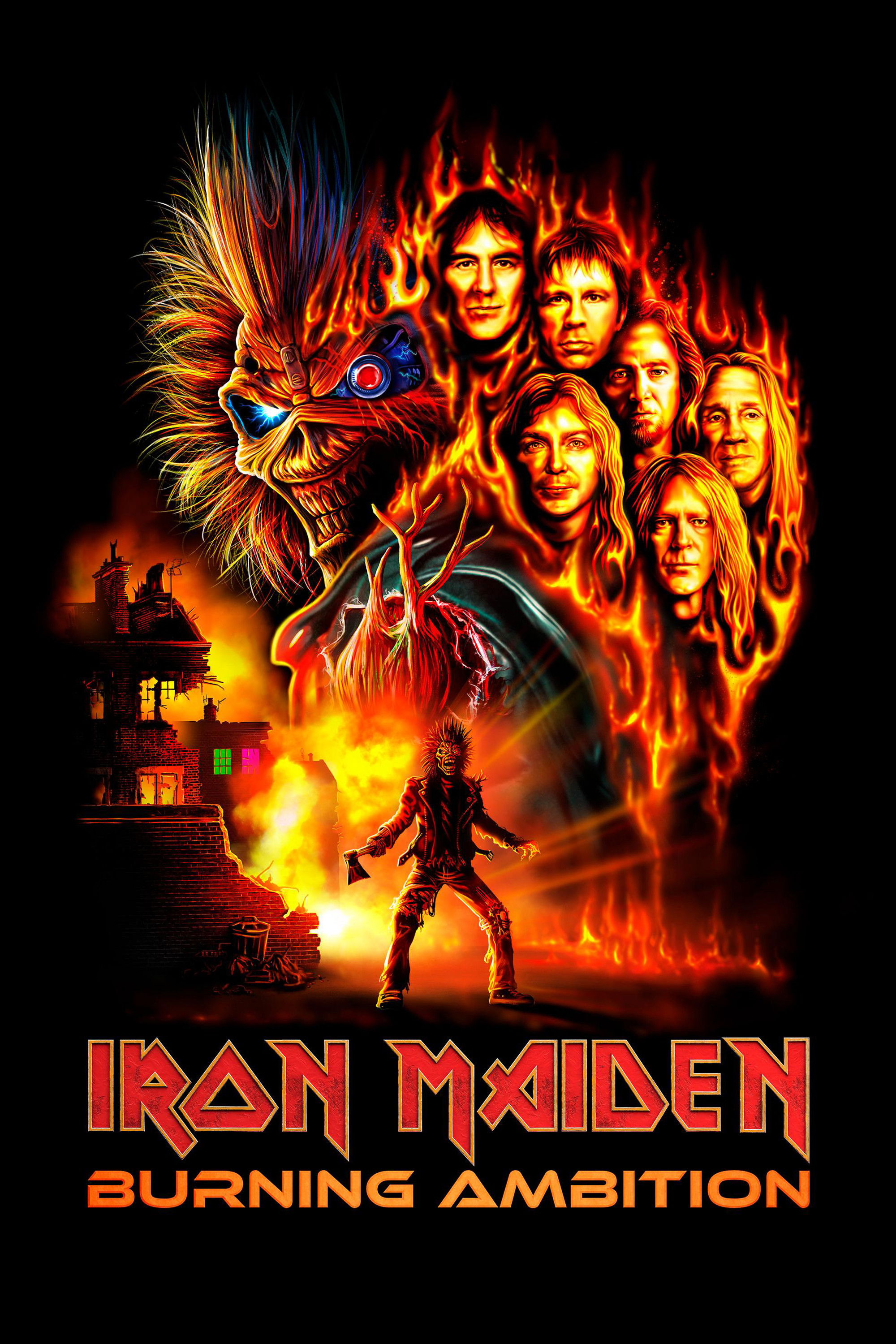
With unprecedented access to the official archives and intimate recollections from the band, both current and past, Iron Maiden: Burning Ambition invites fans to experience one of the most iconic journeys in music history. Spanning five decades, this electrifying documentary charts the band’s rise from the pubs of East London to the world’s biggest stadiums. Featuring exclusive interviews with band members and contributors such as Javier Bardem, Lars Ulrich and Chuck D, as well as all-new animated sequences of the band's legendary mascot, Eddie, the film offers a rare and intimate look at Iron Maiden’s uncompromising vision and unwavering connection with their truly global army of fans.
The life and career of one of comedy's most inimitable modern voices, Mr. Gilbert Gottfried.
Al Pacino's deeply-felt rumination on Shakespeare's significance and relevance to the modern world through interviews and an in-depth analysis of "Richard III."
The life and career of an actor, artist, and icon. His own journey through his own camera.
SEDUCED AND ABANDONED combines acting legend Alec Baldwin with director James Toback as they lead us on a troublesome and often hilarious journey of raising financing for their next feature film. Moving from director to financier to star actor, the two players provide us with a unique look behind the curtain at the world's biggest and most glamourous film festival, shining a light on the bitter-sweet relationship filmmakers have with Cannes and the film business. Featuring insights from directors Martin Scorsese, 'Bernando Bertolucci' and Roman Polanski; actors Ryan Gosling and Jessica Chastain and a host of film distribution luminaries.
A documentary about the life and films of director John Ford.
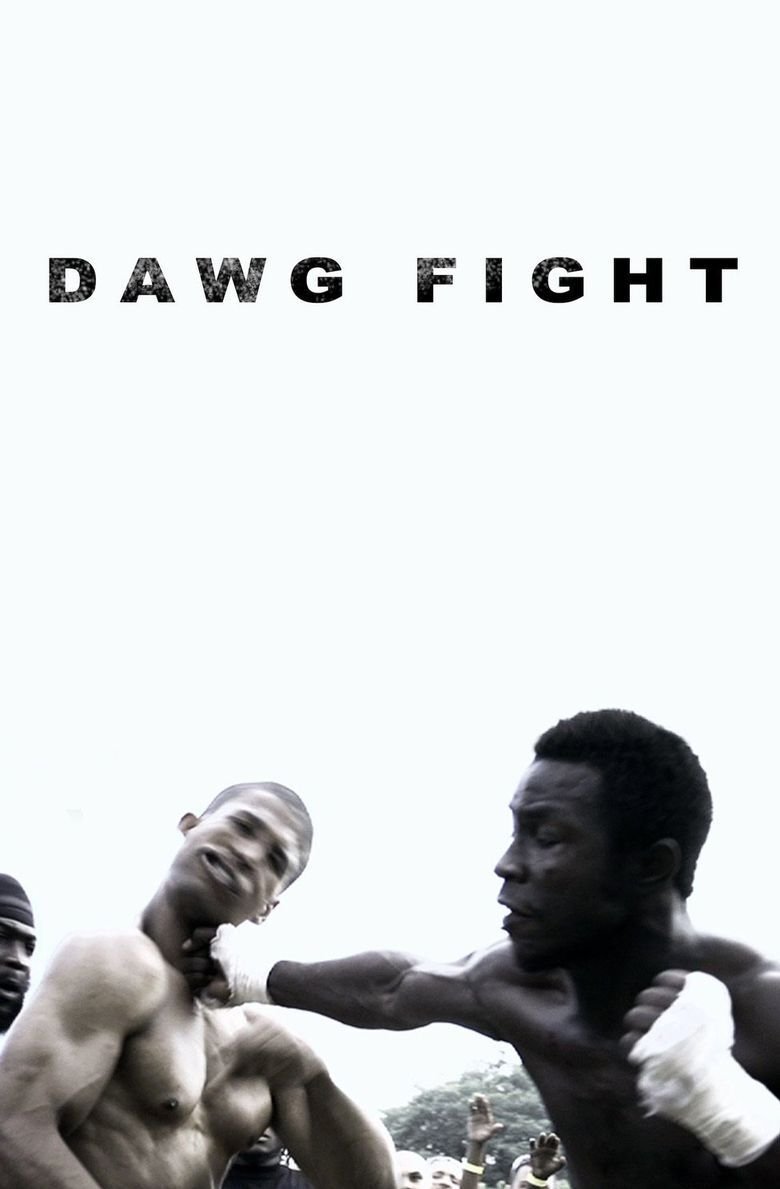
In a crime-plagued neighborhood near Miami, brutal, bare-knuckled backyard fights give young men a chance to earn money -- and self-respect.
An astonishing journey revealing the awesome power of the natural world. Over the course of one single day, we track the sun from the highest mountains to the remotest islands to exotic jungles.
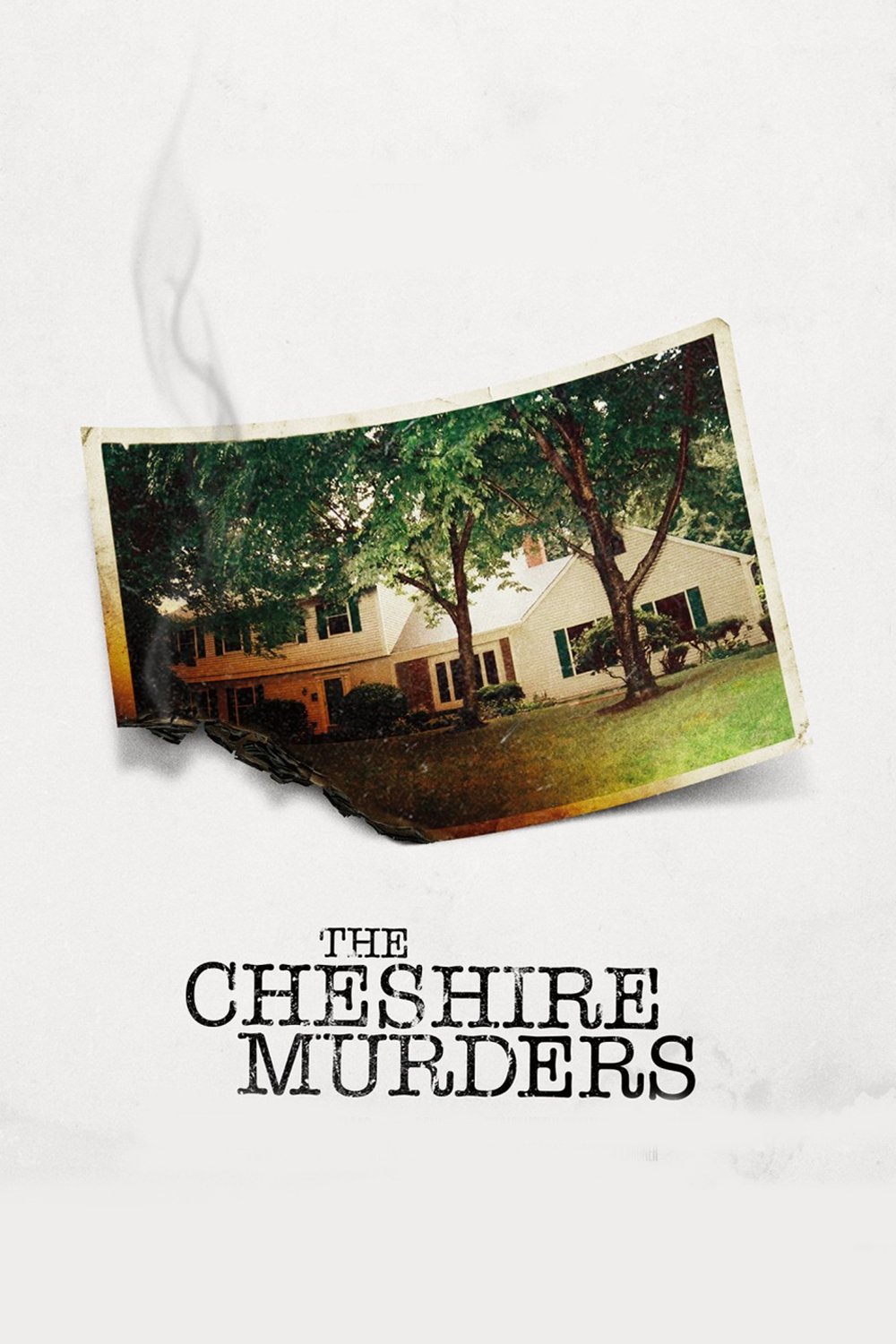
In the early-morning hours of July 23, 2007, in Cheshire, Conn., ex-convicts Steven Hayes and Joshua Komisarjevsky broke into the family home of William Petit, his wife, Jennifer, and their daughters, Michaela, 11, and Hayley, 17. Dr. Petit was beaten and tied to a pole in the basement. The three women were bound in their bedrooms while the men ransacked the house. The brutal ordeal continued throughout the morning, ending with rape, arson and a horrific triple homicide.
A purely observational non-fiction film that takes viewers into the ethically murky world of end-of-life decision making in a public hospital.
This documentary movie is about the battle of San Pietro, a small village in Italy. Over 1,100 US soldiers were killed while trying to take this location, that blocked the way for the Allied forces from the Germans. Preserved by the Academy Film Archive in 2005.