Two women and two men tell their stories of exile caused by being lesbian, transgender, bisexual and gay.
Social & External
The people behind it
Report retracing the military campaigns of the Belgian colonial troops in Africa through geographical maps, title cards, and documentary footage.
Several characters realize their personal way to build their own identity from the choice of genre. Transsexual, transgender, crossdressing – the defining of terminologies different ways of looking at yourself are constantly rising, portraying a universe of possibilities, expanding the boundaries of the possible and permitted.
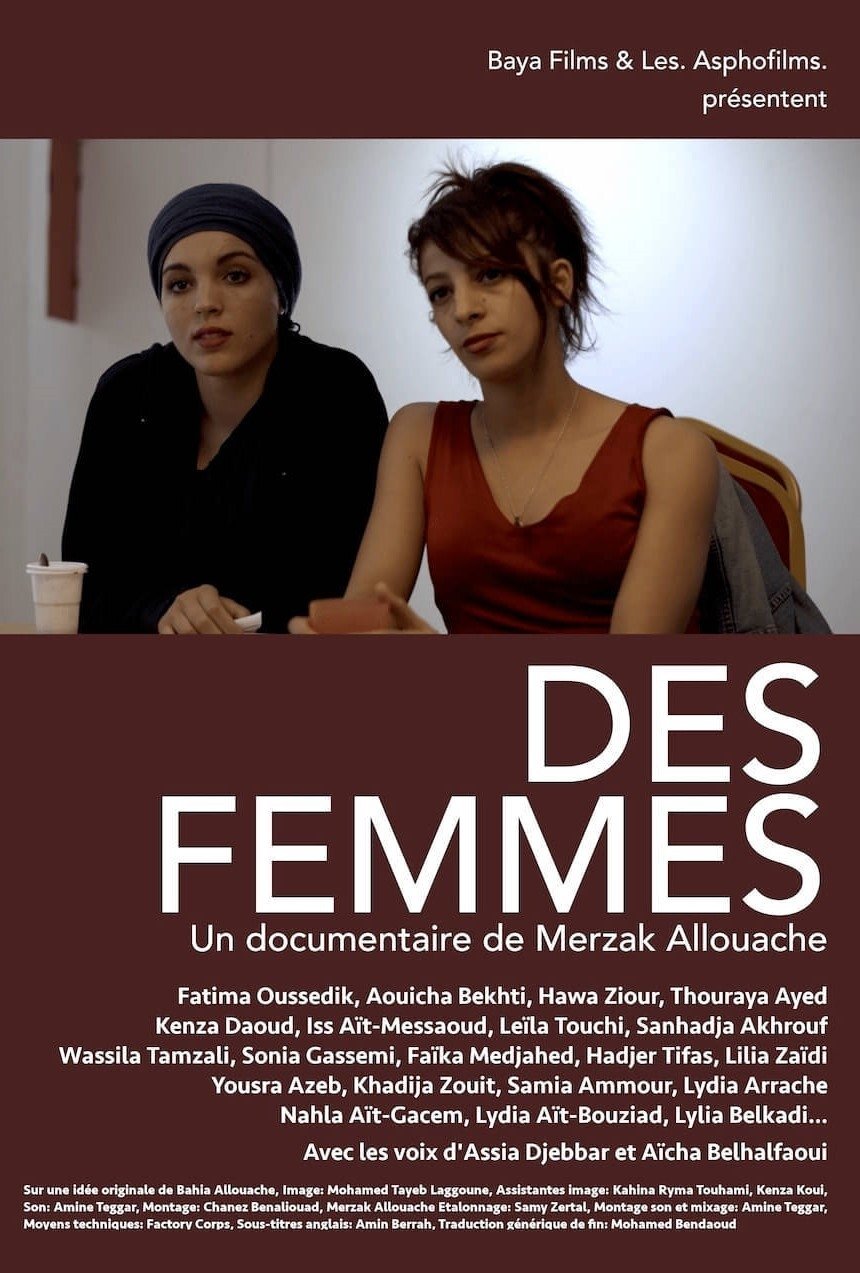
As the peaceful and determined Hirak movement gathers momentum and hopes for profound political change sweep across Algeria, women are combining femininity and feminism in the past, present, and future.
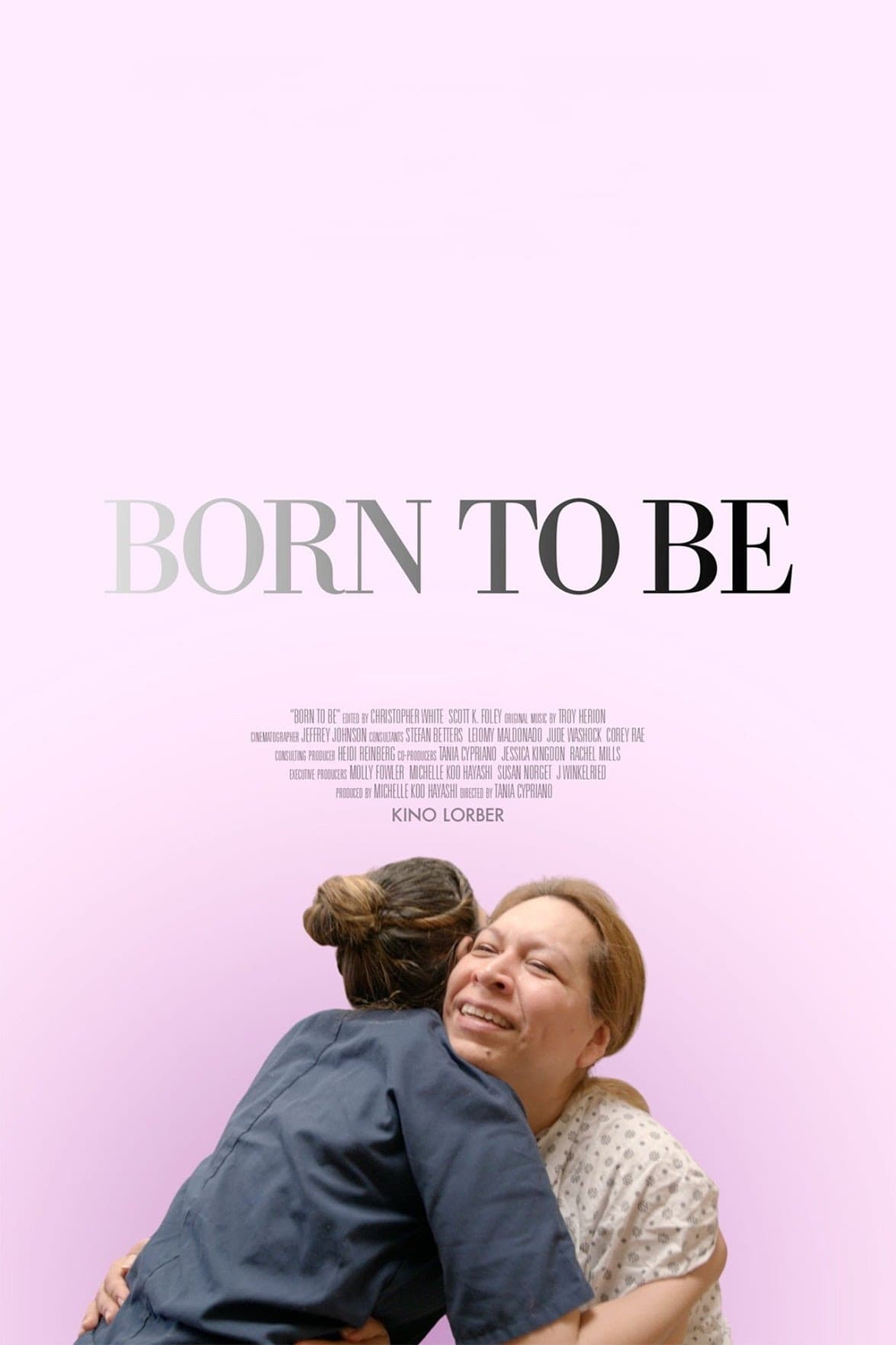
Soon after New York state passed a 2015 law that health insurance should cover transgender-related care and services, director Tania Cypriano and producer Michelle Hayashi began bringing their cameras behind the scenes at New York’s Mount Sinai Hospital, where this remarkable documentary captures the emotional and physical journey of surgical transitioning. Lending equal narrative weight to the experiences of the center’s groundbreaking surgeon Dr. Jess Ting and those of his diverse group of patients, BORN TO BE perfectly balances compassionate personal storytelling and fly-on-the-wall vérité. It’s a film of astonishing access—most importantly into the lives, joys, and fears of the people at its center.
A short documentary exploring how the ocean is an empowering space for women to connect. Told through the personal story of Deguene, a 17 year old surfer, from Dakar, Senegal. She leads us on a journey through the waves of her familial past which is deeply connected to the spirit of the ocean. This powerful story explores the symbiotic relationship between women, the ocean, community and sport.
What happens when your child comes out to you? In this feature documentary, parents of lesbian, gay, bisexual and trans-gender individuals in Turkey intimately share their experiences with the viewer, as they redefine what it means to be parents in this conservative society.
Women, trans and cis, and transvestites talk about their situation and sexwork in Germany.
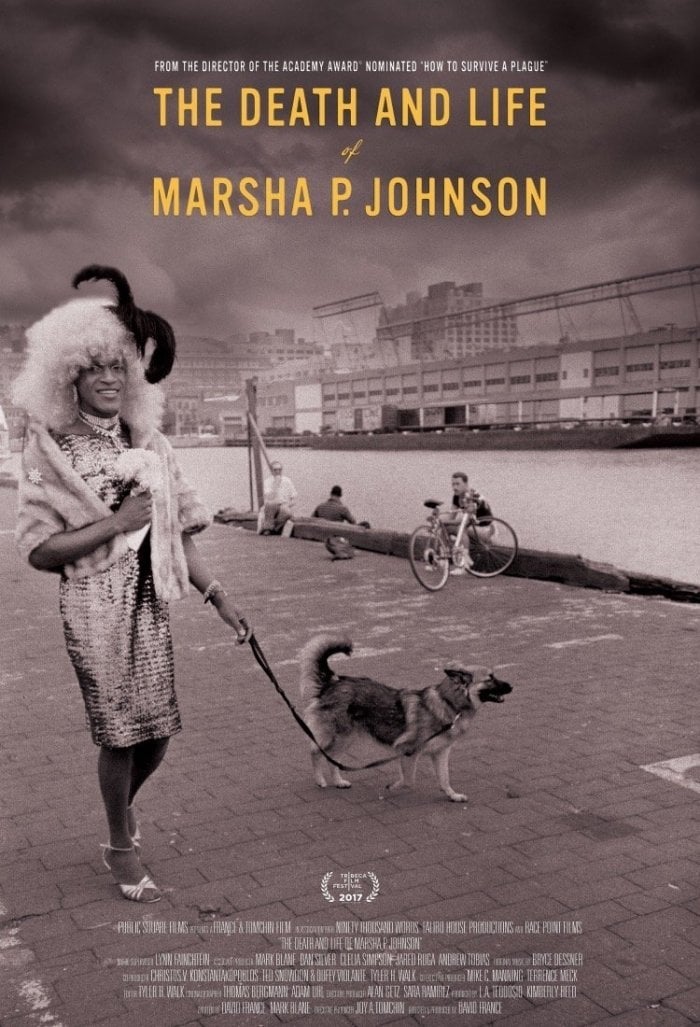
Describing herself as a 'street queen,' Johnson was a legendary fixture in New York City’s gay ghetto and a tireless voice for LGBT pride since the days of Stonewall, who along with fellow trans icon Sylvia Rivera, founded Street Transvestites Action Revolutionaries (S.T.A.R.), a trans activist group based in the heart of NYC’s Greenwich Village. Her death in 1992 was declared a suicide by the NYPD, but friends never accepted that version of events. Structured as a whodunit, with activist Victoria Cruz cast as detective and audience surrogate, The Death and Life of Marsha P. Johnson celebrates the lasting political legacy of Johnson, while seeking to finally solve the mystery of her unexplained death.
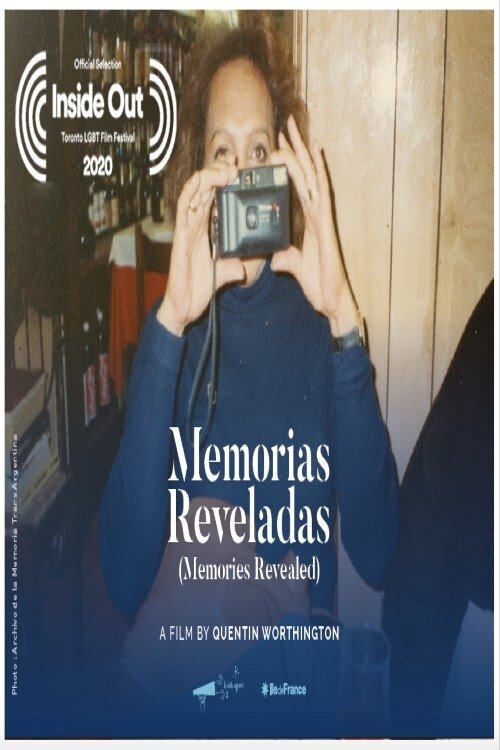
Over the course of 10 months, a camera travels to Buenos Aires, Argentina and Hanover, Germany to meet with Magalí, María Belén, Ivana and Carla, the founding members of the Archivo De La Memoria Trans Argentina, the first existing Trans Archive in the world. Taking the shape of a photo-novel, the documentary not only recounts the founding members lives as trans women under the Argentine dictatorship (1976-1983), the AIDS epidemy, state repression and mass assassinations but also years of fighting for their rights, sorority and the exaltation of life and laughter in times of death. Filming each one of them is filming them embracing their new role as curators, archivists and historians while a collection of 7,000 photos goes through the filter of their memories.
This compelling and thought-provoking documentary provides riveting portraits of a diverse group of six men who once were women and chose to change their gender. The award-winning film is an unforgettable story of self-discovery and challenges all of us to re-examine the foundations of our ideas and feelings about gender, sexuality, and identity.
Four Spanish-language shorts about the importance and complexity of people's perception from award winning directors. Stories of identity, misconceptions, regrets, dreams and love are told in this diverse collection. Includes: Tenants [Inquilinos] (2018); My Brother [Mi hermano] (2015); Guillermo on the Roof [Guillermo en el tejado] (2018); You Are Not a Woman [Usted no es mujer] (2018).
Pierre Clément, student and photographer of René Vauthier, first accompanied him to Tunisia to make a film on the country's independence in 1957. Destiny led him to Algeria and his presence in February 1958 at the Tunisian-Algerian border changed his life. . Forever. He took his camera and photographed the attacks on Sakia Sidi Youssef before committing himself body and soul to the Algerian cause. Shortly after, he directed the film “Algerian Refugees” before being arrested, tortured and imprisoned, while his third film, “The National Liberation Army in Almaki”, was not finished. Abdel Nour Zahzah, a director who commemorates Pierre Clément, the director who risked his life, the brother of the Algerian resistance, who disappeared in 2007.
This docu-fiction recounts the difficulties overcome by an ALN detachment whose perilous mission is to transport weapons and ammunition from Tunisia across the Algerian Sahara during the Algerian liberation war (1954-1962) against the French army of occupation.
The intimate bond between two identical twins is challenged when one decides to transition from male to female; this is the story of their evolving relationship, and the resurrection of their family from a darker past.
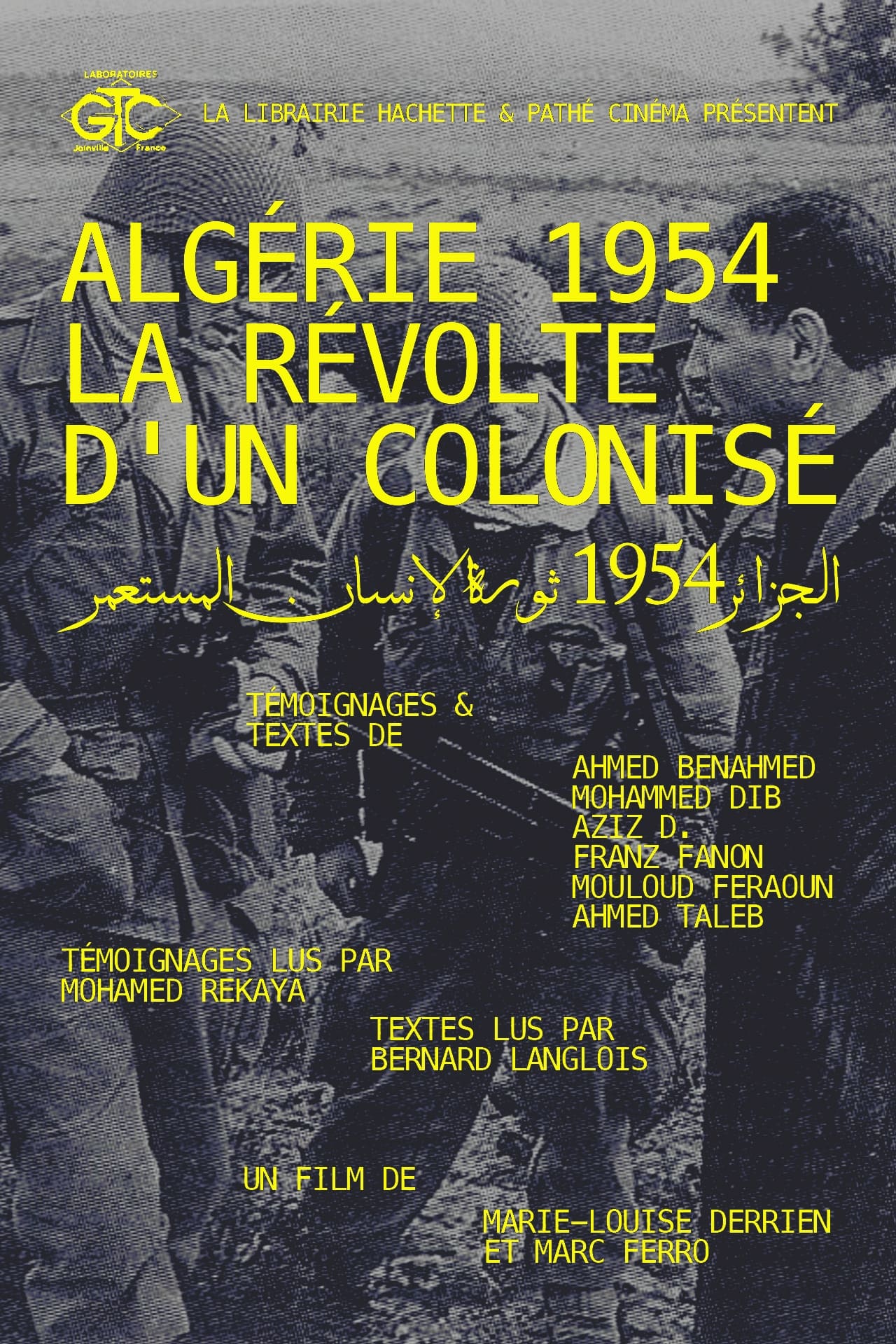
This film presents the point of view of an Arab from Algeria who rebels against colonization. He analyzes the process of awareness, the transition to revolt, to armed insurrection. Algeria and the settlers are seen through this lens and not the way a Frenchman saw the country. He gives voice to the Arabs at a time when this word was not heard: sometimes it was not even produced, at least publicly. The testimonies are based on real propositions, most of them were made to the author during his stay in Algeria from 1948 to 1956, then in 1958 and 1959. The comments are borrowed from the texts of Arab theorists of the revolution Algerian. This film thus completely evacuates the point of view of those who are not insurgents; he does not give the opinion of the colonists. It is the direct expression of what was the revolt of a colonized person: it thus constitutes the very type of the historical document.
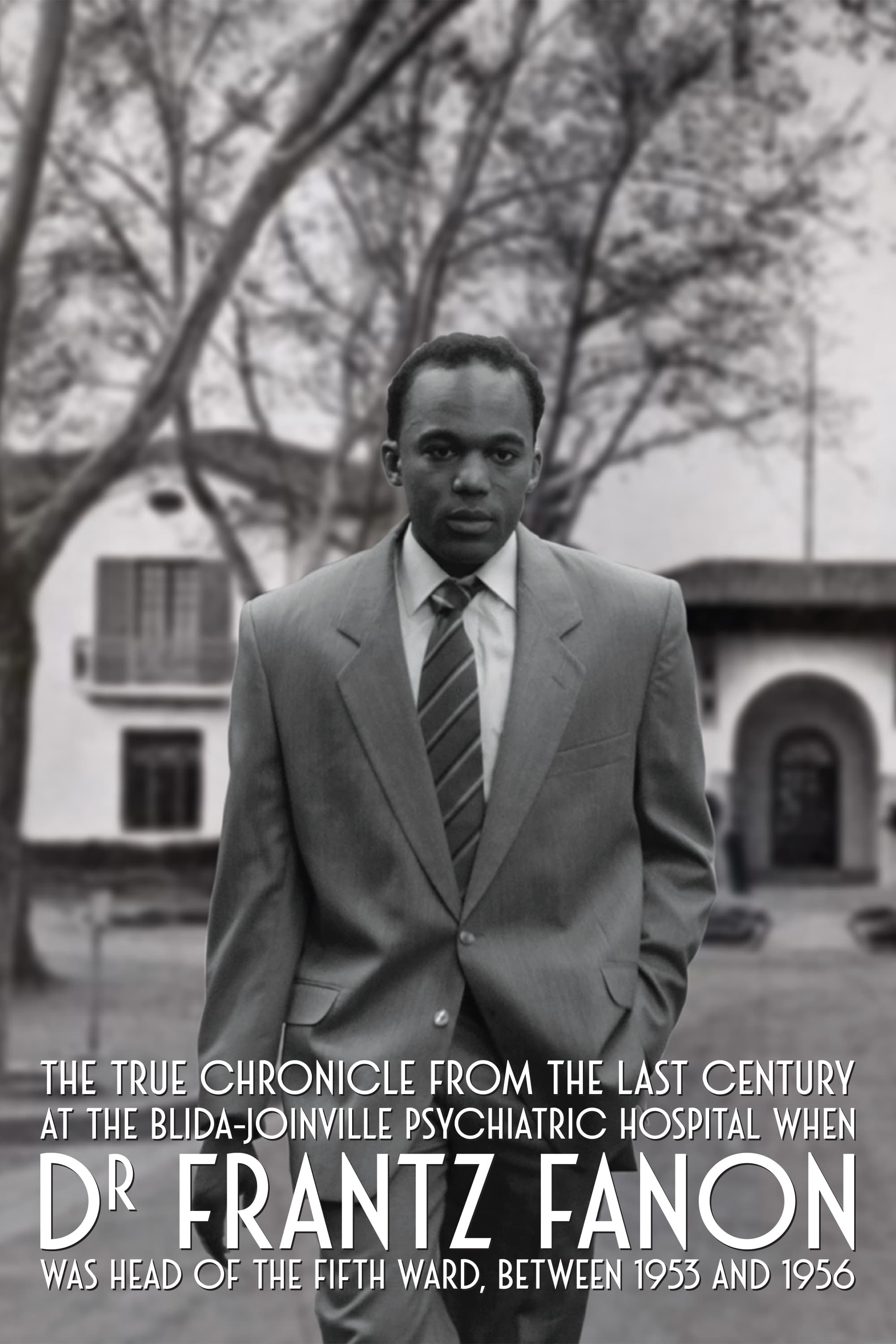
1953, colonized Algeria. Fanon, a young black psychiatrist is appointed head doctor at the Blida-Joinville Hospital. He was putting his theories of ‘Institutional Psychotherapy’ into practice in opposition to the racist theories of the Algies School of Psychiatry, while a war broke out in his own wards.
The Kabyle people define themselves first and foremost through the spoken word. Every gesture, every moment of their daily lives can give rise to a language of verse, metaphors, and proverbs. After all, isn't it said that in the mountain foothills they call home, verbal dueling was a common pastime? It is a reality difficult to visualize when one looks at the immigrant society where these men and women—often illiterate—are relegated solely to the roles of manual laborers and housewives; one can hardly imagine the eloquent orators they become when they return to their native tongue.
These are the first images shot in the ALN maquis, camera in hand, at the end of 1956 and in 1957. These war images taken in the Aurès-Nementchas are intended to be the basis of a dialogue between French and Algerians for peace in Algeria, by demonstrating the existence of an armed organization close to the people. Three versions of Algeria in Flames are produced: French, German and Arabic. From the end of the editing, the film circulates without any cuts throughout the world, except in France where the first screening takes place in the occupied Sorbonne in 1968. Certain images of the film have circulated and are found in films, in particular Algerian films. Because of the excitement caused by this film, he was forced to go into hiding for 25 months. After the declaration of independence, he founded the first Algerian Audiovisual Center.
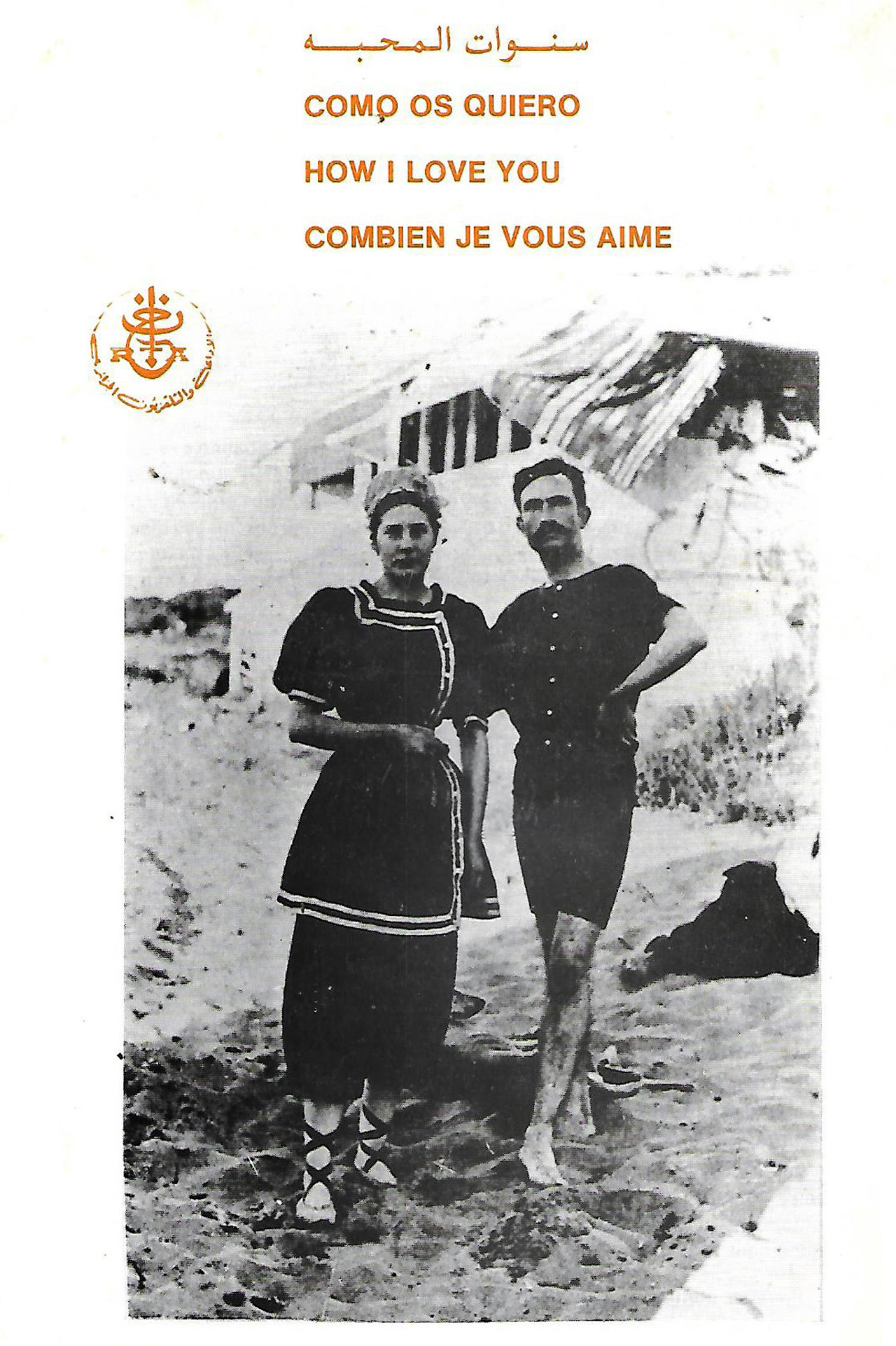
Beginning with a promotional reel encouraging farming investments in Algeria and ending with the secret 1950s nuclear tests that France conducted using Algerian prisoners, How Much I Love You appropriates archival footage produced by the French colonial powers in Algeria. Meddour’s approach is disarmingly simple and yet awe-inspiring—his caustic undoing of colonial discourse is underscored by a liberating release of humor.
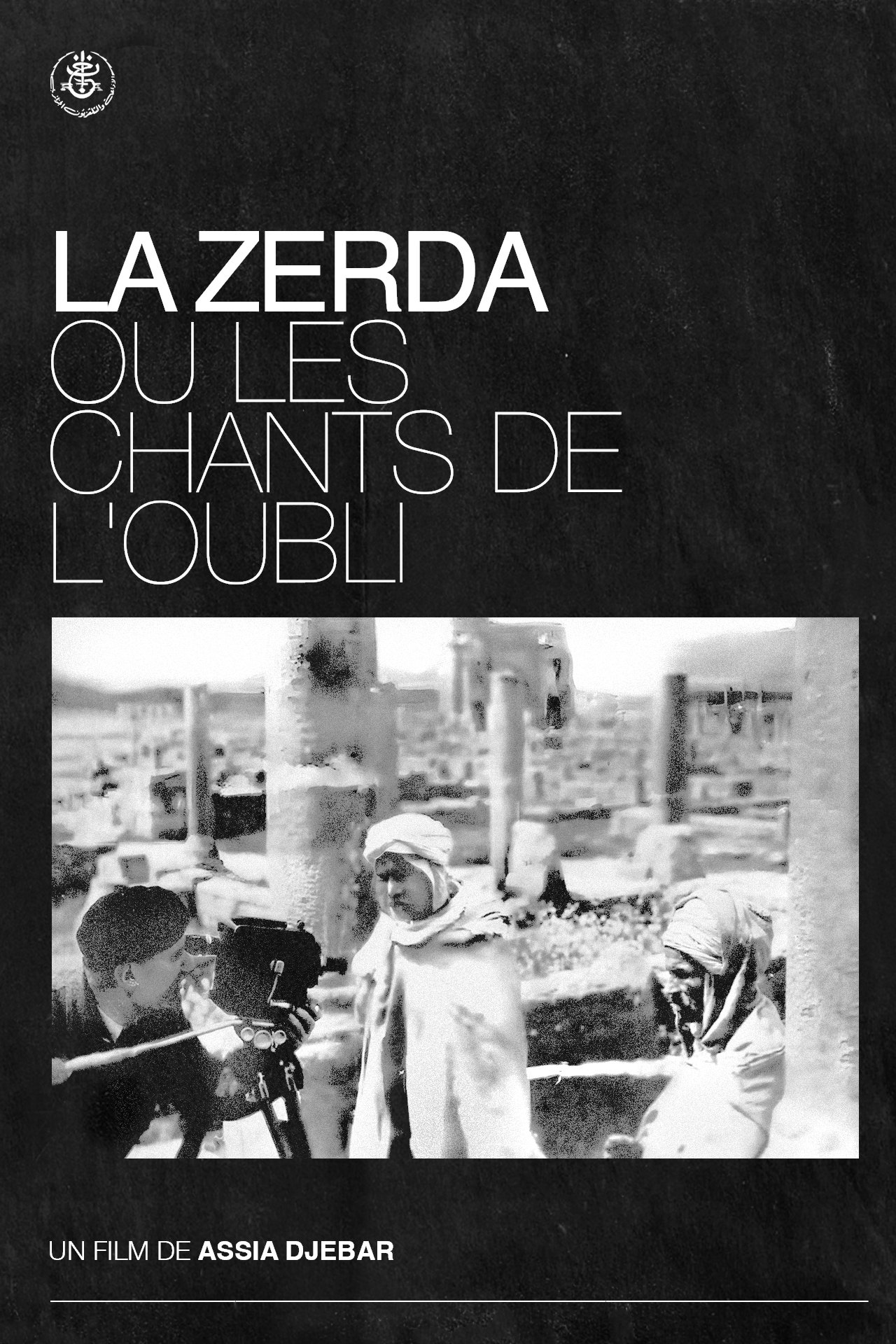
“La Zerda and the songs of oblivion” (1982) is one of only two films made by the Algerian novelist Assia Djebar, with “La Nouba des femmes du mont Chenoua” (1977). Powerful poetic essay based on archives, in which Assia Djebar – in collaboration with the poet Malek Alloula and the composer Ahmed Essyad – deconstructs the French colonial propaganda of the Pathé-Gaumont newsreels from 1912 to 1942, to reveal the signs of revolt among the subjugated North African population. Through the reassembly of these propaganda images, Djebar recovers the history of the Zerda ceremonies, suggesting that the power and mysticism of this tradition were obliterated and erased by the predatory voyeurism of the colonial gaze. This very gaze is thus subverted and a hidden tradition of resistance and struggle is revealed, against any exoticizing and orientalist temptation.
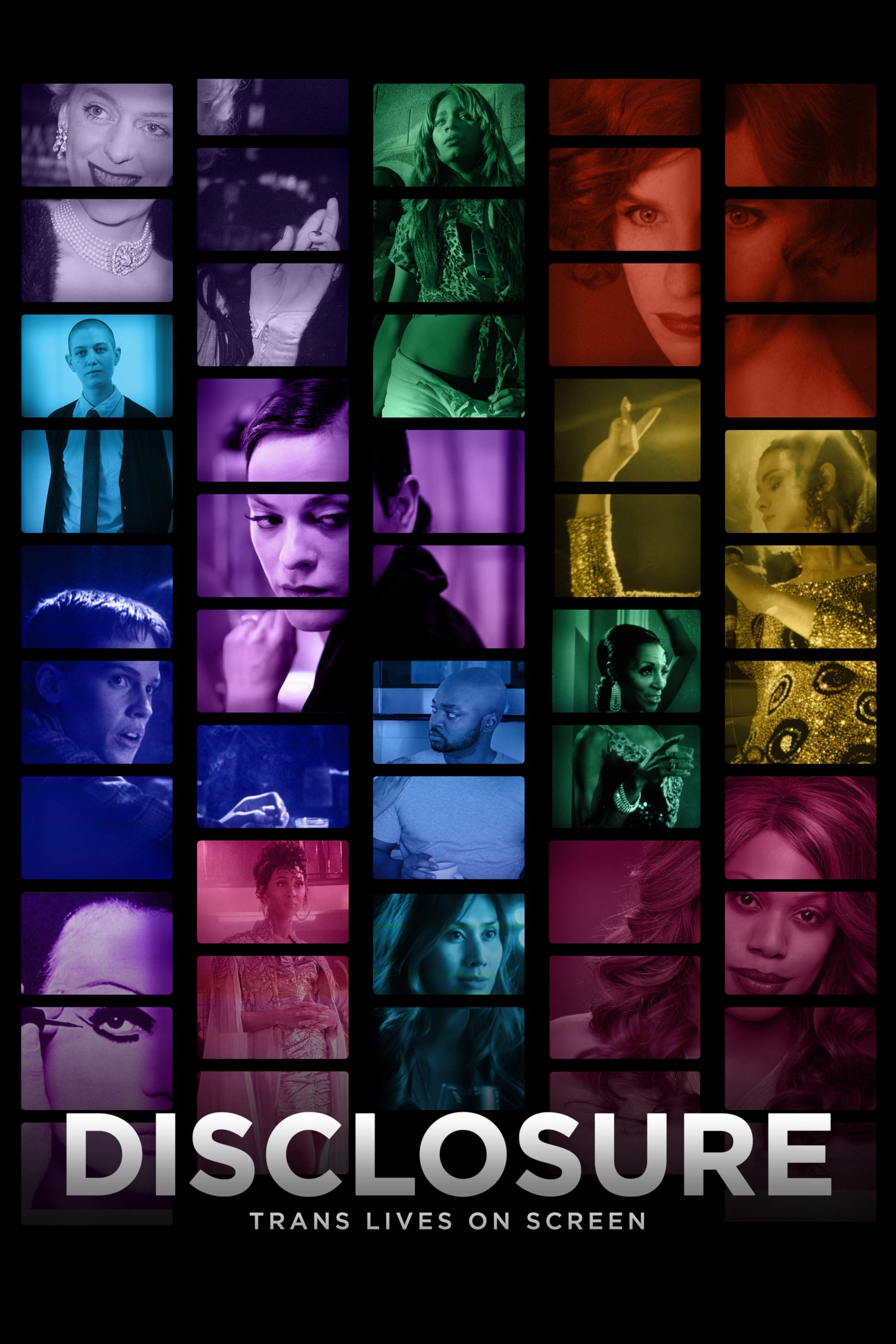
An investigation of how Hollywood's fabled stories have deeply influenced how Americans feel about transgender people, and how transgender people have been taught to feel about themselves.
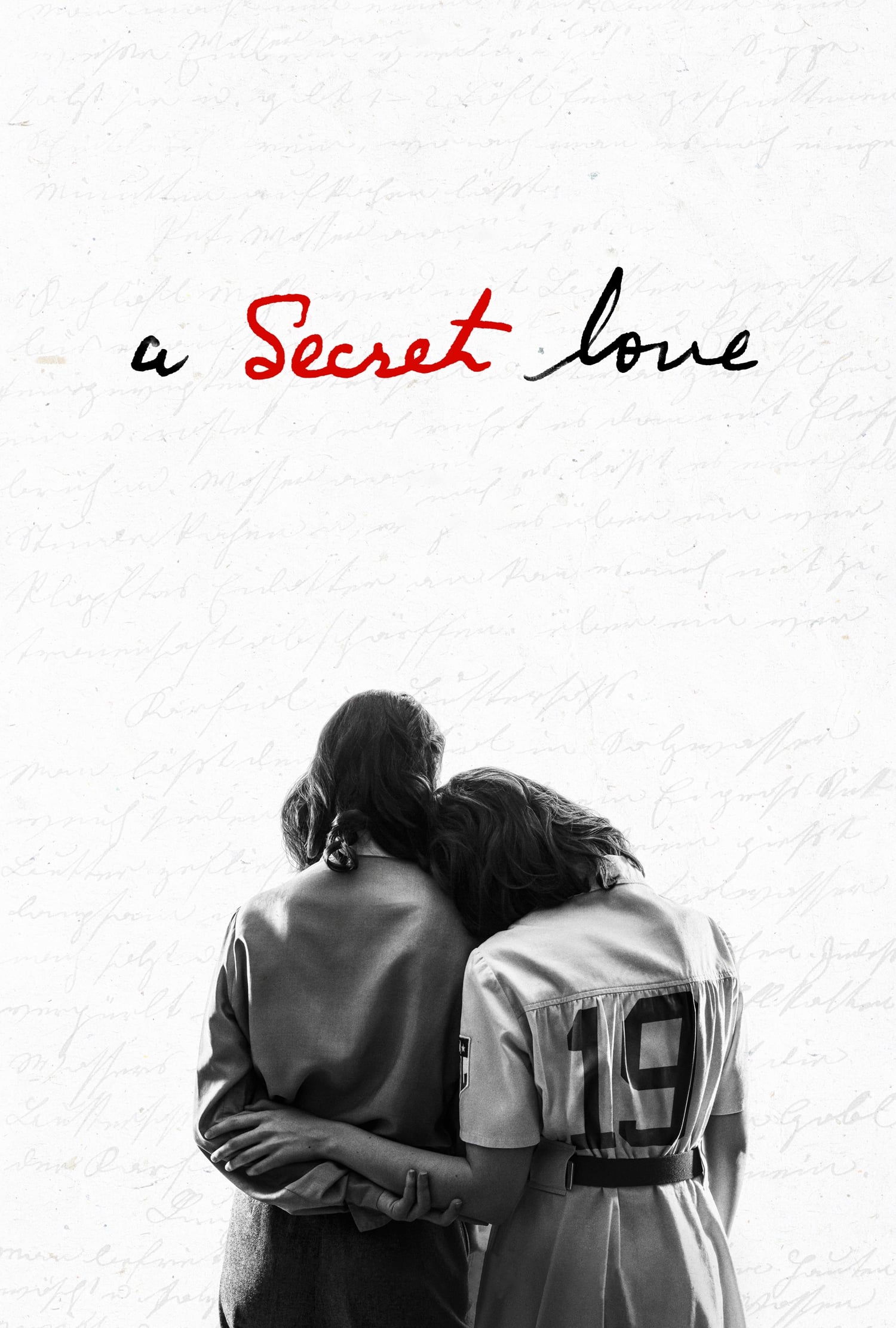
Amid shifting times, two women kept their decades-long love a secret. But coming out later in life comes with its own set of challenges.
In an intimate and joyful story of love in the face of loss, celebrated poets Andrea Gibson and Megan Falley find strength—and unexpected hilarity—in what might be their final year together.
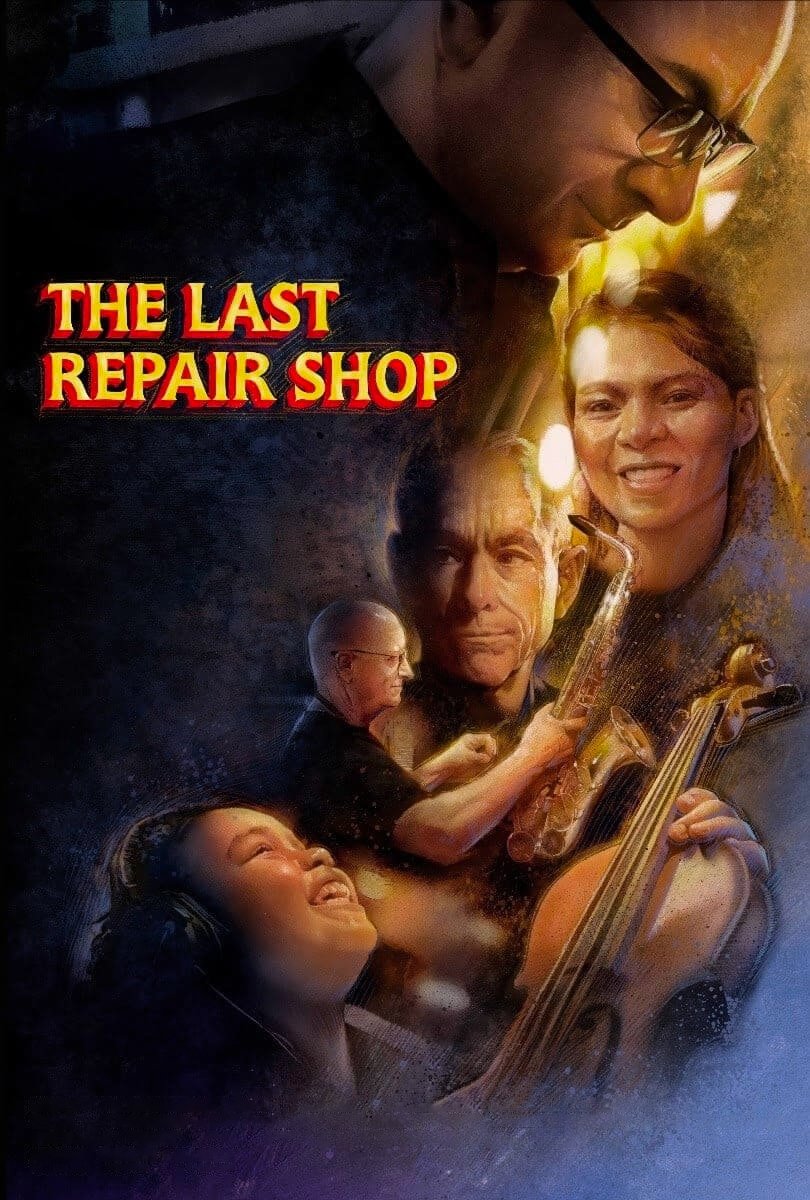
In a warehouse in the heart of Los Angeles, a dwindling handful of devoted craftspeople maintain more than 80,000 student musical instruments, the largest remaining workshop in America of its kind. Meet four unforgettable characters whose broken-and-repaired lives have been dedicated to bringing so much more than music to the schoolchildren of this city.
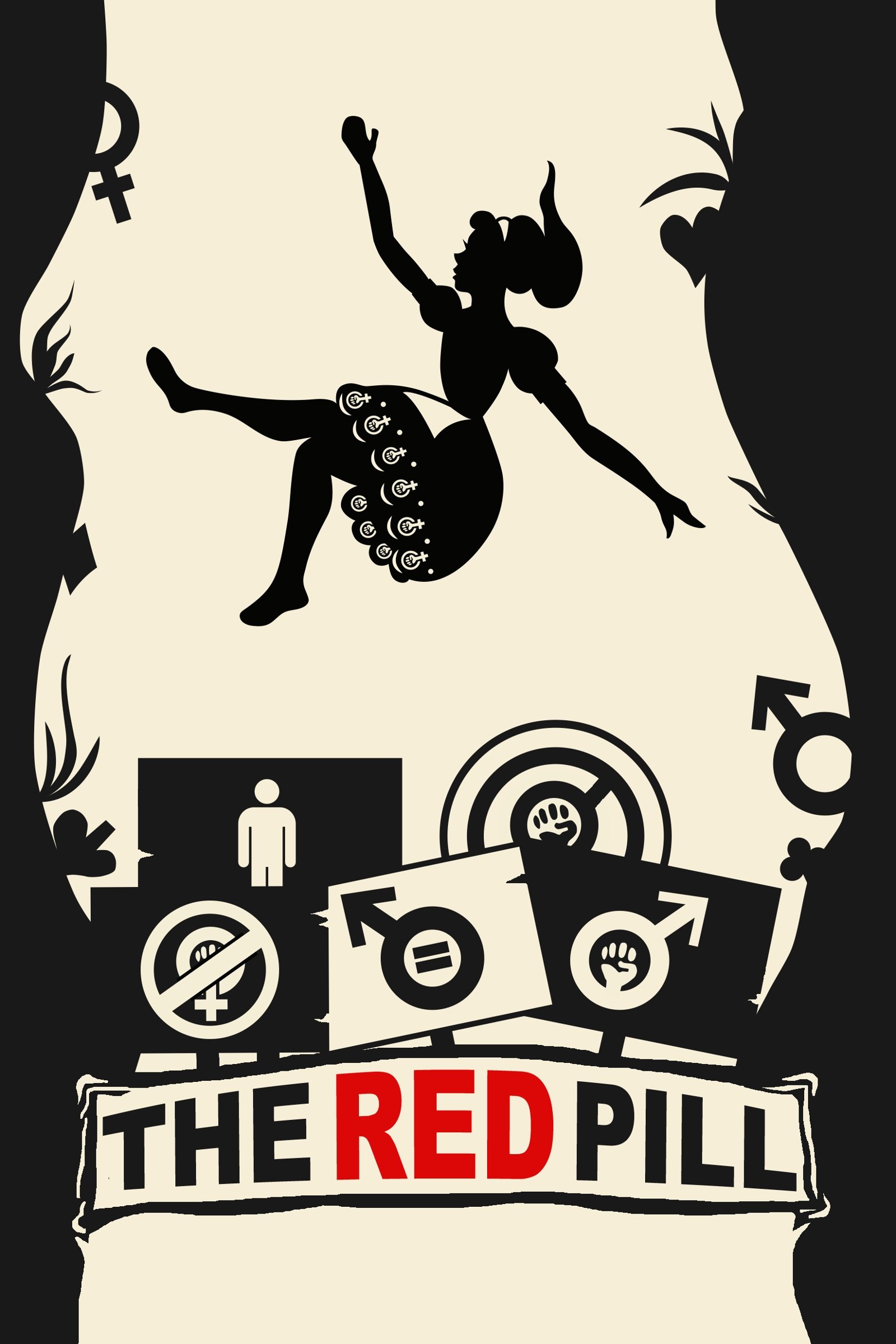
When a feminist filmmaker sets out to document the mysterious and polarizing world of the Men’s Rights Movement, she begins to question her own beliefs. Chronicling Cassie Jaye’s journey exploring an alternate perspective on gender equality, power and privilege.
A documentary about the life and films of director John Ford.
Through deeply personal interviews with her siblings and an examination of the photographs, letters, and belongings left behind, Mariska assembles a new portrait of her mother Jayne Mansfield, an extraordinary and complex woman.
From the heights of her modeling fame to her tragic death, this documentary reveals Anna Nicole Smith through the eyes of the people closest to her.
This searing investigative work shadows a group of activists risking unimaginable peril to confront the ongoing anti-LGBTQ program raging in the repressive and closed Russian republic. Unfettered access and a remarkable approach to protecting anonymity exposes this under-reported atrocity–and an extraordinary group of people confronting evil.
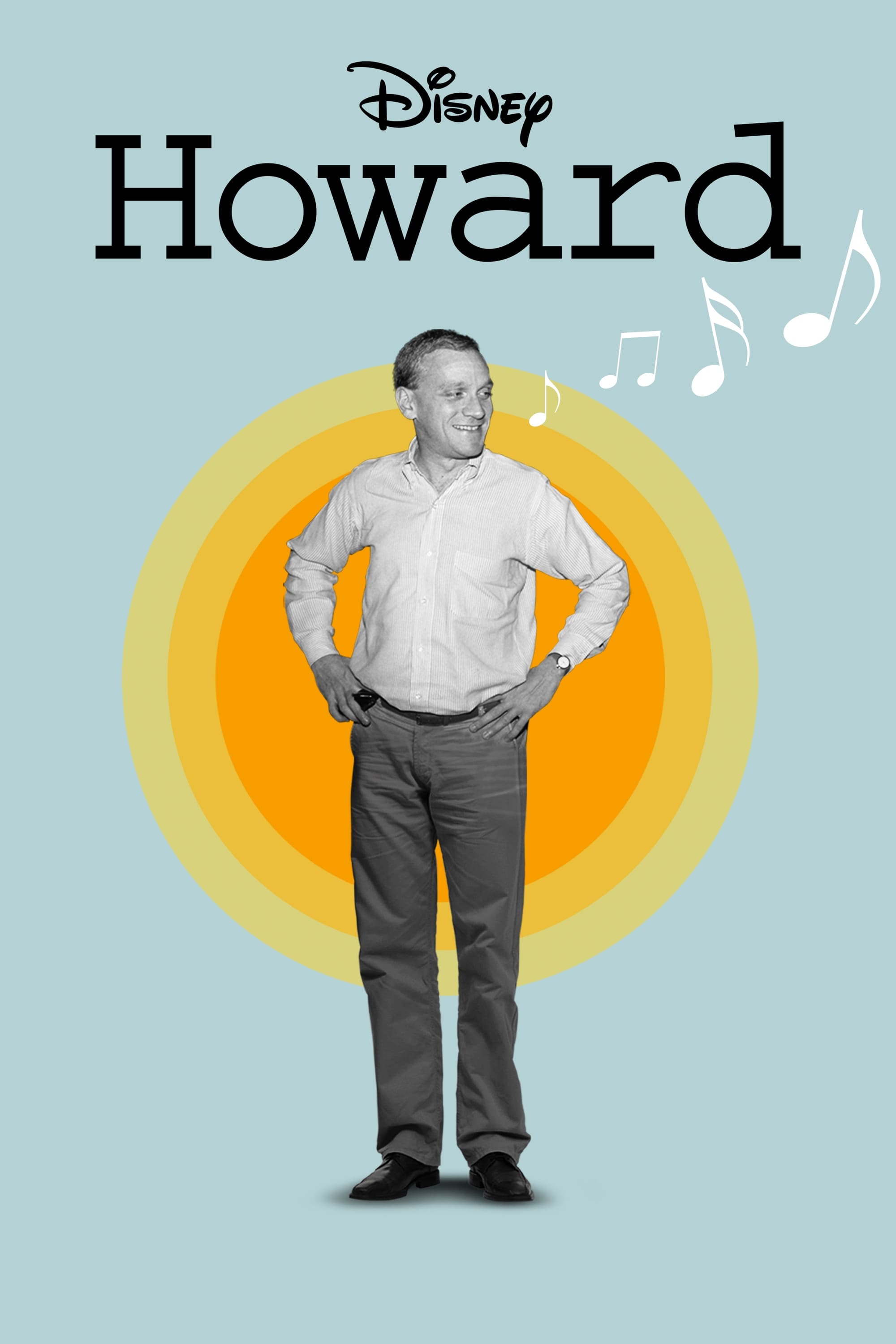
Though legendary lyricist Howard Ashman died far too young, his impact on Broadway, movies, and the culture at large were incalculable. Told entirely through rare archival footage and interviews with Ashman’s family, friends, associates, and longtime partner Bill Lauch, Howard is an intimate tribute to a once-in-a-generation talent and a rousing celebration of musical storytelling itself.
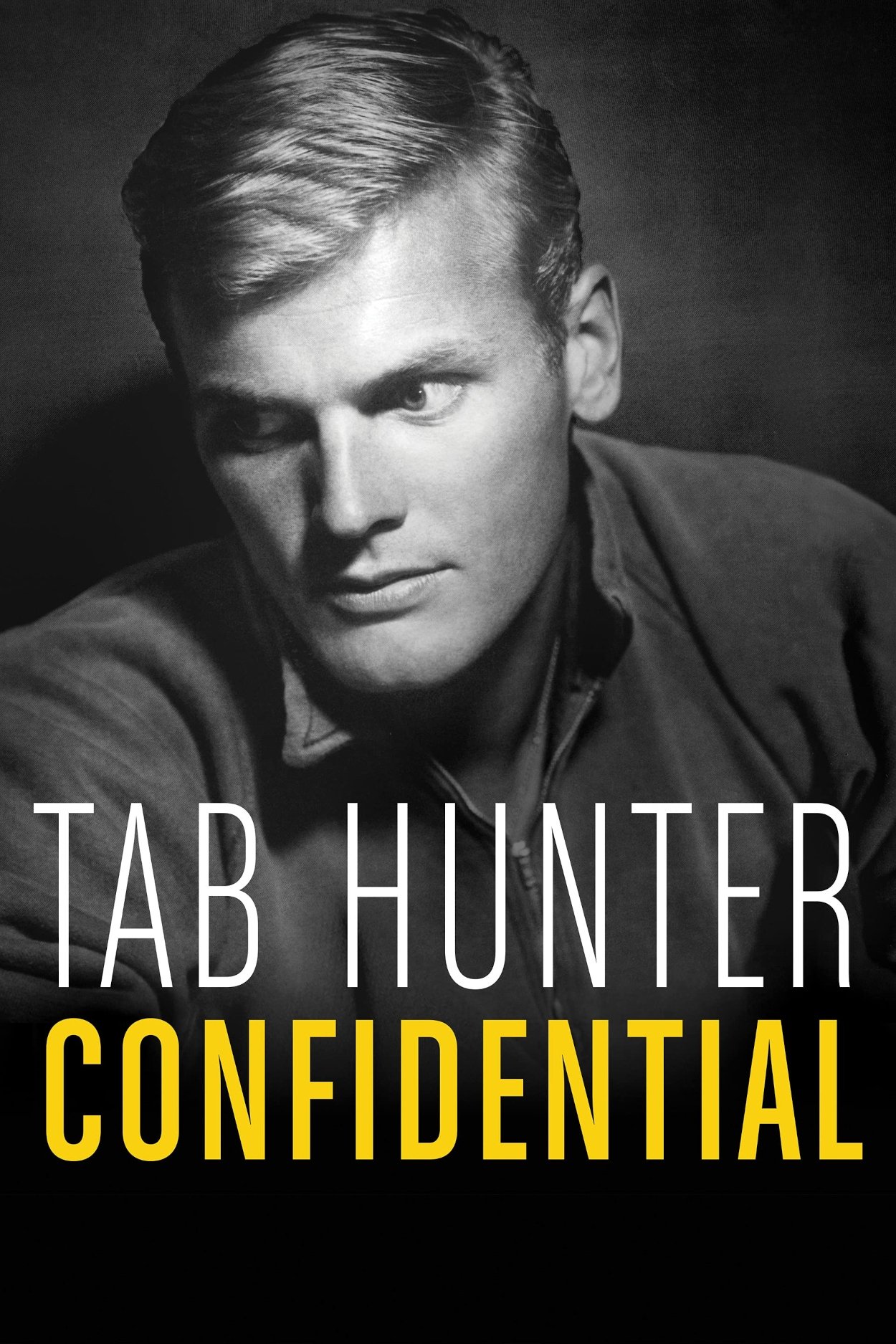
Throughout the 1950s, Tab Hunter reigned as Hollywood’s ultimate male heartthrob. But throughout his years of stardom, Tab had a secret. Tab Hunter was gay, and spent his Hollywood years in a precarious closet that repeatedly threatened to implode and destroy him. Tab Hunter himself shares first hand, for the first time, what it was like to be a studio manufactured movie star during the Golden Age of Hollywood and the consequences of being someone totally different from his studio manufactured image.
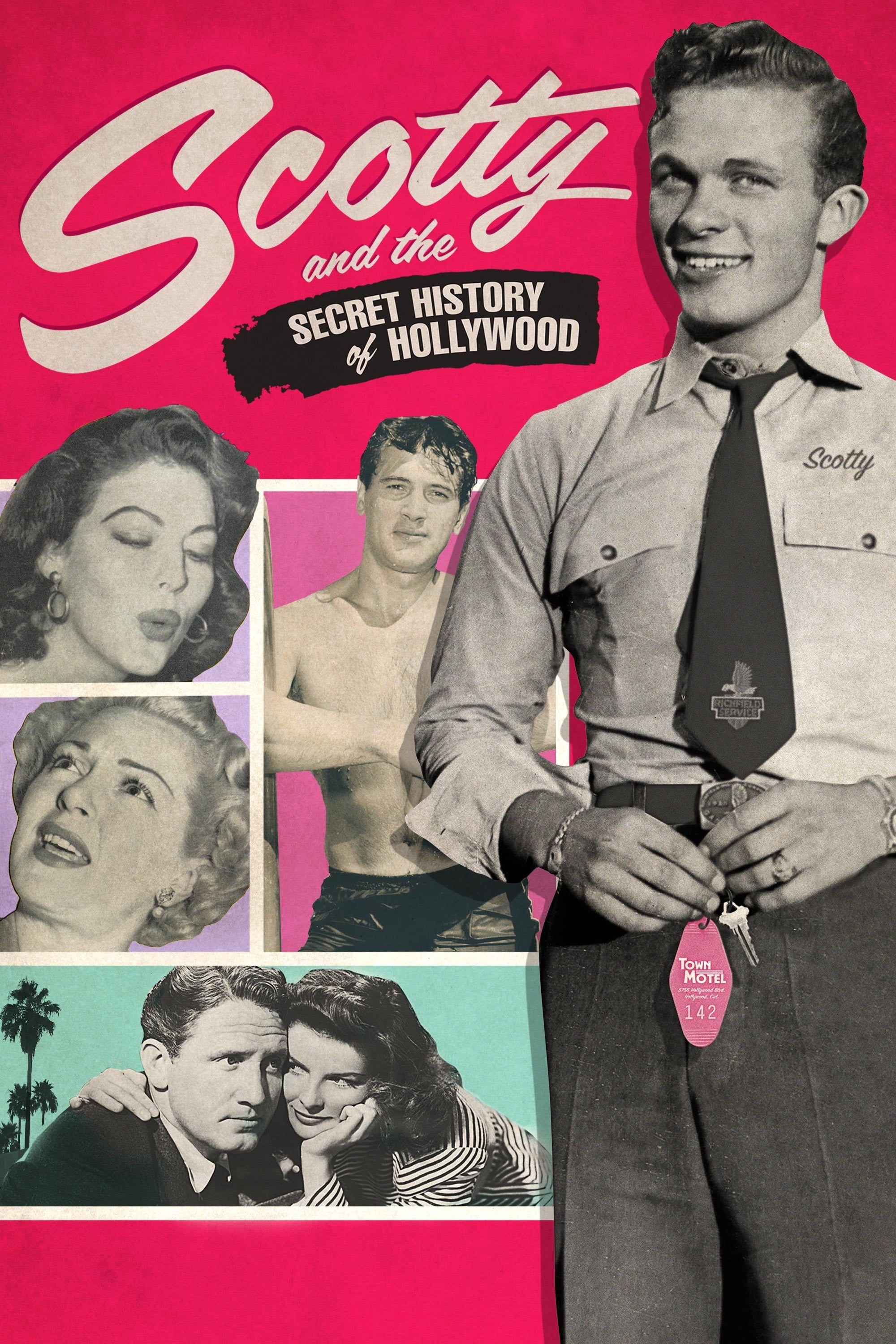
A deliciously scandalous portrait of unsung Hollywood legend Scotty Bowers, whose bestselling memoir chronicled his decades spent as sexual procurer to the stars.
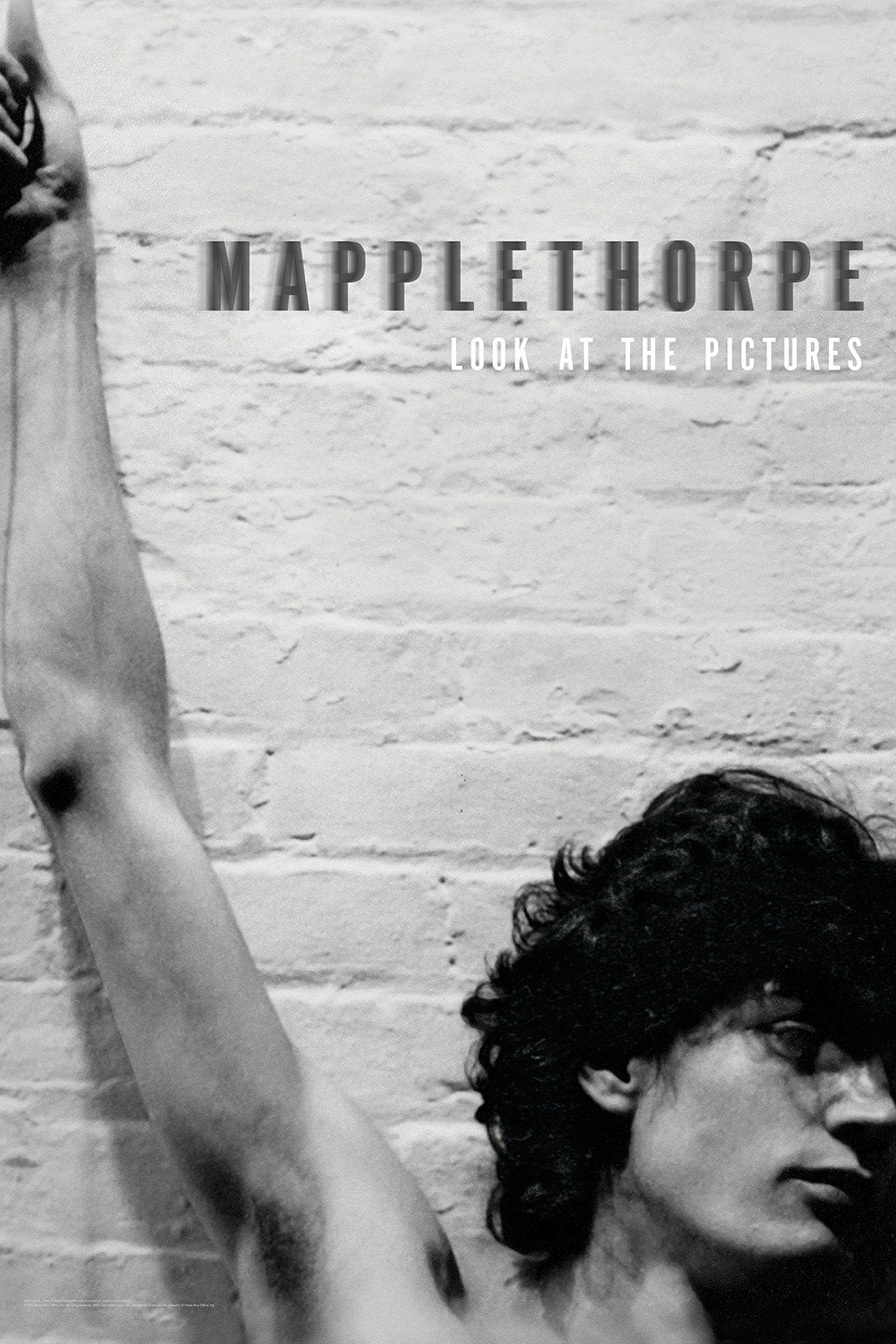
Nude men in rubber suits, close-ups of erections, objects shoved in the most intimate of places—these are photographs taken by Robert Mapplethorpe, known by many as the most controversial photographer of the twentieth century. Openly gay, Mapplethorpe took images of male sex, nudity, and fetish to extremes that resulted in his work still being labelled by some as pornography masquerading as art. But less talked about are the more serene, yet striking portraits of flowers, sculptures, and perfectly framed human forms that are equally pioneering and powerful.
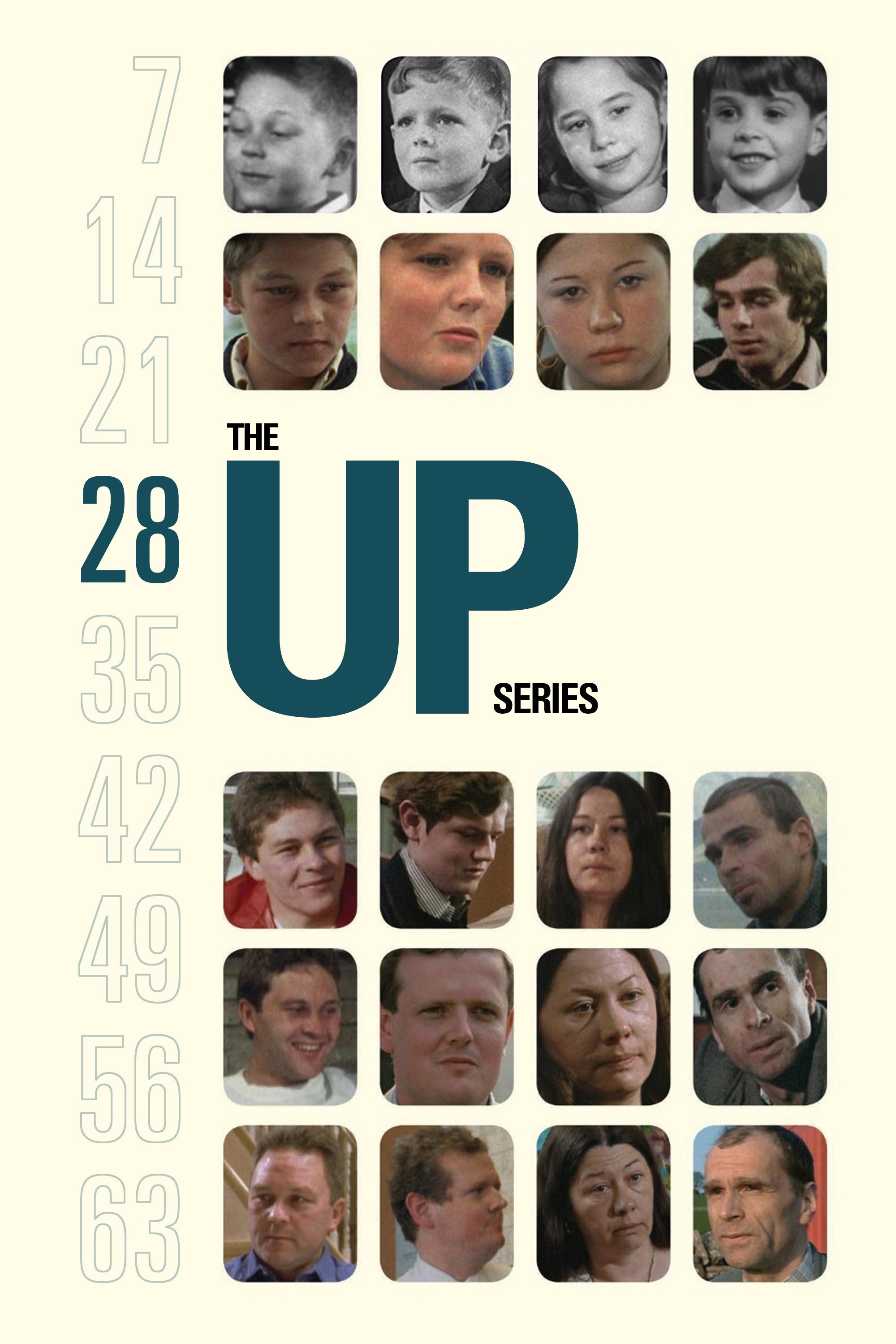
Director Michael Apted revisits the same group of British-born adults after a 7 year wait. The subjects are interviewed as to the changes that have occurred in their lives during the last seven years.
Just two years away from turning 30, participants in Michael Apted's documentary series are facing serious questions of identity and purpose, wondering whether they've found their place in the world.
This revealing documentary honors the legendary Sidney Poitier—iconic actor, filmmaker, and civil rights activist. Featuring interviews with Denzel Washington, Spike Lee, Halle Berry, and more.
The life and career of an actor, artist, and icon. His own journey through his own camera.
Marlon Riggs, with assistance from other gay Black men, especially poet Essex Hemphill, celebrates Black men loving Black men as a revolutionary act. The film intercuts footage of Hemphill reciting his poetry, Riggs telling the story of his growing up, scenes of men in social intercourse and dance, and various comic riffs, including a visit to the "Institute of Snap!thology," where men take lessons in how to snap their fingers: the sling snap, the point snap, the diva snap.
A compilation of over 30 years of private home movie footage shot by Lithuanian-American avant-garde director Jonas Mekas, assembled by Mekas "purely by chance", without concern for chronological order.
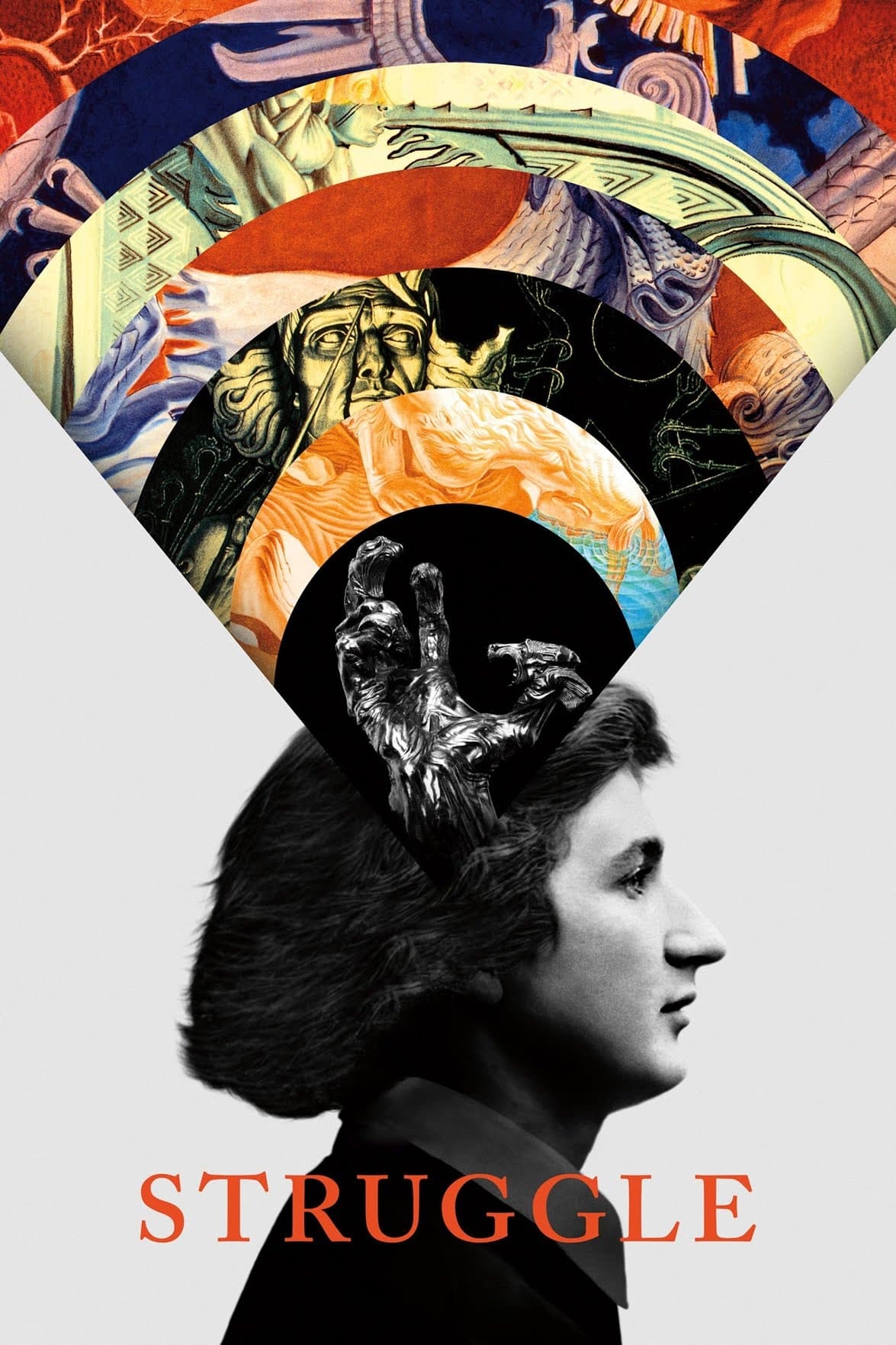
Artists in LA discover the work of forgotten Polish sculptor Stanislav Szukalski, a mad genius whose true story unfolds chapter by astounding chapter.