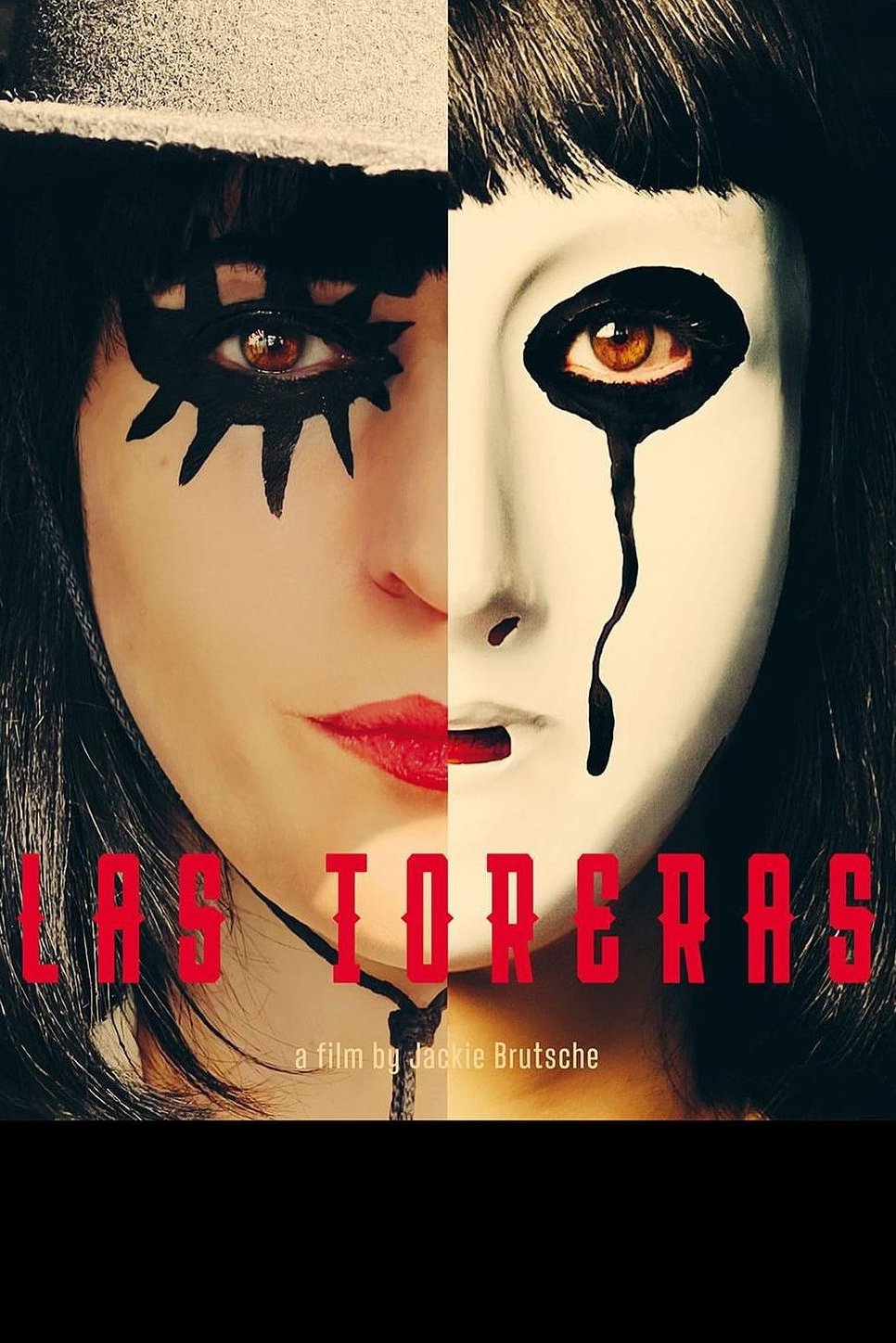
Jackie Brutsche tries to unravel the dark secrets of her family and answer unanswered questions about her mother.
Social & External
The people behind it
Jaqueline Brutsche
Self
Paul Brutsche
Pablo Brutsche
Carla Brutsche
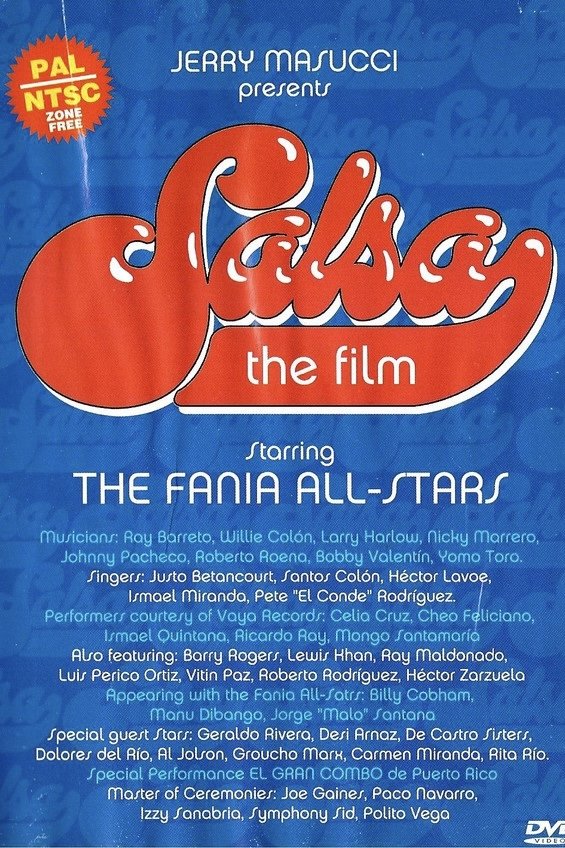
The Fania All Stars perform for 44,000 fans at Yankee stadium in New York. Besides concert footage, there's also included a history of Salsa, and vintage film clips of Hollywood's portrayal of Latinos in movies during the 1930's and 40's.
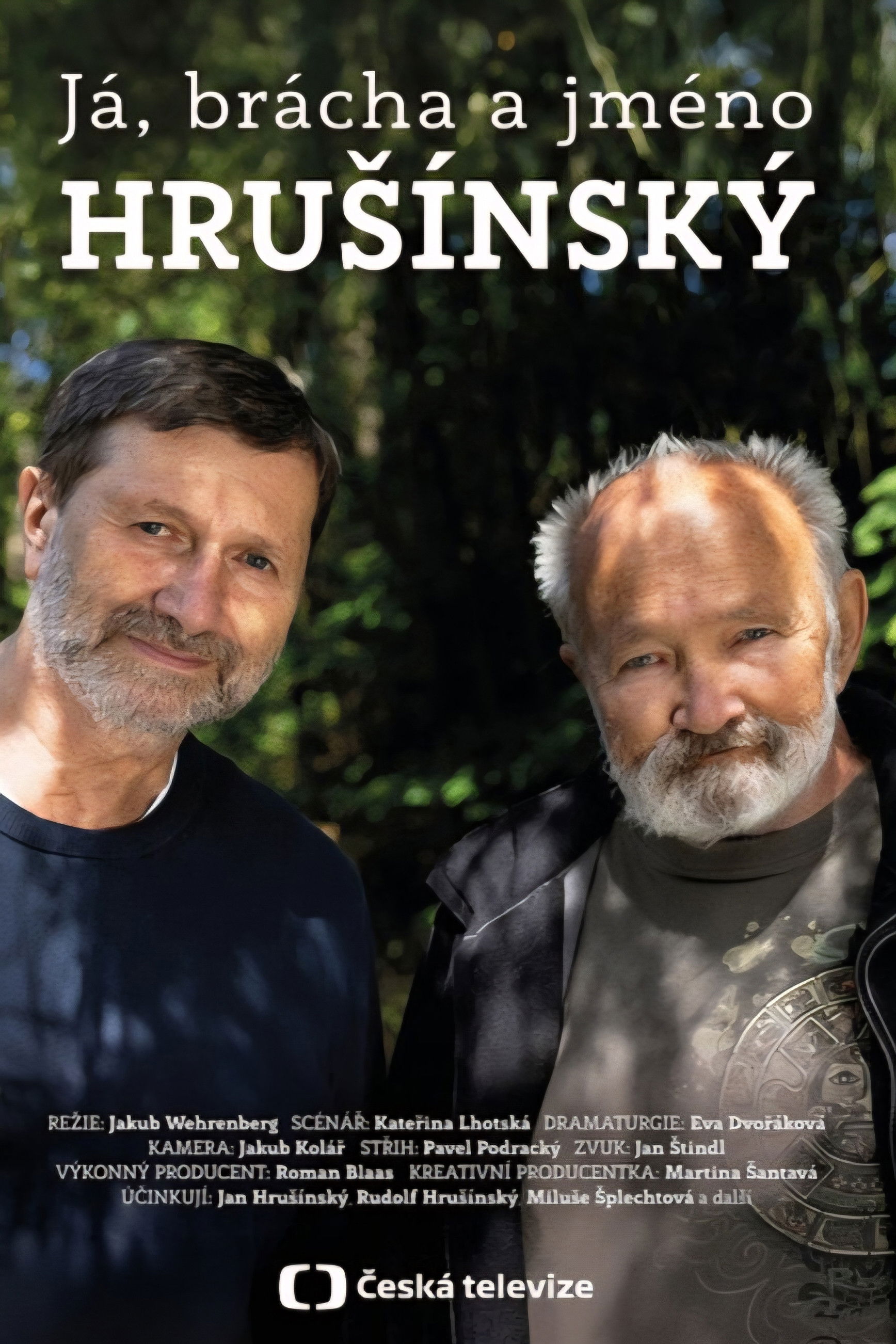
According to family legend, the name Hrušínský was born after Rudolf and Jan Hrušínský's grandfather Rudolf Böhm was caught stealing pears on a theater stage. The German name Böhm suddenly became Hruškovský and shortly after that Hrušínský. Grandfather Rudolf, later known as Rudolf Hrušínský the eldest, adopted the surname as his own and began using it in 1935. However, the history of the Hrušínský acting family goes back much further. It is therefore not surprising that the brothers Rudolf and Jan also took the same path. The documentary charts their acting beginnings alongside their father Rudolf Hrušínský Sr., from their first roles, through theater engagements at the Drama Studio in Ústí nad Labem and the Drama Club in Prague, to unforgettable film and television roles, when three generations of Hrušínskýs often met in front of the camera.
Decolonising the Curatorial Process is a forty-minute documentary which explores decolonial strategies in an academic and curatorial context. The film features academics, activists and practitioners, and contains case studies of institutions that are deploying critical, self-reflective forms of curatorial practice. The Museum of London Docklands exhibition on slavery and the sugar industry is examined as an example of how an institution can decolonise the curatorial process, utilise the work of artists in a museum context, and critically examine East London's imperial history. The Pitt Rivers museum in Oxford, who are working with Maasai activists from Kenya and Tanzania on a project centred on repatriating the museum's collection of sacred Maasai artefacts, also features in the film.
Out of State is the unlikely story of native Hawaiians men discovering their native culture as prisoners in the desert of Arizona, 3,000 miles, and across the ocean, from their island home.
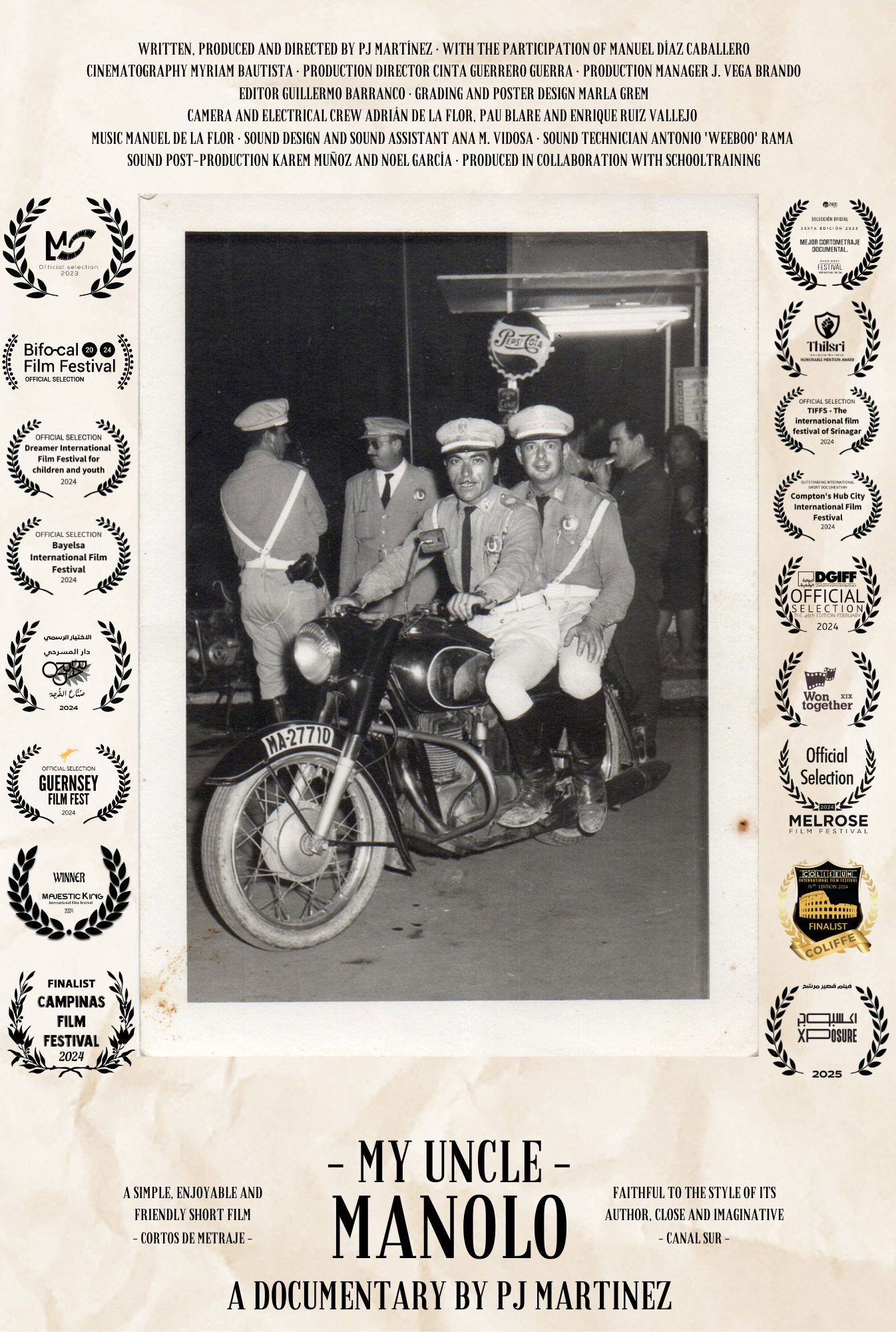
Focused on the experiences of Manuel "Manolo" Díaz Caballero, who was a local police officer in Malaga for more than 30 years, his memories of those years are the subject of this documentary.
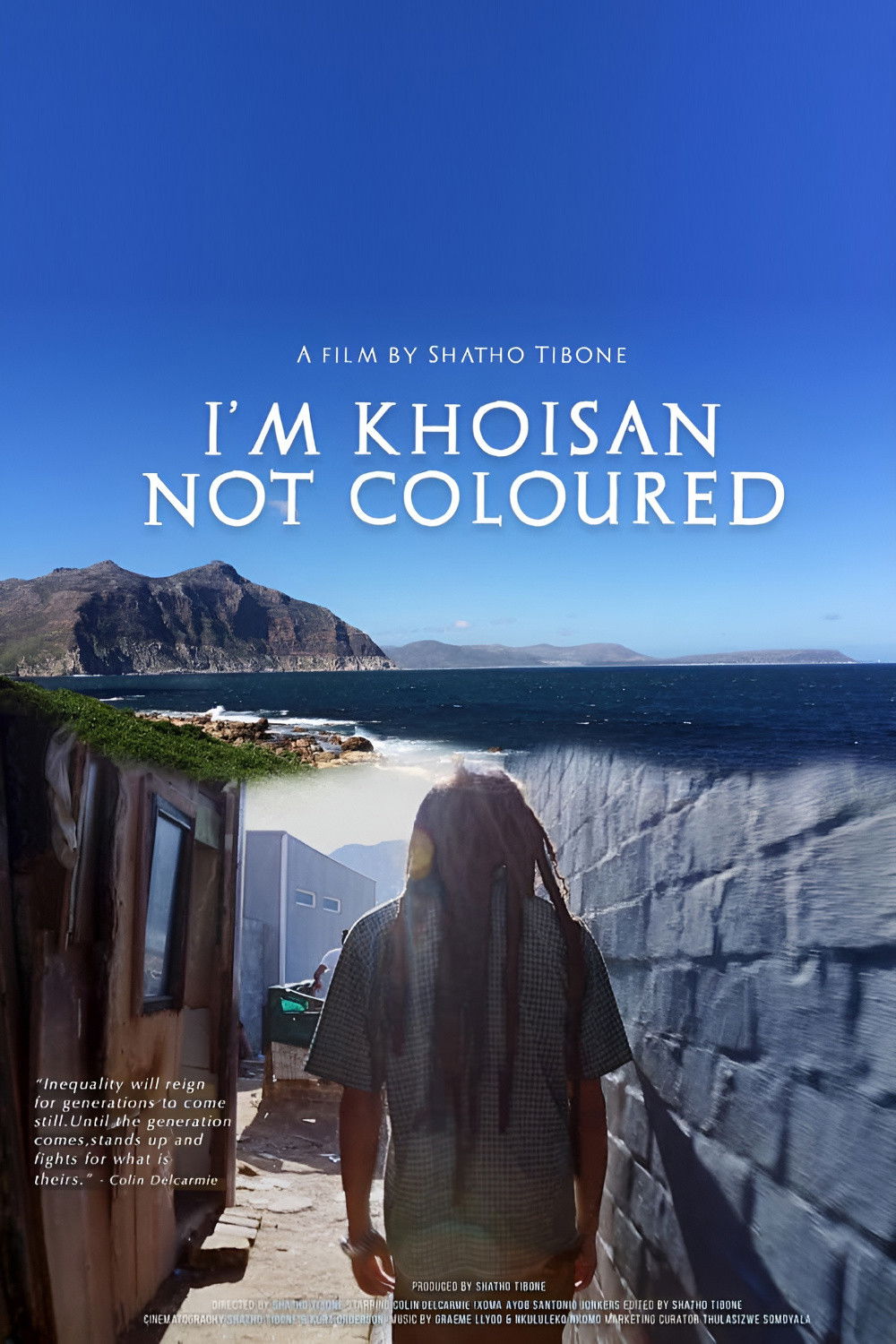
During his stay in Cape Town as a film student, Shatho Tibone was inspired by an initial casual trip he took to the scenic but informal settlement of Hangberg. This film focuses on the uncertainties and inhumane acts of police and state brutality faced by the predominantly Rastafarian, KhoiSan identifying community of Hangberg in Cape Town, South Africa. So, through the participatory collective effort of a few journalists, filmmaker and community leaders Shatho went on a 5 year journey to document the story of this community which has become an enigma in South African imagination,
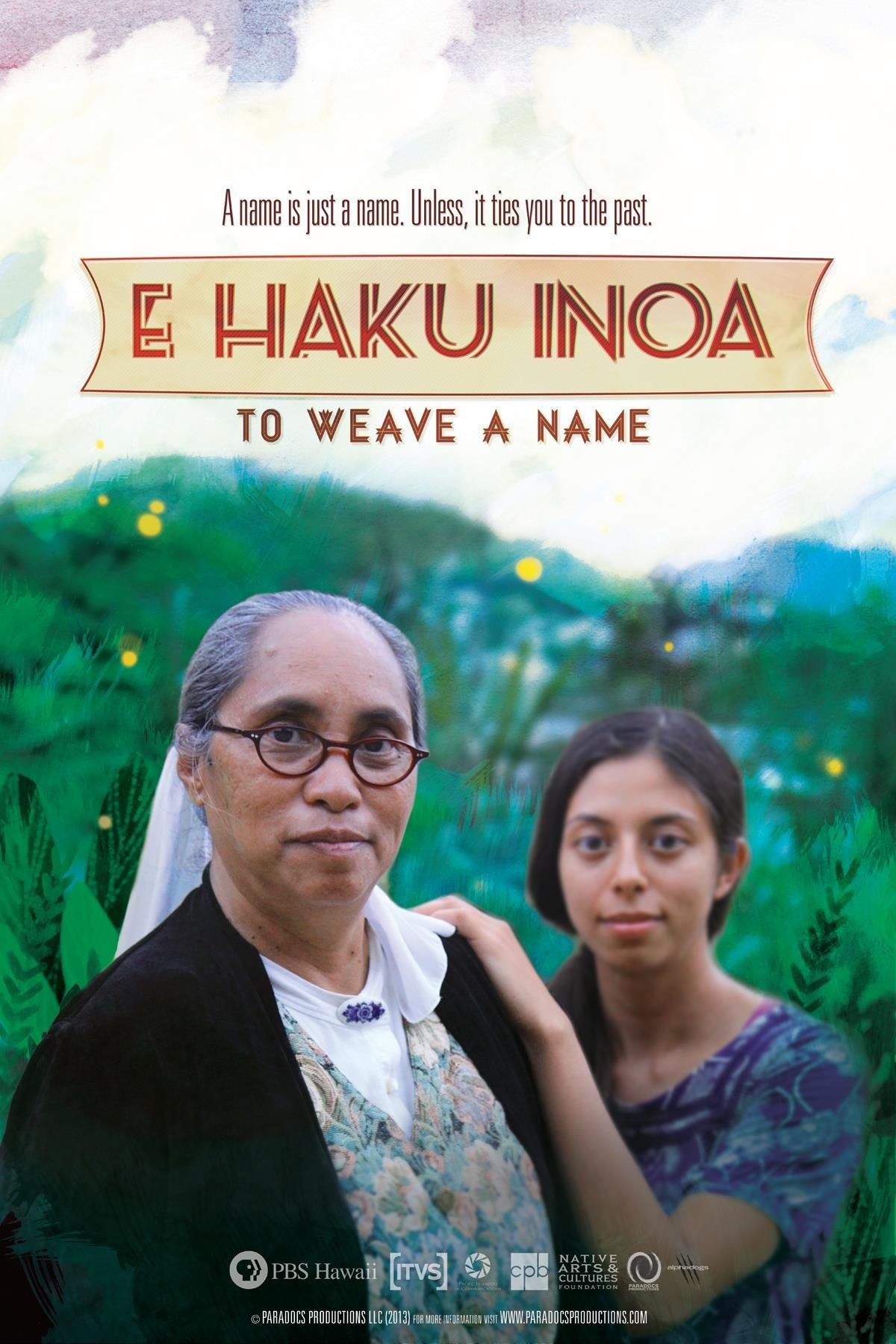
A mother and daughter, estranged by divorce and mental health issues, reconnect through patience, understanding, and their a shared appreciation of their Native Hawaiian heritage.
The documentary ‘Noor - Cooking Possible Pastures’ deconstructs the universe of Paco Morales and Paola Gualandi's Cordoba restaurant ‘Noor’, which has been awarded three Michelin stars.
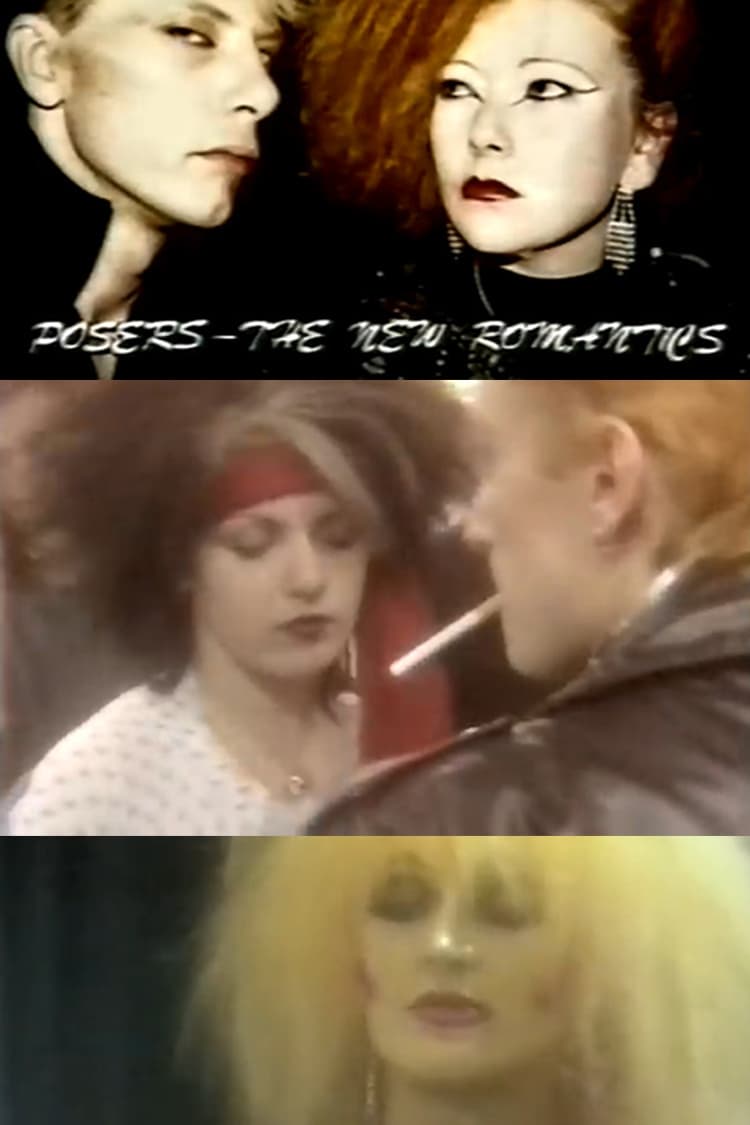
Shot in a single day, POSERS captures a thriving subculture in Kings Road, London: the style, music, and expression of the New Romantics.
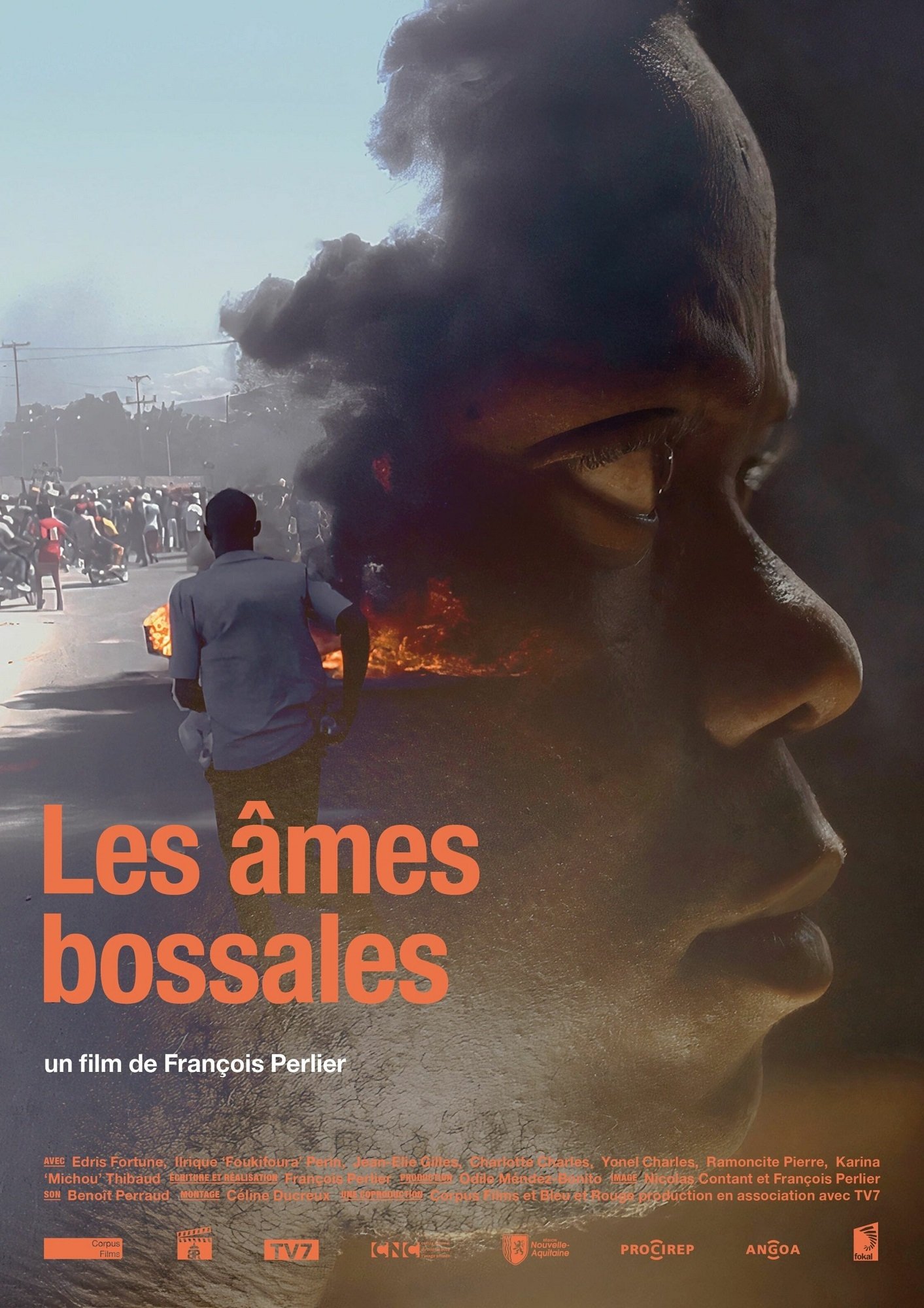
The Soul of Bossales is an immersion in the heart of popular Haitian culture whose spirituality and creativity have been forged by a surge of freedom and identity affirmation. Foukifoura, Édris, Charlotte or Ramoncite, “Bossales” characters with committed artistic and political acts, give us the gripping story of a very harsh reality: material and health precariousness, political violence, neo-colonialism.
Masao Adachi, the author and director of experimental works and pinku-eiga in the 1960s, was a member of the Japanese New Left that shifted from being a filmmaker to a guerrilla fighter. In 1974, he joined the Japanese Red Army in Lebanon, which worked closely with the Popular Front for the Liberation of Palestine. Filmmaker Lutz Dammbeck met Adachi in Tokyo in 2018 and talked with him about a wide range of topics, including art, revolution, the influence of western avant-garde art and American underground; the Japanese Red Army; collaboration with secret services; the role of the Left after 1968; and the reasons for failures of leftist ideas and strategies.
“Balance of Life” is a film about life’s and human kinds’ fight to find the balance between our own evolving life style and the nature of the planet we inhabit. The human race is drifting further and further away from its real roots and from what being a human is really about. The speed of development has increased to a state where humans have a hard time keeping up. We find ourselves in a situation where both our own and the planets’ wellbeing is severely threatened. As a last resort human is relying on faith to find the balance. Is faith the last defense of man or is this world guided by forces greater than us? Is this force God, evolution or just the mere sum of coincidences that formed the universe, the natural order and laws of physics?’ Watch it here (https://vimeo.com/51203265)
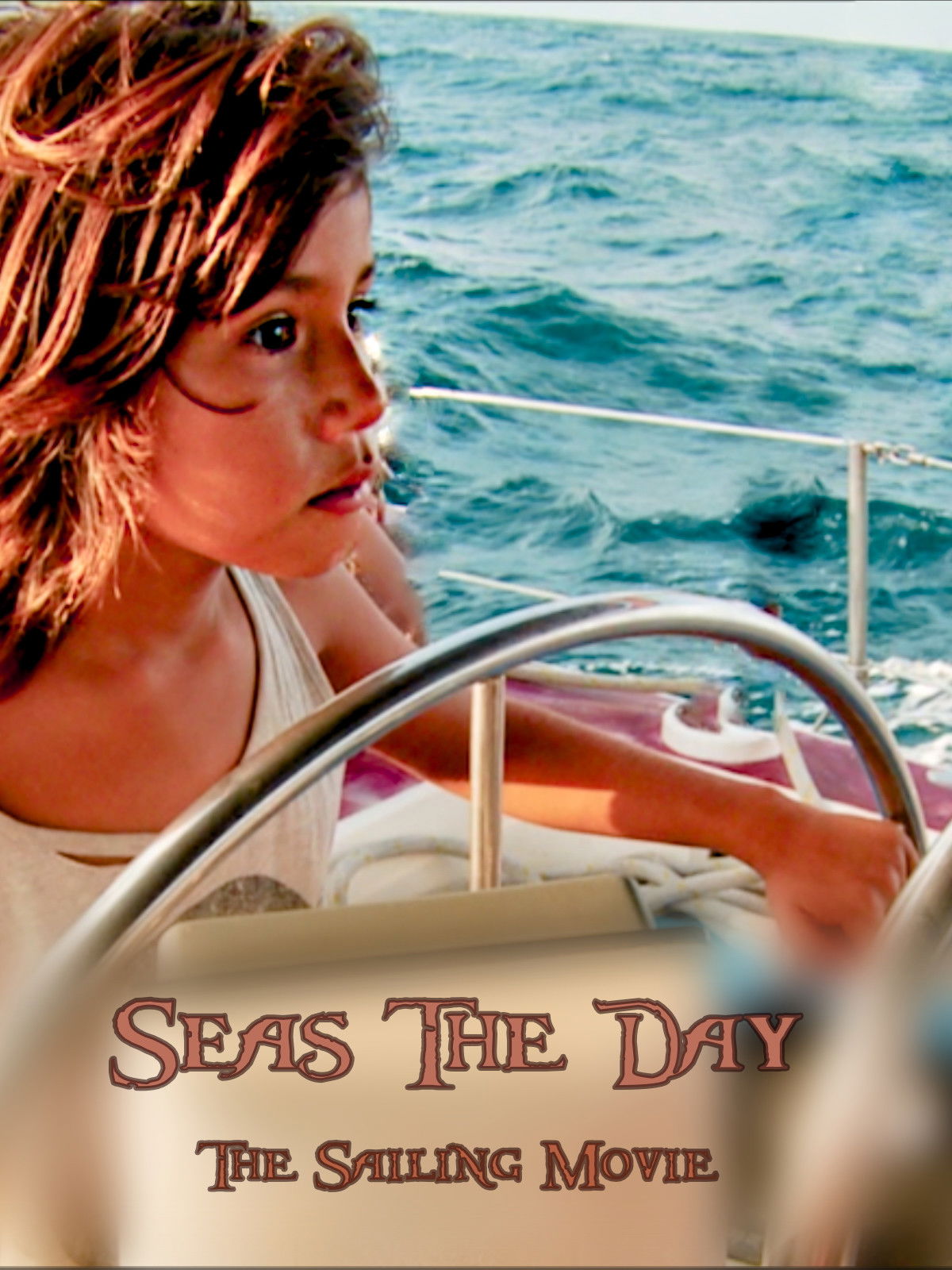
Seas the Day: The Sailing Movie is a genre-defying documentary that blends real-world adventure with deeply human storytelling. It transcends typical sailing documentaries by blending docu-fiction with a narrative inspired by Joseph Campbell’s classic The Hero's Journey. Directed by Ryan Luskin, an anthropologist and teacher, the film follows his family's quest across sixteen countries, learning life skills from diverse cultures.
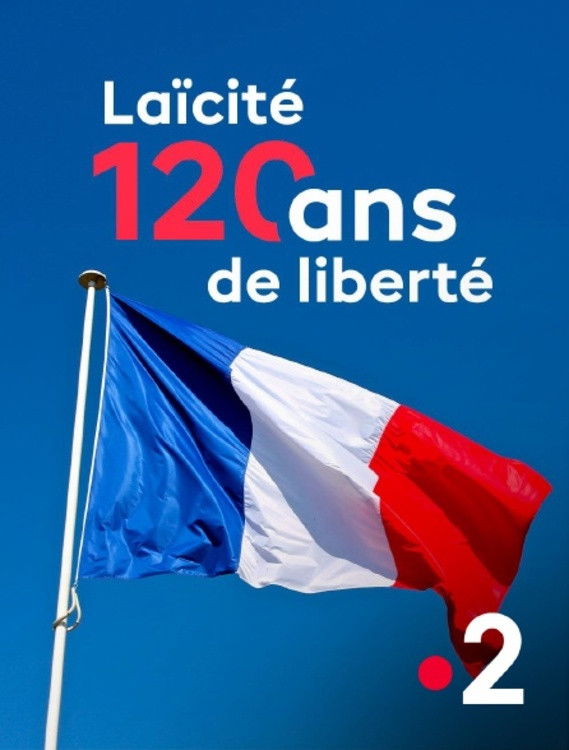
The 1905 law proclaiming the separation of church and state is 120 years old. This law affirms freedom of conscience and religious freedom. It is considered the founding text of secularism. Secularism is the subject of endless controversy and debate.
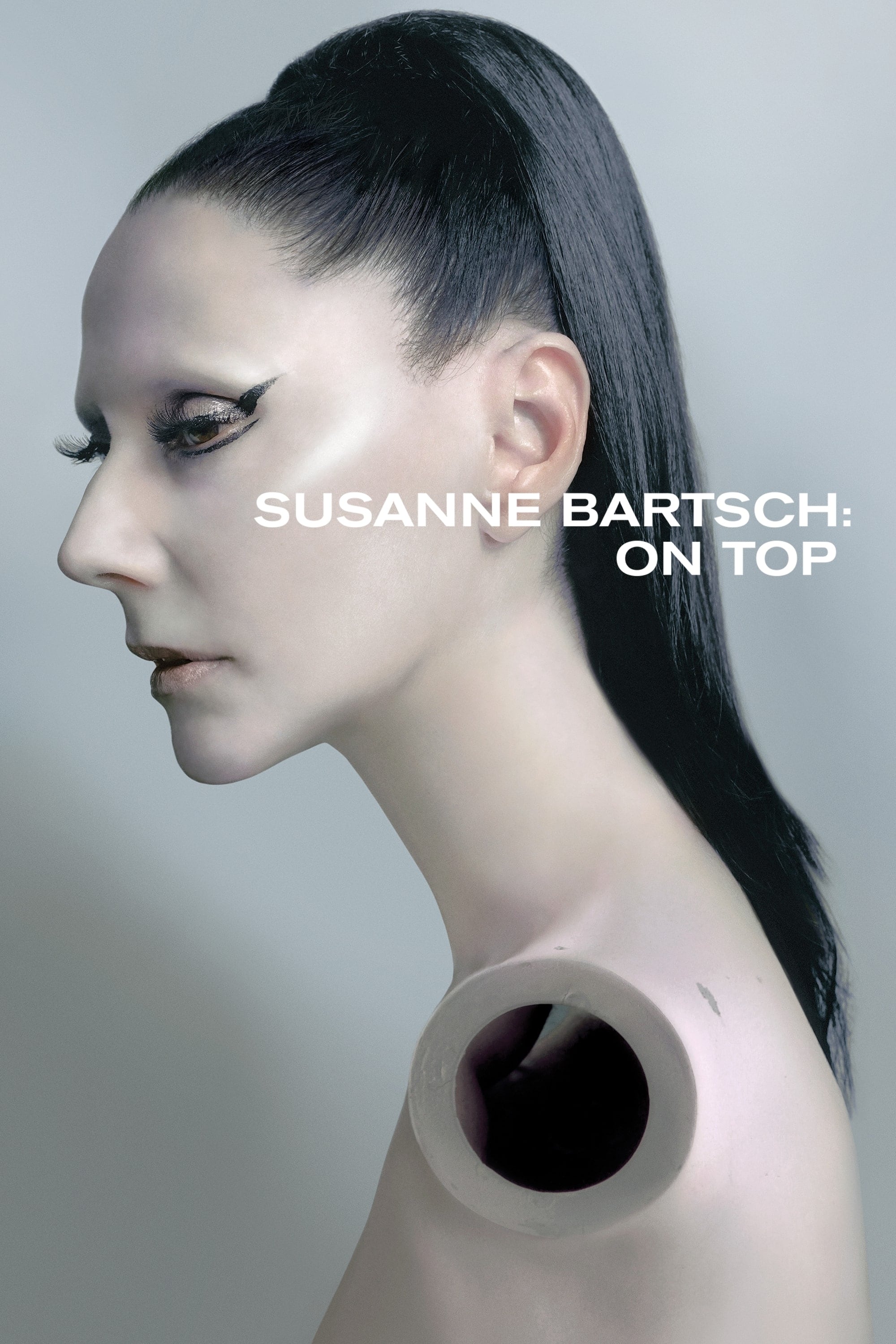
Dubbed New York's "Queen of the Night," proto–club kid Susanne Bartsch has been throwing unforgettable parties for over 30 years and is still going strong.
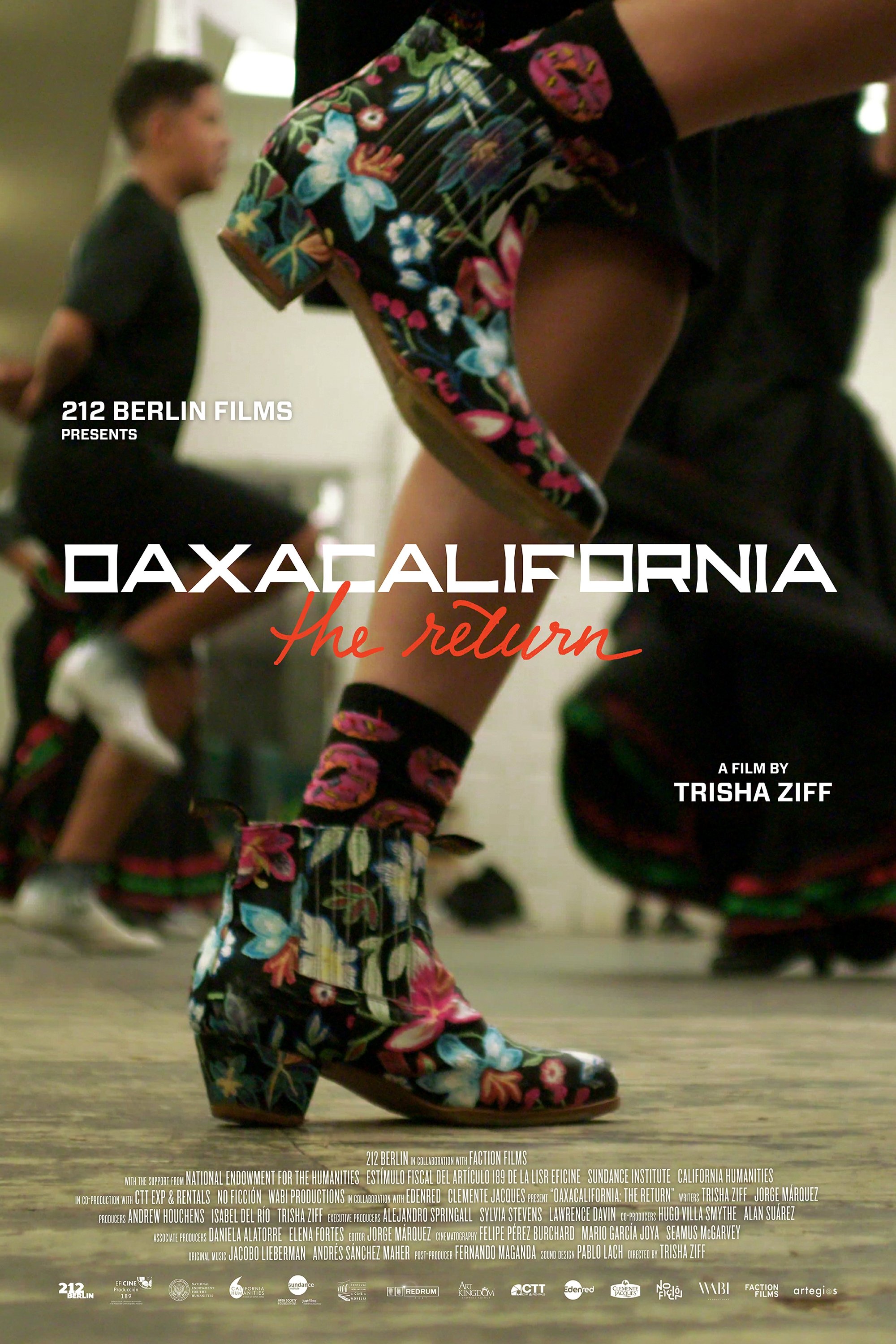
The Mejia family emigrated from Oaxaca to Fresno, California 40 years ago. Filmmaker Trisha ZIff filmed the family in 1996, and returns now to see the changes that have settled over them, and follows the family on their return to Mexico.
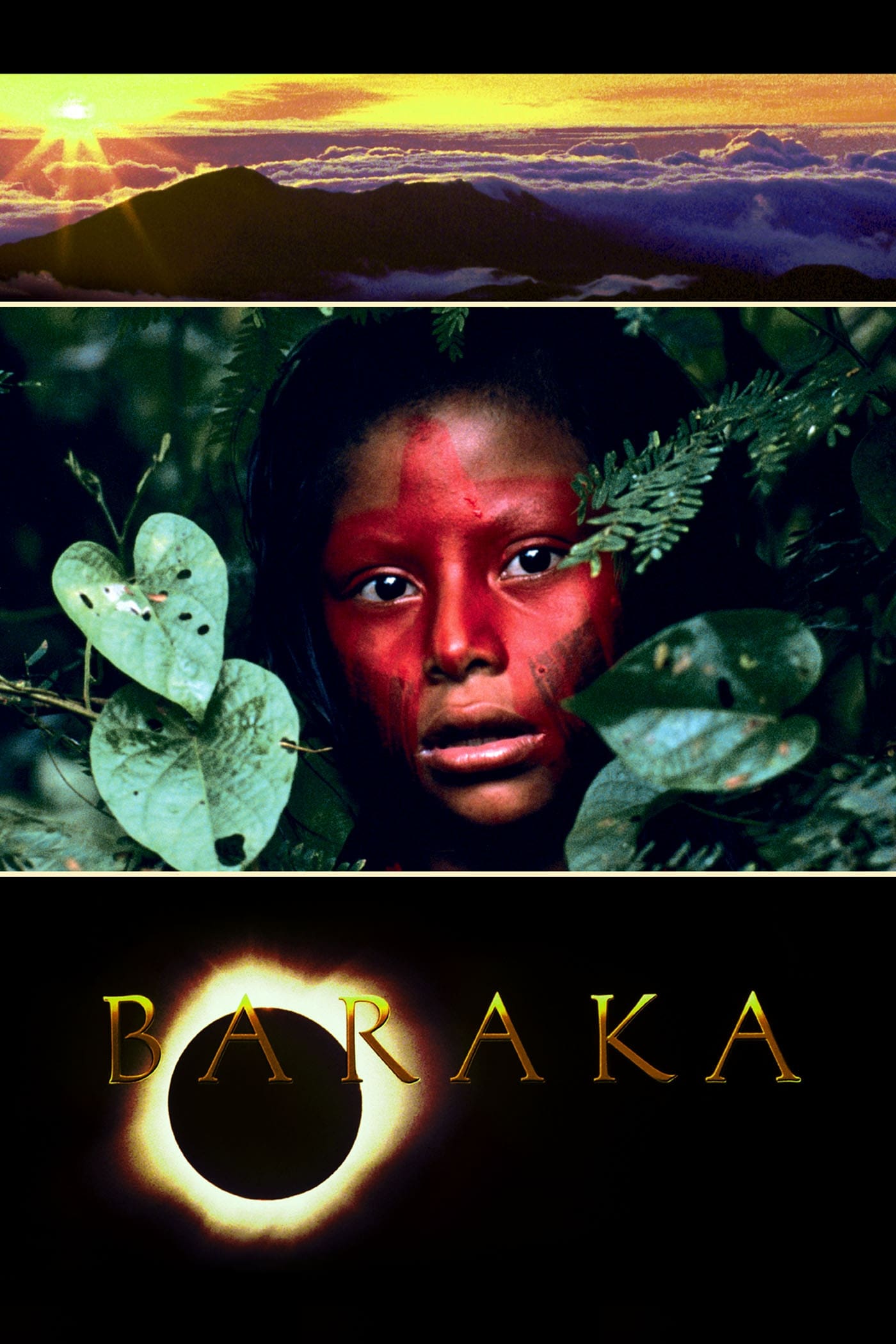
A paralysingly beautiful documentary with a global vision—an odyssey through landscape and time—that attempts to capture the essence of life.
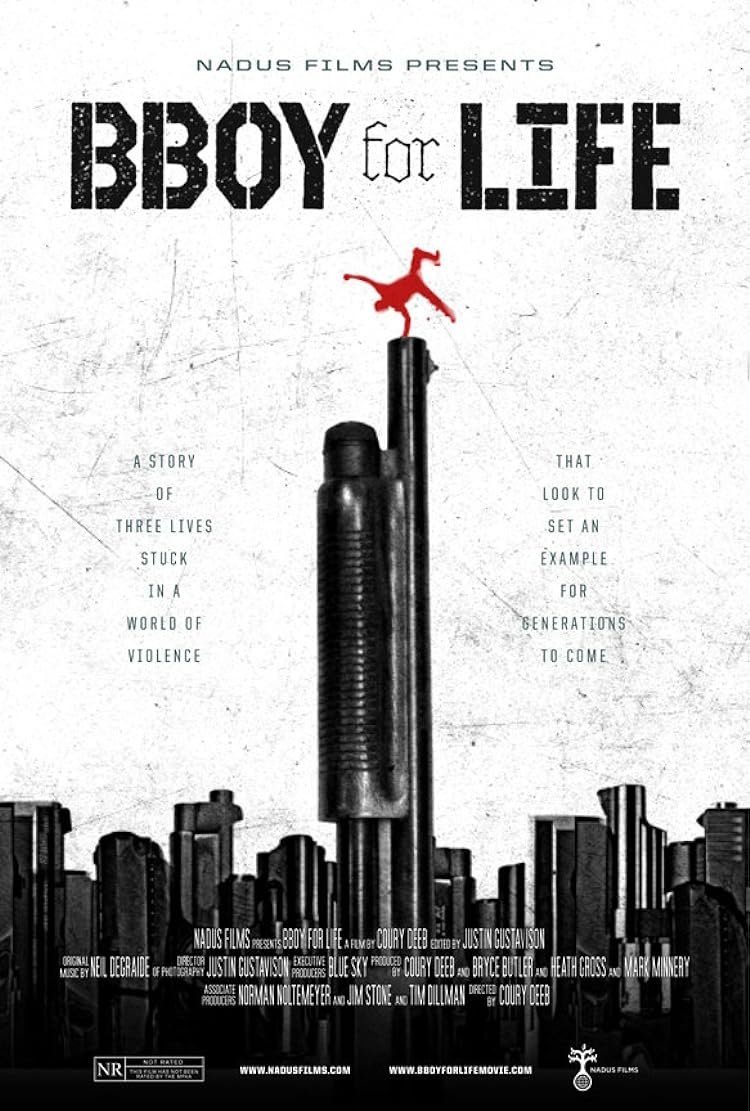
In the gritty streets of Guatemala City, "BBOY for LIFE" intertwines the vibrant world of breakdancing with the harsh realities of gang life. Following two determined dancers and a gang member, this true story reveals their struggles for identity, hope, and a brighter future.
Ranjit, a farmer in India, takes on the fight of his life when he demands justice for his 13-year-old daughter, the victim of a brutal gang rape. His decision to support his daughter is virtually unheard of, and his journey unprecedented.
Through deeply personal interviews with her siblings and an examination of the photographs, letters, and belongings left behind, Mariska assembles a new portrait of her mother Jayne Mansfield, an extraordinary and complex woman.
From the heights of her modeling fame to her tragic death, this documentary reveals Anna Nicole Smith through the eyes of the people closest to her.
A documentary about the making of David Fincher's 2008 film THE CURIOUS CASE OF BENJAMIN BUTTON. Virtually every element in the evolution of the Fincher's film is documented here, from the project's attachment to numerous other directors during the 1990s, to its shoot in 2006 and 2007 in New Orleans, to its complex, CGI-intensive postproduction process.
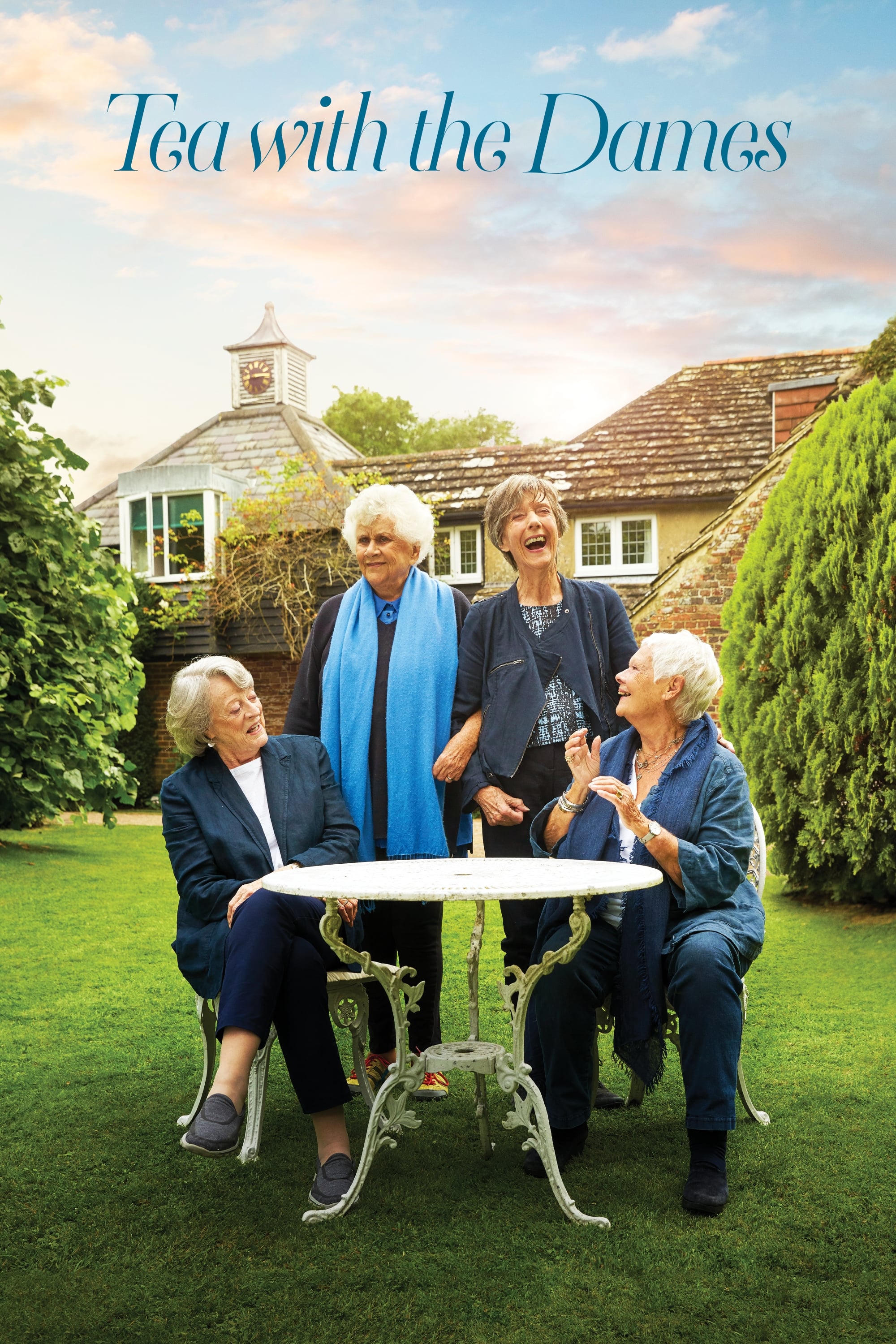
BBC Arena's documentary on the Dames of British Theatre and film featuring Maggie Smith, Eileen Atkins, Judi Dench and Joan Plowright on screen together for the first time as they reminisce over a long summer weekend in a house Joan once shared with Sir Laurence Olivier.
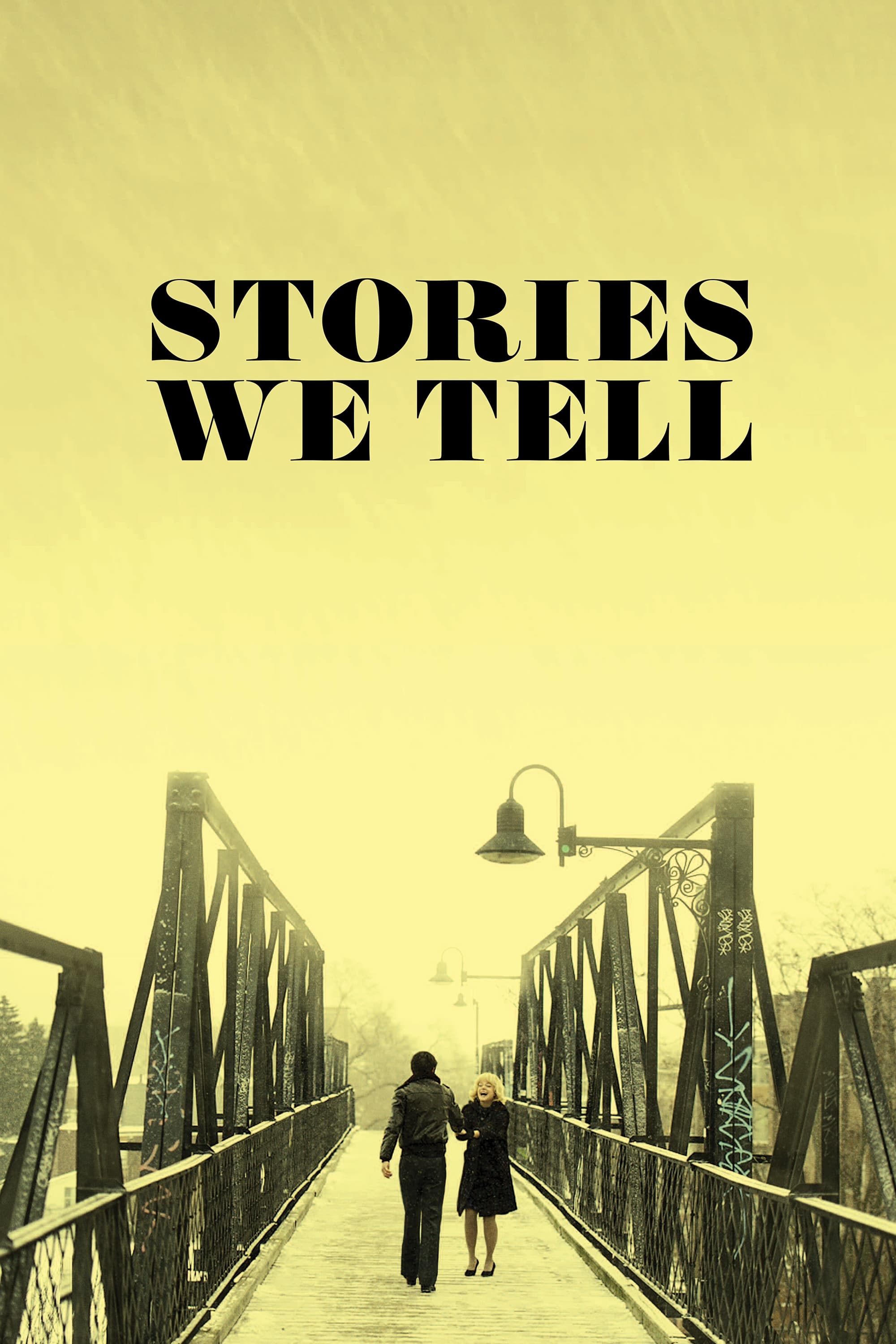
Canadian actress and filmmaker Sarah Polley investigates certain secrets related to her mother, interviewing a group of family members and friends whose reliability varies depending on their implication in the events, which are remembered in different ways; so a trail of questions remains to be answered, because memory is always changing and the discovery of truth often depends on who is telling the tale.
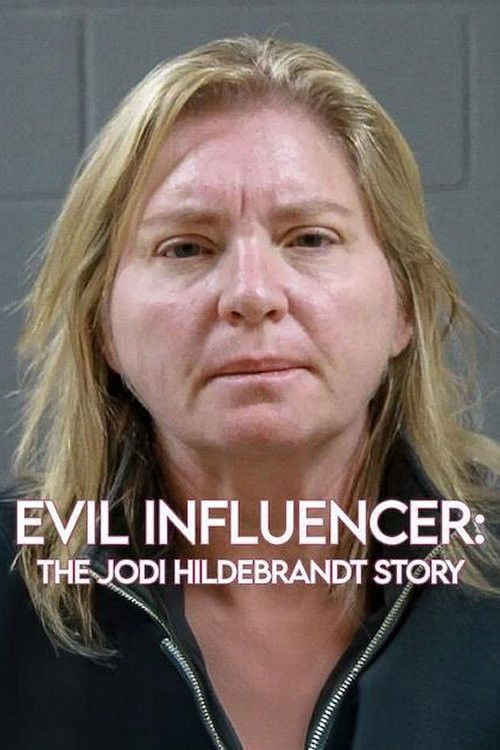
Unravel the case of Utah therapist Jodi Hildebrandt, whose child abuse arrest with parenting YouTuber Ruby Franke exposed a twisted tale of manipulation.
Musician and performance artist Laurie Anderson reflects on the deaths of her husband Lou Reed, her mother and her beloved dog.
A documentary on the expletive's origin, why it offends some people so deeply, and what can be gained from its use.
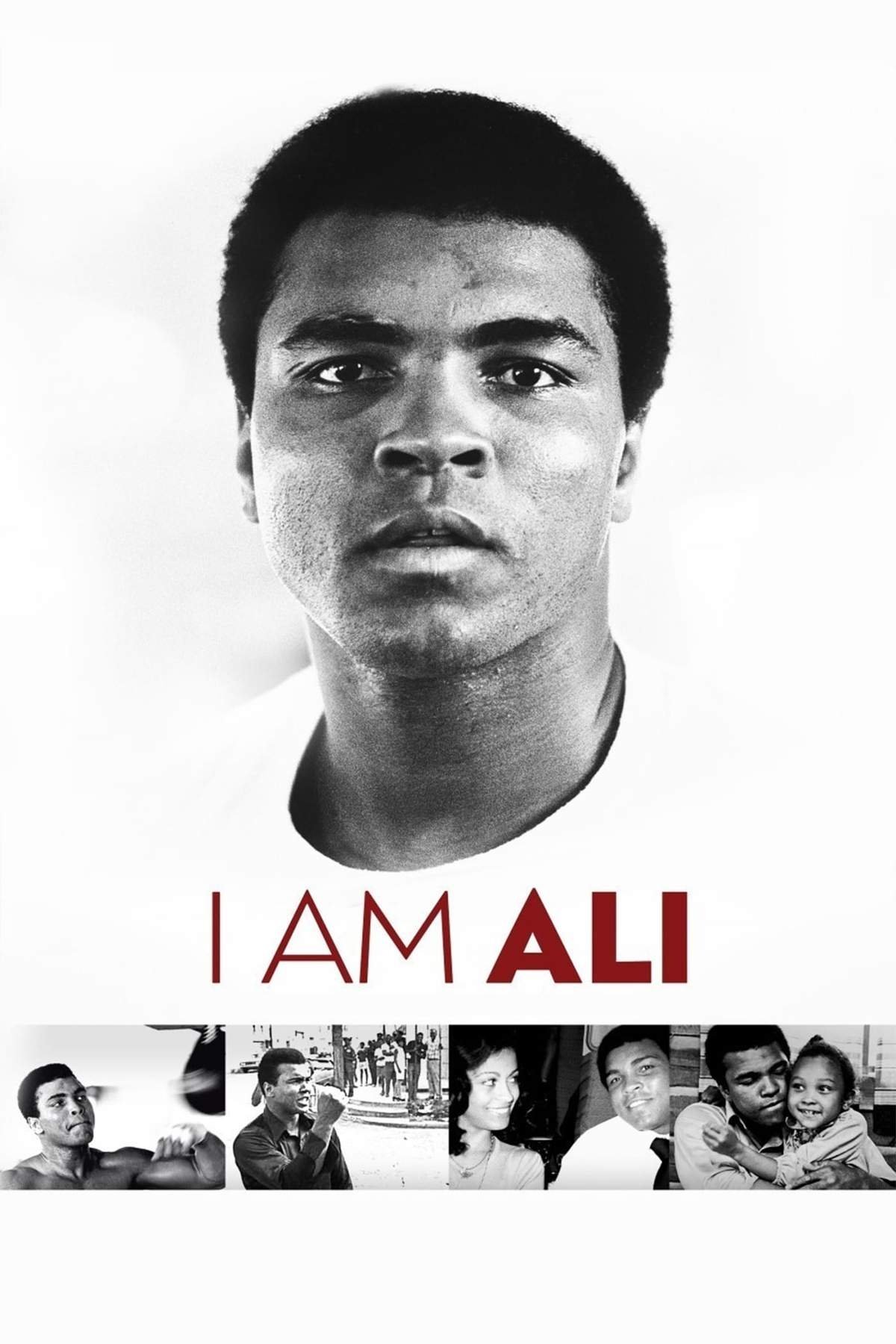
Unprecedented access to Muhammad Ali's personal archive of "audio journals" as well as interviews and testimonials from his inner circle of family and friends are used to tell the legend's life story.
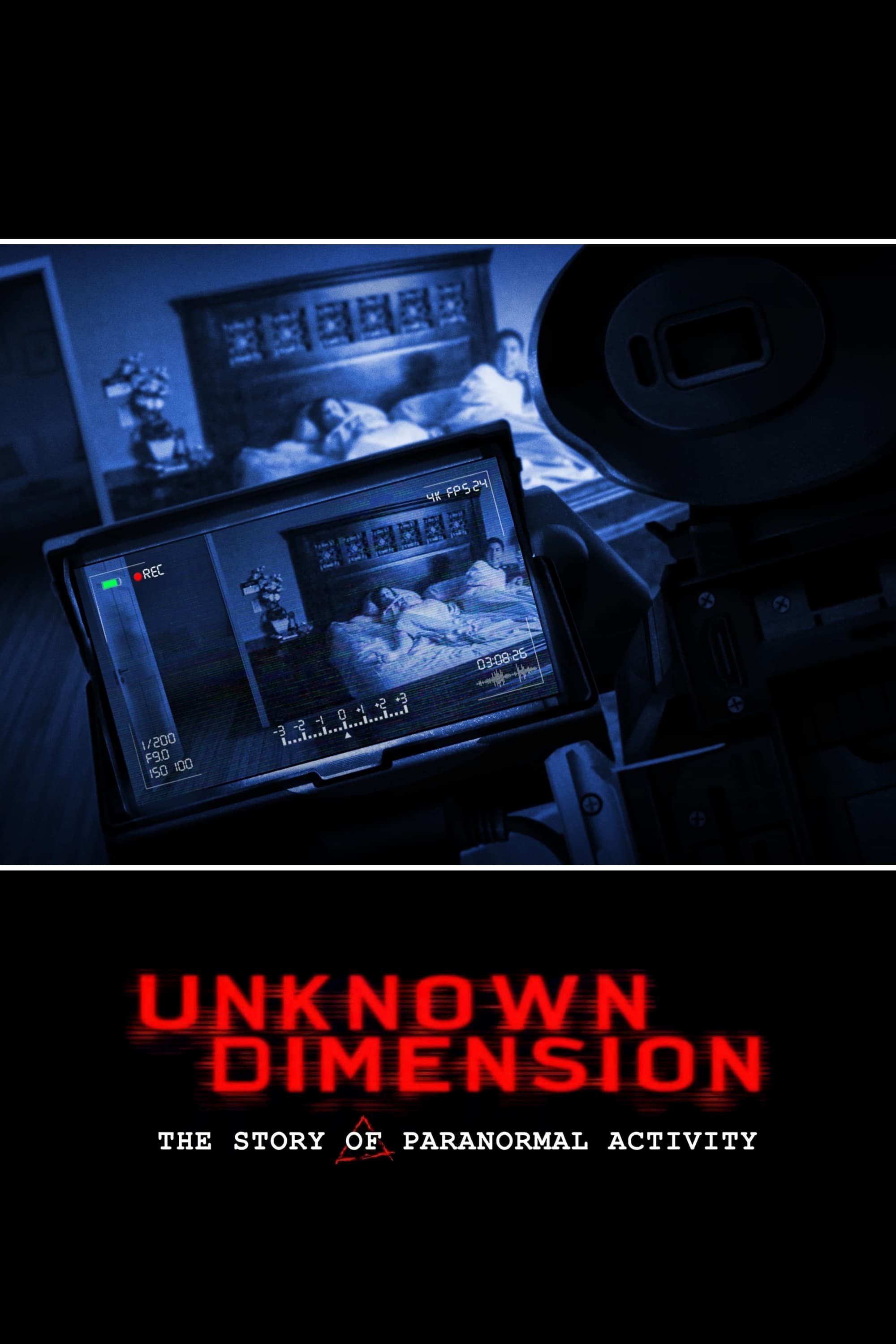
A deep dive into the making of the Paranormal Activity films with first time ever interviews with cast and crew, never-before-seen footage from the movies, and a preview of the seventh installment in the franchise.
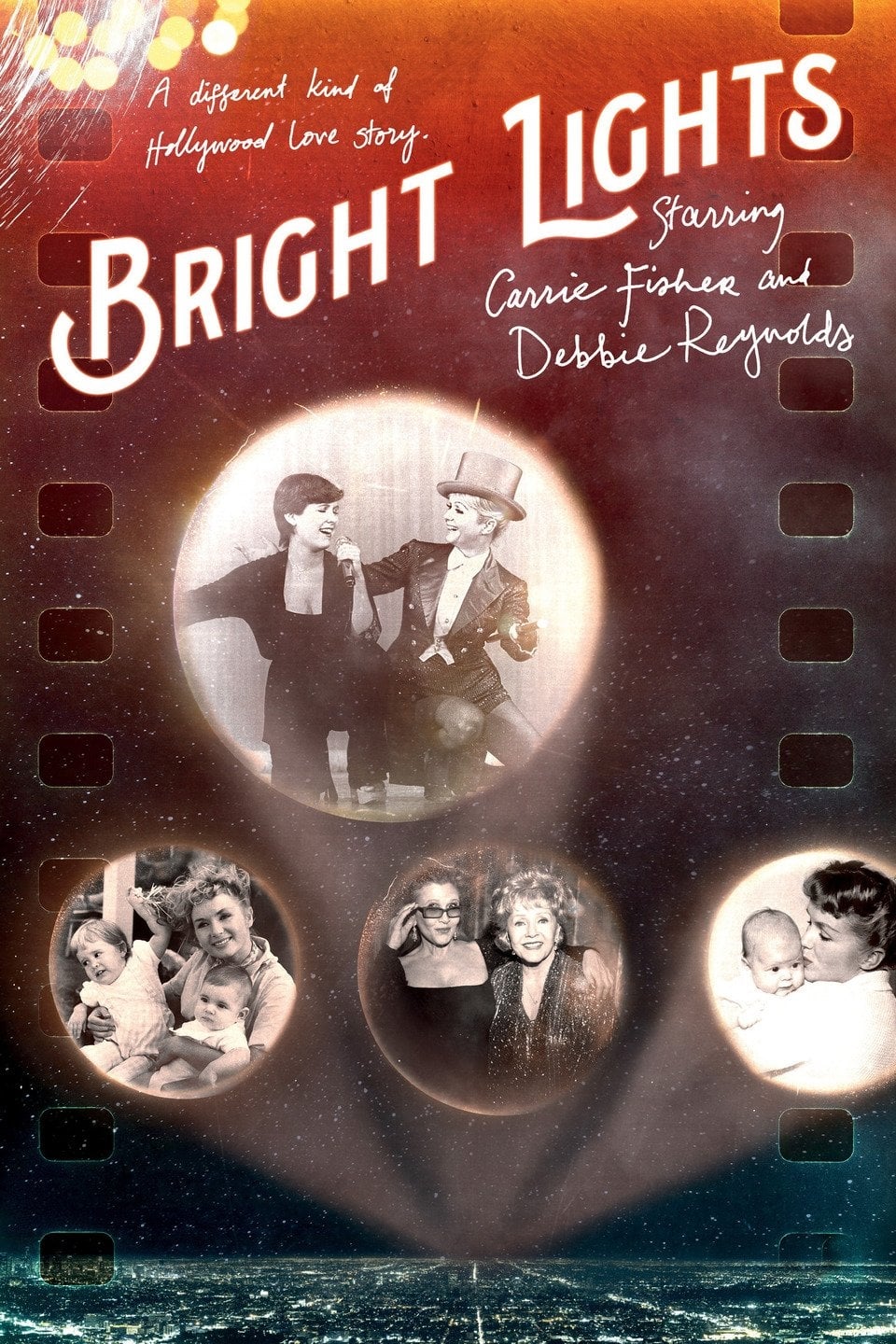
An intimate portrait of Hollywood royalty featuring Debbie Reynolds, Todd Fisher, and Carrie Fisher.
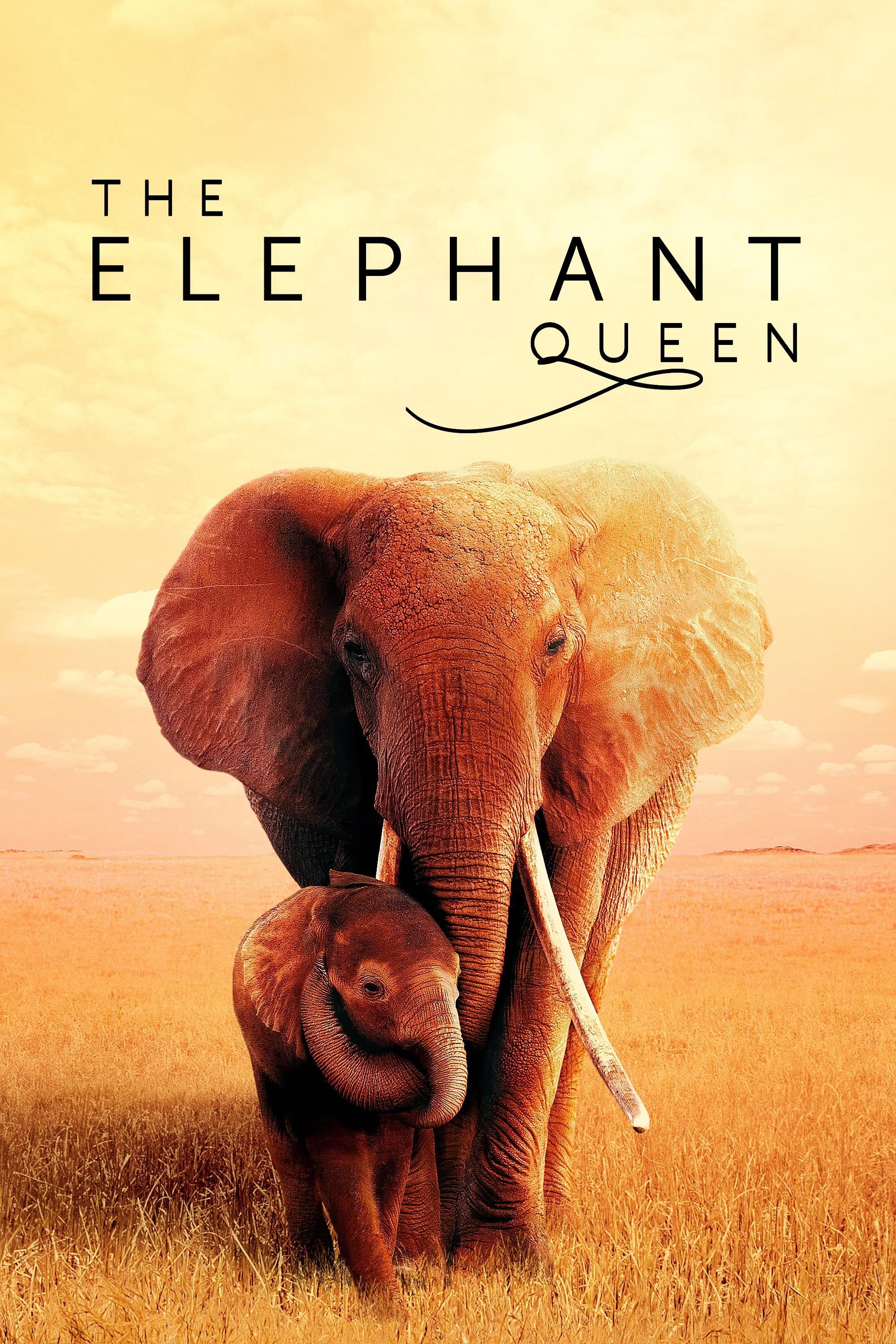
Embark on an epic journey of family, courage, and coming home in this feature-length documentary. Join Athena, the majestic matriarch, as she leads her elephant herd across an unforgiving African landscape filled with vibrant wildlife.
SEDUCED AND ABANDONED combines acting legend Alec Baldwin with director James Toback as they lead us on a troublesome and often hilarious journey of raising financing for their next feature film. Moving from director to financier to star actor, the two players provide us with a unique look behind the curtain at the world's biggest and most glamourous film festival, shining a light on the bitter-sweet relationship filmmakers have with Cannes and the film business. Featuring insights from directors Martin Scorsese, 'Bernando Bertolucci' and Roman Polanski; actors Ryan Gosling and Jessica Chastain and a host of film distribution luminaries.
In 1977, a book of photographs captured an awakening - women shedding the cultural restrictions of their childhoods and embracing their full humanity. This documentary revisits those photos, those women and those times and takes aim at our culture today that alarmingly shows the need for continued change.
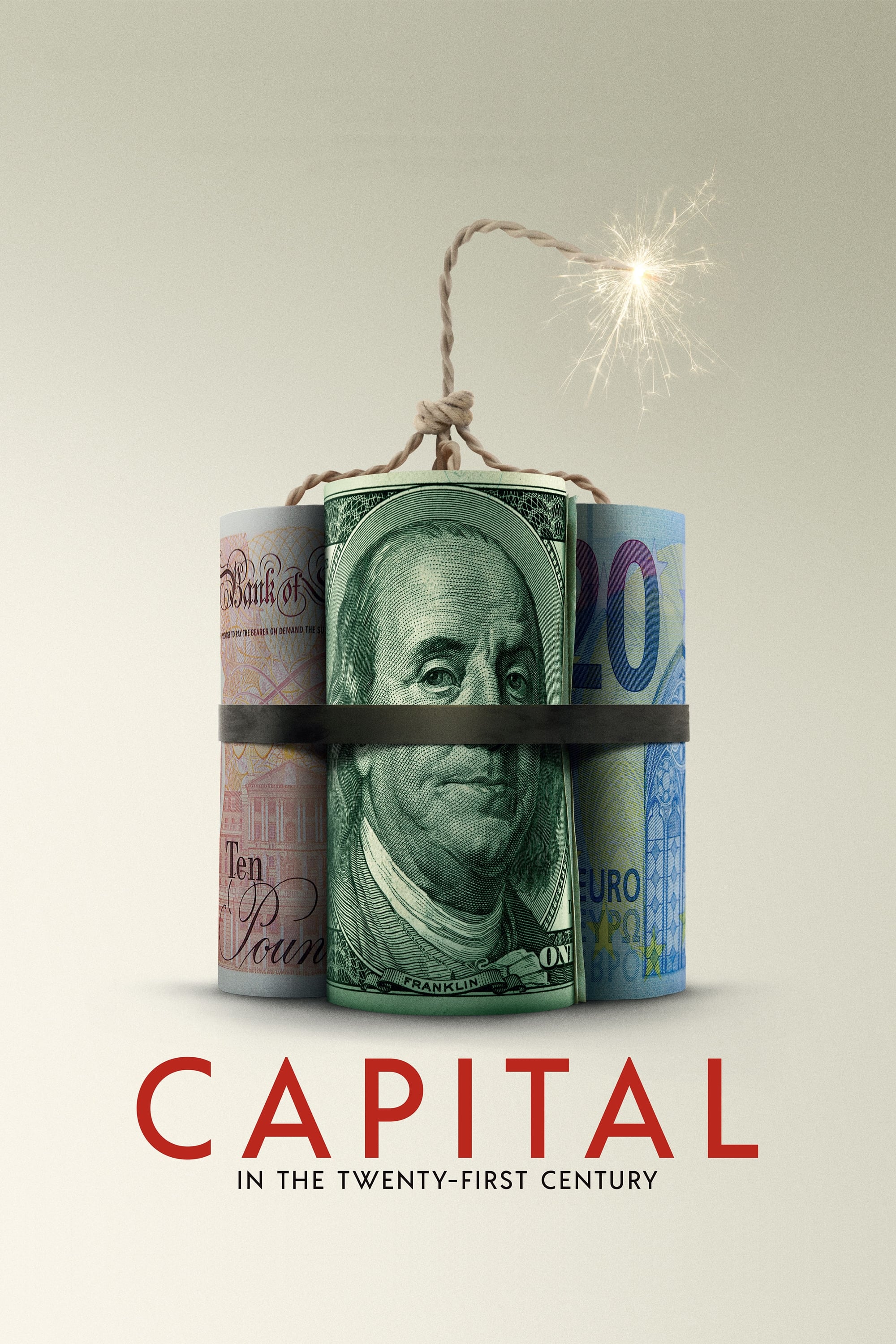
Film adaptation of French economist Thomas Piketty's ground-breaking global bestseller of the same name: an eye-opening journey through wealth and power.
Alexander McQueen's rags-to-riches story is a modern-day fairy tale, laced with the gothic. Mirroring the savage beauty, boldness and vivacity of his design, this documentary is an intimate revelation of McQueen's own world, both tortured and inspired, which celebrates a radical and mesmerizing genius of profound influence.
Director Michael Apted revisits the same group of British-born adults after a 7 year wait. The subjects are interviewed as to the changes that have occurred in their lives during the last seven years.
In an intimate and joyful story of love in the face of loss, celebrated poets Andrea Gibson and Megan Falley find strength—and unexpected hilarity—in what might be their final year together.
A visual montage portrait of our contemporary world dominated by globalized technology and violence.