In the form of a poetic love letter to its nation, this short film reveals a strong community and the anchoring of the new generation in this rich culture.
Social & External
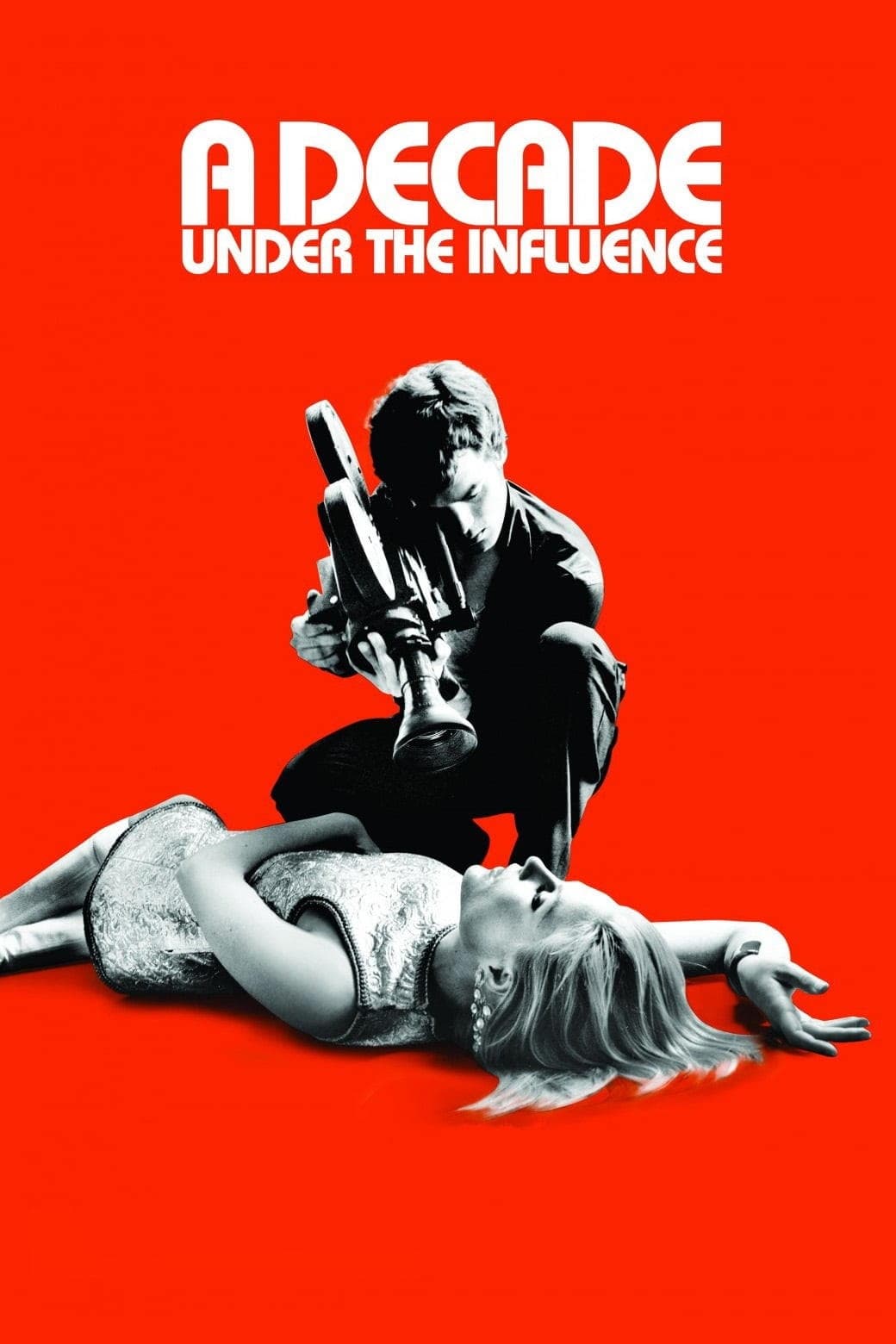
Incident at Restigouche is a 1984 documentary film by Alanis Obomsawin, chronicling a series of two raids on the Listuguj Mi'gmaq First Nation (Restigouche) by the Sûreté du Québec in 1981, as part of the efforts of the Quebec government to impose new restrictions on Native salmon fishermen. Incident at Restigouche delves into the history behind the Quebec Provincial Police (QPP) raids on the Restigouche Reserve on June 11 and 20, 1981. The Quebec government had decided to restrict fishing, resulting in anger among the Micmac Indians as salmon was traditionally an important source of food and income. Using a combination of documents, news clips, photographs and interviews, this powerful film provides an in-depth investigation into the history-making raids that put justice on trial.
More than an attachment to our territory, the Innu live a filial relationship with Nitassinan, our ancestral homeland. For so many generations, the land has nourished, cared for and raised us. It has inspired our language, our culture, our lifeway and our vision of the world. Throughout the seasons, our ancestors criss-crossed the territory on foot, by canoe or on snowshoes. They knew every river, lake, or stream; every mountain, hill or bog; every camp, trail and portage path. Nomadism forged our people, and the film will record this journey and our history – past, present and future. And while it will attest to our vitality and resilience it is also – and above all – a tribute and a message of respect for the Earth.
This short film retraces the life of Herman Smith Johannsen – the man who introduced the sport of cross-country skiing to Canadians. From past to present, his life story is portrayed through pictures from sports newsreels, Norwegian archives and his family album. The film catches up with him at both the Canadian Ski Marathon, where he is the honoured guest, and on a return trip to his native Norway.
Still photographs and narration give an overview of the history of the American Indian.
Focused on an inspiring and touching dialogue between Gilles Vigneault and Fred Pellerin, the documentary tells the story of Quebec by digging deep into an ancestral tradition etched into our cultural DNA: the production of maple syrup.
A woman with a deep love of the land, Yolande Simard Perrault sees her life as having been shaped by a planetary upheaval in Charlevoix, Quebec, millions of years ago. As enduring as the Canadian Shield, she’s a woman of strength and spirit, a child of the crater left by the meteor’s impact. This documentary portrays a determined woman who’s the reflection of a land created on an immense scale. She was the creative and life partner of filmmaker Pierre Perrault, who gave up everything to be by her side. The film charts the influence of her unquenchable dreams and her contribution to the building of a people’s collective memory. In a stream of images and words, Simard Perrault recounts the splendours of the landscape and the people who shaped it. Generous and boundless, she embarks on a quest for identity that nurtures and perpetuates the oeuvre of the man who breathed new life into Quebec cinema.
A personal, scientific, mystical exploration of Amazonian curanderismo, focus on Ayahuasca and Master Plants, their healing and visionary properties and risks, along with the Shipibo people and their songs.
Gil Cardinal searches for his natural family and an understanding of the circumstances that led to his becoming a foster child. An important figure in the history of Canadian Indigenous filmmaking, Gil Cardinal was born to a Métis mother but raised by a non-Indigenous foster family, and with this auto-biographical documentary he charts his efforts to find his biological mother and to understand why he was removed from her. Considered a milestone in documentary cinema, it addressed the country’s internal colonialism in a profoundly personal manner, winning a Special Jury Prize at Banff and multiple international awards.

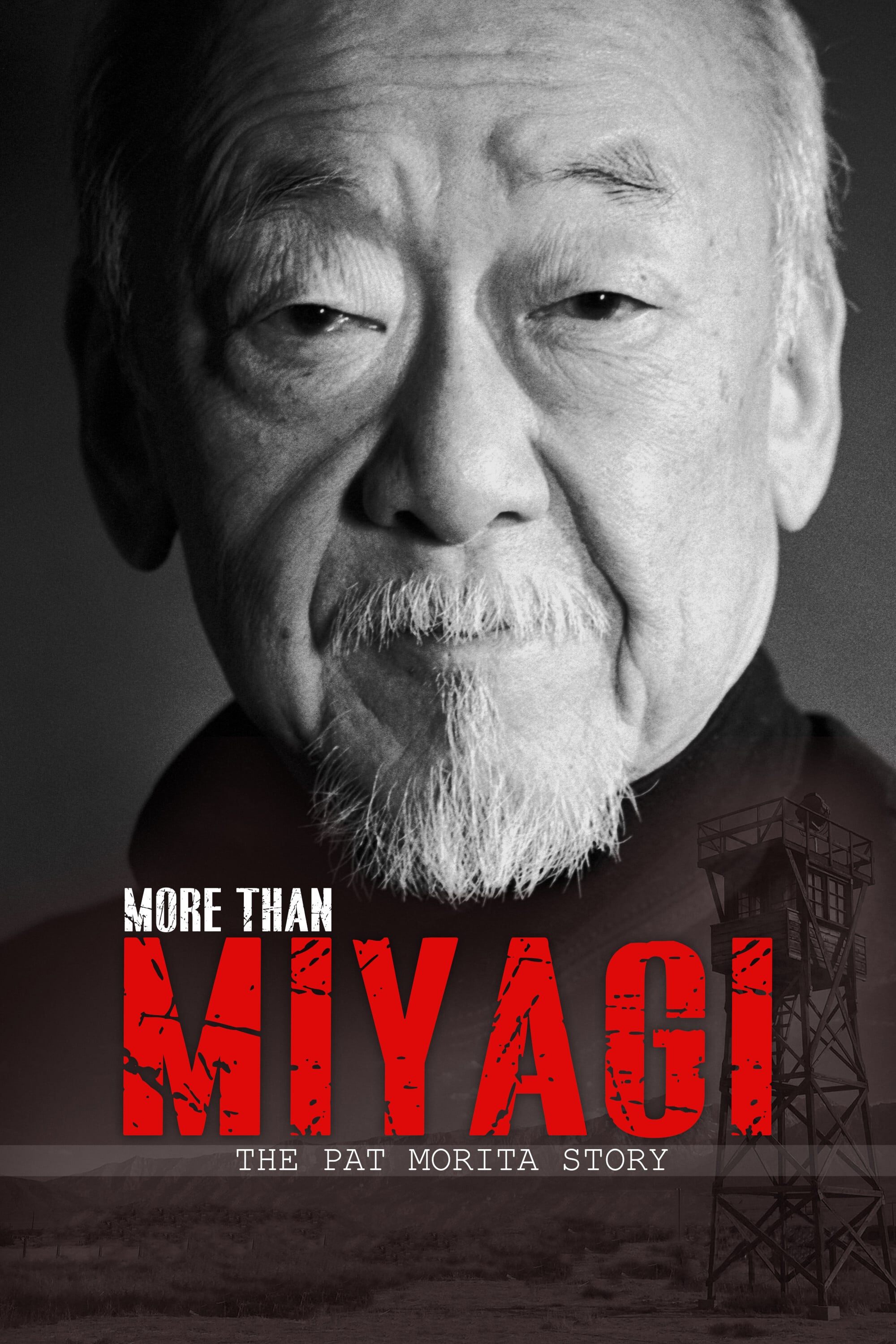
In the Bella Coola Valley, a haunting legend endures through generations as a filmmaker reckons with whether the stories of her ancestors can survive being held or if they were never meant to be captured.
This feature-length documentary chronicles the Sundance ceremony brought to Eastern Canada by William Nevin of the Elsipogtog First Nation of the Mi'kmaq. Nevin learned from Elder Keith Chiefmoon of the Blackfoot Confederacy in Alberta. Under the July sky, participants in the Sundance ceremony go four days without food or water. Then they will pierce the flesh of their chests in an offering to the Creator. This event marks a transmission of culture and a link to the warrior traditions of the past.
An intimate exploration of the circumstances surrounding the incarceration of Native American activist Leonard Peltier, convicted of murder in 1977, with commentary from those involved, including Peltier himself.
On Canada's Pacific coast this film finds a young Haida artist, Robert Davidson, shaping miniature totems from argillite, a jet-like stone. The film follows the artist to the island where he finds the stone, and then shows how he carves it in the manner of his grandfather, who taught him the craft.
The “Prophecy of the 7th Fire” says a “black snake” will bring destruction to the earth. For Winona LaDuke, the “black snake” is oil trains and pipelines. When she learns that Canadian-owned Enbridge plans to route a new pipeline through her tribe’s 1855 Treaty land, she and her community spring into action to save the sacred wild rice lakes and preserve their traditional indigenous way of life. Launching an annual spiritual horse ride along the proposed pipeline route, speaking at community meetings and regulatory hearings. Winona testifies that the pipeline route follows one of historical and present-day trauma. The tribe participates in the pipeline permitting process, asserting their treaty rights to protect their natural resources. LaDuke joins with her tribe and others to demand that the pipelines’ impact on tribal people’s resources be considered in the permitting process.
The documentary recreates the facts in the life of the Yukpa Chief, Sabino Romero, an indigenous fighter killed on March 3, 2013, in the Chaktapa community of the Sierra de Perija in Zulia state, Venezuela. The film reflects the infinite struggle of Sabino and his people, accompanied by the social groups, in this story of truly libertarian images made with blood and fire, revealing the skein of interests that forged and carried out Sabino's murder, and the attitude Inhuman and murderous of those who made it another victim of history.
Actor Rawiri Paratene was 16 years old when he joined Māori activist group Ngā Tamatoa (Young Warriors) in the early 1970s. "Those years helped shape the rest of my life," says Paratene in this 2012 Māori TV documentary, directed by Kim Webby. The programme is richly woven with news archive from the 1970s, showing protests about land rights and the Treaty of Waitangi, and a campaign for te reo to be taught in schools. Several ex Ngā Tamatoa members — including Hone Harawira, Tame Iti and Larry Parr— are interviewed by Paratene, who also presents the documentary.
Through concerts and interviews, folk-progressive group Harmonium takes Quebec culture to California. This documentary full of colour and sound, filmed in California in 1978, recounts the ups and downs of the journey of the Quebec musical group Harmonium, who came to feel the pulse of Americans and see if culture, their culture, can succeed in crossing borders.
Stan Hill Jr. is a Haudenosaunee artist living in Miawpukek First Nation Reserve, Conne River, Newfoundland. In “The Bear Inside a Whale,” he and his family discuss racism, identity, religion, creation and art, along with the cultural extinction of the Beothuk of Newfoundland. Throughout the film, we follow Stan carving a bear out of a whale vertebra. And we visit The Rooms (museum) in St. John’s, Newfoundland, where Stan talks about viewing and reclaiming Indigenous artefacts.
Nine filmmakers each profile a young girl from a different part of the world to weave a global tapestry of youth in the 21st century.
A non-narrated documentary following the lovesome lives of four infants from birth to their first birthday. The babies featured are two from rural areas: Ponijao from Opuwo, Namibia, and Bayar from Bayanchandmani, Mongolia, as well as two from urban areas: Mari from Tokyo, Japan, and Hattie from San Francisco, USA.
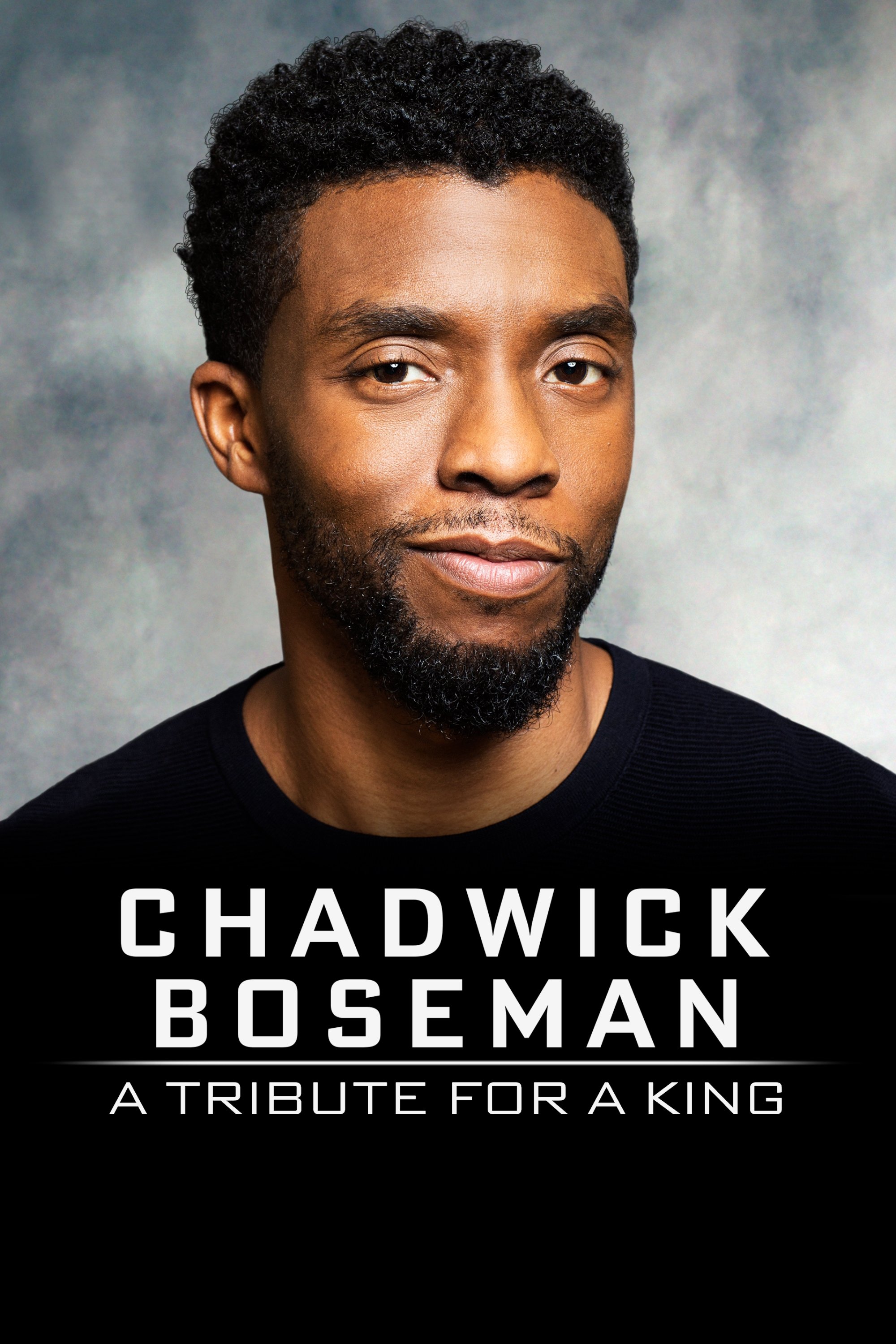
A tribute to Chadwick Boseman, celebrating his life and legacy.
This revealing documentary honors the legendary Sidney Poitier—iconic actor, filmmaker, and civil rights activist. Featuring interviews with Denzel Washington, Spike Lee, Halle Berry, and more.
A documentary examining the decade of the 1970s as a turning point in American cinema. Some of today's best filmmakers interview the influential directors of that time.
A documentary on the expletive's origin, why it offends some people so deeply, and what can be gained from its use.
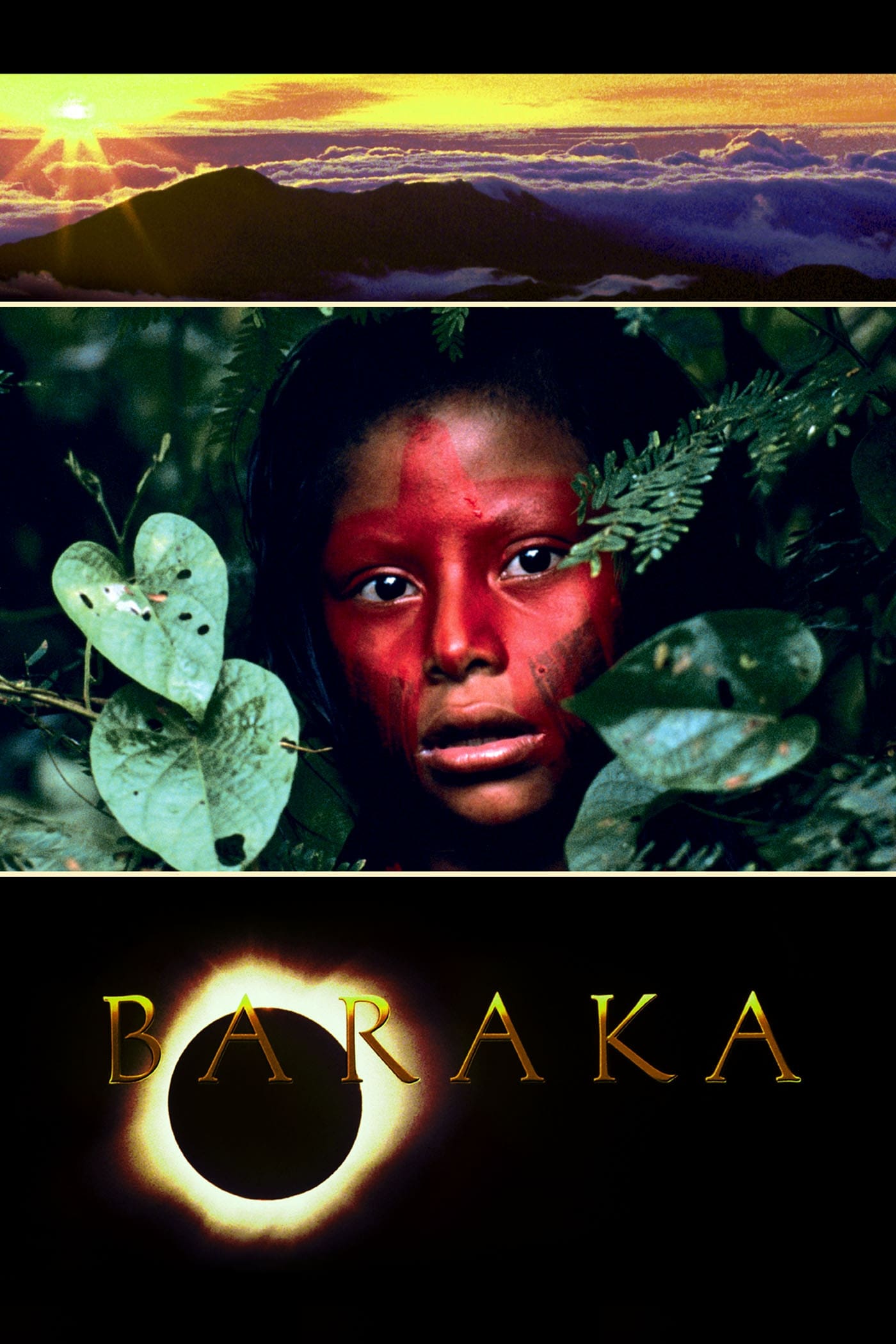
A paralysingly beautiful documentary with a global vision—an odyssey through landscape and time—that attempts to capture the essence of life.
A documentary shot by filmmakers all over the world that serves as a time capsule to show future generations what it was like to be alive on the 24th of July, 2010.
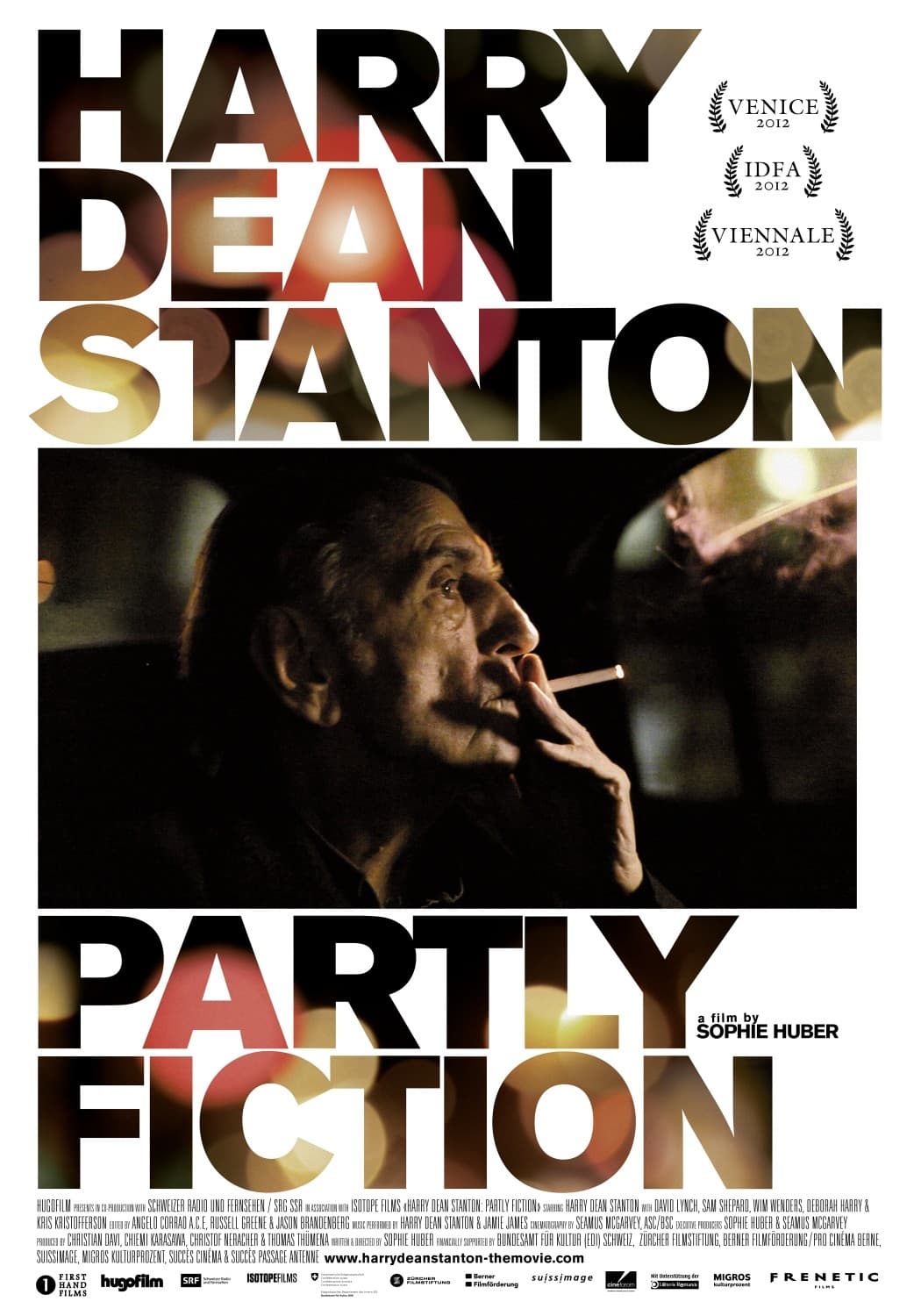
An impressionistic portrait of the iconic actor Harry Dean Stanton comprised of intimate moments, film clips from some of his 250 films and his renditions of American folk songs.
In this genre-bending tale, Errol Morris explores the mysterious death of a U.S. scientist entangled in a secret Cold War program known as MK-Ultra.
Lyrical and powerfully personal essay film that reflects on the deaths of her husband Lou Reed, her mother, her beloved dog, and such diverse subjects as family memories, surveillance, and Buddhist teachings.
From a prolific career in film and television, Anton Yelchin left an indelible legacy as an actor. Through his journals and other writings, his photography, the original music he wrote, and interviews with his family, friends, and colleagues, this film looks not just at Anton's impressive career, but at a broader portrait of the man.
Artists in LA discover the work of forgotten Polish sculptor Stanislav Szukalski, a mad genius whose true story unfolds chapter by astounding chapter.
Using the book 'Fragments', which collects Marilyn Monroe's poems, notes and letters, and with participation from the Arthur Miller and Truman Capote estates who have contributed more material, each of the actresses will embody the legend at various stages in her life.
As a visually radical memoir, CAMERAPERSON draws on the remarkable footage that filmmaker Kirsten Johnson has shot and reframes it in ways that illuminate moments and situations that have personally affected her. What emerges is an elegant meditation on the relationship between truth and the camera frame, as Johnson transforms scenes that have been presented on Festival screens as one kind of truth into another kind of story—one about personal journey, craft, and direct human connection.
In this documentary, recovering addict and amputee John Wood finds himself in a stranger-than-fiction battle to reclaim his mummified leg from Southern entrepreneur Shannon Whisnant, who found it in a grill he bought at an auction and believes it therefore to be his rightful property.
After years in the limelight, Selena Gomez achieves unimaginable stardom. But just as she reaches a new peak, an unexpected turn pulls her into darkness. This uniquely raw and intimate documentary spans her six-year journey into a new light.
Amber Heard and Nicole Kidman discuss their characters Mera and Atlanna.
An exploration of technologically developing nations and the effect the transition to Western-style modernization has had on them.
A documentary capturing the creation of the album Junun inside Rajasthan’s 15th-century Mehrangarh Fort. Paul Thomas Anderson follows Jonny Greenwood, Shye Ben Tzur, Nigel Godrich, and the Rajasthan Express as they record a cross-cultural fusion of Indian, Israeli, and Western music.