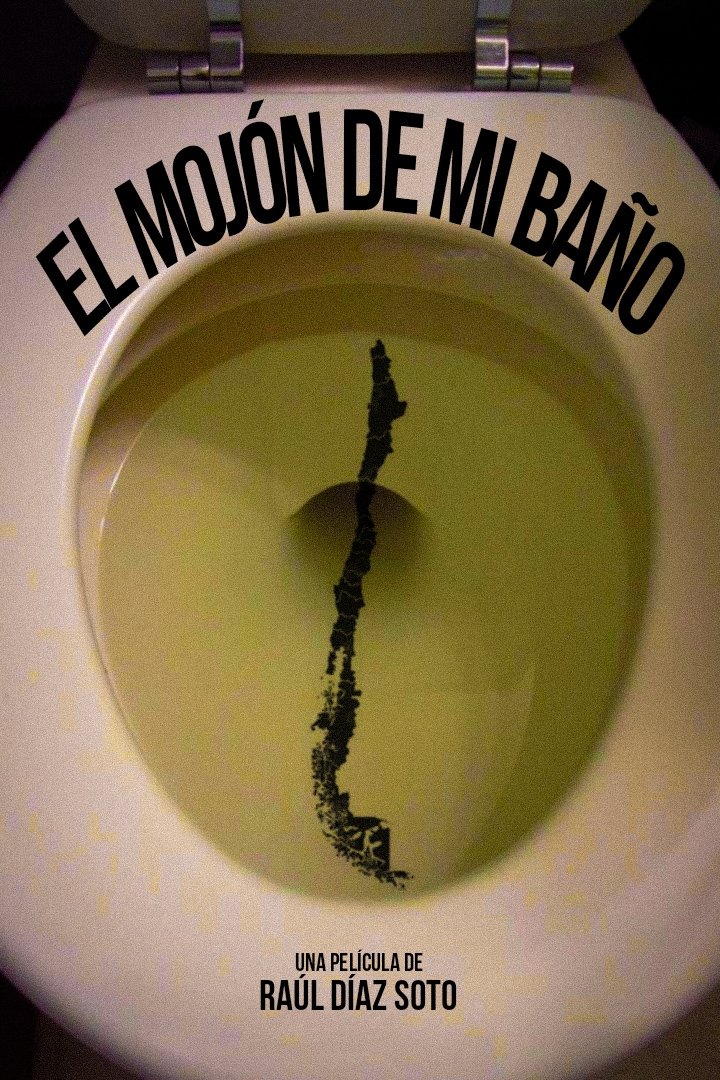
"Chile hurts me"
A Chilean stomach and social discomfort.
Social & External
The people behind it
Raúl Díaz Soto
Himself
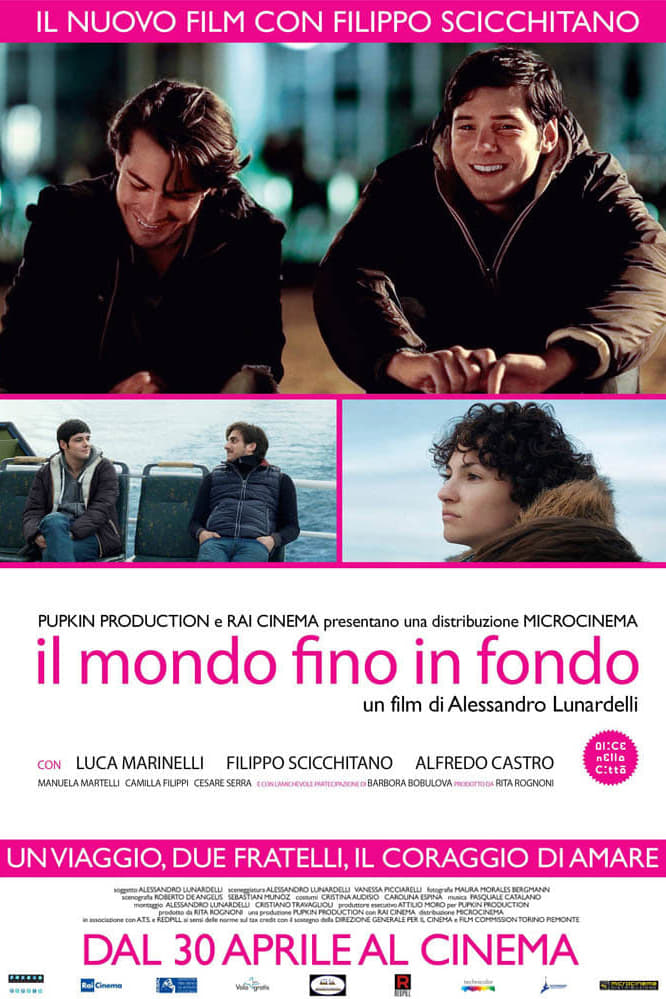
Davide and Loris are brothers and live in a very small village in the north of Italy. While Davide is eighteen years old and gay, Loris is almost thirty and doesn't know anything about his brother's sexuality.
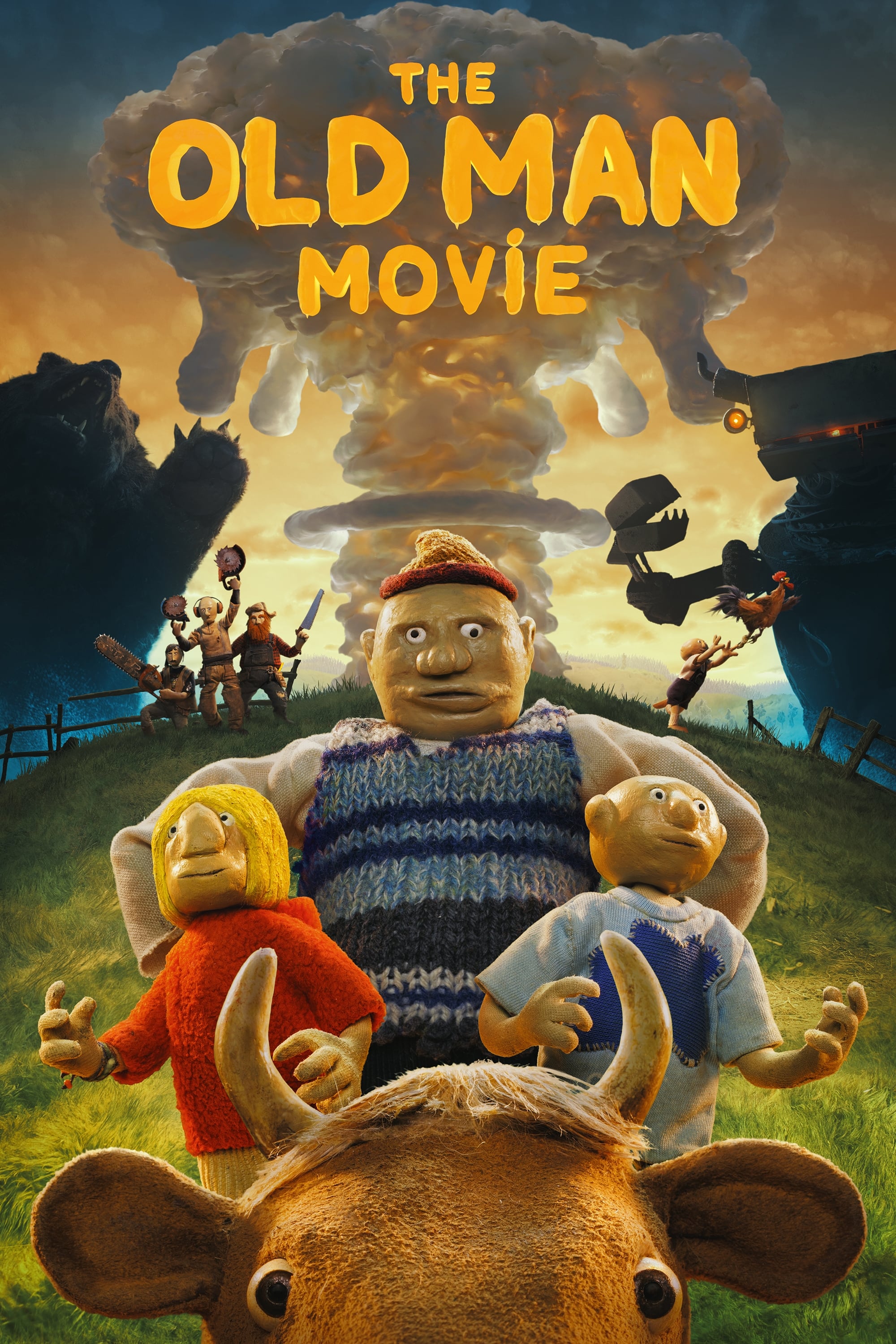
An outrageous road movie about The Old Man and his grandkids in a 24 hour race against time to stop a milky madman hell bent on killing his prized cow to save the world.
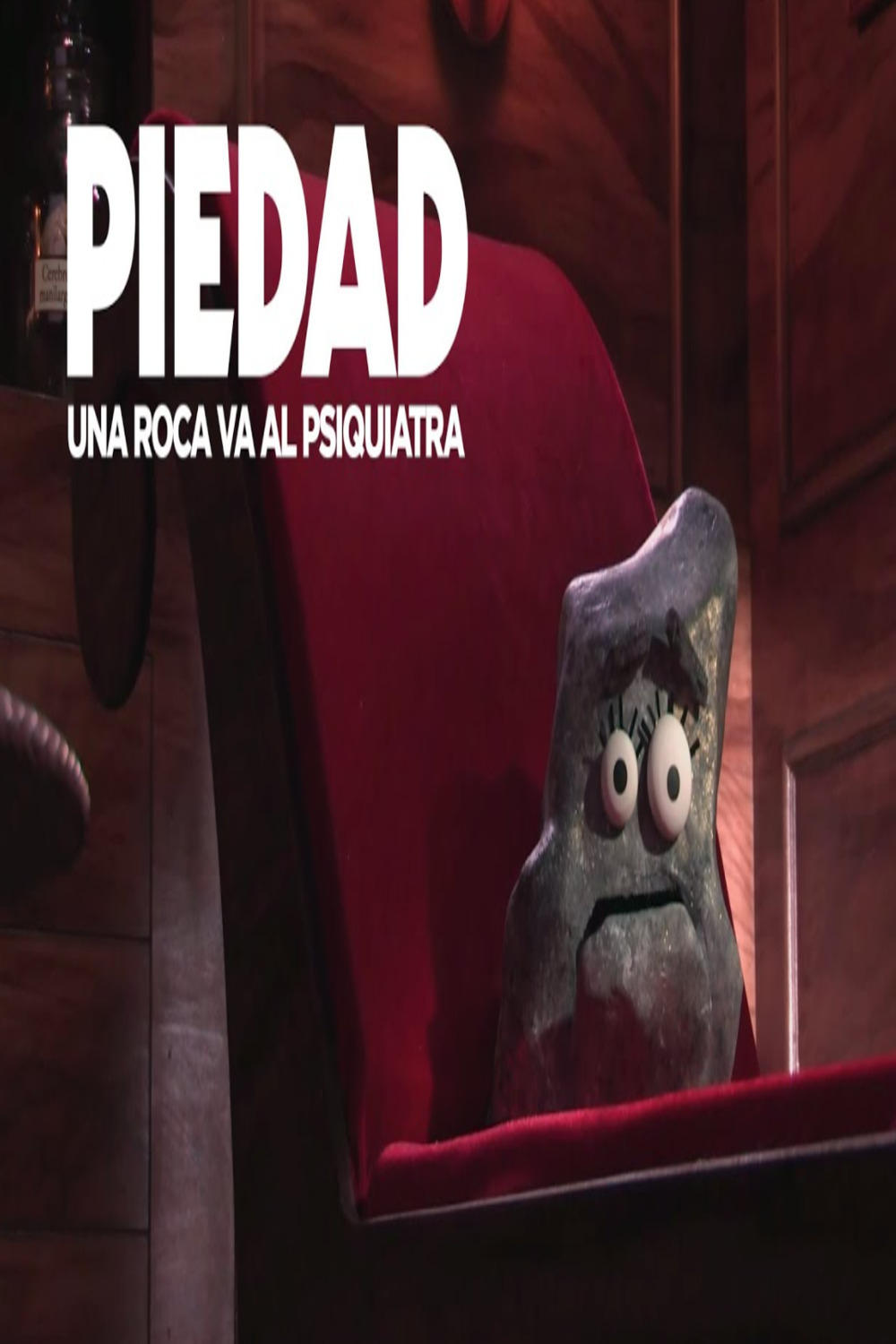
From the creators of 31 Minutos, here comes the story of a rock that didn't want to grow up...
It all begins at a party in Santiago, Chile, when a seemingly innocent gesture -- the offer of a ride home -- ends in a passionate night of lovemaking and intense conversation for young singles Bruno and Daniela. Shacked up at a flea-bitten motel for a one-night stand, the pair lingers deep into the night, alternating between powerful physical encounters and an ever-deepening emotional connection.
Mateo, son of a notorious mob lord of the city, has been dumped by his wife who took his son away. He doesn't resist the shame and hires the most ruthless hit-man available to kill them. He hires Toro Loco, a cold, eccentric assassin with will bring the hell to this family, always under his own twisted rules.
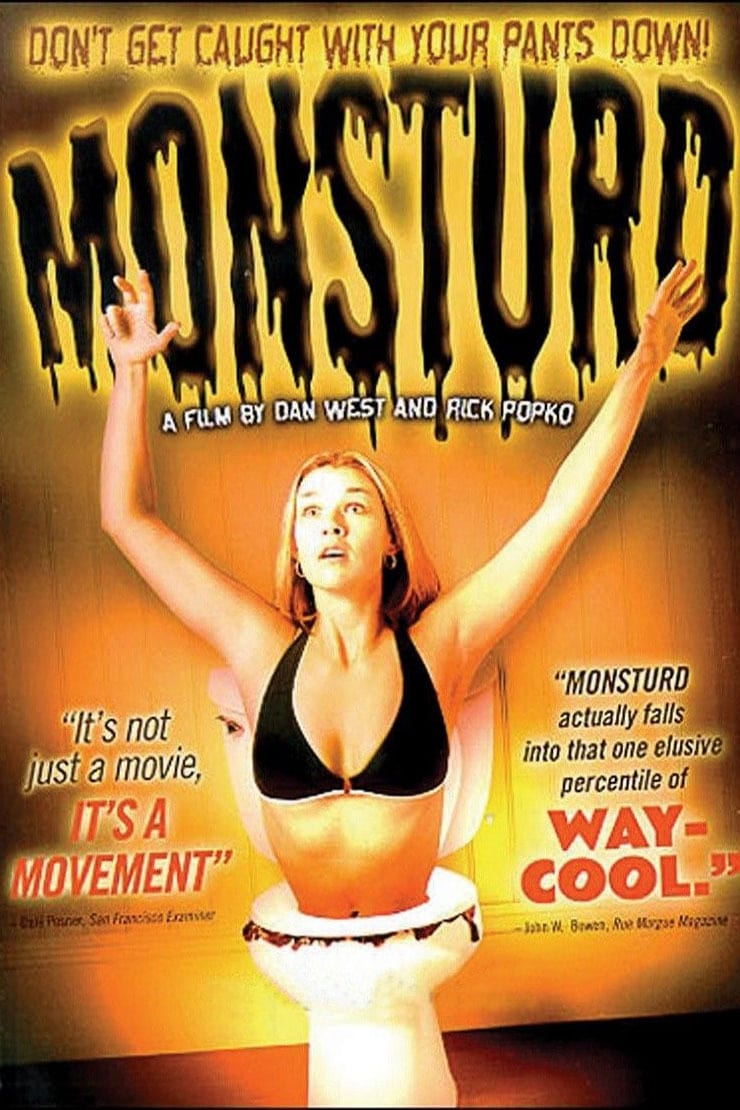
A serial killer mutates with a chemical inside a sewer, to become a monster made of human waste just as the FBI and police are onto him.
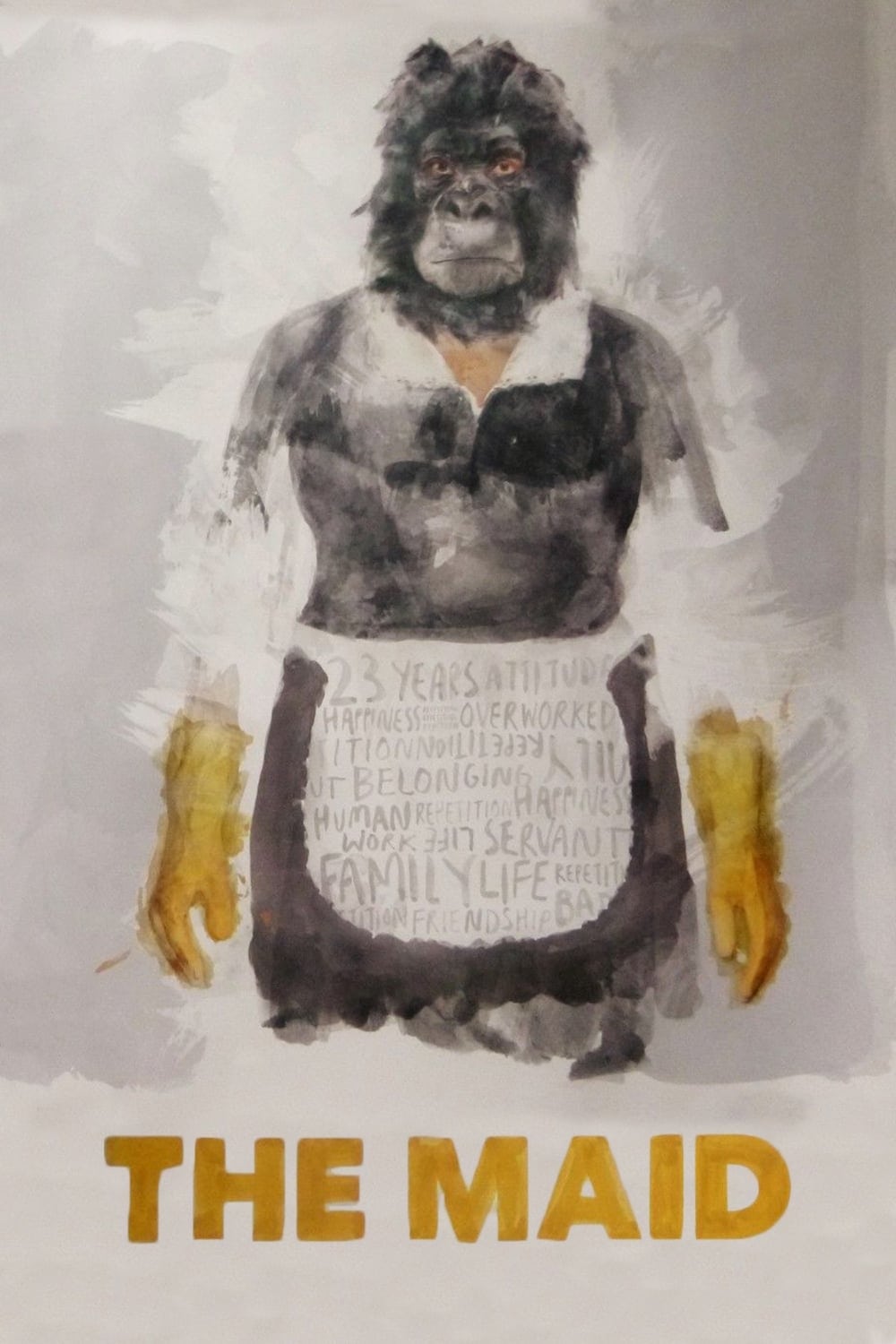
Raquel has been the live-in housekeeper for a kind, reasonably wealthy family for half her life, and the joyless repetition of the job has begun to take its toll. Increasingly dependent on painkillers, Raquel resorts to pranks and childish avoidance to antagonize the family’s college-age daughter and a procession of new servants, all in the hopes of protecting her precarious power within the home. Her antics successfully push everyone away, until new maid Lucy actually pushes back.
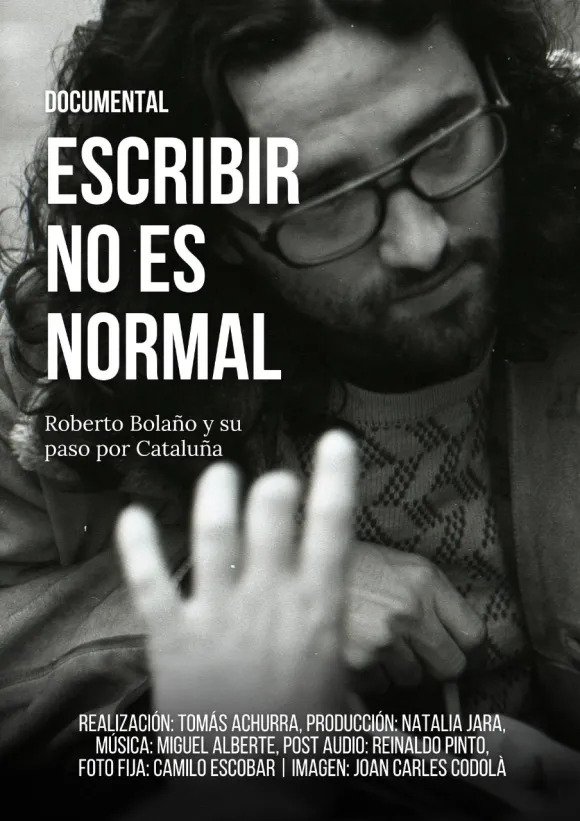
In 1973 a military coup was staged in Chile, Ernesto lived through these tough times and shares his story about what happened to him
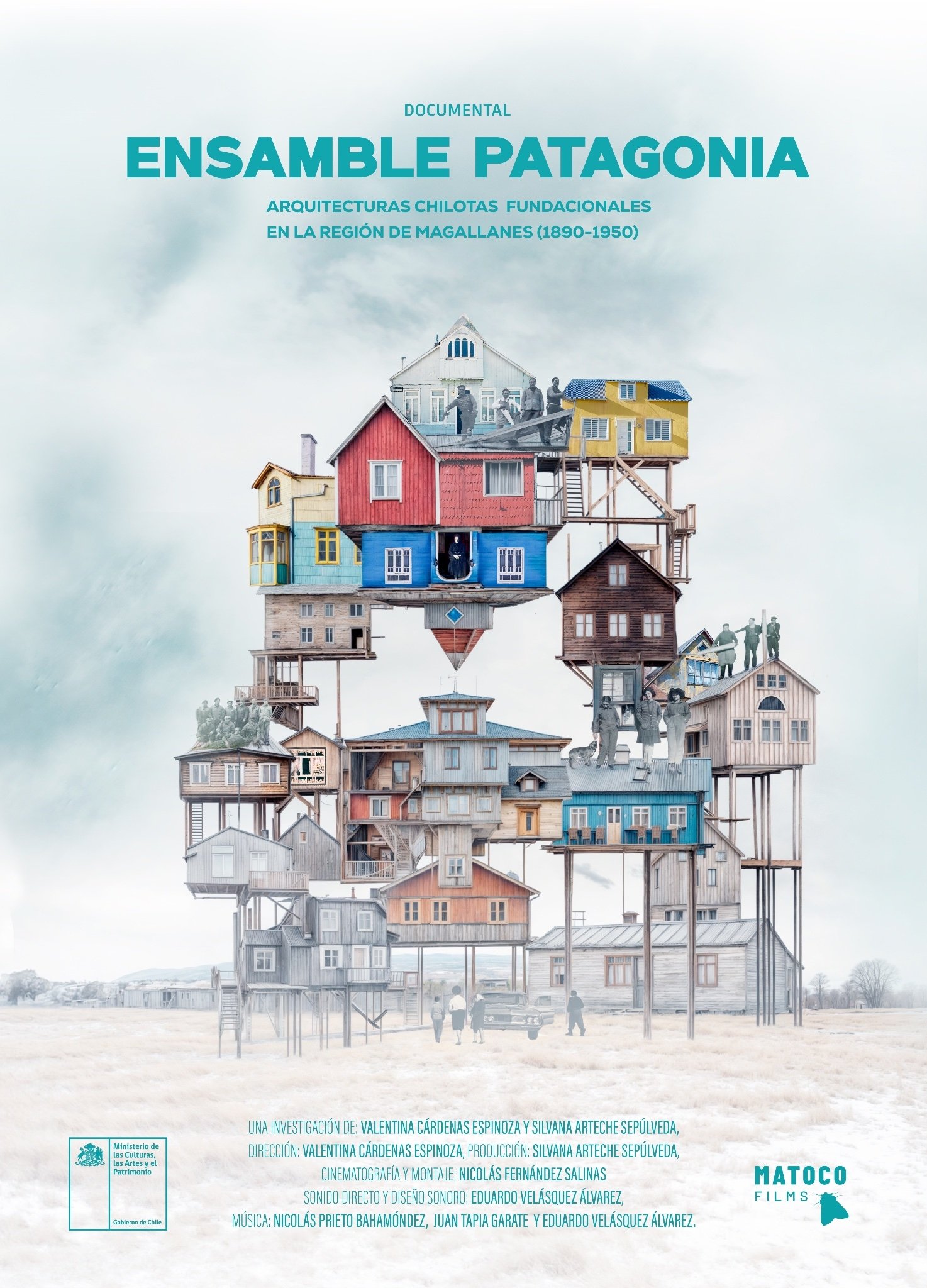
Through moving and detailed testimonies, the documentary explores the significant Chilote heritage in the architecture of an emerging Patagonia at the end of the 19th century.
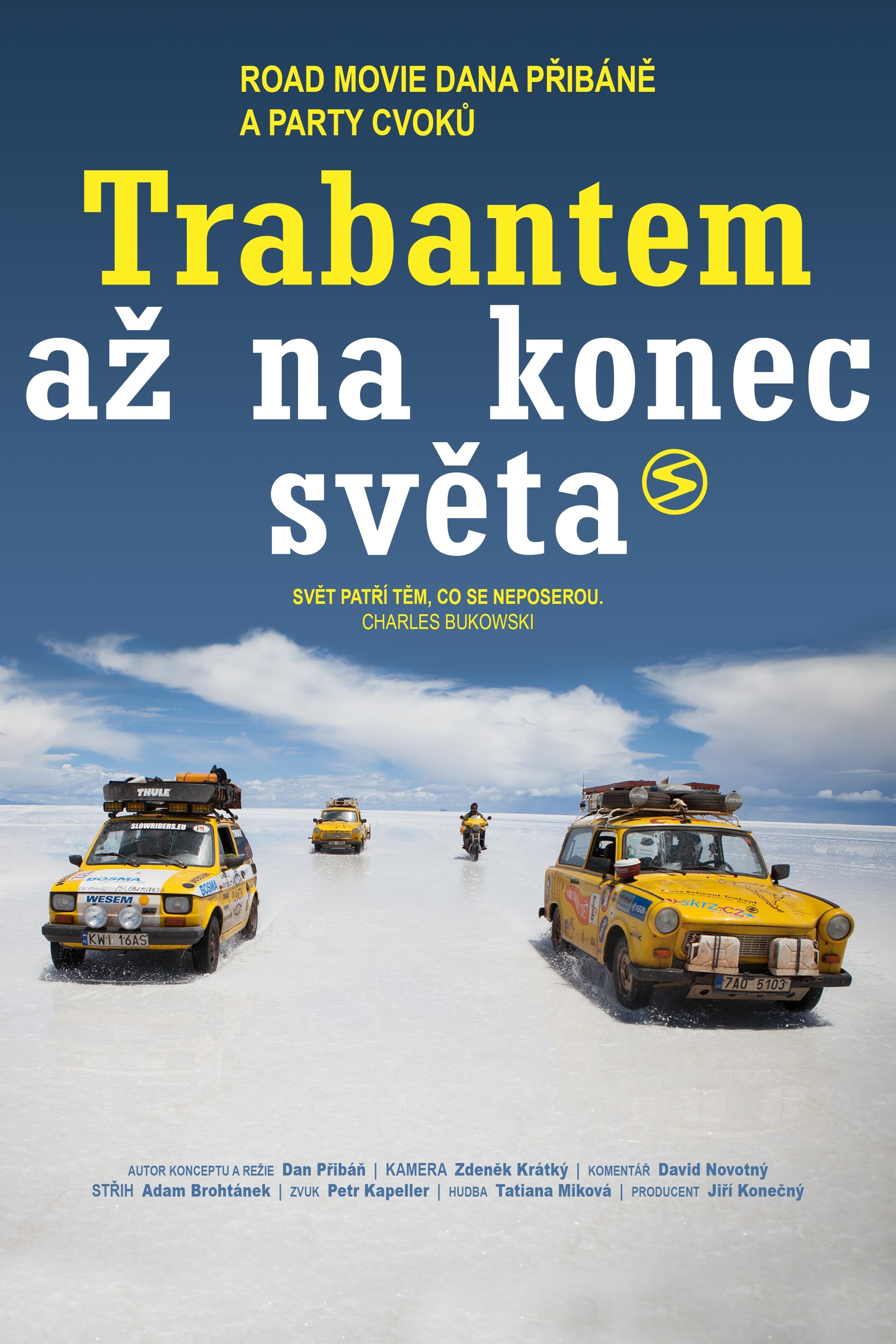
The third installment in Dan Přibáň's series of travel documentaries describes the author's journey with his friends across South America in vehicles that are often notorious but cult in their own way. The charming dynamics of the group on screen are further enhanced by the high-quality craftsmanship.
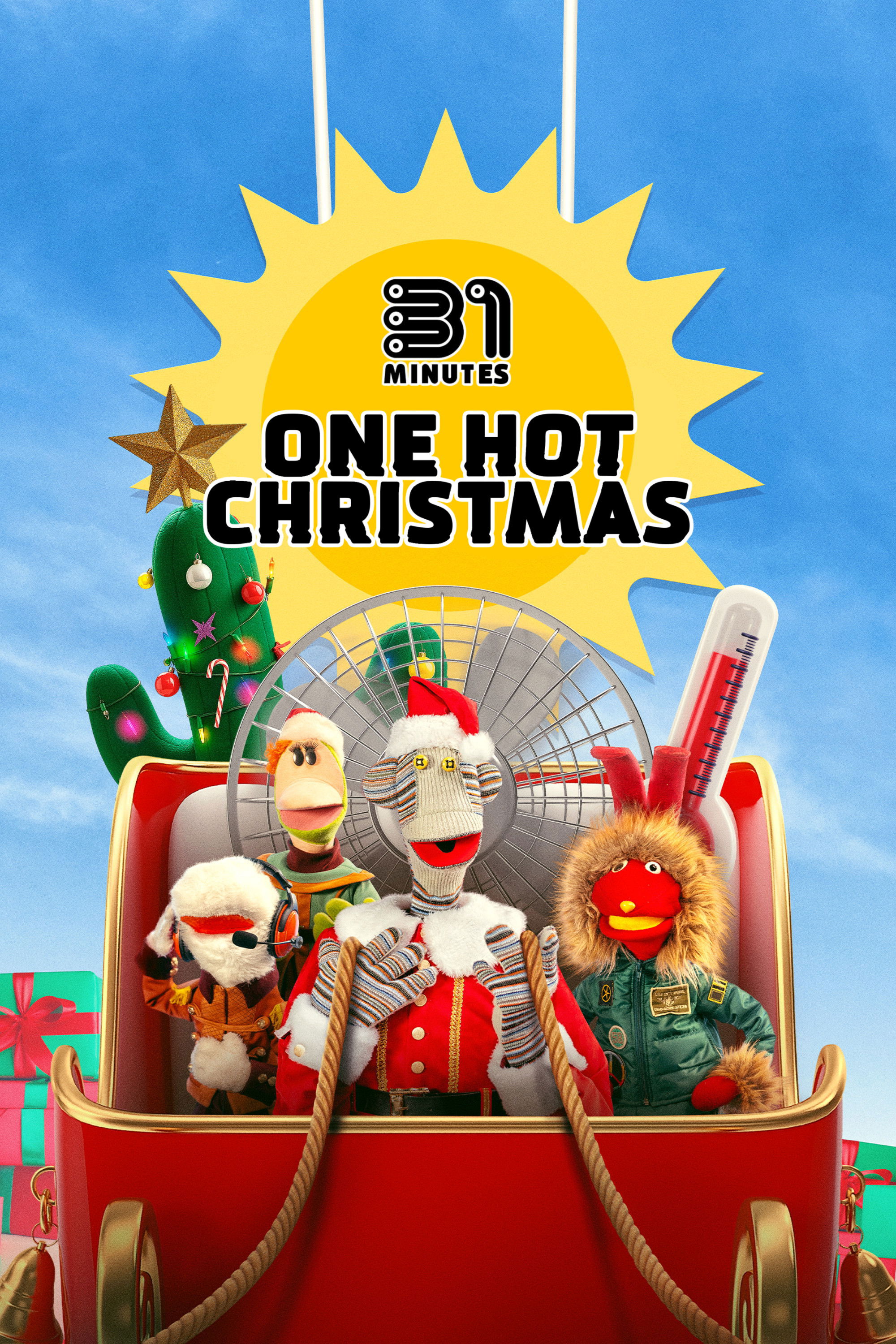
Puppeton, the town of 31 Minutes, faces such an infernally hot Christmas that Santa Claus cancels his visit! Bodoque the rabbit heroically volunteers to rescue the presents from the North Pole, while his friends improvise a disastrous Christmas show. But what they don't expect is Bodoque giving in to some irresistible temptations along the way.
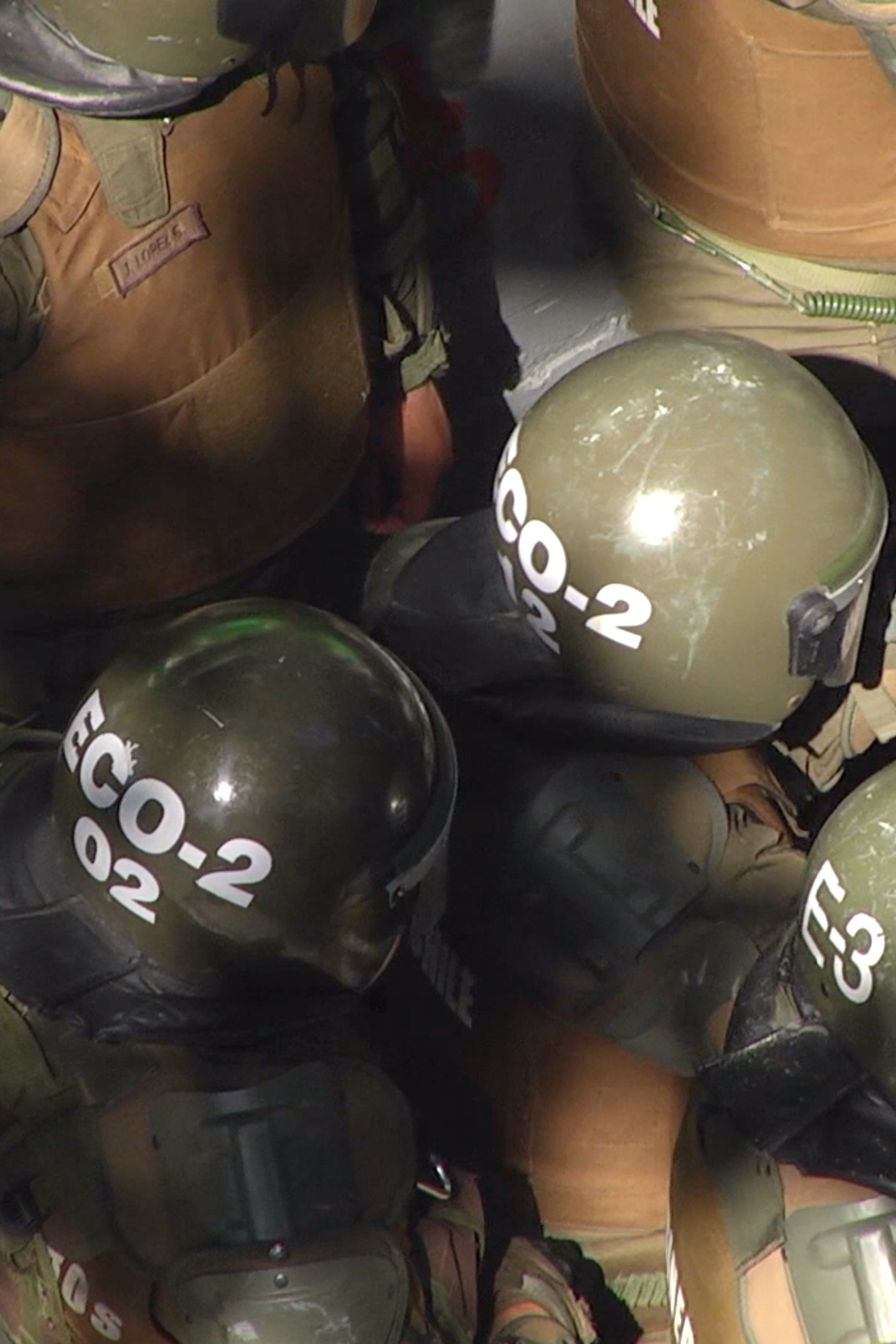
A poetic short film showing a day in the 2019 protests in Santiago, Chile through documentary images.
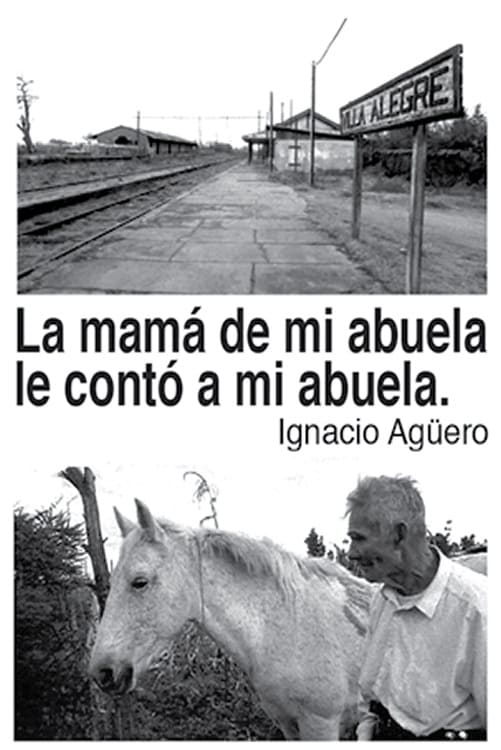
Gathered by a theater company, a small town in Chile called Villa Alegre, looks deep into its origins and myths to tell their own history through a play.
Three roommates attempt to complete a task of their own.
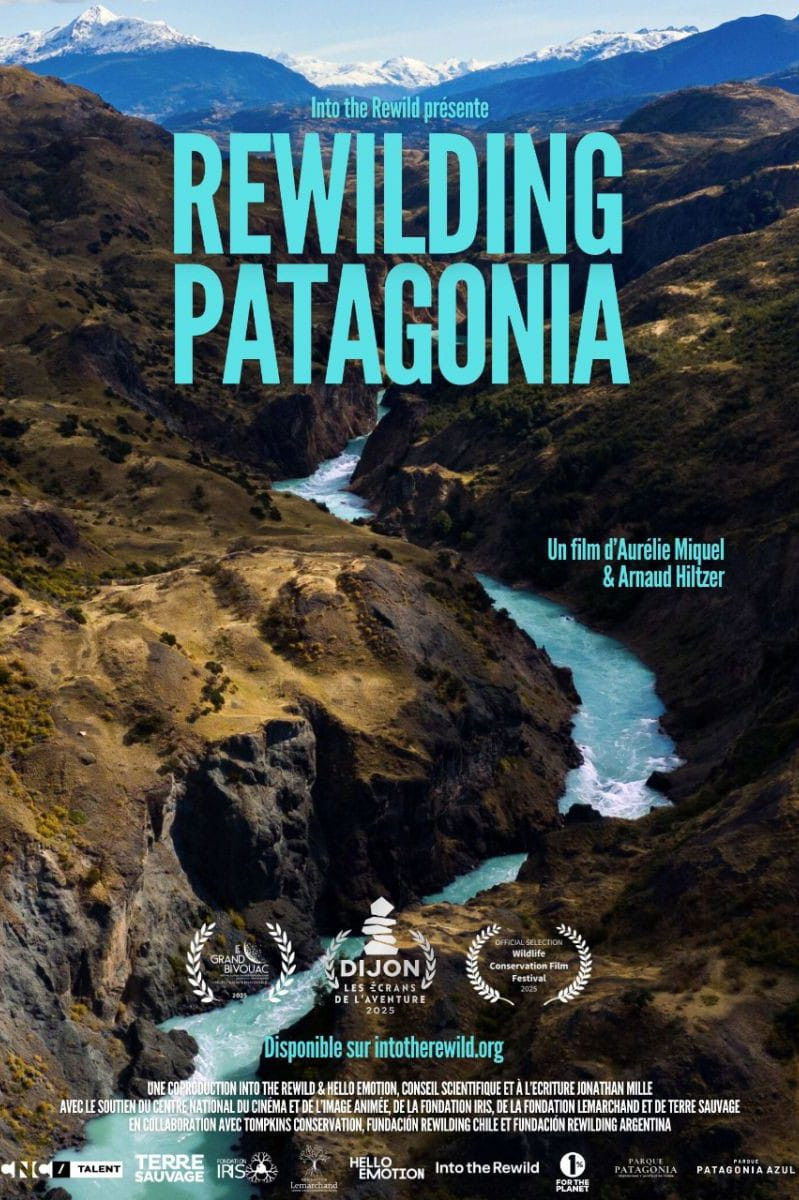
This is one of the most beautiful rewilding stories of our time, that of Douglas and Kristine Tompkins, a couple of successful entrepreneurs – The North Face and Esprit – who decided to dedicate themselves to protecting vast territories in Patagonia. The results of their actions are astounding: in 30 years they enabled the creation and expansion of 18 national parks between Chile and Argentina, covering a total area of 7 million hectares, equivalent to the size of a country like Ireland. By transforming these spaces and reconstructing natural ecosystems, the development of these parks has also enabled the creation of social bonds, developed a new form of economic activity, brought forth a political space, and contributed to strengthening the population’s sense of belonging to their territories.
In the Shadow of the Condor documents an expedition in January of 2002 into the spectacular pristine Corcovado wilderness in Southern Chile.
Concert by Víctor Jara at Panamericana Televisión in Lima, Peru, on July 17, 1973. This is one of the last audiovisual records of Víctor Jara. Two months later he would be assassinated by the Chilean military dictatorship.
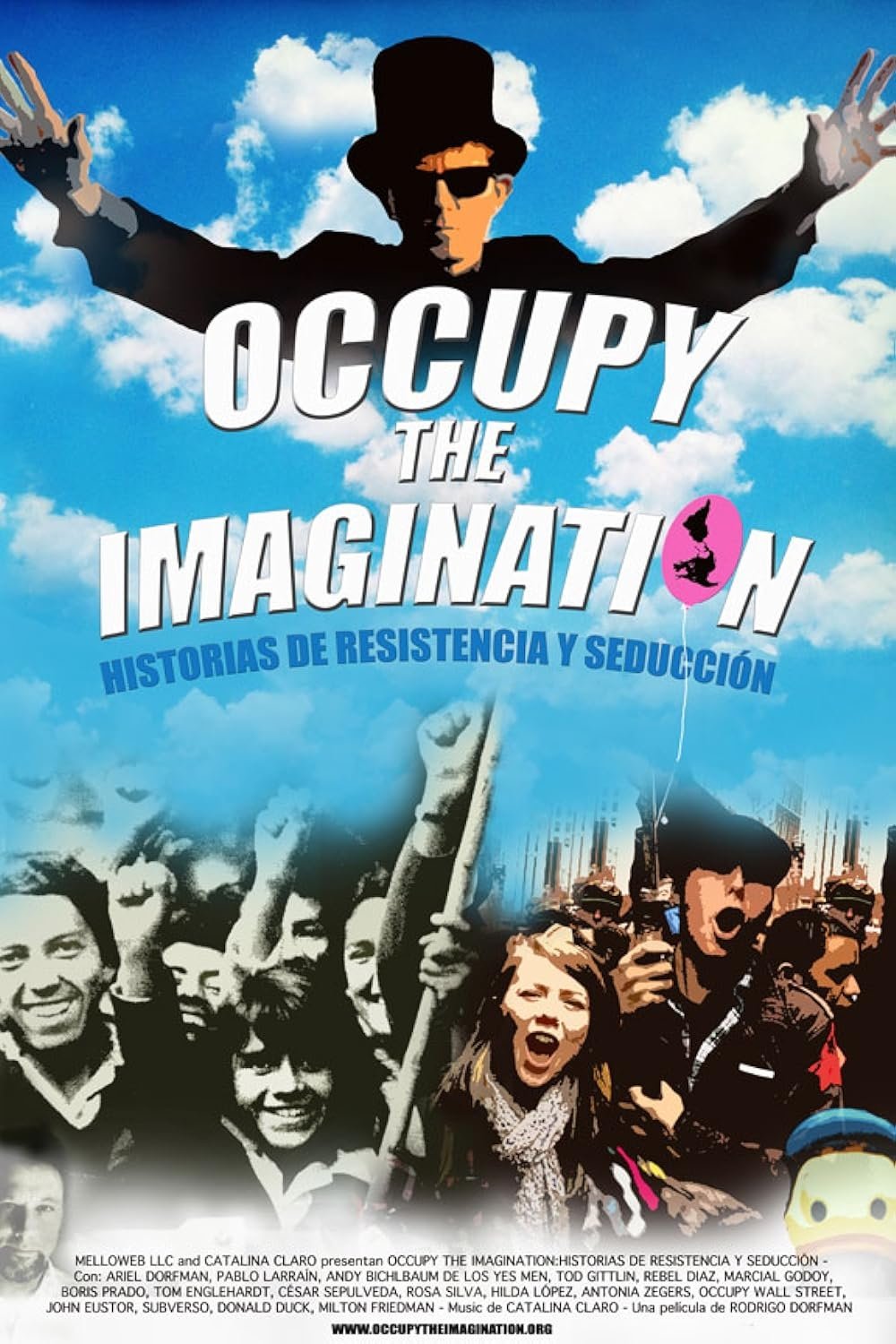
Filmmaker Rodrigo Dorfman goes in search of his revolutionary roots in Chile and in the process finds it in the euphoria of the Occupy Movement.
The deleted scenes and additional stunts and sketches that originally were not presented in the original series.
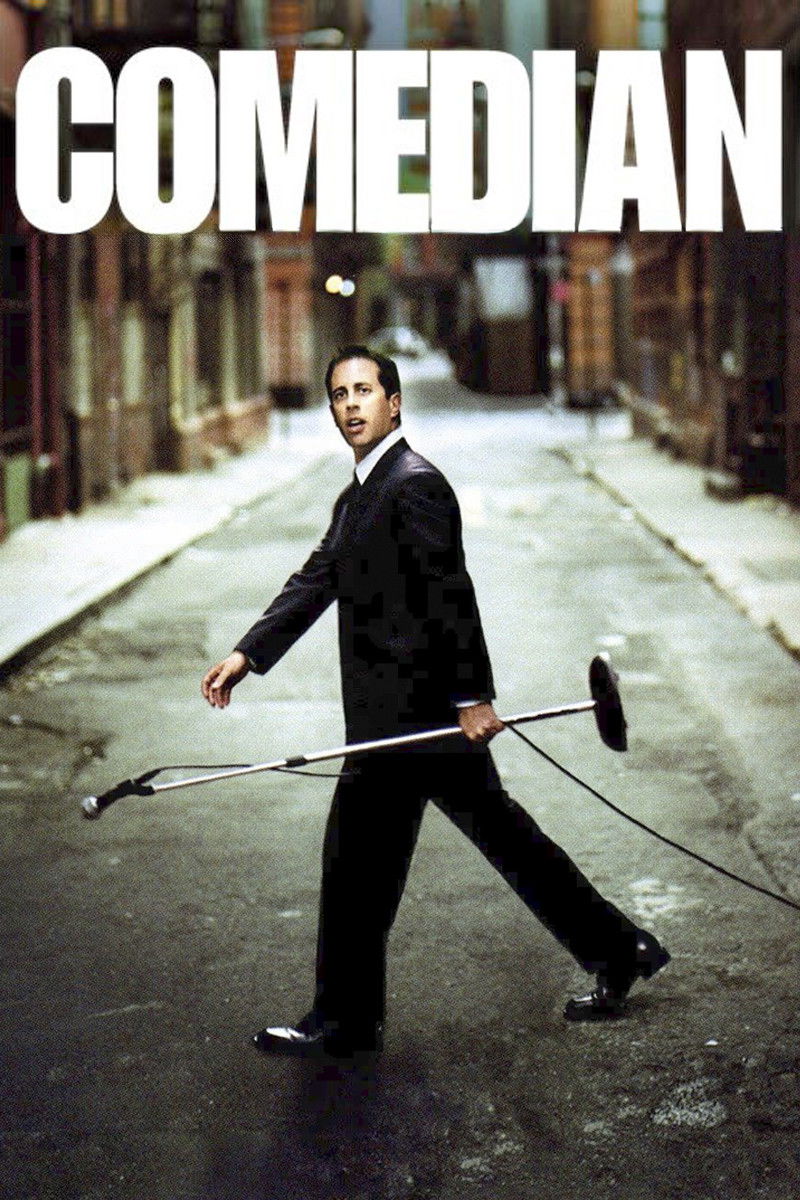
A look at the work of two stand-up comics, Jerry Seinfeld and a lesser-known newcomer, detailing the effort and frustration behind putting together a successful act and career while living a life on the road.
An inside look at one of the most anticipated movie sequels ever with James Cameron and cast.
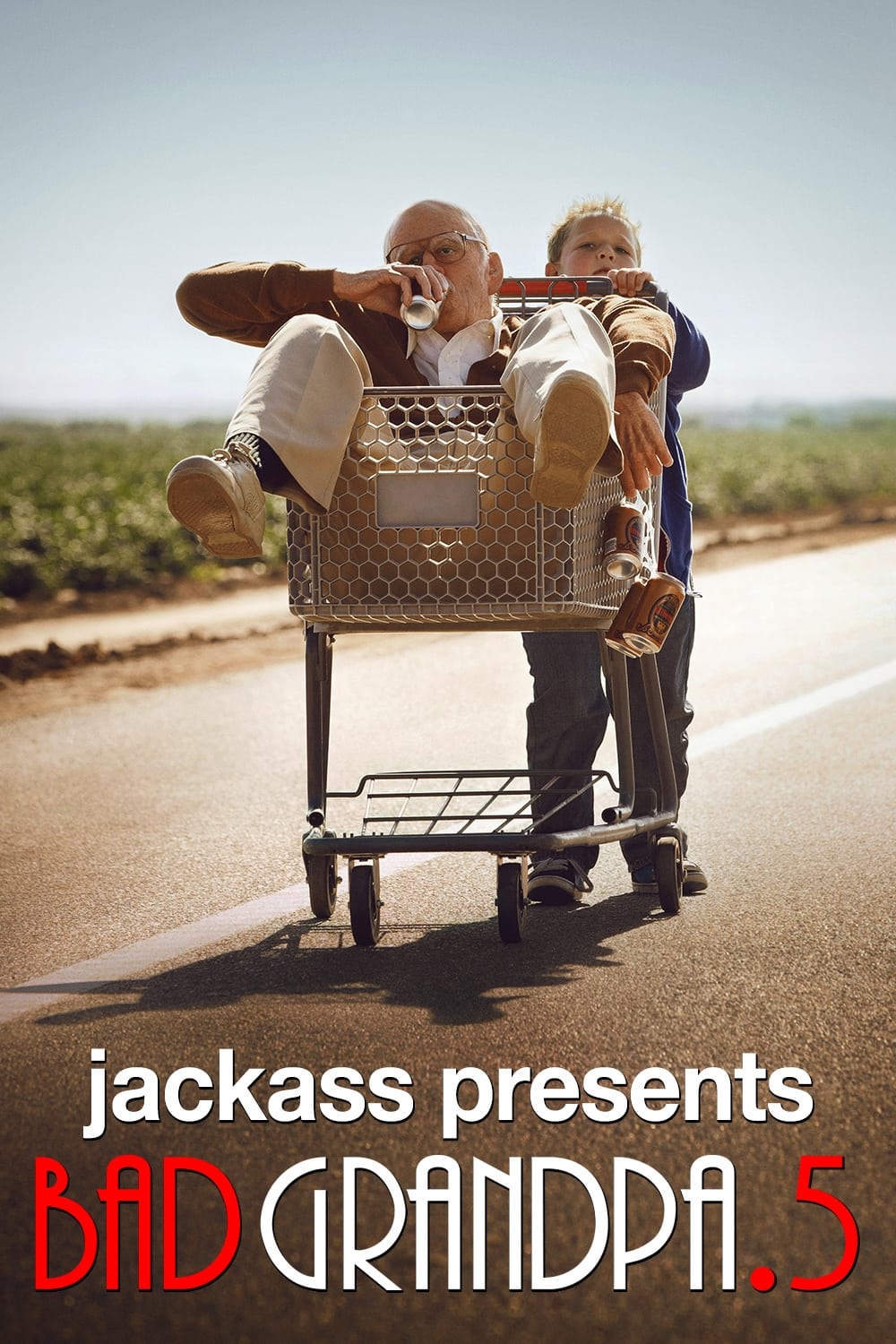
Bad Grandpa .5 gives you a whole new perspective on the world of Irving Zisman with bonus scenes and pranks also featuring Spike Jonze as "Gloria" and Catherine Keener as Irving's wife "Ellie", plus a look at the evolution of Johnny Knoxville's naughty alter-ego, the makeup effects, and a behind-the-scenes peek at the idiocy it takes to make a hidden camera movie in public.
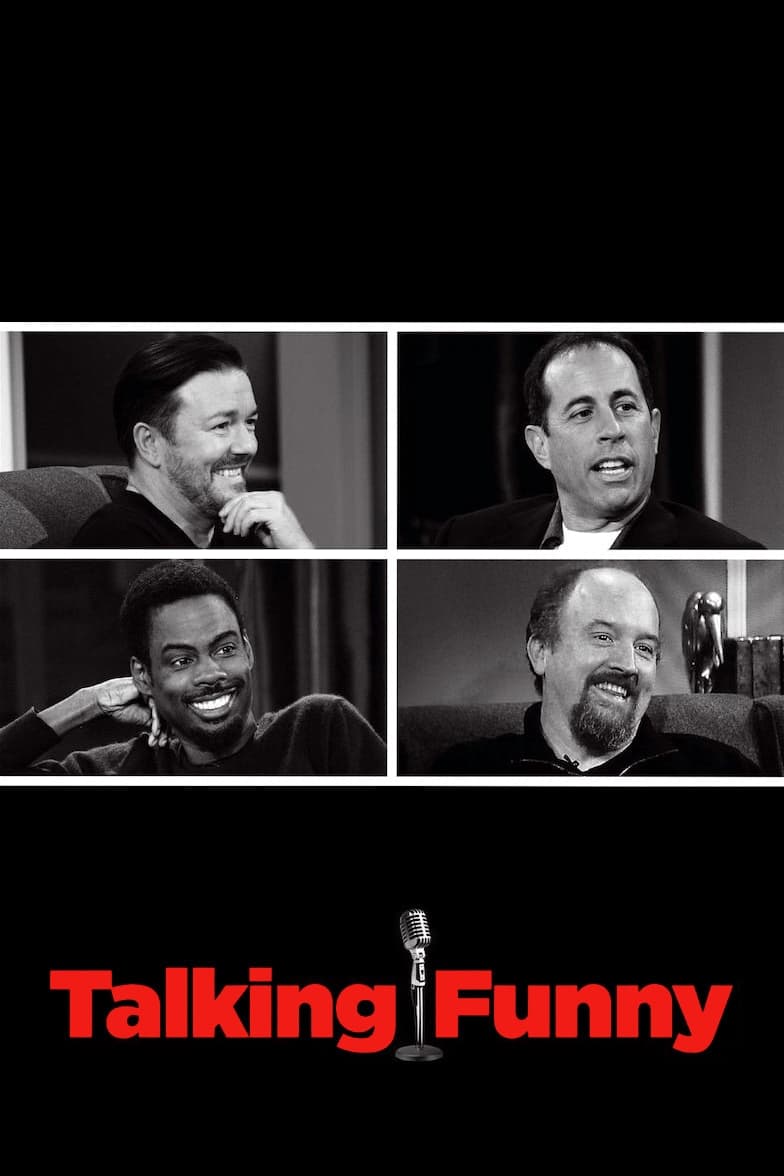
What does it mean to be a successful comedian? How far can the boundaries of taste be pushed to get a laugh? Four top comics, Ricky Gervais, Louis C.K., Jerry Seinfeld and Chris Rock, discuss and debate their craft.
One hundred superstar comedians tell the same very, VERY dirty, filthy joke--one shared privately by comics since Vaudeville.
Cast members of the hit Netflix show join the hosts to unpack the drama of Season 1, and Cristela Alonzo offers tips for being the new kid at school.
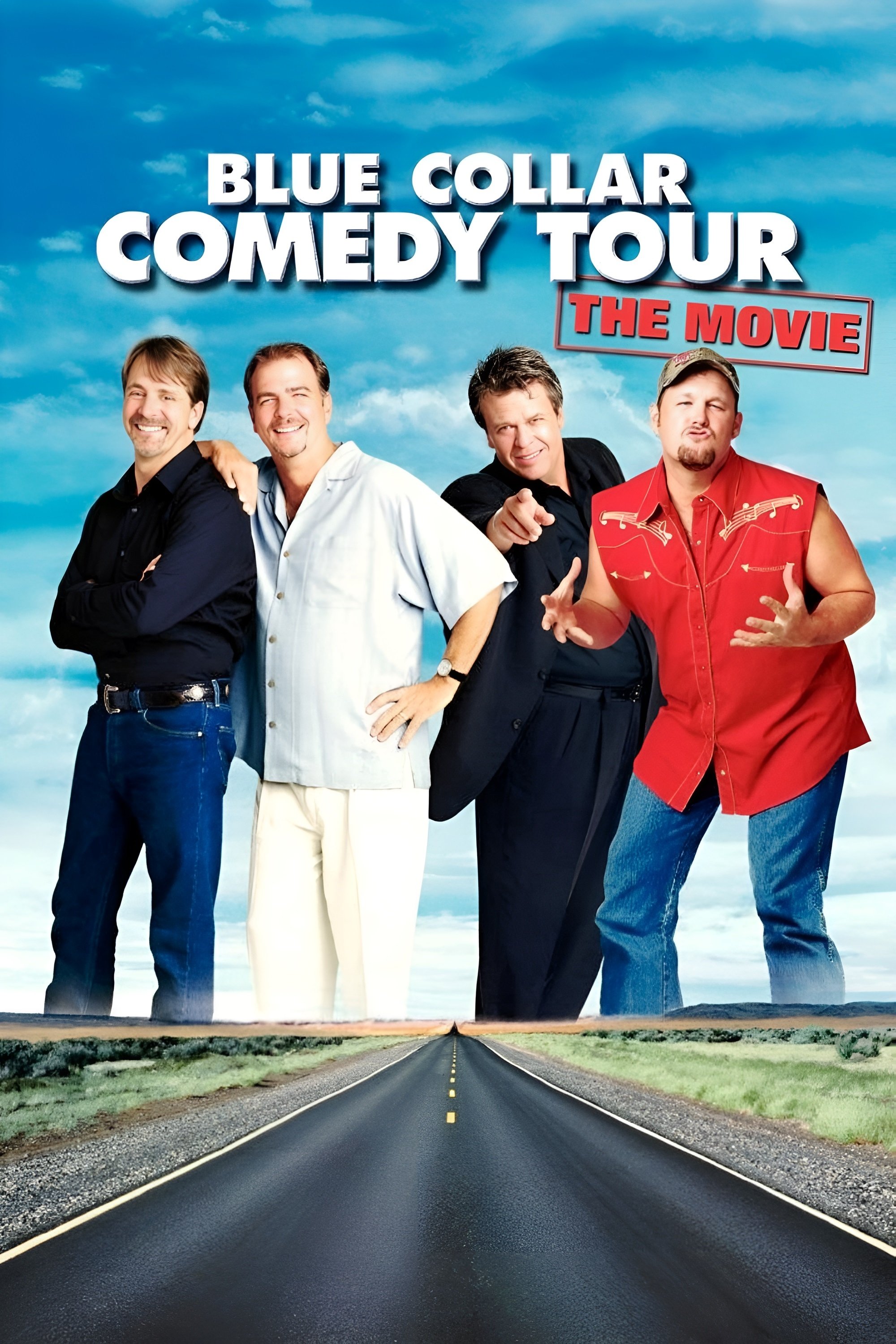
The comedic stylings of four sort-of famous funnymen are brought to the big screen courtesy of this 2002 documentary.
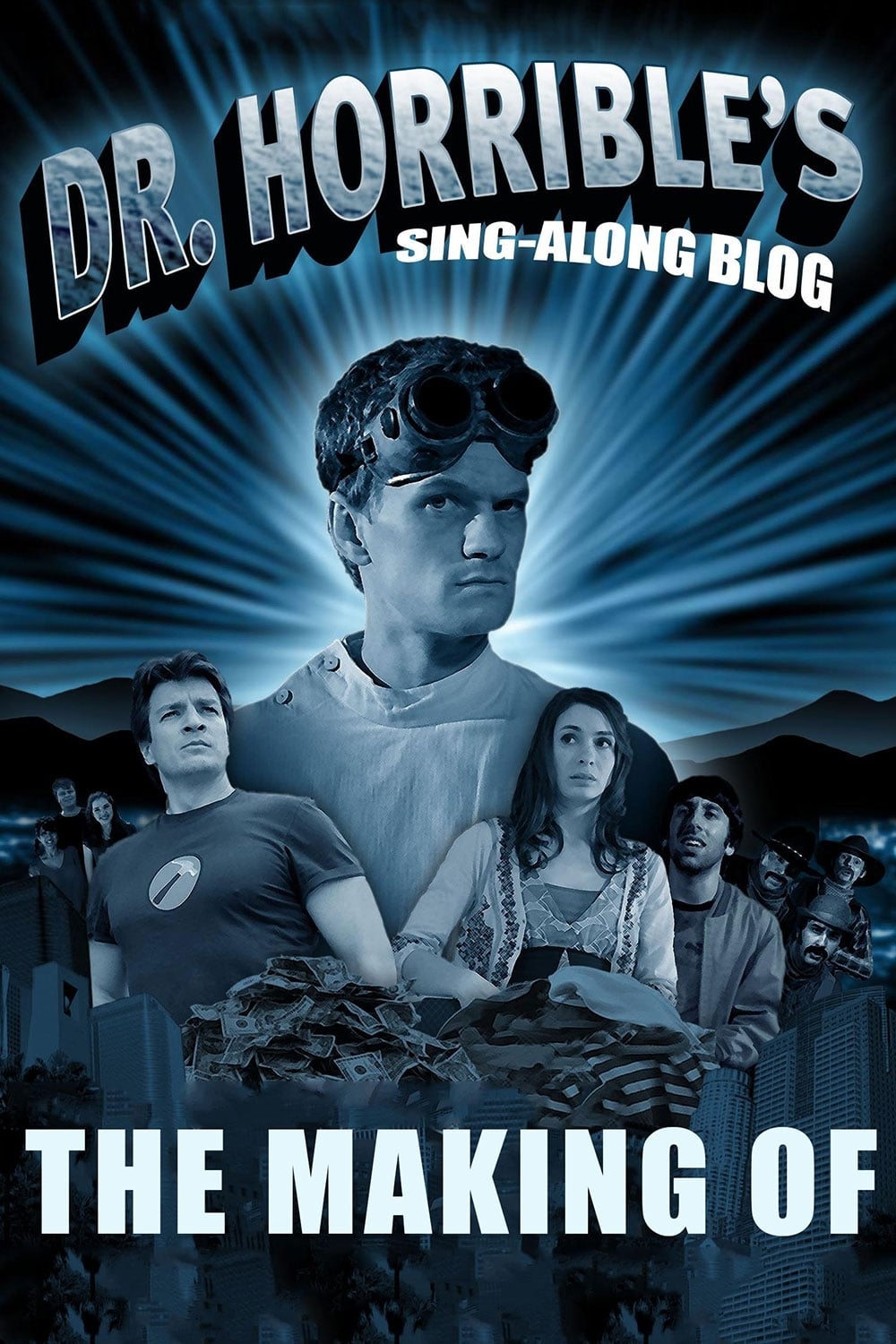
The making of 'Dr. Horrible's Sing-Along Blog'.
A string of threatening emails escalates into a revenge plot involving a newly married US marshal and his ex-girlfriend.
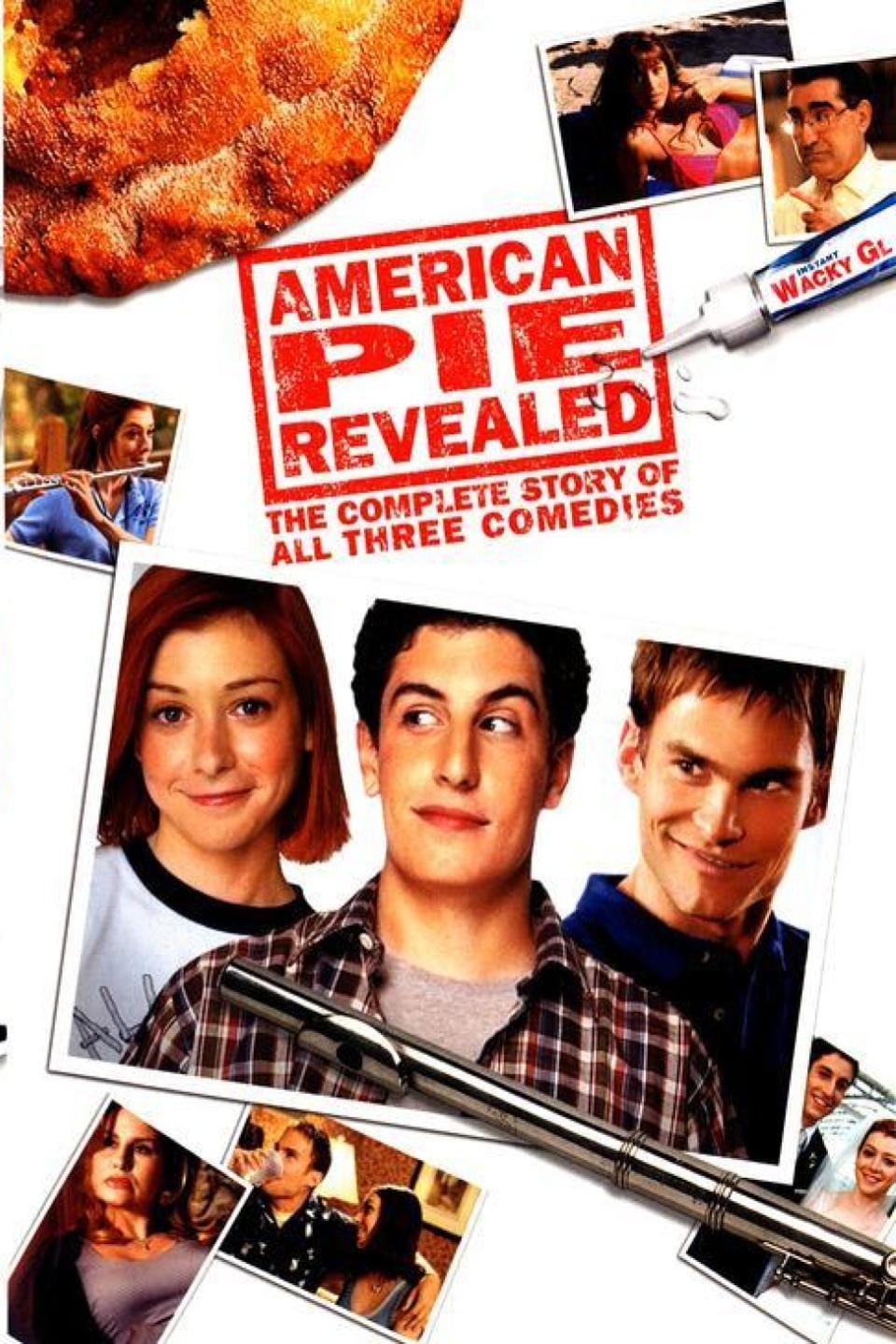
Documentary about the making of American Pie (1999), American Pie 2 (2001) and American Wedding (2003).
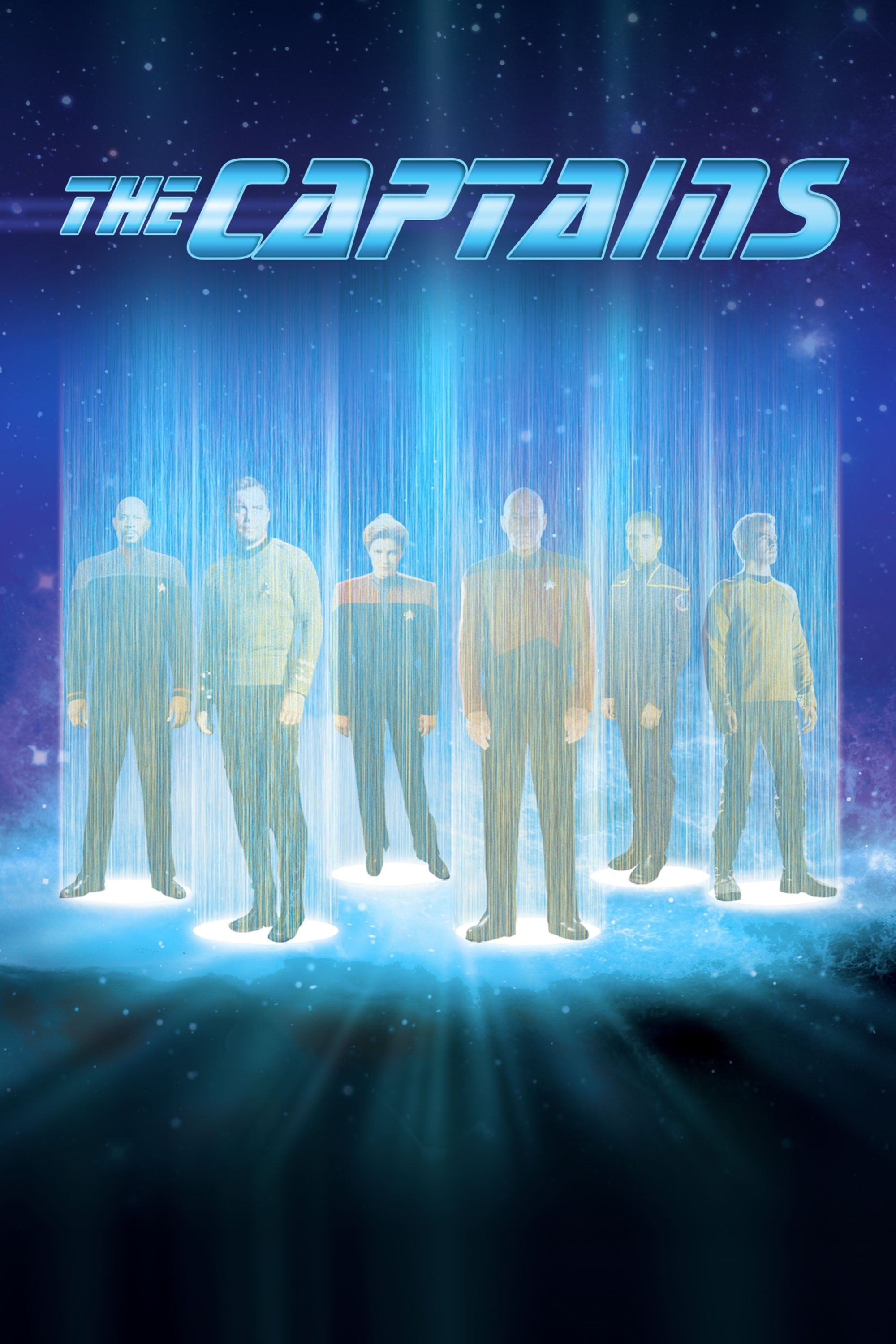
The Captains is a feature-length documentary film written and directed by William Shatner. The film follows Shatner as he interviews the other actors who have portrayed starship captains in the Star Trek franchise.
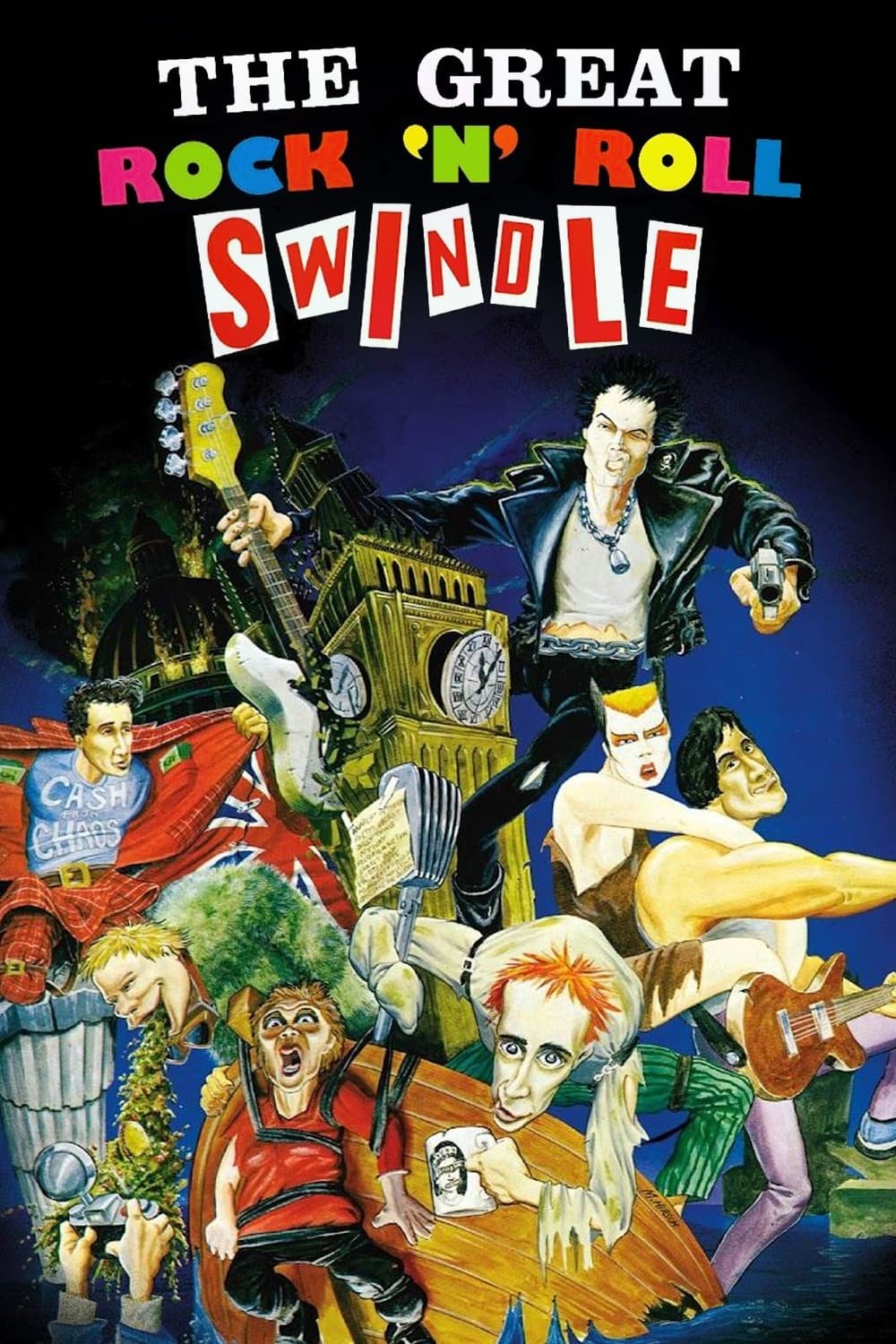
A rather incoherent post-breakup Sex Pistols "documentary", told from the point of view of Pistols manager Malcolm McLaren, whose (arguable) position is that the Sex Pistols in particular and punk rock in general were an elaborate scam perpetrated by him in order to make "a million pounds."
Al Pacino's deeply-felt rumination on Shakespeare's significance and relevance to the modern world through interviews and an in-depth analysis of "Richard III."
Time to hassle the Hoff at the rudest, raunchiest television event of the year--The Comedy Central Roast of David Hasselhoff. From running in slo-mo on the beach to inspiring Germany with the power of cheesy pop--it's almost too easy.
In an intimate and joyful story of love in the face of loss, celebrated poets Andrea Gibson and Megan Falley find strength—and unexpected hilarity—in what might be their final year together.
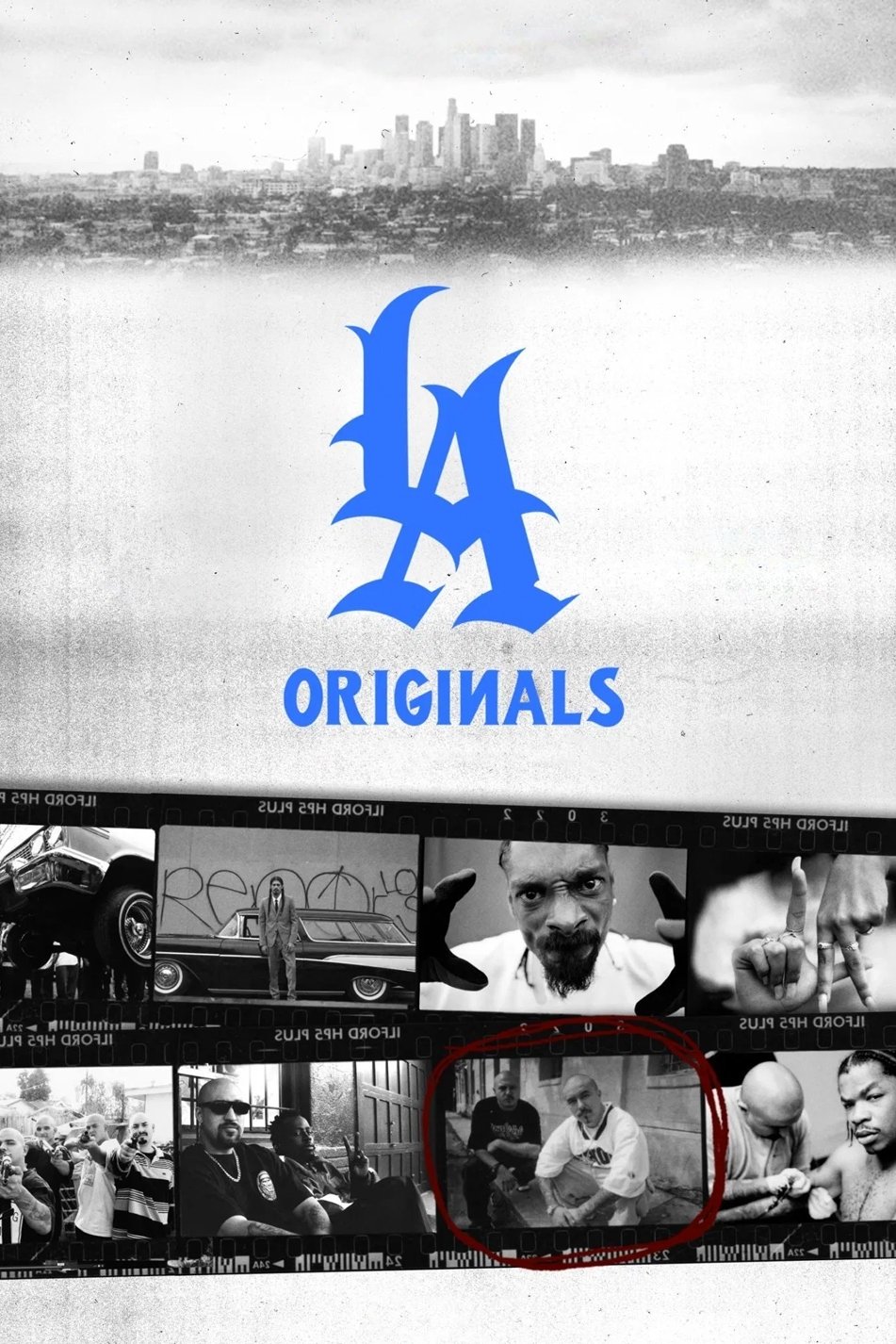
Photographer Estevan Oriol and artist Mister Cartoon turned their Chicano roots into gritty art, impacting street culture, hip hop and beyond.
Comedy Central's best roasters and stand up comedians take a whack at actor/model Pamela Anderson.
Amber Heard and Nicole Kidman discuss their characters Mera and Atlanna.
A look at the "Hell House" performed annually in October by the youth members of Trinity Church (Assemblies of God) in Cedar Hill, Texas (a Dallas suburb) — seen by over 10,000 visitors each year.