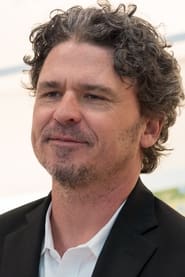
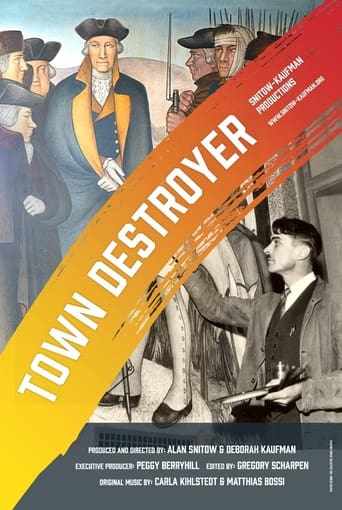
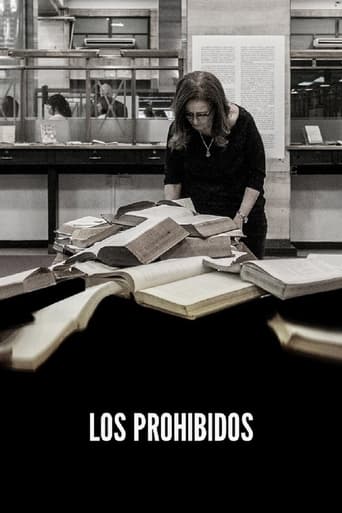
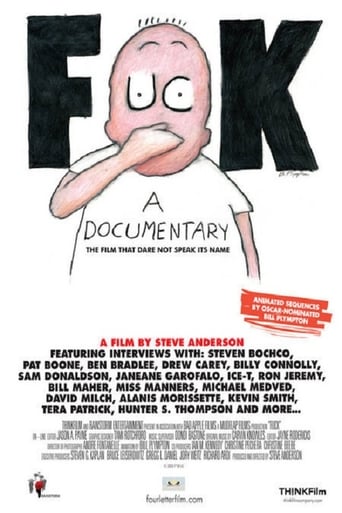
A 30-minute documentary on book banning and censorship that follows author Dave Eggers as he investigates why a Rapid City, SD school board wanted to ban his book.
Social & External
Self
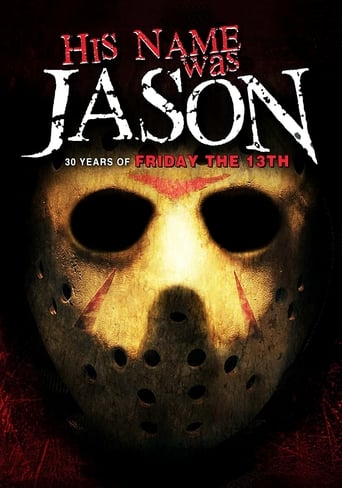
A retrospective documentary about the groundbreaking horror series, Friday the 13th, featuring interviews with cast and crew from the twelve films spanning 3 decades.
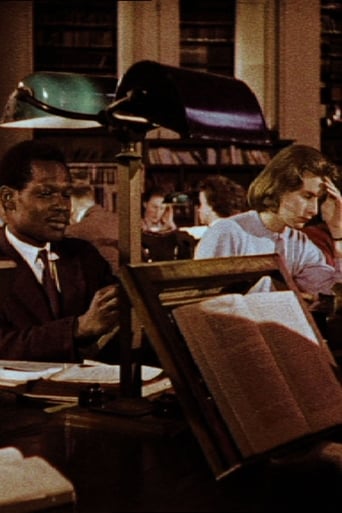
Though commissioned by Trinity College Dublin as a fundraiser for the Berkeley Library and with extensive discussion of the history, architecture and collections of the Old Library, this film also provides a rare insight into student life in Dublin in the 1950s – at work and at play – and lauds the arrival of women and students from many lands.
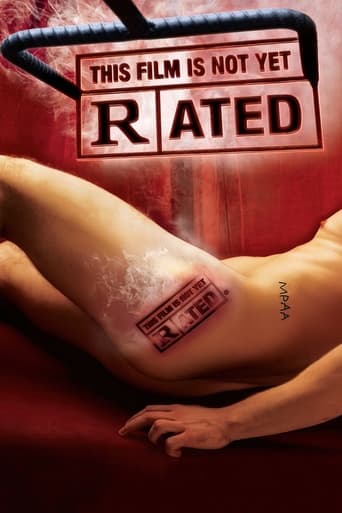
A documentary about the cultural effect of film censorship, focusing on the tumultuous times of the teens and early 1920s in America.
The history of Bruguera, the most important comic publisher in Spain between the 1940s and the 1980s. How the characters created by great writers and pencilers became Spanish archetypes and how their strips persist nowadays as a portrait of Spain and its people. The daily life of the creators and the founding family, the Brugueras. The world in which hundreds of vivid colorful paper beings lived and still live, in the memory of millions, in the smile of everyone.
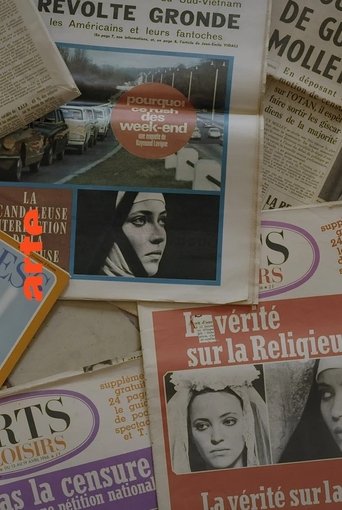
Released in 1796 posthumously, The Nun, a novel that Diderot did not dream of publishing during his lifetime, as he knew it to be revolutionary, caused the same explosion in the 19th century France as in that of the 1960s, when Jacques Rivette decided to adapt it, with Anna Karina in the title role. “This film is banned and it will remain so!” said the General de Gaulle. Exploration of an indictment of incredible modernity which, through the tragedy of the young Suzanne, locked up in the convent against her will, denounces the inequity of a society denying women all moral, political and sexual freedom.
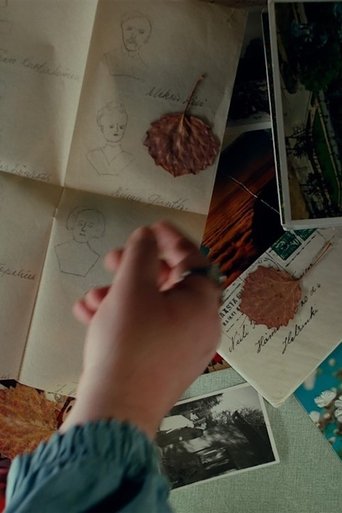
In the aftermath of a death, a home is cleaned out; the accumulation of a life is removed in bags and recycle bins. But what becomes of the collection of books? Laura Rantanen’s resoundingly moving and wistful documentary reflects on the end of life, what lingers behind, and the moments when a book breaks through the monotony to open the world around us.
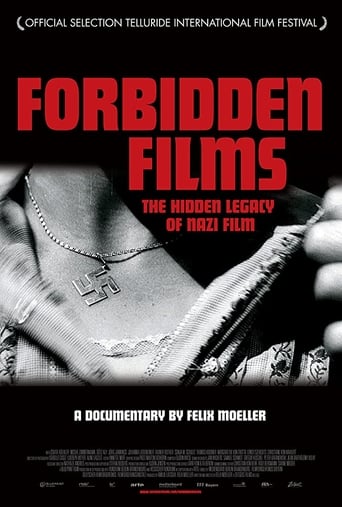
Between 1933 and 1945 roughly 1200 films were made in Germany, of which 300 were banned by the Allied forces. Today, around 40 films, called "Vorbehaltsfilme", are locked away from the public with an uncertain future. Should they be re-released, destroyed, or continue to be neglected? Verbotene Filme takes a closer look at some of these forbidden films.
As local newsrooms vanish, "News Without a Newsroom" explores journalism's uncertain future in the digital age. Through powerful stories and expert insights, the film examines the collapse of traditional media, the rise of misinformation, and the fight to preserve truth, trust and accountability in an era of disruption.
A documentary about the Staatsoper Stuttgart (Stuttgart State Opera) in Germany.
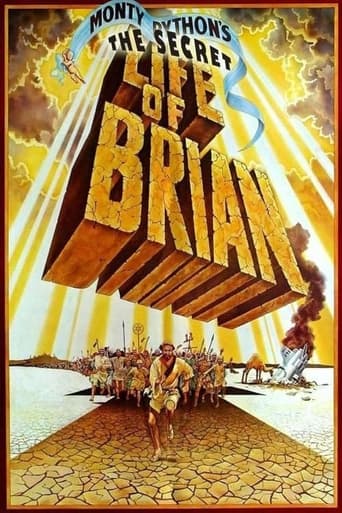
A documentary about the making of the controversial Life of Brian and the surrounding accusations of blasphemy.
The film tells the story of Bill, a young boy who discovers a worn and damaged book about the American Revolution in a secondhand bookshop and buys it for 25 cents. Through his experience, the film explores the lifecycle of a book, from creation to wear and tear, and the importance of proper care and repair. Bill, with the help of his schoolmates and Miss Walker, the librarian, learns how to mend torn pages, remove stains, and protect the book with a new cover and dust jacket. The film emphasizes the collective effort required to create a book and educates on how to extend its life through careful handling and repair, conveying a message of respect and stewardship for books.
A documentary analyzing the furore which so-called "video nasties" caused in Britain during the 1980s.
On January 31, 1857, the French writer Gustave Flaubert (1821-80) took his place in the dock for contempt of public morality and religion. The accused, the real one, is, through him, Emma Bovary, heroine with a thousand faces and a thousand desires, guilty without doubt of an unforgivable desire to live.
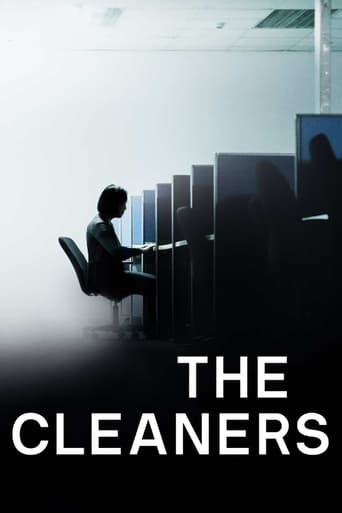
A deep dive into the hidden industry of digital cleaning, which rids the Internet of unwanted violence, porn and political content.
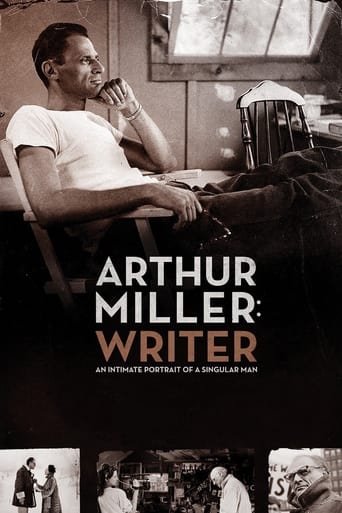
One of the greatest playwrights of the 20th century, Arthur Miller created such celebrated works as Death of a Salesman and The Crucible, which continue to move audiences around the world today. He also made headlines for being targeted by the House Un-American Activities Committee at the height of the McCarthy Era and entering into a tumultuous marriage with Hollywood icon Marilyn Monroe. Told from the unique perspective of his daughter, filmmaker Rebecca Miller, Arthur Miller: Writer is an illuminating portrait that combines interviews spanning decades and a wealth of personal archival material, and provides new insights into Miller’s life as an artist and exploring his character in all its complexity.
How free and independent is the press in Europe? In recent years, multiple crises and the rise of authoritarianism have put pressure on journalists. We take a look at these countries, where aggression towards the media seems to be undermining the very idea of democracy.
A sex education film dedicated to all forms of human sexuality.
This short documentary explores how the Ilustrada section of the Folha de S. Paulo newspaper had to fight back against censorship from the military dictatorship in Brazil after Lourenço Diaféria, one of its columnists, published an article criticising the patron of the Brazilian army, Duque de Caxias.
The convoluted and moving story of Russian writer Vassili Grossman (1905-64) and his novel Life and Fate (1980), a literary masterpiece, a monumental and epic account of life under Stalin's regime of terror, a defiant cry that the KGB tried to suffocate.
A look at the forces that shaped Pre-Code Hollywood and brought about the strict enforcement of the Hays Code in 1934.