Social & External
The people behind it
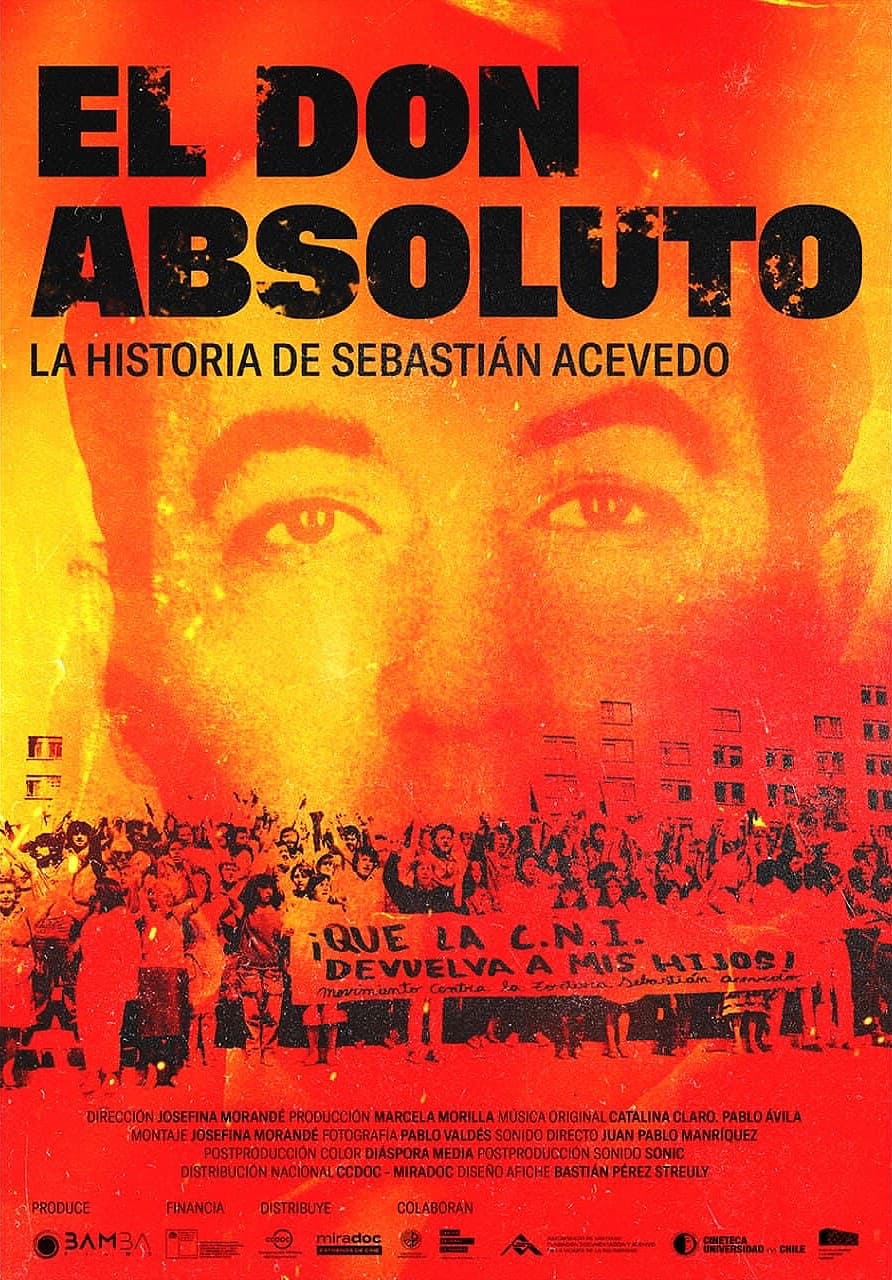
Sebastian Acevedo
Himself
María Candelaria Acevedo
herself
Galo Acevedo
himself
Elena del Carmen Saez Retamal
Herself
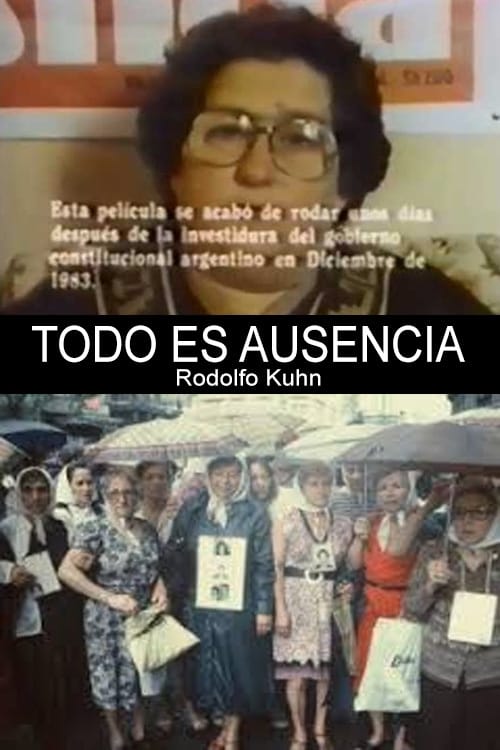
Five Argentinian women, with missing relatives from the military dictatorship that ruled the country, explain their emotions and feelings about all that happened.
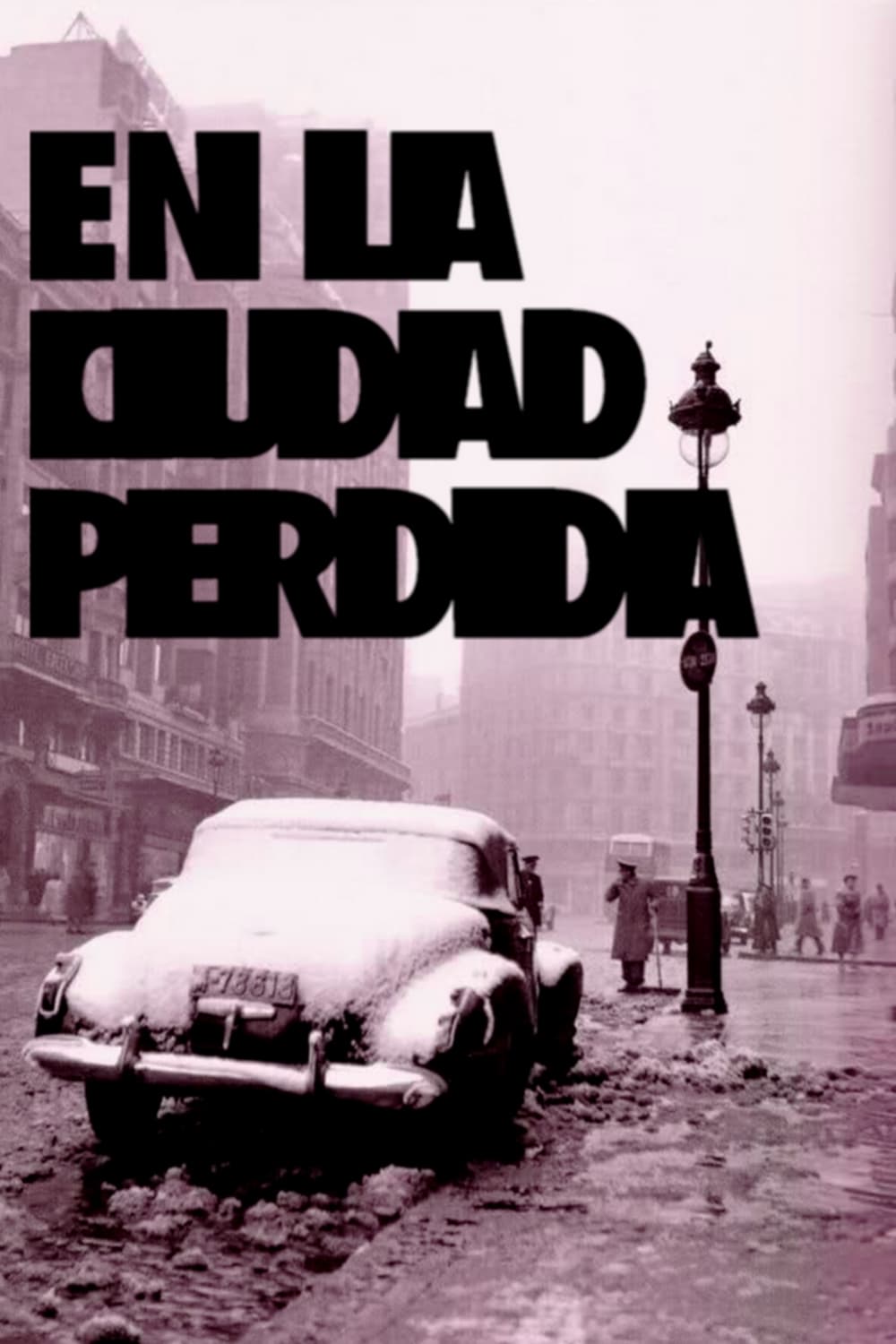
The city of Madrid as it appears in the Spanish films of the 1950s. A small tribute to all those who filmed and portrayed Madrid despite the dictatorship, censorship and the critical situation of industry and society.
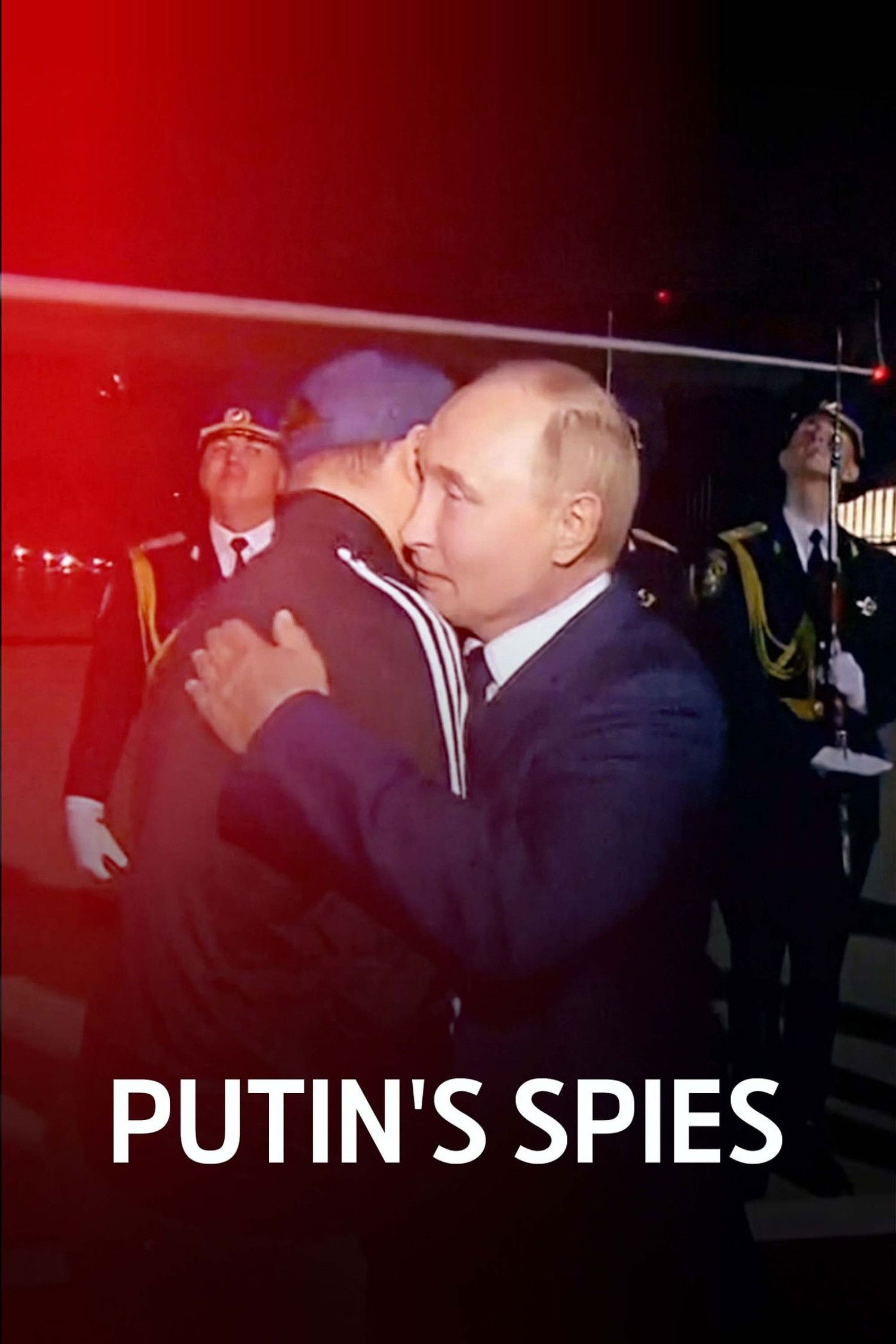
Never before in Russian history has the Russian domestic intelligence services been more powerful than today. The FSB is a murky organisation that can ruin people’s lives who are deemed enemies of the Russian state and even commit murder on behalf of the Kremlin. Four people in exile open up about their experiences with the FSB.
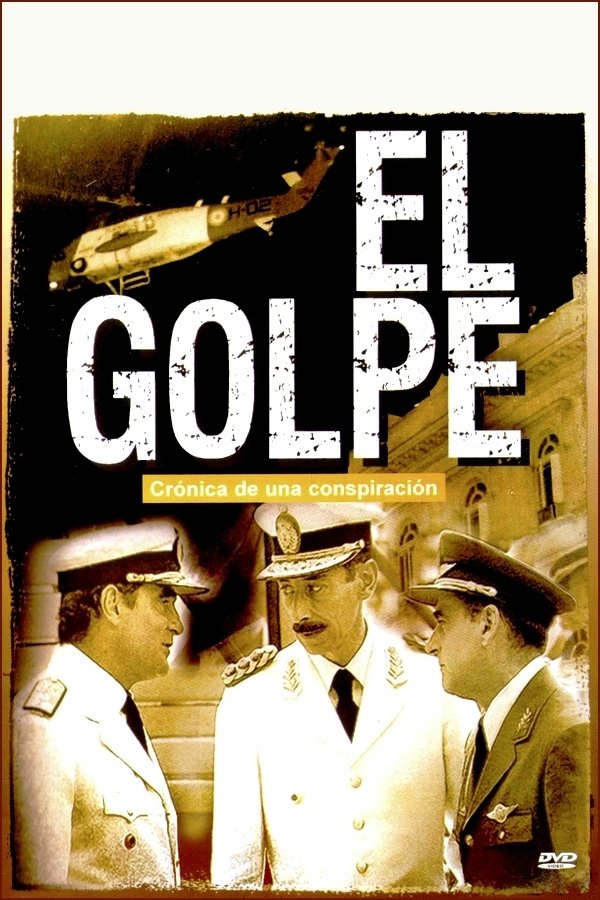
Argentina, 1973. The return of democracy marks the beginning of a new countdown to the next coup d'état: on March 24, 1976, the worst dictatorship in Argentine history is installed, the bitter fruit of a plot carefully hatched for months.
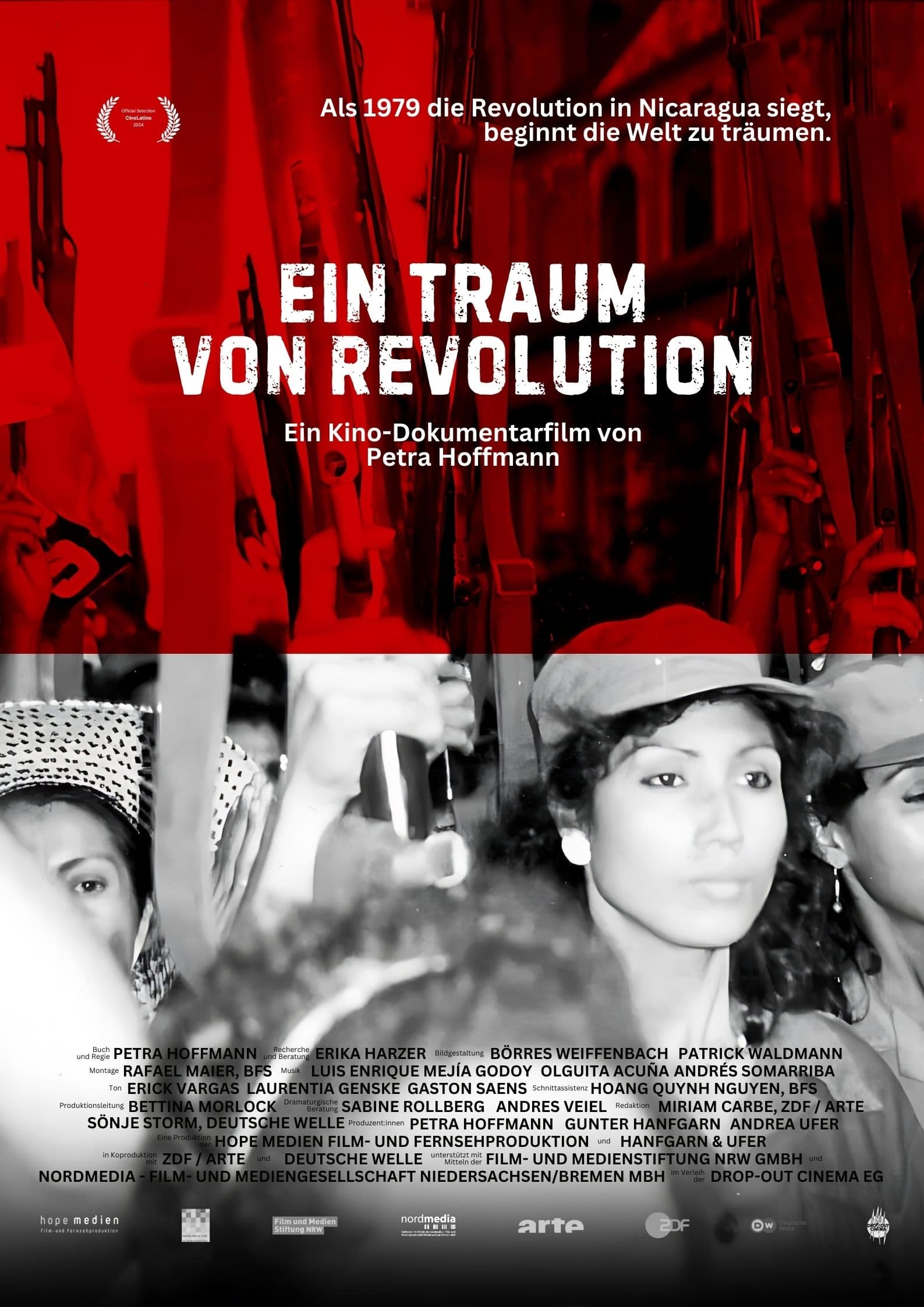
When the revolution in Nicaragua won its victory nearly 40 years ago, the world began to dream. A young generation was taking the reins in a country of grand utopias. From West Germany alone, 15,000 “brigadists” travelled to help rebuild the war-torn country: liberals, greens, unionists, social democrats, leftists and church representatives harvested coffee and cotton, built schools, kindergartens and hospital wards. No movement has mobilised so many people. What became of the hopes and dreams of the revolutionaries and their supporters?
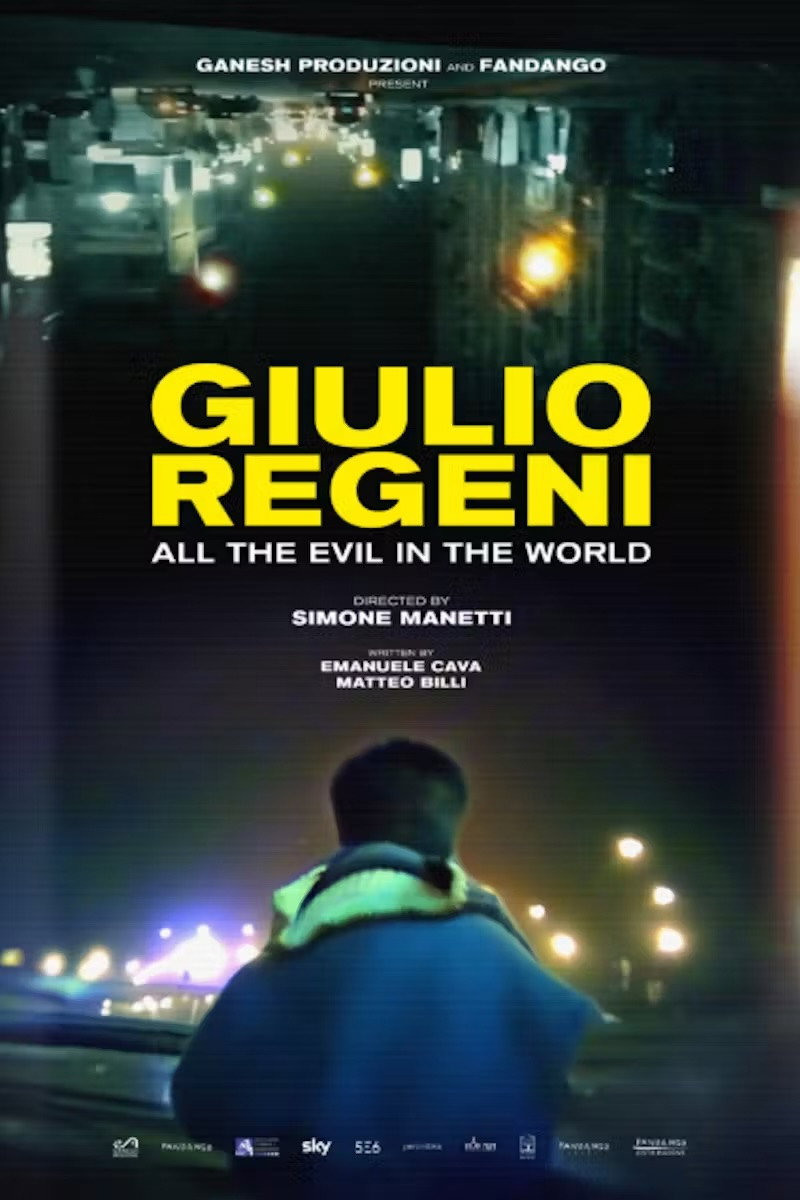
The events related to the death of Giulio Regeni, kidnapped, tortured and killed in Egypt, with the reconstruction of his family and lawyer Alessandra Ballerini, showing the stages of the kidnapping, the torture and killing.
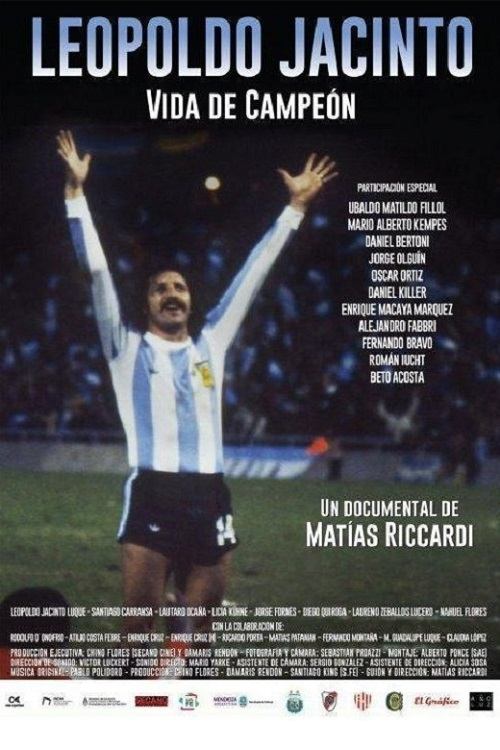
Documentary about the life story of one of Argentina's sports idols. One of the forty-three soccer players who won a World Cup, a fight. Filmed in Mendoza, Santa Fé, Rosario and Buenos Aires.
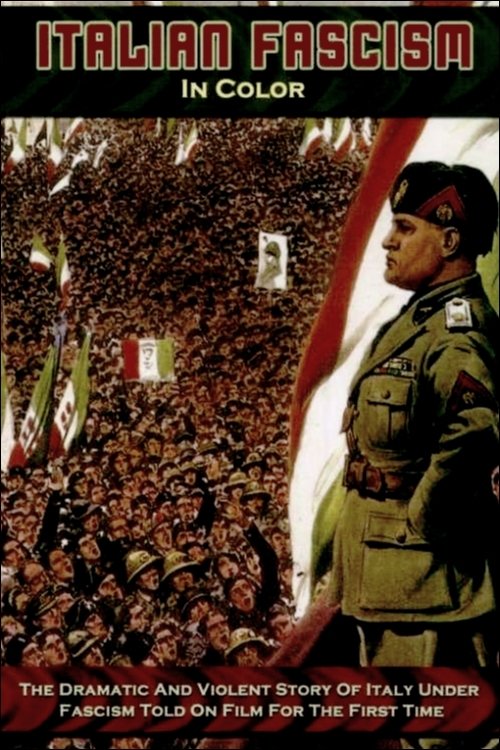
After the World War I, Mussolini's perspective on life is severely altered; once a willful socialist reformer, now obsessed with the idea of power, he founds the National Fascist Party in 1921 and assumes political power in 1922, becoming the Duce, dictator of Italy. His success encourages Hitler to take power in Germany in 1933, opening the dark road to World War II. (Originally released as a two-part miniseries. Includes colorized archival footage.)
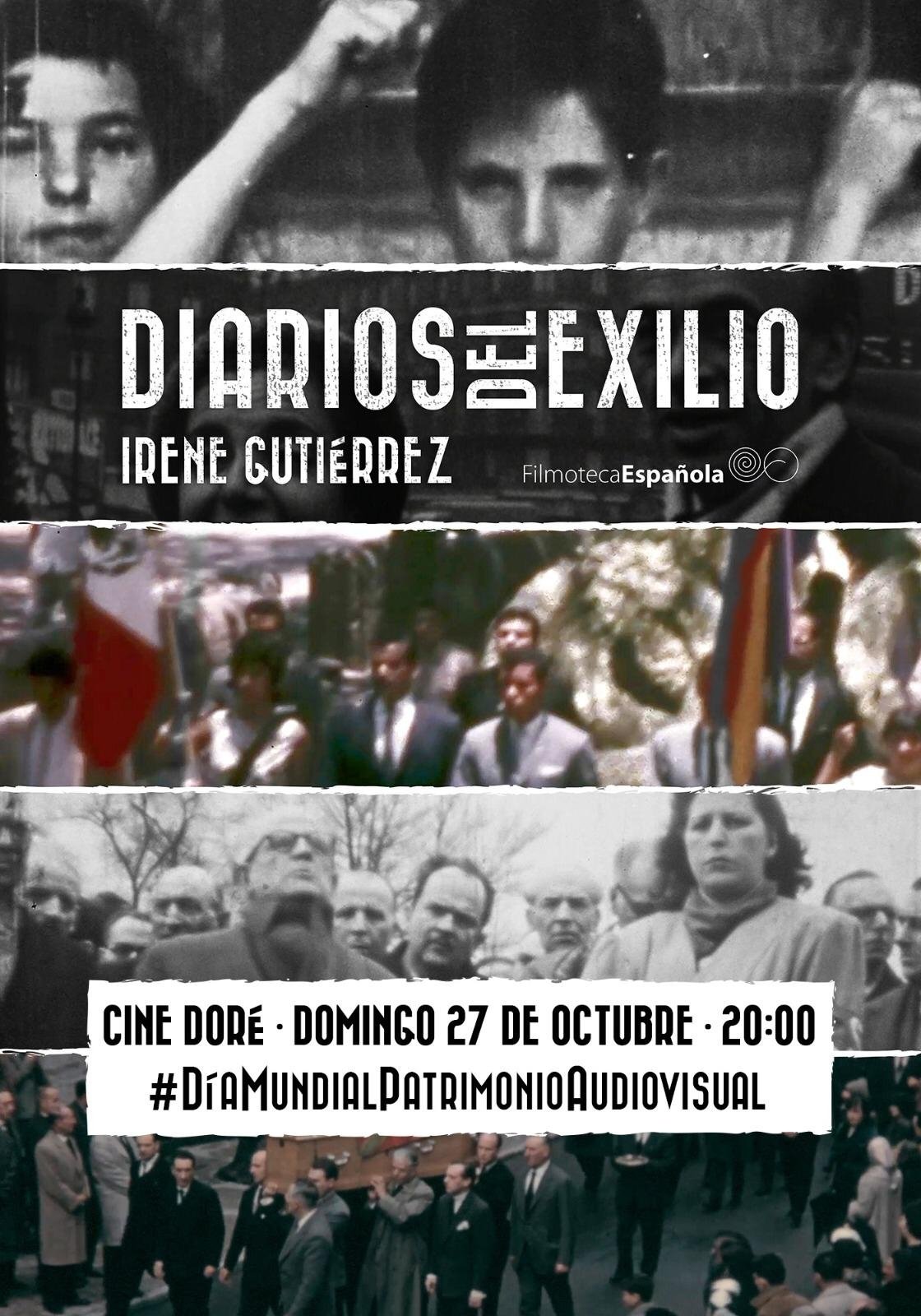
A documentary made with homemade videos of the spanish exiled due to the dictatorship in Spain from 1939 to 1977.
In Maija Blåfield’s documentary, eight former North Koreans talk about what it was like to watch illegal films in a closed society. In addition to the 'waste videos', South Korean films were also smuggled into the country via China.
A documentary about the sea and memory. Its movement is its form. Its strength.
Four lucid grandmothers tell their story forgotten by history: the militancy and resistance of the young women of the leftist youth against the dictatorship of Marcos Pérez Jiménez.
Three men from the past cross into the present to reveal the invisible marks of Brazilian history. Between memory, fantasy, and poetry, The Secret Life of My Three Men proposes a reckoning with the violence that shaped us and the possibility of another future.
The three-hour-long documentary covers 25 years in the life of Nicolae Ceaușescu and was made using 1,000 hours of original footage from the National Archives of Romania.
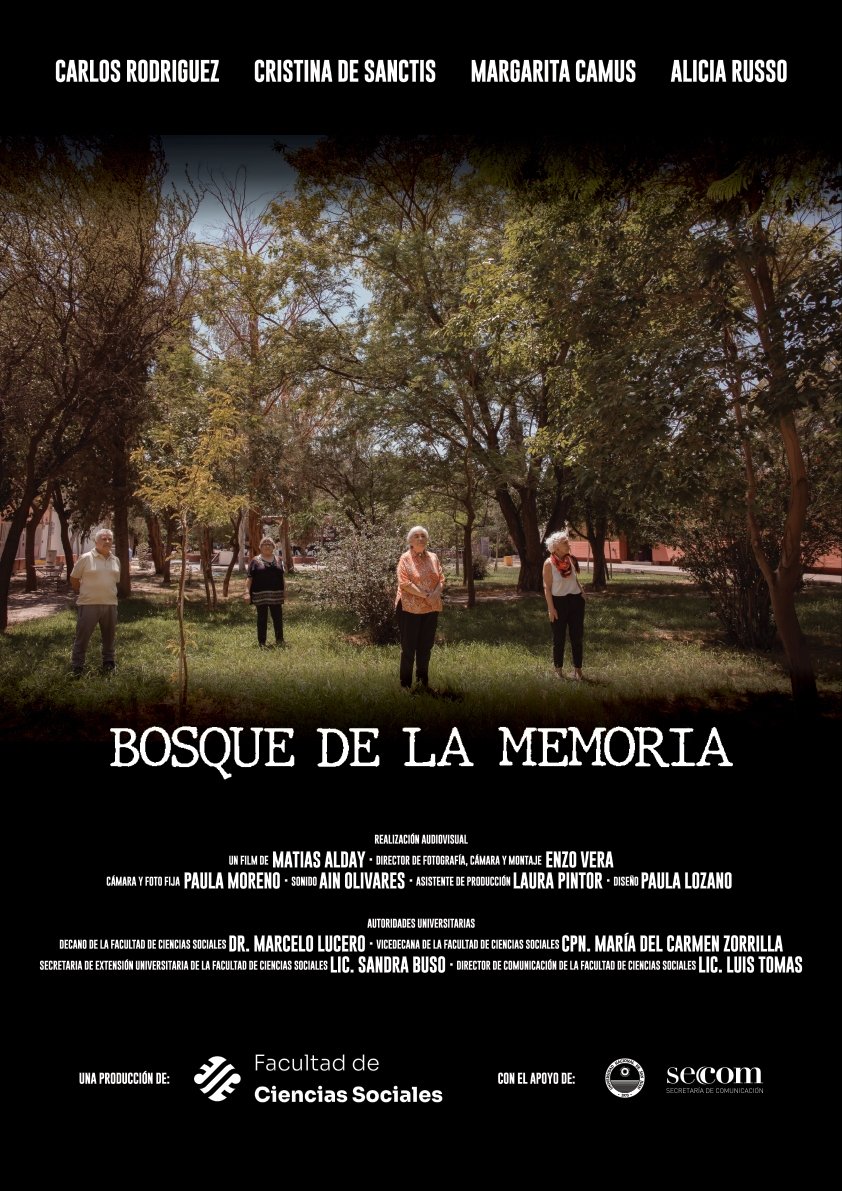
The documentary tells the story of the Memory Forest, located in the Faculty of Social Sciences of the National University of San Juan. The short film shows some of its protagonists; Margarita Camus, Diego Fiol, Alicia Ruso, Cristina De Santis and Carlos Rodríguez, who met again in the place where the idea of creating this space for the memory of the detained-disappeared people in the last civil-military dictatorship was born. The piece was filmed entirely at the Faculty of Social Sciences and is the only high-resolution record of the history of the Forest and the testimony of its protagonists.
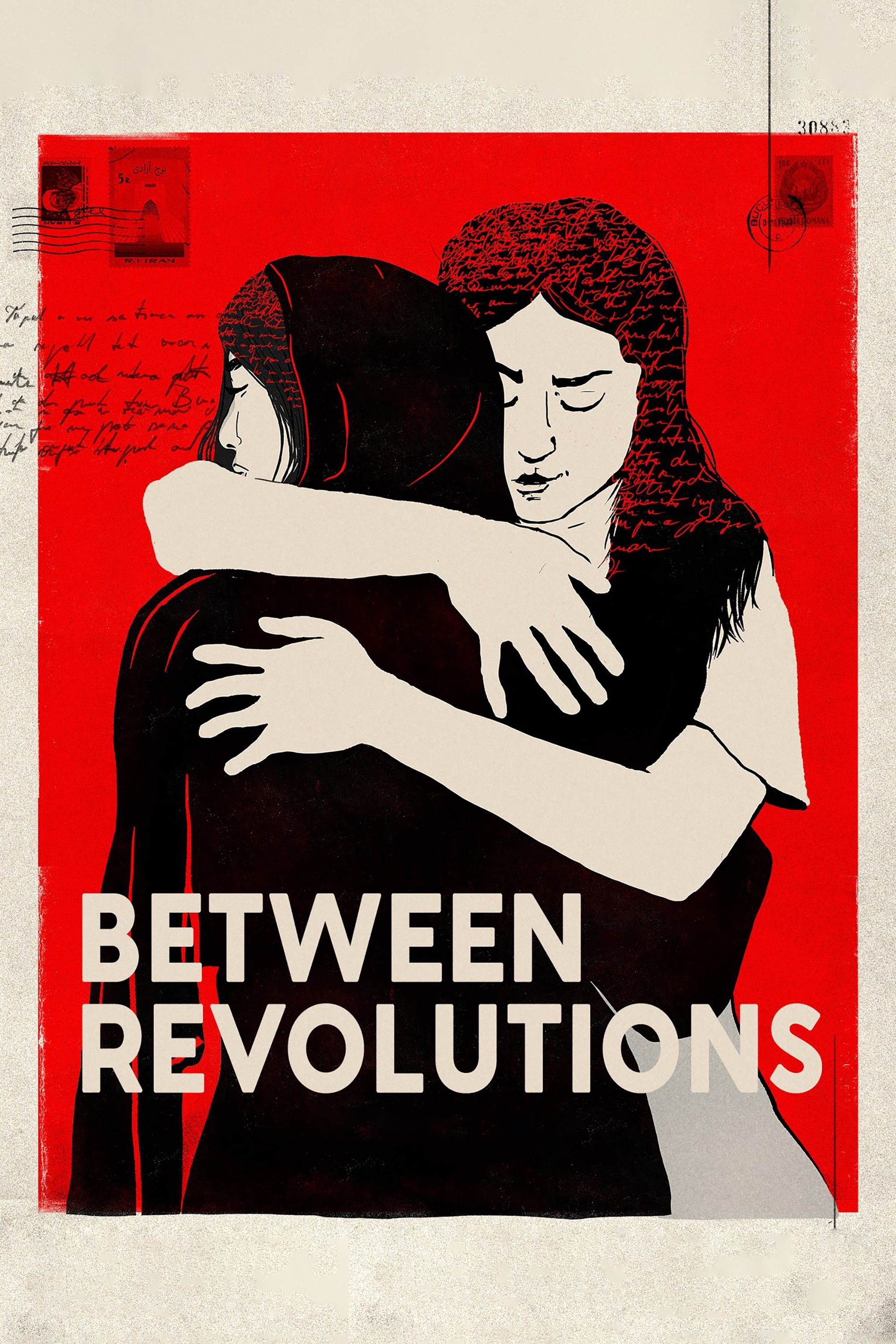
A semi-fictional correspondence between two women: one goes to Iran in 1979 to topple the Shah; the other experiences the onerous years of Ceaușescu’s Romania. Their biographies run in parallel via images of everyday life and videograms of revolution.
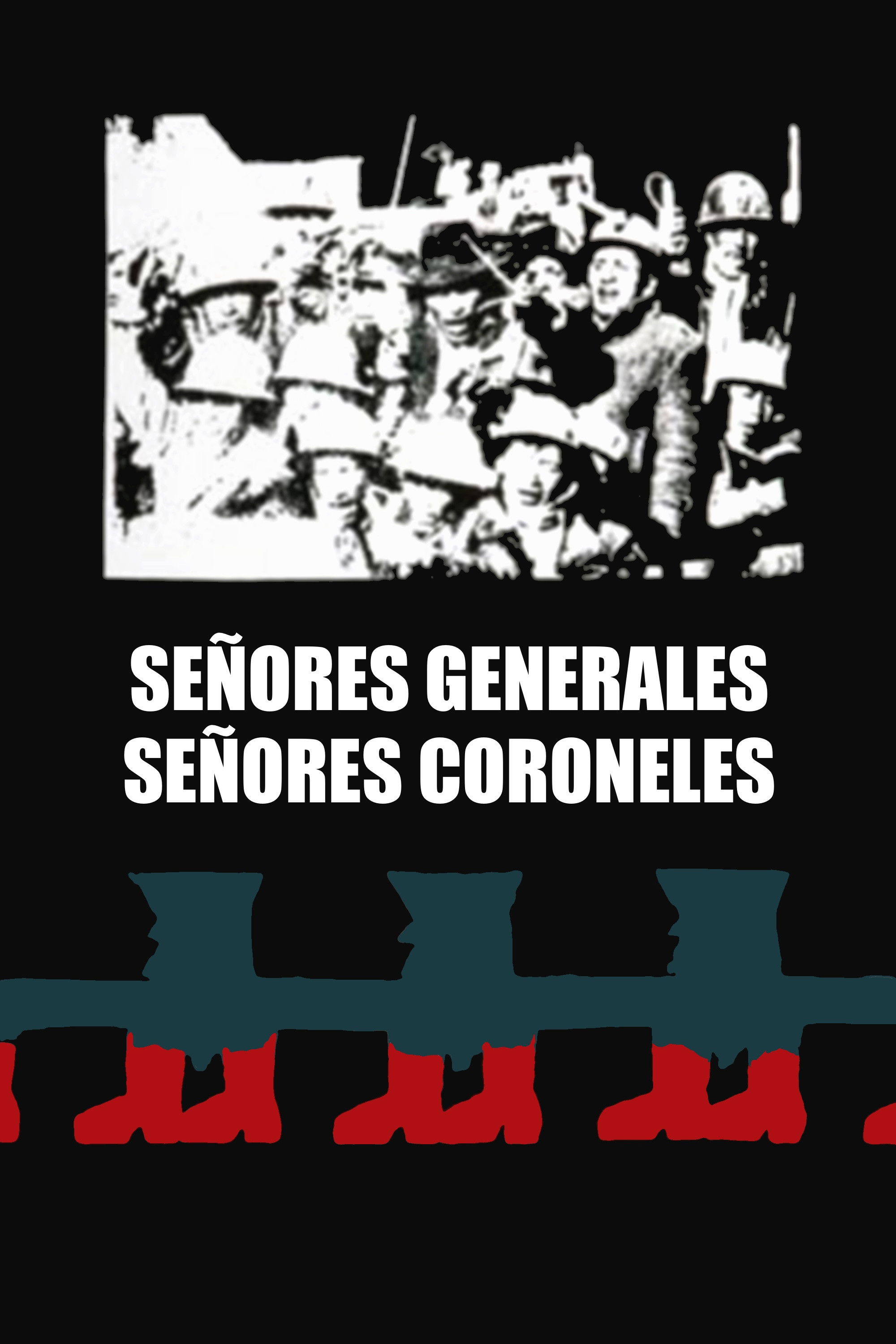
A plea against the government of General Hugo Banzer (1971-1978) and specifically against the Bolivian military during the seven-year dictatorship. Includes interviews with prominent politicians, union leaders, and former CIA agents, as well as with Régis Debray, advisor to President Mitterrand.
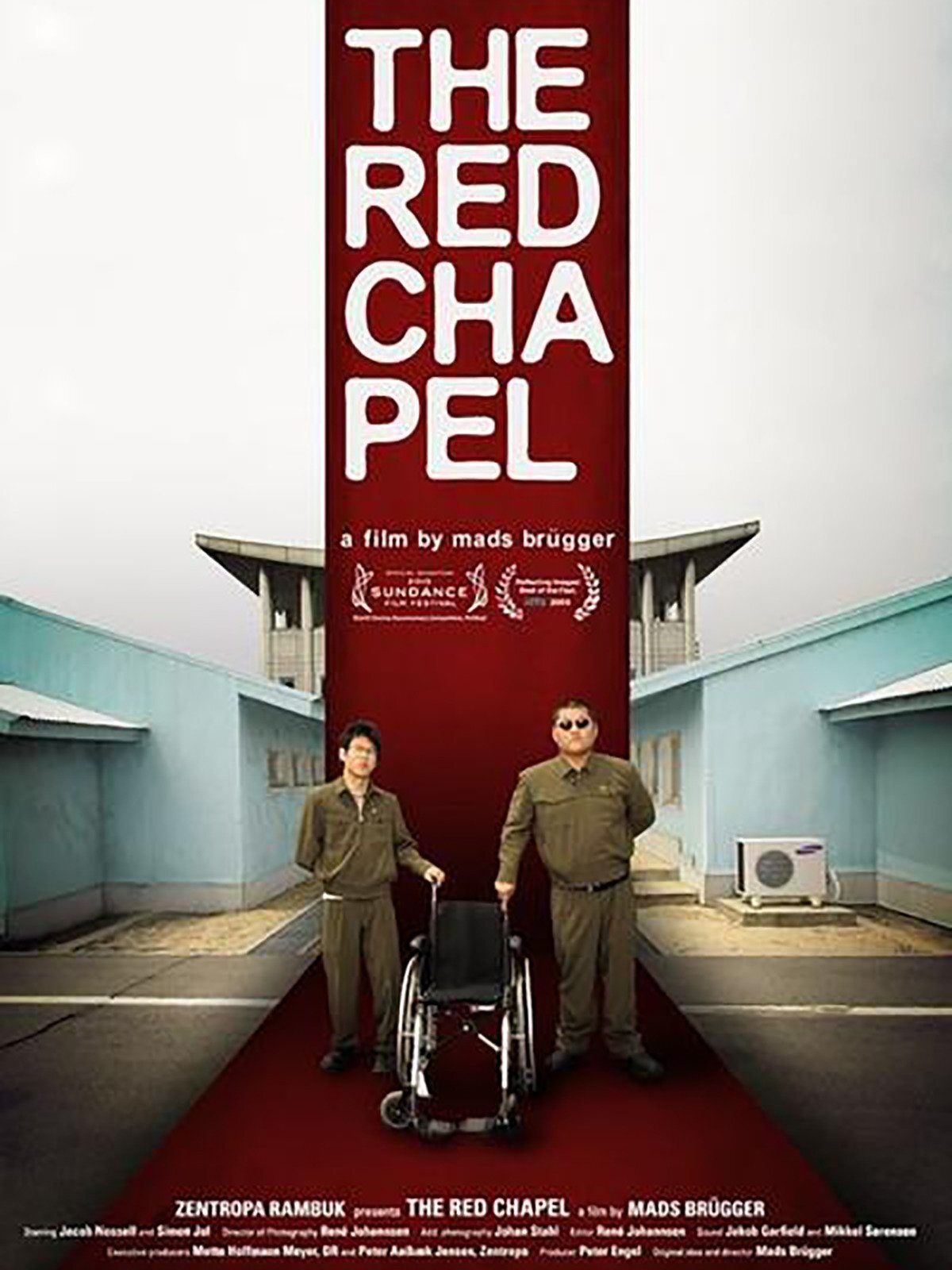
Two Danish comedians join the director on a trip to North Korea, where they have been allowed access under the pretext of wanting to perform a vaudeville act.
Unravel the case of Utah therapist Jodi Hildebrandt, whose child abuse arrest with parenting YouTuber Ruby Franke exposed a twisted tale of manipulation.
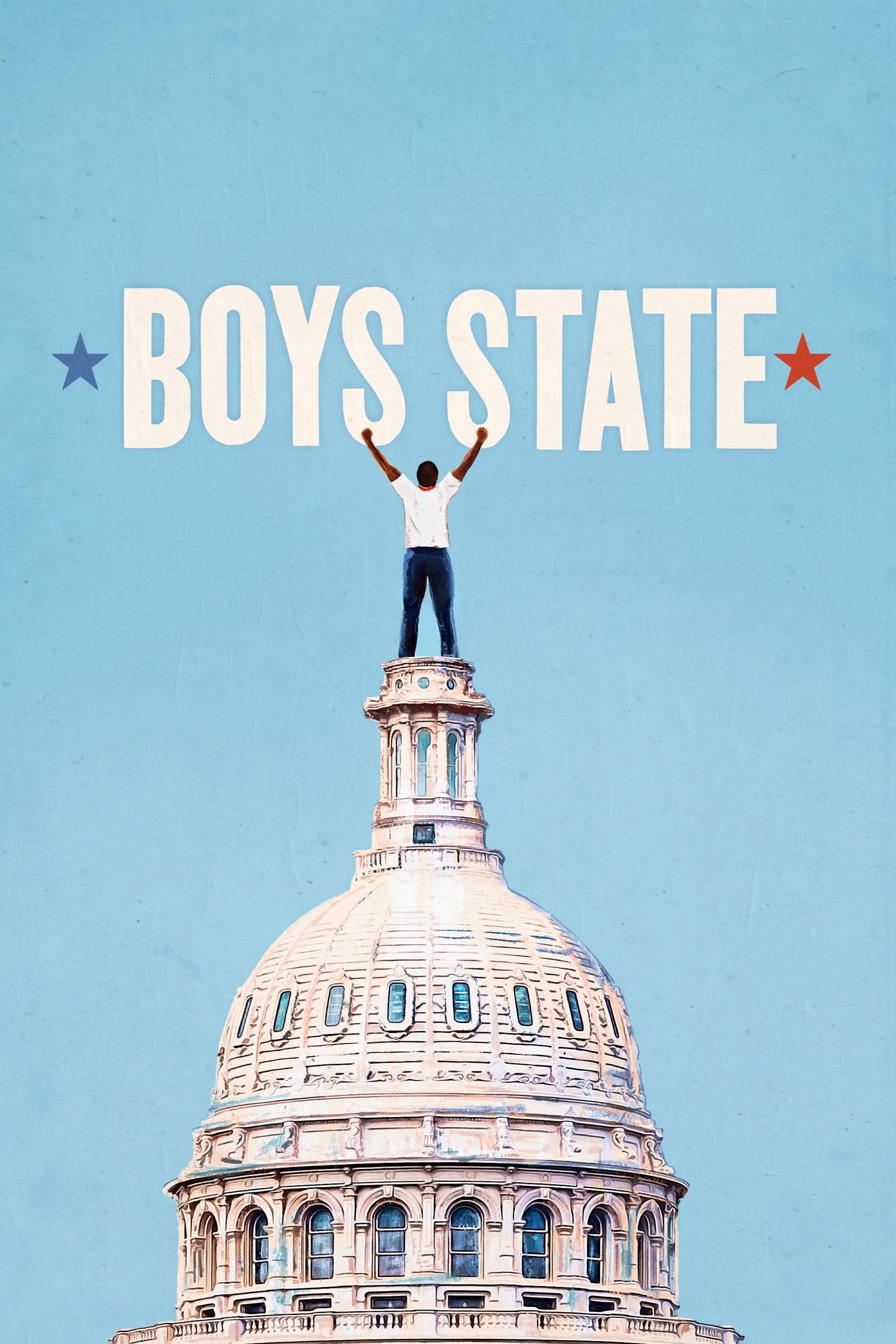
This raucous journey into the heart of democracy captures an unusual rite of passage: 1,100 teenage boys from across Texas coming together to build a representative government from the ground up.
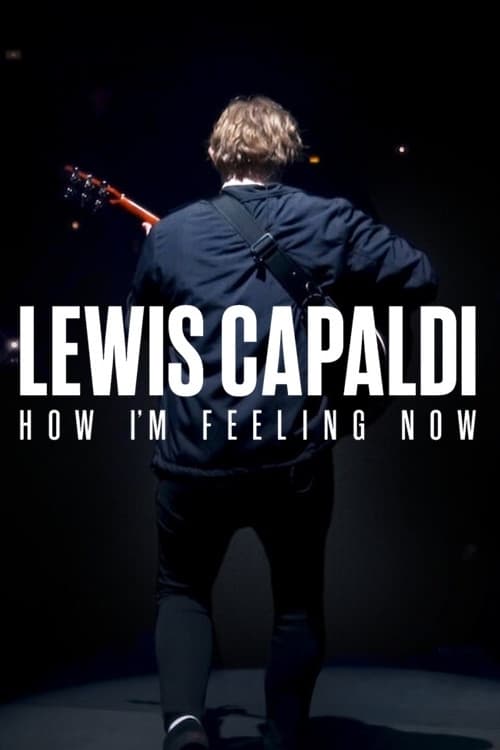
An intimate, all-access documentary that will chronicle Lewis Capaldi's journey from a scrappy teen with a viral performance to a Grammy-nominated pop star.
SEDUCED AND ABANDONED combines acting legend Alec Baldwin with director James Toback as they lead us on a troublesome and often hilarious journey of raising financing for their next feature film. Moving from director to financier to star actor, the two players provide us with a unique look behind the curtain at the world's biggest and most glamourous film festival, shining a light on the bitter-sweet relationship filmmakers have with Cannes and the film business. Featuring insights from directors Martin Scorsese, 'Bernando Bertolucci' and Roman Polanski; actors Ryan Gosling and Jessica Chastain and a host of film distribution luminaries.
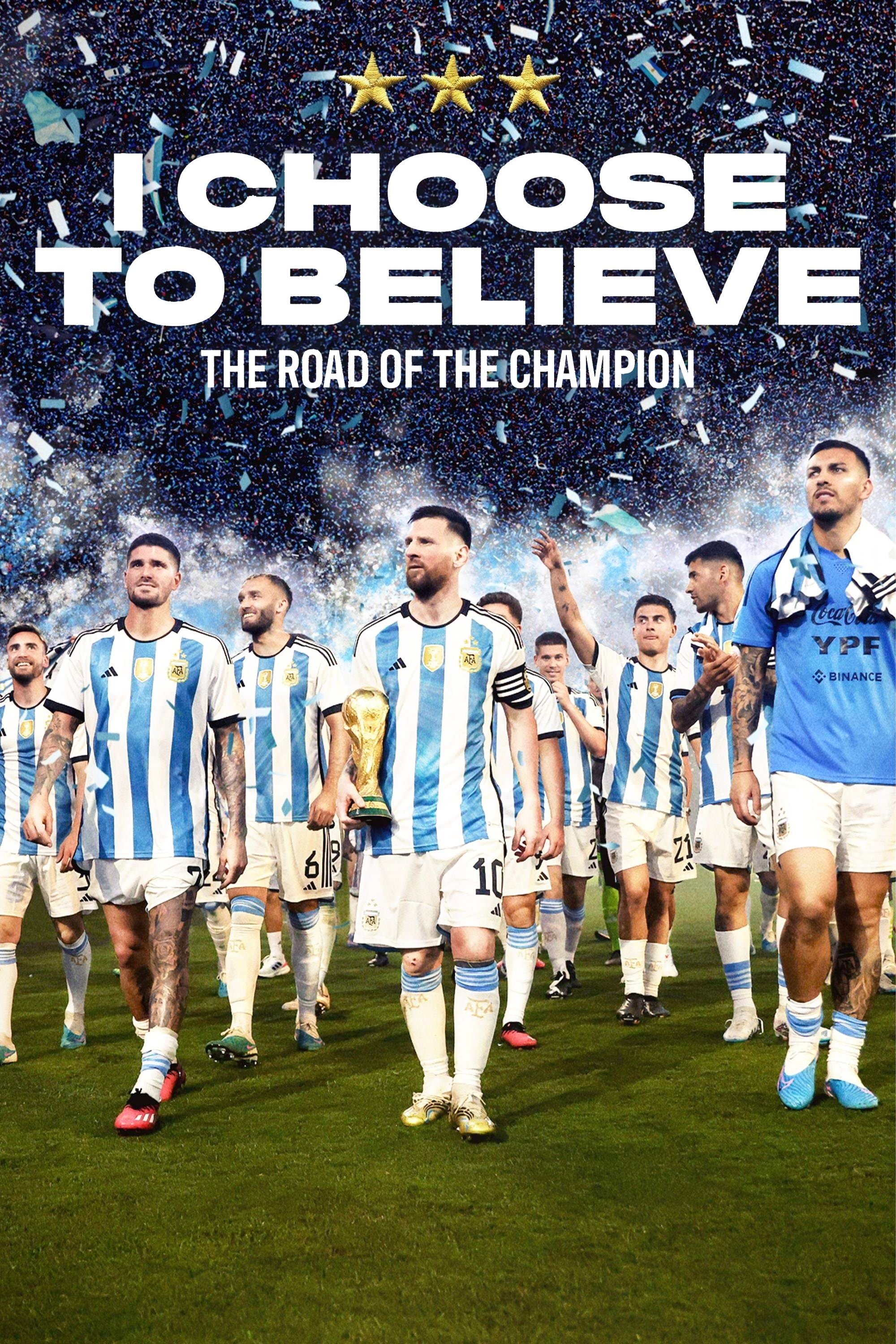
It narrates the epic title obtained by the Argentine National Team in the World Cup Qatar 2022 with testimonies of the protagonists, told from the intimacy and in first person.
Over 35 years after Bob Lazar's revelations, this documentary exposes secrets of a facility the government still denies. Featuring Lazar's testimony, recreations, and new evidence, it reopens a case that continues to spark global curiosity
A documentary on the expletive's origin, why it offends some people so deeply, and what can be gained from its use.
Vulgar, taunting texts blow up the phones of a teen and her boyfriend. Who's sending them — and why? This twisty documentary reveals the shocking answer.
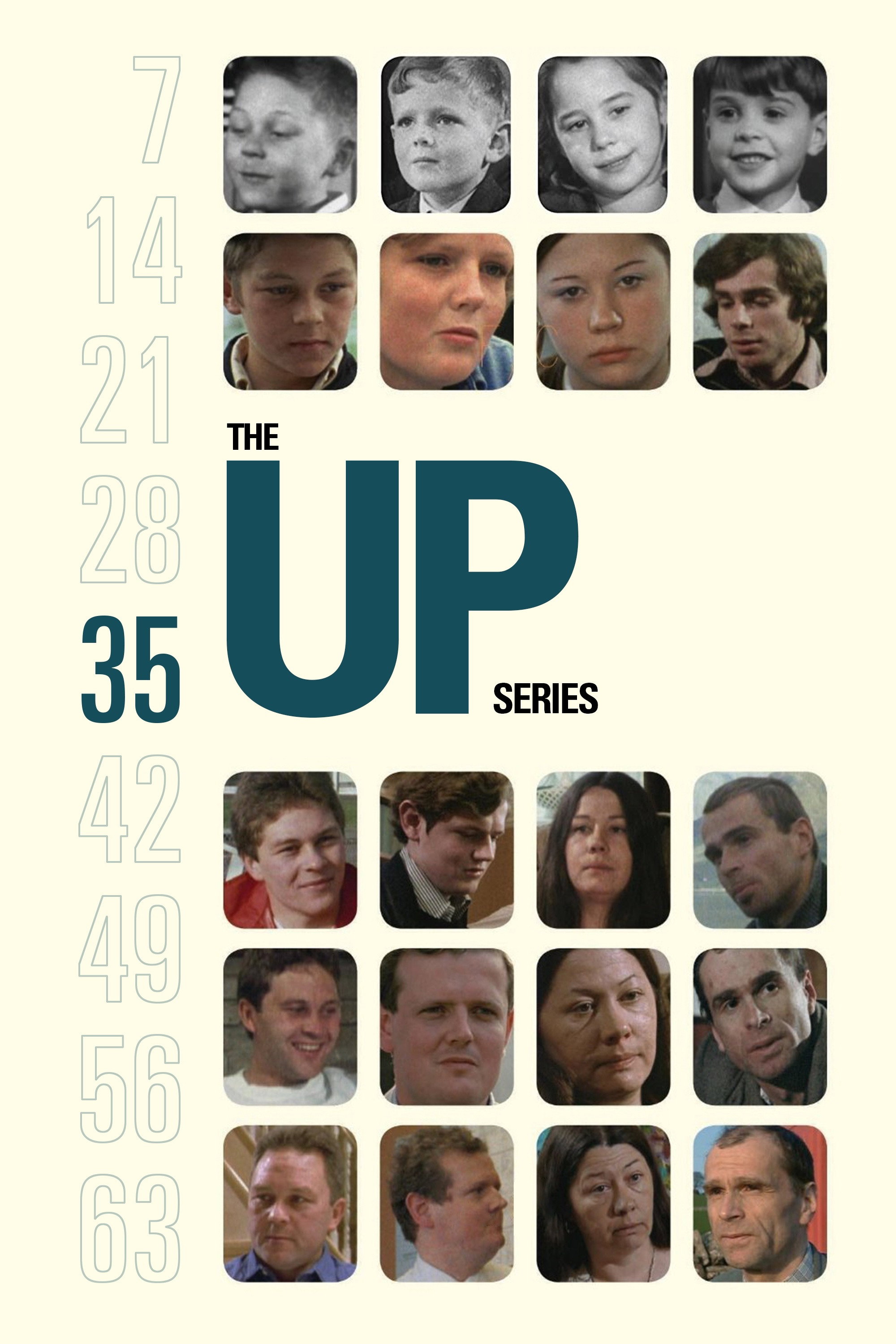
Director Michael Apted revisits the same group of British-born adults after a 7 year wait. The subjects are interviewed as to the changes that have occurred in their lives during the last seven years.
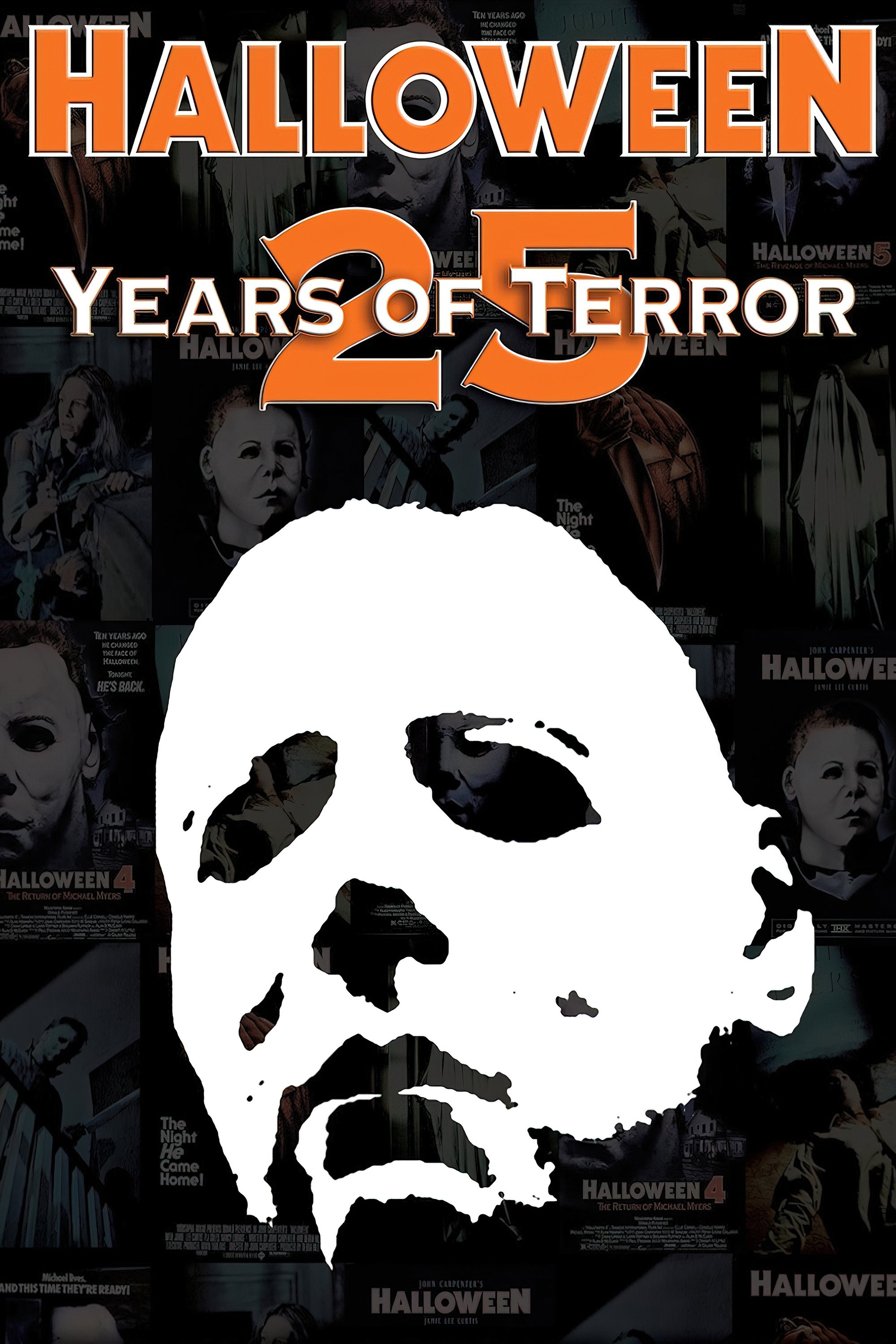
Follow the evolution of the 'Halloween' movies over the past twenty-five years. It examines why the films are so popular and revisits many of the original locations used in the films - seeing the effects on the local community. For the first time, cast, crew, critics and fans join together in the ultimate 'Halloween' retrospective.
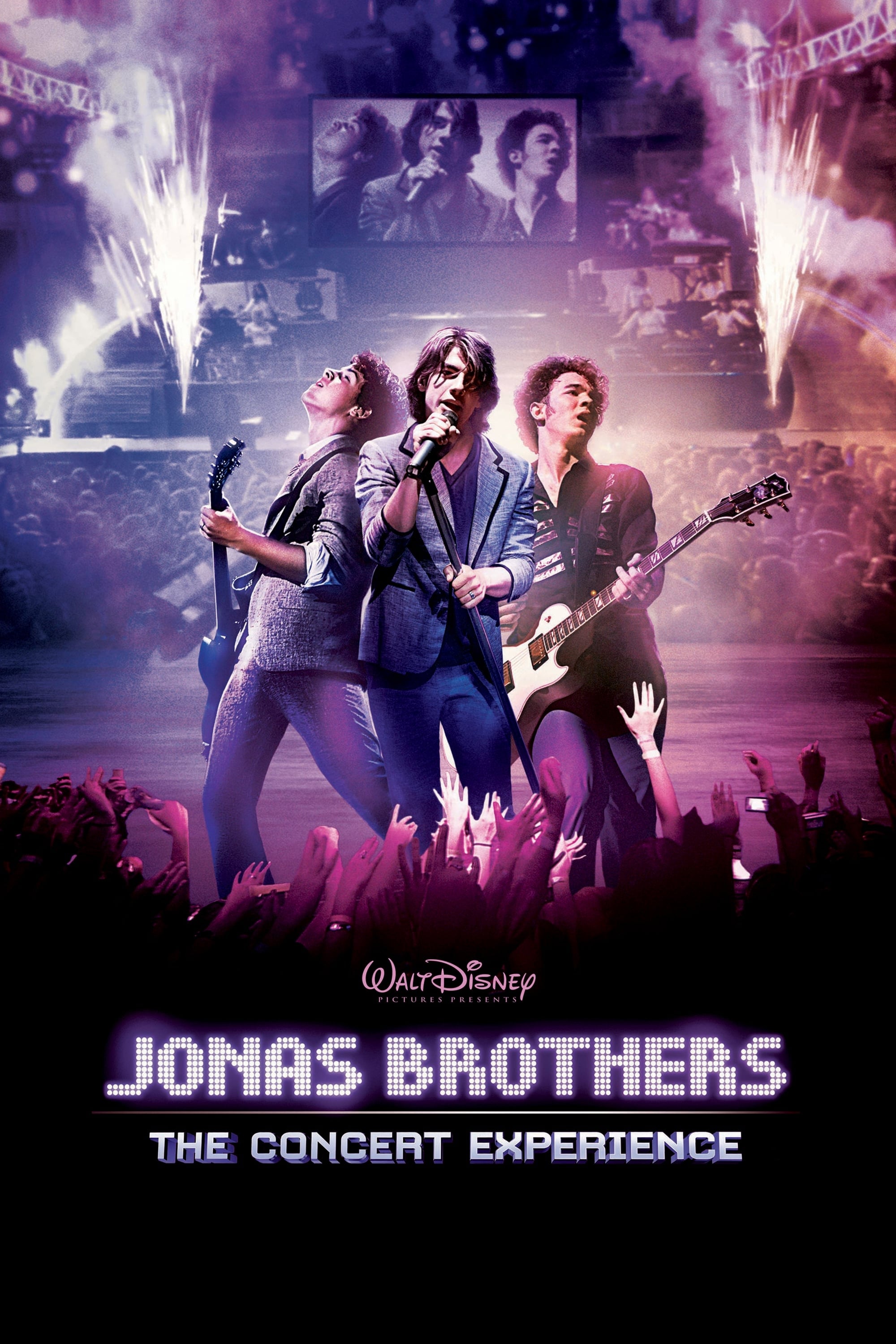
Grab a backstage pass to the Jonas Brothers' motion picture debut! Kevin, Joe and Nick are "Burning Up" the stage and inviting you inside their personal world for the adventure of a lifetime. This colossal movie event launches the world's hottest band straight into your living room – and includes guest appearances by chart-topping artists Demi Lovato and Taylor Swift! Secure your VIP pass to a once-in-a-lifetime experience with the Jonas Brothers. Get ready to hang out with this multitalented trio, and take an intimate look at what their lives are like offstage and behind the scenes. It's the music-filled movie event perfect for the whole family!
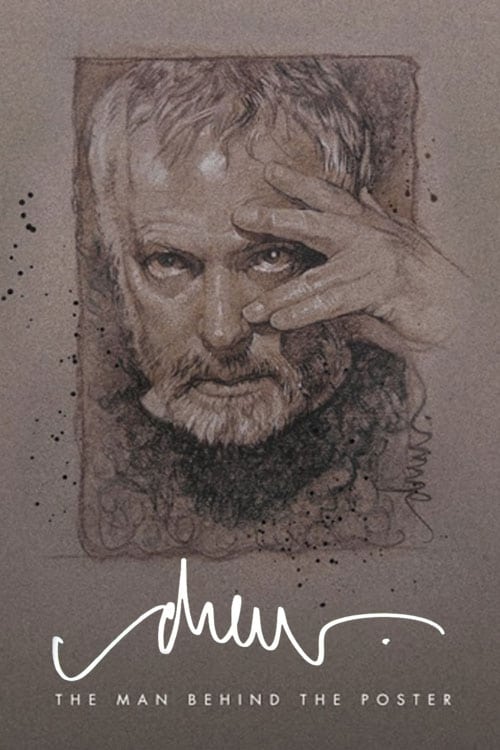
A documentary on legendary movie-poster artist Drew Struzan.
A compilation of over 30 years of private home movie footage shot by Lithuanian-American avant-garde director Jonas Mekas, assembled by Mekas "purely by chance", without concern for chronological order.
The Up in Smoke Tour is a West Coast hip hop tour in 2000 featuring artists Ice Cube, Eminem, Proof, Snoop Dogg, Dr. Dre, Nate Dogg, Kurupt, D12, MC Ren, Westside Connection, Mel-Man, Tha Eastsidaz, Doggy's Angels, Devin The Dude, Warren G, TQ, Truth Hurts and Xzibit.
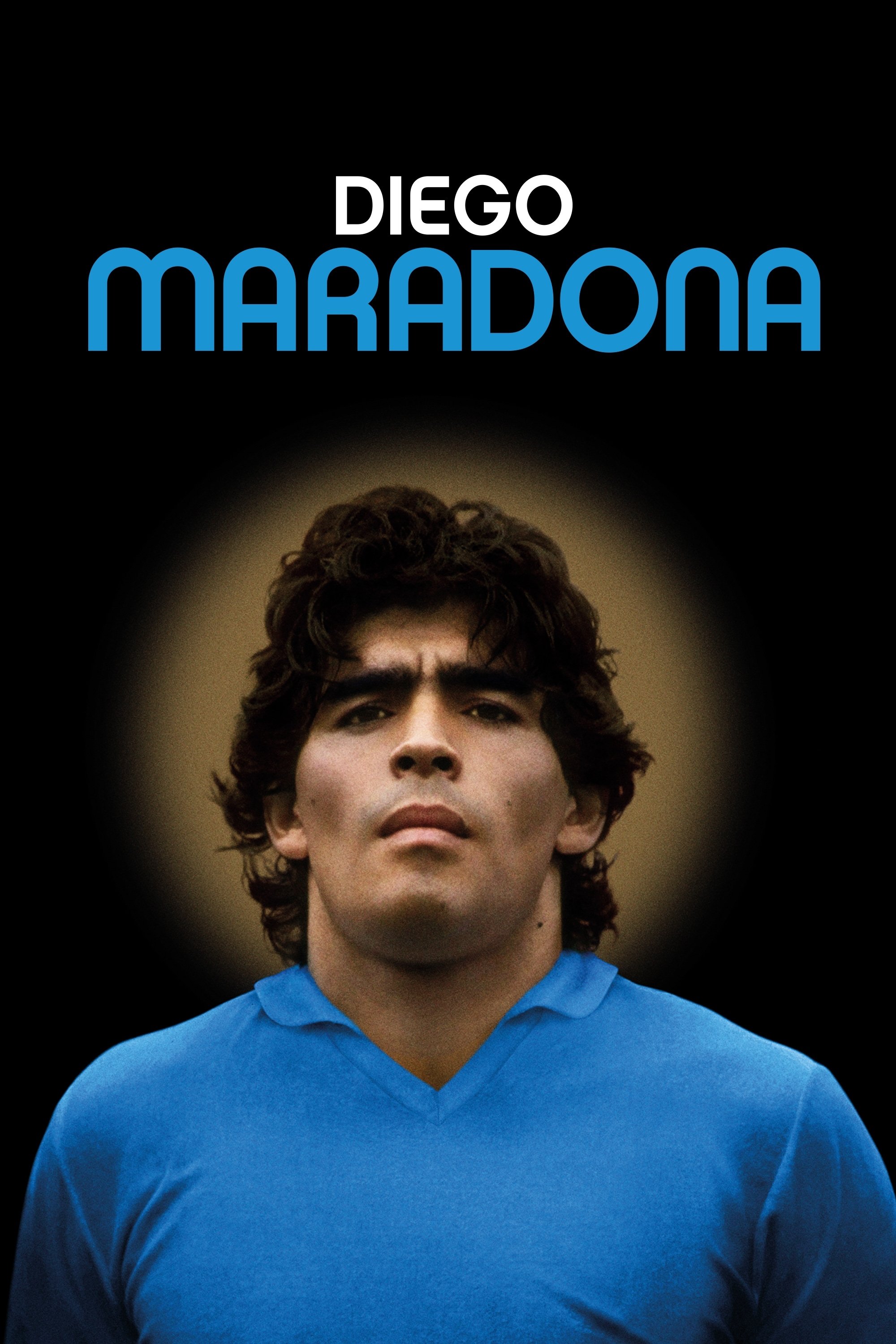
Constructed from over 500 hours of never-before-seen footage, this documentary centers on the personal life and career of the controversial football player Diego Maradona who played for SSC Napoli and Argentina in the 1980s.
Through concert performances and interviews, this film offers us a comprehensive look at the British pioneer rock group, The Who. It captures their zany craziness and outrageous antics from the initial formation of the group in 1964 to 1978. It notably features the band's last performance with long-term drummer Keith Moon, filmed at Shepperton Studios in May 1978, three months before his death.
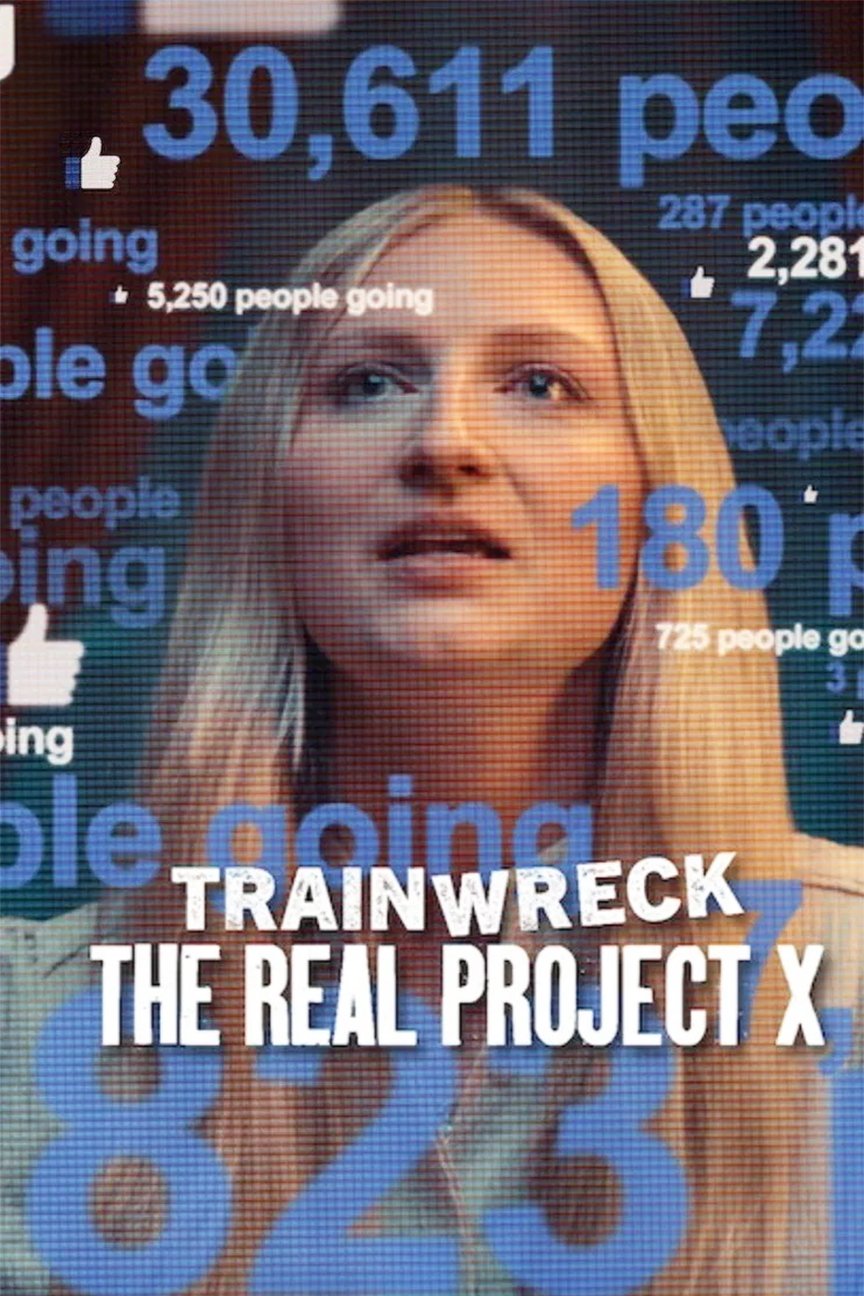
A night of drunken chaos rocks a quiet Dutch town in this shocking documentary about a teen's birthday invite that accidentally went viral on Facebook.
A detailing of the rise to prominence and global sporting superstardom of six supremely talented young Manchester United football players (David Beckham, Nicky Butt, Ryan Giggs, Paul Scholes, Phil and Gary Neville). The film covers the period 1992-1999, culminating in Manchester United's European Cup triumph.
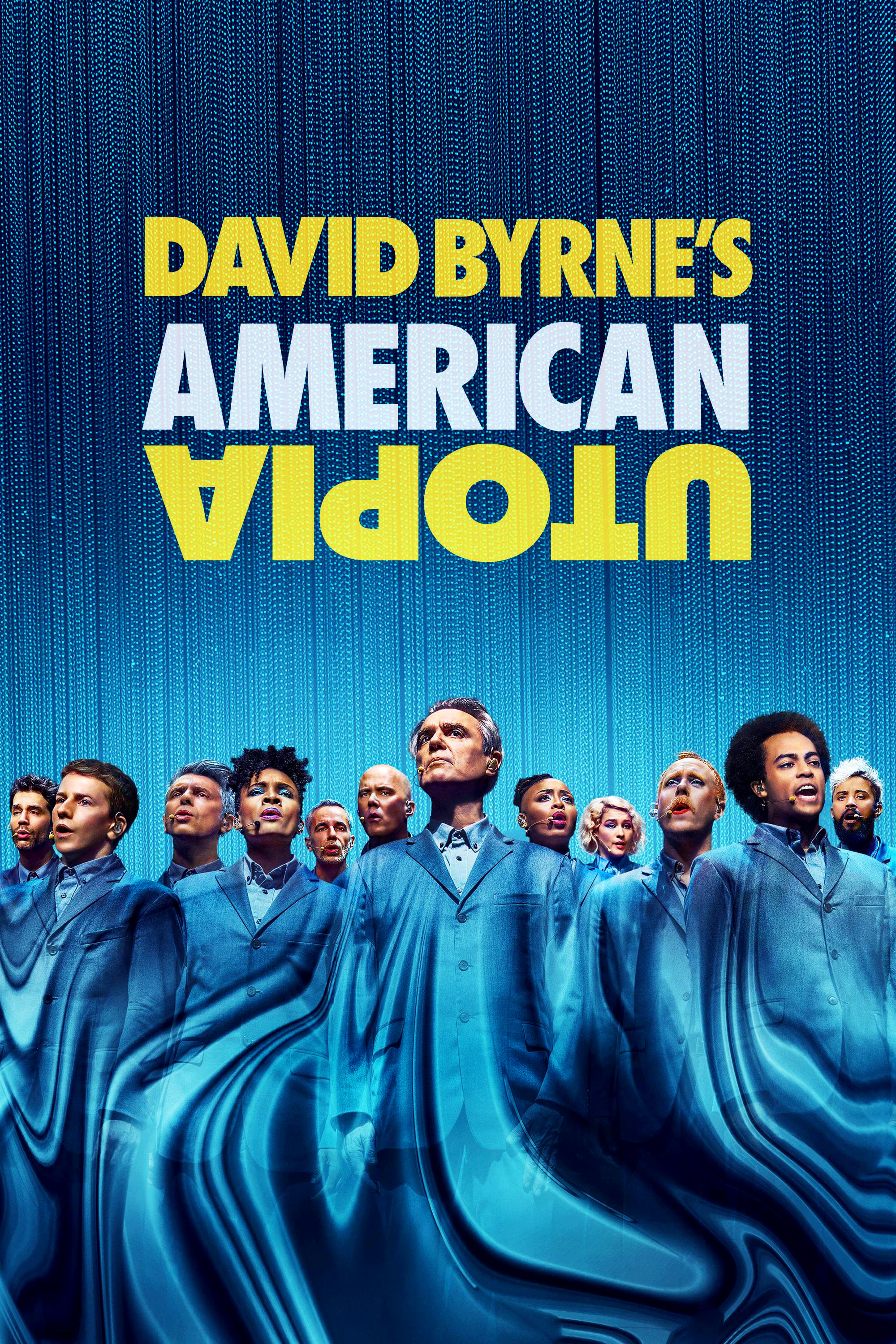
A filmed version of David Byrne's Broadway show, a unifying musical celebration that inspires audiences to connect to each other and to the global community.