Social & External
The people behind it
Marco Sulenta
Tasuke
Wendell Rosa
Marco Hachimura
Erik Neugebauer
Pablo Sulenta
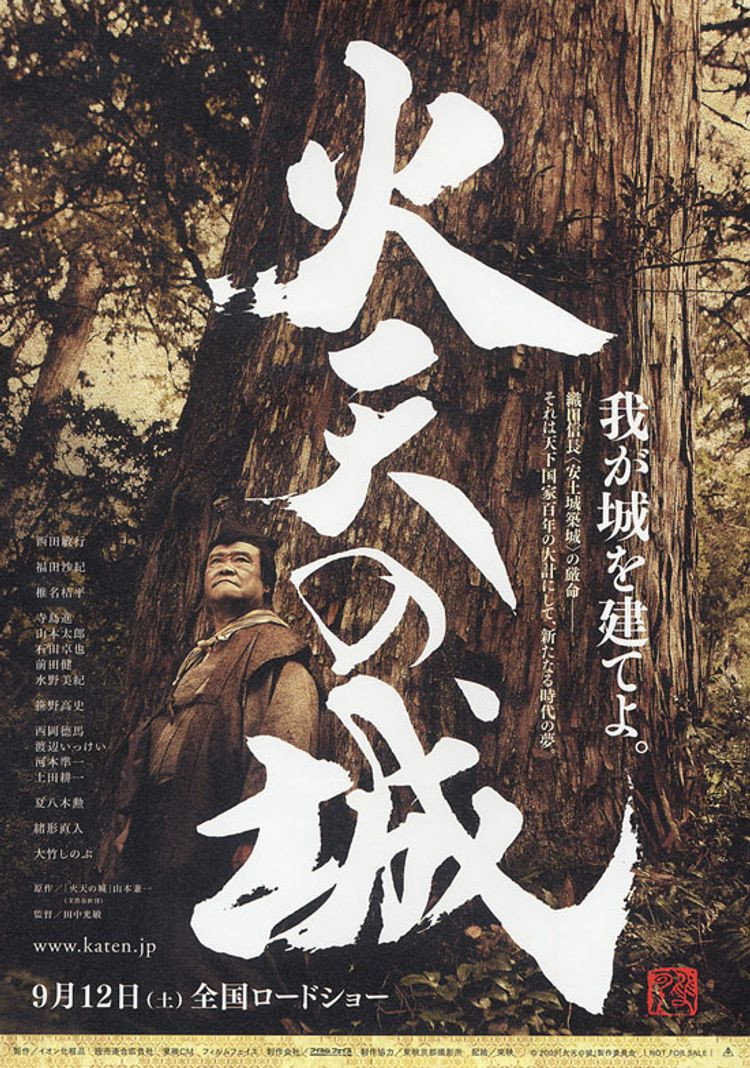
The year is 1575 in feudal Japan. Oda Nobunaga's (Kippei Shiina) forces defeat Takeda Katsuyori, when Nagashino Castle was besieged during the Battle of Nagashino. The next year Oda Nobunada decides to build a lavish new castle symbolizing his unification of various factions. The castle named Azuchi Castle will be built near water and high enough to be seen from the capital city of Kyoto. Director Mitsutoshi Tanaka's adaptation of Kenichi Yamamoto's novel of the same name received the 33rd Japan Academy Film Prize for Excellent Art Direction.
Pulitzer Prize -- winning journalist John Hersey caused a sensation when he published "Hiroshima", the first account for American readers of the horror experienced by victims of the 1945 Hiroshima atomic bomb attack. "Hiroshima" stunned readers with its descriptions of the terrible aftermath of the bombing, yet Hersey never spoke about his experience in Hiroshima.
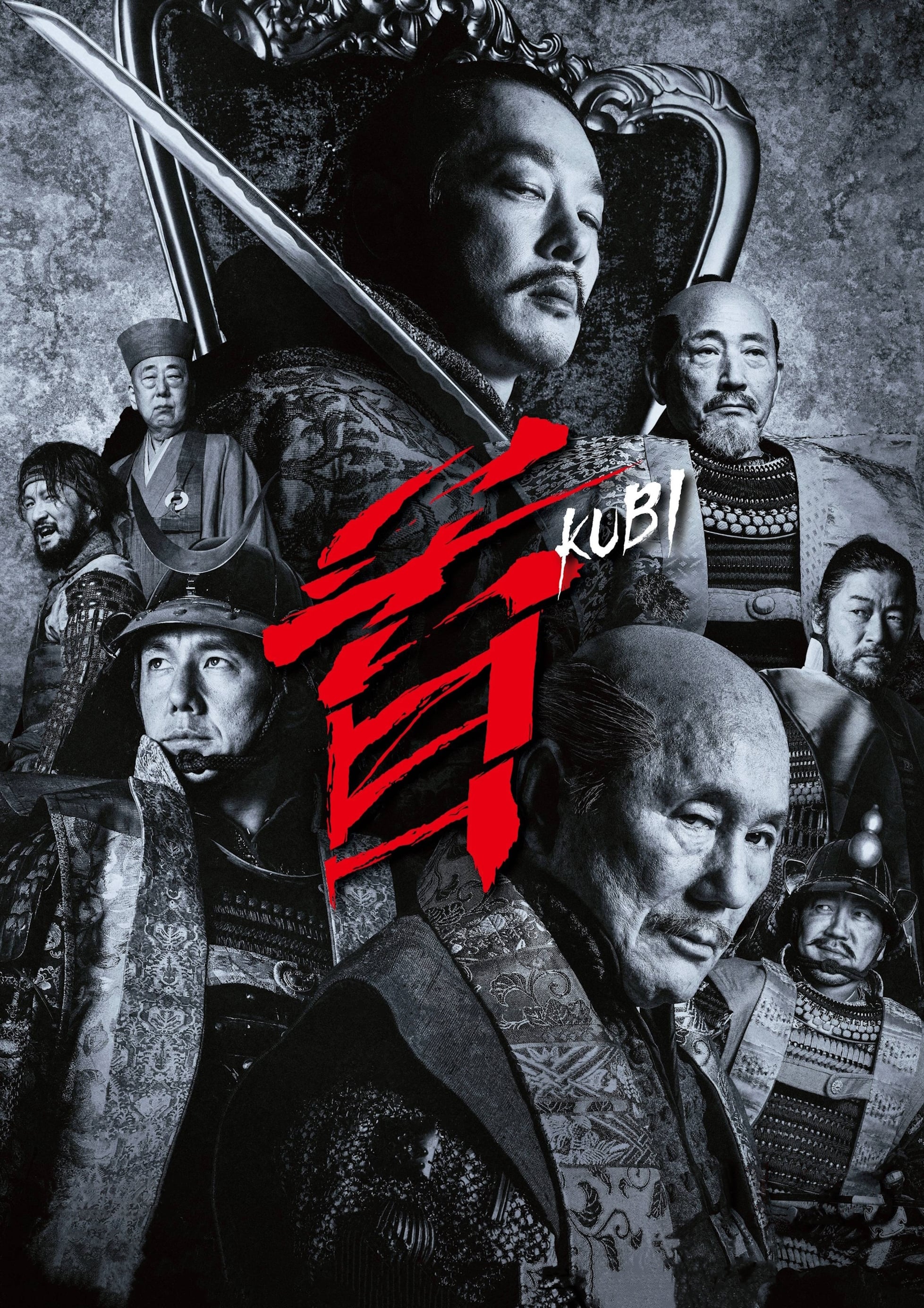
Lord Oda Nobunaga plans to control Japan where rival warlords battle by waging war against several clans. His vassal Araki Murashige stages a rebellion and promptly disappears.
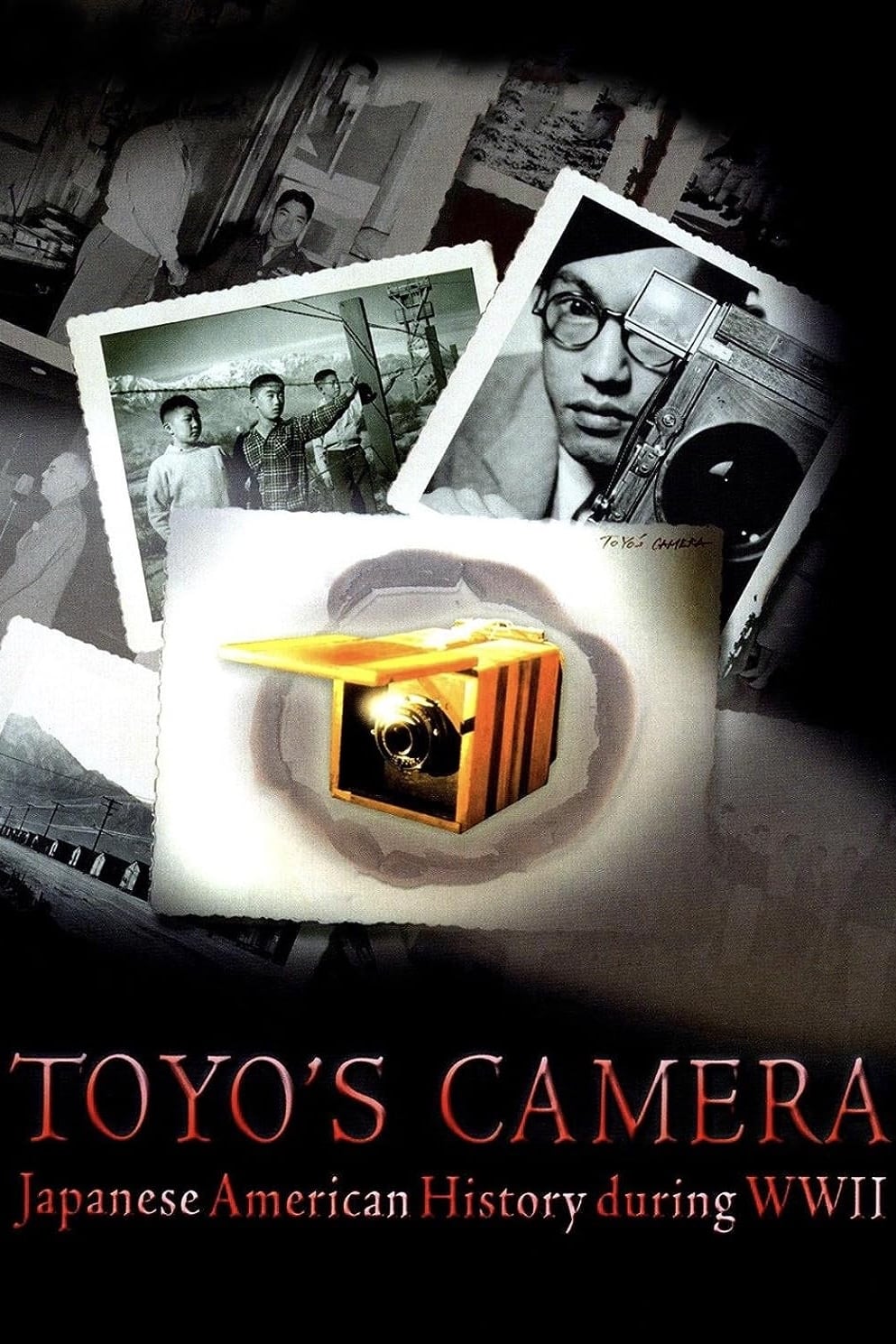
Even though bringing in cameras to the internment camps was prohibited, one man managed to smuggle in his own camera lens and build a camera to document life behind barbed wires, with the help of other craftsmen in the camp. That man was Toyo Miyatake, a successful issei (first generation immigrant) photographer and owner of a photo-shop in the Los Angeles Little Tokyo district, and of one of the many Americans who was interned with his family against his will. With his makeshift camera, Miyatake captured the dire conditions of life in the camps during World War II as well as the resilient spirit of his companions, many of whom were American citizens who went on to fight for their country overseas. Miyatake said, "It is my duty to record the facts, as a photographer, so that this kind of thing should never happen again."
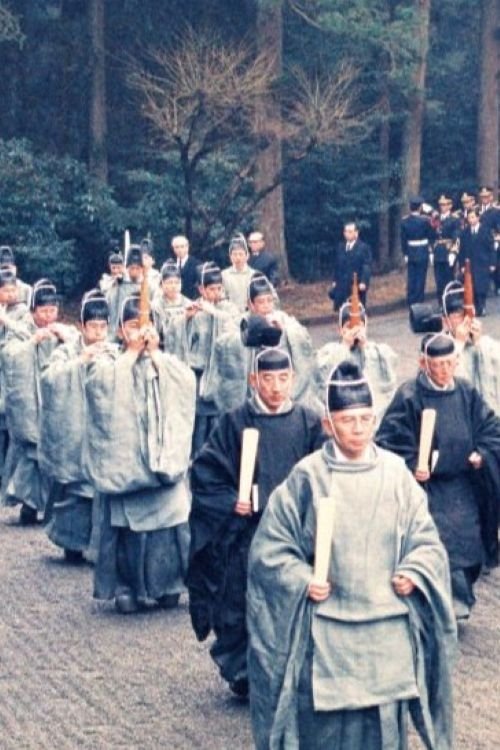
In 1989, Emperor Shōwa passed away. The procession was televised, and between 800,000 and 2 million people watched it in person.
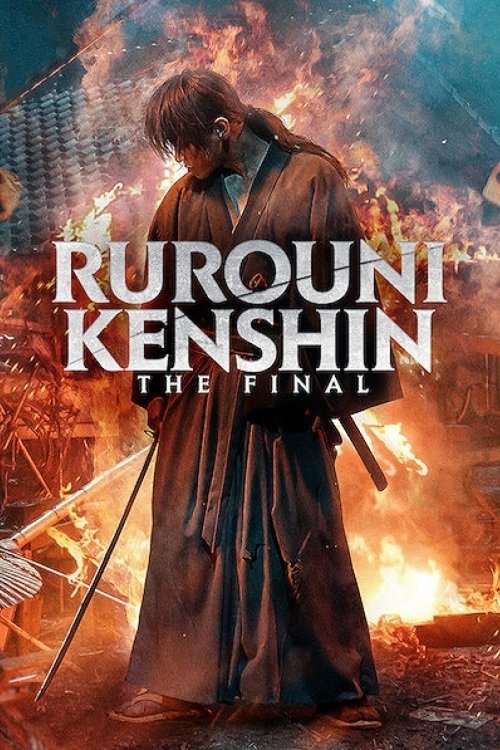
In 1879, Kenshin and his allies face their strongest enemy yet: his former brother-in-law Enishi Yukishiro and his minions, who've vowed their revenge.
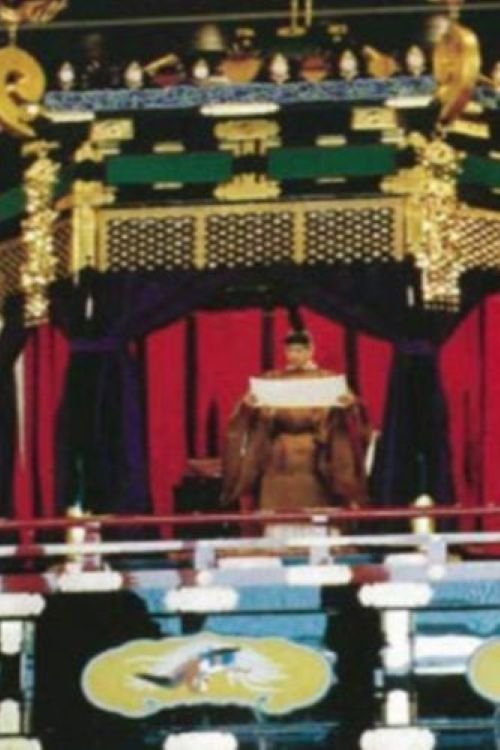
A historic moment in Japanese history. In 1990, Emperor Akihito became the first emperor to have their enthronement televised.
From resting trees, to violent waters, to blood splattered in the dirt. A wanderer searches for tranquility in 13th century Japan during the Mongol invasion or a collection of 48 moving images captured entirely within the virtual world of Ghost of Tsushima.
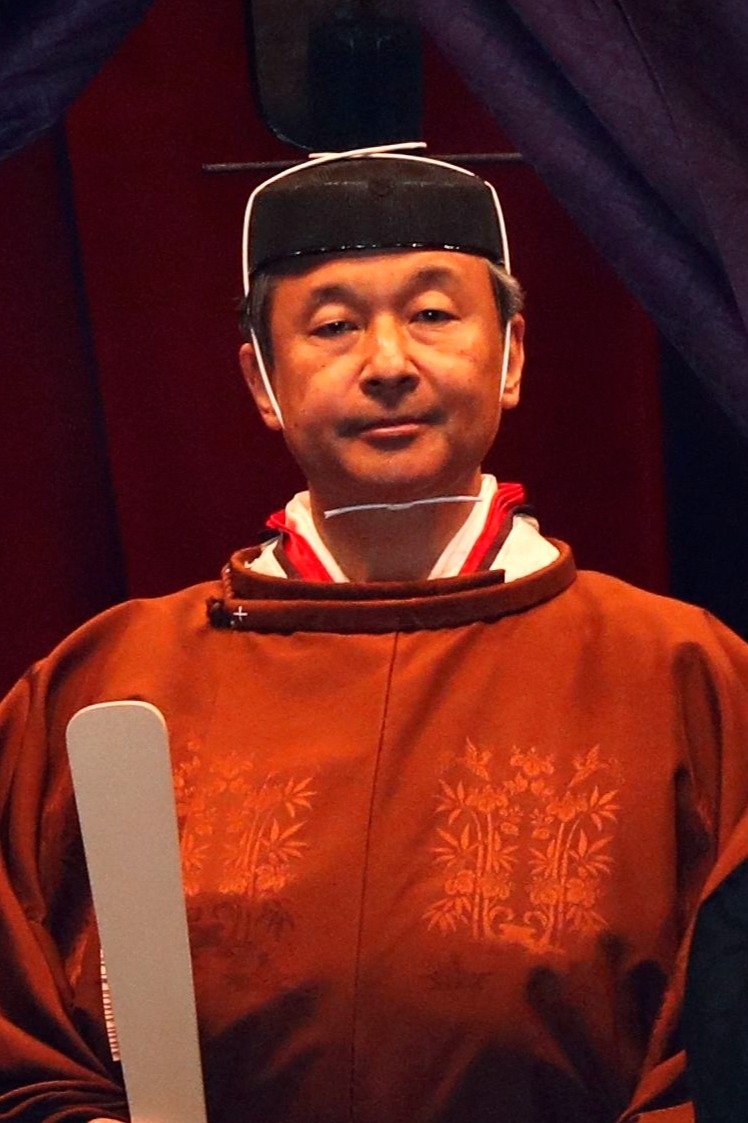
Enthronement of Japan's emperor, Naruhito, in 2019.
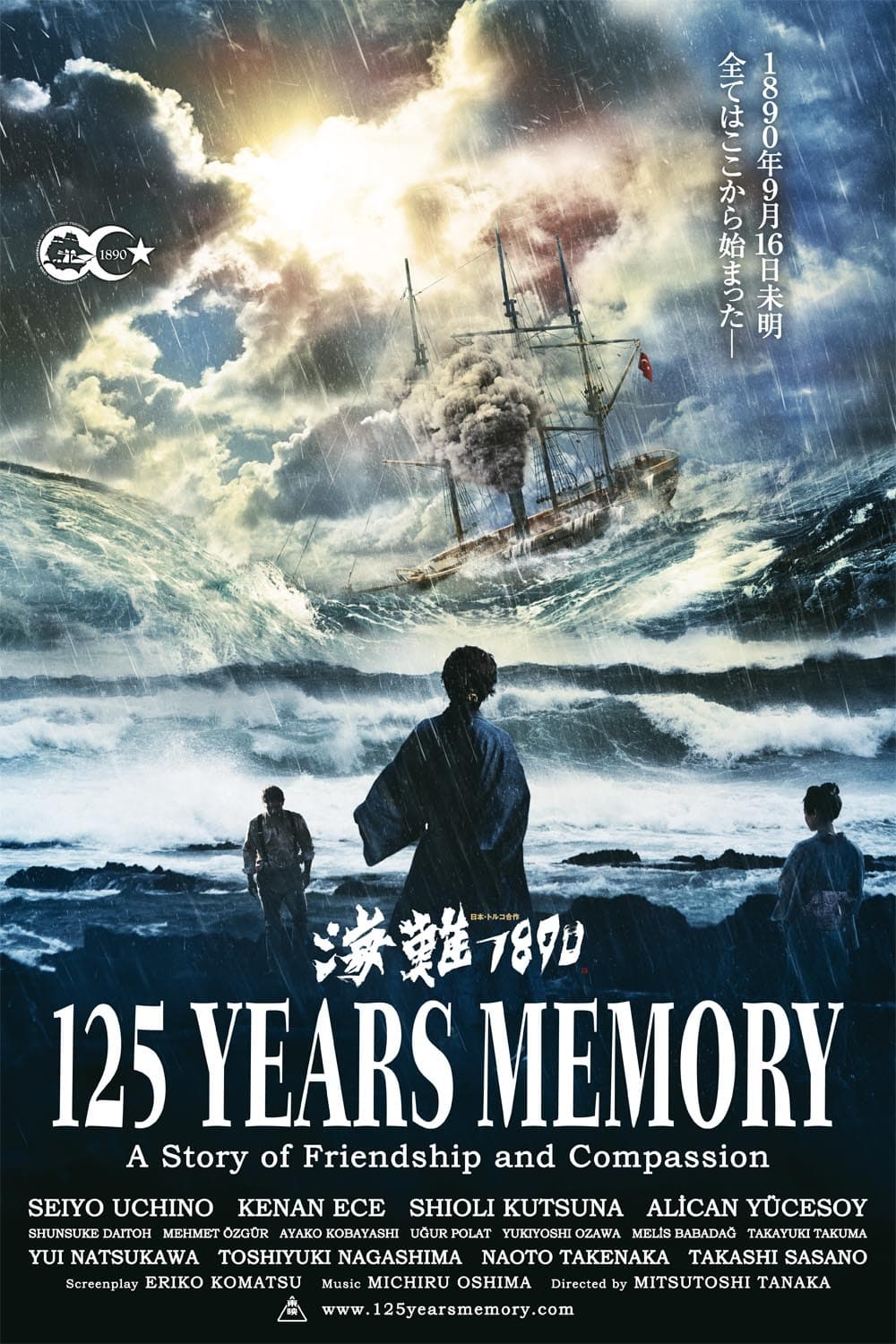
Two historical incidents that deepened the friendship between Japan and Turkey are connected in this story of friendship and compassion: In the night of 16 September 1890 the Turkish frigate Ertuğrul is caught up in a typhoon and sinks off the Japanese coast. Risking their own lives, local villagers are able to rescue 69 Turkish sailors. Although being very poor and having hardly to eat, the villagers share what little they have with strangers from a country 9,000 kilometers away. 95 years later, during the Iran-Iraq War, more than 300 Japanese are stranded in Tehran. In the morning of 19 March 1985 a Turkish Airlines aircraft takes off for Tehran to evacuate the Japanese. But the remaining Turks at Tehran Mehrabad Airport still need to be convinced that they won't be able to board their own country's rescue flight.
21 sequence shots depict moments in a defining night of the Battle of Rua Maria Antônia, in October 1968, from the point of view of the students and professors of the Left-wing Student Movement, in the Philosophy Faculty building of USP.
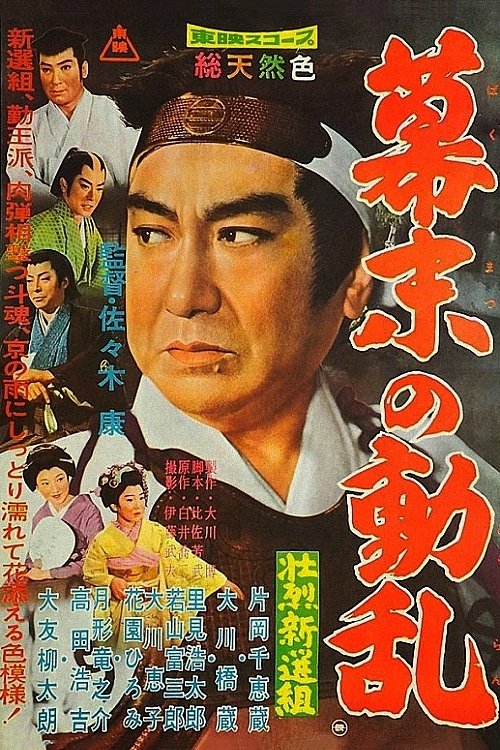
The stormy tale of the Shinsengumi is told from its birth by master filmmaker Sasaki Yasushi, with an all-star cast based on the original story by Shirai Kyoji. The battles between the royalists and Shogunate supporters come to a fever pitch during the Gion Festival as the exclusionists plot to burn Kyoto and kidnap the Emperor. From its earliest beginnings as a group of ronin brought from Edo to protect the Shogun when he is in Kyoto to see His Imperial Highness, the group had to face difficulties both from within and without. Commander Serizawa Kamo's corrupt practices threaten the group's very existence, as they try to recover from the bad reputation he left them with. Their redemption comes when they learn of Katsura Kogoro plans to gather men at Kyoto's Ikedaya Inn for his attack on the city. Along with Hijikata Toshizo and Okita Soji, Kondo leads the group in an attempt to save Japan from the rebels.
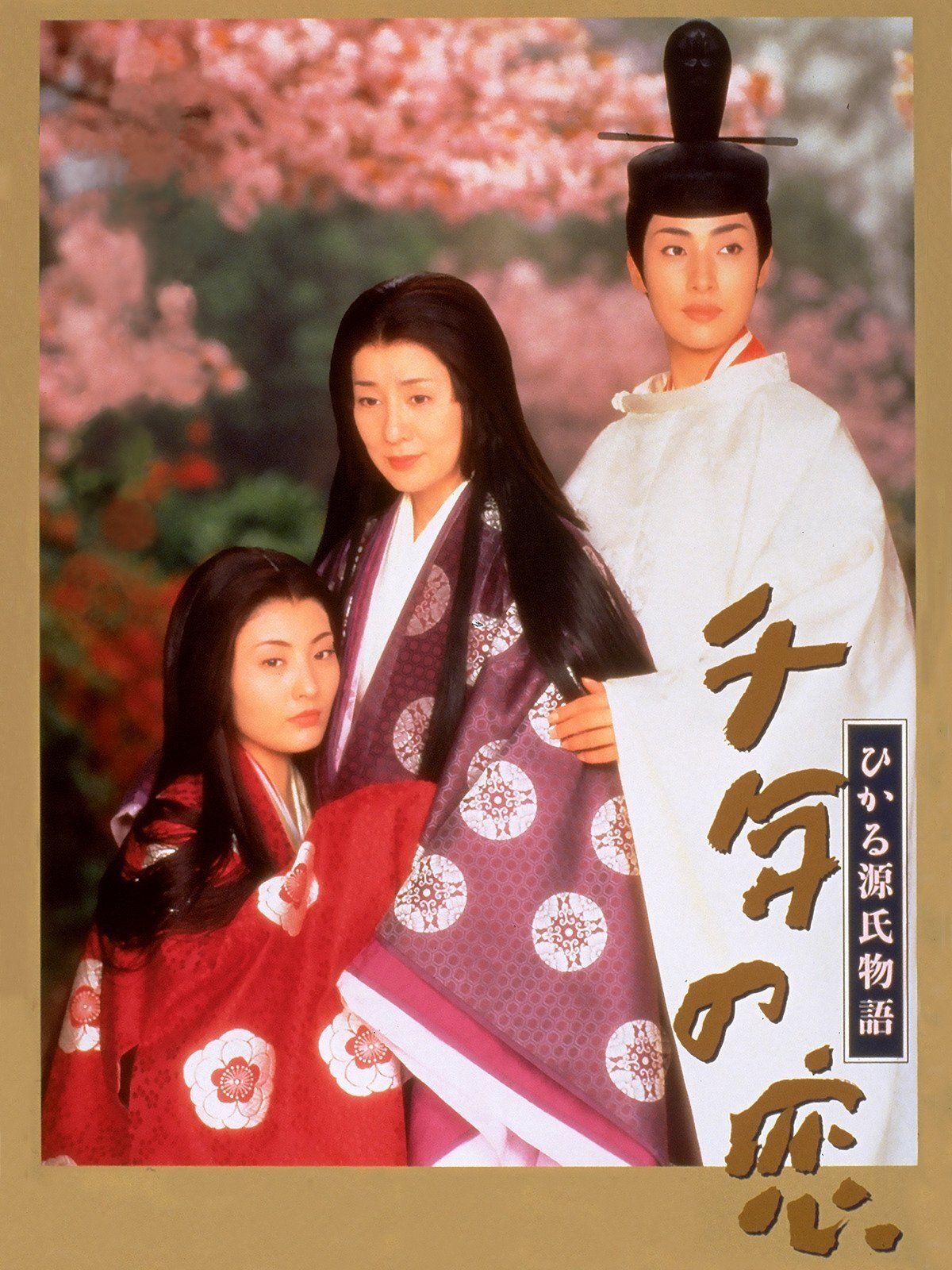
Set in 900AD and tells the story of a famous female writer of the time, Murasaki Shikibu. Her story begins from the death of her husband, a Japanese noble, then moves on to her recruitment to train the Prince's young 'wives in waiting'. It is dotted throughout and actually composed mainly of one of the fictional stories she wrote, the tale of Genji. Genji is a rich playboy who falls in love and has a son to his stepmother. He falls in love often and has many wives whom are all completely subservient to him.
Bored Hatamoto film #1
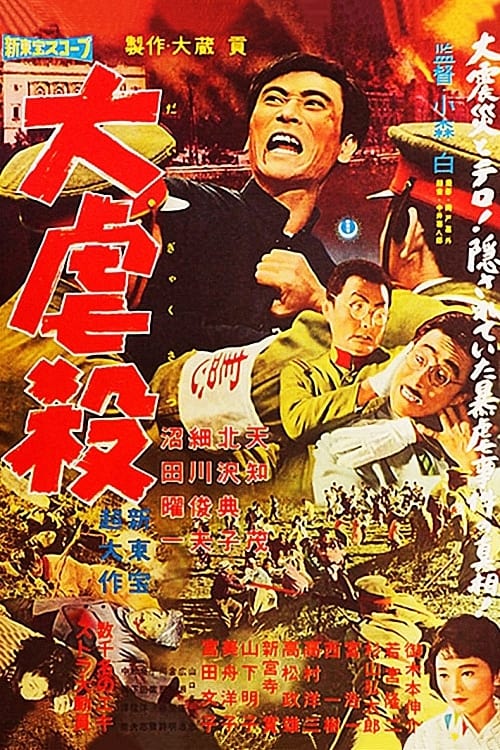
On September 1, 1923, an unprecedented earthquake hit the Kanto region. The streets are filled with victims, and rumors are circulating around. The military seized the opportunity to round up and kill many socialists, anarchists, and Koreans, culminating in the arrest and murder of Sakae Osugi. His comrades and students are outraged by this atrocity. The young man Furukawa also becomes stronger in his determination to overthrow the military...
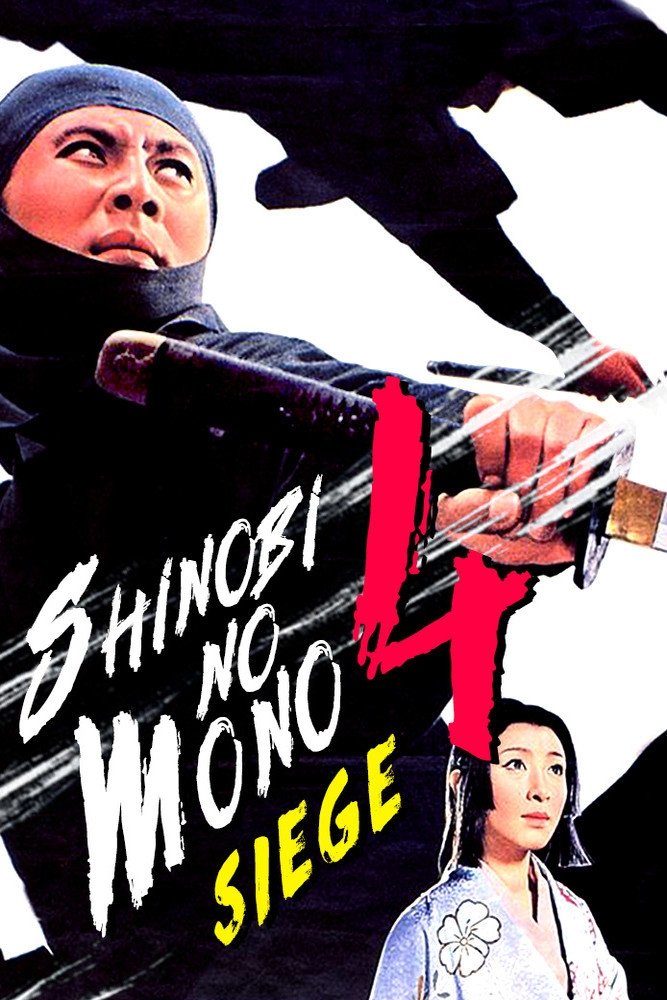
[Period covered: 1614-1615] Tokugawa Ieyasu is now the ruler of all Japan. But one last loose thread must be tied up before his domination is complete -- the destruction of the Toyotomi clan, now beseiged in Osaka castle. Ieyasu's ninja are the only ones who can penetrate the fortress, but unfortunately for Ieyasu, Kirigakure Saizo and the other Toyotomi ninja can just as easily get out. As armies of samurai maneuver for battle, the fate of the nation will be decided by a desperate struggle in the dark!
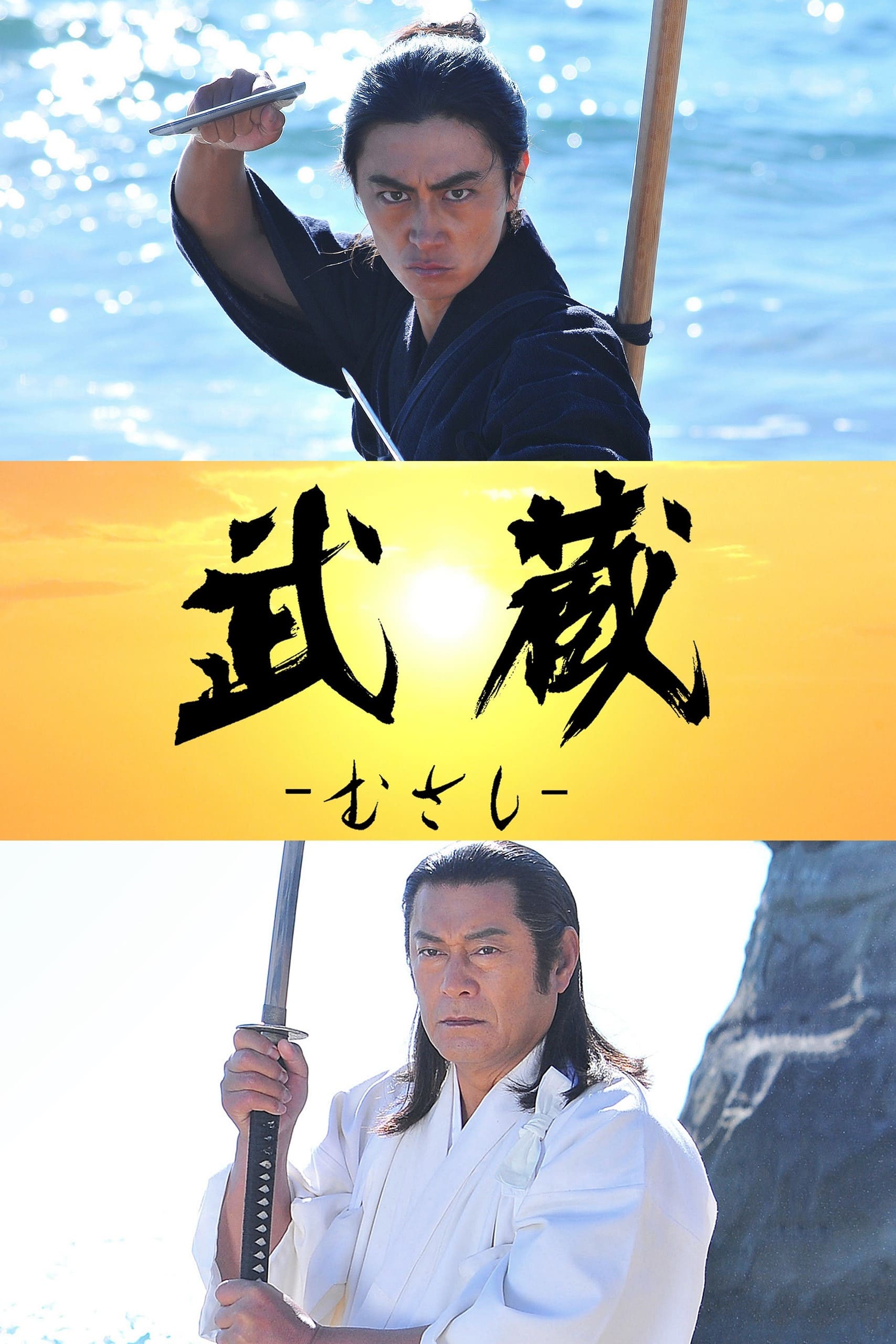
Musashi returns Japan's legendary swordsman and philosopher to the screen once again. In an original period drama based on the historical facts of the life and travels of the famous Miyamoto Musashi we find an apprentice, an instructor and the account of a famous battle in Japan of the Middle Ages where many questions will be answered.
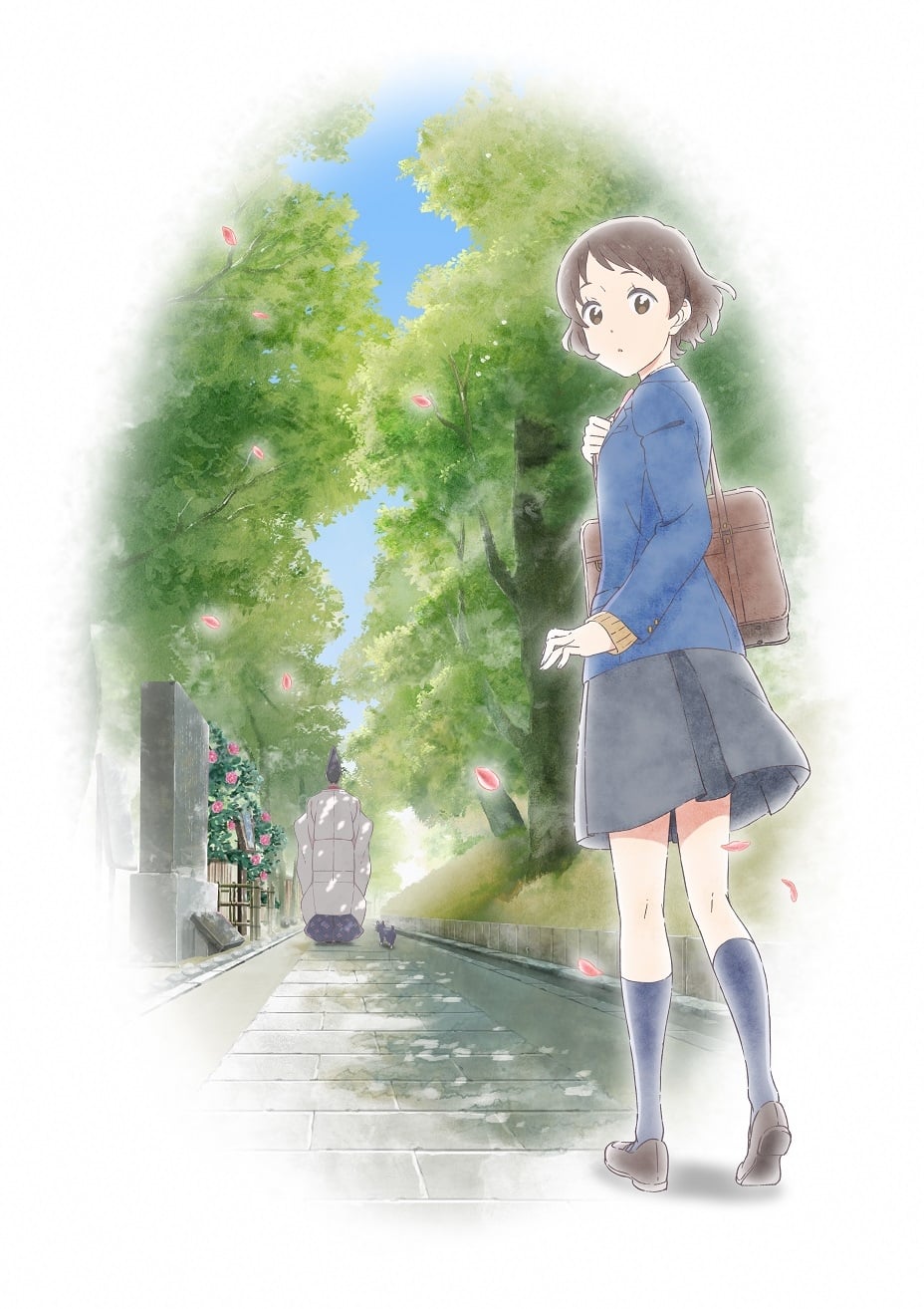
The Tale of Genji Museum in Uji City, Kyoto will be airing a short film blending history and fantasy, the story follows a modern high school girl named Hana who is transformed into a cat and transported back in time. She travels 1,000 years ago to the Heian Era as portrayed in The Tale Of Genji, arguably the most famous novel in Japanese literature. Guided by the novel's titular character Hikaru Genji, Hana experiences firsthand the emotions that the author Murasaki Shikibu depicted in her novel. The short features scenes based on The Diary of Lady Murasaki and other historical materials, such as the real-life noble Fujiwara no Michinaga swiping early drafts of The Tale Of Genji because he could not wait to read chapters as Murasaki wrote them.
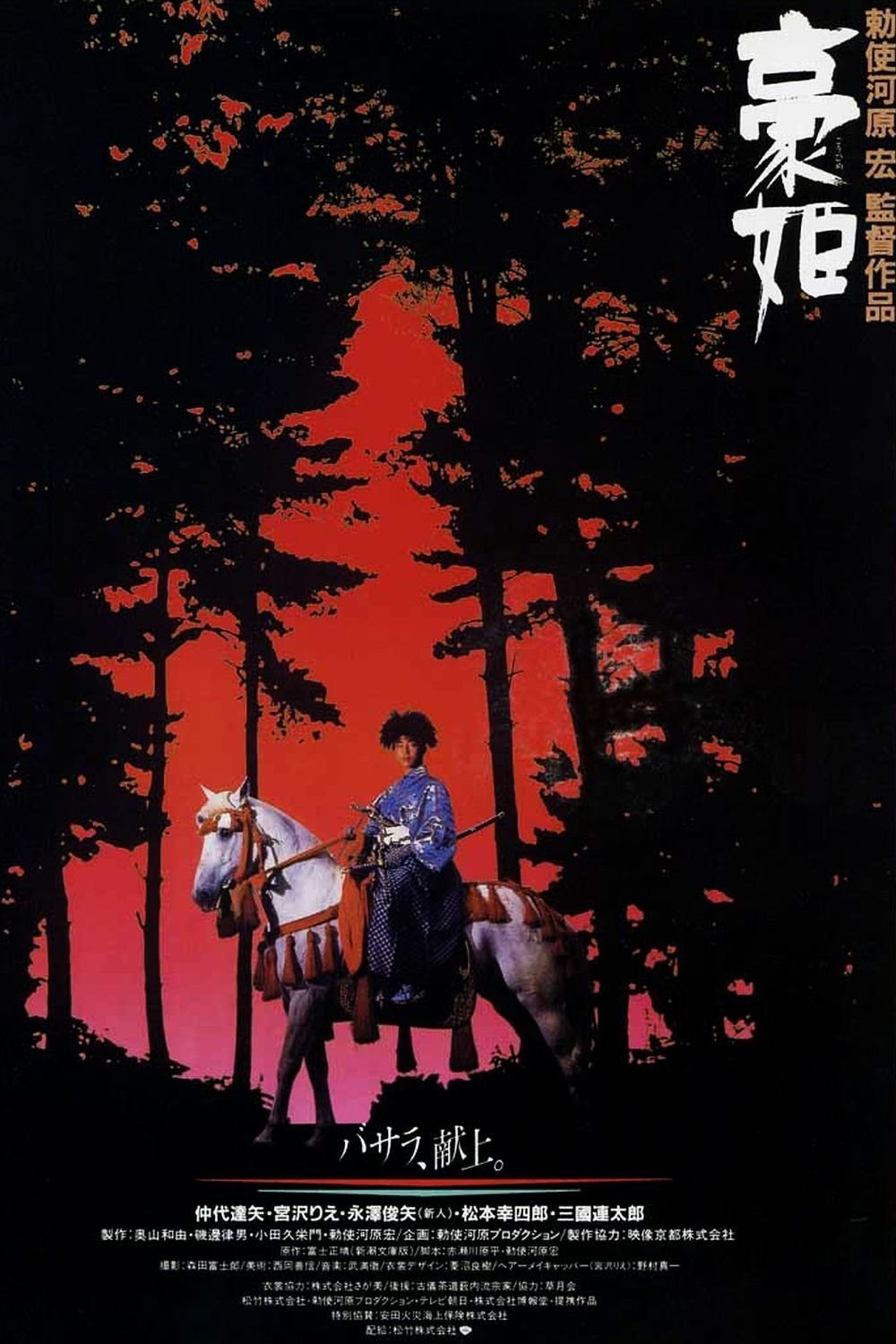
Furuta Oribe is ordered to become tea master under Toyotomi Hideyoshi after his teacher Sen no Rikyū, the former tea master, was ordered to commit suicide. Princess Goh, daughter of the lord but adopted by Hideyoshi, is outraged when Rikyū's severed head is thrown in the Nijo River. She sends Usu, Oribe's servant, to retrieve the head and deliver it to Rikyū's adopted daughter.
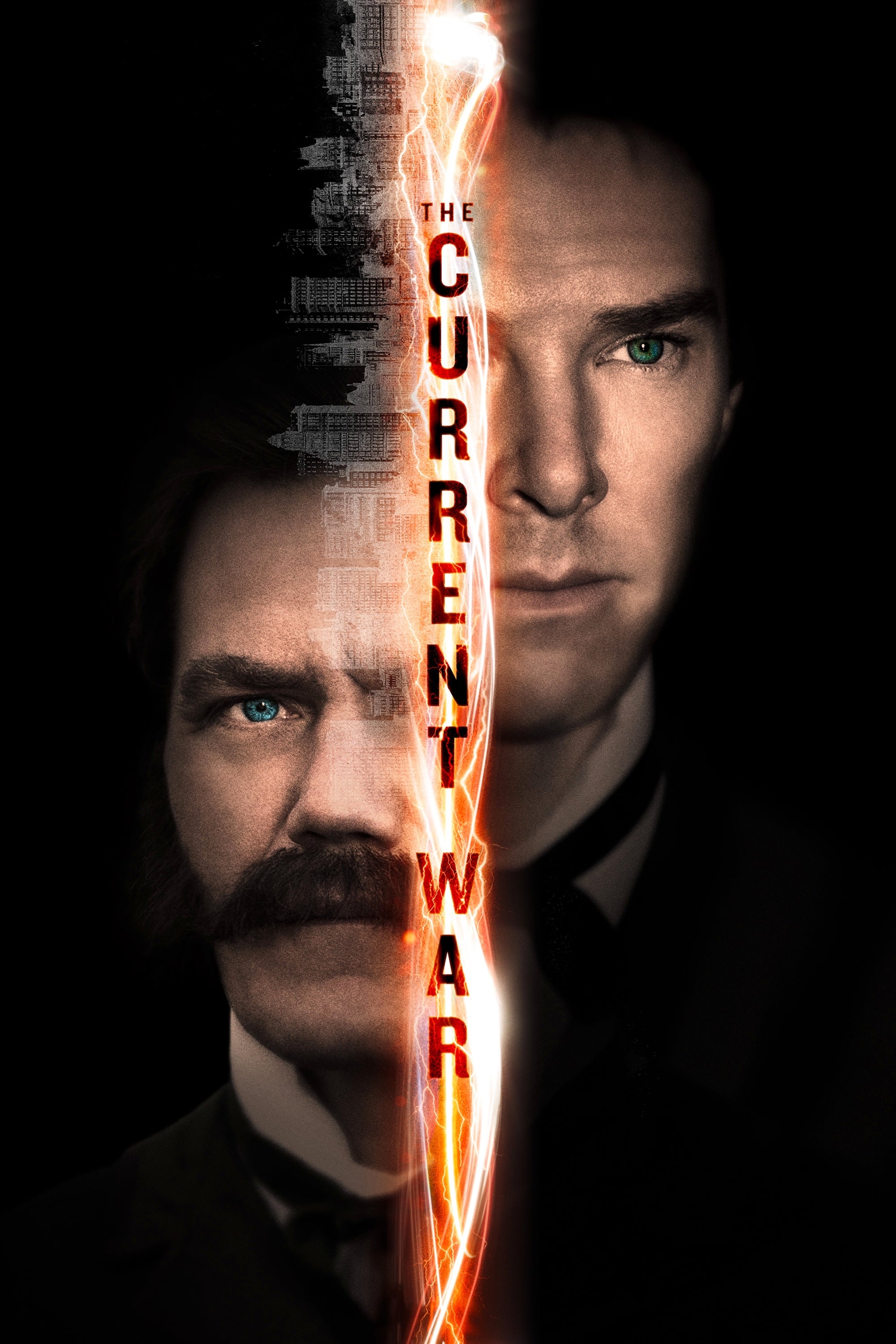
Electricity titans Thomas Edison and George Westinghouse compete to create a sustainable system and market it to the American people.
As the only legitimate heir of England's King William, teenage Victoria gets caught up in the political machinations of her own family. Victoria's mother wants her to sign a regency order, while her Belgian uncle schemes to arrange a marriage between the future monarch and Prince Albert, the man who will become the love of her life.
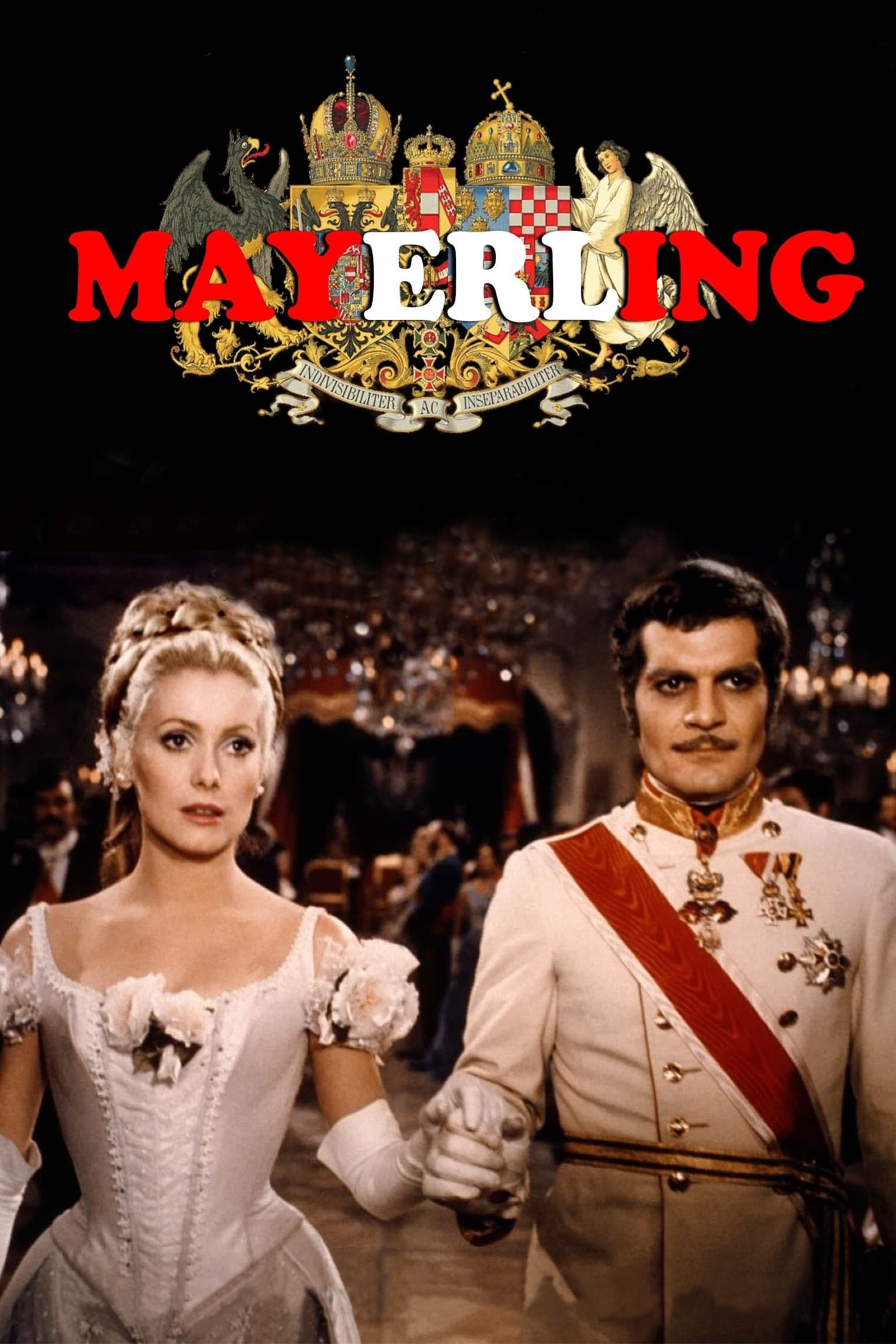
Crown Prince Rudolf of Austria clashes with his father, Emperor Franz Joseph I of Austria, over implementing progressive policies for their country. Rudolf soon feels he is a man born at the wrong time in a country that doesn't realize the need for social reform. The Prince of Wales, later to become Britain's King Edward VII, provides comic relief. Rudolf finds refuge from a loveless marriage with Princess Stéphanie by taking a mistress, Baroness Maria Vetsera. Their untimely demise at Mayerling, the imperial family's hunting lodge, is cloaked in mystery.
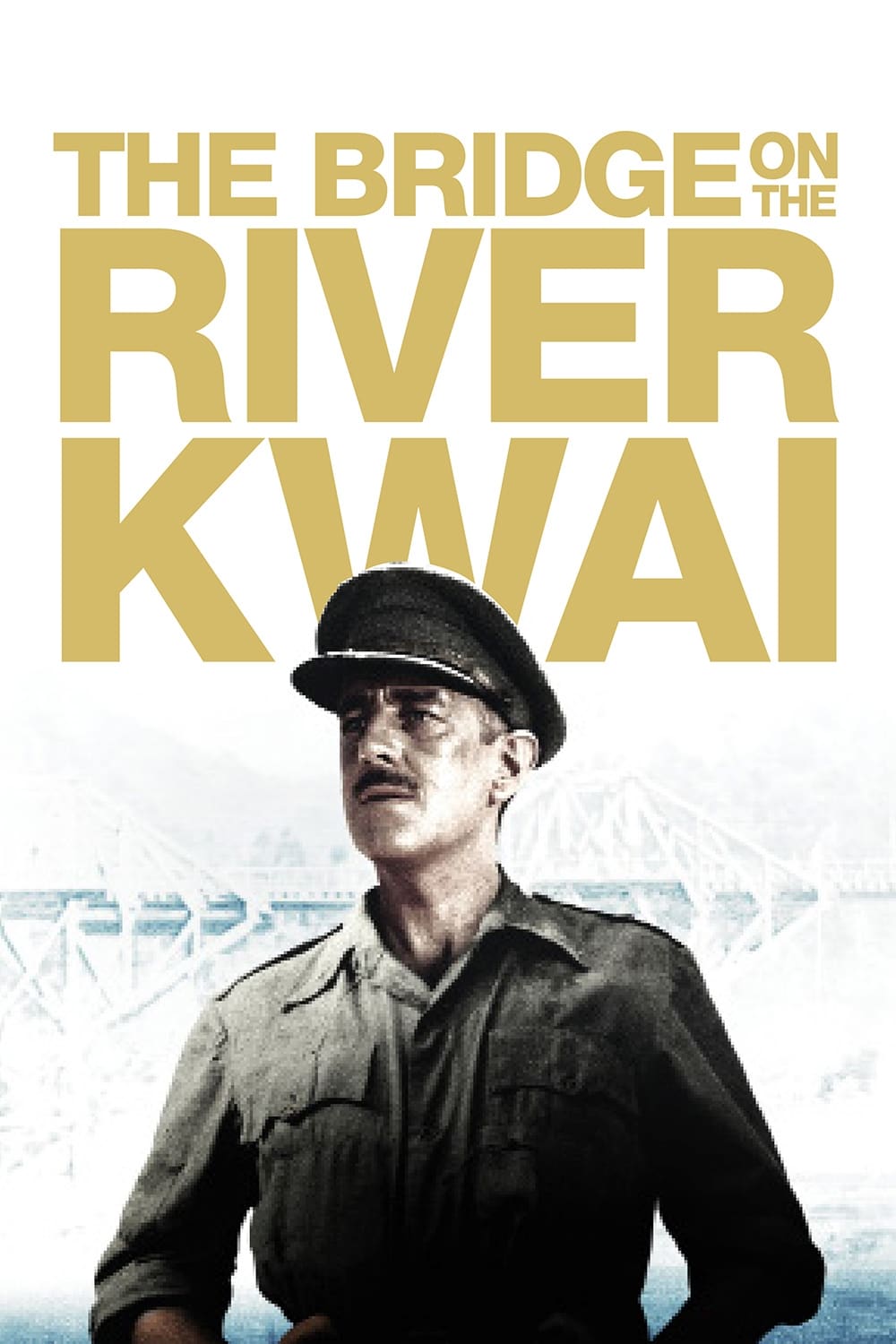
The classic story of English POWs in Burma forced to build a bridge to aid the war effort of their Japanese captors. British and American intelligence officers conspire to blow up the structure, but Col. Nicholson, the commander who supervised the bridge's construction, has acquired a sense of pride in his creation and tries to foil their plans.
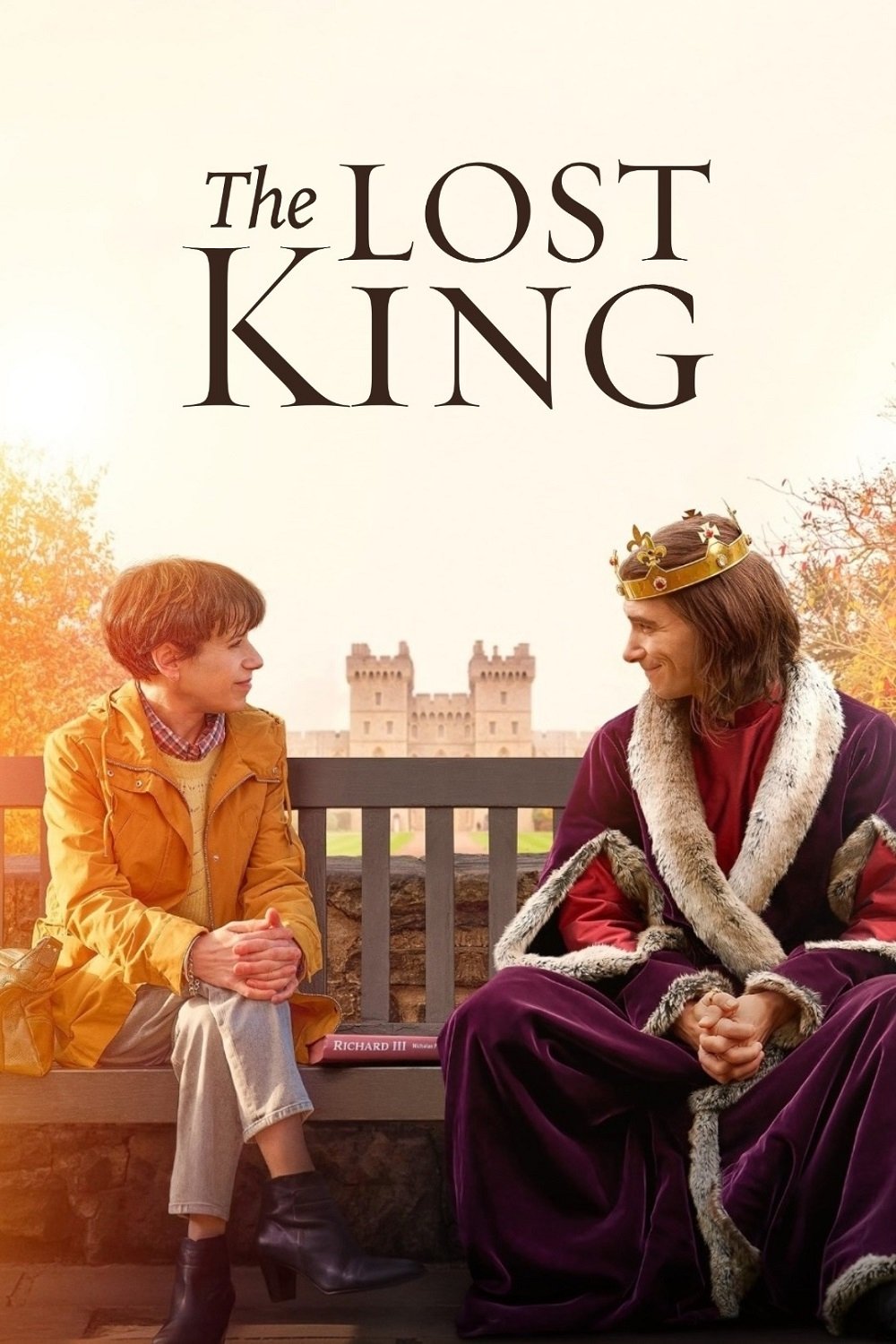
An amateur historian defies the academic establishment in her efforts to find King Richard III's remains, which were lost for over 500 years.
A WWII veteran escapes his care home in Northern Ireland and embarks on an arduous but inspirational journey to France to attend the 75th anniversary of the D-Day landings, finding the courage to face the ghosts of his past.
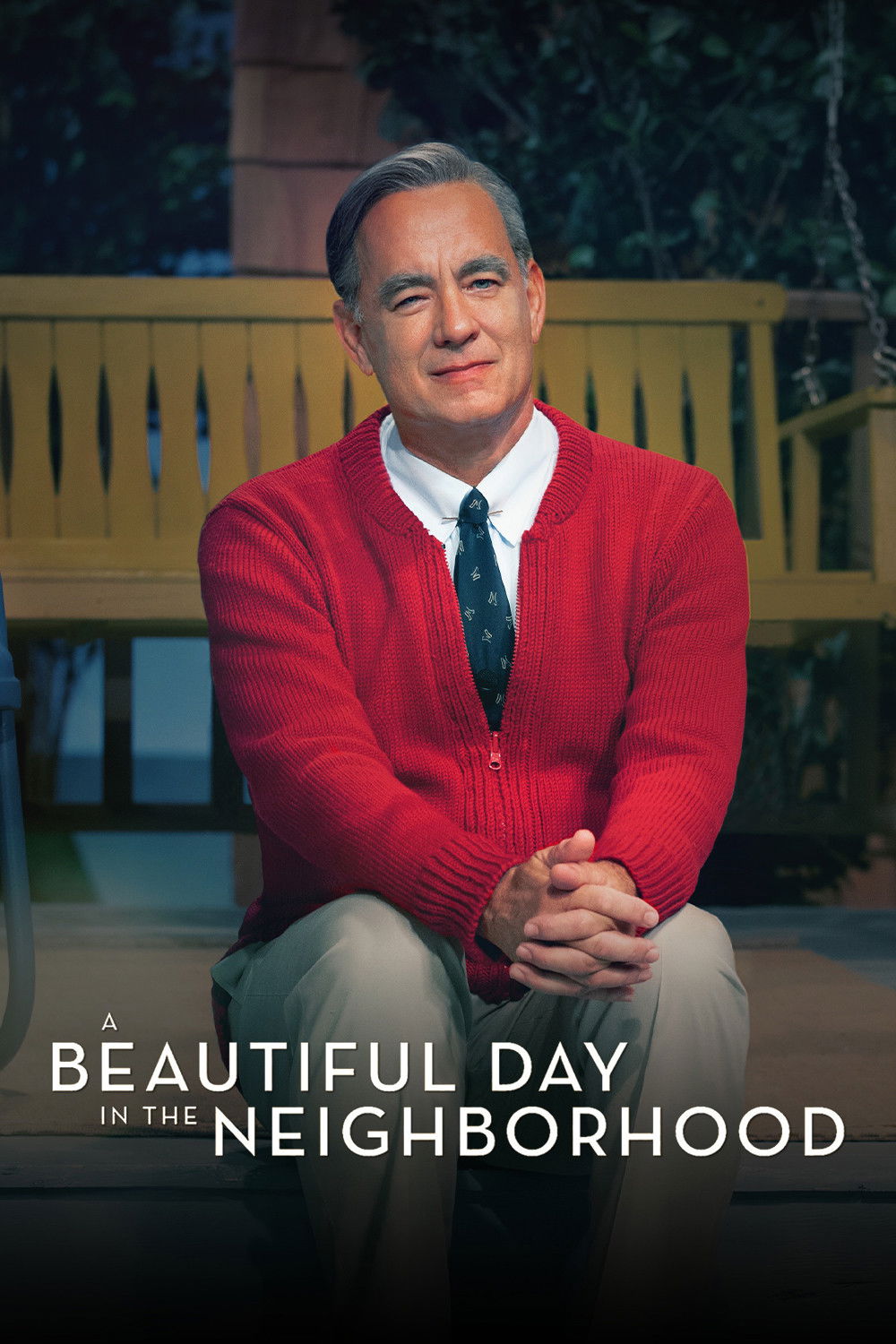
An award-winning cynical journalist, Lloyd Vogel, begrudgingly accepts an assignment to write an Esquire profile piece on the beloved television icon Fred Rogers. After his encounter with Rogers, Vogel's perspective on life is transformed.
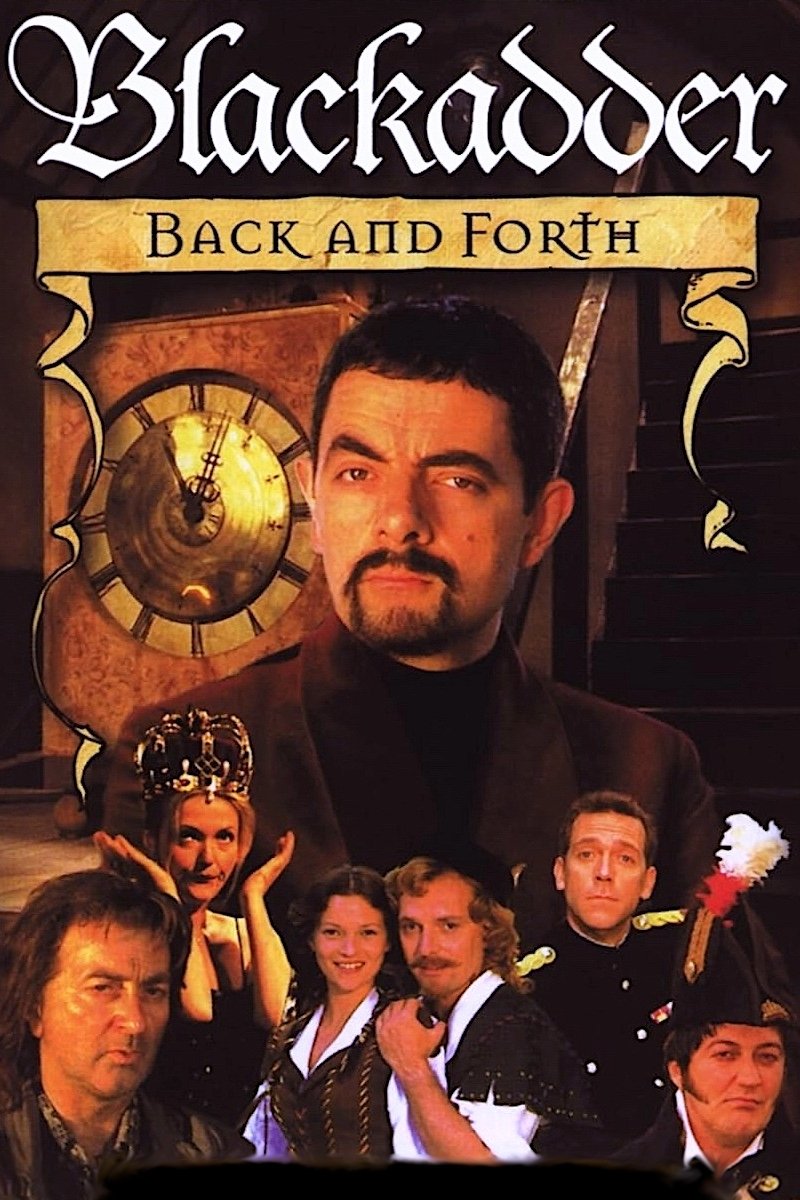
What was a cunning plan from Lord Edmund Blackadder V to fake a time machine on his gullibly incompetent friends, turns out to be the real thing and hurls him and his imbecile underling, Baldrick, through the course of human history.
Captain Ralls fights Dutch shipping magnate Mayrant Sidneye for the woman he loves, Angelique Desaix, and for a fortune in gold aboard the Red Witch.
Jamie Graham, a privileged English boy, is living in Shanghai when the Japanese invade and force all foreigners into prison camps. Jamie is captured with an American sailor, who looks out for him while they are in the camp together. Even though he is separated from his parents and in a hostile environment, Jamie maintains his dignity and youthful spirit, providing a beacon of hope for the others held captive with him.
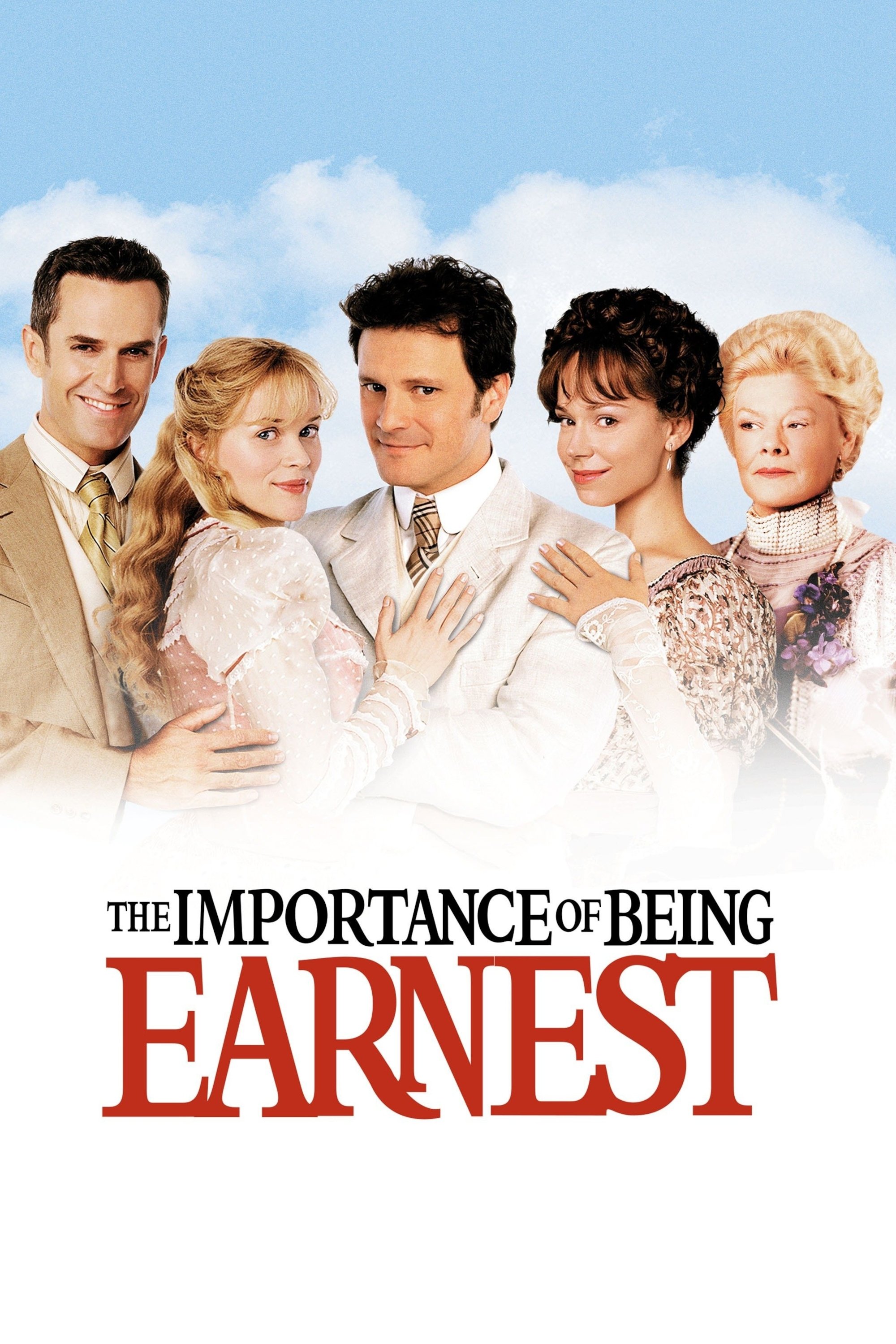
Two young gentlemen living in 1890s England use the same pseudonym ('Ernest') on the sly, which is fine until they both fall in love with women using that name, which leads to a comedy of mistaken identities.
The story of Rickey Hill, who overcomes his physical disability and repairs his relationship with his father in a quest to become a major league baseball (MLB) player.
A chronicle of the Cristeros War (1926-1929), which was touched off by a rebellion against the Mexican government's attempt to secularize the country.
In May 1940, the fate of World War II hangs on Winston Churchill, who must decide whether to negotiate with Adolf Hitler or fight on knowing that it could mean the end of the British Empire.
Young women toiling in a factory are exposed to hazardous material which takes a disastrous toll on their health.
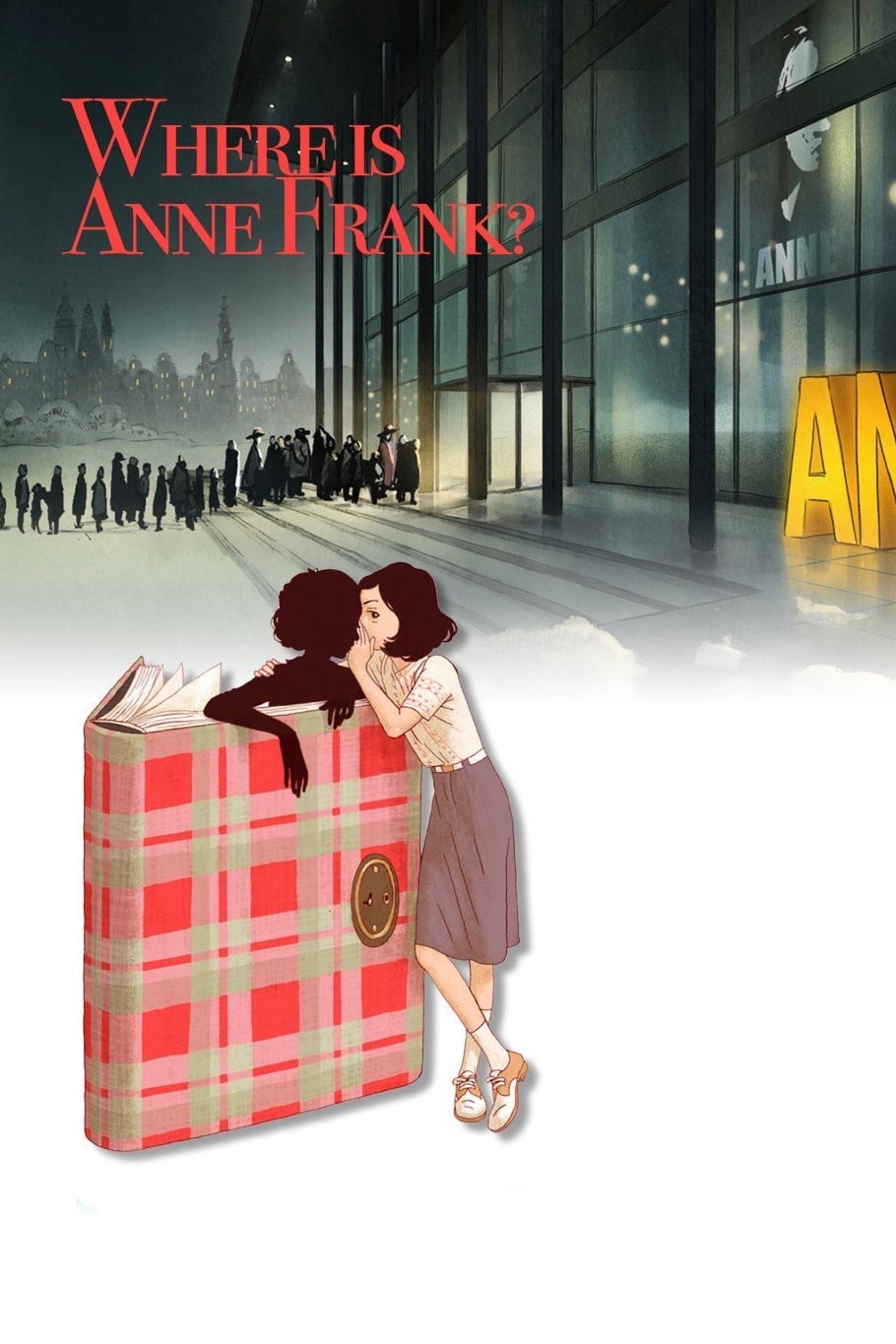
The film follows the journey of Kitty, the imaginary friend to whom Anne Frank dedicated her diary. A fiery teenager, Kitty wakes up in the near future in Anne Frank's house in Amsterdam and embarks on a journey to find Anne, who she believes is still alive, in today's Europe. While the young girl is shocked by the modern world, she also comes across Anne's legacy.
The death of King Henry VIII throws his kingdom into chaos because of succession disputes. His weak son, Edward, is on his deathbed. Anxious to keep England true to the Reformation, a scheming minister John Dudley marries off his son, Guildford to Lady Jane Grey, whom he places on the throne after Edward dies. At first hostile to each other, Guildford and Jane fall in love, but they cannot withstand the course of power which will lead to their ultimate downfall.
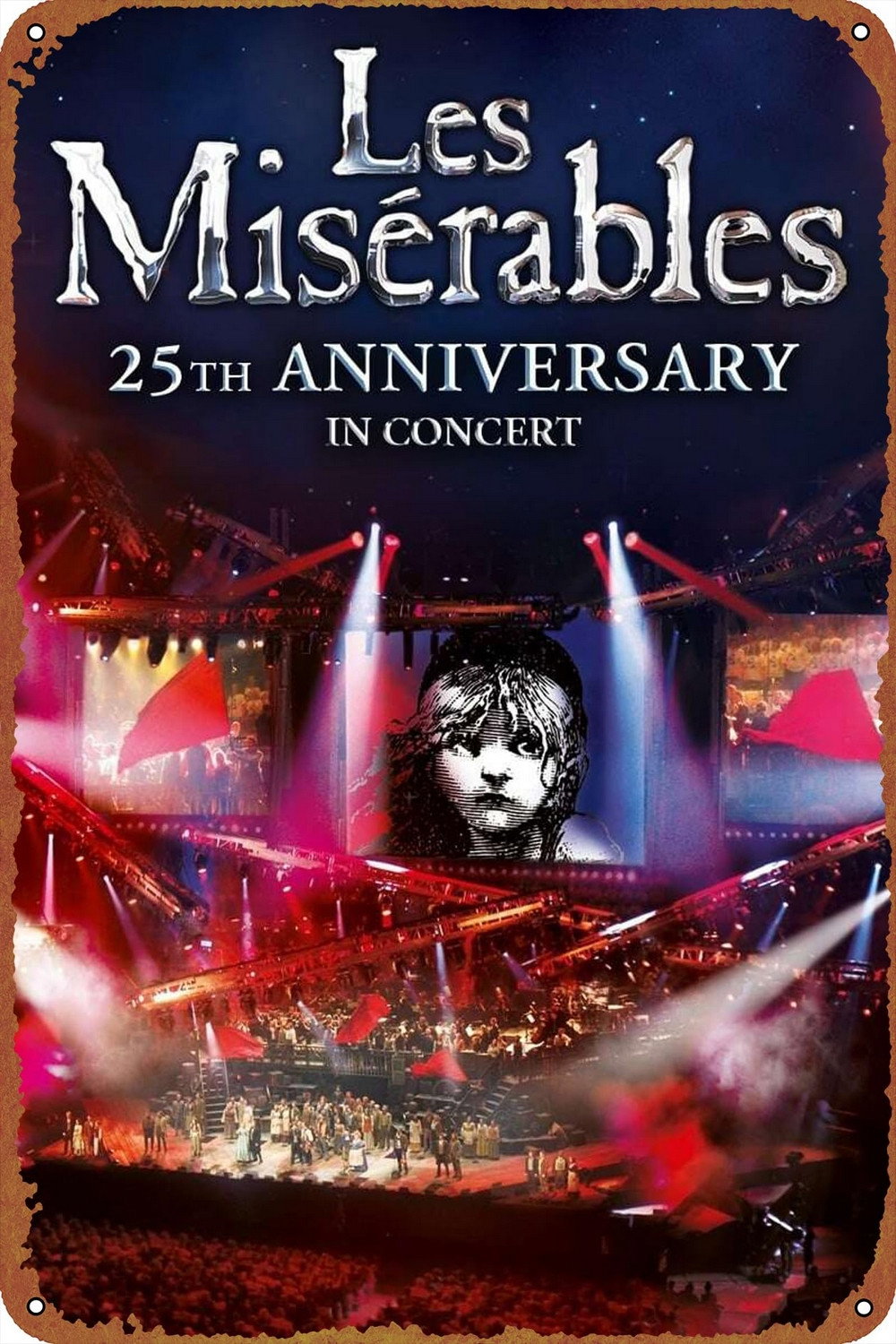
This concert, recorded to celebrate the 25th anniversary of the landmark musical Les Miserables, gathers the casts of the show's 2010 original production at the Queen's Theatre, the 1985 original production by the London company, and the 2010 production at the Barbican together for one performance. Together with talents like Michael Ball, Hadley Fraser, and John Owen-Jones, the performers present the play's musical numbers in a semi-theatrical style, fully costumed and with all the emotion of the musical's heyday.
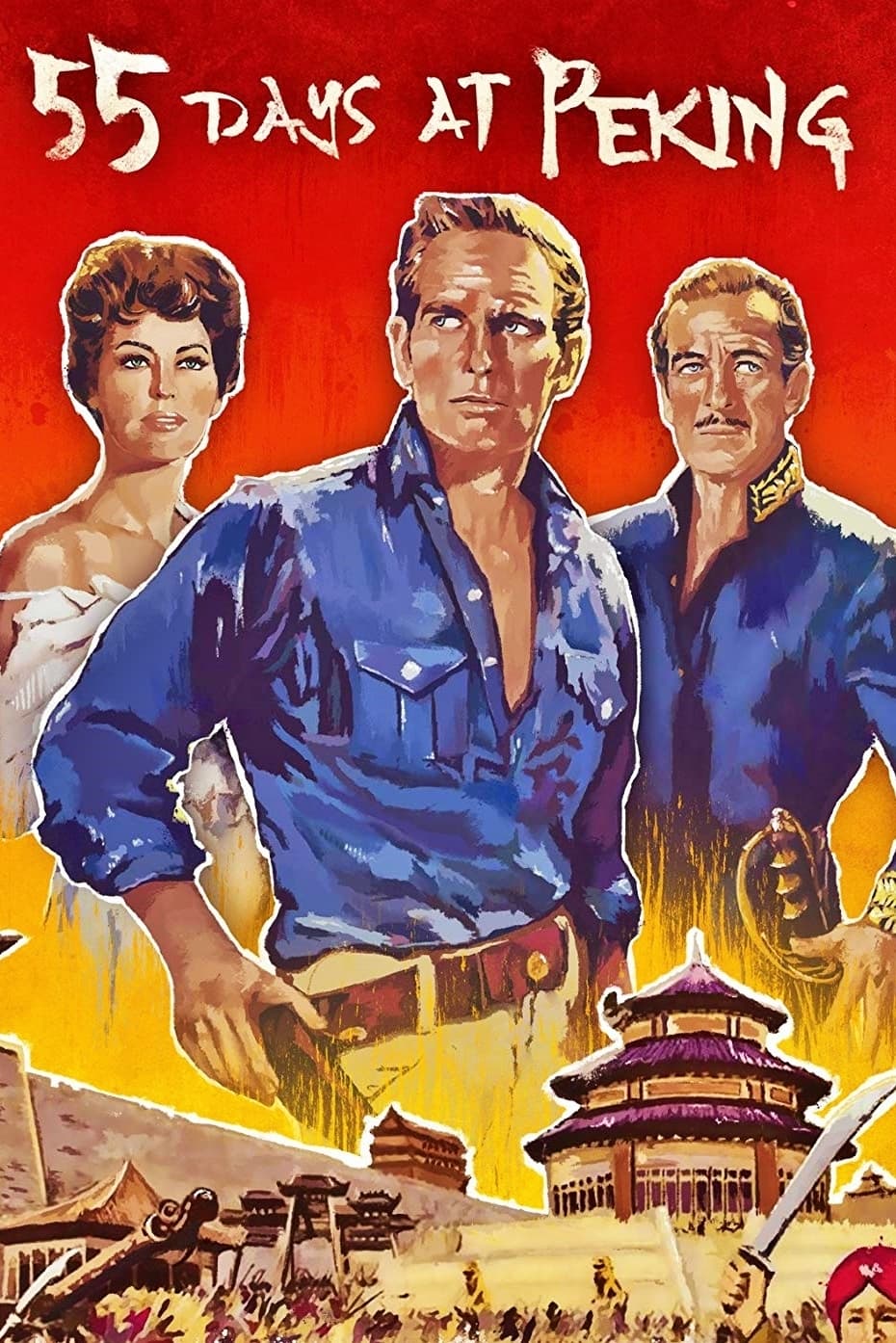
Diplomats, soldiers and other representatives of a dozen nations fend off the siege of the International Compound in Peking during the 1900 Boxer Rebellion. The disparate interests unite for survival despite competing factions, overwhelming odds, delayed relief and tacit support of the Boxers by the Empress of China and her generals.
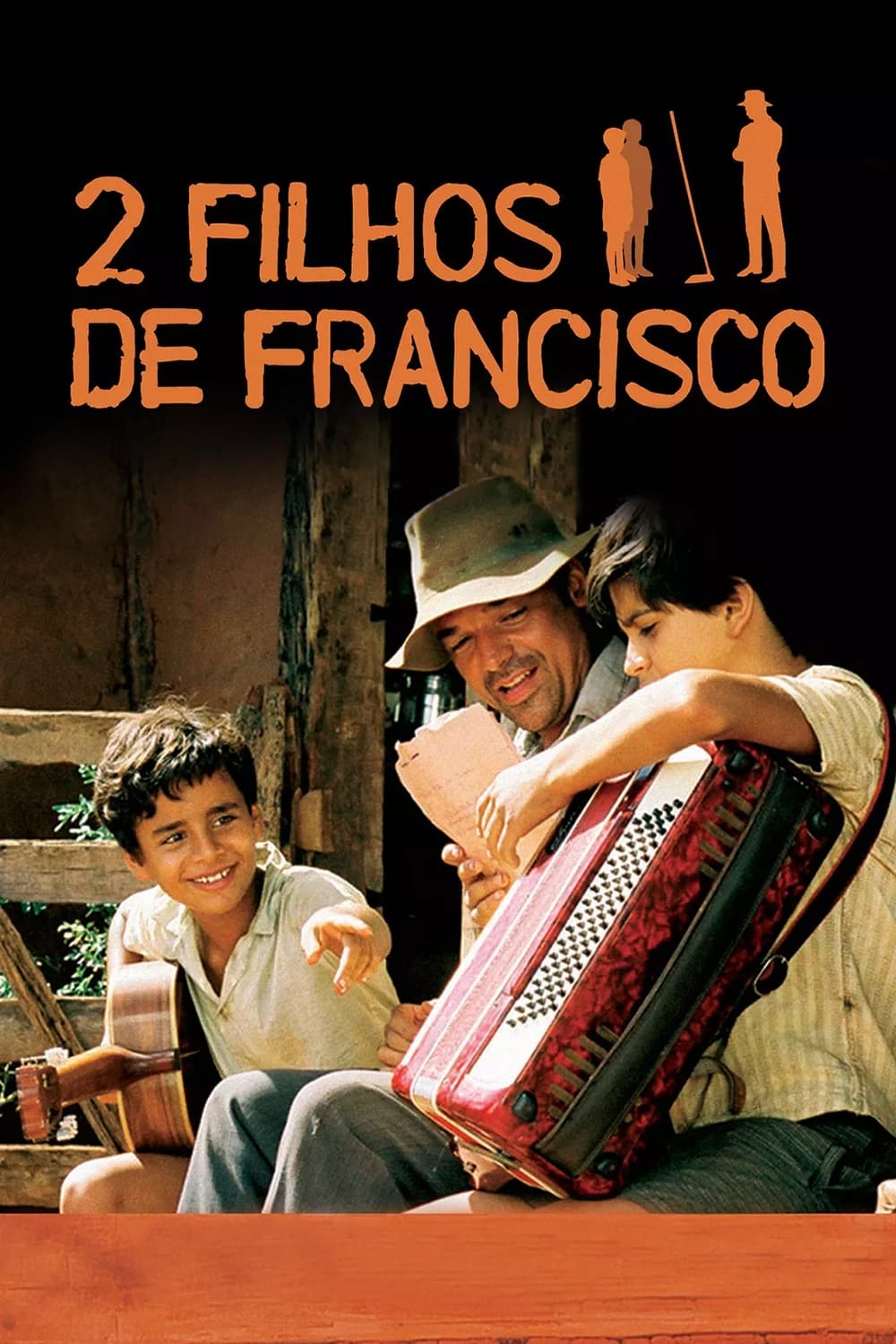
The story of Francisco, a very simple and poor man whose dream was to see his children become country music stars, and who made all the efforts to make it happen.