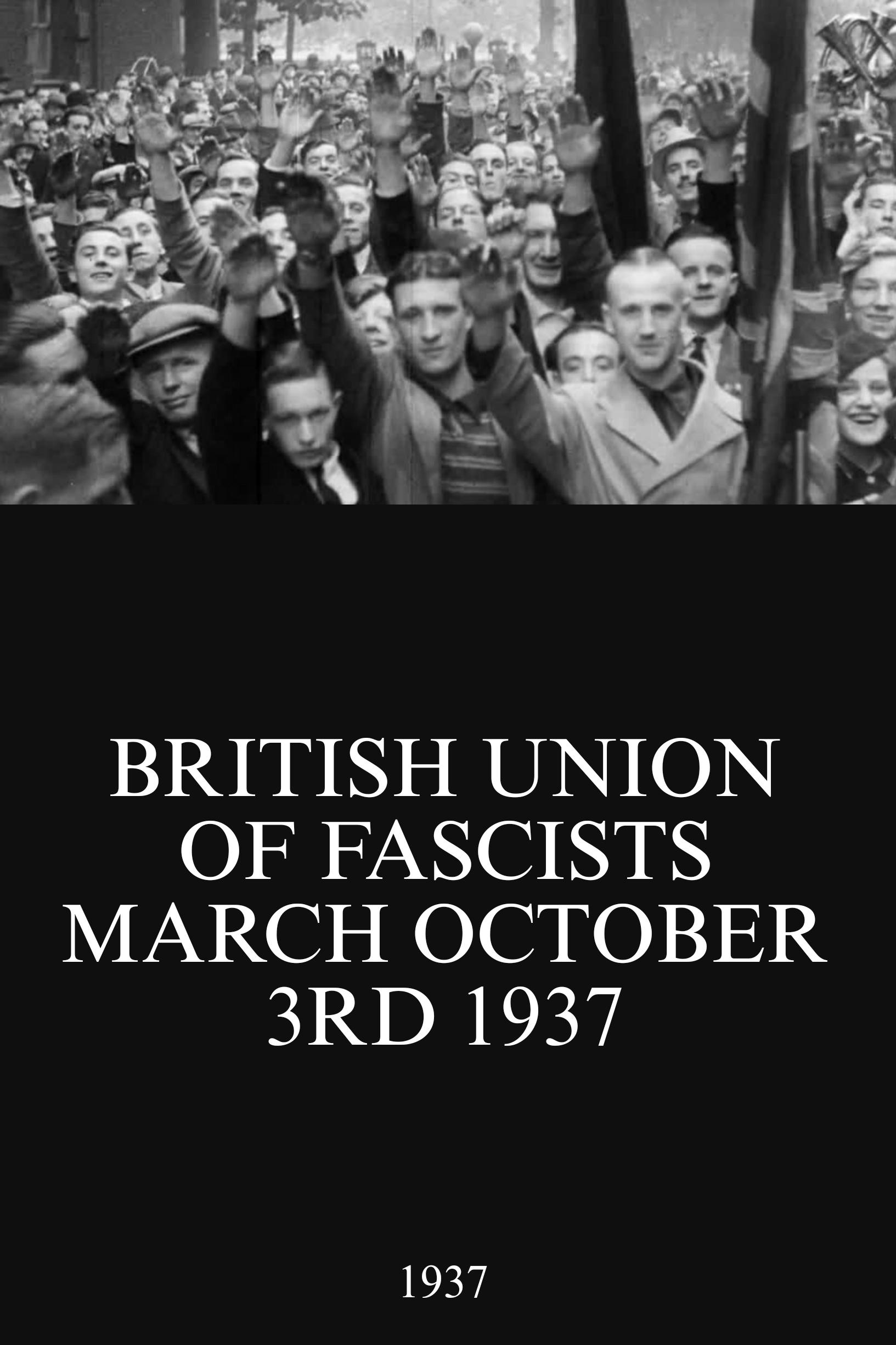
Led by Oswald Mosley, Britain’s Fascists march through south London.
Social & External
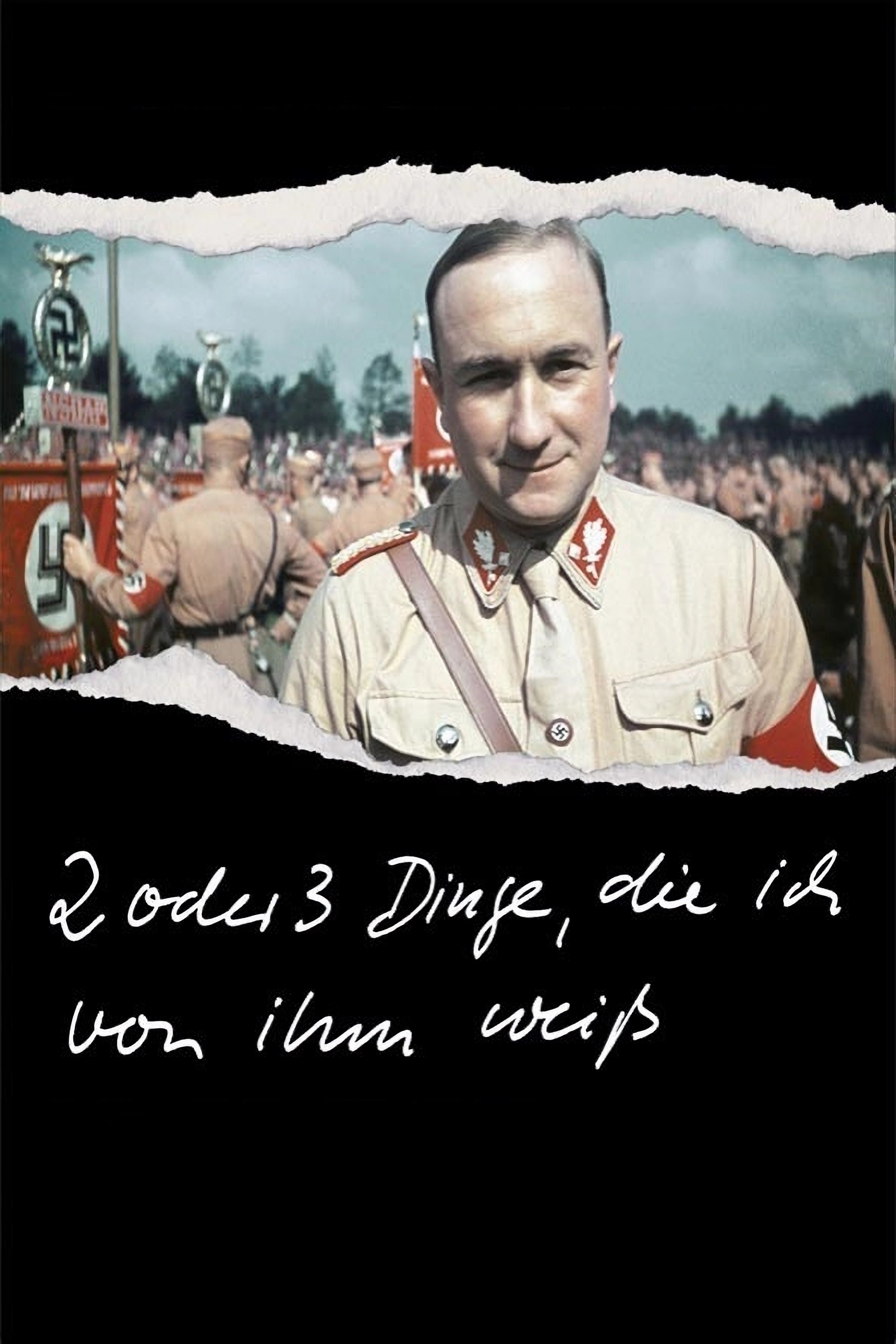
What would your family reminiscences about dad sound like if he had been an early supporter of Hitler’s, a leader of the notorious SA and the Third Reich’s minister in charge of Slovakia, including its Final Solution? Executed as a war criminal in 1947, Hanns Ludin left behind a grieving widow and six young children, the youngest of whom became a filmmaker. It's a fascinating, maddening, sometimes even humorous look at what the director calls "a typical German story." (Film Forum)
Unknown short stories from the past, the present and the future of fascism and its relation to the economic interests of each era. We will travel from Mussolini’s Italy to Greece under the Nazi occupation, the civil war and the dictatorship; and from Hitler’s Germany to the modern European and Greek fascism.
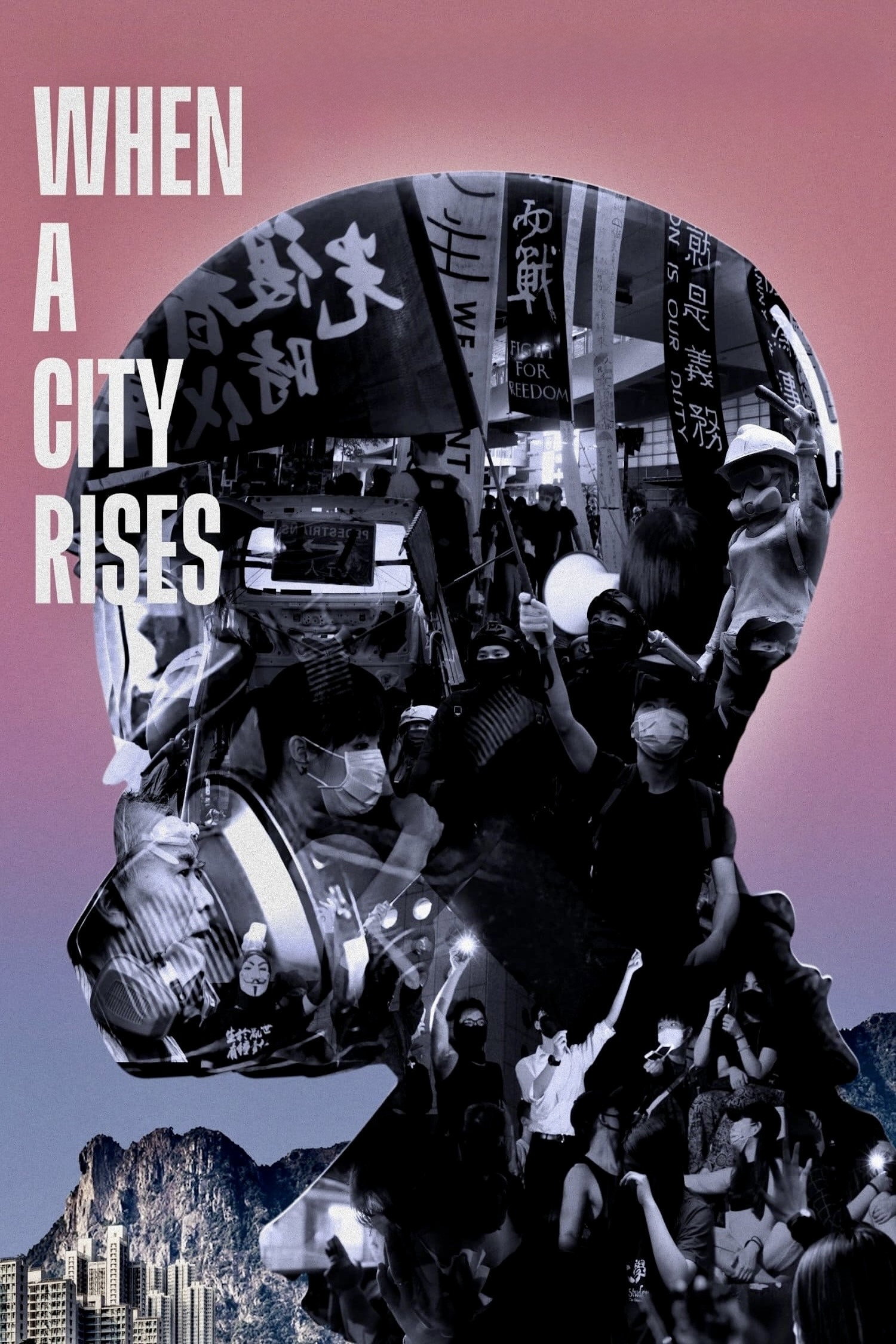
Behind the gas masks of Hong Kong’s democracy movement, the often very young activists are just as diverse as the youths of the rest of the world. But they share a demand for democracy and freedom. They have the will and the courage to fight – and they can see that things are going in the wrong direction in the small island city, which officially has autonomy under China but is now tightening its grip and demanding that ‘troublemakers’ be put away or silenced. Amid the violent protests, we meet a 21-year-old student, a teenage couple and a new father.
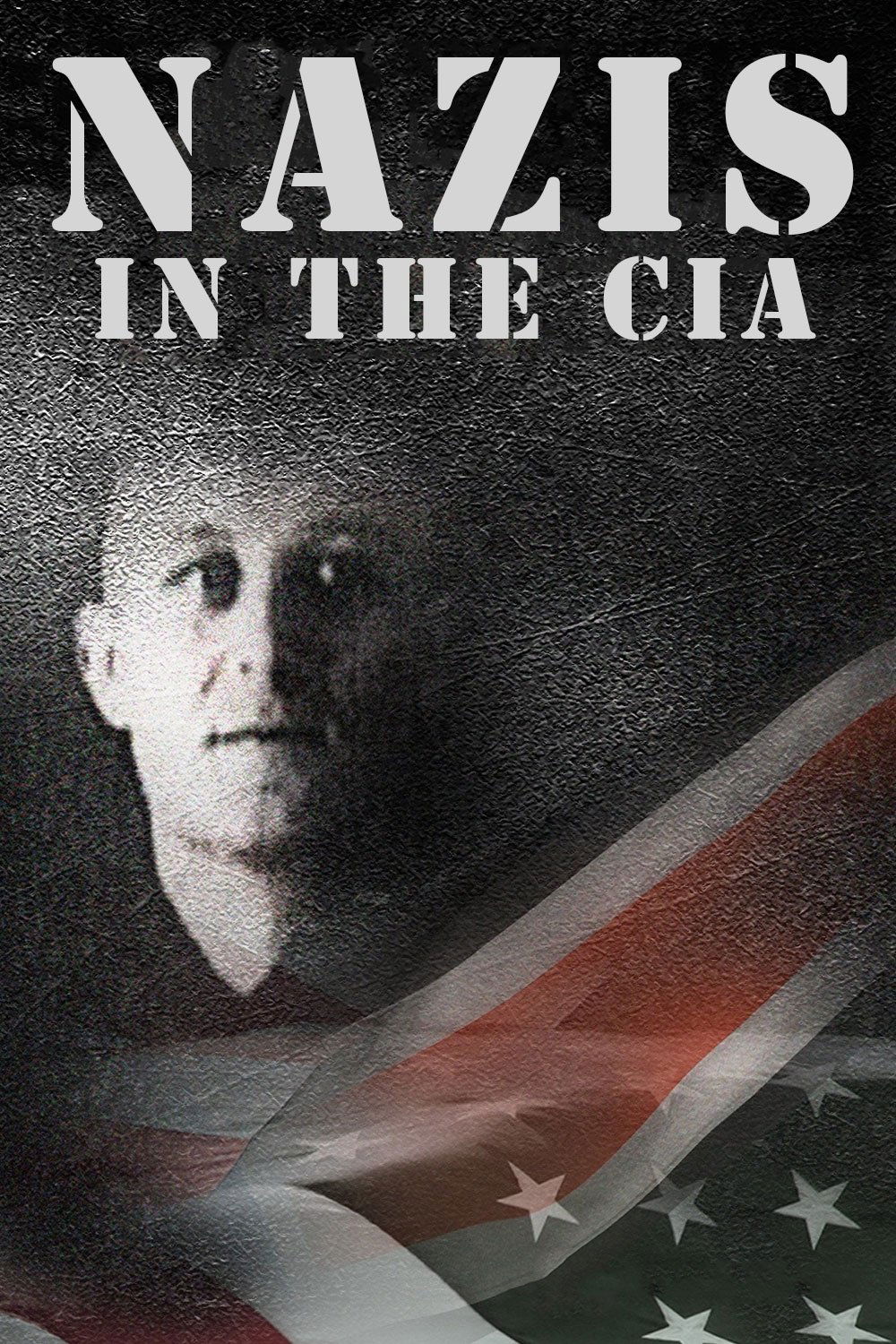
Florian Hartung and Dirk Pohlmann have reconstructed a previously unknown dimension of the collaboration between Nazis and the CIA in the Cold War. Drawing upon recently released documents, the film exposes for the first time a perfidious, worldwide net that reaches deep into the power structures of the Federal Republic of Germany. Lending their authority to the fact-finders’ mission are high-ranking statesmen, journalists and historians.
A girl from St. Petersburg walks around protest-ridden Moscow, talking to riot police and believing that sooner or later they will go over to the side of the demonstrators. An 18-year-old student of a St. Petersburg college introduces herself as Alice and tells about herself that from the age of four she lived in an orphanage and in foster families. In Moscow, Alisa, for whom this is the first rally in her life, walks along the police cordons and looks under the OMON helmet. "Under the mask you can't see, are you even human?"
“Looks at the impact key movements throughout U.S. history have had in shaping our society, laws and culture. From the labor movement of the 1880s, women's suffrage and civil rights, to the LGBTQ+ and Black Lives Matter movements, protest is in the American DNA and this documentary gives an unfiltered look at the ways it has evolved the world in which we live.”
Documenting the Kapu Aloha movement, as they take a stand to defend Mauna Kea in the wake of the Thirty Meter Telescope protests.
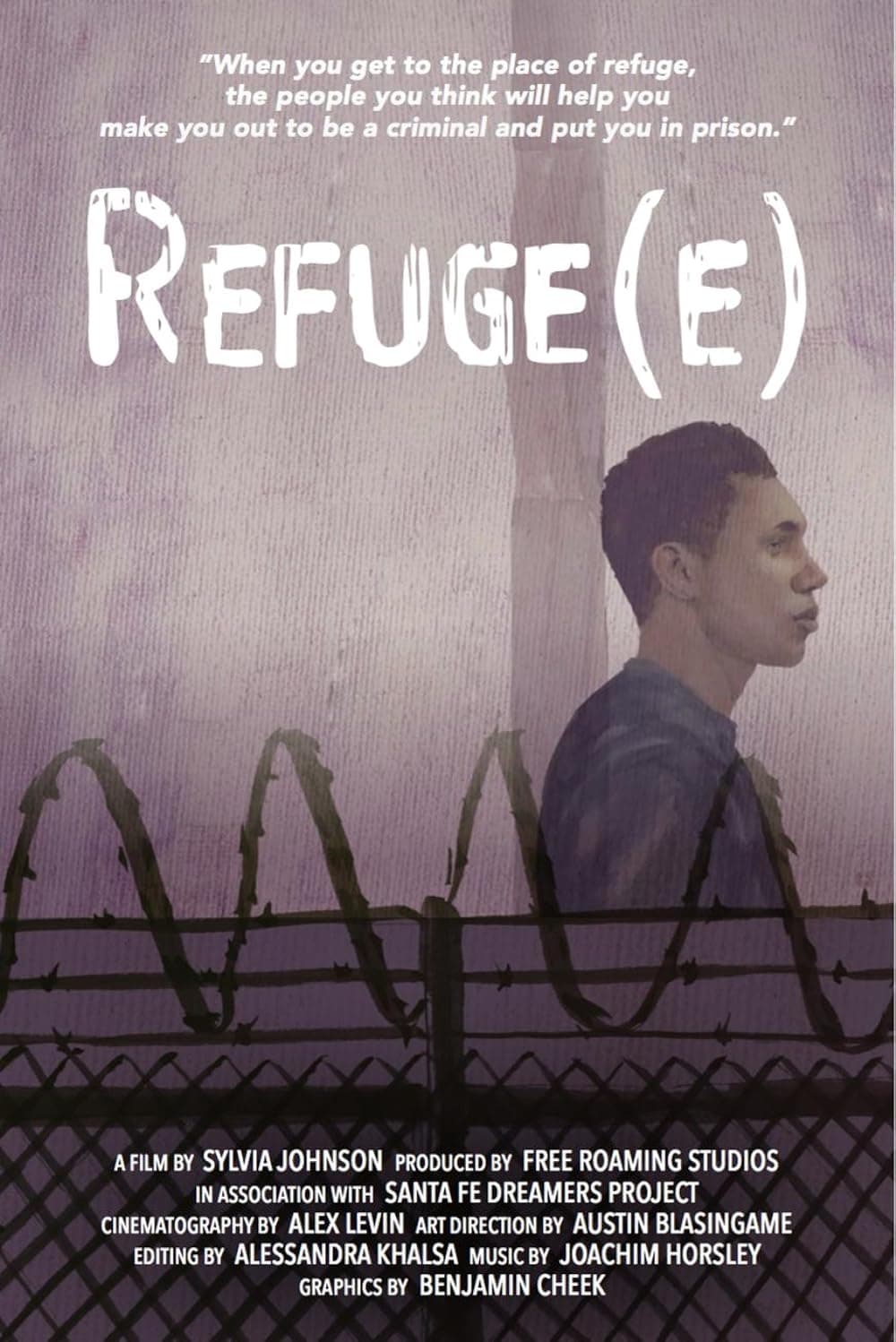
Refuge(e) traces the incredible journey of two refugees, Alpha and Zeferino. Each fled violent threats to their lives in their home countries and presented themselves at the US border asking for political asylum, only to be incarcerated in a for-profit prison for months on end without having committed any crime. Thousands more like them can't tell their stories.
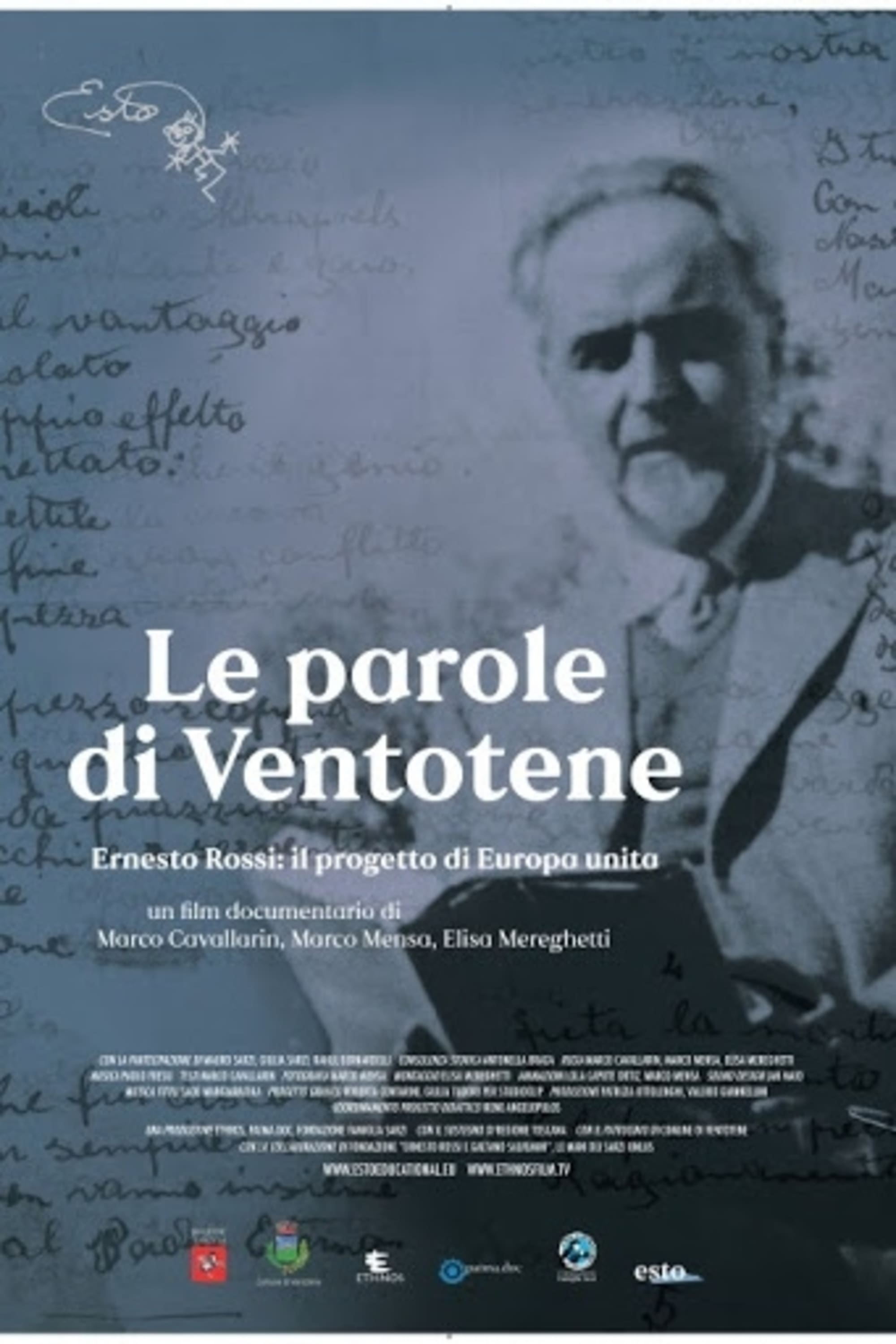
The film focuses on Ernesto Rossi (1897 – 1967), who was imprisoned by the fascist regime between 1930 and 1943 for his political ideas. Exiled on the island of Ventotene, he co-authored the Ventotene manifesto.
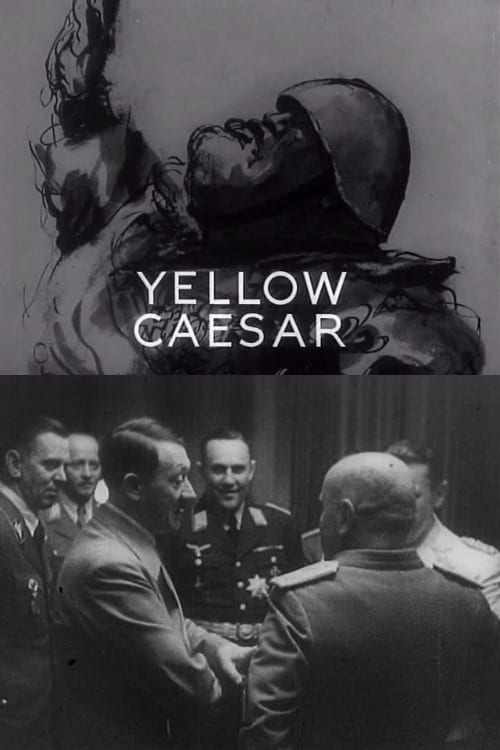
Using edited archive footage, mockery is made of Italy's dictator Benito Mussolini.
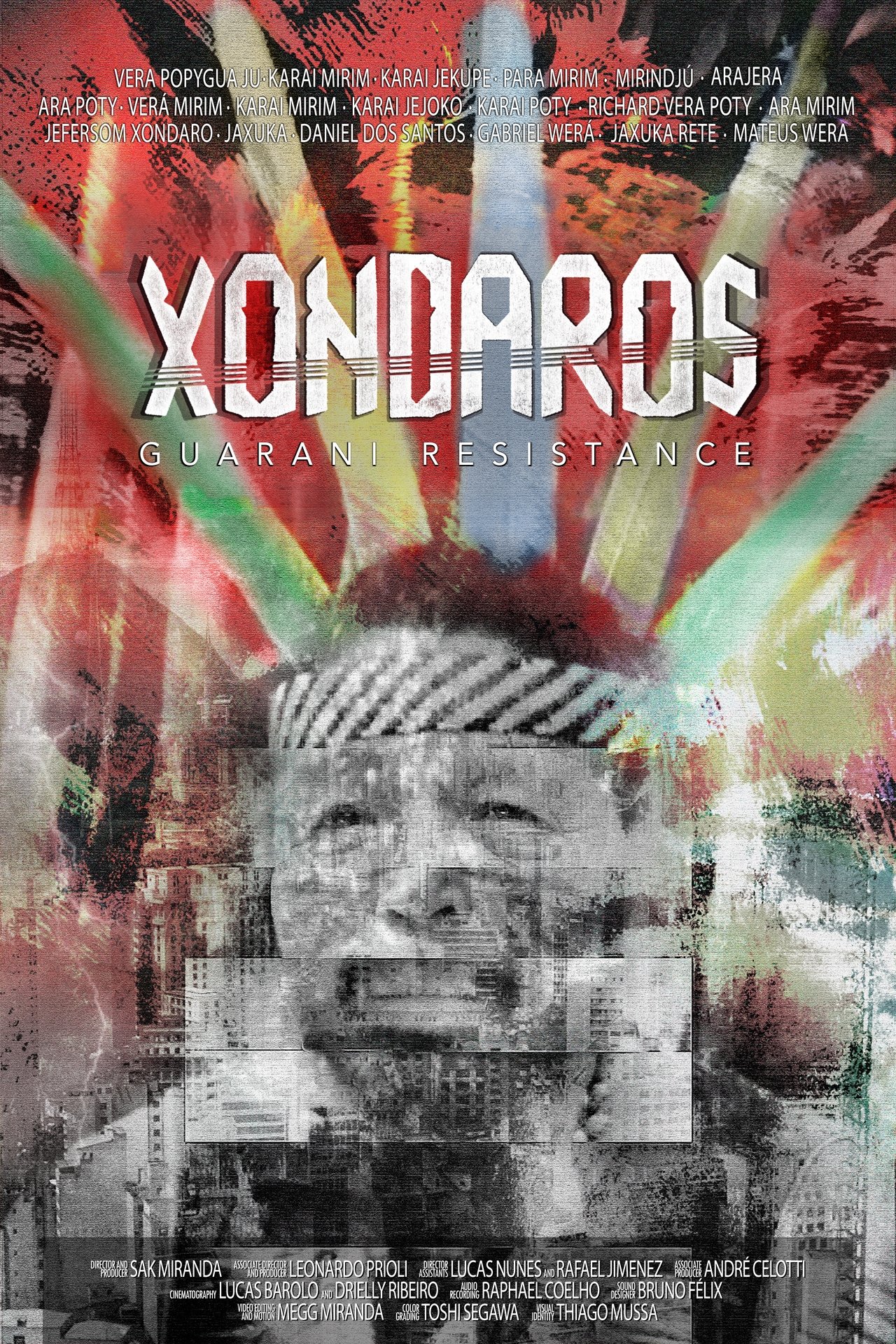
The 6 Guarani villages of Jaraguá, in São Paulo, fight for land rights, for human rights and for the preservation of nature. They suffer from the proximity to the city, which brings lack of resources, pollution of rivers and springs, racism, police violence, fires, lack of infrastructure and sanitation, among others. Unable to live like their ancestors, their millenary culture is lost as it merges with the urban culture.
As the "Arab Spring" protests for justice and democracy spread through the middle east in early 2011, people long repressed by the Bahrain monarchy spontaneously gathered at the central Pearl Square to join in the call for their rights.
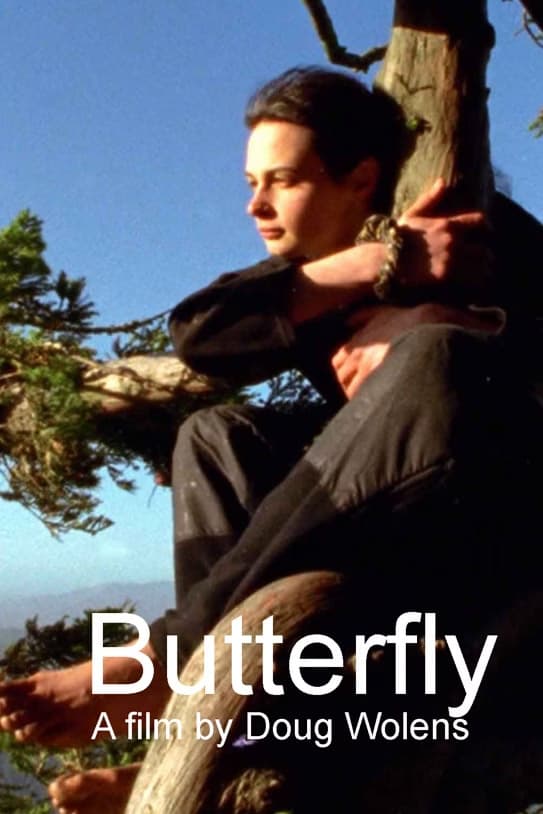
Living in an ancient redwood tree for more than two years to prevent the tree from being clear-cut, Julia Butterfly Hill captured our hearts and minds by showing us that one person can make a difference. Through interviews with Hill, filmmaker Doug Wolens paints a portrait of an intensely spiritual and articulate woman who encountered both beauty and horror (she was assaulted by lumber company helicopters at one point) during her time above ground.
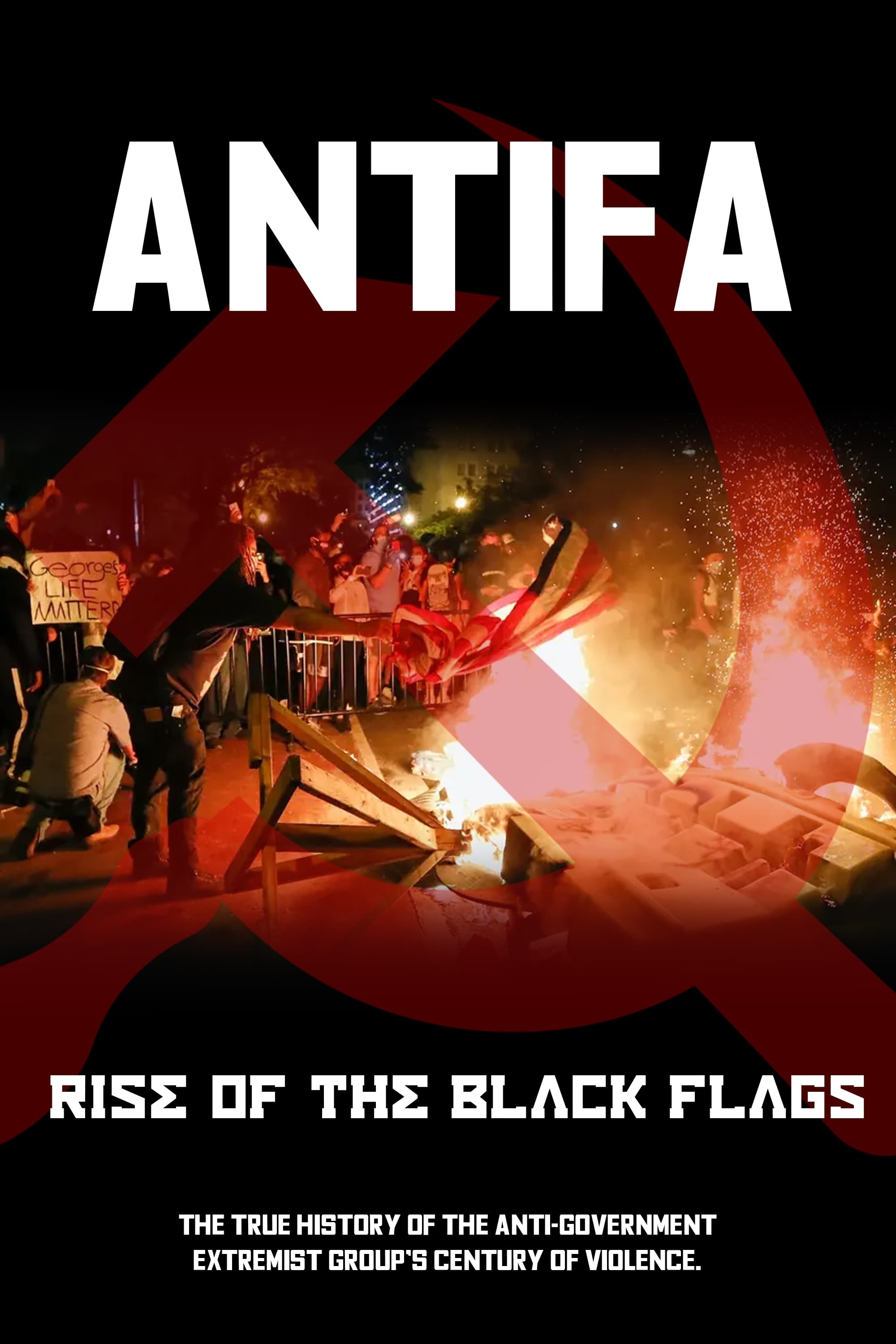
The true history of the anti-government extremist terrorist group's century of violence. Focusing on the group which has caused nationwide rioting and violence, The film – which undermines the mainstream media’s depiction of the group as “just an idea” – has already been censored by YouTube and Vimeo.
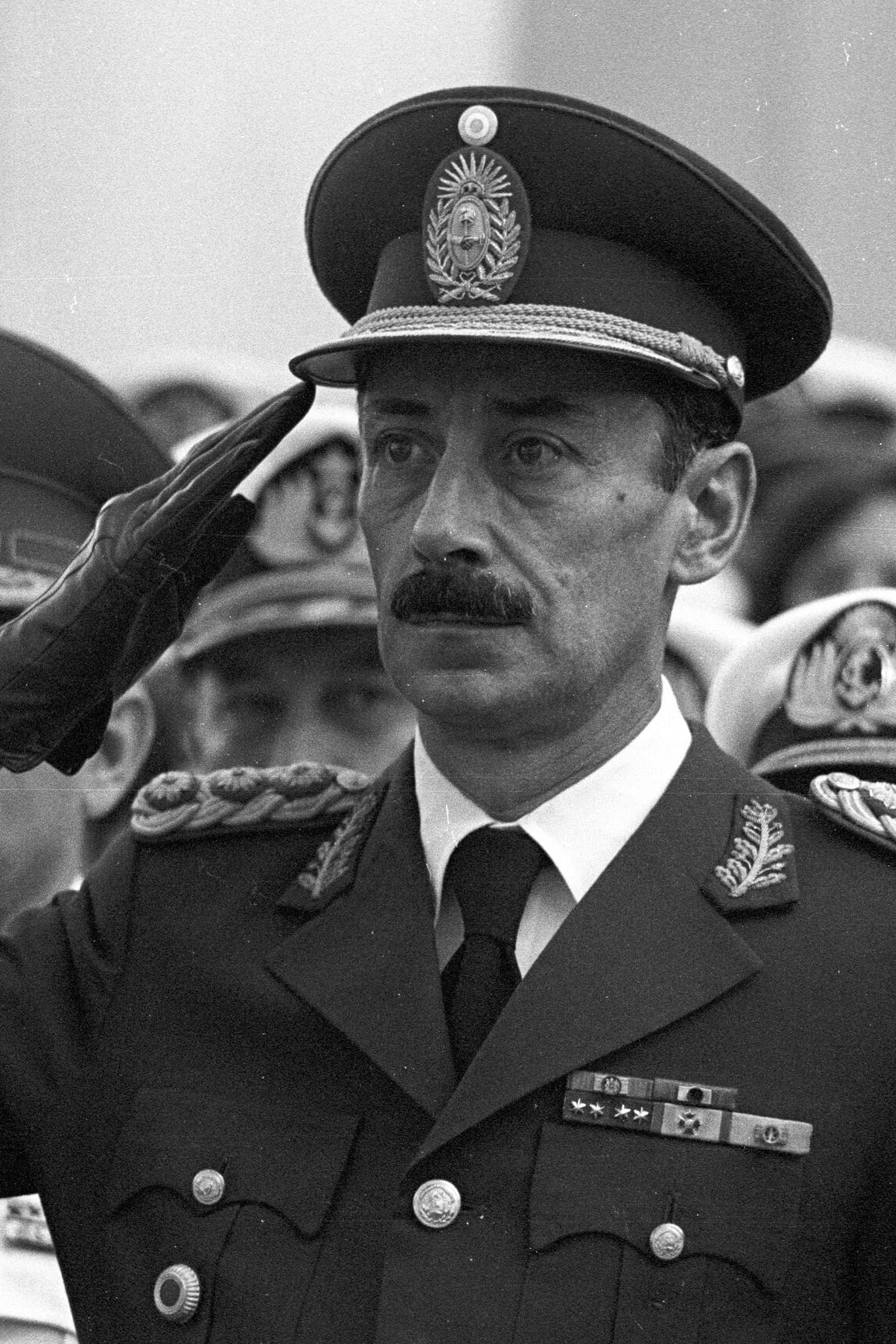
Faced with a lack of prosecution of those accused of crimes against humanity committed during Argentina’s military dictatorship, family members and descendants of the country’s estimated 30,000 disappeared took action. In the mid-1990s, they began gathering outside of accused perpetrators’ homes and workplaces to publicly shame them and raise awareness about the government’s systematic and brutal targeting of its people — and how it had gone unpunished. The human rights group HIJOS (Sons and Daughters for Identity and Justice Against Forgetfulness and Silence) led and labeled this direct-action style of protest “escrache,” or exposure.
Recounts the incidents that occurred in La Plata on February 20, 1996, when hundreds of students, social and worker organizations demonstrated against the modification of the university statutes required by the new Higher Education Law, fearing a gradual privatization of university education with the consequent destruction of one of the main cultural bastions of the country.
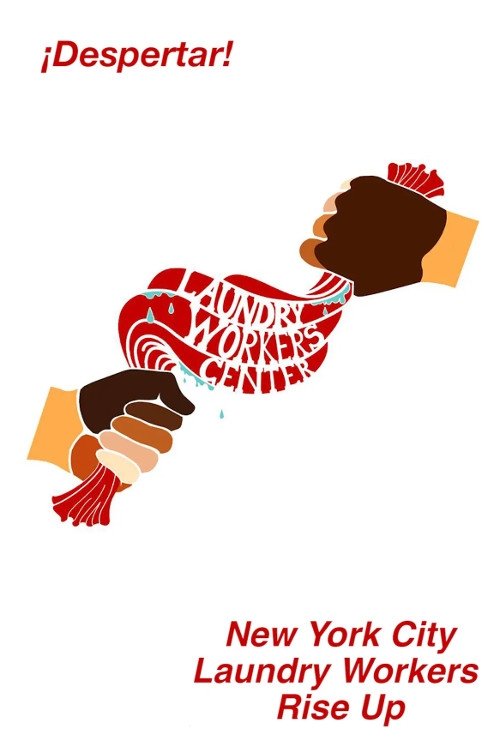
On June 28, 2018, laundry workers from El Barrio in New York City marched to the laundromat where they work. Their community and the Laundry Workers Center were there to support them.
The Balkans cradles Europe's last wild rivers and supports abundant wildlife and healthy, intact ecosystems. These rivers are "The Undamaged" – clean, pristine, and undammed. With over 2,700 small and large hydro power plants planned or under construction in the Balkans, corruption and greed are destroying the last free-flowing rivers of Europe. Follow the Balkan Rivers Tour, a rowdy crew of whitewater kayakers, filmers, photographers and friends who decided to stand up for the rivers, travelling from Slovenia to Albania for 36 days, kayaking 23 rivers in 6 countries to protest the dams and show the world the secret wild rivers of the Balkans. The film honours everyday people and local activists who are fighting to defend rivers and aims to spread the word of the plight of these rivers, showing a new style of nature conservation that is fun, energetic and effective.
A string of threatening emails escalates into a revenge plot involving a newly married US marshal and his ex-girlfriend.
An inside look at one of the most anticipated movie sequels ever with James Cameron and cast.
A look at the origins, history and conspiracies behind the "Majestic 12", a clandestine group of military and corporate figureheads charged with reverse-engineering extraterrestrial technology.
A visual montage portrait of our contemporary world dominated by globalized technology and violence.
Over 35 years after Bob Lazar's revelations, this documentary exposes secrets of a facility the government still denies. Featuring Lazar's testimony, recreations, and new evidence, it reopens a case that continues to spark global curiosity
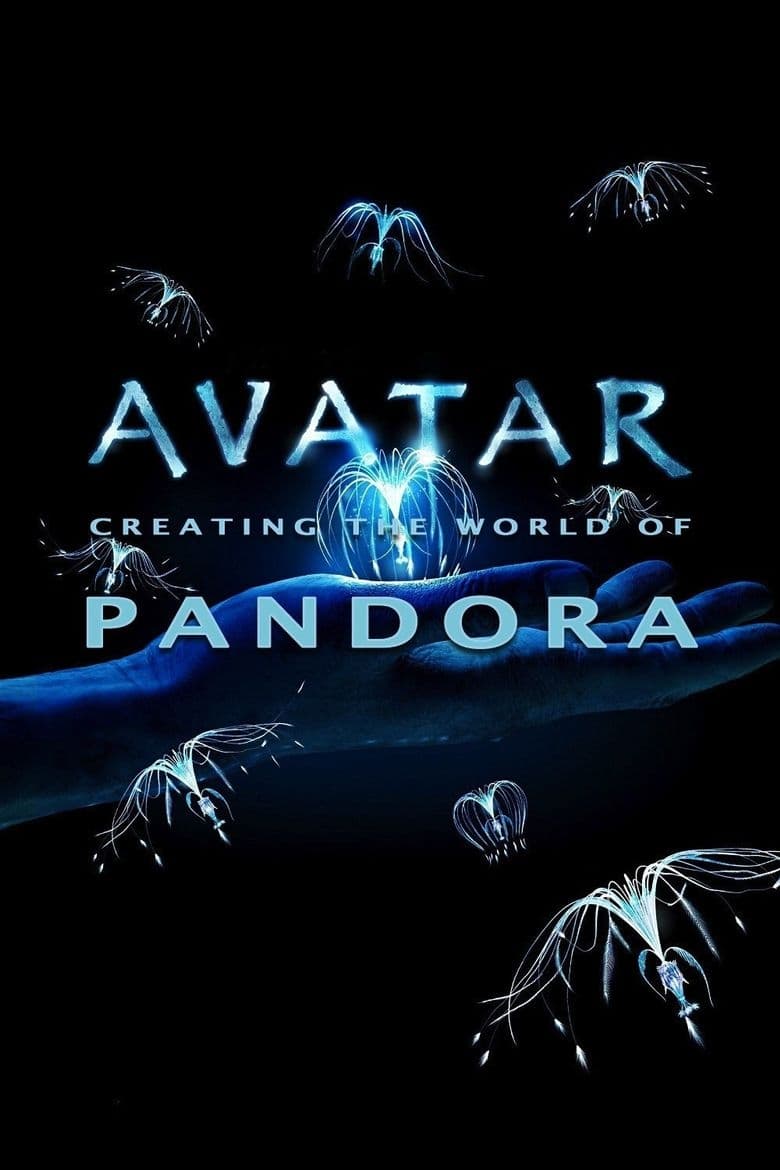
The Making-of James Cameron's Avatar. It shows interesting parts of the work on the set.
Unravel the case of Utah therapist Jodi Hildebrandt, whose child abuse arrest with parenting YouTuber Ruby Franke exposed a twisted tale of manipulation.
A documentary on the expletive's origin, why it offends some people so deeply, and what can be gained from its use.
SEDUCED AND ABANDONED combines acting legend Alec Baldwin with director James Toback as they lead us on a troublesome and often hilarious journey of raising financing for their next feature film. Moving from director to financier to star actor, the two players provide us with a unique look behind the curtain at the world's biggest and most glamourous film festival, shining a light on the bitter-sweet relationship filmmakers have with Cannes and the film business. Featuring insights from directors Martin Scorsese, 'Bernando Bertolucci' and Roman Polanski; actors Ryan Gosling and Jessica Chastain and a host of film distribution luminaries.
When Allied forces liberated the Nazi concentration camps in 1944-45, their terrible discoveries were recorded by army and newsreel cameramen, revealing for the first time the full horror of what had happened. Making use of British, Soviet and American footage, the Ministry of Information’s Sidney Bernstein (later founder of Granada Television) aimed to create a documentary that would provide lasting, undeniable evidence of the Nazis’ unspeakable crimes. He commissioned a wealth of British talent, including editor Stewart McAllister, writer and future cabinet minister Richard Crossman – and, as treatment advisor, his friend Alfred Hitchcock. Yet, despite initial support from the British and US Governments, the film was shelved, and only now, 70 years on, has it been restored and completed by Imperial War Museums under its original title "German Concentration Camps Factual Survey".
The life and career of one of comedy's most inimitable modern voices, Mr. Gilbert Gottfried.
This revealing documentary honors the legendary Sidney Poitier—iconic actor, filmmaker, and civil rights activist. Featuring interviews with Denzel Washington, Spike Lee, Halle Berry, and more.
The life of Mr. Spock, as well as that of Leonard Nimoy, the actor who played him for almost fifty years, written and directed by his son: Adam.
Alexander McQueen's rags-to-riches story is a modern-day fairy tale, laced with the gothic. Mirroring the savage beauty, boldness and vivacity of his design, this documentary is an intimate revelation of McQueen's own world, both tortured and inspired, which celebrates a radical and mesmerizing genius of profound influence.
Join the likes of Jeremy Renner, Hailee Steinfeld, Florence Pugh, and Vincent D’Onofrio as they reveal how Marvel Studios’ “Hawkeye” was conceived and created. Witness firsthand what it took to pull off the show’s pulse-pounding action set pieces, and discover how iconic characters from the pages of Marvel Comics such as Kate Bishop were adapted and brought to life for the six-episode series.
A road trip across five countries to explore the social and political movements as well as the mainstream media's misperception of South America while interviewing seven of its elected presidents.
A detailing of the rise to prominence and global sporting superstardom of six supremely talented young Manchester United football players (David Beckham, Nicky Butt, Ryan Giggs, Paul Scholes, Phil and Gary Neville). The film covers the period 1992-1999, culminating in Manchester United's European Cup triumph.
A compilation of over 30 years of private home movie footage shot by Lithuanian-American avant-garde director Jonas Mekas, assembled by Mekas "purely by chance", without concern for chronological order.
Documentary of the making of the sequel to the popular Schwarzenegger film, The Terminator.
Through deeply personal interviews with her siblings and an examination of the photographs, letters, and belongings left behind, Mariska assembles a new portrait of her mother Jayne Mansfield, an extraordinary and complex woman.