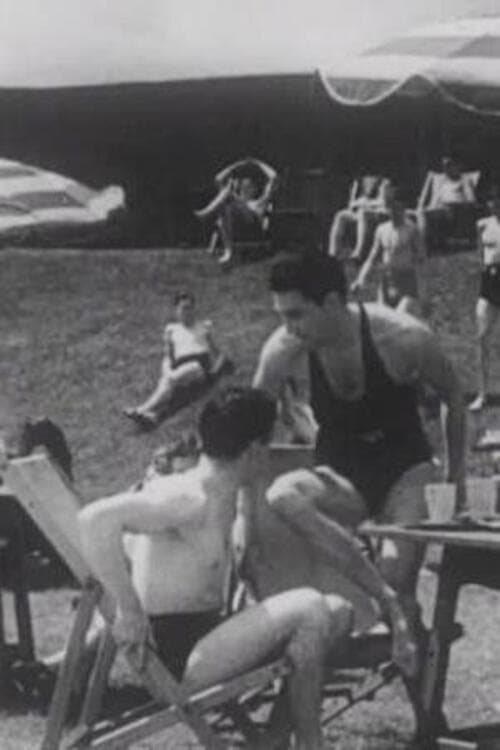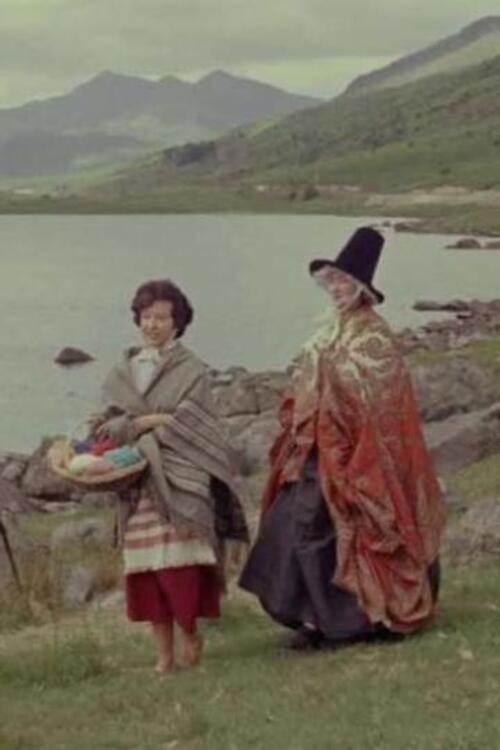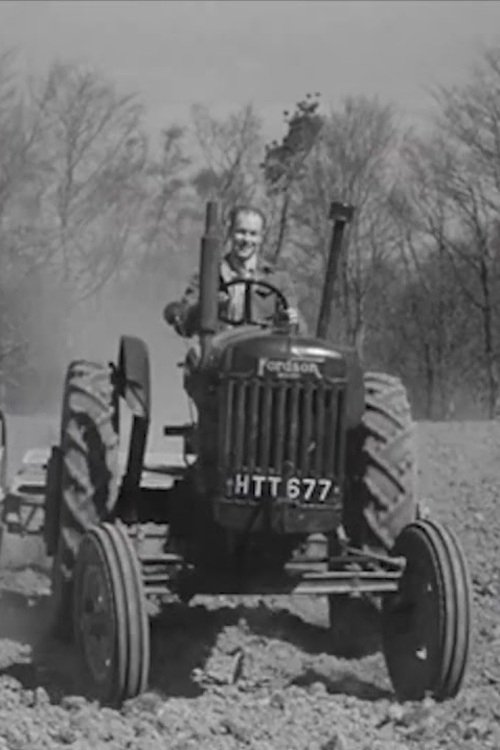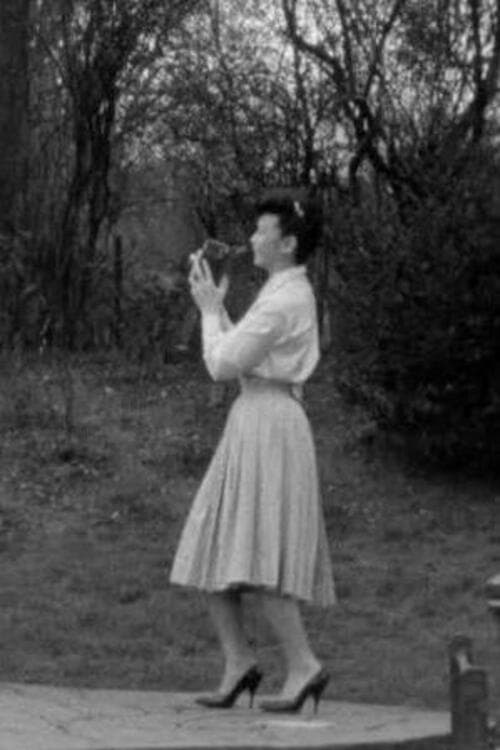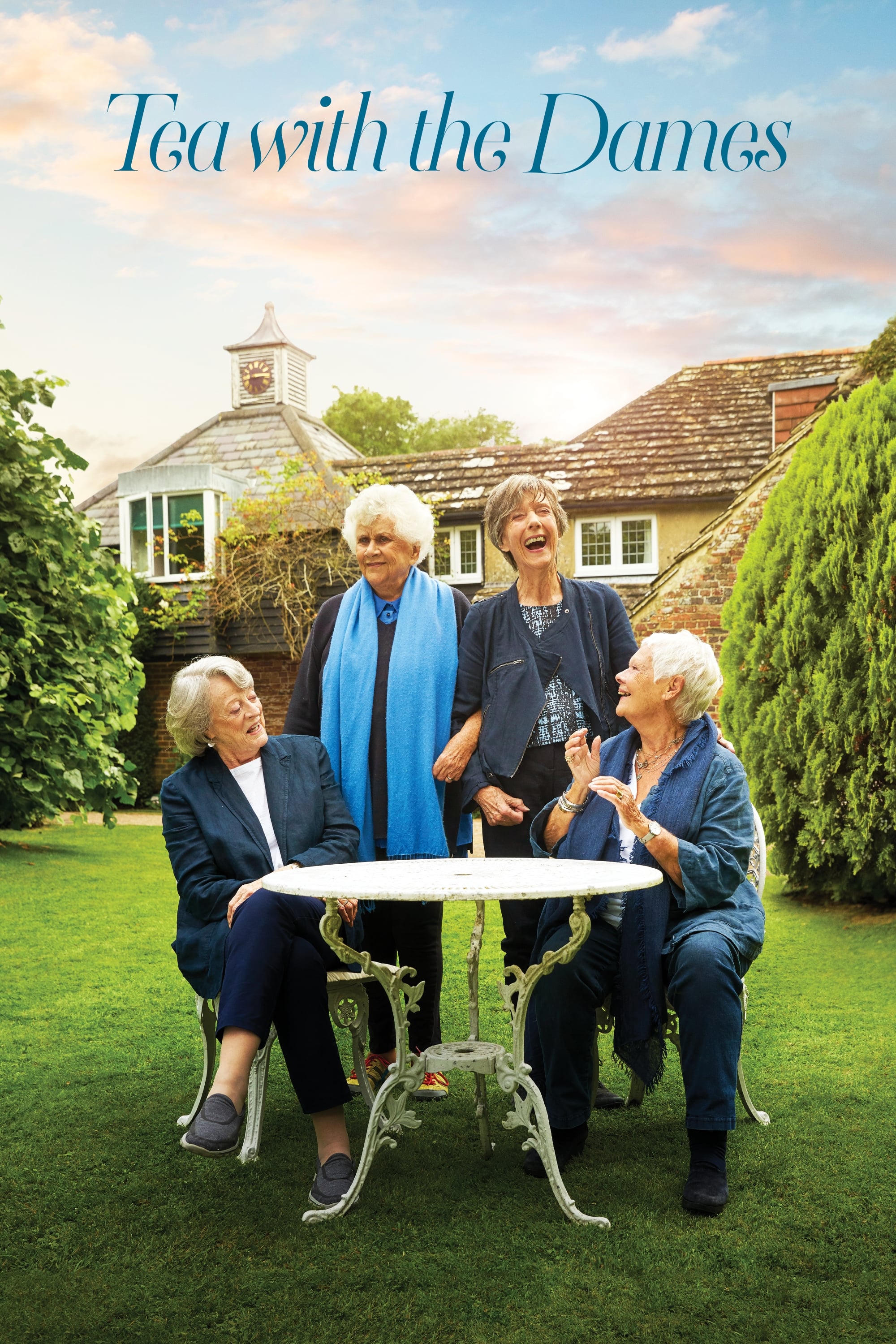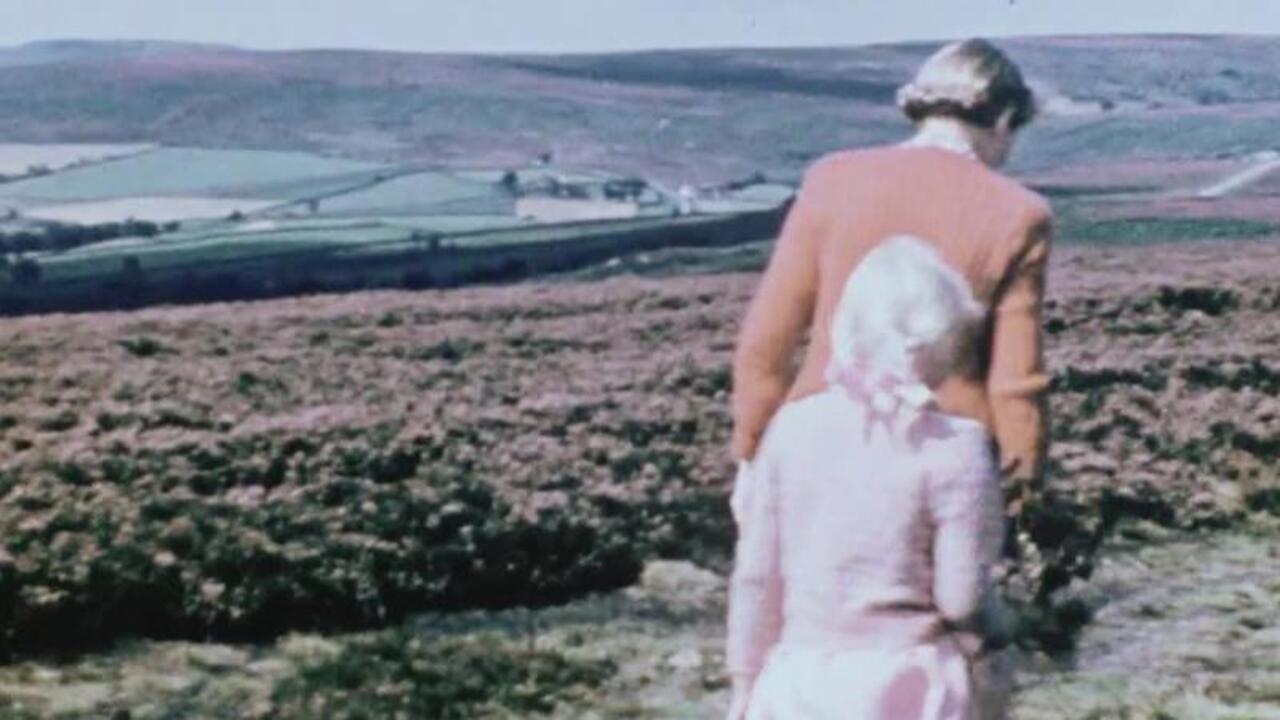
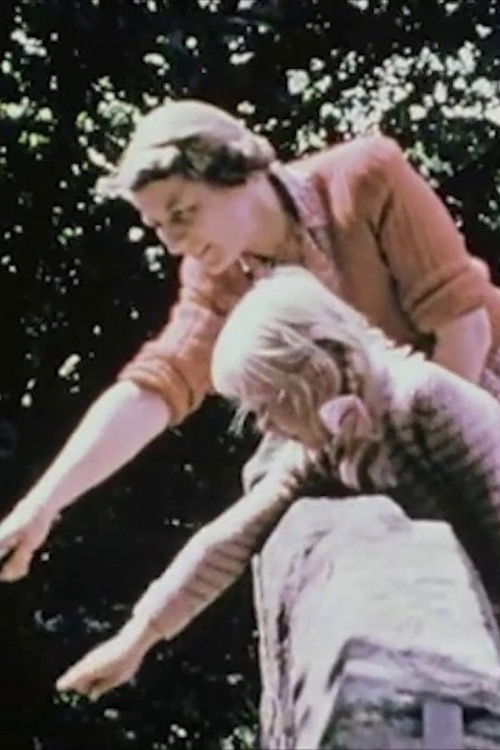
A nature lover's paradise lays in wait for a mother and daughter enjoying a day's excursion on the North York Moors.
Social & External
The film is a cinematic interpretation of the travel book “Armenia” by Russian poet Andrei Bely.
Travel films have an established format with their own conventions, history and baggage. It is a medium that has all too often sought to control, define and dictate perceptions of ”other” places. Comprised of footage shot while travelling on group excursions across Russia in 2019, An Uncountable Number of Threads is an attempt to draw out the ethical restrictions of a travelogue, while questioning how (and why) to make one. At times there is an awkward tourist-gaze, aware of its outsider position. But as a self-reflexive work that considers its own creation, it ultimately unravels, as the artist rationalises themselves out of a particular way of working, inviting the viewer into their uncertainty.
When Tomoko finds some messages for a 'Mr Smith' on a lost mobile phone, she finds herself on an 'Alice in Wonderland' journey through Tokyo's boulevards and back alleys. From the tyranny of symmetry in soaring office blocks - to buildings that look like space-ships, this creative documentary shows us the city's soul.
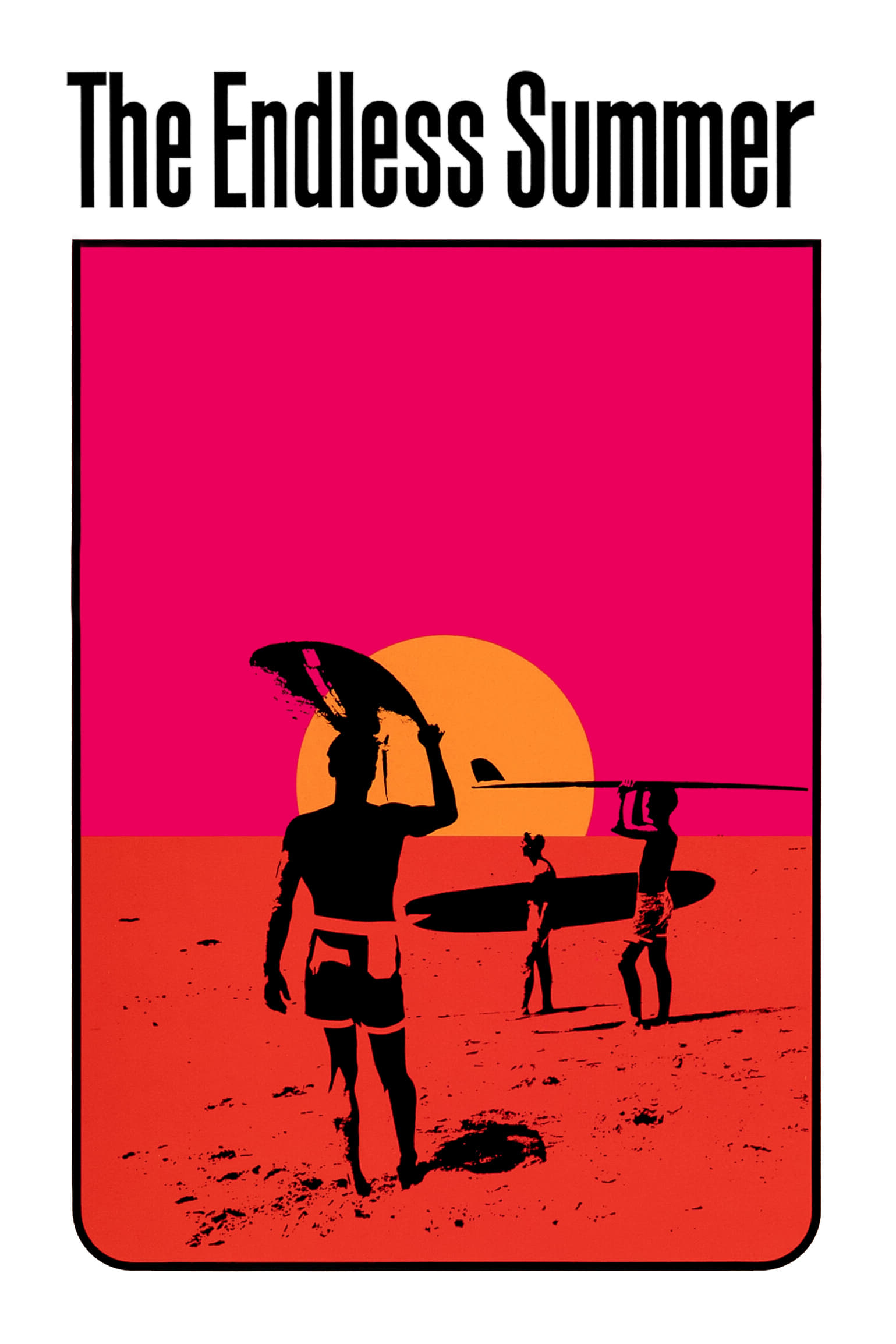
Bruce Brown's The Endless Summer is one of the first and most influential surf movies of all time. The film documents American surfers Mike Hynson and Robert August as they travel the world during California’s winter (which, back in 1965 was off-season for surfing) in search of the perfect wave and ultimately, an endless summer.
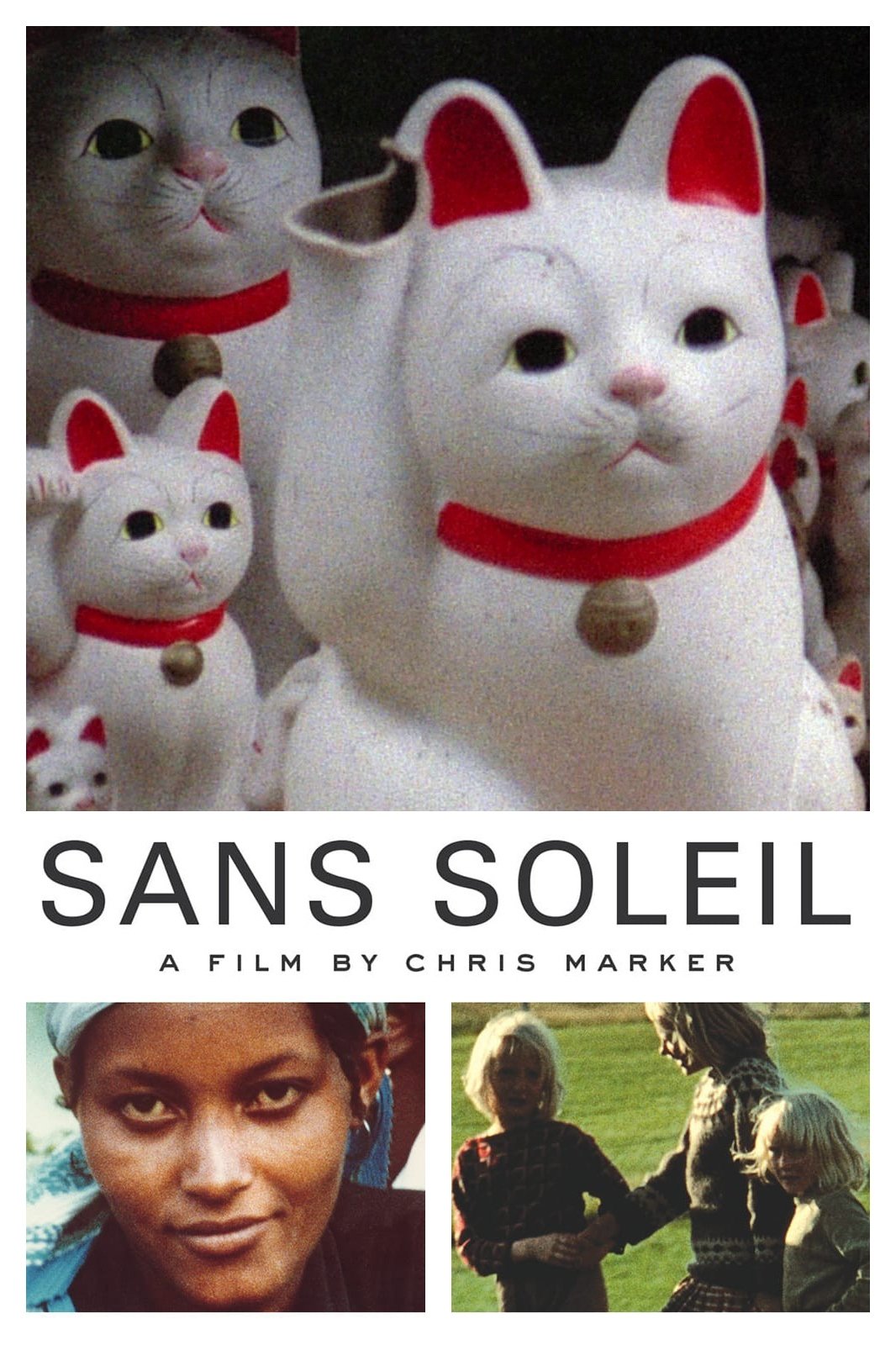
A woman narrates the thoughts of a world traveler, meditations on time and memory expressed in words and images from places as far-flung as Japan, Guinea-Bissau, Iceland, and San Francisco.
Growing up in poverty as a child, Dylan dreamt of travelling the world on a motorcycle. Many years later he broke the shackles of a normal life and took to the road. After journeying 200,000km across four continents, the road from Panama to Colombia comes to an end, swallowed up by an impenetrable jungle. Dylan has no choice but to take to the sea, building a raft powered by his motorcycle engine in the hope of reaching Colombia's road network 700km away. He must brave strong ocean currents and storm batterings in his journey from Central to South America.—Journeyman Pictures
Sports enthusiast Ernest is to cover 6,000 kilometers on his motorcycle in 15 days, crossing Austria, Italy, Switzerland, the Balkans and Czechoslovakia.
Inspired by Chris Marker's Sans Soleil, a girl decides to make her own rendition of Marker's mesmerising voyage through Japan, only for it to turn awry when she encounters another girl - a recurring stranger - haunting her path.
This Traveltalk series short visits Hungary's capital, Budapest.
This documentary visits cities and towns and captures stunning landscapes along Europe's majestic Danube at Christmastime. Locations covered include Passau, Germany; Salzburg, Oberndorf, the Wachau Valley, and Vienna in Austria; Bratislava, Slovakia; and Budapest, Hungary. Along the way the viewer learns relevant history.
Spalding Gray sits behind a desk throughout the entire film and recounts his exploits and chance encounters while playing a minor role in the film 'The Killing Fields'. At the same time, he gives a background to the events occurring in Cambodia at the time the film was set.
after mourning the passing of his late wife, Bill finds the courage to travel to New York City and reconnect with his favorite mistress.
An exploration of Rodez Cathedral and its stained glass windows: praying figures and scientific imagery. A study on color, repetition and flickering consisting of 292 photographs.
Bruce Lee expert John Little tracks down the actual locations of some of Bruce Lee's most iconic action scenes. Many of these sites remain largely unchanged nearly half a century later. At monasteries, ice factories, and on urban streets, Little explores the real life settings of Lee's legendary career. This film builds on Little's earlier film, Pursuit of the Dragon, to present a comprehensive view of Lee's work that will change the way you see the films.
This early travelogue film, made in a Kenyan train station, captures an impromptu musical performance. Some passengers eagerly join in while others sleep—blissfully unaware of the performance taking place around them.
Occurring from the mid-1970s to 1981, the Ripper committed 13 murders. Viewed as ritualistic in nature, they were done with extreme brutality as he mocked the police during their desperate hunt for him. The victims were primiarly prostitutes or poor girls, with a few working girls tossed in. Generally he would hit a victim on the head with a hammer, sexually assault the lady, mutilate her, and then redress/re-arrangement the clothing and cover the corpse with her own coat.

The film is a travelogue of sorts. Ostrovsky’s personal family footage meets the archives of Soviet propaganda footage. The result is a kind of Khruschev-era mix with a collage of Soviet music and a voice-over of my reminiscences of the Cold War era.
A poignant, sometimes sad, sometimes painful, sometimes humorous, often absurd story of a multiple journey: the journey of loss as the director’s mother Aida struggled with losing herself to Alzheimer’s disease, but finding solace in her repeated “returning” to the Yafa and Palestine of her youth; the journey of the loss of a parent; and the ultimate return journey back to Yafa where Aida would finally find rest and be herself once more.
This film visits many of the neighborhoods and landmarks on Manhattan Island and occasionally includes a history lesson. The neighborhoods include the Bowery, Chinatown, Herald Square, and Times Square. Some of the architectural highlights are the Empire State Building, the New York Public Library, Temple Emanuel, the Central Park Zoo, and the Rockefeller Center complex. The film ends with a visit to a dining room in the Waldorf Astoria Hotel, where the Xavier Cugat Orchestra entertains.
In 1899, a photographer at American Mutoscope & Biograph mounted his camera on the front of a trolley traveling over the Brooklyn Bridge. The three 90-foot rolls he created were edited together to complete the journey from Manhattan to Brooklyn, entitled Across the Brooklyn Bridge. As a commission by the Museum of Modern Art for the re-opening of their facility, American avant-garde filmmaker Bill Morrison took this remarkable footage and recombined it with itself to form a new split-screen extrapolation.