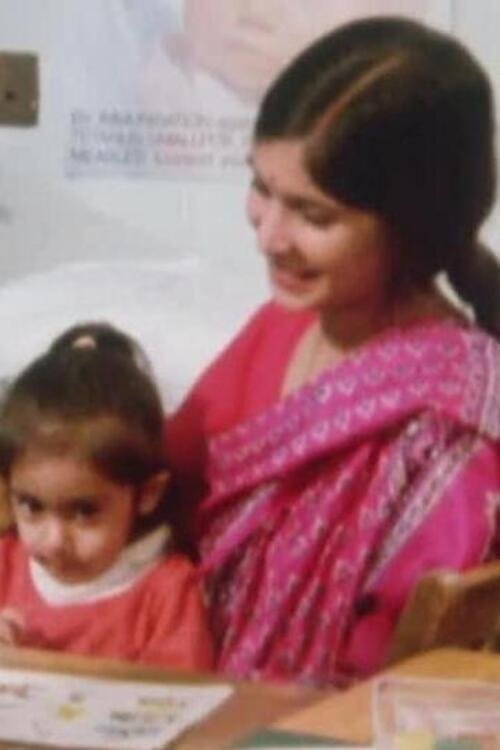
This film focuses on the basics of adapting to life in England.
Social & External
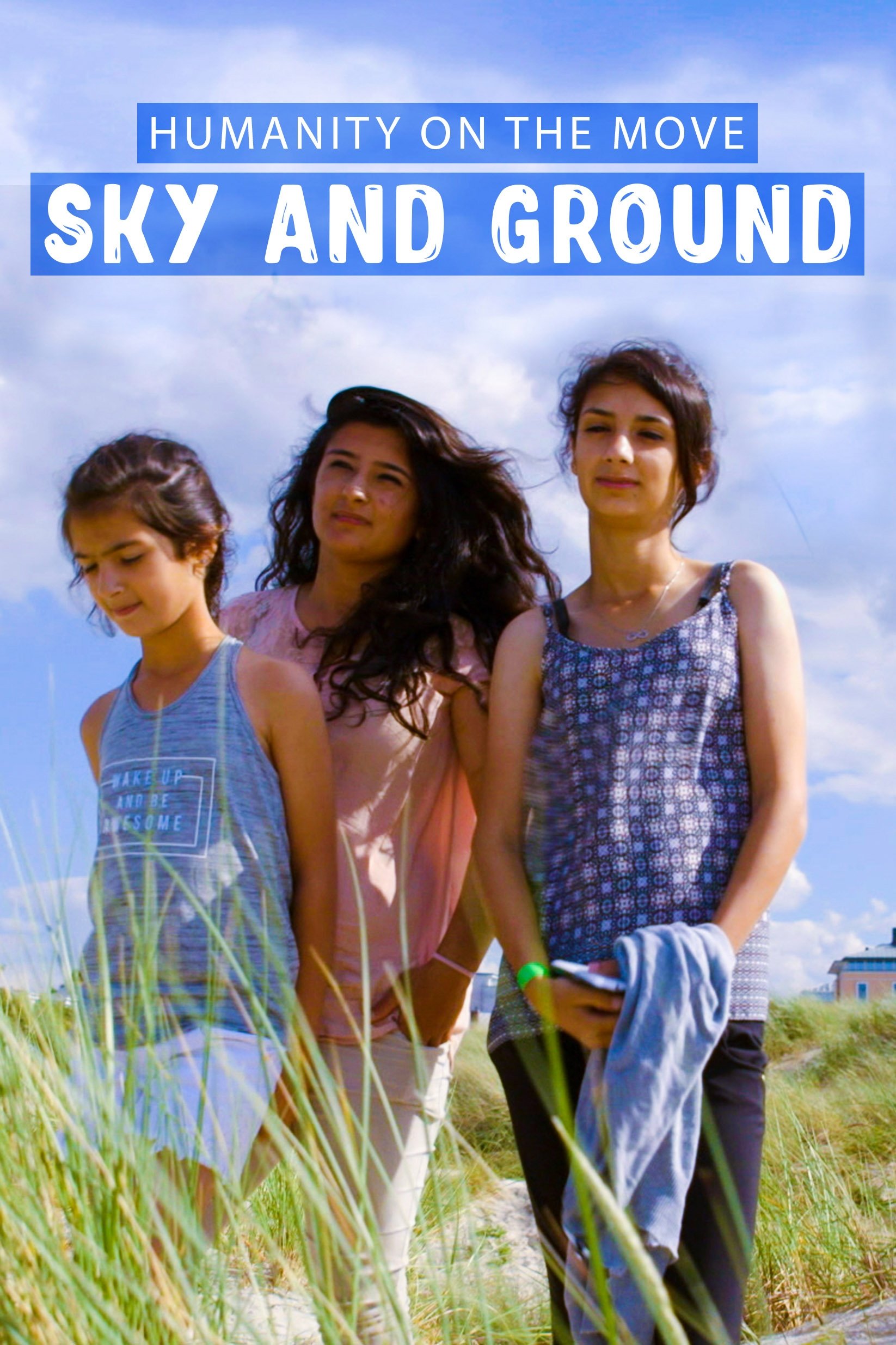
Three generations of the Nabi family flee their home in Aleppo and try to make it to safety in Germany where some members of the family have already settled. Along the way they suffer countless setbacks and heartache.
Boiling Point (original title Kiehumispiste) describes the different reactions the Finnish people had to the large immigration amounts in 2015-2016.
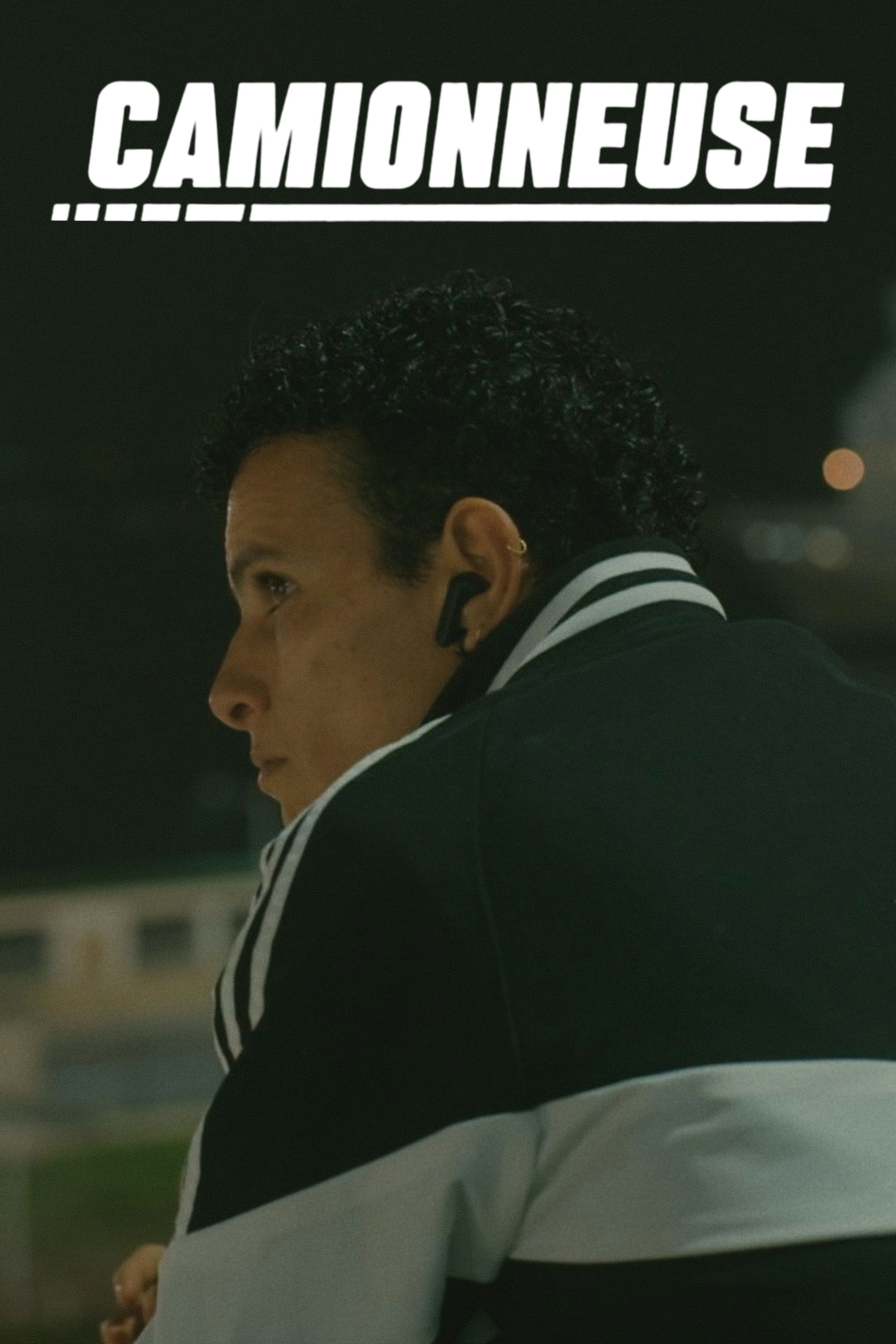
Zina left Algeria to fulfill her childhood dream of driving trucks. At every turn, her cabin becomes a space of freedom and the highway a battlefield.
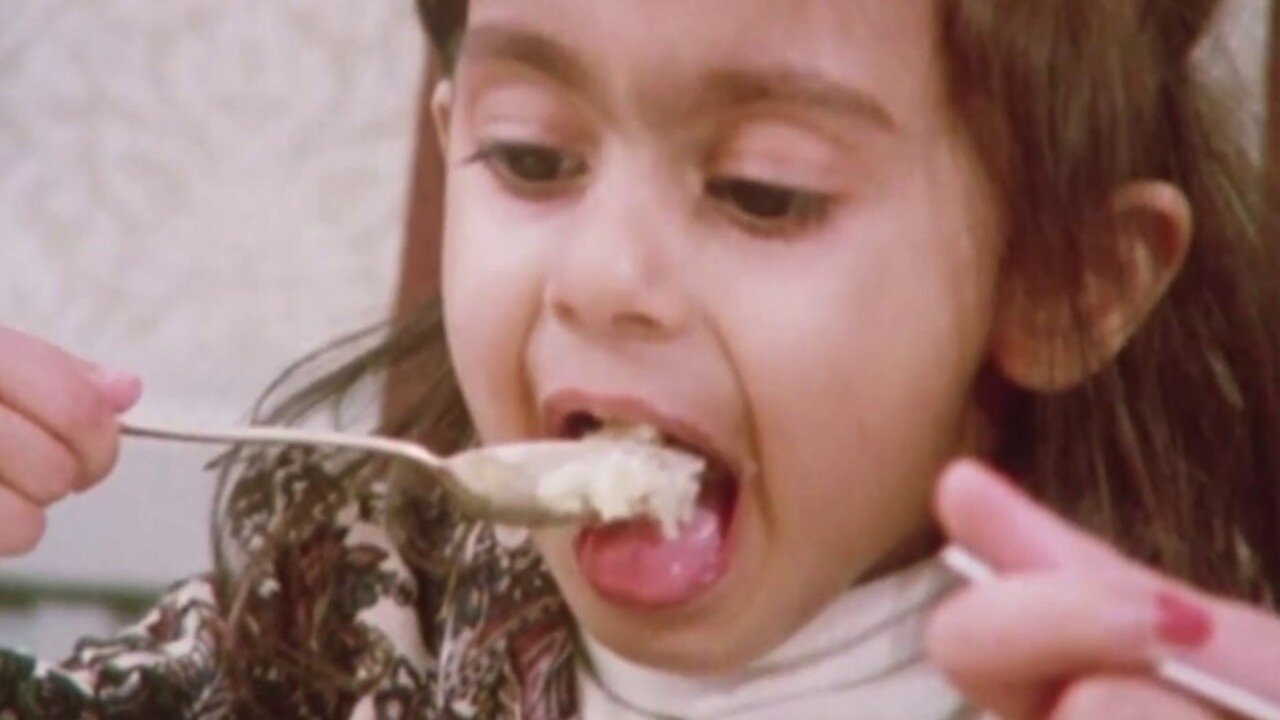
This vintage film discusses the importance of paying full attention when cooking with vegetable oils and shortening to prevent kitchen fires. It demonstrates through controlled experiments that oil and shortening can smoke and catch fire if left unattended over high heat, and emphasizes the need to reduce heat immediately if smoke is detected. The film highlights the basic safety guidelines for safe home frying, such as using a medium heat source and never leaving heating oil or shortening unattended.
Filmmaker Arturo Perez Torres follows in the footsteps of two friends traveling on an extraordinary and extremely dangerous journey from Central America to North America. On their journey they encounter gangs and vigilantes as well as border patrol. But these immigrants navigate real-life nightmares with uncanny calm, grace and even humor in their perilous pursuit of the a better life.
A film about homes on both sides of an ocean.
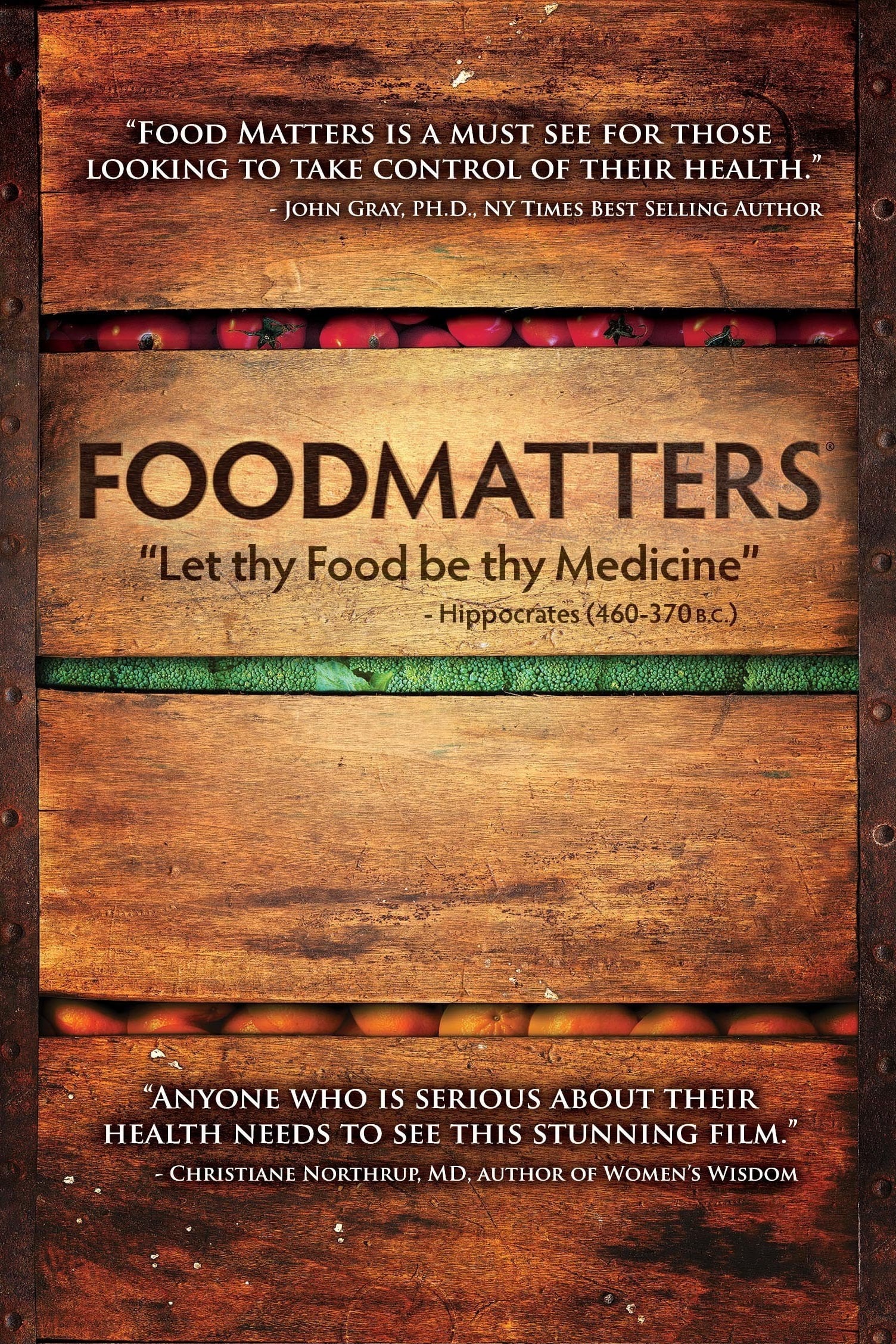
With nutritionally-depleted foods, chemical additives and our tendency to rely upon pharmaceutical drugs to treat what's wrong with our malnourished bodies, it's no wonder that modern society is getting sicker. Food Matters sets about uncovering the trillion dollar worldwide sickness industry and gives people some scientifically verifiable solutions for curing disease naturally.
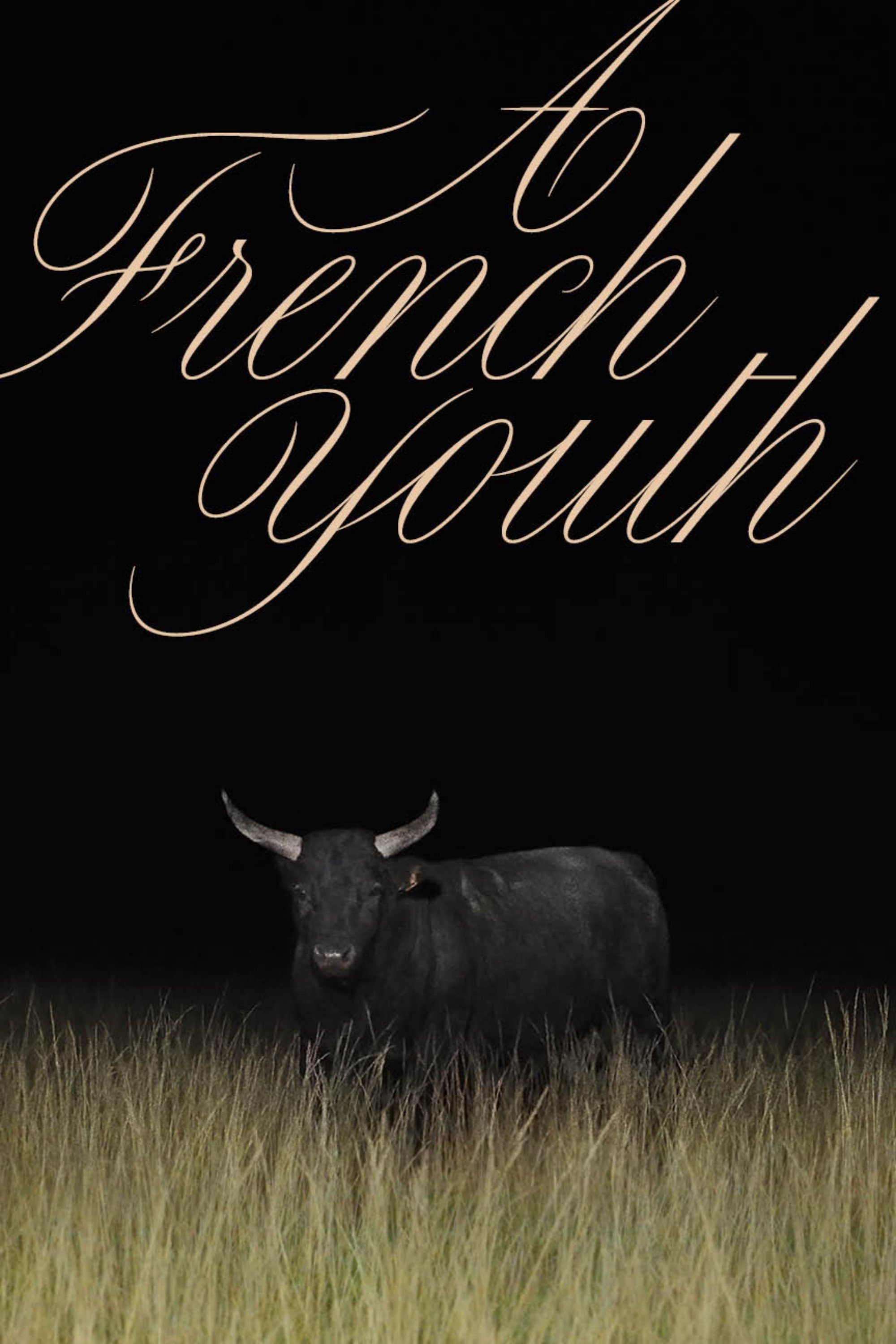
In the heart of the Camargue region, in the south of France, Jawad and Belka find freedom in their love of Camargue races. For these young Maghrebi men, the event is more than a simple tradition. Facing off with a bull is an opportunity to establish their place in the arena—and in French society. But at what cost?
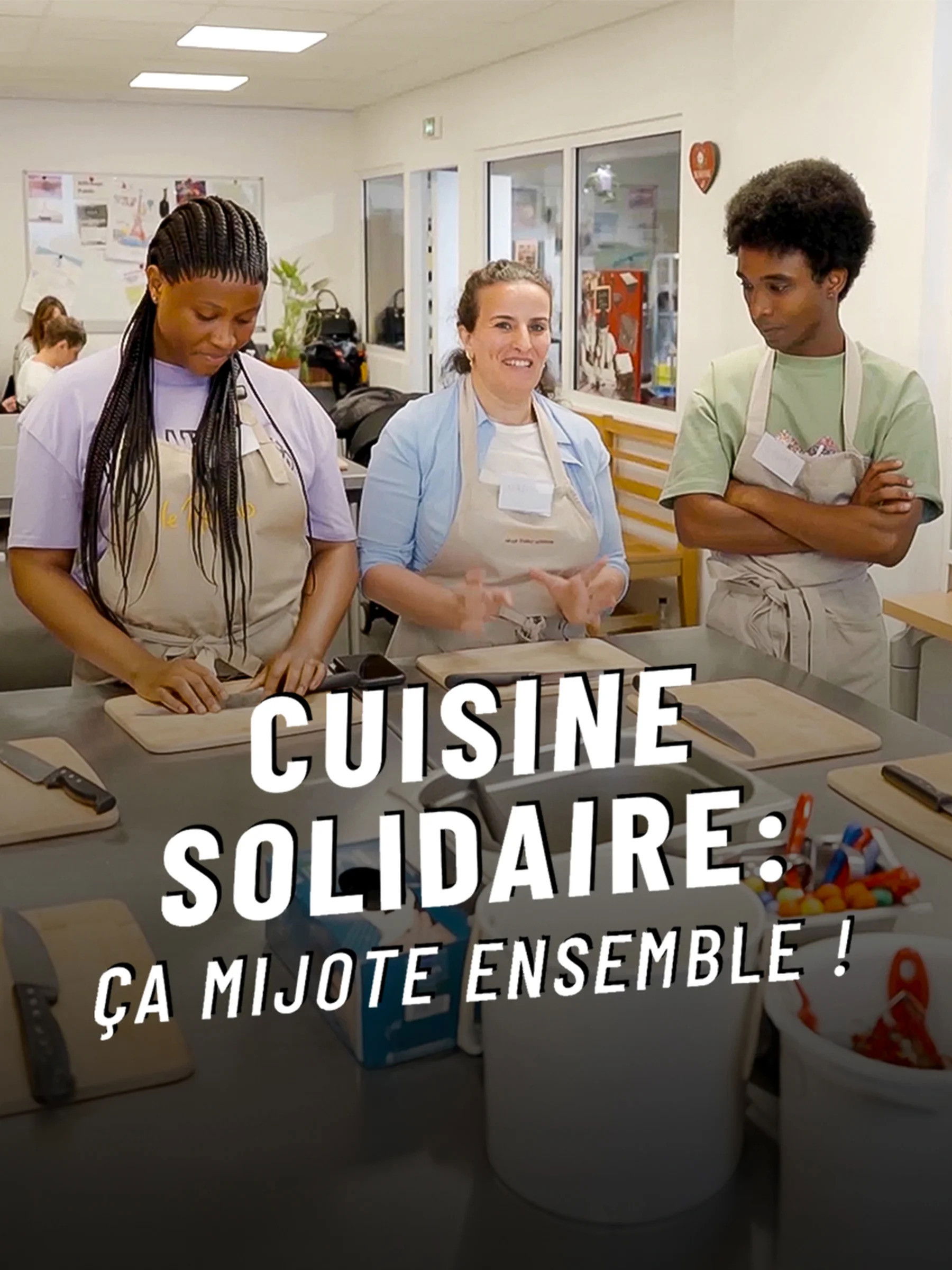
In France, more than 10 million people of all ages are believed to rely on food aid. Faced with this reality, mutual aid initiatives are multiplying to feed, comfort, and integrate people. From lunches where everyone pitches in, to one-euro menus, workshops on how to cook healthily and cheaply, and dinners prepared by Michelin-starred chefs, solidarity kitchens are multiplying in France.
Three boys and three girls. All born in the Middle East now living in Sweden. All with different views of Islam, integration, the World and Sweden. Some follow Sharia. Others fight Islamic roles. One is a hip hopper. The other thinks music is a sin. One thinks that the woman must obey her husband. One fights for women’s liberation. One girl is a boxer. The other is an ordinary worker. Some are closely followed by the Security Police. Children of Islam is a documentary about religion, culture, conflicts and looking for an identity in a changing Sweden.
As ICE raids intensify across Los Angeles, a high school teacher leads the grassroots resistance.
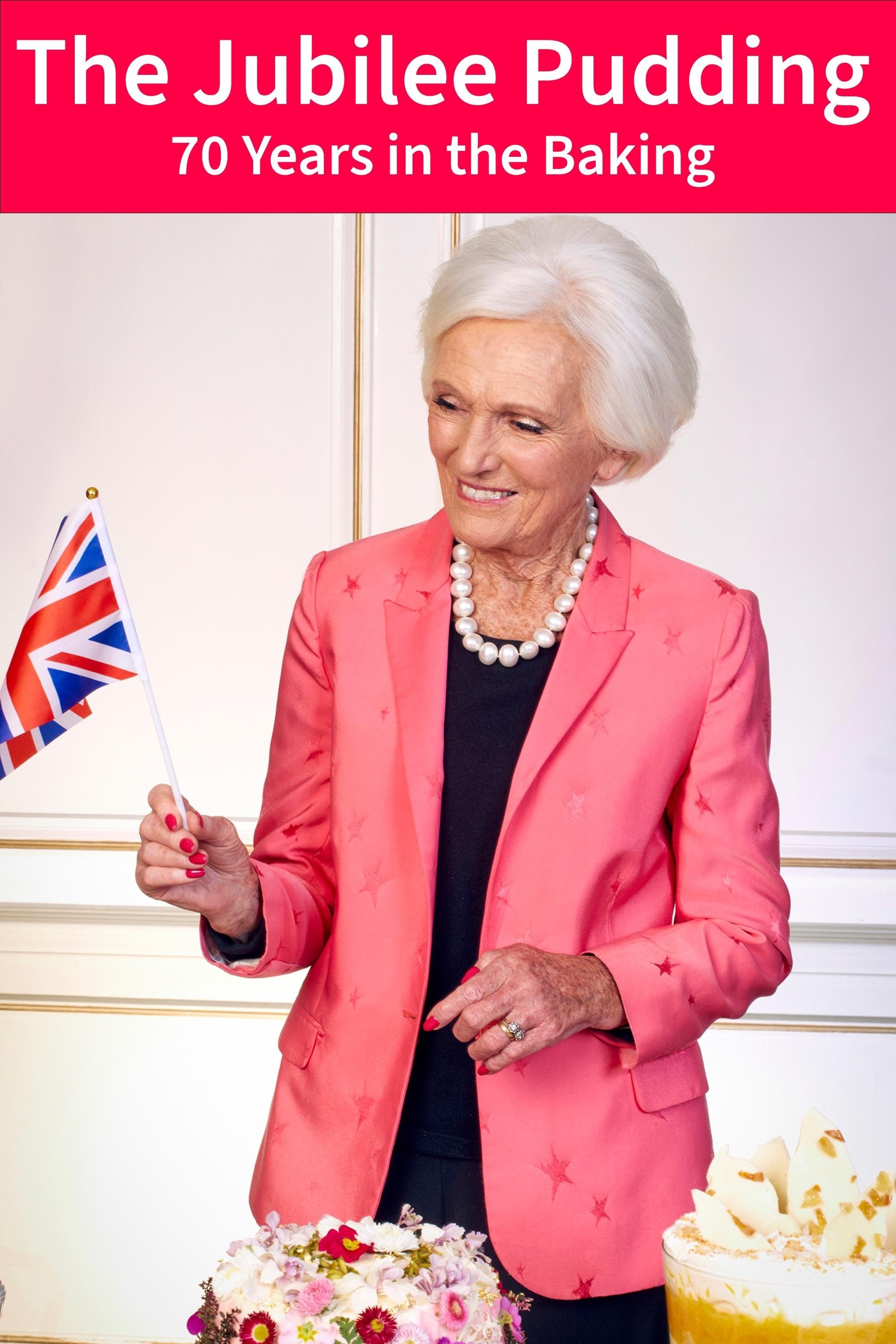
In the year Queen Elizabeth marks her 70th on the throne, Fortnum & Mason has challenged home bakers to create a tart, cake, or pudding to honor her legacy. Seven judges headed by Dame Mary Berry invite the final five bakers to London where over one extraordinary day they bake their cakes, tarts, and trifles – hoping it will be the winning recipe.
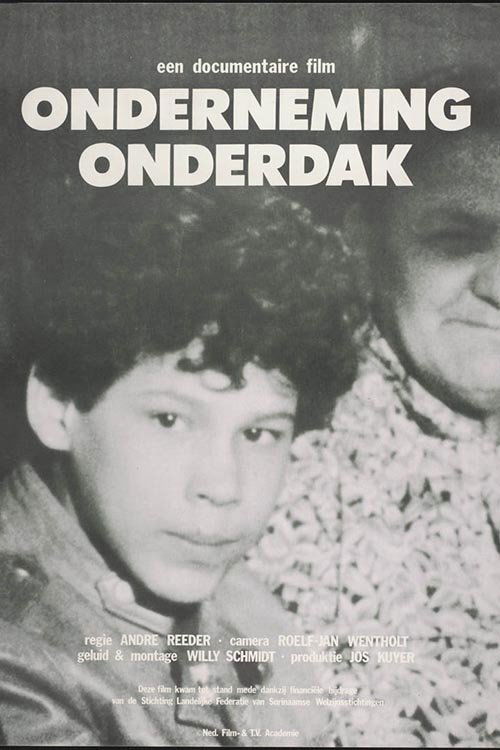
Private-sector rented accommodation for the Surinamese and Antillean Dutch who increasingly moved to Amsterdam from these former colonies in the early seventies was woefully inadequate. In 1982, André Reeder graduated from The Netherlands Film Academy (NFTVA) with Onderneming onderdak (The Price of Shelter) – a documentary about this appalling situation.
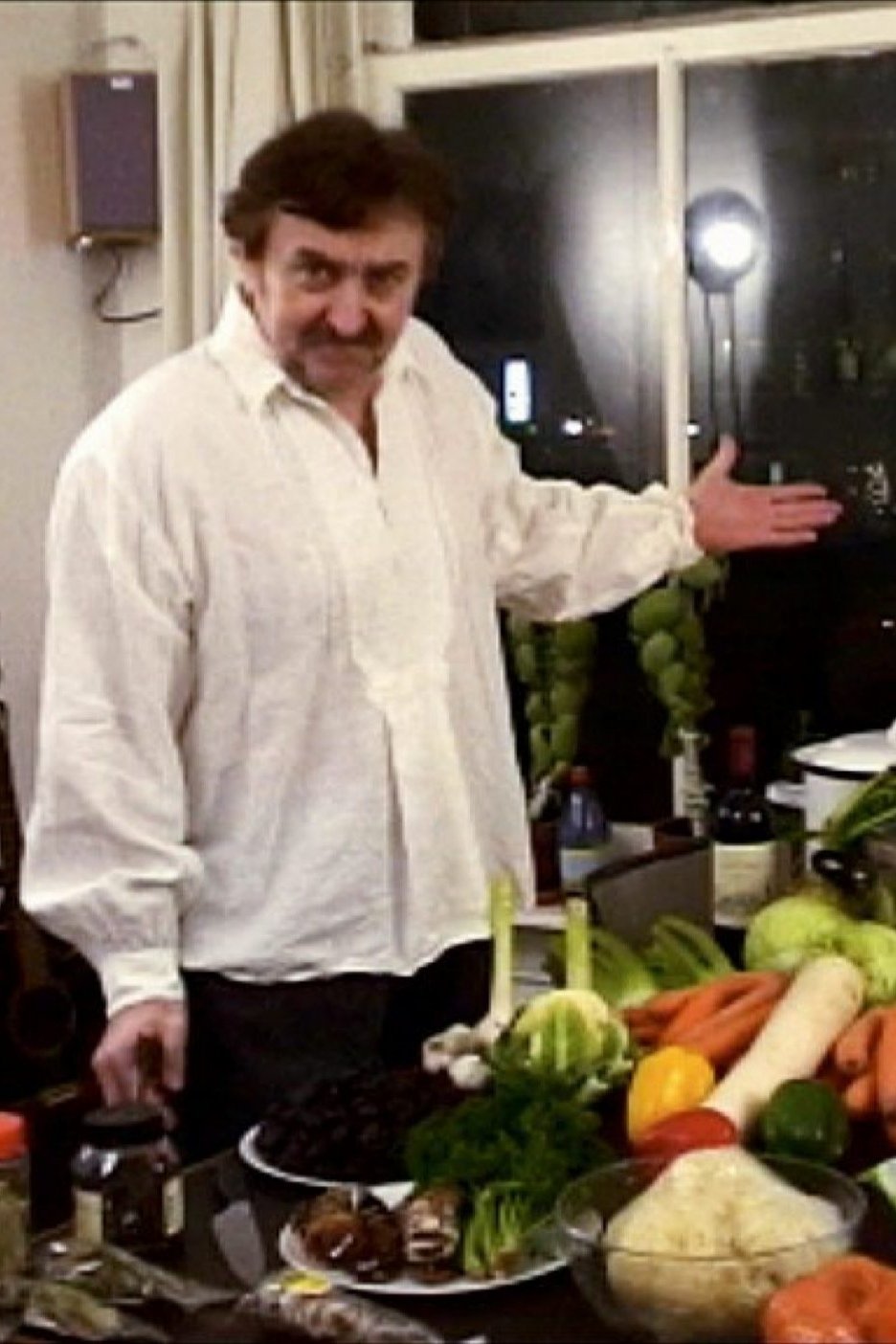
A son films his father preparing the Polish Christmas dish bigos - a process that takes four days.
Chema is an expat architect from Spain who lives in Amsterdam. He has built up a new life there as a wind-up toy maker. He creates small pieces of art from recycle items.
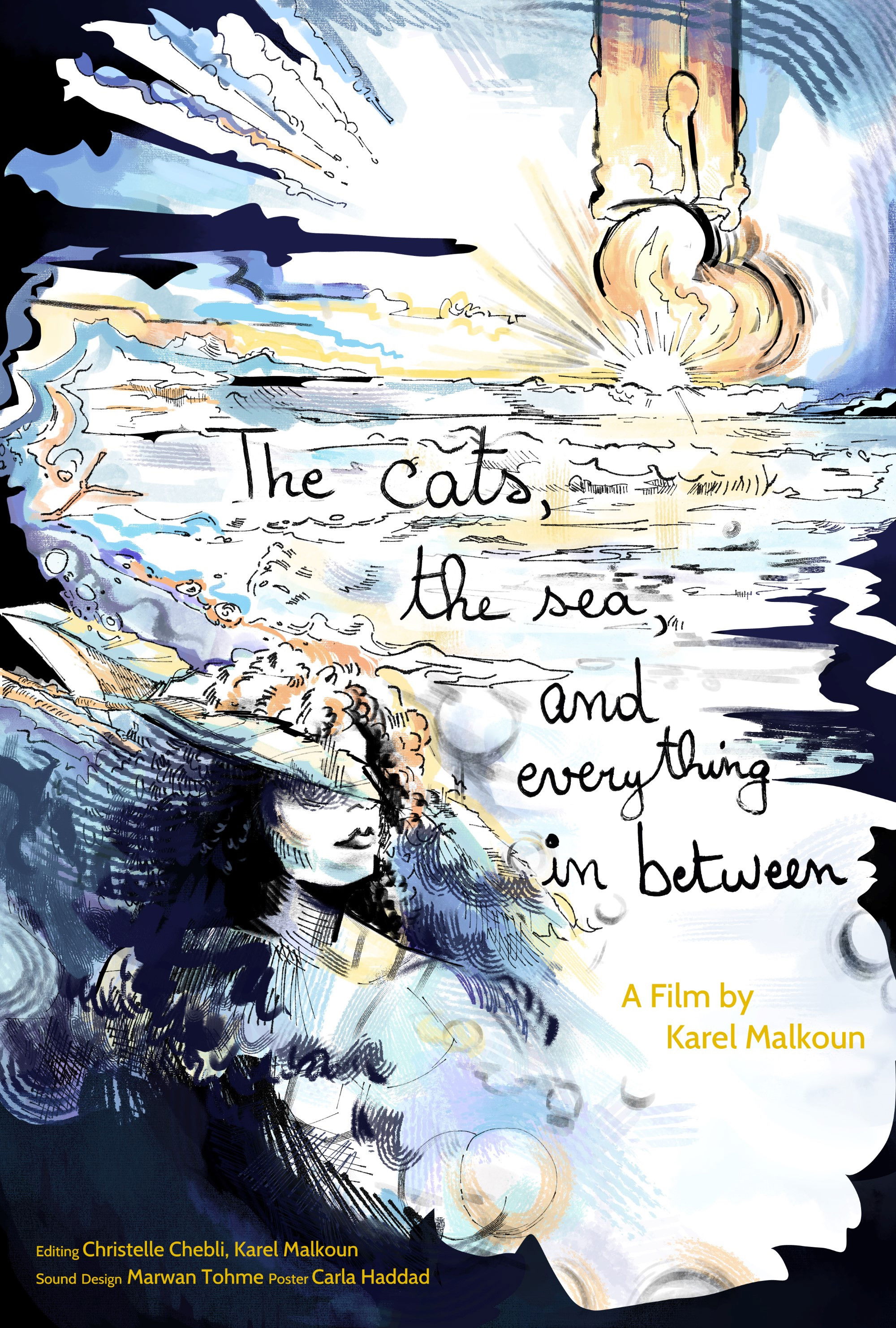
In 2022, when the economic crisis in her native country was at its peak, she decided to visit her family there. She turned her short trip into a collage-like diary in which she reflects on her relationship with her homeland, which is in a state of protracted decay. The film is composed of spontaneous snapshots capturing the author's stay, interspersed with inserted captions serving as personal, often poetically formulated comments and observations. As a result, the film does not hide its strongly subjective perspective, but at the same time builds on it to make an important statement that shows the transformation of Lebanese society in everyday details such as the appearance of the city itself or in the intimate sphere of the author's family life.
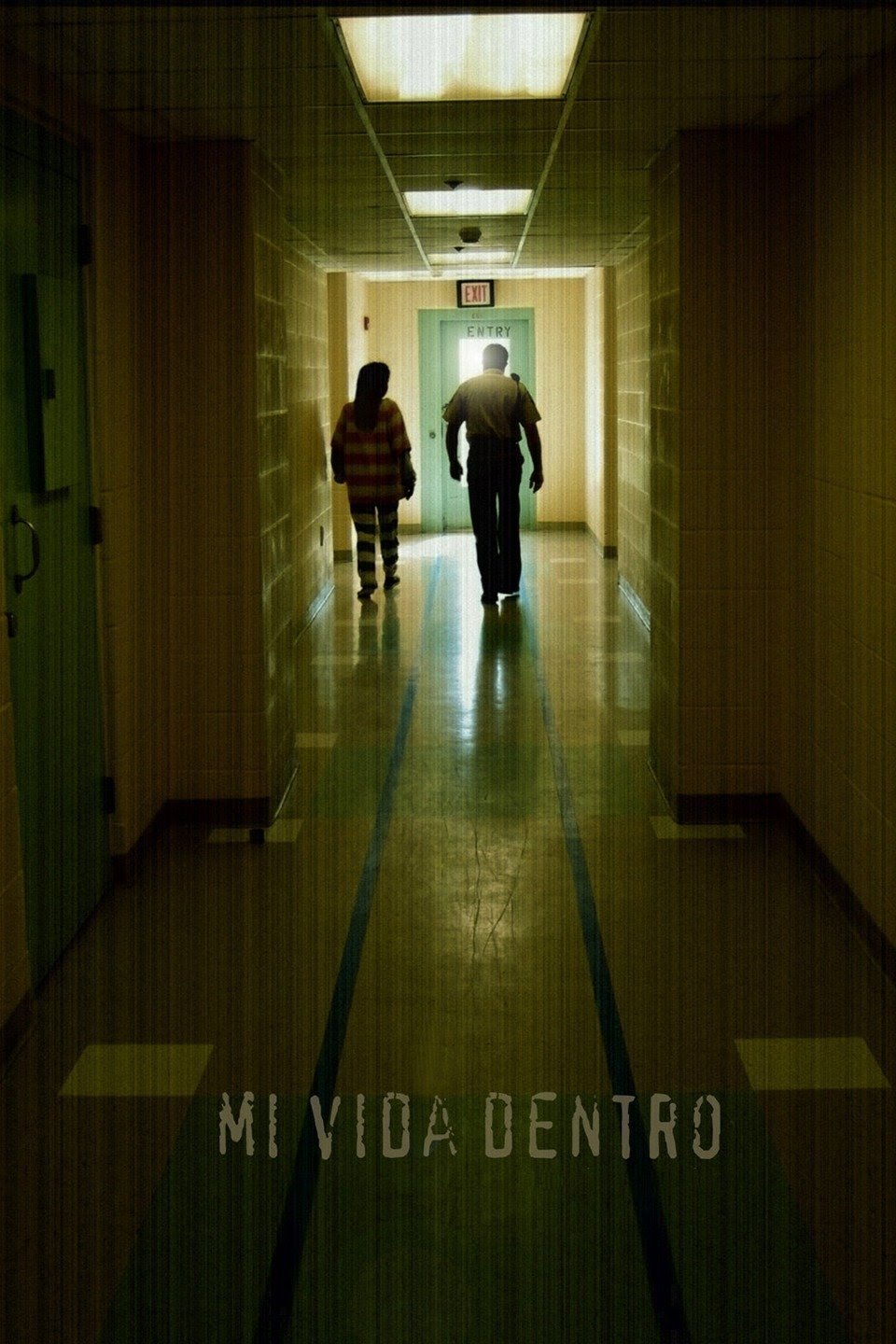
Rosa is a Mexican woman who, at the age of 17, migrated illegally to Austin, Texas. Some years later, she was jailed under suspicion of murder and then taken to trial. This film demonstrates how the judicial process, the verdict, the separation from her family, and the helplessness of being imprisoned in a foreign country make Rosa’s story an example of the hard life of Mexican migrants in the United States.
Averroès and Rosa Parks: two units of the Esquirol Hospital, which - like the Adamant - are part of the Paris Central Psychiatric Group. From individual interviews to «carer-patient» meetings, the filmmaker focuses on showing a form of psychiatry that continually strives to make room for and rehabilitate the patients’ words. Little by little, each one eases open the door to their world. Within an increasingly worn-out health system, how can the forsaken be given a place among others.
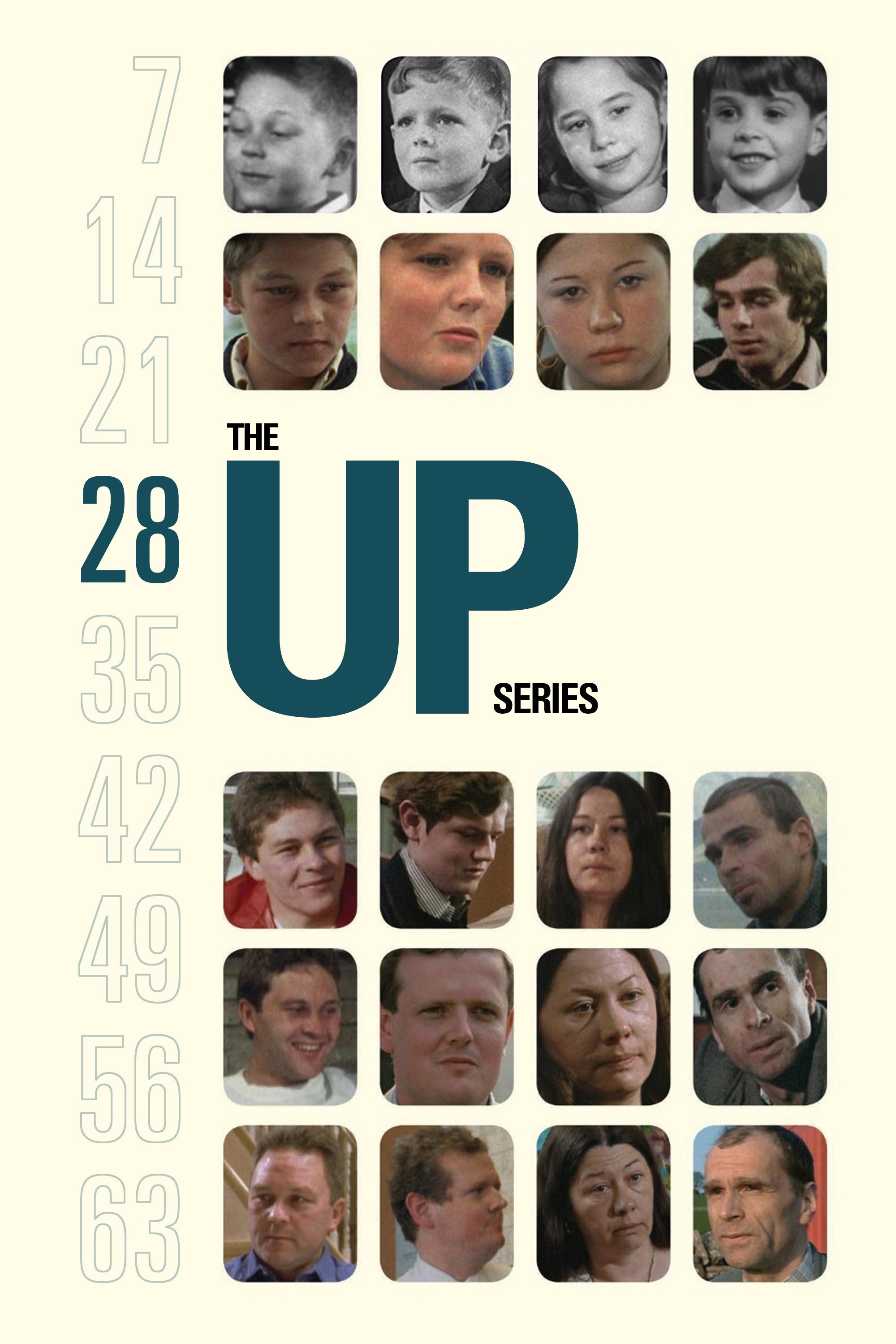
Director Michael Apted revisits the same group of British-born adults after a 7 year wait. The subjects are interviewed as to the changes that have occurred in their lives during the last seven years.
Through deeply personal interviews with her siblings and an examination of the photographs, letters, and belongings left behind, Mariska assembles a new portrait of her mother Jayne Mansfield, an extraordinary and complex woman.
In an intimate and joyful story of love in the face of loss, celebrated poets Andrea Gibson and Megan Falley find strength—and unexpected hilarity—in what might be their final year together.
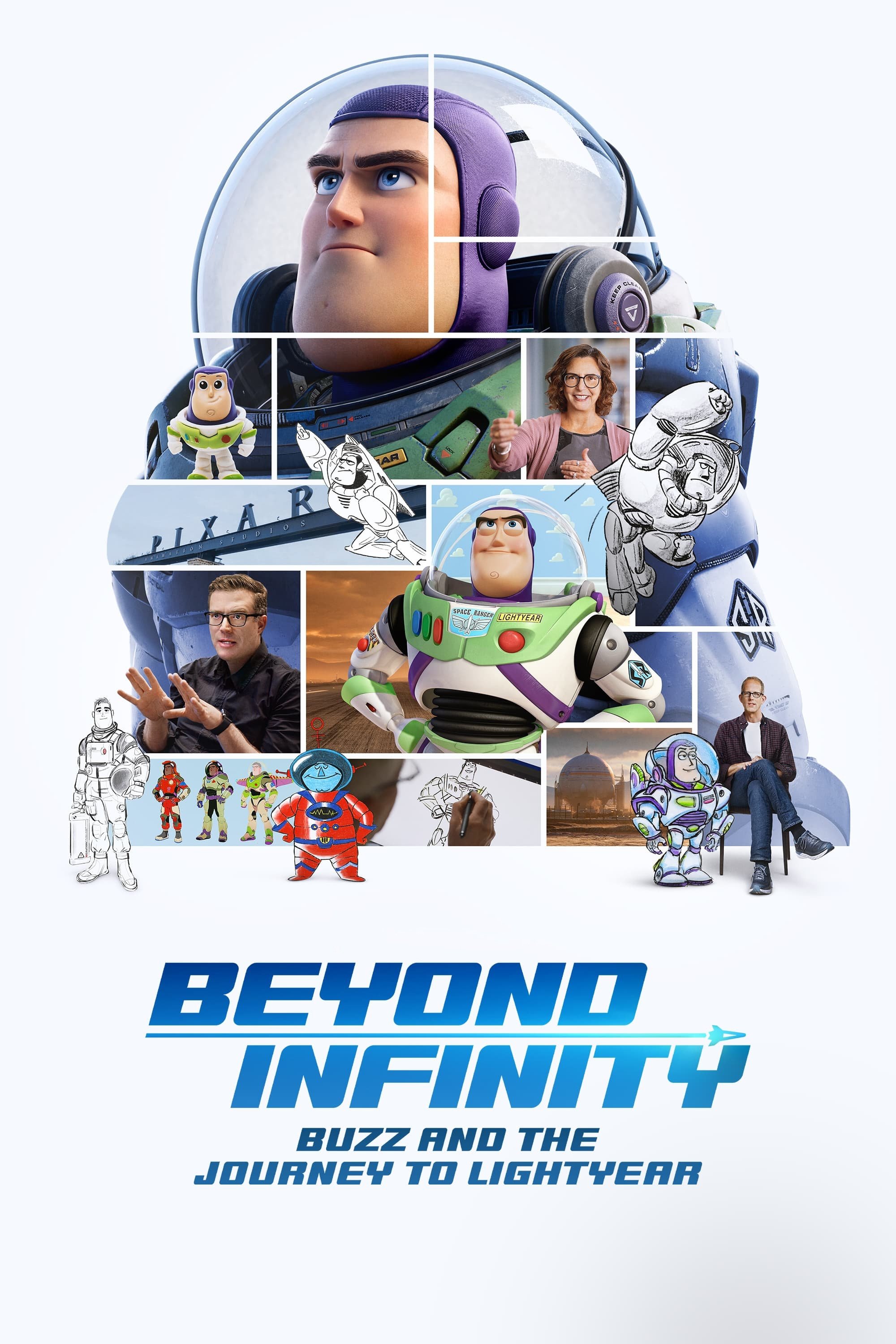
Explore the evolution of Buzz Lightyear from toy to human in the making of Pixar’s Lightyear. Dive into the origin and cultural impact of everyone’s favorite Space Ranger, the art of designing a new “human Buzz,” and the challenges faced by the Lightyear crew along the way.
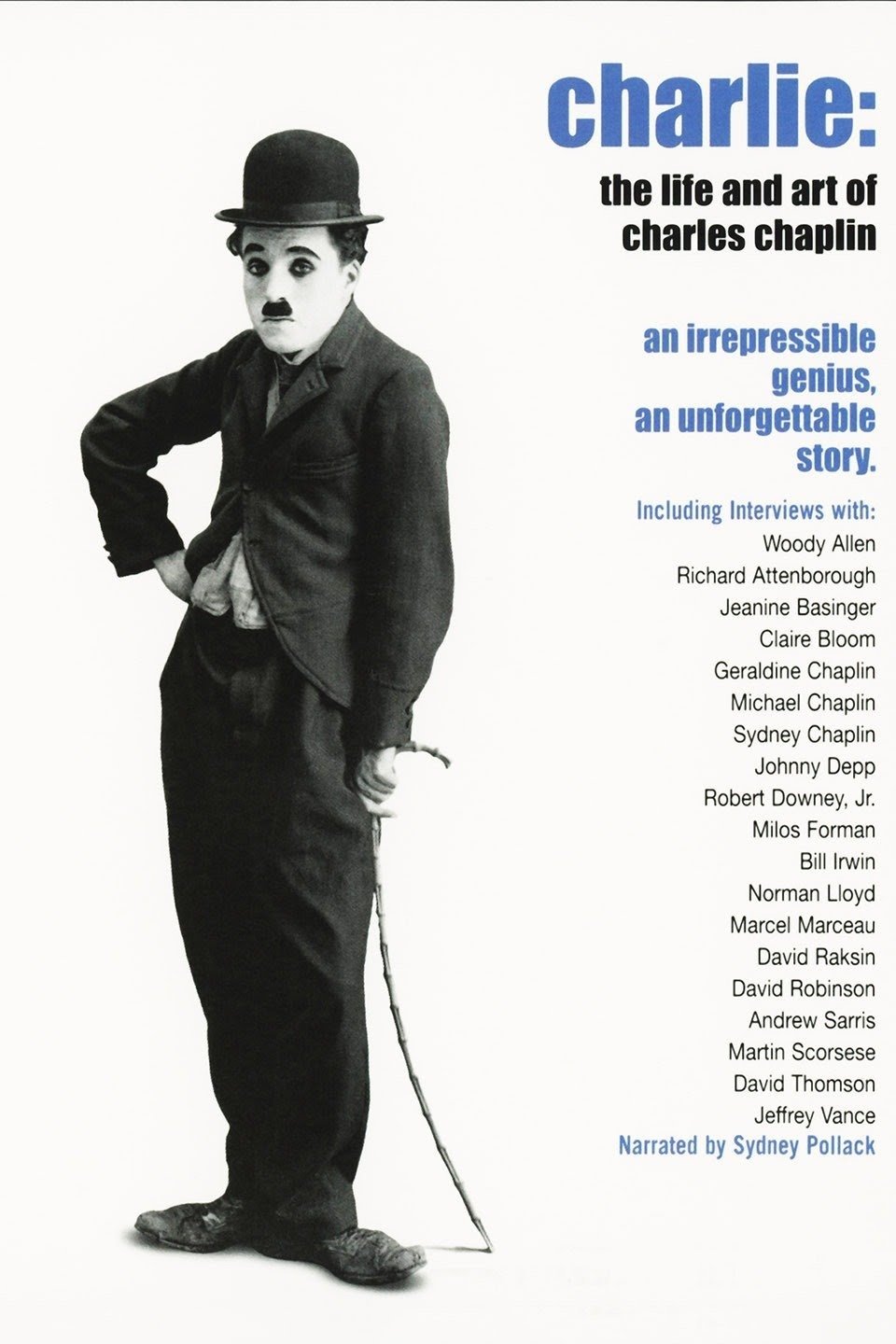
Brilliant, long in-the-works story of the life and art of the world's greatest comedian and the cinema's first genius, Charlie Chaplin. Produced, written and directed by renowned film critic Richard Schickel.
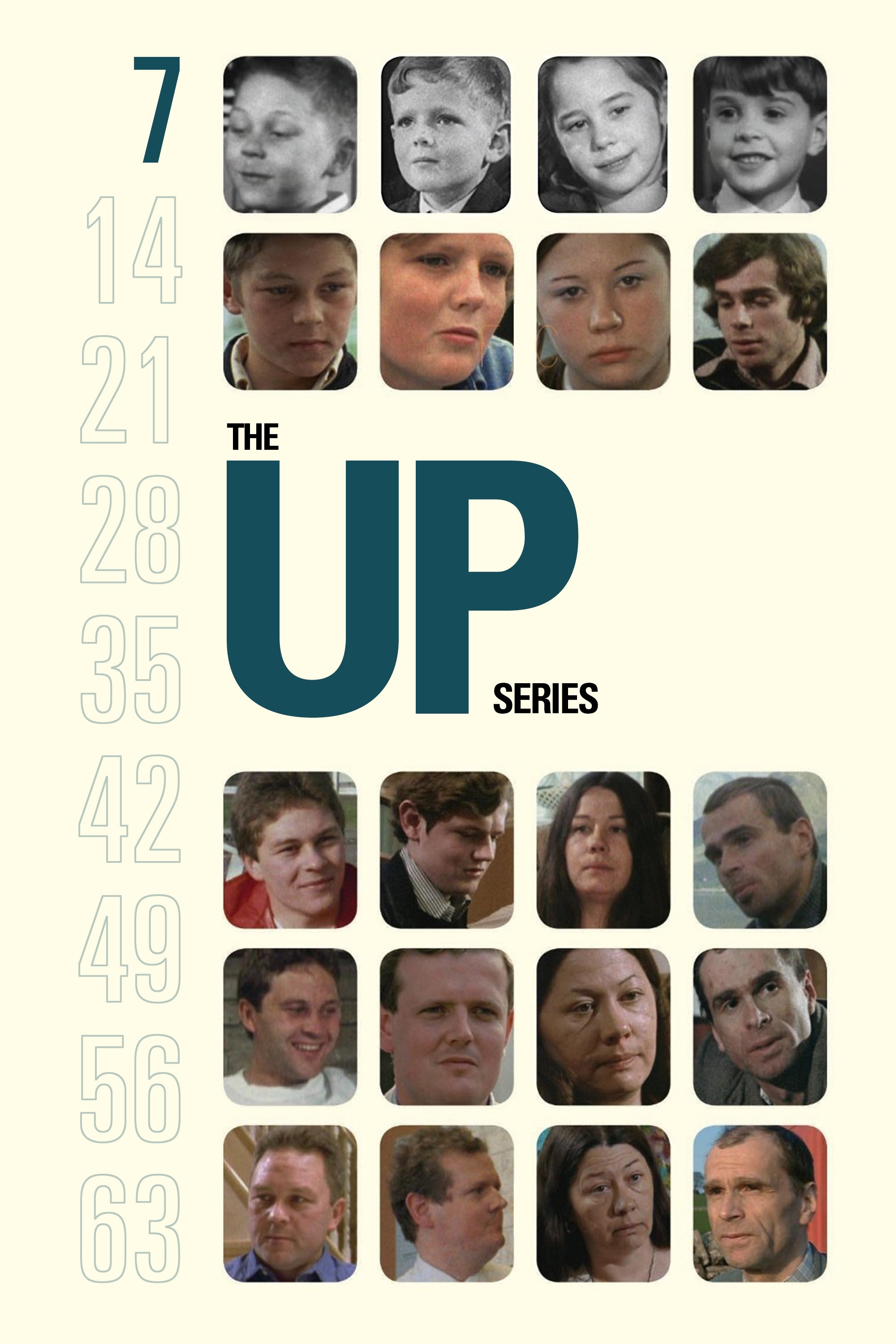
A group of British children aged 7 from widely ranging backgrounds are interviewed about a range of subjects. The filmmakers plan to re-interview them at 7 year intervals to track how their lives and attitudes change as they age.
An inside look at one of the most anticipated movie sequels ever with James Cameron and cast.
A string of threatening emails escalates into a revenge plot involving a newly married US marshal and his ex-girlfriend.
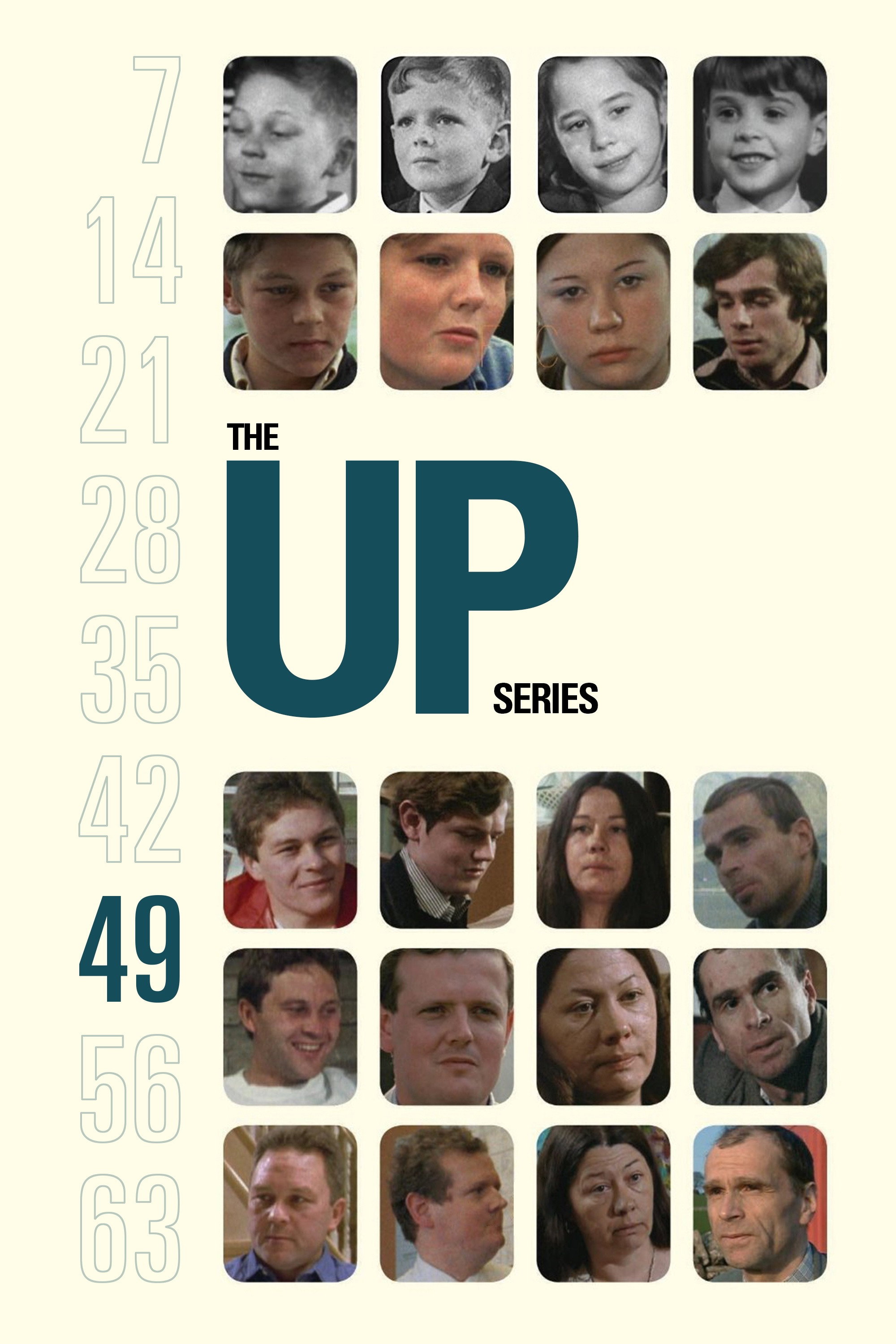
49 Up is the seventh film in a series of landmark documentaries that began 42 years ago when UK-based Granada's World in Action team, inspired by the Jesuit maxim "Give me the child until he is seven and I will give you the man," interviewed a diverse group of seven-year-old children from all over England, asking them about their lives and their dreams for the future. Michael Apted, a researcher for the original film, has returned to interview the "children" every seven years since, at ages 14, 21, 28, 35, 42 and now again at age 49.In this latest chapter, more life-changing decisions are revealed, more shocking announcements made and more of the original group take part than ever before, speaking out on a variety of subjects including love, marriage, career, class and prejudice.
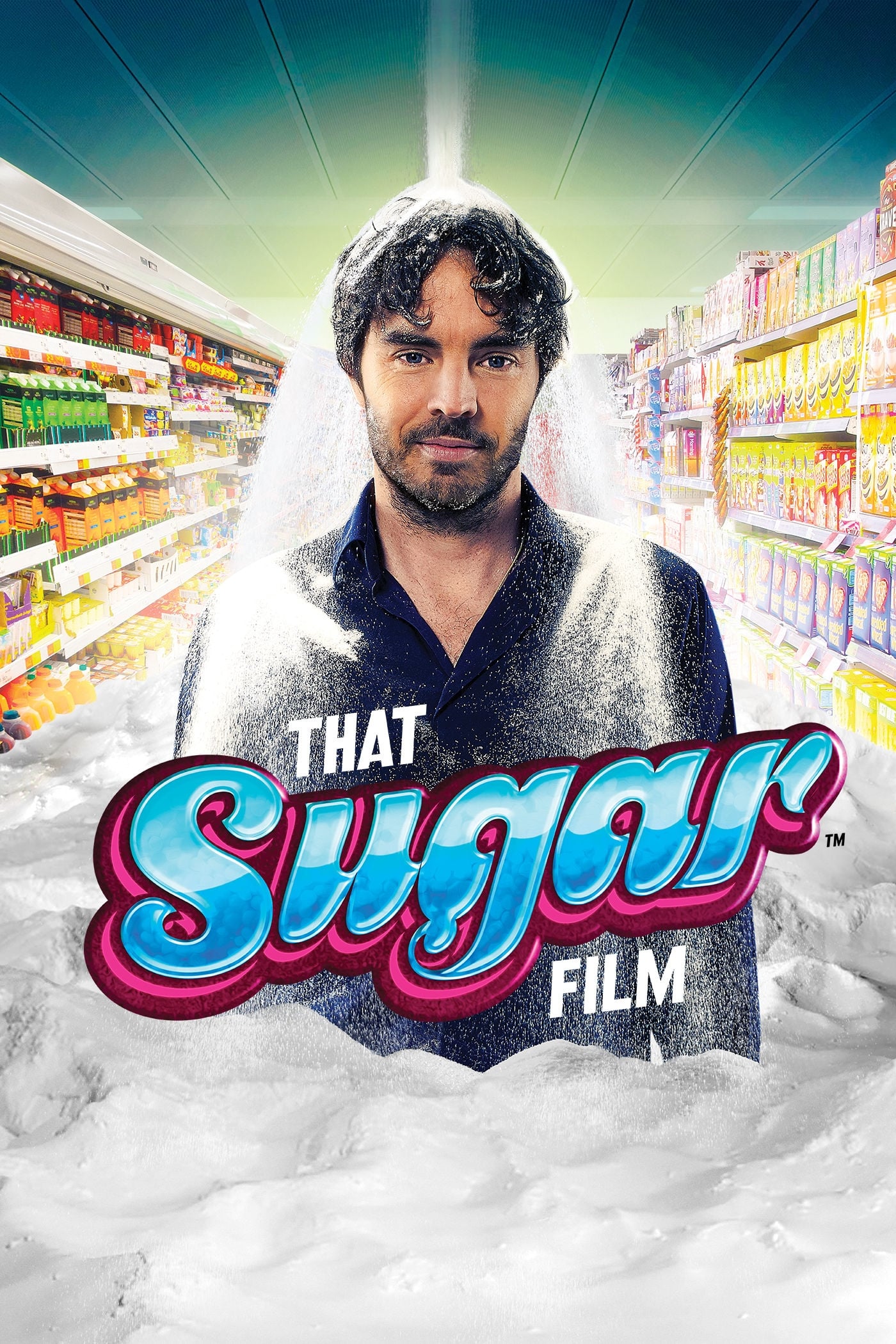
One man's journey to discover the bitter truth about sugar. Damon Gameau embarks on a unique experiment to document the effects of a high sugar diet on a healthy body, consuming only foods that are commonly perceived as 'healthy'. Through this entertaining and informative journey, Damon highlights some of the issues that plague the sugar industry, and where sugar lurks on supermarket shelves.
A documentary about how a dominant cultural and demographic institution both sustains their traditional activities and adapts to the digital revolution.
Just two years away from turning 30, participants in Michael Apted's documentary series are facing serious questions of identity and purpose, wondering whether they've found their place in the world.
Join the likes of Jeremy Renner, Hailee Steinfeld, Florence Pugh, and Vincent D’Onofrio as they reveal how Marvel Studios’ “Hawkeye” was conceived and created. Witness firsthand what it took to pull off the show’s pulse-pounding action set pieces, and discover how iconic characters from the pages of Marvel Comics such as Kate Bishop were adapted and brought to life for the six-episode series.
The making of Matrix Revolutions, The (2003) is briefly touched on here in this documentary. Interviews with various cast and crew members inform us how they were affected by the deaths of Gloria Foster and Aaliyah, and also delve into the making of the visual effects that takes up a lot of screen time. Written by Rhyl Donnelly
A detailing of the rise to prominence and global sporting superstardom of six supremely talented young Manchester United football players (David Beckham, Nicky Butt, Ryan Giggs, Paul Scholes, Phil and Gary Neville). The film covers the period 1992-1999, culminating in Manchester United's European Cup triumph.
Lyrical and powerfully personal essay film that reflects on the deaths of her husband Lou Reed, her mother, her beloved dog, and such diverse subjects as family memories, surveillance, and Buddhist teachings.
Those who knew iconic funnyman John Candy best share his story, in their own words, through never-before-seen archival footage, imagery, and interviews.
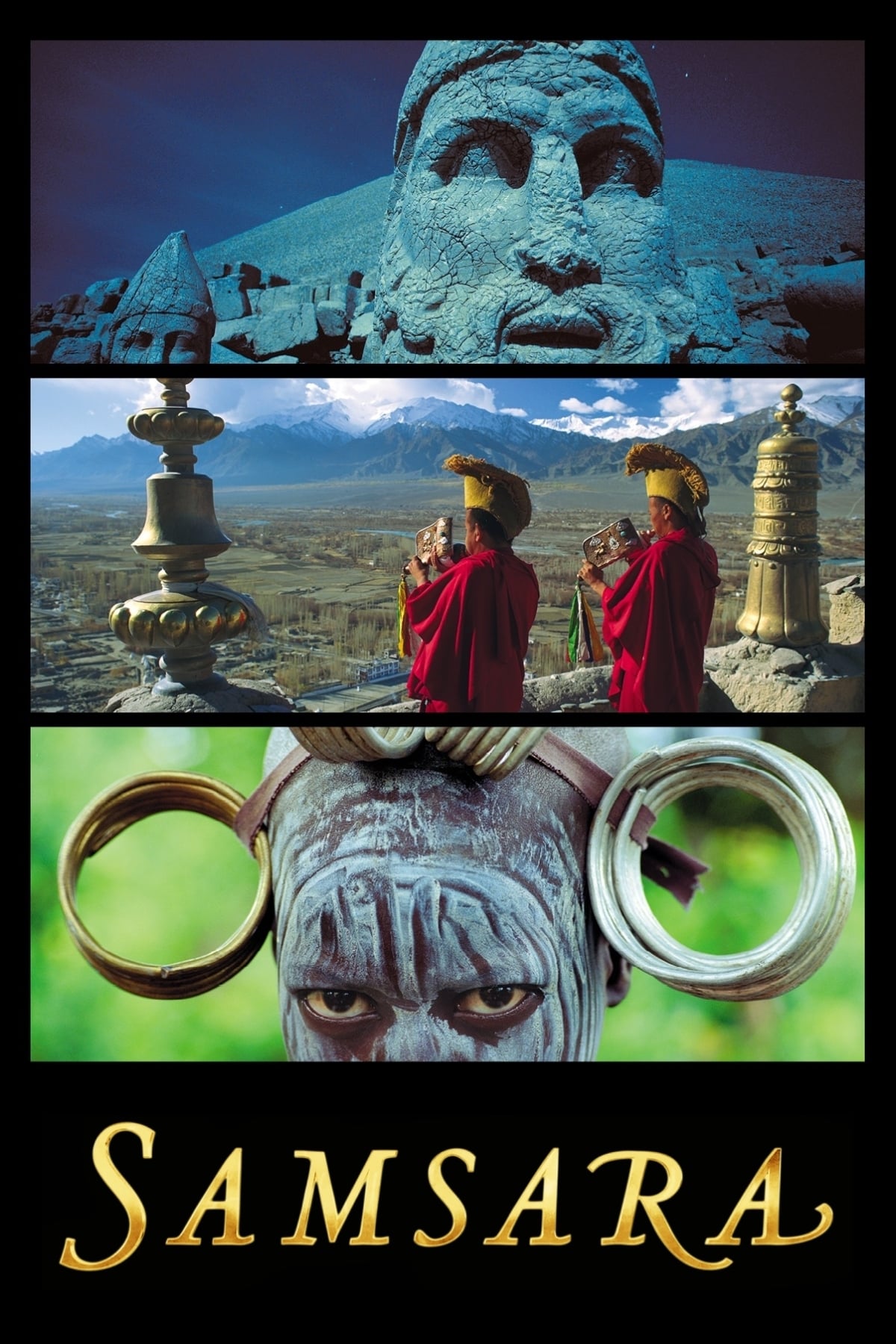
Filmed over nearly five years in twenty-five countries on five continents, and shot on seventy-millimetre film, Samsara transports us to the varied worlds of sacred grounds, disaster zones, industrial complexes, and natural wonders.
A purely observational non-fiction film that takes viewers into the ethically murky world of end-of-life decision making in a public hospital.
Alexander McQueen's rags-to-riches story is a modern-day fairy tale, laced with the gothic. Mirroring the savage beauty, boldness and vivacity of his design, this documentary is an intimate revelation of McQueen's own world, both tortured and inspired, which celebrates a radical and mesmerizing genius of profound influence.