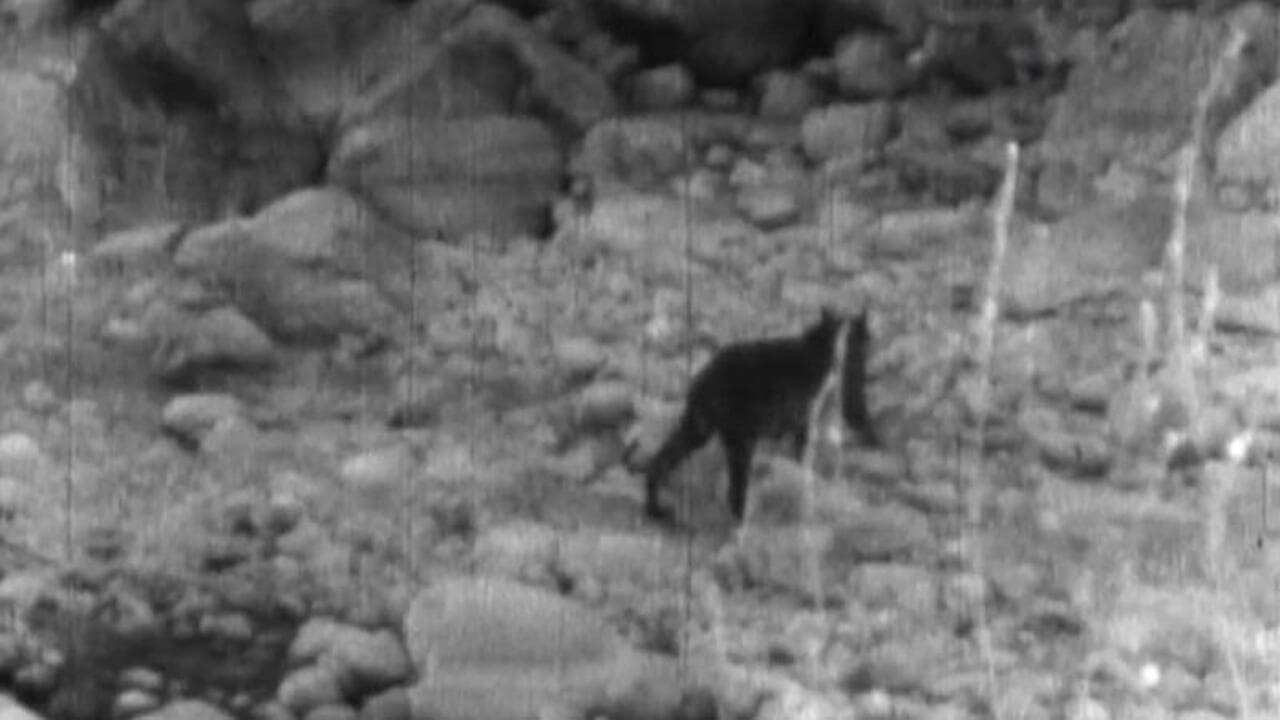
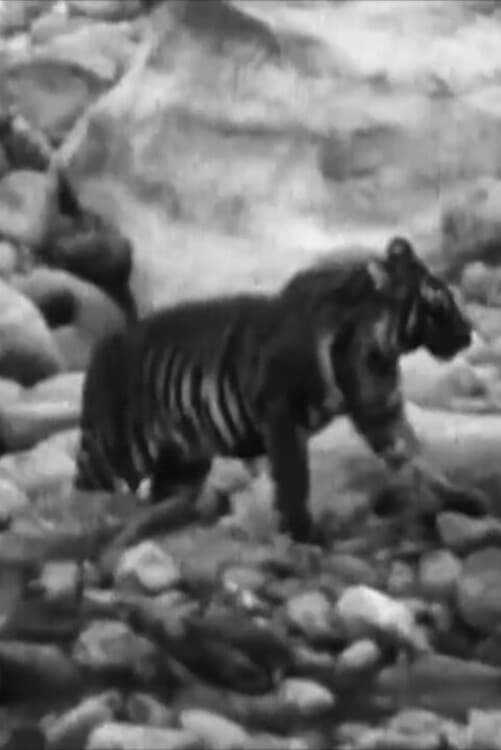
Tigers in the Himalayan foothills, filmed by famous hunter and conservationist Jim Corbett.
Social & External
The documentary “The Leopard Rocks” accompanies Neelam, a female leopard, as she fights for the lives of her offspring, and provides a fascinating insight into the lives and adventures of one of the world's most interesting big cat species in a unique, unusual environment.

It is quickly becoming the most populated country in the world, but India holds a dark secret. Men and women who make their homes in the poor villages throughout the central region of the country are forced to make decisions that no parents should ever have to make. Sell a child into slavery or watch your children starve to death.
Scenes from a lavish pageant held during the royal visit to India, celebrating King George V’s coronation.
Aristocracy, army, elephants and more mark the start of the 1903 Durbar.
Stately scenes in India, likely filmed during the 1903 Delhi Durbar.
The Duke rides an elephant as he ventures on safari in Bengal.
Armoured elephants, sacred monkeys and a camel carriage from Rajasthan.
In the heyday of the jute industry, millions of people in Bengal made their living doing this laborious work, which has hardly changed since the industrial revolution. The 100-year-old machinery has been endlessly repaired. State aid kept this sustainable alternative to plastic going, but its future looks bleak.
Meru is the electrifying story of three elite American climbers—Conrad Anker, Jimmy Chin, and Renan Ozturk—bent on achieving the impossible.
Early film of a crowded street scene in an unidentified Indian city.
Today India and Pakistan are home to one fifth of the world's population. They are rising powers but hostile neighbours. Their enmity can be traced back to the week of their birth, 70 years ago. On 15 August 1947, Britain would give up the Indian Empire, partitioning it in into two independent countries, India and Pakistan. This film tells the story of the seven days that led up to their independence and the last days of the British Raj.
Hundreds of thousands of Indian men and women – indigenous inhabitants and landless farmers – demand their right to existence by making a 400 kilometre protest march from Gwalior to Delhi. How can one fight for one’s rights without using violence? With such an important contemporary question, the film spreads far beyond the borders of India. It shows the multiple facets of this imposing protest march and focuses as well on the daily realities of these proud people.
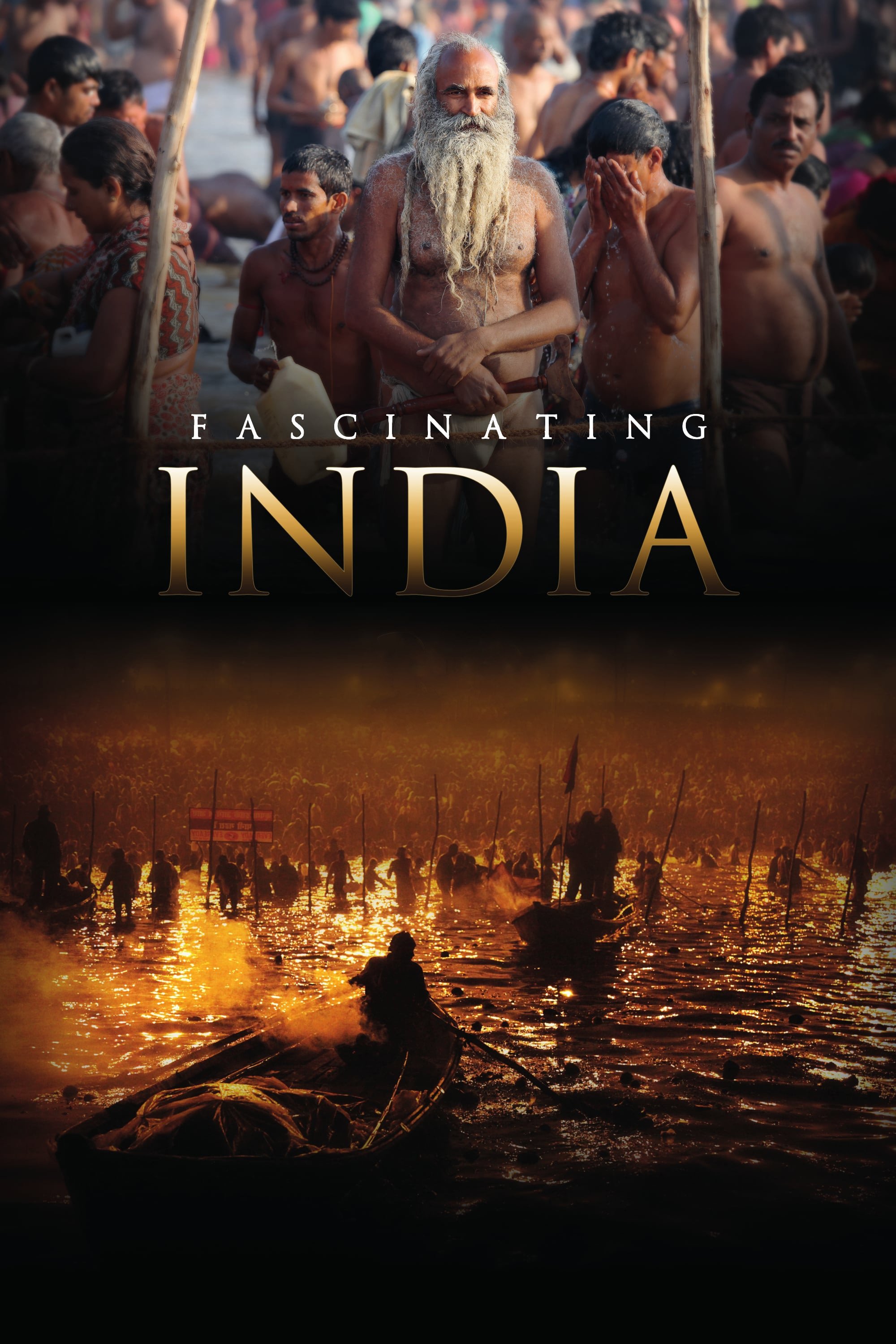
February 2013, Allahabad, India. Over the next 55 days, nearly a hundred million people will come here, to the Great Kumbh Mela. This incredible and awe-inspiring celebration of the world's oldest religion happens every 12 years at the place where Hindus believe two sacred rivers meet. For many Hindus this is their most important pilgrimage, and it happens at one of the most holy sites in India. Hindus come to cleanse themselves in the sacred waters of the river Ganges, to pray and emerge purified and renewed. This follows British pilgrims as they embark on a once-in-a-lifetime spiritual journey. A journey that will take them into the heart of Hinduism - its philosophy, its beliefs and its traditions. A journey that will culminate in the largest ever gathering of humans in one place.
Welcome to the largest human gathering ever in this one-hour special, World’s Biggest Festival: Kumbh Mela. Imagine a crowd so massive, it is visible from space. A crowd, likely 100 million strong, intent on just one thing: bathing in a sacred river to wash away sins and gain a chance at a new beginning. In the World’s Biggest Festival: Kumbh Mela, experience the dazzling spectacle of spiritual fervour and collective diversity as Hindus from across the globe converge on the Maha Kumbh Mela. Not only is it the world’s largest religious festival, but it is also believed to be the largest gathering of humans in one place, at one time on Earth.
Amateur shots of pilgrims and temples at Haridwar, followed by rural scenes and the Gorrie family at home.
A demonstration of sport and fitness by members of the Indian Army.
Made by an English family living in north India during the heyday of the Raj, this amateur film reveals the grandeur in which middle-class English colonials lived.
Indian elephants in action as working animals and in hunting.
A film produced to celebrate the coronation of George V as King-Emperor at the Imperial Durbar of 1911.
Using hidden cameras and never-before-seen footage, Earthlings chronicles the day-to-day practices of the largest industries in the world, all of which rely entirely on animals for profit.
As a visually radical memoir, CAMERAPERSON draws on the remarkable footage that filmmaker Kirsten Johnson has shot and reframes it in ways that illuminate moments and situations that have personally affected her. What emerges is an elegant meditation on the relationship between truth and the camera frame, as Johnson transforms scenes that have been presented on Festival screens as one kind of truth into another kind of story—one about personal journey, craft, and direct human connection.
Against the darkening backdrop of New Delhi's apocalyptic air and escalating violence, two brothers devote their lives to protecting one casualty of the turbulent times: the bird known as the black kite.
Ashes and Snow, a film by Gregory Colbert, uses both still and movie cameras to explore extraordinary interactions between humans and animals. The 60-minute feature is a poetic narrative rather than a documentary. It aims to lift the natural and artificial barriers between humans and other species, dissolving the distance that exists between them.
Takes us to locations all around the US and shows us the heavy toll that modern technology is having on humans and the earth. The visual tone poem contains neither dialogue nor a vocalized narration: its tone is set by the juxtaposition of images and the exceptional music by Philip Glass.
Carefully picked scenes of nature and civilization are viewed at high speed using time-lapse cinematography in an effort to demonstrate the history of various regions.
Years spent recording footage of creatures from every corner of the globe is bound to produce a bit of drama. Here's a behind-the-scenes look.
Capturing Avatar is a feature length behind-the-scenes documentary about the making of Avatar. It uses footage from the film's development, as well as stock footage from as far back as the production of Titanic in 1995. Also included are numerous interviews with cast, artists, and other crew members. The documentary was released as a bonus feature on the extended collector's edition of Avatar.
The Making-of James Cameron's Avatar. It shows interesting parts of the work on the set.
Born to Be Wild observes various orphaned jungle animals and their day-to-day behavioural interactions with the individuals who rescue them and raise them to adulthood. The film unfurls in two separate geographic spheres. Half of it takes place in the rain forests of Borneo, where celebrated primatologist Dr. Birute Galdikas assists baby orangutans; the other half takes place on the arid savannahs of Kenya, where zoologist Dame Daphne Sheldrick works with baby elephant calves.
Lyrical and powerfully personal essay film that reflects on the deaths of her husband Lou Reed, her mother, her beloved dog, and such diverse subjects as family memories, surveillance, and Buddhist teachings.
Roddy McDowall takes you, film by film, from production meetings to make-up sessions, then right onto the movie set to see the actual filming of the science fiction masterpiece. The most comprehensive history of Planet of the Apes ever created, this fascinating 127-minute documentary explores one of the most imaginative and influential series in movie history.
A look behind the lens of Christopher Nolan's space epic.
Witness the never-before-seen footage and true story behind the John Wick phenomenon – from independent film to billion-dollar franchise.
A visual montage portrait of our contemporary world dominated by globalized technology and violence.
In Botswana's Okavango Delta, an ostracized lioness and her two cubs must fight alone to survive - overcoming all manner of hazards. Their only defense is to escape to Duba Island -- and with that, an unknown future. The setting for this epic tale is one of the last regions where lions can live in the wild. Faced with dwindling land and increasing pressure from hunting, lions - like our lone lioness and her cubs - are approaching the brink of extinction.
In this documentary, recovering addict and amputee John Wood finds himself in a stranger-than-fiction battle to reclaim his mummified leg from Southern entrepreneur Shannon Whisnant, who found it in a grill he bought at an auction and believes it therefore to be his rightful property.
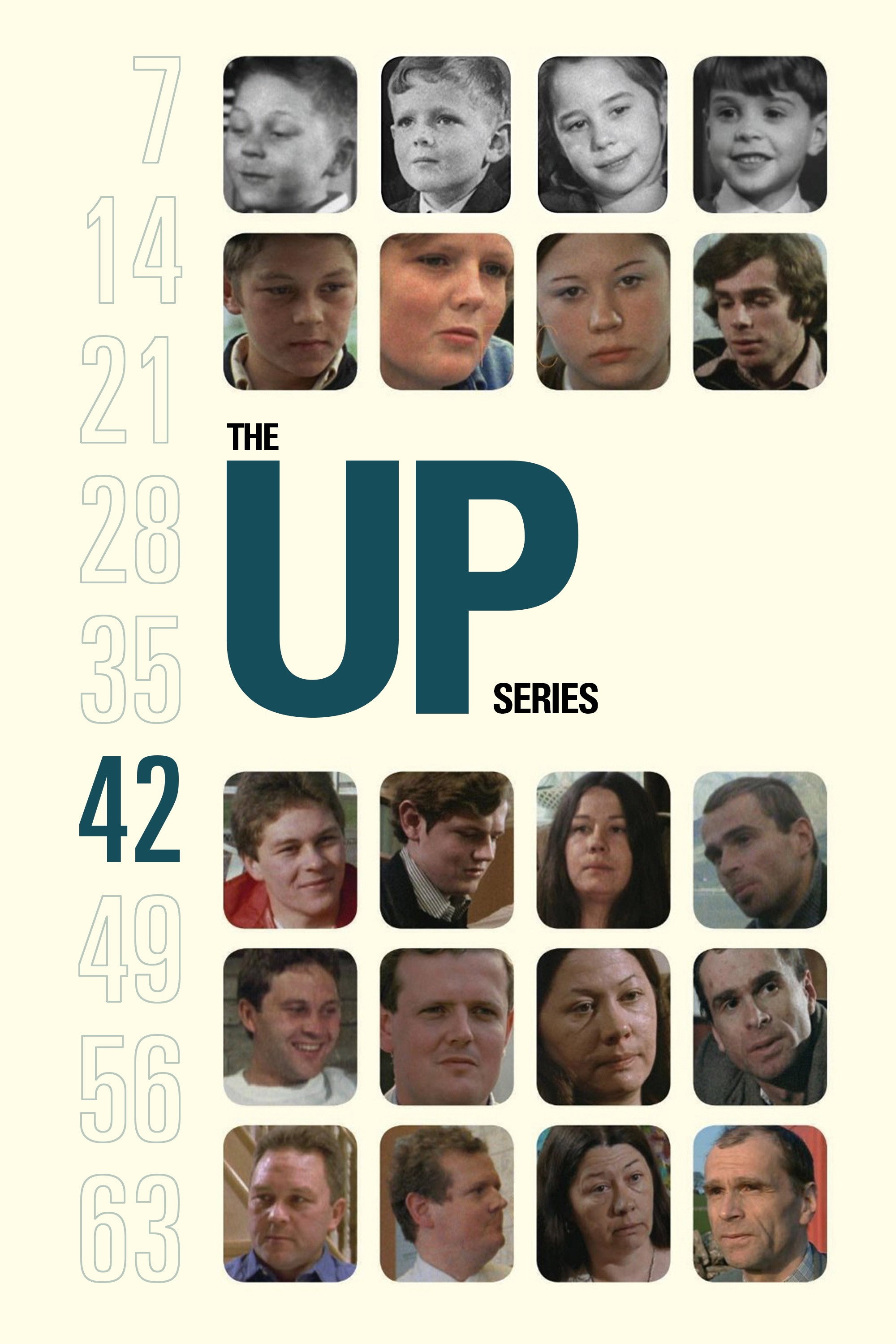
Director Michael Apted revisits the same group of British-born adults after a 7 year wait. The subjects are interviewed as to the changes that have occurred in their lives during the last seven years.
A documentary shot by filmmakers all over the world that serves as a time capsule to show future generations what it was like to be alive on the 24th of July, 2010.
One Life captures unprecedented and beautiful sequences of animal behaviour guaranteed to bring you closer to nature than ever before, as well as a second disc packed full of never before seen extras including an exclusive making of featurette narrated by Daniel Craig.